Buy Giza and GEM separately
The plateau general ticket does not include every pyramid interior. GEM has its own official timed ticket, so choose entry windows that allow for the road between sites.
Three Cairo nights, five beside the Nile and five in Hurghada; three honest transfer days connect the trip.
This route pairs the capital's archaeological introductions with a land-based journey through Upper Egypt, then leaves the coast long enough to feel like a holiday. Giza shows the royal burial landscape; GEM provides the collections and stories behind it. Aswan adds the island sanctuary of Philae, while Luxor's two banks separate monumental temples from the royal tombs.
The hotel split is deliberately uneven. Three nights in Cairo protect two full sightseeing days after arrival, and three in Luxor support a day on each bank. Aswan is a two-night stop with one main outing. Five Hurghada nights include the road-arrival night and four days without changing rooms. This is an independent hotel route rather than a cruise: you choose the meal times, guides and optional activities, while the three intercity bookings hold the sequence together.
The plateau general ticket does not include every pyramid interior. GEM has its own official timed ticket, so choose entry windows that allow for the road between sites.
Aswan gives you one full day between arrival and the northbound move. Spend it on Philae and a river afternoon, or choose Abu Simbel's monumental rock-cut temples as a longer alternative.
Day six is Aswan-to-Luxor travel. Check the current rail service and purchase method for your nationality or price a licensed address-to-address car before paying for hotels.
The West Bank's royal tombs and Hatshepsut's terraces tell a different story from Karnak's vast East Bank sanctuary. Two full days let you appreciate both landscapes with a lunch break between visits.
Five Hurghada nights leave four full coast days after the road arrival. A Giftun beach programme, a water-sports lesson and unplanned shore time can coexist without a new excursion every morning.
Arrive internationally in Cairo and leave from Hurghada if fares and services suit. This open-jaw arrangement avoids a return to the capital; a Cairo return ticket needs an additional connection and possibly a changed final night.
Best for
StartBooker answer
Yes. Use a 13-night sequence of Cairo for three nights, Aswan for two, Luxor for three and Hurghada for five, with transfers on days four, six and nine. That gives separate Giza and museum visits, one full Aswan day, both Luxor banks and four full coast days. Philae is the main Aswan outing; Abu Simbel replaces it unless you change the night split. Finish at Hurghada airport. March–April or October–November is a useful starting point for balancing monuments and swimming, with boat plans dependent on conditions.
Explore tours, attractions and local experiences in Cairo, Aswan, Luxor, Hurghada along this route through Egypt.
Loading activities…
Activities provided by GetYourGuide. We may earn a commission on bookings.
Giza is a Cairo excursion and Abu Simbel is an optional Aswan day; neither quietly adds a fifth hotel.
4 stops · swipe
 1
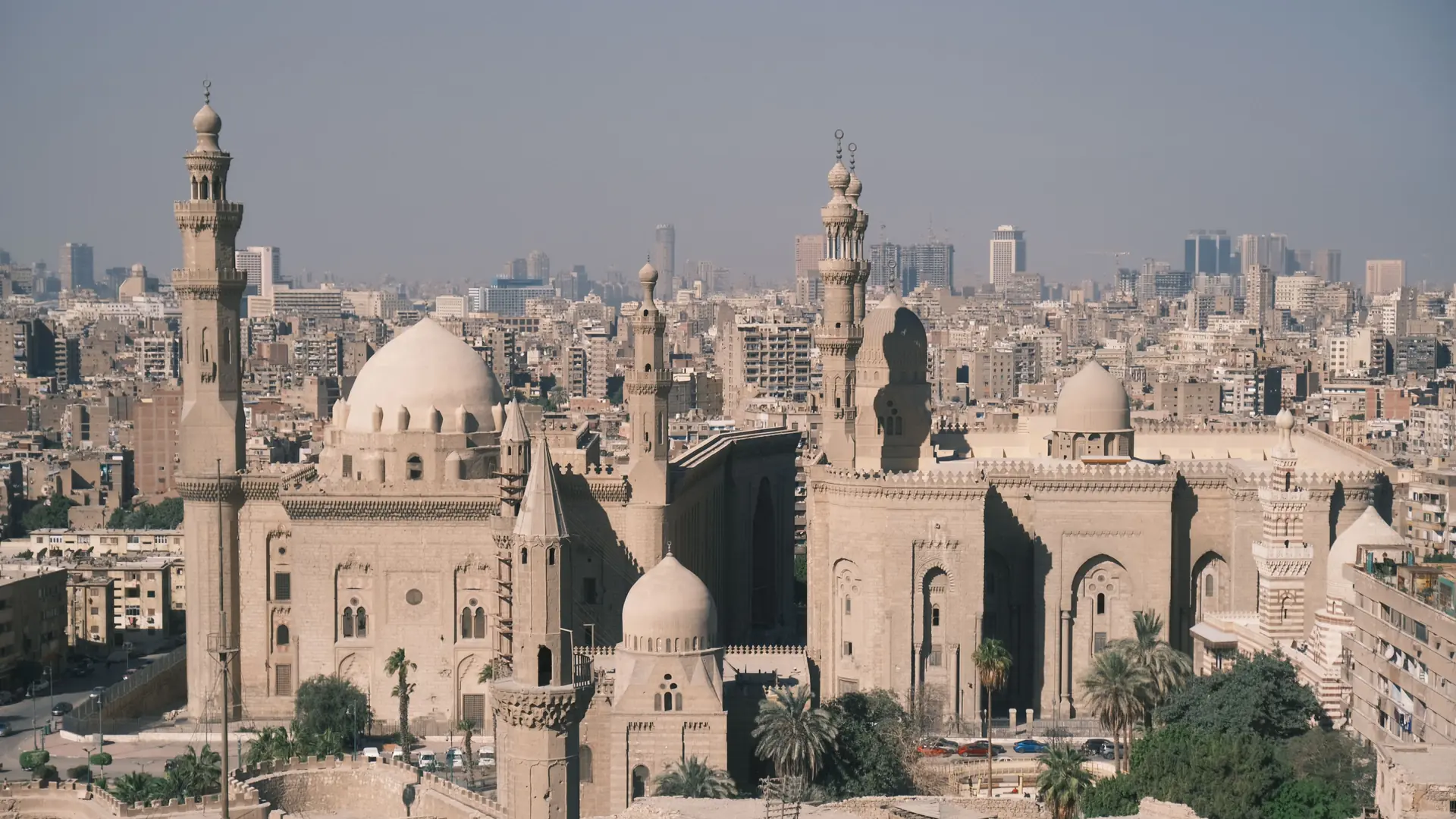
Capital arrival, Giza Plateau and a separately ticketed museum
Downtown around Tahrir suits a first visit with city dinners and historic streets between outings. Giza is better for pyramid views and shorter monument drives, but less useful for Cairo evenings. Both require a road transfer to GEM.
Read the Cairo guide →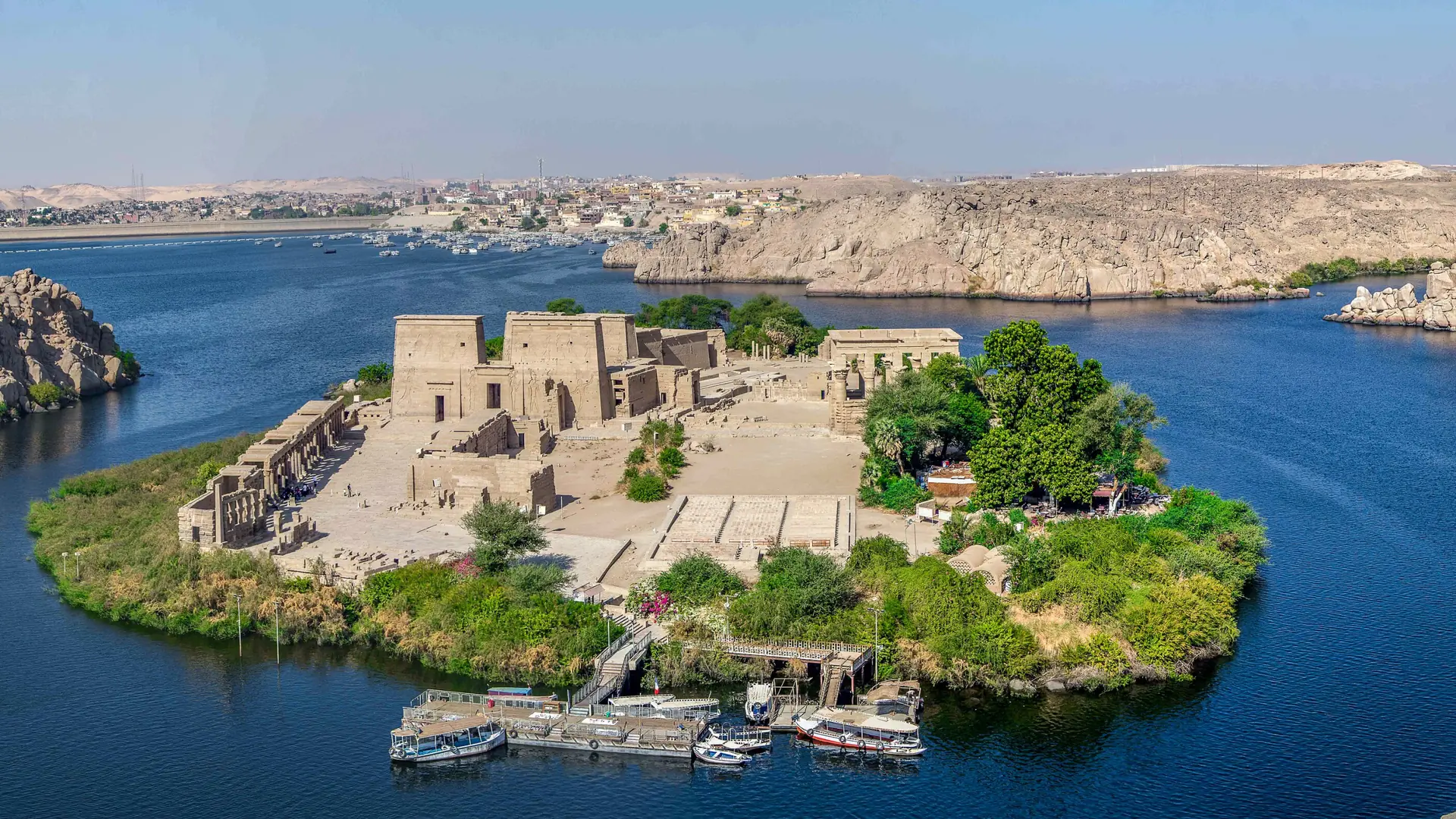 2
Philae by boat, Nile islands and a decision about Abu Simbel
Stay on the East Bank Corniche for markets, restaurants and straightforward road pickups. Elephantine's guesthouses offer a quieter river stay, with a boat crossing for mainland outings. Two nights leave one full sightseeing day.
Read the Aswan guide →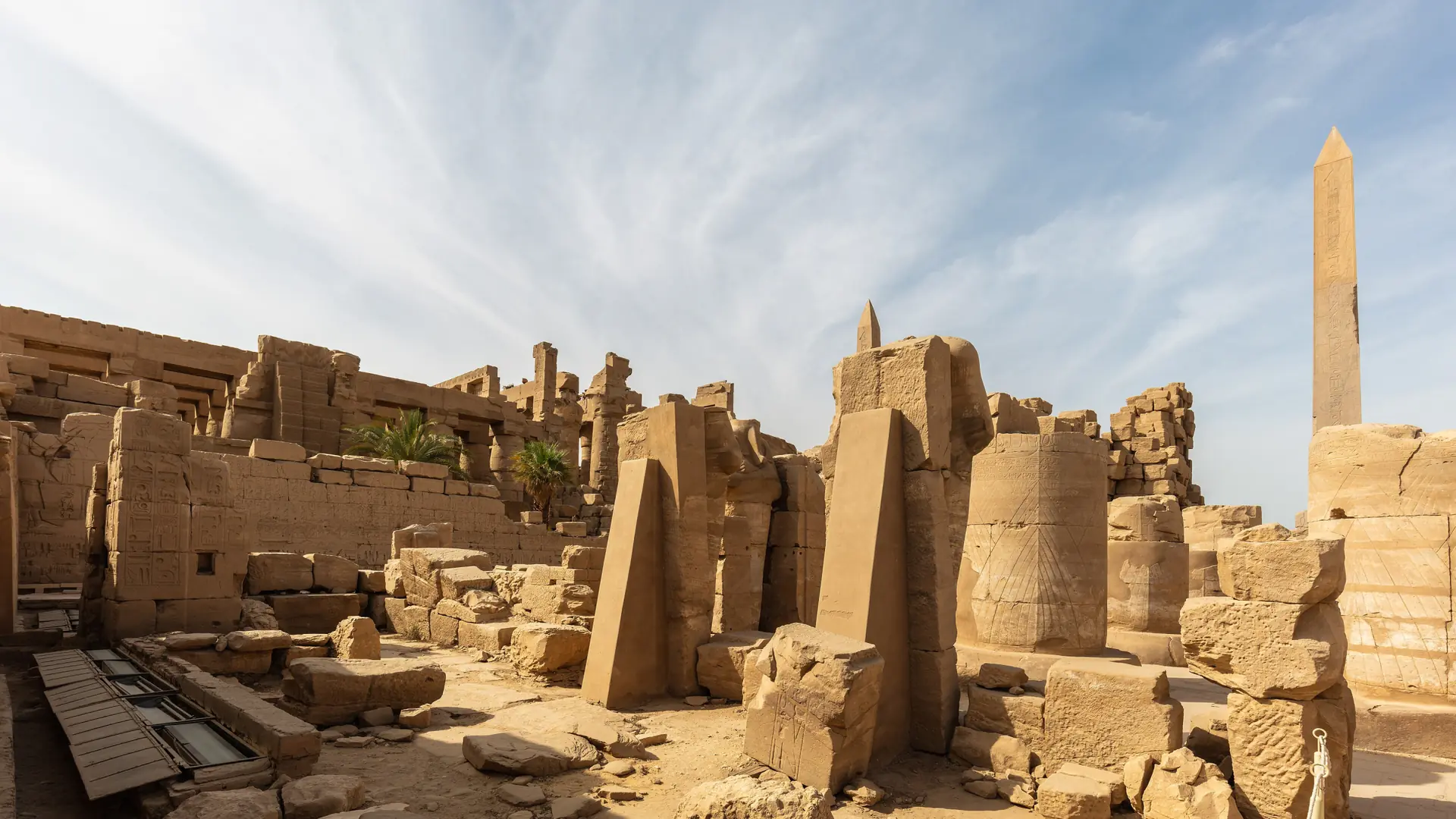 3
East Bank temples and West Bank tomb landscape
For this short stop, choose the East Bank near Luxor Temple: station arrival and evening meals are simpler. West Bank guesthouses suit quieter stays near the necropolis, but Karnak and the onward car require a planned crossing.
Read the Luxor guide →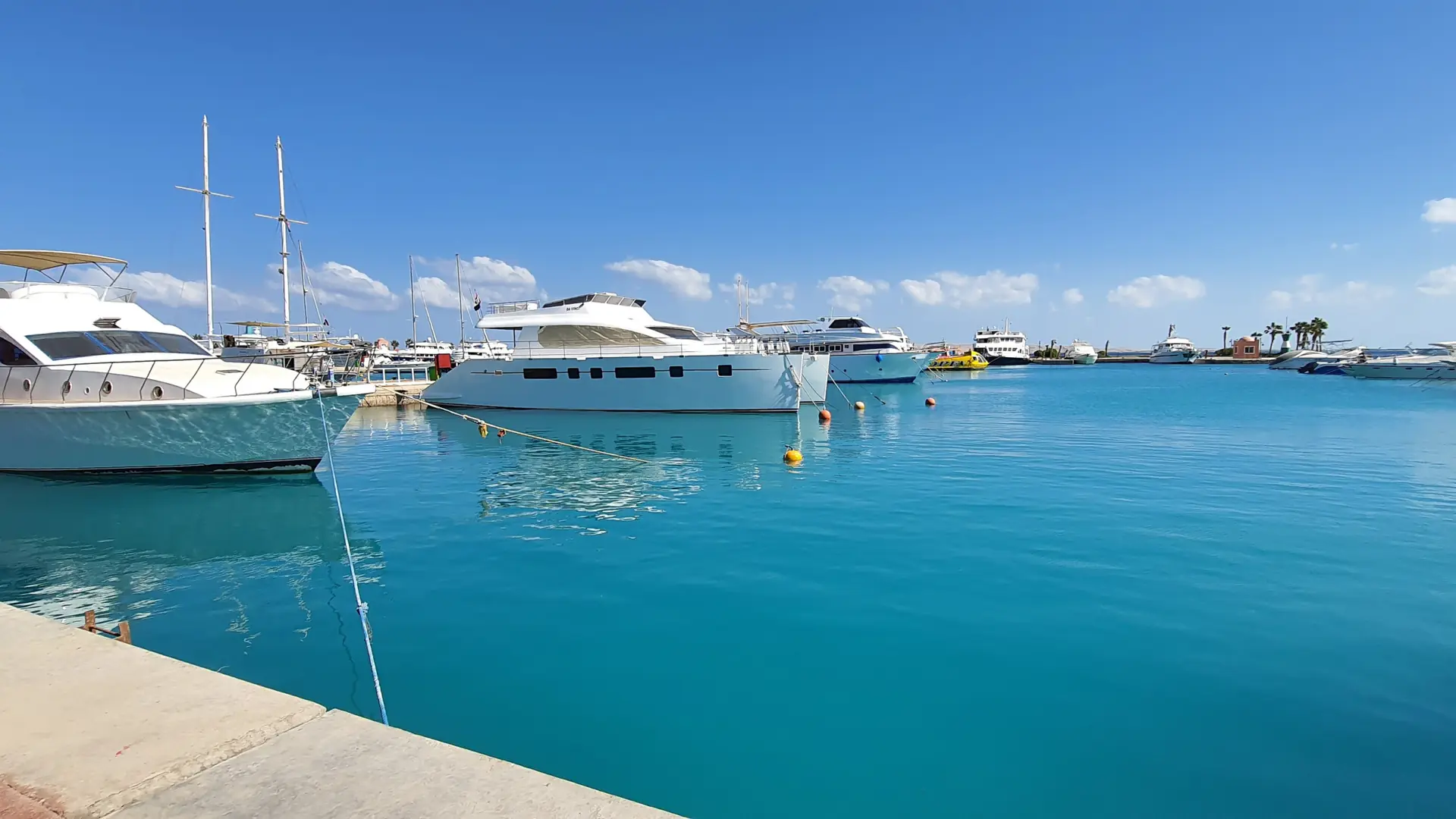 4
Recovery beach base and conditional Giftun island access
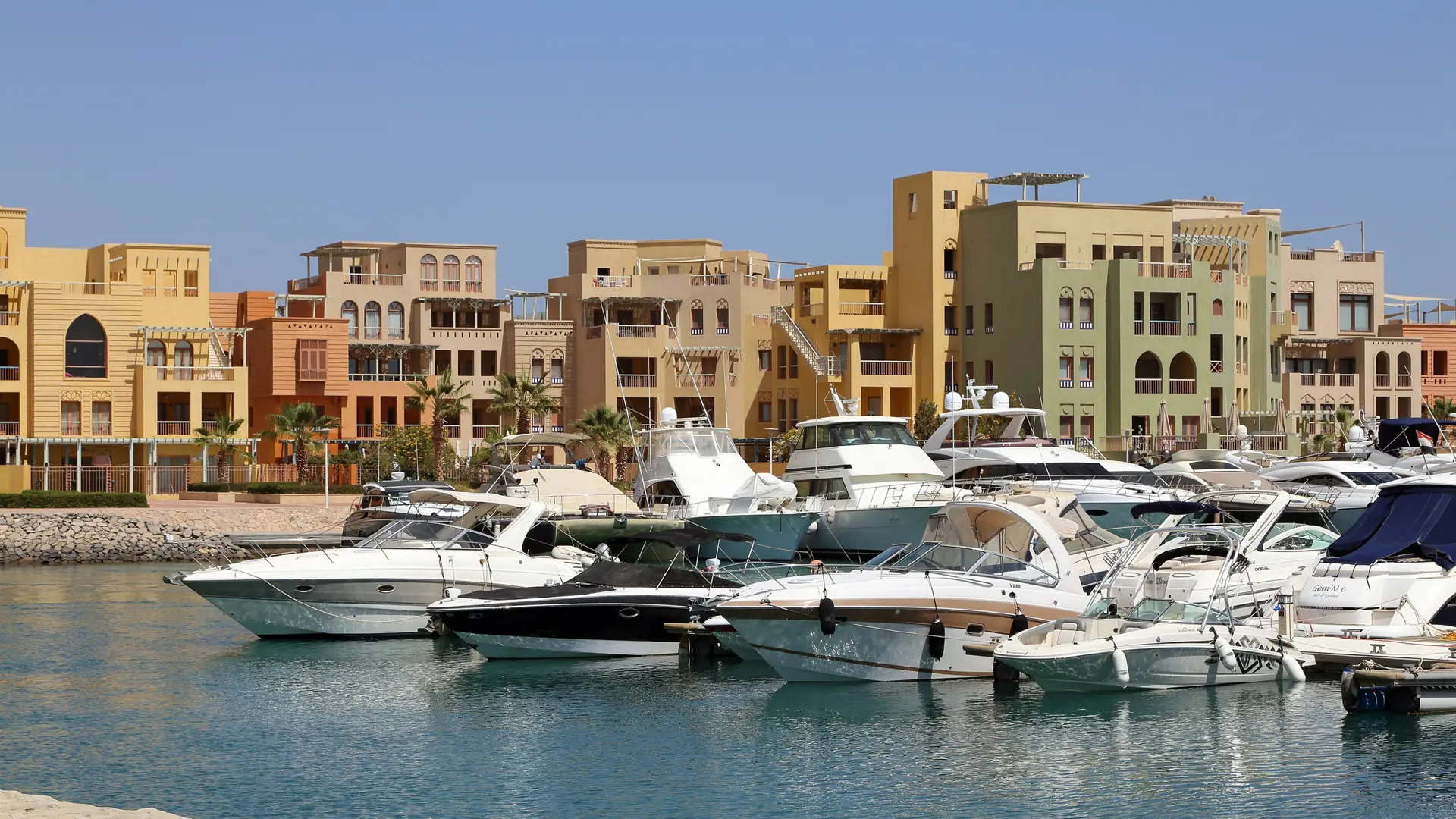
Sakkala near the marina works for independent dinners and town walks. Choose a southern beachfront resort if swimming and included meals matter more. Five nights give the coast time to recover from the three heritage bases.
Read the Hurghada guide →Book the three long moves before the attractions around them. Shift coast activities if wind changes.
Arrive at Cairo International and take a prearranged or clearly priced ride to the hotel. Downtown around Tahrir is the default here: it lets you find dinner and see city streets without booking another long journey after the airport. Cairo's traffic makes an ambitious arrival programme a poor bargain; eat nearby and keep the evening short. A Giza-side hotel is a sensible alternative if a pyramid-facing room is a priority. It shortens the next two days' monument journeys but places you farther from central Cairo's everyday life. Pick one base for all three nights rather than moving rooms to save a single drive. Check tomorrow's pickup and then leave the sightseeing for daylight.
Base: Cairo
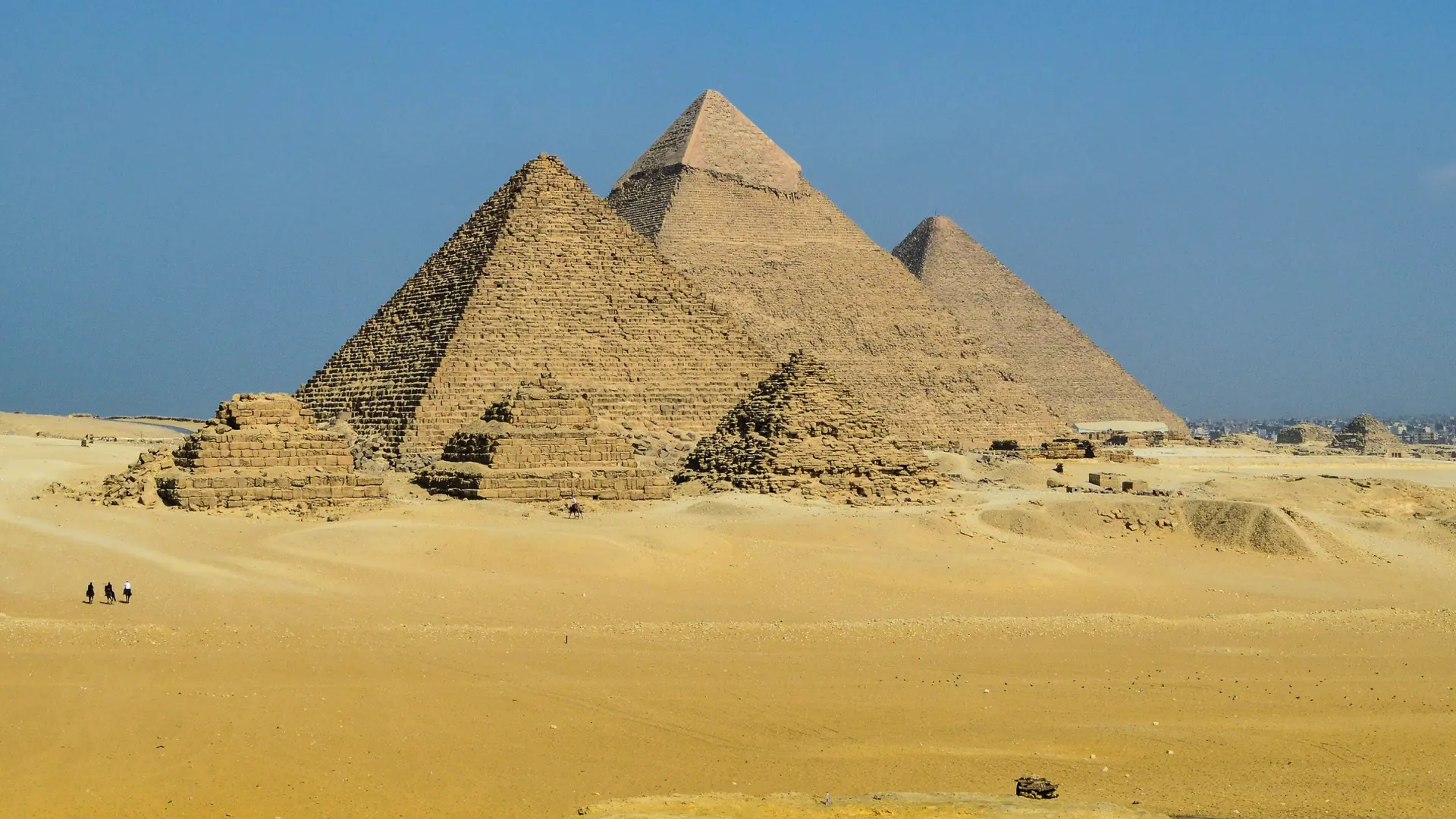
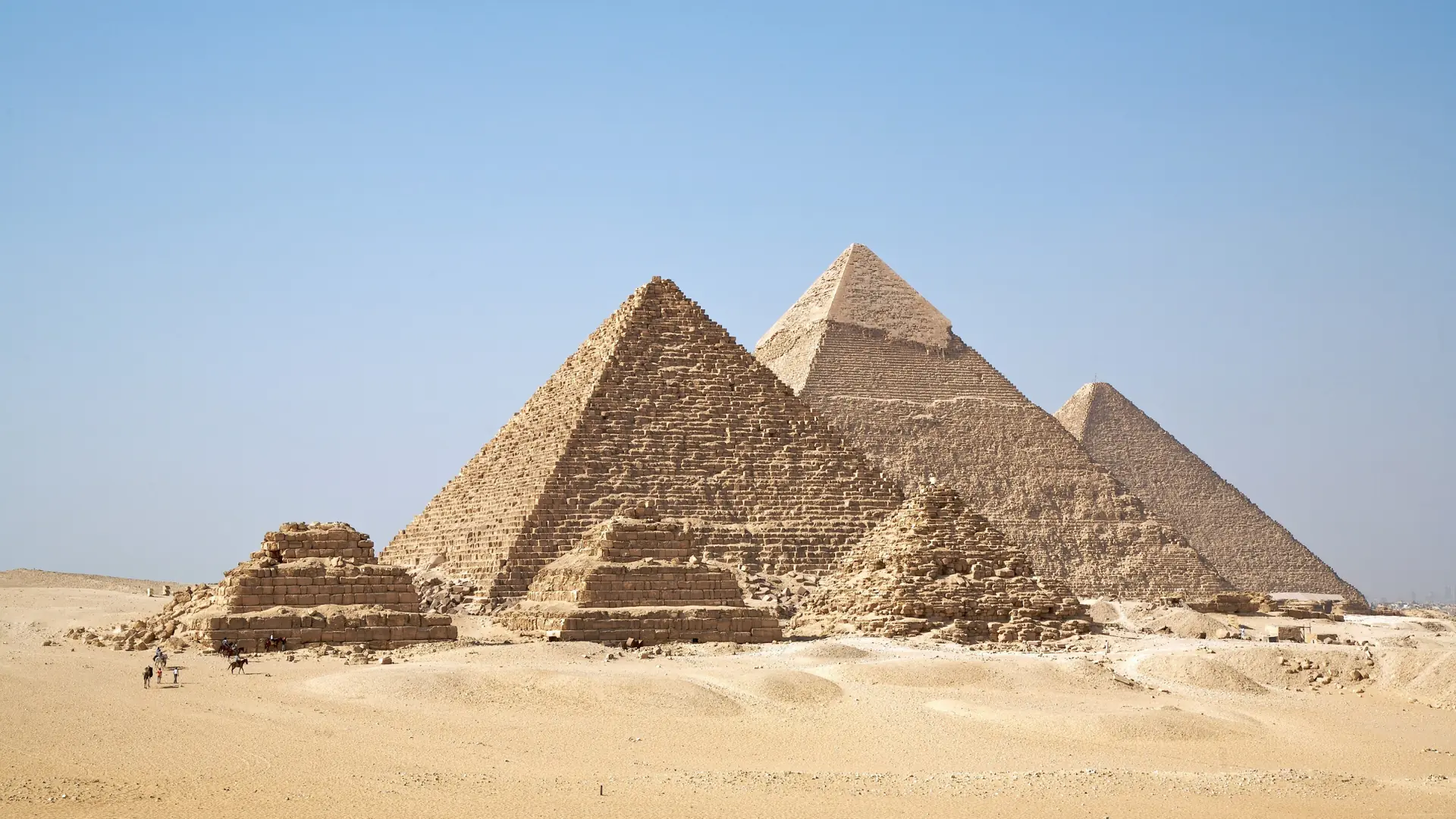
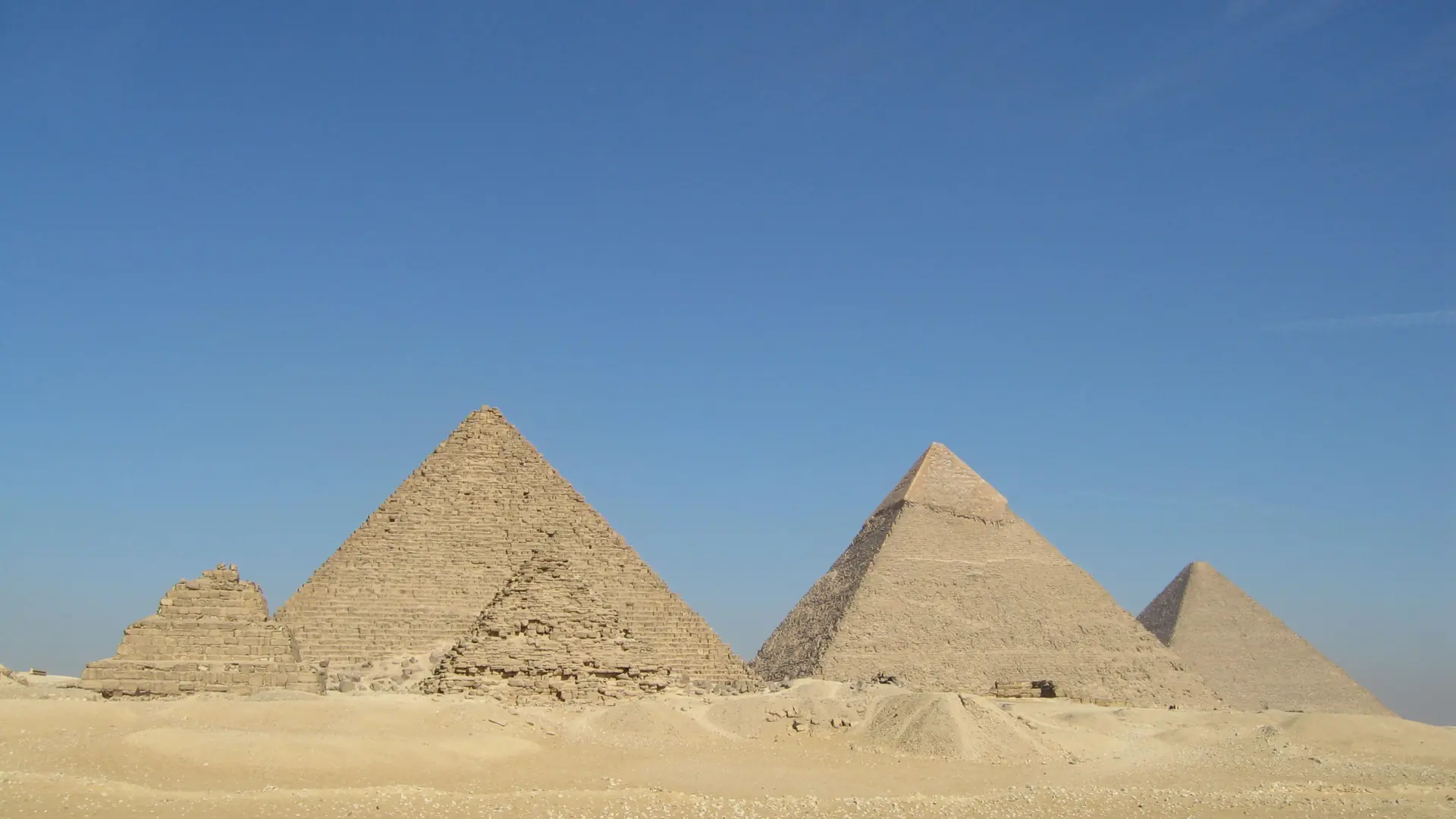
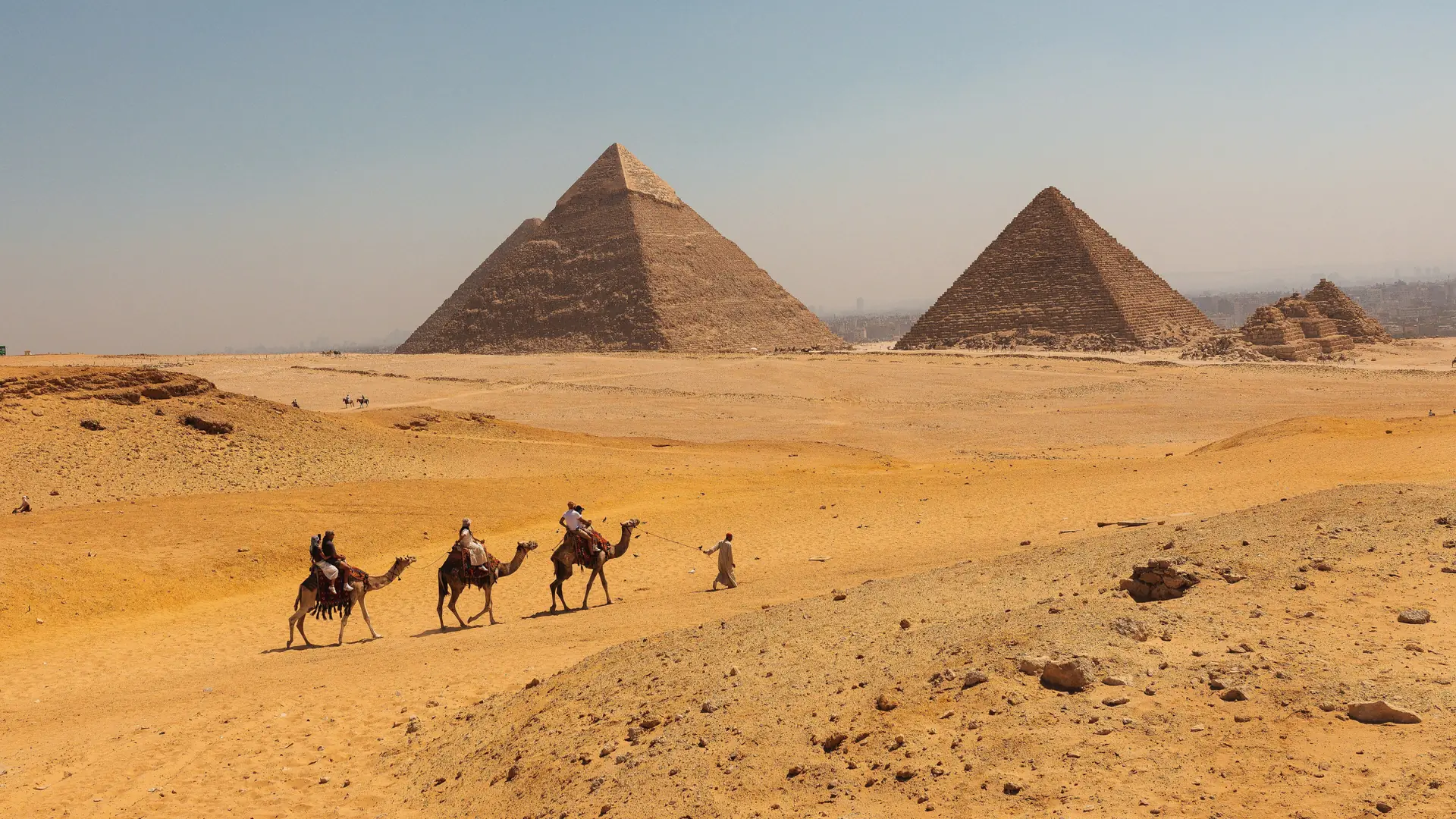
Begin Giza early for the scale of the three pyramids and the Sphinx, not simply a photograph beside Khufu. Look across the plateau before deciding whether to add an interior: the outside setting explains how much larger these royal complexes were than a single stone triangle. Give the visit a whole morning and return for a proper lunch. General admission excludes the individual pyramid interiors and certain tombs. An interior involves confined passages; travellers who dislike that environment lose little by concentrating on the outdoor monuments. Camel or carriage rides are optional services with their own price, separate from entry. Keep the afternoon easy after exposed walking; tomorrow has the museum rather than another desert circuit.
Base: Cairo
Devote the main part of today to the Grand Egyptian Museum. The official general visit currently includes the Tutankhamun Galleries, Main Galleries, Grand Hall, Grand Stairs and Khufu's Boats Museum. Choose two or three priorities rather than trying to absorb the entire collection; seeing the boat after yesterday's plateau gives the royal funerary story a different scale. Buy the dated entry through the museum's official ticket site. Leave time for lunch and, if energy remains, one short Cairo outing: Downtown's nineteenth-century streets or a Nile-facing meal are easier than a second long sightseeing circuit. Tomorrow's flight is a reason for a quiet evening, not a reason to rush this museum. GEM and the Egyptian Museum on Tahrir Square are different institutions.
Base: Cairo
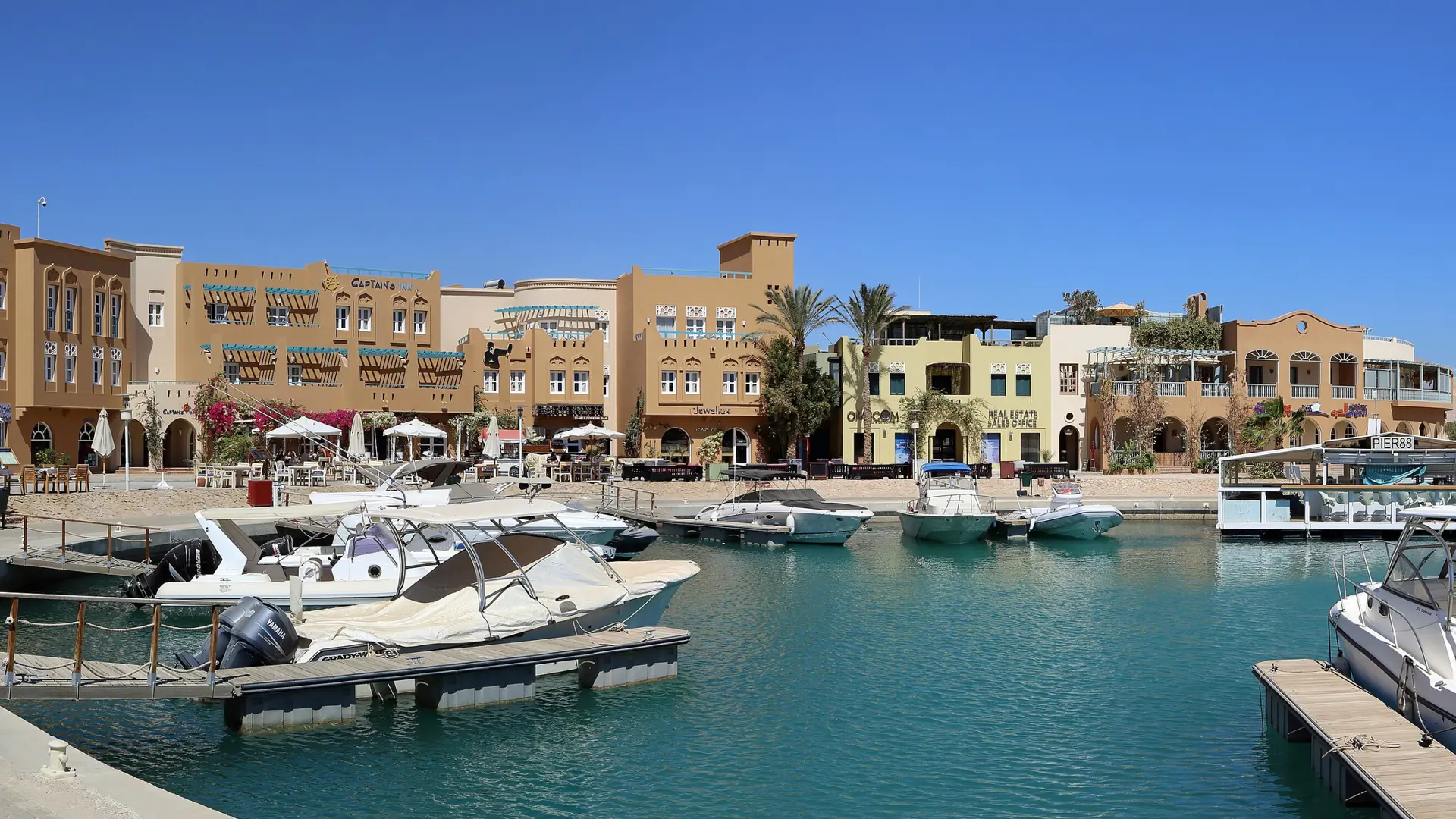
Use the southbound flight reserved for this route and keep today's plans flexible around its actual departure. On arrival in Aswan, an East Bank Corniche hotel makes the car handover simple and places restaurants and markets nearby. An Elephantine guesthouse needs a final boat crossing; arrange that with the host before arrival rather than treating the island address as a road drop-off. With daylight left, walk a manageable stretch beside the Nile or take a short locally arranged boat outing. Granite islands and a less crowded riverfront are part of the reason to stay here rather than pass straight through. A late flight calls for dinner and rest. The two-night stop still gives tomorrow to Philae or the longer Abu Simbel alternative.
Base: Aswan
For the main plan, start with Philae's island sanctuary of Isis. Its colonnades, pylons and river setting make a satisfying morning; the monuments were moved during the international rescue from rising water, so the island landscape is also a story of conservation. A car reaches the landing and a boat completes the visit. Agree the return and both transport charges before boarding. Return for lunch, then choose a short river outing or browse Aswan's market rather than add every southern monument. Abu Simbel is an alternative for this whole day: its colossal seated statues and rock-cut halls justify the longer southern journey if they are your priority. It replaces Philae here. Keeping both as essential visits calls for a third Aswan night and one fewer Hurghada night.
Base: Aswan
Leave Aswan on the booked northbound train or a direct private car. Set aside approximately half the day for checkout, the journey and the Luxor hotel handover; this is a planning allowance rather than a guaranteed running time. Carry lunch or stop for a meal without making a temple ticket depend on arriving perfectly on time. After settling in, take a short Corniche walk or see Luxor Temple from the surrounding streets. The East Bank around the temple is useful for this three-night stay because restaurants and the station are nearby. A West Bank guesthouse brings a quieter setting and easier tomb-road access, at the cost of extra river or bridge journeys. Save a paid temple visit for tomorrow's remaining energy or day eight.
Base: Luxor
Today belongs to the West Bank and the Valley of the Kings. The contrast with Giza is striking: royal burial chambers are cut into the dry hills, with painted walls replacing the visible pyramid landscape. Choose a manageable set of open tombs under the day's admission rules rather than trying to visit every chamber. Famous special tombs can require additional tickets. Hatshepsut's terraced temple is the optional second stop if your group is still enjoying the morning. Otherwise, return for lunch and a shaded break. A vehicle is useful between the valley, temple and hotel; the sites are not one compact walking precinct. Uneven surfaces, steps and confined tomb passages make this a day to discuss specific access needs with your guide before booking.
Base: Luxor
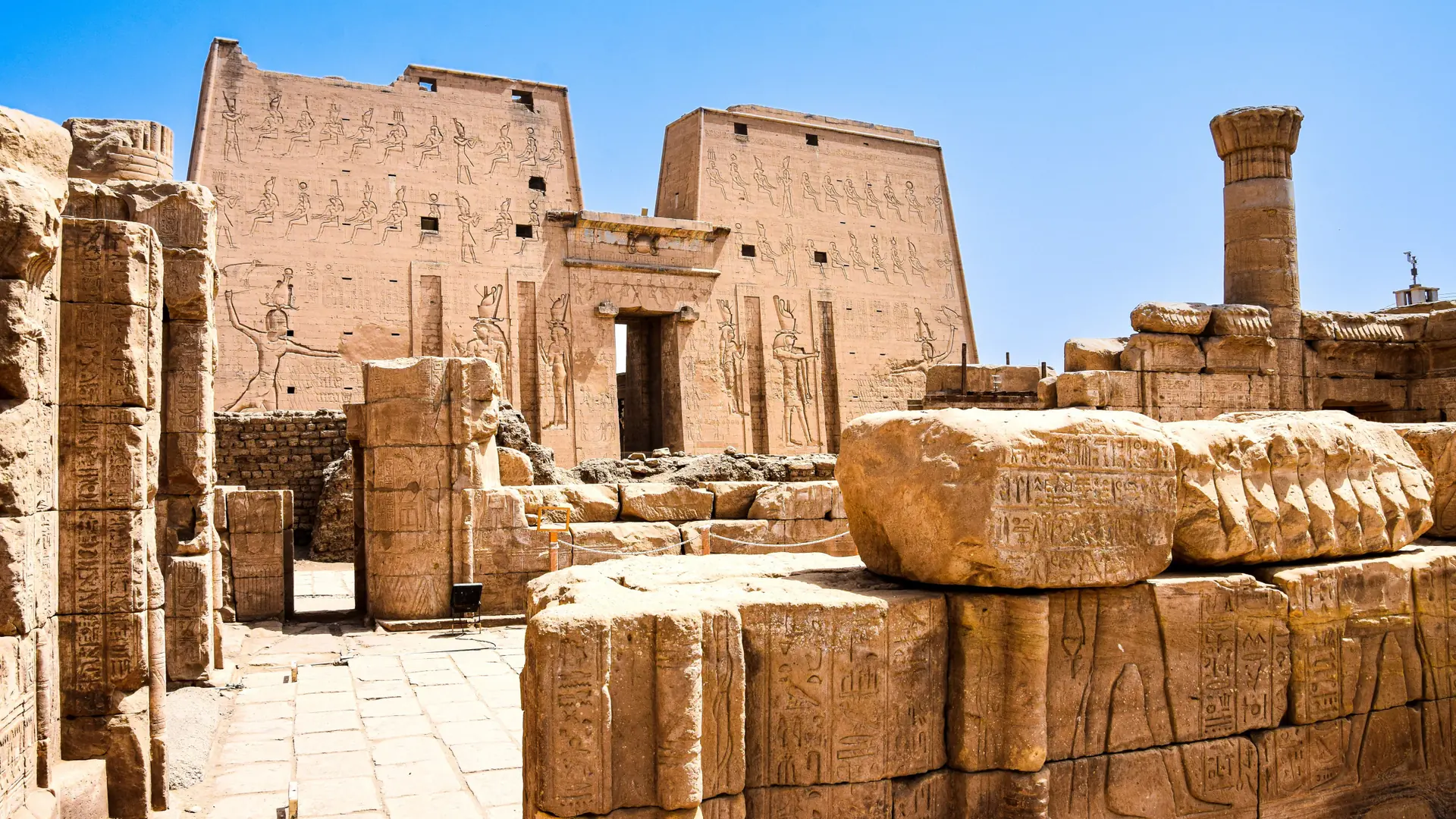
Karnak is the main visit today. Its temple complex grew over generations: follow the courts into the great columned hall, then look for the obelisks and reliefs that reveal different rulers' contributions. Allow an unhurried morning rather than measuring success by the number of monuments reached. Have lunch and leave the hot middle of the day free. Luxor Temple is a worthwhile optional late-day visit, closer to the centre and easier to combine with an evening meal. The Avenue of Sphinxes helps connect the two temple stories, but you need not walk its whole length in the sun. Three Luxor nights support two full sightseeing days without borrowing time from tomorrow's road transfer. Pack after dinner and give the driver your hotel's bank and entrance.
Base: Luxor
Leave Luxor after breakfast with the intercity car booked in advance. The journey crosses from the Nile landscape towards the Red Sea: allow a comfort stop and lunch or a snack, then spend the rest of the afternoon arriving rather than chasing a prepaid excursion. A four-hour driving estimate is not the same as the time from your room to the Hurghada check-in desk. At the hotel, learn the actual shore entry. Sand, a pier and a reef edge suit different swimmers; the main beach may be less useful in wind than the sheltered pool. Settle into the meal plan you purchased and take a slow evening. The first of five coast nights is a transfer night; four full days remain for sea activities and rest.
Base: Hurghada
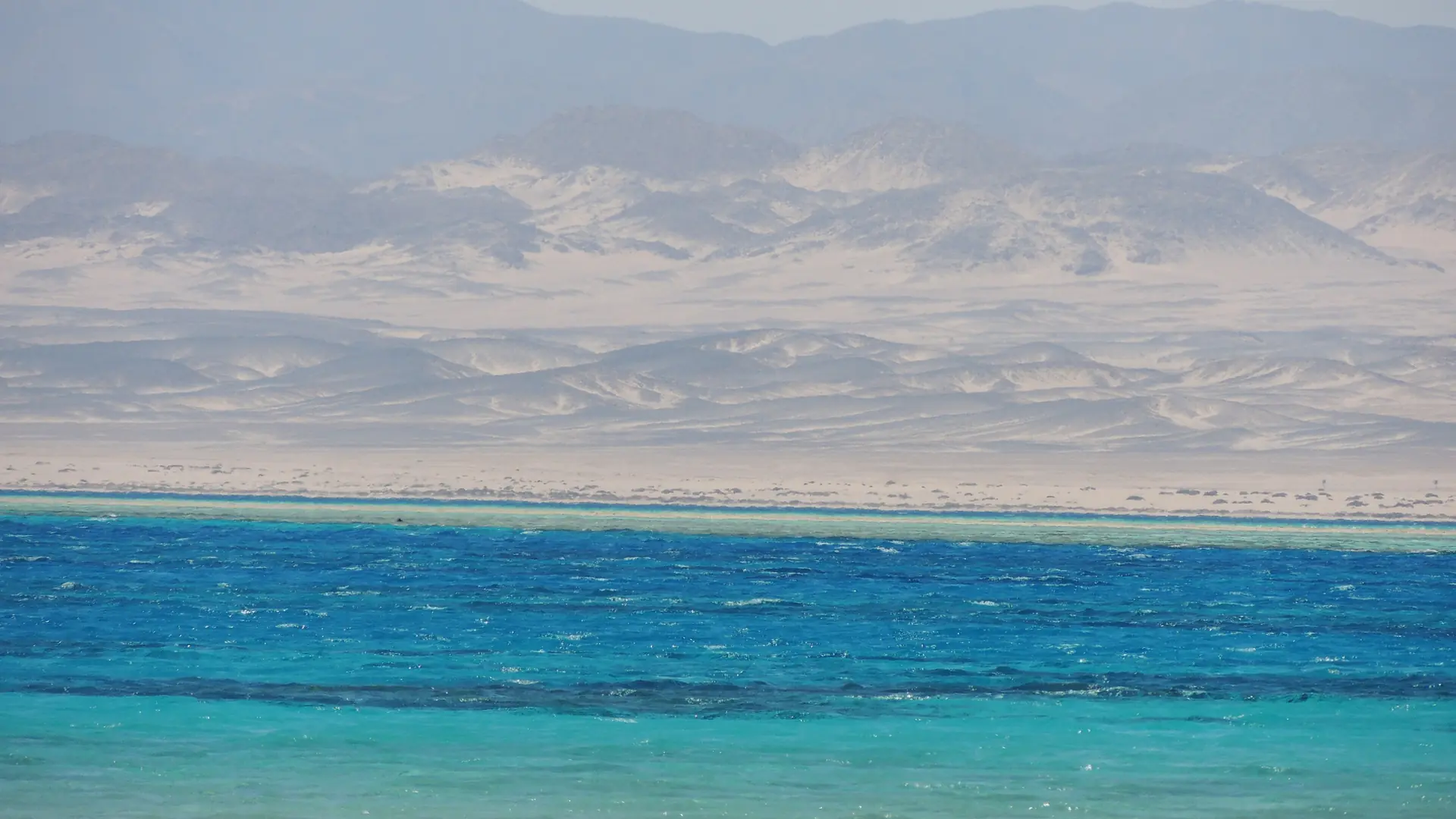
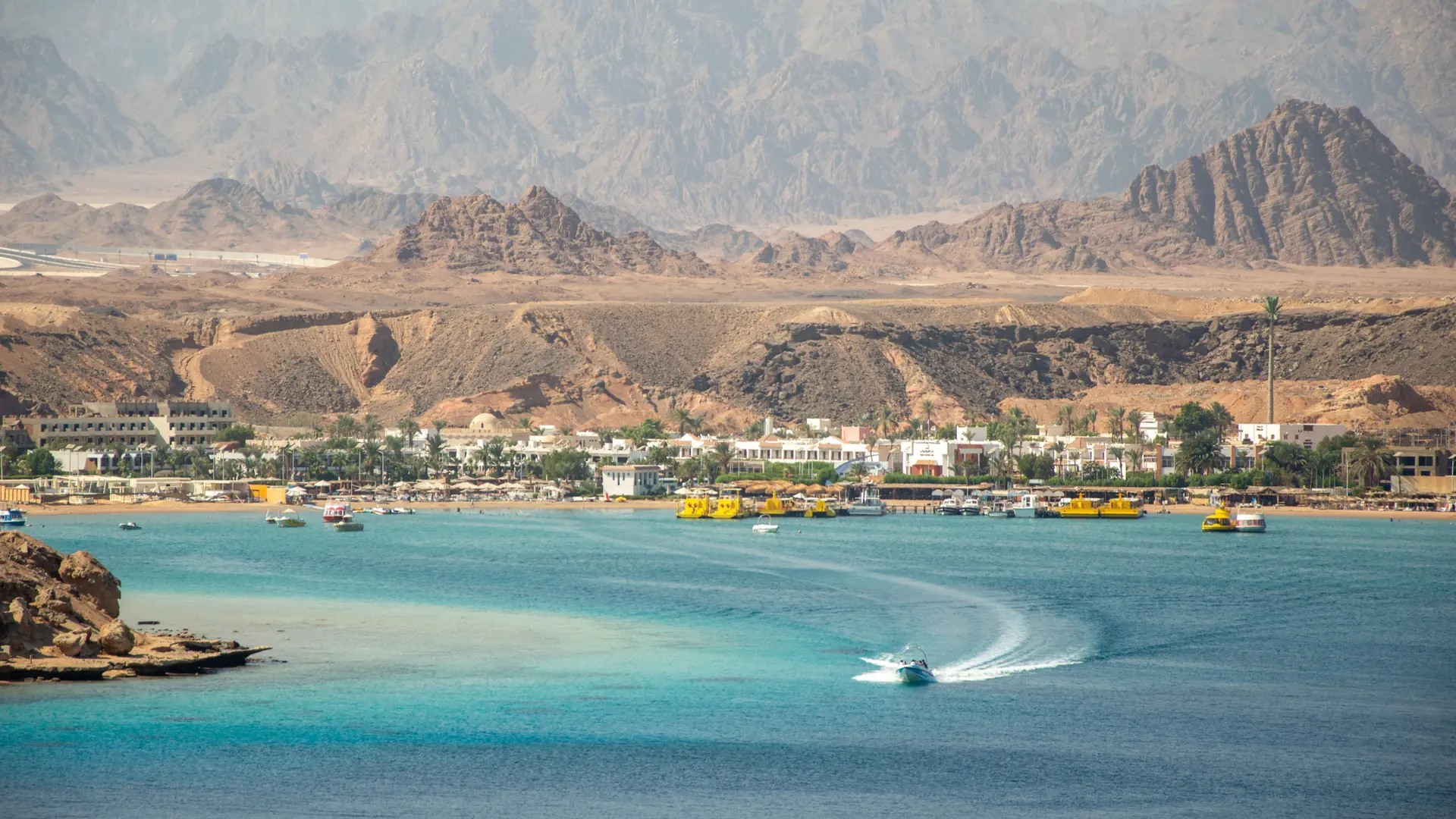
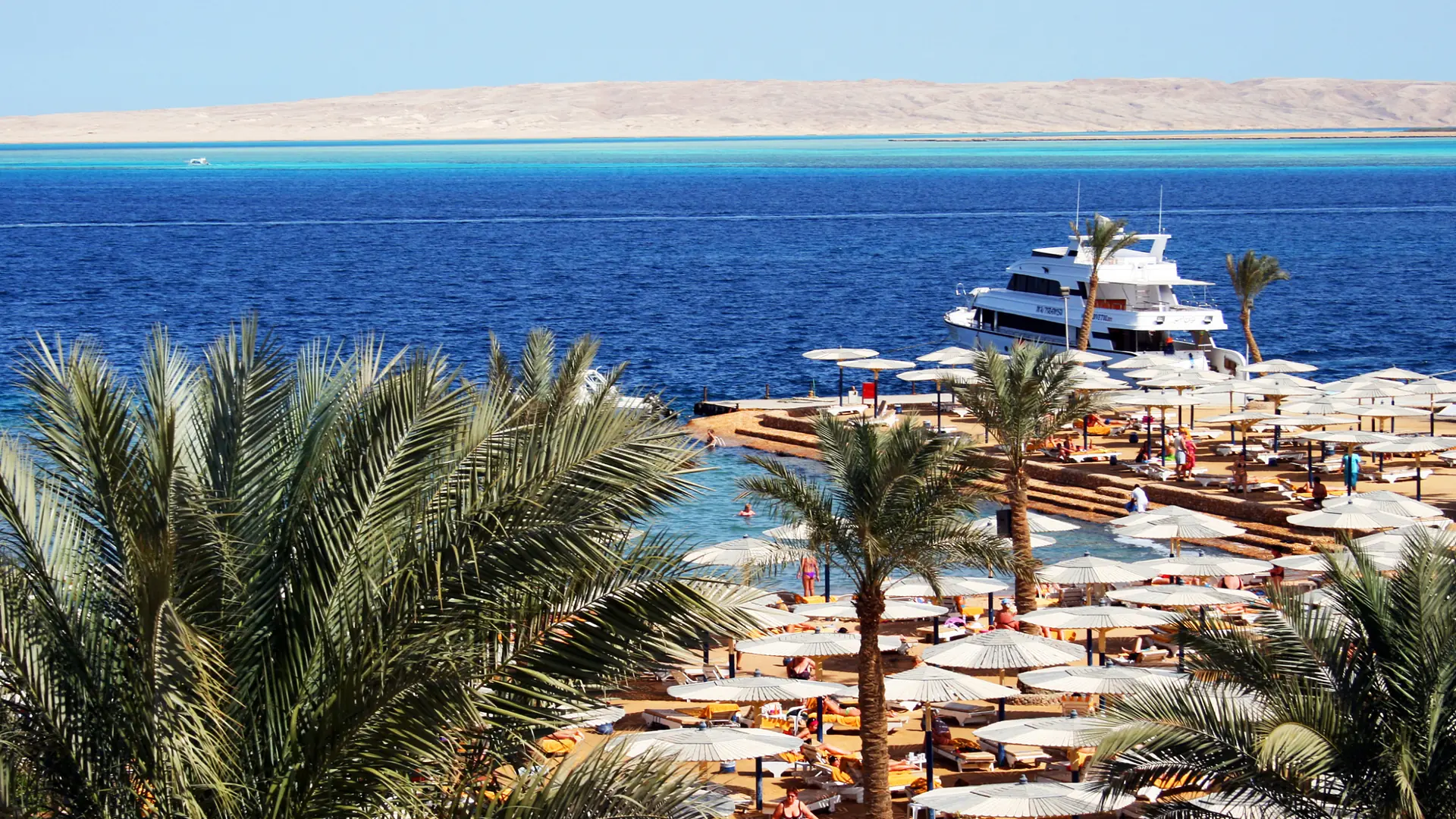
Start with an unhurried morning at the beach or pool. After the heritage circuit, a day without timed admission is useful in its own right. Ask staff which swimming area is suitable for your ability and follow that day's flags and lifeguard advice. A broad blue view says little about depth or safe entry. If based around Sakkala, make a short marina visit and choose dinner independently. A distant resort works better if you enjoy its beach and restaurants, so there is no obligation to drive into town. Use the afternoon to decide whether tomorrow should be an island beach day, a snorkelling programme or another quiet shore day. The boat's departure marina and the hotel pickup are separate parts of that choice.
Base: Hurghada
Giftun is optional, with a concrete choice between beach time and a reef outing. Mahmya is a beach on Big Giftun: its lunch programme includes return boat travel, shaded beach seating and a buffet, while the fuller programme adds a boat snorkel trip to Sabina Reef with equipment. Pick the product that matches the group instead of assuming every island ticket buys the same day. Follow the operator's weather decision and keep a shore alternative. A responsible briefing explains entry and exit, flotation for inexperienced swimmers and a strict no-touch reef policy. Do not stand on coral, feed fish or handle wildlife for photographs. Leave the evening free after the boat returns; sea air and swimming can make this more tiring than a hotel beach day.
Base: Hurghada
If diving interests you, use today for a qualified centre's introductory experience or a suitable certified-diver programme. Tell the centre about your experience and any health concern before choosing the activity. Snorkelling, a first scuba lesson and a deeper reef dive require different skills and supervision; wanting to see colourful fish does not commit you to scuba. A rest day is an equally good choice. Read in shade, swim in the supervised area and eat without a pickup deadline. Divers should agree the no-fly interval against the actual day-fourteen departure: DAN recommends at least 18 hours after repeated or multiday no-decompression diving, with longer intervals for decompression dives. Follow any stricter operator or dive-computer instruction and leave tomorrow free of scuba.
Base: Hurghada
Keep the final full coast day open for a postponed beach outing, an easy town walk or another slow hotel morning. Divers should stay with shore activities rather than add a last scuba session. If Giftun was cancelled, a rescheduled non-diving programme can still fit when the operator considers conditions suitable. For a land alternative, Hurghada Museum introduces Egypt's history across several periods and makes a different afternoon from the marina. Choose it for interest rather than to fill spare hours; a quiet lunch and packing may be enough. Confirm the airport pickup tonight. Travellers using the Cairo final-night variation leave the coast today instead, so they should keep the morning local and follow the booked domestic-flight schedule.
Base: Hurghada
After thirteen hotel nights, depart through Hurghada airport using the booked hotel transfer and your airline's required check-in margin. Eat before setting off or allow time at the terminal; this is an airport day rather than a final excursion. A through ticket connecting in Cairo and two separate flight bookings carry different missed-connection protections. If you chose the Cairo final-night variation, today starts from that Cairo hotel instead. The return connection was paid for and completed yesterday, so there is no hidden fourteenth night. Anyone flying very early should also have checked whether the hotel's breakfast and pickup fit the departure. Keep the final day simple enough for luggage collection, ordinary traffic and the actual flight on your ticket.
Base: Hurghada
These are travel days with luggage, checks and arrival handovers; the route does not hide them inside sightseeing days.
3 transfers
Cairo Aswan
Day 4 includes the Cairo hotel-to-airport ride, flight and Aswan hotel arrival. Reserve most of the day for the move; a river walk is a bonus if you arrive early. An overnight train would change the hotel-night plan.
Aswan Luxor
Make day 6 a direct Nile-valley move, allowing roughly half a day with station or hotel transfers. A northbound train preserves the relaxed evening; a private car is the alternative. Edfu and Kom Ombo stops would turn it into a longer outing.
Luxor Hurghada
The tourism authority describes Luxor–Hurghada as about four hours by road. Allow longer for your hotel bank, a comfort stop and resort access; plan a five-to-six-hour door-to-door window rather than a same-day boat.
Examples checked 9 October 2026, for two adults sharing a room; admissions are per foreign adult. Hotel advertisements are undated and the broad room benchmark is from May 2025. These components and labelled allowances do not establish an inclusive holiday price.
Booking tips
Search live hotels across Greater Cairo; use the map to compare Downtown, Giza and airport locations before booking.
Markers follow Cairo, Aswan, Luxor and Hurghada; Giza, Philae and Giftun are visits, not extra hotel bases.
Cairo, Aswan, Luxor and Hurghada
Going first to Aswan makes the heritage portion run north towards Luxor, followed by the road east to Hurghada. That reduces backtracking. A Cairo–Aswan flight suited to day four is the booking on which this order depends; if it does not fit your dates, redesign the sequence before reserving all four hotels.
No. This is a land-based route with two Aswan hotel nights and three Luxor hotel nights. A cruise changes boarding, sightseeing, meals and where you sleep, so it cannot be inserted without revising the thirteen-night arithmetic. Compare a cruise as an alternative product if the river journey matters more than independent hotel bases.
March–April or October–November is a useful starting point for this mixed route: Upper Egypt is generally less punishing than midsummer, while the coast is warmer than deep winter. Spring can bring dusty wind. December–February favours long monument visits, but boat rides and swims may feel cool; no month guarantees a calm sea.
Change the split to three Cairo nights, three Aswan, three Luxor and four Hurghada. You gain a second full Aswan day and keep thirteen nights overall: the Luxor move becomes day seven and the coast move day ten. Keep Abu Simbel as its own long excursion rather than compressing two major southern visits into one day.
No. The days identify a main experience and leave the rest optional: a pyramid interior, Hatshepsut, Luxor Temple and the boat programme can all be omitted. For younger children, shorten the tomb morning and prefer a suitable beach or pool to an open-water outing. The optional Abu Simbel day is the least relaxed addition.
The hotel sequence can work, but access needs a site-by-site plan. Philae requires boat boarding; tomb passages and exposed, uneven monument grounds are different challenges from museum galleries. Discuss the exact entrance, walking distance and vehicle access with each provider, and reduce the day's stops when assistance or extra rests are needed.
July and August suit travellers prepared to shorten the heritage days substantially. In Aswan and Luxor, use early visits and shaded afternoons rather than copying a winter programme. Coast time can still be enjoyable, but a cheap summer inland room does not guarantee a discounted Red Sea resort. Consider dropping Abu Simbel's long road day.
Not through the official ENR self-service portal: on 9 October 2026, it allowed reservations only for Egyptian nationals and marked other nationalities as under construction. An online order through a third-party agent is a separate sales channel. For Aswan–Luxor, use an official counter or authorised agent and confirm your passenger category, seat, class and total fees. A direct car remains the fallback; Cairo's general fare table is not a foreign-passenger quote.
A guide adds most when you want help reading the archaeological story, particularly at Giza and the Luxor sites. It is a separate service from a driver unless your booking includes both. Independent visits remain an option; choose a guide for interpretation rather than assuming a car fare covers explanations inside the monuments.
Yes, by booking the Hurghada–Cairo connection separately or on a protected itinerary. For an early Cairo departure, transfer on day thirteen and replace the last Hurghada night with a Cairo night: 3 + 2 + 3 + 4 + 1. This adds a flight, airport roads and a hotel change; compare that cost with leaving internationally from Hurghada.
Reviewed by StartBooker
Last reviewed 2026-10-09
Updated
How this route was checked: Monument and museum operators support admission and access details; tourism, airport and rail authorities support the route geography. Published hotel tariffs and transfer examples are separated from spending allowances. Recent dated travel coverage informs the questions; no measured keyword volume is claimed.
34 references reviewed
Some photos provided by Pexels.
Compare routes by length, stops and transport.