Downtown and Tahrir
first visits, Egyptian Museum and metro connections
Tahrir is the museum end of a wider Downtown district. Staying farther toward Ramses or Ataba changes the walk and station you will use.
Cairo rewards a stay organised around districts rather than a long list of sights. The Egyptian Museum belongs to Tahrir, the medieval streets lie farther east, and the Grand Egyptian Museum and pyramids are on the Giza side of the Nile. They offer different encounters with Egypt: objects and inscriptions, a living historic city, and monuments in their desert setting.
For a mixed first visit, choose Downtown near Tahrir. Zamalek suits evenings on Gezira island; Garden City offers a central Nile-side alternative; Heliopolis is useful for an airport-oriented night. Three full sightseeing days can cover one central museum, one historic walk and a selective Giza outing without moving hotels. Add a day if you want both GEM and the plateau at an unhurried pace, or NMEC as a separate visit. Arrival and departure dates do not necessarily supply those full days.
Use a central address when you want the Egyptian Museum, metro and several distinct city walks. Inspect the actual street for noise and late-night arrival access.
Spend evenings among Zamalek’s restaurants and island streets. Road trips to other parts of Greater Cairo cross a bridge, so this is an evening-led choice rather than a promise of shorter transfers.
The plateau and GEM share the Giza side but require separate admissions and a transfer between entrances. Pair a pyramid morning with selected galleries, or give them separate days for deeper visits.
A Heliopolis stay may reduce arrival stress but makes repeated central-city visits longer. A late flight is a reason to compare that trade, not a reason to assume all Cairo hotels are nearby.
Use the milder season for Historic Cairo streets and open-air sites, while reserving specific museum time rather than trying to skim three collections in one day.
Start exposed visits at opening, keep water and shade in the plan, and choose one well-located museum for the hottest hours.
StartBooker answer
Downtown around Tahrir is the practical first base for the Egyptian Museum, metro access and several contrasting city days. Zamalek makes a calmer Nile island stay with restaurants, while Garden City suits a quieter hotel near the river. Heliopolis helps with a late airport arrival, but adds travel to central sights. Give the Grand Egyptian Museum and Giza Plateau their own west-side day; neither is a quick walk from central Cairo. Winter and early spring favour long outdoor visits. In summer, start exposed sites early and put a museum or hotel break in the hottest part of the day.
Explore tours, attractions and local experiences in Cairo, Egypt.
Loading activities…
Activities provided by GetYourGuide. We may earn a commission on bookings.
First-stay choice
Downtown and Tahrir
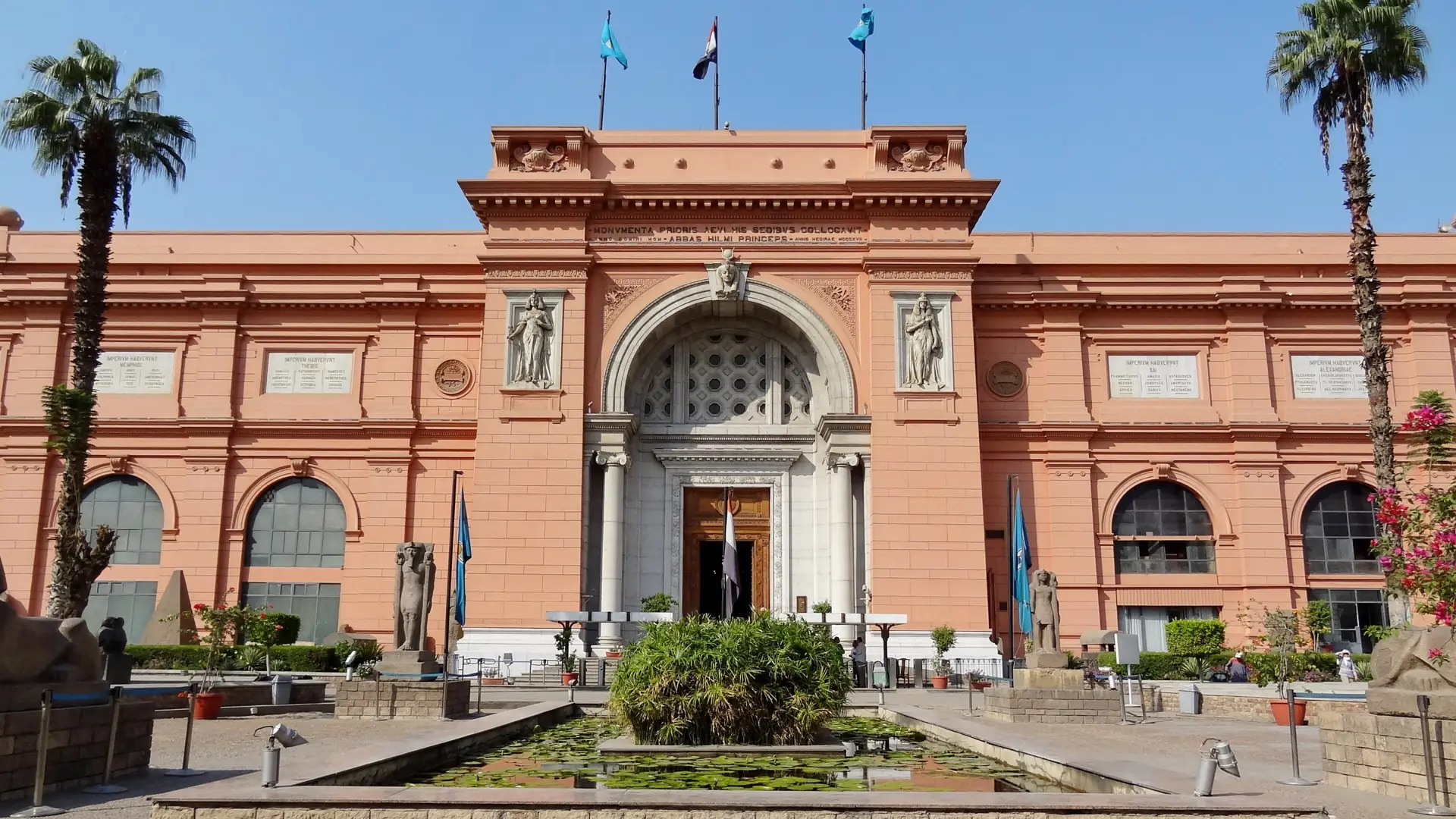
Tahrir puts the Egyptian Museum and Sadat metro interchange together. That combination suits a first visit with several different city days: explore the older collection on foot, then use rail for a separate Coptic Cairo outing. Kasr el-Nil and the surrounding Downtown streets also give the stay an architectural dimension beyond the museum. Historic Cairo still needs its own journey, and GEM is a west-side excursion; this base saves some transfers without pretending Cairo is compact.
These four bases suit a Cairo stay; Giza is a separate choice for the plateau and GEM. Compare the repeated journey, rather than the skyline in a hotel photograph. Downtown and Garden City favour central visits, Zamalek gives evenings more weight, and Heliopolis is strongest when eastern Cairo or the airport determines the stay.
first visits, Egyptian Museum and metro connections
Tahrir is the museum end of a wider Downtown district. Staying farther toward Ramses or Ataba changes the walk and station you will use.
Nile island evenings and a calmer restaurant routine
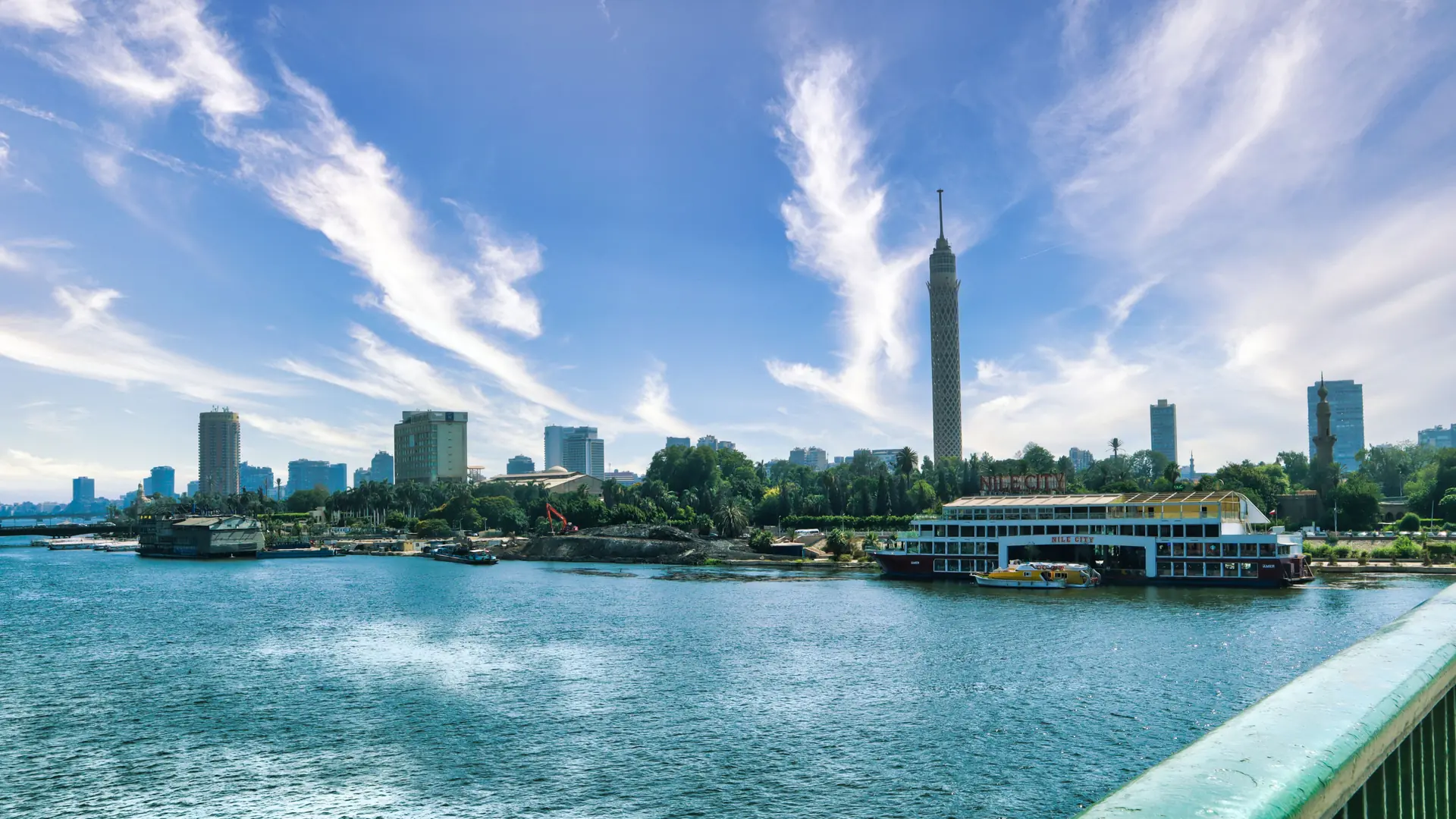
Zamalek occupies northern Gezira; the tower and opera district are farther south. An island address does not identify the same neighbourhood.
quieter central rooms and short Tahrir access
Garden City lies south of Tahrir, with Nile-side hotels and quieter interior streets. Corniche frontage brings road noise alongside the river view.
late arrivals, airport-oriented nights and eastern-city plans
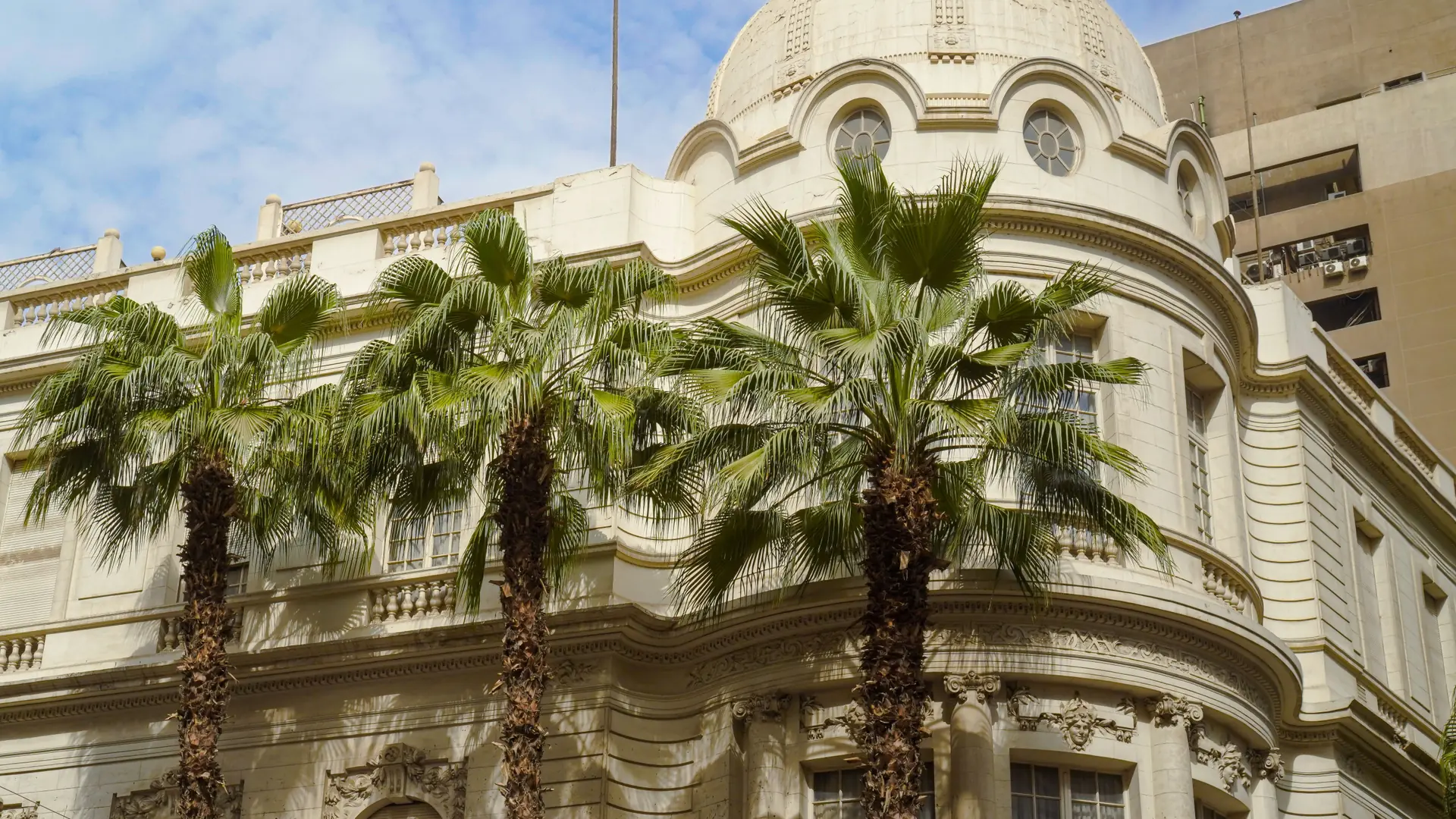
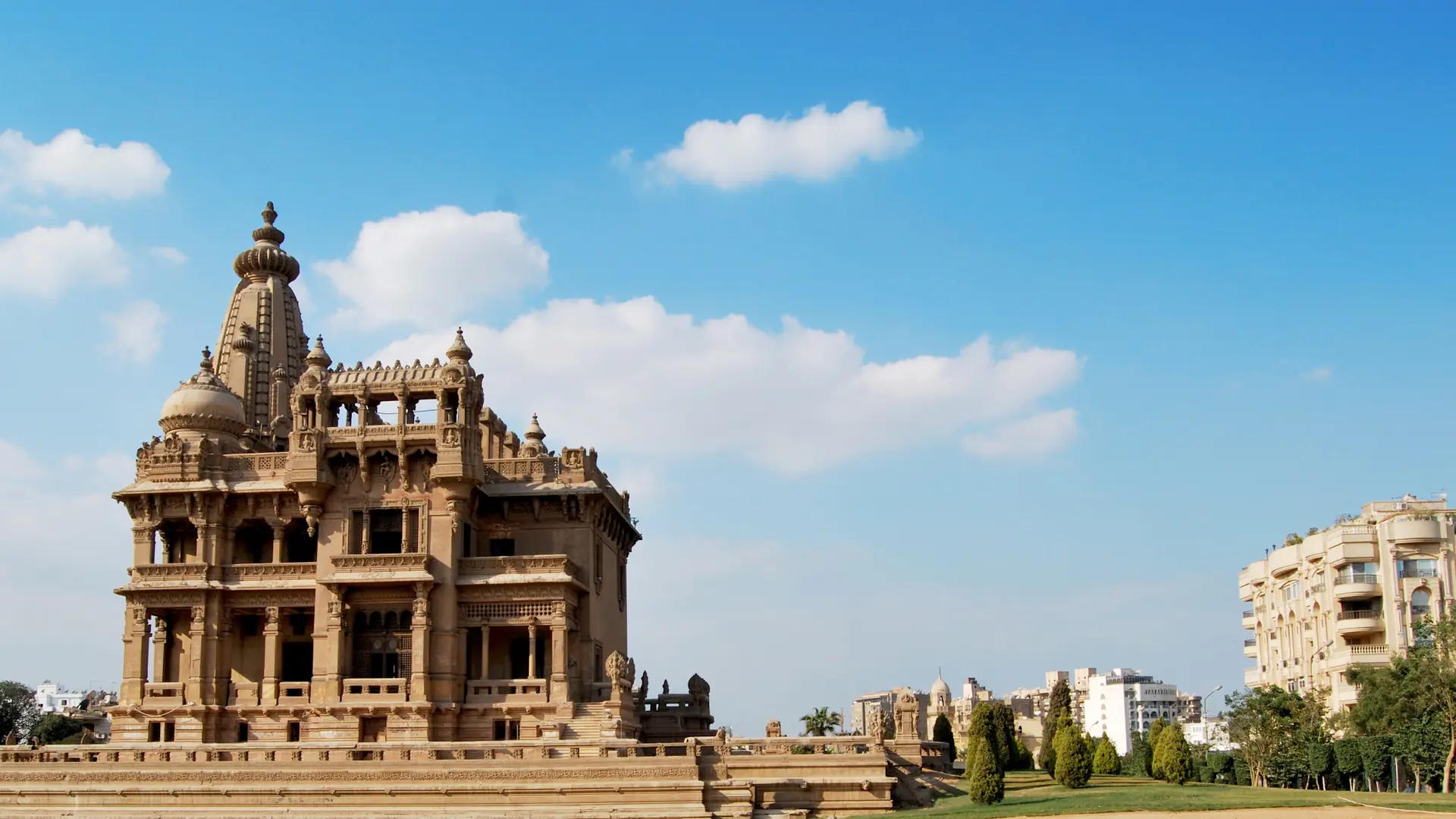
Heliopolis has its own historic centre around Baron Palace. Choose it for eastern-city commitments or an airport-oriented night, not pyramid proximity.
| Area | Best for | Features | Getting around |
|---|---|---|---|
| Downtown and Tahrir |
first visits, Egyptian Museum and metro connections Choose Downtown when your days point in several directions and you want one flexible base. |
Busy central streets can make traffic-facing bedrooms noisy. |
Sadat links Lines 1 and 2; use a car for the plateau/GEM outing. |
| Zamalek |
couples who want island dining close to their room Choose Zamalek if a pleasant evening base matters more than the shortest museum commute. |
Bridge congestion can lengthen road journeys off the island. |
Walk locally for dinner; arrange rides to the west-side museum entrances. |
| Garden City and Nile-side central hotels |
quieter central rooms and short Tahrir access Choose Garden City when room calm and central access both matter to the group. |
Nile-facing rooms may also face the busy Corniche. |
Walk toward Tahrir where the entrance route suits; farther addresses need a ride. |
| Heliopolis |
late arrivals, airport-oriented nights and eastern-city plans Choose Heliopolis if arrival logistics or eastern-Cairo commitments dominate. |
Repeated heritage outings add journeys from eastern Cairo. |
Plan airport rides from the actual hotel; metro usefulness depends on its station. |

The right base changes with the occasion. A mixed first visit benefits from one central room; a dining-led holiday needs evenings locally; an overnight between flights has different priorities. Choose the scenario that describes the trip, then use the area comparison for its transport consequences.
Keep one central hotel for a mixed first visit. Tahrir, Historic Cairo and the west-side museums remain separate outings.
AlternativeGarden City improves room calm if the extra price fits.
An evening-led trip benefits from dining near the room. Zamalek is rewarding when you have time to explore its own streets.
AlternativeDowntown may suit a tighter first visit with less transport.
Use an eastern-Cairo room when flight timing drives the overnight choice. It need not become the base for every subsequent heritage day.
AlternativeDowntown is better once the arrival night is behind you.
Plan one main outing with an indoor pause for a family summer visit. The easiest return to the room matters more than another admission.
AlternativeA Zamalek stay may help if evenings and dining take priority.
Results cover wider Cairo. For the recommended first base, select Downtown near Tahrir or Garden City; airport and outer-city hotels involve different journeys.
Use a car for a straightforward airport arrival and for the Giza-side outing; use the metro selectively for central and southern districts. Sadat is the helpful starting point near Tahrir. A station called Giza does not put you at a pyramid gate, and a museum ticket does not include the ride there.
For a first arrival, a hotel-arranged car is useful when you want someone expecting your flight. Uber also serves Cairo International Airport: follow the directions shown after requesting the ride, since terminals use different meeting places. Supply the exact hotel address and a reachable phone number so the pickup and destination are clear.
Heliopolis works when the flight is the main commitment. For a short cultural break, going directly to a central hotel can be easier than packing again the next morning. Consider an airport-oriented first night only if the arrival is so late that the longer onward ride would be exhausting. Heliopolis and New Cairo are different places; neither district label guarantees a terminal-side hotel.
The Ministry of Interior portal lists the nationalities eligible for an e-Visa. Its arrival requirements include a passport valid for at least six months, the visa printout and tourist accommodation details. Eligibility is passport-specific, so complete the entry decision before committing to the journey. This Cairo visit should not be planned around the separate short-stay resort permission sometimes available in South Sinai.
Sadat at Tahrir connects Lines 1 and 2. Mar Girgis on Line 1 serves the Coptic Cairo area, while Opera on Line 2 is useful for southern Gezira. Those are practical separate outings from a Tahrir base. Identify the station exit and final crossing before setting off, particularly if busy roads or steps would make the walk difficult.
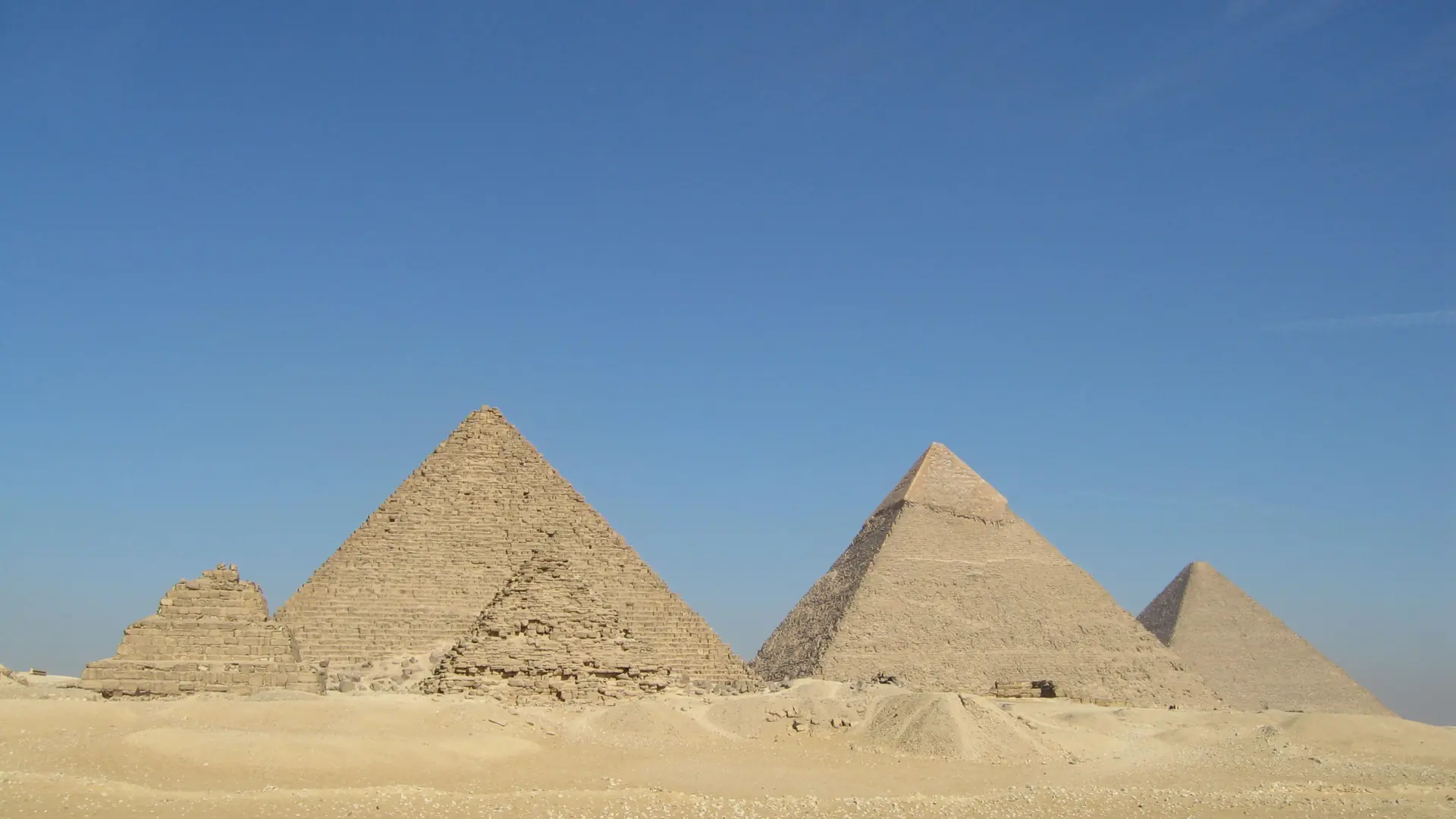
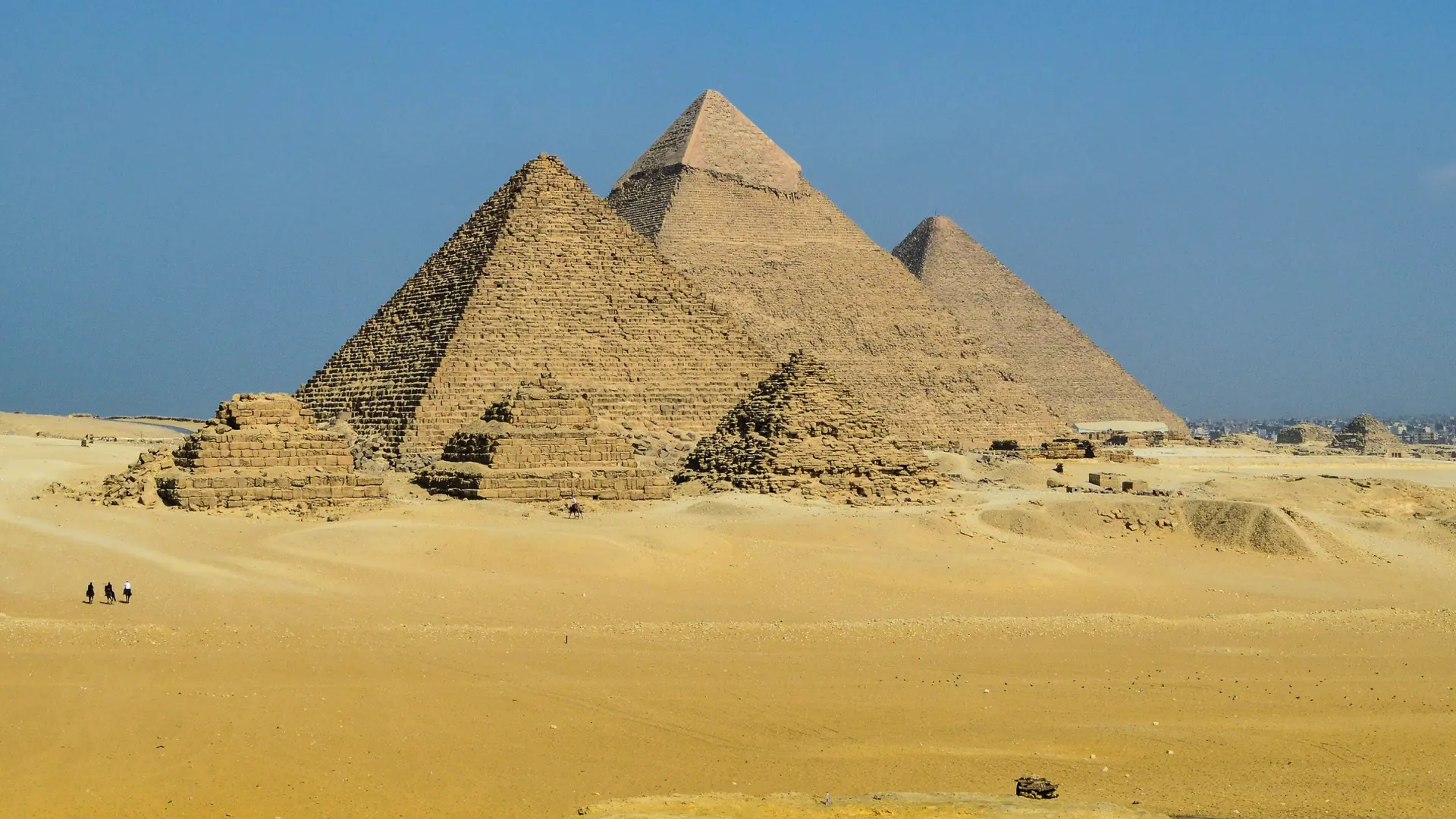
Arrange a car to each entrance instead of treating Giza metro station as the destination. An early pyramid visit, lunch and selected GEM galleries make a full day; travellers who want interiors, extensive label-reading or several long breaks should divide it into two. The shorter version is a selective visit, not an attempt to see everything.
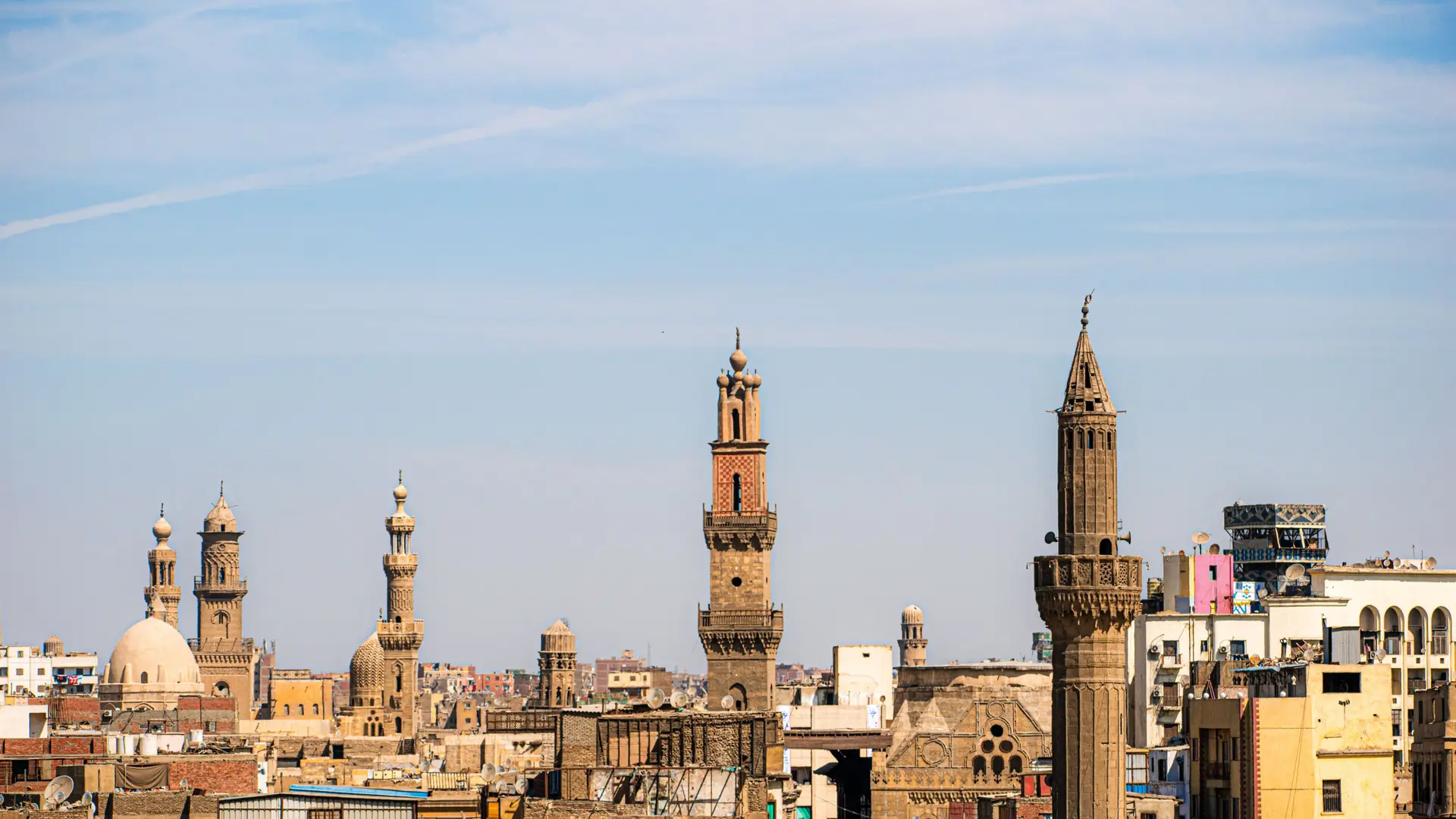
The north-south al-Muizz spine links architecture from different periods. Begin with a manageable stretch around the northern gates and continue toward Khan al-Khalili, pausing for one interior that interests you. Mosques, schools and workshops give the walk its substance. A guide can explain the buildings without making every monument compulsory.
Coptic Cairo around Mar Girgis and NMEC in Fustat are different stops. A metro arrival suits a focused church-and-lane visit, followed by a road transfer if NMEC is your chosen afternoon collection. With a slower walking pace, make either one the main outing. Do not mistake the district reached by rail for the museum’s entrance.
Official admission includes the Tutankhamun Galleries, Main Galleries and Khufu’s Boats Museum alongside the Grand Hall and stairs. Give the collection a substantial visit rather than expecting every gallery in a brief afternoon. Galleries close at 18:00 on ordinary days and 21:00 on Wednesdays and Saturdays; last entry is one hour earlier.
The Egyptian Museum’s ministry page highlights the Narmer Palette, Yuya and Thuya burials and treasures from Tanis. Those give the older museum a clear purpose after GEM. Listed ordinary hours are 09:00–17:00, with the ticket window closing at 16:00; Ramadan hours are shorter. Reserve a morning if these collections are a main interest.
NMEC’s Royal Mummies Gallery is in Fustat at Ain El-Sira. Its focus differs from the monumental displays at GEM and the older collection at Tahrir. It suits readers interested in the people behind royal names and gives a southern-city day an indoor anchor. Admission to either of the other museums does not cover this visit.
GEM tickets are dated and timed, permit a single entry and do not allow re-entry after you leave. They are ordinarily non-refundable. Put the external lunch before the museum when combining it with the plateau, or use the commercial area within the complex during the visit. Large bags over 40 × 40 cm must go to designated storage; a hotel-change day needs a luggage arrangement as well as an entry ticket.
Older Downtown accommodation can put rooms above street level in buildings with entrance steps or limited lift access. Ask the property about the complete route from car drop-off to bedroom and bathroom, including any unavoidable stair. A quieter room is useful, but it does not establish wheelchair access. If crossings or station stairs are difficult, a door-to-door ride may suit better than rail.
NMEC lists free wheelchairs, designated parking and elevator access to all exhibits. Sign-language tours require advance reservation, and Braille brochures are available on request. Contact the museum about your assistance needs and agree the arrival point with the driver. These services describe NMEC, not every other Cairo attraction.
Historic Cairo has narrow working streets; the plateau is an exposed archaeological landscape. A museum’s lift cannot resolve the route across either. For limited stamina, choose a short circuit or selective plateau visit with a driver and guide. Explain your mobility needs so the provider can identify manageable portions of the actual outing.
The main planning decisions are how much outdoor time feels comfortable, which costs belong to your chosen visits, and how many full days the flights leave. Cairo has enough museums for a longer stay; a short break benefits from choosing a collection rather than collecting admissions.
The cooler season is the easiest choice for a walk including architecture, workshops and an interior rather than just a market photograph. Use the middle of the day outdoors and take a layer for early starts or river evenings. Keep Tahrir for another morning, leaving the historic walk free of a second timed museum commitment.
As spring warms, choose an early street circuit if your group tires in heat, then leave the afternoon flexible. A pleasant morning is not a reason to prepay several far-apart admissions. For a short stay, prioritise the collection you most want to understand and leave time for a meal and neighbourhood exploration.
Start near the plateau’s opening, deciding whether an exterior visit is enough before adding an interior. Arrange lunch and an indoor pause. A selective GEM afternoon can follow, while families or visitors with low heat tolerance may prefer a different day. Historical observations show a much hotter summer; use the current forecast to judge the exposed portion.
Autumn brings a transition toward longer outdoor visits. If GEM anchors the trip, leave another usable day for al-Muizz, Coptic Cairo or Tahrir instead of making Cairo a transfer between airport and galleries. The contrasting streets and collections justify staying centrally. A late landing still supplies an overnight rather than an extra sightseeing day.
Osiris Hotel Cairo advertises a USD 40 double room for two people on its rooms page, observed on 10 October 2026. This is an undated advertisement, not a quote for your travel dates; taxes and cancellation terms are unstated. It offers a modest-room example rather than a citywide average. Three nights at that advertised rate would be USD 120 for the room before any undisclosed charges; obtain the property’s dated final price.
For a modest stay, you might choose a spending allowance of USD 15–25 per person per day for meals and drinks. This is a chosen allowance, not a measured restaurant-price range: casual Egyptian meals and a long hotel dinner have different costs. For two people over three sightseeing days it adds USD 90–150, excluding alcohol or special dining. Check whether the room includes breakfast before assigning the same meal twice.
Cairo Governorate lists public metro fares of EGP 10, 12, 15 and 20 across its station-count tiers. Those prices cover station-to-station travel. Airport transfers, the car to the plateau, the hop to GEM and the return to the hotel are separate costs; Uber supplies live estimates for entered addresses. Agree any driver waiting or additional stops in the quote. A cheap rail fare cannot stand in for the cost of the west-side outing.
The Ministry lists EGP 550 for a foreign-adult Tahrir ticket and EGP 700 for general Giza Plateau admission, checked 10 October 2026: EGP 1,250 per adult for those two visits. Pyramid interiors are extra, and GEM and NMEC have their own tickets. This is an admission subtotal only. The room example, food allowance and separately quoted rides belong alongside it; flights, visas, guides and shopping are additional.
Allow three for a mixed introduction: Tahrir, Historic Cairo and a selective west-side outing. Four is more comfortable if the plateau and GEM are major interests you want on separate days. Add another for NMEC or a southern heritage visit. These are editorial pacing suggestions; count usable days after flight timing.
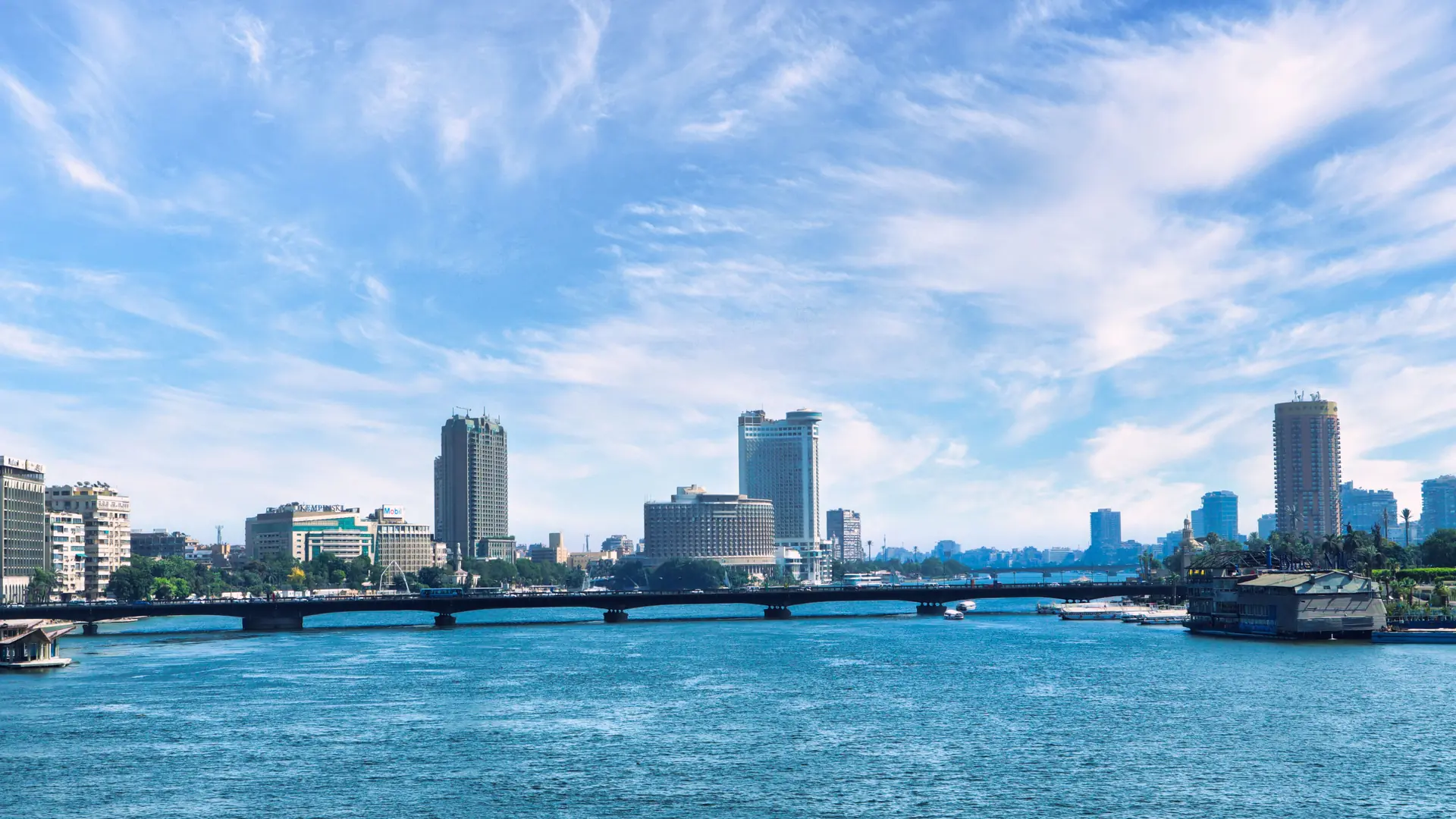
No. Cairo Tower is in southern Gezira, while Zamalek occupies the northern part of the island. A skyline photograph can describe wider Cairo without identifying a hotel’s neighbourhood. Use the address to distinguish a Zamalek stay from an opera-area or other Nile-side property; local dining and journeys can differ.
Choose GEM for the Tutankhamun Galleries, main galleries and Khufu’s boats. Choose Tahrir for a central object-led visit with the Narmer Palette and the collections highlighted by the Ministry. Choose NMEC for the Royal Mummies Gallery. These are different collections, so select by interest and location rather than assuming the newest building makes the others unnecessary.
Yes, selectively: an early plateau visit, lunch and a car transfer to GEM for your preferred galleries. Avoid making pyramid interiors and the entire museum compulsory. Separate days suit families, slower walkers and people who enjoy extensive interpretation. Keep the return evening light.
Personal photographs are permitted subject to display-specific restrictions. Flash, tripods, monopods, selfie sticks, drones and external lighting are prohibited. Use a handheld camera or phone and follow the Tutankhamun Gallery signs. Commercial filming needs separate permission; photograph other visitors or staff only with consent.
Usually keep one central room for a short mixed city stay. A dedicated Giza night can be useful when early access to the plateau dominates the visit, but packing and changing rooms take time. It is a different base decision, not an additional central neighbourhood. Travellers making GEM the main event may prefer to spend more of the stay west of the Nile, with separate city outings.
No. Confirm the airport name and code on the flight booking before arranging a car or choosing an arrival hotel. Cairo International Airport uses CAI; the separately named Sphinx airport changes the arrival geography. The CAI pickup guidance and eastern-city Heliopolis advice on this page apply to Cairo International Airport, not automatically to every flight sold with Cairo in the destination name.
Reviewed by StartBooker
Last reviewed 2026-10-10
Updated
Editorial method: Museum collections and booking rules were checked with their operators; transport and entry advice use government and first-party sources. Recent independent travel coverage informed the traveller questions. Room tariffs are labelled advertisements, meal figures are chosen allowances, and seasonal advice uses historical climate evidence rather than a forecast.
16 sources reviewed
Some photos provided by Pexels.