Last reviewed 9 October 2026
A useful Egypt trip starts with the distance between experiences, not the number of pins on a map. Cairo and Giza share a metropolitan area yet require a substantial crossing; Luxor's main monuments sit on opposite banks. With seven nights, three around Cairo/Giza and four in Luxor give two cities enough time for their headline sights, meals and slower afternoons. Fly home from Luxor if a suitable international journey is available. Returning through Cairo needs time of its own, so remove an outing rather than squeezing the airport journey into it.
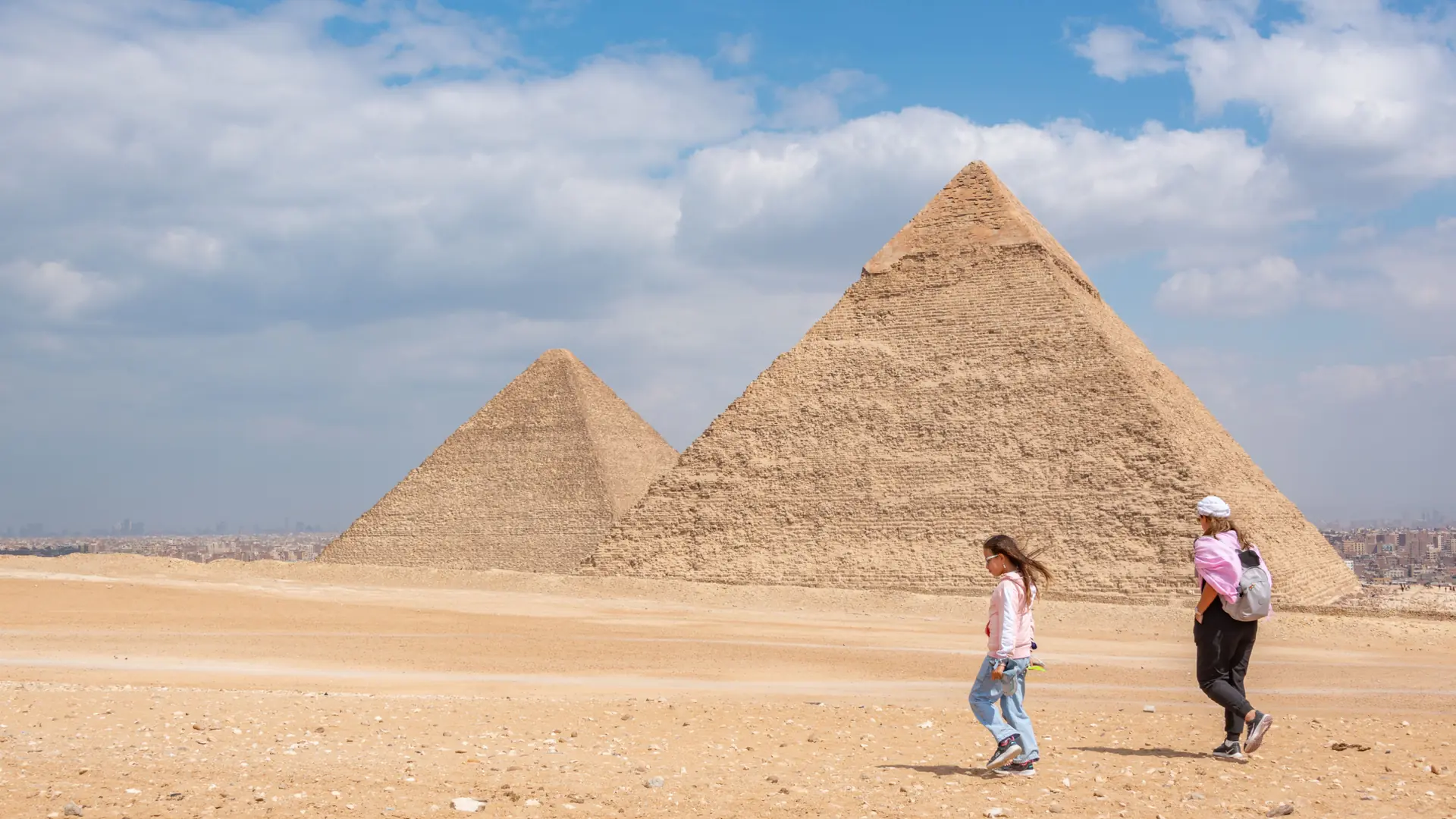
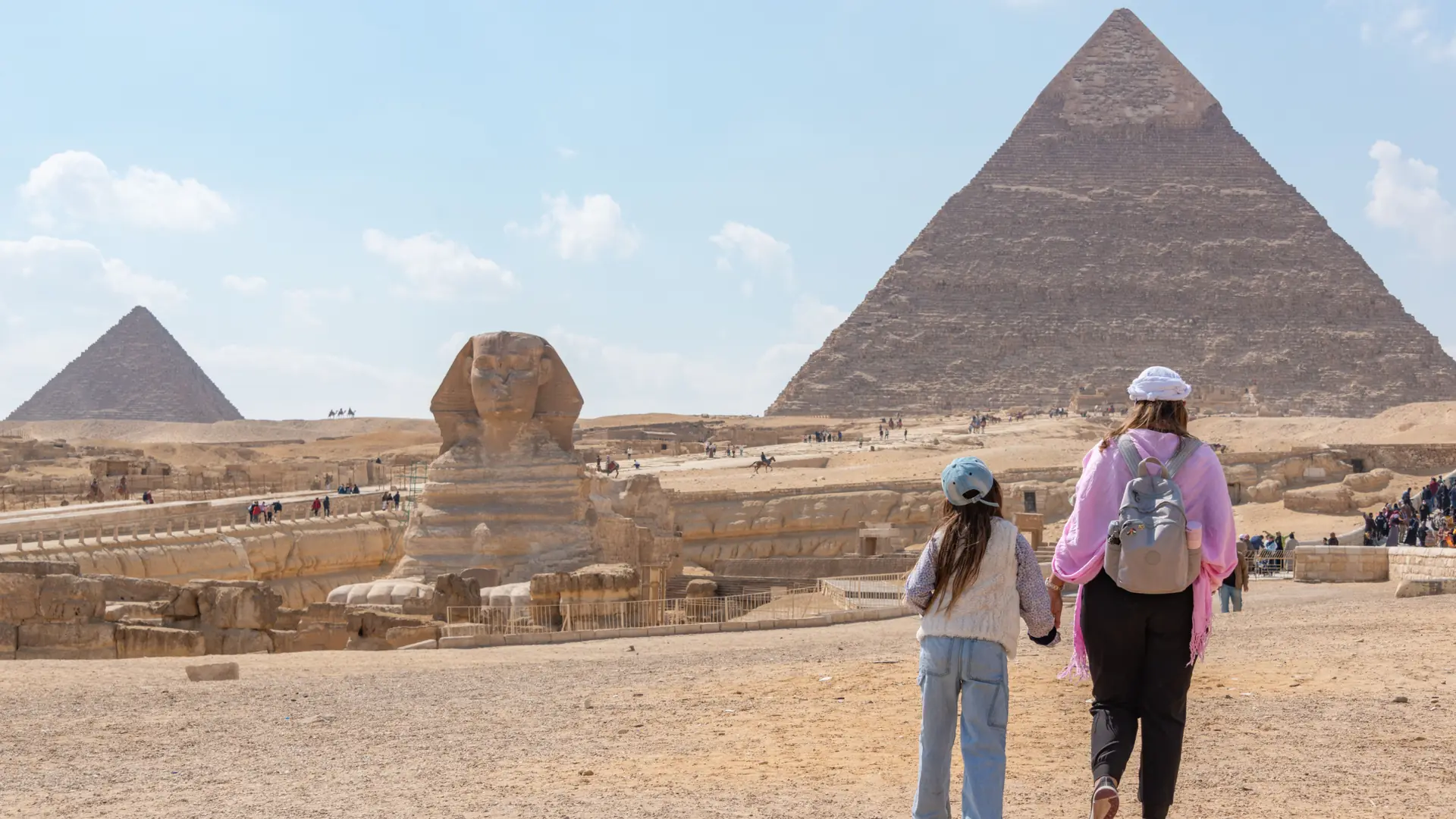
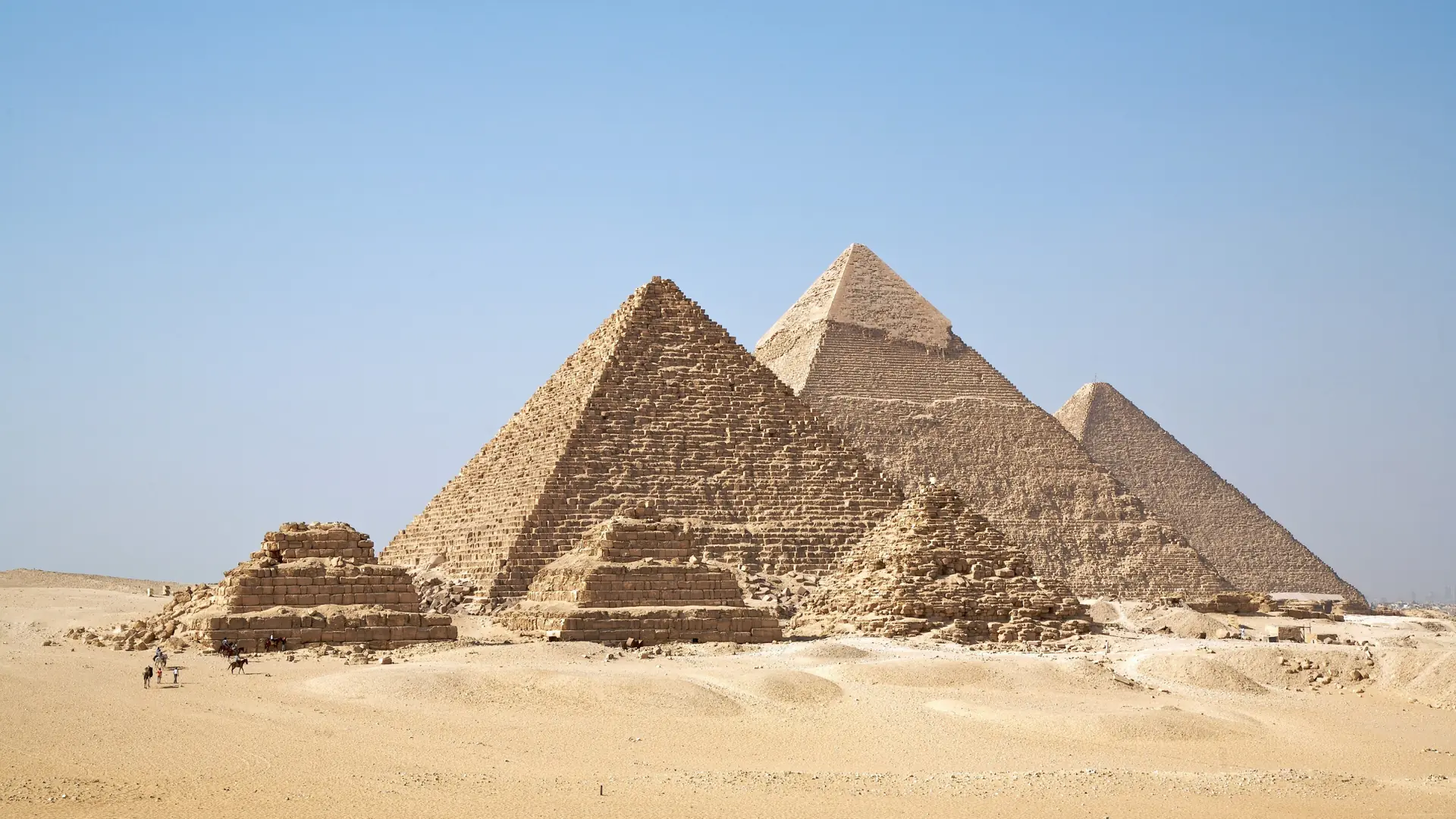
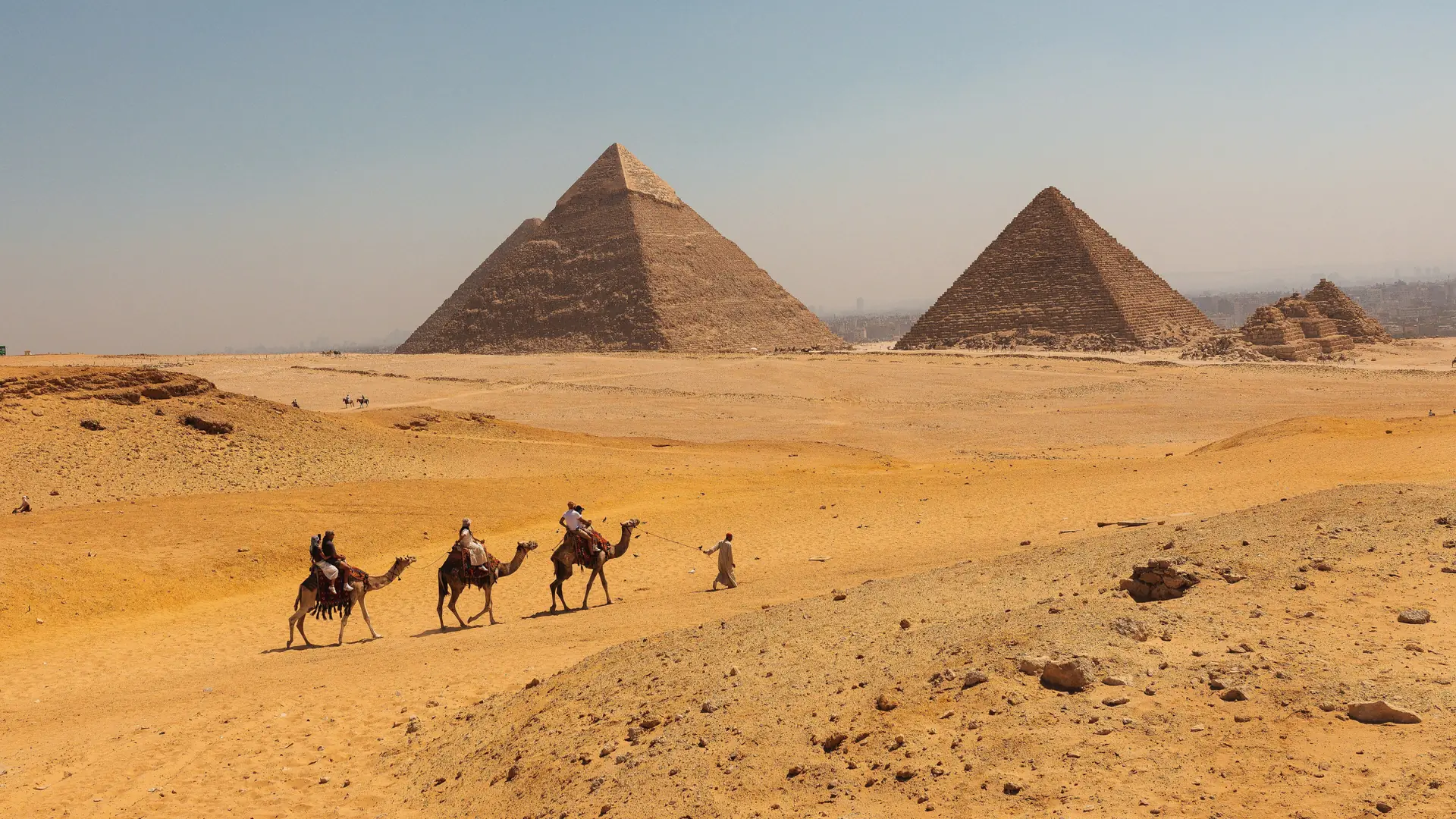
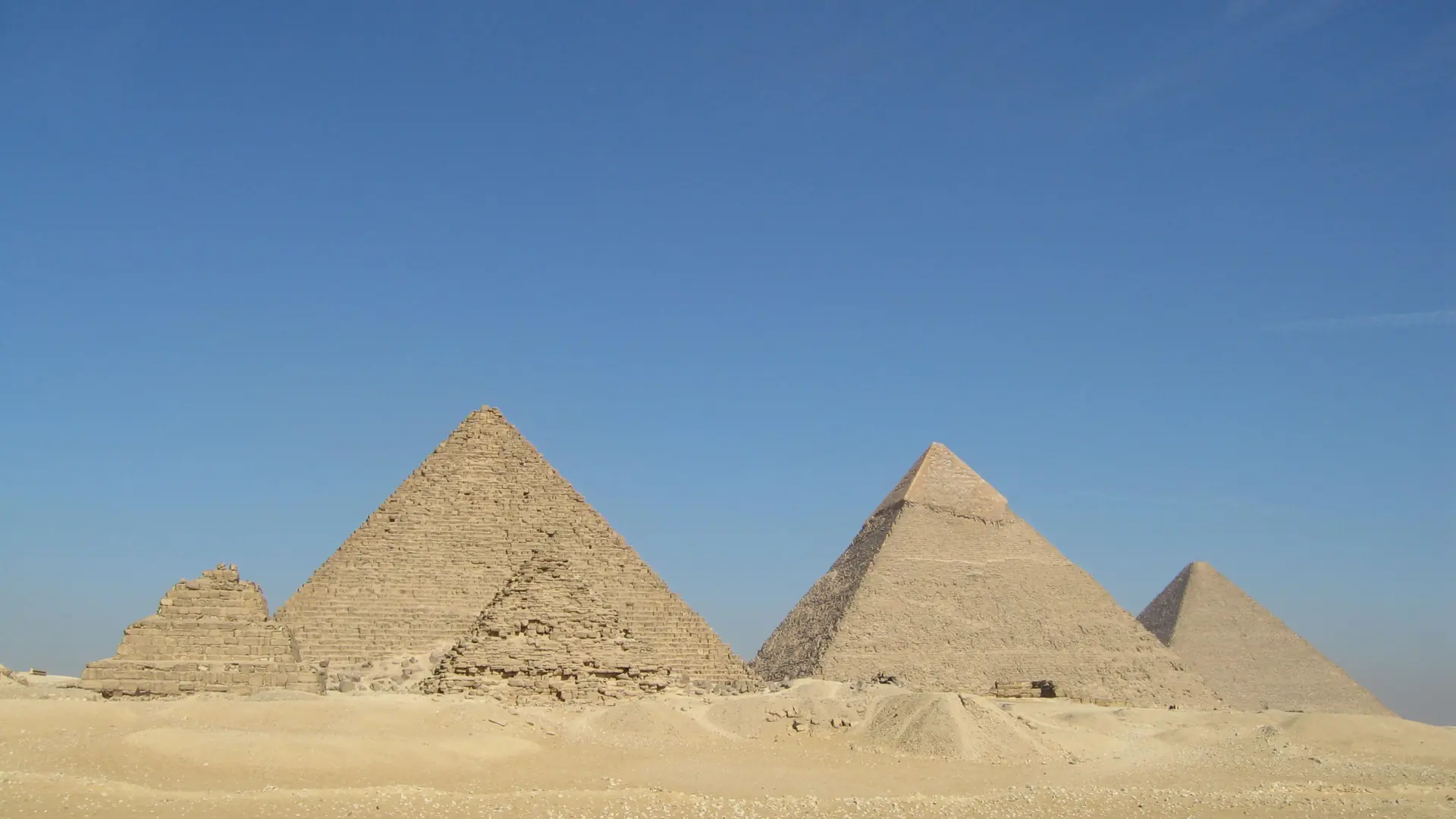
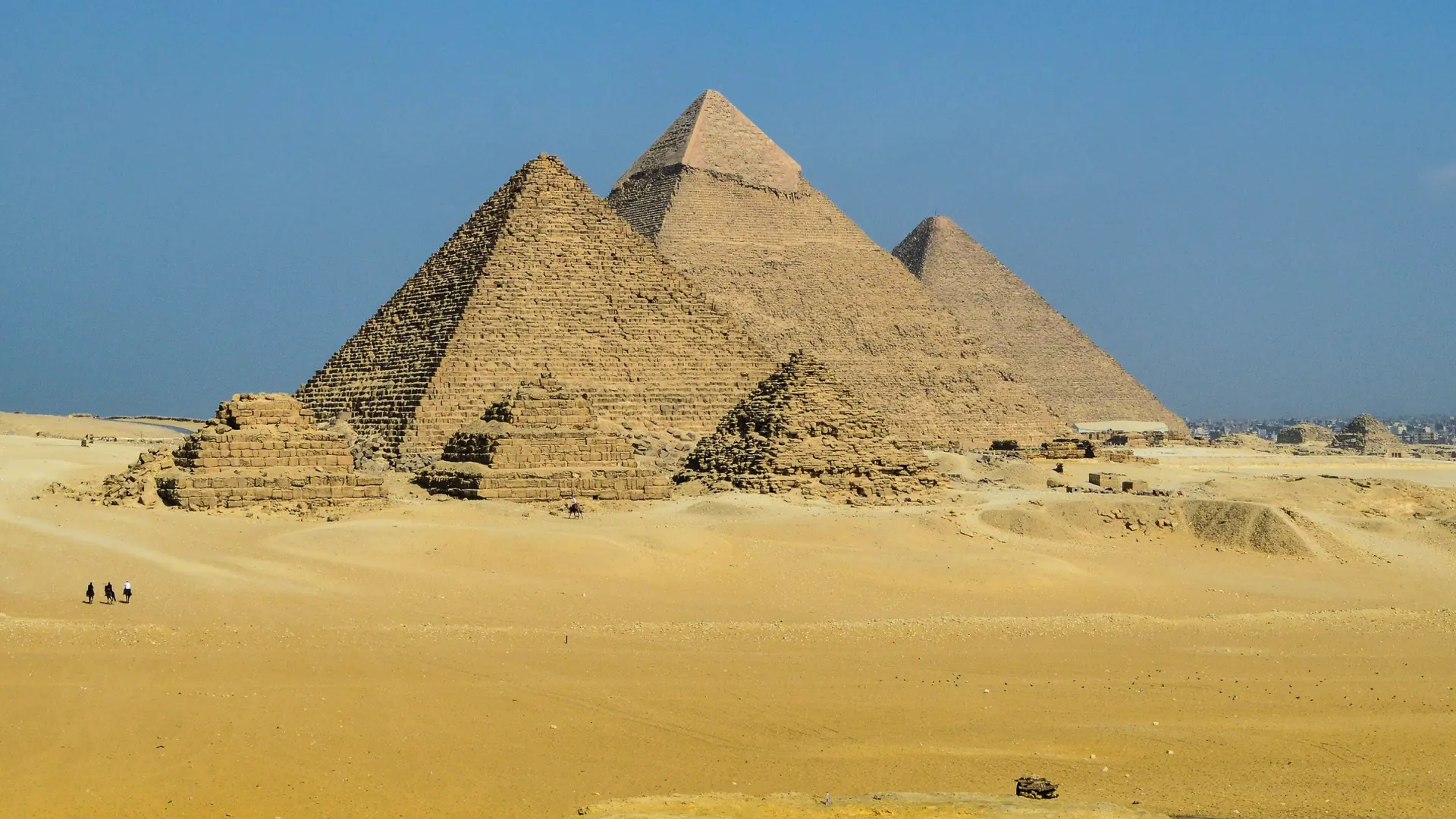
At Giza, look beyond the silhouette. Each pyramid formed part of a larger funerary complex with temples, subsidiary pyramids and tombs. That wider setting explains more than a quick photograph of the three peaks. The Grand Egyptian Museum adds an indoor counterpart, with Tutankhamun's galleries and Khufu's boats included in its current general visit. A morning outdoors and a generous afternoon in the museum can work; keen museum visitors should split them across two days. Timed admission belongs after, rather than before, a realistic lunch and transfer.
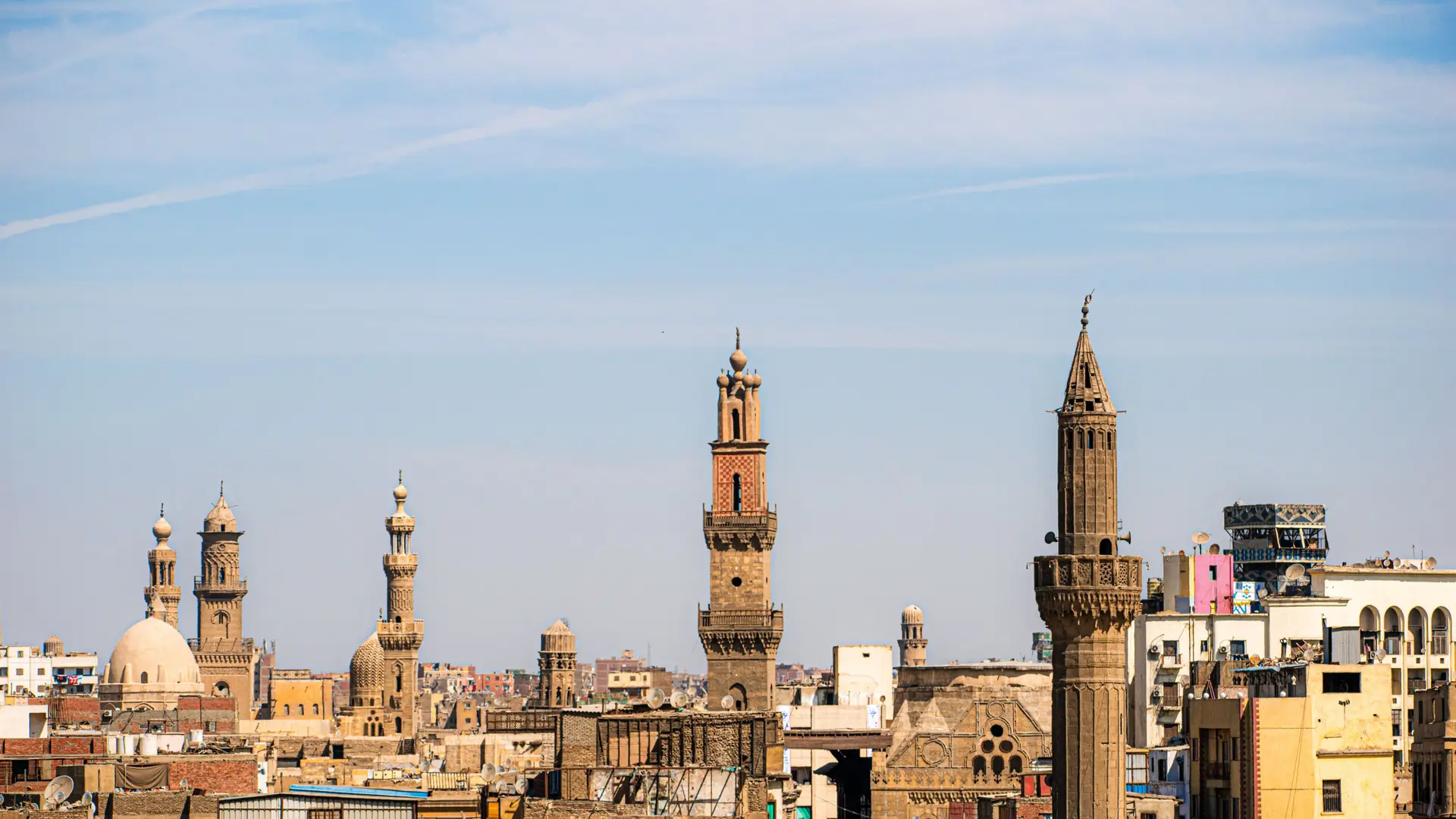
Cairo adds a different history to a monument-led trip. Downtown's nineteenth-century streets, the medieval lanes around al-Muizz and the shops of Khan al-Khalili reward a walk through one district, rather than a sequence of car stops. Museums are separate decisions too: the Egyptian Museum remains at Tahrir, GEM is in Giza, and the National Museum of Egyptian Civilization houses the royal mummies at Fustat. Choose by the collection you want to see. A whole afternoon spent travelling between all three leaves little time for their objects.
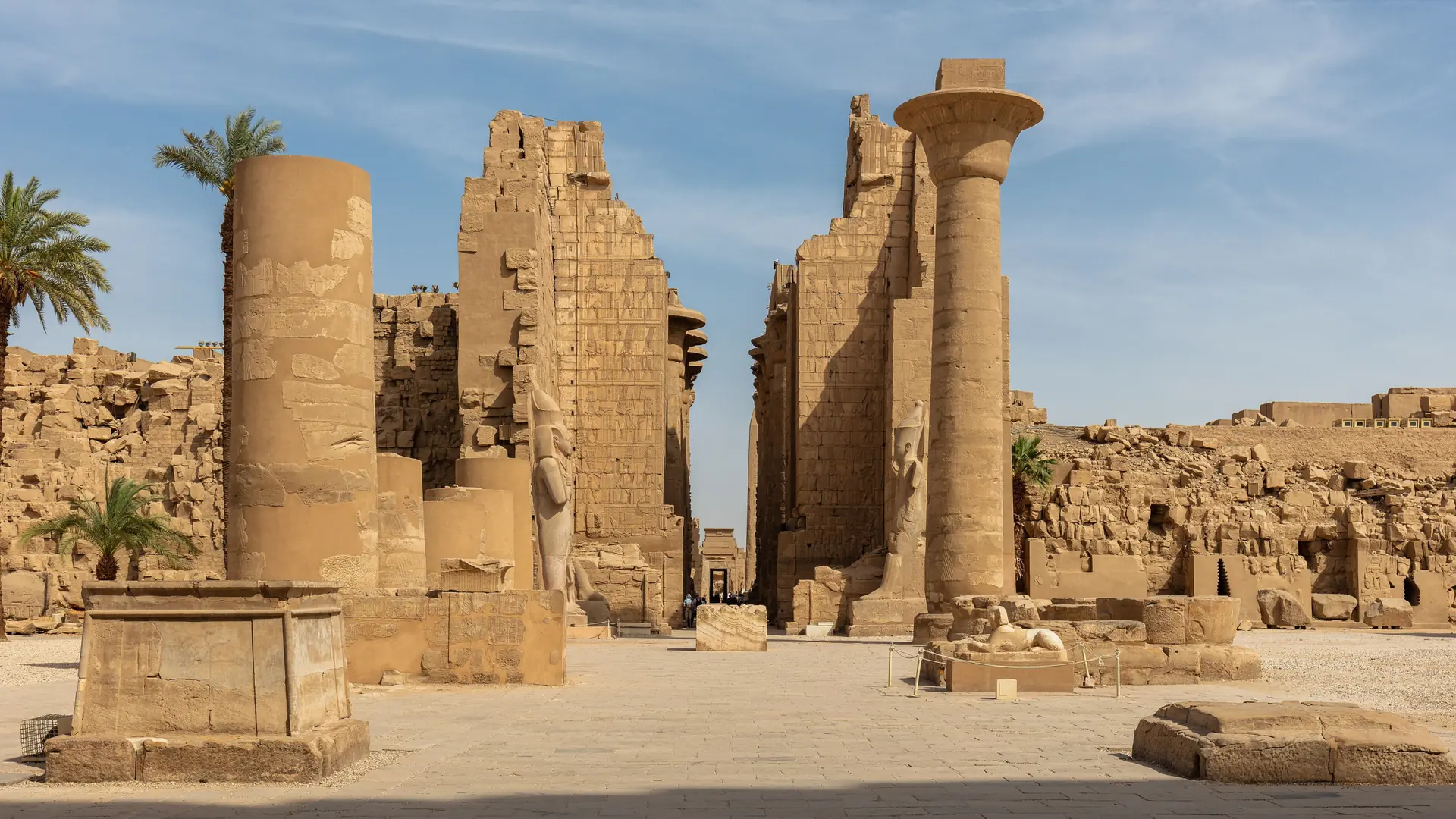
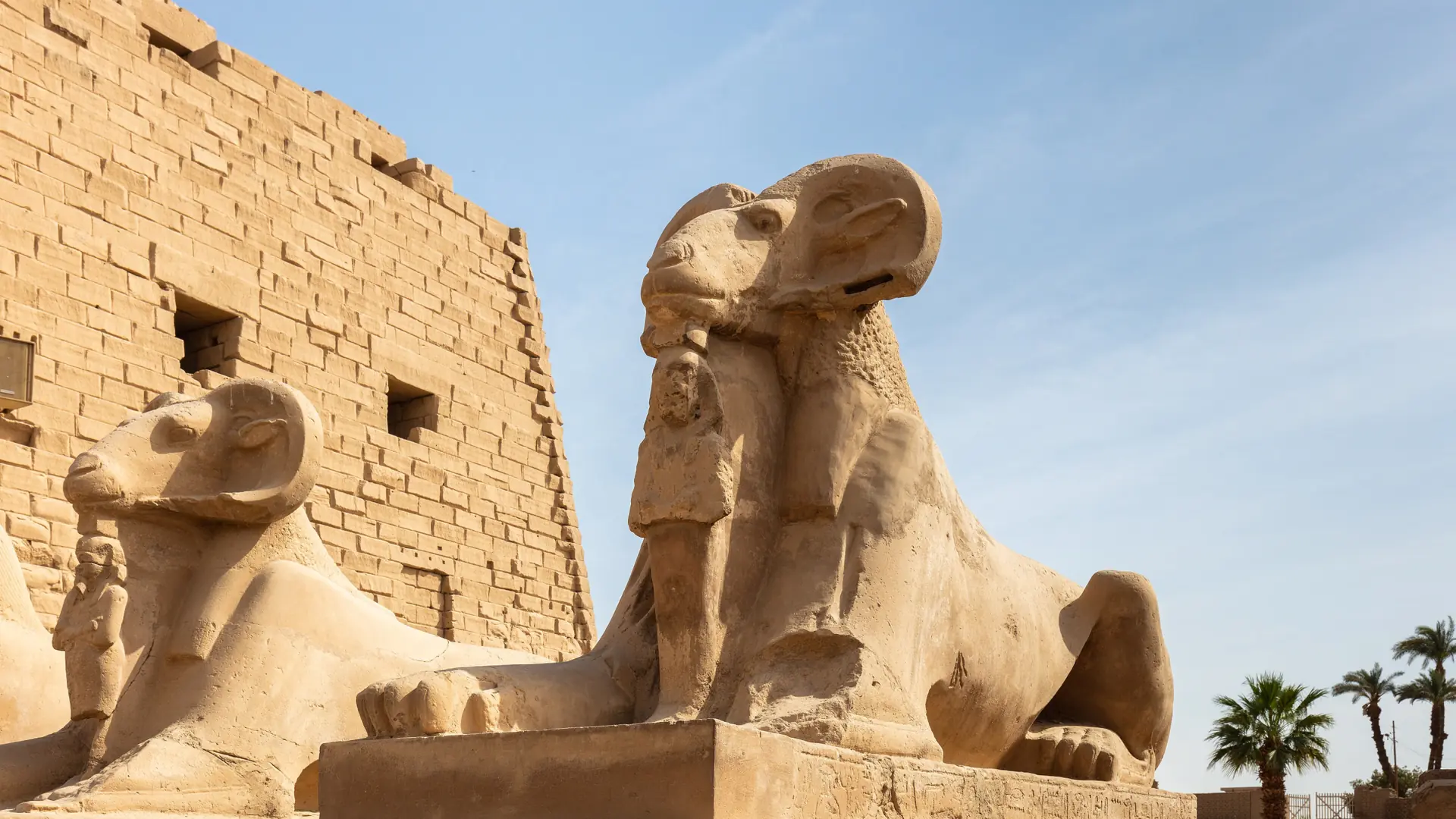
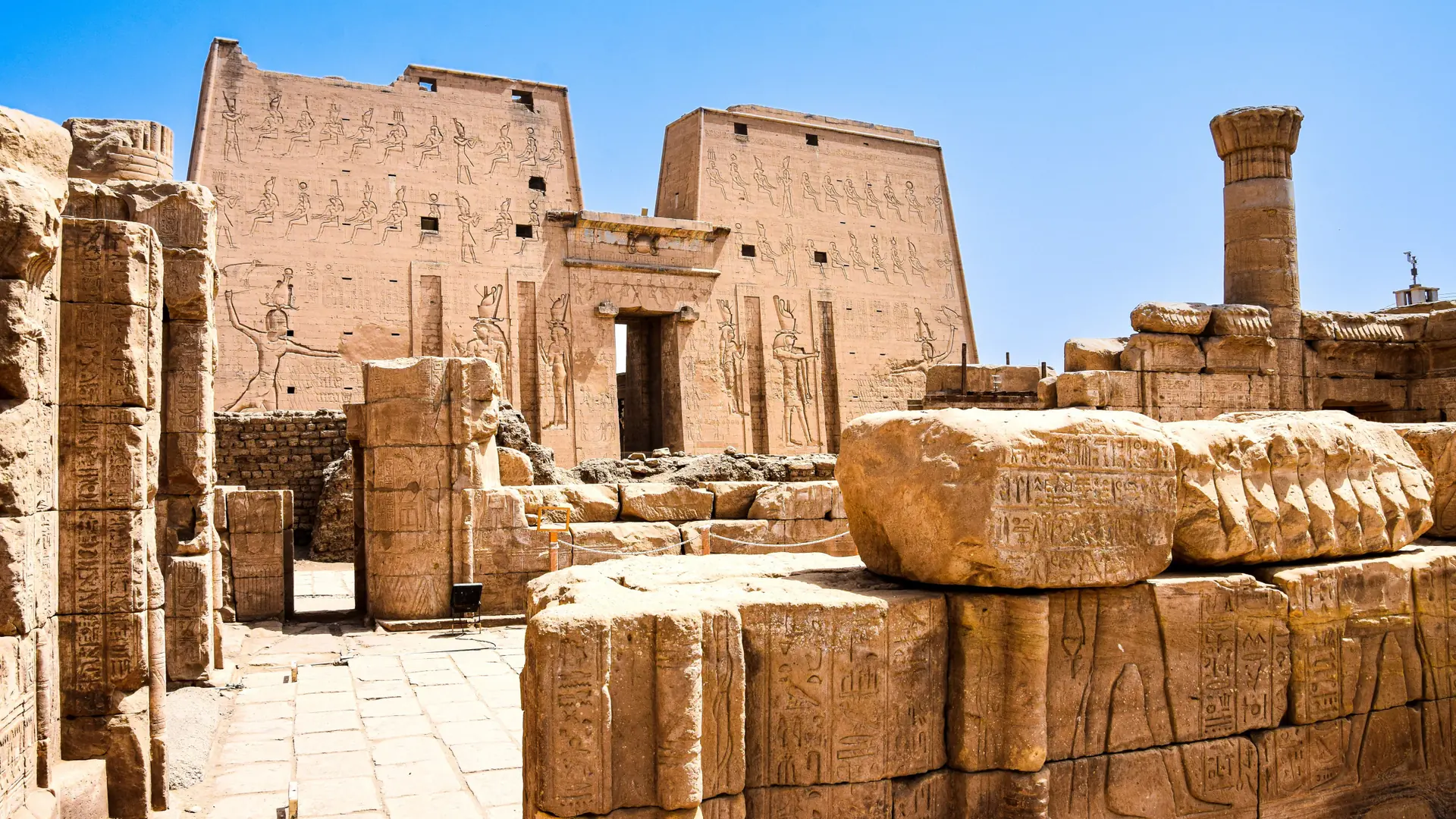
Luxor's appeal is the contrast between the public world of temples and the more intimate painted royal tombs. Karnak's courts and columns show how successive rulers enlarged a sacred complex; across the river, the Valley of the Kings turns attention to burial and beliefs about the afterlife. Hatshepsut's terraces add a markedly different architectural setting against the cliffs. Choose a few tombs and one major temple visit rather than treating every West Bank name as compulsory.
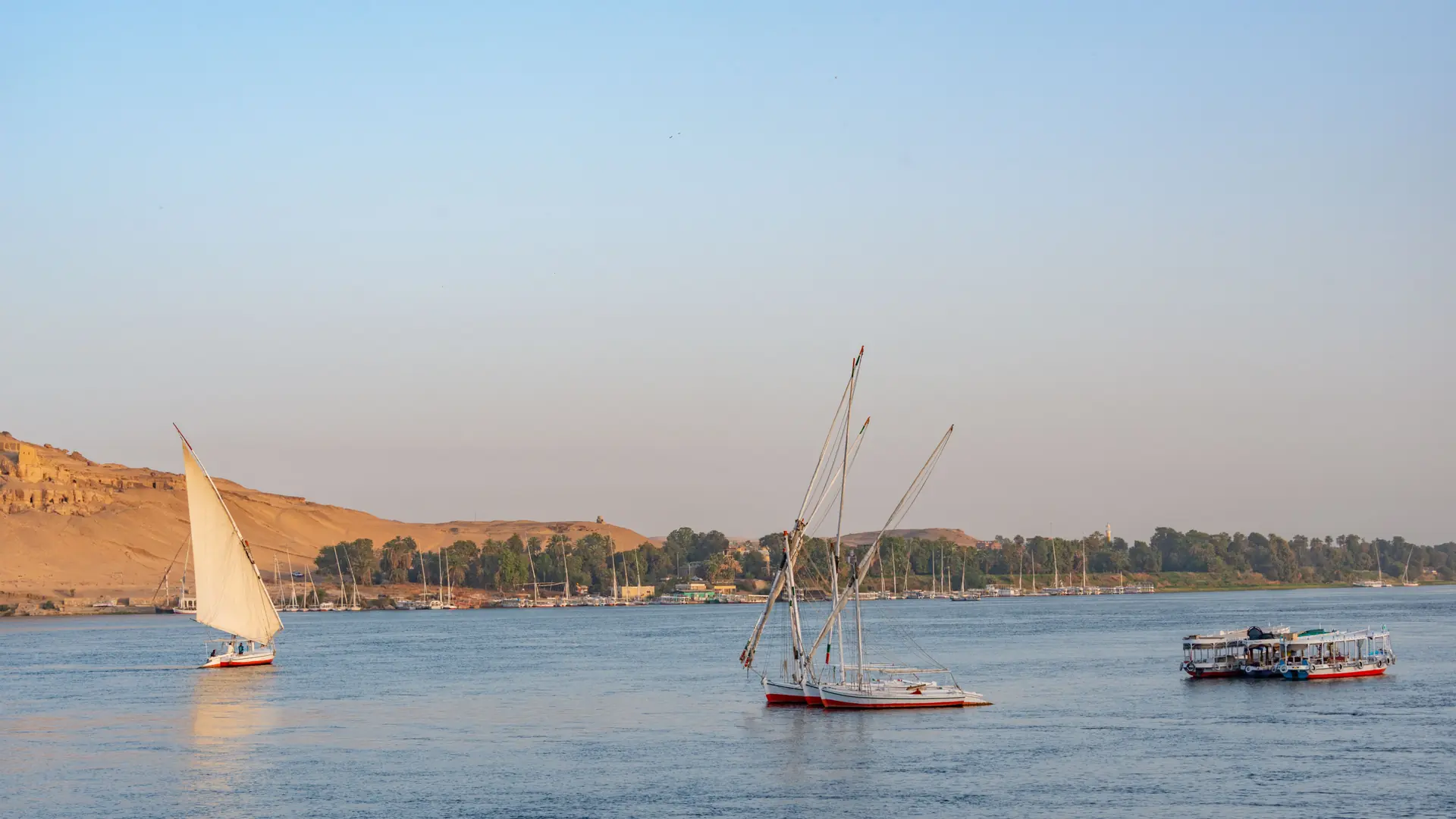
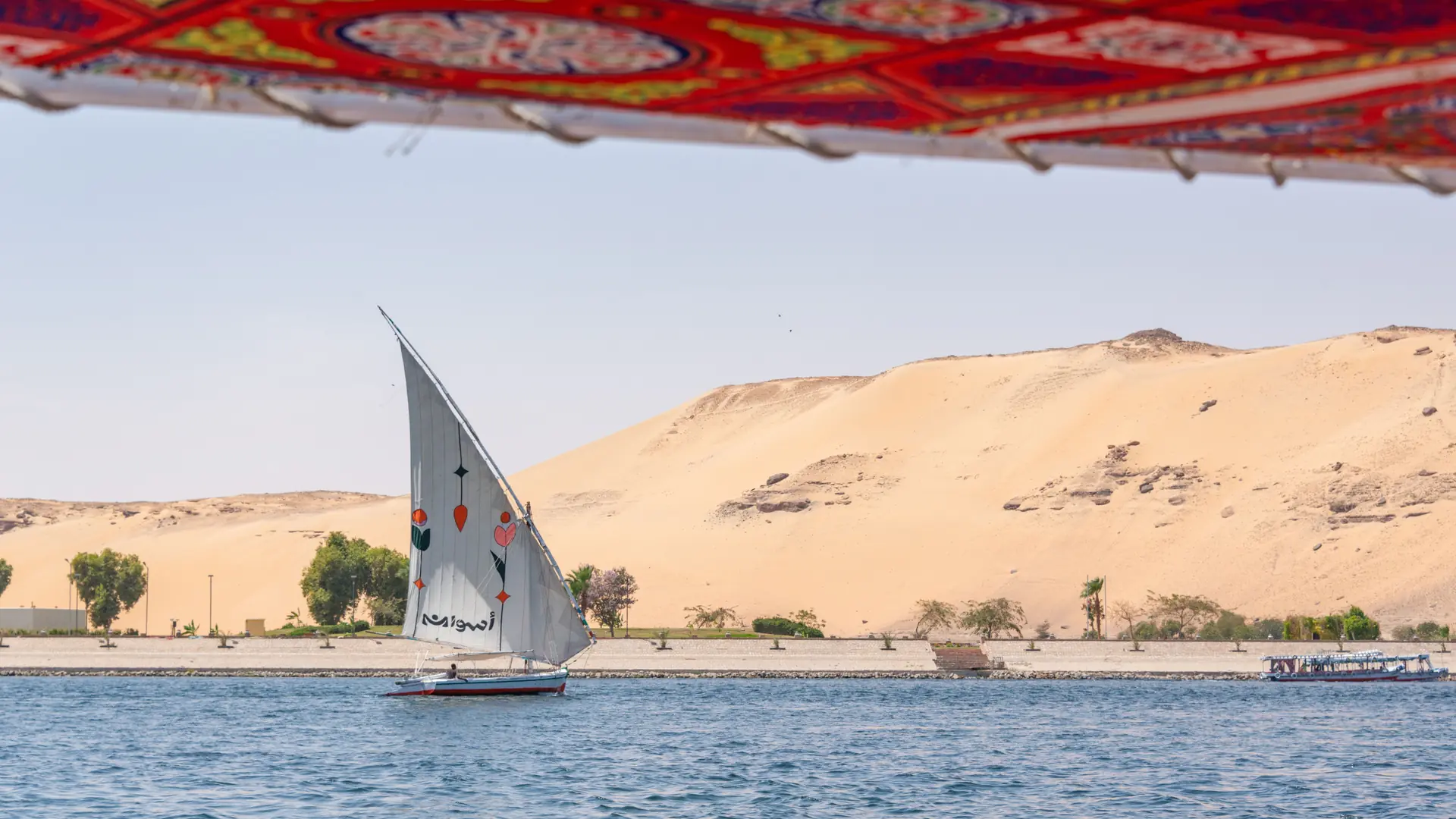
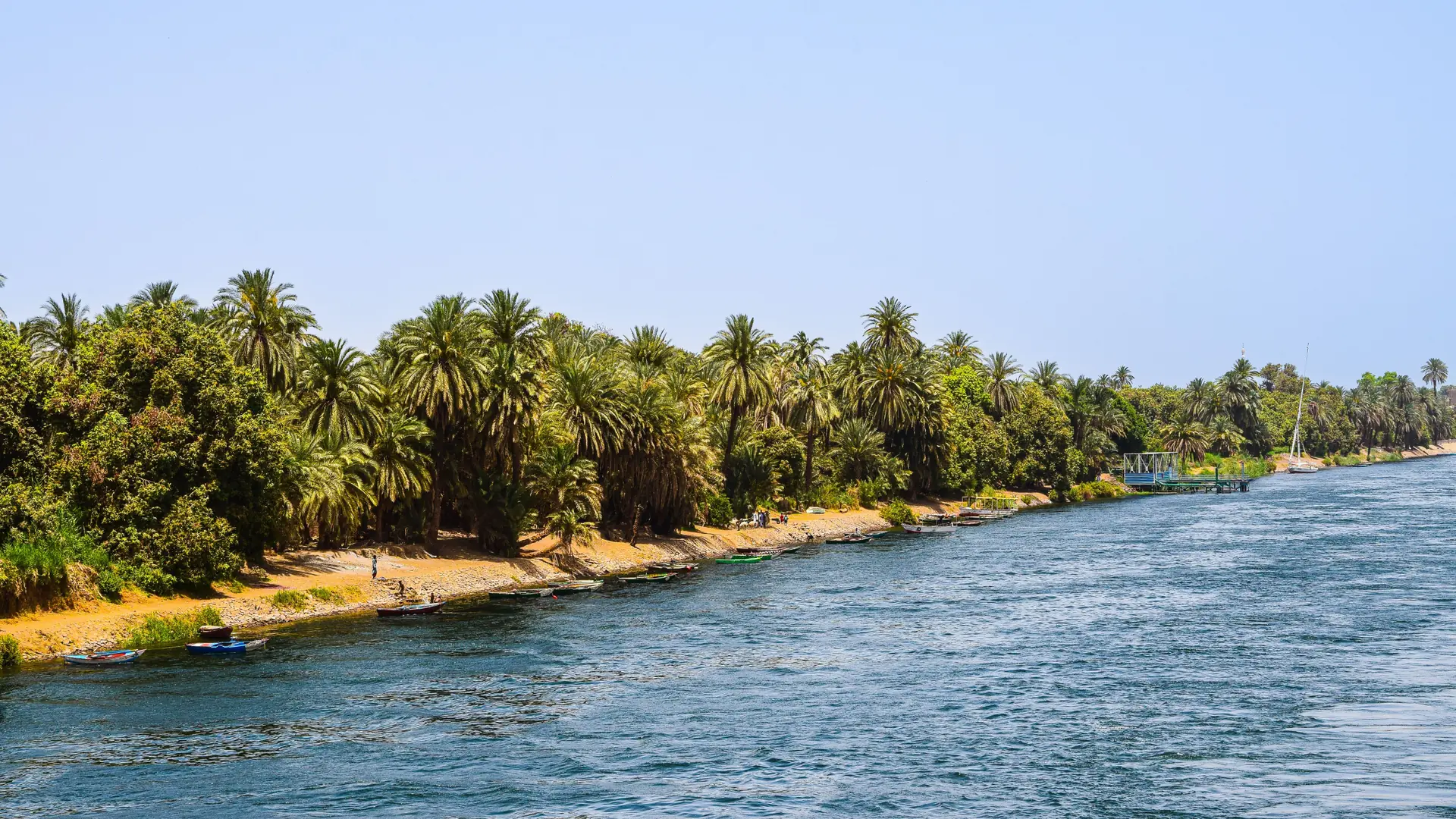
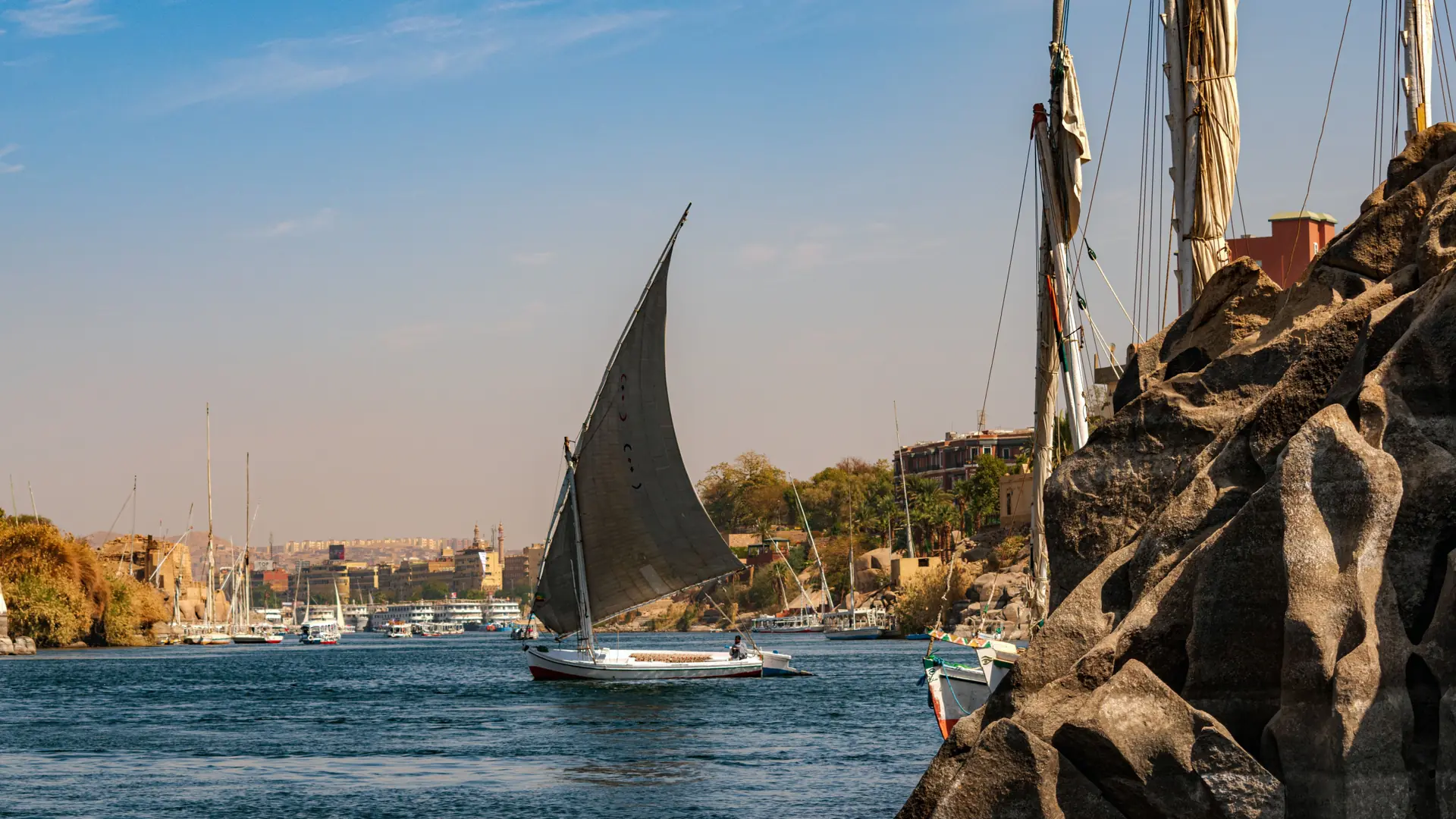
Around Aswan, water is part of the experience rather than a view behind the hotel. Philae's island approach leads to a temple rescued from inundation; UNESCO's Nubian monuments record the wider international salvage campaign. Abu Simbel's enormous facades belong to that same story, though they sit far south of Aswan and need a separate excursion. For a gentler afternoon, a felucca sail adds the river landscape without another temple list.
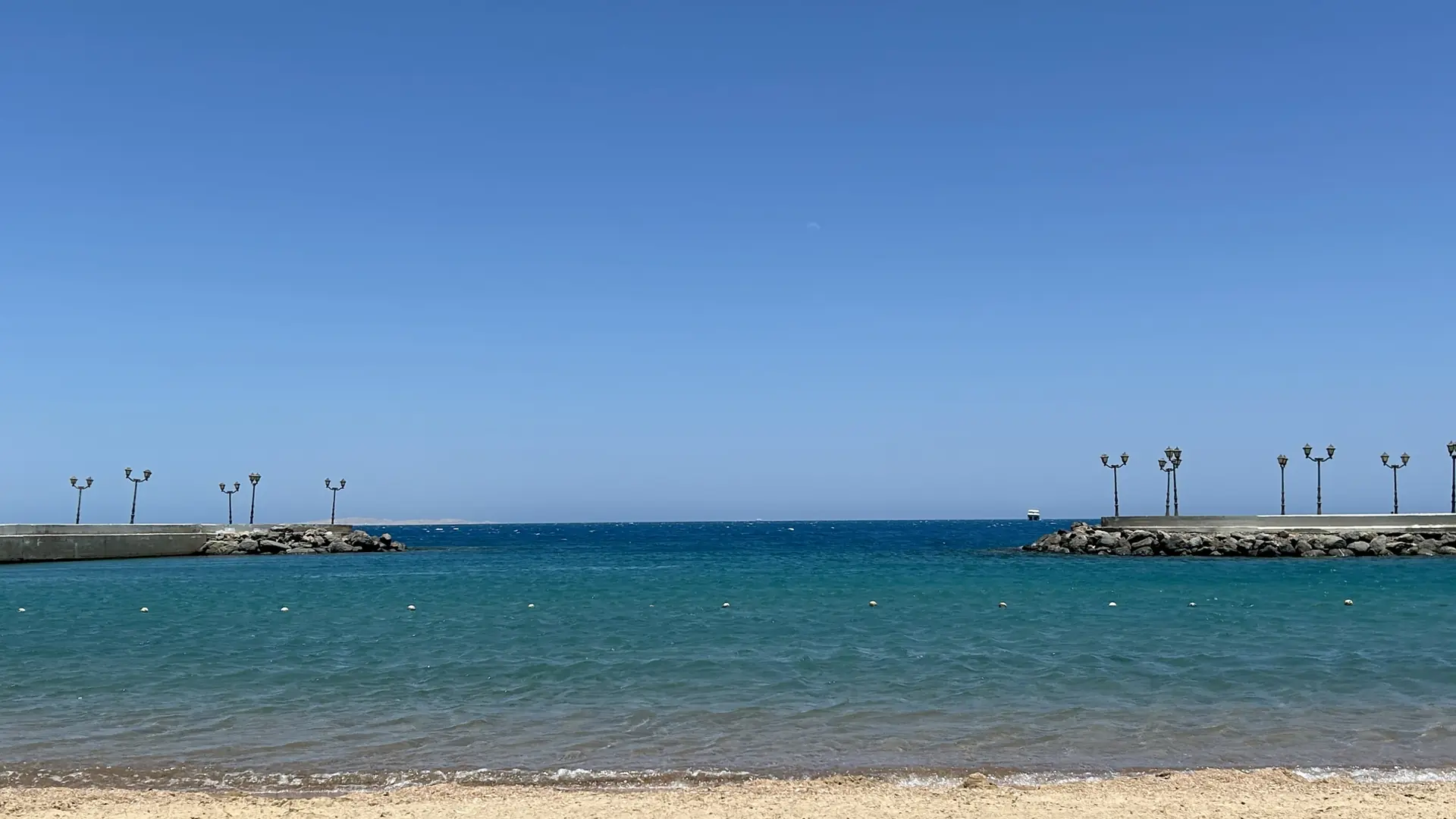
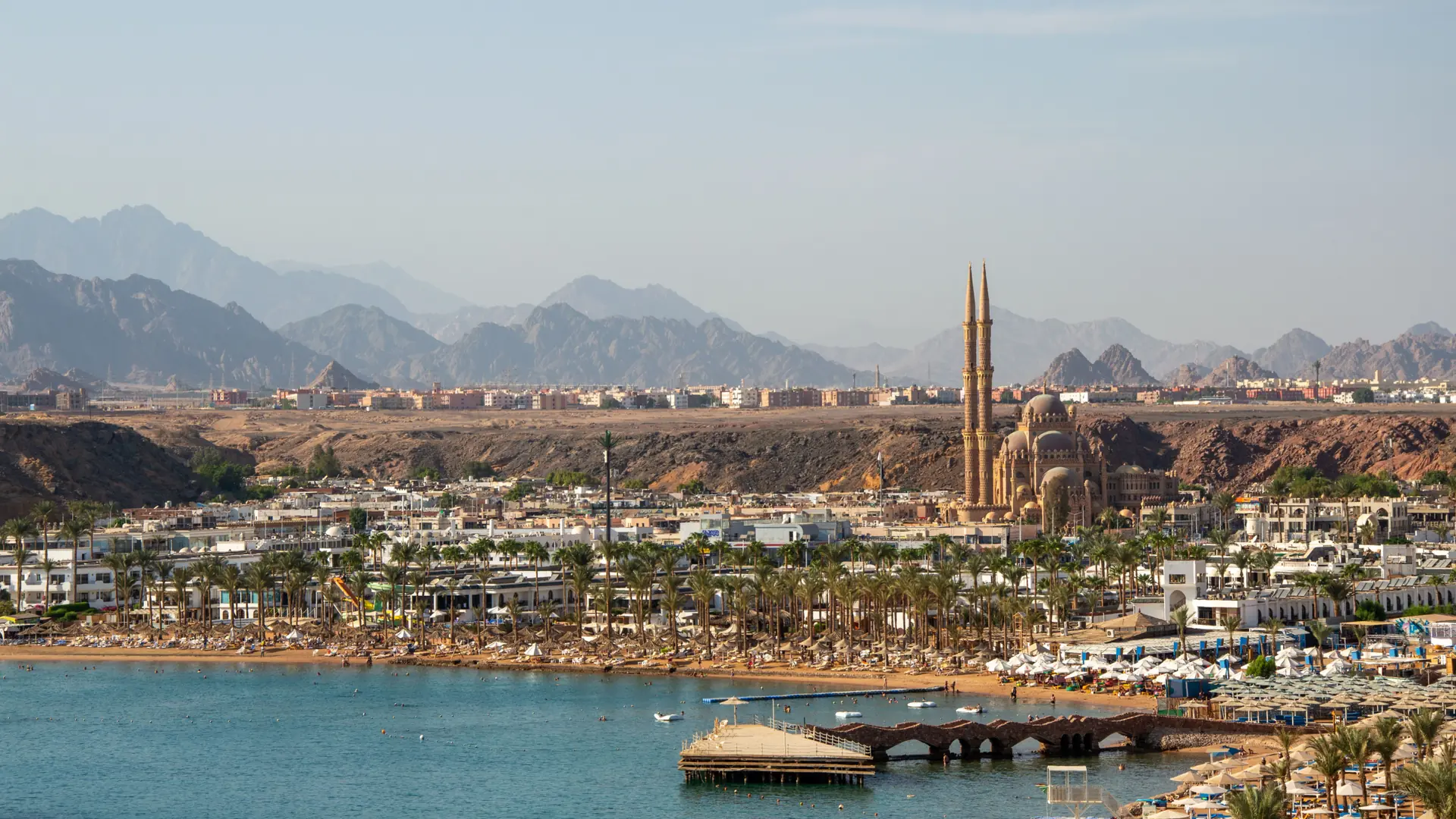
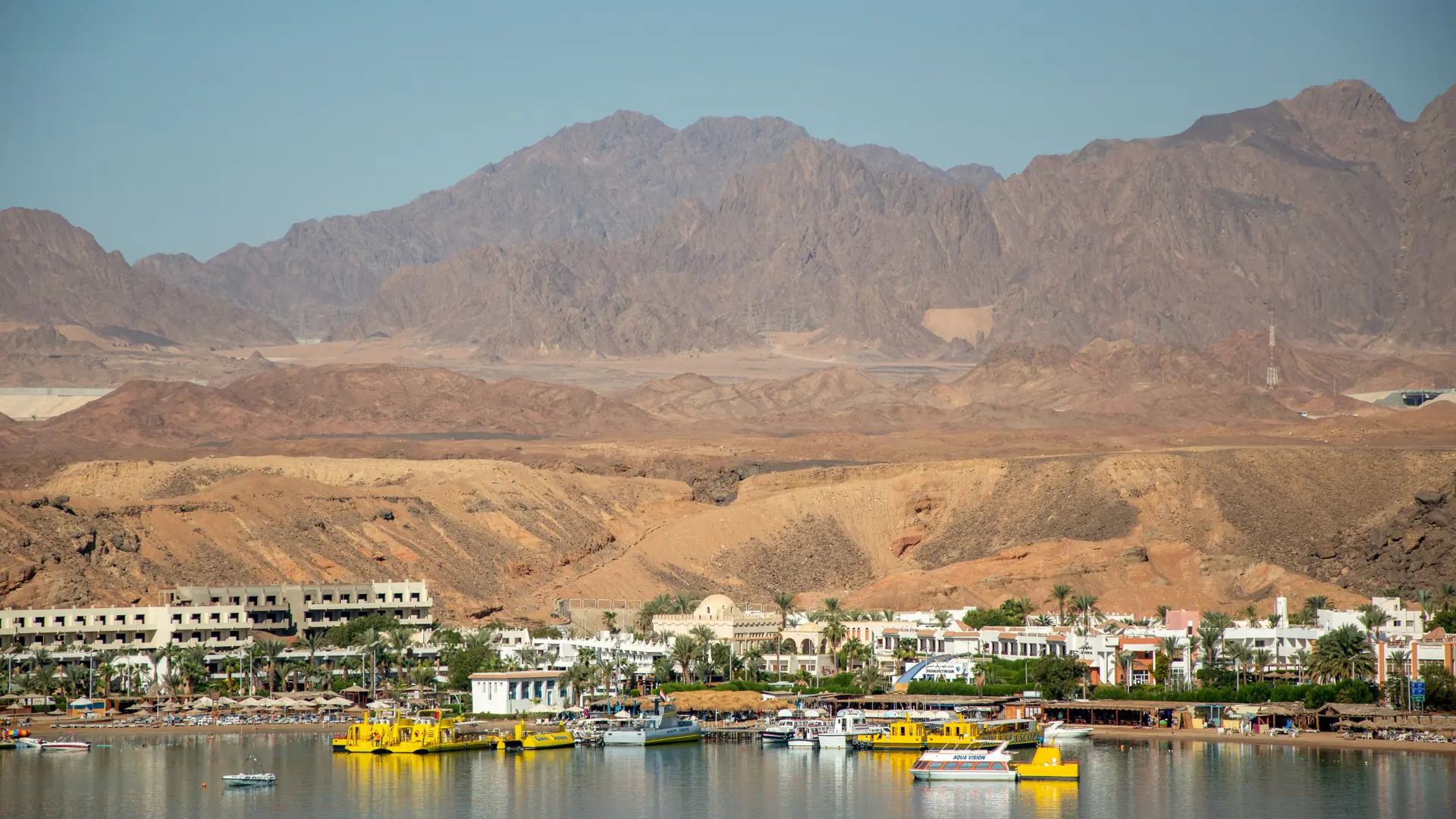
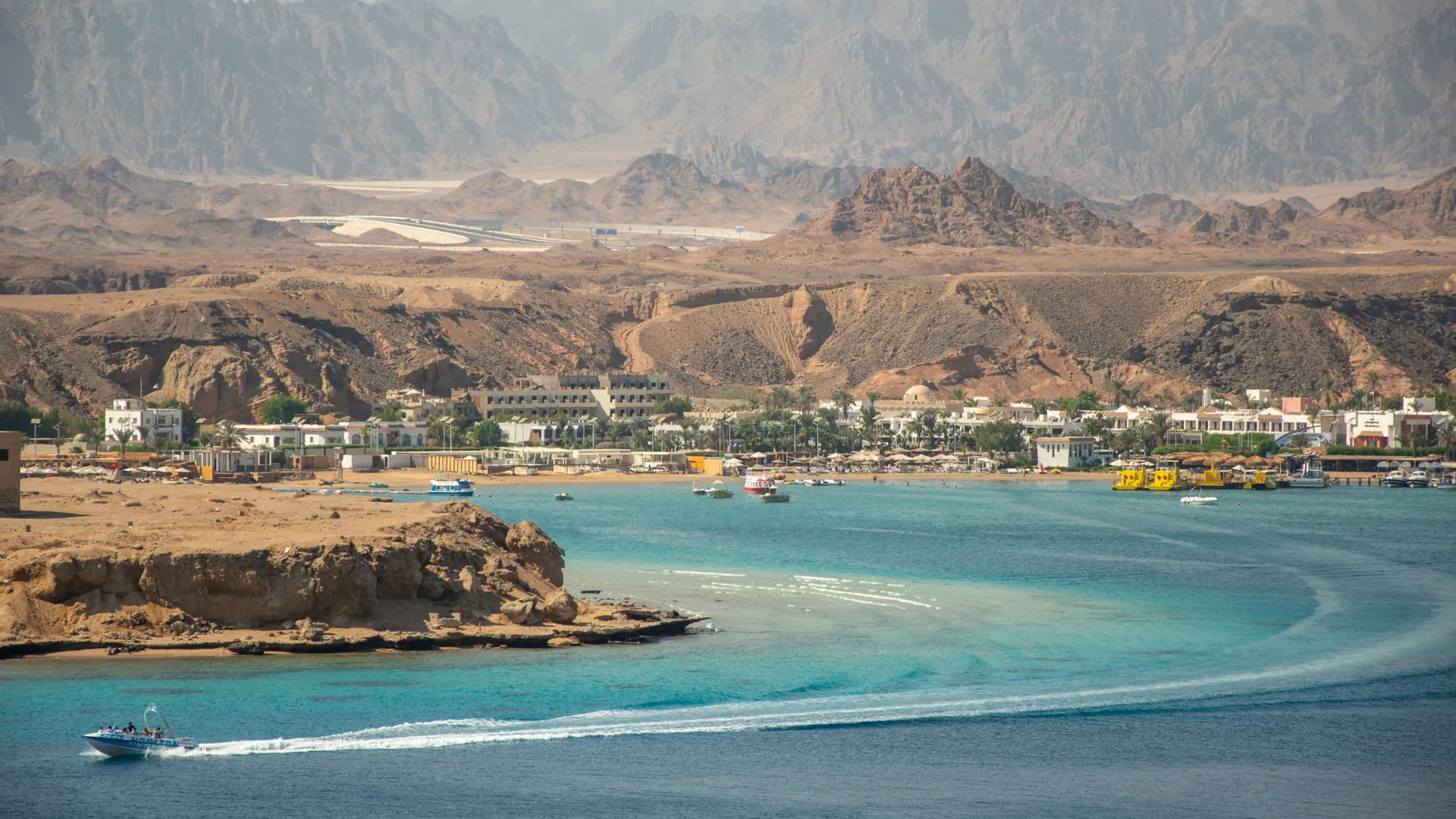
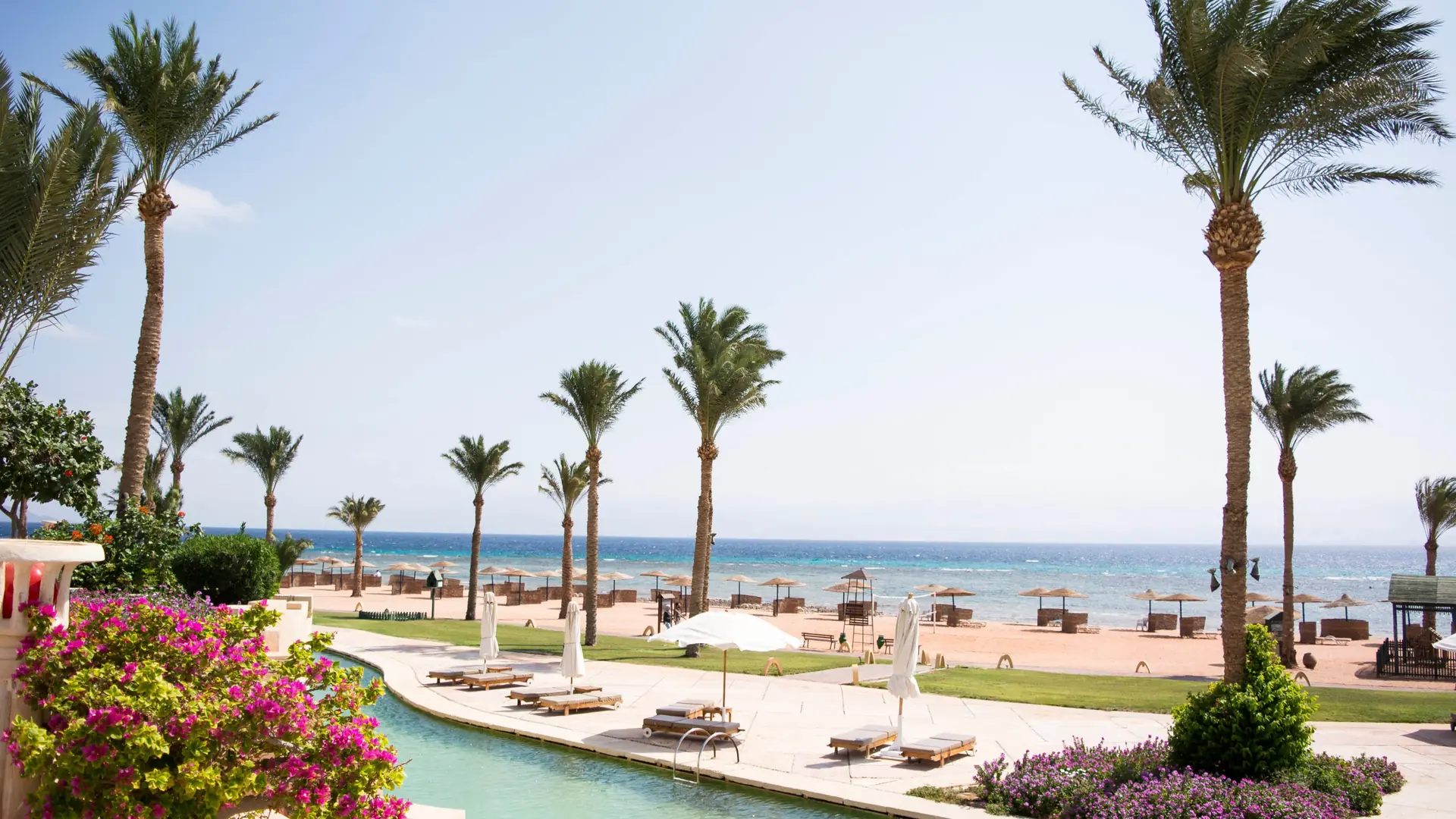
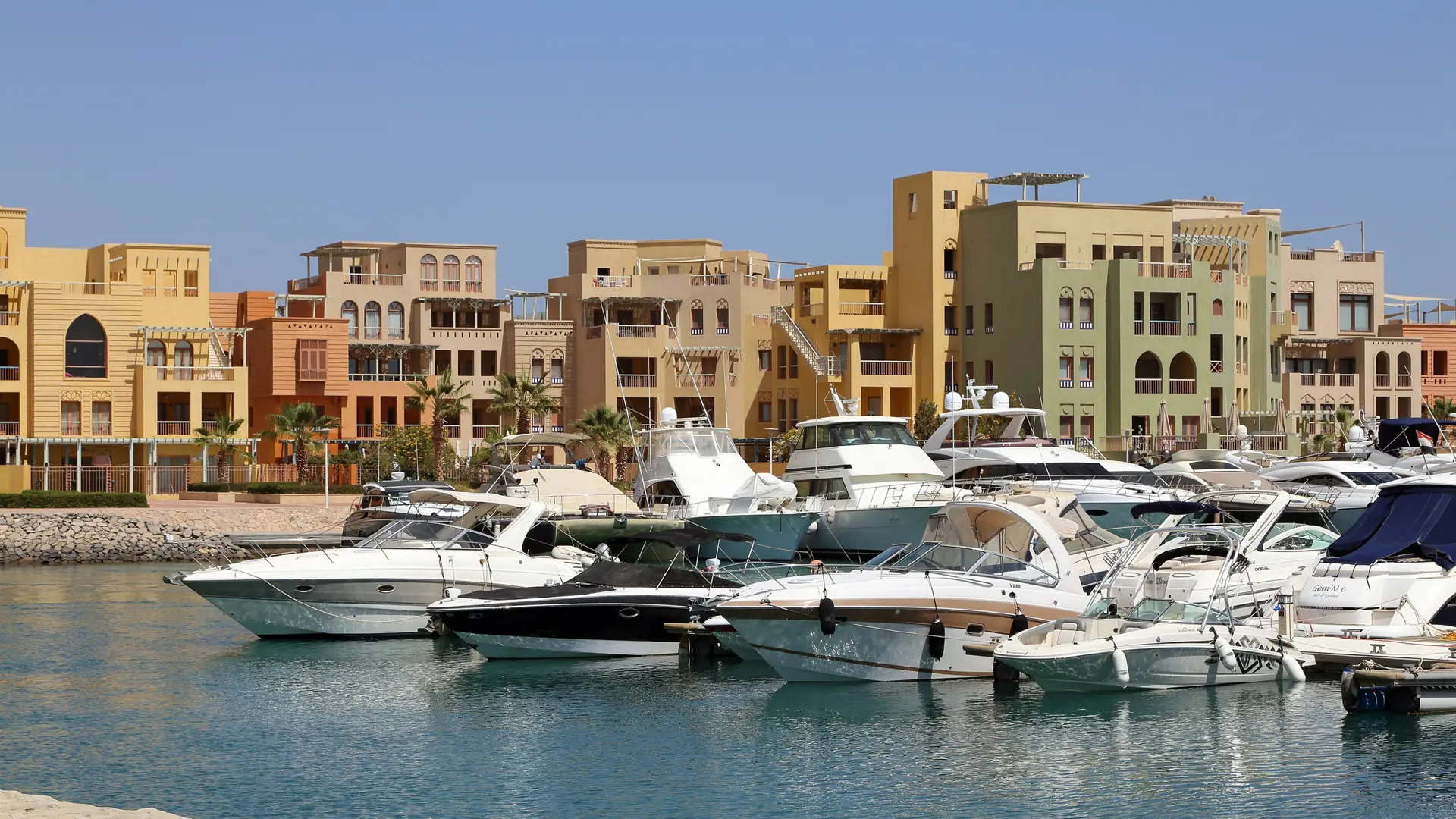
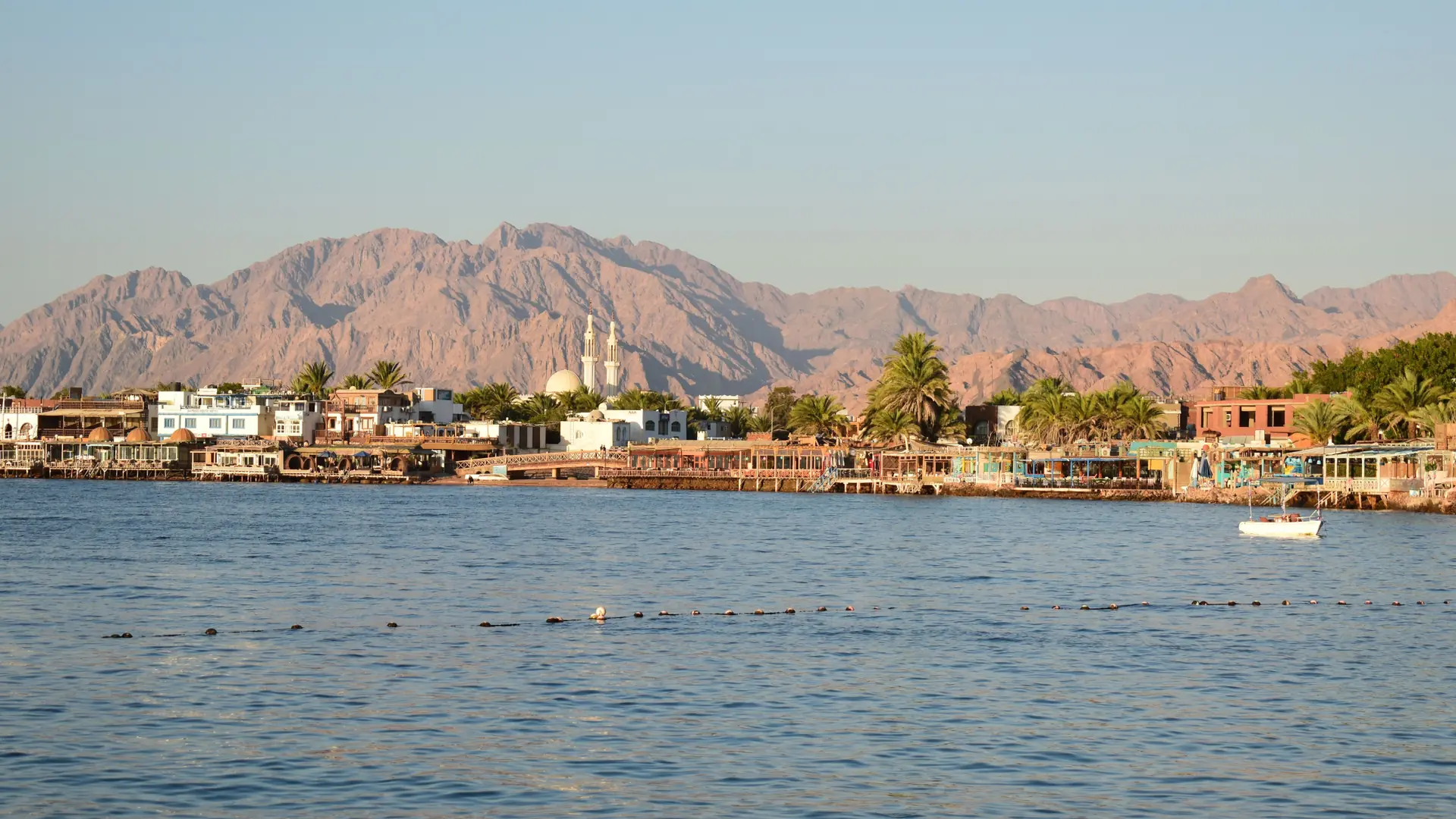
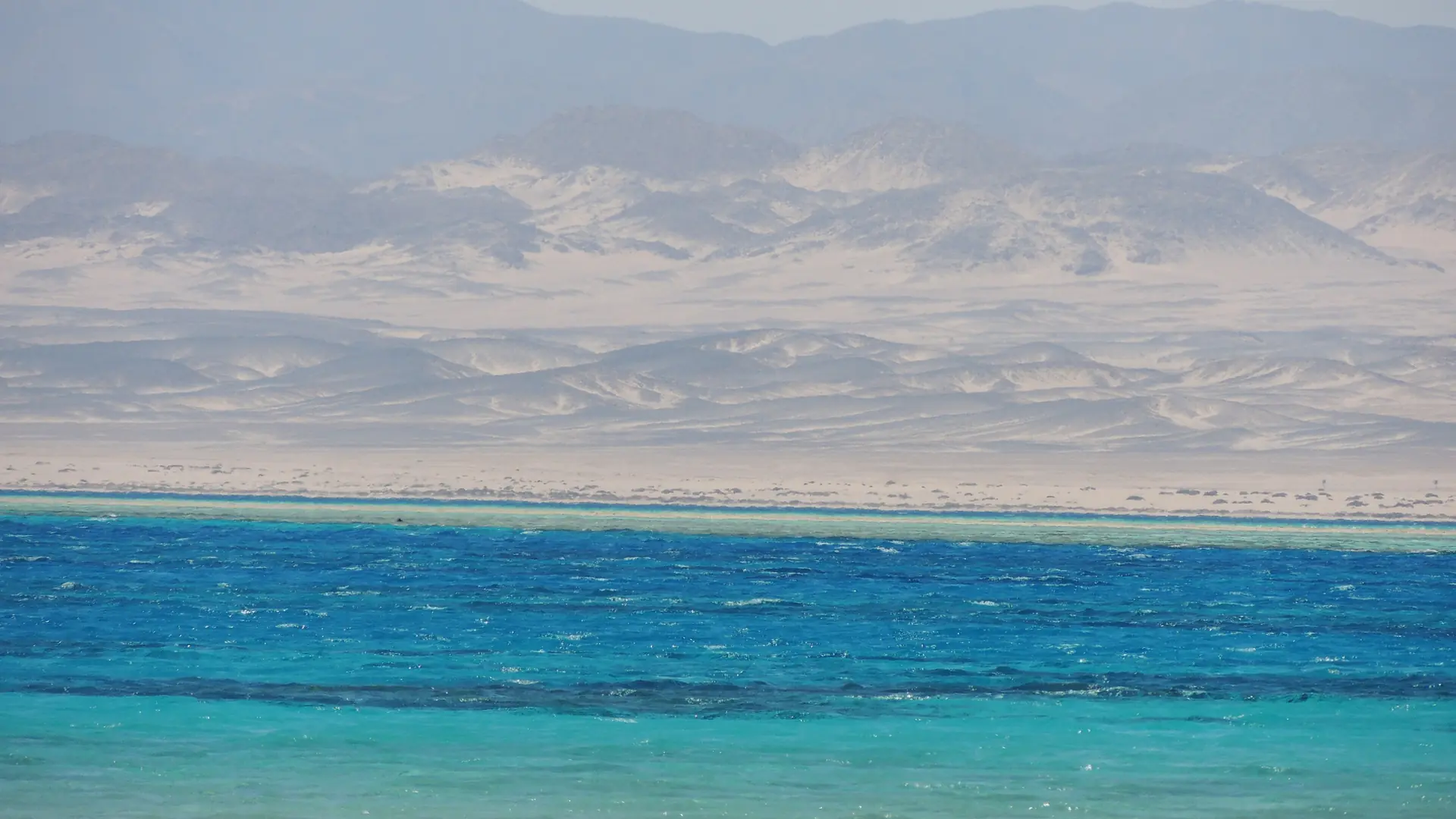
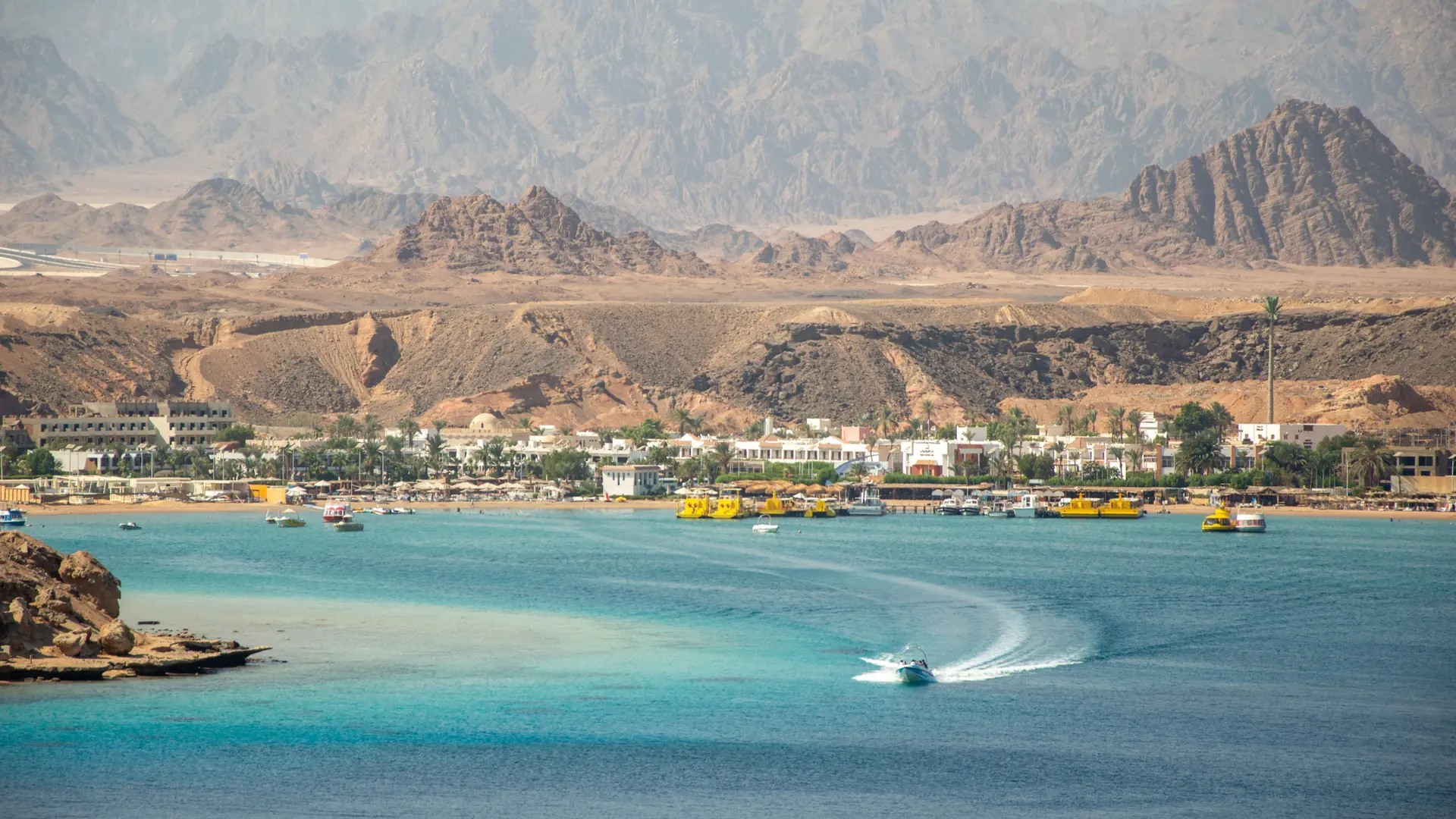
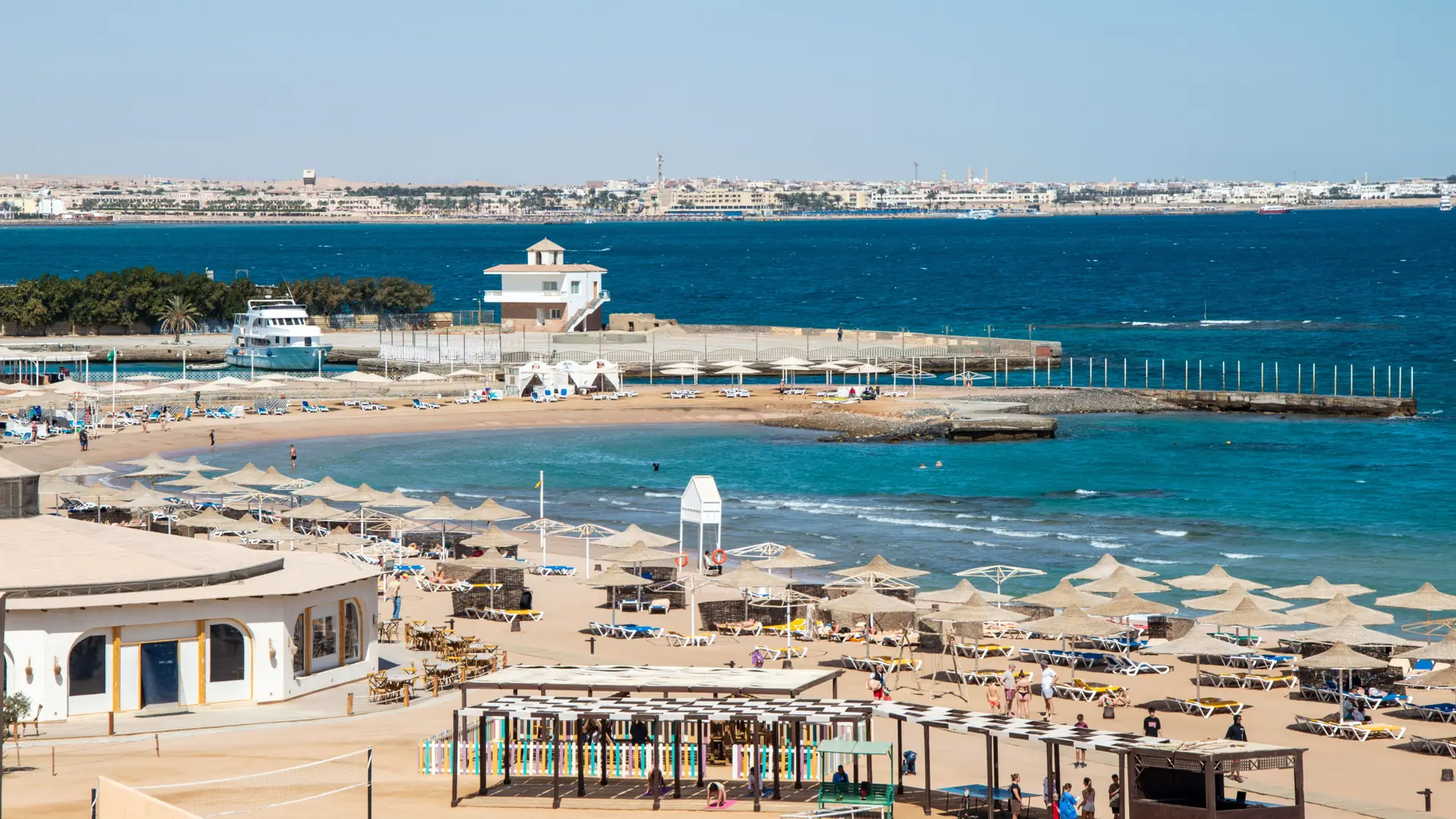
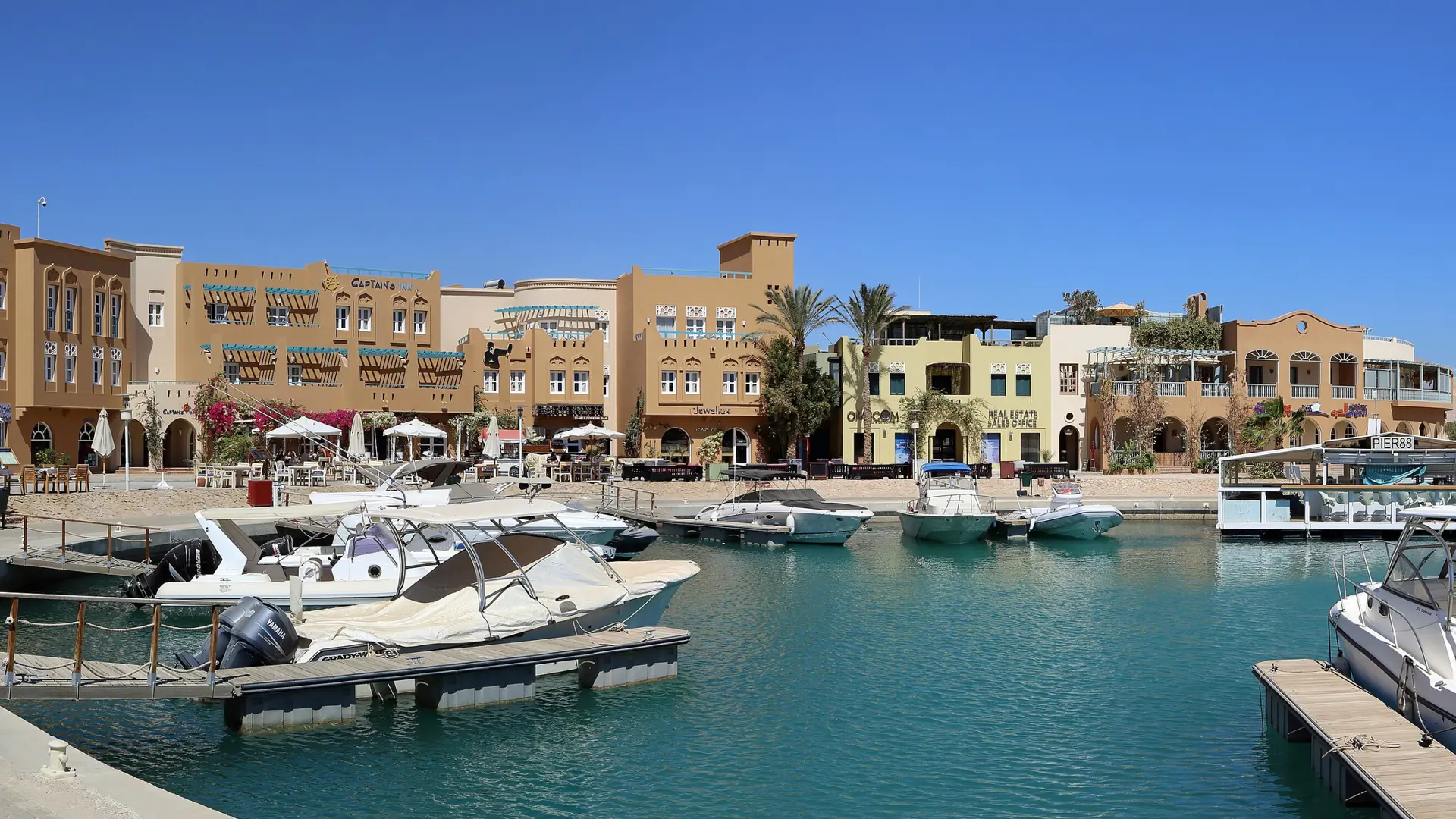
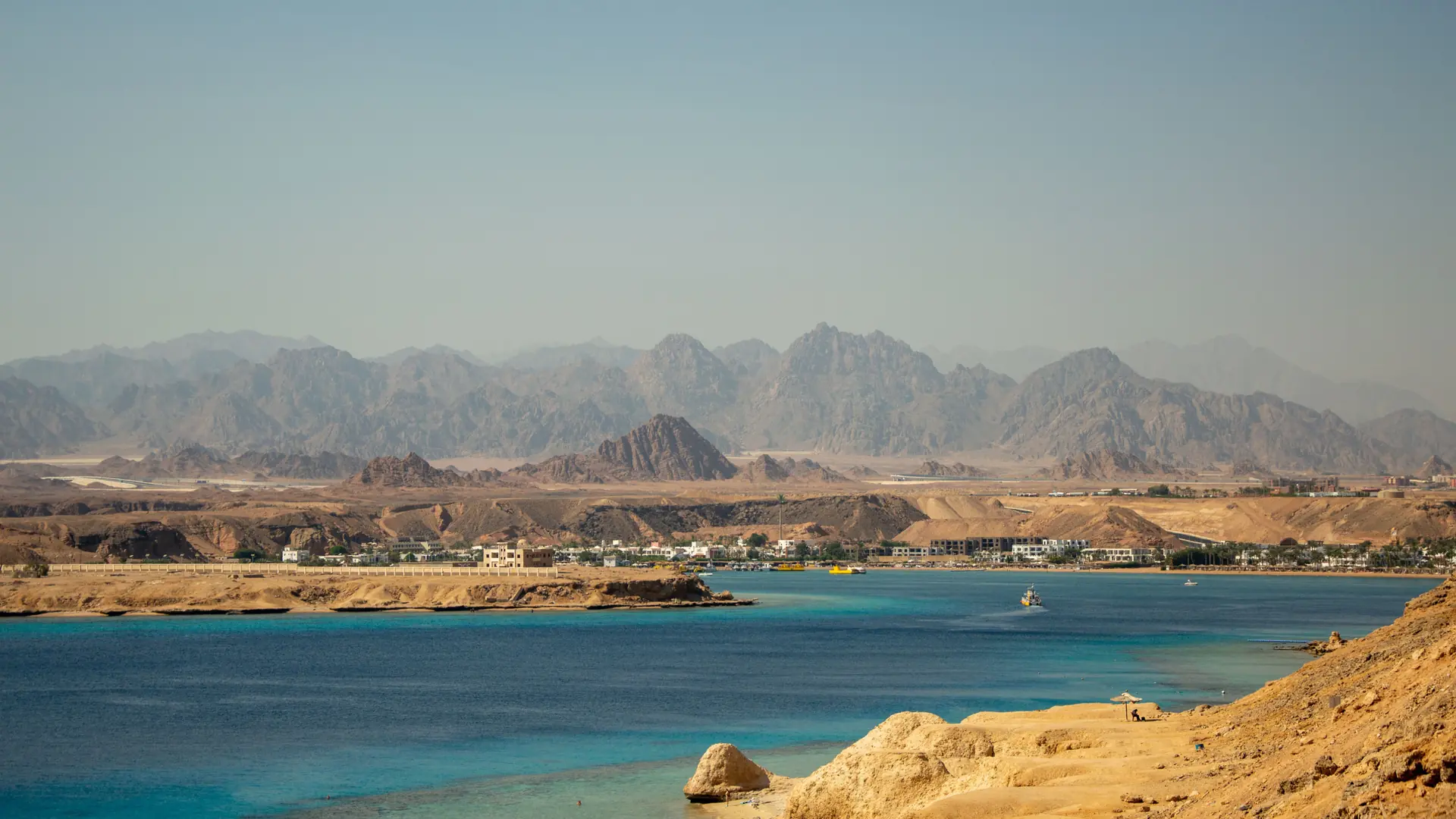
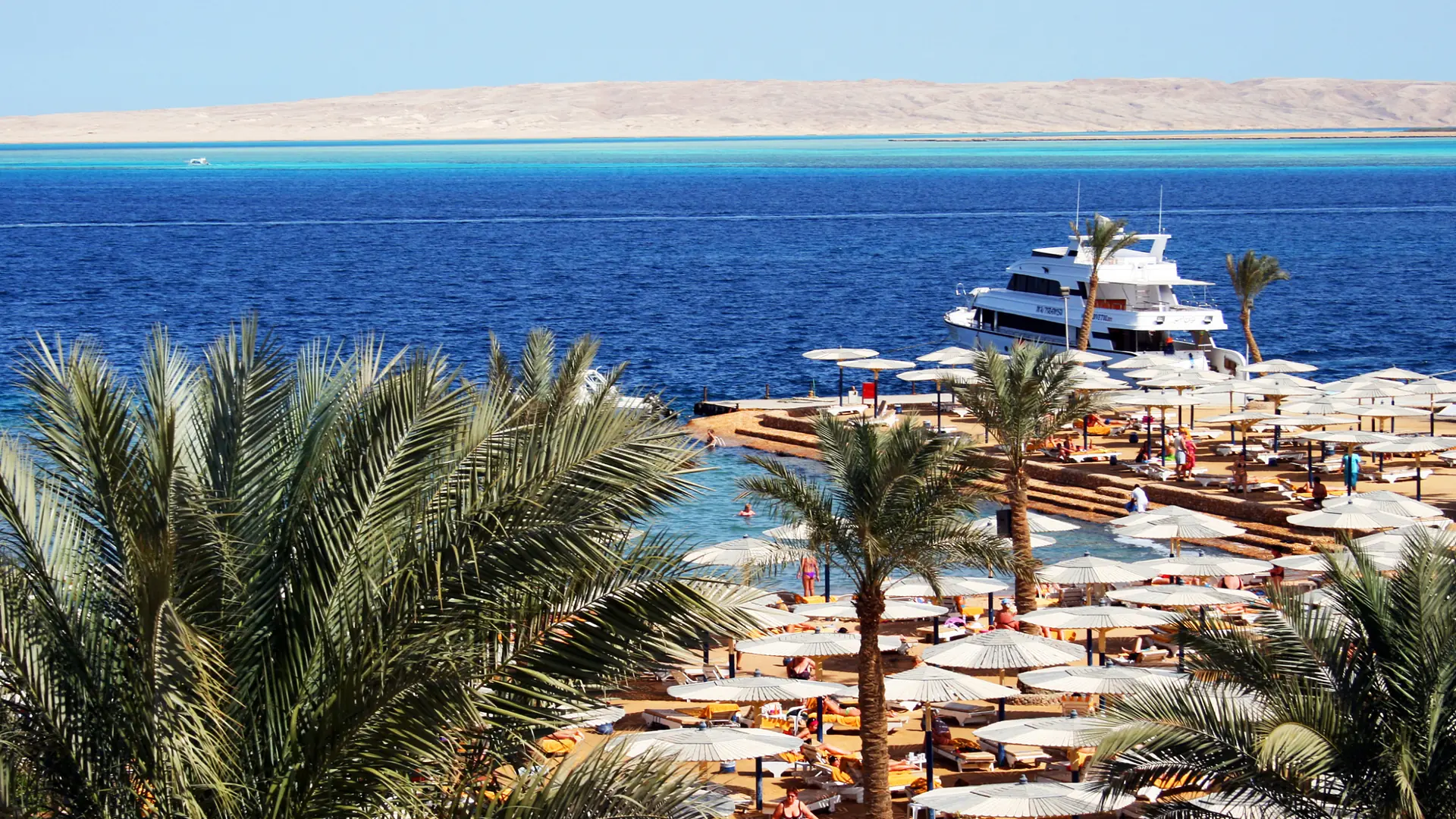
The Red Sea also has alternatives to a large resort. El Gouna is a planned lagoon town north of Hurghada, with restaurants and activities spread through its neighbourhoods. Dahab offers a looser Sinai seafront and dive-focused stays; Marsa Alam has a southern coast where the chosen bay matters more than the town label. These are useful alternatives for different holidays, rather than extra stops to collect in one week.

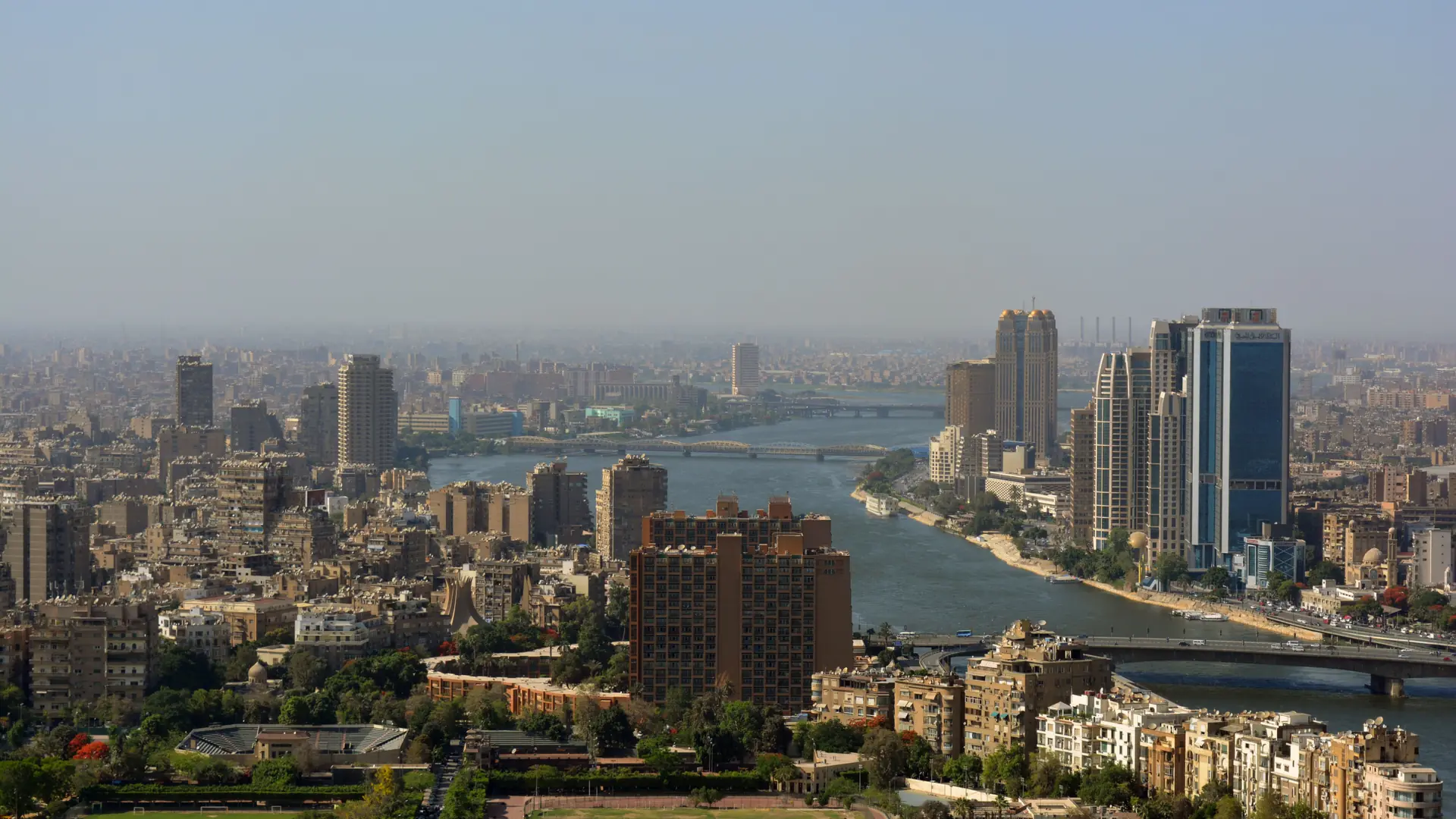 Cairo