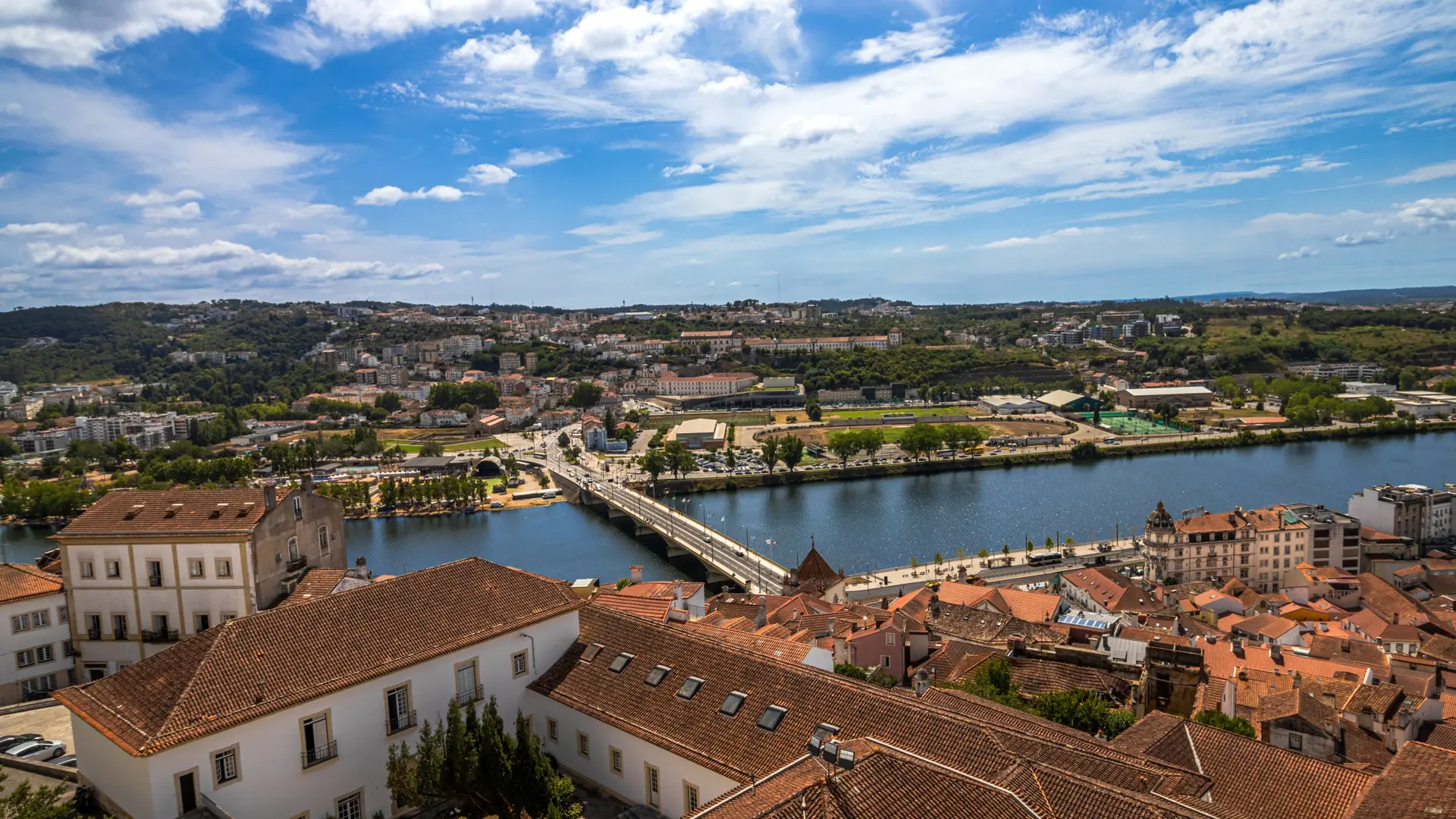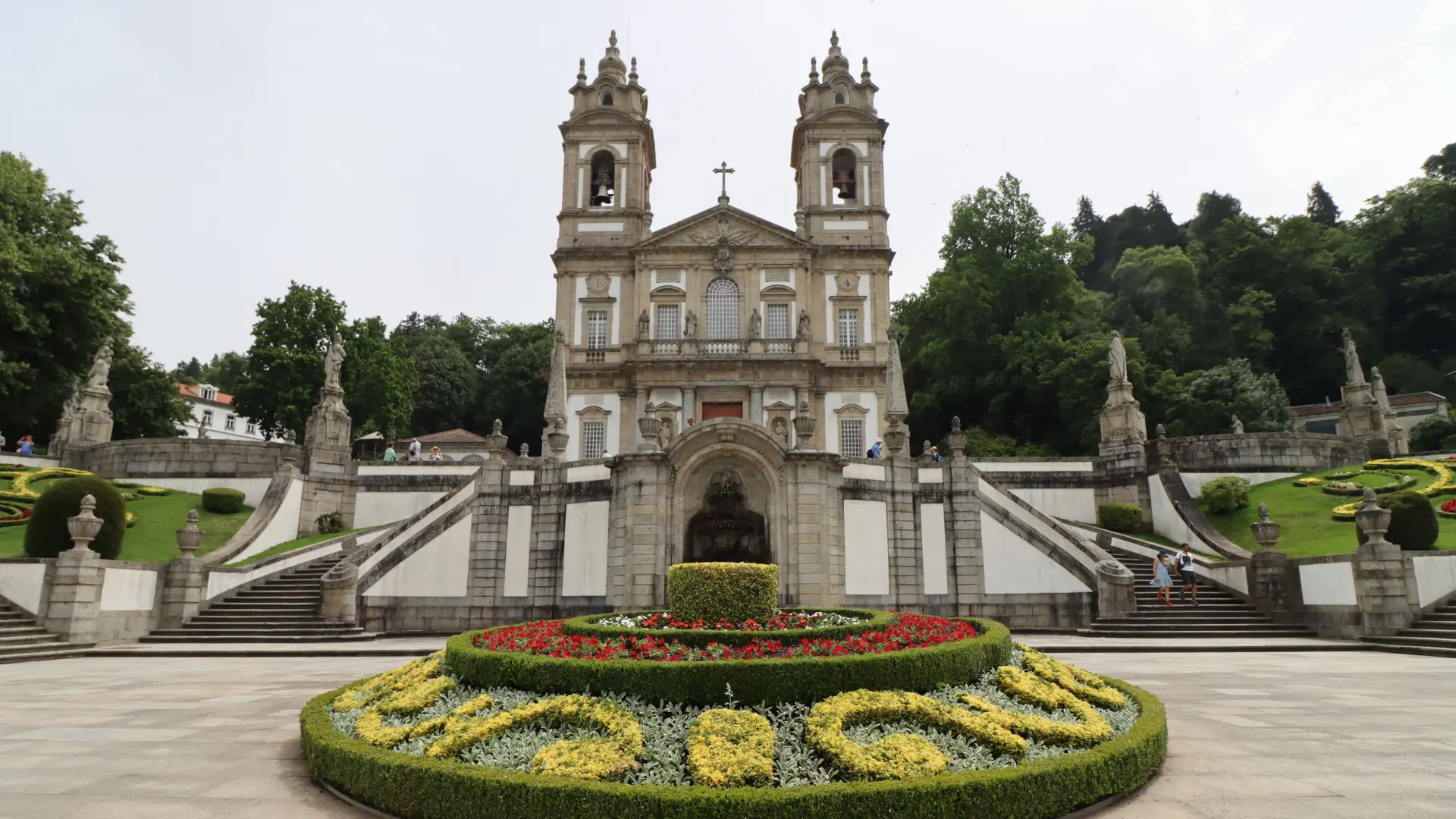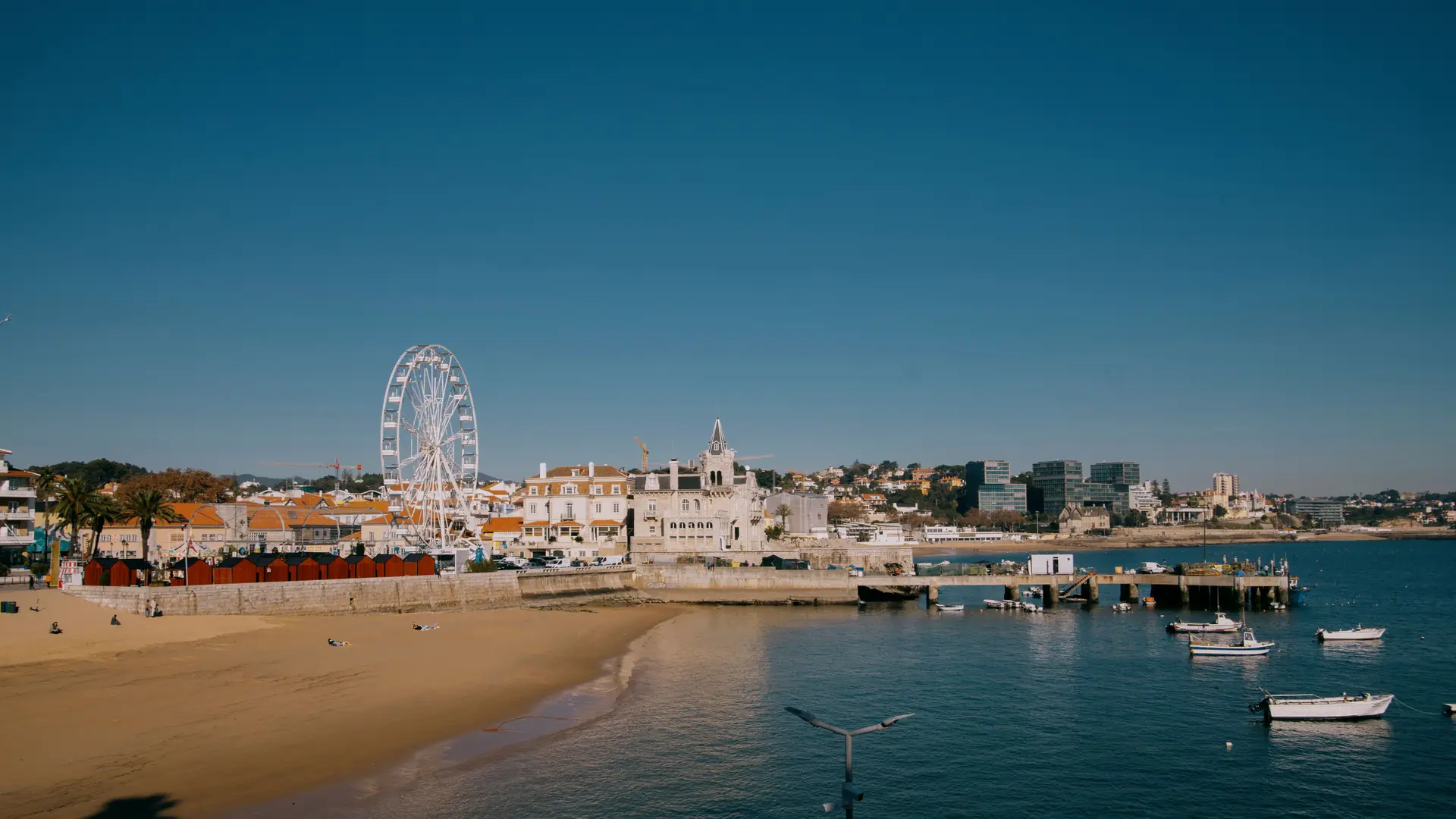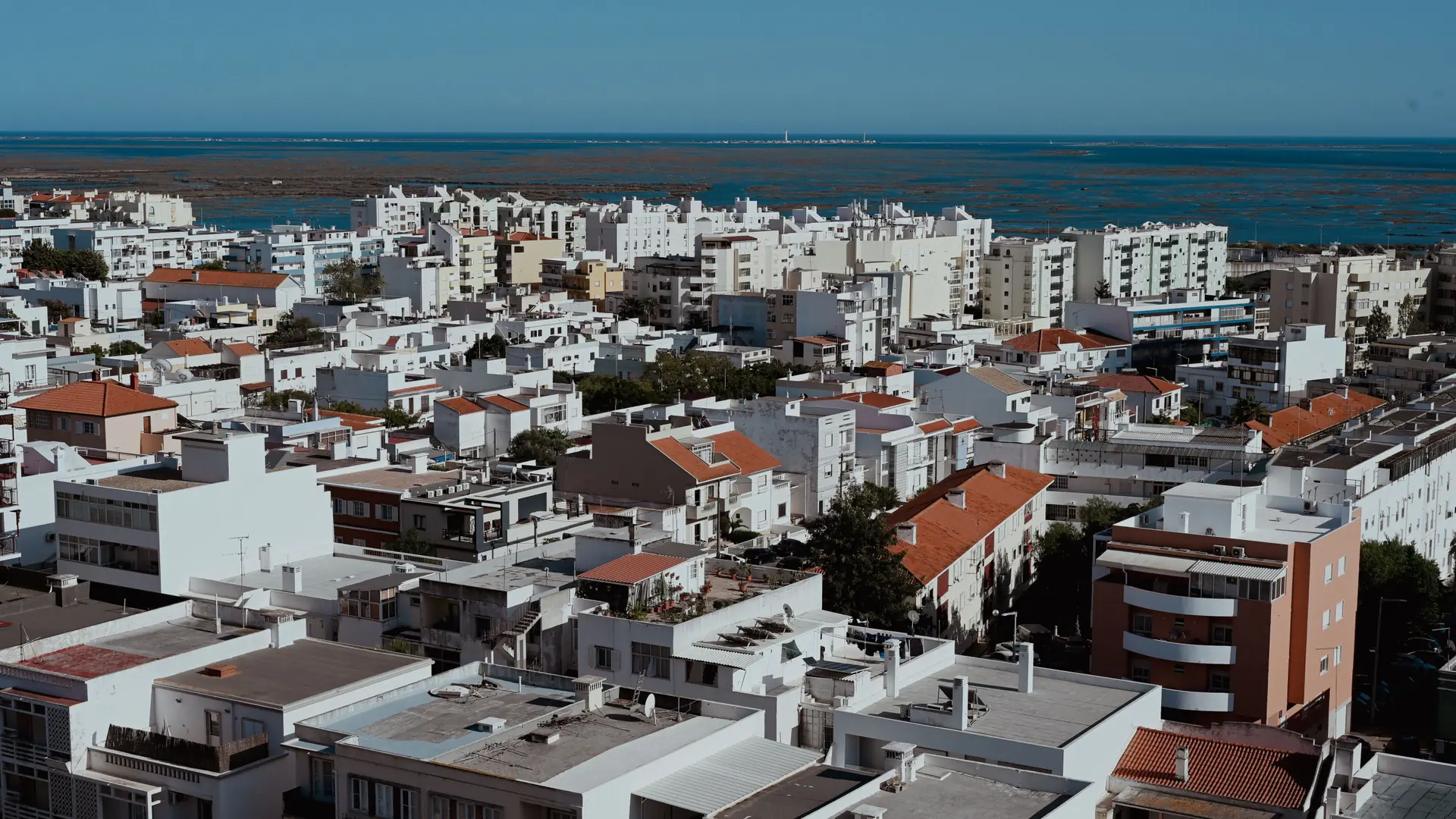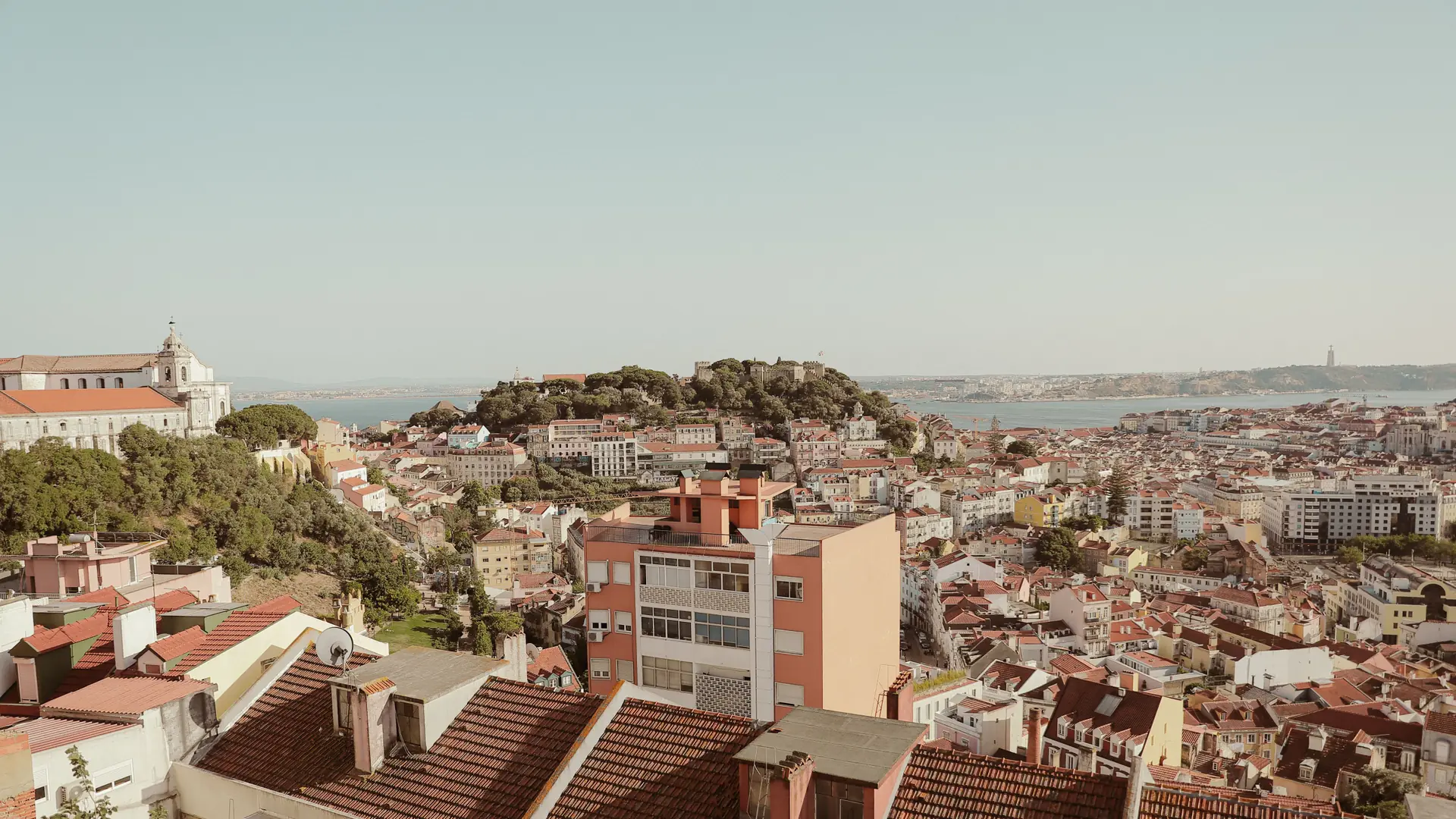
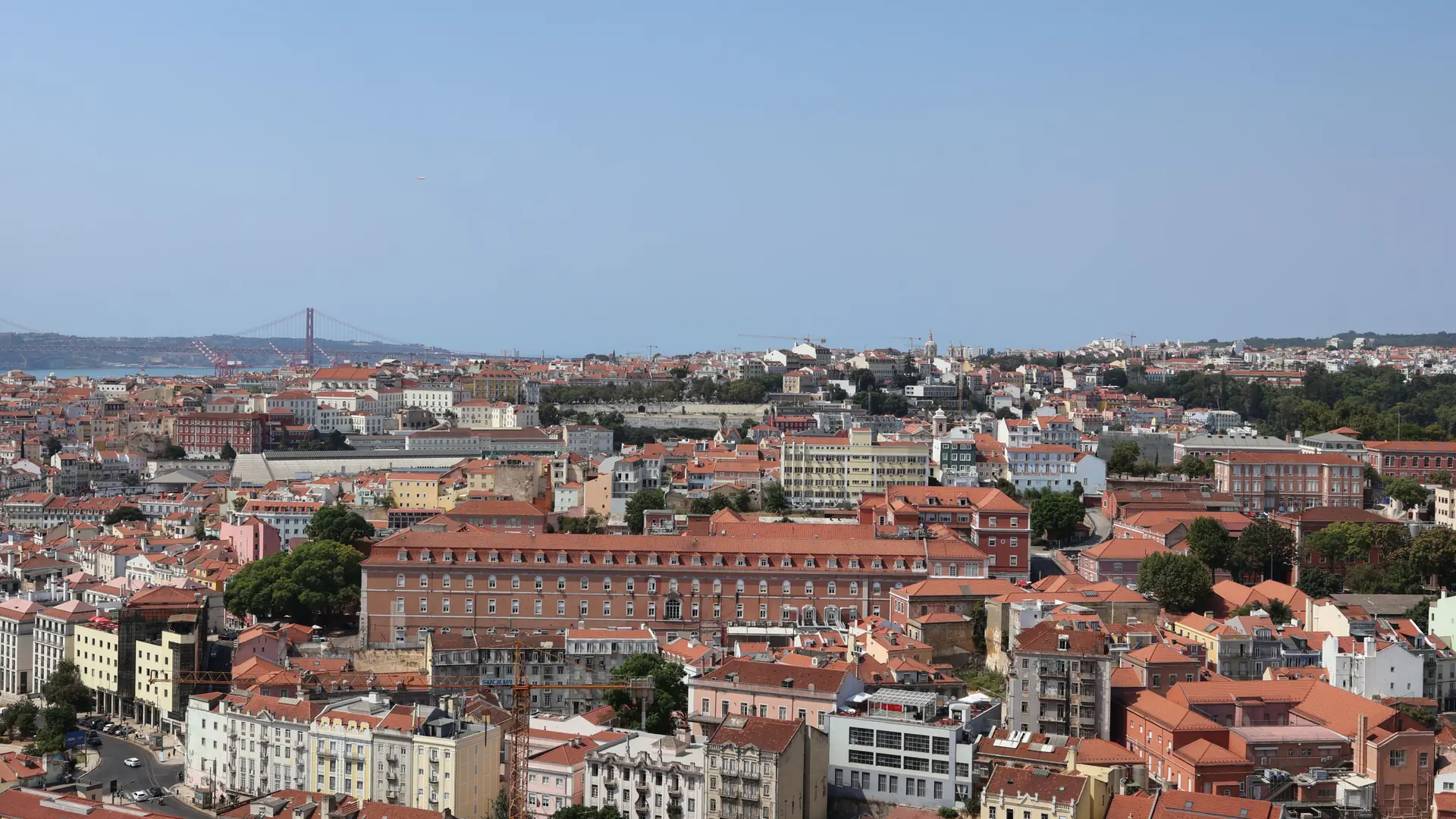
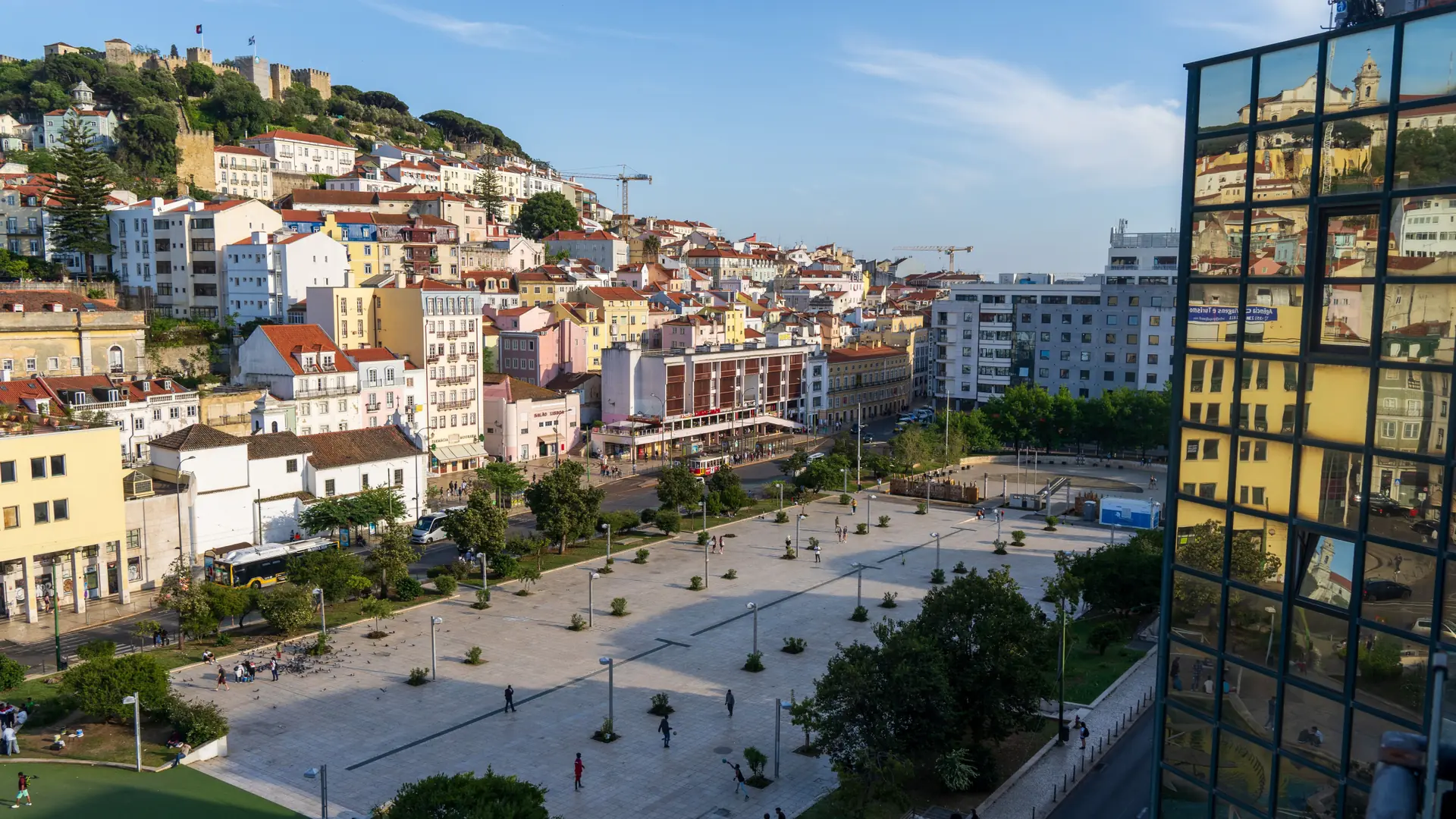
Bright view across Lisbon's red roofs, tiled façades and the Tagus river

A first stay in Lisbon: compare Baixa, Alfama and Príncipe Real

Loading Lisbon hotel search

Baixa and Chiado for a first visit, Alfama for a historic stay

Lisbon’s appeal lies in the contrast between its neighbourhoods: broad riverside squares, tiled façades, old hillside lanes and a western district shaped by maritime history. Baixa was rebuilt after the 1755 earthquake, giving the lower centre its ordered streets; Alfama’s smaller lanes lead toward viewpoints above the Tagus. For a first four-night visit, choose Baixa or Chiado to combine central sightseeing with excursions to other districts. Stay in Alfama when fado, the cathedral and time among the old streets matter most. Príncipe Real offers gardens, antique shops and restaurant evenings above the centre, while Belém gives museums and the riverfront more space in a longer stay. A pastelaria stop for coffee and a custard tart fits between the cultural visits. Four nights leave three full days between arrival and departure: enough for the central city, Alfama and a separate Belém outing without changing hotels.

First visit Four nights in Baixa or Chiado

This gives three full days for central Lisbon, the castle-side old quarter and Belém. It is a useful planning split for a cultural visit, with arrival and departure on separate days.

Historic quarter Alfama’s lanes and fado venues

Choose Alfama for time near the cathedral, Santa Luzia viewpoint and the Fado Museum. Its small streets and steps make the walk itself part of discovering this side of Lisbon.

Gardens and shops Príncipe Real above the centre

The area combines grand houses, small antique shops, gardens and restaurants. It suits a stay that leaves time for browsing and neighbourhood evenings as well as the major monuments.

Western alternative Belém for monuments and museums

Treat Belém as a district with a day of its own. It is well west of Baixa, with rail and surface transport connections, rather than part of a short walk through the old centre.

StartBooker answer

Should I choose Baixa, Alfama or Príncipe Real for a first Lisbon stay?

Choose Baixa or Chiado for a first four-night visit combining the lower city, Alfama and a separate Belém day. Alfama suits travellers who want its old streets, viewpoints and fado nearby. Choose Príncipe Real for gardens, antique shops and restaurant evenings, or Belém for a longer stay centred on western museums and the waterfront. Public transport connects the districts, so a city rental car is unnecessary for this plan.

Central introduction
Baixa and Chiado work for a mixed first visit
Old Lisbon
Alfama combines hillside lanes, viewpoints and fado
A separate western day
Belém’s monuments are reached by rail or surface transport

Things to do in Lisbon, Portugal

Explore tours, attractions and local experiences in Lisbon, Portugal.

Loading activities…

Activities provided by GetYourGuide. We may earn a commission on bookings.

AI-powered

Plan your Lisbon neighbourhoods and days

Tell the planner your arrival station, number of nights and interests: fado, architecture, gardens, food or Belém’s monuments. Compare a central hotel with a stay in the district you most want to enjoy.

Four Lisbon districts with different experiences nearby

Choose the lower centre for a varied first visit, the old quarter for fado and viewpoints, Príncipe Real for gardens and shops, or Belém for a western museum stay. Each gives the holiday a different set of places to enjoy near your room.

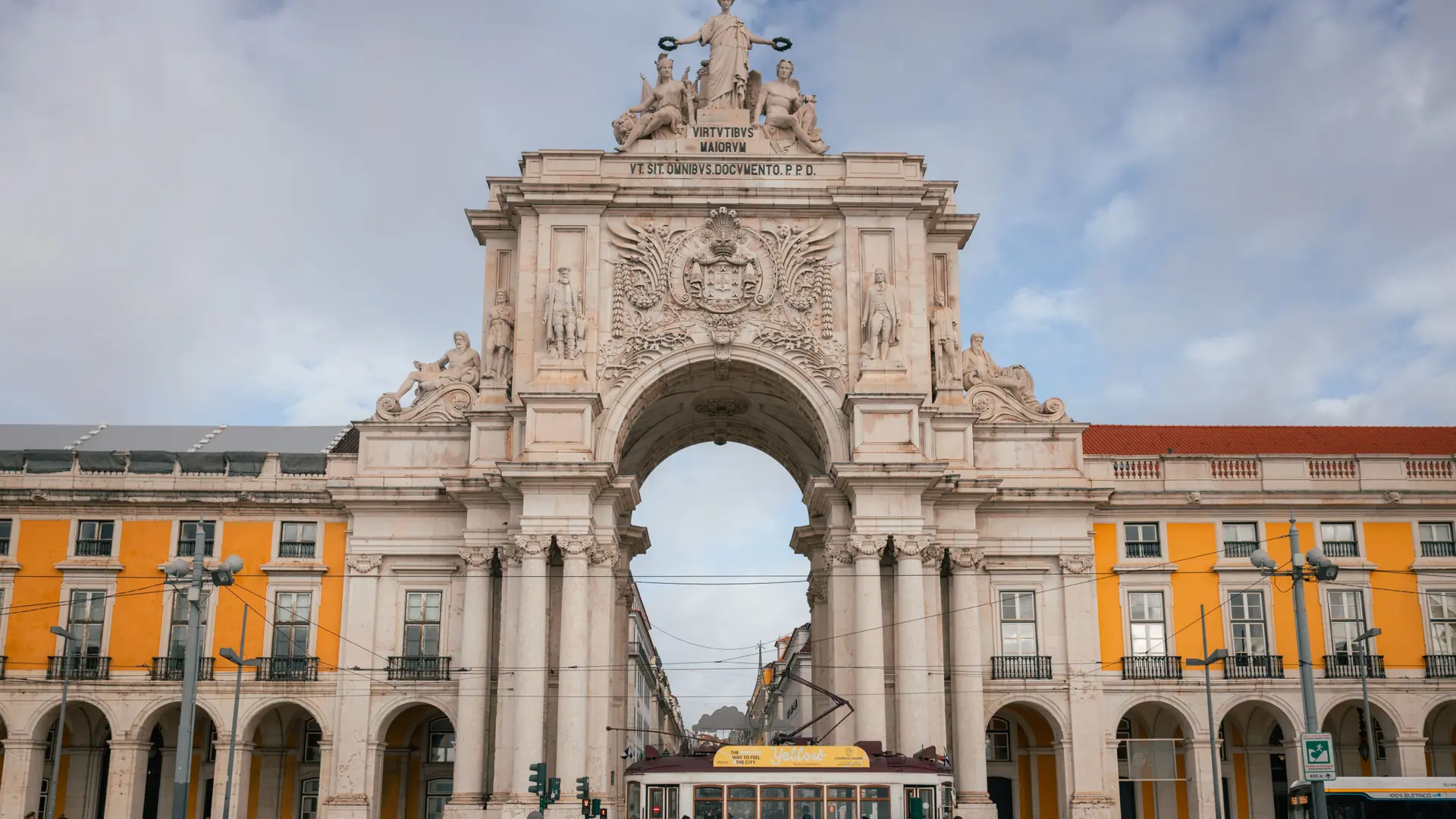
Rua Augusta Arch with a tram passing in front of it in Praça do Comércio, Lisbon

Baixa and Chiado

First visits, central squares, cafés and cultural walks

Baixa’s ordered streets reflect the rebuilding after the 1755 earthquake. Walk Rua Augusta toward the riverfront Praça do Comércio, then explore Chiado and Largo do Carmo above the lower city. Shops, cafés and the contrast between rebuilt streets and the Carmo ruins make this a varied cultural base.

Central stay First visit

Baixa-Chiado serves the Blue and Green metro lines; Rossio railway station serves Sintra.
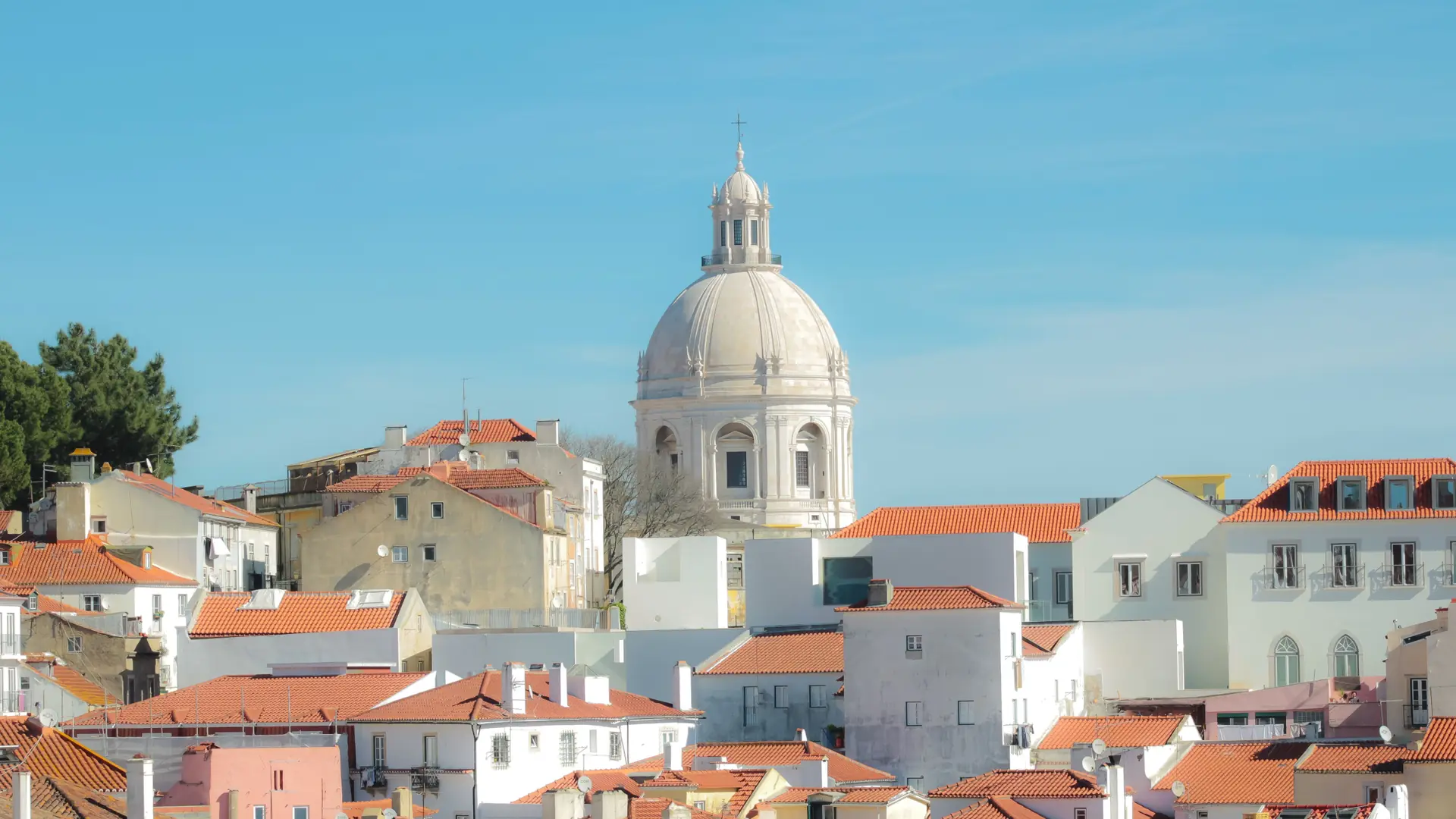
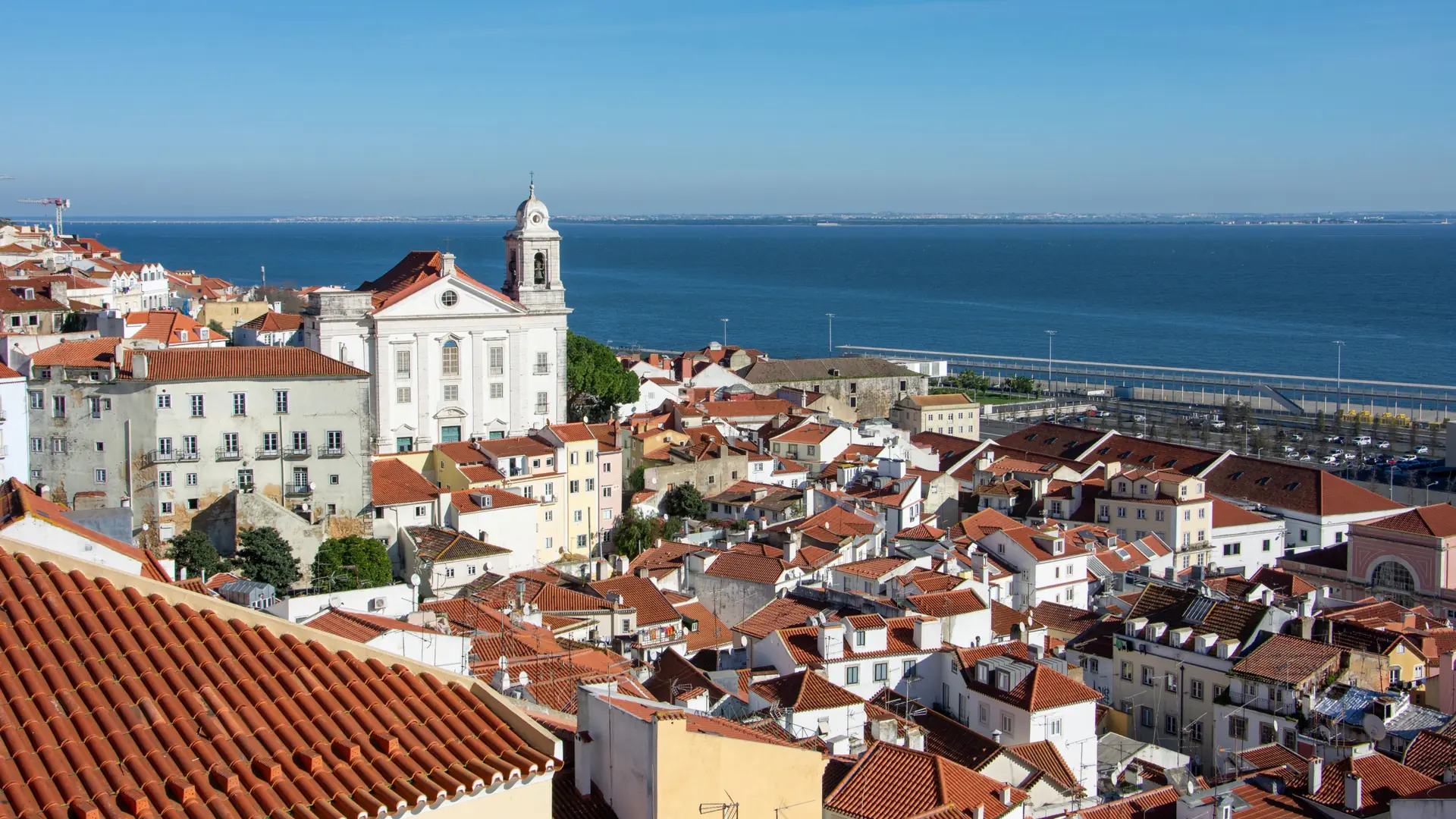
Alfama's red-tiled rooftops in Lisbon with the National Pantheon dome rising above them

Alfama

Old streets, Tagus viewpoints and fado evenings

Alfama rises through narrow lanes and steps around the cathedral and toward Santa Luzia and Portas do Sol viewpoints. Its connection with fado gives the stay another dimension: visit the museum to understand the music, then choose a live performance for an evening in the quarter.

Historic quarter Atmosphere

Walk through the lanes; Santa Apolónia is a useful metro and rail arrival point on the lower edge.

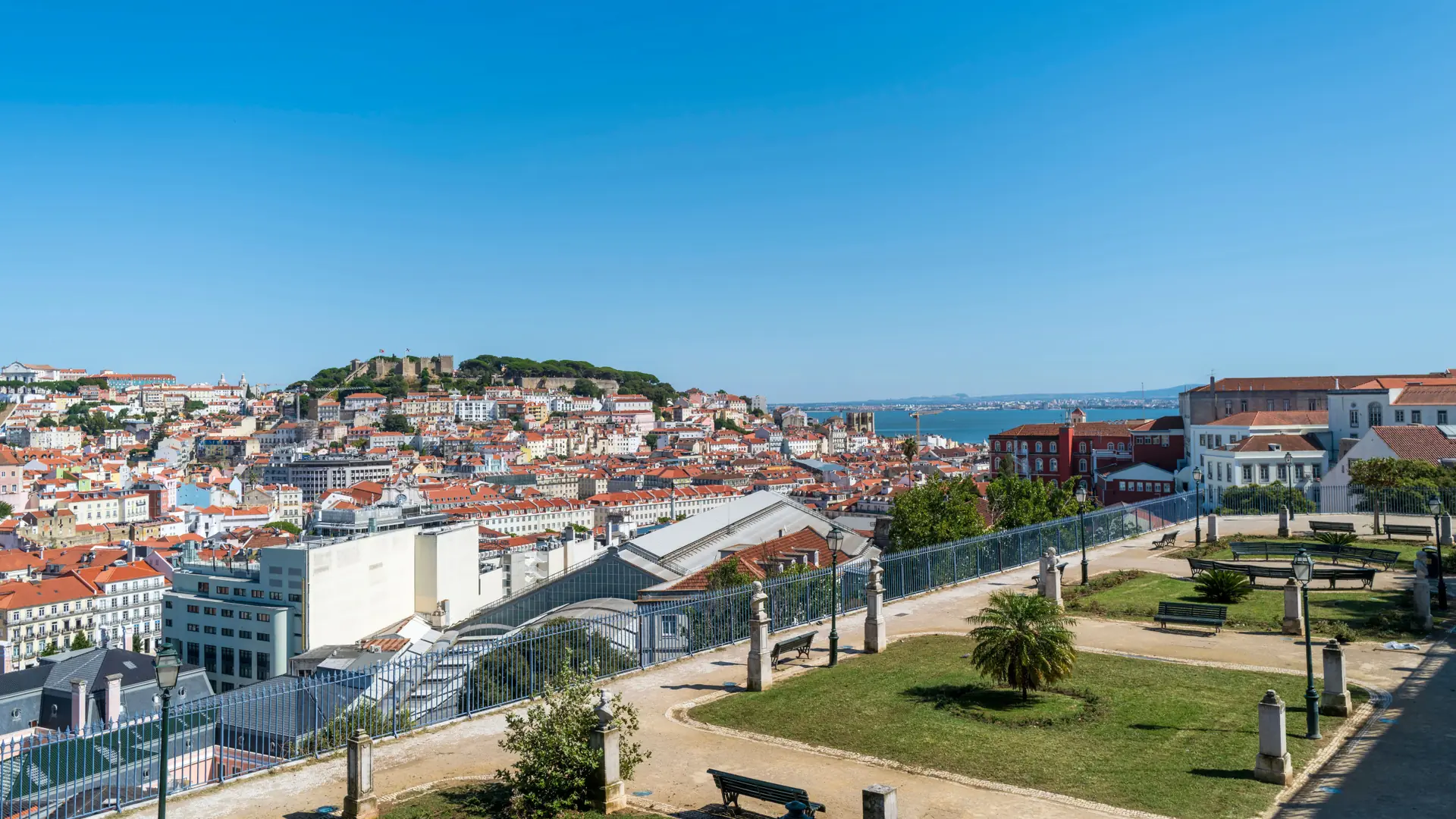
Lisbon rooftops and São Jorge Castle viewed across the garden at São Pedro de Alcântara

Príncipe Real

Gardens, antiques, independent shops and restaurant evenings

Príncipe Real brings together grand houses, tiny antique shops, kiosks and gardens. Browse around the square, take a garden break and continue toward the São Pedro de Alcântara viewpoint for a different angle on the city. Stay here when those slower afternoons and neighbourhood meals are part of the visit.

Food and design Near centre

Walk toward Chiado or use a bus/taxi for the hill; the garden itself has no metro station.

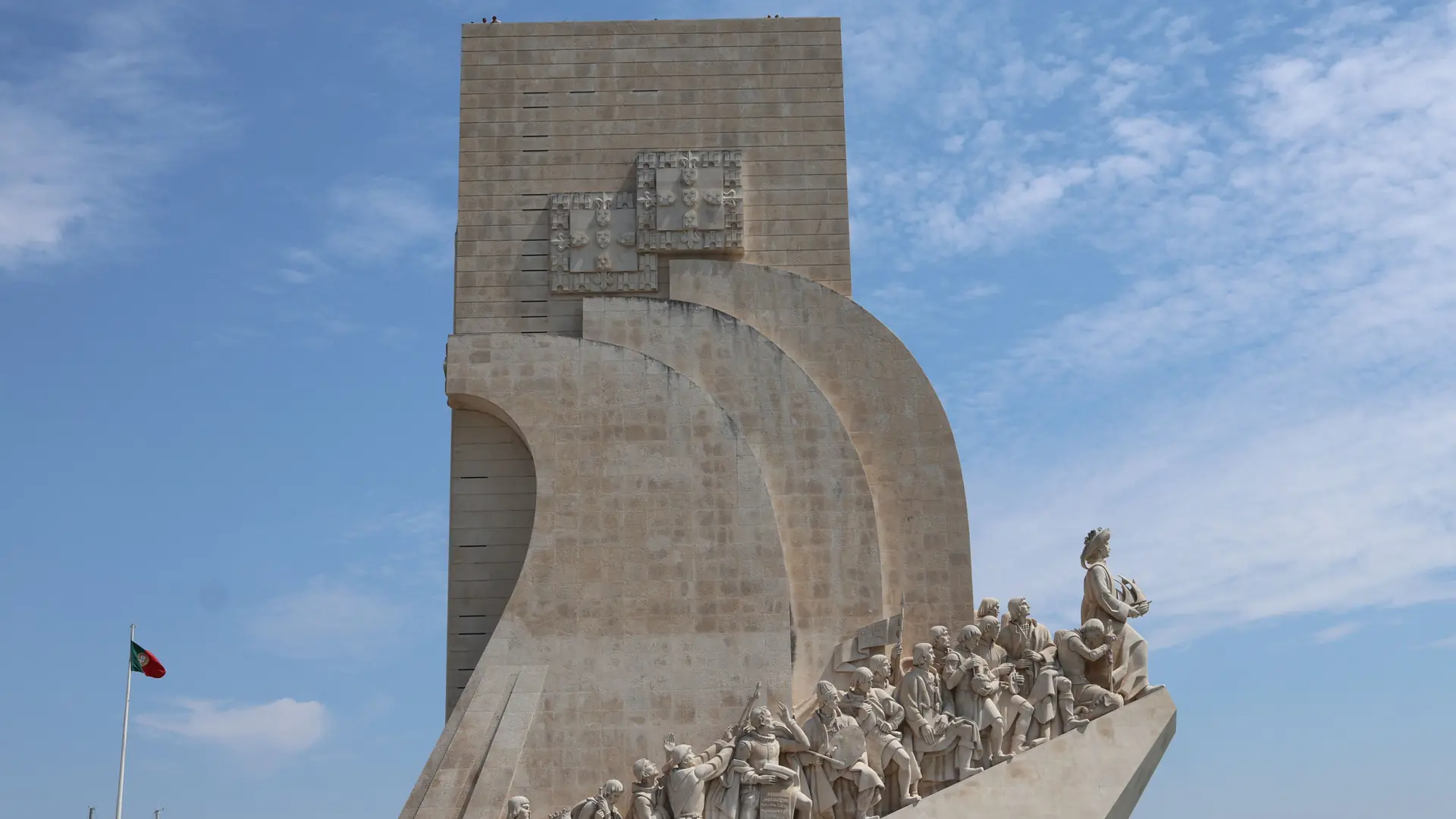
the Padrão dos Descobrimentos monument in Belém, Lisbon, with a Portuguese flag and clear blue sky

Belém

Maritime heritage, museums and Tagus waterfront walks

Belém connects Lisbon with its maritime past. Jerónimos Monastery’s Manueline stonework and cloister belong to the era of Portugal’s overseas voyages, while the nearby riverfront gives a museum day an outdoor interval. The district also has the original Pastéis de Belém bakery, established in 1837.

Museums Riverfront

Take the Cascais-line train between Cais do Sodré and Belém; the district is outside the metro network.

Compare Lisbon’s central, historic, garden and museum districts
Area Best for Features Getting around
Baixa and Chiado

A first visit with several interests

Rebuilt Baixa grid, central squares and Chiado’s cultural streets

Metro at Baixa-Chiado; Sintra trains from Rossio
Alfama

Fado, old lanes and viewpoints

Cathedral-side hills and a strong connection with Lisbon’s music

Walk through the quarter; Santa Apolónia is on its lower edge
Príncipe Real

Gardens, shops and restaurant evenings

Grand houses, antiques and the nearby São Pedro de Alcântara viewpoint

Hill walks, bus or taxi; no metro at the garden
Belém

A longer stay focused on western monuments

Jerónimos, museums and a riverfront promenade

CP train from Cais do Sodré; separate from the central metro grid

Choose a Lisbon stay for the visit you want

Decide whether this is a first introduction, a music-focused break, several days of food and shopping or a museum holiday. Give the interest that brought you to Lisbon enough time near your base, then add a selected outing elsewhere.

Four nights for a first Lisbon visit

Choose Baixa or Chiado for three full days between arrival and departure. Spend one among the central squares and Carmo, another in Alfama and the castle-side streets, and the third in Belém. This leaves time for meals and viewpoints as part of each day, rather than adding a different town to every morning.

A short stay with fado at its heart

Choose Alfama for a visit that includes a fado evening as well as daytime wandering. The Fado Museum introduces the music through exhibitions and listening material; a live performance gives the evening a separate purpose. Pair those experiences with a walk to Santa Luzia or Portas do Sol rather than crossing the city between every stop.

Several nights for gardens, shops and food

Choose Príncipe Real when you want time around its gardens and antique shops, with restaurants close to the evening base. Look for the scheduled craft and vintage market in Jardim França Borges. Elsewhere in the centre, make ordinary food stops part of the day: a bifana is a pork sandwich, while a pastel de nata is a custard tart served in pastry shops.

A longer stay with Belém’s heritage nearby

Choose Belém when western monuments deserve more than one hurried outing. Give Jerónimos’ architectural detail time, add a museum that interests you and leave an interval for the Tagus waterfront. The original Pastéis de Belém bakery offers another local stop. Central Lisbon then becomes a planned excursion, with a train or other transport back to your western base.

Search Lisbon hotels

Search Lisbon hotels →
Loading Lisbon hotel results

Reaching Lisbon and travelling between the districts

Use the metro for the airport and central connections, CP trains for Belém or a Sintra excursion, and walking for the old quarters themselves. Baixa is the lower-city starting point; Alfama, Chiado and Príncipe Real rise above it. Keep those elevations in the route rather than measuring only the distance.

Airport and intercity arrivals

Airport Red line, then Green or Blue

Aeroporto station is on the Red metro line. For Baixa-Chiado, one useful route is to change at Alameda to the Green line; the Blue line also serves Baixa-Chiado via an interchange at São Sebastião. Select the route for the station nearest your hotel. From Baixa-Chiado, the climb into Chiado differs from the lower Baixa exit. A taxi can simplify a late arrival with luggage, although an Alfama address may still have a final walk.

Use the arrival station on the rail ticket

CP’s long-distance timetable distinguishes Lisboa Oriente and Lisboa Santa Apolónia. Santa Apolónia is by the lower edge of Alfama and on the Blue metro line; Oriente connects with the Red line. Use the station named on the booking, then plan the onward metro or taxi journey. Rossio serves the Sintra suburban route and Cais do Sodré the Cascais line; neither is a substitute name for an intercity arrival.

The old quarters and western Belém

Give the castle-side lanes a connected walk

Explore the castle-side streets and Alfama in one part of the day, stopping at Santa Luzia or Portas do Sol for the Tagus views. Continue downhill toward the Fado Museum and the lower quarter. Baixa and Chiado form a different walking area, with a rise between the lower squares and Carmo. This lets a day follow neighbouring places instead of repeatedly crossing from one hill to another.

Take the Cascais line to Belém

From Cais do Sodré, CP’s Cascais-line services provide the rail connection to Belém. Use the stop and departure shown in the current timetable, then walk into the monument district. This is a separate western outing from Baixa and Alfama. For a longer coastal extension, the same line continues toward Cascais; allow a separate day for that destination rather than combining it with every Belém museum.

Fares, coverage and validation

The integrated fare and its conditions

The 2026 Carris/Metro ticket costs €1.90 (≈ US$2.10) for one journey within 60 minutes of first validation across the integrated network. It does not permit consecutive separate Metro rides. A reusable occasional Navegante card costs €0.50 (≈ US$0.60), in addition to the journey fare. Each traveller uses their own card. On a CARRIS bus or tram, validate on boarding and wait for the green confirmation light.

Choose the day product for the actual route

The 2026 Carris/Metro 24-hour ticket is €7.25 (≈ US$8.10). The Carris/Metro/CP version is €11.40 (≈ US$12.80) and includes Lisbon urban rail, useful when the day includes CP services. A mostly walking day may need only individual journeys. The 24 hours start at first validation, rather than at midnight. USD estimates use the ECB reference of 1.1205 dollars per euro on 22 October 2026.

Lisbon seasons and a four-night spending plan

April–June and September–October are useful starting seasons for a cultural first visit. A summer stay needs a different walking rhythm, while winter gives museums and food more time. The spending example covers two adults sharing one simple room for four nights and five days in May or September.

Choose the season for your Lisbon days

Spring and early autumn for a varied city visit
  • April–June and September–October suit a plan that combines central walks, Alfama viewpoints and Belém’s outdoor spaces with museums. June adds the Popular Saints celebrations, especially around Santo António, when the old quarters have a different evening atmosphere. Choose that festival period when you want the celebrations themselves; for a more ordinary cultural break, compare dates outside the busiest event nights.

  • Summer mornings and winter cultural breaks

    In July and August, put exposed hill walks and viewpoints earlier in the day, leaving a museum or a long lunch for the hotter hours. Winter is cooler and wetter, making a central stay useful for cafés, exhibitions and meals between shorter walks. Neither season prevents a city visit, but a waterfront-and-viewpoint programme should change with the conditions rather than relying on the same full outdoor day all year.

Four nights and five days for two adults

Room allowance and municipal tax
  • For a May or September visit, set an illustrative simple-room allowance of €320–600 (≈ US$360–670) for the pair’s four nights. This is an editorial spending range, not a surveyed market average or a live quote. Lisbon’s municipal tourist tax is €4 (≈ US$4.50) per person per night, so include €32 (≈ US$36) for two adults over four nights unless the quoted room total already includes it.

  • Food, local journeys and paid experiences

    For the pair, allow €250–350 (≈ US$280–390) for food over five days, €40–70 (≈ US$45–80) for airport and local transport, and €80–140 (≈ US$90–155) for paid visits or a selected performance. These are planning allocations: choose the museums and evening experience you actually want. The Fado Museum currently lists normal adult admission at €5 (≈ US$5.60); a live performance is a separate purchase.

  • Total the whole city break

    Adding those components and the stated tourist tax gives €722–1,192 (≈ US$810–1,335) for two adults, four nights and five days. International flights, intercity rail, car hire and shopping are excluded. A premium room, festival dates or several major paid attractions need a larger allowance. USD estimates use 1.1205 dollars per euro from the ECB on 22 October 2026; the booking widgets show their own live provider prices.

Can I visit Sintra while keeping the same Lisbon hotel?

Yes. CP lists the Lisbon–Sintra urban rail service, and Rossio station is a useful starting point for a central Lisbon stay. Give Sintra a separate day and choose the places you most want to visit there. Keeping the Lisbon room avoids a hotel change for a single outing; an overnight in Sintra suits a different visit with more time in that destination.

How does a Fado Museum visit differ from a live performance?

The museum explains the music through exhibitions, recorded sound and material about its history and performers. A live performance is an evening experience in a venue, with its own booking and price. They complement each other during an Alfama stay. Normal opening is Tuesday–Sunday, 10:00–18:00, with last admission at 17:30. It closes on Mondays and on 1 January, 1 May, 24, 25 and 31 December.

Is Príncipe Real the same neighbourhood as Bairro Alto?

They are nearby but distinct choices. Príncipe Real’s appeal is its gardens, grand houses, antique shops and restaurants around the upper area; Bairro Alto is associated with a different, busier evening scene. Choose the streets near the places you want to use. A dinner or an evening out can be part of the visit without making that nightlife street the location of your room.

Does staying in Belém put me near Lisbon’s ocean beaches?

Belém is on the Tagus waterfront and is primarily a monument and museum district. It is not the same holiday as staying beside an Atlantic beach. CP’s Cascais line makes a coastal outing possible, but give the beach town time of its own. Choose Belém when its heritage and western riverfront are the reason for the stay, rather than expecting a beach outside the hotel.

What is distinctive about the original Pastéis de Belém bakery?

The bakery states that it began making its original pastries in 1837, using a recipe associated with Jerónimos Monastery. The custard pastry is a useful food stop during a Belém visit, with the original business on Rua de Belém. Elsewhere in Lisbon, pastry shops sell pastéis de nata, giving a central city day its own easy coffee-and-pastry break without travelling west just for a snack.

Do Lisbon’s hills make a rental car useful for this visit?

For a trip focused on Baixa, Chiado, Alfama, Príncipe Real and Belém, public transport and walking cover the plan. A car does not remove the pedestrian lanes or the final climb to a hilltop address. Use a taxi for a particular arrival or return when it helps, and choose the base near the places you most want to enjoy. A regional road trip beyond Lisbon is a different reason to rent.

How this guide was researched

Reviewed by StartBooker Source research and editorial self-review

Last reviewed 2026-10-22

Updated

Editorial method: Neighbourhood guidance checked against public tourism and cultural sources, with operator evidence for routes, 2026 fares and ticket conditions. The four-night budget is an explicit editorial allowance, with municipal tax and a dated ECB conversion.

18 sources reviewed

Primary sources
  • Turismo de Portugal
  • Visit Lisboa
  • Museu do Fado
  • Pastéis de Belém
  • Câmara Municipal de Lisboa
  • Metropolitano de Lisboa
References
Photo credits

Photos provided by Pexels.

Share your Lisbon neighbourhood experience