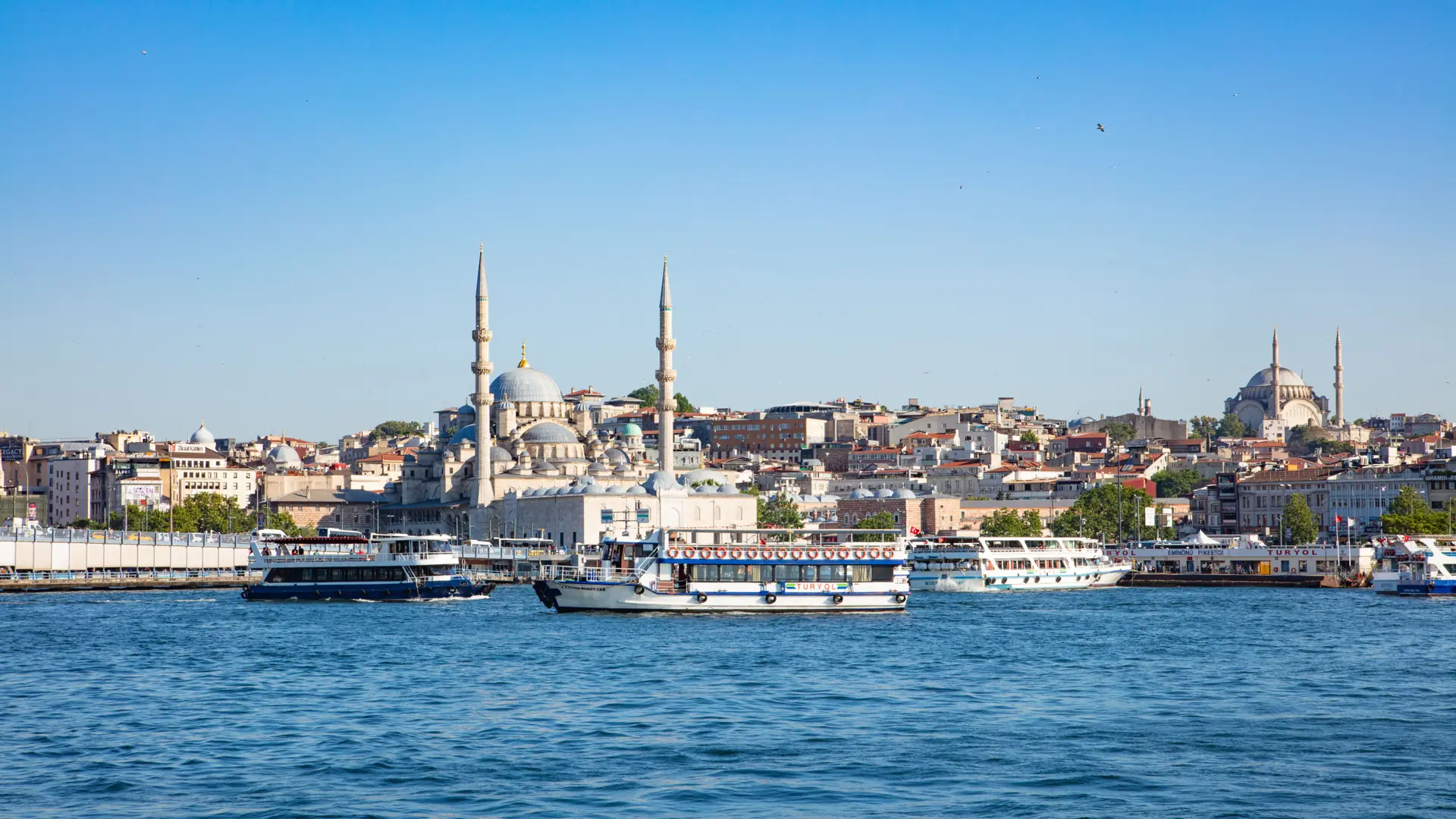
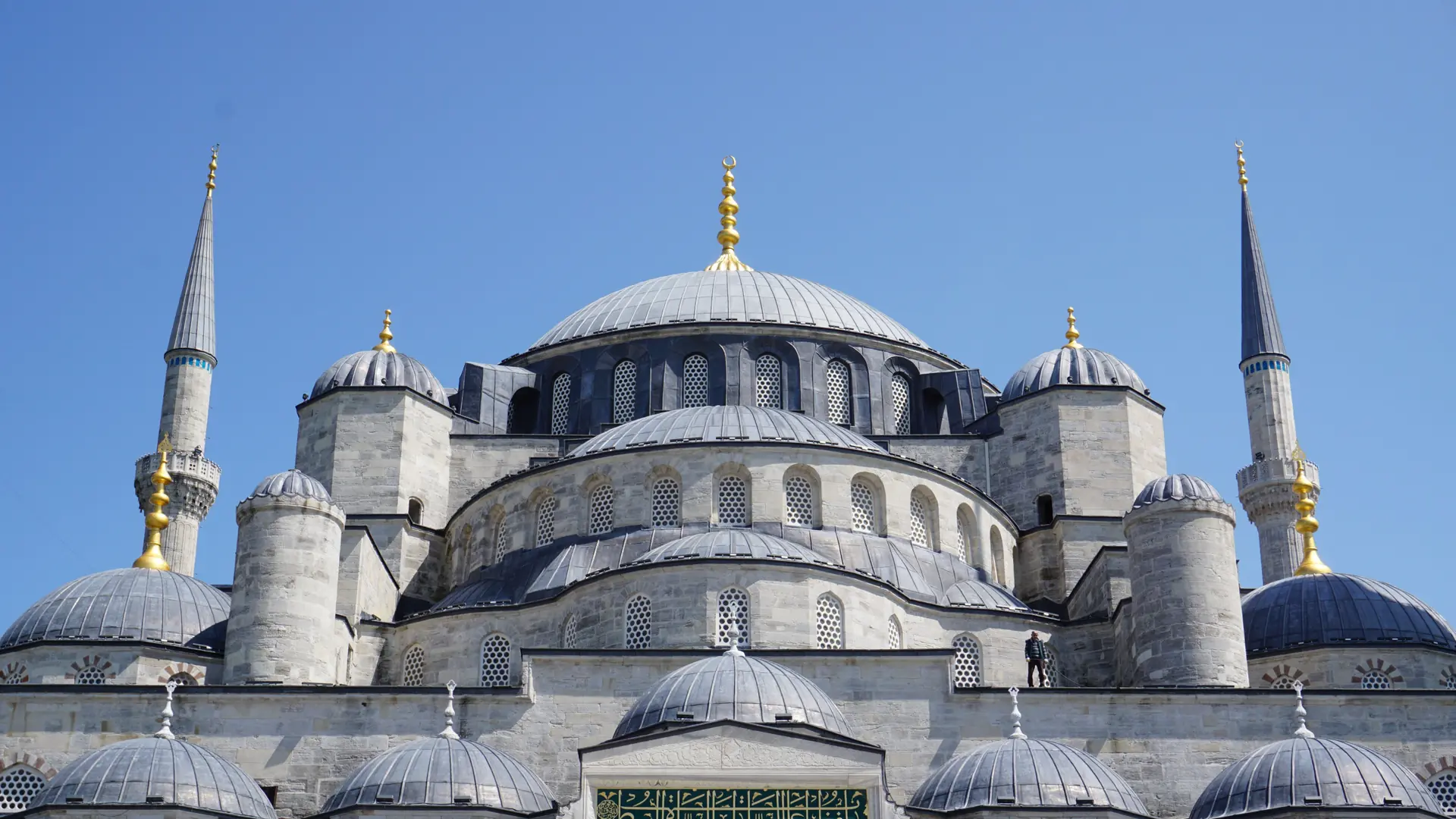
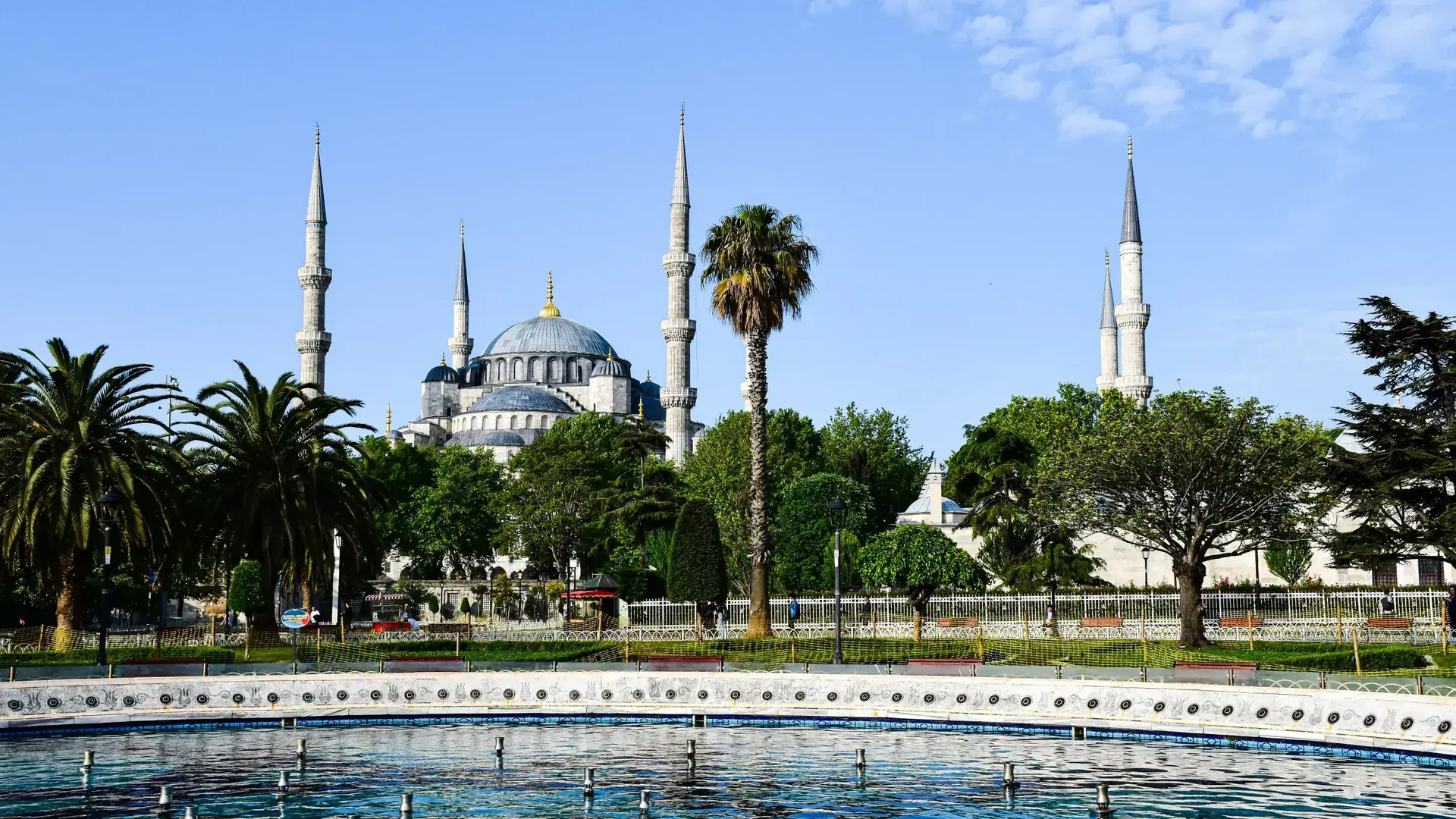
Blue Mosque domes and minarets rising unobstructed against a clear sunny Istanbul sky

Istanbul stays between imperial domes and the moving Bosphorus

Loading Istanbul hotel search

Choose a shore before choosing an Istanbul hotel

In Istanbul, the hotel pin is only useful after you decide which daily journey deserves the shortest route. Sultanahmet concentrates the celebrated Byzantine and Ottoman monuments; Galata and Karaköy sit across the Golden Horn; Beşiktaş opens the central Bosphorus; Kadıköy supplies a genuinely Asian-side evening. The city is rewarding precisely because these quarters are not interchangeable. A ferry can be a beautiful commute, yet a missed last connection or a steep Galata lane changes how that romance feels with bags. The practical test is not straight-line distance but the route after dark, with luggage, heat or a tired child.

Monument mornings Historic Peninsula

Hagia Sophia, the Blue Mosque, Topkapı and the Hippodrome reward early starts from Sultanahmet, particularly when the first priority is architecture rather than nightlife.

Bosphorus rhythm Ferries are daily transport

Şehir Hatları services make a crossing part of ordinary movement, but travellers must still consult the dated timetable for the chosen pier and return.

Airport geography Confirm the arrival side

Sabiha Gökçen publishes metro, municipal bus and shuttle options; the useful choice depends on the hotel district and flight time, not a generic airport distance.

Museum reality Tickets need separate checks

National Palaces and museum authorities publish current entry arrangements. A city card or reseller claim should never replace the responsible operator’s page.

StartBooker answer

Where should a first-time visitor stay in Istanbul?

Sultanahmet is the simplest first base when Hagia Sophia, the Blue Mosque and Topkapı Palace lead the plan, but its evenings are quieter. Karaköy and Galata trade immediate monument access for ferries, restaurants and easier movement between the historic peninsula and Beyoğlu. Kadıköy rewards food-led repeat visitors who accept daily water crossings, while Beşiktaş suits Bosphorus life and Dolmabahçe. Check which airport serves the flight, then test the final metro, ferry, hill and luggage route before booking.

Historic core
UNESCO identifies four component areas on the historic peninsula and around the land walls.
Two-airport decision
Istanbul Airport and Sabiha Gökçen sit on different sides of a vast metropolitan area.
Water as transport
Public ferries link European and Asian waterfront districts as part of everyday city travel.
Palace planning
Topkapı and Dolmabahçe operate through separate official visitor systems.
AI-powered

Build Istanbul by shore, ferry pier and one major sight cluster per day

Tell the planner your airports, mosque priorities, hill tolerance and preferred night atmosphere. It should preserve ferry time and avoid repeated cross-city journeys.

Istanbul’s best areas answer four very different versions of the city

Treat the Blue Mosque and Hagia Sophia, waterfront time and a Princes’ Islands crossing as separate planning demands instead of forcing them into one exhausting circuit. Sultanahmet is an imperial doorstep, Karaköy a harbour-and-nightlife hinge, Kadıköy an Asian food district and Beşiktaş a Bosphorus transport base. Decide whether crossing water feels like a pleasure or an obligation before committing to a shore.

Blue Mosque and sunny historic peninsula seen from Sultanahmet in Istanbul

Sultanahmet and Sirkeci

first-time monument access and early historic-peninsula starts

Select this base when two or more mornings belong to the historic peninsula and early entry outweighs restaurant range.

The main tram and restaurant approaches stay active.

culture first-trip walkable

Check cobbles, stairs, tram vibration and whether the advertised view belongs to the room or a shared roof terrace.
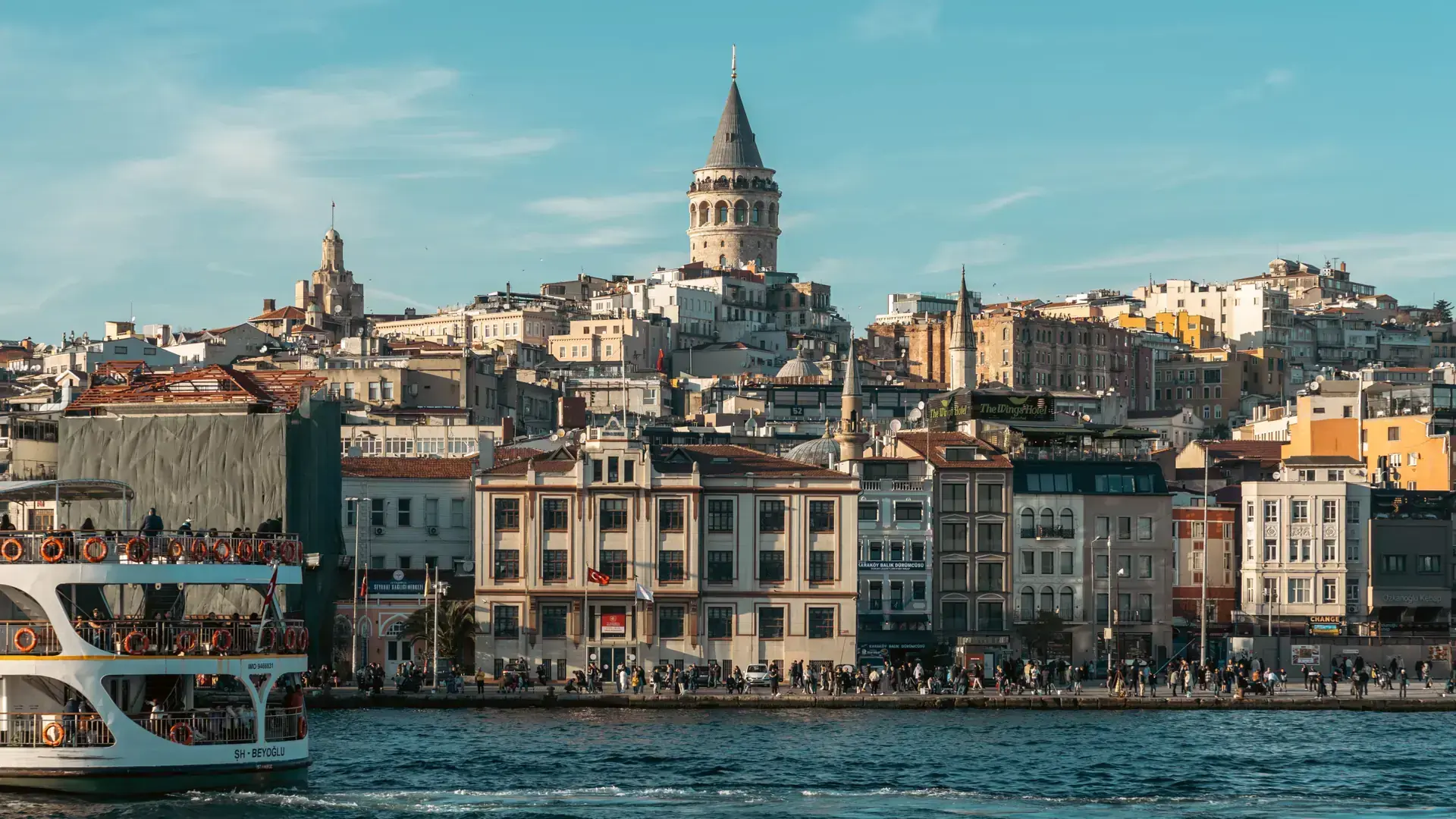
Galata Tower above sunlit streets descending toward Karakoy and the Bosphorus

Karaköy and Galata

ferry connections, Beyoğlu evenings and a mixed old-and-new itinerary

Stay here when the itinerary alternates between the historic peninsula, Bosphorus boats and Beyoğlu after dark.

Waterfront roads and bar streets remain lively.

food nightlife ferries

Trace the final uphill metres and ask whether nearby nightlife faces the sleeping room.

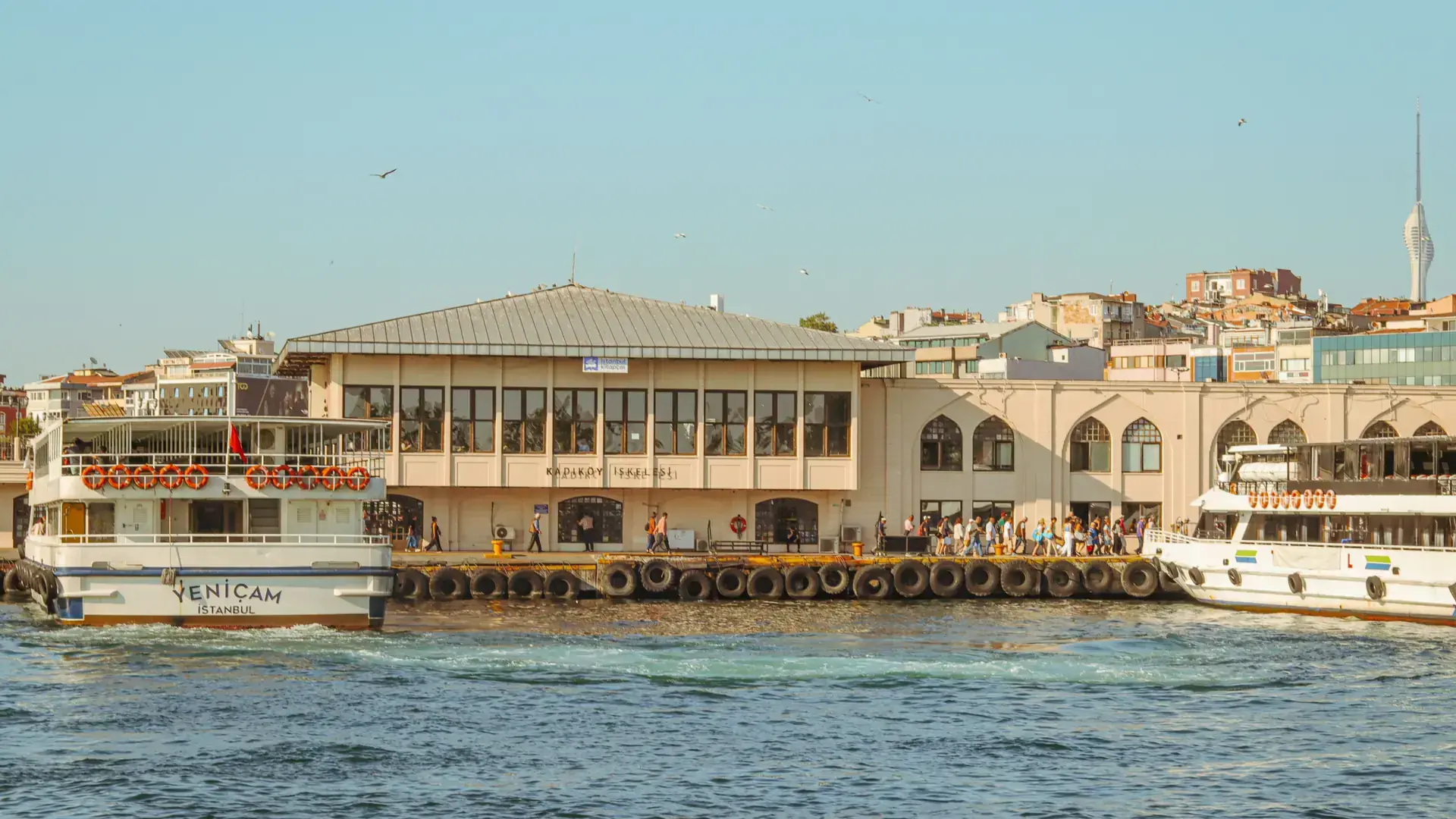
Sunny Kadikoy waterfront with ferries crossing the blue Bosphorus toward Istanbul minarets

Kadıköy and Moda

markets, independent dining and an Asian-side neighbourhood rhythm

Book Kadıköy when a market breakfast, neighbourhood bar and waterside evening are recurring priorities rather than extras.

Market and bar lanes can run late.

food local-vibe ferries

Verify the last useful ferry or rail route from the European venue scheduled furthest from the hotel.

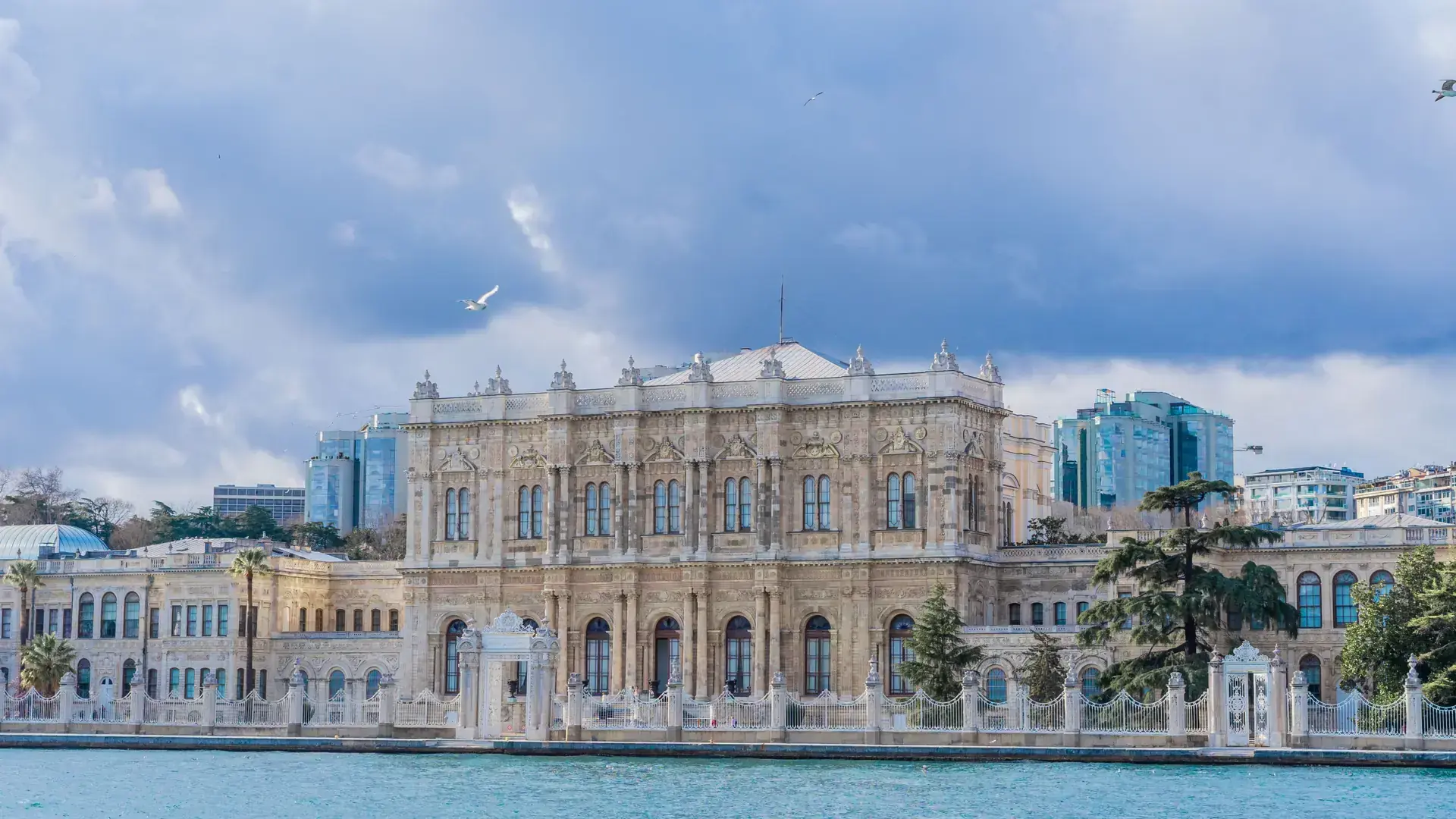
Dolmabahce Palace and Besiktas waterfront glowing in clear Istanbul sunshine

Beşiktaş

Bosphorus ferries, Dolmabahçe and energetic local streets

Use Beşiktaş when Bosphorus ferries and Dolmabahçe recur, and a lively working district feels more appealing than a museum enclave.

The market and transport square are energetic.

bosphorus local-vibe transport

Check event dates, road-facing rooms and the uphill route if the property sits toward Abbasağa or Yıldız.

Match Istanbul’s quarter to the journeys you will actually repeat
Area Best for Trade-off Getting around
Sultanahmet and Sirkeci first-time monument access and early historic-peninsula starts Daytime visitor pressure, tram corridors and quieter late evenings make this less compelling for nightlife-led travellers. Most headline monuments are close, but cobbles, queues and security routing interrupt a level-looking walk.
Karaköy and Galata ferry connections, Beyoğlu evenings and a mixed old-and-new itinerary Steep streets, weekend activity and nightlife noise vary sharply within a few blocks. Ferries and tram connections are excellent below, while Galata accommodation may require a steep ascent or funicular detour.
Kadıköy and Moda markets, independent dining and an Asian-side neighbourhood rhythm Every historic-peninsula day begins with a crossing, and late-night European plans need careful return timing. The transport interchange is strong, but the water crossing adds a fixed step to most imperial sightseeing days.
Beşiktaş Bosphorus ferries, Dolmabahçe and energetic local streets Road congestion, football-night crowds and limited direct rail access make exact micro-location important. Ferries and buses disperse from the waterfront, although traffic can slow road journeys and hills begin quickly inland.

Let the dominant Istanbul experience choose the room

A museum-led short break, a restaurant weekend and a Bosphorus-centred return visit produce different sensible addresses. Protect the recurring morning and evening rather than chasing a theoretical midpoint across two continents.

Sultanahmet for Hagia Sophia, Topkapı and mosque mornings

Choose it for a short, architecture-heavy first visit with limited appetite for late-night travel.

Look elsewhere when contemporary dining, bars or a residential Istanbul evening is central.

Karaköy keeps the peninsula one bridge or tram ride away while widening the night-time choice.

Karaköy for ferries, galleries and late dinners under Galata

Pick Karaköy when the daily plan crosses the Golden Horn and dinner should remain close to bed.

Avoid upper Galata if steep gradients or rolling luggage would dominate the stay.

Beşiktaş is a stronger Bosphorus base when Dolmabahçe and northbound ferries matter more than Sultanahmet.

Kadıköy for market mornings and an Asian-side Istanbul evening

Choose this shore when discovering everyday Istanbul outranks being first at palace gates.

Do not base here for a two-night monument sprint with several early historic-peninsula entries.

Karaköy offers a similar dining emphasis with faster access to Sultanahmet and Beyoğlu.

Beşiktaş for Dolmabahçe, ferries and a vigorous local centre

Select Beşiktaş for a second visit centred on the water and contemporary city life.

Choose a rail-served quarter if several dawn departures or old-city museum mornings define the schedule.

Sultanahmet remains more efficient when the palace-and-mosque ensemble consumes most available time.

Search Istanbul hotels after settling the shore

Compare live rooms with the exact pier, tram or metro stop open beside the map. District names cover steep streets and very different late-night return options.

Compare Istanbul hotels →
Loading Istanbul hotel results

Istanbul airport planning ends at the hotel door, not the terminal

Both major airports offer public and commercial connections, yet neither is universally closest in practical time. Identify the operating airport, landing hour and final district first. A route that looks elegant by metro can still finish with cobbles, a closed funicular or a steep lane above Galata.

Choose the airport transfer by shore and arrival hour

Trace Istanbul Airport through the current city network

Trace Istanbul Airport through the current city network

For a European-side stay, compare the current metro chain, airport coaches and a licensed taxi using operator information. Count interchange walking and the final climb; a direct-looking rail line may not deliver luggage near the doorway.

Use Sabiha Gökçen’s own transport page for the Asian gateway

The airport lists metro, municipal buses and shuttle services. Kadıköy can make the Asian arrival logical, while Sultanahmet may require several legs or a road transfer vulnerable to traffic.

Reserve certainty when the public chain ends awkwardly

A late landing, large family or mobility constraint can justify a pre-arranged transfer. Give the operator the precise entrance rather than only a district name, because pedestrian streets and hotel annexes create costly misunderstandings.

Use ferries to understand Istanbul and rail to control distance

Cross the Bosphorus at street level

Cross the Bosphorus at street level

A public ferry between Eminönü, Karaköy, Beşiktaş, Üsküdar or Kadıköy supplies both transport and the skyline view. Check the named pier, service pattern and last useful return on Şehir Hatları.

Link large districts by metro before walking locally

Metro Istanbul publishes the active network and service notices. Rail handles metropolitan scale; exploration becomes richer once the day is narrowed to one or two adjacent quarters.

Treat hills as part of the route design

Galata, Cihangir, Süleymaniye and many Bosphorus streets climb sharply. Funiculars and trams can remove selected gradients, but a room above a station may still involve stairs and polished stone.

Separate transport payment from monument reservations

Verify Istanbulkart rules at the point of travel

Verify Istanbulkart rules at the point of travel

The public transport card can simplify metro, tram, bus and ferry use, while purchase and fare conditions can change. Use the network’s current instructions instead of an old blog screenshot.

Book palaces through their responsible institutions

Topkapı and the National Palaces publish distinct visiting information. Check closures, sections and admission directly; the words “museum pass” do not guarantee every desired interior.

Historic Istanbul needs entrance-level accessibility checks

Ask about gradients beyond the nearest station

Ask about gradients beyond the nearest station

An accessible rail journey can end at a steep, crowded or cobbled approach. Request the hotel’s step-free route, lift dimensions and vehicle drop point, then compare it with each essential monument entrance.

Keep ferries and palaces as separate assistance conversations

Pier ramps, vessel boarding and heritage thresholds vary. Contact the transport or museum operator with the device dimensions and help required instead of treating a district as uniformly accessible.

Give Istanbul fewer districts and more complete days

The city punishes checklist planning because crossings, queues and discoveries consume real time. Pair neighbouring sights, protect one Bosphorus journey, and leave room for a meal or market that lasts longer than expected. Weather can redirect a ferry day; religious observance can change access around working mosques.

Weather alters the best Istanbul shore each day

Use calm visibility for the Bosphorus
  • Use calm visibility for the Bosphorus

    Clear conditions reward ferries, waterfront walks and hilltop mosque terraces. Strong wind or poor visibility calls for a museum cluster on one side rather than repeated exposed crossings.

  • Expect summer heat on open squares

    Sultanahmet’s monumental spaces offer limited shade between interiors. Start with the most important mosque or palace, pause indoors at midday, and save the waterfront for the later light.

  • Build winter days around shorter light and rain

    Cool months can bring atmospheric streets and lighter crowds, but wet cobbles and early darkness amplify hills. Keep one indoor alternative in the same quarter instead of crossing the city for shelter.

Spend on location only when it removes a real Istanbul transfer

Price the airport-to-room chain
  • Price the airport-to-room chain

    An apparently lower nightly rate may add two airport transfers, repeated taxis after ferries and luggage handling on stairs. Compare the whole stay rather than a single room number.

  • Distinguish view from access

    A Bosphorus-facing photograph may come from a terrace rather than the allocated room. Ask for the room category, floor, lift and exact outlook before paying a meaningful premium.

  • Reserve the constrained interior before flexible meals

    Secure a priority palace section or dated attraction through its official system. Ferries, neighbourhood walks and ordinary restaurants can then move around that anchor without buying an overpacked day.

Three Istanbul errors begin with underestimating scale

Booking “central” without naming a shore
  • Booking “central” without naming a shore

    A central-looking marker may sit across a bridge, ferry or steep ridge from every priority. Write the first two mornings and last two evenings beside the map before choosing.

  • Scheduling both palaces as quick photo stops

    Topkapı and Dolmabahçe belong to different historical settings and visitor systems. Give each a deliberate block or choose the one that supports the trip’s larger story.

  • Ignoring the working life of mosques

    Hagia Sophia, the Blue Mosque and Süleymaniye are not stage sets. Dress respectfully, follow current visitor routes and allow prayer times to reshape the sequence without frustration.

Is Sultanahmet the best district for a first Istanbul trip?

It is the strongest choice when the historic peninsula dominates and early access matters. Karaköy offers better evening variety and cross-shore links; Kadıköy favours food and Asian-side life; Beşiktaş supports Bosphorus movement. The right answer follows the repeated itinerary, not a universal ranking.

Can I stay on the Asian side and still sightsee easily?

Yes, especially around Kadıköy or Üsküdar with useful ferry and rail connections. The crossing becomes part of each heritage day, so verify the pier timetable and accept that early Sultanahmet entries require an earlier departure.

Which Istanbul airport is more convenient?

Convenience depends on the operating flight, hotel shore, arrival time and current connections. Sabiha Gökçen can suit Asian districts; Istanbul Airport often aligns more naturally with parts of the European side. Compare the complete door-to-door chain.

How many days does Istanbul need?

A focused first visit benefits from at least three complete days: one historic-peninsula day, one Beyoğlu or Bosphorus day, and one Asian-side or deeper museum day. Extra time reduces cross-city rushing and protects plans from weather or queues.

What should I verify before booking an Istanbul hotel?

Confirm the precise building, lift, stair count, room orientation, nearest practical transport stop and night noise. In Galata, test the gradient; in Sultanahmet, ask about tram and mosque activity; beside a pier, inspect ferry and road sound.

Is Istanbul suitable for travellers with limited mobility?

It can be planned well, but old surfaces and steep quarters require exact routes. Start with accessible rail or a vehicle drop, request hotel measurements, and ask each palace, mosque and ferry operator about the specific entrance or boarding assistance needed.

How this guide was researched

Reviewed by StartBooker editorial team Travel editorial research and rewrite

Last reviewed 2026-09-14

Editorial method: Research opened and compared UNESCO’s Historic Areas record, official city tourism, Metro Istanbul, Şehir Hatları, Sabiha Gökçen Airport, Topkapı and National Palaces visitor pages, Turkish meteorology, plus current independent reporting from Rough Guides and National Geographic. Editorial publishers were used to discover traveller questions; claims about transport, heritage and access were resolved against responsible primary sources. No source prose was copied.

13 sources reviewed

Primary sources
  • Türkiye Tourism Promotion and Development Agency
  • GoTürkiye
  • UNESCO World Heritage Centre
  • Metro Istanbul
  • Şehir Hatları
  • National Palaces Administration
Photo credits

Photos provided by Pexels.

Which Istanbul crossing or hill changed your hotel choice?

Which ferry route made your daily plan genuinely easier?