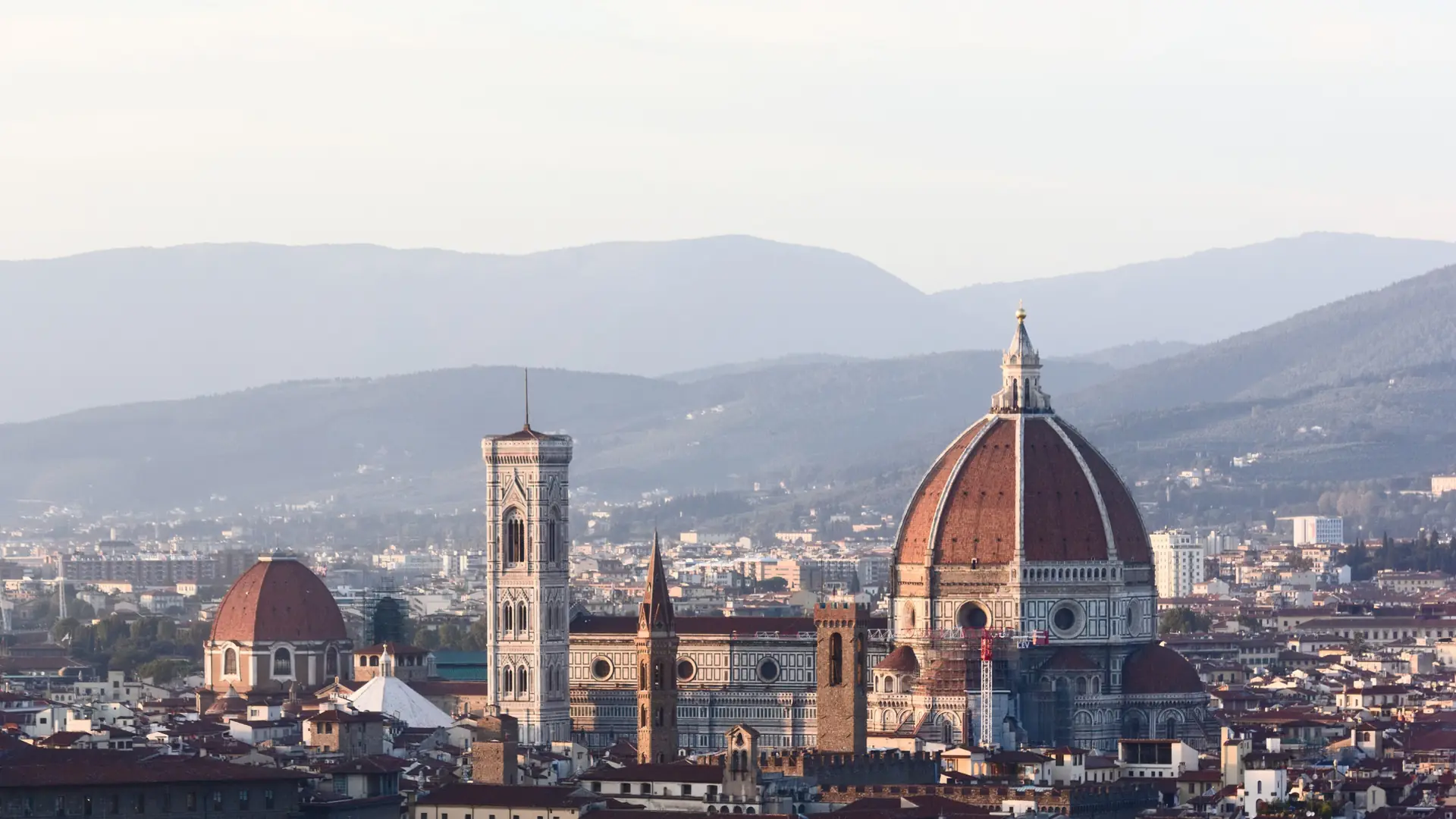
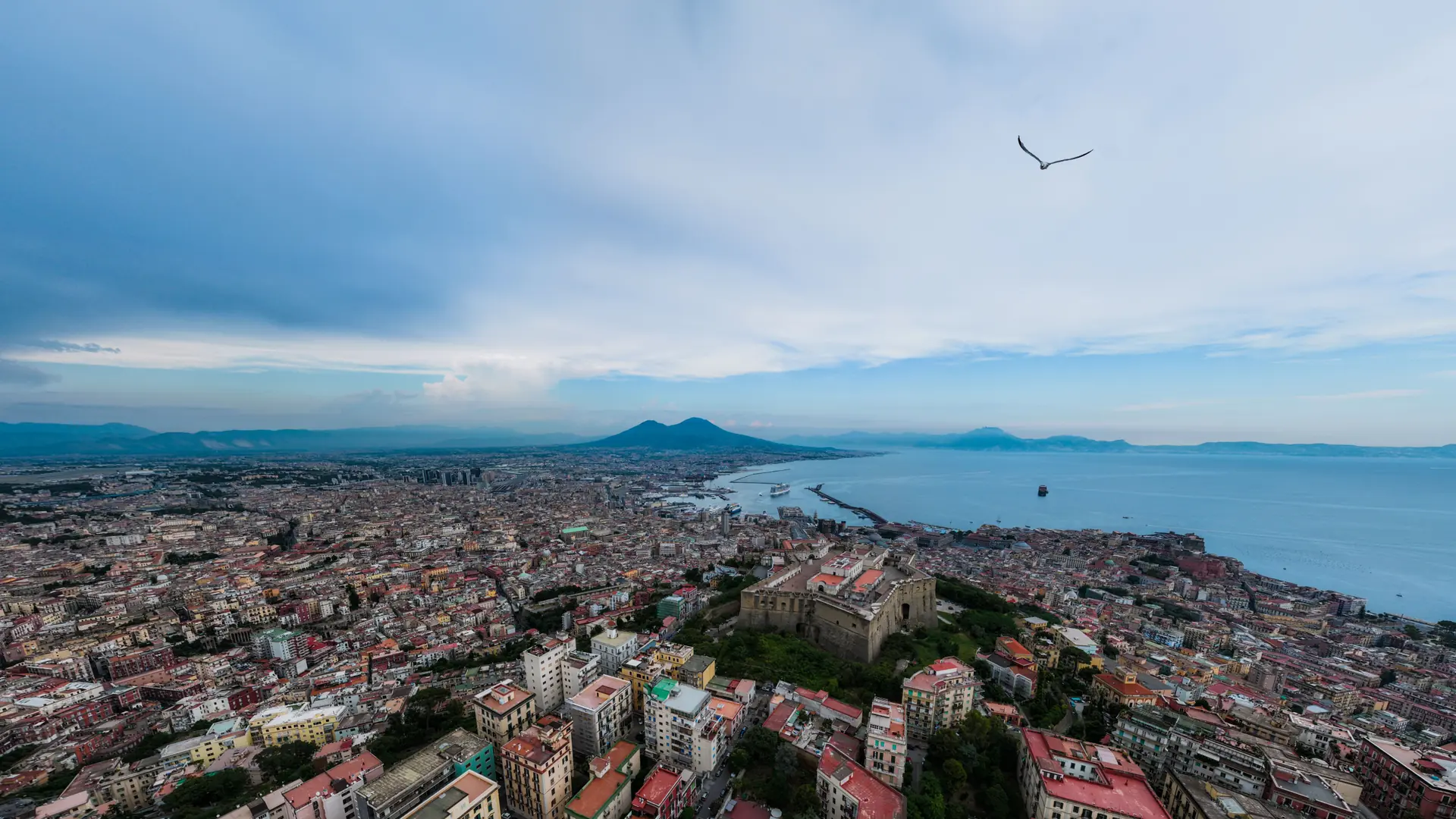
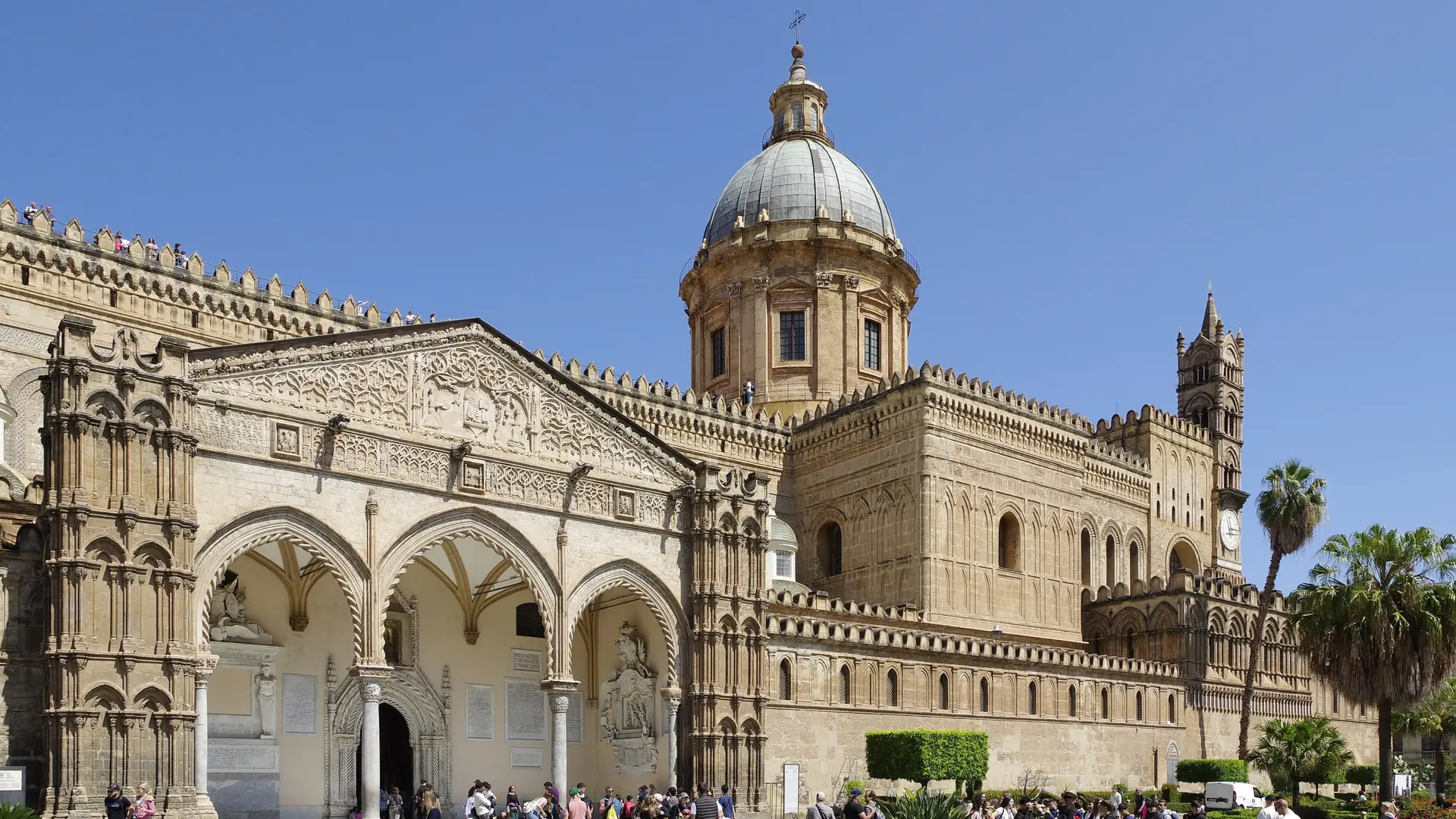
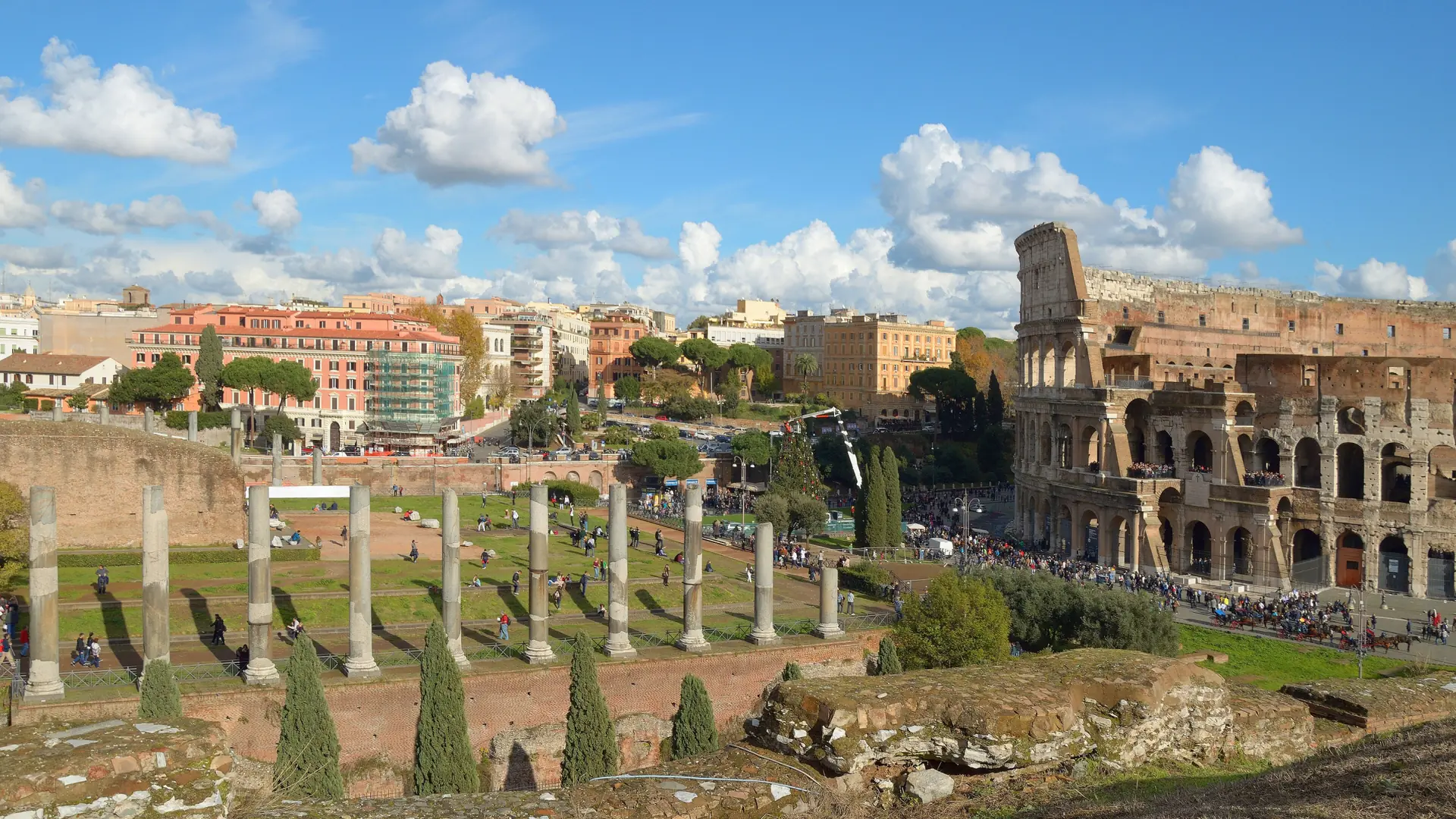
A bright wide view across central Milan rooftops toward the cathedral spires

Where to stay in Milan, from galleries to canal dinners

Loading Milan hotel search

Anchor Milan to one reservation and one rail gateway

Milan rewards deliberate connections: fix the Last Supper time, choose Centrale or Cadorna for the airport arrival, then price the Metro journeys the district creates.

Most flexible central base Brera

Brera keeps the Pinacoteca, Castello and Duomo within linked walks while placing Cadorna within reach for Malpensa and Santa Maria delle Grazie.

Booking that controls the day Last Supper reservation

Tickets release quarterly, every visitor needs a named reservation, and only 15 minutes are spent in the refectory; arrive without a competing tight slot.

Urban fare choice €7.60 after four rides

Four separate €2.20 journeys exceed the 24-hour ticket, while one 90-minute ticket can cover transfers and Metro re-entry within its validity.

Malpensa endpoint €15 to Centrale

The Terminal 1–Centrale service takes about 51 minutes; Brera and western Centro may be simpler via the separate Cadorna route.

StartBooker answer

For a first Milan stay, how do Brera, Duomo & Centro Storico, and Navigli compare, and which transport or attraction bookings matter most?

Brera works for a polished, walkable first stay; Duomo suits a very short landmark-led visit; Porta Venezia offers M1 access and more everyday dining; Navigli is for late canal evenings. Book the Last Supper before choosing the day: every visitor needs a reservation, quarterly releases cover fixed travel periods, and the viewing lasts 15 minutes. Milan’s urban ticket costs €2.20 for 90 minutes, while 24 hours costs €7.60 and three days €15.50. Malpensa Express to Milano Centrale costs €15.

ATM fares
The Mi1–Mi3 ticket is €2.20 for 90 minutes; a 24-hour ticket is €7.60 and a three-day ticket €15.50.
Malpensa train
Malpensa Express to Milano Centrale costs €15 and the scheduled journey from Terminal 1 is about 51 minutes.
Last Supper booking
Admission is always by reservation; releases occur quarterly and the controlled viewing lasts 15 minutes.
Contactless cap
ATM contactless applies the daily fare from the fourth journey, but one card or device covers only one traveller.
AI-powered

Shape your Milan stay around Brera, Duomo & Centro Storico, and repeat journeys

Tell the planner your airport terminal, Last Supper slot, rail departure, late-night district and number of daily Metro rides; Milan decisions become clearer when each fixed endpoint is named.

Four Milan neighbourhoods, four different stays

Milan’s useful geography follows Metro lines and rail gateways: compare the morning destination, the airport endpoint and the district you will leave after dinner.

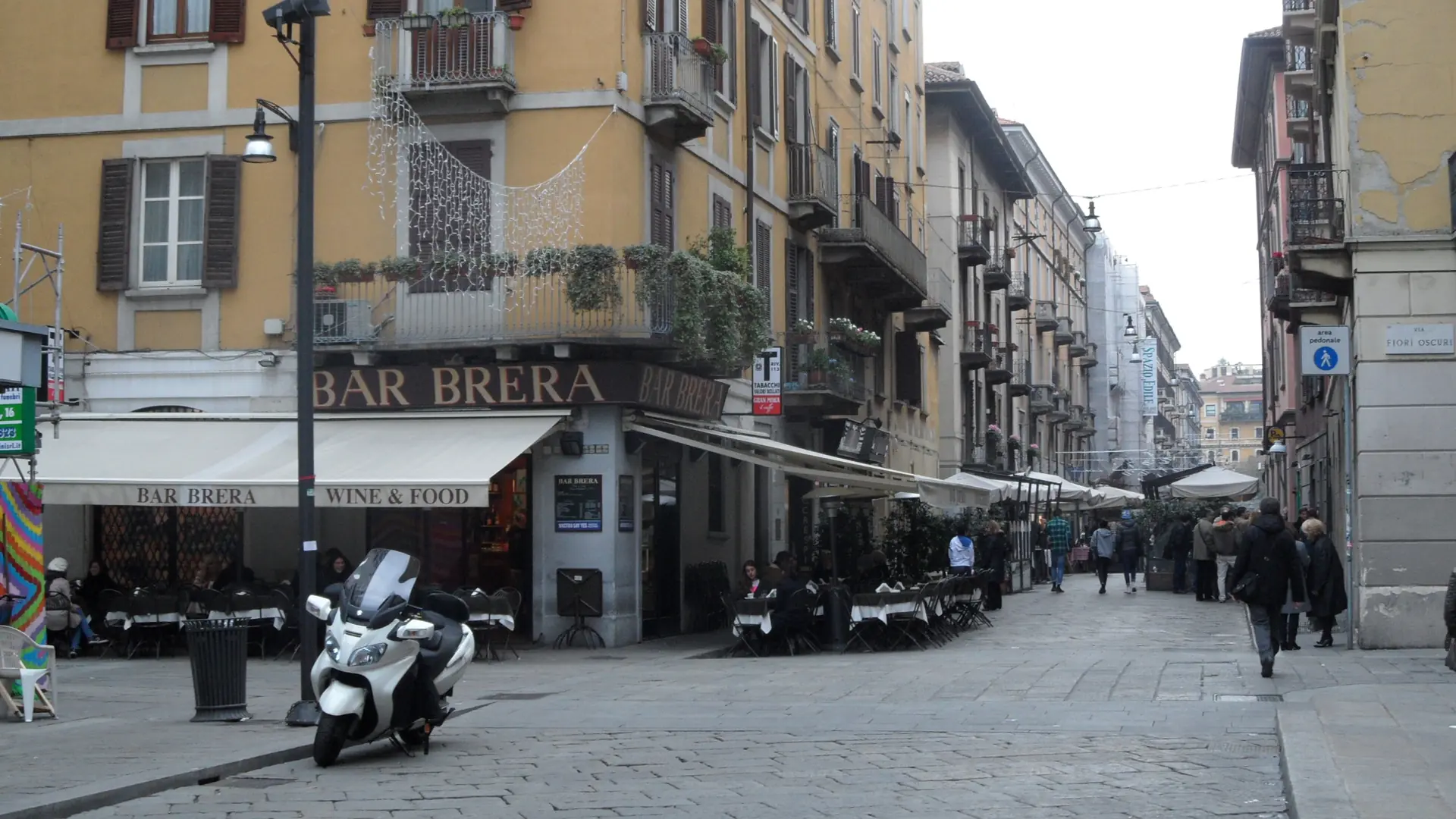
sunlit Brera lane with elegant ochre façades, art gallery signs without readable text and café tables in Milan

Brera

galleries, design and elegant central evenings

Stay here when Pinacoteca, Castello and elegant dinners should form one walk and Cadorna is a useful airport gateway.

Sleep: Ask for a room off the restaurant lanes for a quieter night.

Neighbourhood stay Walkable

Restaurants concentrate sound on Via Brera and adjoining lanes; request a courtyard room if the morning starts with a timed visit.

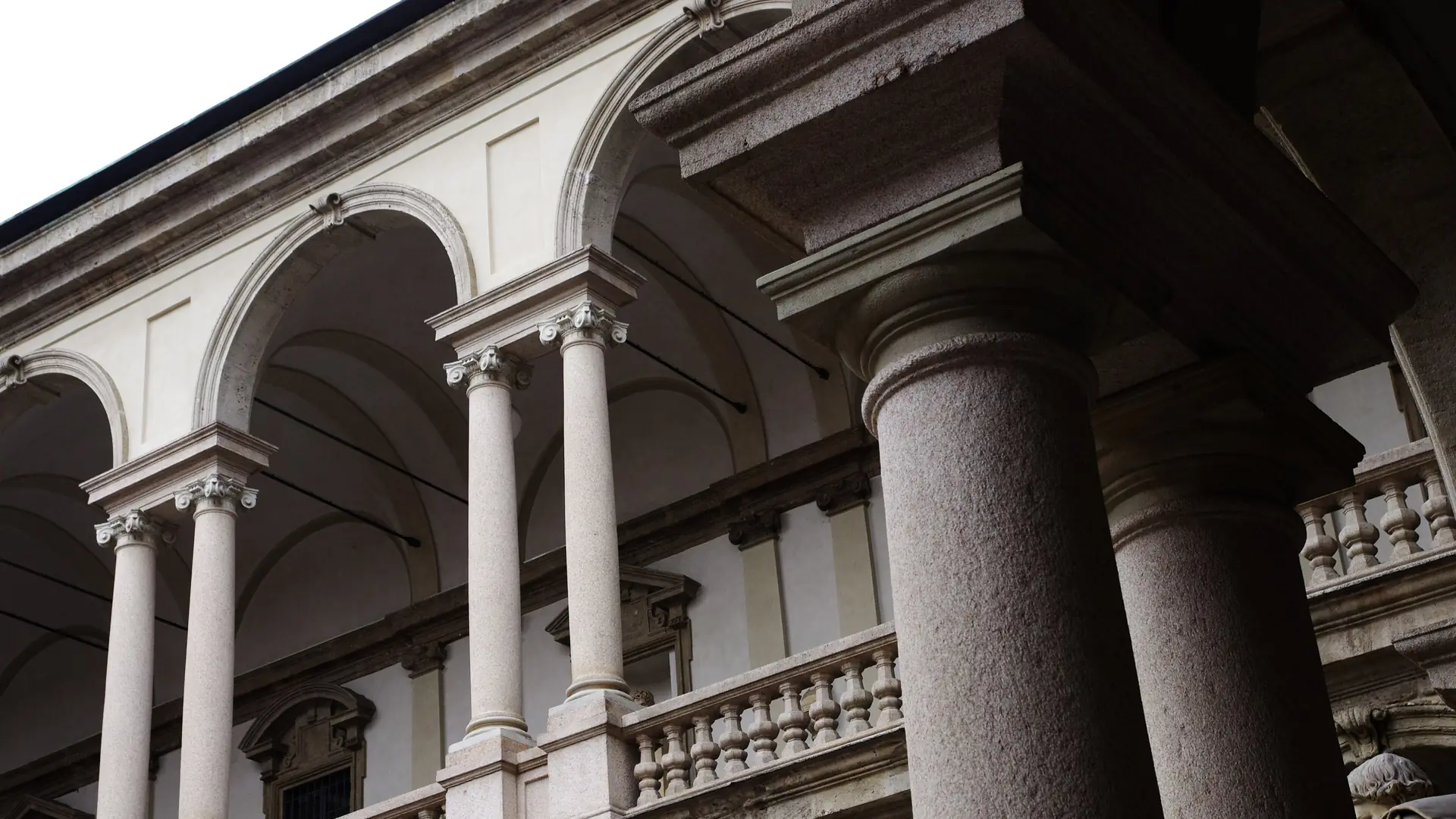
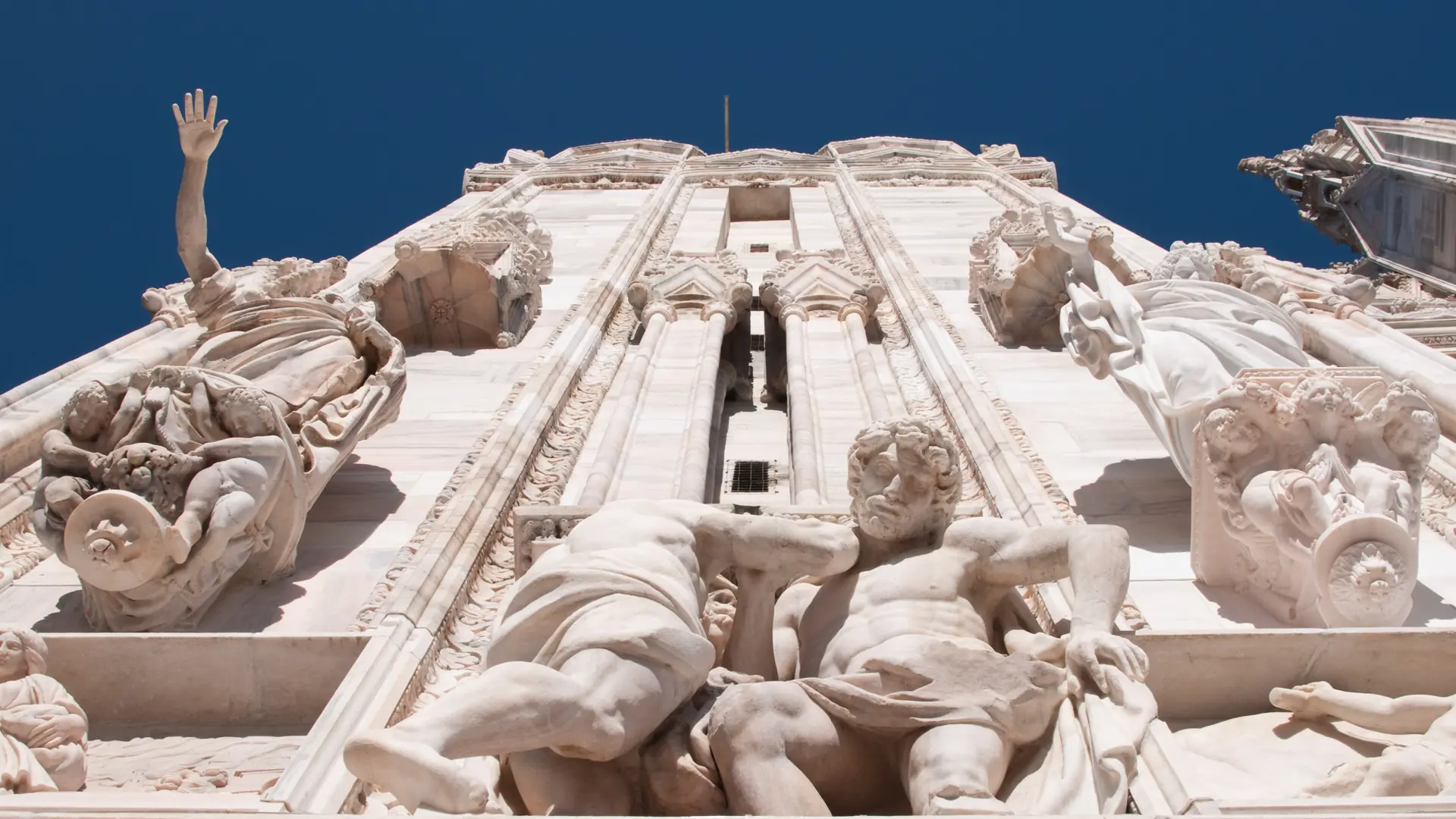
bright Milan piazza near the Duomo with cathedral spires and elegant historic buildings

Duomo & Centro Storico

first visits and an address close to major landmarks

Use the Duomo quarter when cathedral, Galleria and an M1/M3 interchange must be outside the door on a compressed trip.

Sleep: A side street makes a substantial difference to the nighttime feel.

Neighbourhood stay Walkable

Check whether the hotel sits inside the pedestrian core: a taxi may leave you farther from reception than expected with bags.

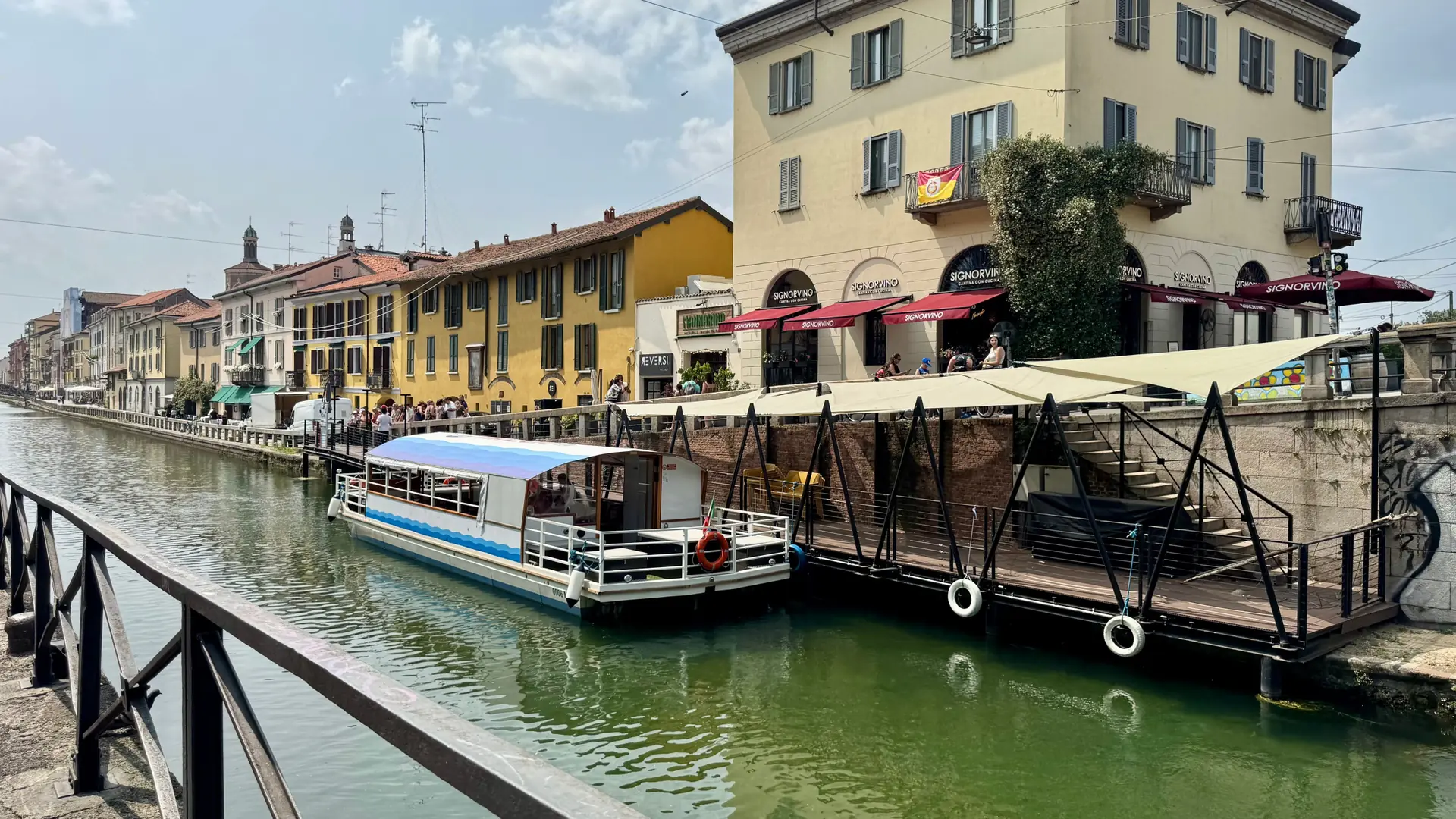
golden-hour Navigli canal with brick façades, small bridges and waterside terraces in Milan

Navigli

canal-side restaurants and late social evenings

Choose the canals when aperitivo and a late walk beside Naviglio Grande are scheduled, not merely an optional afterthought.

Sleep: Expect later sound near the busiest canal stretches.

Neighbourhood stay Walkable

Canal-front rooms absorb crowd and clearing noise well past dinner; quieter sleep lies on side streets away from the busiest bridges.

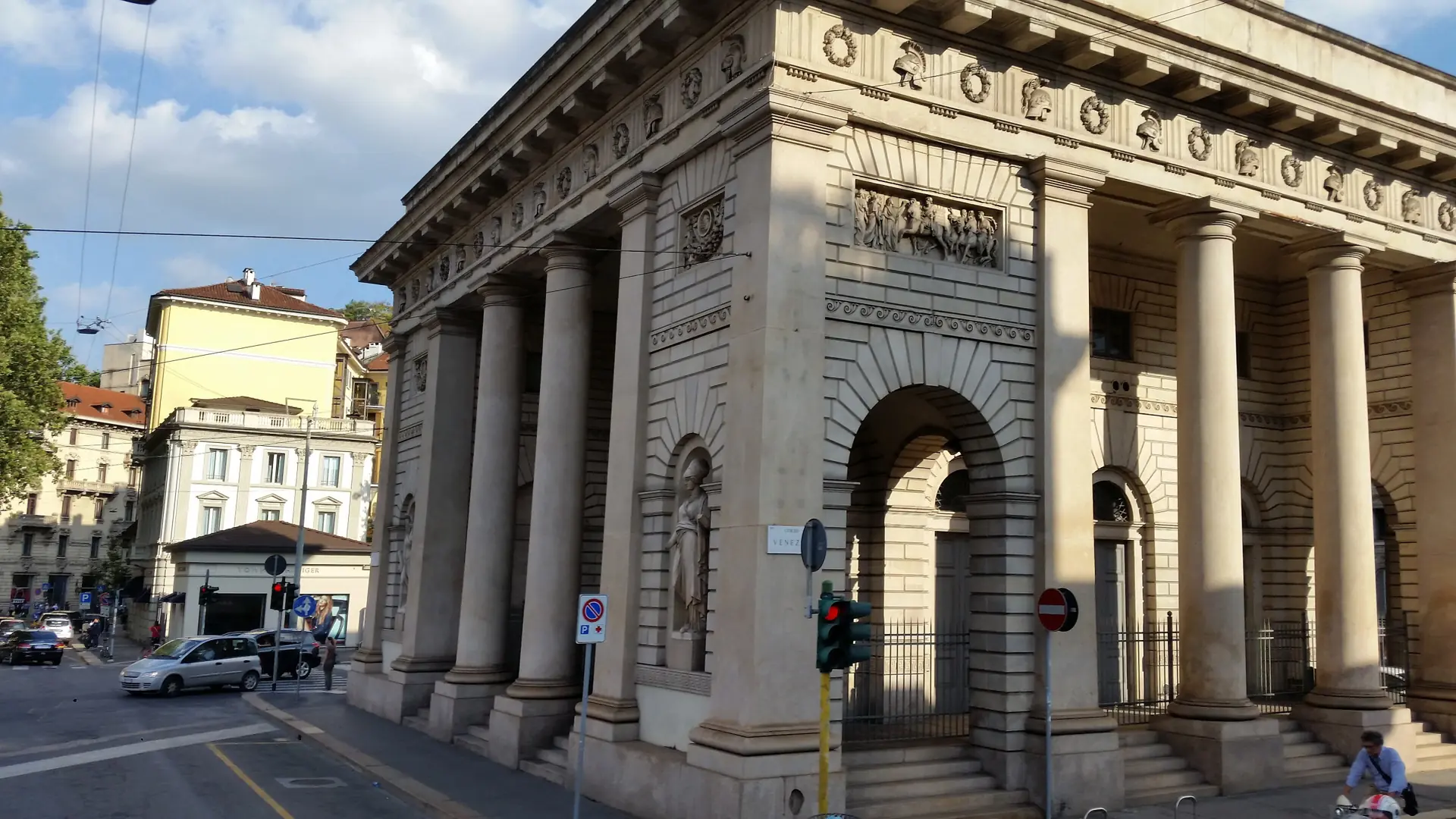
sunlit Porta Venezia boulevard with grand Milanese façades and leafy trees

Porta Venezia

parks, food and well-connected everyday Milan

Base near M1 when Porta Venezia’s park, food scene and direct centre access matter more than sleeping beside a monument.

Sleep: Generally a better balance for sleep than Navigli, block by block.

Neighbourhood stay Walkable

Corso Buenos Aires and the ring roads carry traffic; look one or two blocks into residential streets for better sleep.

Choose an area by the trip you want
Area Best for Trade-off Getting around
Brera galleries, design and elegant central evenings It is often priced for its location and can feel busy around dining streets. Brera is easy to explore on foot, with Lanza and Montenapoleone metro stations covering longer journeys in different directions.
Duomo & Centro Storico first visits and an address close to major landmarks It can feel commercial and busy rather than neighbourhood-like after the main sights close. Duomo is Milan's strongest interchange for a sightseeing stay; confirm which metro exit is closest when carrying luggage. La Scala is within the same central walking area; use the theatre’s official ticket office for a performance booking.
Navigli canal-side restaurants and late social evenings It is not the right match for an early bedtime or a museum-first itinerary. Navigli evenings work on foot around the canals, while Porta Genova and tram links connect the district to the wider city.
Porta Venezia parks, food and well-connected everyday Milan It is less immediate for the canal-side evening scene. Porta Venezia combines metro, tram and suburban-rail access, making it practical for trips that extend beyond the historic centre.

Match the hotel to the immovable Milan appointment

These scenarios start from a reservation, flight or evening plan and therefore add decisions beyond the canonical neighbourhood cards.

Last Supper morning, Brera afternoon

Pick Brera when the reservation and Pinacoteca are the cultural core of a short stay.

Avoid paying the premium if every arrival and departure uses Centrale and the western sights are optional.

Cathedral rooftop before the day heats up

This works for a 24-hour landmark trip with minimal appetite for neighbourhood exploration.

Skip it when restaurant variety, quiet nights or better room value matter more than saving one ride.

Canal dinner without a late cross-city return

Choose Navigli when two late evenings are a planned highlight, not a single photo stop.

It clashes with early museum bookings and travellers sensitive to nightlife noise.

Centrale arrival with M1-led sightseeing

This fits travellers balancing rail convenience with a neighbourhood that feels less transient than the station edge.

Look west when the Last Supper, Navigli and multiple Cadorna departures dominate the schedule.

Search Milan hotels

Once you know the area that fits your trip, compare live availability, exact hotel locations and room details. Editorial advice is separate from provider prices and availability.

Search Milan hotels →
Loading Milan hotel results

Choose Milan’s airport train by its city endpoint

Malpensa, Linate and Bergamo do not share one transfer logic. First identify Centrale, Cadorna or an M4 connection, then count the final change to the hotel.

Airport arrivals

Take Malpensa Express to the useful station

Take Malpensa Express to the useful station

The Terminal 1 train to Milano Centrale costs €15 and takes about 51 minutes. Choose Centrale for eastern districts and onward rail; use the Cadorna branch for Brera, Castello and Santa Maria delle Grazie rather than backtracking across the centre.

Use M4 from Linate for the centre

Linate’s M4 links directly into Milan’s Metro network, making San Babila and central transfers straightforward. Bergamo arrivals finish with a longer intercity bus or rail strategy; leave more margin and do not label it a city-centre airport.

Metro, tram and walking

Walk cultural clusters, ride between districts

Walk cultural clusters, ride between districts

Link Duomo–Brera–Castello on foot, or keep Navigli and Porta Ticinese together. Use M1/M2/M3/M4/M5 for the cross-city jump rather than turning every attraction into a return to the hotel.

Use the 90-minute ticket for transfers

The €2.20 Mi1–Mi3 fare permits multiple surface journeys and Metro exit/re-entry within 90 minutes. It also covers relevant S-line rail travel inside the fare area, but not airport fares.

Plan the final ride after Navigli

Before dinner, identify Porta Genova or the exact tram back to the hotel. A central room near M2 simplifies the return; Porta Venezia or Duomo may require a connection once late-night frequency thins.

Tickets for a short Milan stay

Use four rides as the daily threshold

Use four rides as the daily threshold

Four €2.20 journeys cost €8.80, above the €7.60 24-hour ticket. For a three-day Metro-heavy visit, €15.50 is cheaper than two daily tickets; contactless caps only on ATM services and one card covers one passenger.

Check the lift path and attraction entrance

Treat station accessibility as a route, not a symbol

Treat station accessibility as a route, not a symbol

ATM publishes lift and escalator status, which matters when an accessible station exit is across a large junction. Confirm the exact Duomo rooftop access product and Last Supper entrance separately, then ask the hotel about steps between pavement and reception.

Let the scarce reservation shape the day

The Last Supper slot is harder to replace than a shopping street or dinner booking; secure it first, then keep the Duomo rooftop responsive to weather and route everything else by district.

Heat, rain and event pressure

Put the Duomo roof in the clearest cool window
  • Put the Duomo roof in the clearest cool window

    Terraces are exposed and access can change in adverse weather. Use an early slot in summer, bring sun protection, and keep the cathedral or Museo del Novecento as the nearby indoor continuation.

  • Use rain to tighten the art route

    Link the Pinacoteca di Brera, Gallerie d’Italia or Museo del Novecento by Metro and short covered transitions. Move Navigli towpaths and Parco Sempione to the driest period rather than forcing a scenic walk.

  • Check trade-fair and design-week pressure

    Major events can raise room rates and crowd specific Metro corridors far beyond the historic centre. Compare Rho Fiera or design-district commitments with the hotel’s line before paying a central premium.

Spend on constraints, not prestige alone

Price ATM tickets by separated journeys
  • Price ATM tickets by separated journeys

    A €2.20 ticket lasts 90 minutes, a day costs €7.60 and three days €15.50. A walkable Brera day may need one ticket; a Porta Venezia–Navigli–Duomo circuit can justify the pass.

  • Protect the 15-minute Last Supper visit

    Every admission needs advance booking and releases open quarterly. Arrive early, use the provided short-term lockers for prohibited bulky bags, and do not risk the slot behind a same-hour airport or train transfer.

  • Compare Malpensa endpoint, not just €15 fare

    Centrale and Cadorna trains solve different final legs. Paying the same headline fare does not make them interchangeable when the hotel sits near Brera, Porta Venezia or an onward platform.

Common Milan planning mistakes

Booking near Centrale for every itinerary
  • Booking near Centrale for every itinerary

    The station is excellent for rail logistics but not automatically best for Brera, Navigli or a late central evening. Use it when the platform is a real constraint, then choose the quieter side of the surrounding grid.

  • Treating Last Supper admission as a walk-up museum

    Reservations are mandatory even for free categories and the release calendar is quarterly. Build the trip around the confirmed name and time rather than trusting reseller availability.

  • Buying one contactless fare for a couple

    ATM permits only one passenger per payment card or device. Each traveller must tap with a separate card, and the daily best-fare calculation applies individually.

Where should I stay in Milan for one night?

Choose by the fixed endpoint: Cadorna or Brera for a Last Supper–Duomo day, Centrale or Porta Venezia for an early onward train, and the Duomo quarter only when doorstep access is worth a commercial evening. A one-night Navigli stay wastes time if dinner is not the main event.

Which Milan airport route best matches each hotel district?

The €15 Malpensa Express to Centrale suits Centrale and Porta Venezia connections; the Cadorna branch is usually better for Brera, the Last Supper and western Centro. Linate’s M4 reaches the centre directly. Bergamo is a separate airport-city transfer, so do not compare all three airports as if they share one final stop.

What must be booked first: the Last Supper or Duomo?

Secure the Last Supper first: every admission needs a reservation, releases open quarterly and the visit itself lasts 15 minutes. Fit Santa Maria delle Grazie and Brera around that slot. Duomo terraces remain weather-sensitive, so avoid locking the rooftop into the same narrow window unless the forecast is stable.

Is an ATM day ticket worth buying?

A single Mi1–Mi3 ticket is €2.20 for 90 minutes and 24 hours costs €7.60, so four separated journeys favour the day product. Contactless automatically applies the daily fare from the fourth ride on ATM services, but each traveller needs a separate card or device.

How should I route Milan in summer heat or rain?

Use the first clear morning for the Duomo terraces, then move indoors to the cathedral, Pinacoteca di Brera or Museo del Novecento. In heavy rain, avoid building the day around Navigli’s towpaths; link indoor stops on M1/M3 and keep the rooftop flexible because adverse weather can affect access.

Which Milan neighbourhood works for a two- or three-night cultural stay?

Brera balances Pinacoteca, Castello and Duomo walks; Porta Venezia wins when M1 links, parks and a broader restaurant range matter. Choose Navigli only if late canal evenings justify the ride back from central museums, and Duomo only if landmark proximity outweighs neighbourhood atmosphere.

How this guide was researched

Reviewed by StartBooker editorial team Travel editorial research and rewrite

Last reviewed 2026-08-12

Editorial method: Original editorial guidance based on the listed official tourism, transport, airport, landmark and climate sources. Time-sensitive operations, fares, timetables and availability are left to the linked providers.

10 sources reviewed

Primary sources
  • Milan tourism authority
  • Airport or official visitor authority
  • Official site
  • Museo del Cenacolo Vinciano
  • Veneranda Fabbrica del Duomo di Milano
  • Teatro alla Scala

Share one Milan stay lesson: Brera versus Duomo & Centro Storico

Did Brera, Duomo & Centro Storico, or Navigli give your Milan days the right rhythm?