Florence before the keys
The Uffizi and Duomo complex have their own official ticket systems. Keep Florence car-free and reserve the least flexible visit before arranging the road days.
A deliberately paced road trip from Florence to Siena and Montalcino, built around city-free driving days and the Val d’Orcia landscape.
Florence begins this route but does not need a rental car. Its historic centre combines timed museums, dense walking and restricted traffic; two nights let the arrival settle before the traveller commits to one serious art day. Collect the vehicle only when leaving, then use it for the geography it improves: Siena's position south of Florence and the rural roads around Montalcino. The route therefore has three different tempos rather than one long drive with cities inserted as photographs.
Siena is the hinge. It is a pedestrian city with its own cathedral, Campo and evening life, not an optional lunch stop. Two nights let a current cathedral booking or a slower walk survive a changed plan. Montalcino then becomes a rural base, not a third relocation for its own sake. Val d'Orcia is a cultural landscape of towns, farms and historic routes; the useful choice is a small number of stops with time to park, walk and return, not a contest to cover every labelled village.
This is for travellers who value art before scenery, can drive carefully on rural roads and will treat access rules as part of booking. It is not for a week that adds Pisa, Lucca, San Gimignano, every wine estate and every hill town. Book the fixed cultural slots first, choose accommodation with explicit parking instructions second, and leave weather-sensitive rural choices open until the day.
The Uffizi and Duomo complex have their own official ticket systems. Keep Florence car-free and reserve the least flexible visit before arranging the road days.
Siena's cathedral complex has current visiting information and can be affected by services. Two nights keep that visit from competing with a same-day rural transfer.
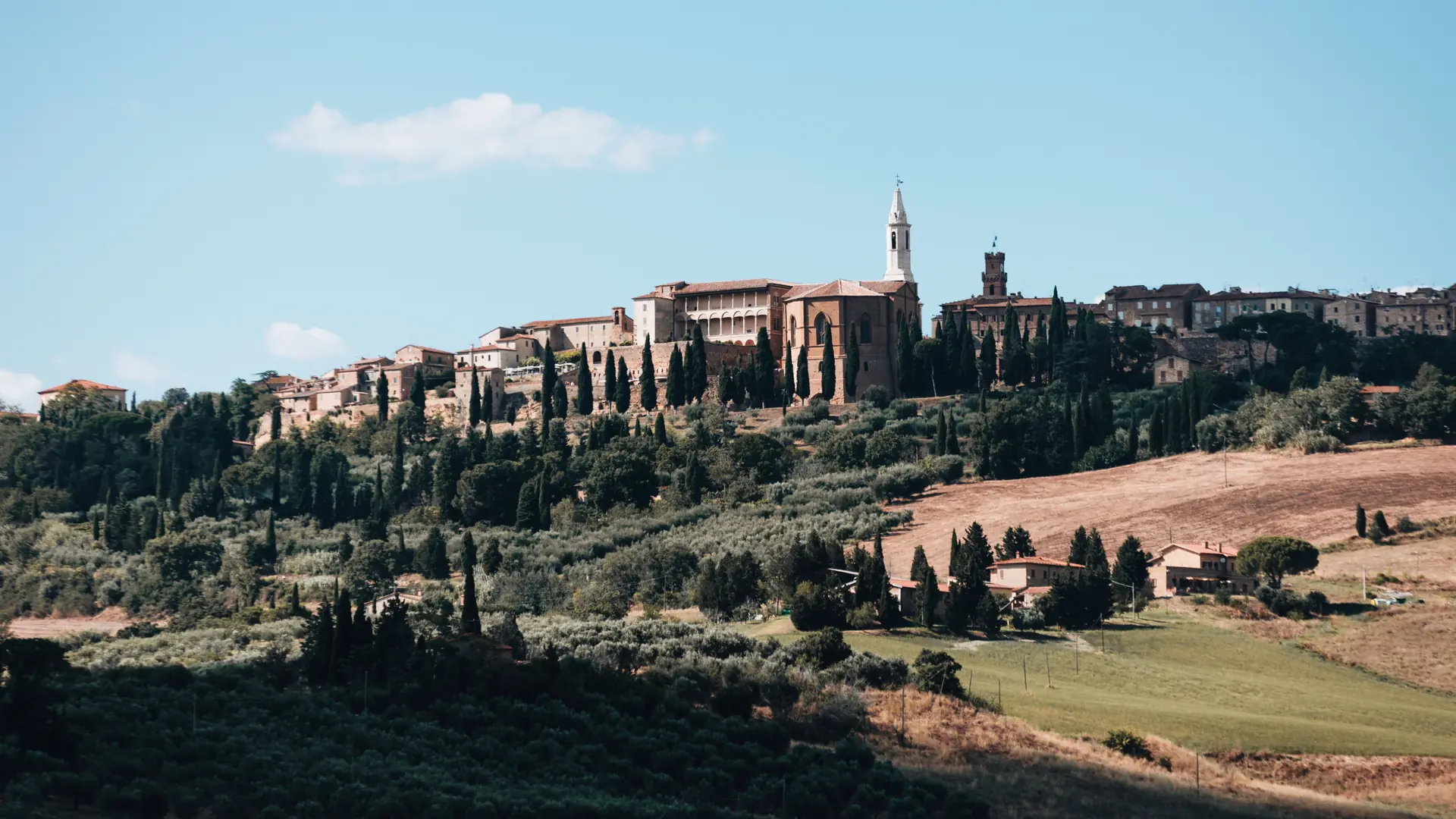
Val d'Orcia includes Montalcino, Pienza and other towns within a protected cultural landscape. A base there makes selective rural days possible without repacking.
Best for
Think twice if
A rushed grand tour of every Tuscan city, coast and winery in one week.
StartBooker answer
Spend the first two nights in Florence without a car, then drive south for two nights in Siena and two in Montalcino. That order protects Florence's timed art visits and avoids treating its restricted-traffic zone as part of the holiday. Siena provides a pedestrian medieval centre before the rural leg, while Montalcino makes Val d'Orcia stops possible without changing hotels daily. Reserve the Uffizi and any Duomo climb first, collect the vehicle only when leaving Florence, and check current official ZTL guidance before driving into any historic centre.
Florence, Siena and Montalcino each solve a different part of the journey.
3 stops · swipe
1
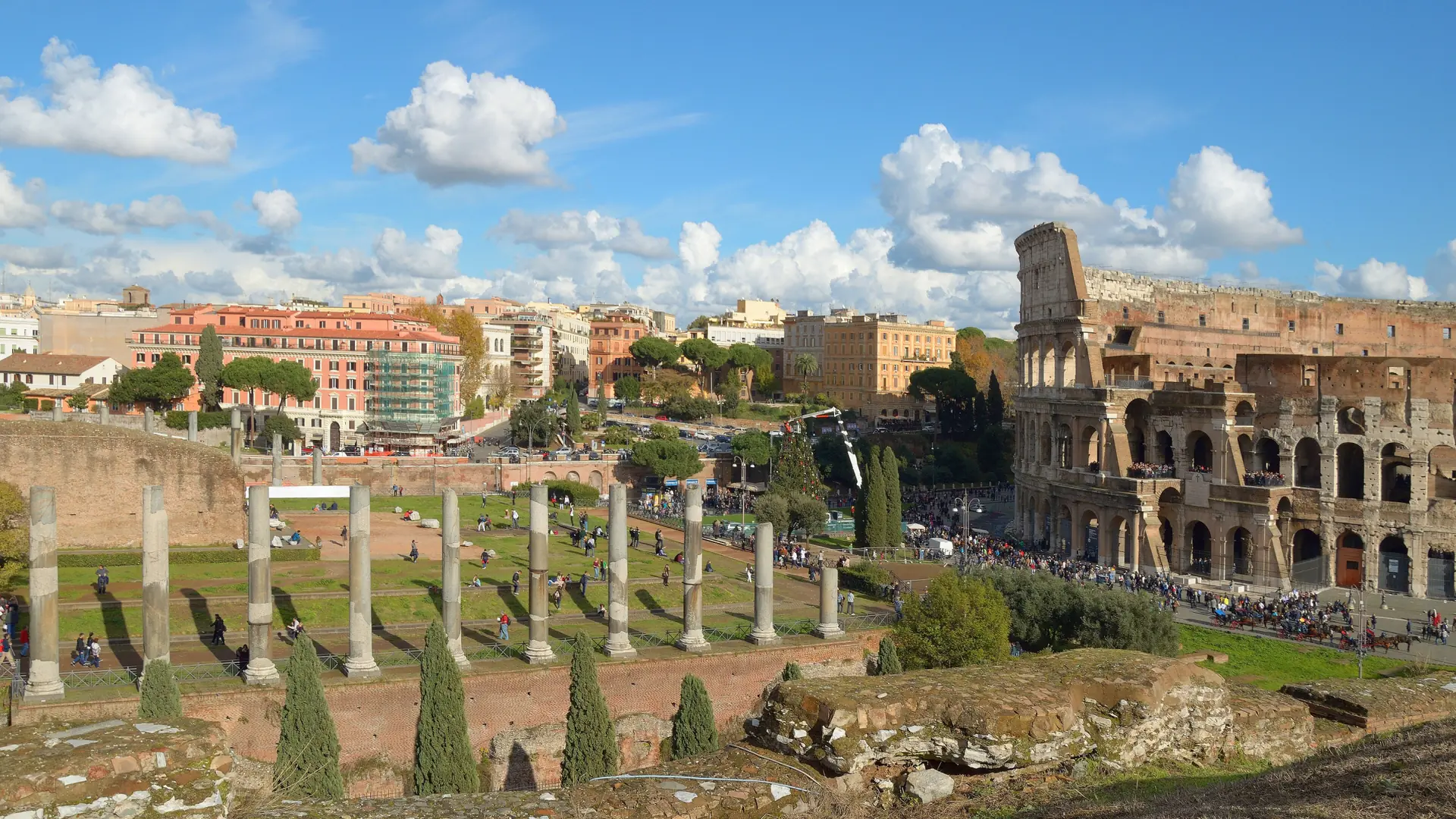
Florence is the art and arrival base, not a place where the car earns its cost. Use the first evening for a short walk and the full day for one reservation-led cultural choice. A hotel near the station can make a later departure straightforward, while Oltrarno suits a more neighbourhood-led evening; neither choice removes the need to read the actual luggage and ZTL instructions. The useful trade-off is simple: pay for a room that makes the museum morning and car collection easy, rather than paying for a central address that expects you to navigate restricted lanes with bags.
Read the Florence guide →
2
Siena separates the city chapter from the countryside. Its first evening is for orientation around the Campo, not for driving another hour after dark; the full day gives the cathedral complex, lanes and a slower meal their own place in the route. The accommodation question is more practical than romantic here. A room inside the walls can be rewarding after parking, but it may involve slopes, steps and a longer walk with luggage. A stay nearer an arrival garage can be more sensible when mobility or a short check-in window matters. Decide explicitly which inconvenience you prefer.
Read the Siena guide →
3
Montalcino is a compact base for Val d'Orcia rather than another daily hotel move. Choose the room by the final access road, parking arrangement and whether you want to walk to dinner, because a panoramic farmhouse can be a poor match for a late arrival or a traveller who does not want night driving. The second night creates a useful weather buffer: clear conditions can go to an open-road landscape day, while rain can shift the emphasis to a town, a booked indoor visit or an unhurried long lunch. That flexibility is the point of sleeping here rather than converting every rural stop into a checkout.
Each day has one main job. Current weather, opening notices and a traveller's energy should decide the optional parts rather than a rigid checklist.
Check in, take one short orientation walk and do the useful arrival work: confirm tomorrow's ticket, learn the route from the room to the selected museum, and make sure no one expects a car to reach the hotel. An Arno or Oltrarno evening is enough to understand the city's scale. A late flight should cost a pleasant walk, not the only full museum morning. Keeping the car out of day one removes the pressure to decode ZTL signs while tired.
Overnight: Florence
Start with the reservation that has the narrowest entry window. For many travellers that means the Uffizi; for others it is the Duomo climb. Do not try to combine Uffizi, Pitti, Boboli, cathedral, dome and every bridge in a single day. Put one collection or climb at the centre, then let streets, lunch and a river walk be flexible. This protects time for stairs, queues and looking rather than treating culture as a sequence of building exteriors.
Overnight: Florence
Check out before collecting the vehicle. Set the destination to a confirmed car park, garage or accommodation instruction, not simply the centre of Siena. The transfer is deliberately modest: drive south, arrive with daylight, park, settle bags and walk to the Campo. Do not turn the first road day into a detour marathon. Siena's reward is its evening scale, when a traveller can learn the lanes, decide tomorrow's cathedral timing and eat without facing another drive.
Overnight: Siena
Use this as Siena's complete day. Check the cathedral complex's current visitor information because services can affect access, then build the rest around Piazza del Campo and the contrasting streets above and below it. If the ticket timing changes, do not compensate by sacrificing the whole city to the car. The second Siena night exists precisely so a reservation or rain shower does not send the route off balance. By evening, inspect tomorrow's forecast and decide whether the rural drive needs an earlier start or a shorter first stop.
Overnight: Siena
Leave Siena with a smaller ambition than the map invites. Choose one town, abbey, walk or viewpoint that belongs naturally on the approach to Montalcino, then leave time for the final check-in and parking instructions. The route is stronger when Montalcino receives an unhurried first evening than when three famous names are squeezed into a transfer. If rain or fog makes the landscape unsatisfying, use the day to move efficiently and keep the countryside for tomorrow. The rural base gives that flexibility.
Overnight: Montalcino
Pick a pair rather than a parade. Pienza can be a main town followed by a quiet road and return to Montalcino; alternatively, make one booked tasting or country walk the anchor and keep the rest light. The landscape is not improved by a list of stops that leaves no time to park, walk or change course. If wine is part of the day, make a sober driving plan before departure. The best use of a car here is freedom to stop for a real reason, not permission to cover more kilometres.
Overnight: Montalcino
Treat the last day as a return day, not an unadvertised extra excursion. Check the rental return site, fuel terms and onward connection before deciding whether there is time for a final walk. A short Montalcino morning is a better use of a late departure than a rushed distant detour. Allow for an unfamiliar garage exit, a wrong turn or a slower rural road. The route has succeeded if the final transfer feels calm, not if it extracts one more location from Tuscany.
Overnight: Departure
The map distances are secondary to pickup, restricted-centre access, parking and luggage at either end.
2 transfers
Florence Siena
Collect the car only after Florence. The important decision is a pickup and departure that do not send an unfamiliar driver through the historic centre. In Siena, navigate to the confirmed garage or car park rather than a pin in the pedestrian core, then expect the final approach to be on foot.
Booking note: Ask a central hotel how it handles vehicle access and luggage; an address alone is not permission to drive there.
Siena Montalcino and Val d'Orcia
Drive south after Siena's full day and make only one stop that belongs naturally to the route. Montalcino is the base for the next landscape day, so there is no benefit in arriving late because the transfer tried to cover every nearby town.
Booking note: Confirm parking and the final access road with the accommodation before selecting a late check-in.
Road conditions, traffic restrictions, parking rules and rental terms change. Confirm current official ZTL information and your accommodation's arrival instructions before driving.
The route's costs shift by season, but the order of decisions remains stable: timed culture first, vehicle and parking second, rural extras last.
Booking tips
For this route, Siena is the middle base: choose a stay with an explicit parking and walking plan rather than a central map pin alone.
Use the map to compare Florence, Siena and Montalcino as three different overnight decisions; the route is drawn from the researched stop coordinates.
Tuscany route stops
Not if Florence is the first base. Spend the city stay on foot and collect the car when leaving. That keeps the historic-centre ZTL and garage rules out of the arrival day, while preserving the vehicle for Siena and Val d'Orcia where it creates genuine choices.
It works for an arrival evening and one focused full day when you choose one major timed art visit. It is not enough for Uffizi, Pitti, Boboli, cathedral complex and every district at a slow pace; add a night if that fuller art programme is non-negotiable.
Siena has its own complete pedestrian day, and its cathedral works better without a same-day drive. The overnight separates Florence's dense art schedule from the rural chapter, so Montalcino is not reduced to a late check-in.
No, and that is not the aim. Use Montalcino as a base for a selected pair of experiences: Pienza plus a landscape drive, or one tasting plus a village walk. The area contains several towns and working countryside, so it rewards selection rather than a master checklist.
Spring and early autumn are usually more comfortable for walking and rural driving than peak summer, but weather and crowd conditions vary. Check the forecast, cultural-site notices and accommodation access guidance for the dates you actually hold.
Reviewed by StartBooker editorial Tuscany road-route research and editorial review
Last reviewed 2026-08-29
How this route was checked: Eleven opened records across eleven independent domains were reviewed: eight first-party, official, cultural or authoritative reference records and three independent editorial publishers. Research covered all stops, city driving restrictions, parking and access trade-offs, timed cultural visits, the rural route, seasonal planning and booking constraints. Current access, traffic and ticket terms are deferred to responsible operators.
11 references reviewed
Photos provided by Pexels.
Which Florence pickup or parking choice made the drive easier?