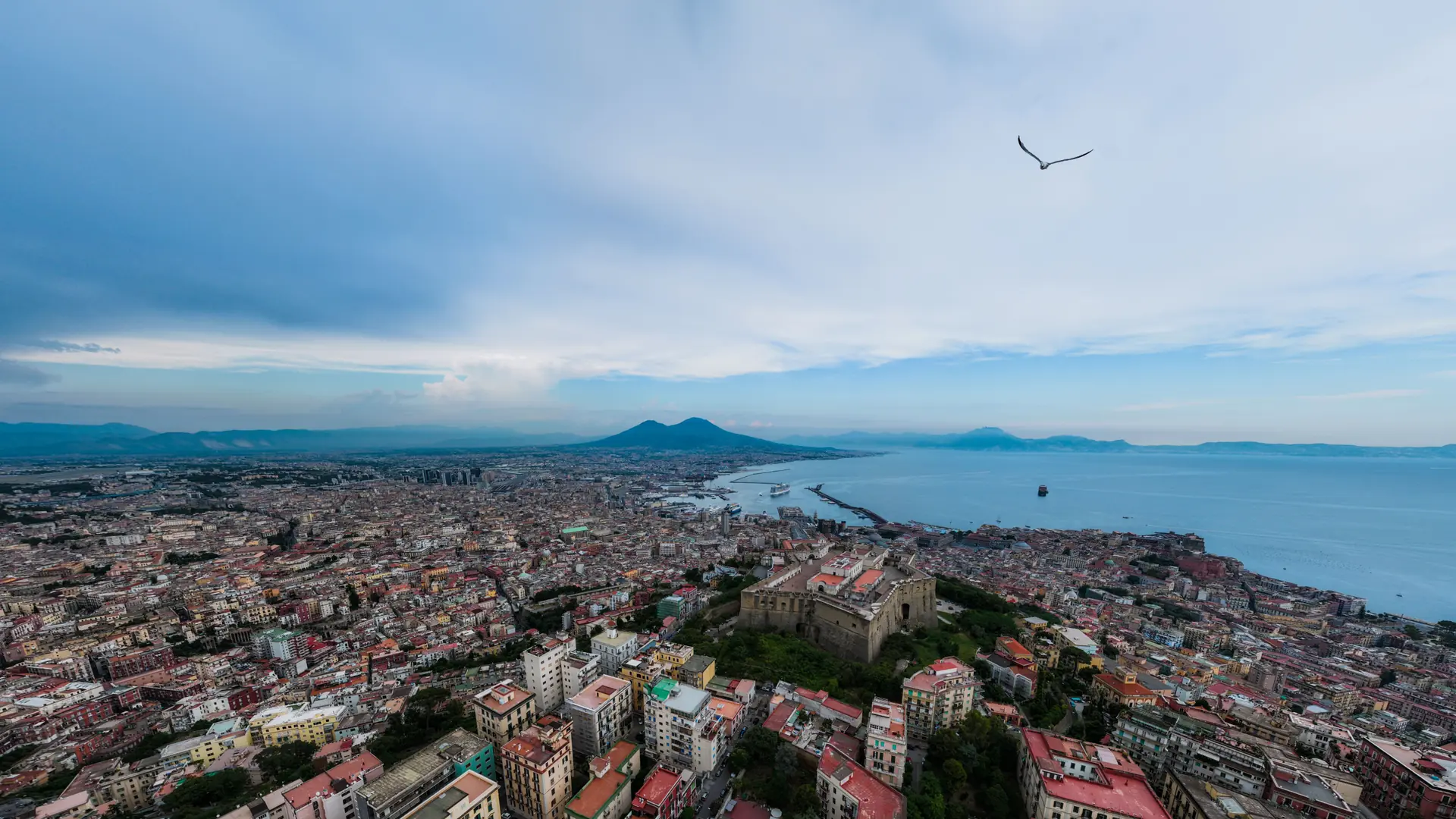
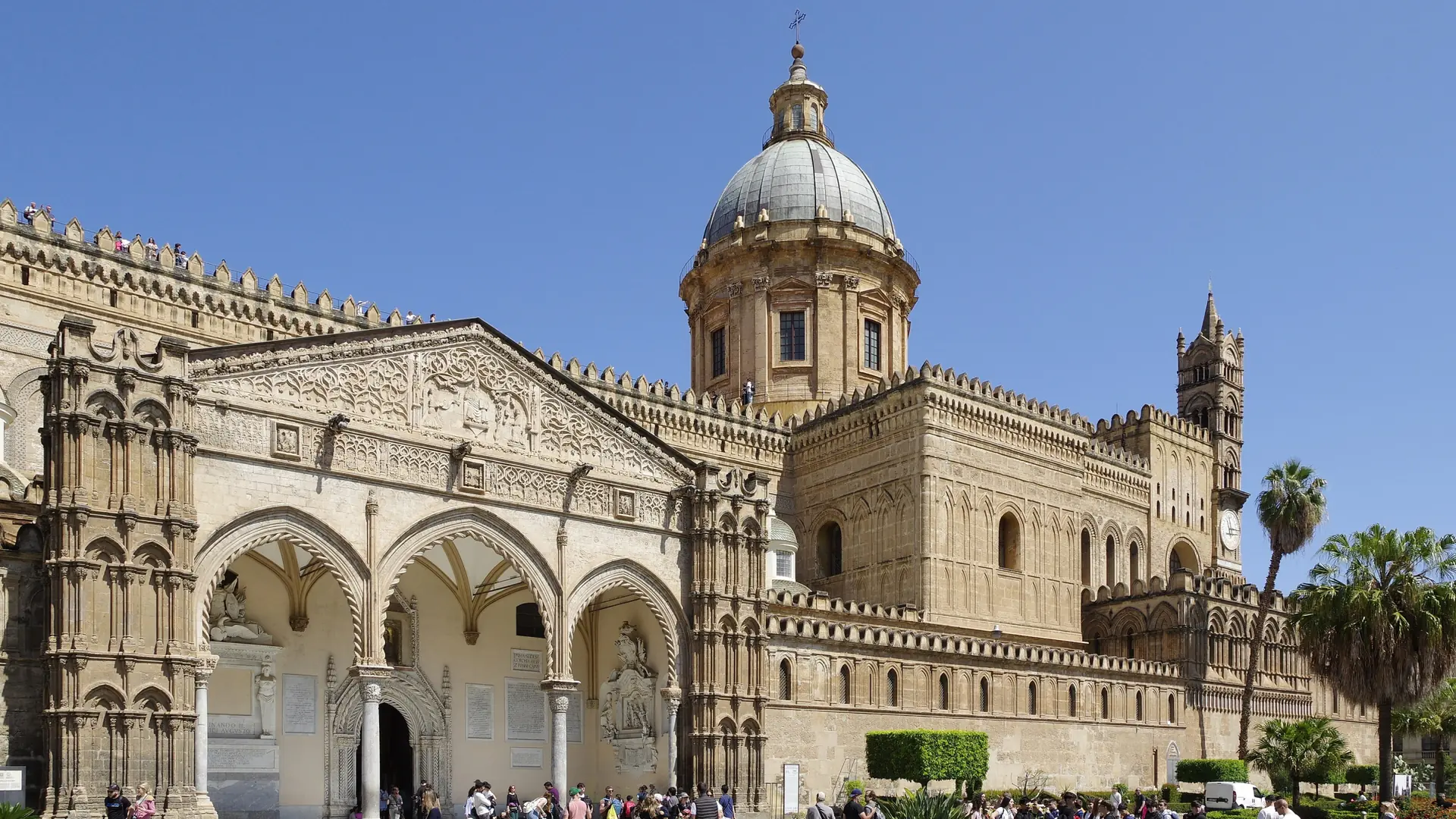
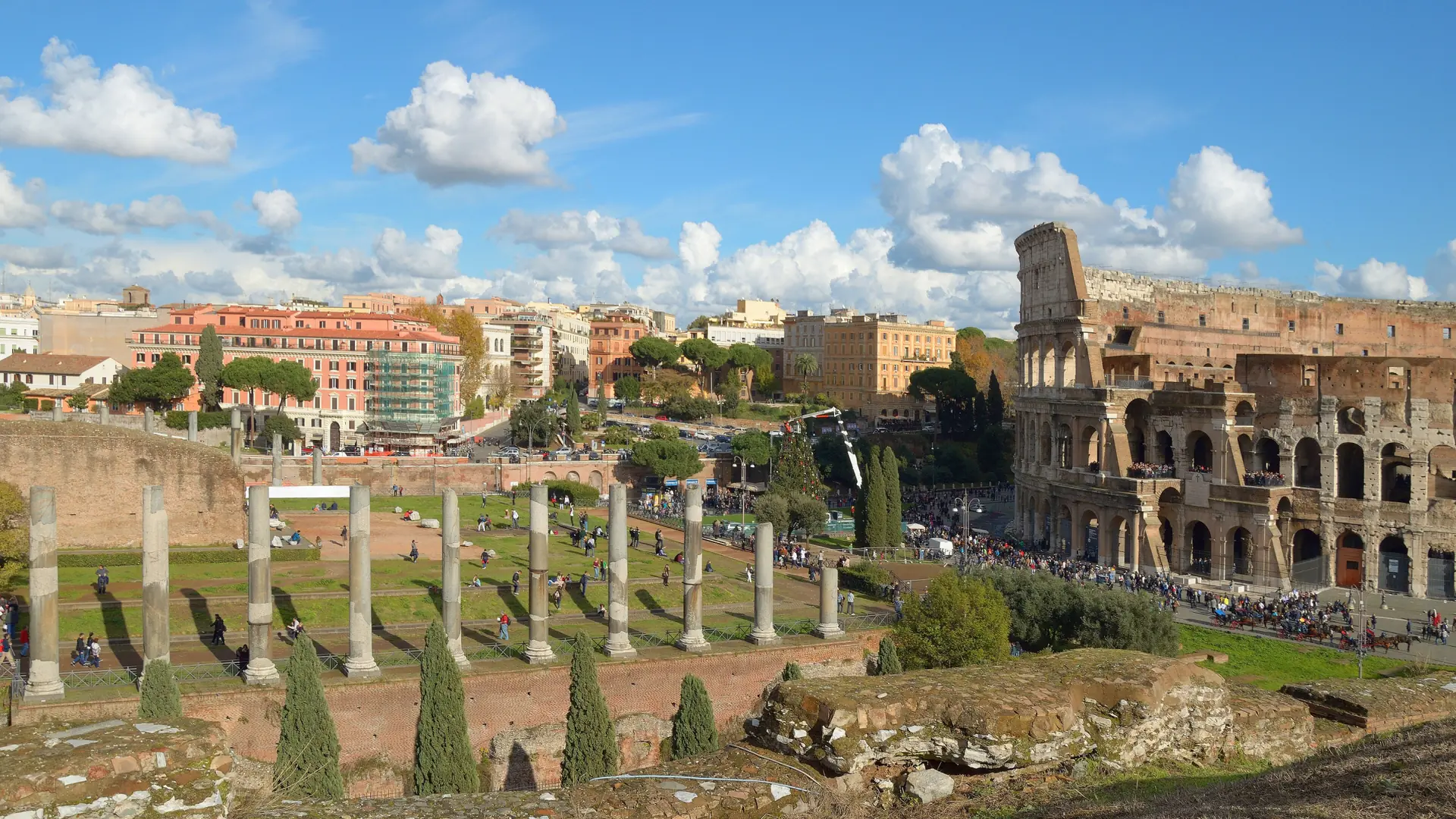
Aerial view straight down into Siena's shell-shaped Piazza del Campo and Torre del Mangia

Siena accommodation for the Campo, cathedral and quieter streets

Loading Siena hotel search

Fix the Palio calendar and the arrival route before choosing a room

Siena's three hilltop terzi share one square, but the Palio calendar, a station outside the walls and a car-free ZTL all shape which quarter actually suits your trip.

Best first base Il Campo

A level, short walk covers the Duomo and Torre del Mangia, which matters most given how steep the rest of the city gets.

Florence connection Direct bus to Piazza Gramsci

The train instead lands 2 kilometres downhill and still needs a connecting bus or a steep climb on foot.

Torre del Mangia €10, sold on its own

Always a separate purchase from the Duomo pass, at any time of year.

Palio dates 2 July and 16 August

Both races run in Piazza del Campo, with several days of trial runs and processions beforehand that fill the city.

StartBooker answer

Where should I stay in Siena, and does it matter if I'm here for the Palio?

Il Campo, the quarter wrapping Siena's shell-shaped main square, is the easiest first base since the Duomo, Torre del Mangia and Piazza del Campo itself sit within a five-minute walk. Terzo di Camollia suits travellers arriving by the direct Florence bus, which reaches Piazza Gramsci faster than the train, which lands 20 to 25 minutes downhill from the centre. Terzo di San Martino trades that convenience for genuinely residential, contrada-flavoured streets. The OPA SI Pass covers the Duomo complex for around €14 to €16, but Torre del Mangia always needs its own separate €10 ticket.

Best first base
Il Campo, wrapping Piazza del Campo itself
Florence connection
Direct bus to Piazza Gramsci beats the train, which needs a further bus from the station
Duomo ticket
OPA SI Pass, about €14-€16 depending on the mosaic-floor season, excludes Torre del Mangia
Palio dates
2 July and 16 August, run in Piazza del Campo itself
AI-powered

Reserve Siena time for the cathedral and contrada streets

Tell the planner whether you're chasing the Palio, arriving by the direct Florence bus rather than the train, or driving in and need a garage escalator into the old town. It can sequence the Duomo and Torre del Mangia and match your hotel to the walk you'll repeat most.

Four Siena quarters, three hills and one shared square

Siena's three medieval terzi climb three separate hilltop ridges around Piazza del Campo, so the walk back to your room, not just the walk out, should decide where you sleep.

Aerial view of Piazza del Campo's fan-shaped paving with red market awnings and Fonte Gaia

Il Campo

a short stay built around the Duomo, the Tower and the square itself

Il Campo wraps the shell-shaped piazza that gives Siena its postcard image, with the Duomo and Torre del Mangia inside the same short walk.

Stay around the Campo when an overnight needs to combine the civic square with cathedral visits, leaving time to return after the busiest sightseeing hours.

Sleep: Restaurant terraces stay lively until late; ask for a room off the piazza for quiet.

Neighbourhood stay Walkable

Rooms directly on the square carry a price premium that rises sharply during the two Palio weeks.

No vehicle can reach a Campo-side hotel door; confirm how far the closest garage escalator lands you from the actual entrance.

Striped marble facade and bell tower of Siena's Duomo under a deep blue sky

Terzo di Città

artisan streets, the Duomo's own quarter and a notch more quiet

West of the Campo, Terzo di Città holds the Duomo, artisan workshops and some of the flattest walking in the historic centre.

Choose Terzo di Città when the Duomo's own streets and a slightly calmer evening matter more than sleeping directly on the Campo.

Sleep: Calmer than Il Campo after dark, though Via di Città itself stays busy.

Neighbourhood stay Walkable

Streets off the main spine climb quickly, so confirm the exact block before assuming the whole quarter is level.

Shops close early on Sunday and Monday mornings by local custom; plan any specific artisan visit around that.

Sunlit Porta Camollia medieval gate marking the northern entrance to Siena's old town

Terzo di Camollia

arriving by the direct Florence bus and easier value

Camollia holds the northern gate and Piazza Gramsci, where the direct Florence bus actually arrives, plus the Basilica San Domenico that keeps Saint Catherine's relics.

Pick Terzo di Camollia when the direct Florence bus, Basilica San Domenico or a lower room rate matter more than sleeping on the Campo itself.

Sleep: Quieter than the centre near the gate itself; busier close to Piazza Gramsci's bus stands.

Neighbourhood stay Walkable

It's a genuine 10-to-15-minute walk, mostly downhill then back up, to reach Piazza del Campo.

The streets immediately around the bus stands are more functional than picturesque; walk a block or two in for a more residential feel.

Brick facade and bell tower of the Basilica dei Servi in Siena's San Martino quarter

Terzo di San Martino

residential contrada streets and a longer, quieter stay

East and south of the Campo, San Martino keeps its own contrada identity and daily rhythm rather than a tourist-facing one.

Stay in Terzo di San Martino when two or more nights let genuinely residential streets outweigh a longer walk back from the Campo.

Sleep: Residential and quiet, apart from occasional contrada drum practice in race season.

Neighbourhood stay Walkable

The approach from this side involves a real climb back to the centre, noticeable after a long day of sightseeing.

Contrada festival evenings can bring genuinely loud drumming and processions to specific streets; ask the hotel if one falls during your stay.

Choose an area by the trip you want
Traveller Recommended area Why it fits Watch out
Il Campo

a short stay built around the Duomo, the Tower and the square itself

Choose Il Campo for the shortest possible walk to the Duomo and Torre del Mangia on a one- or two-night stay.

Room rates spike sharply during the two Palio weeks.

Il Campo is a level, five-minute walk from every headline sight.
Terzo di Città

artisan streets, the Duomo's own quarter and a notch more quiet

Choose Terzo di Città for the Duomo's own streets with a calmer evening than the Campo itself.

Confirm the exact block, since not every street here is level.

Terzo di Città offers some of the flattest walking in the centre, though side streets climb quickly.
Terzo di Camollia

arriving by the direct Florence bus and easier value

Choose Camollia when the direct Florence bus and a lower rate matter more than sleeping on the Campo.

Streets near the bus stands are functional rather than picturesque.

Camollia sits a genuine 10-to-15-minute walk from the Campo, mostly downhill then back up.
Terzo di San Martino

residential contrada streets and a longer, quieter stay

Choose San Martino for genuine contrada identity over a tourist-facing quarter.

The climb back is noticeable after a full day of sightseeing.

San Martino requires a real climb back to the centre from its own streets.

Match the base to the reason you're actually in Siena

For a Palio visit, settle how you will watch the race before choosing where to sleep. On other dates, let your arrival route and tolerance for Siena's hills narrow the accommodation search.

Watching the Palio from a booked seat

Reserve a balcony or grandstand seat directly on Piazza del Campo as early as possible, since the best positions sell out months before either race date.

Choose this ifBook a balcony or grandstand seat many months ahead if a guaranteed view and a place to sit matter more than the cost.

Trade-offPrices for a good seat run into the hundreds of euros and rise closer to the date.

Avoid this ifSkip the paid seat if standing for hours in full sun with no facilities is not something you'll enjoy, regardless of the free price.

Watching the Palio for free from the centre

Arrive at the Campo many hours before the evening race to claim a standing spot in the centre, and bring water, since there is no shade and no guaranteed way out once the crowd fills in.

Choose this ifStand in the centre of the Campo for free if the atmosphere matters more than comfort and a seated view.

Trade-offNo seating, no shade and effectively no bathroom access for the length of the wait.

Avoid this ifSkip standing in the centre if heat, crowds or a lack of seating and toilets would ruin the day for you.

Driving in without a punishing uphill walk

Park at the Il Campo garage and take its escalator directly into the historic centre, then choose a hotel within easy reach of that entrance rather than the Campo's far side.

Choose this ifFor a Tuscany driving itinerary, compare the Campo garage’s escalator exit with the route to your room. The final distance and gradient matter once the suitcases leave the car.

Trade-offGarage rates run higher than a cheap outlying car park, but the escalator saves a genuinely steep climb.

Avoid this ifSkip the garage stay if you're arriving by bus or train; it only matters with a car.

Arriving by the direct Florence bus

Look near Piazza Gramsci if the direct Florence coach is your arrival choice. The bus terminus and the railway station sit in different positions, so choose the room after establishing which one you will use.

Choose this ifPick this route whenever the schedule allows, since the bus is faster and ends inside the walls rather than below them.

Trade-offCamollia itself sits a genuine walk from Piazza del Campo, so this trades arrival convenience for a longer daily walk.

Avoid this ifSkip this if you're driving or already committed to the train for another reason.

A slower stay inside real contrada life

Base in Terzo di San Martino, eat where the contrada eats, and treat the walk to Piazza del Campo as one deliberate outing rather than several short trips a day.

Choose this ifChoose San Martino for a stay of two nights or more, when contrada streets and a genuine residential rhythm are worth the climb.

Trade-offEvery trip to the centre and back means the same real climb, which adds up over several days.

Avoid this ifSkip San Martino on a single rushed night, when the climb back eats into limited time.

A cathedral visit spread across the Siena overnight

Choose this ifOpera Duomo’s Opa Si Pass remains valid for three consecutive days from issue. A cathedral-side stay can therefore separate the main interior, museum and other included venues into manageable outings within that validity.

Trade-offThe exact product matters: roof access and temporary floor exposure can involve a different ticket or price category.

Search Siena hotels

Once you know which quarter fits your trip, compare live availability, exact hotel locations and room details. Editorial advice here is separate from provider prices and availability.

Search Siena hotels →
Loading Siena hotel results

Getting to a hilltop city with no station of its own

Siena has no airport and no train station inside its walls, so every arrival ends with a deliberate choice between a bus that reaches the centre and a train that does not.

Route through Florence's bus station, not its train platforms

Fly into Florence, then take the direct bus, not the train

Fly into Florence, then take the direct bus, not the train

Siena has no airport of its own; most visitors fly into Florence and take the direct Autolinee Toscane bus from Florence's Santa Maria Novella bus station to Siena's Piazza Gramsci, a roughly 75-minute ride that lands inside the walls rather than at a station below them.

Pisa is a workable but slower alternative airport

Flying into Pisa instead adds a longer overland leg: either a train change through Florence or Empoli, or a rental car for the roughly 90-minute drive south. Neither option is faster than routing through Florence's bus station.

A car-free hilltop with one clever workaround

Use the garage escalators rather than the street climb

Use the garage escalators rather than the street climb

The Il Campo and Fortezza parking garages both connect to the old town by escalator and lift tunnelled into the hillside, a genuinely unusual piece of infrastructure that turns a steep climb into a flat, air-conditioned few minutes.

Never walk up from the train station with bags

Siena's train station sits about 2 kilometres downhill from the Duomo, a 20-to-25-minute walk that most travellers with luggage will not want to make; local buses run up to Piazza Gramsci and cut that to a few minutes.

Walk the centre; use the minibus only for the steepest links

Inside the walls, small electric minibuses cover the steepest connections between quarters for residents and visitors alike; walking remains the main way to move around the historic core itself, since no car can enter the ZTL regardless.

Know what the OPA SI Pass actually covers

The Duomo pass and the Tower ticket never combine

The Duomo pass and the Tower ticket never combine

The OPA SI Pass bundles the Cathedral and Piccolomini Library, the Crypt, the Baptistery, the Opera del Duomo Museum, the Facciatone viewpoint, and, April to October, the Oratory of San Bernardino, valid across three consecutive days for about €14 in the standard season, rising to roughly €16 when the Duomo's inlaid marble floor is fully uncovered. Torre del Mangia is never included and always needs its own separate €10 ticket.

Match the slope to what you can manage with luggage

Choose a hilltop street deliberately, not by accident

Choose a hilltop street deliberately, not by accident

Siena's historic core climbs and drops across three hilltop ridges, and much of it is cobbled rather than paved flat. Via di Città and the streets immediately around Piazza del Campo are the closest thing to level ground in the centre; Terzo di San Martino's approach from the east involves a genuine climb. The Duomo itself is accessible by ramp for the nave, though the Piccolomini Library and some upper areas involve steps.

Fix the Palio calendar and the Tower ticket before anything else

Siena's two Palio dates, the July 2 and August 16 races, dominate any calendar decision more than season or weather; plan around them first, then around the Duomo's own seasonal floor-uncovering schedule.

Plan around the Palio calendar first, weather second

Treat the Palio as a multi-day event, not one evening
  • Treat the Palio as a multi-day event, not one evening

    The days immediately before each annual Palio date fill with trial races and processions, and hotel rates rise well before race day itself; either commit to the full Palio week or avoid it entirely rather than arriving in the middle of it by accident.

  • Move outdoor time to the edges of a summer day

    Piazza del Campo has little shade and bakes under direct sun for most of a summer afternoon; visit the square itself in the early morning or evening and retreat to the Duomo's cooler stone interior in between.

  • Pack for cooler hilltop evenings than Florence

    Siena's hilltop position keeps evenings noticeably cooler than Florence's river valley even in high summer; a light layer for dinner outdoors is worth packing regardless of the daytime forecast.

Fix the Duomo and Tower costs separately

Budget €14-€16 for the Duomo complex
  • Budget €14-€16 for the Duomo complex

    The OPA SI Pass runs about €14 in the standard season, rising to roughly €16 when the Duomo's inlaid marble floor is fully uncovered in 2026, valid three consecutive days across six sites.

  • Add €10 for the Tower separately

    Torre del Mangia is a separate €10 ticket regardless of any other pass purchased; there is no combined Duomo-and-Tower ticket at any price.

  • Price the Il Campo garage against hotel parking

    The Il Campo garage charges about €2 per hour or €35 for a full day; comparing that against a hotel's own parking, if it has any, is worth doing before assuming street parking exists near the centre, since it does not.

Siena hills, Palio access and the final walk to your room

Booking the train from Florence out of habit
  • Booking the train from Florence out of habit

    The train lands roughly 2 kilometres downhill from the centre and still needs a connecting bus or a steep uphill walk; the direct Autolinee Toscane bus from Florence's Santa Maria Novella bus station reaches Piazza Gramsci, inside the walls, directly.

  • Assuming the Duomo pass covers the Tower

    The OPA SI Pass looks comprehensive but never includes Torre del Mangia; travellers who assume it does arrive at the Tower ticket office needing a separate purchase and, in peak season, a separate queue.

  • Driving to the hotel door without checking the ZTL

    Siena's ZTL enforcement covers the entire historic centre with cameras; a rental car driven to the door of a Campo-side hotel without checking the exact access rule generates a fine days after the trip has ended.

  • Underestimating the free Palio viewing conditions

    Watching the Palio for free from the centre of Piazza del Campo means arriving many hours before the 7pm race, in full sun, with no seating, shade or guaranteed bathroom access for the wait.

Is Siena worth an overnight stay, or is a day trip from Florence enough?

Stay overnight if the Duomo, Torre del Mangia and an evening on Piazza del Campo without a return bus deadline matter; a day trip from Florence covers the headline sights but rushes the climb between them and skips the city after dark, when the Campo empties of day-trippers.

Where's the best area to stay for the Palio?

A paid balcony or grandstand seat directly on Piazza del Campo needs booking many months ahead and can run several hundred euros; standing free in the centre of the Campo costs nothing but means arriving hours early, with no shade, seating or guaranteed toilet access for the length of the race day.

Should I take the bus or train from Florence to Siena?

Take the direct Autolinee Toscane bus from Florence's Santa Maria Novella bus station to Siena's Piazza Gramsci; the train reaches a station roughly 2 kilometres downhill from the centre and still needs a further local bus or a steep walk to finish the journey.

Does the OPA SI Pass include Torre del Mangia?

The OPA SI Pass covers the Cathedral, Piccolomini Library, Crypt, Baptistery, Opera del Duomo Museum and Facciatone viewpoint for about €14 to €16 depending on season, valid three consecutive days. It never includes Torre del Mangia, which always needs a separate €10 ticket bought on its own.

Is Siena's historic centre manageable with mobility difficulties?

The centre is entirely car-free and largely cobbled across three hilltop ridges; Via di Città and the streets right around Piazza del Campo are the closest to level ground, while Terzo di San Martino's approach involves a real climb. The Il Campo and Fortezza parking garages both connect uphill by escalator or lift, which helps considerably with limited mobility or heavy luggage.

When is the Palio, and does it change how I should plan a Siena trip?

The Palio runs twice a year in Piazza del Campo, on 2 July and 16 August, each race preceded by several days of trial runs and processions that fill the city and its hotels well before race day itself. Anyone visiting outside those two windows will find the same square without the crowds, at the cost of missing the race entirely.

How this guide was researched

Reviewed by StartBooker editorial team Travel editorial research and rewrite

Last reviewed 2026-09-09

Updated

Editorial method: Original editorial guidance based on the listed official cathedral, municipal, transport and parking sources, cross-checked against independent Siena-focused travel writers for common visitor questions and pacing. Time-sensitive prices, timetables and Palio logistics are left to the linked operators.

12 sources reviewed

Primary sources
  • Opera della Metropolitana di Siena
  • Comune di Siena
  • Autolinee Toscane
  • Si.Ge.Ri.Co. Spa
  • Visit Siena Official
  • Discover Tuscany
References
Photo credits

Some photos provided by Pexels.

Share one Siena lesson: Il Campo versus a quieter terzo