Last reviewed 23 October 2026
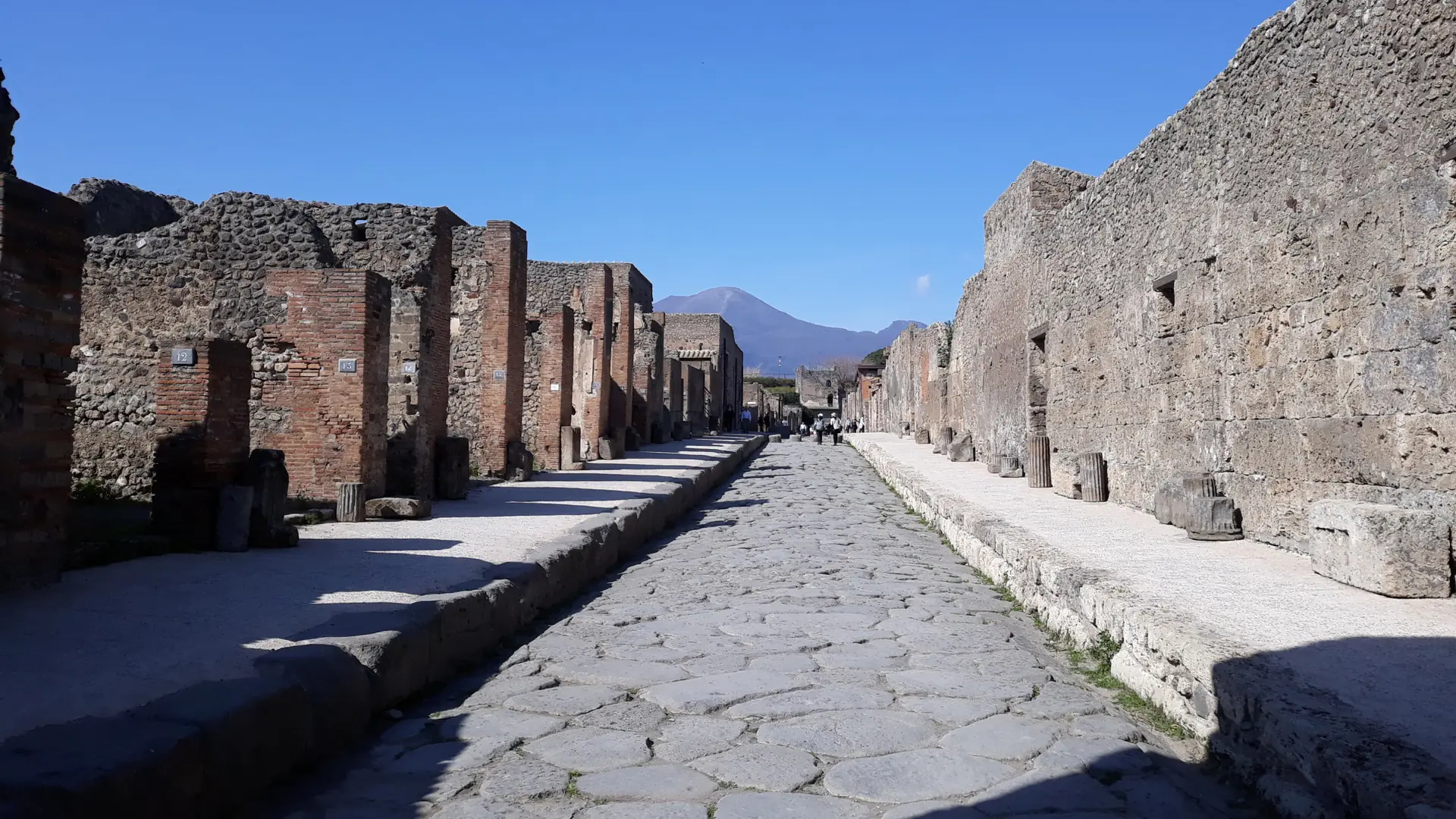
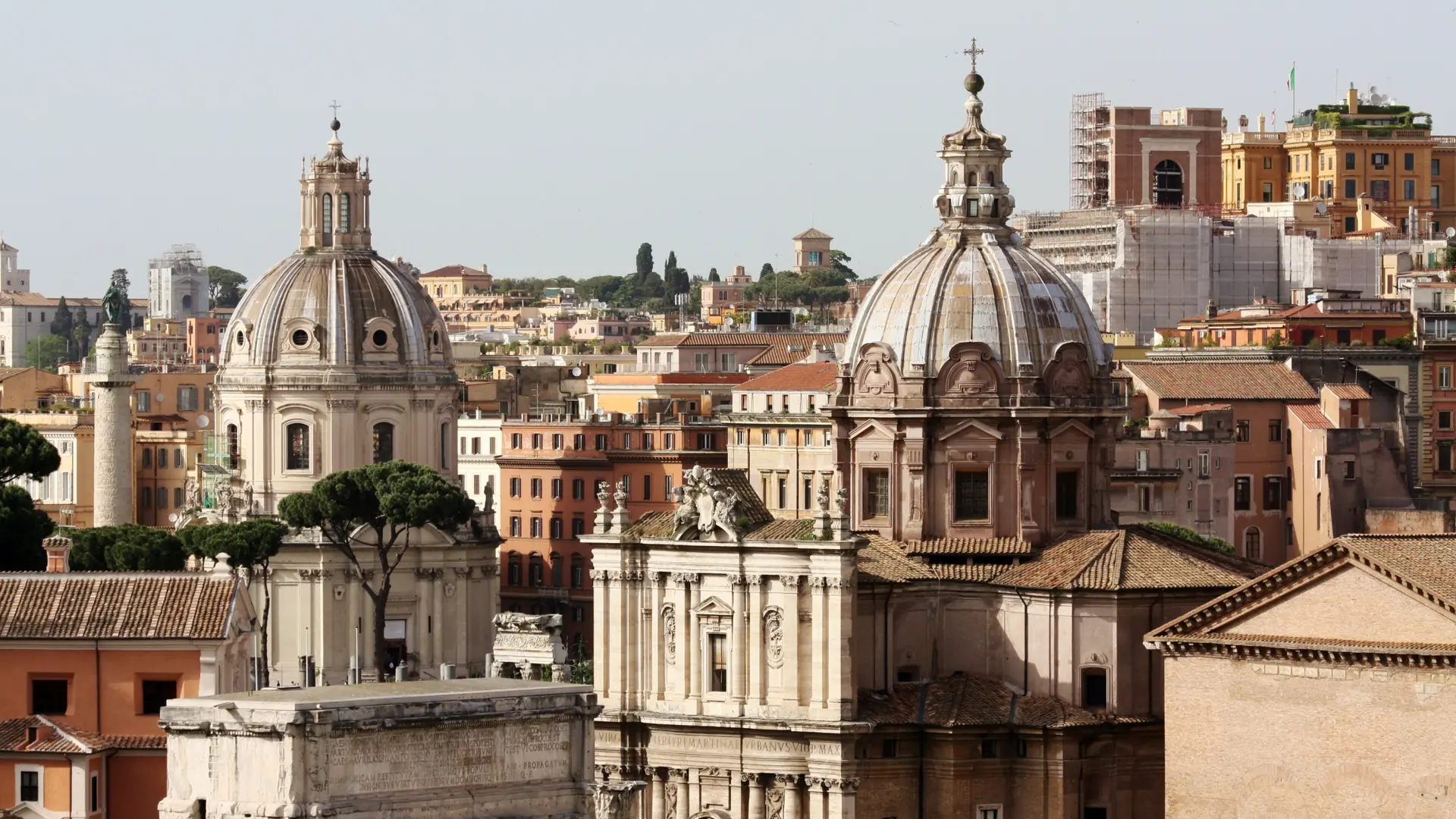
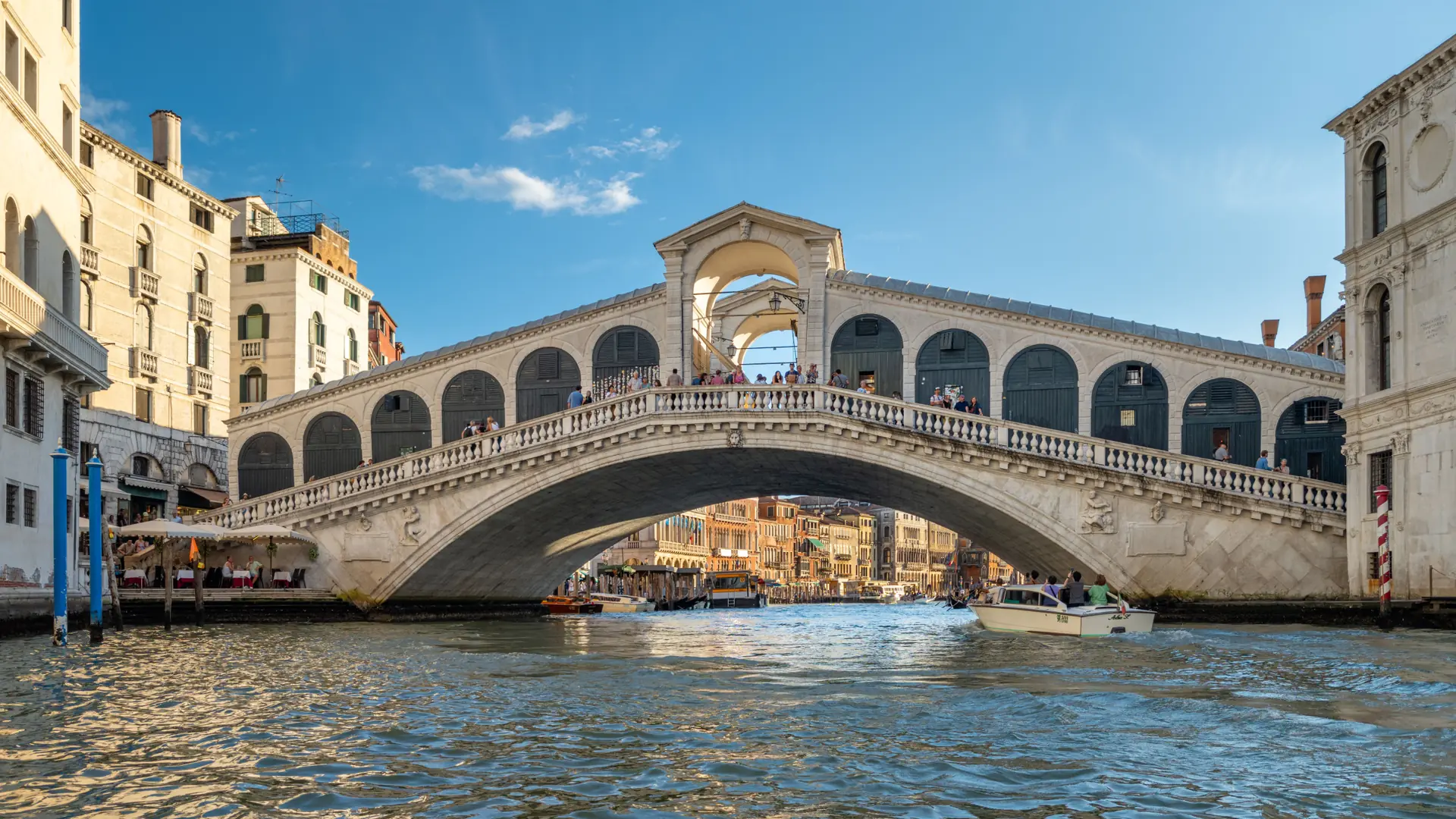
With seven nights across eight calendar days, spend three in Rome and two each in Florence and Venice. Rome benefits from the longer stay because its sights are spread across a large city. Florence is compact enough to combine a gallery with a walk by the Arno, and two nights in Venice include the quieter hours before and after the main daytime crowds. For a southern trip, spend three nights in Rome and three or four in Naples, with a separate day for Pompeii.
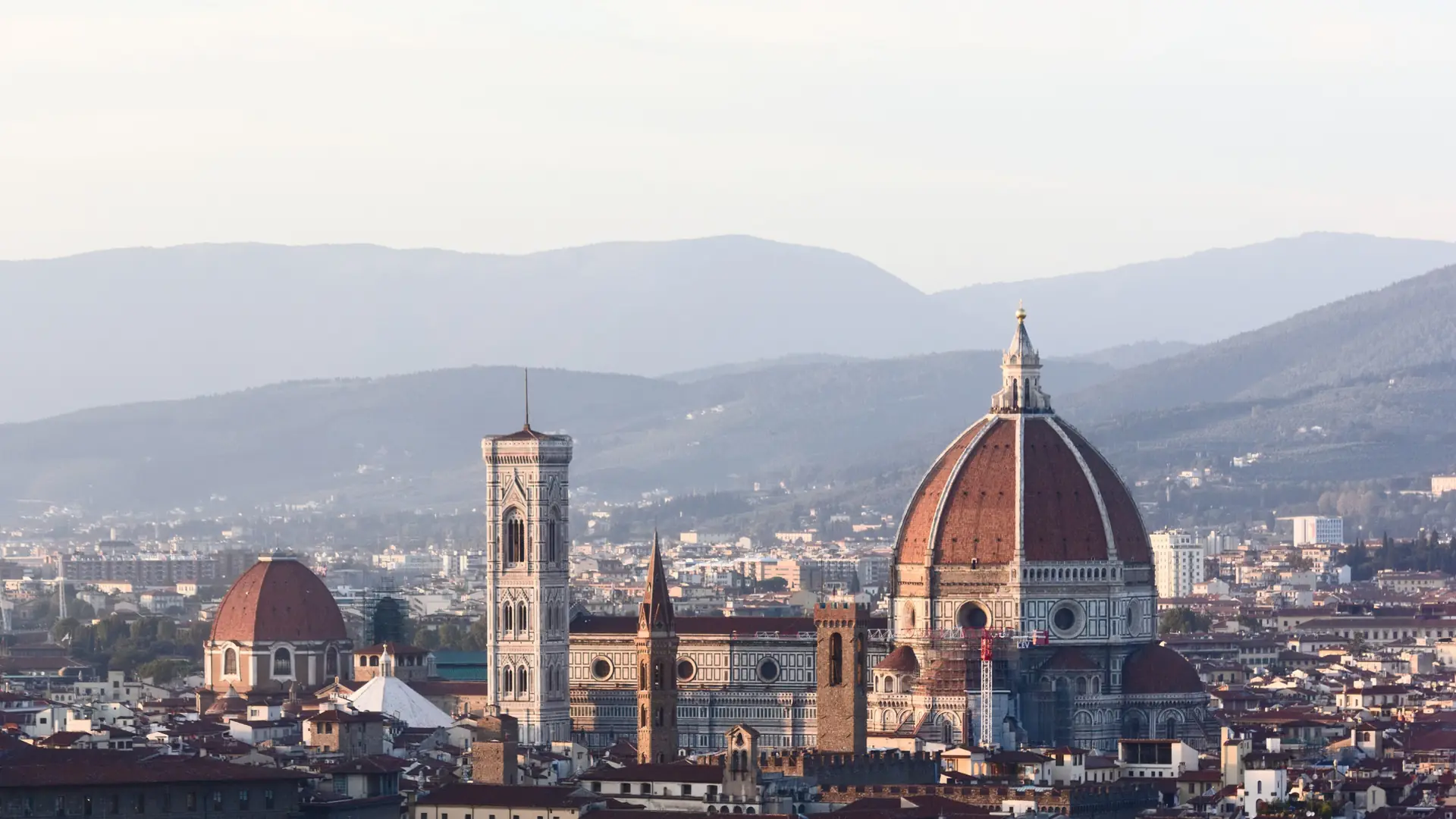
Florence’s Renaissance history is visible well beyond the gallery walls. The Medici helped the city become a centre of economic and cultural power in the fifteenth and sixteenth centuries. The Uffizi and Pitti Palace are places to explore that history, while the cathedral gives the city its defining skyline. A walk between these landmarks connects the collections with the buildings and streets around them. Oltrarno, across the Arno, adds another neighbourhood to explore during an art-focused stay.
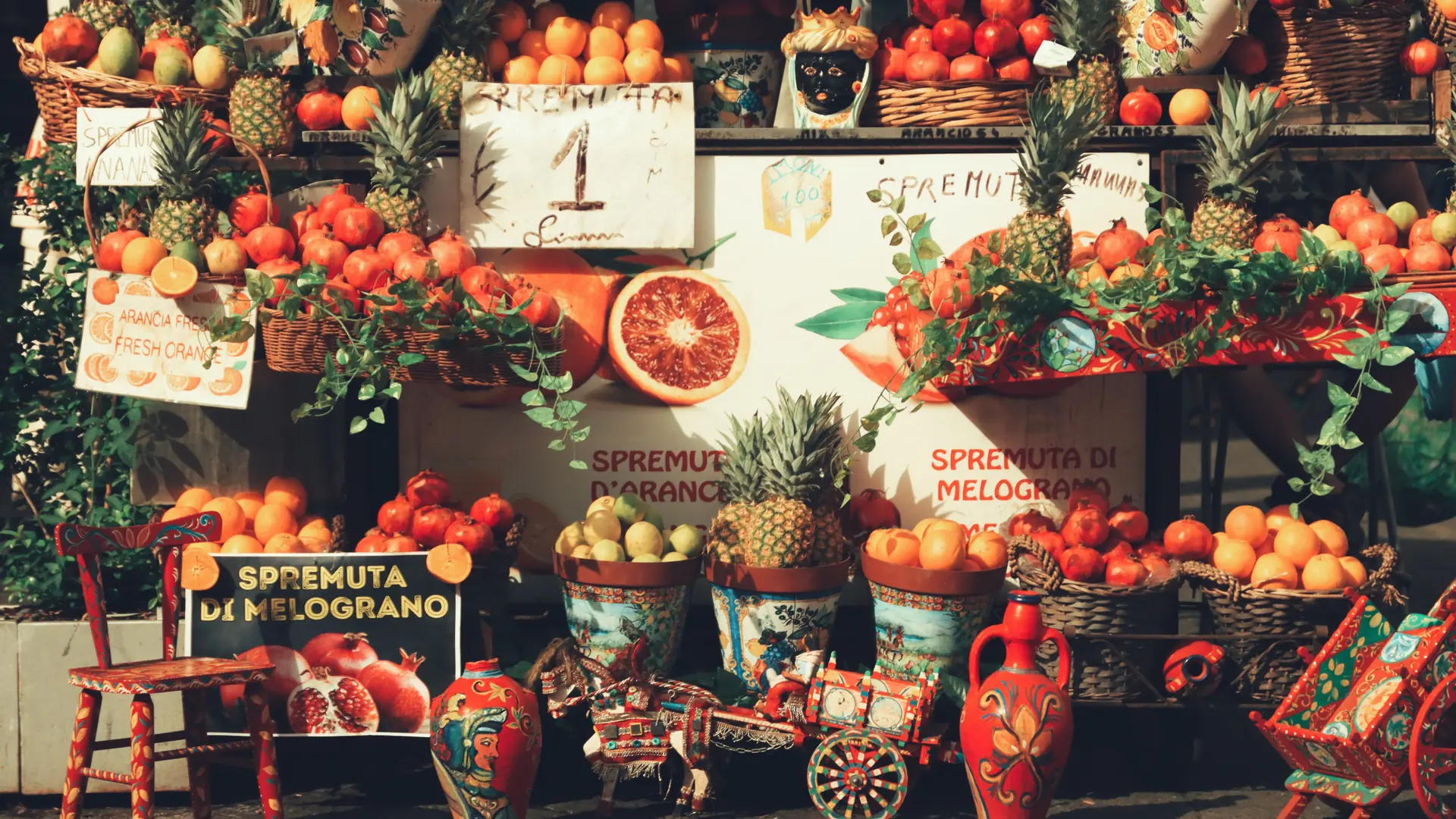
Food gives each region its own character. In Rome, try cacio e pepe at a Roman restaurant: pecorino, a sheep’s-milk cheese, combines with black pepper and starchy cooking water to make the pasta sauce. Tuscany’s ribollita brings together bread, legumes and seasonal vegetables. Naples makes pizza a reason to spend an evening in the city, while Puglia has orecchiette with broccoli rabe. Following these dishes from one region to another makes food part of the journey.
The atmosphere of a stay changes with the neighbourhood. In Florence, you can spend an afternoon among the city’s collections and continue towards the bridges and Oltrarno. In Naples, the historic centre and Chiaia offer different settings for evenings out; Napoli Centrale is useful for an early departure towards Pompeii. Venice has its own rhythm: staying on the islands brings early and late canal walks close to your room, while Mestre provides a mainland alternative.
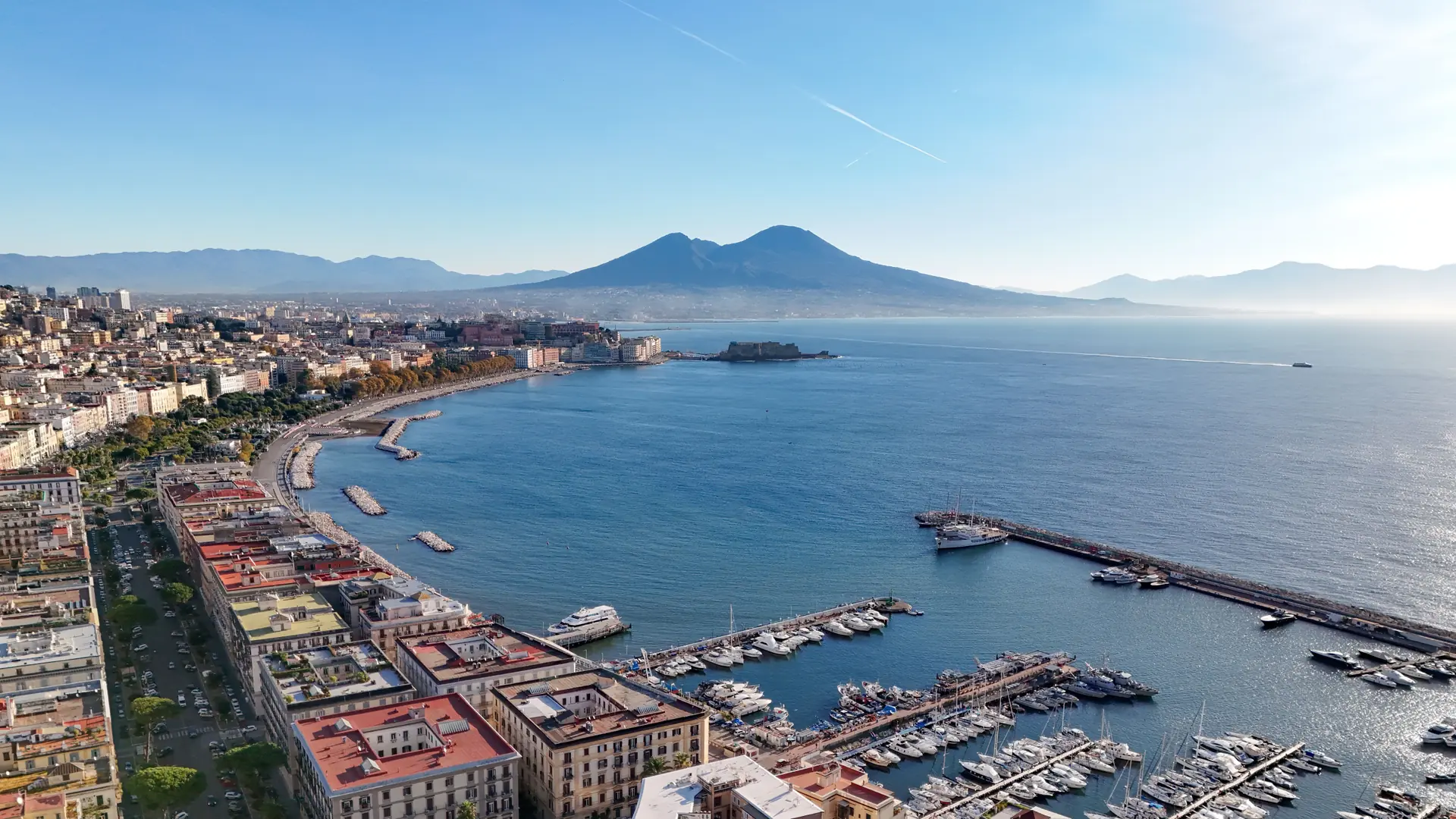
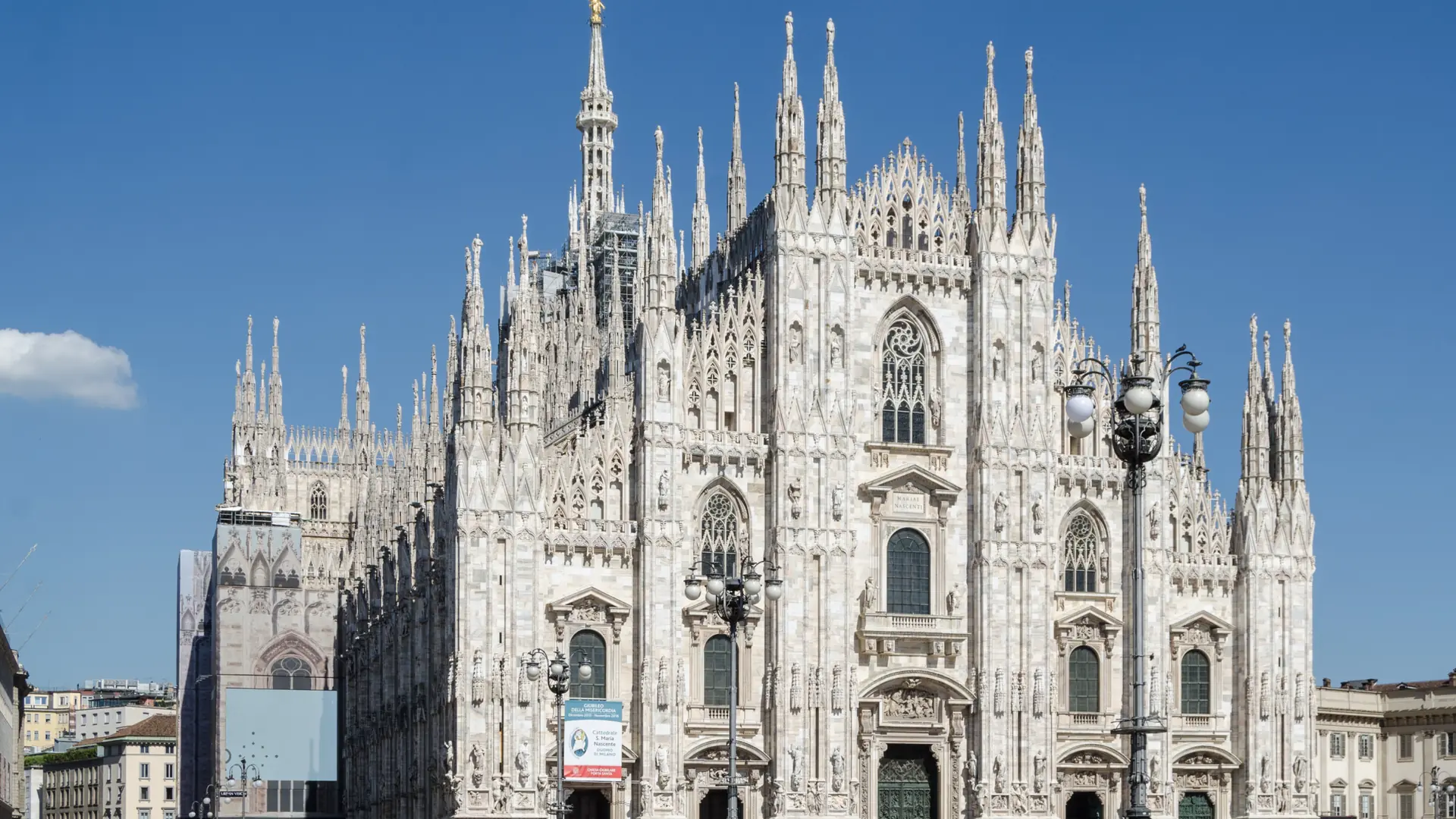
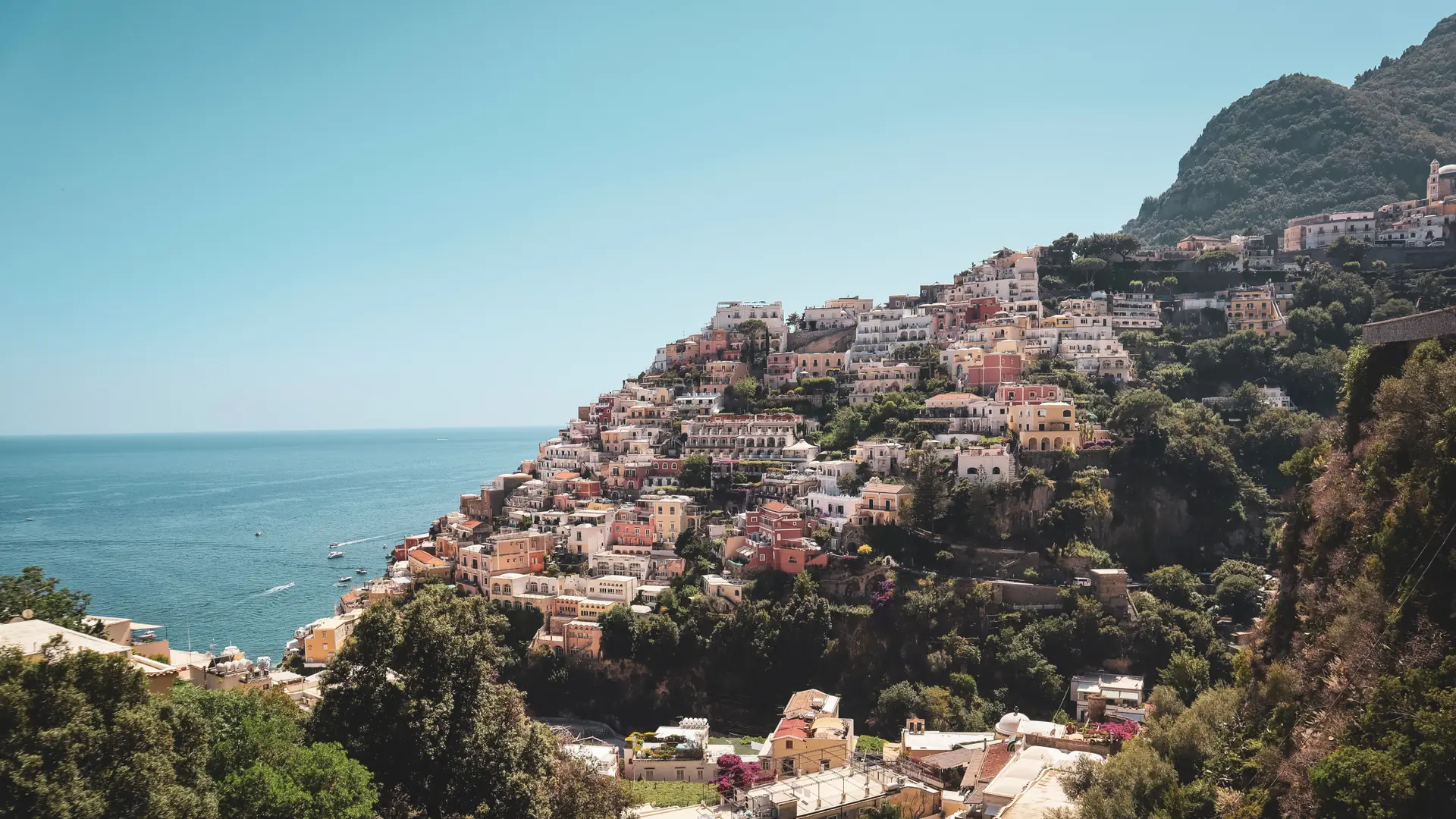
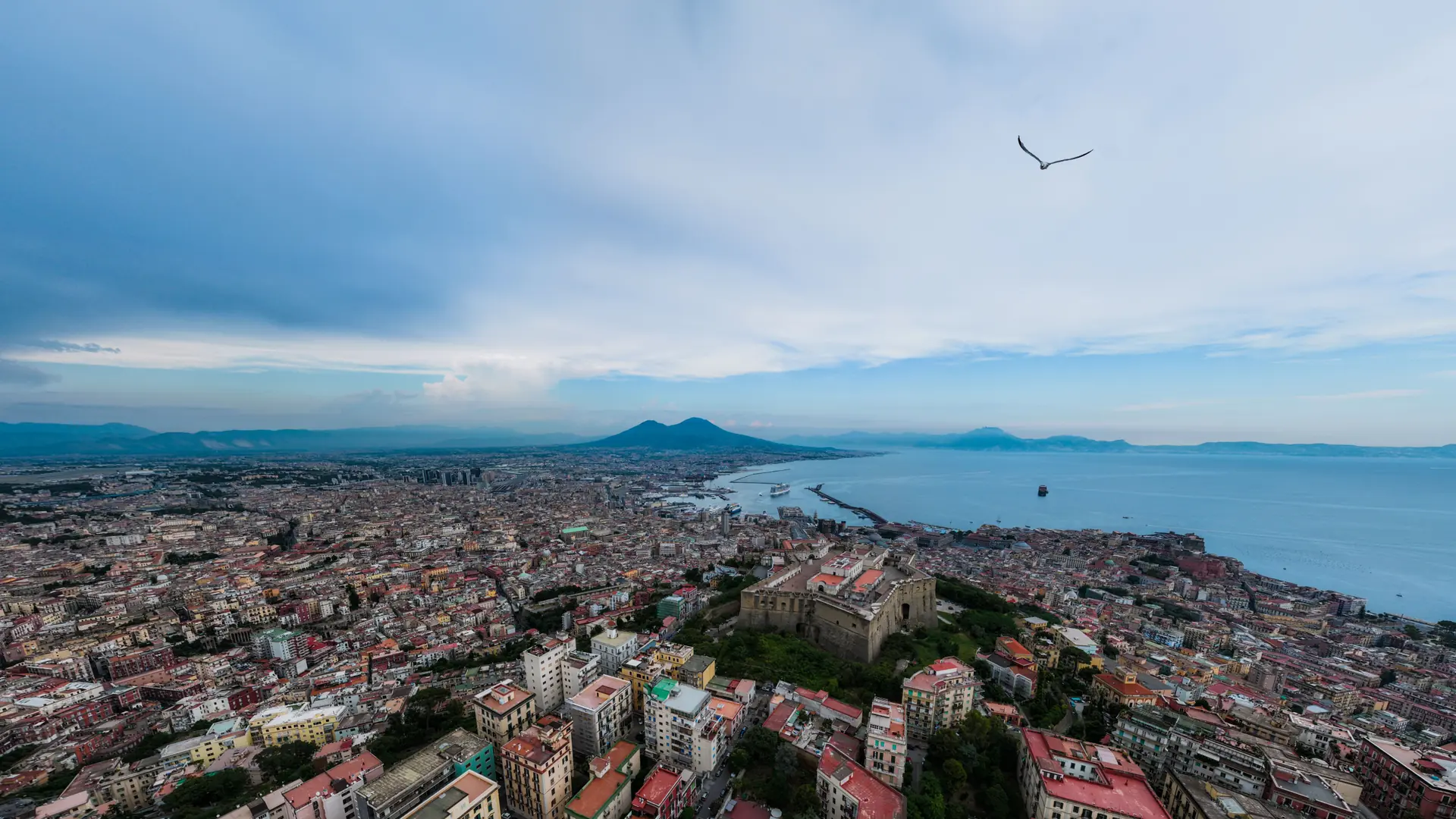
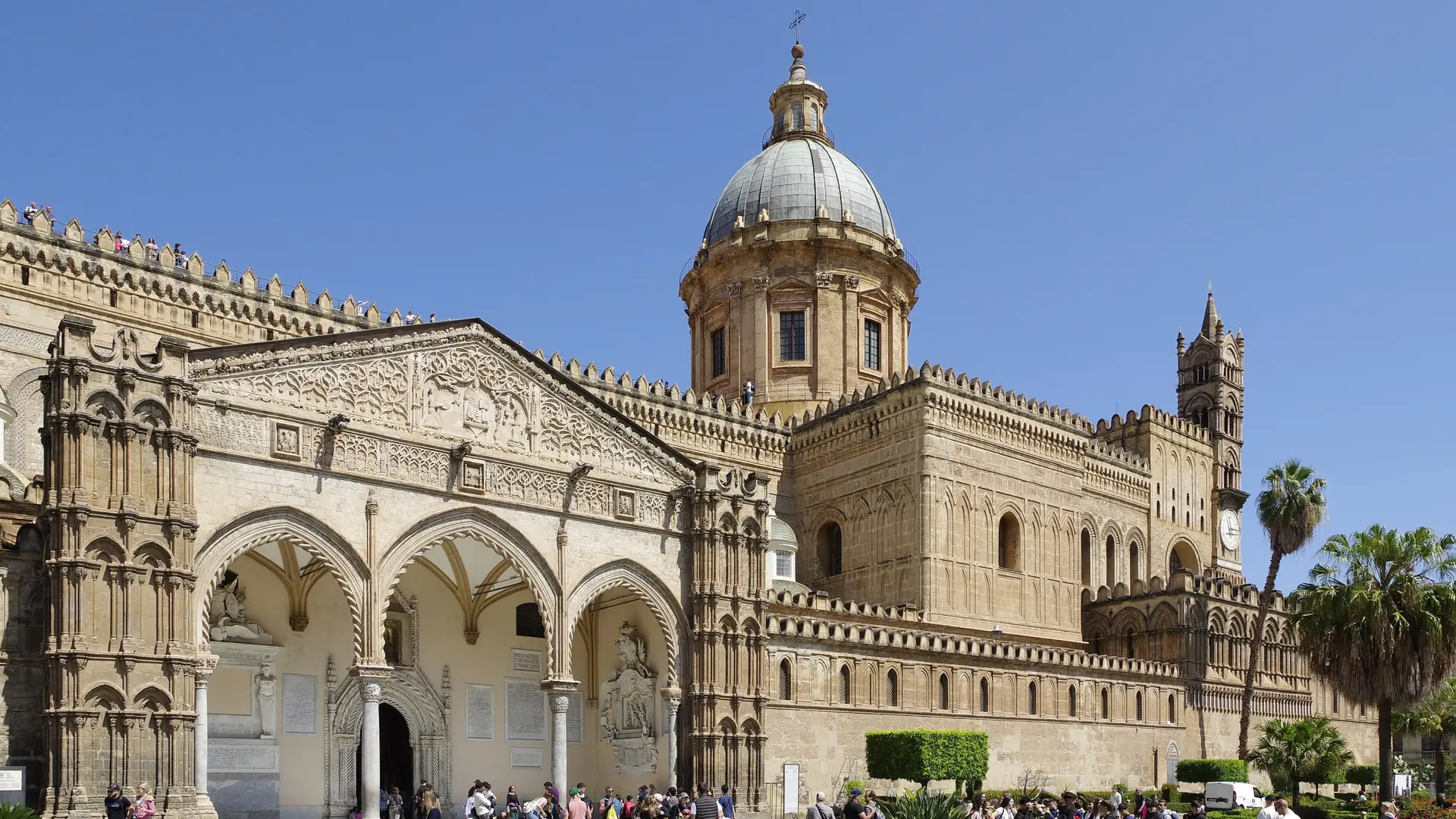
A coastal holiday can begin with Naples and the Bay of Naples, or focus on Sicily or Sardinia. Palermo and Catania give a Sicily trip different starting points. Each island deserves time for its own towns and journeys, rather than a brief addition to a tour of the major art cities. The northern lakes offer another kind of stay by the water, with Milan and other northern cities fitting into the same wider trip.
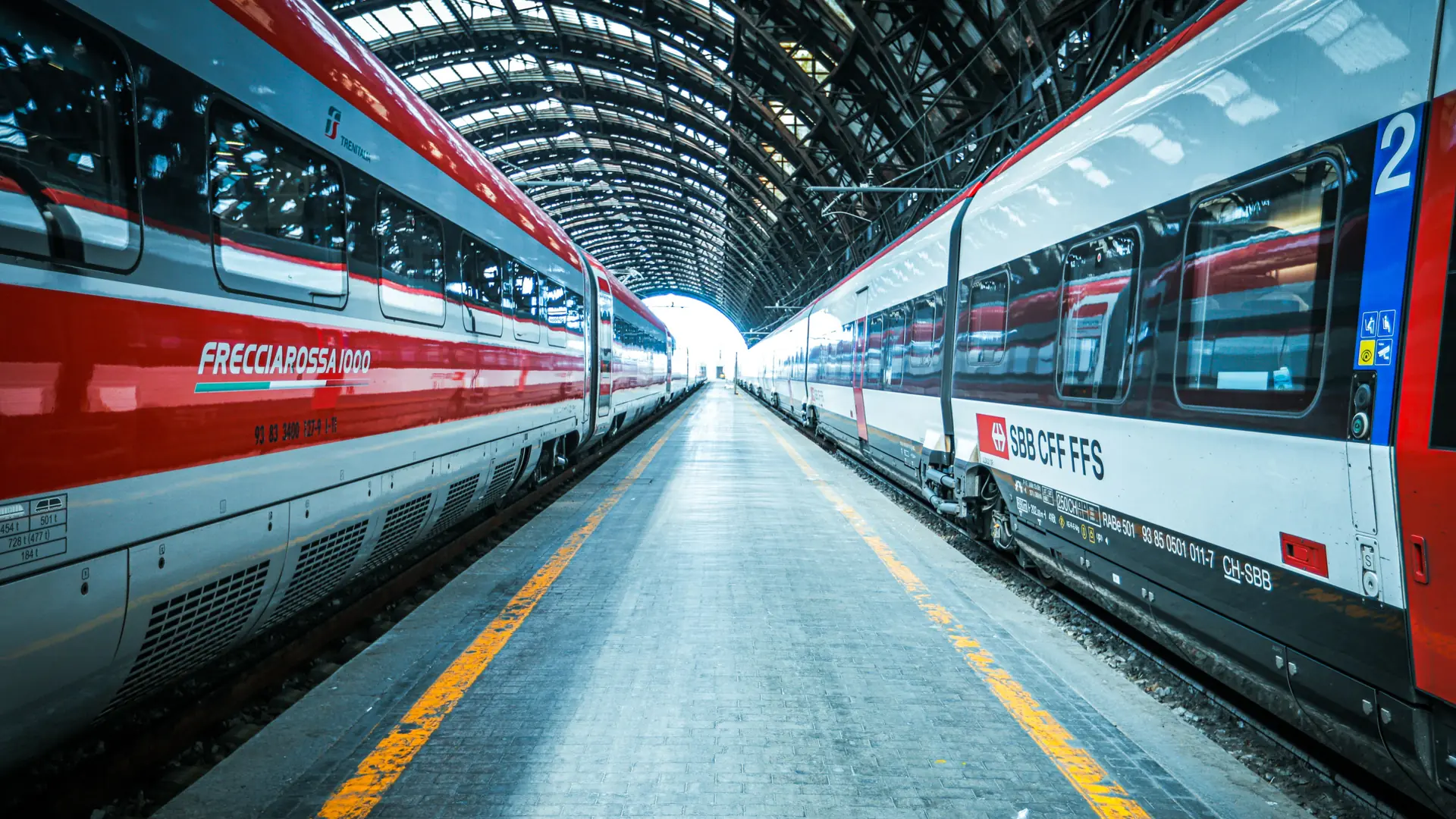
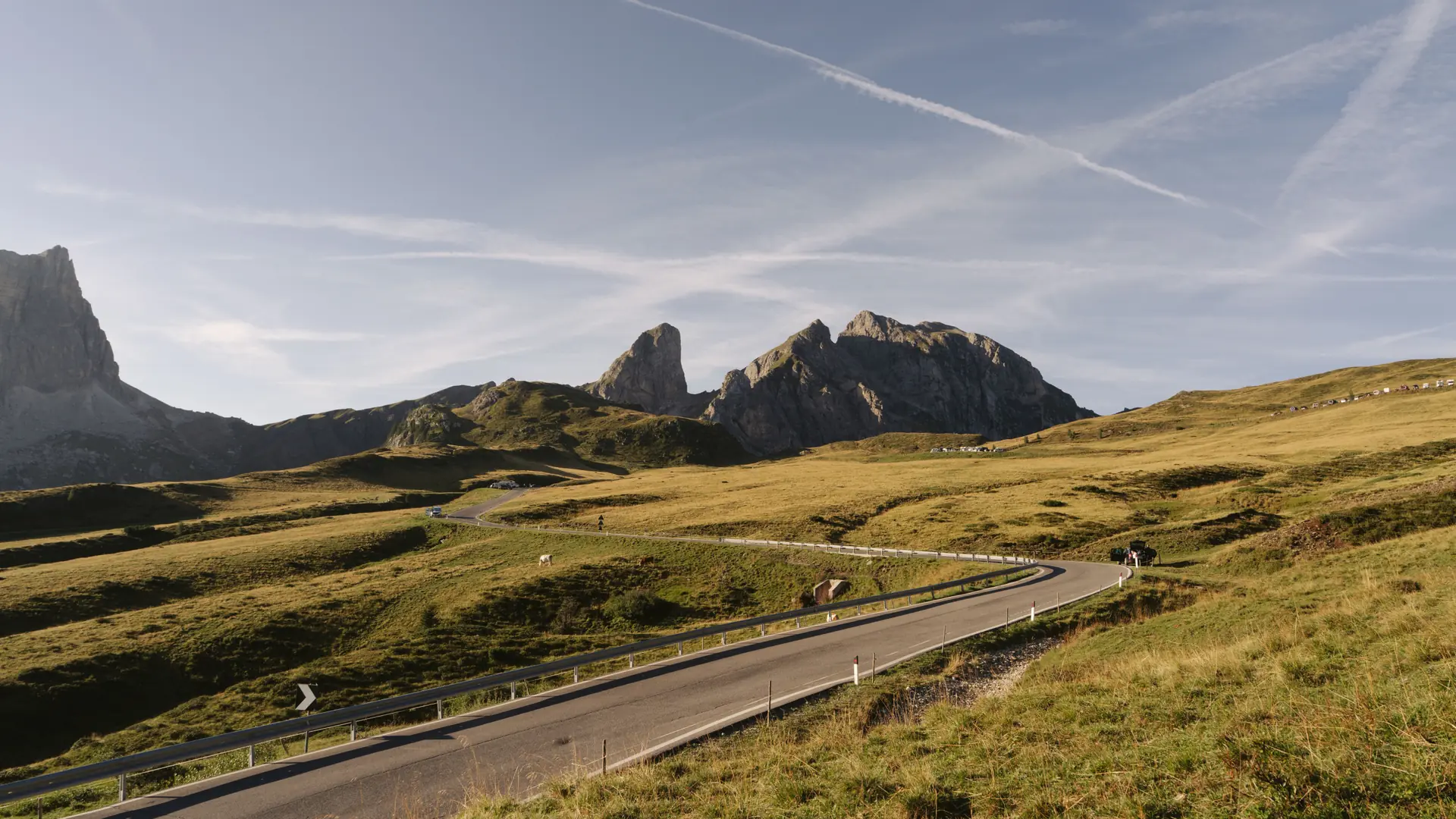
For a holiday in the countryside, choose the region for the places you want to explore. Tuscany offers hill towns, Puglia combines towns and coast, and the Dolomites make the mountains the focus. A car is useful for these more dispersed places. In the major cities, trains, local transport and walking let you enjoy the historic centres without keeping a rental car throughout the stay.

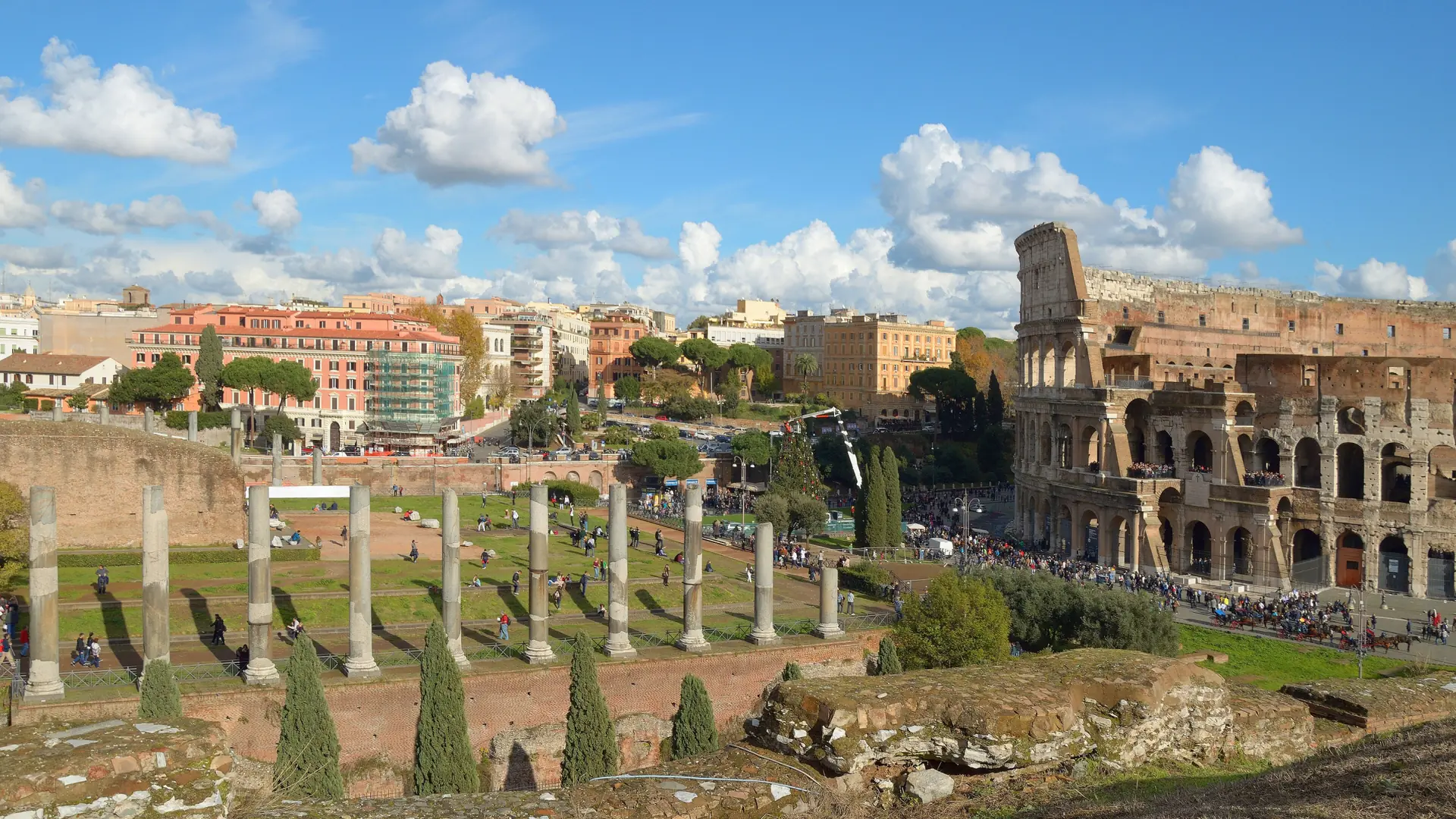
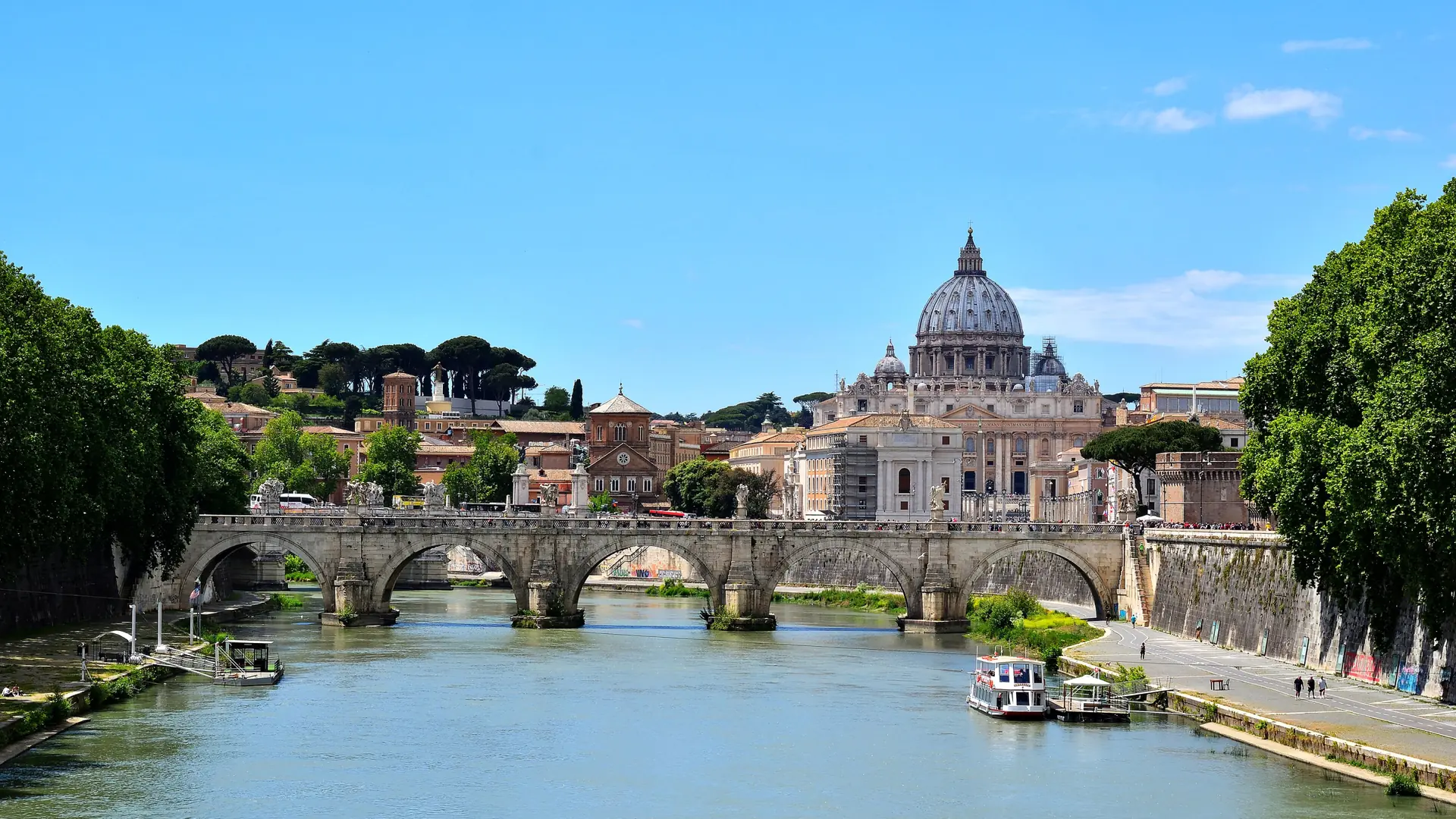
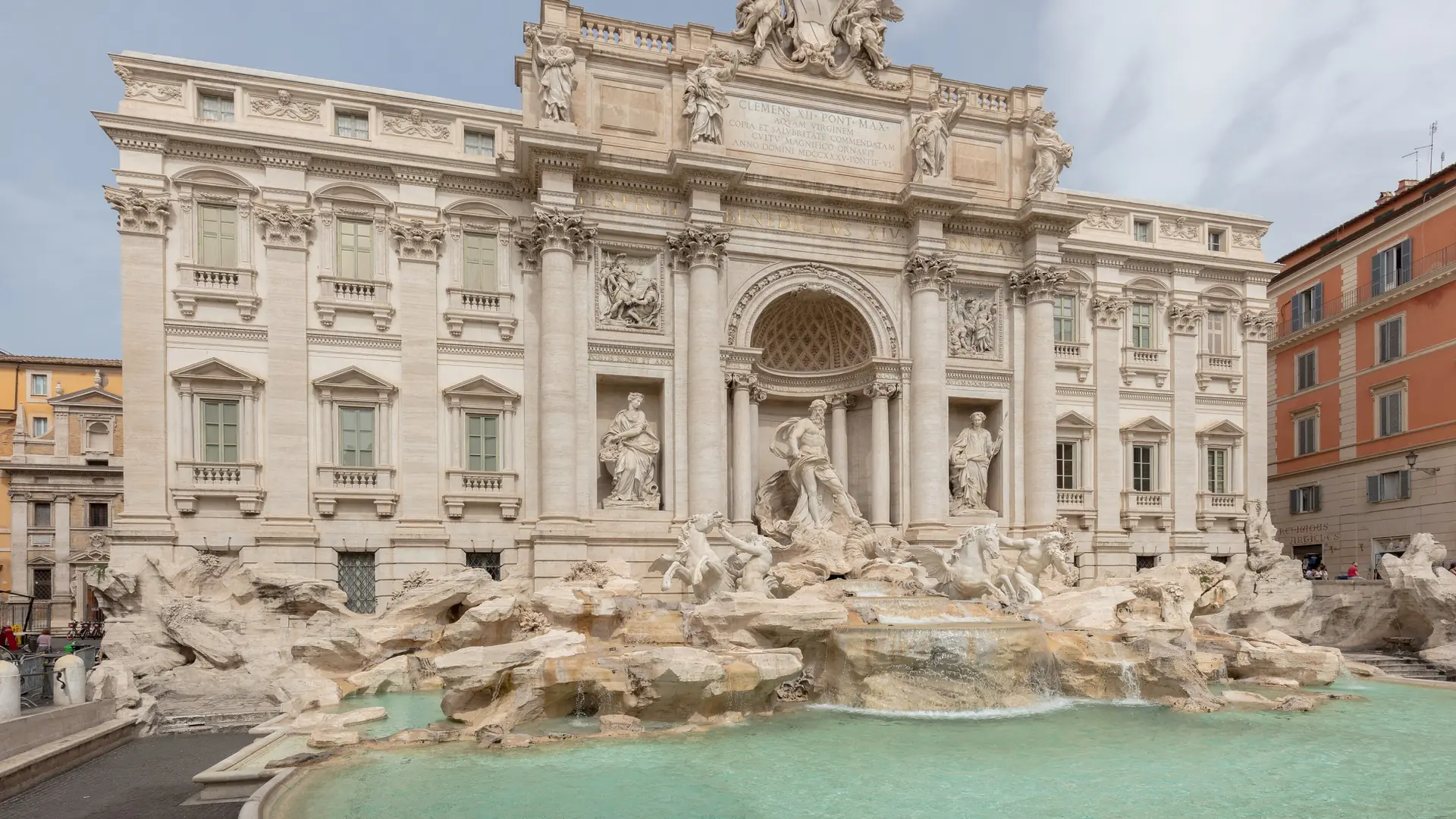 Rome
Rome
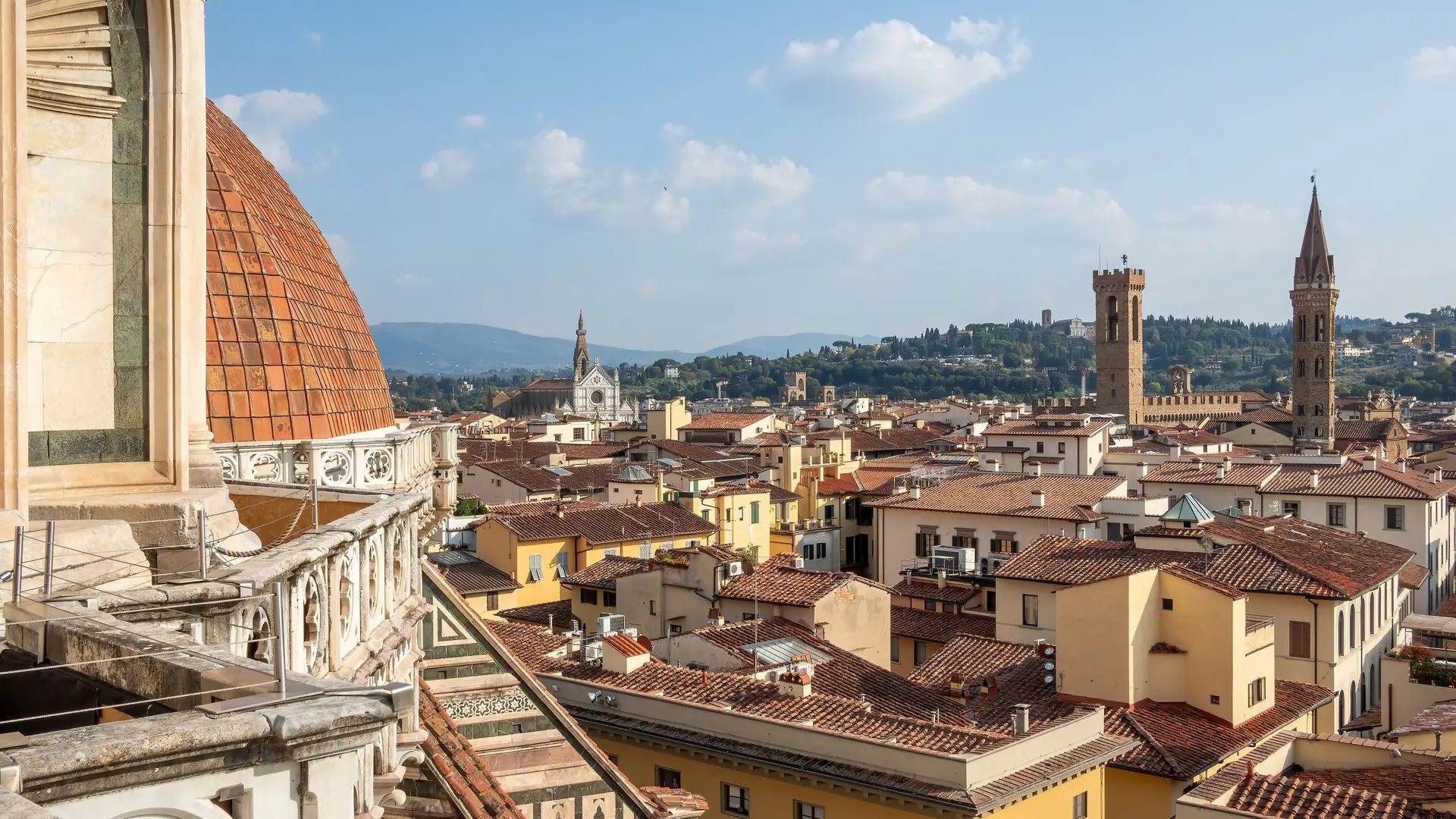
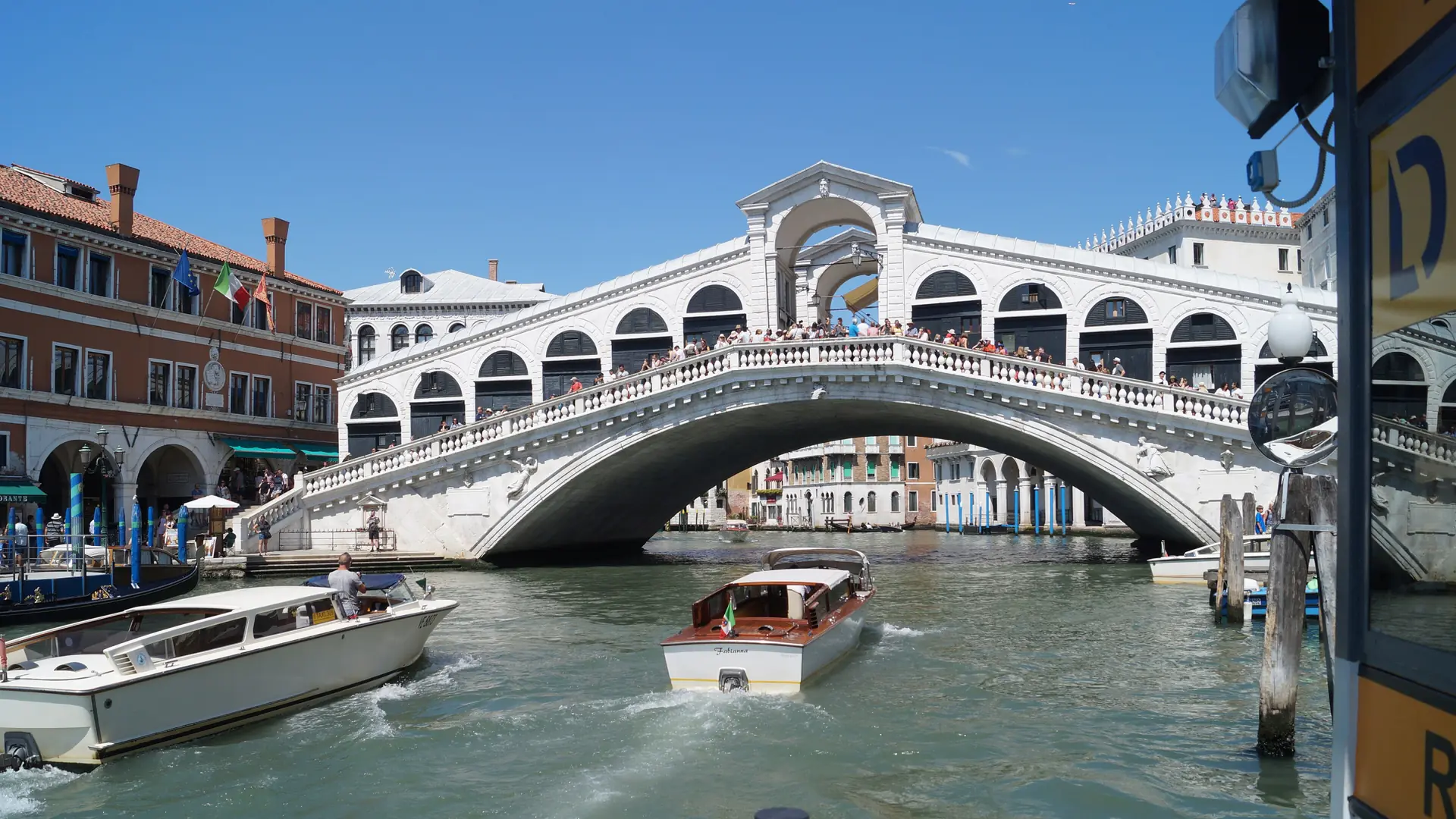





.jpg)


.jpg)

