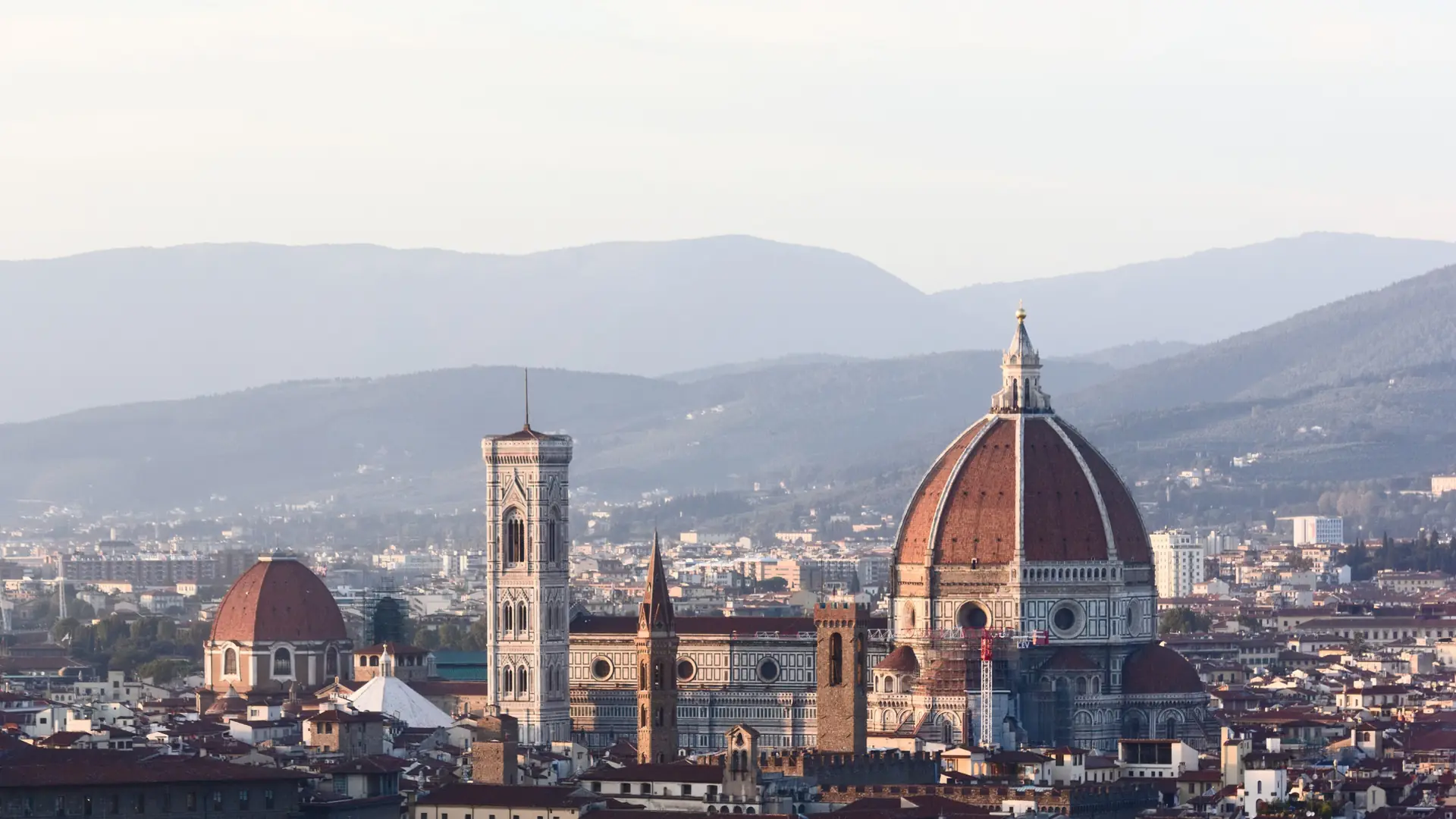
Two mountain bases
Ortisei and Cortina have different access patterns, so the route protects weather flexibility instead of forcing every hike from one hotel.
A car-based week from Verona through Val Gardena and Cortina to Riva del Garda, built around mountain walks, changing conditions and lake time.
This route is a seven-day northern Italy road trip with a narrow, deliberate brief: one easy gateway night, two mountain bases with real walking options, and one Lake Garda finale. It is not a compressed version of every northern Italian highlight. The Dolomites are a UNESCO World Heritage property recognised for their distinctive mountain landscapes and geology, but that recognition is not a guarantee that every pass, hut or lift is open on the day you arrive. A strong itinerary therefore makes current information part of the design. Val Gardena’s official visitor information publishes its lift and hiking guidance; Cortina and the Three Peaks area carry their own access logic; Lake Garda ferry operations belong to Navigazione Laghi’s current timetable rather than a static route diagram.
Start in Verona because it removes a common arrival mistake: collecting a car after a flight and immediately attempting a long alpine drive. The following morning, travel to Ortisei with enough daylight for a low-pressure introduction. Spend the first full mountain day on the lift-and-walk option that matches the forecast. A broad, exposed ridge is not automatically better than a lower meadow circuit when cloud, thunderstorms, snow remnants or your group’s confidence argue against it. Move to Cortina on day four and preserve the afternoon for the town and conditions check. The second Cortina day is the route’s weather-led mountain day: Tre Cime is the ambition, but not an obligation.
The final long drive moves south to Riva del Garda. This is the only full repositioning day, and it needs a realistic arrival rather than a pass-by-pass sightseeing competition. Riva offers water, a walkable waterfront and a chance to use a ferry only if timetable and wind make sense. The route suits confident drivers who will respect local signage, mountain-road fatigue and the time required for parking. It does not suit anyone who wants a city-heavy first Italy trip, needs barrier-free access on all terrain, or has zero tolerance for weather-related plan changes. Book the rooms and rental car first; decide exact walks and boat movements close to travel after responsible operators publish the information that matters.
Ortisei and Cortina have different access patterns, so the route protects weather flexibility instead of forcing every hike from one hotel.
The Three Peaks are a high-value choice when access and conditions work; official access information should settle the plan close to travel.
Riva supports an easy waterfront evening, the Ponale path or a ferry choice without requiring a full Lake Garda circuit.
Best for
Think twice if
A no-car holiday, a fixed summit-by-summit schedule, or a seven-day attempt to cover Venice, the Dolomites and the whole of Lake Garda.
StartBooker answer
Sleep first in Verona, then give Val Gardena and Cortina two nights each before finishing at Riva del Garda. This order keeps the city arrival simple, creates two mountain bases rather than daily long drives, and leaves Lake Garda as a lower-elevation finale. Use lifts and walks as weather-led choices, not fixed promises: check lift operation, mountain conditions, road notices and ferry timetables with their operators. The route is best for travellers comfortable driving alpine roads who value a few good hikes over trying to collect every famous viewpoint.
Verona is the soft landing; Val Gardena and Cortina are separate mountain bases; Riva turns the final day into a lake finish rather than another pass crossing.
4 stops · swipe
1
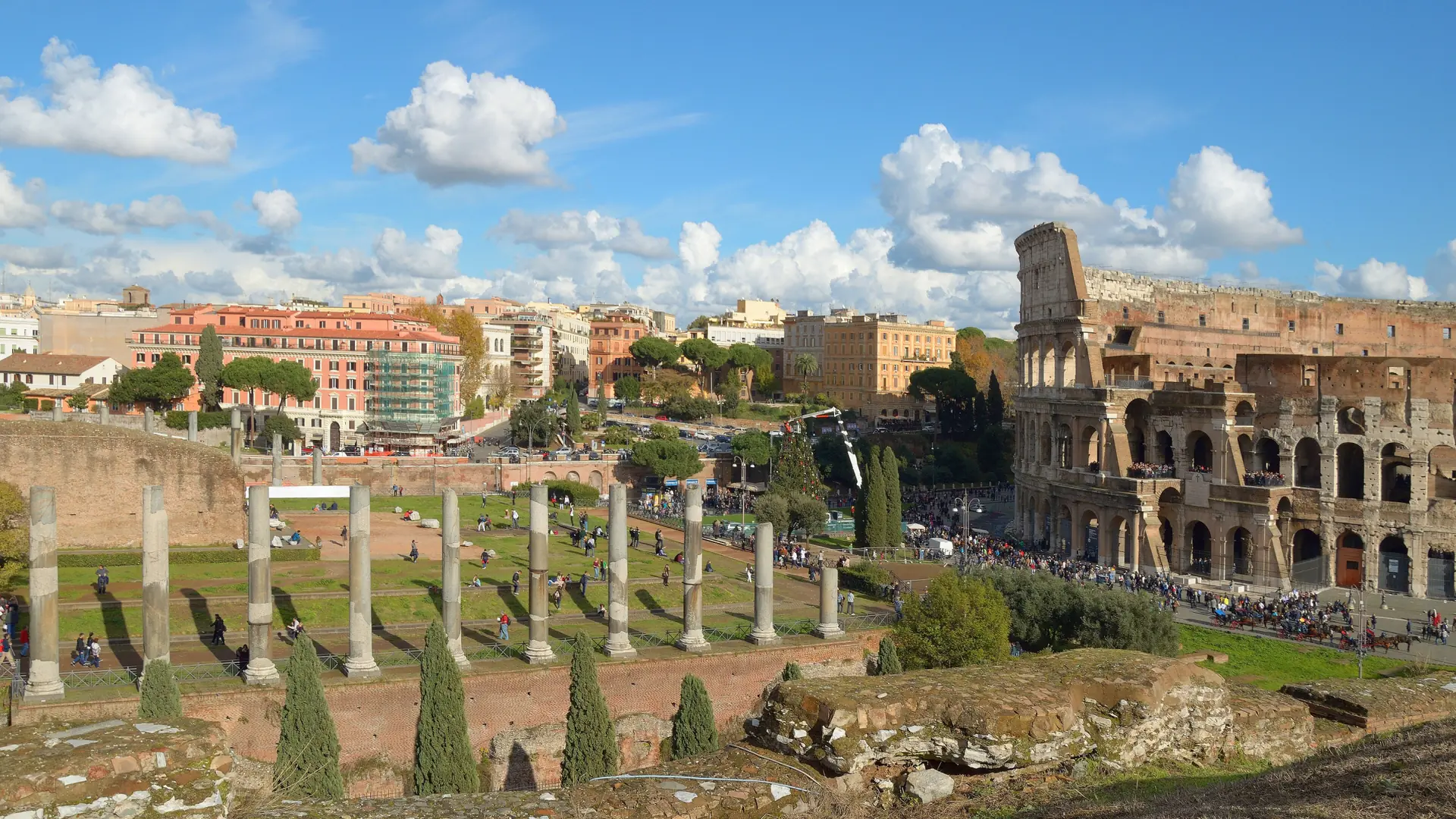
Verona is deliberately a gateway rather than a second city-break itinerary. It gives an international rail and airport-friendly arrival, one walkable first evening and a simple place to collect a car after rest. Stay central only if you will arrive early enough to enjoy the historic centre; otherwise favour confirmed parking and a clean exit toward the mountains. The city’s compact core is useful for orientation, dinner and an Arena-side walk, but do not turn it into a checklist that steals the next morning. This route already commits to substantial driving, so its first night is about absorbing travel friction before alpine roads begin. If you have a second day in Verona, use the separate Milan–Verona–Venice itinerary rather than stretching this mountain-and-lake route.
Read the Verona guide →
2
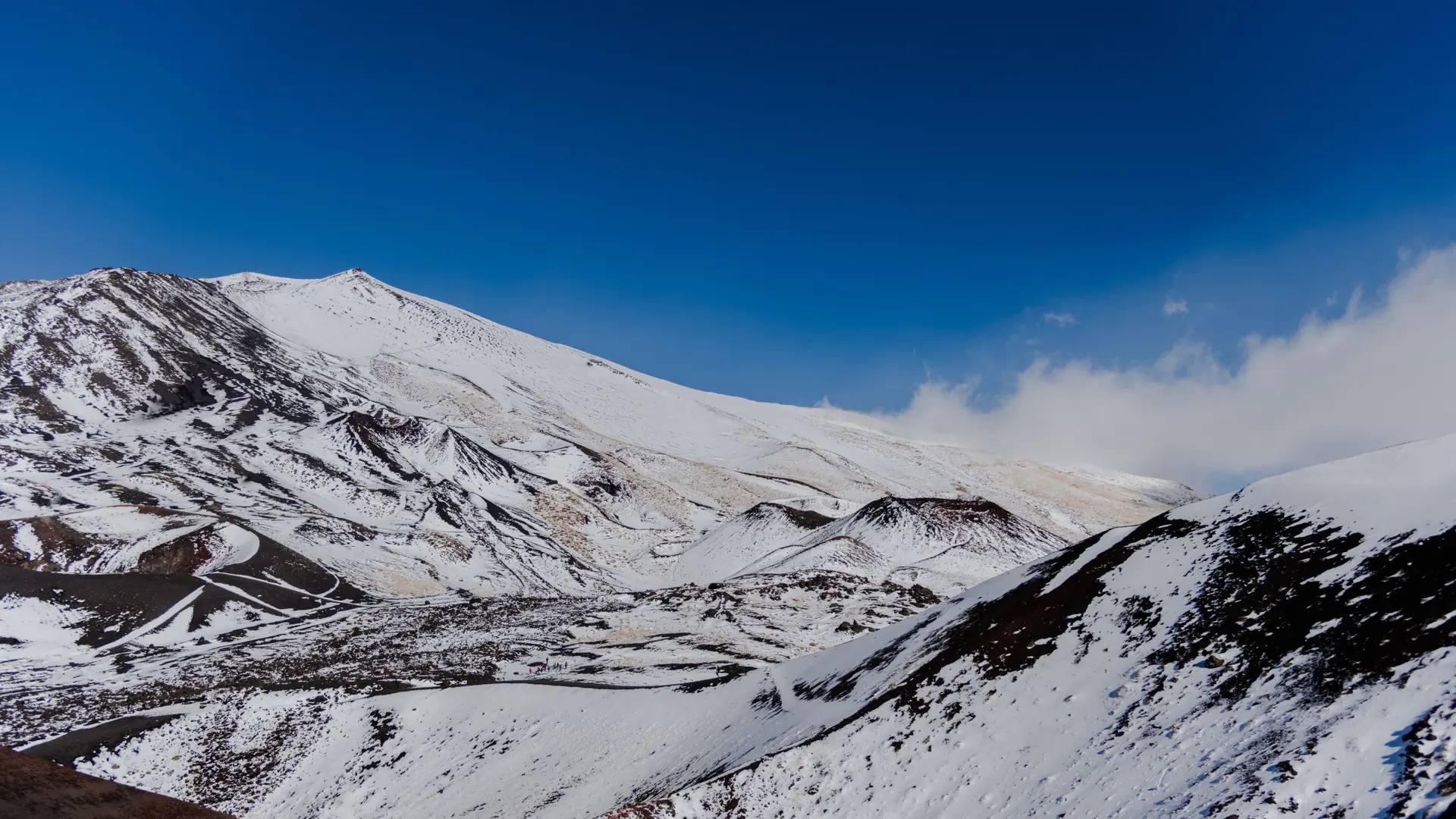
Ortisei is the first true mountain base, chosen for access to Val Gardena’s lift network and for the fact that two contrasting high-country days are more useful than two one-night stops. It is not a promise that Seceda, Alpe di Siusi and every surrounding pass belong in a single day. Weather, lift operation, trail condition and your ability to handle exposure decide which plan is appropriate. Book close enough to walk to the town or a lift connection when possible, and ask directly about parking, because a scenic address on a hillside can make each morning more complicated. Val Gardena works particularly well for travellers who want lift-assisted walks with a coherent village base rather than a different trailhead and accommodation check-in every night.
3
Cortina is not interchangeable with Val Gardena. Its landscape, access pattern and classic day choices justify a second base, especially for travellers hoping to see the Tre Cime area or choose between a panoramic lift, a shorter walk and a higher-commitment mountain day. The town is a service centre as well as a resort: use it to check conditions, buy what you missed and eat somewhere that does not require another drive. The sensible trade-off is accepting that a famous trail may not be the correct choice on the day. Mountain weather, high-season traffic and the access rules around the Tre Cime can change the plan, so a Cortina stay gives you an alternative rather than a sunk-cost transfer. Keep dinner and accommodation within a practical walk or short ride of the centre.
4
Riva del Garda is a purposeful decompression stop after the Dolomites, not an attempt to see the whole lake. It sits at the northern end of Lake Garda where steep slopes still frame the water, so the route finishes with a real change of tempo without losing the mountain landscape entirely. One night supports a waterfront walk, a modest Ponale outing or a ferry decision; it does not support circumnavigating the lake, Sirmione, Malcesine and every village in one exhausted finale. Select accommodation for the arrival parking and the morning departure you actually have. Wind, boat operation and daylight can all affect a lake plan, but Riva remains worthwhile even if the ferry is not the best option that day.
Every day has one principal role. Exact trail choice comes after checking lift, weather, road and access information.
Arrive, check in and make the evening small on purpose. A walk around Piazza Bra and the Arena area is enough to shift from travel mode into the trip without pretending you have seen Verona. Confirm the car collection time, the first hotel’s parking instructions and the route out of the city while you still have reliable connectivity and no mountain-road fatigue. If your arrival is late, eat near the accommodation and sleep; this itinerary has not failed because you skipped an attraction. The useful outcome is a rested, organised start for Val Gardena rather than a long first drive taken after a flight. Travellers arriving by train can keep this entire first day car-free and collect the vehicle next morning.
Overnight: Verona
Leave Verona early enough to arrive in Val Gardena with useful daylight, but do not add a long ridge walk to a transfer day. The road changes character as it enters the mountains, and stops, traffic or weather can change the map’s simple estimate. Check into Ortisei, understand the parking arrangement and take a short local orientation walk or lift-assisted viewpoint only if conditions remain comfortable. Use the afternoon to read the next day’s lift status and weather rather than locking yourself into the most photographed route. A village dinner and an early night are a better investment than racing to a trailhead after check-in. This is also the moment to adjust footwear, water, layers and snacks for the elevation you will actually reach.
Overnight: Ortisei and Val Gardena
Make this the route’s flexible Val Gardena day. On a clear, stable morning, a lift-assisted Seceda walk can give the big Dolomite profile many travellers came for; in softer weather, Alpe di Siusi’s meadow landscape or a lower signed route may offer more satisfying time outside. The point is not to declare one universally superior. Official Val Gardena information is the right place to check lift operation, suggested walking context and current local notices. Start early, carry layers and water, and turn around before weather turns a scenic day into a stressful one. Avoid treating a lift ticket as a commitment to the longest possible circuit. The most professional mountain decision is often a shorter route completed well, followed by time in Ortisei.
Overnight: Ortisei and Val Gardena
Travel east to Cortina after breakfast and treat viewpoints as pauses rather than a separate all-day mission. The route crosses mountain terrain where road works, weather and traffic matter more than a theoretical shortest line; use South Tyrol and local information alongside your live navigation. Once in Cortina, park, walk the centre and use the afternoon to decide tomorrow’s objective. If the forecast is clear and access is confirmed, prepare for the Three Peaks area. If not, identify a lower or lift-based alternative from the official Cortina hiking information. This is the correct day to buy supplies, dry equipment and adjust the plan, not to force a major trek after sitting in the car. Cortina earns two nights precisely because it lets the high mountain choice happen on a fresh morning.
Overnight: Cortina d'Ampezzo
If official access information, weather and your group’s readiness align, make a full Three Peaks day. The Tre Cime landscape rewards an early start, measured pacing and a realistic turnaround; do not add another marquee hike simply because the map places it nearby. Access controls, parking arrangements and seasonal rules can be material, so verify them with the responsible local authority rather than relying on a previous visitor’s report. If conditions do not support that plan, choose a Cortina hike or lift experience that is genuinely appropriate for the day. This is not a consolation prize: the wider Dolomite landscape is the reason for the route, not one compulsory loop. Return to Cortina with time for a proper meal and prepare for tomorrow’s longer southbound move.
Overnight: Cortina d'Ampezzo
Leave Cortina with a full tank, food and enough patience for a genuine transfer day. The descent to Lake Garda is the route’s longest change of landscape, so avoid building it around several non-negotiable stops. Arrive in Riva, deal with parking once and walk the waterfront before choosing anything more demanding. If you still have energy, a short portion of the Ponale path can be a fitting bridge between mountain terrain and lake views, but it is optional and should suit the remaining light and trail conditions. The evening belongs to a slow meal and an easy shoreline circuit. One Riva night is intentionally modest: it gives the itinerary breathing space without pretending that Lake Garda has been fully explored.
Overnight: Riva del Garda
Use the final morning for the Lake Garda experience that suits the actual weather and onward journey. A waterfront breakfast and a short walk are enough if you have a long drive or flight. If the ferry timetable, wind and departure timing align, a boat movement can show the lake from a different angle; use Navigazione Laghi’s current information for the service rather than assuming a route runs at your preferred hour. Do not attempt a full-lake circuit on departure day. Confirm fuel, rental return, parking exit and motorway time before adding a distant village. The route ends well when the last morning feels spacious, not when it becomes a race between a ferry dock and an airport counter.
Overnight: Departure
These are mountain and lake connections, not promises of a fixed travel time. Leave daylight, fuel, weather and parking margin in every leg.
3 transfers
Verona Ortisei and Val Gardena
The first drive changes from city approach roads to alpine terrain. Collect the car rested, load it calmly and plan to arrive with enough daylight for Ortisei orientation rather than a major hike. Use current road and traffic information alongside your navigation.
Booking note: Confirm both the Verona pickup and Ortisei parking before choosing a central-looking address.
Ortisei and Val Gardena Cortina d’Ampezzo
This is the route’s high-country repositioning. Passes, weather and viewpoint stops can make it slower than a map estimate, so do not schedule a long hike after arrival. Cortina’s second night provides the full mountain day tomorrow.
Booking note: Keep the route flexible if road works, weather or traffic make a pass option less sensible.
Cortina d’Ampezzo Riva del Garda
The final drive is substantial. Treat Riva as the finish line and resist adding several fixed sightseeing stops. An early departure buys flexibility for traffic, breaks and a calm arrival at the lake.
Booking note: Choose Riva accommodation with clear parking and check the next day’s departure direction before booking.
Road conditions, lift operation, access restrictions, parking and ferries can change. Check the responsible authority or operator close to travel.
The highest-value bookings are the ones that protect access and recovery: rooms with practical parking, a rental with clear conditions and a plan that can absorb weather.
Booking tips
Ortisei is the route’s first mountain base. Prioritise practical lift access, confirmed parking and the walk you want after a full day outside.
Compare the four overnight locations as distinct travel decisions. The route overview uses researched stop coordinates; Ortisei anchors the mountain-stay search.
Dolomites and Lake Garda route stops
For this exact four-stop route, yes: the car makes the transfers between Verona, Val Gardena, Cortina and Riva practical. It does not mean driving to every viewpoint. Use lifts, walking and local information once based in the mountains, and confirm parking before booking each stay.
It is enough for a focused sampler, not a complete survey. The route protects two full mountain days, one long lake finish and three controlled transfers. Add days if you want several full hikes, multiple Lake Garda towns or time in Venice as well.
Choose according to the conditions and your group, not a universal ranking. Seceda can suit a clear day with high-alpine views; Alpe di Siusi or a lower signed route may be the better outdoor day in unsettled weather. Check Val Gardena’s current lift and hiking information before deciding.
No. Access arrangements, weather, trail conditions and readiness all matter. Check the responsible local Three Peaks information close to travel, start early if the day is appropriate and keep a Cortina alternative ready rather than forcing the famous route.
No, and this itinerary does not try. Riva gives a northern-lake evening, a short walk or a ferry choice if current operations permit. A full-lake circuit belongs to a longer trip; use the final day with departure margin.
Reviewed by StartBooker editorial Dolomites and Lake Garda route research and editorial review
Last reviewed 2026-08-29
How this route was checked: Sixteen opened records across eleven independent domains were reviewed: twelve first-party, official, transport or reference records and four independent editorial records from three travel publishers. The review covered arrival, each overnight base, mountain walking and lifts, Three Peaks access, alpine-road planning, Lake Garda activity and ferry constraints. Volatile operational details are intentionally assigned to the responsible operator’s current notices rather than copied into this route.
16 references reviewed
Photos provided by Pexels.
Which Val Gardena walk worked best for the conditions you had?