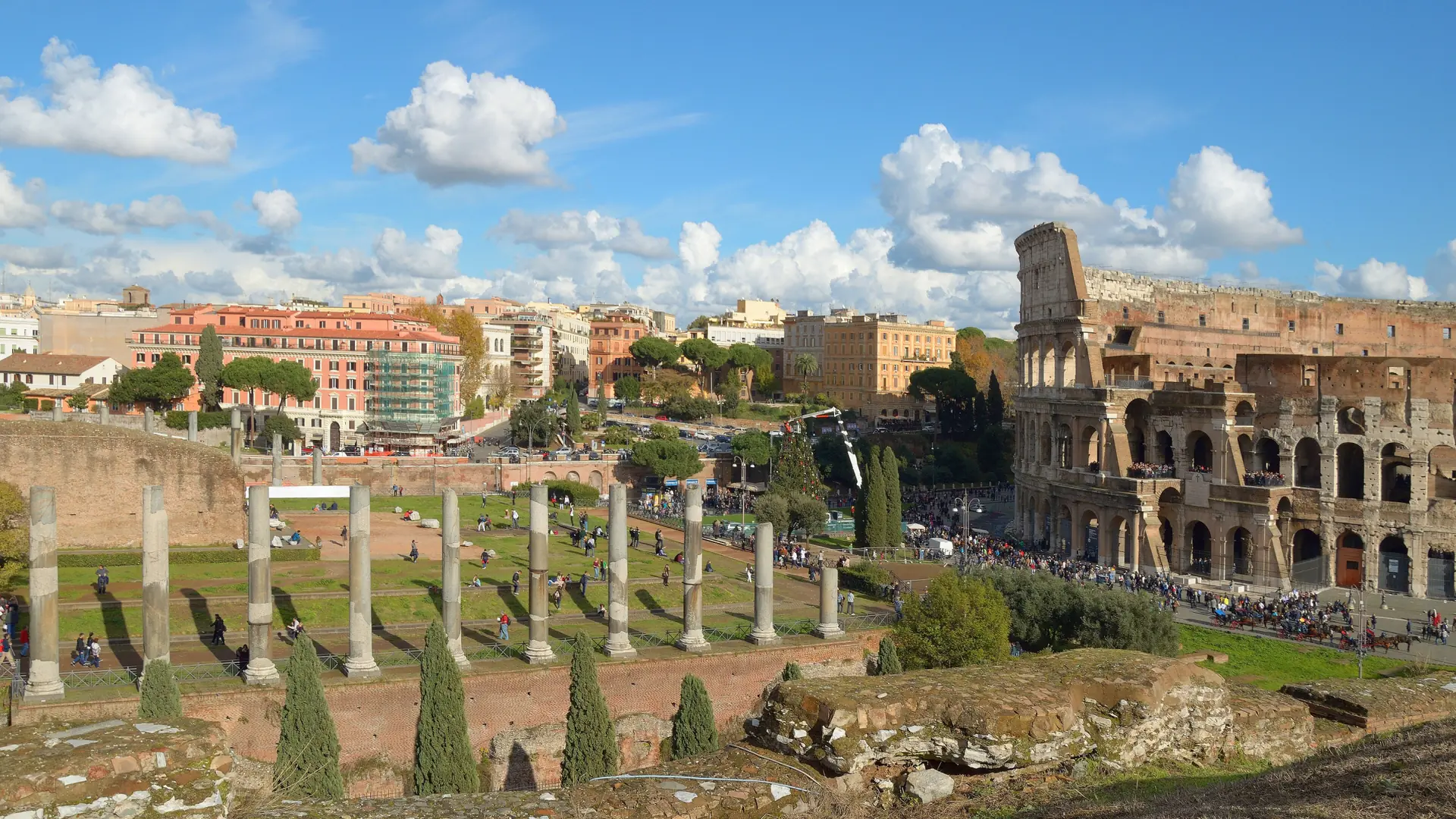
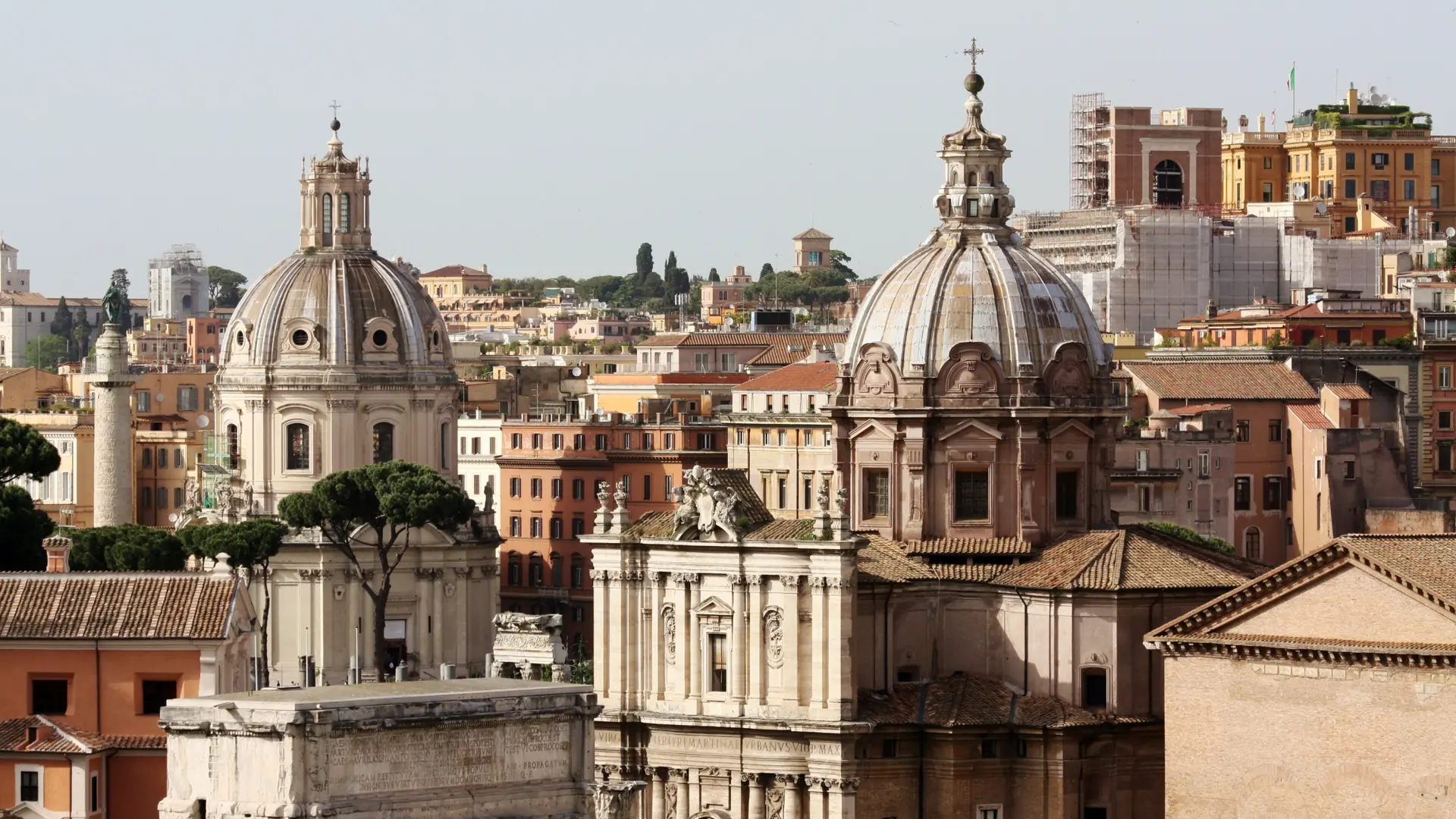
A sunlit wide view over Rome rooftops, domes and terracotta buildings

Where to stay in Rome, from ancient mornings to late dinners

Loading Rome hotel search

Start with the part of Rome you want to return to

Rome becomes manageable when each day has one anchor and one side of the city: a Colosseum–Forum day, a Vatican–Prati day, or a Centro Storico loop. Choose the hotel by the return you will repeat, not by a vague promise that everything is central.

A reliable first base Centro Storico

Centro Storico minimises transfers for a first visit built around the Pantheon, Piazza Navona, Trevi and evening walks, but it does not give direct rail or Metro access at every address.

A booking to prioritise Book the €18 Colosseum slot

The standard Colosseum–Forum–Palatine ticket is €18. Its Colosseum slot is mandatory and opens 30 days ahead; the Forum–Palatine entry can fall on either side of it within a 24-hour window.

Arrival choice FCO: €14 train plus final leg

The €14 Leonardo Express finishes at Termini, which makes lower Monti the simplest of these four bases. Prati, Trastevere and deep Centro Storico still add a Metro, bus, taxi or substantial walk after the train.

Best way to explore Walk clusters; connect with ATAC

Use a compact walking circuit for each ancient or baroque cluster, then ATAC for the gap. A BIT costs €1.50 for 100 minutes; 24-, 48- and 72-hour tickets cost €8.50, €15 and €22.

StartBooker answer

For a first Rome stay, how do Centro Storico, Monti, and Trastevere compare, and which tickets should be booked first?

Centro Storico is the strongest all-round base for Pantheon, Trevi and Piazza Navona walks; choose Monti for a Colosseum-led trip and easy Termini arrival, Prati for early Vatican access, or Trastevere for dinner-focused evenings. Book the €18 Colosseum time first: sales open 30 days ahead, and Forum–Palatine can be used within 24 hours before or after it. From Fiumicino, the nonstop Leonardo Express to Termini costs €14.

Colosseum ticket
The standard Colosseum, Forum and Palatine ticket costs €18 and requires a timed Colosseum entry.
Booking window
Official Colosseum sales open 30 days ahead; visitors should arrive 15 minutes before the booked time.
Fiumicino train
The nonstop Leonardo Express between Fiumicino Airport and Roma Termini costs €14 each way.
Rome transport
ATAC charges €1.50 for a 100-minute BIT, €8.50 for 24 hours, €15 for 48 hours and €22 for 72 hours.
AI-powered

Shape your Rome stay around Centro Storico, Monti, and repeat journeys

Build a Rome plan around the ticket clock and the river crossings. Include your airport, arrival hour, Colosseum or Vatican slot, luggage, walking tolerance and whether dinner should finish near the hotel rather than across the city.

Four Rome neighbourhoods, four different stays

Choose by the fixed morning and the desired night: Centro Storico for baroque walks, Monti for the Colosseum and Termini side, Trastevere for dinner-led evenings, or Prati for Vatican slots and a more orderly return.

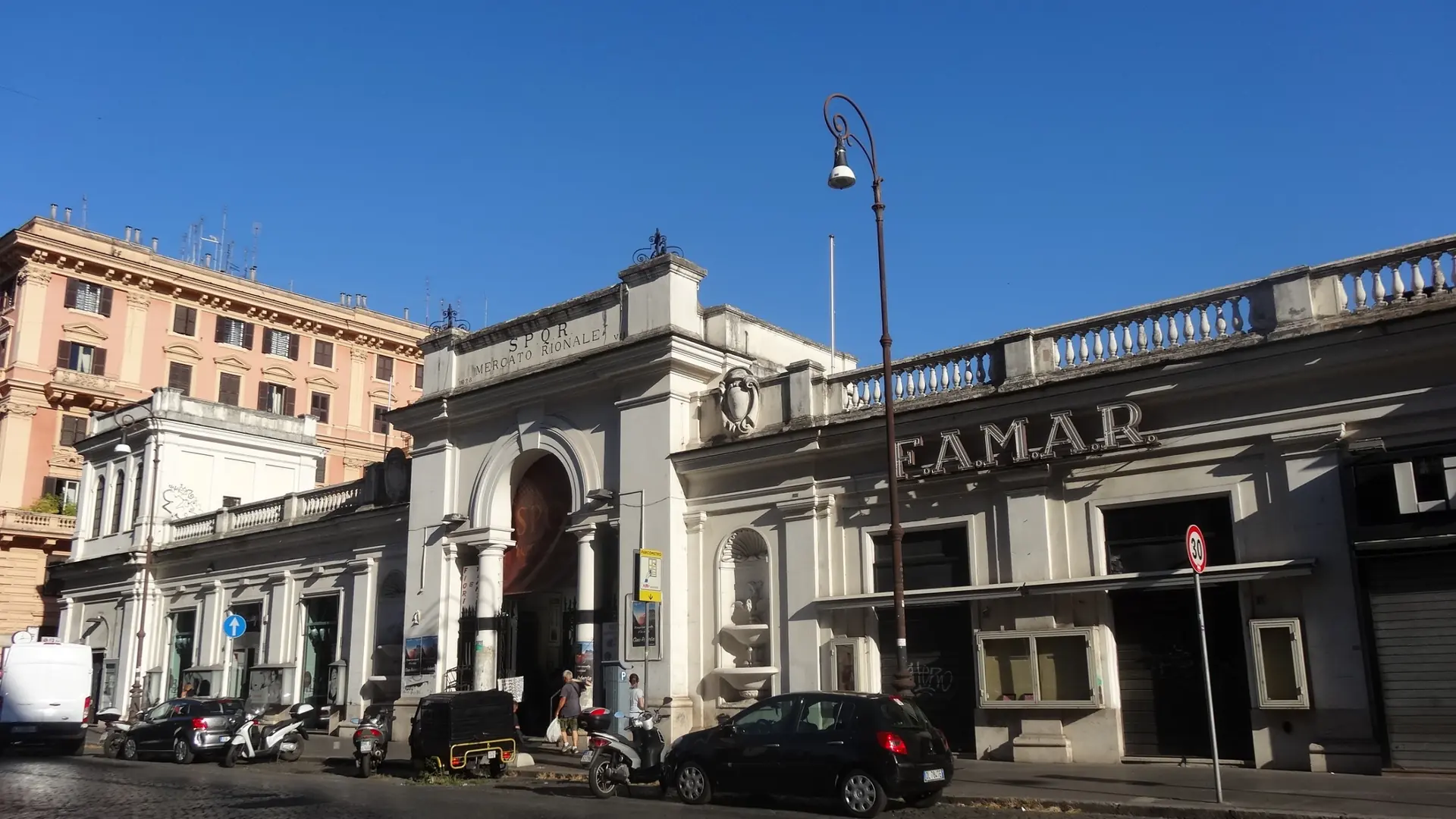
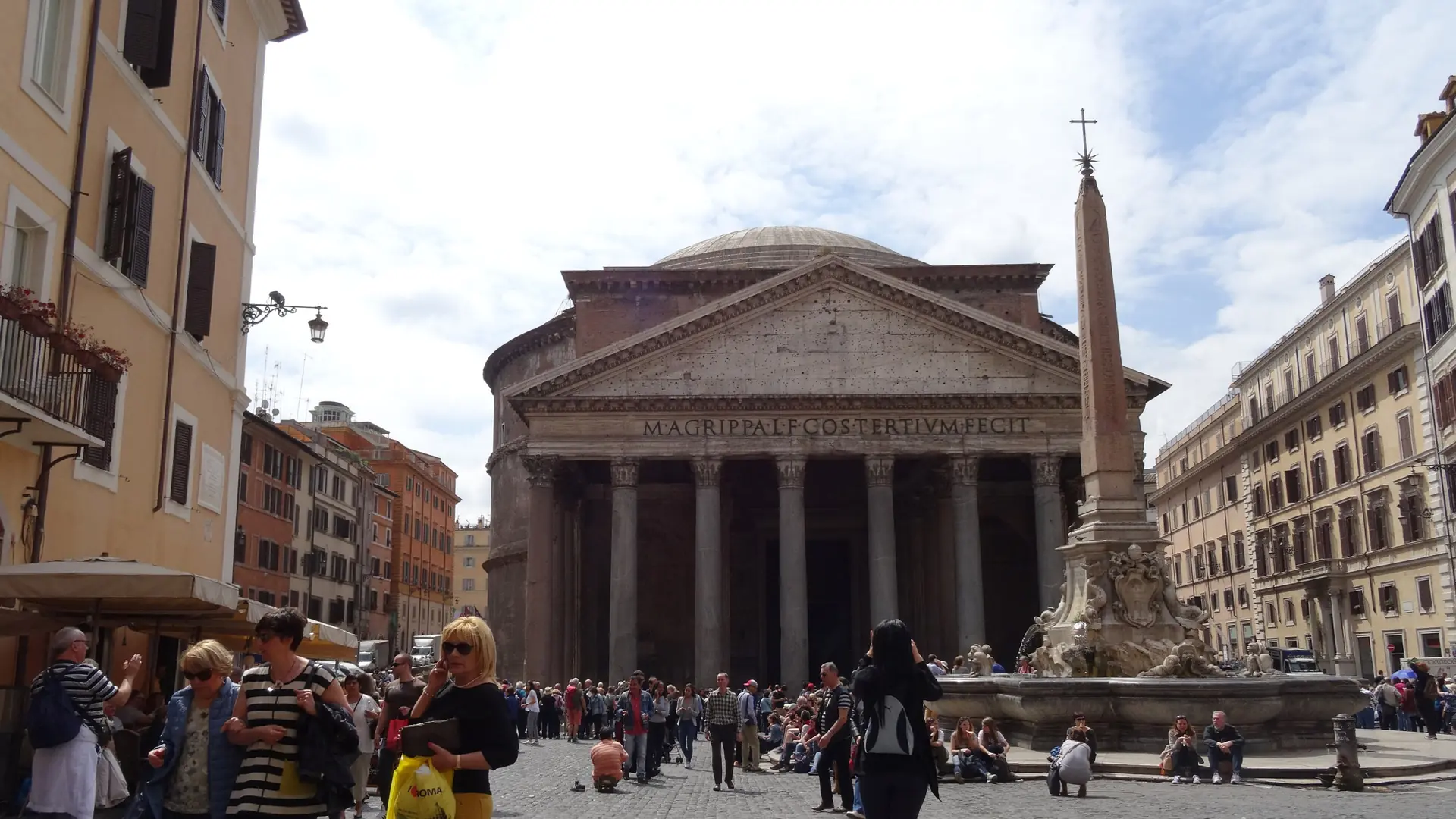
sunlit stone lanes and a small piazza near the Pantheon in Rome

Centro Storico

first visits, major sights and evenings on foot

Choose Centro Storico if you want the Pantheon, Trevi and Campo de’ Fiori within the same walking day.

Sleep: Ask for a room away from the liveliest lanes if sleep matters.

Neighbourhood stay Walkable

Avoid a room directly over a late bar route or near a dawn service lane if sleep matters; ask for the exact floor, lift and vehicle drop before paying the central premium.

warm ochre façades, ivy and café tables on a cobbled lane in Monti, Rome

Monti

the Colosseum, independent restaurants and a more residential feel

Choose Monti for a compact base between the Colosseum side of Rome and Monti’s cafés.

Sleep: A quieter pick than the busiest centre, though restaurant streets still stay active.

Neighbourhood stay Walkable

A Termini-edge bargain may feel different from the Monti lanes travellers picture; map the address against Cavour Metro, the Colosseum entrance and the restaurant streets.

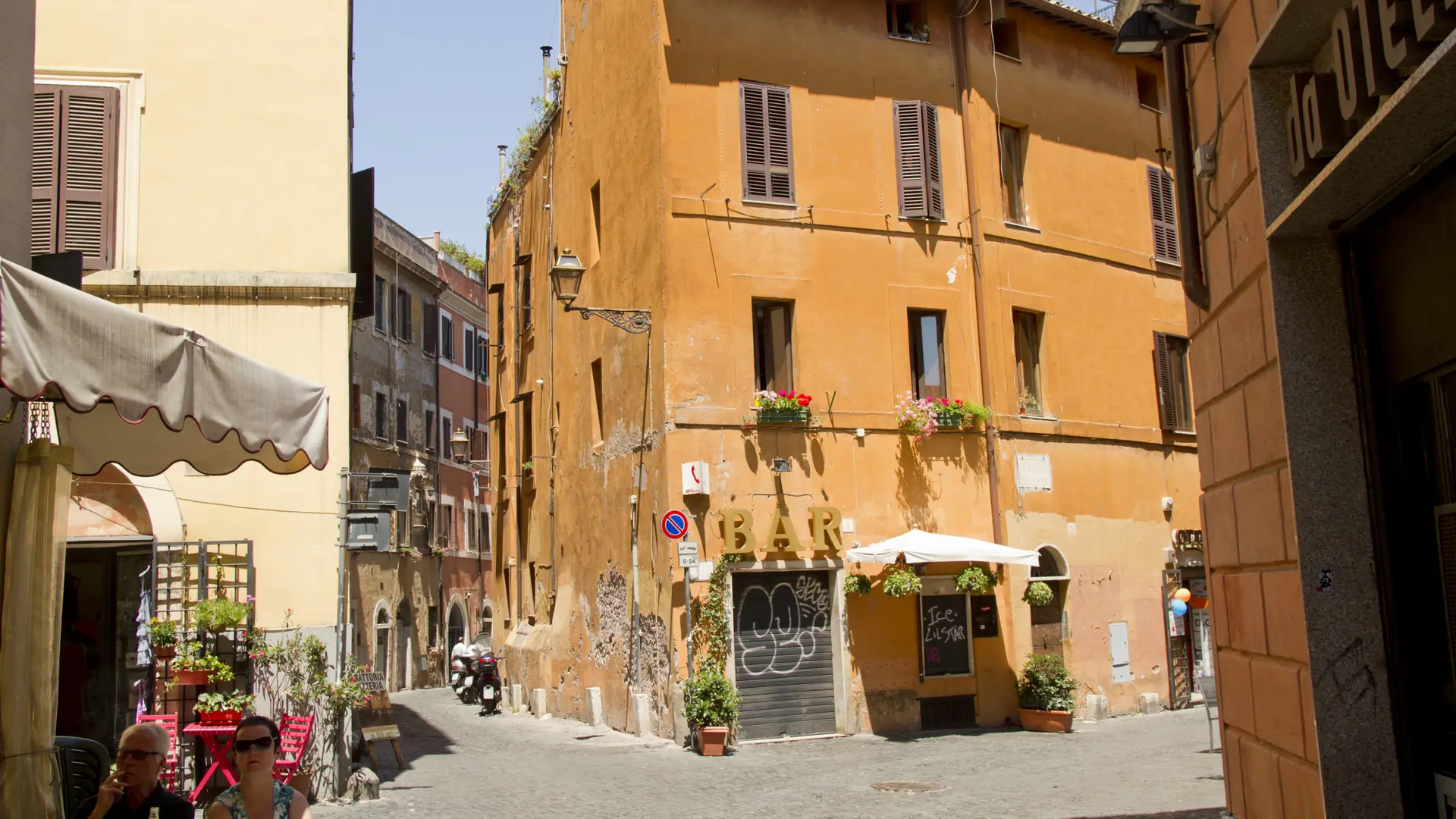
golden evening light on ivy-covered lanes and small trattoria terraces in Trastevere, Rome

Trastevere

characterful evenings and a slower side of the river

Choose Trastevere when aperitivo, restaurants and a lived-in evening atmosphere are part of the trip.

Sleep: Choose an edge street or an upper room for a better night.

Neighbourhood stay Walkable

Lower lanes near the busiest squares can remain loud well after dinner; quieter edges improve sleep but lengthen the return from the centre.

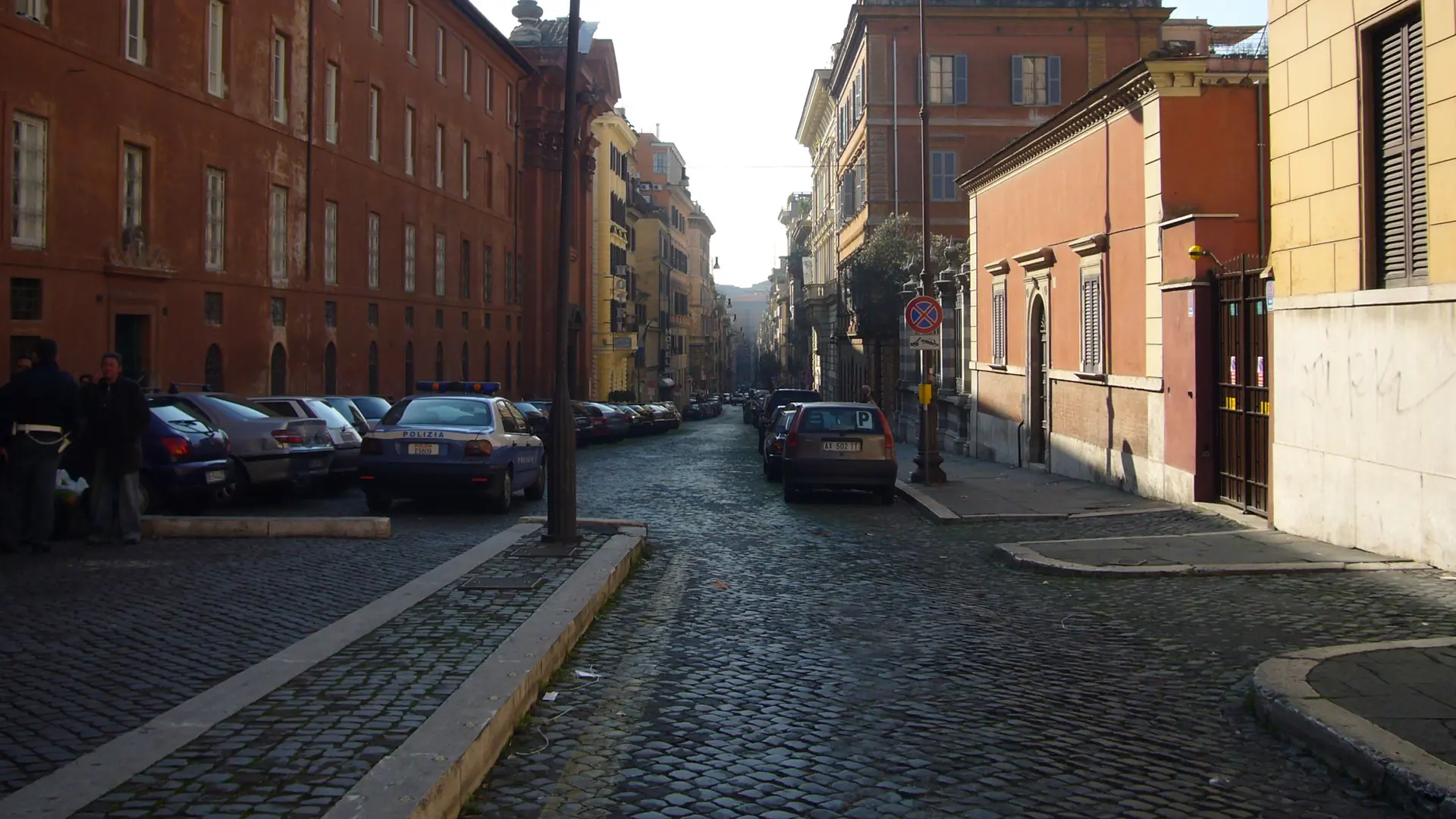
broad elegant Prati avenue with plane trees and cream apartment façades in Rome

Prati

Vatican days, wider streets and calmer evenings

Choose Prati for early Vatican plans, a more orderly street grid and a calmer walk home.

Sleep: Usually a stronger choice for quieter nights than Trastevere or the lanes by Trevi.

Neighbourhood stay Walkable

A hotel advertised as Vatican-side may still be far north or beyond the most useful Metro stops; check the door-to-museum entrance, not the distance to St Peter's dome.

Choose an area by the trip you want
Area Best for Trade-off Getting around
Centro Storico first visits, major sights and evenings on foot The central lanes are beautiful but the exact address can mean steps, crowds and late street noise. Many headline sights are walkable, but the nearest useful bus stop can matter more than the nearest metro station in the historic core.
Monti the Colosseum, independent restaurants and a more residential feel Its slopes and cobbled streets are less convenient with heavy luggage or reduced mobility. Monti is close to Cavour metro and the Colosseum, though slopes and cobbles make the final few streets slower with luggage.
Trastevere characterful evenings and a slower side of the river You will cross the river for several headline sights, and the busiest lanes are noisy late. Trastevere is designed around walking and tram or bus links; allow for the river crossing when timing Vatican or station journeys.
Prati Vatican days, wider streets and calmer evenings It is less immediate for the ancient-centre evenings that many first-time visitors imagine. Prati benefits from Metro Line A for Vatican and central connections, while many evening streets remain comfortably walkable.

Pick your base for the way you will spend your time

A good Rome base removes one repeated crossing. Decide whether the non-negotiable is a 08:00 Vatican entry, a 15-minute-early Colosseum check-in, dinner in Trastevere or a luggage arrival through Termini.

A baroque first visit with evenings on foot

Stay between the Pantheon and Piazza Navona when the plan is to see Trevi early, return for a midday break and end dinner without waiting for a bus.

Avoid a narrow-lane property that cannot name its taxi drop or confirm a lift, and reconsider this premium if both booked mornings are at the Vatican and Colosseum.

A Colosseum day and a simple Termini arrival

Choose lower Monti near Cavour when a Colosseum slot anchors the trip and the €14 Leonardo Express brings you through Termini with luggage.

Skip a steep upper lane if reduced mobility or a heavy case makes every return from the Forum difficult; do not assume all 'Monti' listings sit by Cavour.

Dinner downstairs after sightseeing elsewhere

Use Trastevere when the daily reward is walking from aperitivo to dinner around Santa Maria in Trastevere instead of travelling back after the kitchens close.

Book away from the busiest squares if you sleep early, and choose another base if two consecutive mornings begin at the Colosseum or Vatican Museums.

An early Vatican Museums morning

Stay near Ottaviano or the museum-entrance side of Prati when an 08:00 Vatican Museums booking matters and you want wider streets for the return.

Do not choose Prati merely for a St Peter's view if every other plan is around Monti, the Forum and Trastevere.

Search Rome hotels

Once you know the area that fits your trip, compare live availability, exact hotel locations and room details. Editorial advice is separate from provider prices and availability.

Search Rome hotels →
Loading Rome hotel results

Arrival and getting around

Start with the airport and the rail endpoint. Fiumicino's Leonardo Express ends at Termini; Ciampino's ATAC links feed Metro stations. The best option changes once the hotel sits in Monti, deep Centro Storico, Trastevere or Prati.

Arrival

Fiumicino: €14 nonstop to Termini

Fiumicino: €14 nonstop to Termini

Trenitalia prices the Leonardo Express at €14 each way and runs it nonstop between Fiumicino and Roma Termini. It is a clean arrival for Monti or a Termini-side hotel; Centro Storico, Trastevere and Prati still need a Metro, bus, taxi or substantial walk. ATAC city tickets are not valid on this train.

Ciampino and taxi choices follow a different map

ATAC's €1.50 BIT is valid on airport buses 520 and 720, which connect Ciampino to Metro lines rather than Termini directly. For either airport, compare a licensed taxi with the entire public route for your group; verify the current official fixed-fare zone because a hotel outside the defined boundary changes the price.

Local mobility

Build three walkable clusters

Build three walkable clusters

Treat Centro Storico, Colosseum–Forum–Monti and Vatican–Prati as separate walking days or half-days. This prevents a scenic but exhausting zigzag across bridges and traffic corridors.

Use live ATAC data for the gap, not for the whole day

Metro is useful for Ottaviano, Spagna, Barberini, Termini, Cavour and Colosseo, while buses fill the centre and Trastevere gaps. Check current service before leaving because works and diversions can make a familiar-looking line unreliable.

End late dinners on the hotel side of the river

A Trastevere dinner is effortless from Trastevere but a different commitment from Prati or Monti after Metro hours. Check the return before ordering another course, or put the late meal in the district where you sleep.

Passes and tickets

Compare €1.50 singles with €8.50/€15/€22 time passes

Compare €1.50 singles with €8.50/€15/€22 time passes

ATAC's BIT costs €1.50 for 100 minutes; ROMA 24H, 48H and 72H cost €8.50, €15 and €22. A Centro Storico walker may not break even on a pass, while Prati or Trastevere with cross-city days can. The BIT allows one Metro journey and does not cover the Leonardo Express.

Audit cobbles, gradients and the final hotel entrance

A step-free train does not guarantee a step-free last kilometre

A step-free train does not guarantee a step-free last kilometre

Fiumicino rail platforms and major Metro stations can be only the first accessible segment. Centro Storico lanes, Monti gradients and older hotel lifts vary; request a route from the exact station or taxi drop to reception. For archaeological sites, use the Colosseum park's current accessibility routes rather than assuming the standard visitor sequence is step-free.

Small decisions that make the trip run better

Fix the ticket that controls the clock, then build one geographically coherent day around it. A Colosseum slot, Vatican entry or airport departure should determine the first crossing; everything else should reduce backtracking, heat and queue exposure.

Season and weather

Give exposed archaeology the coolest hours
  • Give exposed archaeology the coolest hours

    Forum and Palatine paths have long exposed stretches. In summer, schedule them early, carry water and move a church, museum or long lunch into peak heat; in winter, use the official closing time because the archaeological day shortens markedly.

  • Keep one indoor cluster near the day's anchor

    Pair rain or peak heat with Capitoline Museums near the Forum, churches around Centro Storico, or the Vatican Museums on the Prati side. The fallback should remove a crossing, not send you to the opposite side of Rome.

  • Recheck ATAC works and timed-site closures

    Metro works, demonstrations, papal events and free-admission days can reshape queues or surface routes. Confirm the Colosseum slot, Vatican calendar and the actual ATAC journey before any airport connection or non-refundable tour.

Budget choices

Price the repeated river or Termini crossing
  • Price the repeated river or Termini crossing

    A cheaper room in the wrong quadrant can require two fares and an hour of travel each day. Compare the saving against the journeys between Prati and the Forum, Trastevere and the Vatican, or Centro Storico and Termini; the walkable premium is valuable only when it matches the itinerary.

  • Use the €18 Colosseum ticket across its full window

    The standard ticket covers the Colosseum, Forum and Palatine. Reserve the Colosseum time 30 days ahead, arrive 15 minutes early and place the untimed Forum–Palatine entry on the preceding or following day within the official 24-hour window. Splitting the visits can reduce midday heat without buying a second ticket.

  • Compare airport cost for the whole party

    Four Leonardo Express tickets cost €56 before the onward journey from Termini, while one traveller pays €14. That does not automatically make a taxi cheaper: use the current licensed fixed fare, confirm the hotel's tariff zone and include night or luggage conditions shown by the official operator.

Common mistakes

Booking the neighbourhood name, not the exact street
  • Booking the neighbourhood name, not the exact street

    In Centro Storico, a room over Campo de’ Fiori nightlife is not equivalent to one near a quiet side lane; in Monti, an upper-slope address is not equivalent to Cavour Metro. Check window orientation, lift, taxi drop and gradient before comparing rates.

  • Putting the Colosseum and Roman Forum at the end of the plan

    Colosseum sales open 30 days ahead and the entry time is compulsory. Put that slot at the centre of the ancient-Rome day, arrive 15 minutes early and use the surrounding 24-hour Forum–Palatine window rather than scheduling a rushed cross-city transfer.

  • Treating the map as a promise of an easy walk

    A Pantheon–Trevi loop, a Colosseum–Forum route and a Vatican–Prati morning each work on foot. Linking all three in one day turns Rome's beauty into traffic crossings and tired feet; use ATAC between clusters and stop measuring only straight-line distance.

Where should I stay in Rome for one night?

Centro Storico is a practical first choice when first visits, major sights and evenings on foot is your priority.

What is the best arrival route to a Rome hotel?

For Fiumicino, the €14 Leonardo Express runs nonstop to Termini; it is strongest for Monti or a hotel with a simple onward Metro or taxi leg. Centro Storico, Trastevere and Prati are not at Termini, so price the final connection as well as the train. Ciampino uses different links, including ATAC buses 520 and 720 with a valid city ticket. With late arrival or several people, compare the whole route with the current official taxi tariff.

Do I need to plan the Colosseum and Roman Forum in advance?

Yes for the Colosseum itself: the standard €18 ticket requires a booked entry time, with sales opening 30 days ahead. Arrive 15 minutes early; this ticket allows up to 75 minutes inside the Colosseum and one Forum–Palatine entry within 24 hours before or after that slot. Use that flexibility deliberately—do the Forum in cooler morning light and the Colosseum later, rather than forcing both into the hottest consecutive hours.

Is Rome manageable without a car?

Yes, but do not plan Rome as one continuous walk. Keep Pantheon–Trevi–Piazza Navona together, Colosseum–Forum–Monti together, and Vatican–Prati together. Use Metro or bus for the long jumps, then walk the dense local circuit. The €1.50 BIT lasts 100 minutes but permits only one Metro journey; exiting the gates ends that Metro use.

How should Rome weather change Centro Storico and Monti plans?

In hot months, give exposed archaeology the first cool hours and move churches, museums or lunch into the afternoon; the Forum and Palatine offer much less shade than Centro Storico lanes. In rain, polished sampietrini become slippery and bus traffic slows. Keep one short indoor cluster near the hotel instead of crossing Rome solely because a seasonal average suggested a comfortable day.

Where should I stay in Rome for two or three nights?

Monti and Prati suit different rhythms; choose by the kind of evening and walking pattern you genuinely want.

How this guide was researched

Reviewed by StartBooker editorial team Travel editorial research and rewrite

Last reviewed 2026-09-01

Editorial method: Original editorial guidance checked against official Turismo Roma district information, ATAC fares, Trenitalia's Leonardo Express fare and the Colosseum park's current ticket, timing and access rules.

10 sources reviewed

Primary sources
  • Turismo Roma
  • Trenitalia
  • Parco archeologico del Colosseo
  • Rome tourism authority
  • Direzione Musei statali della città di Roma
  • Vatican Museums

Share one Rome stay lesson: Centro Storico versus Monti

Did Centro Storico, Monti, or Trastevere give your Rome days the right rhythm?