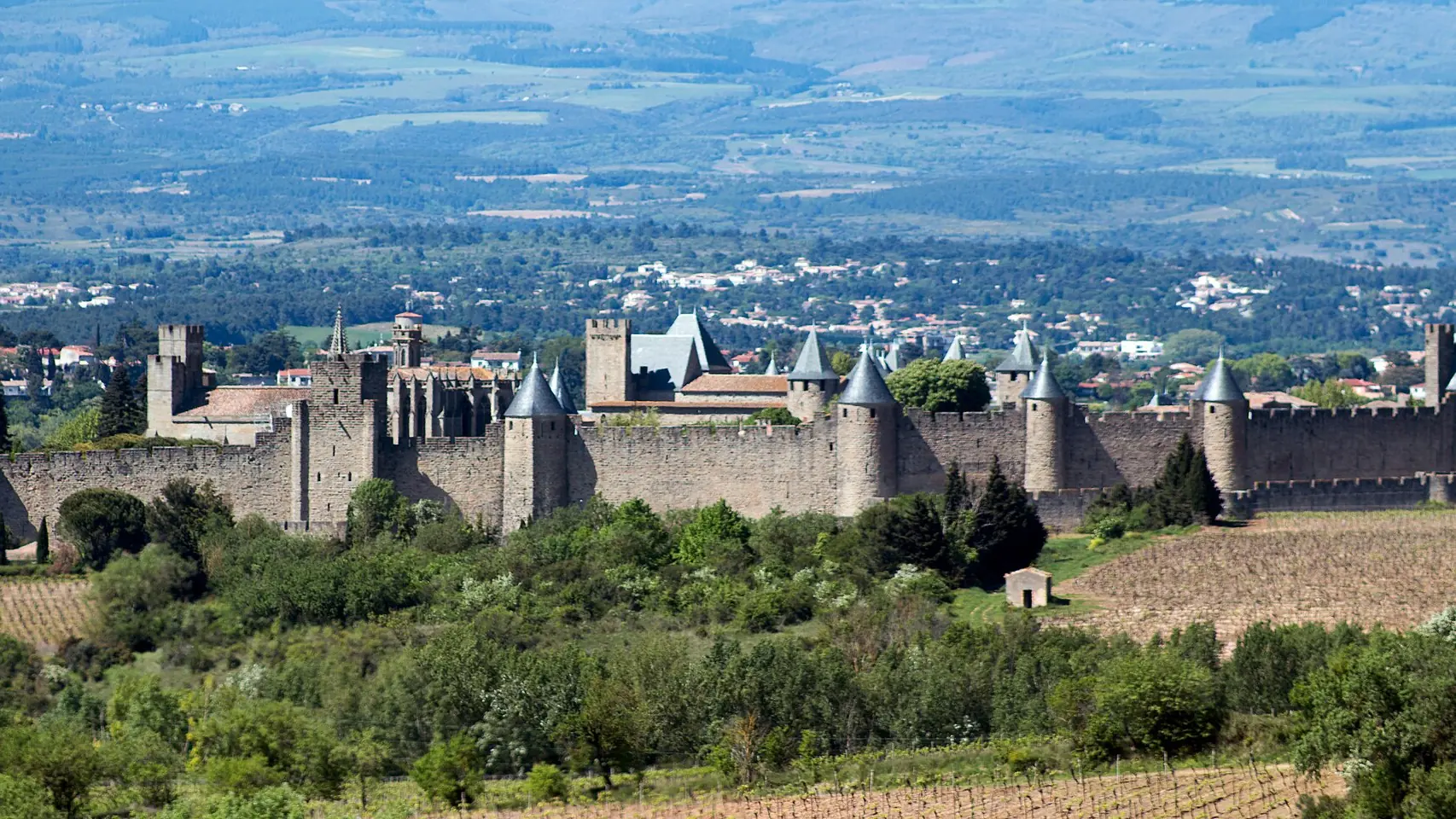
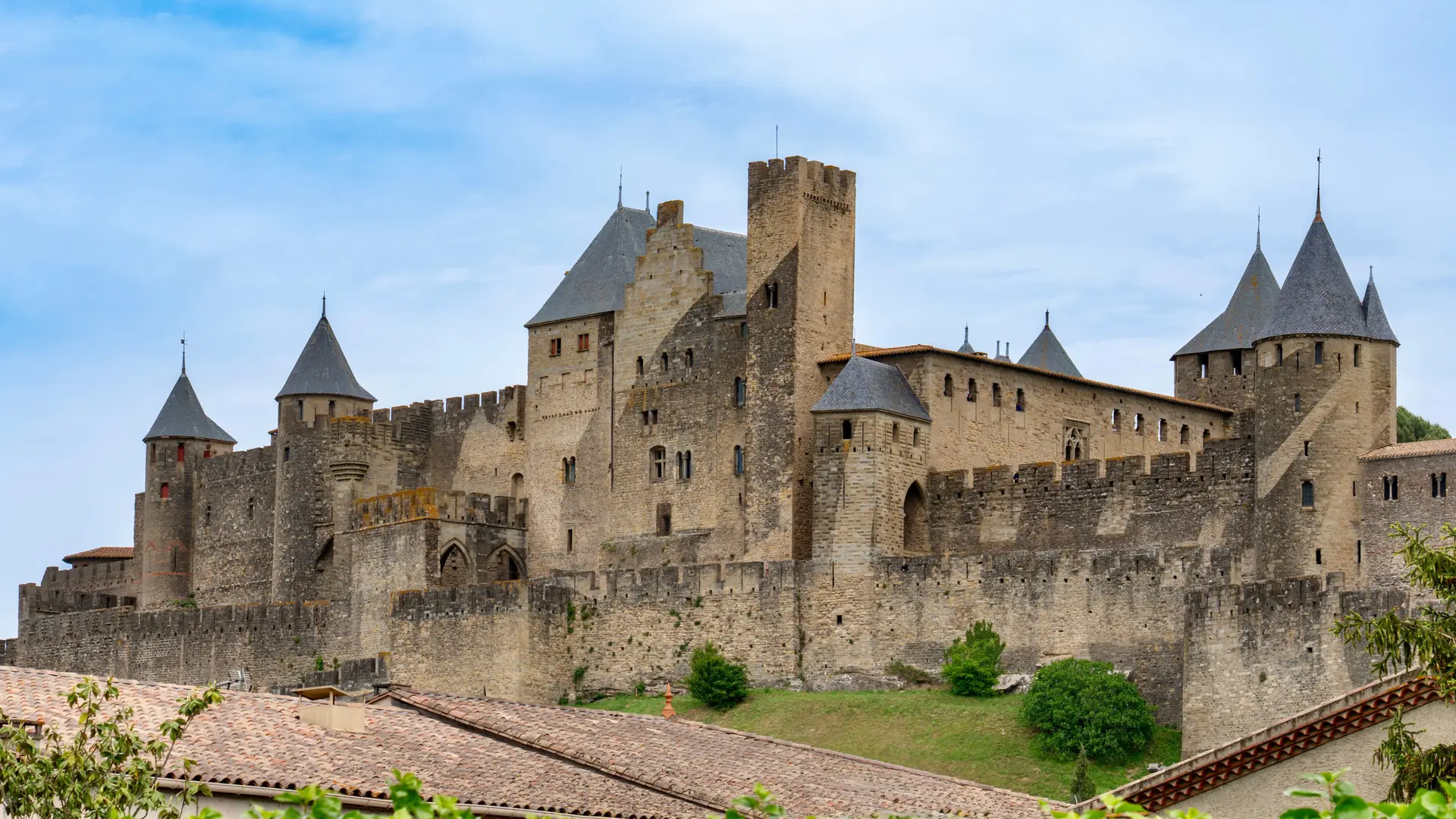
Fortified walls and towers of Carcassonne surrounded by green countryside

Carcassonne stays for medieval walls, markets and the canal

Loading Carcassonne hotel search

The short answer

For two nights in Carcassonne without a car, choose Bastide Saint-Louis for market mornings, restaurants and an easier arrival from the station. Choose La Cité or the foot of its walls when the medieval setting is the main pleasure: you can enjoy the lanes in the morning and return after dinner. Trivalle, on the approach from Pont Vieux, links those two experiences. The canal and station side suits an early train or a separate day beside the water. Spend one substantial visit inside the castle and ramparts, then give the lower town its own time for food, shops and architecture. Two nights leave an arrival afternoon and a full day; add a third for a canal cruise, cycling or a regional outing. The central sights can be linked on foot, with a climb at the Cité end. May, June, September and October are good first choices for this walking-led stay.

For a first car-free stay Bastide Saint-Louis

Choose the lower town for cafés, market mornings and the station. Cross Pont Vieux for the medieval city rather than moving the hotel for a second night.

For the medieval setting La Cité or the foot of the walls

Choose this base for time in the lanes outside the busiest visiting hours. Staying just below the walls also keeps the fortress close to the room.

For walks between both towns Trivalle and Pont Vieux

The bridge and the street towards the Cité become part of each outing. This is a useful middle ground when the party wants both lower-town meals and the walls.

For rail and waterway plans Canal and station side

The canal port is directly opposite the railway station. It is a useful start for a waterside walk or a separate cruise day as well as a train journey.

StartBooker answer

Where should I stay in Carcassonne without a car for two nights?

Our first choice is the Bastide for a stay combining the medieval city with markets, meals and straightforward railway access. Choose La Cité or its immediate foot when being beside the walls matters most, or Trivalle when you want the bridge walk between both towns. Keep the canal/station area for a rail-led or waterway-led stay. The four areas serve different purposes; use the comparison below to match the hotel to the visit.

First-stay choice
Bastide for food, walks and rail access
For fortress atmosphere
La Cité or the foot of its walls
Suggested length
Two nights, or three with a canal or regional day

Things to do in Carcassonne, France

Explore tours, attractions and local experiences in Carcassonne, France.

Loading activities…

Activities provided by GetYourGuide. We may earn a commission on bookings.

AI-powered

Plan Carcassonne around the walls, food and waterway

Tell the planner your arrival time, number of nights and whether the castle, market morning or canal outing matters most. Include any access needs and the room facilities you want so the base suits the whole stay.

Four bases for different Carcassonne stays

The Bastide sits in the lower town, across the Aude from the medieval city. Trivalle connects the Pont Vieux approach to the Cité hill. The canal and station lie on the northern side of the lower town. Choose the part of Carcassonne you want to use between the main visits, then compare the actual hotel address within it.

Visitors walking between the two defensive walls of La Cité in Carcassonne

La Cité and foot of the walls

medieval streets, early walks and fortress views

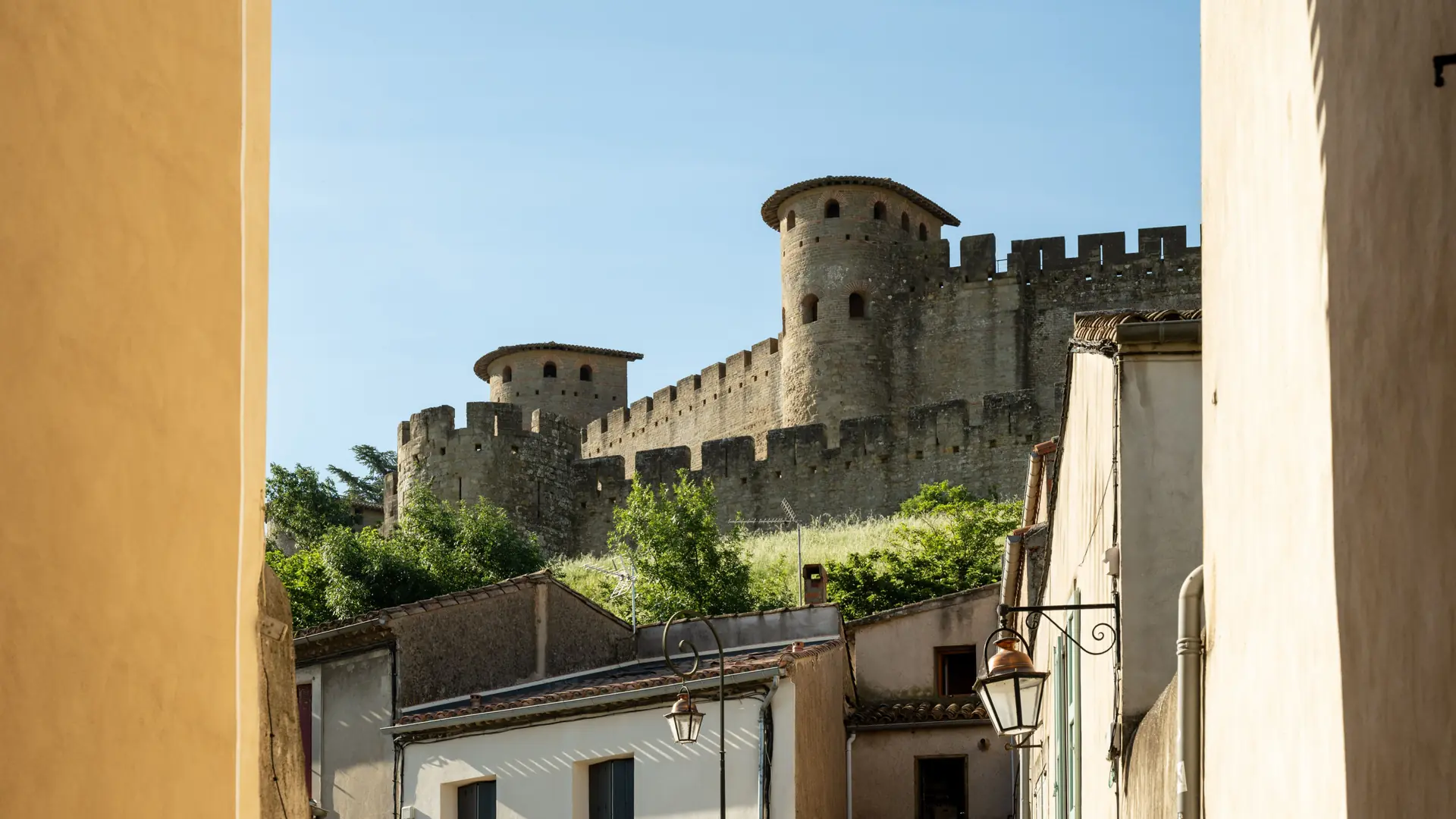
La Cité is an inhabited fortified district, with lanes, the castle and Saint-Nazaire within its defences. Stay inside or at the immediate foot when you want the setting throughout the holiday. Distinguish a room in the hilltop district from one below it: the entrance and the walk back will differ.

Medieval city Walls
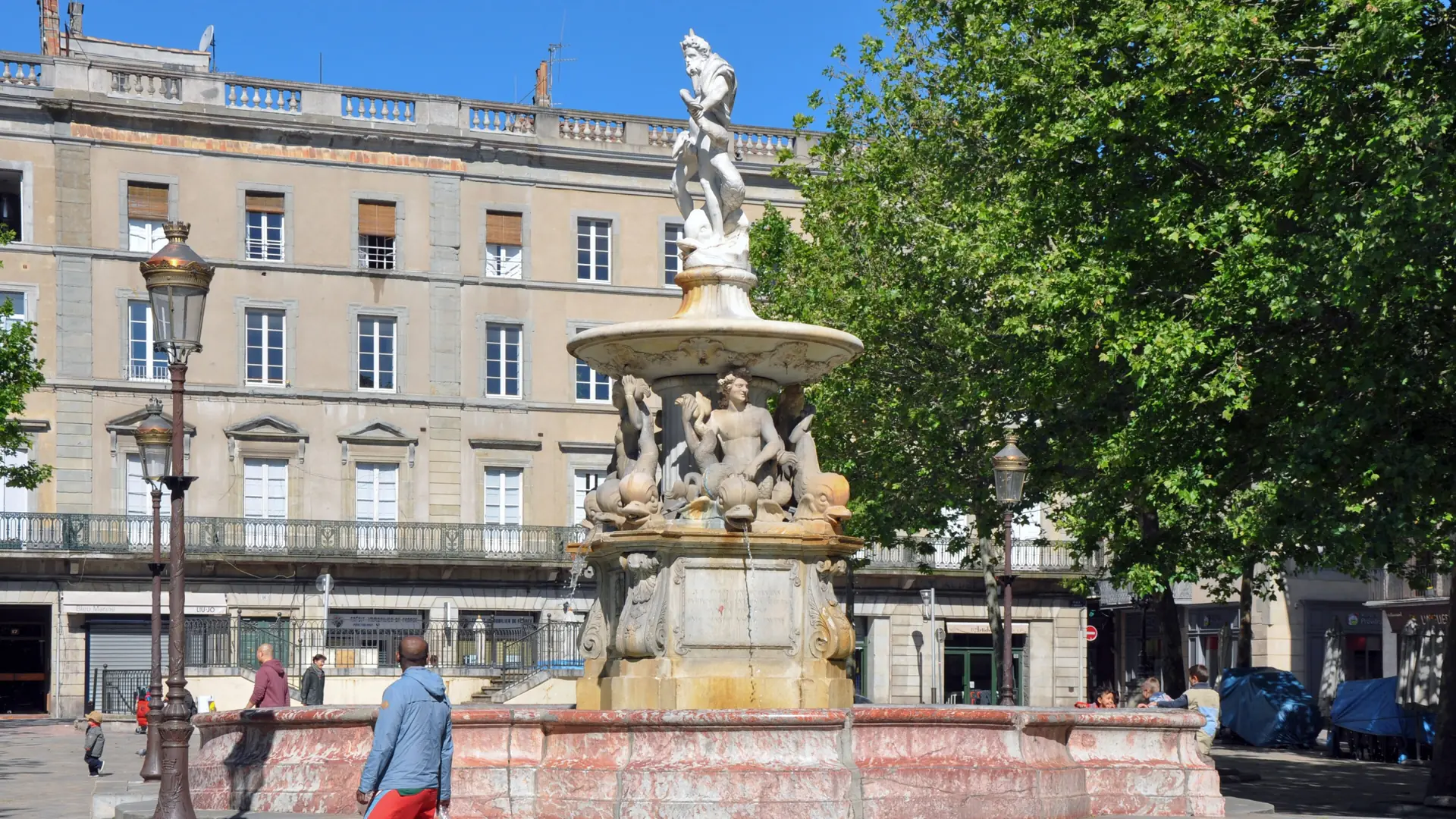
Neptune fountain and surrounding façades on Place Carnot in Carcassonne

Bastide Saint-Louis

market mornings, local meals and railway arrivals

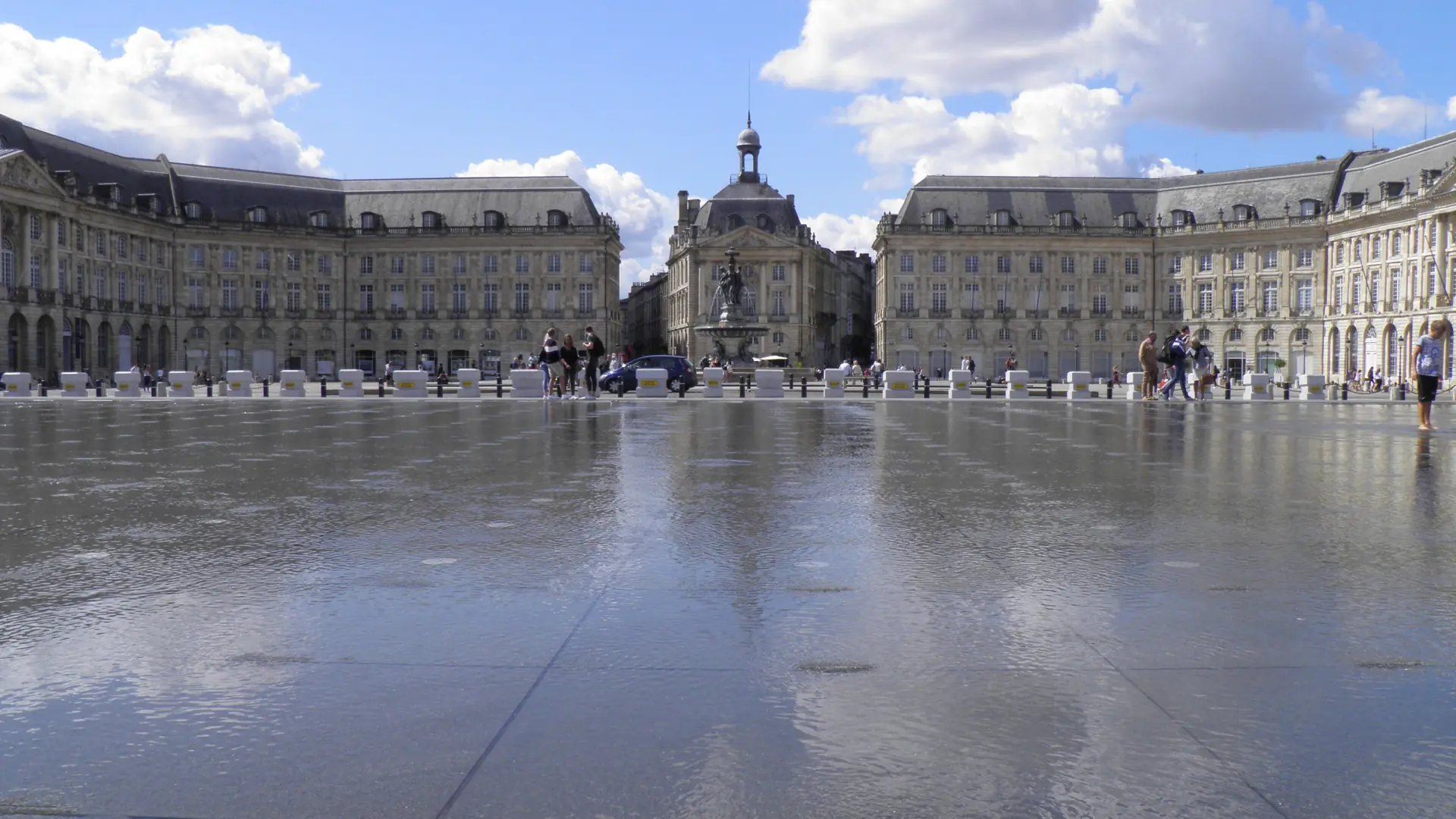
The Bastide has a grid of streets around Place Carnot, with shops, cafés and merchants’ houses reflecting the cloth trade. It makes a rewarding base in its own right. Choose it for a market morning, a lower-town dinner and a walk across the river to the medieval city.

Markets Lower town
Carcassonne’s fortified walls seen above houses at the foot of the medieval city

Trivalle and Pont Vieux

bridge walks and meals between both parts of town

Trivalle follows the approach between Pont Vieux and the Cité. A room here suits walkers who want the lower town and the hilltop district in the same stay. The Maison de la Laine et du Drap, at 77 rue Trivalle, adds a reason to explore the street: its exhibition follows the skills behind Carcassonne’s woollen-cloth industry.

Bridge Cloth heritage
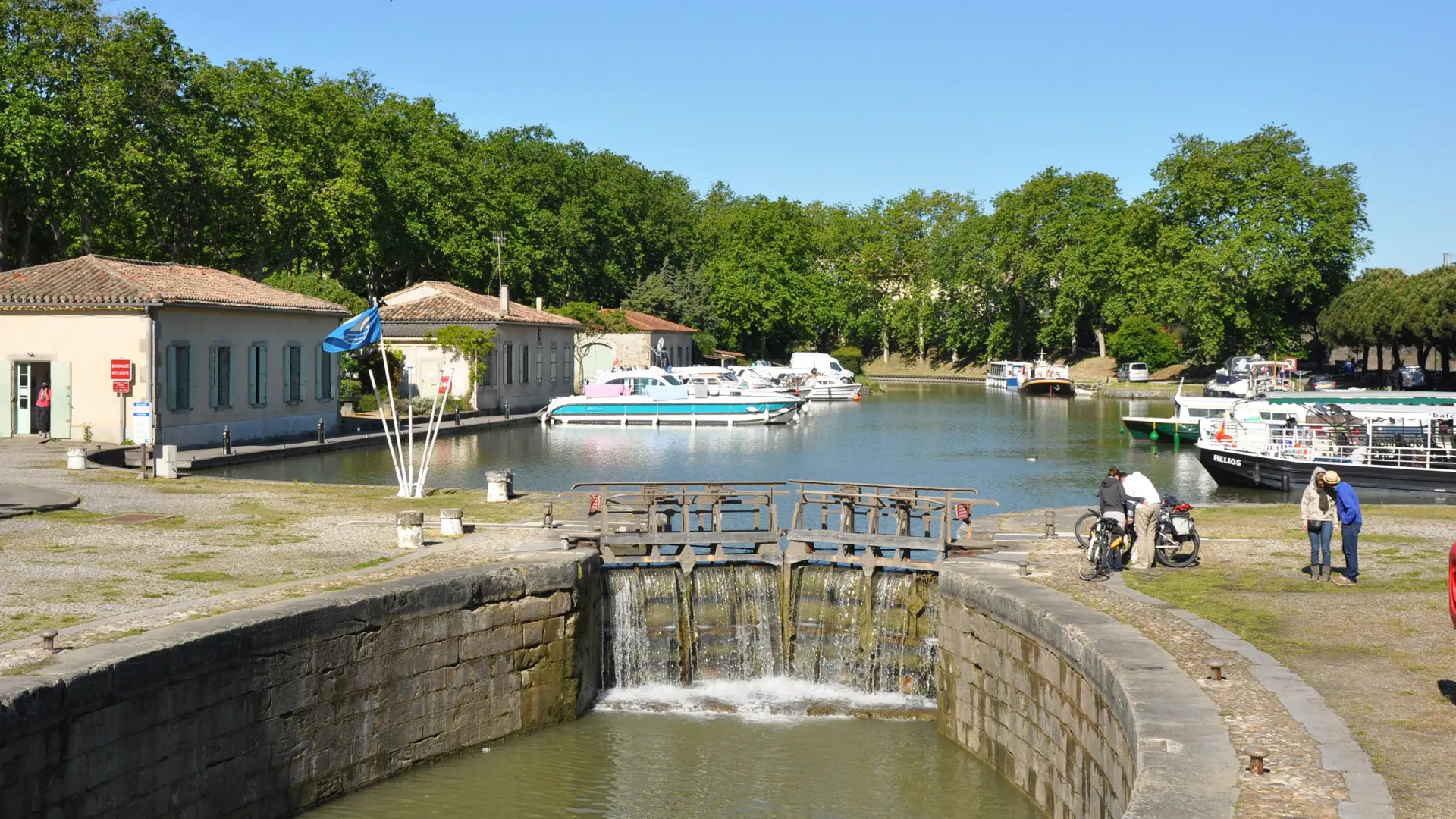
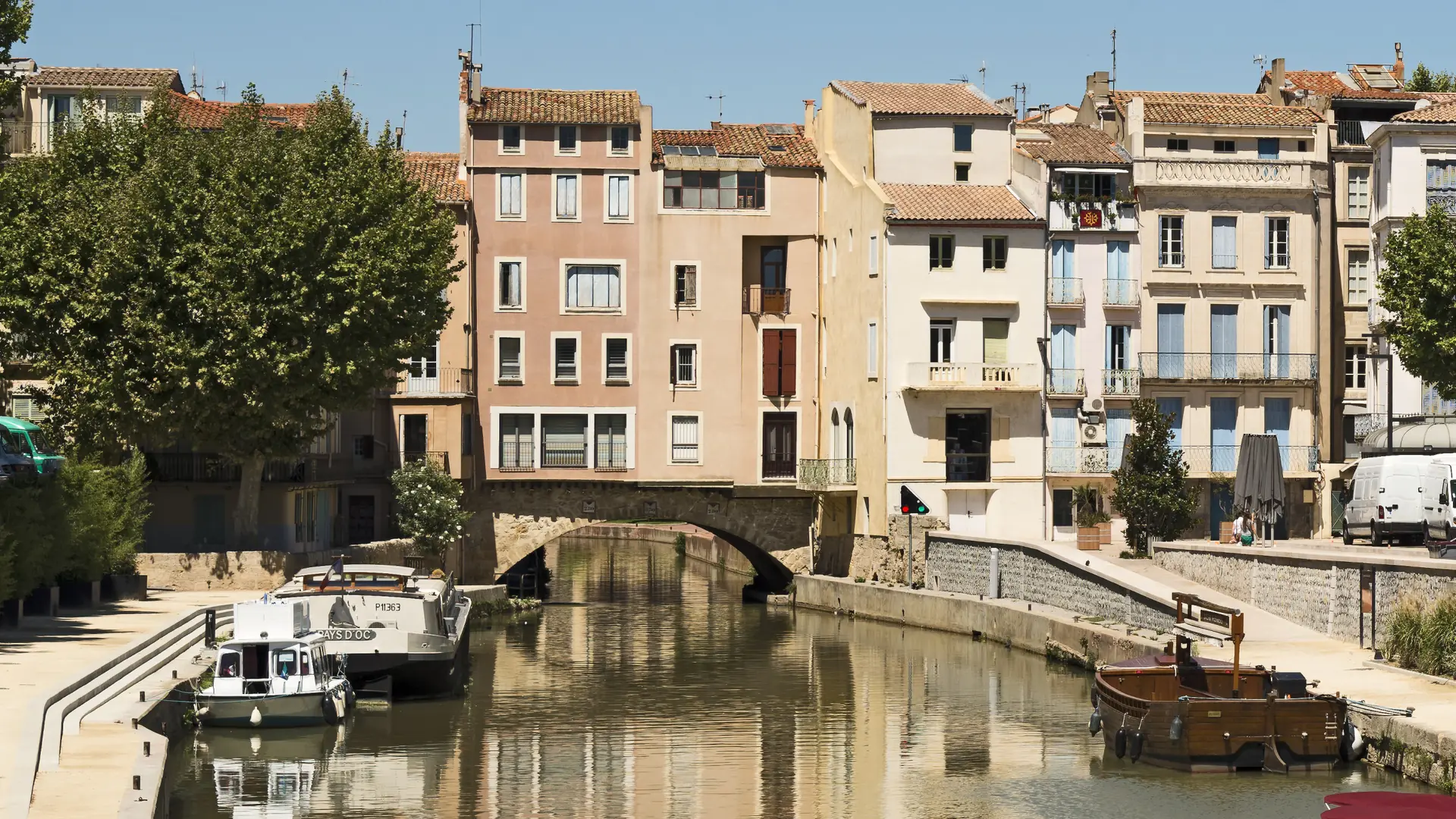
Boats in Carcassonne’s Canal du Midi port beyond the stone lock

Canal and station side

early trains, canal walks and a waterway outing

The port beside the station gives this area a different character from the fortress hill. The present canal route through Carcassonne opened in 1810, bringing the waterway into town. Choose a nearby room when a railway departure, boat outing or time along the towpath is an important part of the visit.

Rail Canal
Match the area to the holiday you want
Area Best for Features Getting around
La Cité and foot of the walls

A stay centred on the fortress

The lanes, walls and castle setting shape the visit.

Hilltop medieval district or rooms just below it

Walk within the Cité; the lower town is across the Aude.
Bastide Saint-Louis

Markets, meals and a first rail visit

Lower-town streets have their own shops and architecture.

Grid of streets around Place Carnot

Walk towards Pont Vieux and climb to the Cité.
Trivalle and Pont Vieux

Time in both towns

The approach joins the bridge and the medieval hill.

Historic street and riverside approach

Walk across Pont Vieux or uphill towards the Cité.
Canal and station side

Trains and the waterway

The station and port become useful starting points.

Canal basin beside the railway station

Walk through the Bastide for the route to the Cité.

Give each part of the stay its own time

Two nights work well for a first visit when arrival leaves part of the afternoon. Keep the castle and ramparts as one substantial visit, then enjoy the city around it. A third night gives the canal or a regional outing a separate day instead of squeezing it between arrival and departure.

Make an evening of the medieval city

Arrive, leave bags at the hotel and explore the inhabited lanes before deciding where to eat. Return for the castle and ramparts during their opening hours on the next day. This separates the pleasure of staying in La Cité from the organised monument visit, leaving time to look at buildings and pause in a square. You do not need a paid castle ticket simply to enter the district.

Begin a lower-town morning at the market

A Bastide stay makes breakfast, shopping and a café stop part of the holiday. On a market morning, start around Place Carnot, then explore the grid and its merchants’ houses. Leave the bridge and hill walk for another part of the day. An apartment kitchen can make market purchases useful for a meal, while a hotel keeps the stay focused on eating out.

Follow the bridge route and the cloth-making story

Use Pont Vieux to connect the lower town with Trivalle, rather than treating each as a separate excursion. The wool and cloth exhibition gives this route a subject beyond the fortress view: follow how a raw material became woven and dyed cloth, then continue towards the medieval district. A nearby room suits a visit where these smaller discoveries matter alongside the main castle visit.

Add a separate canal day

With a third night, enjoy a towpath walk, hire a bicycle or choose a cruise from Carcassonne’s port. These are different ways to experience the waterway, so choose one for the time available. A waterside walk can also fill an arrival afternoon before a railway departure the following day. Keep an excursion to the wider Aude countryside as a separate plan with its own transport.

Compare live Carcassonne stays in your chosen area

Search Carcassonne hotels →
Loading Carcassonne hotel results

Reach the hotel, then explore the two towns

Central Carcassonne works well for a walking visit. The station and canal port are on the lower-town side, while La Cité stands on the hill across the Aude. Separate the arrival with bags from the sightseeing walk so you can enjoy the climb and viewpoints after settling in.

From Carcassonne Airport

Take the RTCA shuttle serving the arriving flight

The shuttle serves the medieval city, Square Gambetta, the SNCF station and canal port, and Place Davilla. It departs after flight arrivals rather than running as a frequent fixed-interval city bus. Choose the stop for your hotel’s part of town. For the return, use RTCA’s dated departure sheet for your flight; the airport-bound trip follows a published timetable.

Buy the airport ticket on board or in the RTCA app

The adult fare is €6 (about US$6.70) each way; children under five travel free. Two adults should allow €12 (about US$13.45) each way. Card payment is available, and the ticket also permits travel on the RTCA network that day, excluding the Petit Train. This can cover another local bus journey after arrival rather than requiring a separate ordinary ticket.

Railway arrival and the walk to La Cité

Use the station and port to orientate yourself

The station is at 1 boulevard Maréchal Joffre, opposite the canal port. Head into the Bastide for Place Carnot and lower-town streets; continue towards Pont Vieux for the medieval hill. SNCF lists ticket machines, a sales counter and assistance services. A station-side room is particularly useful for an early departure, while the Bastide gives more of the town around the hotel.

Allow time to enjoy the bridge and the climb

The tourism office gives approximately 25 minutes on foot from the canal to the medieval city via Pont Vieux, or 15 minutes from the Bastide. Treat these as walking estimates, then add time for your starting address, the uphill approach and stops for the view. With bags or a slower walking pace, make the arrival transfer separately and enjoy this route later as an outing.

Tickets for a stay between the Bastide and La Cité

A walking stay may need few local tickets

There is no need to buy a transport pass automatically for two nights between the Bastide and La Cité. The central route can be walked, while the airport shuttle ticket already includes other RTCA travel on its day of use. Buy railway tickets separately for onward travel. A canal cruise is another independent purchase, chosen for its departure point and duration.

Plan access to the actual room and monument

The castle route includes stairs and high walkways

The CMN describes a rampart route of about 1.3 km, with narrow, irregular stairs and no lift. The barbican and main courtyard have wheelchair access; that does not make the full castle and rampart circuit accessible. Use the operator’s adapted-visit information for the outing you want, and ask the hotel about its own entrance, lift and room access. Station assistance is available through SNCF.

Choose a season and allowance for the whole stay

Carcassonne rewards time outside its most photographed view. Leave room for a market morning, a regional meal and the canal as well as the castle. The following allowance describes two adults sharing a mid-range room; a luxury stay inside the walls or a major event needs its own accommodation comparison.

Choose the months for the visit you want

May, June, September and October for a walking stay
  • These are good first choices for combining the medieval district, lower-town streets and time beside the canal. Keep a mix of outdoor walks and an indoor visit so the holiday works with changing weather. If a cruise is a priority, choose a published departure for the actual travel date before fixing that part of the day; the towpath and town walks offer a different experience from a boat trip.

  • July and August for long days and summer evenings

    Use the earlier part of the day for the climb and paid monument visit, then leave a slower lunch and rest before going out again. Summer suits travellers who want evenings outdoors, though popular dates bring stronger demand for rooms. Compare useful cooling and sleeping space alongside the address. A stay near the walls makes short returns between outings easier when the medieval city is the main focus.

  • November to March for a quieter town and food-led break

    A winter visit can centre on historic streets, a substantial lunch and the castle, with shorter outdoor periods. The paid monument uses a shorter daily opening window than in summer, so put it earlier in the day. Choose winter for that kind of stay rather than relying on a summer canal-cruise pattern. Its seasonal admission and annual closure dates are explained below.

A daily allowance for two adults

Plan for a room, meals and visits
  • Outside peak events, allow roughly €220–330 (about US$245–370) per day for two adults: a shared mid-range room €100–160 (≈ US$110–180), meals €80–110 (≈ US$90–125), and local transport plus sights €40–60 (≈ US$45–65). This allowance is an editorial estimate for planning the stay, rather than a quoted hotel-and-meal package. Flights, airport transfers, intercity trains, bicycle hire, canal cruises and countryside tours are additional.

  • Balance a paid visit with time in the town

    Use the sightseeing allowance for the castle and ramparts on the day you visit, then enjoy free walks through the medieval district and along the river on another outing. A market purchase or simple lunch can leave more of the food allowance for a restaurant dinner. The full-price admission and its seasonal difference are given below so you can calculate for your own party.

  • Use the dollar figures as planning equivalents

    All US-dollar amounts here are rounded using the ECB reference of one euro = US$1.1205 on 22 October 2026. The euro is the spending currency. Room prices vary with date and facilities; compare the full quoted stay before deciding whether a different area gives better value for the meals, visits and transfers you actually want.

What is free, and what does the castle ticket cover?

Walking into the inhabited medieval district is free. The castle and its paid rampart circuit are a separate monument: full adult admission is €19 (about US$21) from April through September and €13 (about US$15) from October through March. Under-18s enter free; the 18–25 concession covers EU nationals and regular non-European residents in France, with proof. Allow around two hours. It opens 10:00–18:30 in the warmer season and 09:30–17:00 in the colder season, closing on 1 January, 1 May and 25 December. Choose a slot comfortably before the final entry time to enjoy the full route.

Is the fortified city an untouched survival from the Middle Ages?

Its history is more layered. The hill had fortifications before the Roman period; the castle, surrounding streets and defences developed over later centuries. UNESCO also recognises the importance of the extensive nineteenth-century restoration led by Viollet-le-Duc. Look at the towers and walls as both a medieval defensive ensemble and a landmark in the history of conservation. The lower town adds another story, through merchants’ houses and the skills of the cloth industry.

What should I eat in Carcassonne?

Try cassoulet, a slow-cooked white-bean and meat dish served in an earthenware cassole. Recipes vary: confit and pork are common, while partridge is associated with the Carcassonne version, so read the menu for the version offered. Local food also includes Lucques olives, cheeses from the Montagne Noire and Pyrenees, and seasonal produce. For something different, cassoulet glacé is a sweet dessert using nougatine and ice cream, rather than a frozen version of the savoury dish.

Which days are best for a market morning?

Place Carnot has markets on Tuesday, Thursday and Saturday mornings. Saturday also brings the market along boulevard Commandant Roumens, making it a useful day for browsing more of the lower town. The covered Halles Prosper Montagné operates on mornings from Tuesday to Saturday. Choose one morning for shopping and a café stop, then leave time to explore the surrounding Bastide streets instead of rushing straight across the river.

How can I enjoy the Canal du Midi without hiring a boat?

Start at the port opposite the station for a waterside walk, hire a bicycle locally or choose a passenger cruise. You do not need a multi-day boat rental to make the canal part of a Carcassonne stay. The present route through town dates from 1810, later than the original seventeenth-century canal, which gives the port its own historical interest. Choose a cruise from an operating departure for your date, or keep the outing as a walk when you prefer to set your own pace.

How this guide was researched

Reviewed by StartBooker editorial team Destination research and editorial self-review

Last reviewed 2026-10-23

Updated

Editorial method: Carcassonne history, food, neighbourhoods and visitor information checked against 17 sources, favouring responsible transport and monument operators. Room and meal budgets are declared planning allowances. Dollar figures use the ECB reference of 22 October 2026. Main-agent self-review includes real-media identity and desktop/mobile output checks.

17 sources reviewed

Key sources
  • Office de tourisme de Carcassonne
  • Centre des monuments nationaux
  • UNESCO World Heritage Centre
  • Grand Carcassonne Tourisme
  • Canal du Midi / Voies navigables de France
  • RTCA Carcassonne Agglo
References
Photo credits

Some photos provided by Pexels.

Share a memorable part of your Carcassonne stay