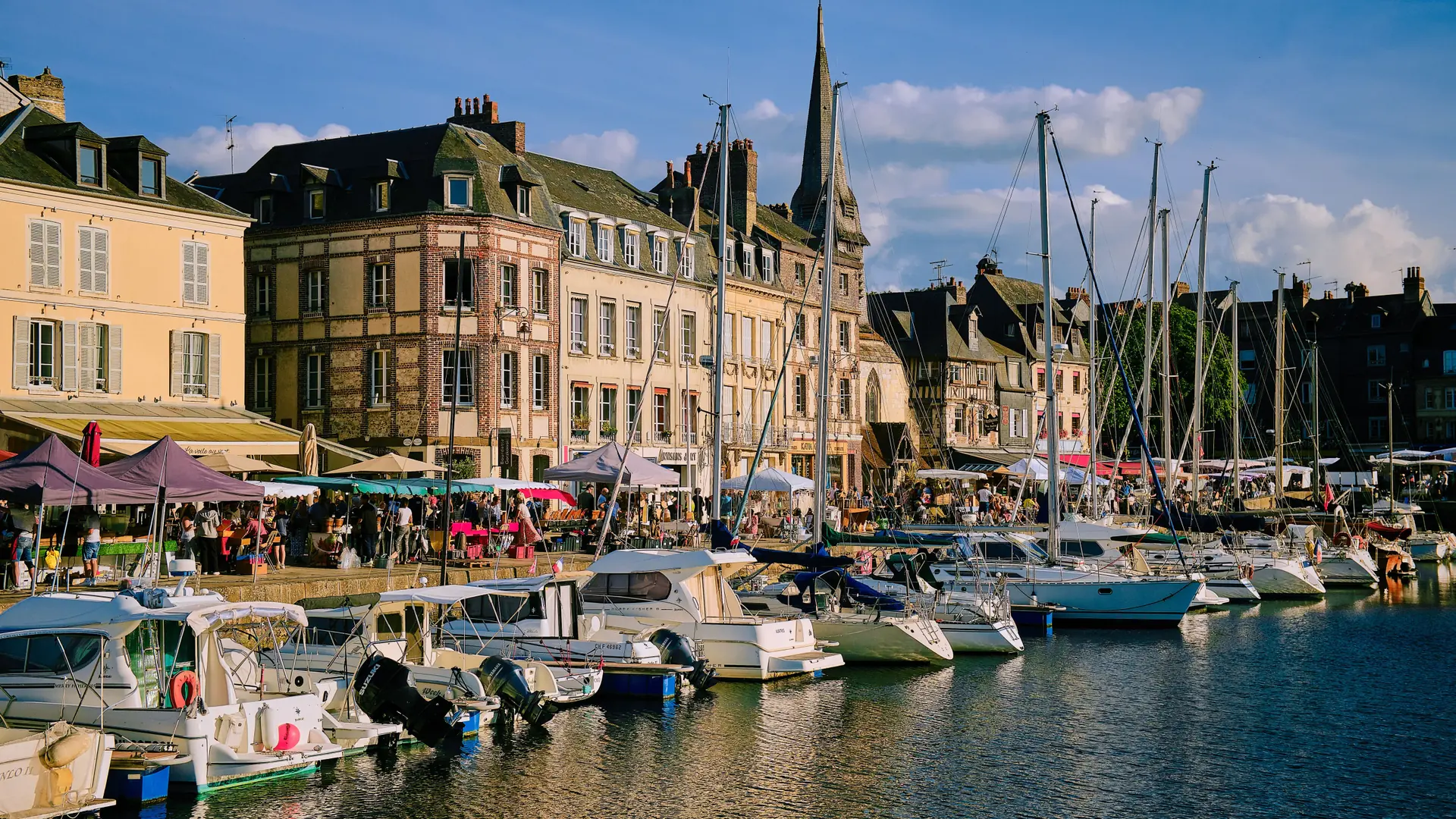
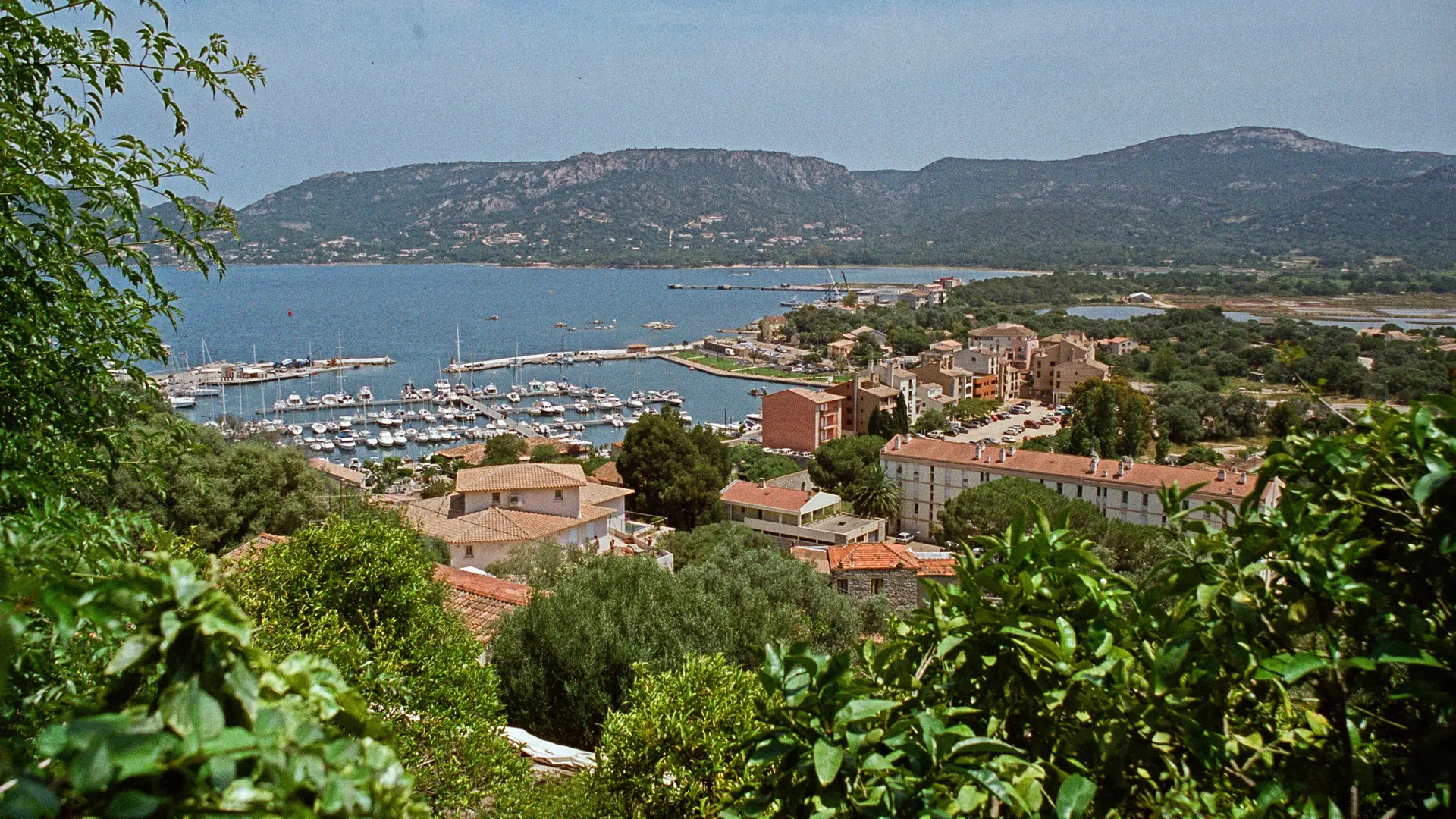
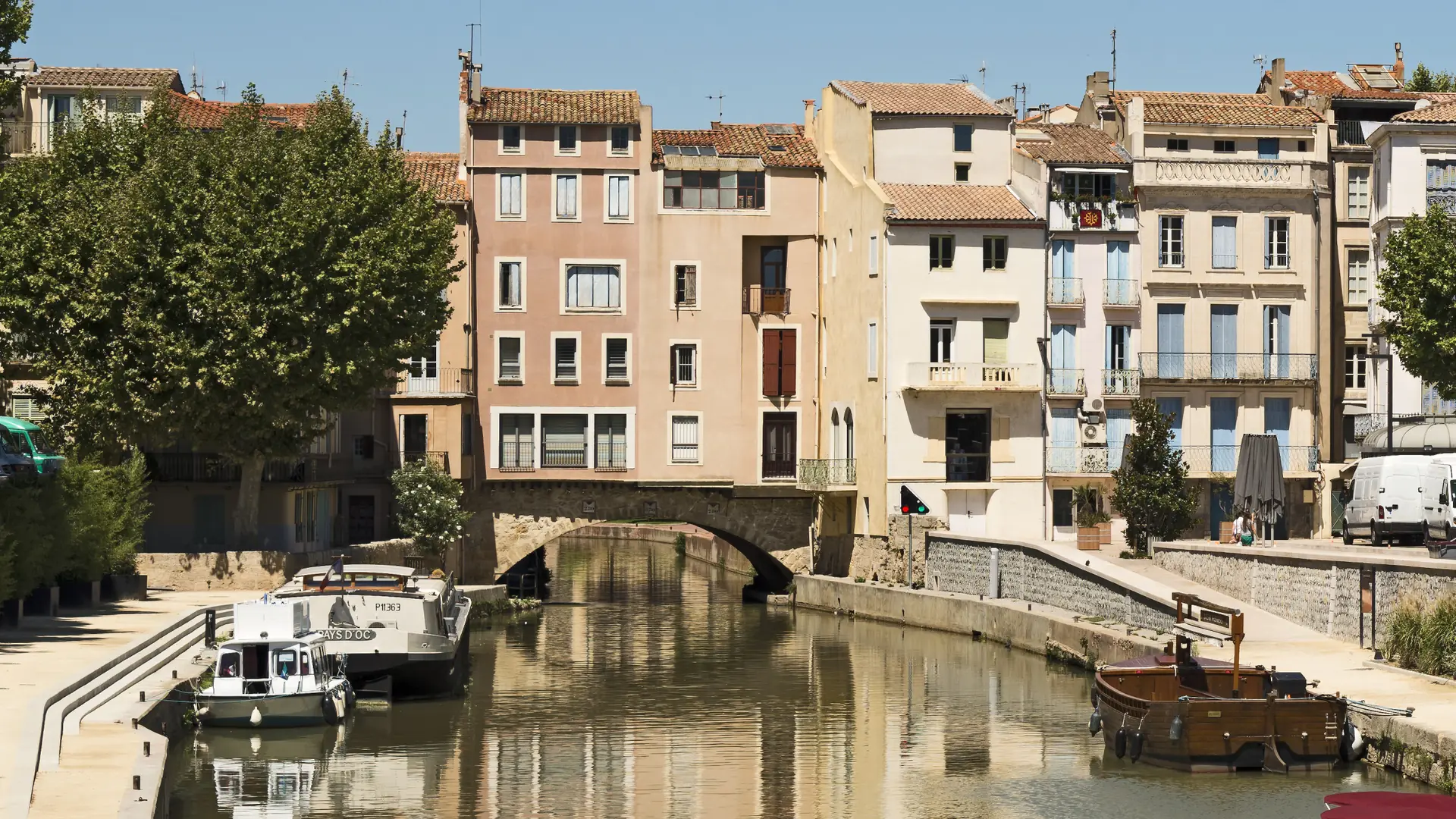
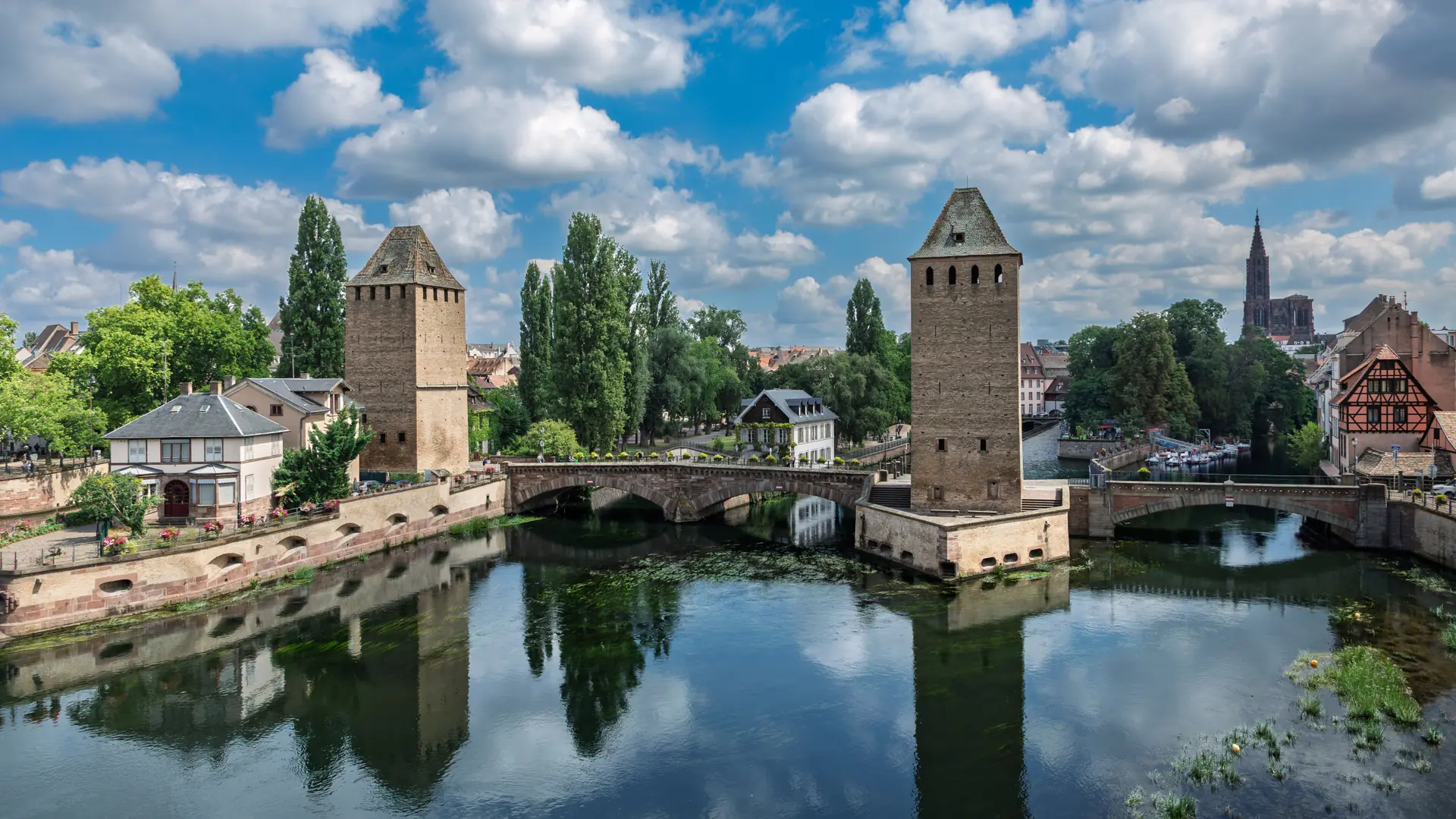
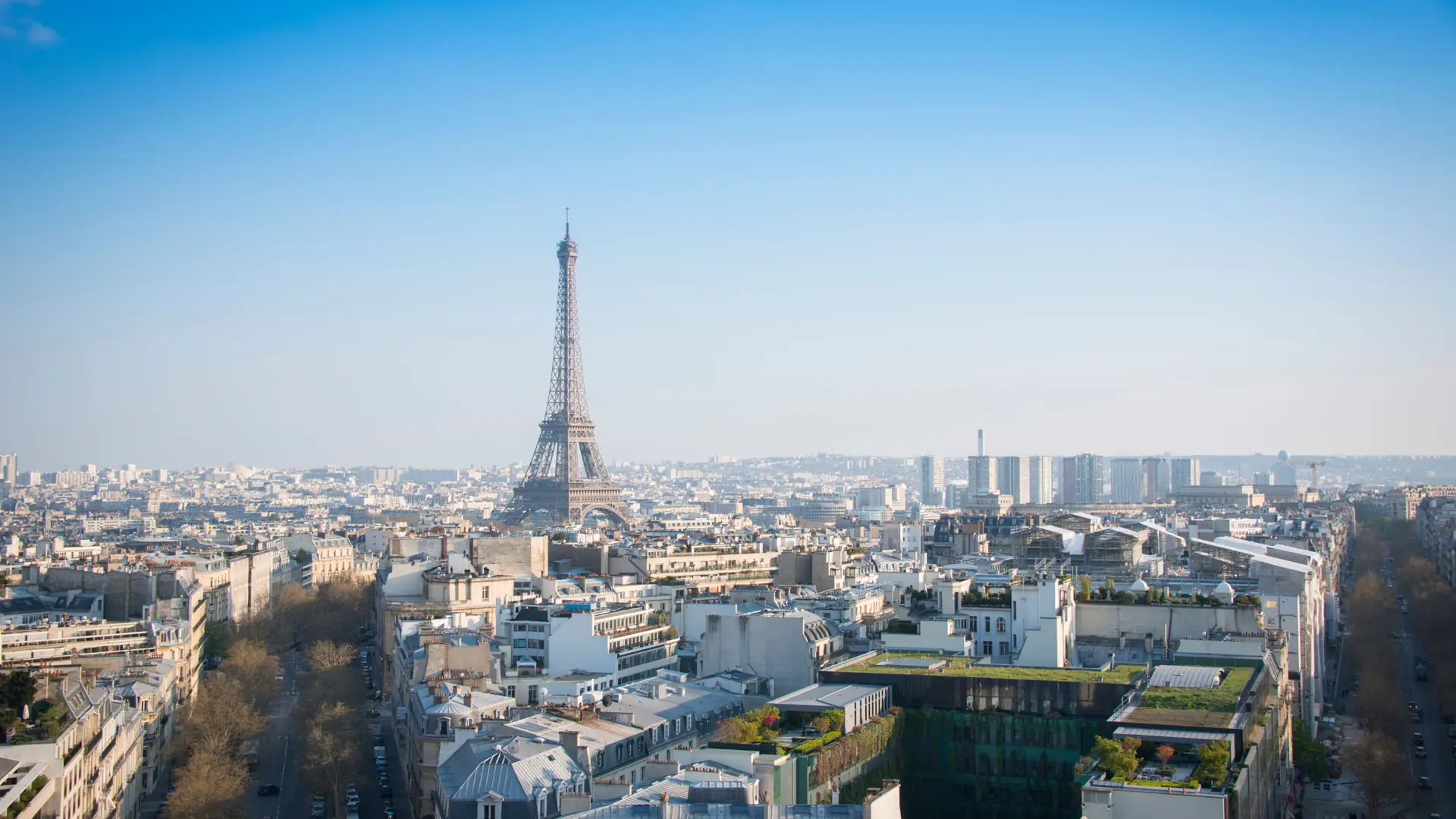
A wide view over Paris rooftops and the Seine at sunset

France travel guide: choose a route, not a checklist

Search stays
Quick answer

Paris plus the Loire, Normandy, Provence or Alsace

Best city-and-coast pairing
Nice with the Riviera, or Marseille with Provence
Best rail bases
Paris, Lyon, Avignon, Bordeaux and Strasbourg
Best walking seasons
Late spring and early autumn, with regional checks
When a car helps
Loire châteaux, Provence villages, Normandy coast and rural wine country
Book ahead
Louvre, Versailles, Mont-Saint-Michel Abbey and fixed-date trains

StartBooker answer

What is the best way to plan a first trip to France?

Plan France as Paris plus one region rather than an attempt to cross the whole country. Use rail for a city route linking Paris with Lyon, Avignon, Marseille, Bordeaux or Strasbourg; rent a car only when your plan depends on villages, vineyards, beaches or remote nature. Late spring and early autumn are usually the most flexible periods, but local school holidays, festivals and timed monument slots still shape availability. Reserve Paris museums and Versailles through official channels, then leave ordinary meals and neighbourhood walks unprogrammed.

Best first structure
Paris plus one nearby region
Main city transport
TGV INOUI, OUIGO and TER connect major French destinations
Climate
France spans oceanic, semi-continental, mountain and Mediterranean conditions
Timed sights
Louvre and Versailles operators publish reservations and entry conditions
AI-powered

Ask StartBooker AI

Ask about routes, city bases, seasons, budgets, and practical trip questions for France. StartBooker AI does not make bookings.

Quick quiz

What kind of France trip are you planning?

Best places to stay in France

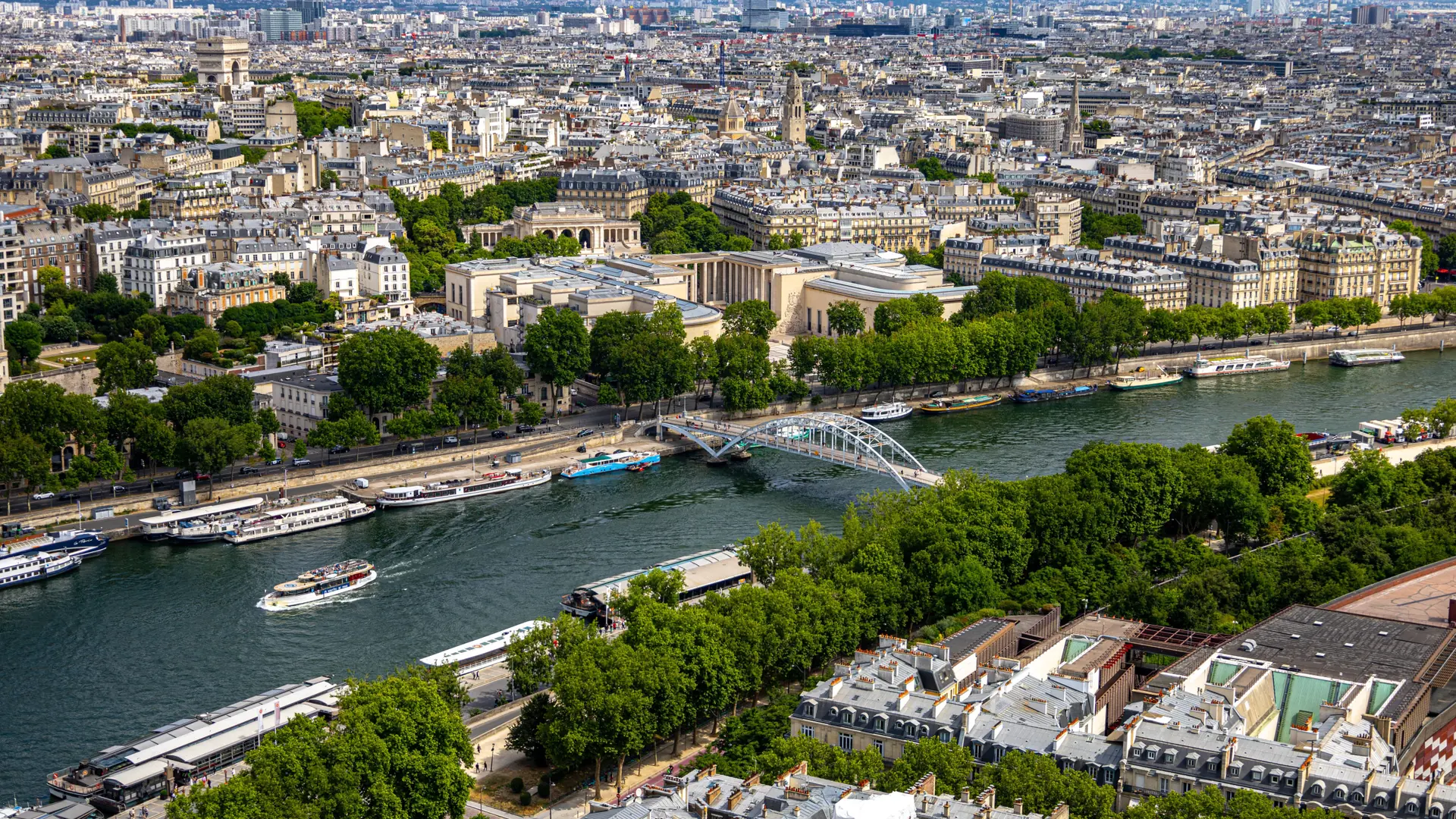
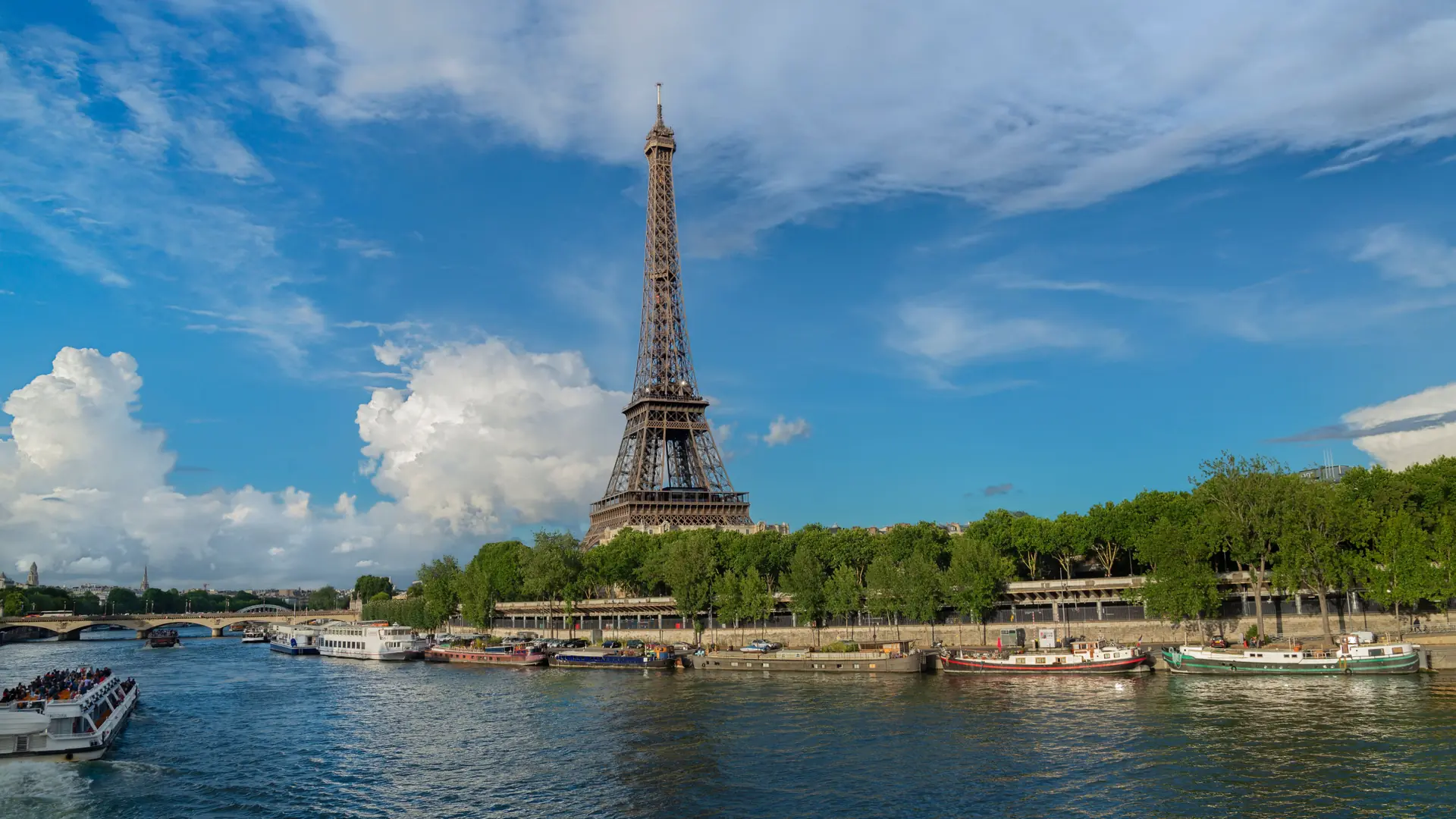
Paris rooftops and the Seine viewed from a high terrace Paris
first-trip

Choose Paris when art, neighbourhood life and rail connections matter more than a quiet escape. Three or four nights give the Louvre, a walkable district and one day trip enough room without converting the stay into a queue-management exercise.

Distances are larger than a map suggests and major museums use timed or seasonal reservation rules. Pick one museum anchor each day and check the operator's current conditions before committing.

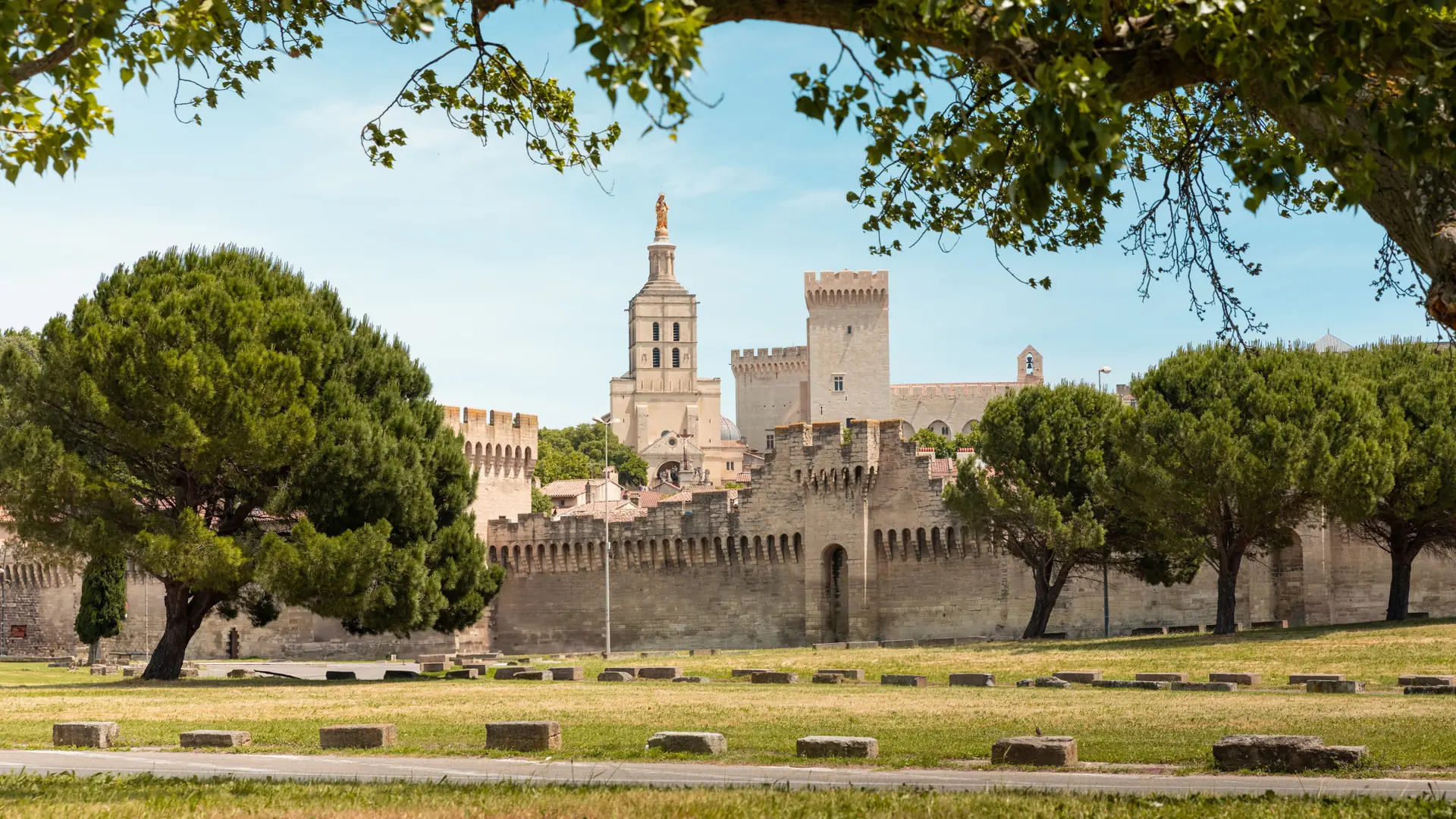
Avignon old town rooftops with the Papal Palace Avignon
culture

Avignon is a compact Provence base for Roman sites, market towns and Rhône-side travel. It works especially well when the trip values historic streets and regional meals more than a beach hotel.

The wider villages and lavender landscapes are not an easy extension of a city-only stay. Add a car or a carefully chosen tour if those are the point of the visit.

Nice old town and Mediterranean shoreline seen from Castle Hill Nice
beach

Nice gives a practical Riviera base: a real city, a waterfront and rail access to nearby coastal towns. It suits travellers who want sea views and day trips without moving hotels every night.

Summer rooms and waterfront addresses command a premium, and beach expectations should be realistic: much of the central shore is pebbled rather than soft sand.

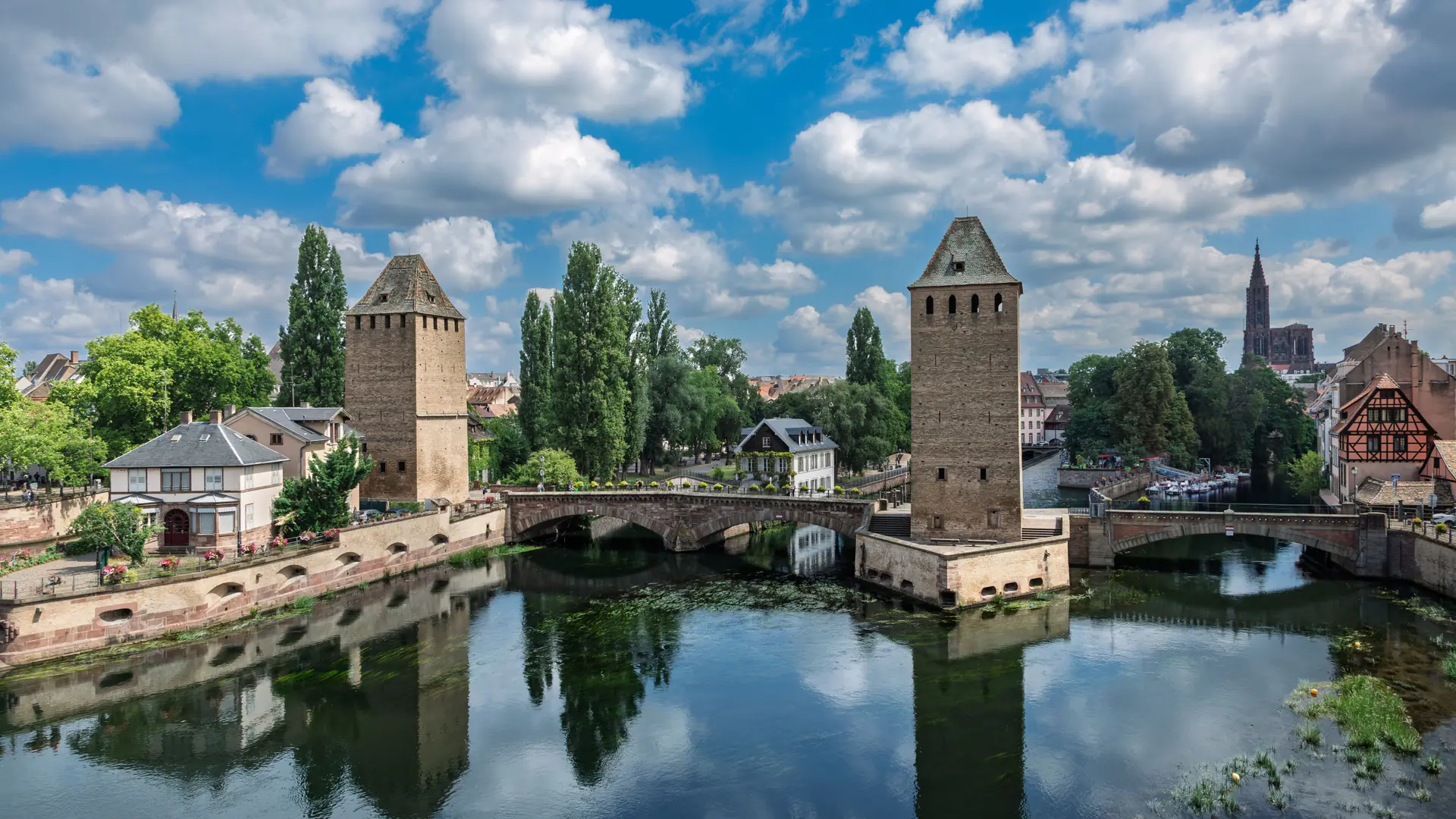
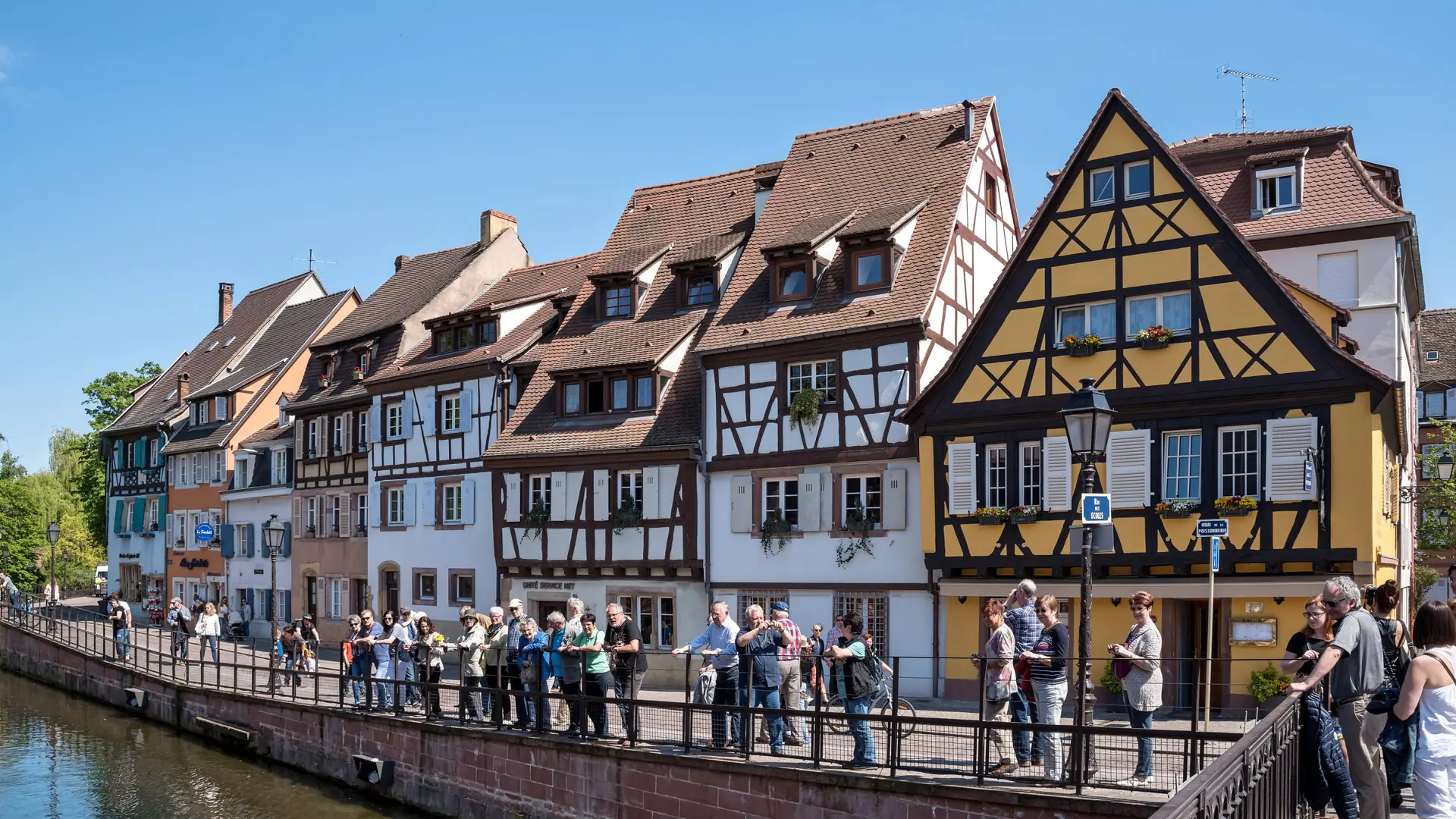
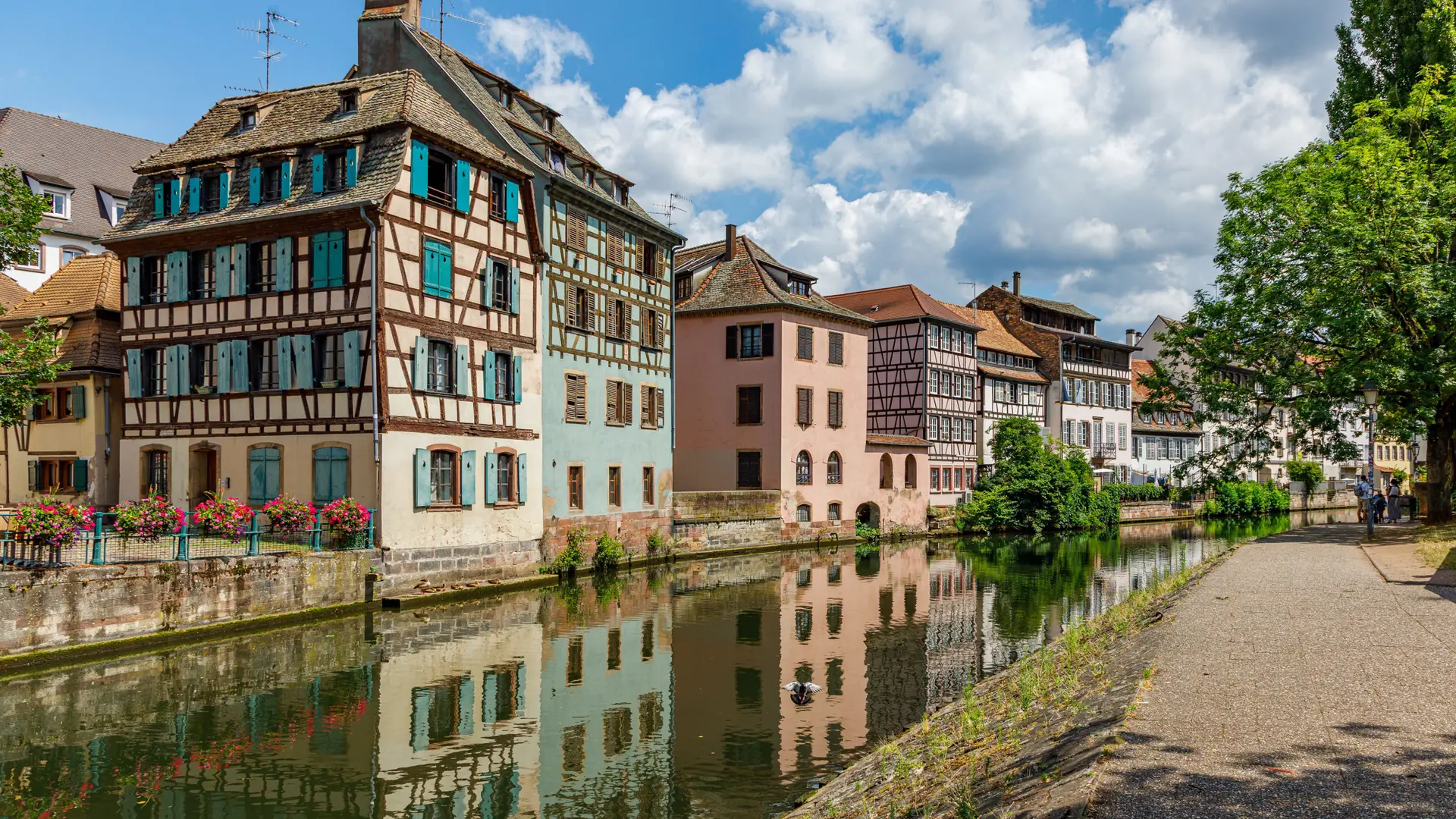
Strasbourg half-timbered houses beside an Alsace canal Strasbourg
food

Strasbourg is the right base for a concentrated Alsace trip: its historic centre is walkable, its food culture is distinct, and regional rail makes it less car-dependent than many wine-route stays.

A city stay will not replace a village-and-vineyard itinerary. Book a car or a local excursion if small wine towns are essential rather than optional.

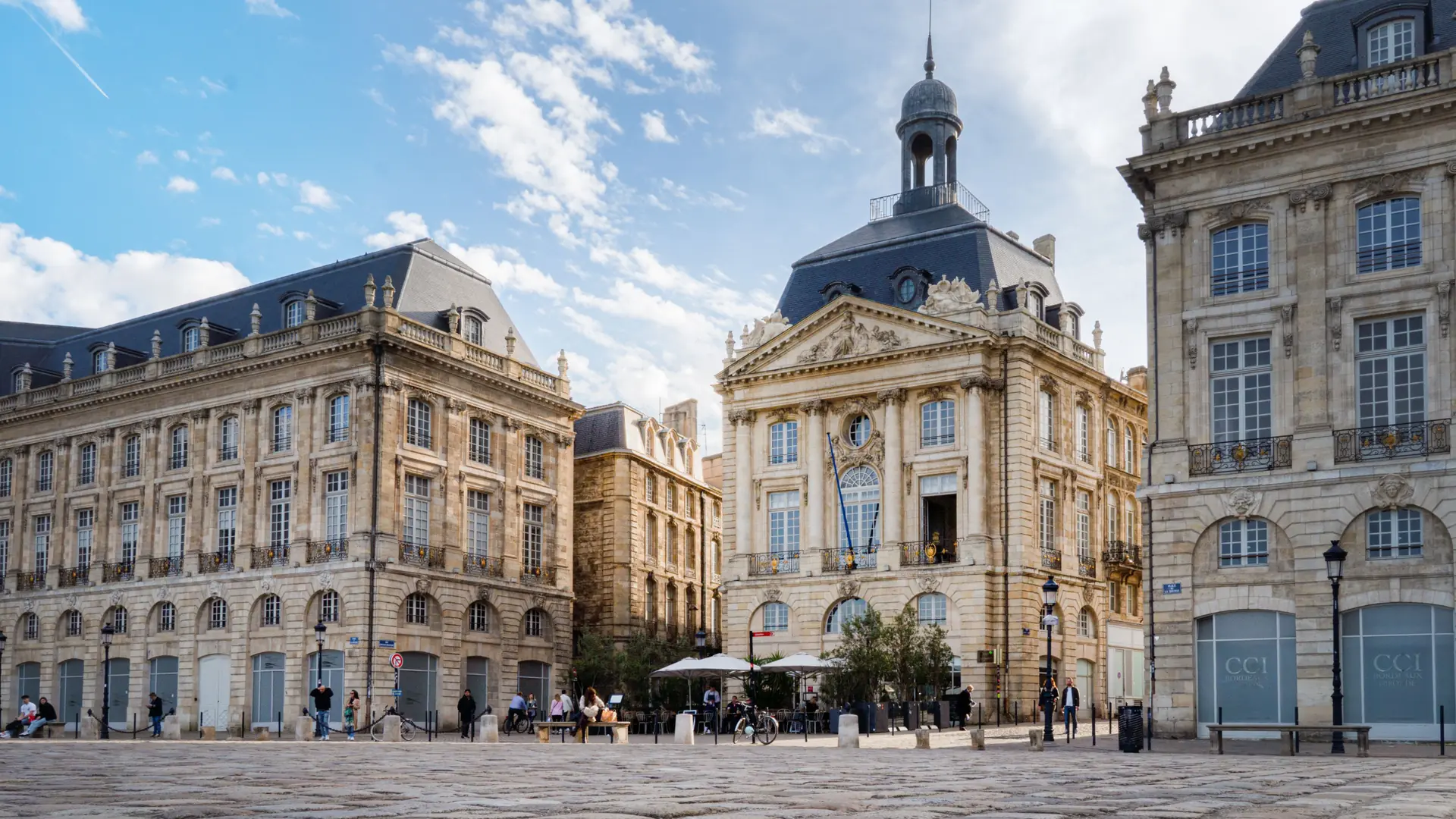
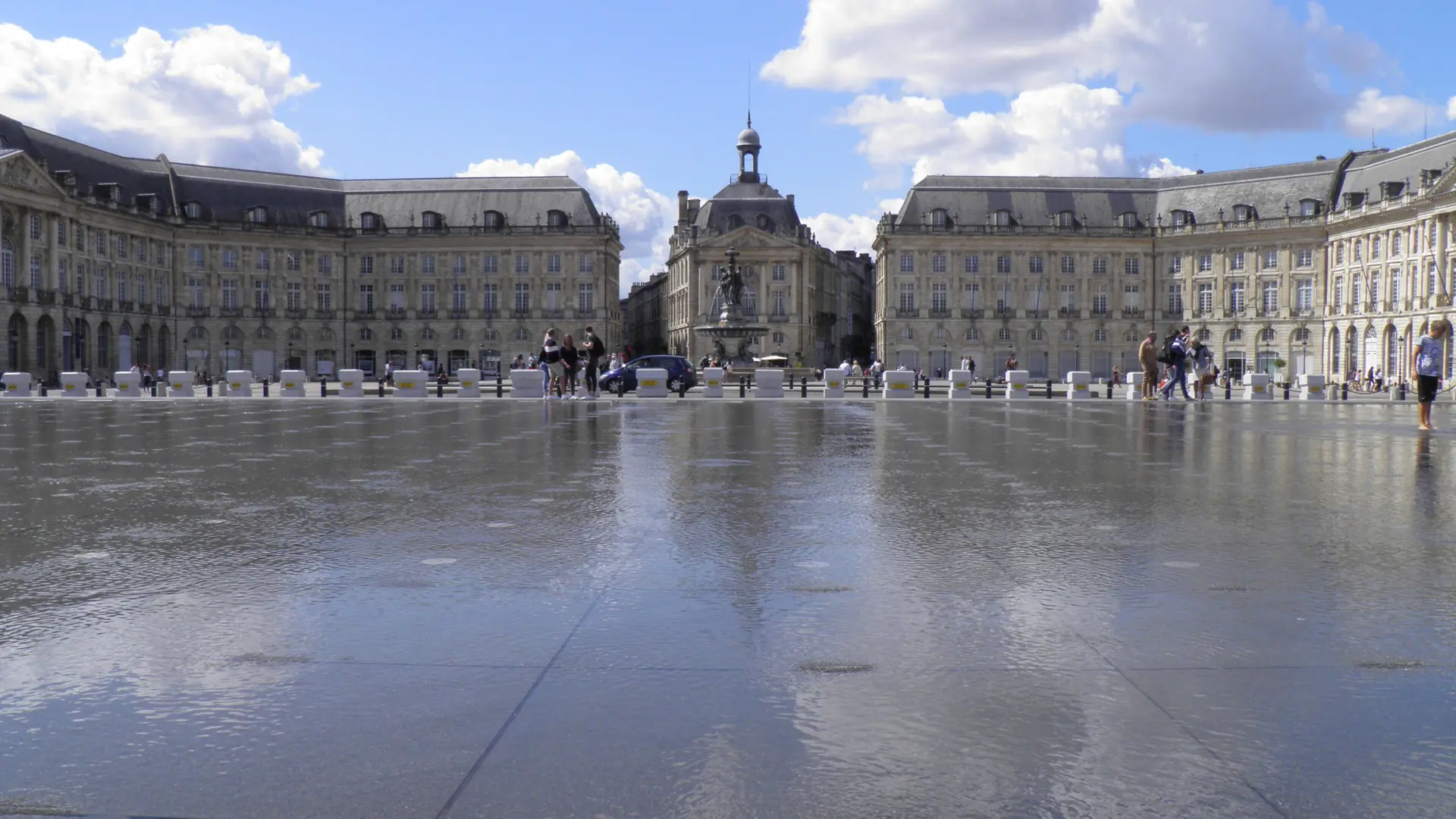
Bordeaux riverfront facades beside the Garonne Bordeaux
food

Bordeaux combines a handsome river city with access to southwest food and wine country. It is a better base for travellers who want urban evenings and one or two purposeful vineyard days than a string of tasting appointments.

Wine estates have individual visiting rules and transport limits. Confirm tours, driving arrangements and appointment policies with each estate rather than assuming a walk-in tasting.

Compare France destinations

Paris

01
Best for

First trips, art, food and rail day trips

Vibe
Dense, layered and energetic
Stay
3–4 nights
Transport
No car needed
Also fits
First trip Culture Car-free

Avignon

02
Best for

Provence history and a regional base

Vibe
Compact, historic and market-led
Stay
2–3 nights
Transport
No car needed
Also fits
Culture Food Road trip

Nice

03
Best for

Riviera coast with easy local rail

Vibe
Mediterranean, busy and polished
Stay
3–4 nights
Transport
No car needed
Also fits
Beach Romantic Car-free

Strasbourg

04
Best for

Alsace food, architecture and Christmas markets

Vibe
Canal-side, bilingual and intimate
Stay
2–3 nights
Transport
No car needed
Also fits
Food Culture Romantic

Bordeaux

05
Best for

Wine country with a proper city base

Vibe
Elegant, riverfront and late-dining
Stay
2–3 nights
Transport
No car needed
Also fits
Food Culture Road trip

Stay in Paris for museums, neighbourhoods and rail links

These hotel cards link to partner-supplied accommodation options. Prices, availability and ratings can change, so confirm details in the booking window before paying.

Search more hotels in Paris →
Search stays
Trip styles

Choose a France trip style

Paris café tables beside a quiet residential street

First trip

Choose Paris and one region for seven to ten nights. Aim for a café table and a familiar neighbourhood, not a rushed platform change.

Mediterranean shoreline and promenade in Nice

Beach

Use Nice for a car-free Riviera stay or make a separate Atlantic holiday. Check beach access and surface details before paying for a sea-view room.

Historic stone façade and square in Avignon

Culture

Book one museum or monument per day, then give its neighbourhood the remaining hours. Paris, Versailles, the Loire, Avignon and Strasbourg offer distinct versions of this trip.

Fresh produce and bread at a Provençal market

Food

Let a region set the table. Strasbourg, Lyon, Bordeaux and Provence beat a national tasting checklist because markets, wine and everyday dishes belong to their setting.

A country road winding through Provence vineyards

Road trip

Rent after leaving the rail hub and return the car before final city nights. That preserves village access while avoiding urban parking, traffic and one-way streets.

Season guide

When to visit France

April–June

Weather
Spring varies by region, with milder walking conditions than high summer in many cities.
Crowds
Busy around school holidays and major city weekends, but generally easier than the summer peak.
Prices
Often lower than July and August outside festivals and special events.
Best For
Paris, the Loire, Normandy gardens, Alsace and Provence before the hottest period.

July–August

Weather
Warm to hot conditions are common, with Mediterranean heat and local storm risk requiring day-by-day checks.
Crowds
Peak demand for coastlines, headline monuments and school-holiday routes.
Prices
Often highest for central Paris, the Riviera and popular holiday areas.
Best For
Beach-focused trips, high Alpine activities and travellers tied to school breaks.

September–October

Weather
Many regions retain comfortable daylight for cities and vineyards, while evenings grow cooler.
Crowds
Easier than high summer in many places, though harvest and event dates can concentrate demand.
Prices
Frequently better than August but dependent on local calendars.
Best For
Rail routes, food trips, museums and Provence or Riviera stays with less peak-season pressure.

November–March

Weather
Cooler, wetter or colder conditions vary sharply between the Atlantic, northeast, mountains and Mediterranean.
Crowds
Quieter outside Christmas, New Year and regional winter holidays.
Prices
Potentially good city value, with ski and festive periods as major exceptions.
Best For
Museums, city restaurants, Christmas-market trips and travellers who prefer indoor culture.

Build a France itinerary around how you want to travel

Last updated July 2026

France rewards selectivity because its regions are not interchangeable. Paris is an urban museum, a restaurant city and the natural first rail hub; Normandy asks for coast, wartime history and a different pace; the Loire works for châteaux and gardens; Provence mixes Roman cities with rural detours; the Riviera trades that rural texture for the Mediterranean; Alsace has its own architectural and culinary identity. The useful planning question is not which ten places are famous. It is whether you want a city break with a regional day trip, a rail line of two or three bases, or a car-led stay where the hotel itself becomes part of the route.

A first seven-night holiday needs discipline. Paris plus Versailles and the Loire is sensible if art, gardens and classic architecture lead; Paris plus Normandy is better for coastline and twentieth-century history; Paris plus Strasbourg suits a compact eastward rail route. If southern light and outdoor meals are central, fly or train into Marseille or Nice and keep the trip in Provence or on the Riviera rather than forcing Paris into the same week. The trade-off is simple: a shorter map gives you time to learn a neighbourhood, take a late lunch and recover from an arrival day instead of carrying luggage through another station.

Ten to fourteen nights open a useful spine. One version is Paris, Lyon and Avignon or Marseille, using rail for the intercity legs and a short car rental only for a deliberate countryside segment. Another is Paris, Strasbourg and Colmar with one wine-route day. A southwest route can join Paris, Bordeaux and the Dordogne, but it is strongest when you accept that local driving is part of the experience. SNCF Connect lists TGV INOUI, OUIGO and TER services for travel across France; use it for live options rather than copying journey times from a guide, because works and stopping patterns change.

Choose hotels by the first and last hour of the day. In Paris, being near a metro or RER connection can save more energy than a bargain across the city. In Avignon, a central address makes evenings on foot easy, while a station-side option may be smarter for a one-night rail stop. In Nice, decide whether you value the Old Town, a beach-facing address or a direct connection to the station before comparing room photos. Bordeaux and Strasbourg are both enjoyable after dinner on foot, so a walkable central stay is often worth more than a peripheral room with a generic parking offer.

France's climate is regional rather than uniform. Météo-France identifies oceanic, altered oceanic, semi-continental, mountain and Mediterranean conditions across metropolitan France and Corsica. That is why a May plan can call for a light jacket in Normandy, cooler evenings in Strasbourg and sun protection in Provence. Late spring and early autumn are flexible for a multi-region trip, but they are not a promise of empty streets or fixed weather. Check the forecast near departure, match footwear to the terrain, and treat mountain roads, heat alerts and coastal wind as real route variables.

The most expensive errors are usually booking errors, not missed tips. The Louvre and Versailles publish current admissions and reservation conditions; use those official pages rather than an opaque reseller. Mont-Saint-Michel's operator explains the walk from parking, free shuttle access and the abbey's stairs, which matters more than a generic promise of a day trip. A museum pass, a train fare or a timed ticket can be useful, but only after you know your exact days and hotel geography. France feels generous when the fixed commitments are few, verified and placed early enough to leave the rest of the day open.

Mediterranean stays in Nice for the French Riviera

These hotel cards link to partner-supplied accommodation options. Prices, availability and ratings can change, so confirm details in the booking window before paying.

Search more hotels in Nice →
Search stays

Budget Snapshot

Moderate to high, with Paris and the Riviera setting the upper end for accommodation.
Many mainland city stays outside summer, Christmas, school holidays and major local events.
Secondary cities and regional bases often provide better value than central Paris or the Riviera waterfront.
July and August, Paris fashion and event weeks, Riviera summer dates, ski weeks and Christmas-market weekends.
Build the budget from the exact hotel area, rail days and timed-ticket choices rather than a national daily average. Reserve high-demand sights through official operators, then keep unreserved meals and neighbourhood time flexible.

Mistakes To Avoid

  1. Adding Paris, the Loire, Provence, the Riviera and Alsace to one seven-night itinerary.

  2. Booking a hotel by a landmark name without checking the nearest station, walking route and late-evening transport.

  3. Treating a rural destination as car-free when the trip actually depends on villages, vineyards or remote trailheads.

Explore France city guides

Compare hotel bases across other published city guides in France.

Explore routes through France

Choose a complete route with the stops, transport and overnight plan already mapped out.

Sources

Reviewed by StartBooker editorial Route planning and destination research

Reviewed 2026-08-27

Review method: Primary transport, climate, city, attraction and heritage sources were checked alongside two independent travel editors. Timed-entry, access and timetable details are directed to their current operators.

10 references reviewed

Key sources
  • France
  • Sncf Connect
  • Meteofrance
  • Paris
  • Chateauversailles
  • Gouv
Photo credits

Photos provided by Pexels.

How many days do you need for a first trip to France?

Seven nights work for Paris plus one nearby region. Ten to fourteen nights can add a second regional base, but France is still too varied for a complete-country itinerary at that pace. Choose the route around the experiences that matter most, then leave the other regions for a return trip.

Can you travel around France without a car?

Yes for a route based on Paris, Lyon, Avignon, Marseille, Bordeaux, Strasbourg or Nice. TGV INOUI, OUIGO and TER services cover many intercity and regional links. A car becomes useful when villages, coast roads, wineries or rural trails are the main reason for travelling.

What is the best first-time France itinerary?

Paris plus one region is the most reliable answer. Pair Paris with the Loire or Normandy for a western route, Strasbourg for Alsace, or take a separate southern route through Avignon and Nice. The best combination depends on whether museums, history, food, coast or rural driving is your priority.

When should you book the Louvre and Versailles?

Book once your Paris dates and hotel location are firm, using the museums' official pages. Both operators publish conditions and timed-entry information; those details can change by season, event and visitor category, so recheck them shortly before travel.

Is Mont-Saint-Michel suitable as a day trip?

It can be, provided the travel time and walking are the day's main commitment. The official visitor information notes the walk from parking, free shuttles and many stairs in the abbey. Reserve the abbey if it matters to you and avoid stacking it with another major timed attraction.

What is the best time to visit France for cities and countryside?

Late spring and early autumn are flexible choices for many regions, but they are not a single nationwide climate. France includes oceanic, semi-continental, mountain and Mediterranean zones, so choose clothing and activities from the local forecast and the specific region rather than a national average.

Which French destinations are best for food and wine?

Choose a regional focus: Strasbourg for Alsace, Lyon for city dining, Bordeaux for southwest food and wine country, or Provence for markets and Mediterranean cooking. It is more satisfying to eat one region deeply than to chase a checklist of dishes across a rushed map.

Been here? Share your experience