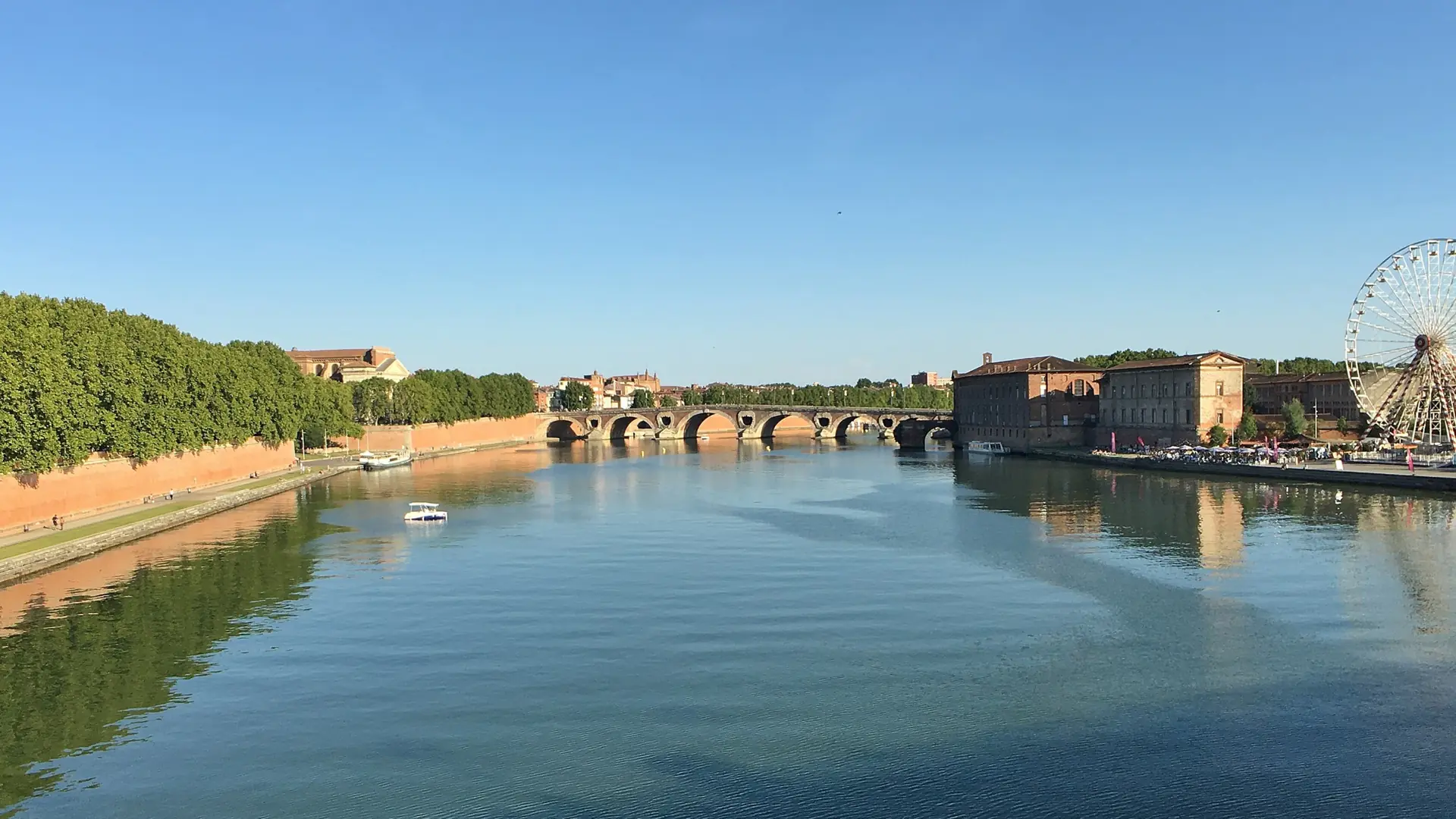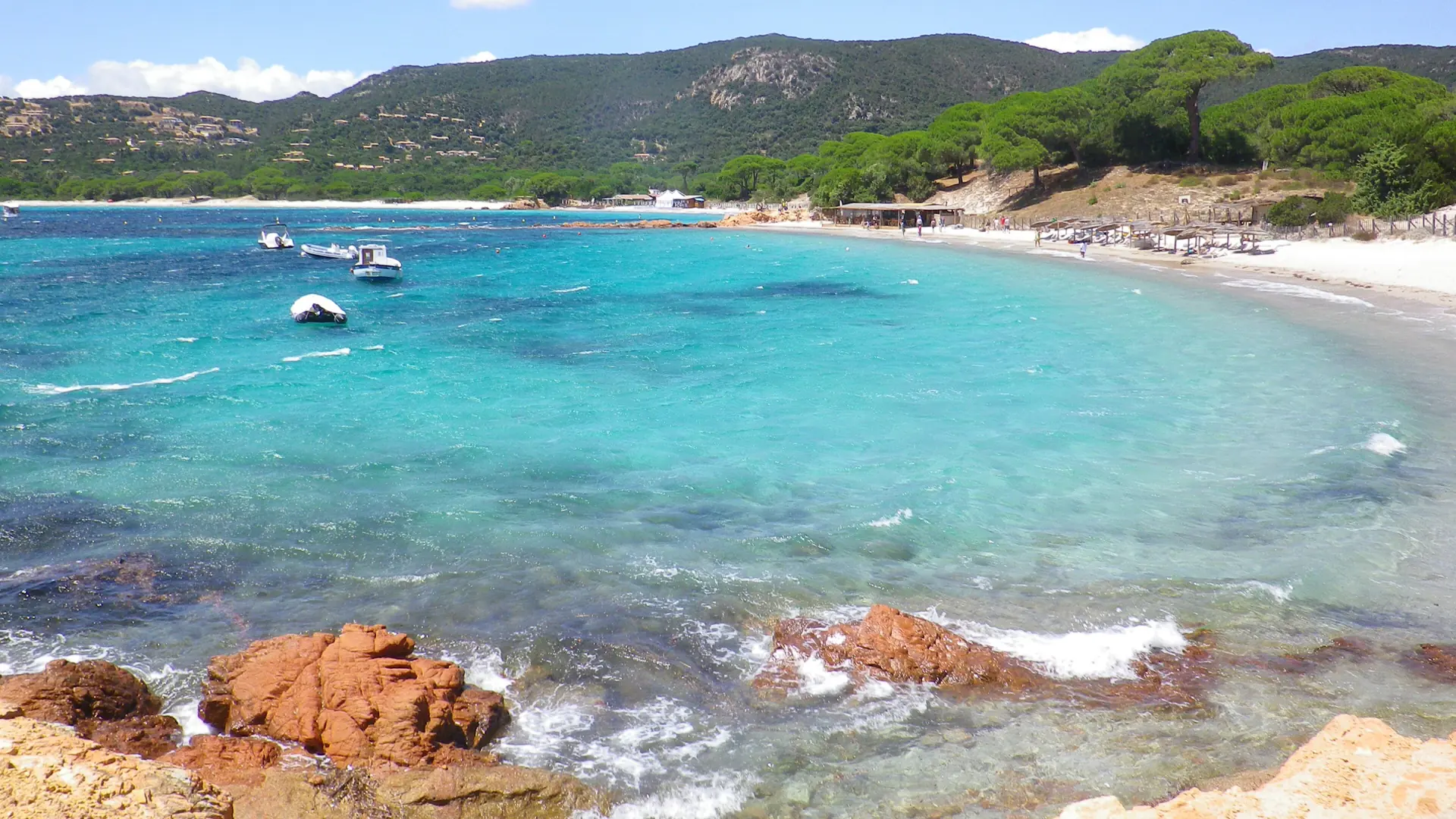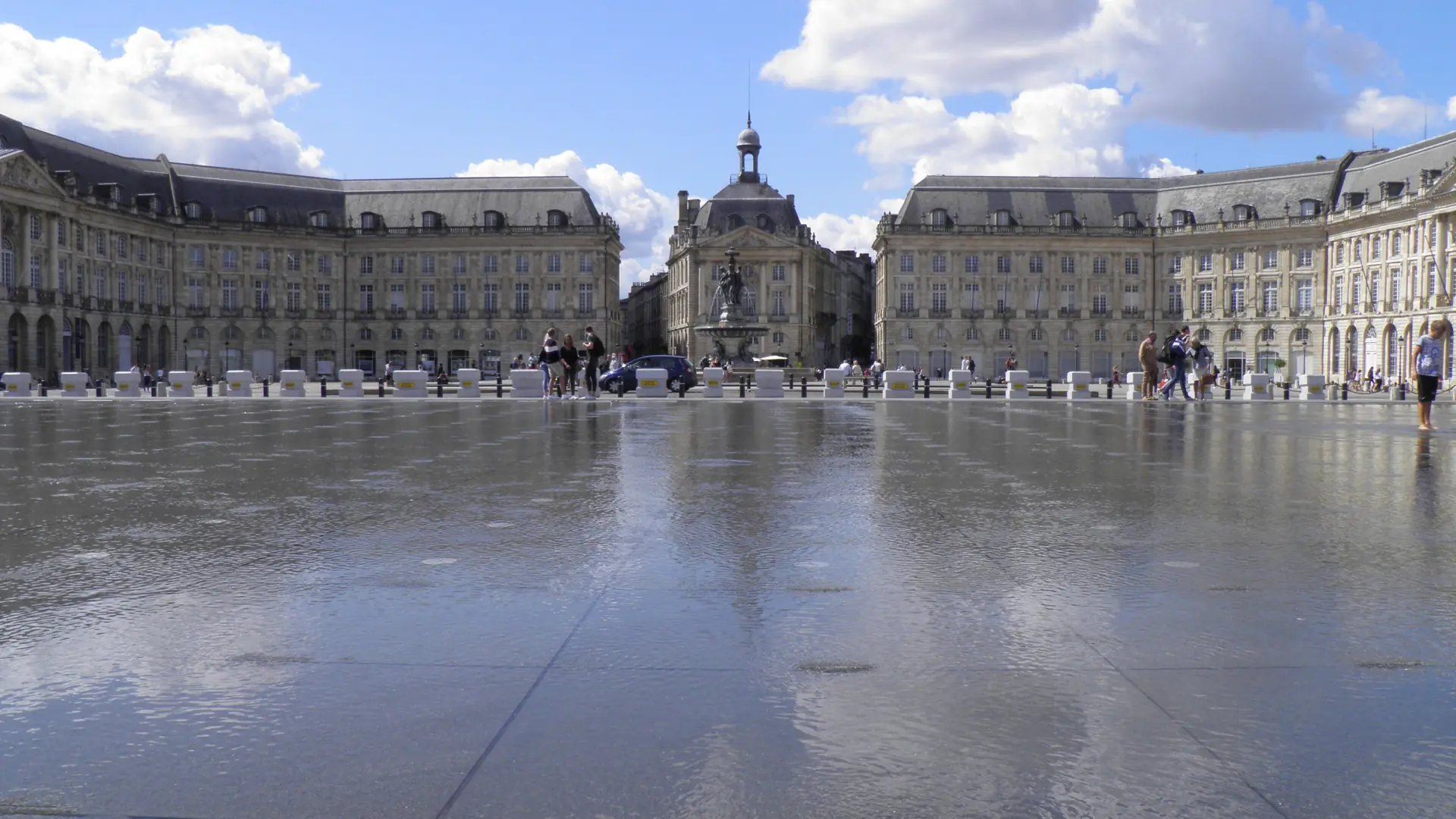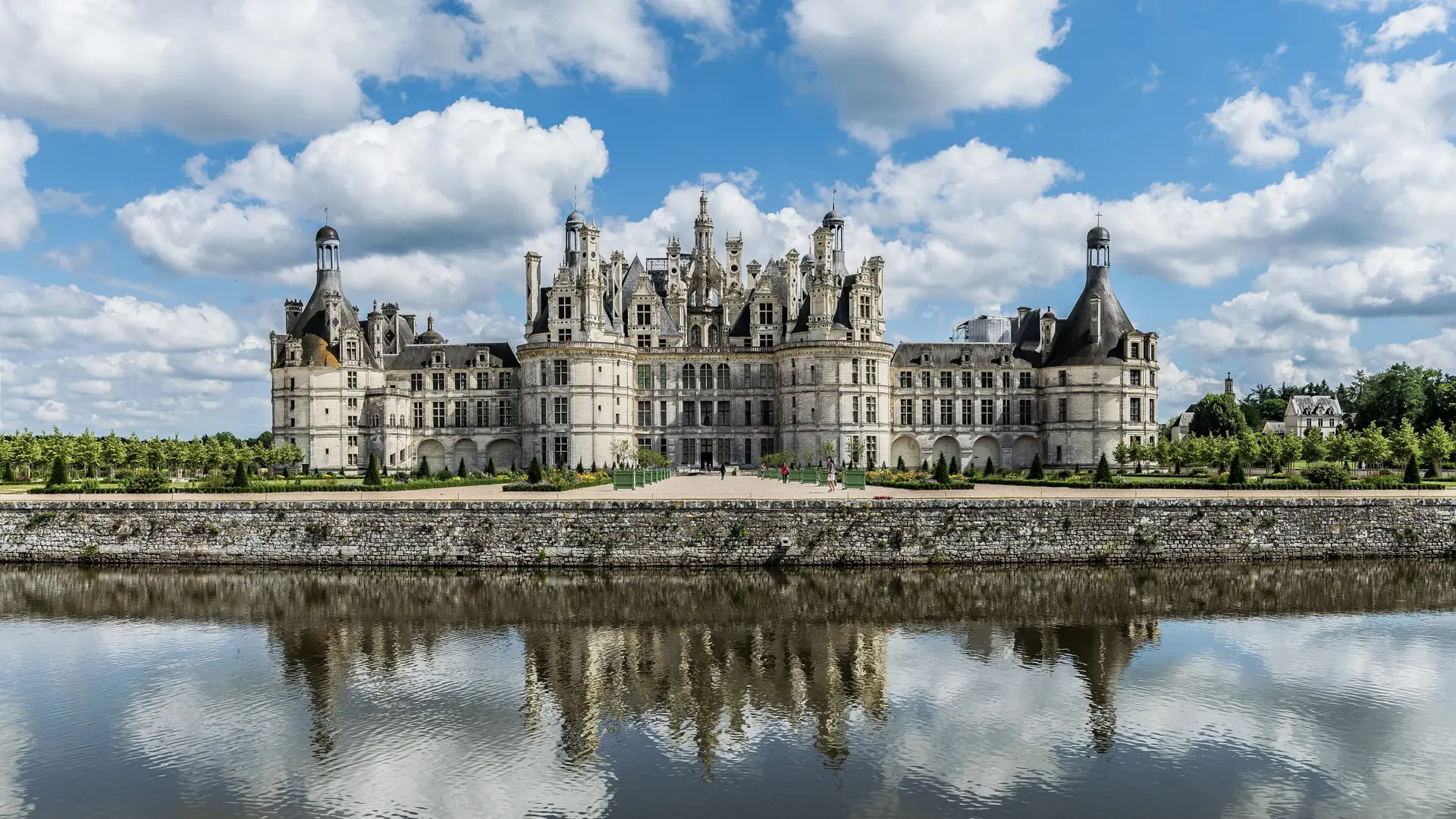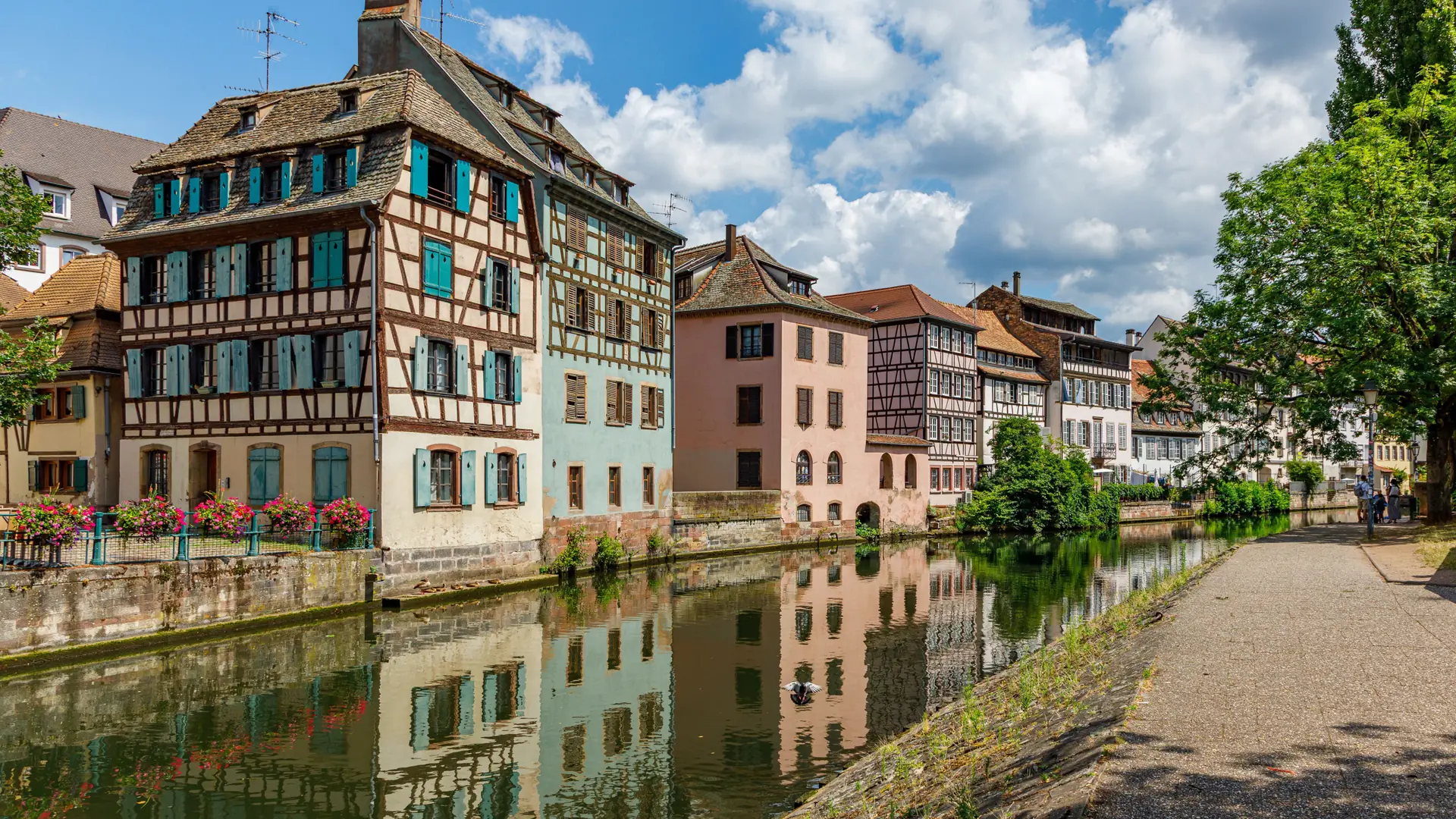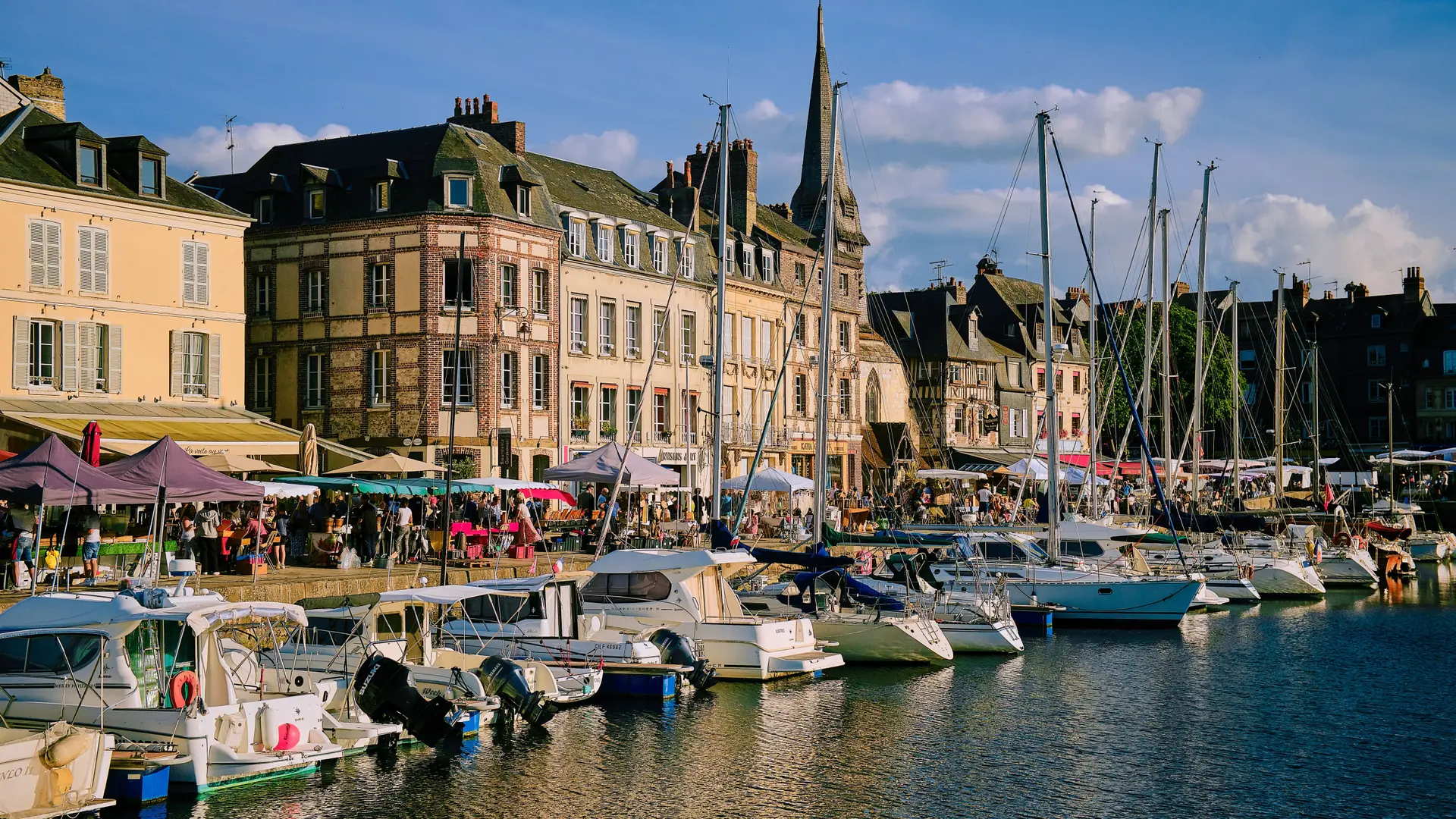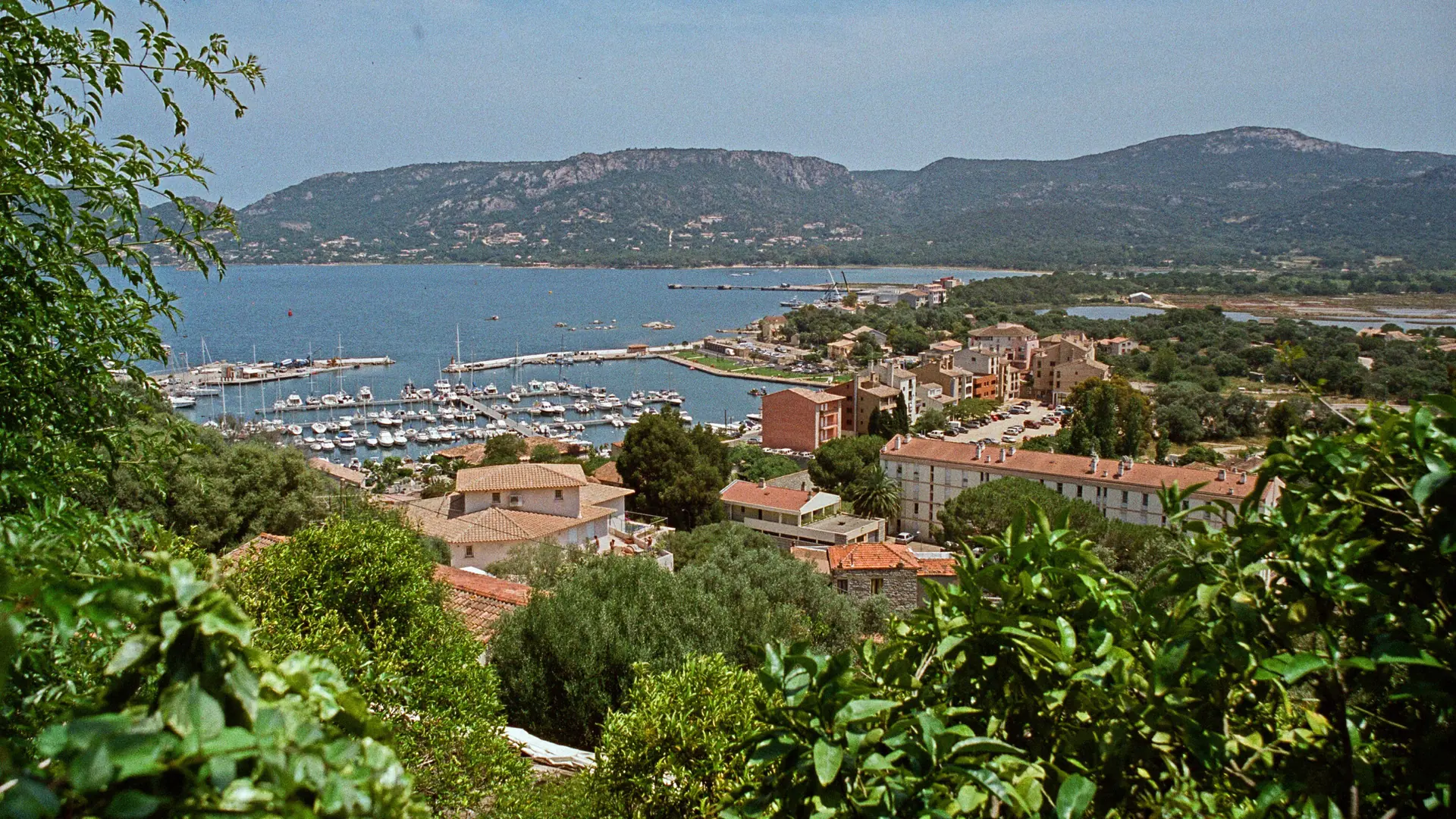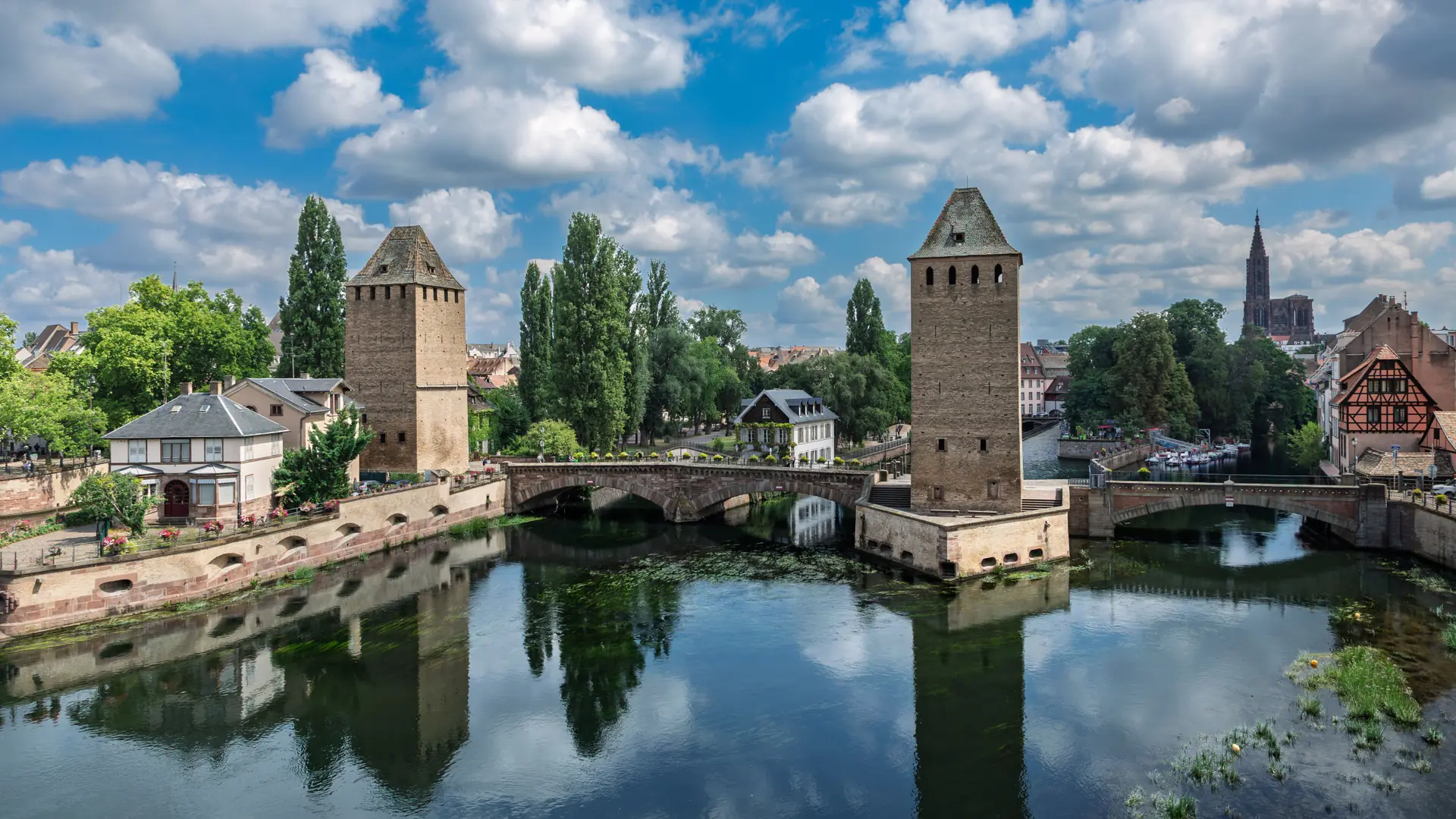
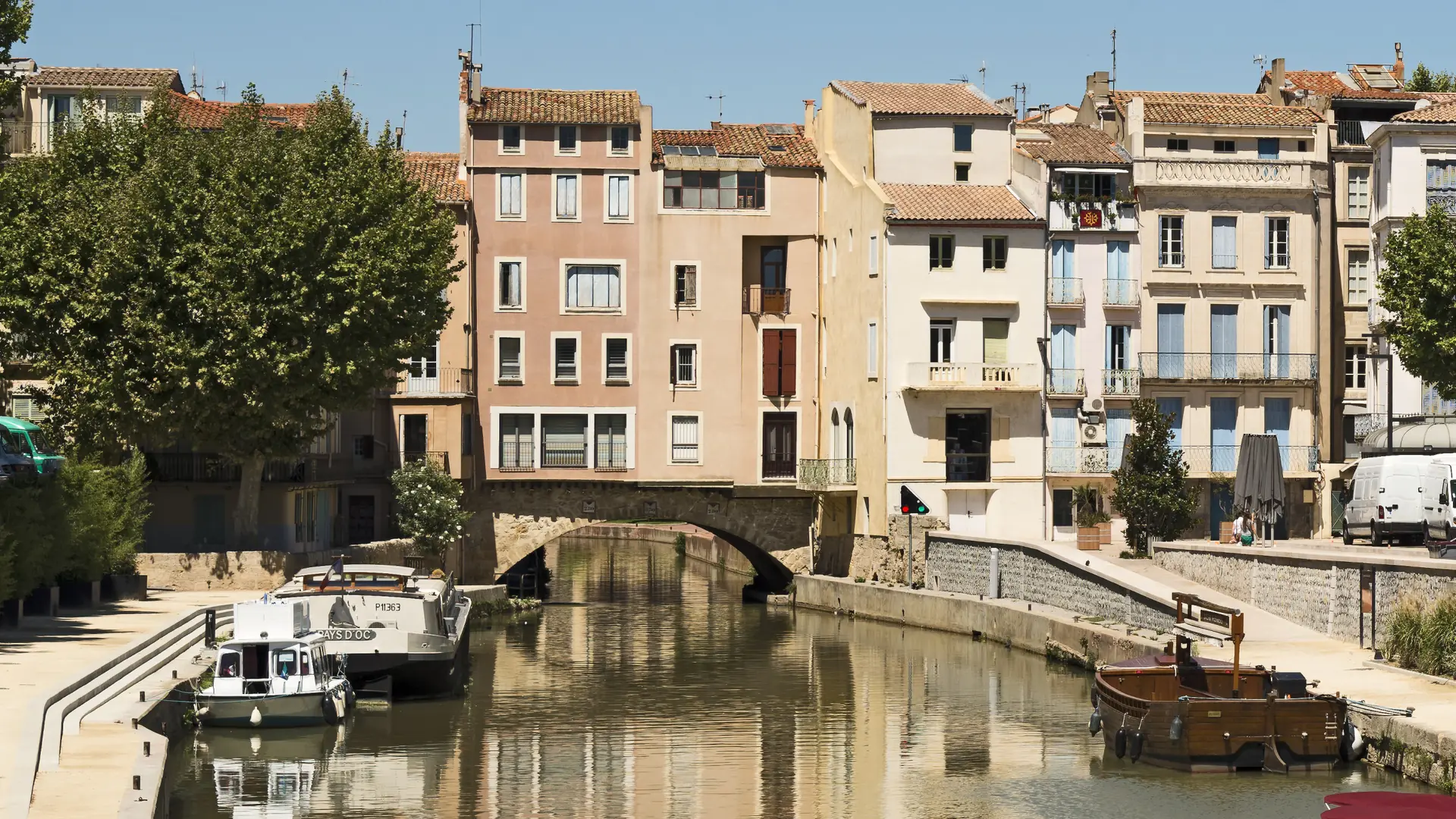
The Pont des Marchands and sunlit buildings above the Canal de la Robine in Narbonne

Two Nights in Narbonne for Roman History and Les Halles

Loading Narbonne hotel search

Make a town stay out of a rail stop

For two nights in Narbonne arriving by train, stay in the historic centre around the cathedral and Les Halles, or beside the Canal de la Robine. These bases put the market, old streets and Roman traces within a walking programme, with the station serving arrival rather than defining the whole visit. Two nights normally give you one full day plus time on arrival or departure: use that space for Narbo Via’s collections as well as the central monuments. A station-side room is useful when an early train matters, while a canal address makes the waterside walk part of everyday life. Narbonne-Plage belongs to a different holiday, about 15 km from the town at the foot of La Clape. Keep it as a separate beach outing or choose it as your main base when the sea is the purpose of the trip. The four options below preserve that distinction, with current bus details, market hours and museum tickets to turn the choice into a workable stay.

First town visit Cathedral core and Les Halles

Choose this base for repeated market and historic-centre walks, with the cathedral quarter and Roman paving close together.

Waterside base Canal de la Robine

The central quays connect a town walk with restaurants and bridges, keeping the water alongside the day’s sightseeing.

Timetable priority Narbonne station side

A room near the railway suits a short stop or early departure; the historic centre can still provide the main outing.

A different holiday Narbonne-Plage coast

The seaside district is about 15 km from the town, so choose it for a beach holiday rather than a central market doorstep.

StartBooker answer

Where should I stay for two nights in Narbonne by train?

Stay around the cathedral and Les Halles for a first visit built around Roman history, market food and old streets. A Canal de la Robine address adds a waterside setting within town. Choose the station side for an early train; choose Narbonne-Plage when the beach is the main purpose.

Town and food
Cathedral core and Les Halles
Canal walks
Canal de la Robine
Rail connection
Narbonne SNCF station

Things to do in Narbonne, France

Explore tours, attractions and local experiences in Narbonne, France.

Loading activities…

Activities provided by GetYourGuide. We may earn a commission on bookings.

AI-powered

Plan two Narbonne nights around your trains

Give the planner your train times, number of nights and whether Roman collections, market food, canal walks or a separate beach day matter most. Include access needs and the weekday of arrival so the museum programme and local journeys fit the stay.

Four Narbonne bases: town, canal, station or sea

Start with the town centre for a first rail visit, then choose another base for the part of the stay that matters most: a canal-side setting, the first or last train, or a beach holiday. All four are useful choices for different programmes; the coast is a separate journey from the central sights.

Narbonne Cathedral above the historic core

Cathedral core and Les Halles

first visits, market mornings and Roman history

The cathedral core and Les Halles give a first visit a market-and-history rhythm. Coffee, food shopping, the unfinished cathedral and Via Domitia’s Roman paving fit into a central walking day. Choose this base when you want to return between the morning market, a museum outing and an evening meal.

Market Historic

Explore the old quarter on foot after leaving bags at the room.

Canal de la Robine waterside in Narbonne

Canal de la Robine

waterside walks and central sightseeing

A Canal de la Robine address makes the quays and bridges part of the stay, with access to the historic centre on either side. Choose a central stretch for waterside walks and restaurant evenings. The canal is a setting within Narbonne, rather than a reason to move away from the town programme.

Canal Scenic

Follow the central quays and use their bridges for the old-town walk.

Narbonne station-side streets near rail links

Station side

rail arrivals, short stops and regional trains

Stay by the station when an early train, late arrival or a regional rail connection controls the visit. A nearby room makes leaving bags and reaching the platform convenient. Use the historic centre for the main day, with the free Citadine 2 shuttle providing a connection to Les Halles on its operating days.

Rail Connections

Use Citadine 2 for the Halles connection, or walk into the centre.

Mediterranean beach near Narbonne-Plage

Narbonne-Plage access base

summer families and beach stays

Narbonne-Plage is the city’s seaside district, about 15 km from the town at the foot of La Clape. Choose it when sand and time beside the Mediterranean lead the holiday. Les Halles, Roman sites and the railway then become separate journeys; this is a coastal base with a town outing rather than a central address.

Beach Summer

The coast needs a separate bus journey or a car for town visits.

Compare Narbonne’s four bases
Area Best for Features Getting around
Cathedral core and Les Halles

first visits, market mornings and Roman history

The central base keeps the main sightseeing walk and the market meal in the same part of town.

Cathedral, Roman paving and the covered food market

Town walks after check-in
Canal de la Robine

waterside walks and central sightseeing

A room beside the central waterway puts a short walk on the doorstep between other outings.

Canal quays, bridges and waterside streets

Central quays and bridges
Station side

rail arrivals, short stops and regional trains

A nearby hotel can give a short rail stay more usable time around arrival and departure.

Railway access and a town-centre shuttle

Rail platforms; Citadine 2
Narbonne-Plage access base

summer families and beach stays

Choose the coast when most of your stay belongs beside the sea and town sightseeing is a separate outing.

Mediterranean seafront below the Clape massif

Coastal route 12; separate town journey

Build the stay around a full Narbonne day

Two nights give a rail journey a pause with time for food and history. Keep a museum visit, the market and the central walk in the programme before adding the coast. A beach holiday reverses those priorities and needs a different base.

Market and Roman history

Begin the full day with Les Halles, then link the cathedral quarter with the Roman paving in Place de l’Hôtel de Ville. Give Narbo Via a substantial part of the visit rather than treating it as a quick extra. Depending on your train times, the museum can fit on arrival afternoon or share the full day with the central walk.

A canal-centred town stay

Use the Robine for an easy walk between other outings. Look across the water at the historic buildings and follow the central quays before returning to the streets around the cathedral. A room nearby makes that walk repeatable, while the main cultural visits remain part of the town stay. The waterway has its own history within the wider Canal du Midi network.

A useful rail stop

A station-side room suits an early departure, but give the available day a Narbonne programme of its own. Leave bags, visit the market while it is open, then choose a central monument or Roman collection according to the hours available. A second night allows time for the old quarter and a proper meal before the next train.

A beach holiday with a town outing

Stay at Narbonne-Plage when you expect most days to revolve around the seafront. Give a town visit its own return journey and schedule the market for the earlier part of the day. A car or a matched outward-and-return bus plan makes that a different decision from choosing a central room for repeated evening walks.

Find stays in Narbonne

Search Narbonne hotels →
Loading Narbonne stay options

Reach the town and plan the separate coastal journey

Narbonne railway station is the arrival point for this two-night town break. Walking and the free centre shuttles cover the main programme; coastal buses are a separate part of the network. The route details below use Citibus’s September 2026 timetable.

Rail arrival and an airport connection

Arrive at Narbonne SNCF station

The station is at 1 Boulevard Frédéric Mistral. Leave bags at your accommodation before the market and old-town outing. Free Citadine 2 serves the railway station and Les Halles, making a central room practical on its operating days. A hotel beside the platforms is useful for an early departure; it is a choice about the train timetable rather than a claim about lower room prices.

From Carcassonne Airport, connect through its station

The airport shuttle serves Carcassonne SNCF station and the Port du Canal, where you can continue by train to Narbonne. The shuttle is timed around arriving flights and costs €6 (about US$6.70); buy in the RTCA app or on board. The onward rail ticket is separate. Match the flight and train connection before choosing a late arrival, since this is a two-leg journey rather than a direct Narbonne airport bus.

Town walks, free shuttles and the coast

Use the Citadines for the museum connection

Citadine 2 connects the station with Les Halles; change there to Citadine 1 for Narbo Via. Citadine 1 also serves the Cathédrale stop near the Horreum. Both shuttles are free and operate Monday to Saturday, excluding public holidays. On a Sunday, keep the central walk in the plan and arrange the museum journey without relying on these shuttles.

Route 12 serves Narbonne-Plage

In the timetable valid from 1 September 2026 to 2 July 2027, route 12 links Narbonne Gare Routière with Gruissan, Narbonne-Plage and Saint-Pierre-la-Mer. The ride from Gare Routière to Narbonne-Plage Office du Tourisme takes about 45–50 minutes. Services run Monday to Saturday except public holidays, with fewer Saturday departures. Choose both journeys from the current route sheet; the summer programme is a separate timetable.

Keep the coast separate from the central walking day

Narbonne-Plage is about 15 km from town. A beach stay therefore changes how you reach the market, cathedral and Roman sites; it is not an extension of the central evening stroll. For a first two-night rail break, the centre keeps more time available for those visits. Add a beach outing when you have a return journey that fits the day, or stay longer for a coastal programme.

Pay for the journeys you plan

Citi1 is the single-journey option

A Citi1 ticket costs €1.20 (about US$1.35) and is valid for one hour across the Citibus network. Buy it from the driver with cash or a bank card. For a straightforward outward and return coastal trip, two singles total €2.40 (about US$2.70) per person. That is separate from the free Citadines, for which you do not need to buy this ticket.

CitiJour lasts for the purchase day

The day ticket costs €3 (about US$3.35), with unlimited network travel for the day of purchase. It is a calendar-day product, rather than a rolling 24-hour pass. Three singles would cost €3.60 (about US$4.05), so the pass becomes useful for that pattern of travel. It is also sold by the driver with cash or a bank card; the pass does not add departures to the coastal timetable.

Choose the Roman visit that fits your access needs

Distinguish the main museum from underground galleries

Narbo Via is accessible to visitors with reduced mobility. At the Horreum, the interpretation centre is accessible but the underground galleries are not. That difference can decide which Roman experience belongs in the day. SNCF lists passenger assistance at Narbonne station; arrange the assistance needed for your actual train and confirm the hotel’s entrance and room access when choosing accommodation.

Choose the months and put figures to the stay

Plan the months around a town break or a beach holiday, then price the room for the actual nights. The allowance below covers two adults sharing one mid-range room, meals, local transport and cultural visits. It is an editorial planning estimate for an ordinary town stay.

Match the season to the programme

May, June, September and October for a town break
  • These months are useful starting points for walking the old quarter and canal, with time at the market and in the Roman collections. Give the morning food outing a place in the day, then use the museum or cathedral for a change of pace. This recommendation is for a trip built around town walks and culture, rather than a promise of beach weather.

  • July and August for a seaside holiday

    Summer suits a stay that gives the Mediterranean more of the day, with central sightseeing as a separate outing. In town, walk earlier and leave room for a slower lunch or an indoor visit. Compare cooling and sleeping arrangements when booking a room. If the beach is the main purpose, the seaside base can be useful enough to justify the journey for a town visit.

  • Winter for Roman collections and market meals

    A winter town stay can centre on indoor history, the cathedral and Les Halles, with a shorter canal walk between them. Choose the museum visit for its collections rather than treating the coast as the default second day. Keep the weekly closing pattern of the Roman sites in mind when choosing the two nights; the visit details below give their published hours.

A daily allowance for two adults

Set a room, food and sightseeing allowance
  • Budget around €210–320 (about US$235–360) per day for two adults sharing a mid-range room: accommodation €100–150 (about US$110–170), meals €70–110 (about US$80–125), and local travel plus sights €40–60 (about US$45–65). The three euro categories add up to the total. Flights, airport transfers, intercity trains, car hire, fuel, regional excursions and special-event accommodation surcharges sit outside this allowance.

  • Compare the room with the programme

    For a short rail stay, a central room can make returning between walks and meals convenient, while a station-side room can simplify the first or last train. Compare the full offer for the same dates, including breakfast and cancellation terms. A Narbonne-Plage quote belongs to a coastal programme with separate town journeys; the district name alone does not establish better value.

  • Keep the currency conversion dated

    Dollar equivalents use the ECB reference rate of 1.1205 US dollars per euro on 22 October 2026, rounded for planning. Replace the accommodation allowance with your actual room quote and choose the visits you want. Local spending is in euros, and a payment card may use a different conversion rate from this dated reference.

What Roman history can I see in the centre?

Narbo Martius was founded in 118 BC and became the capital of Roman Narbonensis. In Place de l’Hôtel de Ville, the exposed Via Domitia paving makes that history visible within the modern town. This road linked Italy and Spain in the second century BC; the Narbonne section was rediscovered in 1997. The Horreum adds an underground site, while Narbo Via explains the wider city through objects, buildings and trade. Give the paving time within the central walk, then use the museum to understand the Roman city that is largely absent above ground.

What makes Narbonne Cathedral distinctive, and when can I visit?

Begun in 1272, Saint-Just-et-Saint-Pasteur remains unfinished: the surviving choir was completed in the 1330s. Its northern-inspired Gothic design forms a monumental group with the cloister and archbishops’ palace. Entry to the cathedral is free from Rue Armand Gautier or through the cloister. Normal opening is daily 10:00–18:00 from June to September; from October to May it is 10:00–12:45 and 14:00–18:00, with visits interrupted for religious ceremonies. Look at the scale of the choir and the fourteenth-century sculpted altarpiece in the Notre-Dame de Bethléem chapel.

How should I make a meal out of Les Halles?

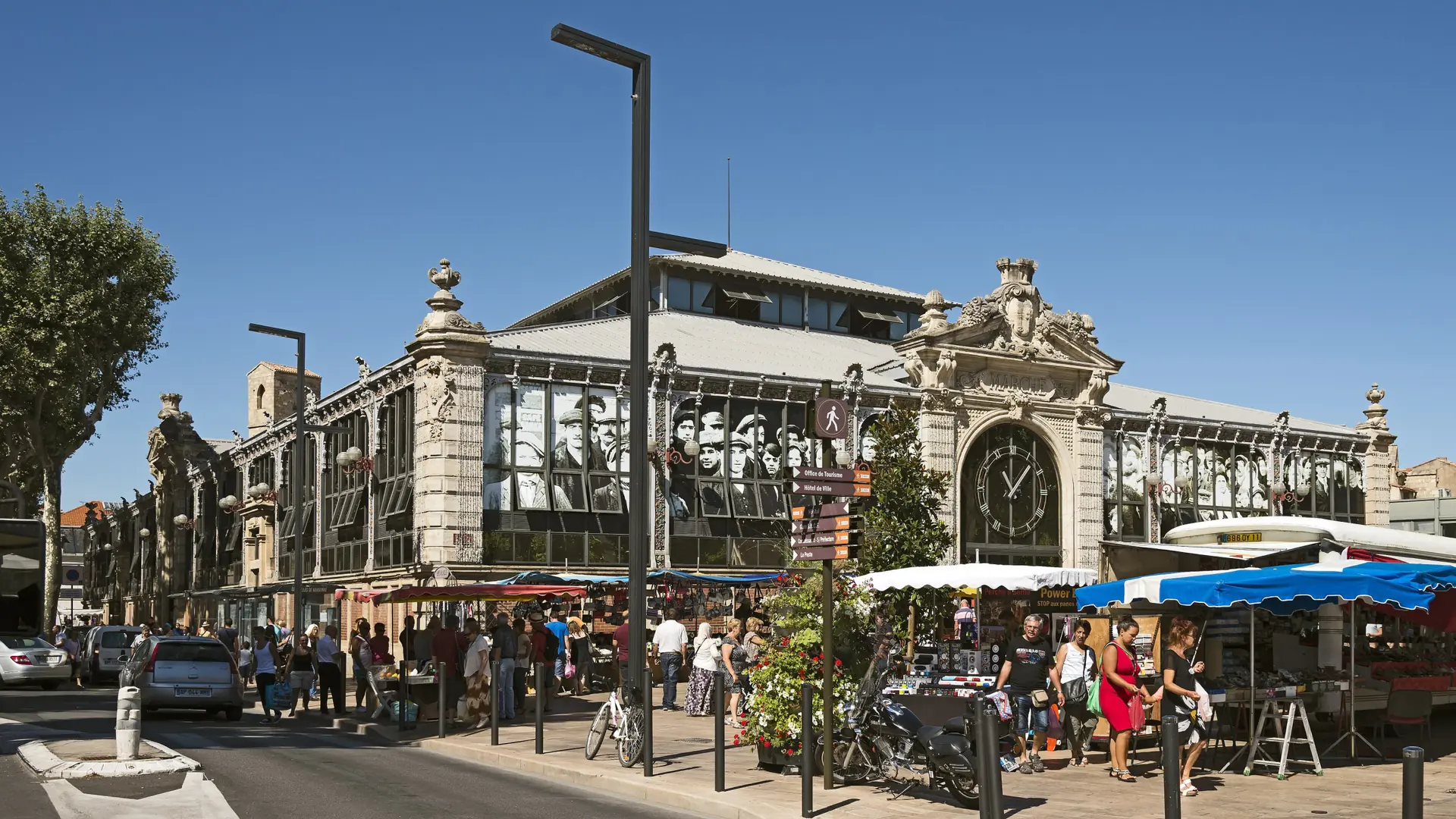
The covered market at 1 Boulevard du Docteur Ferroul opens every day of the year from 07:00 to 14:00. Begin by browsing the bakers, fishmongers, charcutiers and other food traders, then choose what to eat rather than saving the market for late afternoon. For a specifically coastal taste, Hippocampe’s Halles counter serves oysters and seafood with regional wines, with fish supplied through the Port-la-Nouvelle auction. La Clape produces red and white wines in the landscape between Narbonne and the Mediterranean. A market meal connects the town break with that surrounding coast and countryside.

What is worth seeing at Narbo Via?

The collections bring Roman Narbonne back into view through inscribed stones, mosaics, domestic wall paintings and evidence of port commerce. The paintings from the Clos de la Lombarde are a particularly useful contrast to the exposed Roman paving in town. The operator’s October 2026–January 2027 programme lists adult admission at €12 (about US$13.45), including temporary exhibitions, with opening Tuesday to Sunday, 10:00–18:00 year-round. The museum closes on Mondays, 1 January, 1 May and 25 December. Allow a substantial museum visit within the day, reached at 2 Avenue André Mècle.

How does the Horreum fit with a museum visit?

The Horreum at 7 Rue Rouget de Lisle preserves first-century-BC galleries about five metres below today’s streets, probably foundations for a market or storage building. Adult entry is €6 (about US$6.70); the two-site pass costs €14 (about US$15.70), valid for one month, making it useful with Narbo Via. Opening is Tuesday to Sunday: October–April 10:00–12:00 and 14:00–17:00; May–September 10:00–12:30 and 14:00–18:00. It closes on Mondays and the same three annual holidays as the museum. The current programme offers free entry on the first Sunday of each month from October to May.

Is the Canal de la Robine part of the UNESCO canal network?

Yes. The Canal du Midi World Heritage property includes the Robine section between Moussan and Port-la-Nouvelle alongside the main Toulouse–Étang de Thau canal and other connecting waterways. The network was inscribed in 1996. In Narbonne, a walk along the central quays lets you see a working waterway within the town, rather than an isolated monument. Follow the bridges and waterside buildings as part of the historic-centre outing. The listing applies to the canal network; it does not make the whole city a UNESCO-listed historic centre.

Sources

Reviewed by StartBooker editorial Route planning and destination research

Reviewed 2026-10-24

Updated

Review method: Self-review against museum, municipal, transport and other responsible sources. Compared the four existing bases with a two-night rail visit for Roman history and market food. Used the latest museum programme and September 2026 bus network where older pages differed. Daily spending is an editorial allowance; dollar equivalents use a dated ECB reference.

20 20 references reviewed

Key sources
  • Ville de Narbonne
  • Aude Tourisme
  • Narbo Via
  • Citibus
  • Le Grand Narbonne
  • SNCF Gares et Connexions
References
Photo credits

Share a practical detail from your Narbonne stay