High-speed train crossing a green French landscape beneath a bright sky

France by train in 10 days

Four distinct city bases joined in one direction, with transfer days that still leave useful time on the ground.

Length
10 days, 9 nights
Bases
4 well-spaced stops
Main transport
High-speed and regional rail
Best window
May–Jun or Sep
Finding current stays

A rail itinerary built around contrasts, not a map-spanning boast

Ten days permits a more revealing first journey than the classic three-city dash. Paris receives three nights, enough for a major cultural appointment, a neighbourhood day and a humane arrival. Strasbourg introduces the Rhine-facing architecture and food traditions of Alsace without requiring a car. Lyon then breaks the journey south and earns two evenings beside its rivers. Nice is the coastal release at the end. The diagonal from Strasbourg to Lyon is less visually tidy on a map than a straight north–south line, yet it creates a purposeful sequence and avoids flying between domestic cities. Three transfers remain manageable when each is protected from overambitious sightseeing. The route does not pretend to include western France, alpine villages or Provence; those omissions are why the selected places receive usable time.

Paris receives breathing room

Three nights allow the first full day to hold a major reservation while the second can follow neighbourhood interests instead of repeating iconic stops.

Alsace changes the frame

Strasbourg’s cathedral, waterways, German-influenced streetscape and tram culture prevent the middle of the route from feeling like another version of Paris.

Lyon makes the southward move humane

Stopping for two nights turns a long diagonal into a genuine destination and leaves the final Mediterranean arrival free of an exhausting all-day rail marathon.

Best for

  • Rail-first travellers who value central arrivals and can handle three hotel changes
  • First-time France visitors seeking regional contrast beyond Paris
  • People willing to travel open-jaw and verify each train on the live operator timetable

Think twice if

This version is unsuitable for travellers seeking rural villages, vineyard touring or a beach holiday; it is an urban rail journey with one coastal base.

StartBooker answer

How should I plan the ten-day France rail arc?

A strong ten-day France-by-train itinerary runs Paris to Strasbourg, then southwest to Lyon and south to Nice. Allocate three nights to Paris and two nights to each later base, creating nine nights and only three hotel changes. The route prioritises direct services where timetables allow, keeps major attractions to one booked anchor per day, and finishes on the Mediterranean instead of backtracking. Check every service on SNCF Connect because frequencies, engineering work and fares remain date-specific.

Night allocation
Nine nights are divided across four connected city bases.
Capital-border contrast
Paris and Strasbourg add a clear capital-to-border contrast.
Lyon stopover
Lyon breaks the long journey south with two useful nights.
Mediterranean finish
Nice provides a car-free Mediterranean finish and onward airport access.

Why the four bases receive different amounts of time

Three nights in Paris, two in Strasbourg, two in Lyon and two in Nice follow the actual rail geography instead of an arbitrary list of names.

4 stops · swipe

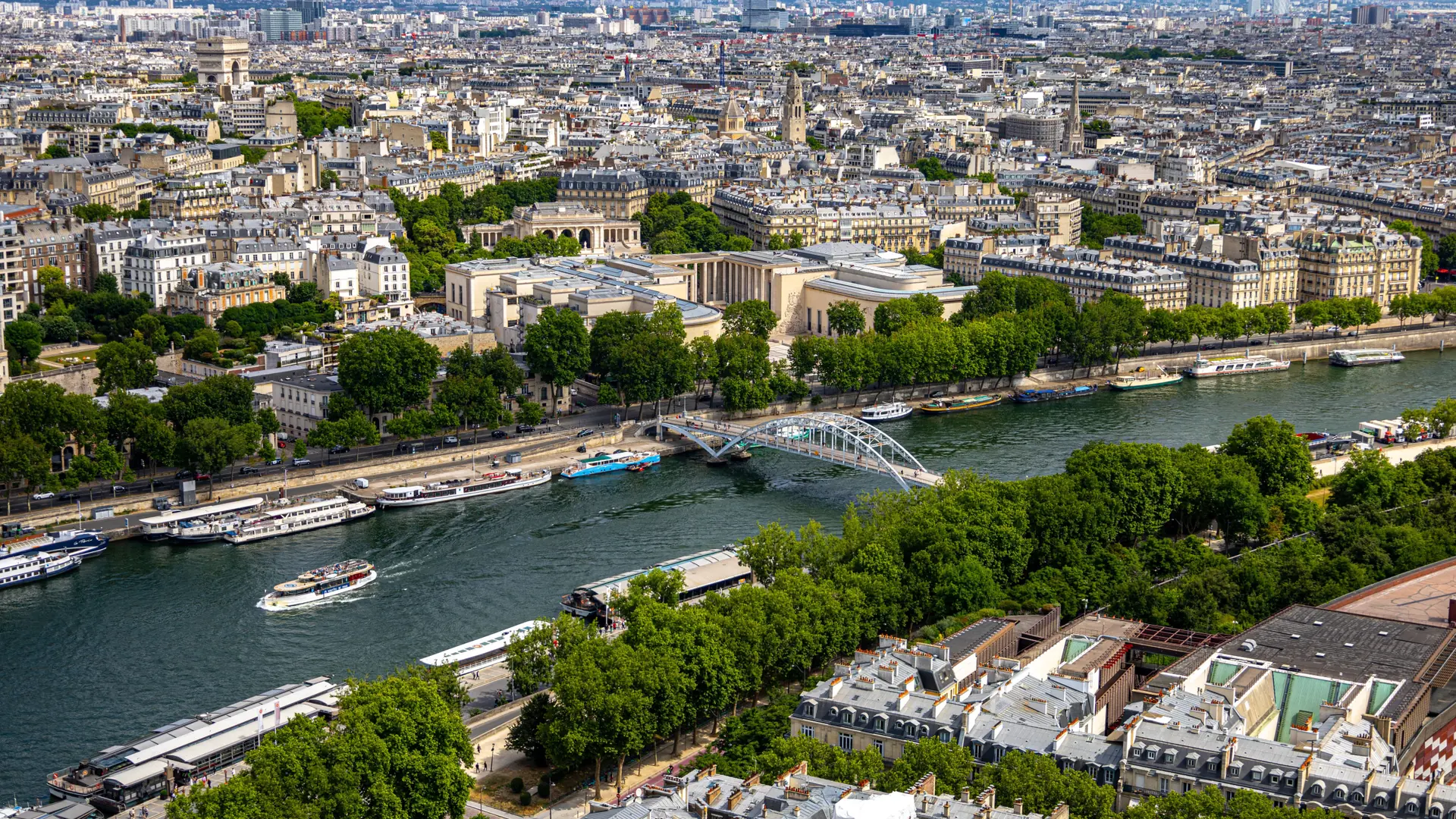
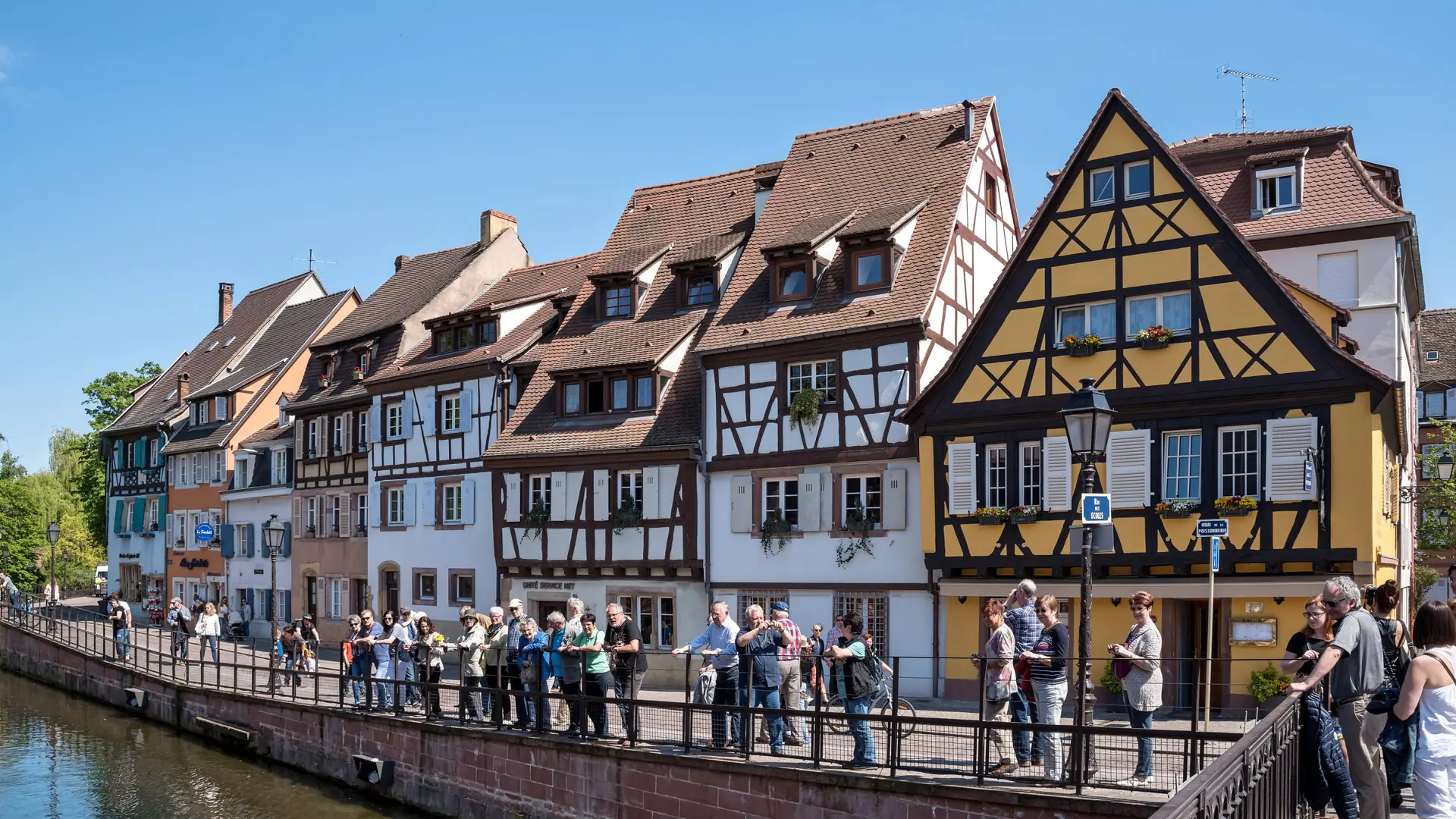
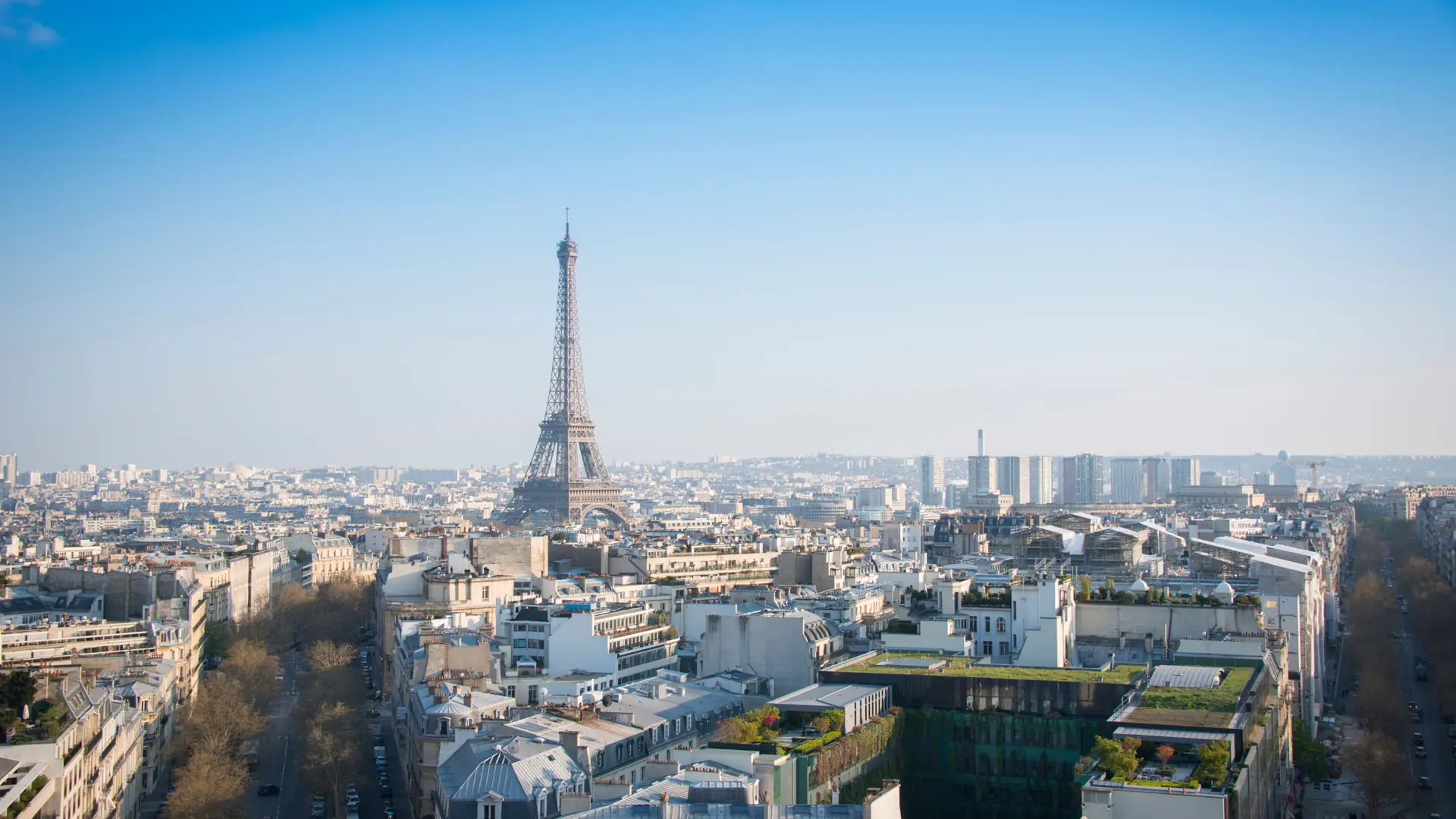
  1. Broad daylight view of the Seine, historic Paris buildings and an identifiable skyline 1

    Paris

    3 nights

    Museums, the Seine and distinct quarters

    Three nights support a paced arrival, one formal cultural day and one neighbourhood-led day. The plan avoids combining distant landmarks merely because they share fame.

    Watch out: Multiple mainline stations serve different corridors; confirm the exact departure station before choosing a final hotel.

    Read the Paris guide →
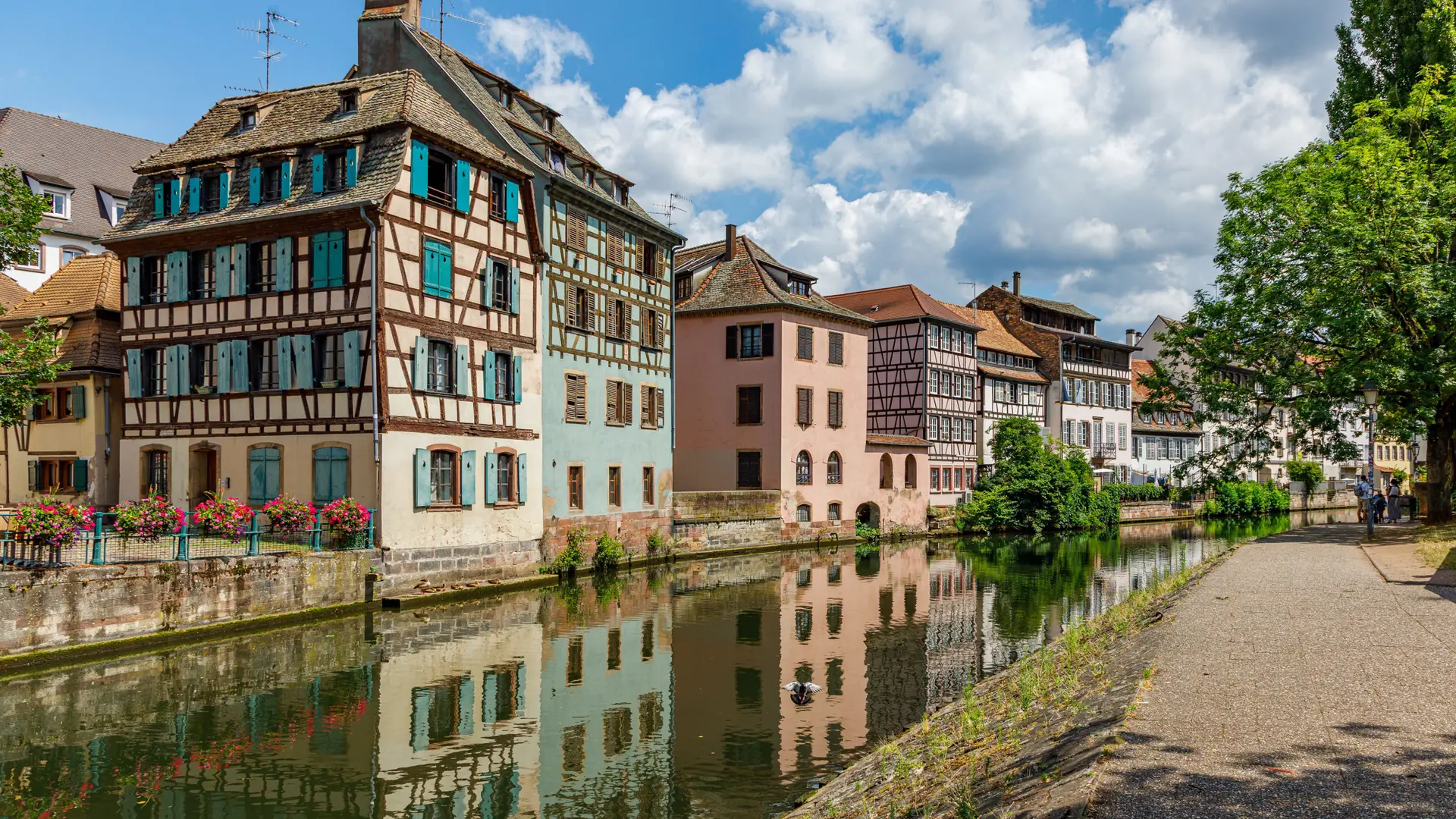
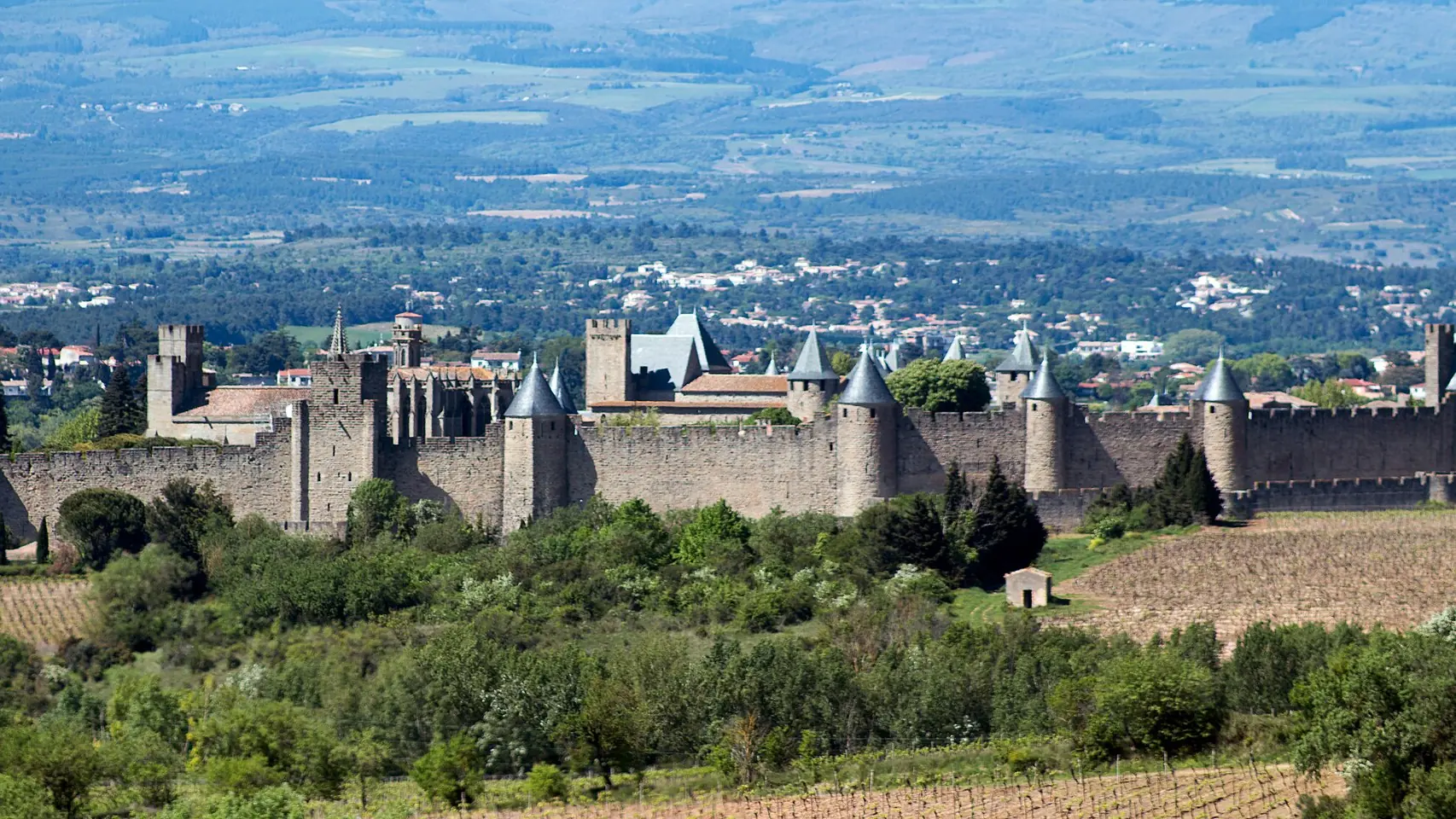
  2. Colorful half-timbered houses and canals in Strasbourg Petite France 2

    Strasbourg

    2 nights

    Grande Île, Petite France and European identity

    Strasbourg works as both a compact historic stop and a practical rail base. One day covers the cathedral area and canals; the second arrival/evening window reveals neighbourhood life beyond the postcard core.

    Watch out: Christmas-market dates transform demand and access, while some historic surfaces require careful mobility planning.

    Read the Strasbourg guide →
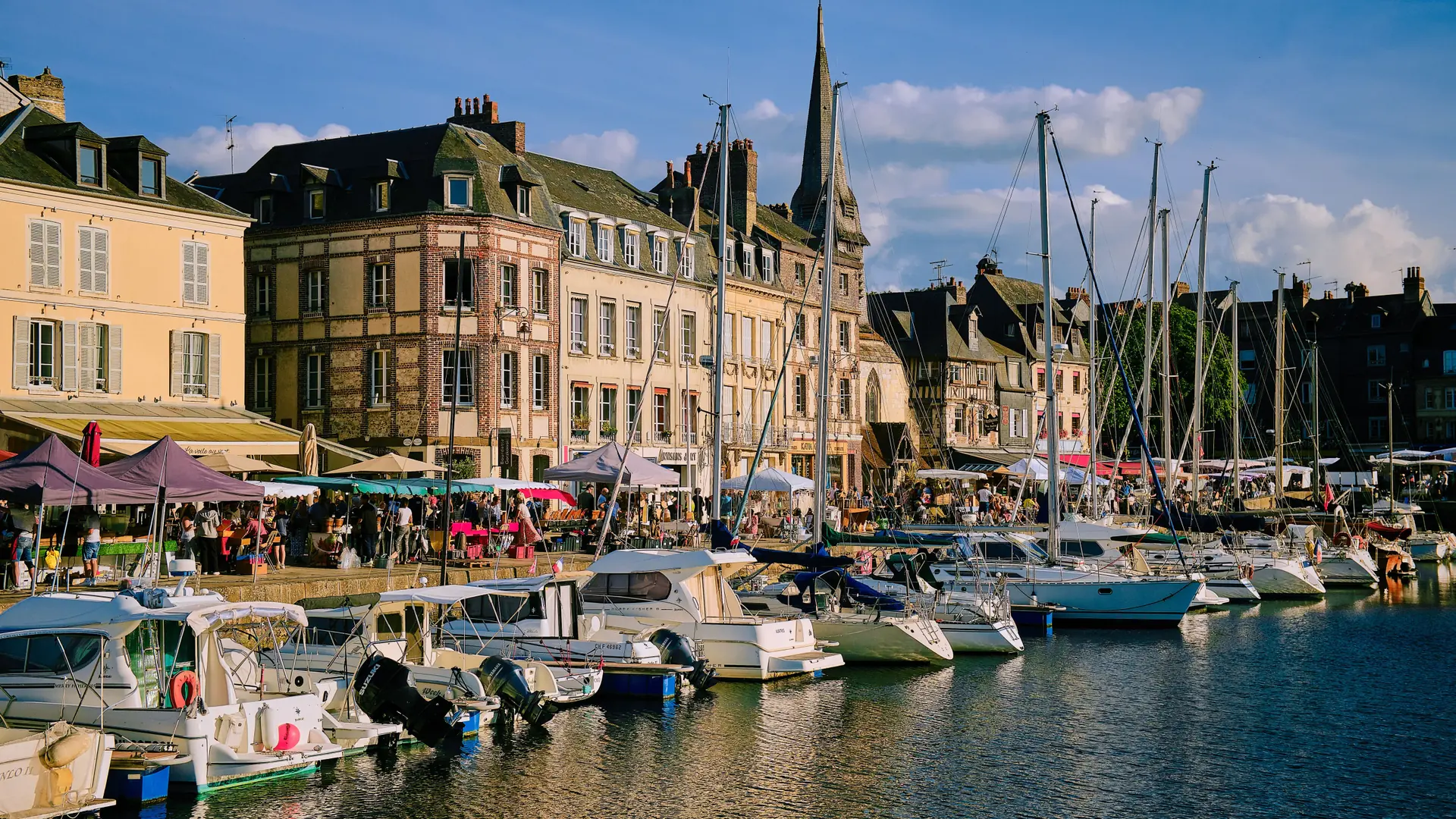
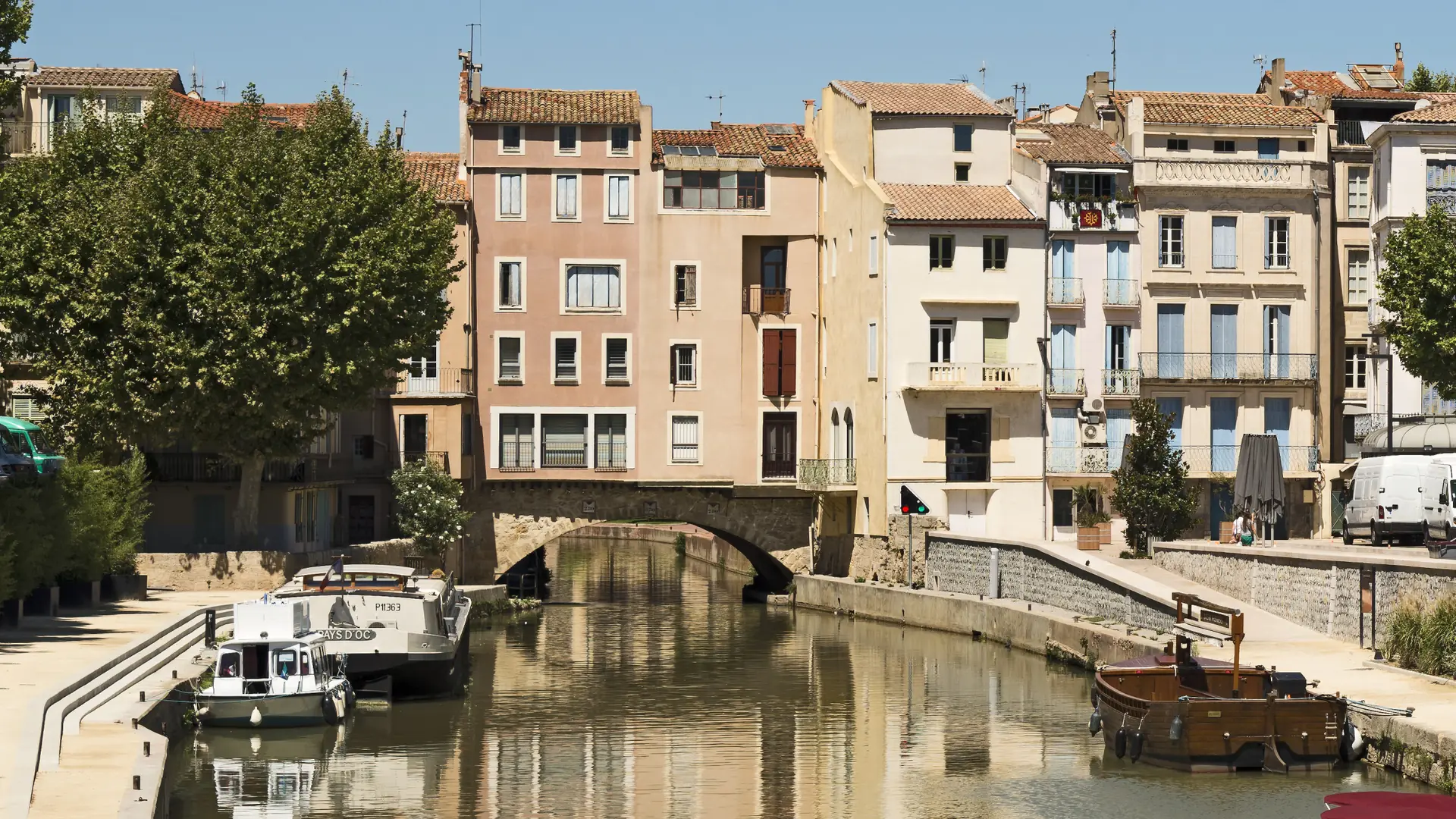
  3. Sunny view of the Saône riverfront and Fourvière above Lyon 3

    Lyon

    2 nights

    Two rivers, old lanes and food traditions

    Lyon provides the route’s culinary and geographic hinge. Staying twice lets you see both the elevated historic view and the lived-in peninsula after office hours.

    Watch out: Do not schedule a remote restaurant immediately after the Strasbourg transfer; delays compound quickly.

    Read the Lyon guide →
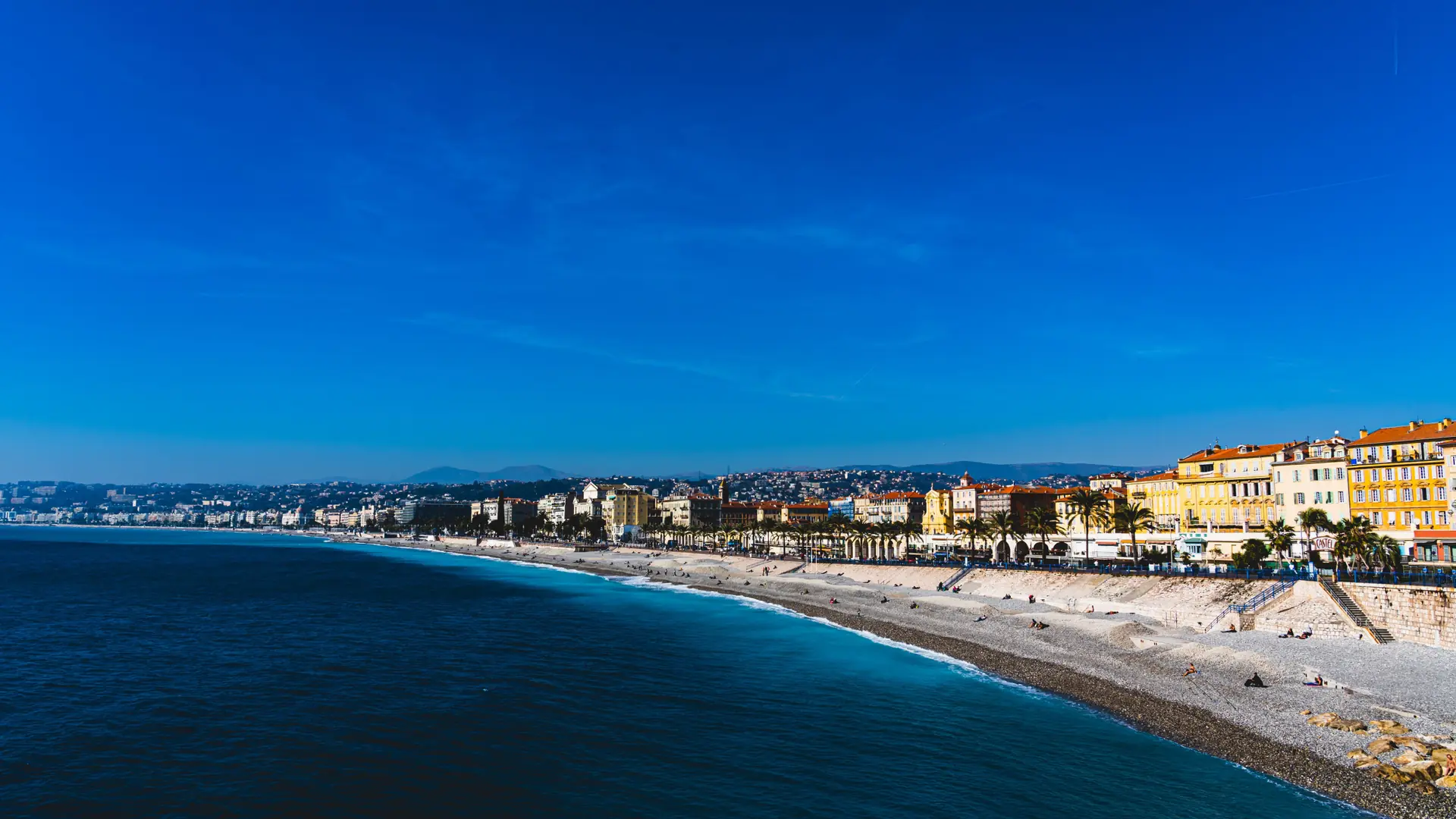
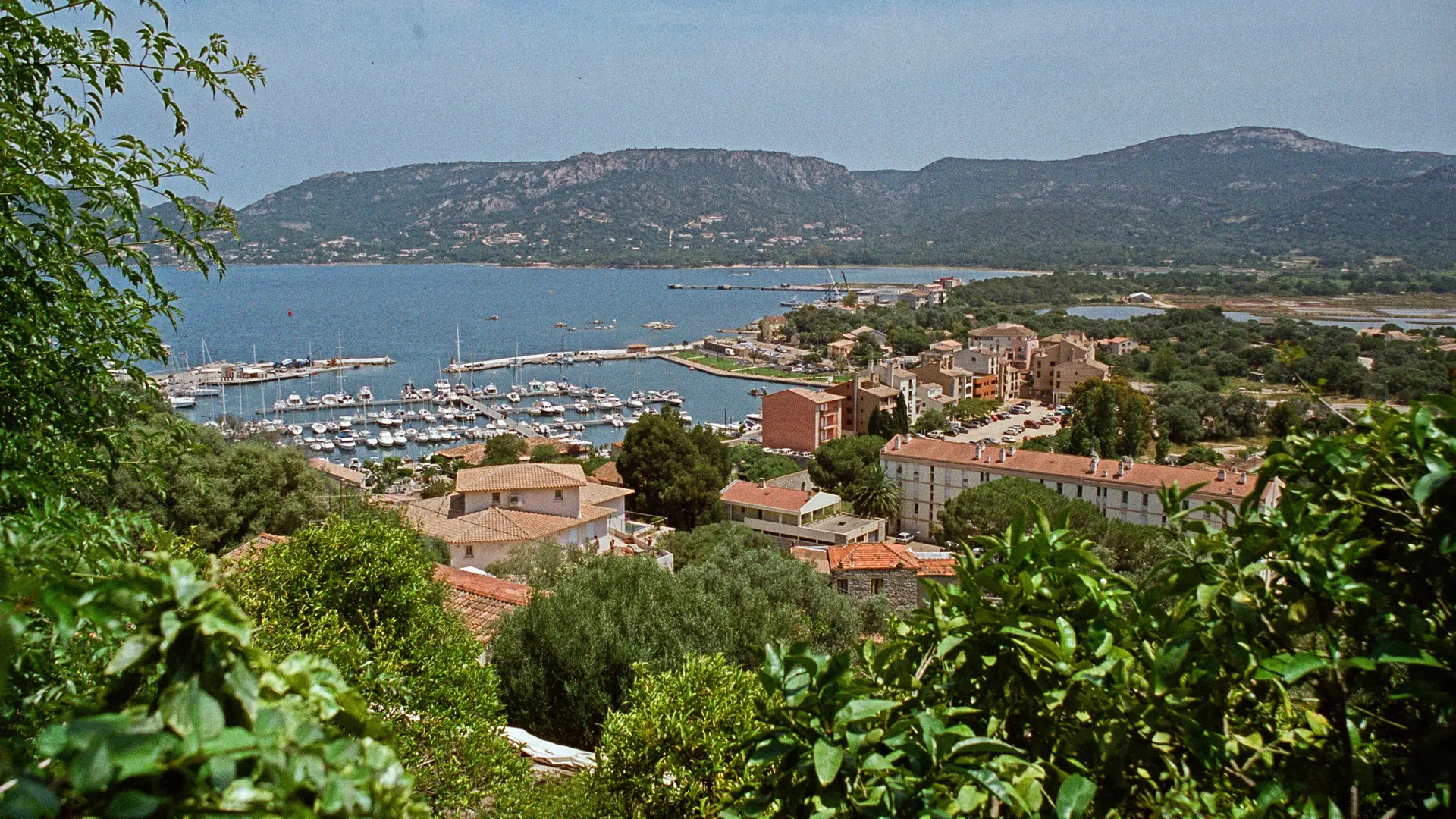
  4. Blue Mediterranean water beside Nice and its bright seafront facades 4

    Nice

    2 nights

    Mediterranean promenades and coast rail options

    Nice makes a practical final base because the station, old town, seafront and airport connections serve different departure scenarios without a rental car.

    Watch out: High summer compresses hotel choice and increases heat exposure on long unshaded walks.

    Read the Nice guide →

Ten rail days with useful arrival afternoons

Each day has a distinct anchor, one nearby complement and a fallback tied to the same place; rail journeys are scheduled as part of the experience, not treated as invisible time.

1 Day 1 Arrive gently and learn the river axis

Begin in Paris with a compact Seine orientation near the chosen hotel, followed by an early neighbourhood dinner and short evening loop. Keep the arrival plan reversible after flight or rail uncertainty. If the outdoor sequence becomes impractical, use passages, arcades and a market street near the room rather than crossing the city in poor conditions. End with an easy supper and verify the first booked entrance before sleep; no prepaid attraction should depend on an on-time arrival.

  • a compact Seine orientation near the chosen hotel
  • an early neighbourhood dinner and a short evening loop
  • use passages, arcades and a local market street near the room

Base: Paris

2 Day 2 Give one institution your full attention

Start with one museum or monument reserved through its official channel, then use an adjacent garden and quarter to explain the setting. Stop before the collection becomes visual noise and save a second major institution for another journey. If the priority becomes unavailable, choose a smaller collection with easier same-day entry in the same part of Paris. Use the second evening to choose tomorrow's neighbourhood walk and leave enough time to pack for Strasbourg.

  • one official timed museum or monument reservation
  • a geographically adjacent garden and quarter
  • choose a smaller collection with easier same-day availability

Base: Paris

3 Day 3 Follow neighbourhood Paris rather than another icon list

Slow the final Paris day around a morning market and street-life circuit, then add one canal, park or hillside quarter selected for genuine interest. It should feel different from the formal centre and requires no cross-city zigzag. In bad weather, keep to a covered-market district and one nearby museum rather than rebuilding the whole plan. After dinner, place the Strasbourg ticket beside the hotel address and calculate a station departure time that includes checkout and platform access.

  • a morning market and street-life circuit
  • a canal, park or hillside quarter selected for your interests
  • keep to a covered-market district and one nearby museum

Base: Paris

4 Day 4 Travel east and enter through Grande Île

Choose a direct Paris–Strasbourg service that preserves a useful arrival, then leave luggage before walking to the cathedral square and first canal loop. Keep the evening unticketed. If disruption or weather weakens the walk, use the tram for a sheltered introduction between central stops. The move changes both region and rhythm while retaining a central-station arrival. Keep the ticket, accommodation address and one night's essentials reachable until the Strasbourg room is confirmed.

  • a direct Paris–Strasbourg service chosen for a useful arrival
  • the cathedral square and first canal loop
  • use the tram for a sheltered introduction between central stops

Base: Strasbourg

5 Day 5 Petite France, Neustadt and a deliberate choice

Walk Petite France early, then choose either the Neustadt or European quarter according to architecture, politics or cycling interest. Attempting both at speed turns distinct districts into transit. If rain or low energy changes the plan, use museums and tram-linked interiors to reduce exposed walking while keeping the same geographical logic. Close the Strasbourg stay with a local dinner, then check the Lyon train and the route from Part-Dieu to the next room.

  • an early circuit through Petite France
  • the Neustadt or European quarter, not both at speed
  • use the city’s museums and tram-linked interiors to reduce exposed walking

Base: Strasbourg

6 Day 6 Turn southwest for Lyon’s river confluence

Take the Strasbourg–Lyon train with a protected connection margin where needed, then use the Presqu’île and its two rivers for the arrival walk. Do not attach a timed museum to an expected rail arrival. If disruption contracts the afternoon, stay around central arcades and food streets close to local transport. Keep ticket and platform information live until boarding because service patterns vary on this diagonal, and retain one night's essentials until the Lyon room is confirmed.

  • the Strasbourg–Lyon train with a protected connection margin if needed
  • a Presqu’île walk shaped by the two rivers
  • settle around central arcades and food streets near transit

Base: Lyon

7 Day 7 Fourvière above, Vieux Lyon below

Start at the Fourvière viewpoint and basilica precinct, then descend through old-town passages at a comfortable pace. Use public transport for the ascent when the slope would reduce the rest of the day. River-level museums and covered passages provide a coherent accessible or wet-weather alternative without abandoning Lyon's historical thread. On the final evening, reserve energy for the long southern transfer and prepare food or a meal plan for arrival in Nice.

  • the Fourvière viewpoint and basilica precinct
  • old-town passages and a considered dinner reservation
  • concentrate on accessible river-level museums and covered passages

Base: Lyon

8 Day 8 Commit the long southern transfer to daylight

Use the morning for the Lyon–Nice journey with food and water prepared; this is the transfer least suited to hurried improvisation. The train is today's main event and a restrained look at the Promenade des Anglais is the reward, not another task list. A late arrival can contract to a short old-town loop near the hotel because no fixed evening admission belongs here. Keep the ticket, room address and one night's essentials accessible until check-in is complete.

  • the Lyon–Nice rail journey with food and water prepared
  • a restrained first look at the Promenade des Anglais
  • take a short old-town loop close to the hotel after arrival

Base: Nice

9 Day 9 Read Nice from market lanes to sea views

Open with Vieux Nice and its morning market rhythm, then continue to Castle Hill and the seafront when conditions are comfortable. Sequence shade, lunch and exposed viewpoints around the forecast rather than the clock. Replace the hill with an art museum and sheltered lunch during rain, heat or low energy. Keep the final full evening flexible and check departure documents before one last walk along the water.

  • Vieux Nice and its morning market rhythm
  • Castle Hill and the seafront when conditions are comfortable
  • replace the hill with an art museum and a sheltered lunch

Base: Nice

10 Day 10 A final coast decision without collection pressure

Choose one short regional-train excursion the night before and verify the live service in the morning. One coast town gives the walking, meal and pauses a logical direction; two produce more platform time than insight. Return for an unhurried Nice meal or swim and make onward logistics the fixed edge of the day. If rail or weather undermines the excursion, remain in Nice for gardens, galleries and a luggage-safe final walk. Finish on a local dinner street with tomorrow's first transfer fully checked.

  • one short regional-train excursion selected the night before
  • a last unhurried meal or swim in Nice
  • stay within Nice for gardens, galleries and a luggage-safe final walk

Base: Nice

Moving south and east without losing the day

The transfer notes explain when to leave, what to reserve and which inconvenience the selected service avoids.

3 transfers

  1. Paris Strasbourg

    Train Travel time: About 2 hours on direct high-speed services

    Paris to Strasbourg is a high-value rail move: it exchanges a domestic flight process for a central departure and an arrival close to the historic core. The exact Paris station and ticket conditions matter more than a blog’s best-case duration.

    Booking note: Choose the live service only after your Paris schedule and Strasbourg check-in window are known.

  2. Strasbourg Lyon

    Train Travel time: Usually several hours; routing varies

    Strasbourg to Lyon is the route’s less obvious diagonal. Prefer a direct departure when it suits; if an interchange is required, buy the through journey and judge the connection by platform margin, luggage and consequences of disruption.

    Booking note: Do not assemble tight separate tickets merely to reduce the displayed fare.

  3. Lyon Nice

    Train Travel time: Roughly 4.5–5 hours, depending on service

    Lyon to Nice deserves its own travel day because the distance is substantial and the coastal arrival is worth seeing without a rushed evening reservation. Seats, fare rules and engineering changes belong to the operator result for your date.

    Booking note: Reserve after the prior legs and any fixed Nice departure arrangement are coherent.

Check SNCF service notices, dated fares and each attraction’s current access before purchase; the timings here are planning guidance, not a live departure board.

Price the long-distance trains before the optional extras

A ten-day rail trip is controlled through timing and geography. The wrong cheap room or fragmented ticket can cost more usable time than it saves in cash.

Long-distance rail Compare directness, luggage handling and change conditions alongside the fare.
Price exact trains
Paris admissions One significant reservation per full day keeps both money and attention under control.
Limit the paid anchors
Strasbourg timing Seasonal demand can matter more than the normal weekday hotel pattern.
Watch event calendars
Final-night geography In Nice, price the airport or station transfer before accepting a distant bargain.
Protect departure day

Booking tips

  • Build the rail sequence before buying isolated non-refundable hotel nights.
  • Keep sufficient change margin on any itinerary that is not direct, especially with full-size luggage.
  • Check major event calendars in Paris, Strasbourg, Lyon and Nice because a single citywide date can distort the whole budget.

Where to stay in Strasbourg

Strasbourg is the route’s most distinctive middle base. Compare central access to the station, Grande Île and tram network instead of choosing on old-town appearance alone.

Compare stays in Strasbourg →
Loading current Strasbourg stays

Ten-day France rail route

The stored route line shows the eastern detour through Strasbourg before turning toward Lyon and Nice; use it to understand distance, not to estimate live schedules.

Strasbourg

Practical questions about this France itinerary

Can I see France by train in ten days?

You can see four sharply different urban regions, not “all of France.” The route succeeds because it admits that boundary and limits itself to three intercity moves.

Why include Strasbourg before Lyon?

Strasbourg contributes a border-region identity that a simple Paris-to-Riviera dash misses. Two nights justify the diagonal and keep the trip from becoming a single north–south stereotype.

Are French rail passes automatically cheaper?

Not necessarily. Compare the pass, reservation requirements and point-to-point fares for your exact trains; flexibility has value, but only if you will use it.

How much luggage should I bring?

Bring what you can move independently through stations, platforms and hotel approaches. Four bases amplify every unnecessary item.

Could I replace Nice with Marseille?

Yes, if Provence and a working port city matter more than the Riviera. Rebuild the final transfer and flight plan rather than treating the names as interchangeable.

What happens if a train is disrupted?

Follow the operator’s live instructions, preserve ticket records and release flexible sightseeing first. The itinerary deliberately avoids timed attractions immediately after long moves.

Sources and editorial review

Reviewed by StartBooker editorial France itinerary research and route editing

Last reviewed 2026-09-02

How this itinerary was checked: The route was checked claim by claim against official tourism, attraction and transport sources. Independent travel editors were used to discover recurring traveller questions and test the proposed pace, never as wording to copy. Volatile schedules, prices and access conditions remain decisions to reconfirm with the responsible operator.

10 references reviewed

Key sources
  • France.fr
  • Visit Strasbourg
  • ONLYLYON Tourism
  • SNCF Connect
  • Explore Nice Côte d’Azur
  • Météo-France
Photo credits

Photos provided by Pexels.

What changed when you crossed France by train?

Did Paris, Lyon, Avignon or Nice need an extra night in your version of this journey?