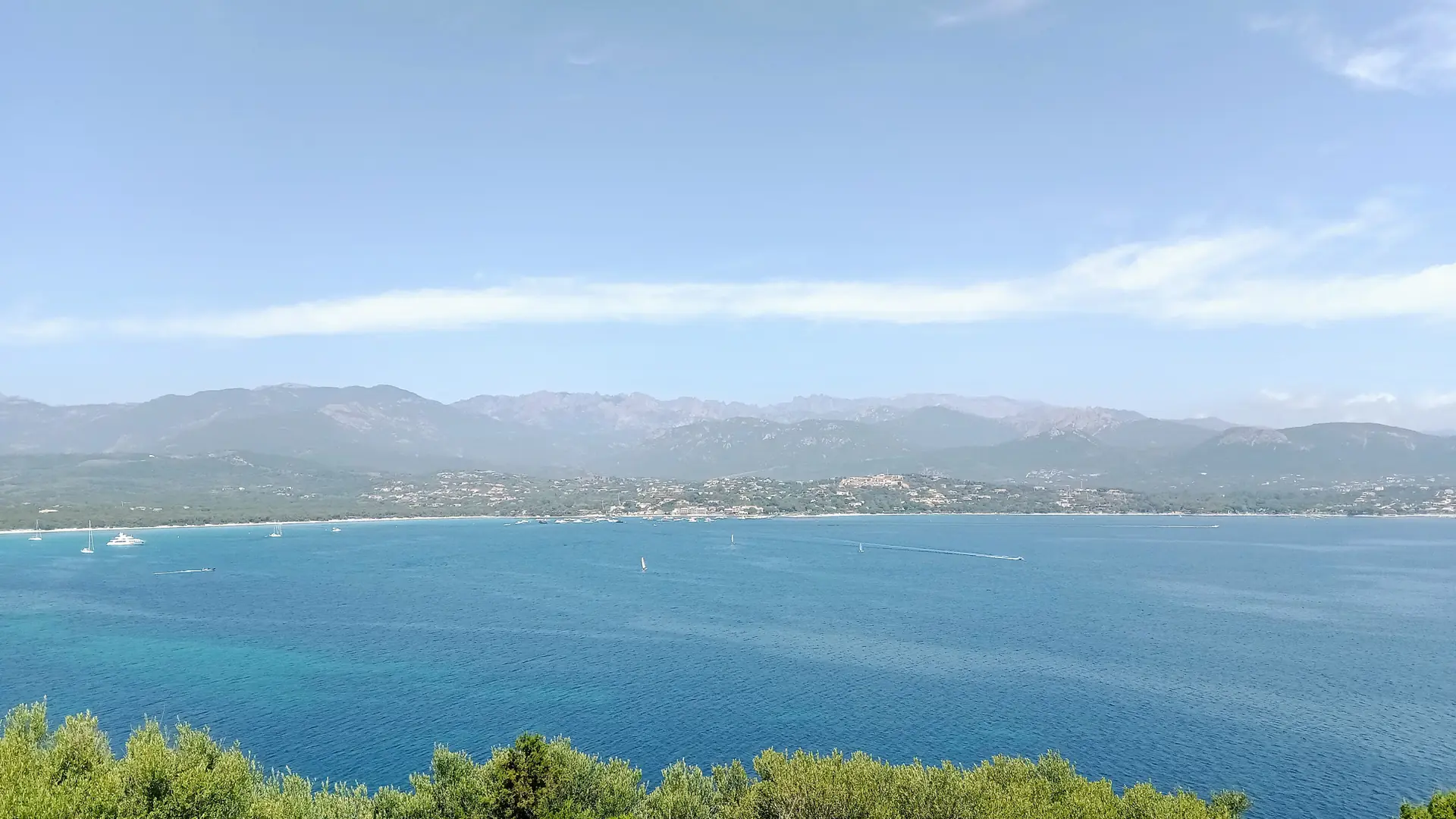
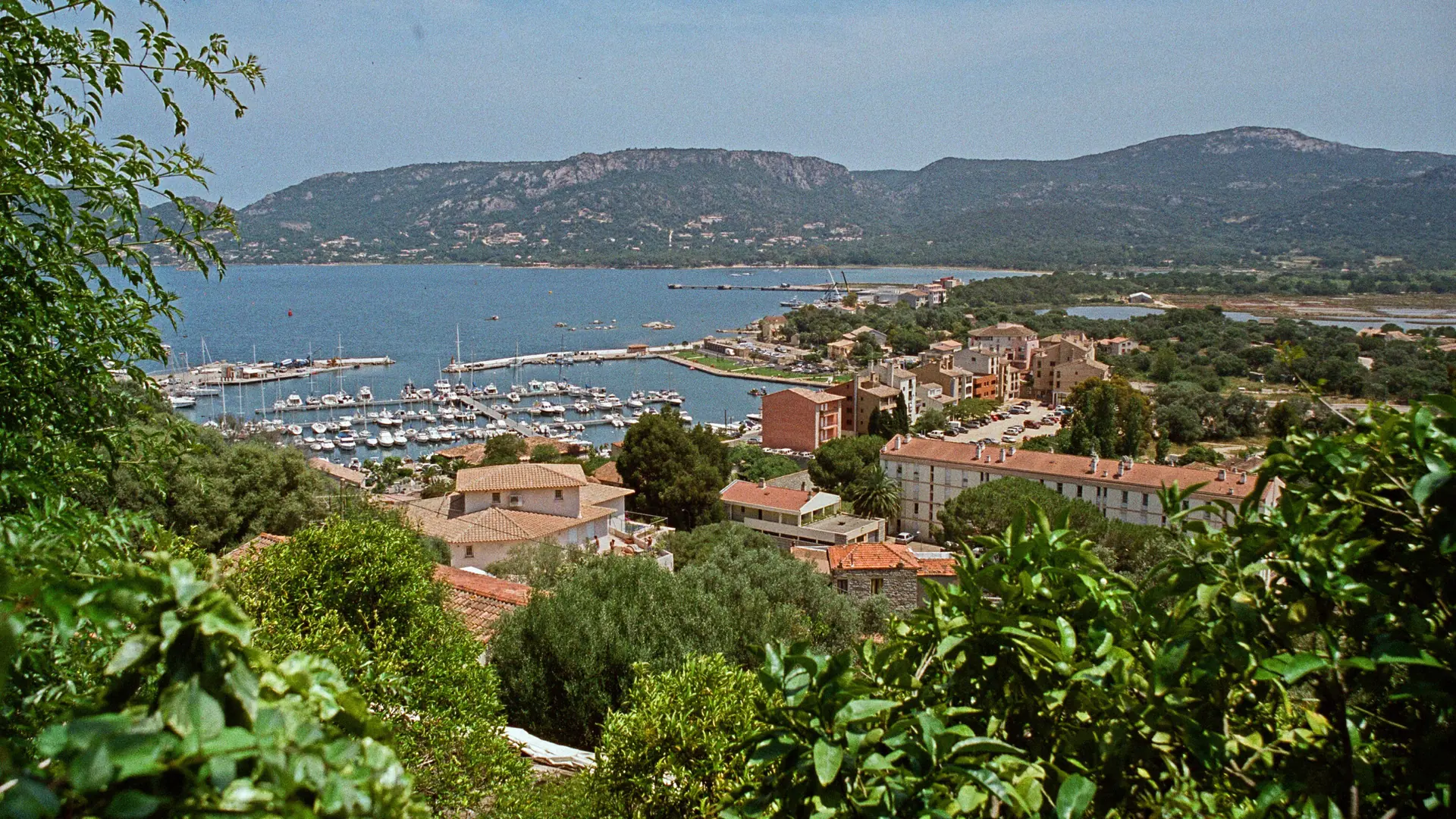
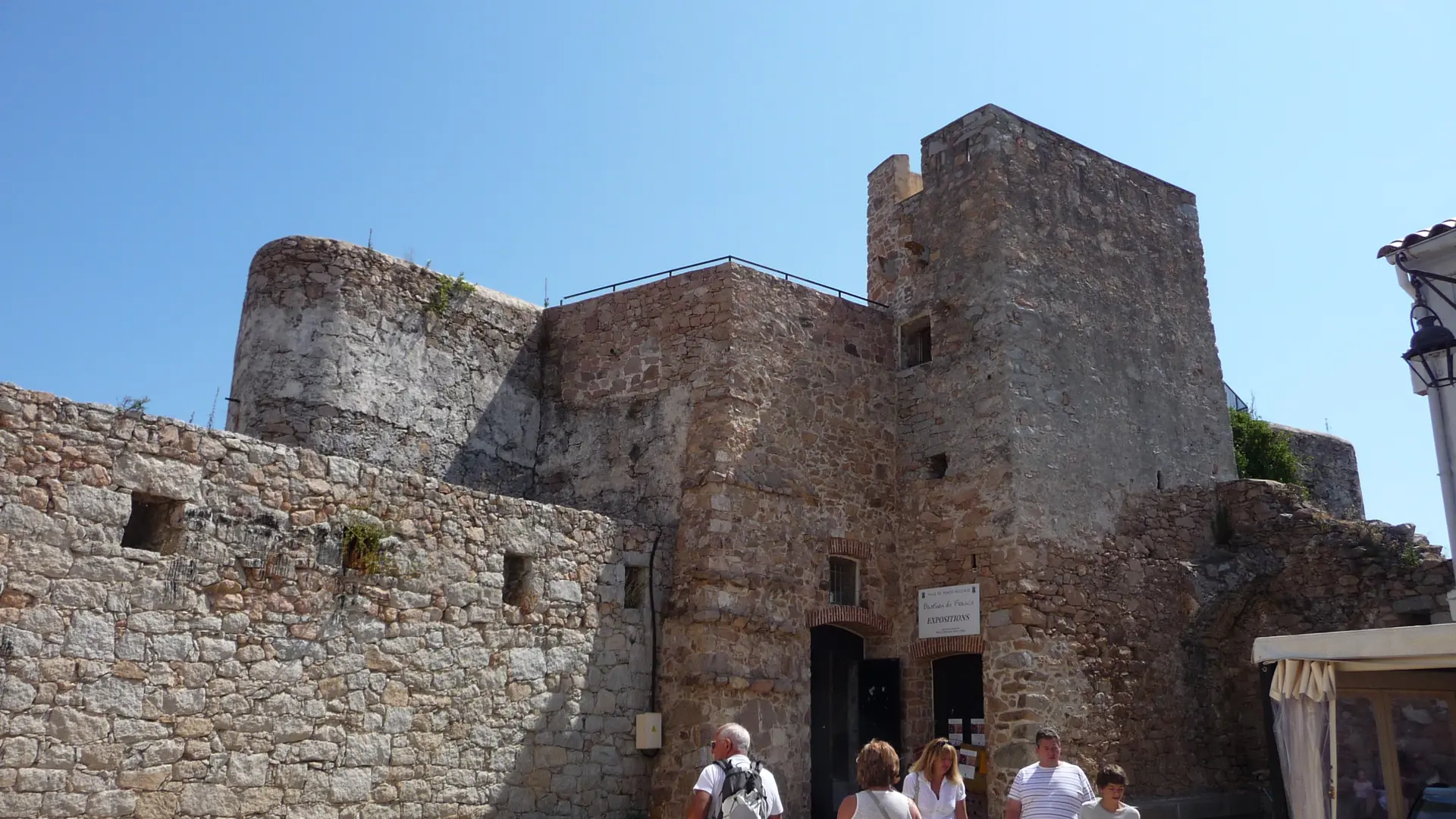
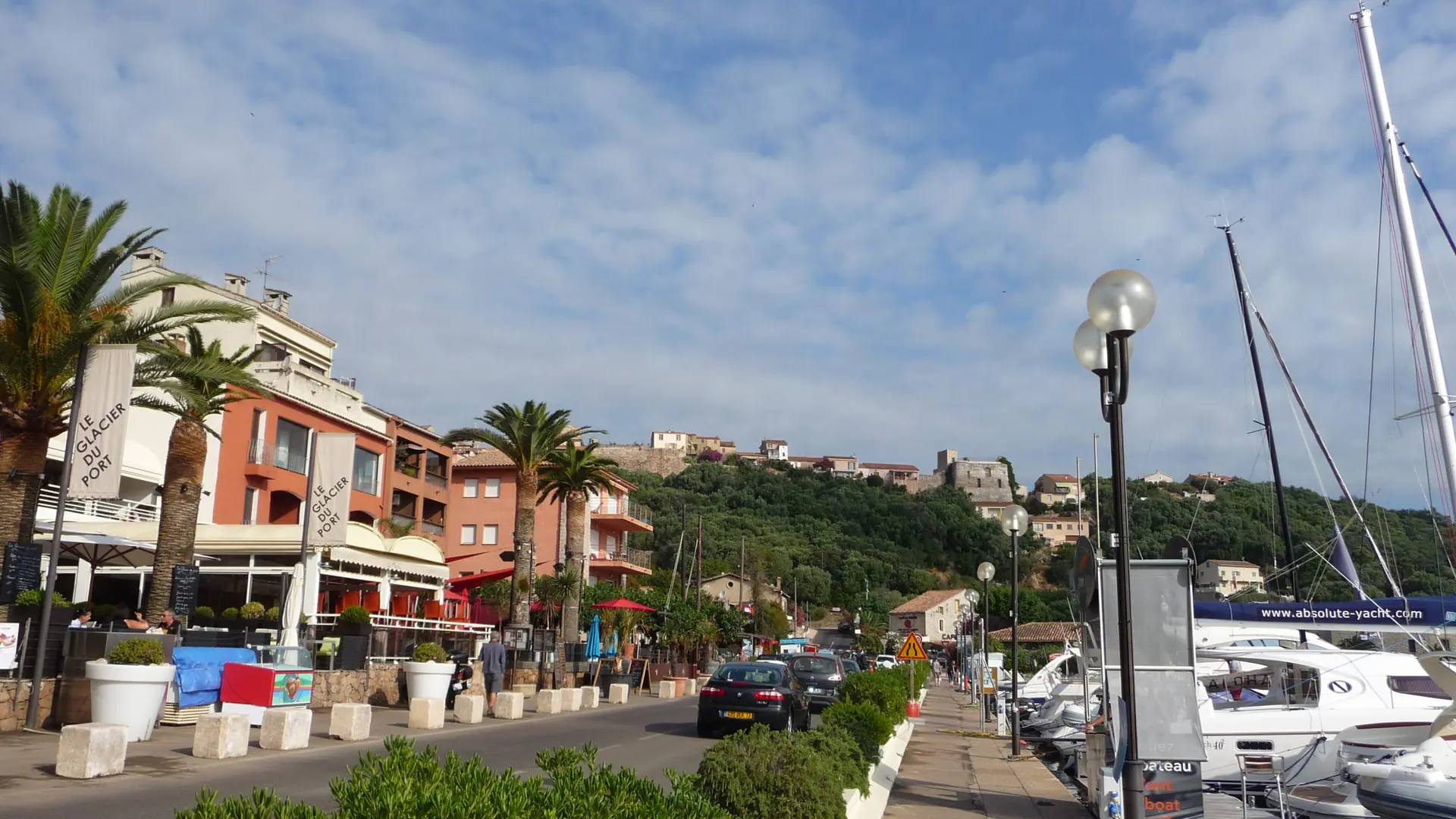
Porto-Vecchio harbour and gulf seen from above the town in daylight

Five Nights for Porto-Vecchio Beaches and Old-Town Evenings

Loading Porto-Vecchio hotel search

Choose where the evening should begin

For a first five-night Porto-Vecchio holiday, choose the old town or marina edge when you want beach outings followed by dinner on foot. The historic town stands above the harbour, while Palombaggia and Santa Giulia require separate journeys. A central room gives the stay a useful evening anchor: you can explore the citadel, return after a swim and decide where to eat without arranging another trip out of town. Stay in the southern beach belt instead when reaching the sand is the action you want to repeat most often. The Figari road serves a different purpose, making an arrival or departure night convenient, while the northern gulf suits a stay organised around a particular coastal property. Five nights usually leave four full days plus arrival and departure time. Give Palombaggia and Santa Giulia separate outings, keep time for the old town, and leave one day flexible for the weather and your interests. The practical sections distinguish free town shuttles from paid airport and seasonal beach buses.

First visit Old town and marina edge

Choose a central base for citadel walks and meals after returning from a beach outing, with the harbour forming the lower part of town.

Repeated beach days Palombaggia and Santa Giulia

A room near the shore suits a holiday organised around swimming; choose the actual beach access that you expect to use most days.

Flight connection Figari road and airport approach

This base is useful for an arrival or departure night when the flight timetable determines where you need to sleep.

A coastal property Northern gulf and coves

Choose this broader coastal setting for the accommodation and nearby shore, with town visits planned as separate journeys.

StartBooker answer

Where should I stay for five nights of beaches and town evenings?

Choose the old town or marina edge for a first visit combining beach outings with restaurants and historic streets. Stay near Palombaggia or Santa Giulia when the shore is the daily priority. Use the Figari road for a flight connection, or the northern gulf for a property-led coastal stay with planned transport.

Evenings on foot
Old town and marina edge
Beach priority
Southern beach belt
Arrival and departure
Figari airport connection

Things to do in Porto-Vecchio, France

Explore tours, attractions and local experiences in Porto-Vecchio, France.

Loading activities…

Activities provided by GetYourGuide. We may earn a commission on bookings.

AI-powered

Plan five Porto-Vecchio nights around your base

Tell the planner your travel months, flight times, number of nights and whether you will drive. Add the beach you want to revisit, your preferred town evenings and any access needs. A useful plan matches the actual summer or winter transport pattern to the address you choose.

Four Porto-Vecchio bases for beaches, roads and evenings

These four bases organise the holiday in different ways. Begin with the evenings you want to repeat, then decide how to reach the beach and handle the first and last journey. The town, southern beaches, airport corridor and northern coast are separate settings within a wider visit.

Quai Pascal Paoli beside Porto-Vecchio marina, with the citadel above

Old town and marina edge

first visits, historic streets and dinner walks

Choose the old town and marina edge for beach outings followed by town evenings. The upper streets offer a citadel setting, while the waterfront puts the harbour in your normal walk. A central room suits a first visit that gives food and history a place alongside swimming.

Harbour Dining

Walk within town and use A Citadina between its main districts.
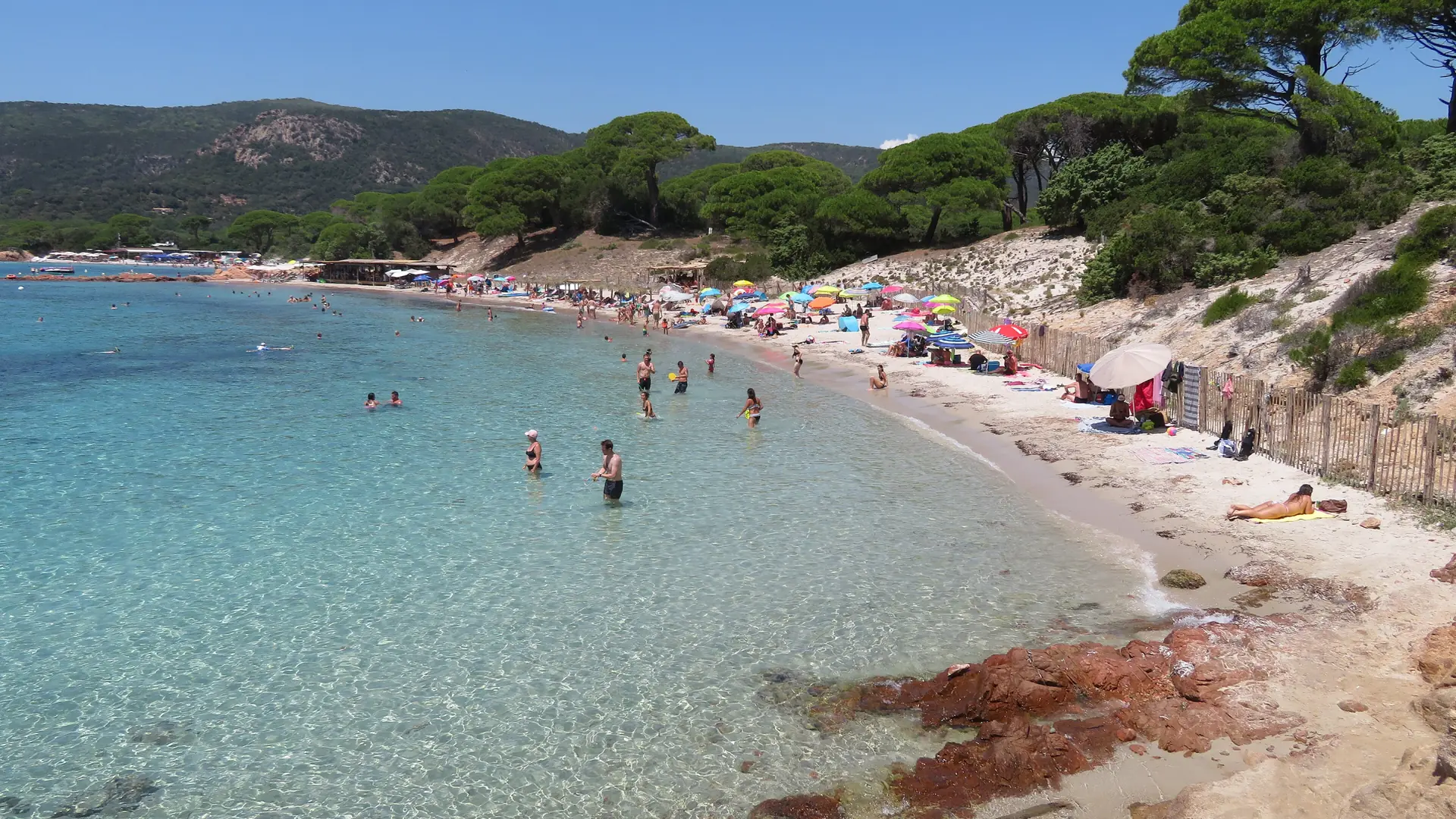
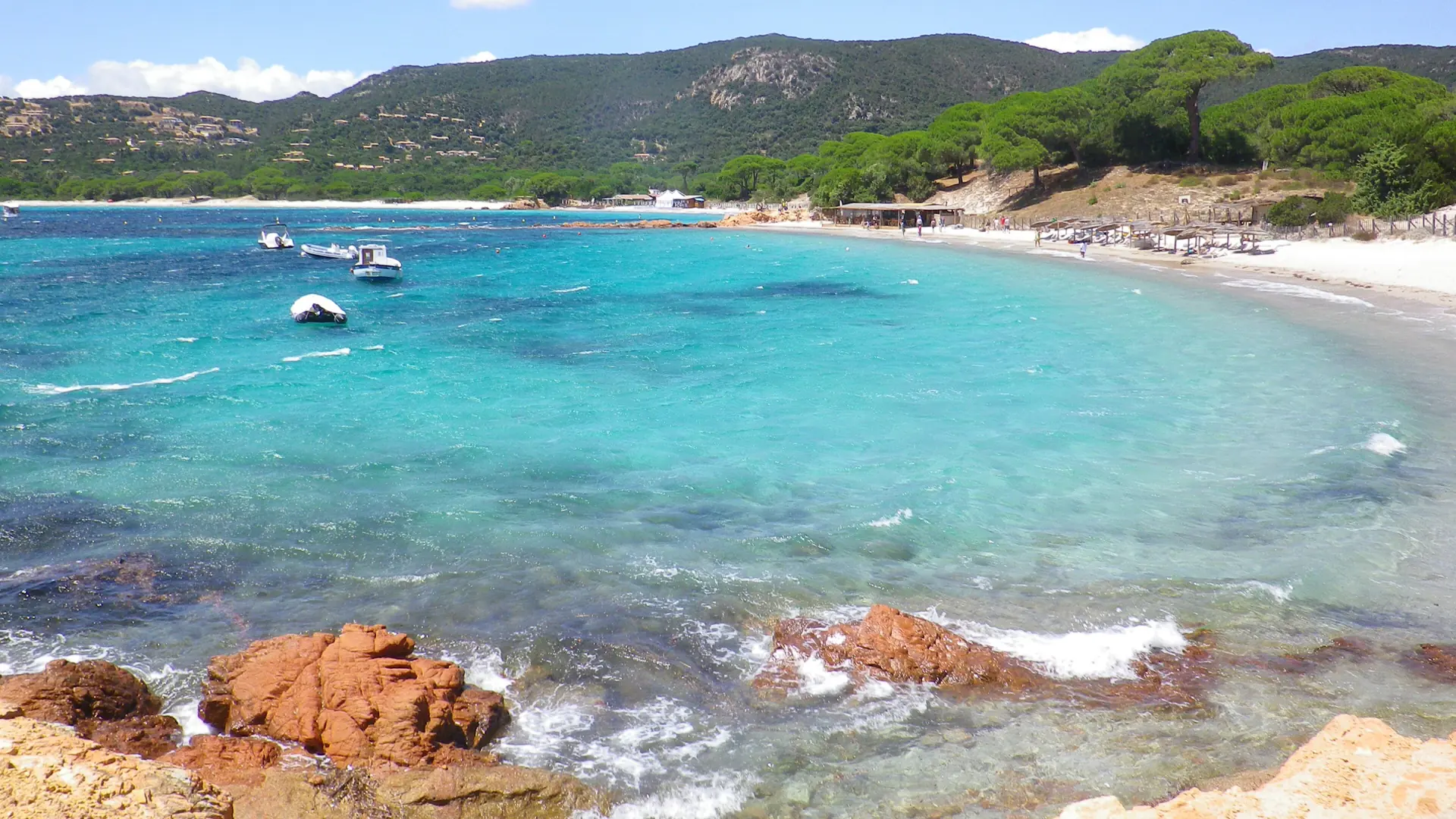
Pine trees and red granite beside the clear water at Palombaggia beach

Palombaggia and Santa Giulia beach belt

swimming holidays and repeated days at the shore

The southern beach belt suits a stay centred on Palombaggia or Santa Giulia. Choose the accommodation for the shore you want to use repeatedly, with time for a swim and a meal nearby. A town evening then becomes an outing of its own, so give the route back the same place in the plan as the beach access.

Beach Family

Use a car, a booked transfer or the seasonal coach for your chosen beach.

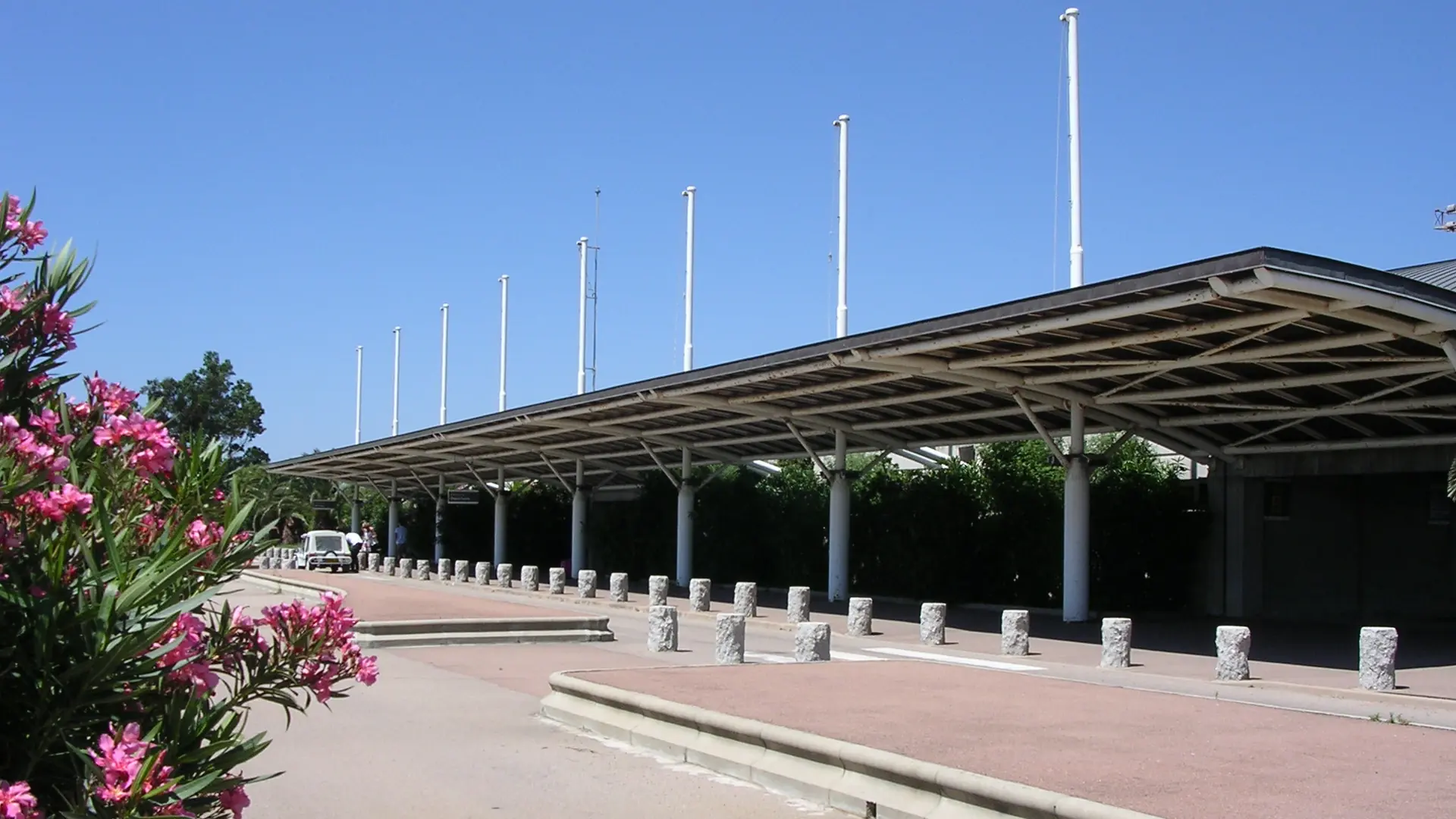
The covered terminal approach at Figari South Corsica Airport on a sunny day

Figari road and airport approach

flight connections and a first or last night

A Figari-road or airport-approach room is useful when the first or last flight controls the night. Choose it for the onward road connection, a nearby airport transfer or a convenient stop before moving to the main holiday base. The purpose is an easier arrival or departure; the town and beaches need their own journeys.

Airport Connections

Match the room to the actual airport transfer or hire-car route.

The Gulf of Pinarellu viewed from its tower on the coast north of Porto-Vecchio

Northern gulf and quieter coves

coastal residences and time at the property

The northern gulf and coastal coves suit a stay chosen around a particular hotel, residence or villa. Cala Rossa and Saint-Cyprien are options beyond the town; Pinarellu lies farther along the northern coast. Choose for the nearby shore and time at the property, with Porto-Vecchio evenings arranged as separate trips.

Quiet Villa

Arrange transport for the particular address and its nearest shore.

Compare the four Porto-Vecchio settings
Area Best for Features Getting around
Old town and marina edge

first visits, historic streets and dinner walks

This base gives the holiday a central evening meeting point after separate days along the coast.

Citadel streets above a working marina

Town walks and A Citadina
Palombaggia and Santa Giulia beach belt

swimming holidays and repeated days at the shore

A room close to the chosen beach makes the coast the daily starting point rather than a trip from town.

Palombaggia pines and Santa Giulia’s shallow bay

Separate coastal journeys
Figari road and airport approach

flight connections and a first or last night

An arrival or departure night here can put the room near the connection that determines the day.

Airport access and the southern road corridor

Airport bus or road transfer
Northern gulf and quieter coves

coastal residences and time at the property

Choose this setting when time at the accommodation and nearby coast matters more than a central dinner walk.

Northern coastal bays and a property-based holiday

Address-specific coastal access

Give five nights a comfortable shape

Five nights normally provide four full days as well as the arrival and departure periods. Decide whether those days begin in town or beside one beach. Keep enough time for the citadel, local food and an unhurried return to a shore you enjoy.

Beaches with a town evening

For five nights in a central room, give Palombaggia and Santa Giulia separate days, use another part of the stay for the citadel and harbour, and keep one full day open. The arrival afternoon can be a first walk and meal. This leaves time to return to a favourite shore or change the programme without making every morning a different long journey.

A holiday beside one shore

Choose the beach belt when you want to repeat the same shore, with accommodation close to its actual access. Spend the longer visit getting to know that stretch rather than treating each day as a tour of every beach. Arrange a town outing for the bastion, old streets and a meal, then return to the coast that gives the holiday its shape.

A connection before the main stay

Use the Figari corridor for the night that serves the flight or onward road journey. Keep the transfer details with the booking, then move to the central or coastal room that fits the rest of the holiday. A first-night stop can be useful without becoming the default base for all five nights; its value comes from the actual connection.

A coastal residence with time to settle

A northern coastal property suits a longer pause with time for its terrace, garden or nearby shore, according to the accommodation you select. Organise shopping and town visits around that address. The broad gulf label covers different locations: choose a property for the days you intend to spend there and plan the occasional evening journey into Porto-Vecchio.

Find stays in Porto-Vecchio

Search Porto-Vecchio hotels →
Loading Porto-Vecchio stay options

Connect Figari, town and the beaches

Porto-Vecchio’s free urban shuttles, intercommunal airport buses and seasonal beach coaches are different services. Use the appropriate route for each journey. The airport operator publishes dated seasonal sheets; the beach operator publishes a separate summer programme.

Arrive from Figari Airport

Choose the airport service for the month of travel

Figari is roughly half an hour from Porto-Vecchio by the direct road link. The Communauté de Communes lists a direct airport route and A Berlina B to the town’s gare routière. The direct service has its own seasonal sheet. Use the airport operator’s dated timetable for the actual flight; a year-round airport connection does not mean frequent departures throughout the day.

The published winter B service is limited

For November 2026–March 2027, B runs Monday to Saturday except public holidays. Airport departures at 08:00 and 14:45 reach Porto-Vecchio at 08:35 and 15:20. In the other direction, town departures at 13:00 and 18:25 reach the airport at 13:40 and 19:05. A flight outside that pattern needs a taxi, booked transfer or hire car rather than a bus connection that the table does not provide.

Use the right network after arrival

A Citadina covers the urban part of the stay

The free electric network has two year-round routes, Pruneddu and Marina, with Paesu added in summer. Marina connects the bus-station and waterfront area with stops around the upper town and other urban districts. Use it to link a harbour walk with the historic centre or to return from a town car park. It is an urban service, separate from the coaches to the southern beaches.

Santa Giulia has a seasonal coach from the bus station

Rapides Bleus currently publishes a daily service from 1 July to 31 August, with Monday–Friday departures in September. It serves the gare routière and Sainte-Catherine before Santa Giulia, stopping at the roundabout opposite the supermarket. Allow roughly 25–30 minutes from the bus station, plus the onward walk to your beach access. Choose the return from the same operator’s sheet; this service does not run year-round.

Plan Palombaggia and other coastal addresses separately

The tourism office places Palombaggia about 11 km from town and Santa Giulia about 8 km away. Summer beach buses supplement road access, while a car or booked transfer allows visits outside their service pattern. For a residence farther north, use its actual address when arranging the journey. The airport or town shuttle does not automatically provide the final connection to a coastal property.

Airport and beach tickets

The airport ticket is a separate purchase

The latest Figari airport sheets show a fare of €10 (about US$11.20), bought on board or through TixiPASS. Keep that airport cost separate from the free A Citadina journeys within Porto-Vecchio. An intercommunal route and an urban route can meet at the same town interchange while using different ticket rules. The current airport sheet is the relevant fare source for this connection.

Compare a beach return with the five-day product

Rapides Bleus lists €6 (about US$6.70) for a single Santa Giulia journey and €11 (about US$12.30) for a return. Its five-day return package costs €45 (about US$50.40), useful when you will make that same outing repeatedly. For two adults, one return beach day is €22 (about US$24.65). A pass for five return journeys buys a different pattern from trying two beaches and spending a day in town.

Fit the journey to the route and room

The upper town and waterfront are at different levels

Choose an upper-town room for the historic streets, or a waterfront room for a harbour approach. A Citadina can cover part of that connection, but the final route to the building still matters. A Berlina describes its buses as equipped for passengers with reduced mobility; arrange the assistance required for the particular service and confirm the hotel’s entrance, lift and room access.

Choose your months and daily spending

A beach holiday and a walking visit need different months and transport plans. June and September are useful starting points for a first mixed stay. The daily allowance below is an editorial estimate for two adults sharing one mid-range room, with meals, local journeys and modest sightseeing included.

Plan for the purpose of the visit

June and September for beaches with town time
  • These are good starting points for a visit that divides its days between the shore, historic streets and meals in town. They generally bring a different level of beach attendance from July and August. Public transport needs its own seasonal match: the published Santa Giulia coach timetable starts in July and has fewer service days in September. A June beach plan therefore needs another confirmed way to reach the coast.

  • July and August for the fullest summer programme

    These months suit a trip led by swimming, with daily Santa Giulia coaches and the summer town network adding options. Keep one shore as the day’s main outing rather than filling the hours with several beach changes. Give an early or late part of another day to the citadel, then use the evening for a meal or the seasonal harbour market on its published day.

  • May, October and winter for a different Porto-Vecchio

    May and October can suit old-town walks and coastal scenery, with swimming dependent on the conditions. Winter is a town-and-food visit rather than a promise of a summer beach programme. The bastion terrace has a published opening season, and the airport bus has a specific winter pattern. Choose the open cultural visits and actual connections before deciding how much time to spend beyond town.

Price a shared room and four days of outings

Allow for the room, meals and local days
  • For two adults sharing a mid-range room, allow around €270–430 (about US$300–480) per day: €150–240 (about US$170–270) for accommodation, €90–130 (about US$100–145) for meals, and €30–60 (about US$35–65) for local transport and sights. The component ranges sum to the daily euro total. This is a planning allowance, with the actual room quote determining the accommodation cost.

  • Add the costs of reaching Corsica and exploring farther

    Allow separately for flights or ferries, the airport transfer, car hire, fuel, parking and paid boat excursions. A villa with cooking facilities or a room including breakfast changes the food calculation, while a beach hotel changes how often you pay for transport. Compare the whole offer for the same nights, including cancellation terms and the journeys the location requires.

  • Use the dollar figures as a dated comparison

    The conversions use 1.1205 US dollars per euro, the ECB reference for 22 October 2026, rounded to useful planning figures. Payments in Corsica are in euros. Replace the estimated room allowance with the quote for your dates and add the transport or sea excursion you actually choose; the displayed hotel inventory is a separate live search.

What history will I see in the old town?

The Genoese founded the citadel in 1539 to protect the plain and support trade. Its difficult early decades included three destructions and reconstructions between 1540 and 1589. Today, the five bastions and the Porte Génoise give an old-town walk its shape. The gate was once the citadel’s only entrance and linked it with the port below. Look for the change between the fortified upper streets and the harbour approach: that geography explains why a room by the marina and one in the old town offer different everyday walks.

How can I visit the Bastion de France?

The bastion’s permanent exhibition introduces the local area, while the terrace overlooks the gulf. Adult terrace admission is €2 (about US$2.25), with children under 12 free. The municipality publishes Monday–Saturday opening of 10:00–20:00 in June–September, and 10:00–17:00 in April–May and 1 October–7 November. Sunday opening is 10:00–14:00 in those periods. The terrace admits up to 19 people at once. In summer, the Vendredis du Bastion programme brings island music, theatre, song and dance to the setting; use the cultural calendar for the actual performances during your stay.

What Corsican food should I look for during the stay?

Use a town evening to try Corsican cured meats such as coppa or lonzu, a sheep’s- or goat’s-milk cheese, and a dish such as veal with olives or a fish preparation. Chestnut flour appears in pulenda and desserts, while canistrelli suit a coffee stop. Brocciu has its own season: the fresh whey cheese is traditionally made from December to June, with matured brocciu passu available later. It appears in savoury dishes and in fiadone, a lemon-flavoured dessert. Ask what is seasonal rather than assuming every version of a dish is available fresh throughout summer.

When and where are Porto-Vecchio’s markets?

The municipal centre market runs on Sundays throughout the year in Place de l’Hôtel de Ville, from 08:00 to 13:30. Its stalls include food, flowers and other products, with the mix depending on the exhibitors. Poretta has another Sunday market, from 07:30 to 12:30. In July and August, L’Aria Marina brings an evening market to Quai Pasquale Paoli on Thursdays from 19:00 to midnight. Choose one that fits your nights: the Sunday market can anchor a town morning, while the summer waterfront market fits after a beach day.

Which churches belong in a historic-centre walk?

Saint-Jean-Baptiste is the nineteenth-century granite church built on the foundations of an earlier Genoese church. Its unfinished façade and bell tower are landmarks of the upper town; inside are a sixteenth-century processional Christ and later stained glass. Facing it, the chapel of Santa Cruci dates from 1656 and remains the seat of the brotherhood of the same name. The chapel also served as a town hall and a house for the poor during the eighteenth century. These buildings add religious and civic history to a walk through the citadel streets.

Why is Porto-Vecchio called the city of salt?

The nickname reflects the expansion of the salt pans between 1795 and 1815. They were an important part of the town’s economy, although salt production stopped in the 2000s. The waterfront also has a cork-industry history: the Saint-Joseph factory operated from 1876 to 1975, making products including stoppers and fishing-net floats. The former factory now houses a theatre company. Seeing the harbour with those industries in mind adds another layer to the beach holiday: the lower town was a place of production and exchange before it became a setting for leisure boats.

Sources

Reviewed by StartBooker editorial Route planning and destination research

Reviewed 2026-10-24

Updated

Review method: Self-review against municipal heritage and market information, transport operators and responsible tourism sources. Matched the four existing bases to a first five-night beach-and-town stay. Read dated airport and urban-route sheets, distinguished seasonal beach coaches, and replaced six unverified or misleading photos with reviewed real media. Daily spending is an editorial estimate with dated ECB conversions.

17 17 references reviewed

Key sources
  • Cita di Portivechju
  • Port de Porto-Vecchio
  • CCI Corsica, Figari Airport
  • Communaute de Communes du Sud Corse
  • A Citadina
  • Autocars Rapides Bleus
References
Photo credits

Share a useful Porto-Vecchio stay detail