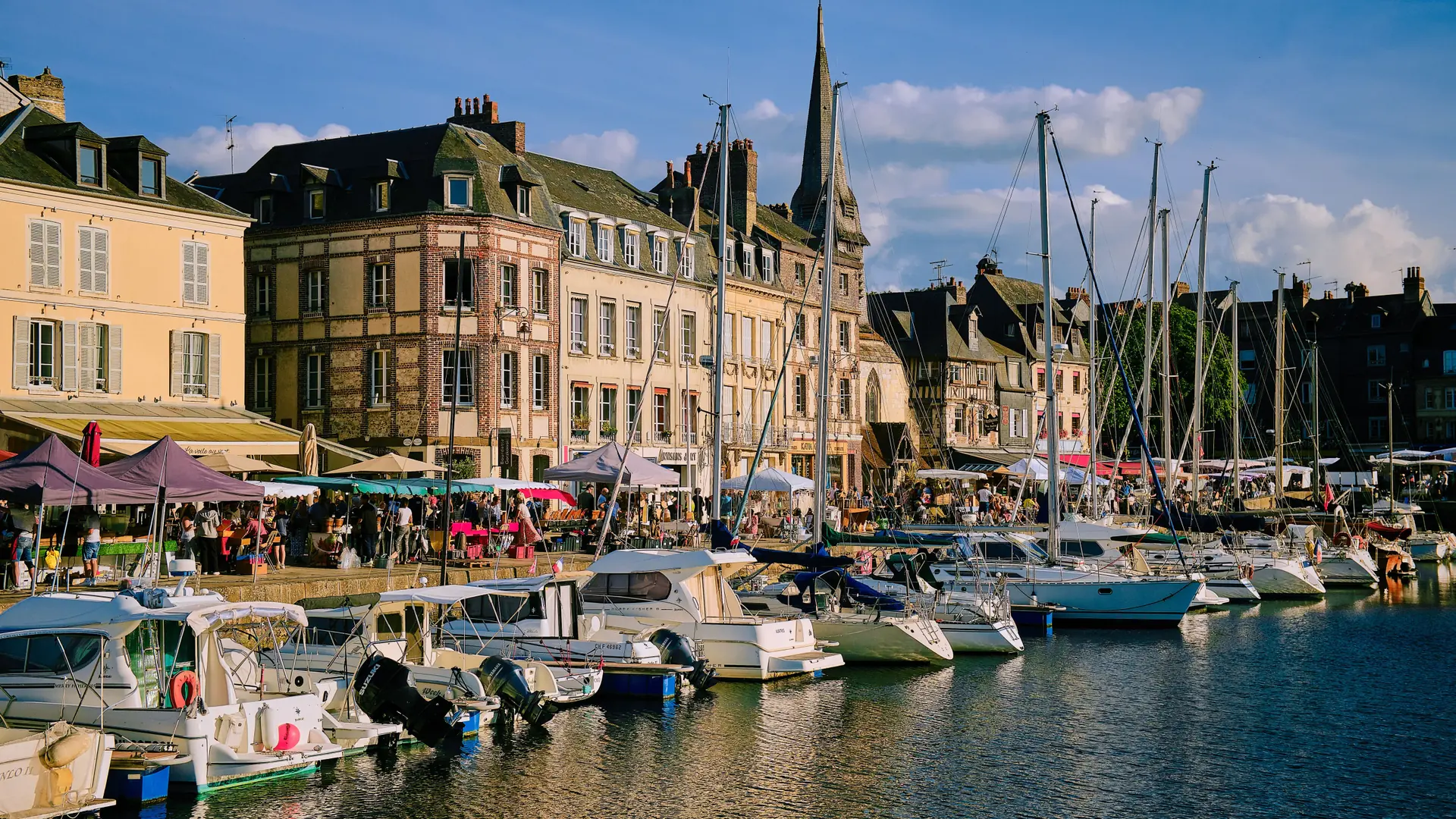
Sunlit stone village on a wooded hillside in southwest France

Bordeaux and Dordogne in 7 days

An urban-to-rural route linking Bordeaux’s riverfront, a responsible vineyard stop and the limestone landscapes around Sarlat.

Length
7 days, 6 nights
Bases
3 well-spaced stops
Main transport
Train, then rental car
Best window
May–Jun or Sep–Oct
Finding current stays

The landscape transition matters as much as the famous names

Bordeaux and the Dordogne belong in one week only when their different transport logic is respected. Bordeaux begins as a two-night walking and tram city, where the UNESCO-listed riverfront and neighbourhood streets need no rental vehicle. Saint-Émilion then becomes a purposeful overnight rather than a tasting stop squeezed between long drives. The final three nights move to Sarlat, a practical base for the Vézère or Dordogne valleys, markets, villages and prehistoric heritage. Rural distances are deceptively slow, and attraction access can be capacity-limited, so each full day follows one geographic theme. The route refuses to recommend tasting before driving; designate a driver, book transport or choose non-alcoholic participation. It also avoids listing caves as interchangeable. Conservation, access, replica experiences and booking procedures differ, which makes the responsible operator the source for each decision.

Bordeaux establishes the route

Bordeaux needs no car while the riverfront, historic centre and urban wine venues are the focus. Collecting one only on departure avoids paying to store a vehicle that adds nothing to two walkable city days.

Saint-Émilion changes the pace

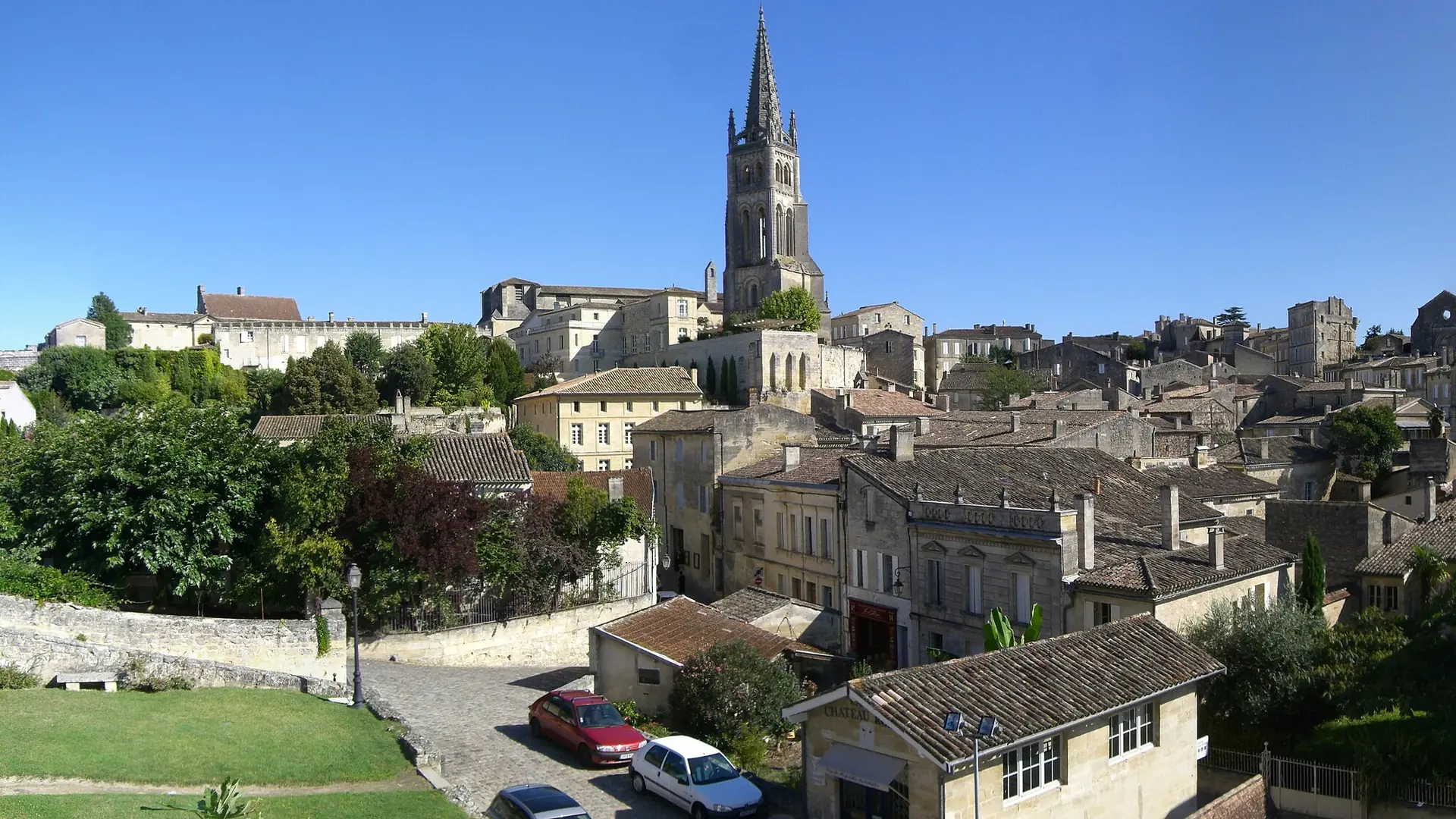
Saint-Émilion combines a steep limestone village with appointments spread beyond its centre. Anyone tasting wine needs a designated driver, booked transfer or rail-based plan, and polished slopes can be difficult for reduced mobility after rain.

Sarlat-la-Canéda completes the argument

Sarlat anchors several nights, but the Dordogne and Vézère valleys pull in different directions. Choose one valley per day and account for narrow roads and market traffic instead of turning the finale into a race between distant caves, castles and villages.

Best for

  • Travellers combining architecture, food, vineyards and prehistoric landscapes
  • Drivers who will separate alcohol tasting from vehicle operation
  • Visitors comfortable choosing one Dordogne valley theme per day

Think twice if

Do not use this itinerary as a tasting marathon, and extend it if both the Vézère and Dordogne valleys require several specialist sites.

StartBooker answer

How should you divide a one-week Bordeaux and Dordogne trip?

Seven days from Bordeaux to the Dordogne work with two nights in Bordeaux, one in Saint-Émilion and three in Sarlat-la-Canéda. Explore Bordeaux without a car, then collect one for the rural stages. Vineyard visits require appointments and a sober-driving plan; tasting and driving should never be treated as compatible by default. From Sarlat, choose one valley or cave theme per day rather than combining distant headline sites. Reserve any capacity-limited prehistoric visit through its official channel and keep a market-town alternative for poor weather.

Overnight bases
Two Bordeaux nights, one in Saint-Émilion and three in Sarlat create three useful bases without a daily move.
Car timing
Bordeaux is best explored before collecting the rental car.
Wine visits
Saint-Émilion visits need both appointment and responsible transport planning.
Dordogne base
Sarlat provides the multi-night base for separate Dordogne day themes.

Why these three overnight bases work

The three bases follow the journey’s changing transport needs: car-free Bordeaux, a vineyard overnight that removes post-tasting pressure, and Sarlat for two different rural day-trip directions.

3 stops · swipe

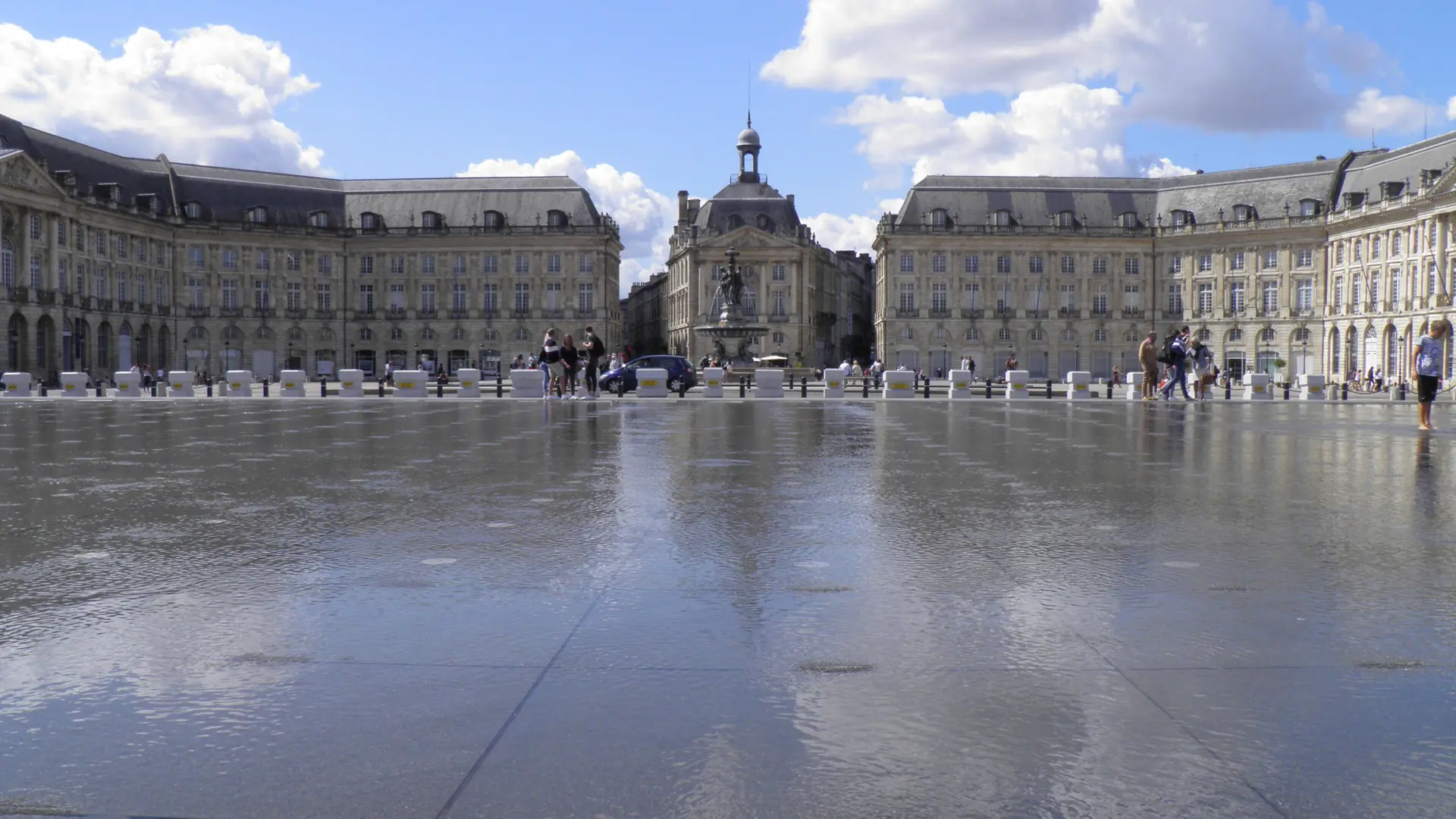
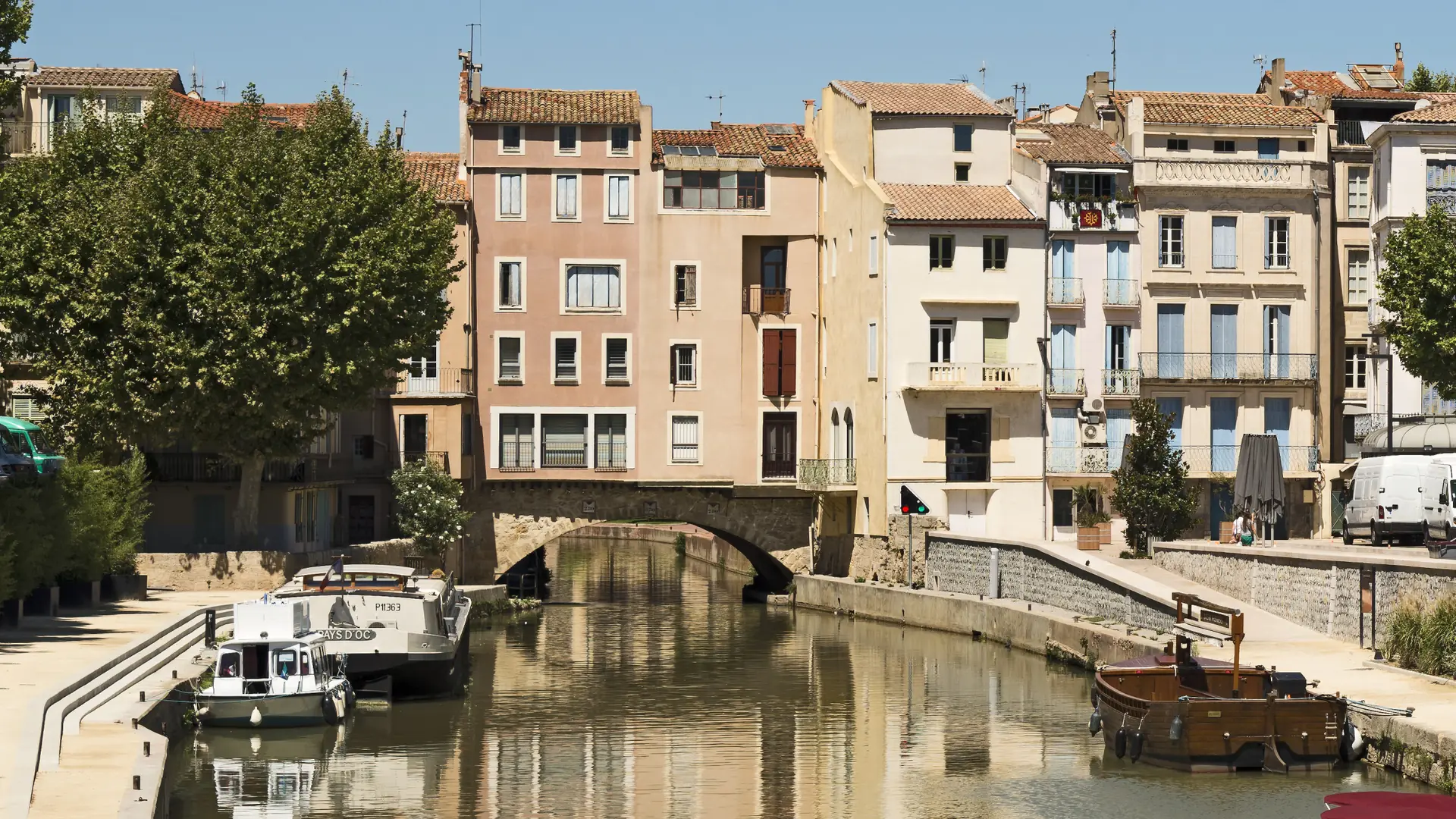
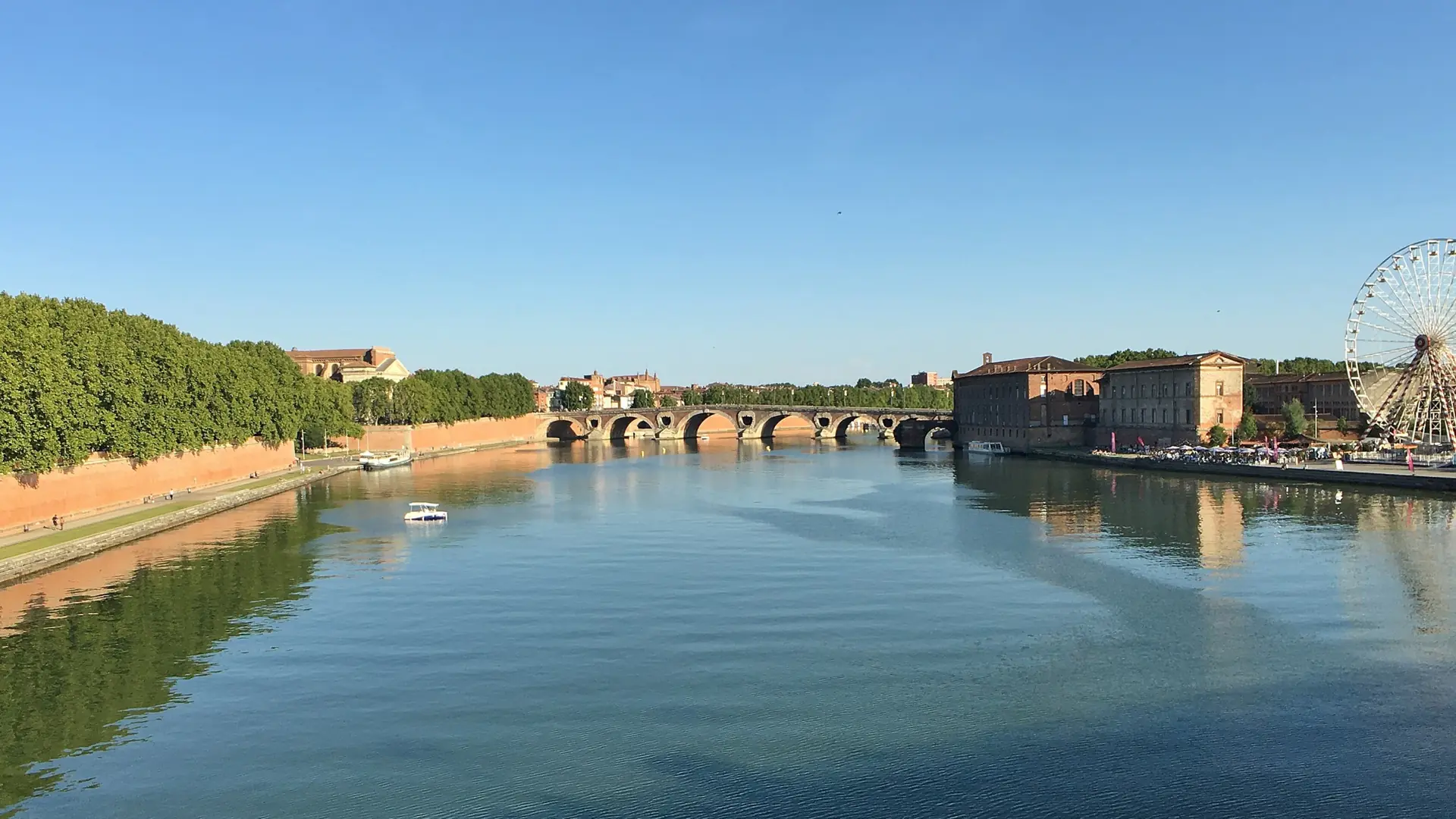
  1. Bordeaux riverfront and pale stone facades reflected near the water mirror 1

    Bordeaux

    2 nights

    UNESCO riverfront and urban wine culture

    Bordeaux supplies a complete car-free opening with quays, stone streets, markets and museums before the trip turns toward vineyard and rural roads.

    Watch out: Collecting a car early creates parking cost without improving the central visit.

    Read the Bordeaux guide →
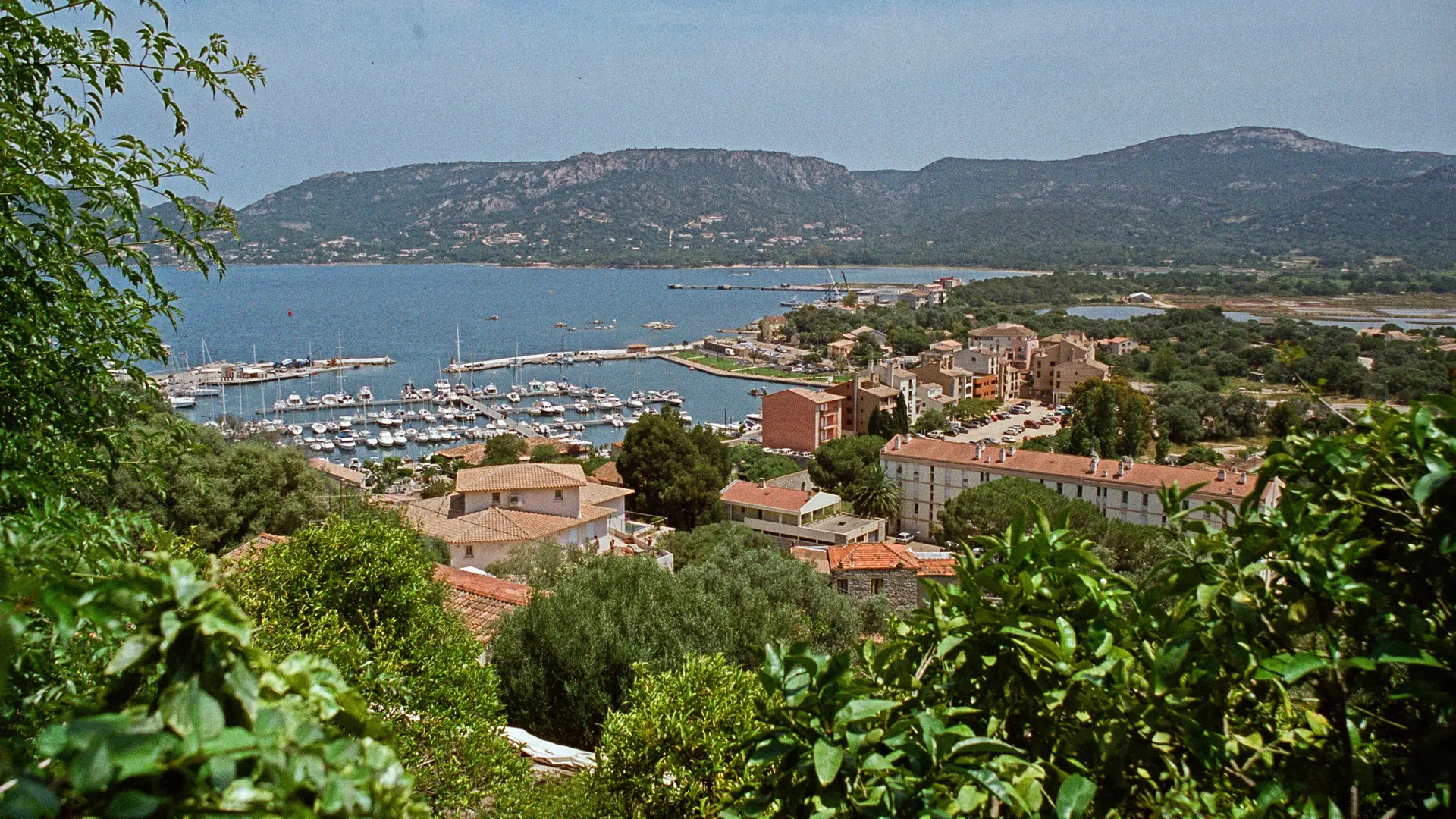
  2. Saint-Émilion stone village and vineyards under warm clear light 2

    Saint-Émilion

    1 night

    Hillside heritage and vineyard appointments

    The overnight creates time to understand the town and one booked producer without forcing a late drive immediately after a tasting.

    Watch out: Steep, polished streets affect mobility; alcohol requires a designated-driver or arranged-transfer decision.

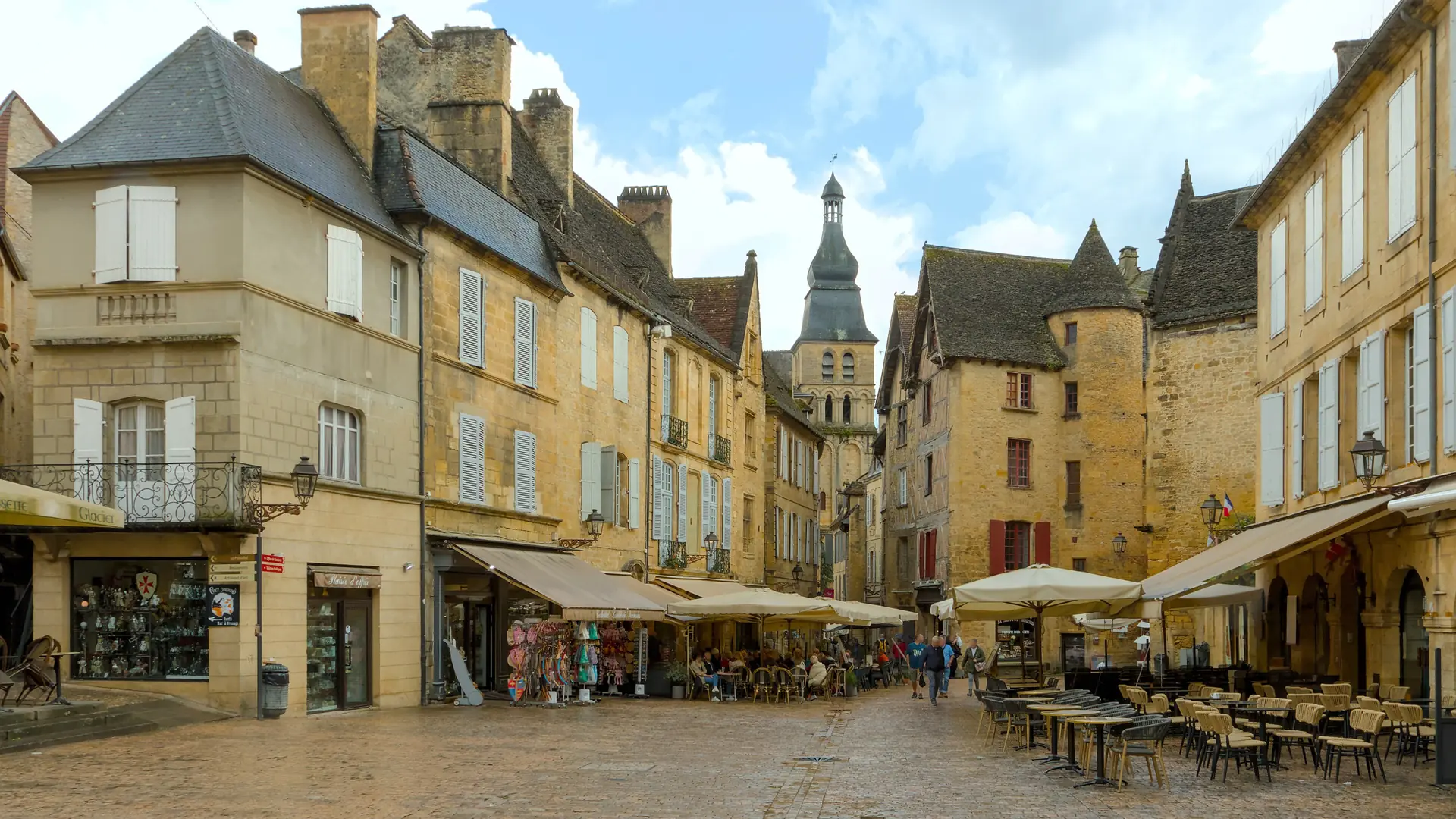
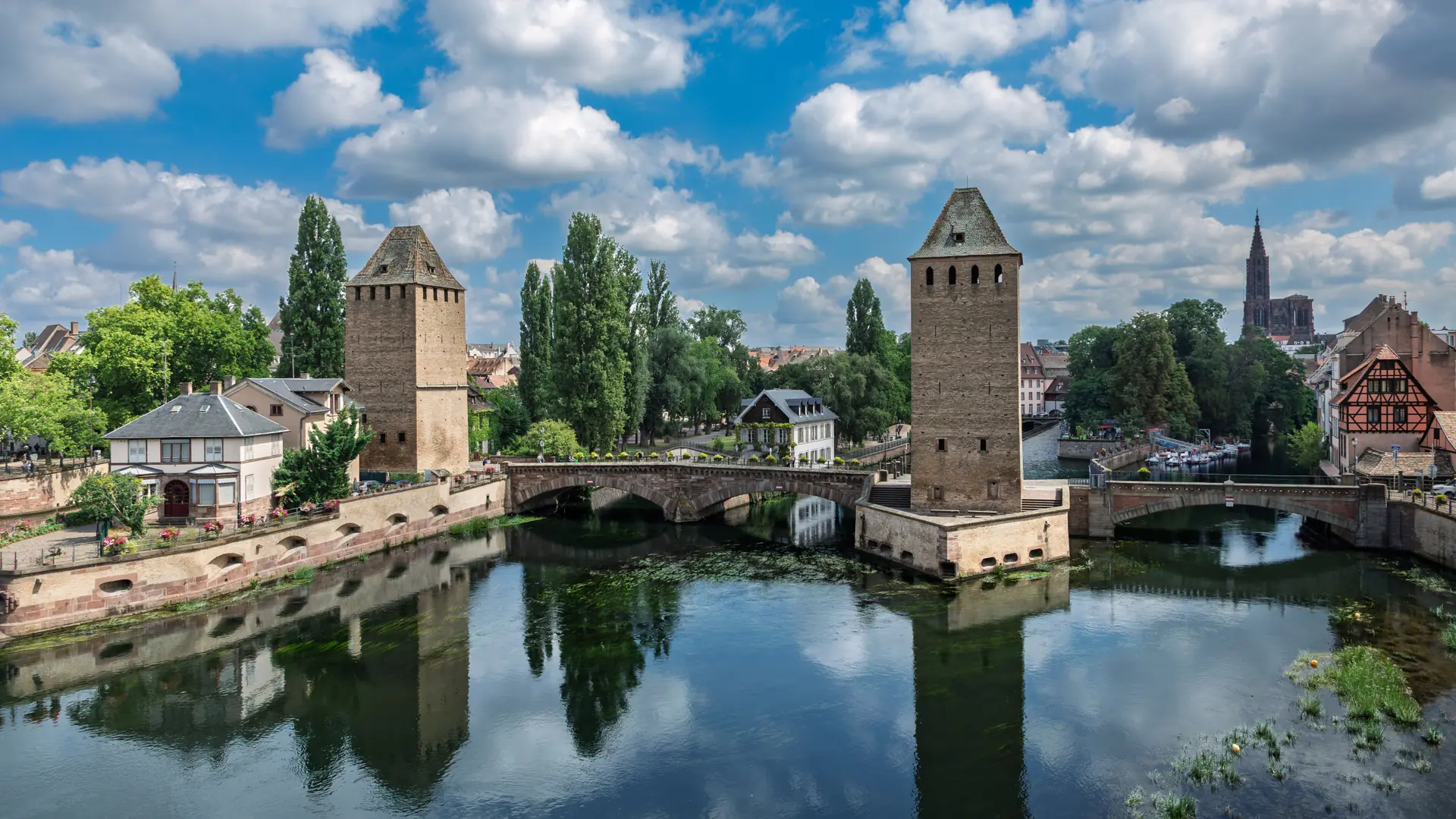
  3. Honey-colored stone buildings and market streets in Sarlat sunshine 3

    Sarlat-la-Canéda

    3 nights

    Medieval market base for two valleys

    Sarlat offers food, evening atmosphere and a central position for separate prehistoric, river and village days.

    Watch out: Road times expand on narrow routes and busy market dates; do not combine opposite valleys casually.

A day-by-day route from Bordeaux to Sarlat

The sequence changes character deliberately: two car-free city days, a responsible vineyard transition and three nights for separate Dordogne landscapes. Each day has one anchor and enough slack for real roads, meals and weather.

1 Day 1 Riverfront Bordeaux and the historic core

Start at the Garonne quays and read the UNESCO-listed centre as a connected city rather than a sequence of photo stops. Walk through Place de la Bourse and the eighteenth-century streets, then leave the monumental axis for a market or neighbourhood lunch. Do not collect the rental car: Bordeaux’s tram and pedestrian network are the useful tools today, while a vehicle would add parking work. If rain closes down the riverfront plan, switch to a museum, covered food hall and the arcades rather than chasing a distant dry patch. Finish near the river and check tomorrow’s chosen museum or wine-culture admission directly with its operator. This gentle arrival day protects both the evening and the more focused second city day.

  • a UNESCO-focused walk from the quays
  • a market or neighbourhood meal beyond the monumental axis
  • choose museums, arcades and covered food halls

Base: Bordeaux

2 Day 2 Bordeaux by interest, not another façade list

Give the morning to one subject: Bordeaux’s wine culture, an art collection or a food market. The point is depth, not another circuit of façades. After lunch, take a tram to a quarter you did not see yesterday and explore it on foot, leaving a third major attraction off the list. That restraint matters because tomorrow combines vehicle collection, unfamiliar roads and a booked appointment. A wet-weather version can stay entirely around an indoor collection, café streets and covered shopping near transit. During the final car-free evening, download the rental agreement, photograph the required documents and confirm where the Saint-Émilion accommodation expects guests to park. If tasting is planned, name the non-driving arrangement now; good intentions are not a transport plan.

  • one museum, market or contemporary wine-culture visit
  • a different quarter connected by tram
  • follow an indoor collection and café route near transit

Base: Bordeaux

3 Day 3 Collect the car and enter wine country responsibly

Collect the car after breakfast, inspect it before leaving the depot and keep luggage out of sight. Saint-Émilion is close enough to invite overplanning, but vehicle collection and parking can consume the margin. Make the medieval town and one pre-arranged estate or heritage visit the complete day. Steep lanes reward stable footwear, and a slower circuit reveals more than rushing between appointments. Anyone tasting alcohol needs a named alternative to driving: a sober driver, organised transfer or alcohol-free visit. If collection runs late, shorten the town walk rather than arriving late for the appointment. Confirm the hotel’s parking access before entering the busiest streets, then stay for the evening after day visitors leave. A heritage-only programme remains a worthwhile option and avoids treating wine consumption as compulsory.

  • the Bordeaux departure after urban sightseeing is complete
  • Saint-Émilion’s town fabric and one appointment
  • take a heritage-only visit and alcohol-free producer experience

Base: Saint-Émilion

4 Day 4 Drive east and arrive for Sarlat evening

Leave Saint-Émilion with a full tank and treat the drive east as the day’s main logistics. One planned meal stop is enough; a timed cave admission would make delays needlessly expensive. The landscape changes from vineyards to limestone country, and rural roads take more attention than a motorway estimate suggests. On arrival, park according to the accommodation’s instructions and explore Sarlat on foot. Its stone lanes, food shops and squares are a satisfying first encounter without another ticket. If the weather is poor, go directly to town and use sheltered streets, cafés and indoor heritage stops. Before dinner, choose tomorrow’s Vézère objective and verify the entry time on the responsible operator’s site. Keep the day after that for the Dordogne river direction so the car does not zigzag across the region.

  • the Saint-Émilion-to-Sarlat transfer with one meal stop
  • a first market-town circuit after check-in
  • arrive directly and use Sarlat’s sheltered streets and food shops

Base: Sarlat-la-Canéda

5 Day 5 Choose one prehistoric landscape

Build the Vézère day around one properly booked prehistoric site. Lascaux IV’s 2026 standard ticket is timed, so arrive at least twenty minutes early as the operator advises and do not attach a second inflexible admission. After the visit, choose a nearby village, interpretation stop or short riverside walk in the same valley. Staying within one geography preserves time to absorb the material instead of simply driving between famous names. If the booked visit becomes impossible, Sarlat’s museums, market culture and sheltered lanes provide a complete alternative; do not buy another distant ticket just to fill the timetable. Back at the base, check the following day’s castle, garden or boat opening and select only one bank of the Dordogne. The prehistoric landscape deserves its own day rather than being reduced to a detour.

  • one officially booked cave or interpretation site in the Vézère direction
  • a nearby village or riverside walk in the same geography
  • use Sarlat museums and market culture as the complete alternative

Base: Sarlat-la-Canéda

6 Day 6 The Dordogne valley at river pace

Choose one way to understand the Dordogne valley: a castle, a garden or a river-level perspective. Pair it with a single village on the same side of Sarlat, ideally after the heaviest excursion traffic has shifted. Crossing the region twice turns a scenic day into windscreen time. Leave an unassigned interval for a viewpoint, small producer or longer lunch discovered locally. Boats and exposed gardens depend on season and weather, so verify operations that morning. A lower-energy substitute is a Sarlat food-and-heritage day with short drives and indoor stops. Return early enough to enjoy the final evening at the base, then settle fuel, luggage and vehicle-return timing. Tomorrow’s departure should not inherit tasks that could be completed while the car is parked and everyone is rested.

  • one castle, garden or boat perspective along the Dordogne
  • a single village explored after excursion traffic changes
  • choose a Sarlat food and heritage day without exposed river plans

Base: Sarlat-la-Canéda

7 Day 7 Market morning and onward travel

Use Sarlat’s morning rhythm for a final market or old-town circuit only if it fits the actual day of the week. Otherwise, take breakfast locally and begin the onward journey without inventing an attraction. The fixed commitments are fuel, the rental return and the rail or flight connection; work backwards from them with a generous buffer. A distant château has no place on a departure day. If the onward booking is later, add one compact stop near the direct route rather than reopening the whole regional wish list. Check for belongings before leaving the room, retain fuel and return receipts and photograph the vehicle at handover. The trip ends more calmly when its final hours acknowledge real transport risk. Sarlat’s value came from serving two distinct landscapes, not from maximising the number of names collected.

  • Sarlat at its most useful morning rhythm
  • the onward drive or rail connection with fuel and return margin
  • use a compact old-town breakfast loop before departure

Base: Sarlat-la-Canéda

Transfers that preserve the reason for travelling

Measure each transfer from room to room, including depot formalities, luggage, parking and check-in. The mapped distance alone understates the attention required on rural roads.

2 transfers

  1. Bordeaux Saint-Émilion

    Car Travel time: About 45–60 minutes by car

    Bordeaux to Saint-Émilion is short enough for a full afternoon, but only after the rental pickup and exit are counted. The key issue is the sober return, not shaving minutes from the drive.

    Booking note: Arrange tasting, driver and parking as one decision rather than three assumptions.

  2. Saint-Émilion Sarlat-la-Canéda

    Car Travel time: Roughly 2–2.5 hours, route dependent

    Saint-Émilion to Sarlat crosses into rural roads where average speed falls. One simple lunch stop is sensible; a timed cave admission adds unnecessary risk.

    Booking note: Download the route and confirm fuel and check-in arrangements before leaving.

Road conditions, attraction hours and parking arrangements can change. Verify each timed admission and the rental company’s collection and return terms shortly before travel.

Book scarce access before optional extras

This trip has two distinct cost profiles: Bordeaux works with trams and walking, while the vineyard and Dordogne stages add a rental car, fuel and parking. Price the vehicle as a complete rural transport cost rather than comparing its headline daily rate with a rail fare. For a concrete attraction benchmark, the official 2026 adult price for a standard self-guided or guided Lascaux IV visit is €23; children aged 5–12 are €15 and under-fives enter free. The optional Flex add-on costs €2 per person. Check the operator again before purchase because the ticket is timed and prices can change.

Defining visits Use the official Lascaux seller for a timed visit. In 2026 a standard adult ticket is €23, with a €2 Flex option if you need limited changeability.
Reserve selectively
Transfer days Include collection queues, fuel, parking and the final vehicle return when comparing the rental-car portion; the cheapest advertised base rate is not the trip total.
Protect useful hours
Accommodation In Bordeaux, pay for tram-and-foot convenience. In Sarlat, confirm both evening walkability and a workable road exit for the two different valley directions.
Buy workable geography
Weather choices River trips, gardens and long outdoor walks can wait for a useful forecast; the cave booking and rooms deserve earlier attention.
Retain flexibility

Booking tips

  • Reserve any timed cave visit before fixing the rural day around it; Lascaux IV tickets are issued for a specific date and time.
  • Collect the car only after the Bordeaux stay, and compare a Saint-Émilion hotel’s parking instructions with the rental vehicle’s dimensions.
  • Keep one Dordogne day uncommitted until the local forecast is credible, then choose either the Vézère prehistoric sites or the river valley.

Where to stay in Sarlat-la-Canéda

Sarlat holds three nights and supports both valley directions. Compare easy evening walking with a realistic parking exit for day trips.

Compare stays in Sarlat-la-Canéda →
Loading current Sarlat-la-Canéda stays

Bordeaux and Dordogne route

The map shows the urban-to-rural progression from Bordeaux through Saint-Émilion to Sarlat; daily valley loops remain separate choices.

Sarlat-la-Canéda

Questions travellers ask about seven days from Bordeaux to the Dordogne

Is one week enough for Bordeaux and the Dordogne?

Yes, provided the week is treated as an introduction rather than complete regional coverage. Three bases limit packing, and each transfer has its own day. The schedule deliberately gives the Vézère and Dordogne valleys separate outings from Sarlat.

Could I use one base instead?

Not sensibly for this full route. Bordeaux and Sarlat are too far apart for useful daily returns, while Saint-Émilion earns an evening without a drive after a vineyard visit. Travellers who strongly dislike changing rooms should omit the Saint-Émilion night, not attempt one base for everything.

What should I reserve first?

Book the timed cave or prehistoric visit first, then the rental car and well-located rooms. Arrange any vineyard appointment together with a sober-driving solution. Walks, markets and unticketed village time can remain flexible.

How should I respond to bad weather?

Keep the hotel sequence and swap the activity, not the whole region. Bordeaux and Sarlat both support indoor heritage, food-market and café plans. A poor river forecast is a reason to use those options, not to spend hours driving toward uncertain sunshine.

Is the route suitable with limited mobility?

It requires stop-by-stop checking. Saint-Émilion and historic Sarlat have uneven paving, while rural sites differ in gradients, parking and adapted facilities. Ask each attraction and accommodation about the exact barrier that affects you before buying a non-refundable ticket.

Can I add another famous destination?

Only by adding nights or removing an existing theme. Bergerac, Arcachon or another major cave may look close on a regional map, but each creates parking, admission or transfer work. Preserve the three-base structure unless the added place matters more than one current stage.

Sources and editorial review

Reviewed by StartBooker editorial Southwest France itinerary research and editorial review

Last reviewed 2026-09-02

How this itinerary was checked: StartBooker checked the route against first-party information from Bordeaux, Saint-Émilion, Sarlat, Dordogne tourism and the Lascaux operator. Independent itinerary publishers were used to identify common planning questions and challenge the pace, not as a source of prose. Prices and timed-entry rules were reviewed on 3 September 2026; travellers should verify them again before purchase.

11 references reviewed

Key sources
  • Lascaux
  • Bordeaux Airport
  • Sarlat Tourism
  • Bordeaux Tourism
  • Bordeaux Convention Bureau
  • Saint-Émilion Tourism
Photo credits

Photos provided by Pexels.

What would you tell the next Bordeaux–Dordogne traveller?

Which Bordeaux neighbourhood or Dordogne village deserved time you had not scheduled?