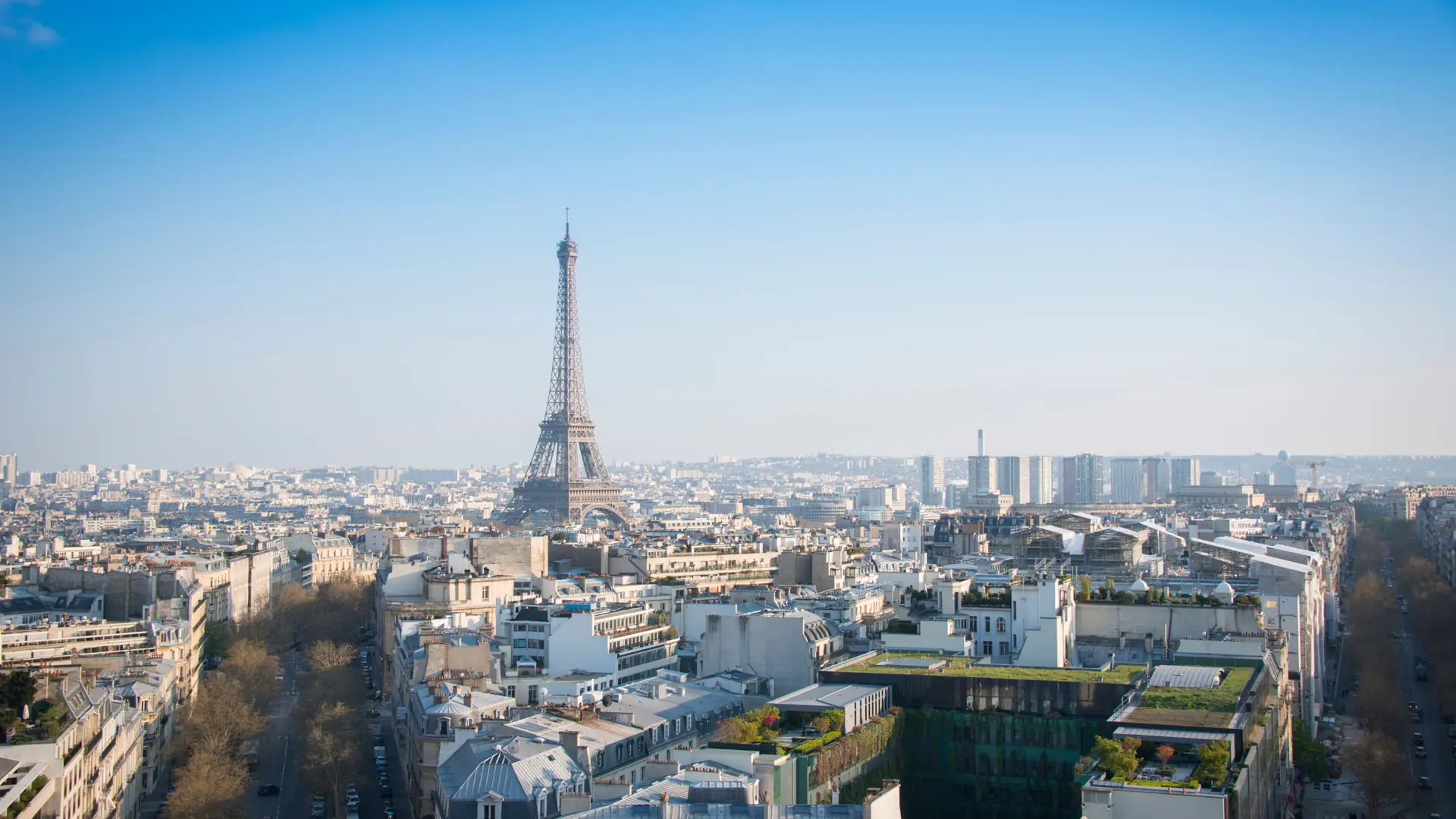
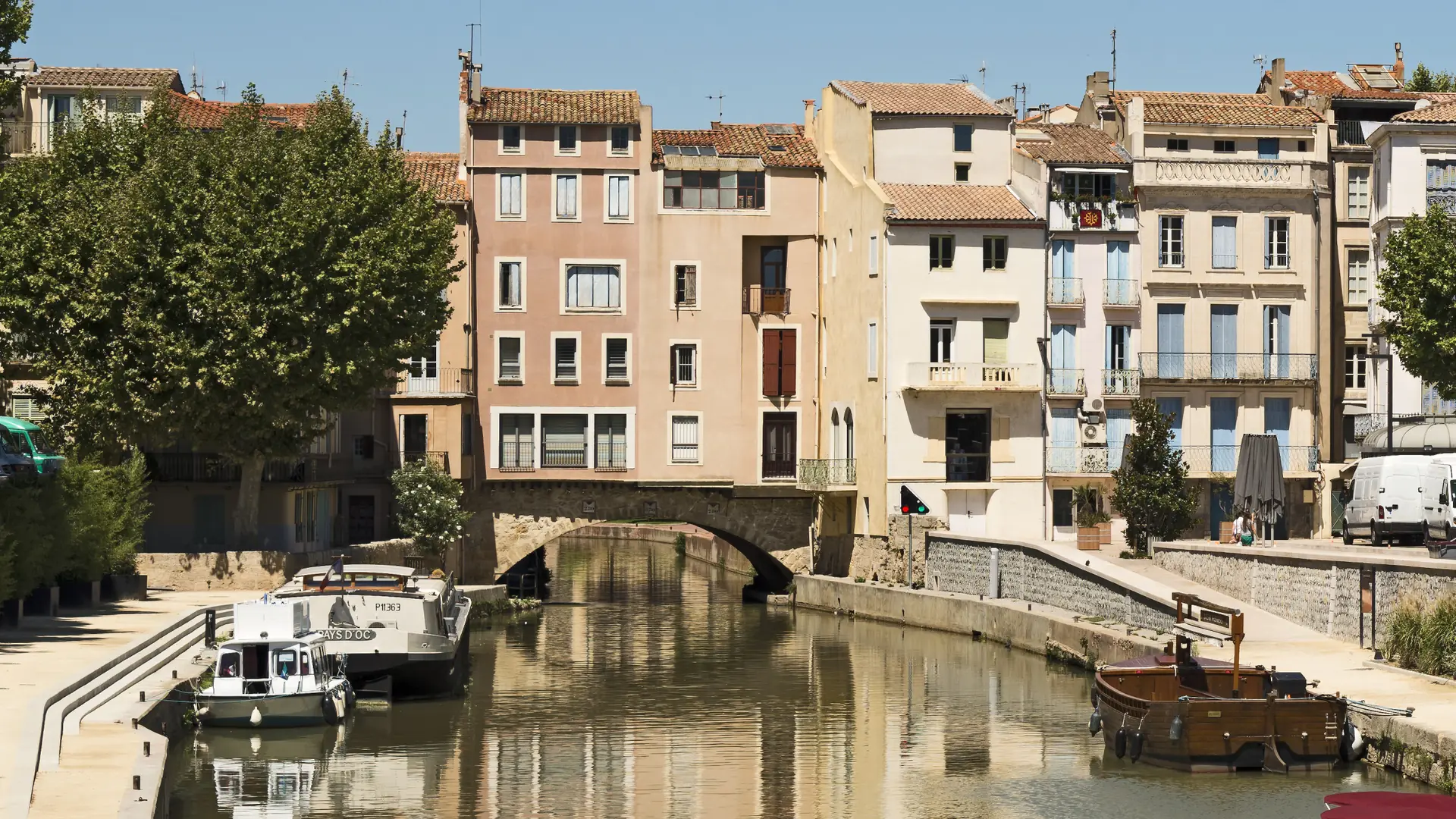
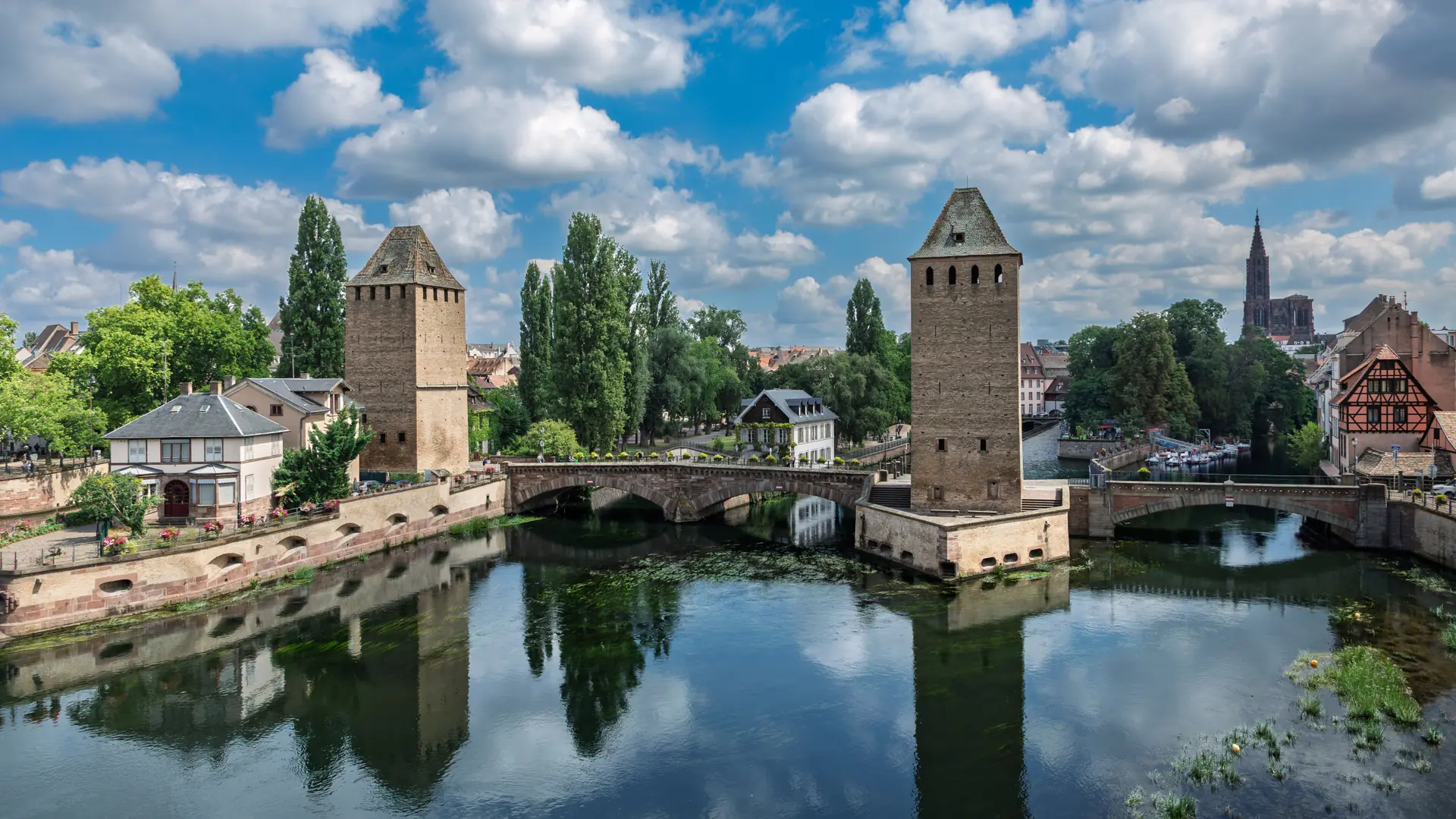
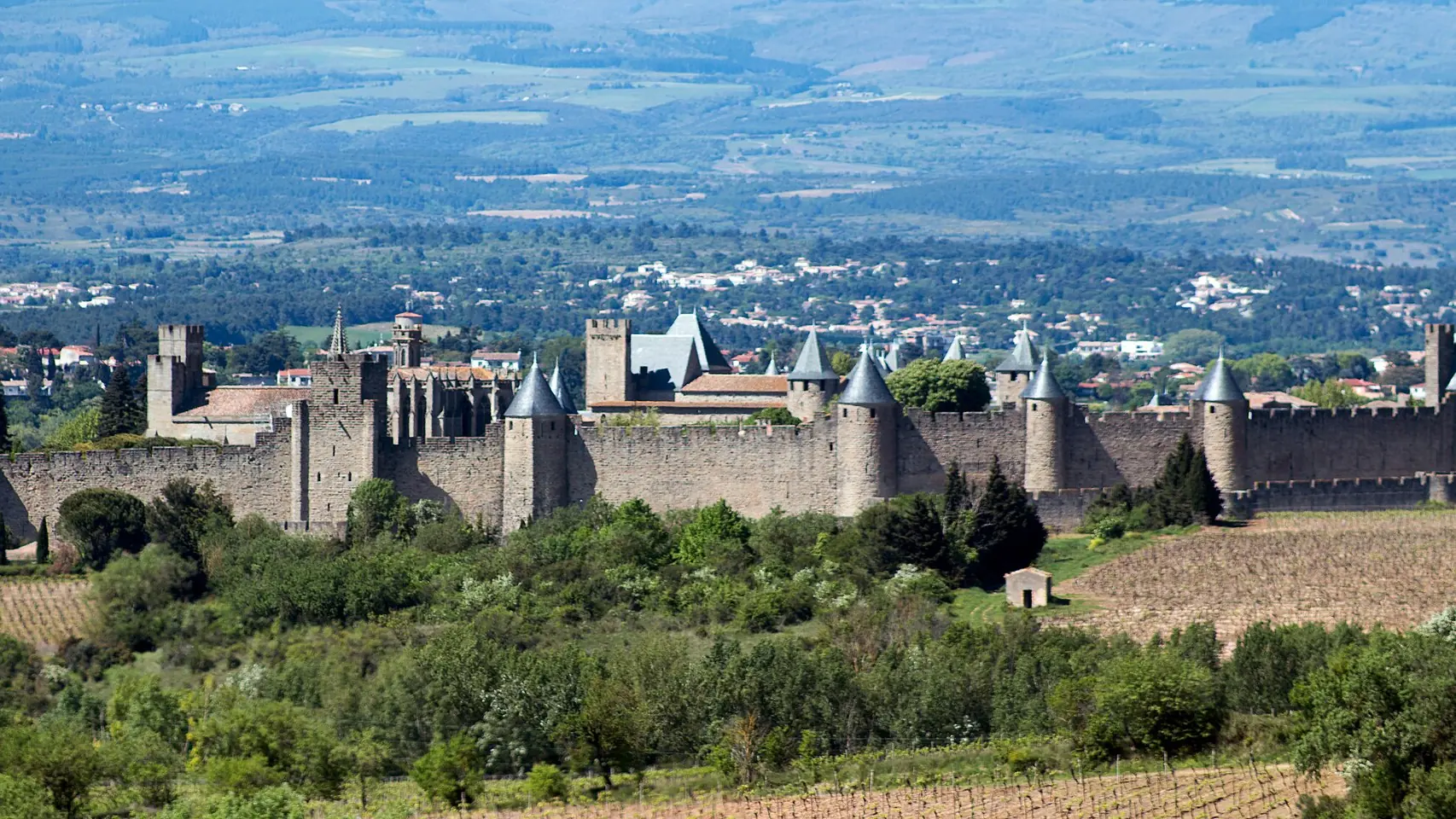
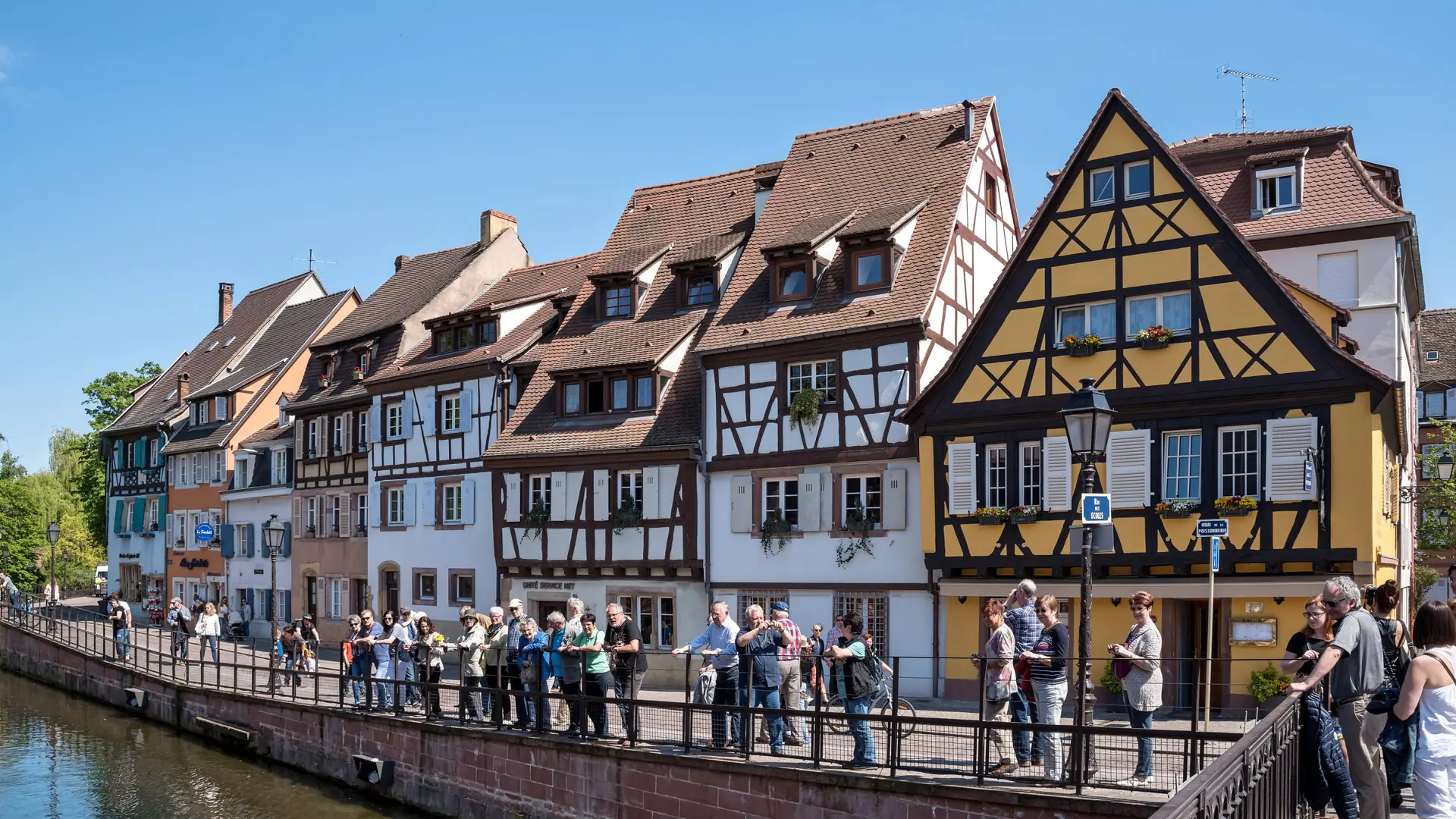
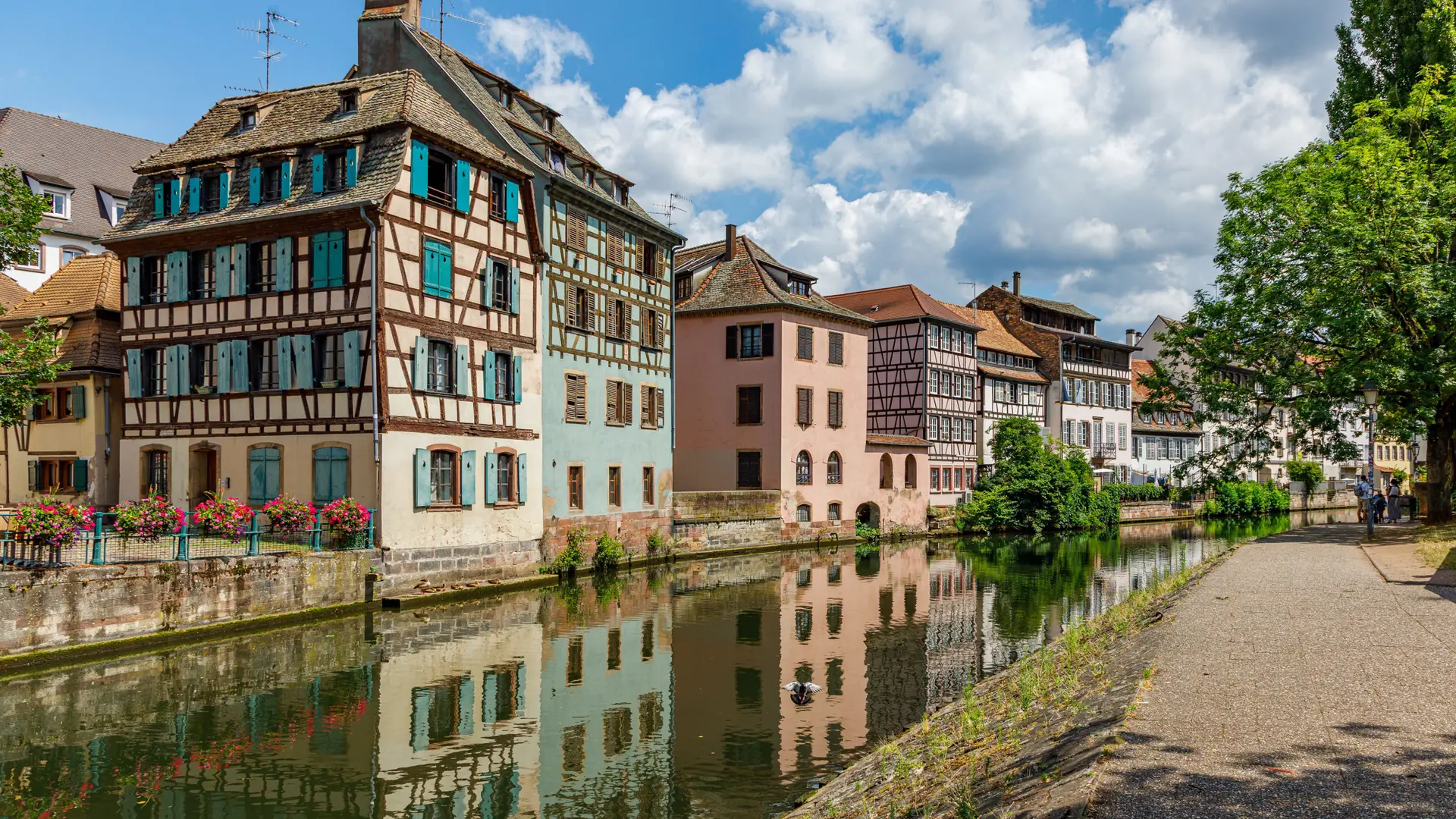
A north-to-south story
Parisian scale gives way to Lyon’s intimate river quarters and then to Nice’s open seafront, so each move produces a meaningful change rather than another similar city.
A measured first-France route: capital landmarks, Lyonnais food culture and Mediterranean light connected by rail.
This route answers a common first-trip problem: how to see distinct sides of France in one week without spending the week in transit. Paris supplies scale, museums and neighbourhood contrast; Lyon shifts attention toward Renaissance streets, river geography and meals; Nice opens the itinerary to the Mediterranean. Two nights in each city is brisk, but defensible, because both transfers join central stations and the journey keeps moving south. The price of that efficiency is discipline. Paris cannot hold every major museum, Versailles and several distant quarters. Lyon should not be reduced to a lunch stop. Nice needs a choice between a coastal excursion and a slower city day. Make those exclusions deliberately and the week feels varied rather than incomplete.
Parisian scale gives way to Lyon’s intimate river quarters and then to Nice’s open seafront, so each move produces a meaningful change rather than another similar city.
The Paris–Lyon corridor is the easy leg; the longer Lyon–Nice journey is scheduled as a real part of the week instead of being hidden inside an overfilled sightseeing day.
One booked Paris anchor and any must-see Lyon or Riviera experience set the calendar, while neighbourhood walks, markets and viewpoints remain flexible around weather and energy.
Best for
Think twice if
Skip this version if you need an unhurried museum week, several beach days or step-free certainty at every historic site; extend one or two bases instead.
StartBooker answer
Seven days can cover Paris, Lyon and Nice well when the trip stays linear and accepts three focused bases rather than treating France as a checklist. Give Paris two nights for a booked landmark and neighbourhood time, Lyon two for the historic centre and food culture, then Nice two for the old town and one coast day. Reserve the defining attractions first, fit trains around those commitments and use an open-jaw arrival and departure to avoid backtracking.
Two nights in each city keep the geography honest: one arrival or transfer day and one complete day before moving south again.
3 stops · swipe
1
Museum choices and neighbourhood walks
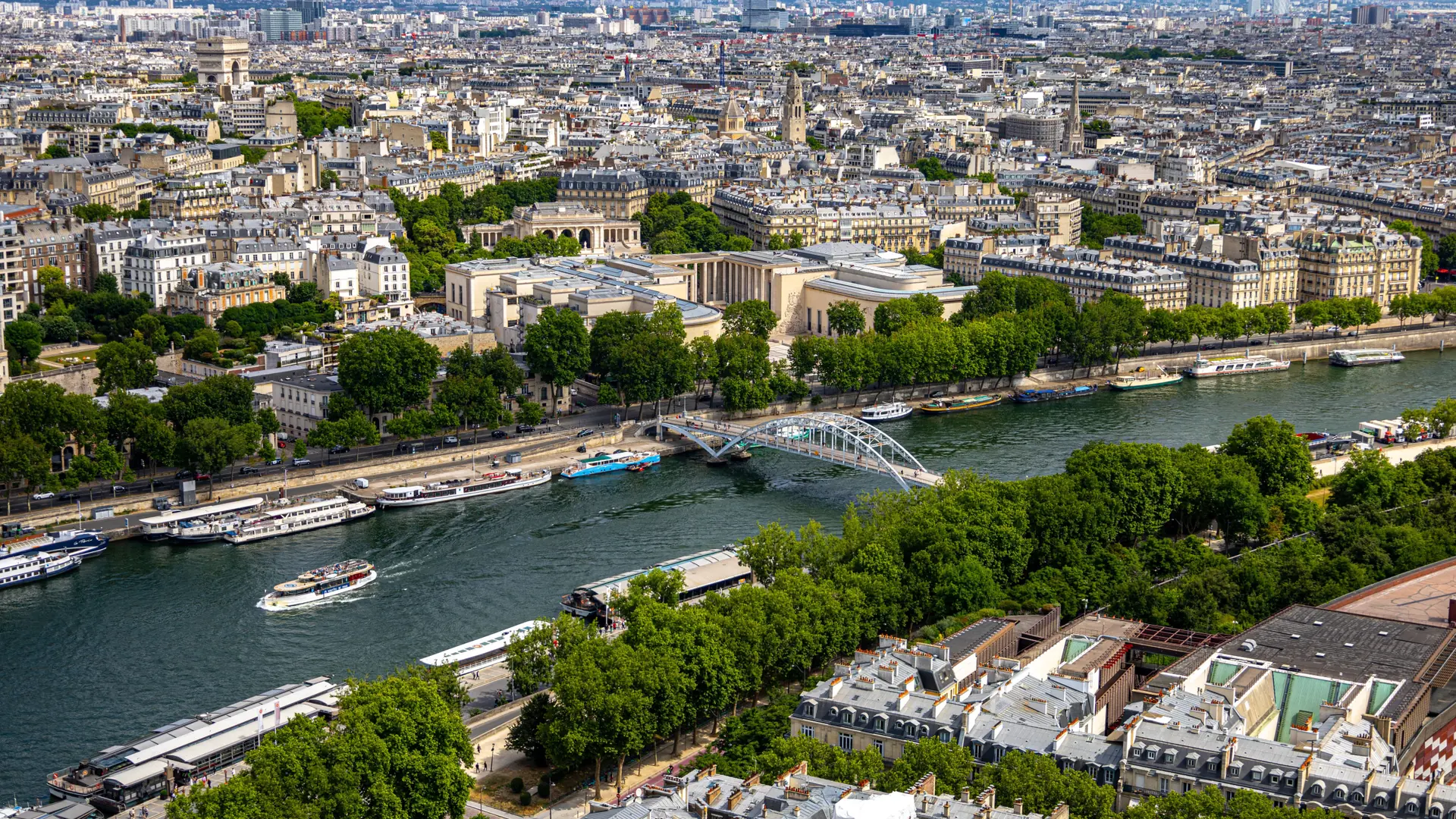
Use the first base to pair one prebooked cultural landmark with a street-level introduction to the Seine and a neighbourhood that matches your interests. Two nights demand choices, so the route protects quality by refusing a citywide greatest-hits sprint.
Watch out: Versailles consumes most of a day and does not fit comfortably unless it replaces central Paris priorities.
Read the Paris guide →
2
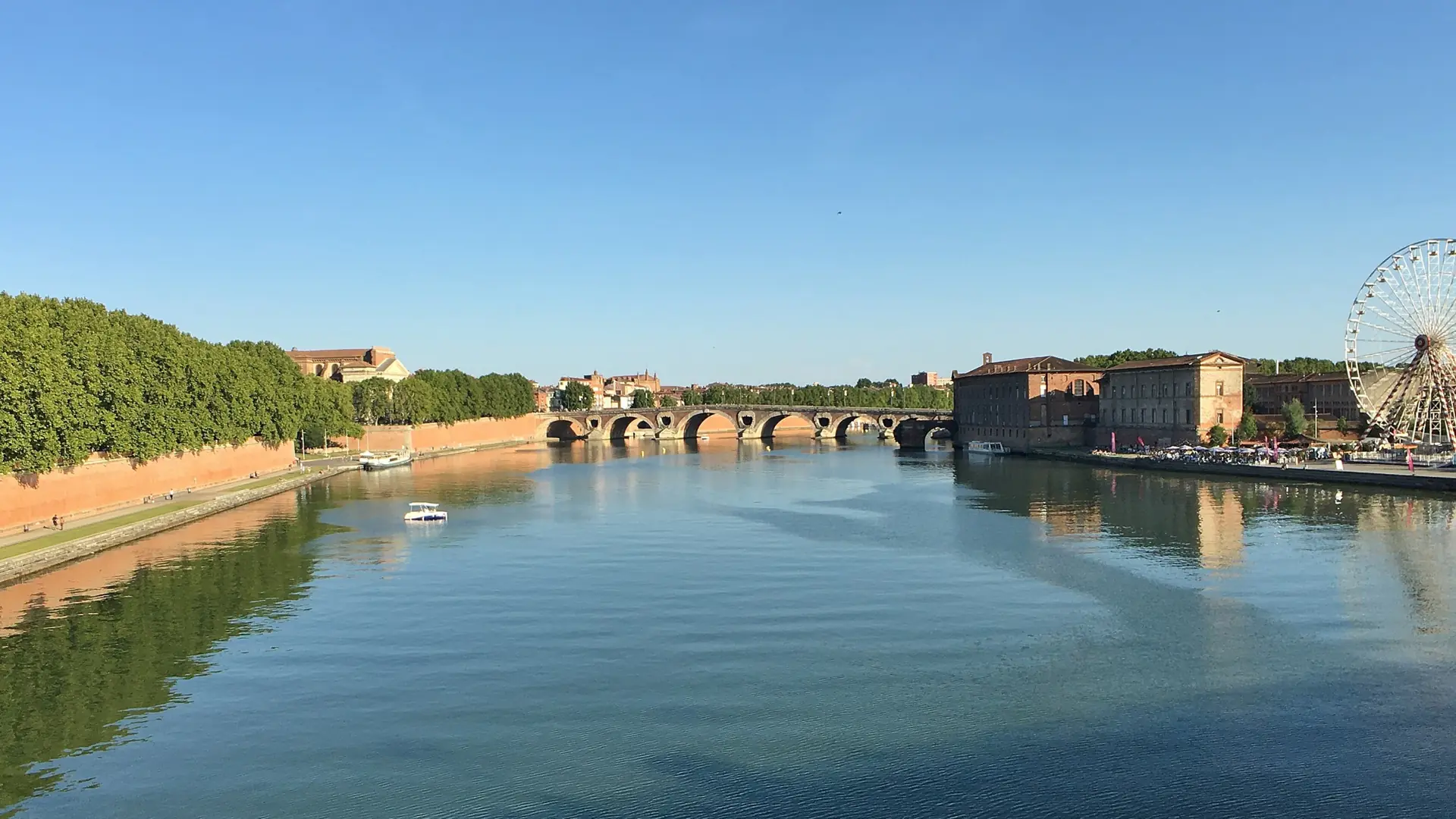
Old Lyon, rivers and food culture
Lyon is not merely a connection. Its peninsula, riverbanks, traboules and hillside views supply a smaller urban scale after Paris, while the second night makes dinner part of the destination rather than a hurried stop between trains.
Watch out: Historic slopes and cobbles can be tiring; use the funicular and choose a centrally connected hotel.
Read the Lyon guide →
3
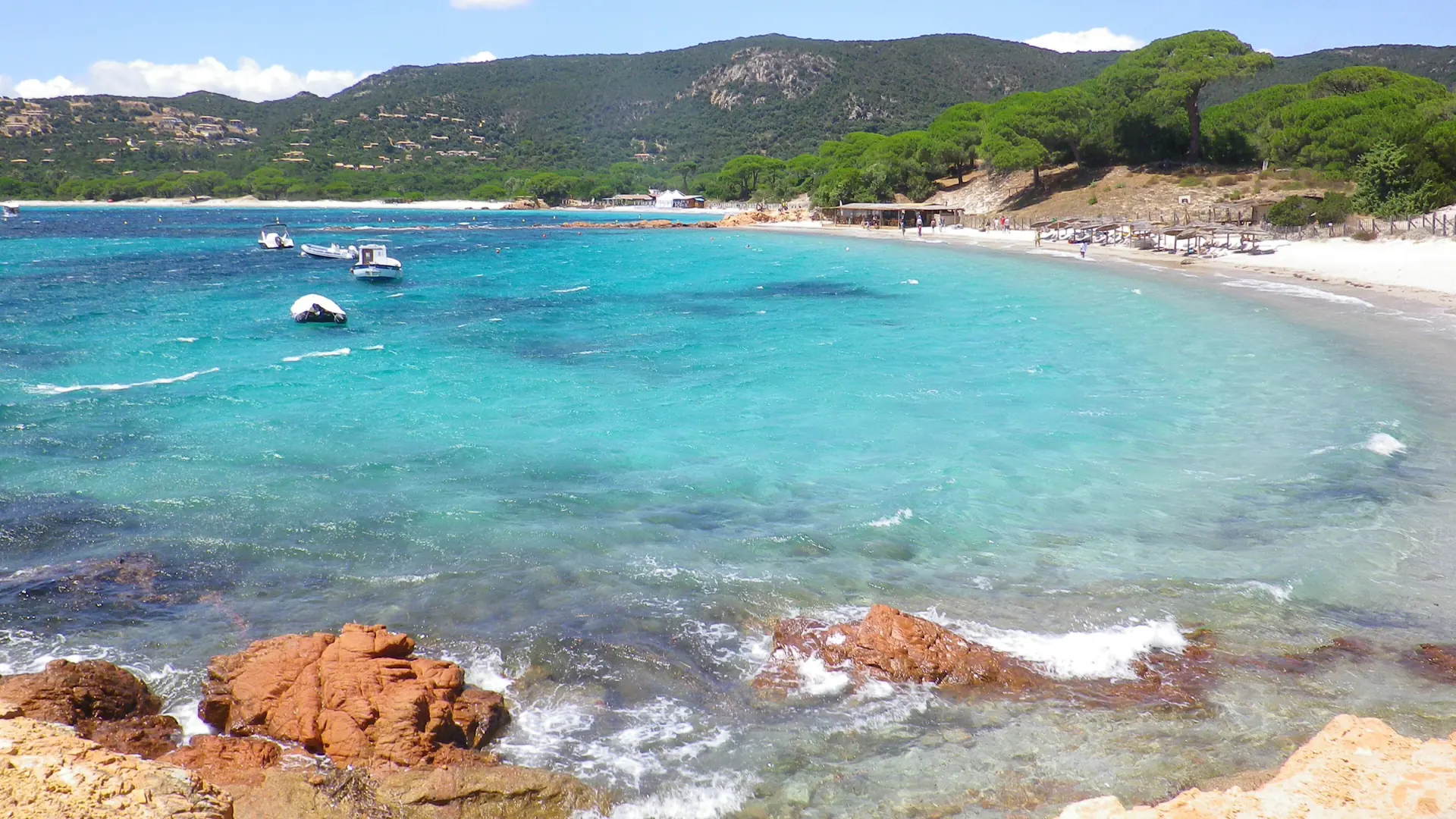
Old Nice and the Mediterranean coast
Finish beside the sea, balancing the Promenade des Anglais and Vieux Nice with one carefully selected coast excursion. The base works without a car and gives the final morning an easier rhythm before departure.
Watch out: Summer heat and event crowds make early starts and advance accommodation choices especially valuable.
Read the Nice guide →Every day has one clear anchor, a nearby complement and a credible fallback. The route works because the two long train moves are treated as part of the itinerary rather than empty interruptions.
Use the arrival day for a Seine-side orientation from the historic centre and dinner in a neighbourhood beyond the busiest monument zone. Keep the walk short enough to absorb a delayed flight or jet lag without borrowing energy from tomorrow. A covered passage, café and nearby church or small museum form a coherent wet-weather version. Do not attach a timed headline attraction to an uncertain arrival. End near the hotel, confirm the official entry time for the chosen Paris anchor and save the walking route before bed.
Base: Paris
Begin with the Louvre or one alternative major collection booked through its official channel. From 14 January 2026, Louvre admission is €22 for EEA citizens or residents and €32 for other adult visitors; a time-slot booking is recommended even for eligible free admission. Continue through the Tuileries, Palais-Royal and one nearby neighbourhood instead of crossing Paris for a second large museum. If the priority site is unavailable, choose a smaller municipal collection and covered market in the same part of the city. Pack for Lyon after dinner and keep the rail ticket beside the next hotel's address.
Base: Paris
Take a morning Paris–Lyon train after breakfast and choose a direct service that still leaves a real Lyon afternoon. From Part-Dieu, use local transport to the hotel rather than collecting a car. After bag drop, walk the Presqu’île between Bellecour and the riverbanks, then let dinner introduce the city's food culture. If disruption delays arrival, shorten the loop to the peninsula's arcades and one river viewpoint; do not compensate by rushing across several districts. Keep one night's essentials and the booking reference accessible until the room is confirmed.
Base: Lyon
Give the first alert hours to Fourvière and the old-town lanes below. Use the funicular when the climb would consume the energy needed for Vieux Lyon, then cross toward a Rhône or Saône riverbank walk. The day needs observation and one coherent historical thread, not another timed admission. In heavy rain or when access changes, concentrate on indoor cultural spaces and sheltered passages around the old town. Spend the final evening near the river, then confirm tomorrow's train, platform information and the simplest route back to Part-Dieu.
Base: Lyon
Choose a Lyon–Nice departure at a civilised hour and treat this longest relocation as the day's fixed commitment. Buy food before boarding, keep the ticket available offline and avoid promising a major attraction after arrival. Once the room is confirmed, use the Promenade and Vieux Nice for a sunset introduction. A delayed train simply contracts the evening to a covered market street and dinner near the accommodation. That is enough: the next two days contain the city's substantive visits and coast choice.
Base: Nice
Start at Cours Saleya and the lanes of Vieux Nice, then turn toward the seafront and Castle Hill viewpoints. Climb early or use the available lift access before the brightest heat, and leave an unscheduled interval for a market stall, beach pause or street discovered on foot. Museums and an extended old-town lunch replace the exposed viewpoints in rain or low energy. Keep the penultimate evening unhurried. Choose tomorrow's coast direction only after checking the forecast and current rail notices.
Base: Nice
Choose one short rail excursion—Antibes or Menton, not both—and verify the live service before leaving. A single direction creates time for an old town, waterfront and lunch without converting the final day into platform collecting. Return to Nice for a swim, garden or seafront meal according to weather. When heat, crowds or disruption weaken the excursion, remain in Nice for a slower neighbourhood and museum day. End with dinner near the room and leave tomorrow's airport or onward-rail transfer fully checked.
Base: Nice
Each transfer note explains when to leave, what to reserve and which inconvenience the direct train avoids.
2 transfers
Paris Lyon
Paris to Lyon is the clean transfer: central-city departure, frequent high-speed options and no need to handle a rental car. Select the station pair shown on the ticket, because “Paris” and “Lyon” can each involve more than one railway label.
Booking note: Compare direct trains on SNCF Connect after your Paris appointment times are settled.
Lyon Nice
Lyon to Nice crosses a larger distance and should be treated as the principal travel event of day five. A direct service is valuable when available; otherwise judge the connection by margin and simplicity, not only the lowest fare.
Booking note: Use the live operator result for exact duration, interchange and fare conditions.
Confirm the chosen high-speed trains, fare restrictions and timed admissions for the travel date. A static route cannot promise a platform, price or opening slot.
The week becomes expensive through late hotels and poor train timing, not through one unavoidable ticket. In 2026, Louvre admission is €22 for EEA citizens or residents and €32 for other adult visitors; eligible under-18s and EEA residents under 26 enter free but should still reserve. Treat train prices as live quotes and compare them only after fixing the departure times that preserve a usable afternoon. Price Paris–Lyon and Lyon–Nice as separate journeys before assuming a pass is cheaper, then compare change and refund conditions—not only the lowest number on screen. A dawn departure can waste the breakfast and checkout already included in the hotel, while a late train can turn an expensive destination night into little more than sleep. Check whether the fare binds you to a named service and how much disruption tolerance the route really has. For rooms, compare the final walking or local-transit leg from the arrival station. Paying slightly more near a useful connection can remove four luggage transfers across the week. Keep the Nice coast excursion unreserved until weather and rail reliability are clear; it is the easiest day to change without losing prepaid value.
Booking tips
Lyon is the hinge of the itinerary and the easiest place to lose time through poor geography. Compare a base with simple access to Part-Dieu and the Presqu’île.
Read the full line from Paris through Lyon to Nice, then compare how each hotel sits relative to the station and the day’s walking core.
Lyon
Yes for a purposeful introduction, not for exhaustive coverage. Two nights in each base create one full day plus useful arrival time, provided you accept one or two priorities rather than a complete landmark list.
Use trains. A car adds parking and one-way rental friction inside three cities, while the main intercity corridors already match this linear route.
Paris benefits most if this is your first visit; Nice benefits most if swimming or coast excursions matter. Give Lyon the extra night when food and neighbourhood time are central to the trip.
Not responsibly without removing a base. Provence has different transport logic and deserves its own route rather than a rushed day extracted from the Lyon–Nice transfer.
Begin in Paris and depart from Nice when flight options cooperate. Reversing also works, but returning to the starting city consumes time without adding a new experience.
Secure any must-have Paris timed entry, then the two intercity legs, then accommodation. Leave ordinary walks and the final Riviera excursion flexible.
Reviewed by StartBooker editorial France itinerary research and route editing
Last reviewed 2026-09-02
How this itinerary was checked: The route was checked claim by claim against official tourism, attraction and transport sources. Independent travel editors were used to discover recurring traveller questions and test the proposed pace, never as wording to copy. Volatile schedules, prices and access conditions remain decisions to reconfirm with the responsible operator.
11 references reviewed
Photos provided by Pexels.
Was two nights in Lyon enough between Paris and the Mediterranean?