Marseille is more than a gateway
The Old Port, neighbourhoods and coast access questions justify a real base before the quieter inland sequence begins.
A city-and-landscape loop that uses the car between bases, then leaves it parked while historic centres are explored on foot.
The value of this circuit lies in four different urban experiences framed by Provençal landscape: maritime Marseille, elegant Aix, papal Avignon and Roman Arles. Driving creates flexibility between them, but historic centres punish anyone who expects door-to-door convenience. The itinerary therefore separates road hours from walking hours and treats parking as part of accommodation selection. Marseille receives two nights because the city and a possible Calanques outing require different decisions. Aix is compact enough for a focused overnight. Avignon becomes the central two-night base, allowing its monumental core and a second regional day to coexist. Arles closes the loop with Roman fabric, Rhône light and a manageable final night. The route deliberately excludes a compulsory lavender photograph: flowering varies by place, weather and harvest, and chasing it outside the right window would weaken the whole week.
The Old Port, neighbourhoods and coast access questions justify a real base before the quieter inland sequence begins.
Two evenings prevent the Palais des Papes area from being a rushed stop and create room for a weather-led regional choice.
Roman monuments and walkable streets form a coherent closing chapter without adding another long drive.
Best for
Think twice if
Choose a rail itinerary if nobody wants to drive, and extend the trip if hill villages, Verdon or several beach days are essential.
StartBooker answer
A practical seven-day Provence road trip begins with two nights in Marseille, continues through Aix-en-Provence for one night, gives Avignon two nights and finishes with one in Arles. The car is useful for the regional moves but should remain parked during city sightseeing. Treat Calanques access as conditional because fire risk, seasonal restrictions and reservation rules can change; keep a Marseille alternative ready. Reserve only the defining visits, choose hotels with explicit parking terms and avoid adding distant lavender fields unless season and route genuinely support them.
Four bases create short regional moves and distinct evenings; the route never asks a driver to sightsee immediately after hunting for central parking.
4 stops · swipe
1
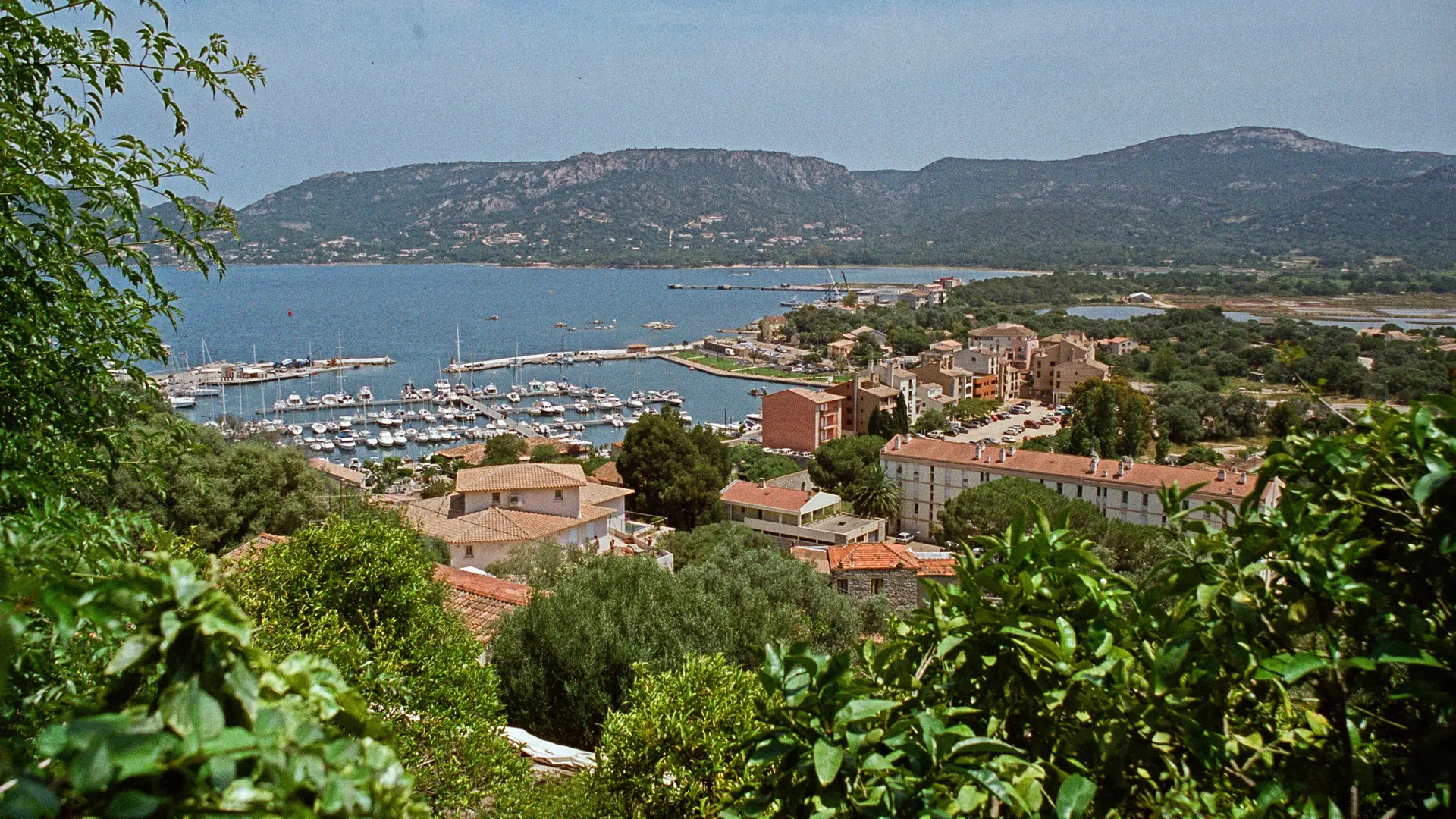
Old Port, neighbourhoods and Calanques decisions
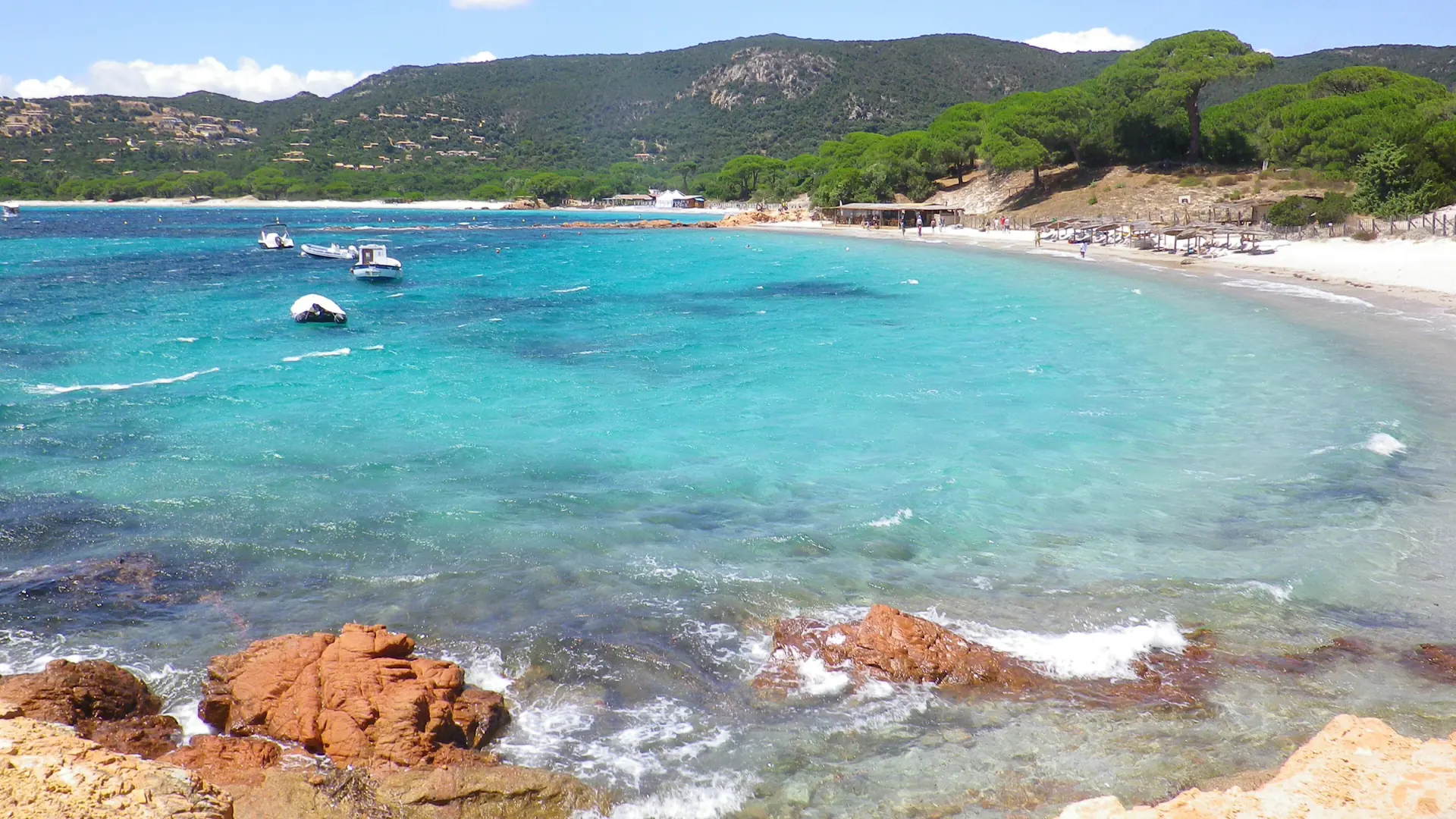
Use Marseille to understand Provence as a living Mediterranean region, not only a landscape of villages. One day stays urban; the other can turn toward the Calanques if official access and conditions permit.
Watch out: Summer fire controls, road closures and reservation rules can change access to the Calanques at short notice.
2
Markets, fountains and Cours Mirabeau
Aix provides an elegant, walkable contrast after Marseille. One overnight supports a market-led morning and an evening when day visitors have thinned.
Watch out: Confirm hotel parking dimensions and access rather than assuming a central address includes easy vehicle access.
3
Papal heritage and walled streets
Avignon’s walls hold the route’s main formal heritage appointment, while the second night gives space for a slower Rhône walk or a nearby excursion chosen on current conditions.
Watch out: Festival periods alter prices, traffic and availability; check dates before committing to this base.
4
Roman fabric and Rhône atmosphere
Arles ends the trip at a human scale. Prioritise the Roman core and streets around it rather than driving outward to collect another landscape at the last moment.
Watch out: Ancient surfaces and heat can complicate mobility; plan shade, rests and accessible entrances in advance.
These seven days alternate city walking with short road moves. The Calanques and exposed Roman sites belong in the coolest safe part of the day; reserved interiors keep their booked time; everything else can shift when heat, mistral, fire controls or a difficult garage changes the plan.
Start at Marseille's Old Port, climb into Le Panier only as far as your energy allows, then return to the water for the evening. A rental car is a burden here; collect it when leaving the city unless the booking terms make that impossible. Late arrivals can reduce the plan to the port and dinner without affecting the rest of the week. In rain, the MuCEM area and covered food stops offer a coherent day close to the harbour. Before deciding on tomorrow, read the Calanques National Park's current access notice, including fire-risk restrictions and any reservation system for the chosen sector. Download the route or boat meeting point because reception is not the right safety plan on the coast.
Base: Marseille
Check the National Park notice again this morning; yesterday's access status is not a guarantee. Choose a walk suited to the forecast, carry the water specified for the conditions and turn back if wind, heat or fire controls change. A shorter signed trail or an authorised boat view can be a complete experience without consuming the whole day. If access is closed, remain in Marseille for a market, museum and neighbourhood viewpoint—never look for an unofficial way into protected terrain. Return to the same hotel, have an ordinary city evening, then prepare the driving paperwork for tomorrow: licence, payment card, insurance choice and the exact entrance to the Aix garage.
Base: Marseille
Collect the car as you leave Marseille and navigate to a named garage in Aix, not merely to the hotel's postal address. Once the bags are secure, the car can stay put. Cours Mirabeau, the market streets, fountains and shaded squares reward a slow afternoon more than a rushed detour to a distant village. If collection paperwork or traffic consumes an hour, trim the walking loop and keep the evening meal in the centre. Galleries, churches and arcades make sensible shelter in rain or extreme heat. Pack one night's essentials where they are easy to reach, because unloading a full boot in a tight garage is an avoidable start to a short stay.
Base: Aix-en-Provence
The drive from Aix to Avignon is short, but arrival at the walls can take longer than the road. Follow a preselected garage or the accommodation's written unloading route, check in and leave the vehicle there. Use the afternoon to understand the lanes inside the walls and the Rhône side of town; keep the Palais des Papes for its booked slot tomorrow unless the ticket says otherwise. Poor weather favours Les Halles and smaller interiors close to the hotel. Take everything needed for the night when leaving the car, since a second navigation through the centre wastes time and advertises luggage in the vehicle.
Base: Avignon
Reserve the Palais des Papes when its history is central to the trip. The adult ticket is €16 in 2026; €19.50 covers the palace, gardens and Pont d’Avignon, so the combination saves nothing if you lack time for the additions. The operator also warns of changes to the visitor route during the 2026–27 transformation, another reason to use its live information. After the palace, choose between the bridge, gardens and unhurried old-town streets according to the weather. Travellers wanting a lighter day can substitute a smaller collection and Les Halles. Finish inside the walls, then confirm the Arles garage and any stop planned between the cities.
Base: Avignon
One stop can sit between Avignon and Arles, provided it matches the season and has secure parking for luggage. Choose a village, abbey or landscape because you want to see it, not because Provence appears to demand a lavender photograph. Arrive at managed parking in Arles before the late-day rush, check in and walk the Roman centre when the heat begins to soften. If weather, traffic or an event makes the stop awkward, drive directly to Arles and use the saved time there. The evening should still contain space for the Rhône, a square and a restaurant found on foot rather than booked from the car.
Base: Arles
Pick the Roman site you most want to understand and visit it first, while the day is cooler. Arles' 2026 Pass Liberté is €15 for the listed four monuments, Musée Réattu and one further museum; the broader Pass Avantage is €19. Add the places you will honestly enter before deciding whether either pass beats individual tickets. The Rhône edge and streets associated with the city's artistic history need no timed sequence and work well after lunch. In strong heat, trade another exposed monument for a museum and shaded route. Over the final meal, settle the fuel stop, rental return address and departure margin so the road trip ends calmly rather than at a closed service desk.
Base: Arles
Road distance is rarely the whole transfer: exiting a city, finding the correct garage and walking to the room determine the real cost of each move.
3 transfers
Marseille Aix-en-Provence
Leave Marseille only after the urban days are complete, then approach Aix with a named car park or hotel instruction already saved. A spontaneous central search wastes more time than the motorway leg.
Booking note: Confirm vehicle height, overnight access and any low-emission requirements before collection.
Aix-en-Provence Avignon
Aix to Avignon is straightforward enough to preserve an afternoon, provided the destination parking plan is specific. Do not divert to a seasonal landscape merely because it appears nearby on a small map.
Booking note: Use current traffic guidance and the accommodation’s written arrival instructions.
Avignon Arles
Avignon to Arles is the shortest relocation and can absorb one carefully chosen stop. Set a hard turnaround so the final Arles evening is not lost to roadside indecision.
Booking note: Check the chosen stop’s opening and parking before leaving Avignon.
Consult current road access, fire restrictions, monument hours and parking notices before each affected day. Summer safety controls can override the planned outdoor route.
Fuel is only one road-trip cost. Parking, insurance terms, one-way fees and restricted access can outweigh a cheap daily rental headline. For 2026 price context, the Palais des Papes costs €16 for an adult, or €19.50 when combined with its gardens and Pont d’Avignon. Arles lists a €15 Pass Liberté and €19 Pass Avantage; buy one only when its included monuments match the time you will actually spend there.
Booking tips
Avignon is the route’s two-night hinge. Compare a walkable room inside or near the walls with explicit, realistic parking arrangements.
Use the route line to assess the compact Marseille–Aix–Avignon–Arles sequence, then inspect each accommodation’s actual driving approach separately.
Avignon
A car is useful for the sequence between cities, but not for central Marseille, Aix, Avignon or Arles. Rent only for the period that produces genuine flexibility.
No. Access can be restricted by fire risk, weather, road controls or reservation systems. Keep a complete Marseille alternative and follow the official decision.
Only if route, flowering and harvest timing align. Treat lavender as an optional seasonal detour, never as the promise supporting the whole itinerary.
Each historic centre presents different constraints; the preventable mistake is arriving without written hotel or garage instructions.
Avignon or Aix can support day trips, but repeated out-and-back driving changes the experience and increases evening road time.
It is possible, but heat, fire controls, events and demand require earlier starts, stronger accommodation planning and willingness to replace outdoor days.
Reviewed by StartBooker editorial Provence itinerary research and editorial review
Last reviewed 2026-09-02
How this itinerary was checked: StartBooker checked the route against first-party destination, park and attraction information, including official 2026 Avignon and Arles tariffs, then used independent editorial publishers to challenge the pacing. Prices are dated; access, fire controls and event disruption still require a live operator check.
12 references reviewed
Photos provided by Pexels.
Which Marseille or Arles neighbourhood became more memorable than the planned monument?