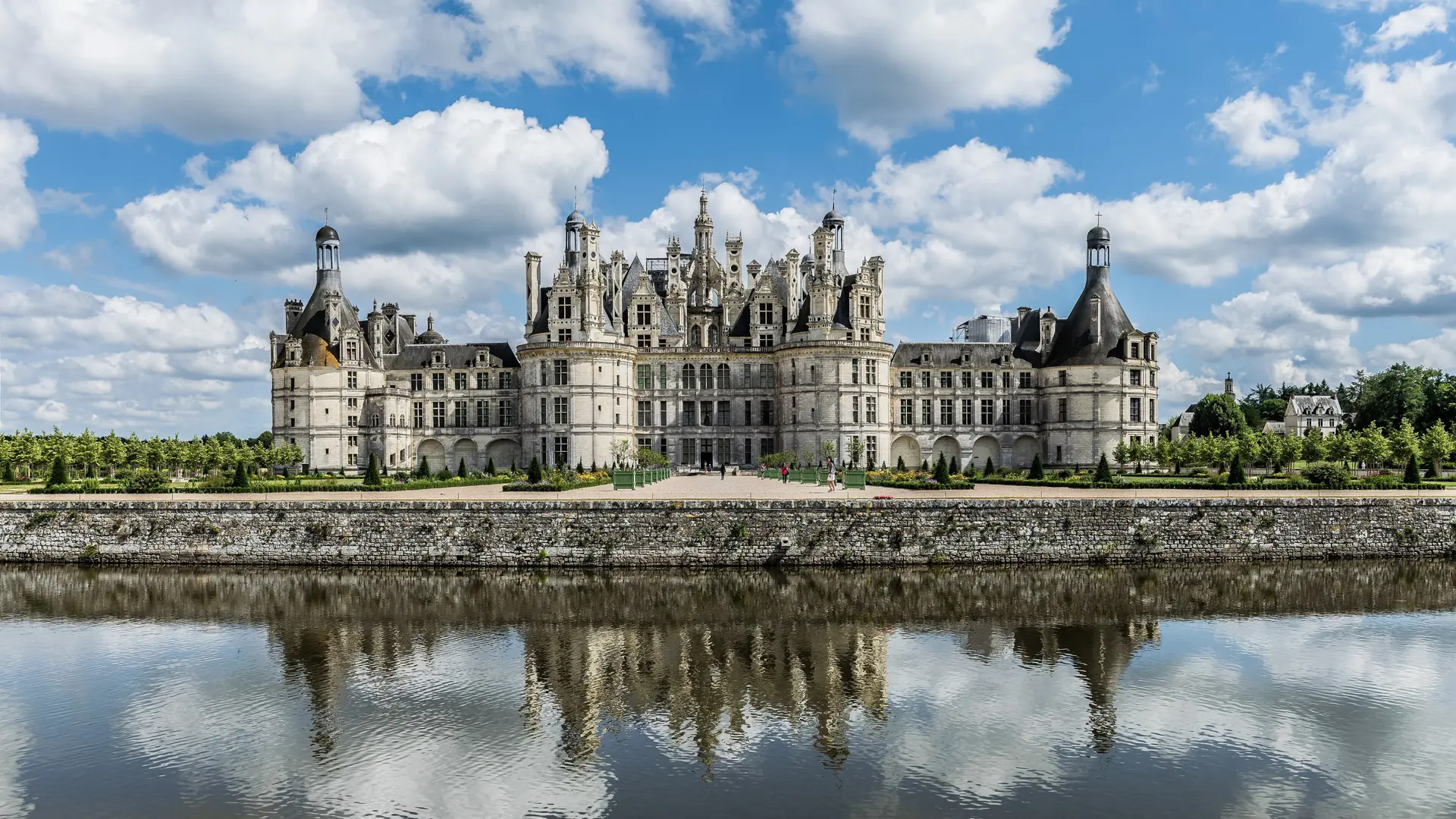
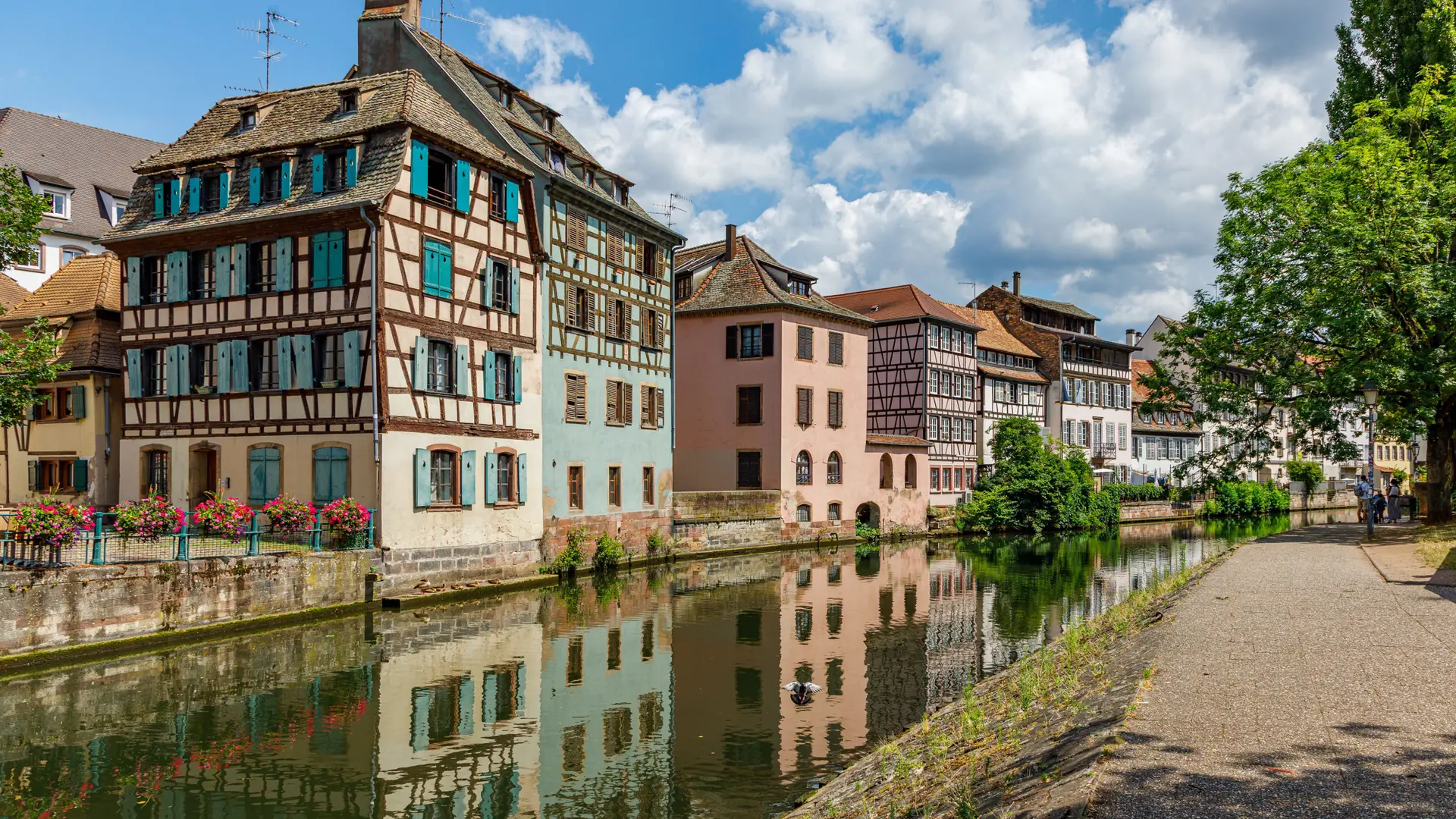
French regional train crossing sunlit vineyards, illustrating the rail rhythm of this route

Southwest France by train in 10 days

A west-to-east rail journey through wine-city quays, red-brick Toulouse, fortified Carcassonne and the Mediterranean-facing south.

Length
10 days, 9 nights
Bases
5 well-spaced stops
Main transport
Intercity and regional rail
Best window
May–Jun or Sep
Finding current stays

A southern rail crossing with enough time to feel the regional changes

This ten-day line explains southwest France through its cities rather than pretending the railway reaches every vineyard and village. Bordeaux opens with Atlantic-facing stone quays and wine culture. Toulouse receives three nights because its brick architecture, markets, aerospace interests and Canal du Midi atmosphere merit more than a connection. Carcassonne then shifts the scale toward fortification and a divided upper-and-lower city. Narbonne contributes Roman history, market life and a single overnight before Montpellier provides the final pedestrian, tram-linked finish. The arithmetic is active but honest: nine nights, four transfers and no hidden rural detours. One-night bases require confirmed luggage handling and hotel geography. The route avoids fixed journey-time claims because engineering work and service patterns change; official live results decide the departure, while this page explains which transfer deserves protected time and why.

Bordeaux establishes the route

Bordeaux begins with the Garonne riverfront, pale-stone centre and an urban introduction to wine. A Saint-Émilion outing only belongs here when its transport and sober return are settled and it replaces, rather than crowds, part of the city programme.

Toulouse changes the pace

Toulouse is the warm-brick middle chapter, with the Capitole and canals forming an easy central day. Summer afternoons call for shade and pauses, while aerospace sites outside the core need deliberate transport rather than being treated as a casual walk-on addition.

Montpellier completes the argument

Montpellier finishes with a pedestrian centre and tram-connected neighbourhoods instead of another grand monument list. Check whether the ticket names Saint-Roch or Sud de France: those stations are not interchangeable, and the airport is a third, separate departure point.

Best for

  • Rail travellers seeking a linear southern route beyond Paris
  • Visitors interested in markets, urban history and contrasting architecture
  • Light packers comfortable with two one-night bases at the end

Think twice if

Choose fewer bases if moving luggage is difficult, and use a road itinerary if remote vineyards, Cathar sites or beaches are the main purpose.

StartBooker answer

How should you organise a ten-day rail journey from Bordeaux to Montpellier?

A realistic ten-day southwest France rail route runs Bordeaux, Toulouse, Carcassonne, Narbonne and Montpellier with nine nights split 2–3–2–1–1. Bordeaux and Toulouse receive the deepest city time; Carcassonne gets an overnight so the medieval citadel can be seen beyond excursion peaks; Narbonne and Montpellier form the shorter Mediterranean-facing finish. Use live SNCF or regional operator schedules for every leg, keep luggage manageable and avoid adding rural wine estates that do not have verified transport.

Overnight bases
Nine nights divide as two in Bordeaux, three in Toulouse, two in Carcassonne, then one each in Narbonne and Montpellier.
Route direction
The route follows a broadly west-to-east rail corridor without domestic flights.
Toulouse pause
Three Toulouse nights provide recovery between shorter two-night and one-night bases.
Carcassonne overnight
Carcassonne is treated as an overnight city rather than a platform-side day trip.

Why the route accelerates toward the Mediterranean

The night pattern slows the first three bases, then uses Narbonne and Montpellier as short, purposeful rail-linked stages. It avoids backtracking and preserves an evening beyond the day-trip peak in Carcassonne.

5 stops · swipe

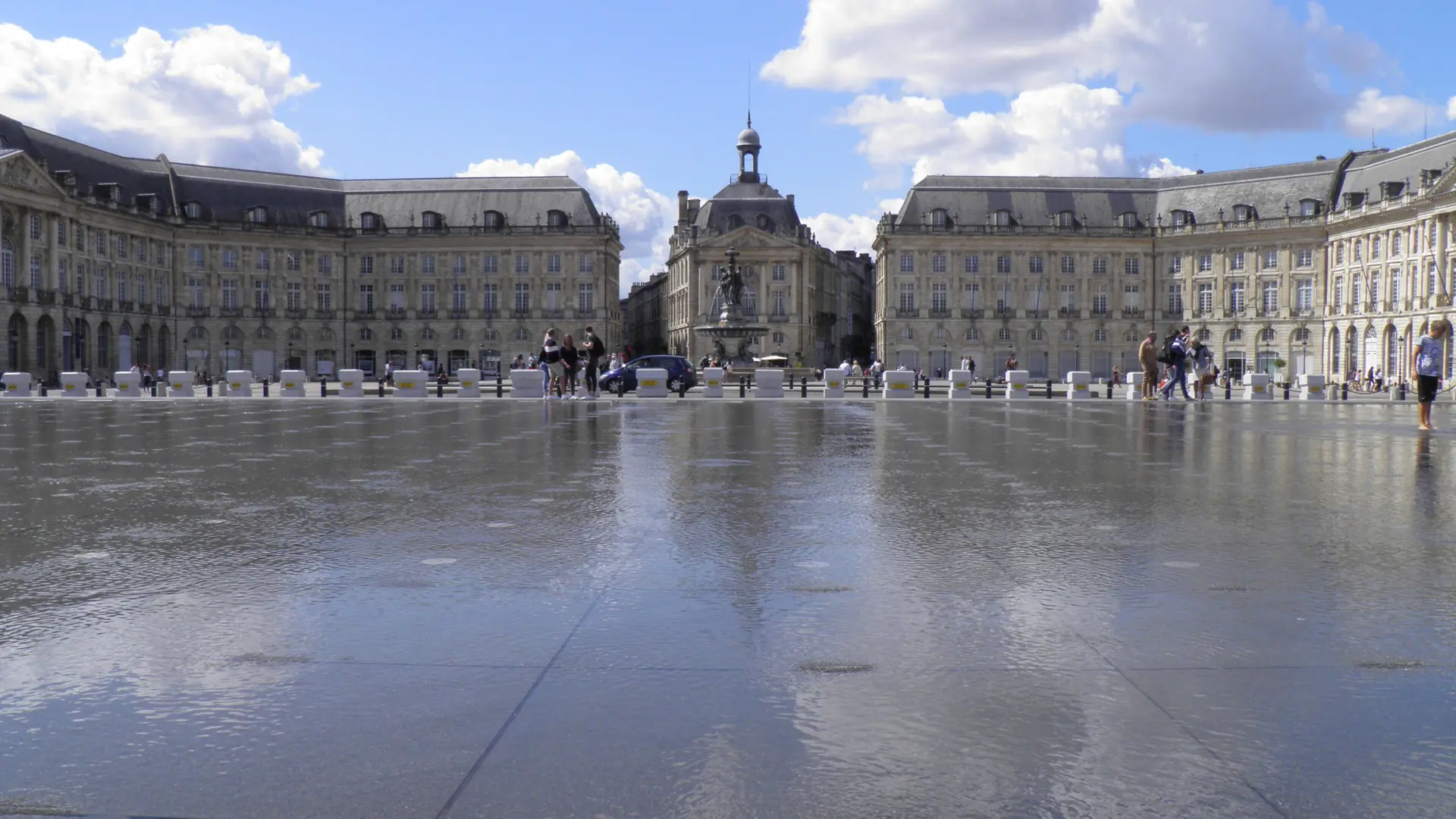
  1. Bordeaux’s pale stone skyline reflected in the Water Mirror beneath a blue sky 1

    Bordeaux

    2 nights

    Riverfront stone city and wine context

    Bordeaux begins with two car-free nights for the quays, historic centre and a personal choice between markets, museums and contemporary wine interpretation.

    Watch out: Do not add Saint-Émilion unless a complete transport and sober-return plan replaces part of the city time.

    Read the Bordeaux guide →
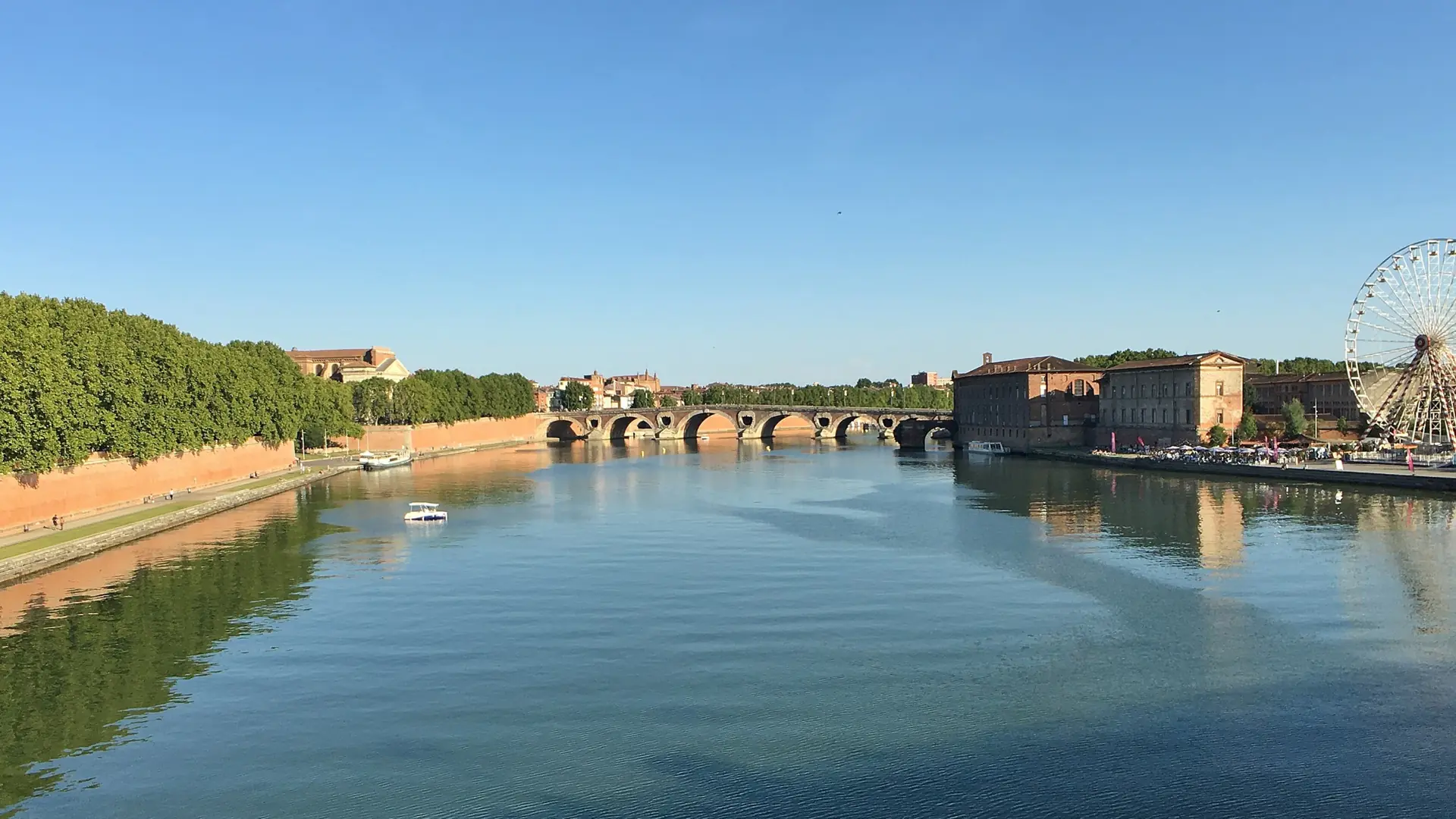
  2. Warm brick facades and the Capitole square in sunny Toulouse 2

    Toulouse

    3 nights

    Brick streets, Capitole and canal life

    Toulouse is the route’s longest base and recovery point, broad enough for formal sights, food streets and one interest-led day beyond the centre.

    Watch out: Summer heat changes walking rhythm; aerospace sites or distant attractions require their own transport booking.

  3. Carcassonne medieval walls and towers under a bright blue sky 3

    Carcassonne

    2 nights

    Medieval citadel and lower town

    Two nights let travellers see both the fortified Cité and the Bastide while avoiding the shallow experience of arriving and leaving with the main excursion wave.

    Watch out: The climb, stone surfaces and crowd patterns require early timing and accessibility research.

    Read the Carcassonne guide →
  4. Canal de la Robine, historic houses and a footbridge in sunny Narbonne 4

    Narbonne

    1 night

    Roman traces, market and canal

    Narbonne is a compact one-night bridge to the Mediterranean side, with enough substance for a market, cathedral precinct and canal walk.

    Watch out: A single night leaves no room for an unverified beach transfer; keep the focus urban.

    Read the Narbonne guide →
  5. Carrousel de la Comédie amid Montpellier’s lively historic centre 5

    Montpellier

    1 night

    Pedestrian centre and tram-linked finale

    Montpellier closes with a lively old centre and straightforward onward connections, without requiring another rental or long coastal detour.

    Watch out: Airport, main station and Sud de France station are not interchangeable; read the ticket carefully.

Ten days by rail from the Garonne to Montpellier

The route moves west to east without a car, using longer stays at the beginning and shorter rail-linked bases near the Mediterranean. Transfer days protect bag handling and a useful first walk instead of pretending travel consumes no time.

1 Day 1 Bordeaux quays and stone streets

Begin on the Garonne quays and follow the UNESCO-listed centre as a connected piece of city planning. Move from the riverfront toward a market quarter, then choose dinner beyond the grandest façades. This is an orientation day, not an invitation to chase a rural vineyard without verified transport. Rain can move the route into museums, arcades and covered food spaces close to the tram network while preserving the same geographical understanding. Finish beside the river, confirm tomorrow’s one chosen institution directly and leave enough of Bordeaux unscheduled for discovery. The first evening should establish how the tram, pedestrian centre and station relate, because that knowledge makes the departure day easier.

  • the riverfront UNESCO walking axis
  • a market quarter and dinner away from the grand façades
  • use museums and arcades close to the tram network

Base: Bordeaux

2 Day 2 A Bordeaux day chosen by interest

Choose one substantial theme—wine culture, art or history—and give its institution the alert part of the morning. Afterwards, take a tram toward a residential quarter not covered on arrival day and let streets and food explain the contemporary city. Book only the admission that genuinely matters; a second large museum will crowd out the neighbourhood contrast. Covered food halls and a smaller central collection provide a coherent fallback when weather or opening hours change. After dinner, save the Toulouse ticket offline, check the live departure station and keep the hotel address with the booking. A calm second night is part of the design: it prevents the first rail transfer from beginning with a frantic search.

  • one wine-culture, art or history institution
  • a different residential quarter connected by tram
  • follow covered food halls and a smaller central collection

Base: Bordeaux

3 Day 3 Train to the red-brick city

Take the simplest useful Bordeaux–Toulouse service after checking its live status and departure station. Keep one night’s essentials and the ticket reachable until the room is confirmed. From Matabiau, follow the hotel’s actual directions rather than assuming the shortest map line is the easiest with luggage. After bag drop, make the Capitole area and a first Garonne view the complete arrival circuit. The evening remains unticketed and compact, with arcades, churches and central food streets available if weather deteriorates. Toulouse holds three nights, so nothing important depends on forcing a major attraction into the transfer day. Use dinner to settle into the red-brick city and confirm tomorrow’s access information while official channels are still current.

  • the direct or simplest Bordeaux–Toulouse service
  • the Capitole area and a first Garonne view
  • use arcades, churches and food streets near the centre

Base: Toulouse

4 Day 4 Capitole, basilica and street-level Toulouse

Check the official visitor conditions for the Capitole before building the morning around it. Continue north through brick heritage, churches and market streets, using lunch and shade to divide exposed summer walking. The city’s material and scale are clearer in a connected route than in repeated transit hops between top-ten sights. If access or weather changes, concentrate on museums, covered markets and the churches whose current facilities suit the party. End in a neighbourhood chosen for dinner rather than returning automatically to the main square. Before sleep, decide whether tomorrow is an aerospace, canal or art day; each requires a different geography and one should replace, not accompany, another full programme.

  • the official visitor access for the Capitole
  • a north-centre walk linking brick heritage and markets
  • concentrate on accessible churches, museums and covered markets

Base: Toulouse

5 Day 5 The personal Toulouse day

Let one personal interest define the day. An aerospace site involves different transport and deserves the main time block; a canal walk or art-focused circuit can remain more central. Do not combine the distant option with a full historic-centre checklist. If weather or access undermines the selected theme, use the canal edge and central museum network rather than spending the day crossing the city. Keep the final evening free of another reservation and pack for Carcassonne before dinner. Check the rail service when useful platform information becomes available, confirm bag drop at the next hotel and note the route from its station. The three-night pause has done its job if everyone leaves Toulouse rested rather than “complete.”

  • one aerospace, canal or art theme chosen before travel
  • a final neighbourhood evening without another major booking
  • stay along the canal and central museum network

Base: Toulouse

6 Day 6 Rail to the lower town, then the walls

Travel from Toulouse to Carcassonne on a checked service and map the station-to-hotel route before arrival; the fortified Cité is not beside the platforms. Store the bag, then use the remaining daylight to understand the relationship between the Bastide, river and upper walls. The first ascent is orientation rather than an attempt to consume the monument at closing time. If the train is delayed or the climb is unsuitable, explore the lower town’s civic spaces and defer the Cité to tomorrow’s fresher morning. Keep the ticket and essentials accessible until the room is secured. An overnight changes the quality of the visit by creating time before and after excursion peaks, so there is no need to race day-trip groups on arrival.

  • the Toulouse–Carcassonne train and luggage drop
  • the first ascent toward the medieval Cité
  • explore the Bastide and its sheltered civic spaces

Base: Carcassonne

7 Day 7 Carcassonne before and after excursion hours

Reach the fortified Cité early with current access and ticket information, then slow down enough to distinguish public streets from ticketed monument areas. This remains an inhabited heritage landscape, not a film-set checklist. After lunch, return toward the Bastide, river or quieter outer viewpoints according to heat and energy. Travellers with access constraints should verify the exact gradients, surfaces and monument facilities rather than relying on a general “accessible” label. Lower-town museums and one suitable interpretation site can replace the exposed circuit if conditions are poor. Stay for the second Carcassonne evening, when the pressure of a same-day train has disappeared, and confirm the Narbonne service and bag arrangement before turning in.

  • the fortified Cité early with current access information
  • the Bastide, river or quieter outer viewpoints later
  • use lower-town museums and one accessible interpretation site

Base: Carcassonne

8 Day 8 A short rail move to Roman Narbonne

After a calm Carcassonne morning, take the regional connection to Narbonne and use only a bag drop that has been confirmed. Les Halles, the canal and cathedral precinct create a compact one-night stop within the city. Do not improvise a beach detour: it adds another transport chain and risks reducing Narbonne to a hotel address. If weather closes down the canal walk, the market, museums and covered centre remain a full plan. Check Les Halles opening against the actual day and arrive early enough for the visit you value. The purpose of this stage is to show the Roman and commercial city at the Mediterranean junction, then position the route for a short final rail move east.

  • the Carcassonne–Narbonne regional connection
  • Les Halles, the canal and cathedral precinct
  • use the market, museums and covered centre as the full plan

Base: Narbonne

9 Day 9 Montpellier as the final southern base

Check the full station name before boarding from Narbonne; not every Montpellier service or onward connection uses the same practical arrival point. After bag drop, enter the pedestrian Écusson and observe how the tram network connects the wider city. The old streets and Place de la Comédie give the final base a clear identity without a large ticketed programme. Rain can shift the route toward tram-linked museums, sheltered lanes and a longer meal. Choose the hotel according to tomorrow’s actual departure, not a vague claim of centrality. Keep one night’s essentials available until check-in and save the airport or rail transfer offline. The route’s last full evening should feel like arrival in another city, not merely a platform between Narbonne and home.

  • the Narbonne–Montpellier train
  • the pedestrian Écusson and evening tram city
  • follow tram-linked museums and sheltered old streets

Base: Montpellier

10 Day 10 Departure with one last coherent circuit

Choose a market or garden only when its opening, luggage plan and location fit the departure. Otherwise, keep the final circuit within the Écusson and collect bags early. A beach trip belongs on an extra day, not beside a fixed flight or long-distance train. Work backwards from the required platform or terminal arrival, including the transfer and a disruption buffer. Check which Montpellier station is printed on the ticket and keep the booking accessible offline. If the journey continues tomorrow rather than today, use the spare evening for a neighbourhood meal and confirm the first commitment before sleep. The itinerary closes coherently by protecting the journey home, not by pretending every remaining hour must contain a named attraction.

  • a market or garden selected for opening and luggage timing
  • a carefully buffered departure connection
  • stay within the Écusson and collect bags early

Base: Montpellier

Transfers that preserve the reason for travelling

Measure every leg from checkout to bag drop, including station access and platform changes. Short train times do not remove the practical cost of moving luggage between hotels.

4 transfers

  1. Bordeaux Toulouse

    Train Travel time: About 2 hours on faster direct trains

    Bordeaux to Toulouse is the longest clean intercity move of the route. Select the service by arrival usefulness and ticket conditions, not a generic duration copied from another date.

    Booking note: Check SNCF Connect after the two city hotel windows are known.

  2. Toulouse Carcassonne

    Train Travel time: About 45–70 minutes, service dependent

    Toulouse to Carcassonne is short, but the destination’s station and citadel are separate. Include the luggage drop and climb when deciding what remains possible.

    Booking note: Choose a departure compatible with confirmed bag storage.

  3. Carcassonne Narbonne

    Train Travel time: Around 30–45 minutes on many trains

    Carcassonne to Narbonne preserves most of day eight. A normal regional service is enough; the editorial challenge is refusing an unsupported coastal side trip.

    Booking note: Verify the specific regional train and any planned engineering work.

  4. Narbonne Montpellier

    Train Travel time: About 1 hour, depending on service

    Narbonne to Montpellier continues east. Confirm whether the ticket arrives at Montpellier Saint-Roch or another station because onward city access differs materially.

    Booking note: Read the full station name and connection details before purchase.

Timetables, station assignments, engineering work and attraction access can change. Verify each service and any timed visit through the responsible operator shortly before travel.

Book scarce access before optional extras

Rail fares, station geography and five accommodations shape this budget more than a long attraction list. Price each transfer for the actual passengers and date, then compare flexibility as well as the cheapest headline fare. A cheaper room can become poor value when it requires two taxis or a difficult luggage transfer. Bordeaux and Toulouse justify more choice because they hold multiple nights; the one-night Narbonne and Montpellier rooms should prioritise simple arrival, departure and bag handling. Keep markets, public streets and unticketed walks as flexible anchors, reserving only attractions that genuinely control a day.

Defining visits Use the attraction’s official seller for any timed visit that determines the day; avoid packaging ordinary public walks as paid essentials.
Reserve selectively
Transfer days Include checkout, station access, platform changes, arrival and bag drop when judging whether a service preserves useful sightseeing time.
Protect useful hours
Accommodation Prioritise an easy station link and evening walking in Toulouse; at one-night stops, uncomplicated luggage access is worth paying for.
Buy workable geography
Weather choices Gardens, river walks and a speculative beach detour can wait; indoor city alternatives already exist at every base.
Retain flexibility

Booking tips

  • Compare through fares with separate tickets only after the exact services and change conditions are visible for your dates.
  • Confirm bag drop at the one-night bases, and never assume a hotel will store luggage before check-in or after checkout.

Where to stay in Toulouse

Toulouse is the three-night anchor and recovery point. Compare a base that reaches Matabiau, the Capitole and evening food streets without repeated taxis.

Compare stays in Toulouse →
Loading current Toulouse stays

Southwest France rail route

The route overview traces the west-to-east corridor from Bordeaux through Toulouse and Carcassonne to Narbonne and Montpellier.

Toulouse

Questions travellers ask about ten days across southwest France by train

Is this five-city rail route realistic in ten days?

Yes, when the route remains on this west-to-east corridor. Longer stays in Bordeaux, Toulouse and Carcassonne balance the final one-night stops. Adding rural vineyards or coast detours without verified transport would make the same ten days much less credible.

What should I reserve first?

Start with any genuinely capacity-limited attraction, then secure rail services whose fare or availability matters and rooms with workable station geography. Markets, public heritage streets and most neighbourhood walks can remain flexible.

How should I respond to bad weather?

Keep the overnight sequence and switch the activity. Every base has museums, markets, churches or sheltered historic streets. A long rail detour toward a more optimistic forecast creates disruption risk without guaranteeing better conditions.

Is the route suitable with limited mobility?

It needs an individual review. Station lifts, cobbles, gradients and heritage access differ at every stop, especially around Carcassonne’s upper Cité. Confirm the exact barrier with transport operators, attractions and accommodations before buying restrictive fares.

Can I add another famous destination?

Add nights or replace an existing base. Albi, Nîmes and the coast are meaningful destinations, not free additions. Each requires a new transport chain and reduces the recovery time that makes the current five-city sequence workable.

Sources and editorial review

Reviewed by StartBooker editorial Southwest France itinerary research and editorial review

Last reviewed 2026-09-02

How this itinerary was checked: StartBooker checked the route against first-party destination and transport information for Bordeaux, Toulouse, Carcassonne, Narbonne and Montpellier. Independent publishers were used to identify common traveller questions and challenge the pacing, not as a source of prose. Service times, stations, access and attraction conditions remain date-specific checks before purchase.

12 references reviewed

Key sources
  • Bordeaux Airport
  • Toulouse Tourism
  • Carcassonne Tourism
  • City of Narbonne
  • Montpellier Tourism
  • SNCF Connect
Photo credits

Photos provided by Pexels.

What would make this southwest rail route work better?

Which of Bordeaux, Toulouse or Montpellier benefited most from a slower day?