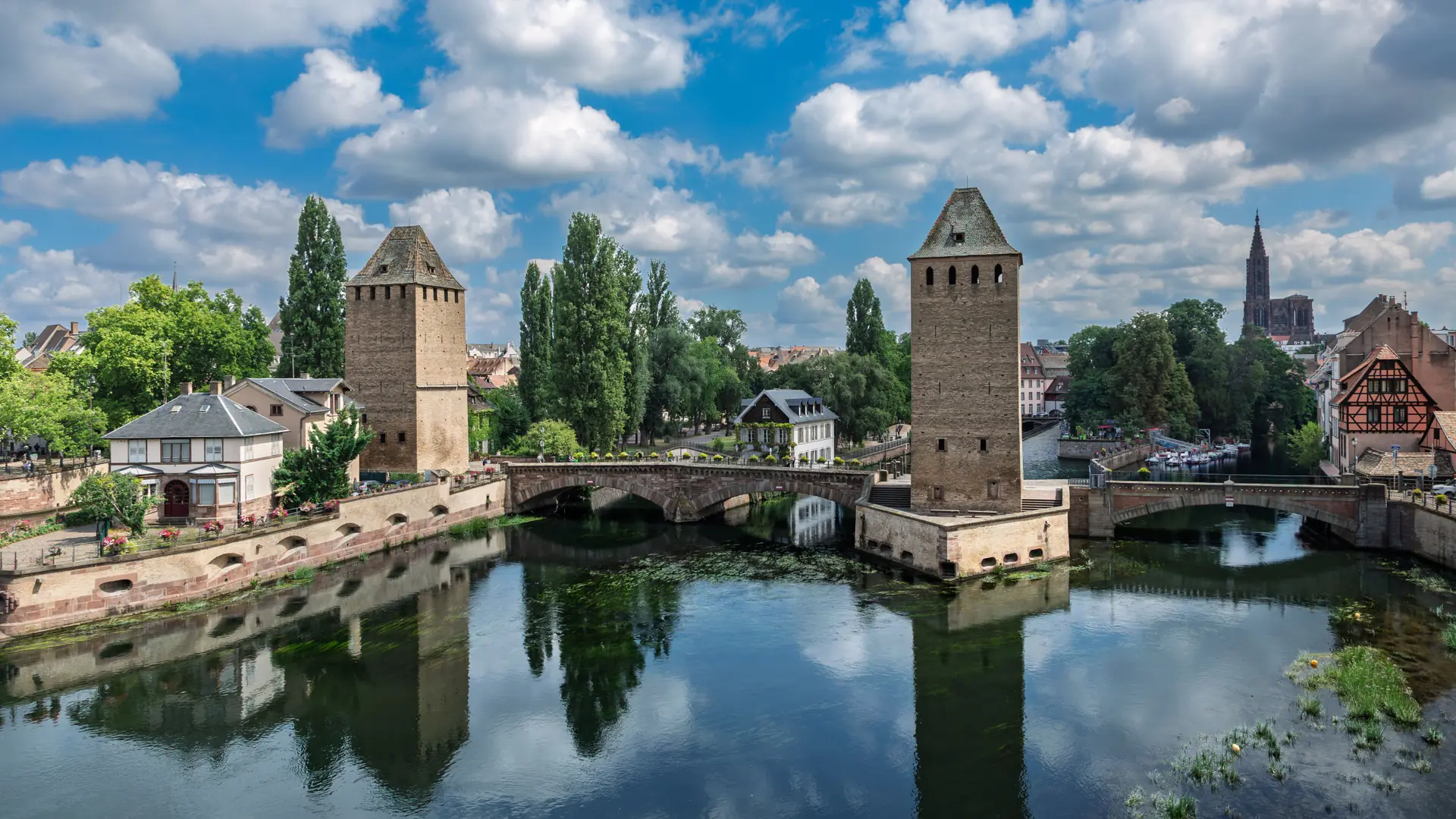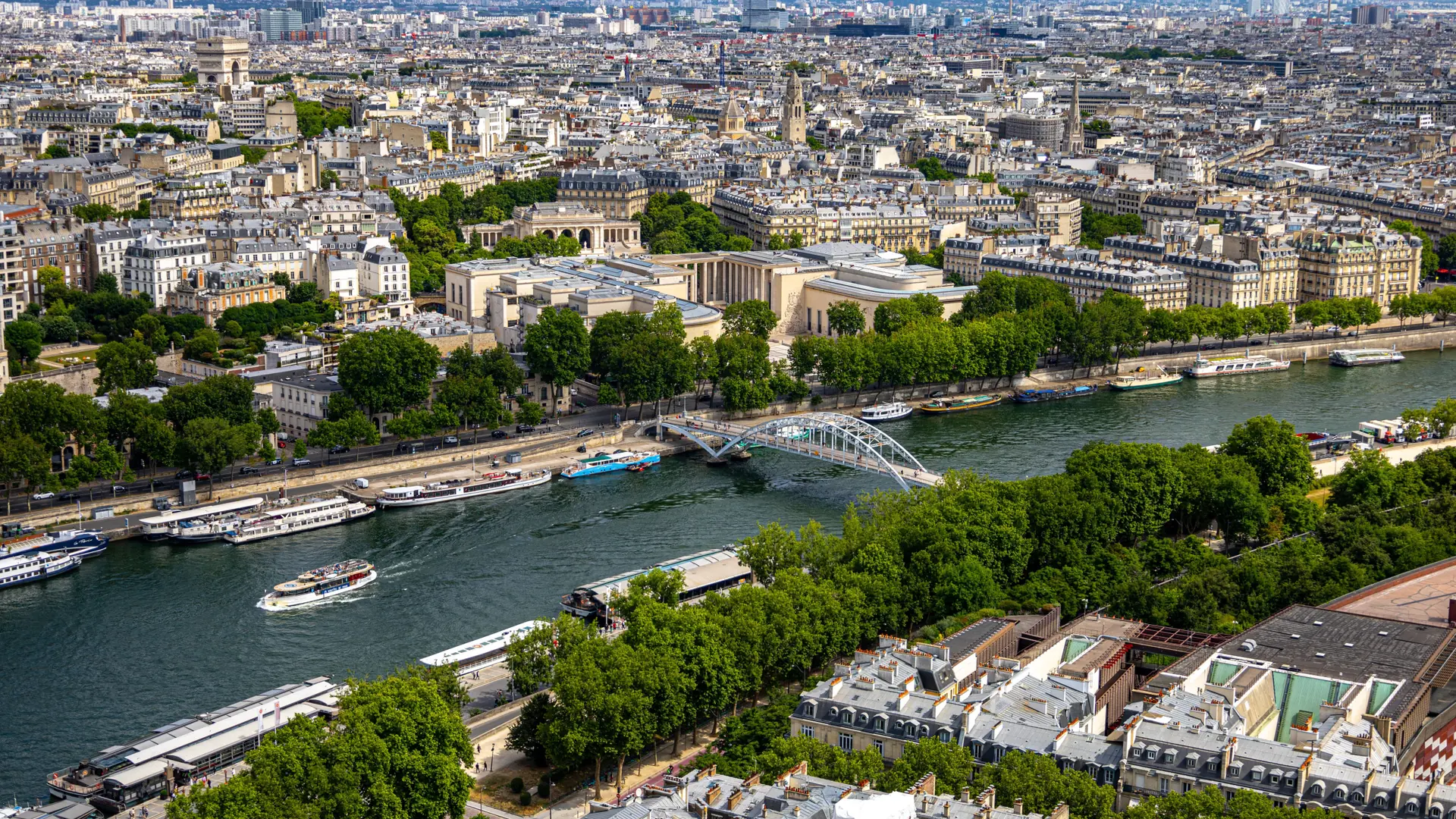

The Eiffel Tower and boats on the Seine under a blue Paris sky

Where to stay in Paris for museums, cafés and neighbourhood walks

Loading Paris hotel search

Choose the Paris you want outside your hotel

Paris offers several different city breaks within a few Metro stops. The Marais brings together mansion museums, Place des Vosges and falafel shops around Rue des Rosiers. Across the Seine, the Latin Quarter pairs the Panthéon with bookshops and the food shops of Rue Mouffetard. Saint-Germain-des-Prés offers literary cafés and gallery streets, with Orsay nearby; Montmartre rises above the city with Sacré-Cœur, artists’ gardens and hillside lanes. Choose the area whose ordinary mornings and evenings appeal to you as much as its famous sights. Three or four nights allow a substantial museum day, a river-and-neighbourhood day and time for a different part of the city. A longer stay gives Versailles or a second major collection its own day. A central base suits a short first visit, while Montmartre rewards visitors who want to spend more of their holiday on the hill.

First visit Three or four nights in a central area

Allow an arrival afternoon, two full days and room for a slower final morning. Add a night when Versailles or several major museums are priorities.

For historic streets The Marais on the Right Bank

Place des Vosges, mansion museums and the Jewish quarter give this central area a strong identity. It is our first choice for a short stay built around walking.

For a Left Bank stay Latin Quarter or Saint-Germain-des-Prés

Choose the Latin Quarter for the Panthéon and food-shop streets; choose Saint-Germain for literary cafés, galleries and a convenient Orsay day.

For views and art history Montmartre and the northern hillside

Stay near the hill when Sacré-Cœur mornings and the Musée de Montmartre matter most. Central museums require a separate journey from this base.

StartBooker answer

Where should you stay in Paris on a first visit?

Choose the Marais for a short first visit built around historic streets, small museums and lively dining. The Latin Quarter suits a Left Bank stay with bookshops, the Panthéon and food shops; Saint-Germain-des-Prés is especially appealing for literary cafés, galleries and Orsay. Choose Montmartre when hilltop views and artistic history are the main attraction. Three or four nights give Paris room beyond its headline monuments. All four bases work without a car, using walks within each area and public transport for longer crossings.

Our first-stay choice
The Marais for history and central walks
For literary café culture
Saint-Germain-des-Prés on the Left Bank
For a hilltop setting
Montmartre, with Metro journeys to central museums

Things to do in Paris, France

Explore tours, attractions and local experiences in Paris, France.

Loading activities…

Activities provided by GetYourGuide. We may earn a commission on bookings.

AI-powered

Plan museum days and time in your Paris neighbourhood

Compare a Marais stay with an Orsay-focused Left Bank visit, or build a slower trip around Montmartre. Tell the planner your dates, interests and arrival station so that the hotel area supports the days you want.

The Marais, two Left Bank bases and Montmartre

The river separates the Marais from the Latin Quarter and Saint-Germain; Montmartre sits farther north on a hill. Compare what you want to do near the hotel, then use the transport section to connect your chosen base with the airport and other sights.

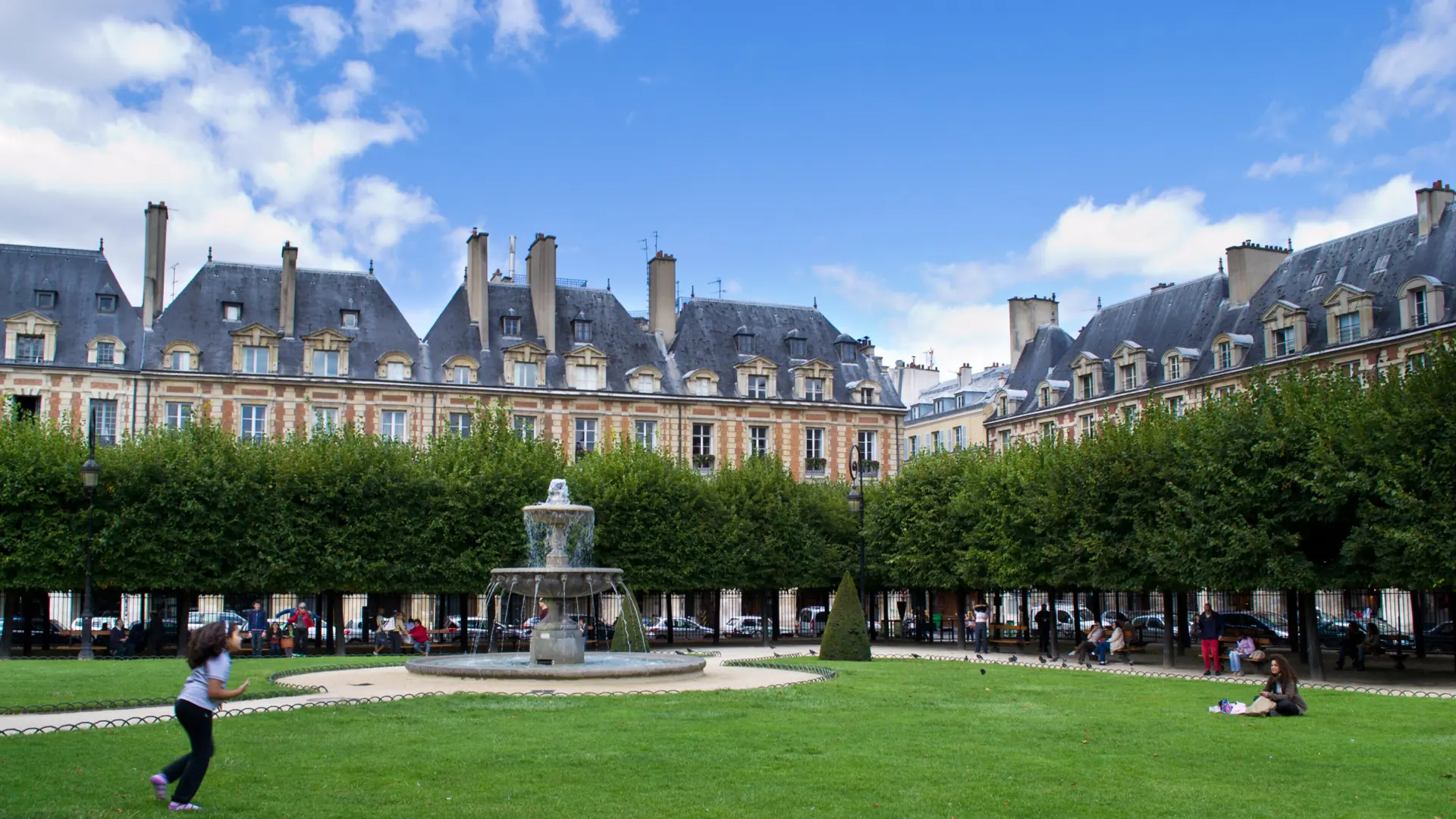
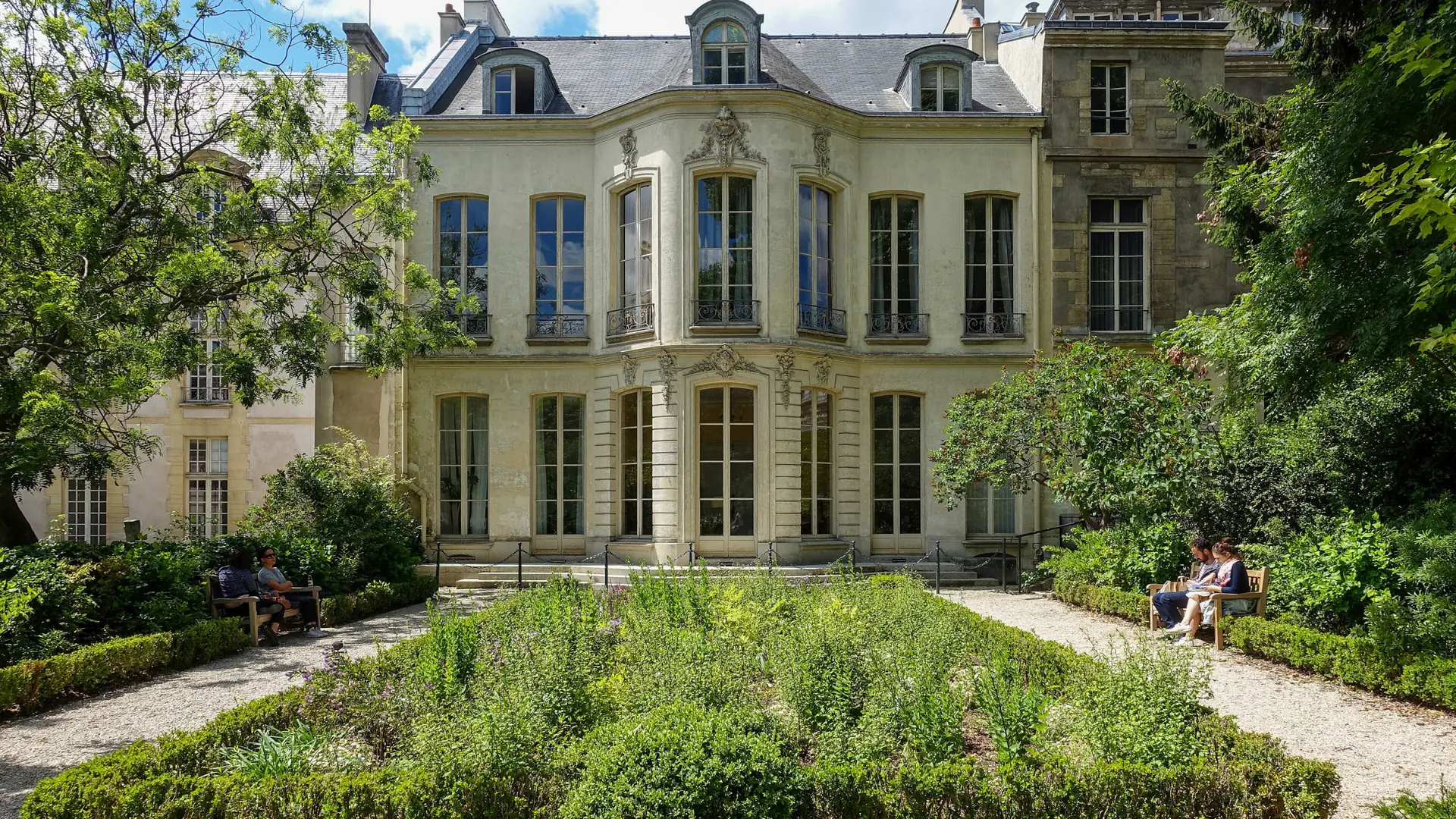
A sunlit mansion facade and planted garden in the Marais, Paris

The Marais

first visits, historic streets and lively evenings

The Marais combines aristocratic mansions with shops and busy dining streets. Carnavalet tells the city’s history inside two former private mansions; Rue des Rosiers adds the living food traditions of the Jewish quarter, including falafel. Stay here for central walks and evenings with plenty nearby.

Central Walkable
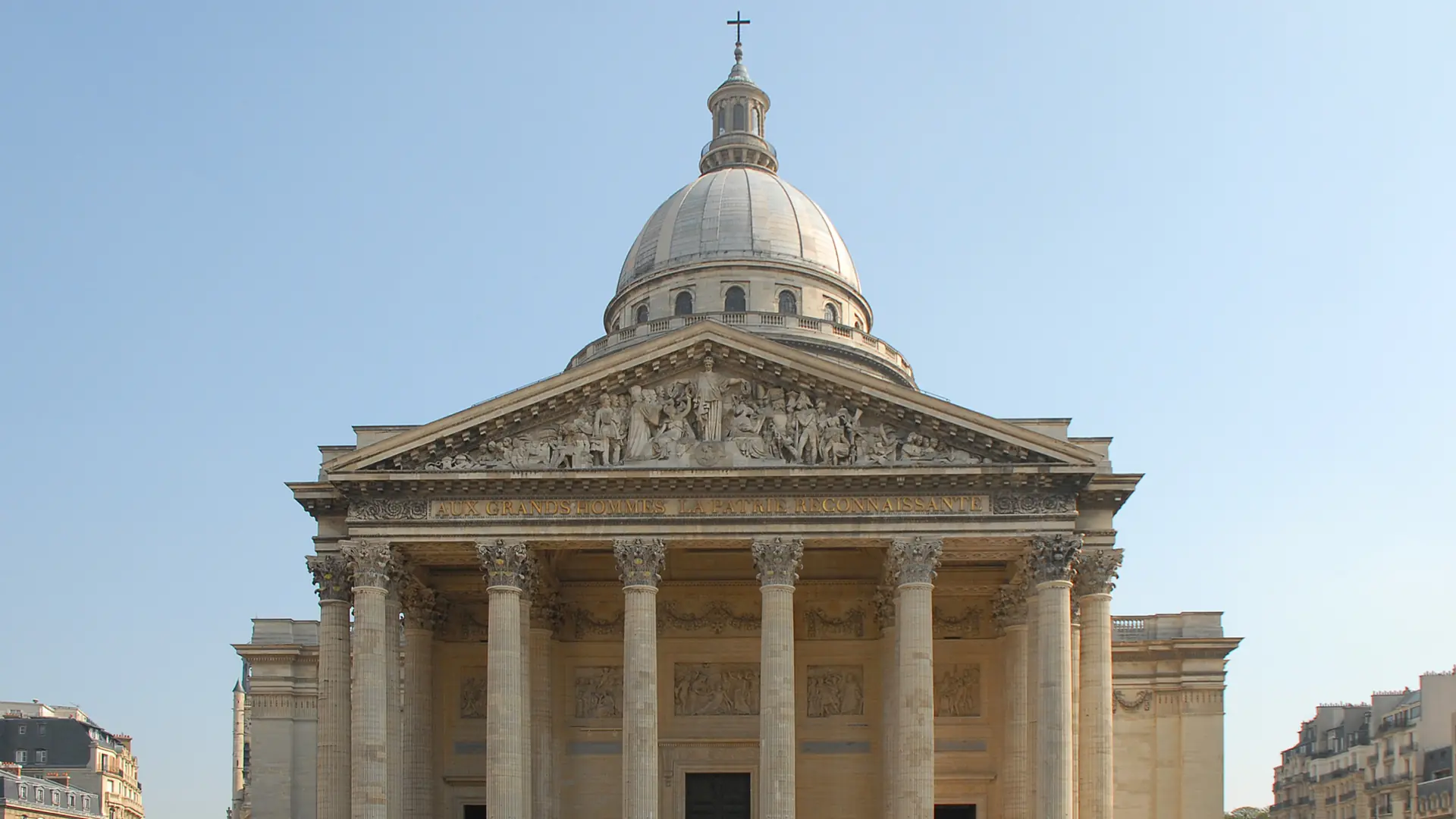
The domed Panthéon and its columned facade in Paris’s Latin Quarter

Latin Quarter

Left Bank walks, bookshops and a younger evening atmosphere

The Latin Quarter brings together the Panthéon, bookshops and a lively student atmosphere. On sloping Rue Mouffetard, cheese shops, bakeries and cafés make a food-led walk part of the stay. Choose this area for everyday Left Bank life as well as visits to the river and historic centre.

Left Bank Historic
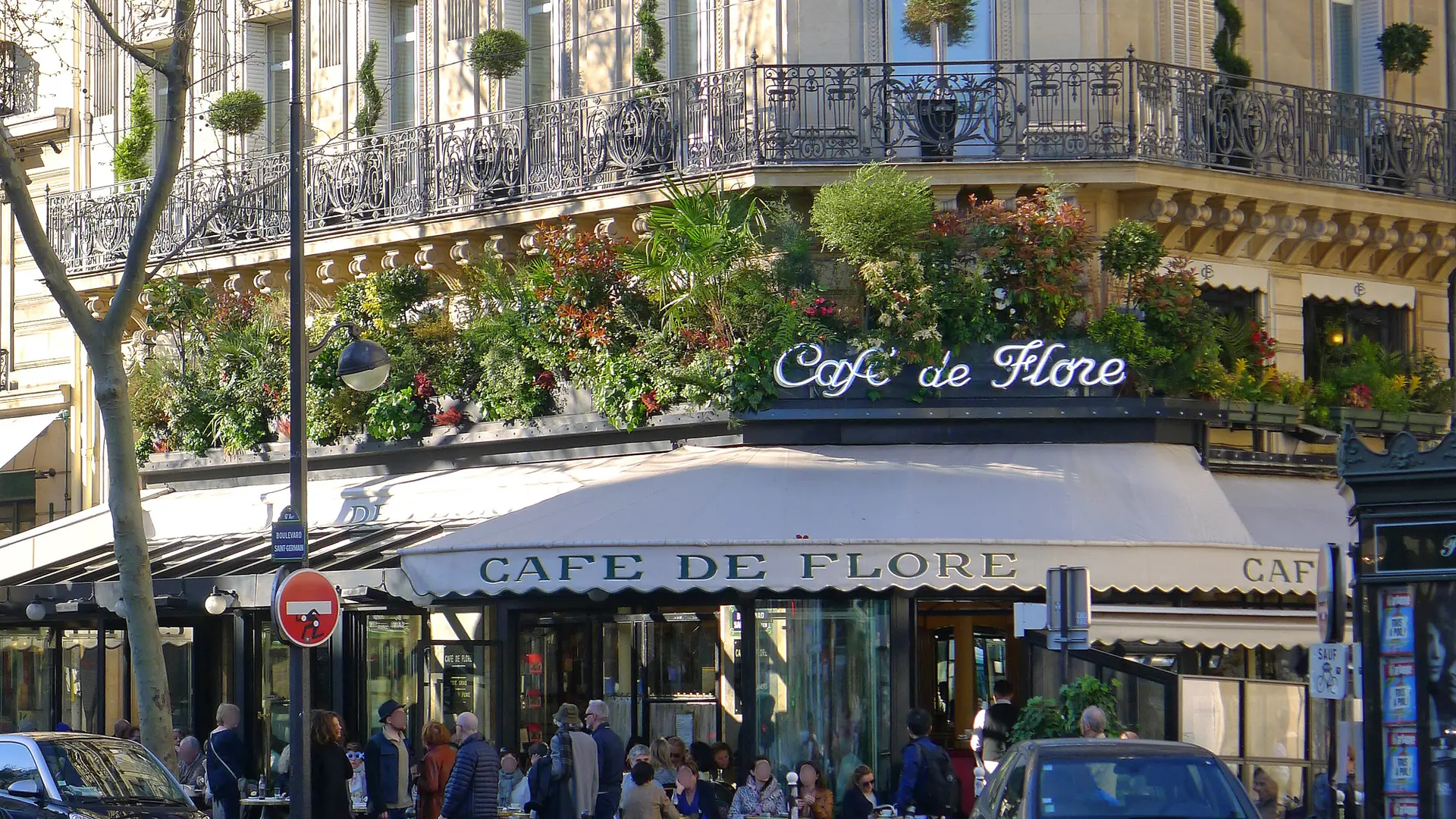
The Café de Flore terrace and facade in Saint-Germain-des-Prés, Paris

Saint-Germain-des-Prés

literary cafés, galleries and an Orsay-focused stay

Saint-Germain-des-Prés is a rewarding base for galleries, its historic church and literary café culture. Les Deux Magots and Café de Flore connect the district with generations of writers and artists. Choose it when a café breakfast and an Orsay visit are part of your ideal Paris day.

Left Bank Refined
Sacré-Cœur rising above the Montmartre hillside in Paris

Montmartre

hilltop character, Sacré-Cœur mornings and a village-like setting

Montmartre gives the hotel area a different scale: hillside lanes, Sacré-Cœur and the Musée de Montmartre’s gardens overlooking the vineyard. The museum recalls the artists and cabarets that shaped the district. Stay here to explore the hill at leisure, with separate Metro trips for the Louvre or Orsay.

Character Views
Match the neighbourhood to your trip
Area Best for Features Getting around
The Marais

A first short stay

Mansion museums and Rue des Rosiers dining.

Busy lanes and higher prices

Central walks are easy, but inspect the hotel entrance.
Latin Quarter

Left Bank walkers

Panthéon visits and Rue Mouffetard food shops.

Crowds and uneven historic streets

Choose an address near the route you will use most.
Saint-Germain-des-Prés

Literary cafés and galleries

Literary cafés, galleries and the Orsay side of the river.

Premium nightly rates

Check the nearest station and boulevard crossing.
Montmartre

Neighbourhood character

Sacré-Cœur views and Montmartre’s artistic history.

Hills and longer museum crossings

Steps and slopes need an address-level check.

Choose a base for the way you want to visit Paris

A short museum break, a food-led Left Bank weekend and a return visit to Montmartre call for different bases. These scenarios help you decide which experiences deserve the most time near the hotel.

Keep a first Paris trip compact

For two full sightseeing days, use the Marais as a central base and give each day a different focus: a major collection, then the river and historic neighbourhoods. Leave the arrival afternoon for the district itself.

Make the Left Bank your home base

A Latin Quarter weekend can follow the Panthéon with Rue Mouffetard’s food shops, then turn towards the Seine on another day. It suits travellers who want meals and bookshop browsing to have as much space as monuments.

Make an art-and-café weekend of the Left Bank

Choose Saint-Germain for a trip anchored by Orsay’s nineteenth-century art. Spend another part of the stay in galleries or a literary café, rather than treating the district only as a convenient place to sleep.

Let the hotel area set the mood

On a return visit, give Montmartre its own morning: explore the streets around Sacré-Cœur, then the museum and gardens. A hillside hotel makes more sense for this slower visit than for several consecutive central-museum days.

Compare live hotels across Paris

Search Paris hotels →
Loading Paris hotel results

Arriving from CDG and travelling around Paris

RER B connects Charles de Gaulle Airport with central Paris; official taxis take you to the hotel door. Decide between them using your group size, luggage and final address. Once in the city, walking and public transport cover the four recommended areas.

From Charles de Gaulle Airport

Take RER B to a useful central station

RER B serves the airport’s two rail stations and runs through Gare du Nord, Châtelet–Les Halles and Saint-Michel–Notre-Dame. Saint-Michel suits many Latin Quarter addresses; a Marais hotel may need a walk or Metro connection from Châtelet. Use the current journey planner for the complete trip and any engineering works.

Compare a taxi for several travellers

In 2026 the direct CDG fixed fare is €56 (about US$63) to the Right Bank or €65 (about US$73) to the Left Bank, per vehicle. Reservation and fifth-passenger supplements can apply. For four adults, the Right Bank base fare equals four full-price airport rail tickets. Follow the airport taxi signs to the official rank.

Local mobility

Walk within an area, ride to the next

Use the Marais and Seine as one outing, the Latin Quarter as another, and Montmartre as a separate northern visit. A Metro or RER journey is useful between these areas. This leaves time for the city around a museum rather than filling each day with long crossings.

Use the live route and service information

RER B engineering works can change an airport journey, particularly on weekends. Transilien publishes the line’s planned works and alternatives. Before a fixed departure, enter the exact hotel address and travel date; for an evening return, enter the time you expect to leave the venue.

Single tickets and day passes: 2026 fares

Choose the rail or bus ticket you need

A Metro–Train–RER single costs €2.55 (about US$2.90); a Bus–Tram single costs €2.05 (about US$2.30) per adult in 2026. The rail ticket allows connections within two hours without leaving the network. Load it on Navigo Easy or a compatible device; it does not include airport stations.

Keep airport and ordinary tickets separate

The Paris Region–Airports ticket costs €14 (about US$16) per adult in 2026. RATP says it cannot share a payment medium with unused Metro–Train–RER tickets: use a separate pass or compatible device. Navigo Day costs €12.30 (about US$14) for zones 1–5 and excludes airports.

Accessibility

Assess the whole journey

Use Île-de-France Mobilités’ journey planner and select the relevant options under Ease of access. Older Metro stations are not uniformly step-free, while the RER B line information identifies stations with assistance. Confirm the hotel’s entrance, lift coverage and bathroom arrangements directly when these affect the stay.

Seasons, daily costs and museum days

A good Paris stay includes time without reservations as well as a major museum. Choose the season for the outdoor walks you want, set a realistic room-and-meal allowance, then place the main collection on a day when it is open.

Season and weather

May–June or September for walking and museums
  • These are our preferred months for a city break combining neighbourhood walks, gardens and indoor collections. Spring and early autumn are popular, so good walking weather does not imply cheap rooms. October can also suit culture-focused visits, with cooler conditions and a greater need for flexible outdoor time.

  • July–August for long evenings

    Summer gives river walks and hilltop views more space in the day, but hot periods make air-conditioning worth considering. August can offer hotel deals even though some businesses close for holidays. Choose a summer stay for outdoor evenings, keeping a museum or café break for the warmest part of the afternoon.

  • Winter for galleries and café time

    November–March suits a visit led by art, historic interiors and long lunches rather than garden time. Expect cold weather and rain, and keep outdoor stretches shorter. A central hotel is useful when you want to return between an afternoon collection and dinner. Holiday dates can have different openings.

Budget choices

A daily allowance for two adults sharing
  • For a central hotel stay in May–June or September, plan €380–570 (about US$425–640) per day for two adults: room €220–360 (about US$245–405), meals €90–120 (about US$100–135), and local travel plus sights €70–90 (about US$80–100). These are editorial planning allocations, not quoted rates. Airport transfers, intercity travel and shopping are extra.

  • Include museum admission in the allowance

    Orsay’s online full rate is €16 (about US$18) per adult. The Louvre’s 2026 rate is €22 (about US$25) for EEA residents or citizens and €32 (about US$36) for other adults; free-admission categories apply. A major-museum day can use most of the sightseeing allowance, so alternate it with neighbourhood and riverside time.

  • Trade a central address for more room when it helps

    For a short trip, compare the total room cost with the extra journeys an outer address creates. On a longer stay, more space may be worth the travel. Use live hotel results for your dates and compare the full total, room type and location. USD figures use the ECB reference of 22 October 2026 and are rounded approximations.

Can I enjoy Paris without visiting several major museums?

Yes. Give one day to the Seine and historic streets, another to the Latin Quarter’s food shops or Saint-Germain’s cafés, and a separate morning to Montmartre. A single collection chosen for your interests leaves more time for the neighbourhoods that make a Paris stay distinctive.

Is Montmartre a good base for a first Paris visit?

It can be, particularly when Sacré-Cœur, hillside streets and artistic history are priorities. For only two full days led by the Louvre and Left Bank museums, we would choose a more central base. Montmartre becomes more rewarding when the hill itself gets a substantial part of the trip.

Should I keep the same hotel for Versailles?

For a Paris holiday with a single Versailles day, keeping the same hotel usually avoids an unnecessary move. Allow the palace and grounds their own day. A separate Versailles stay makes more sense when the estate is a main purpose of the holiday rather than one excursion.

Can I have a quick lunch without a sit-down restaurant?

Yes. L’As du Fallafel in Rue des Rosiers offers its sandwiches to take away as well as eat in. Around Rue Mouffetard, bakeries, cheese shops and other food shops provide another way to assemble a simple lunch. This suits a day when you prefer to spend more time walking or in a collection.

Should I choose the Louvre or Orsay for an art-focused first visit?

Choose Orsay when nineteenth-century painting and the Impressionists are your main interest. Choose the Louvre for a broader historic collection, including the Mona Lisa and the Venus de Milo. With only one museum day, following your interests usually makes a more rewarding visit than choosing by fame alone.

How this guide was researched

Reviewed by StartBooker editorial team Source research and editorial self-review

Last reviewed 2026-10-23

Updated

Editorial method: Paris neighbourhood, museum, food and transport guidance checked against 20 sources. Published transport and museum fares use 2026 operator information; room and meal budgets are declared editorial allocations. Approximate USD conversions use the ECB reference of 22 October 2026. This revision includes a main-agent self-review, media verification and desktop/mobile checks.

20 sources reviewed

Key sources
  • Paris je t'aime
  • Musée du Louvre
  • Eiffel Tower official site
  • Musée d'Orsay
  • Service Public
  • RATP
References
Photo credits

Some photos provided by Pexels.

Share a useful Paris neighbourhood tip