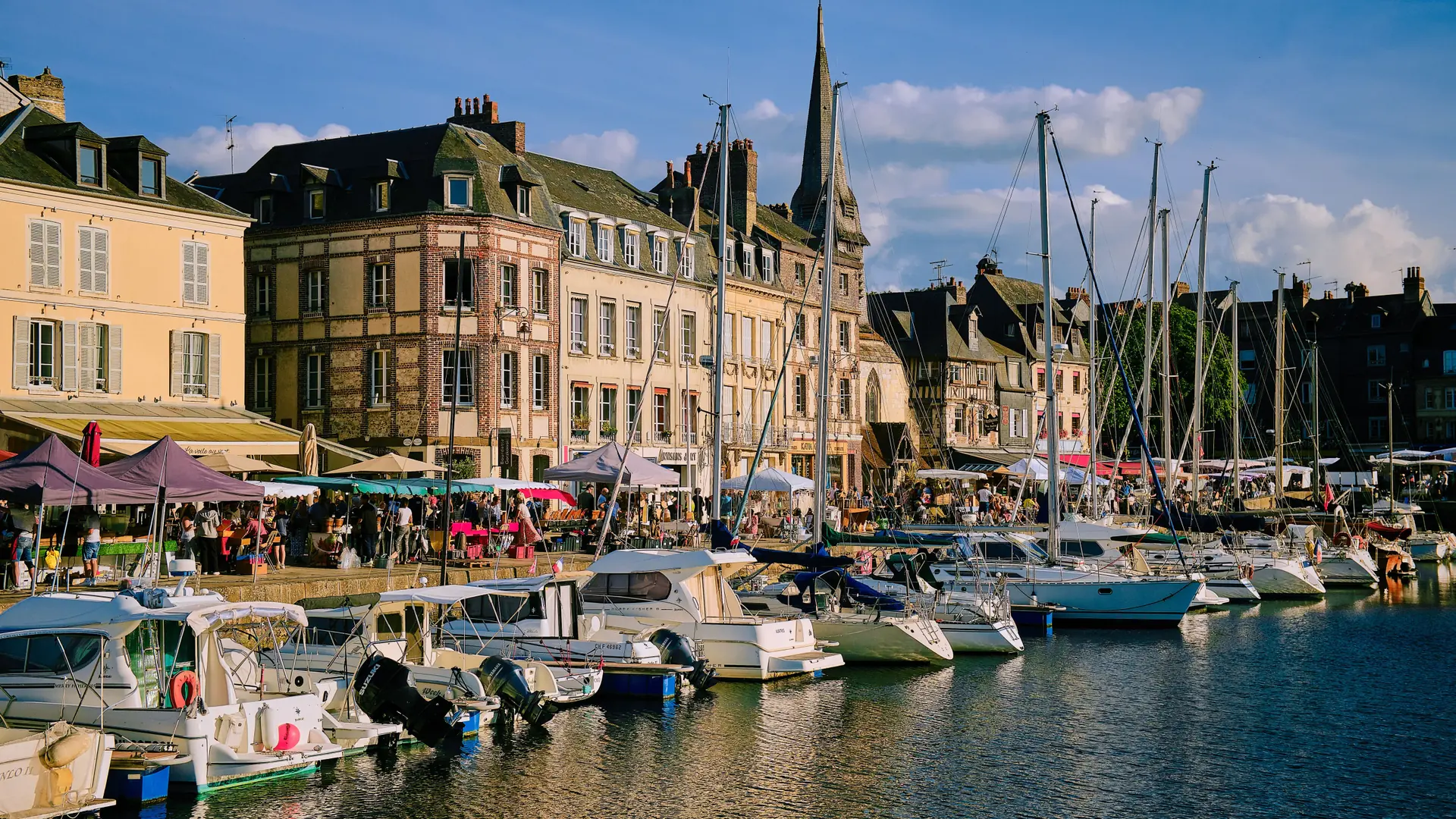
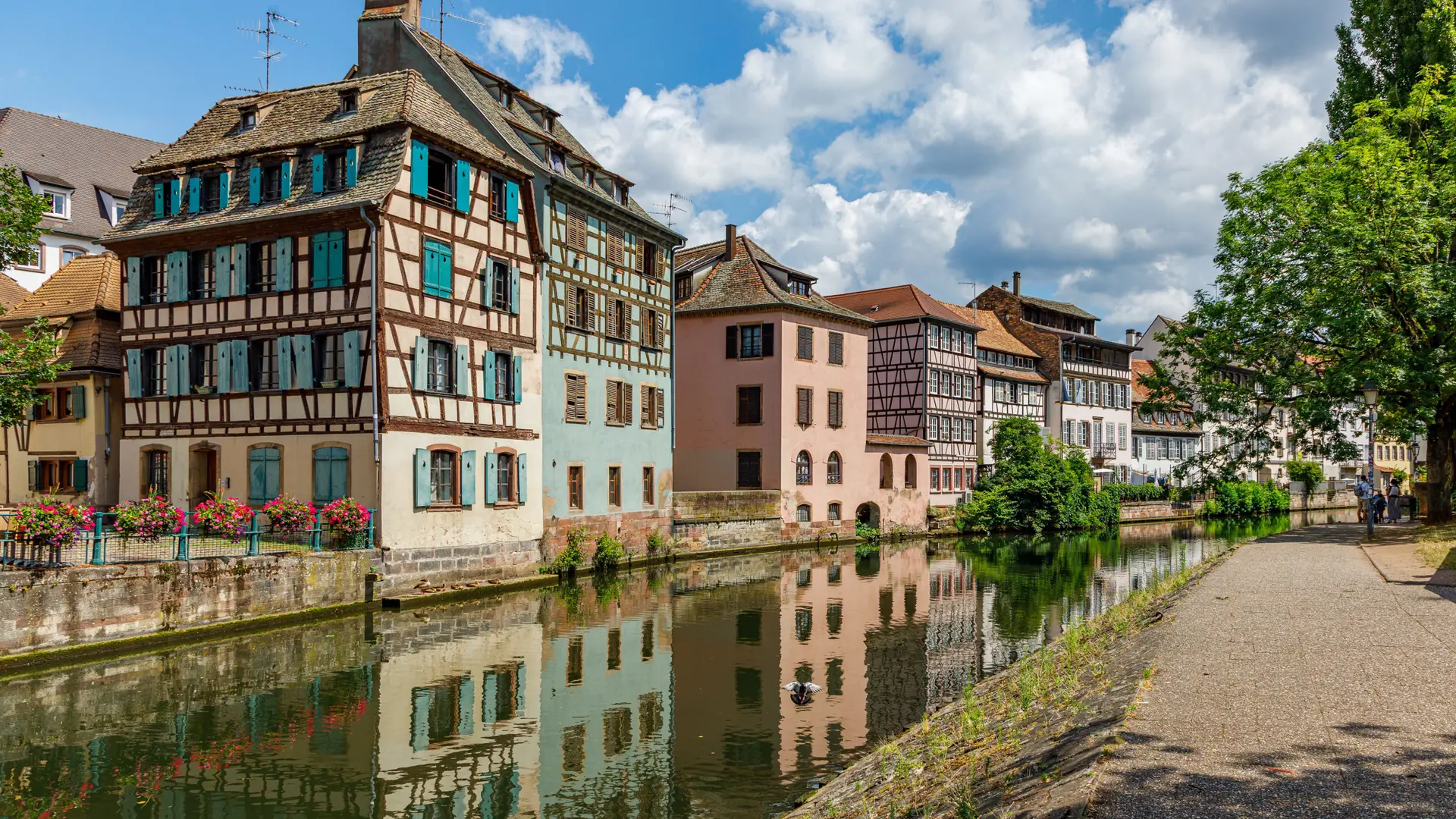
Half-timbered Alsatian houses beside a canal in clear warm daylight

Alsace by train in 5 days

Two walkable bases reveal Alsace’s cathedral city, canals, food traditions and vineyard edge without a rental car.

Length
5 days, 4 nights
Bases
2 well-spaced stops
Main transport
Train, tram and walking
Best window
Apr–Jun or Sep–Oct
Finding current stays

Two bases are enough when the village day is planned honestly

Strasbourg and Colmar provide the clearest car-free introduction to Alsace because both are rail-connected and reward walking after arrival. Strasbourg gets the opening two nights for the cathedral, Grande Île, Petite France and a choice between Neustadt or the European quarter. Colmar receives the closing two nights for its smaller historic fabric, covered market and access to the vineyard edge. The fifth day is counted as a departure day rather than a hidden extra night. The itinerary does not claim that the entire Wine Route is effortless by public transport. Villages that look close on a map may require infrequent buses, cycling confidence or a booked excursion. Making that choice explicitly protects the trip from missed connections and lets travellers who prefer cities keep a complete Colmar day instead.

Strasbourg establishes the route

Strasbourg earns two nights because the cathedral quarter, canals and European institutions occupy different parts of the city. Christmas-market dates and parliamentary sessions can tighten rooms, while cobbles and bridge approaches deserve attention from travellers with limited mobility.

Colmar changes the pace

Colmar changes the scale of the trip: the old town is compact, but excursions into the vineyards are not automatically frequent. Set the return journey before boarding an outward bus so a village lunch does not become an expensive taxi search.

Colmar completes the argument

The last day belongs to Colmar itself rather than another hurried village. Leave luggage near the station, walk the market hall and canal streets at an unforced pace, then keep enough margin for the booked train instead of treating the departure hour as sightseeing time.

Best for

  • Car-free travellers who enjoy architecture, markets and regional food
  • Visitors prepared to research one optional village outing separately
  • Couples or solo travellers comfortable with station walks

Think twice if

Rent a car or join a tour if several small wine villages are non-negotiable; the two-base rail plan should not pretend to provide door-to-door vineyard freedom.

StartBooker answer

How can you spend five days in Alsace by rail without overpromising village access?

Five days in Alsace work well with two nights in Strasbourg and two in Colmar. Travel between them by regional train, use Strasbourg’s tram and explore both historic centres on foot. A vineyard-village day requires a separate decision: choose an organised excursion, seasonal bus or bicycle plan only after checking current operation, rather than assuming every wine-route village has frequent rail. Christmas-market weeks need much earlier lodging research, while spring and early autumn give a calmer balance of walking weather and daylight.

Overnight bases
Two nights in Strasbourg and two in Colmar create distinct evenings with only one hotel transfer.
Regional connection
Strasbourg and Colmar are linked by frequent regional rail services on many dates.
Village transport
Village access away from the main line requires separate live planning.
Peak season
Christmas-market demand changes normal hotel and crowd conditions.

Why Strasbourg and Colmar each receive two nights

Strasbourg receives the arrival and full city day; Colmar receives the regional transfer, flexible excursion and departure morning.

2 stops · swipe

  1. Strasbourg cathedral and half-timbered canal houses in bright spring light 1

    Strasbourg

    2 nights

    Cathedral, canals and European districts

    Strasbourg supplies the route’s broadest urban story, from the cathedral and Grande Île to Petite France, Neustadt and tram-connected modern institutions.

    Watch out: Market seasons and parliamentary dates can affect demand; cobbles and bridges need mobility planning.

    Read the Strasbourg guide →
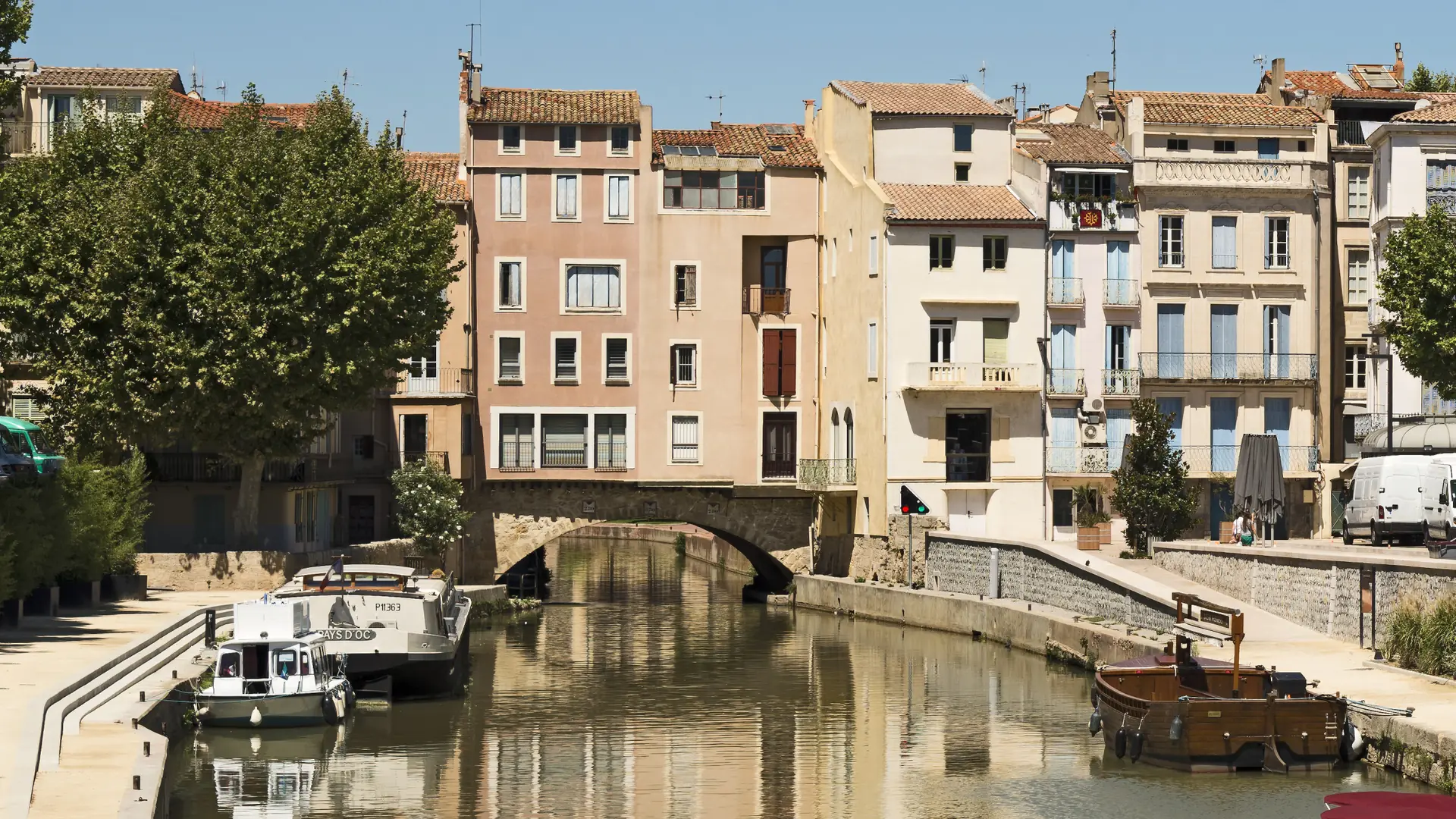
  2. Colorful Colmar houses reflected in the canal at Little Venice 2

    Colmar

    2 nights

    Little Venice, markets and vineyard access

    Colmar works at a smaller scale, with historic lanes, the fishmongers’ district, market food and a decision about whether to venture toward wine villages.

    Watch out: Do not assume a village connection exists at the hour you need; verify the return before leaving.

    Read the Colmar guide →

Five rail-based days split between Strasbourg and Colmar

The two city bases are fixed; the village, cycling and museum choices remain responsive to weather and live transport.

1 Day 1 Grande Île on arrival

Begin around Strasbourg Cathedral and the surrounding lanes, then follow a first waterside circuit toward Petite France. Keep the evening free of a distant reservation so a delayed arrival can contract to one square, dinner and a short canal walk. Cathedral-area museums and cafés form a coherent rain alternative close to the hotel. If climbing the cathedral platform is a priority, check current opening and weather restrictions rather than assuming access. The platform is a separate stair-heavy visit, not a casual extension of entering the cathedral, so schedule it only when mobility and conditions suit. Use the first circuit to locate the tram stop, breakfast option and route back to the room; that knowledge makes the full Strasbourg day smoother. Finish with a local meal and confirm tomorrow's operating information before bed.

  • the cathedral precinct and its surrounding lanes
  • a first waterside circuit toward Petite France
  • use cathedral-area museums and cafés close to the hotel

Base: Strasbourg

2 Day 2 Petite France and the city beyond postcards

Walk Petite France early, then choose either Neustadt architecture or the European district according to genuine interest. Both are connected by tram, but attempting them together reduces distinct places to vehicle windows. Neustadt works as an architectural walk that explains the city's German imperial layer; the European quarter is the better choice when contemporary institutions and politics are the real subject. The €5 Strasbourg City Card is a discount product, not an all-inclusive pass; compare its listed reductions with the boat, platform or museum visits you intend to buy. One boat trip may be useful for orientation, but it should replace part of the walking loop rather than duplicate every view. In heavy rain, follow the tram to one accessible museum cluster instead. Pack lightly for Colmar after dinner and save the TER details offline.

  • an early canal-side walk through Petite France
  • either Neustadt architecture or the European district
  • follow the tram to one accessible museum cluster

Base: Strasbourg

3 Day 3 Regional rail and Colmar’s market core

Take a direct train south after breakfast; TER currently describes the ride as about 32 minutes, but the hotel-to-hotel move also includes checkout, platforms and bag drop. Once settled, use the covered market, fishmongers' quay and old lanes for a deliberately slow introduction. Colmar station is outside the postcard core, so judge the room by the real luggage route and not by a broad 'central' label. If disruption shortens the afternoon, keep the walk compact rather than trying to recover time at a run. The Unterlinden Museum, which lists €14 adult admission for 2026, is a substantial wet-weather anchor rather than a token substitute; give its collections a proper block if you pay to enter. A market lunch and museum also form a better cold-day pairing than fragmented outdoor stops. Keep the ticket and one night's essentials accessible until check-in is complete.

  • the straightforward train south from Strasbourg
  • the covered market, fishmongers’ quay and old lanes
  • use museums and sheltered historic streets around the centre

Base: Colmar

4 Day 4 Choose city depth or a verified wine-route outing

Select one village or cycling loop only after identifying the outbound and return transport. A famous name without a reliable return is not a plan, and improvised taxis can overwhelm the value of a car-free trip. Choose the outing by its purpose: a wine village for streets and producers, a signed cycle segment for landscape, or another town only when its transport is simple. Do not combine those categories merely because a map makes the distances look small. Carry the final timetable and know whether the stop is request-only or seasonal. Leave enough daylight and energy for a final Colmar evening after day visitors recede. When rain, wind or a reduced service weakens the excursion, remain in town for museums, food shops and a canal-side walk. Recheck the operator rather than relying on an old screenshot, then verify the final day's opening hours over dinner.

  • a transport plan with a known return for one village or cycling loop
  • a final Colmar evening after day visitors recede
  • stay in Colmar for museums, food shops and a canal-side walk

Base: Colmar

5 Day 5 Departure without sacrificing the market morning

Fit the final old-town circuit around confirmed luggage storage and the onward train, not the other way around. Breakfast and a low-effort architectural loop near the station axis work when weather or an early departure removes a longer visit. Store bags only with the hotel or another verified facility and retain a generous collection margin that covers payment, toilets and the walk back. If the train connects to a flight or another reserved service, protect that connection before adding lunch. A late departure creates time for one return to a favourite street or a museum block, not an entirely new village plan. Buy food near the centre or station according to the service on board and keep documents available offline. The trip ends successfully when bags and travellers reach the correct platform without sacrificing the final meal.

  • a short final old-town circuit suited to luggage timing
  • the onward rail connection with a generous margin
  • take breakfast and a low-effort architectural loop near the station axis

Base: Colmar

Transfers that preserve the reason for travelling

Measure the transfer from checkout to the next room, including station walks, platform access, luggage and check-in. Keep the selected TER service available offline, but recheck the departure board because platform assignments and disruption notices are live information. A village excursion needs its own return plan and should never be treated as an extension of the Strasbourg–Colmar rail ticket.

1 transfer

  1. Strasbourg Colmar

    Train Travel time: About 30–40 minutes on many regional trains

    Strasbourg to Colmar is the simple backbone of the itinerary. The practical variables are hotel checkout, platform access and the station walk at Colmar, not the headline ride time alone.

    Booking note: Check TER Grand Est or SNCF Connect for the exact date and any works.

Recheck TER times, dated fares, closures and every village connection. Allow additional margin when a regional leg feeds an onward high-speed train or flight.

Book scarce access before optional extras

The only required intercity move is Strasbourg–Colmar, which TER Grand Est currently describes as a direct journey of about 32 minutes with frequent service. Limited online P'tits Prix can start at €4 but bind the traveller to the selected train and are not refundable or exchangeable. A flexible fare can be better value when a museum visit or checkout makes the departure uncertain. Price the village day separately: regional train, seasonal bus, bicycle hire and a possible taxi are different products, and no pass should be assumed to cover all of them. In Strasbourg, the current City Card costs €5 and offers discounts rather than inclusive entry; in Colmar, the Unterlinden Museum lists €14 adult admission for 2026. Buy each only after counting the visits you will actually make. A central room may cost more but can remove two local transfers with luggage and make an early excursion realistic. Compare breakfast and cancellation terms as well as the nightly figure, especially around Christmas markets and wine events when availability tightens. Keep one dinner and all weather-dependent outdoor spending unreserved until the forecast and return transport are credible.

Defining visits The Strasbourg City Card costs €5 and provides listed discounts for seven days; calculate the actual saving before buying.
City Card: €5 adult
Transfer days TER lists a direct journey of about 32 minutes; add checkout, the station walk, platform time and Colmar bag drop.
About 32 minutes by train
Accommodation A walkable room near the centre–station axis removes repeated luggage transfers and protects an early village connection.
Buy workable geography
Weather choices Keep cycling and the village choice flexible until weather and the exact return service are credible.
Retain flexibility

Booking tips

  • Settle the two-night split between Strasbourg and Colmar before buying non-refundable rail or attraction tickets.
  • Recheck official opening, access and transport information shortly before every move from Strasbourg to Colmar.
  • Give the village or cycling day a complete Colmar-based wet-weather alternative before departure.

Where to stay in Colmar

Colmar is the smaller base and the launch point for any optional wine-route day. Compare a room that connects the station, old town and confirmed excursion pickup.

Compare stays in Colmar →
Loading current Colmar stays

Strasbourg and Colmar rail route

The route map shows the compact Strasbourg–Colmar axis; any vineyard extension must be evaluated against its own live transport plan.

Colmar

Questions travellers ask about five days in Alsace by train

Is five days in Alsace by train from Strasbourg to Colmar realistic?

Yes. Two nights in Strasbourg and two in Colmar provide four hotel nights with only one change of base. The plan stays realistic when the village day chooses one destination with a known return.

Could I use one base instead?

Yes. Strasbourg offers more long-distance connections, while Colmar is better placed for its old town and nearby villages. One base removes a checkout but adds repeated regional journeys and loses the second city's evening atmosphere.

What should I reserve first?

Book rooms close to useful station–centre routes first, then any capacity-limited excursion or attraction. Regional train tickets and unticketed city walks can follow once the weather and day order are clearer.

How should I respond to bad weather?

Keep both overnight bases and replace the village or cycling day with Colmar museums, food shops and sheltered historic streets. Strasbourg's tram-linked museums provide the equivalent fallback there.

Is the route suitable with limited mobility?

Central Strasbourg and Colmar are largely walkable, but historic paving, station lifts and village transport differ. Check each hotel approach and the official accessibility details for paid attractions before booking.

Can I add another famous destination?

Add another village only by extending the trip or replacing the planned excursion. Stringing together several places with uncertain buses creates waiting and transfer risk rather than useful sightseeing.

What final planning audit should I make for five days in Alsace by train?

Before departure, verify the Strasbourg and Colmar hotel approaches, the current TER timetable and the last return from any proposed village. Decide whether the Strasbourg City Card's discounts match real purchases and whether the Unterlinden Museum belongs in the Colmar plan. Save tickets offline, identify step-free station routes where needed and give the exposed excursion a same-city fallback. The arrival day should remain free of a distant reservation; the transfer day needs only the train and a compact Colmar introduction. Those decisions address the route's actual failure points without pretending that seasonal transport is permanent.

Sources and editorial review

Reviewed by StartBooker editorial Alsace itinerary research and editorial review

Last reviewed 2026-09-02

How this itinerary was checked: StartBooker checked the route against first-party destination, TER and attraction information, including current Strasbourg City Card and 2026 Unterlinden prices, then used independent editorial sources to test pacing. Live timetables and village connections still require a date-specific check.

13 references reviewed

Key sources
  • France.fr
  • Visit Strasbourg
  • Strasbourg Tourist Office
  • SNCF TER Grand Est
  • Musée Unterlinden
  • Colmar Tourism
Photo credits

Photos provided by Pexels.

Have you travelled between Strasbourg and Colmar without a car?

Did Strasbourg or Colmar reward the extra night, and what made the difference?