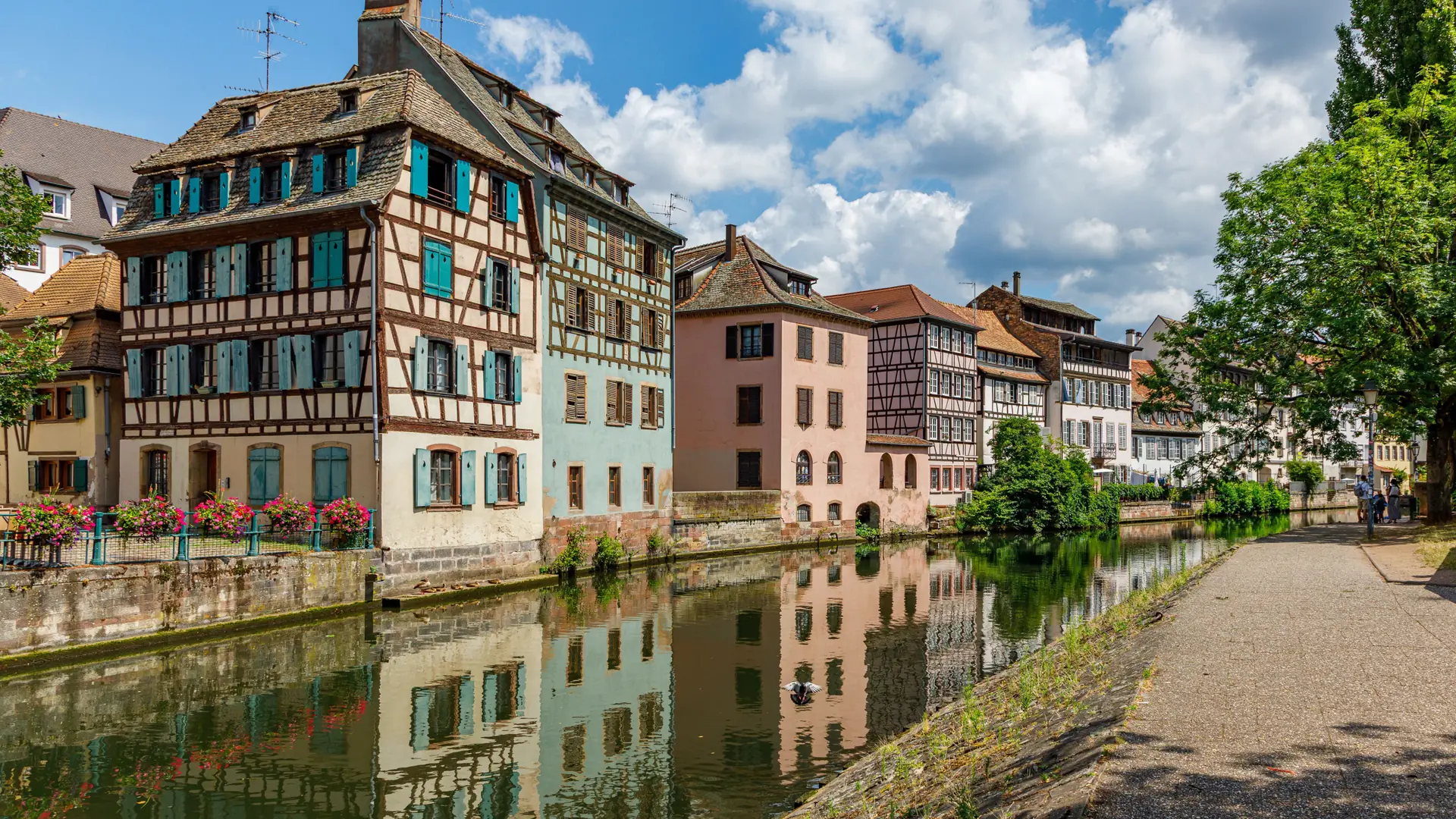
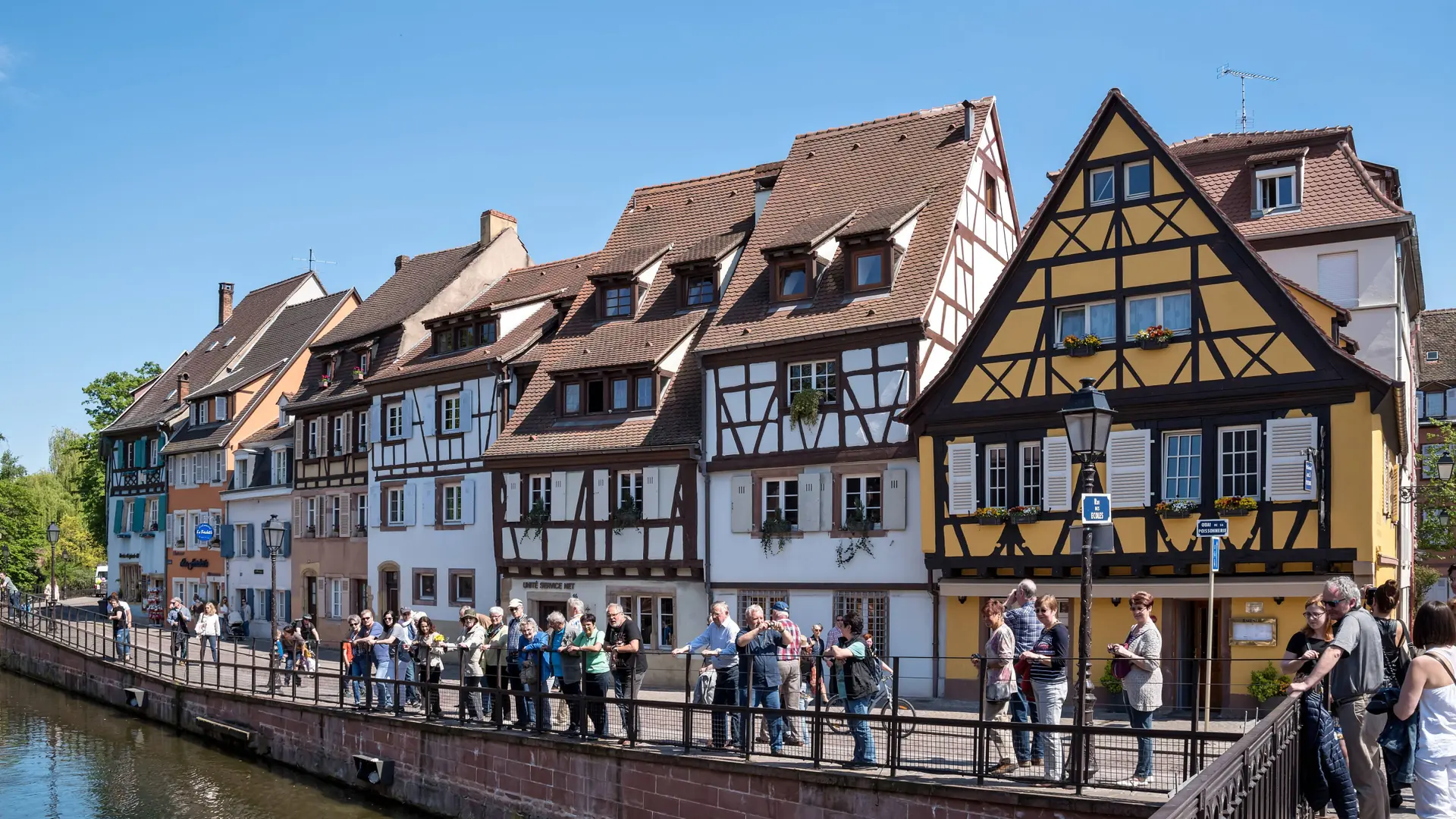
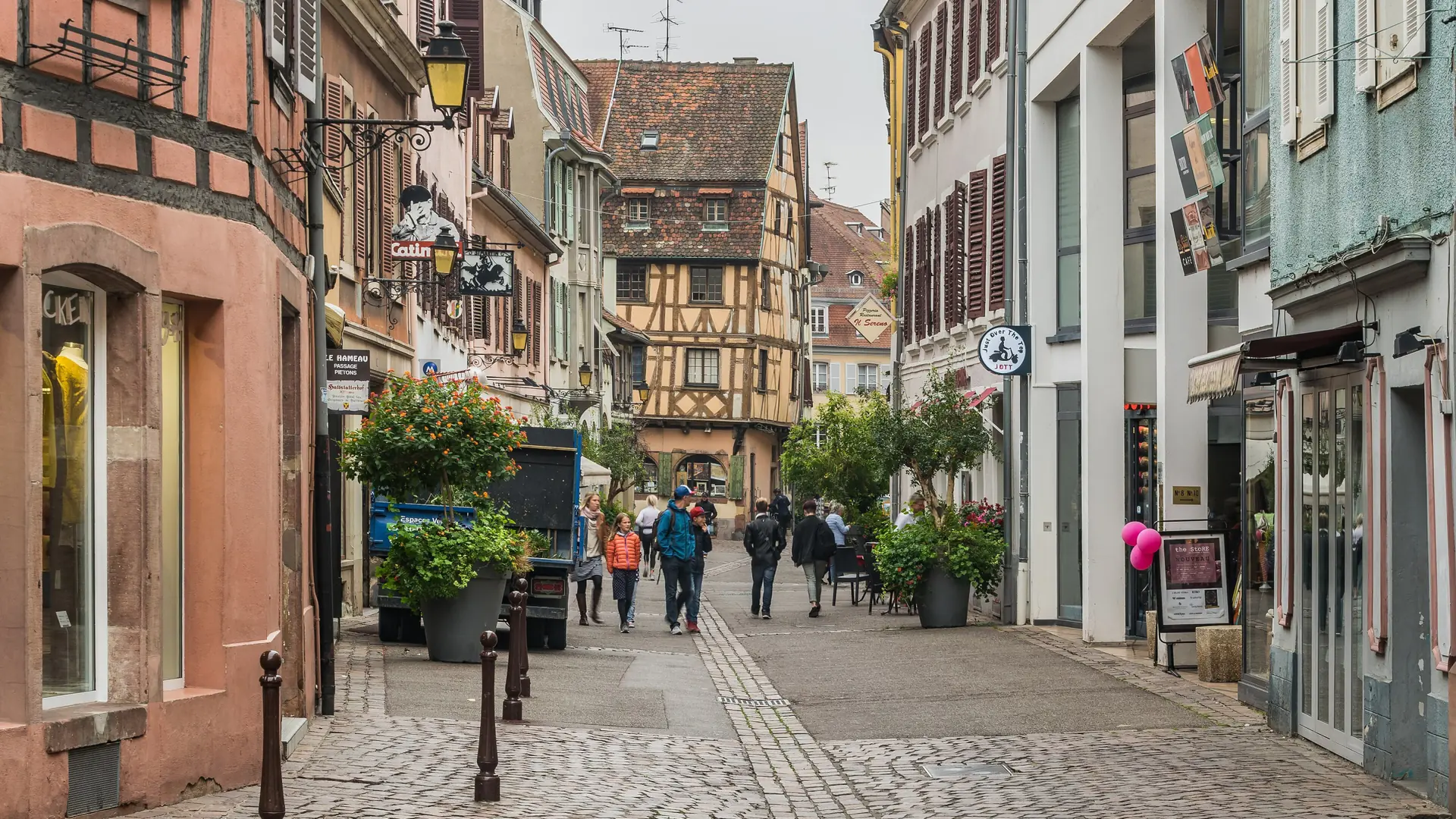
Colourful half-timbered houses beside the Lauch at Quai de la Poissonnerie in Colmar

Colmar stays for Old Town walks and Alsace rail trips

Loading Colmar hotel search

A small Alsace base with more than canal views

Colmar brings together half-timbered streets, the Lauch river and one of Alsace's major art collections in a compact centre. Come for a slow walk through the old trading town, a proper Alsatian meal and time with the Isenheim Altarpiece at Unterlinden. Two nights give you a full day plus arrival and departure time; three nights let the museum, town and a village excursion have separate places in the plan. For a first car-free stay, choose Old Town for meals and sightseeing on foot, or the station–Champ de Mars side if several rail journeys shape the trip. Little Venice is a smaller part of the historic centre, worth choosing when you will enjoy its waterside setting repeatedly. The Unterlinden edge suits an art-led visit. This guide compares those four bases, explains the regional airport connections and sets out a daily budget for two. May, June and September suit walking and the surrounding countryside; Christmas is a separate trip with its own dates and demand.

A first short break Two or three nights

Give the historic streets a full day, with time to stop at the covered market and sit down for an Alsatian meal. A third night creates space for a separate museum visit or a village outing rather than a succession of quick photo stops.

A major collection Unterlinden deserves time

The Isenheim Altarpiece is the museum’s best-known work, but the setting also joins a medieval convent with contemporary architecture. Choose a visit for the art and the building, not only as a way to fill an hour of rain.

Car-free city days Walk from a central base

The protected centre is largely pedestrianised. The museum gives a 15-minute walk from the railway station, so a station-side room remains a workable base for town days as well as regional departures.

A regional table Make room for Alsatian food

Colmar’s food traditions include slow-cooked meat dishes, local cheese and distinctive baking. A market stop and a regional meal add a different experience from simply walking past the town’s most photographed buildings.

StartBooker answer

Should I stay in Colmar Old Town or near the station without a car?

Choose Old Town for a first short stay focused on Colmar itself: the streets, market, museum and restaurants fit into walking days. Choose the station–Champ de Mars side if repeated trains or an early departure matter more. Little Venice belongs to the historic centre and makes sense when the canal setting is part of the holiday. The Unterlinden edge is another central option for an art-led break. You can enjoy the town without a car; trips into the wine villages need a separate transport plan.

Central evenings
Old Town for meals and walks
Repeated departures
Station side for rail days
A particular setting
Little Venice for waterside time

Things to do in Colmar, France

Explore tours, attractions and local experiences in Colmar, France.

Loading activities…

Activities provided by GetYourGuide. We may earn a commission on bookings.

AI-powered

Plan Colmar around art, Alsatian food and a village day

Tell the planner how many nights you have, whether you arrive by train and which collection or village you want to see. Add your travel month and the kind of evening you want outside the hotel so the proposed base suits the actual stay.

Four Colmar bases, from the station to the Lauch

The choice is about the days you intend to have. Old Town and Little Venice overlap within the historic centre; the station–Champ de Mars side is useful for trains; Unterlinden anchors the northern edge. Compare the repeated journey to breakfast, a museum or the station before paying for the most photographed location.

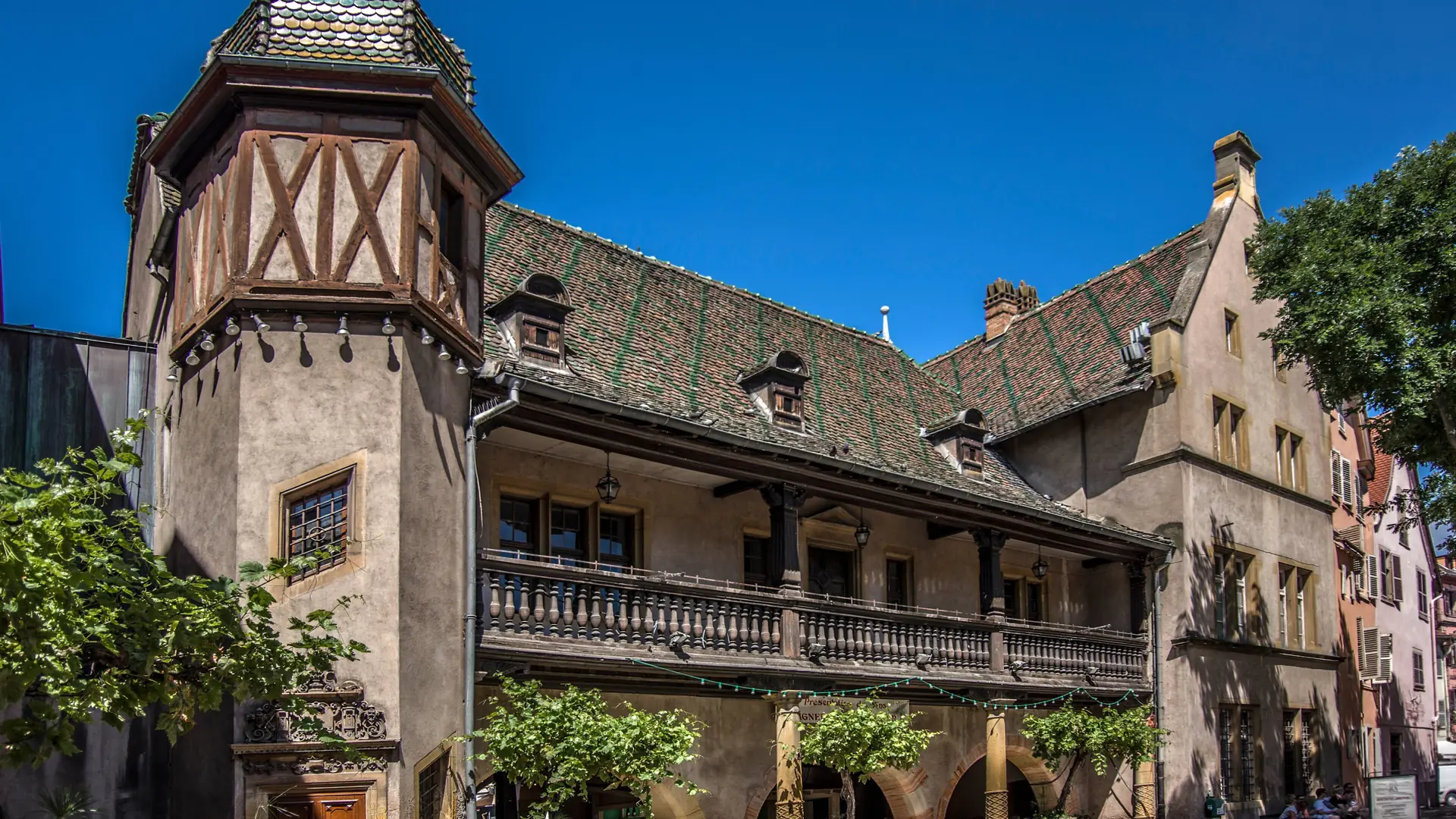
The Koïfhus customs house and tiled roof in Colmar

Old Town

historic streets, local meals and a first short stay

Old Town combines merchant houses, church architecture and small shopping streets. Around the Koïfhus, completed in 1480, the former customs house recalls Colmar’s trading role. Choose this area when you want time to look at the buildings and return for dinner, with Unterlinden and the covered market as separate stops.

Central Walkable
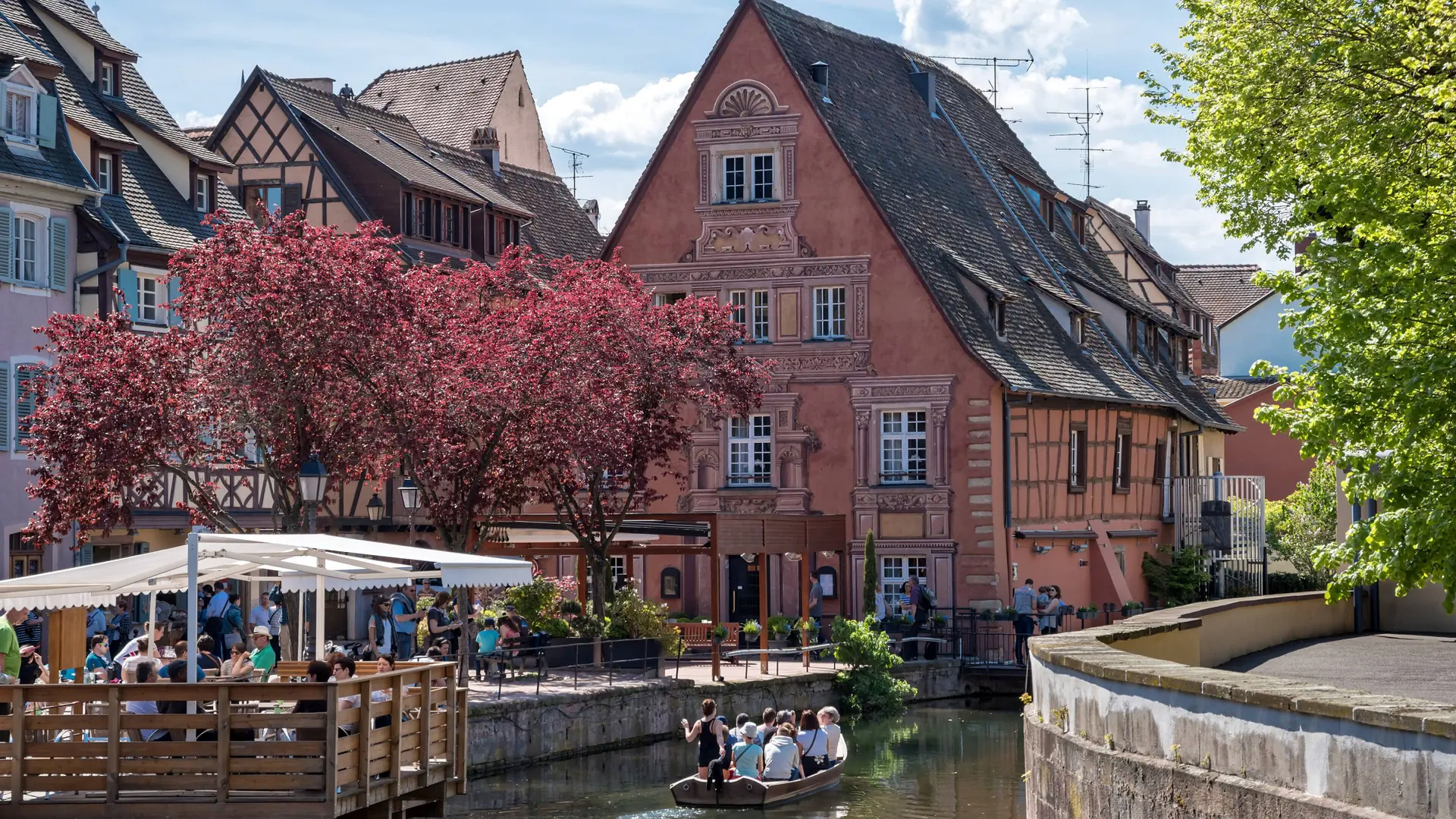
A boat and half-timbered waterfront houses in Little Venice, Colmar

Little Venice

Lauch views, waterside walks and a scenic short break

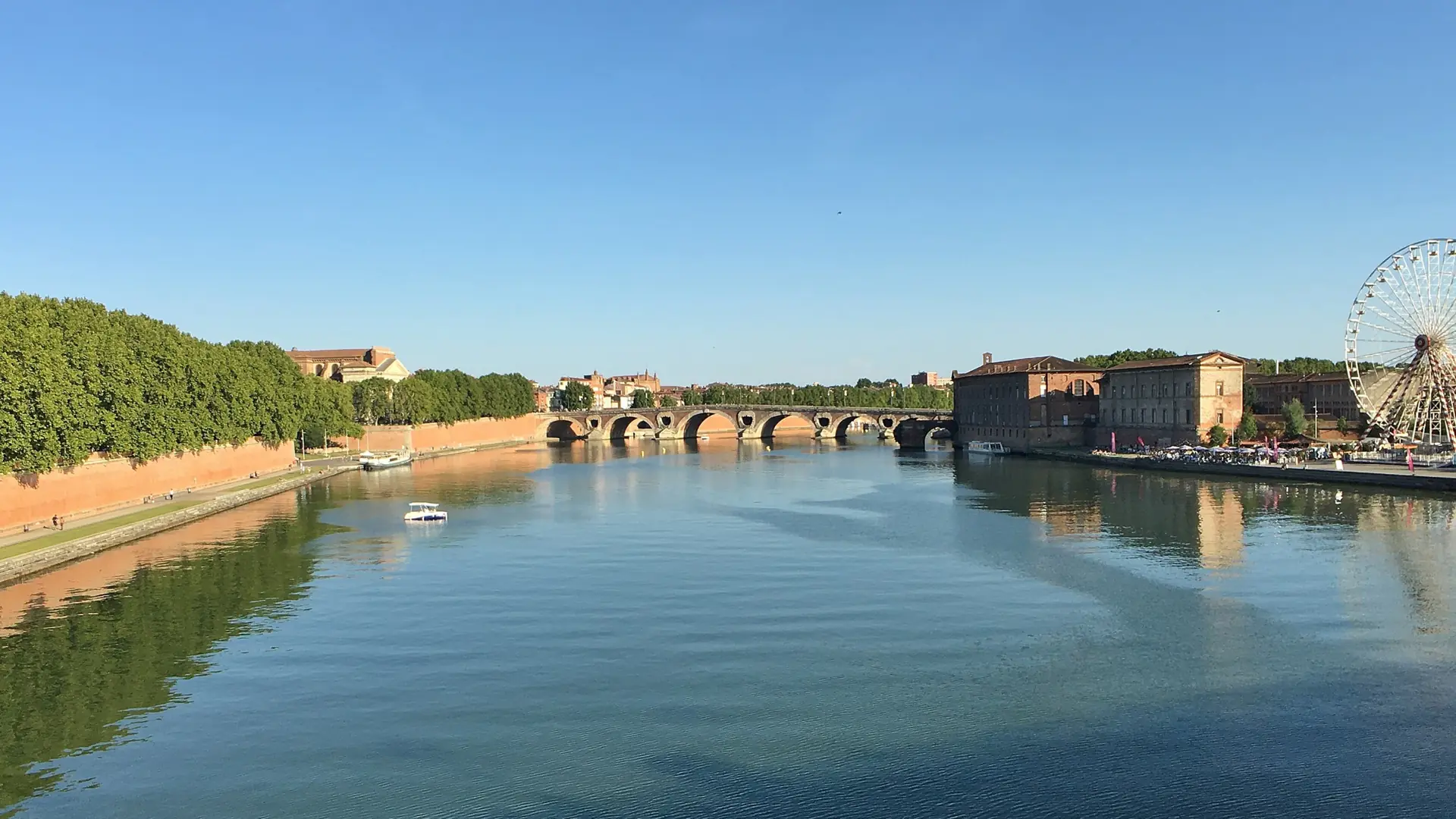
Little Venice follows the Lauch through the fishmongers’ district towards the Turenne and Saint-Pierre bridges. Its history includes wine producers, market gardeners and boatmen, which gives the waterside streets a story beyond their colour. Choose it when the river walk will be part of mornings and evenings.

Canal Scenic
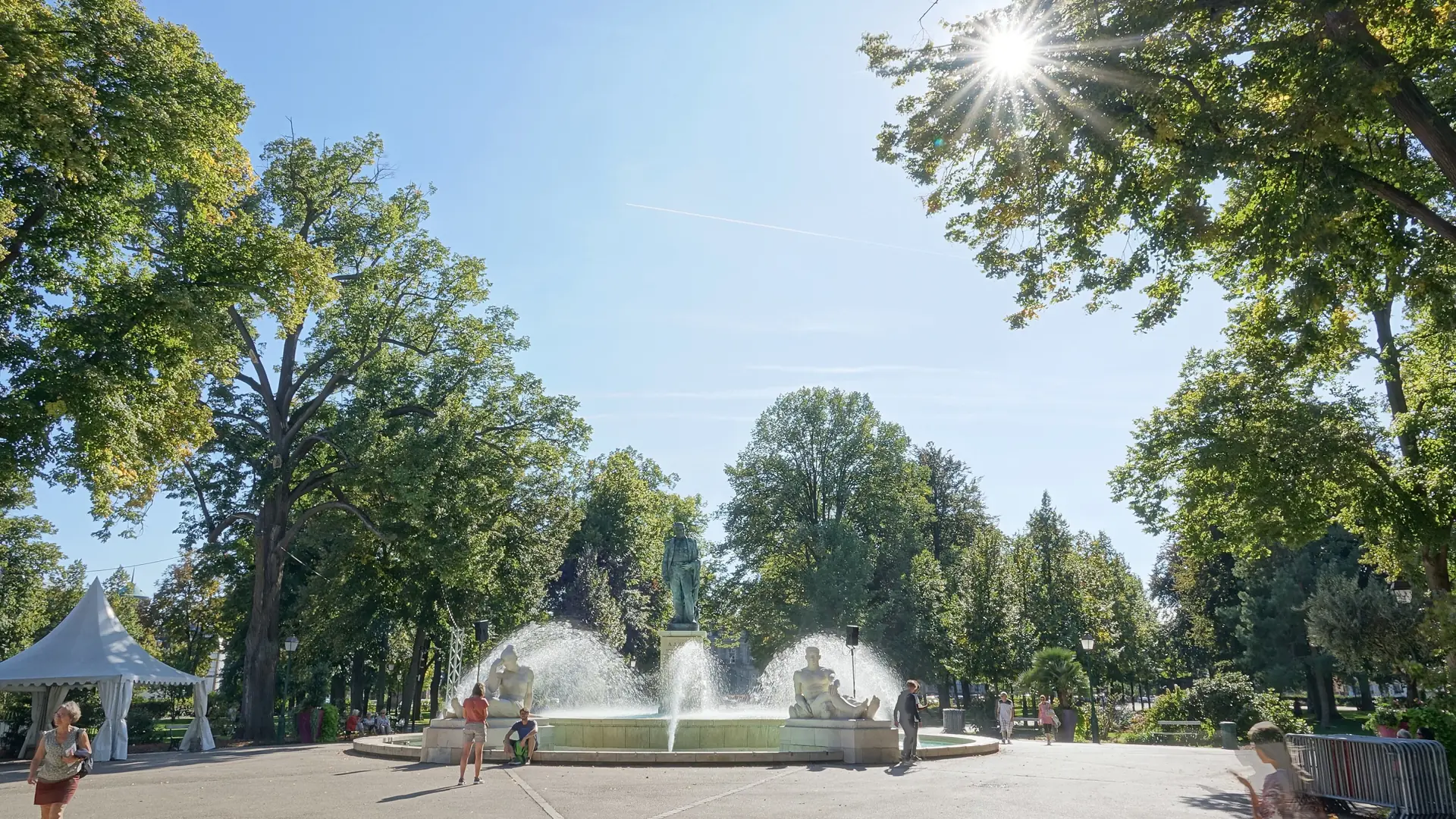
The Bruat fountain and trees in the Champ de Mars park in Colmar

Station and Champ de Mars

train arrivals, regional departures and park-side walks

The station–Champ de Mars side puts a rail arrival before the densest old lanes. It suits several train days or an early onward departure, with the park providing a pleasant route towards the centre. The museum describes the station-to-Unterlinden walk as about 15 minutes; allow more with bags or stops.

Rail Practical
The exterior courtyard and historic buildings of Unterlinden Museum in Colmar

Unterlinden edge

Unterlinden, architecture and the northern historic centre

The Unterlinden edge places the collection and its architecture at the centre of the stay. The museum joins a medieval cloister to a modern extension by Herzog & de Meuron through an underground gallery. Choose a nearby room when you want a substantial visit, then continue into the old streets for another part of the day.

Museum Architecture
Match the Colmar area to the trip you are actually taking
Area Best for Features Getting around
Old Town

First town-focused stay

Historic streets, the market and dinner walks share a compact area.

Old-building layouts and lively lanes

Walk between central sights; ask the hotel about entrance steps.
Little Venice

Lauch atmosphere

The riverside becomes part of the stay beyond a single photo stop.

View premiums and busy bridge approaches

Use the southern lane and bridge network on foot.
Station and Champ de Mars

Repeated rail journeys

The first and final luggage legs stay closer to the railway.

A walk into the historic centre

Follow the route through the Champ de Mars side towards town.
Unterlinden edge

A substantial art visit

The museum’s collection and architecture are close to the hotel.

A longer walk to the southern canal quarter

Start with Unterlinden, then walk south through the old centre.

Choose the base for your Colmar holiday

A room is useful when it supports the trip you will actually take. A two-night city break, a longer rail-based Alsace stay and a holiday centred on canals have different needs. Use these scenarios after the area comparison, then judge the particular property and room.

Enjoy Colmar between the main visits

Old Town works for an unhurried short break: leave time after a collection visit to browse, find a bakery and walk out again for dinner. Its value is being able to enjoy the town in several short outings rather than concentrating everything into a single visit.

Give the river its own part of the stay

Little Venice suits a stay where the Lauch is part of the pleasure, not just a landmark to tick off. Spend time around the bridges, then step away into nearby streets. A canal view is worth comparing as an actual room feature, rather than an assumption attached to every hotel here.

Use Colmar for a wider Alsace trip

The station–Champ de Mars side suits rail trips to other Alsace towns and a departure with bags. Walk into the centre on your town days, and use the shorter station route on travel days. This can be a better fit than sleeping deeper in the lanes when departures repeat.

Build a break around the collection

Choose the Unterlinden edge for a visit with time to explore the collections and building, then pause before another outing. It also gives the museum’s northern setting its own place in the stay, instead of making the river the starting point for every day.

Compare live Colmar rooms in your chosen area

Search Colmar hotels →
Loading Colmar hotel results

Reach Colmar by rail, then use the compact centre on foot

Colmar station is the main arrival point for a car-free stay. Regional airport journeys add a bus or train connection before that final arrival. Keep the flight transfer separate from the city-day plan: central sightseeing can be mostly on foot, while a wine-village outing has its own route and timetable.

Two regional airport approaches

EuroAirport: use the French-sector connection

From EuroAirport, leave through the French sector for Distribus line 11 to Saint-Louis railway station. The airport describes a bus ride of about 10–15 minutes, followed by a regional train towards Colmar. This keeps the journey on the French-side route; Basel SBB is the hub for the airport’s Swiss-sector bus connection. Allow time for the rail interchange as well as the bus ride.

Strasbourg Airport: connect through Strasbourg station

The airport has a covered footbridge to Entzheim-Aéroport station. Its shuttle train reaches Strasbourg station in about eight minutes; continue from there by train to Colmar. That short airport leg is not the whole transfer. Compare the connecting departure and the final walk to the hotel when judging a flight’s arrival time.

Town walks and excursions

Walk the centre in a coherent loop

Use the old centre for a connected day: Koïfhus and nearby streets, the covered market, then the Lauch quarter. Unterlinden belongs at the northern end of a different outing. The museum’s stated station walk is 15 minutes, so the railway is within a normal town walk; room stops, cobbles and sightseeing pauses will make a personal route longer.

Separate regional trains from wine-village transport

For a village loop, Kut’zig links Colmar with Ribeauvillé, Riquewihr, Kaysersberg Vignoble, Turckheim and Eguisheim by road. The operator requires a reservation and lists day tickets from €32 (about US$36) per person. Its service is seasonal, with fewer operating days outside summer. Choose an operating date and return departure from its schedule before fixing the day; a Colmar city ticket does not cover this outing.

Use TRACE for a city journey that saves a walk

TRACE provides town and agglomeration routes, with current journey planning and service notices on its website. It is useful for an outer hotel or a particular journey with bags. A central stay may need little bus travel; a property beyond the walkable centre should be compared with the route you will actually use, including its evening return.

Tickets for the journeys you need

An occasional TRACE ride

The standard TRACE single costs €1.50 (about US$1.70) for a journey valid for one hour. You can pay and validate by bank card in the bus, or use the network’s ticket products. A reusable contactless paper ticket costs an additional €0.20 (about US$0.25). Validate at each boarding, including a transfer, and keep rail or seasonal village-bus tickets separate.

Compare the territory of a day ticket

TRACE lists Alsa+ 24-hour Colmar Agglo at €4.60 (about US$5.15), valid on participating trains and road transport within that agglomeration area. It is not an all-Alsace ticket. A day spent in the pedestrian centre may cost less with individual rides or none at all; buy a pass only when its area and duration match the actual journeys.

Access in historic buildings

Unterlinden provides specific access facilities

The museum states that its rooms are accessible using lifts and inclined surfaces. Wheelchairs can be borrowed at reception, subject to availability, and seating is provided around the collection. That is useful detail for an art day; separately confirm the hotel’s entrance steps, lift and bathroom rather than extending the museum’s access arrangements to an entire neighbourhood.

Plan an Alsace stay with time for the town

Keep one substantial visit at the centre of a day, then leave room for food and ordinary wandering. Colmar’s small size makes this easy to arrange, but a museum visit and a village tour are still separate commitments. The most useful room is the one that supports the holiday’s pace, rather than the one beside the busiest bridge.

Choose a season for the main experience

May, June and September for walking and village time
  • These are useful first choices for town walks, outdoor meals and a look at the surrounding wine country. Colmar’s inland Alsace climate has warm summers and colder winters, so bring a layer for spring evenings. For a car-free village outing, match the date with the seasonal road service rather than assuming that a summer timetable runs every day in spring.

  • July and August for a longer summer stay

    Summer suits a stay with time for town, countryside and a proper lunch between outings. Hot afternoons can make a collection visit a welcome change from exposed streets. Book the room for the facilities you will use, including cooling and usable sleeping space; a longer stay needs comfort as well as a central photograph.

  • Late November and December for the Christmas markets

    The official 2026 Colmar programme lists six Christmas markets from 23 November to 29 December. This is a distinct reason to travel, with room demand and evening pedestrian activity to match. Reserve accommodation for those exact dates, then compare its entrance and bedroom position with the market streets. Dates for a later year need their own official programme.

A daily allowance for two adults

Budget for the complete city day
  • For a town-focused break outside peak events, two adults sharing a central mid-range room can plan on roughly €230–340 (≈ US$260–380) per day: room €120–190 (≈ US$135–215), meals €70–100 (≈ US$80–110), and local travel plus sights €40–50 (≈ US$45–55). These are planning allowances, not live quotes. Flights, airport transfers, regional rail trips and village tours are extra; Christmas-market dates can change room prices substantially.

  • Price the actual museum party

    Unterlinden adult entry is €14 (about US$16), or €17 (about US$19) with an audioguide. Under-12s enter free; visitors aged 12–17 and students under 30 have a youth rate. The museum normally opens Wednesday to Monday and closes on Tuesdays. Put this visit on an open day, then decide whether the audioguide suits how you like to explore a collection.

  • Leave room for a regional meal

    A market picnic can balance a longer restaurant meal, while walking keeps the town-day transport allowance modest. Treat these choices as ways to shape the day rather than a reason to rush the main collection. US-dollar equivalents are rounded using the ECB reference of one euro = US$1.1205 on 22 October 2026; card exchange costs can differ.

What Alsatian food should I try in Colmar?

Baeckeoffe is a slow-cooked dish of marinated meats and potatoes with white wine; coq au Riesling offers chicken in a regional wine sauce. For something smaller, look for Munster cheese or a slice of kougelhopf, the regional raised cake often made with raisins. Choose one substantial regional meal and leave another lunch for the covered market rather than trying to order every speciality at once.

Why is the Isenheim Altarpiece worth a substantial visit?

Grünewald painted the panels and Niclaus of Haguenau created the sculpture for an Antonite monastic hospital between 1512 and 1516. The work was made for a place caring for sick people, which gives its imagery a context beyond decoration. Give yourself time to look at the different parts and their relationship; it rewards more than a quick glance at one famous panel.

What can I see on a walk through Little Venice?

Follow the Lauch through the fishmongers’ quarter between the Turenne and Saint-Pierre bridges, with the old customs house and covered market nearby. The waterside district was home to wine producers, market gardeners and boatmen. Look at the houses and river together: this was a working quarter before it became Colmar’s best-known postcard view. It fits naturally into a walk through the southern historic centre.

Is Colmar a French or German town?

Colmar is in France, in Alsace, a region shaped by French and German influences. The town became part of the German Empire in 1871 and returned to France after the First World War. Its architecture, place names and food make that layered history visible; enjoy those details as part of the visit rather than expecting the town to fit a single cultural image.

Do I need to move hotels to visit the wine villages?

No. A village day can start and end in Colmar, which avoids packing again during a short stay. The practical choice is between a seasonal village bus, a booked outing or another road connection for the specific places you want. Choose fewer stops with enough time to explore and eat; changing accommodation is more useful when you want several evenings in one village.

How this guide was researched

Reviewed by StartBooker editorial team Destination research and editorial revision

Last reviewed 2026-10-23

Updated

Editorial method: Revision based on 20 reviewed sources from local tourism, the museum, transport operators, climate specialists and independent travel publishing. The city-day budget is a declared allowance for two adults, not a live accommodation quote. Seasonal transport and Christmas dates are linked to their responsible publishers; museum and fare conditions were checked directly.

20 sources reviewed

Key sources
  • Tourist Office of Colmar and its region
  • Musée Unterlinden
  • Colmar region tourist offices
  • European Central Bank
  • TRACE Colmar
  • SNCF Connect
References
Photo credits

Some photos provided by Pexels.

Share a practical Colmar stay experience