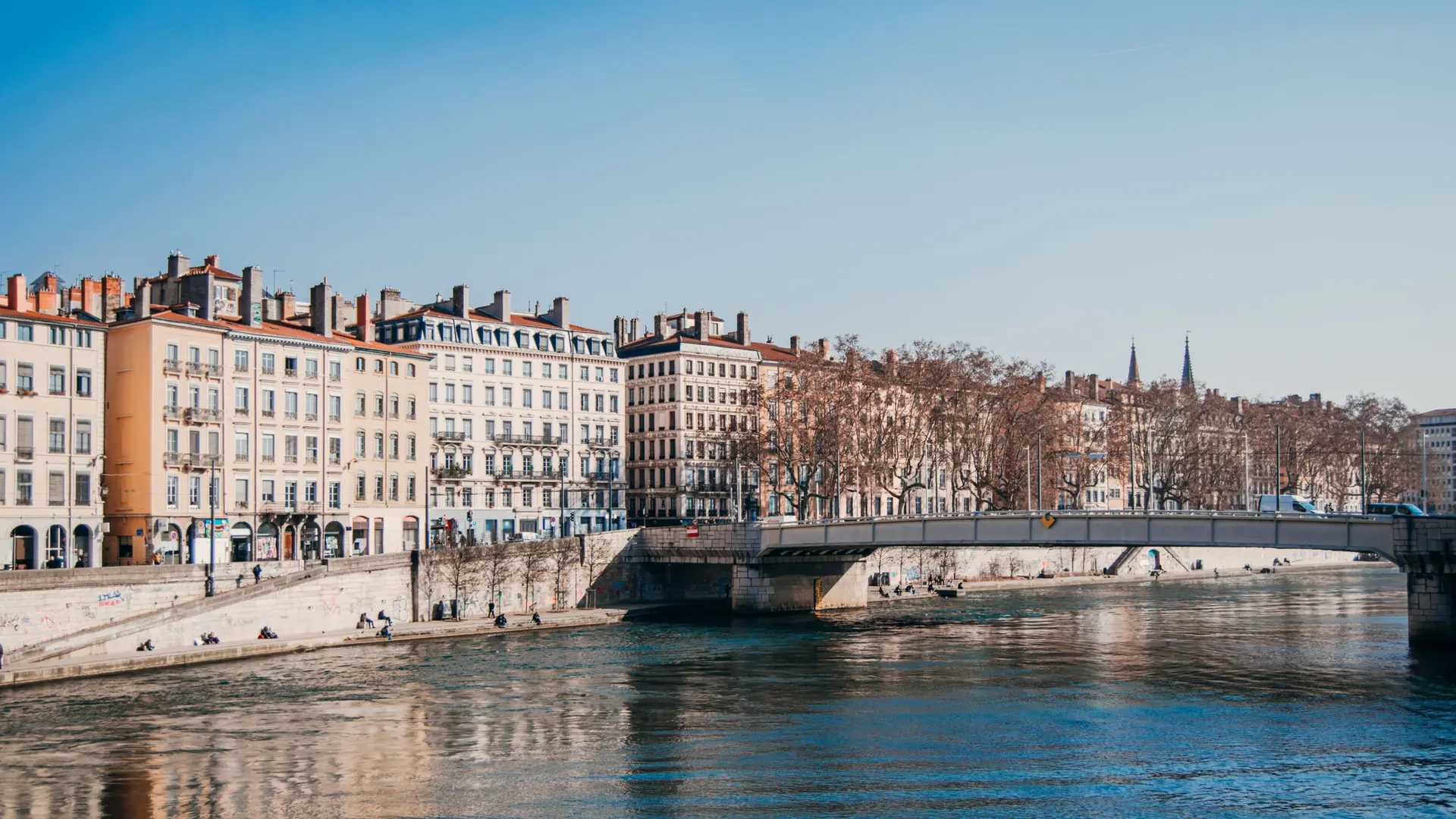
Aerial view of Lyon rooftops around a bend in the Saône

Three Nights in Lyon for Food and History

Loading Lyon hotel search

A base for two full days in Lyon

For a first three-night visit to Lyon without a car, start with Presqu’île around Bellecour. Between the Saône and Rhône, it puts central squares, restaurant evenings and crossings into Vieux Lyon within the same walking day. Choose Vieux Lyon itself when Renaissance streets and the ascent to Fourvière are central to the trip; choose Croix-Rousse when silk history and a hilltop morning appeal more. Part-Dieu serves a different purpose: mainline trains and the airport link meet here, making it useful when arrival or departure shapes the stay. With two full days, explore the historic centre and give another part of Lyon a proper outing, whether that means a weaving demonstration, cinema history or the collections at Confluence. Keep time for a bouchon meal rather than filling every hour with sights. The eight bases below include park, cycling and cinema options as well as the first-visit centre.

Food and river walks Presqu’île and Bellecour

A central address lets you return between historic walks and a restaurant evening, with squares and river crossings nearby.

Historic streets Vieux Lyon and Fourvière foot

Stay beside the Renaissance quarter below Fourvière when repeated time in old streets is a reason for the visit.

Silk and viewpoints Croix-Rousse silk district

Choose the hill for the canuts’ story and a weaving demonstration, making the plateau a substantial part of the stay.

Train-led stay Part-Dieu station district

The station base suits an early train or airport connection; use city transport for the main historic-centre outing.

StartBooker answer

Where should I stay for three nights in Lyon?

Choose Presqu’île around Bellecour for a first three-night food-and-history break without a car. Vieux Lyon suits Renaissance walks beneath Fourvière; Croix-Rousse puts silk history on the doorstep. Choose Part-Dieu when train or airport timings decide the stay, then travel into the historic centre for the main walking day.

First visit
Presqu’île and Bellecour
Heritage focus
Vieux Lyon beneath Fourvière
Arrival priority
Part-Dieu station district

Things to do in Lyon, France

Explore tours, attractions and local experiences in Lyon, France.

Loading activities…

Activities provided by GetYourGuide. We may earn a commission on bookings.

AI-powered

Plan three nights around Lyon’s food and history

Tell the planner your arrival time, number of nights and whether Renaissance walks, Lyonnais food, silk, cinema or contemporary collections matter most. Include access needs and any separate regional trip so the hotel base fits the whole stay.

Eight Lyon bases across the rivers and cinema neighbourhood

Use Presqu’île as the first-visit starting point, then choose another base for a clear part of your stay: Renaissance streets, silk history, trains, contemporary collections, park outings, cycling or cinema. The rivers separate districts and Fourvière and Croix-Rousse add hills to the map.

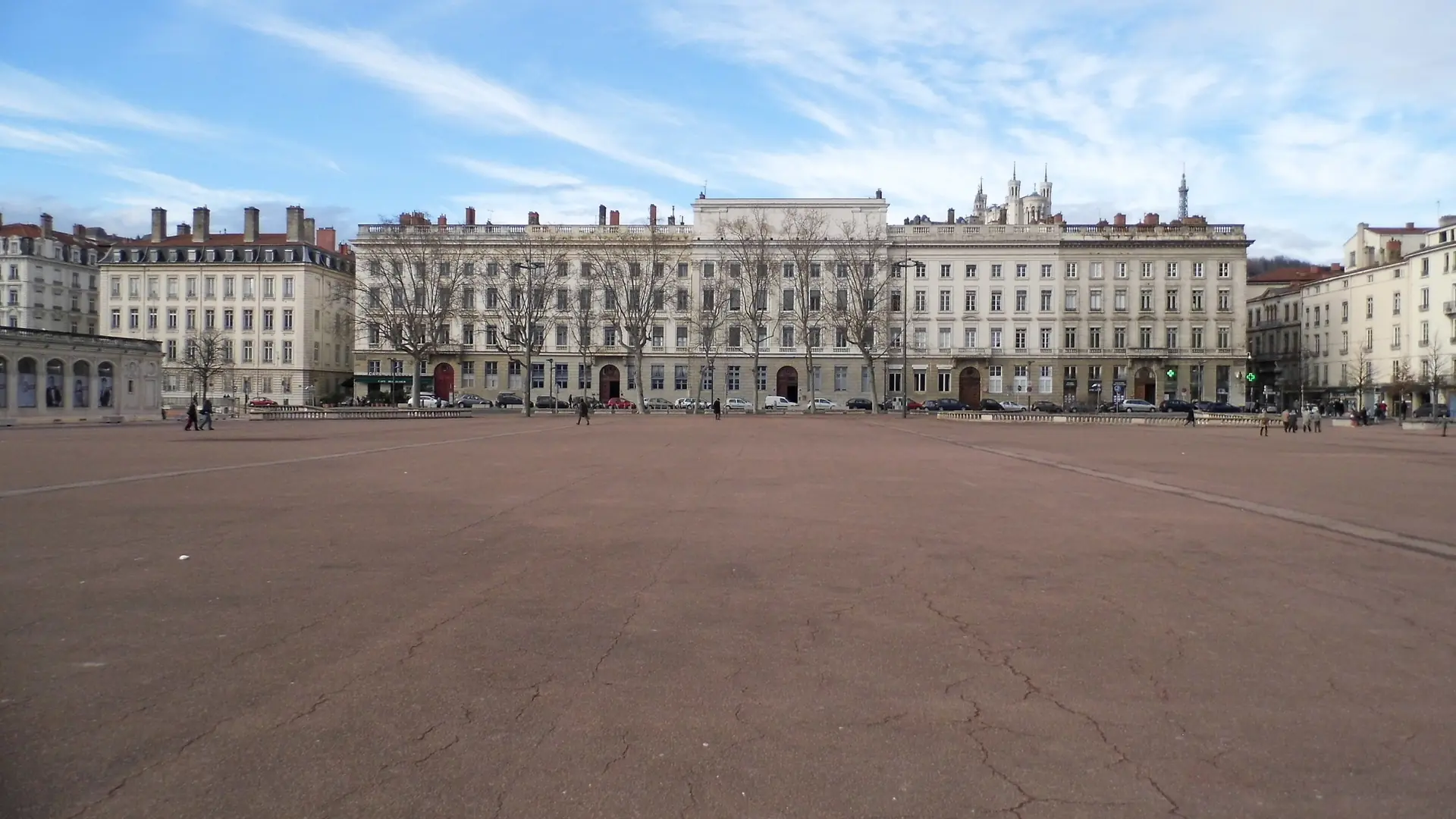
Place Bellecour with Lyon’s façades and Fourvière in the distance

Presqu’île and Bellecour

first visits, restaurants, river walks

Presqu’île and Bellecour form Lyon’s central base between the Rhône and Saône, close to old-town bridges, major squares and restaurants. Choose it for a first visit with repeated walks and dinner outings. You can cross into Vieux Lyon, return to the room, then explore another stretch of the peninsula without arranging every move around transport.

Central Food

Walk central squares and cross the Saône; use the metro for farther districts.

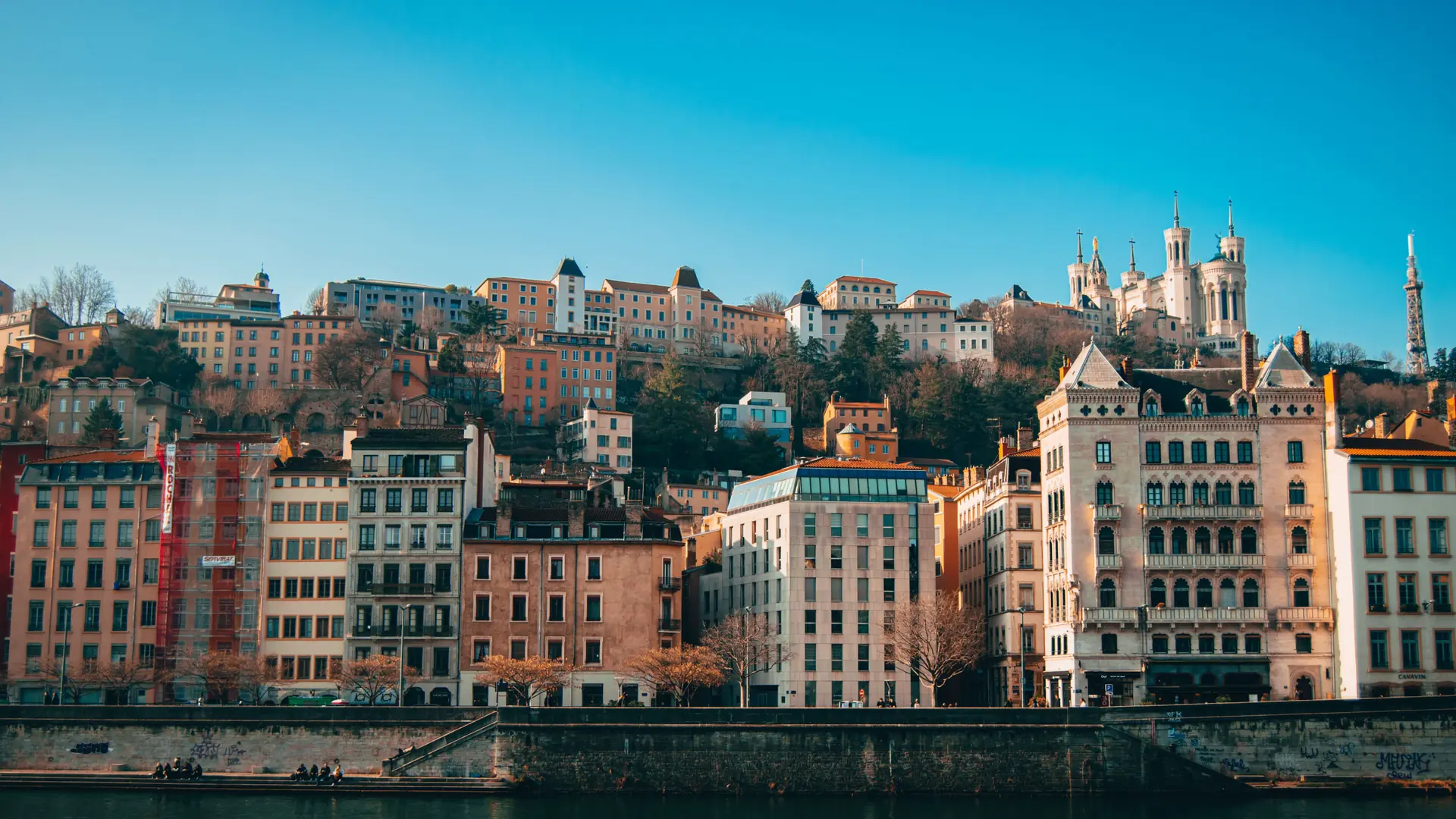
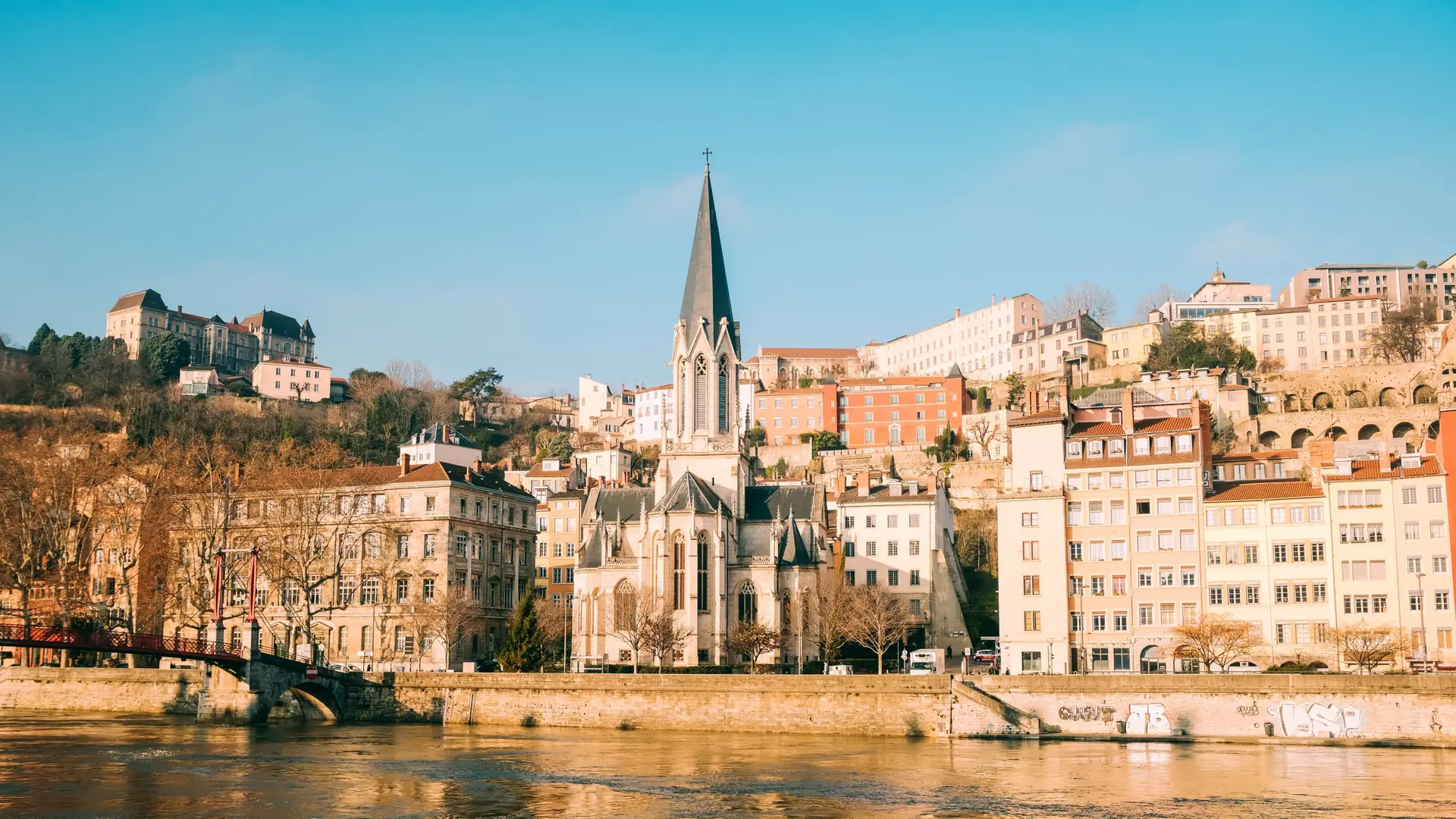
Vieux Lyon buildings beside the Saône below the basilica of Fourvière

Vieux Lyon and Fourvière foot

Renaissance streets and heritage walks

Vieux Lyon at the foot of Fourvière makes Renaissance lanes, courtyards and church façades part of the stay. Choose a lower old-town address for repeated walks beside the Saône, with the funicular available for the hill. Cobblestones and slopes make the exact entrance more useful to check than the distance shown on a map.

Historic Romantic

Walk the lower quarter; take the funicular for Fourvière.

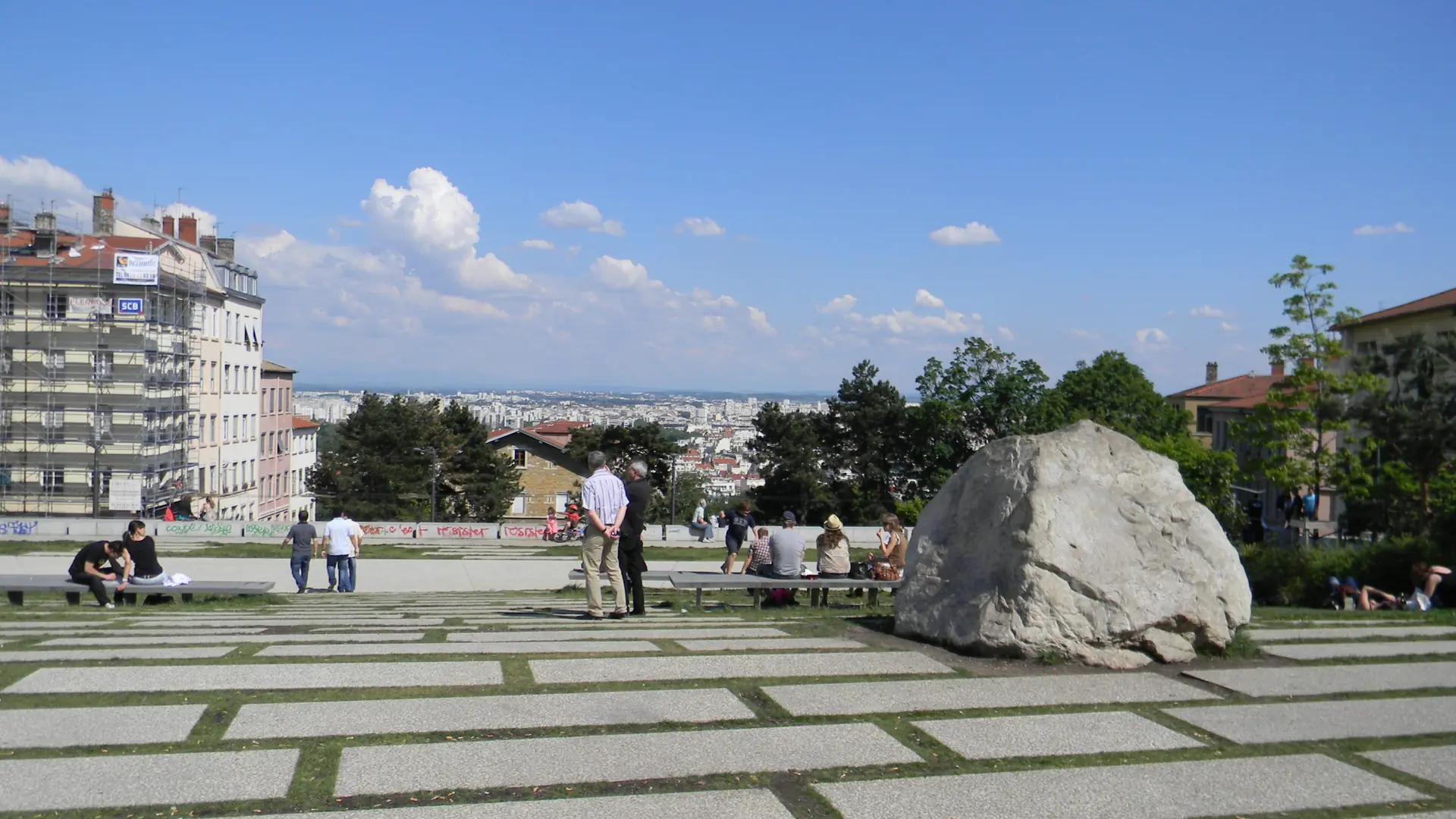
The Gros Caillou and city view from Lyon’s Croix-Rousse plateau

Croix-Rousse

local life, markets, views

Croix-Rousse offers a hilltop routine shaped by canut history, viewpoints and neighbourhood cafés. It suits a stay with time for the Maison des Canuts and walks around the plateau. The climb is part of the choice: match the hotel to a practical metro approach if you expect to return from central Lyon after dinner.

Local Hilltop

Use the metro for the uphill return; explore the plateau on foot.

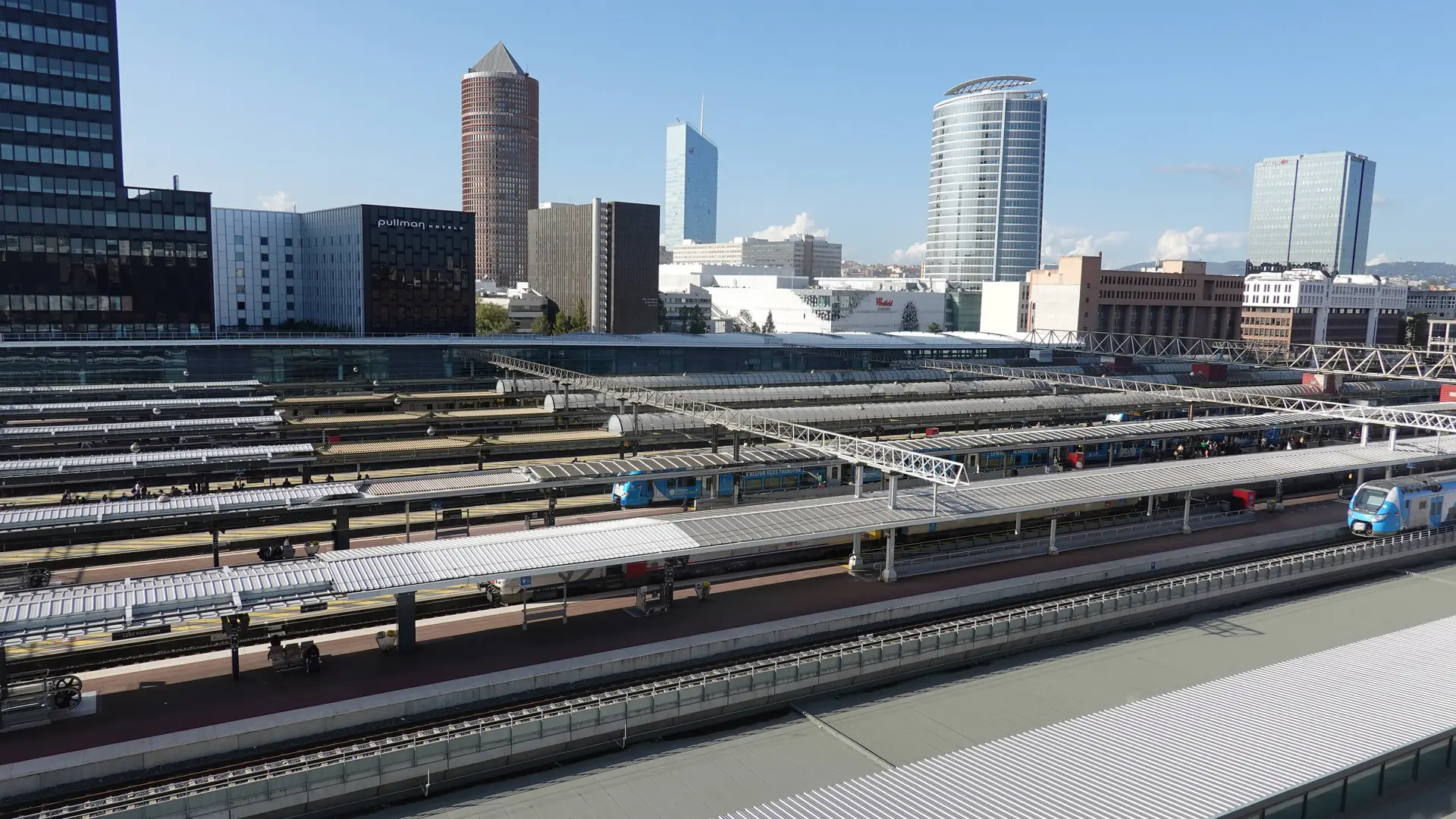
Part-Dieu station tracks and the district’s towers in daylight

Part-Dieu

rail, business, early departures

Part-Dieu is useful when mainline trains, the airport link, meetings or an early departure control the visit. A nearby hotel saves a separate luggage journey across Lyon. Choose it for that timetable advantage, then use city transport for Renaissance streets and river walks; the station district offers a different setting from the historic centre.

Rail Business

Mainline rail and airport tram; city metro and trams for sightseeing.

Modern architecture and riverside space in Lyon Confluence

Confluence

contemporary architecture and museum visits

Confluence presents Lyon through contemporary architecture and broad riverfront spaces. Choose it when the Musée des Confluences is a substantial part of the visit, with time to explore the southern peninsula. Historic-centre days involve a longer walk or public transport, so this base works best when the modern district is part of the programme too.

Design Riverside

Use tram and walking routes along the southern peninsula.

Sunlit buildings beside the Saône below Fourvière in Lyon, shown as a wider city scene

Brotteaux and Tête d’Or park

park breaks alongside restaurant evenings

This east-bank option centres the hotel search on park outings and dining streets rather than the old town’s narrow lanes. The lake, gardens and glasshouses of Tête d’Or can give the day a different pace, while Brotteaux adds Art Nouveau and Art Deco buildings. Choose it when park time belongs in the stay, alongside a separate historic-centre outing.

Park outings Restaurant streets

Walk to the park entrance you will use; cross the Rhône for central sights.

The Saône and Pont Bonaparte in sunny Lyon, illustrating the wider city rather than Guillotière

Guillotière

a cycling-focused stay around the Rhône crossing

The Rhône crossing gives a cycling visit a different starting point from the historic peninsula. The tourism office’s 11 km Art Deco loop starts at Pont de la Guillotière and links the Lumière area with Gratte-Ciel in neighbouring Villeurbanne. Choose this base when that ride is part of your programme, with cycle storage included in the hotel search.

Cycling plans Rhône access

Start the published cycle loop at Pont de la Guillotière.

Saint-Georges church beside the Saône in sunny Lyon, used as a wider city view

Monplaisir

cinema history and a stay beyond the principal sightseeing core

Lyon’s cinema connection can shape the accommodation choice when the Lumière neighbourhood is a destination in its own right. Choose Monplaisir for time at the museum in the family villa, then use metro D for central Lyon. It suits a cinema-focused visit more closely than a stay devoted entirely to Vieux Lyon and the peninsula.

Cinema history Eighth arrondissement

Metro D serves Monplaisir–Lumière and central Lyon.

Compare the eight Lyon bases
Area Best for Features Getting around
Presqu’île and Bellecour

first visits, restaurants, river walks

It brings the main walking day and the evening meal back to the same central base.

Central squares, river crossings and restaurant streets

Central walks and Saône bridges
Vieux Lyon and Fourvière foot

Renaissance streets and heritage walks

Sleeping in the lower quarter gives you time with the historic streets beyond a single sightseeing visit.

Renaissance streets beneath Fourvière

Lower-quarter walks; hill funicular
Croix-Rousse

local life, markets, views

The hill becomes a place to spend a morning rather than a stop between central sights.

Silk heritage, plateau streets and viewpoints

Hill approach; metro return
Part-Dieu

rail, business, early departures

A nearby room gives arrival and departure more time when a train connection shapes the stay.

Station services and the airport rail connection

Rail hub with city connections
Confluence

contemporary architecture and museum visits

Staying here makes the southern waterfront part of the visit rather than only a museum excursion.

Contemporary architecture and a major museum

Southern waterfront; tram links
Brotteaux and Tête d’Or park

park breaks alongside restaurant evenings

A base here gives park time its own place between the city’s restaurant and heritage outings.

Tête d’Or park and east-bank architecture

Park-gate walks; Rhône crossings
Guillotière

a cycling-focused stay around the Rhône crossing

The river crossing gives a planned bicycle outing a practical departure point beyond the old town.

Rhône access and an Art Deco cycle route

Published 11 km bicycle loop
Monplaisir

cinema history and a stay beyond the principal sightseeing core

A room in the district makes the museum a local outing while central sightseeing remains a separate journey.

Villa Lumière and cinema history

Monplaisir–Lumière on metro D

Give each full day a Lyon story

Three nights normally leave two full days. Give the historic centre and a local meal room to breathe, then choose a second focus that makes the hotel base useful: silk, eastern districts, cinema or the southern waterfront.

Food-first weekend

Begin with a walk around Bellecour, Jacobins and Terreaux, then give lunch or dinner time of its own. Presqu’île makes returning between a substantial meal and an evening beside the rivers straightforward. For a second food outing, cross east to the Halles Paul Bocuse to browse cheese, charcuterie and other specialist stalls.

Heritage-heavy stay

Build the historic outing from the lower Vieux Lyon streets up to Fourvière and its Roman theatres. The contrast between the Renaissance quarter and the hill helps explain how the city developed. Staying below the hill gives you repeated time in the older lanes while leaving another full day for a different Lyon story.

Silk and neighbourhood mornings

Spend part of a Croix-Rousse morning with the canuts’ craft, then continue around the plateau and its viewpoints. This turns the hill into a substantial part of the stay. Keep the detailed weaving-visit plan below for the demonstration, and use a central day for the squares and rivers rather than repeatedly crossing the city between individual stops.

Rail and business base

Use Part-Dieu when the first or last hour in Lyon is tight. With bags left at the hotel, choose one coherent central outing rather than travelling back for every break: a Vieux Lyon walk and a meal can share the day. For a longer stay, add the eastern districts or cinema museum as a separate programme.

Find stays in Lyon

Search Lyon hotels →
Loading Lyon stay options

Arrive in Lyon and move between rivers and hills

A car is unnecessary for this city break. Match the arrival to the hotel first, then combine walking with TCL metro, tram, bus and funicular services. Rhônexpress airport tickets are separate from ordinary TCL fares.

From the airport and mainline railway

Rhônexpress links the airport with Part-Dieu

The airport tram takes about 30 minutes between Lyon–Saint Exupéry and Part-Dieu. A standard adult single costs €16.30 (about US$18.25) online, or €17.40 (about US$19.50) at a ticket machine; the online return is €28.50 (about US$32). Continue by city transport if your room is in the historic centre. These are ordinary adult prices, separate from promotional or age-specific offers.

C200 is the lower-cost airport option

TCL C200 links La Soie and Genas with the airport bus station at Terminal 1. Only selected services continue to the airport: one in three on weekdays and one in two at weekends. Choose a departure explicitly serving Saint Exupéry Gare Routière, with a city connection at La Soie. The ordinary zones 1 and 2 ticket is €2.10 (about US$2.35). The TCL route page supplies the current timetable; allow for the connection when comparing this with the direct airport tram.

Use the station’s named facilities

Lyon Part-Dieu’s principal address is 5 Place Charles Béraudier. SNCF places luggage storage and passenger assistance in Galerie Villette and lists lifts and escalators among the station facilities. Use the side of the station matching the hotel entrance so the walk with bags follows the actual arrival route.

Walk the centre; use transport for the hills

Make a walk out of the river geography

Presqu’île lies between the Rhône and Saône; Vieux Lyon is across the Saône below Fourvière. Bellecour, Jacobins and Terreaux give the peninsula walk a sequence, with a crossing into the older quarter for another part of the day. Leave Croix-Rousse, the eastern city or Confluence enough time to be an outing of its own.

Take the funicular back from Fourvière

Combine the Roman theatres and Fourvière with the lower old-town streets, using the funicular for the hill. The tourist office currently reports the Jardin du Rosaire closed until 2 July 2027 and recommends returning by funicular; the garden descent is therefore unavailable during that period. Croix-Rousse is a separate hill, where the metro can replace an uphill return.

Choose TCL tickets for the journeys you will make

A single ticket lasts one hour

A zones 1 and 2 single is €2.10 (about US$2.35), with transfers and return trips within one hour. It covers ordinary metro, tram, bus and funicular services. Validate at every change; when paying by bank card or phone, use that same card or device throughout the journey. A first reusable ticket adds €0.20 (about US$0.20). Rhônexpress requires its own ticket.

Compare the rolling 24-hour pass with singles

The zones 1 and 2 pass costs €7.10 (about US$7.95) per person and lasts 24 hours from first validation. Four pre-purchased singles would cost €8.40 (about US$9.40), so the pass costs less for that pattern of journeys. The first reusable ticket adds €0.20 (about US$0.20) if needed. Choose around a day of several rides rather than buying a pass solely because the stay lasts three nights.

Match the hotel entrance to the arrival

Keep the luggage route separate from sightseeing

SNCF lists lifts and passenger assistance at Part-Dieu. In Vieux Lyon, cobbles and hill approaches make the final hotel route important: establish the drop-off point and whether steps lie between the street, lift and booked room. An address in the lower quarter and a funicular outing are different choices from sleeping higher on Fourvière.

Choose the months and a daily allowance

For three nights, choose the season around walking, food and the cultural visit you want. The budget below is a planning allowance for two adults sharing one mid-range room outside major event peaks, with local transport and sights included.

Choose a season for the visit

May, June, September and October for walks and meals
  • These are useful starting months for a break built around the two rivers, historic streets and time over lunch. Spring puts parks and terraces into the programme; autumn suits another long meal alongside cultural outings. Give each full day an indoor visit as well as a walk, so the weaving, cinema or museum choice becomes part of the trip rather than a last-minute substitute.

  • July and August for longer outdoor evenings

    Summer suits river walks and later time outside after dinner. Put a substantial hill walk earlier in the day and leave a slower stretch for lunch or the museum you want to see. A central room makes a break between outings practical; compare the actual cooling and sleeping arrangements when choosing accommodation.

  • Winter for indoor culture and bouchon meals

    Choose winter when museums and Lyonnais cooking are the purpose of the stay. Pair a shorter historic walk with time at the cinema museum, a weaving demonstration or the Confluences collections, then make the restaurant meal a main event. This is a different programme from choosing summer for extended outdoor evenings.

A daily plan for two adults

Allow for the room, meals and city outings
  • For an ordinary mid-range stay, plan roughly €250–390 (about US$280–435) per day for two adults: room €130–200 (about US$145–225), meals €80–120 (about US$90–135), and local transport plus sights €40–70 (about US$45–80). This is our planning estimate across those three categories. Leave flights and transport to Lyon outside this daily figure, along with airport journeys, regional tours and room surcharges during major events.

  • Choose what the hotel location saves you

    A station-side room can save a separate luggage journey around an early train, while a central room can make returns between walks and meals convenient. Compare actual room quotes for the same dates, including breakfast and cancellation terms. The area choice is about how you will use the stay; it does not establish which district has the lowest rate.

  • Use the dollar amounts as dated equivalents

    The rounded dollar amounts use the ECB reference rate of 1.1205 US dollars per euro on 22 October 2026. Local prices are in euros. Substitute your room quote and chosen outings into the allowance when comparing stays; these equivalents support planning rather than quote a card exchange rate.

How do Lyon’s historic districts fit together?

Lyon’s history moves across the city. Roman Lugdunum began in the first century BC on the Fourvière side; Vieux Lyon preserves a Renaissance quarter below it. Presqu’île expresses later classical city building, while Croix-Rousse recalls the nineteenth-century silk workers, or canuts. The Historic Site of Lyon entered the UNESCO World Heritage List in 1998. Visiting the hill, lower old town and peninsula reveals successive layers rather than one uniform old centre. Choose the area where you want to spend repeated time, then use a second outing to see another layer.

What are traboules, and can visitors enter them?

Traboules are passages through buildings linking streets; an enclosed courtyard alone is a different feature. Lyon has about 500 traboules and courtyards, but only around 50 sites covered by access agreements are open to the public. Those agreed sites open daily from 07:00 to 19:00. Look for the Renaissance passages of Vieux Lyon and the canuts’ buildings on Croix-Rousse, using the tourism office’s identified route. They remain residential buildings, so pass through quietly and use the publicly opened route rather than treating every doorway as an entrance.

What should I try at a Lyon bouchon?

A bouchon is a place to give traditional Lyonnais food time of its own. Look for pike quenelles with Nantua crayfish sauce, or saucisson served in brioche. Cervelle de canut is a fromage-blanc preparation with garlic, chives and parsley; despite its name, it contains no brains. Saint-Marcellin cheese and a pink praline tart offer other local flavours. Choose a meal according to appetite rather than trying all the substantial specialities at once. The Halles Paul Bocuse provides a separate outing among cheese, charcuterie and other specialist stalls.

What does a Maison des Canuts visit involve?

The permanent rooms introduce Lyon’s silk craft and take around 15–20 minutes; adult admission is €3 (about US$3.35). For a working demonstration, the guided visit lasts about 50 minutes and includes the collection, costing €10 (about US$11.20) per adult. The published demonstration times are 11:00 and 15:30, Tuesday to Saturday. It explains handloom and Jacquard weaving in the district associated with the canuts and their 1831 and 1834 revolts. Use the demonstration as the timed part of a Croix-Rousse morning or afternoon, leaving the plateau walk around it.

How can I visit the Musée Lumière?

The museum occupies the family villa at 25 Rue du Premier Film in Monplaisir, reached by metro D at Monplaisir–Lumière. Its collections explore the cinematograph and the family’s part in cinema history. Normal opening is Tuesday to Sunday, 10:00–18:30, with annual closures on 1 January, 1 May and 25 December. Adult admission is €9.50 (about US$10.65); an audio guide costs €3 (about US$3.35), with English available. A lift serves the two floors. This makes a focused cultural outing beyond the historic centre, whether or not you stay in Monplaisir.

What is worth seeing at the Musée des Confluences?

The museum connects human origins, cultural diversity and humanity’s place in the living world. Adult admission is €12 (about US$13.45), including permanent and temporary exhibitions on the same day. Normal opening is Tuesday to Sunday, 10:30–18:30; it also opens on Mondays during Zone A school holidays, except summer. Give the collections several hours if you want to explore them fully. The garden, main hall and fourth-floor terrace are free public spaces, so the architecture and waterfront also make a shorter outing without an exhibition ticket. Lifts serve the exhibition floors.

Sources

Reviewed by StartBooker editorial Route planning and destination research

Reviewed 2026-10-24

Updated

Review method: Self-review using official tourism, UNESCO, museum and transport operator sources. Compared the eight existing bases with a three-night food-and-history brief; checked current tickets, museum visits, seasonal purpose and real-photo identity. Daily room and meal amounts are editorial estimates; dollar equivalents use the dated ECB reference.

20 20 references reviewed

Key sources
  • ONLYLYON Tourism and Conventions
  • UNESCO World Heritage Centre
  • Maison des Canuts
  • Institut Lumiere
  • TCL
  • Lyon Aeroport
References
Photo credits

Some photos provided by Pexels.

Share a useful detail from your Lyon stay