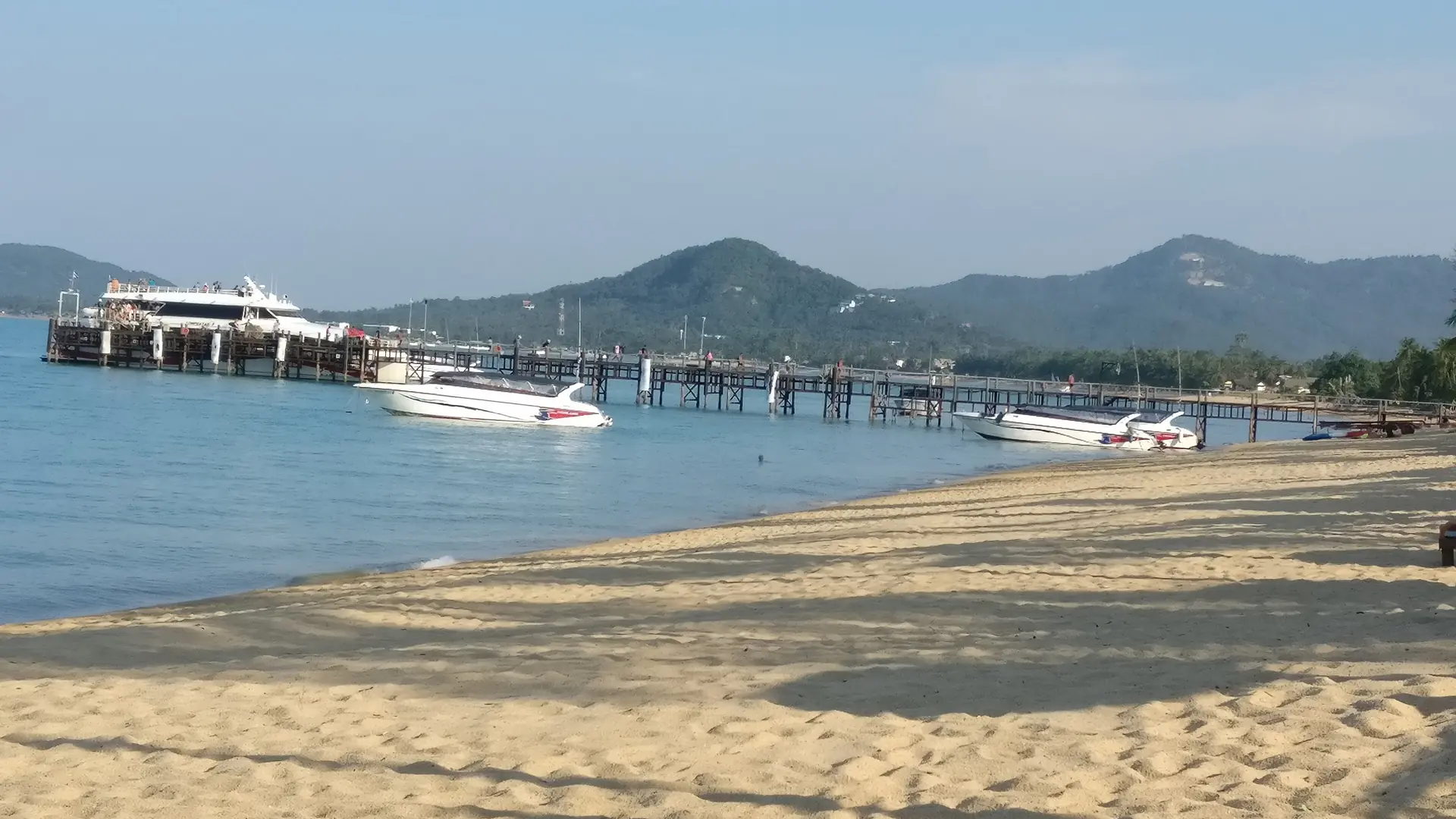
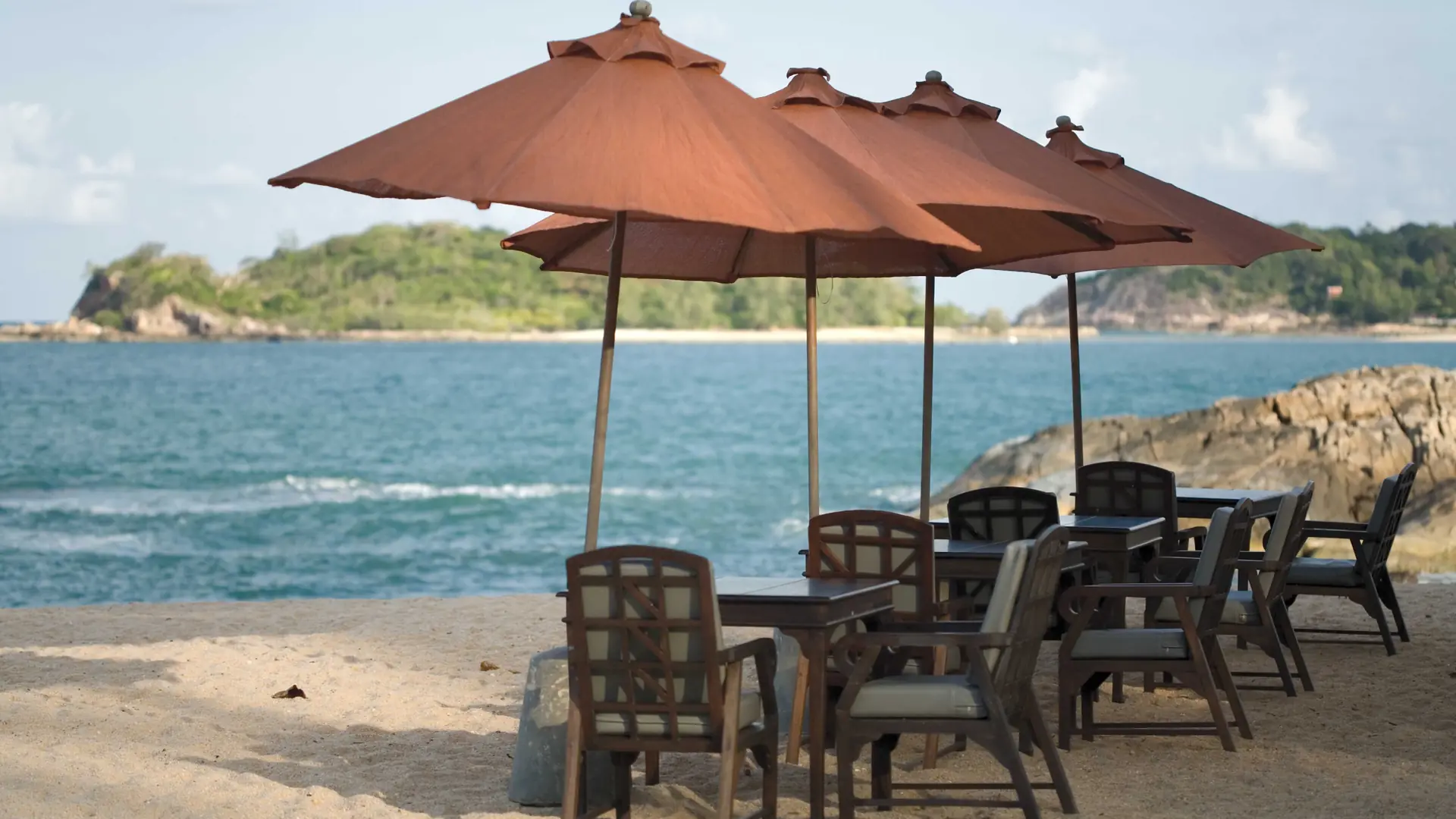
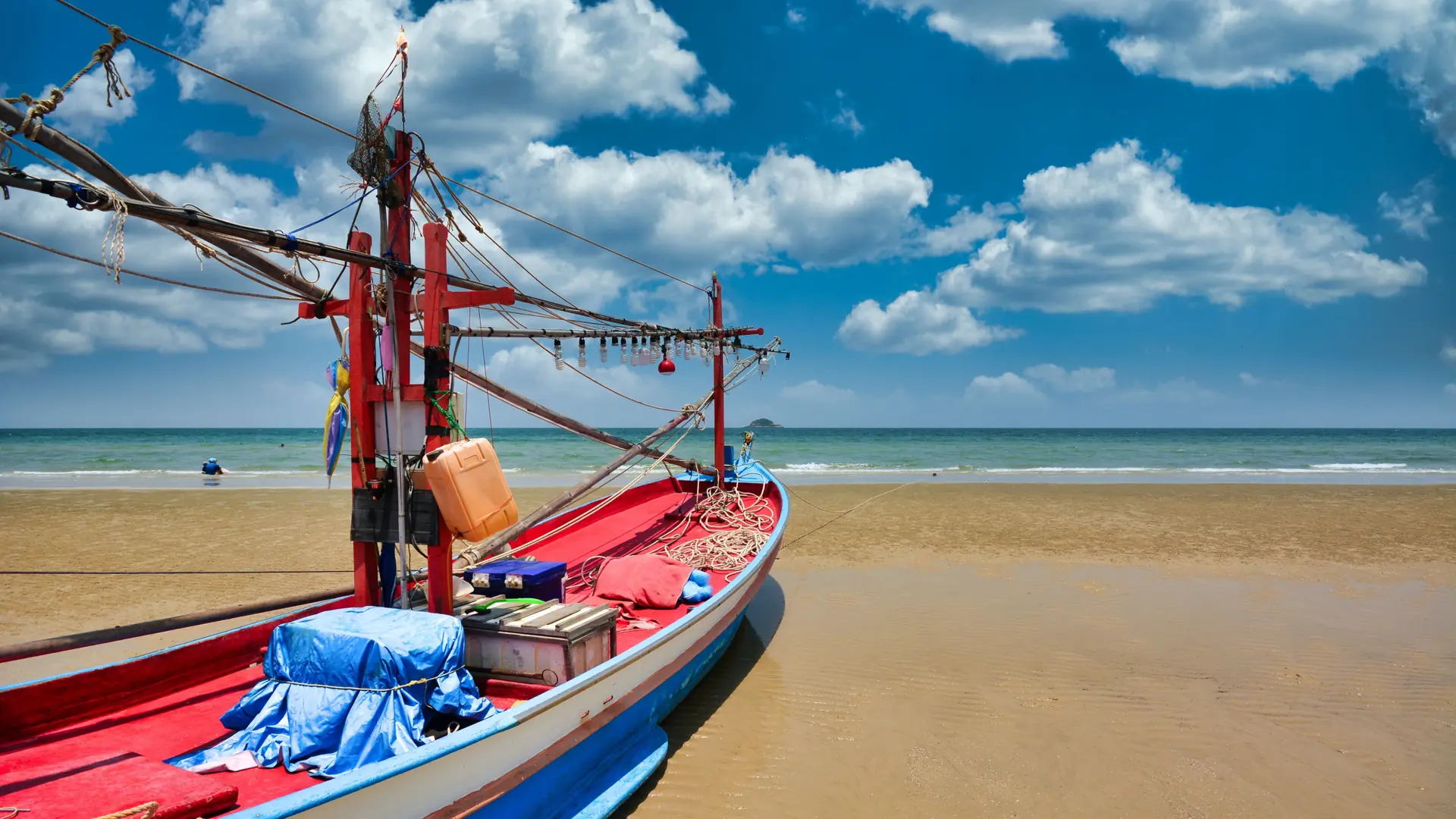
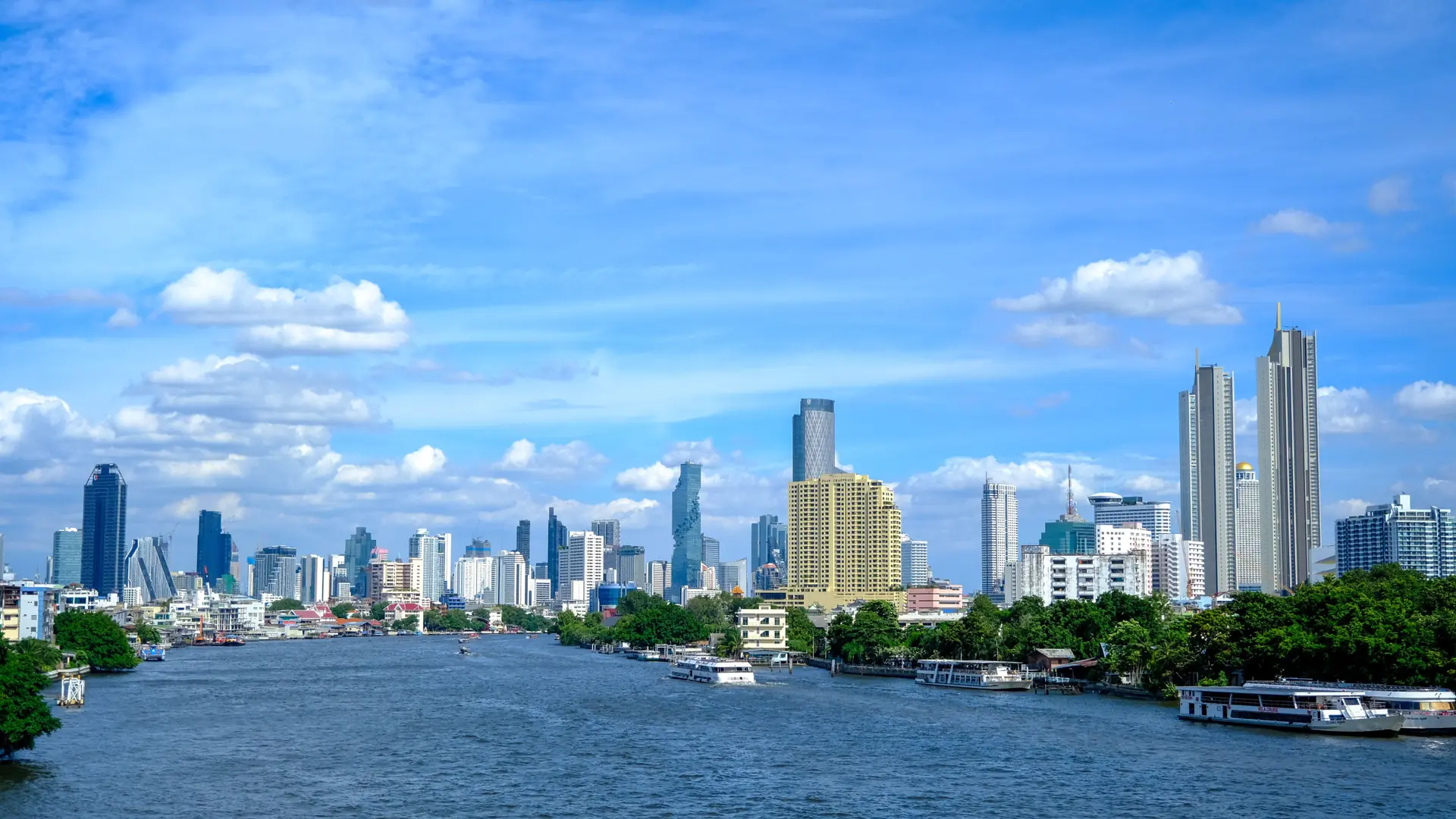
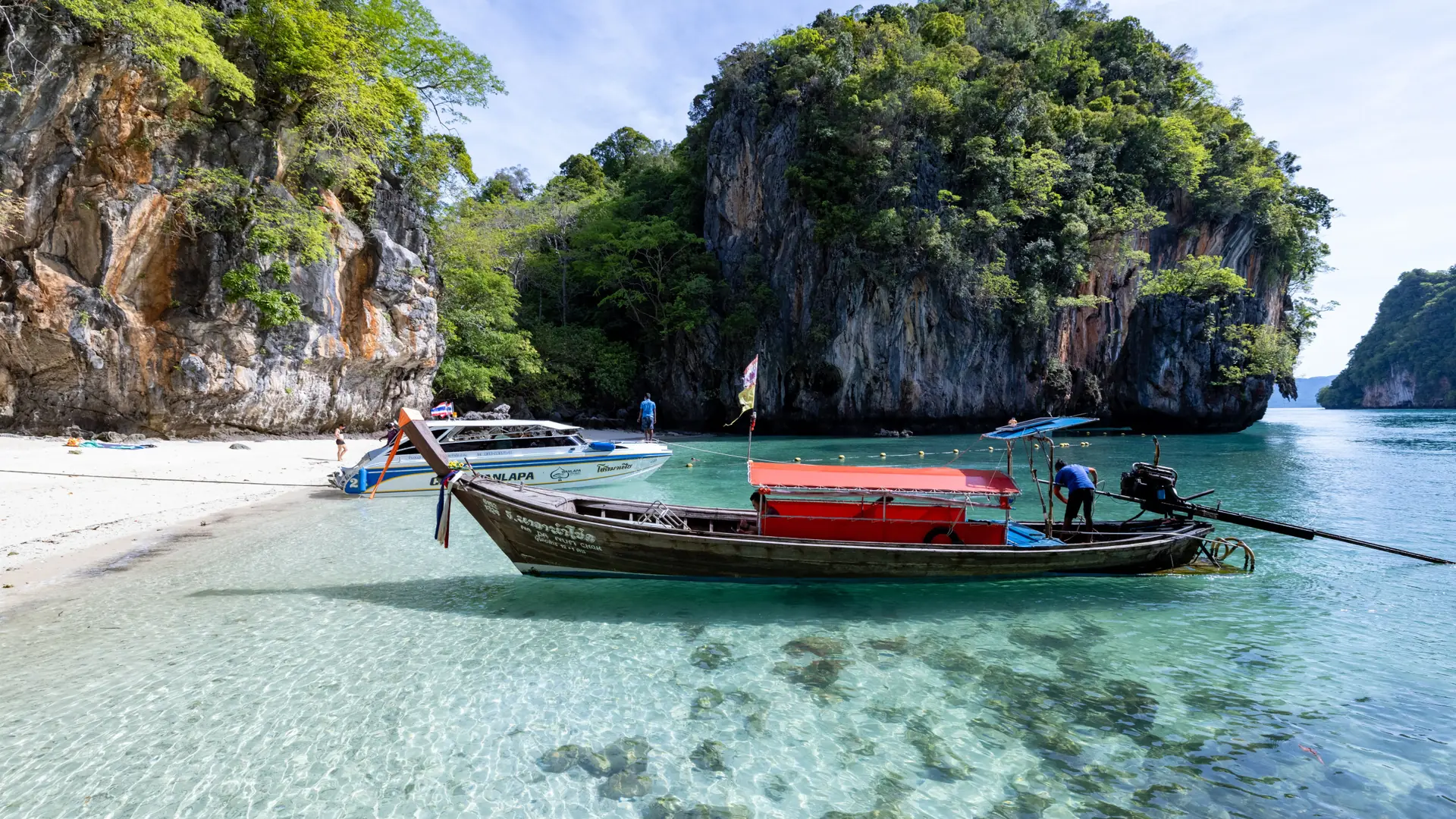
Bophut and Fisherman’s Village
couples, dining and a polished first stay
Best fit: couples, dining and a polished first stay.
Ask for a room behind the bustle.
Ask whether market nights or the airport approach affect the booked Bophut room.
Begin in Bophut and Fisherman’s Village. Use Chaweng for its speciality. Let the opening morning decide.
Add nights for weather or training. Avoid forced transfers.
Check access to Bophut and Fisherman’s Village. Include luggage and late-arrival limits.
Seasonal norms set context. Official forecasts govern actual days.
Choose one service per corridor. Recheck its final run.
Book the least replaceable experience. Leave routine choices flexible.
StartBooker answer
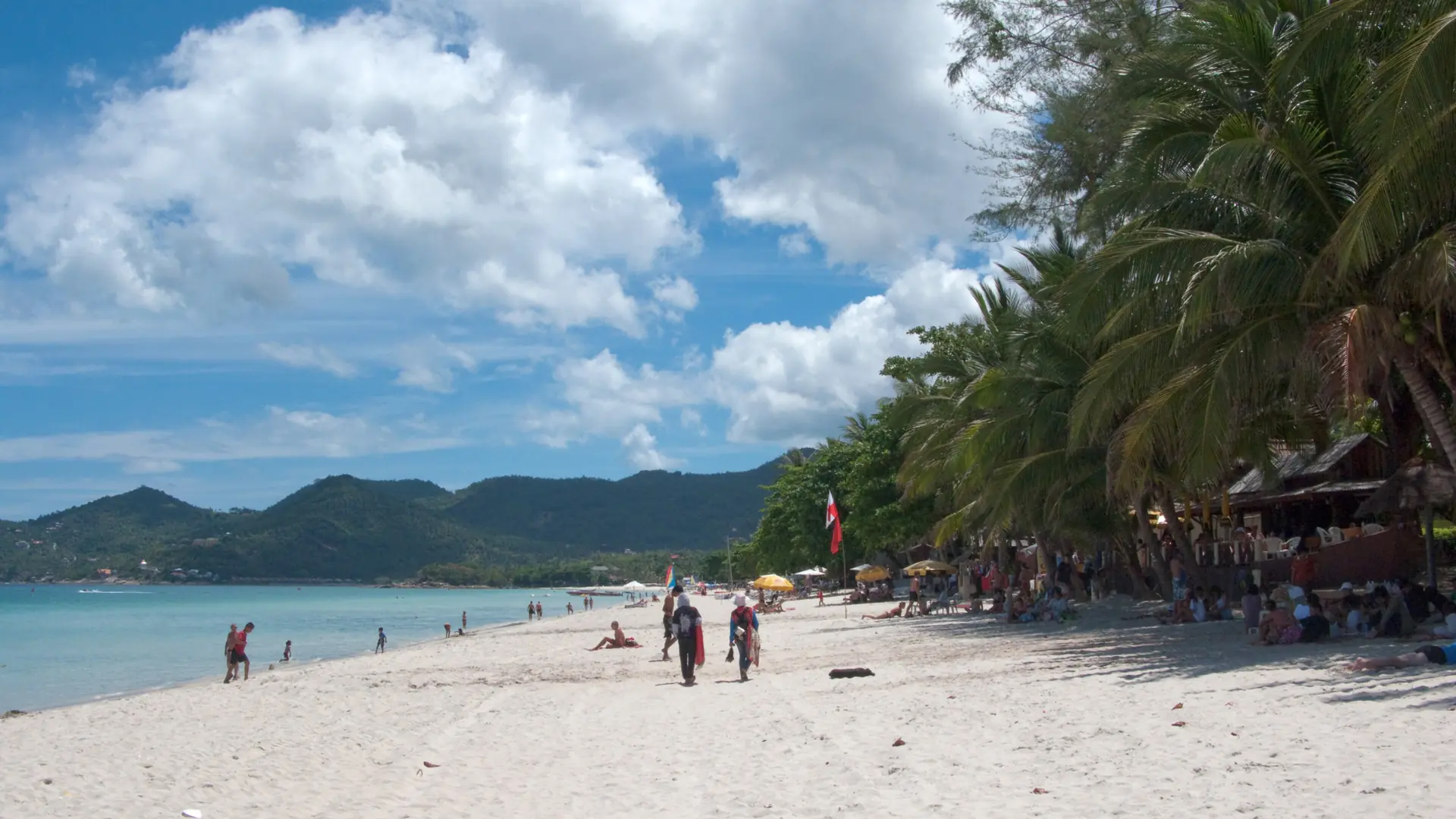
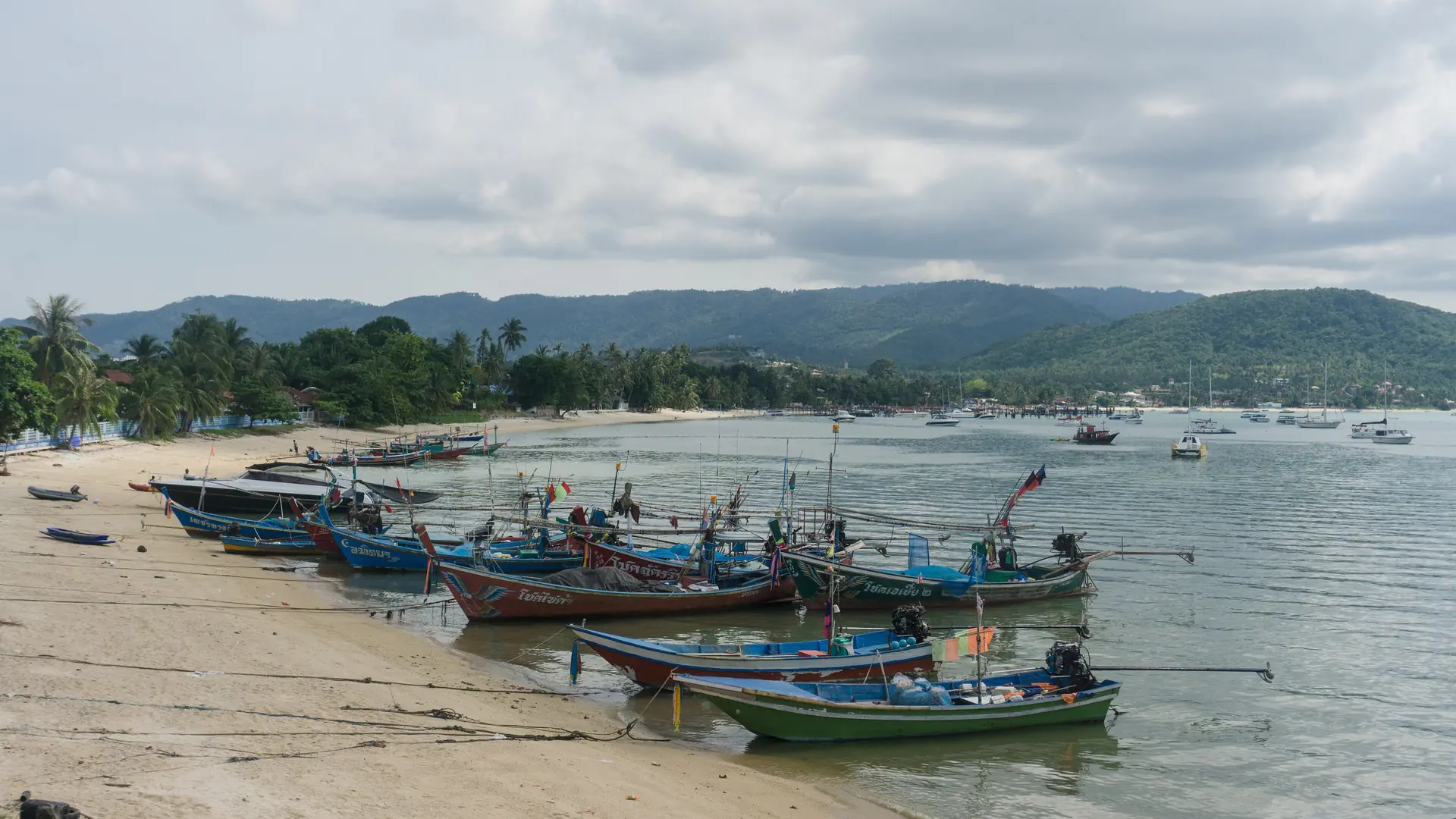
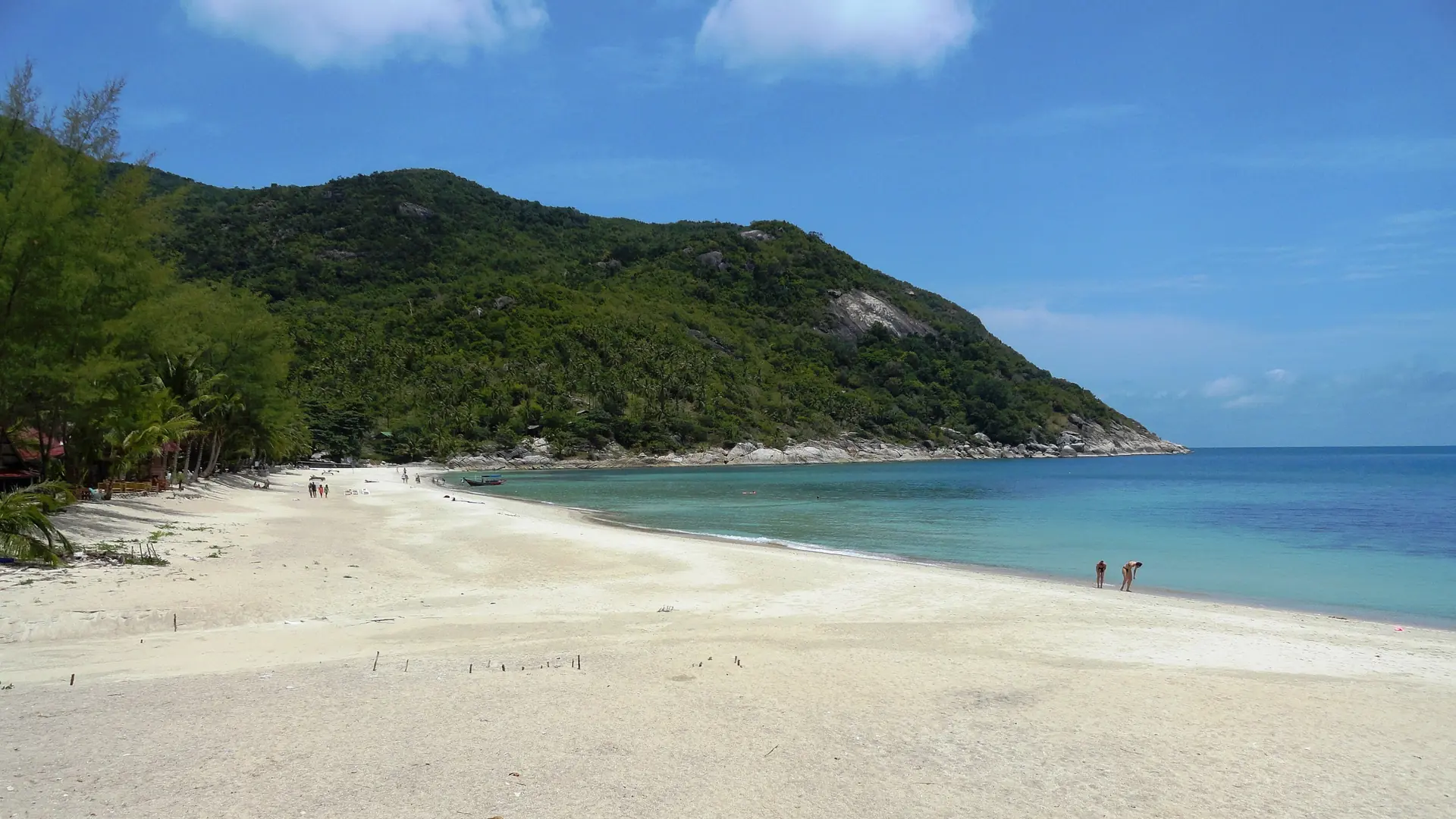
Bophut gives Koh Samui’s best first-time balance of dining, beach access and a sociable evening. Chaweng has the widest nightlife and hotel choice, Lamai is a smaller lively town, Mae Nam rewards slow stays, and Choeng Mon suits families near the airport. Pick one coast deliberately because repeated island taxis quickly weaken a cheap room rate.
Add the arrival clock. Name Bophut and Fisherman’s Village or another base. Include mobility limits and dated bookings. Test the resulting transport sequence.
Use your email security code to continue planning.
The most useful first base
Bophut and Fisherman’s Village
Keep the opening brief broad. Arrival stays manageable here. Learn local movement before ranging outward.
The compromise is specific: Weekly market crowds and aircraft approaches affect some rooms. Inspect the exact section. District character changes quickly.
These choices serve separate priorities. Match one to the real schedule.
couples, dining and a polished first stay
Best fit: couples, dining and a polished first stay.
Ask for a room behind the bustle.
Ask whether market nights or the airport approach affect the booked Bophut room.
nightlife, shopping and broad hotel choice
Stay here for nightlife, shopping and broad hotel choice.
Check that block after sunset.
Pin the exact Chaweng section and reject a road-facing room when sleep matters.
a smaller lively beach town
Purpose: a smaller lively beach town.
Ask what starts before breakfast.
Measure the long Lamai strip before assuming the centre is an easy walk.
long stays and unhurried beach days
Schedule fit: long stays and unhurried beach days.
Walk the route after dark.
Budget transport for shopping and nightlife when Mae Nam’s calm is the attraction.
families and airport-side calm
Use it when families and airport-side calm.
Verify nearby building work directly.
Map the walk between the chosen cove and restaurants around Choeng Mon or Plai Laem.
| Area | Best for | Trade-off | Getting around |
|---|---|---|---|
| Bophut and Fisherman’s Village | couples, dining and a polished first stay | Busy approach; verify room side | Best local links from Bophut and Fisherman’s Village |
| Chaweng | nightlife, shopping and broad hotel choice | More transfers outside its speciality | Allow a transfer from Chaweng |
| Lamai | a smaller lively beach town | Limited late options or extra rides | Walk locally; ride beyond Lamai |
| Mae Nam | long stays and unhurried beach days | Distance becomes part of the cost | Pre-price returns to Mae Nam |
| Choeng Mon and Plai Laem | families and airport-side calm | Seclusion reduces spontaneous choice | Confirm the last connection home |
Hotel value includes saved hours. Atmosphere matters after dinner. Test both on the map.
Two dated plans begin here.
Key mornings begin elsewhere.
Lamai answers the opposing brief.
The speciality recurs across several days.
Quiet outweighs the local speciality.
Split only for an early start.
Local departures shape the schedule.
Its main advantage would go unused.
Visit once without moving rooms.
Evenings repeatedly finish nearby.
A single visit covers the need.
Use it near the departure date.
The setting carries the holiday.
Departure geography works against it.
Check access from Chaweng.
Compare live stays only after deciding which Koh Samui district controls mornings, evenings and the departure day.
The main gateway starts the journey. The hotel door ends it. Services overlap unevenly. Record the last connection.
Read the dated operator service. Check the final departure. Late arrivals may need reservations.
Send the hotel pin and district. Keep a working contact offline. Multiple exits complicate vague pickups.
Choose one service per corridor. Match luggage and return time. Keep a delay fallback.
Anchor one day around Lamai. Transfer once with purpose. Heat punishes fragmented walking.
Rent only for a named loop. Check licences, insurance and parking. Price a driver as comparison.
Count planned rides before buying. Check activation and included operators. Private transfers may remain separate.
Check the entrance, lift and bathroom. Ask about pavement, sand or gangways. Confirm the actual transfer vehicle.
Expect changing conditions. Price awkward movement early. Keep one block movable.
Samui often has useful summer beach weather when the Andaman is wetter, while its strongest rain risk generally shifts later in the year. Keep the exposed day movable. Read official warnings.
Busy dates tighten useful inventory. Refundable proximity can win. Transfers erase false bargains.
Dry weather can still exhaust. Start exposed sights early. Keep an appealing indoor pause.
Arrival and late returns affect cost. Bophut and Fisherman’s Village differs from Mae Nam. Count luggage transfers too.
Reserve scarce experiences through accountable sellers. Keep ordinary spending flexible.
Changing hotels consumes useful hours. Move for a distinct experience. Otherwise retain one room.
Broad labels can hide another shore. Pin the real entrance. Test the nighttime return.
Keep a recovery window before departure. Weather and congestion deserve margin.
Ask what faces the shortlisted room. Name every possible sound source. Verify nearby building work.
Samui is large enough that the home beach shapes almost every ordinary day. Chaweng fits a nightlife-led break, Lamai supplies a broad resort town, and Mae Nam gives longer stays a quieter shore. Trace the actual walk to sand and food, price three likely taxi journeys, and confirm whether the room faces aircraft, traffic or late music.
Five nights supports beach recovery, an island circuit and one movable sea day without making the airport transfer dominate. Three nights works for a focused resort break; a week lets the chosen coast settle into a routine. Changing hotels is rarely necessary unless the second coast offers a clearly different purpose.
Samui’s Gulf weather rhythm differs from Phuket and Krabi, with heavier rain often arriving later in the year. Sea state still changes ferry and excursion comfort at any time. Compare monthly patterns for the broad decision, then use the current marine forecast and local beach conditions before every boat commitment.
The ring road links the main coasts, but distances, hills and limited walking infrastructure make transfers important. Use hotel cars, taxis, app rides where available, or a hired driver for a planned circuit. Scooter hire requires the correct licence, helmet and insurance; confidence on a quiet lane does not remove risk on the ring road.
Flying directly to Samui is simplest but often costs more; ferry arrivals may come through Nathon, Bangrak or other piers after mainland transfers. Match the actual pier to the hotel coast and request a fixed final-leg quote. Leave generous margin between a flight and ferry because separate tickets may offer no protection after disruption.
Mae Nam and selected Choeng Mon coves are usually calmer choices, while Bophut varies around event nights. Chaweng needs precise questions about beach clubs, road traffic and aircraft; Lamai changes rapidly between the centre and outer stretches. Ask the hotel to identify the room building and nearest active venue on a map.
Direct flights, desirable villas and family rooms tighten during peak holiday windows. Book the arrival transfer when landing late and reserve ferry connections only after checking the complete through-journey. Keep snorkelling or Ang Thong plans movable for sea conditions; one flexible day is more valuable than a rigid chain of prepaid boats.
Samui can work with a carefully selected resort and private transport. Confirm gradients, lift or ground-floor access, bathroom dimensions, beach ramps and the vehicle used from airport or pier. Standard speedboat and long-tail excursions may involve deep steps or wet landings, so obtain a realistic boarding description before payment.
Direct flights, private taxis and resort dining can push Samui above mainland beach costs. A cheaper remote villa may require every meal and outing by car, while a walkable Bophut or Chaweng room can reduce transport. Compare airport or pier transfer, breakfast, electricity policies for villas, deposits and cancellation terms together. Samui’s budget should separate access from living costs. Direct airfares buy time; mainland flight-and-ferry combinations may save money but add transfers, waiting and disruption exposure. Compare both door to door. On the island, estimate three representative rides from the chosen coast and check whether ordinary restaurants are walkable. Villa travellers need written utility, cleaning and deposit terms, while resort guests should compare breakfast and airport pickup. A remote promotion can still be worthwhile for a pool-and-beach holiday, but it is rarely cheap for someone planning nightly movement. Retain a flexible transport allowance for rain or a late ferry arrival.
Choose one coast for ordinary days, then make one deliberate island circuit rather than circling Samui repeatedly. Give beach time, temples and viewpoints separate windows, and keep a boat day movable. A slow evening in Fisherman’s Village or Lamai adds more than returning from a distant excursion after dark. A satisfying Samui week does not require sleeping on several coasts. Choose the shore that fits normal evenings, then make one north-and-east circuit and one south-or-interior day if conditions allow. Keep Ang Thong or another sea outing movable, and avoid placing it directly before a flight. Chaweng’s energy, Bophut’s walking evening and Mae Nam’s quiet each work best as deliberate choices, not mandatory boxes. When a tropical shower interrupts the beach, stay local for food, spa time or a temple rather than circling the ring road. Fewer transfers leave more daylight for the resort and water already paid for. For a short stay, select either an island sightseeing circuit or an offshore day, because doing both can leave little time for the chosen beach. A longer visit can separate temples and viewpoints from waterfall or garden country, avoiding a rushed lap of the ring road. Check whether the night market relevant to Bophut, Lamai or another district operates that evening. Families should schedule heat-exposed stops early; couples may prefer a late coastal meal near the hotel over another cross-island taxi. On departure day, allow for traffic around Chaweng and the airport rather than assuming the island’s compact outline means consistently short journeys.

Reviewed by StartBooker editorial team Travel editorial research and rewrite
Last reviewed 2026-09-15
Editorial method: This Koh Samui guide was written from Thai tourism, weather, gateway and transport records, then challenged against Lonely Planet and Rough Guides coverage. Claims that can change are tied to the responsible operator; neighbourhood recommendations were edited around distinct traveller decisions rather than a shared destination template.
12 sources reviewed
Which Koh Samui area saved you the most travel time?