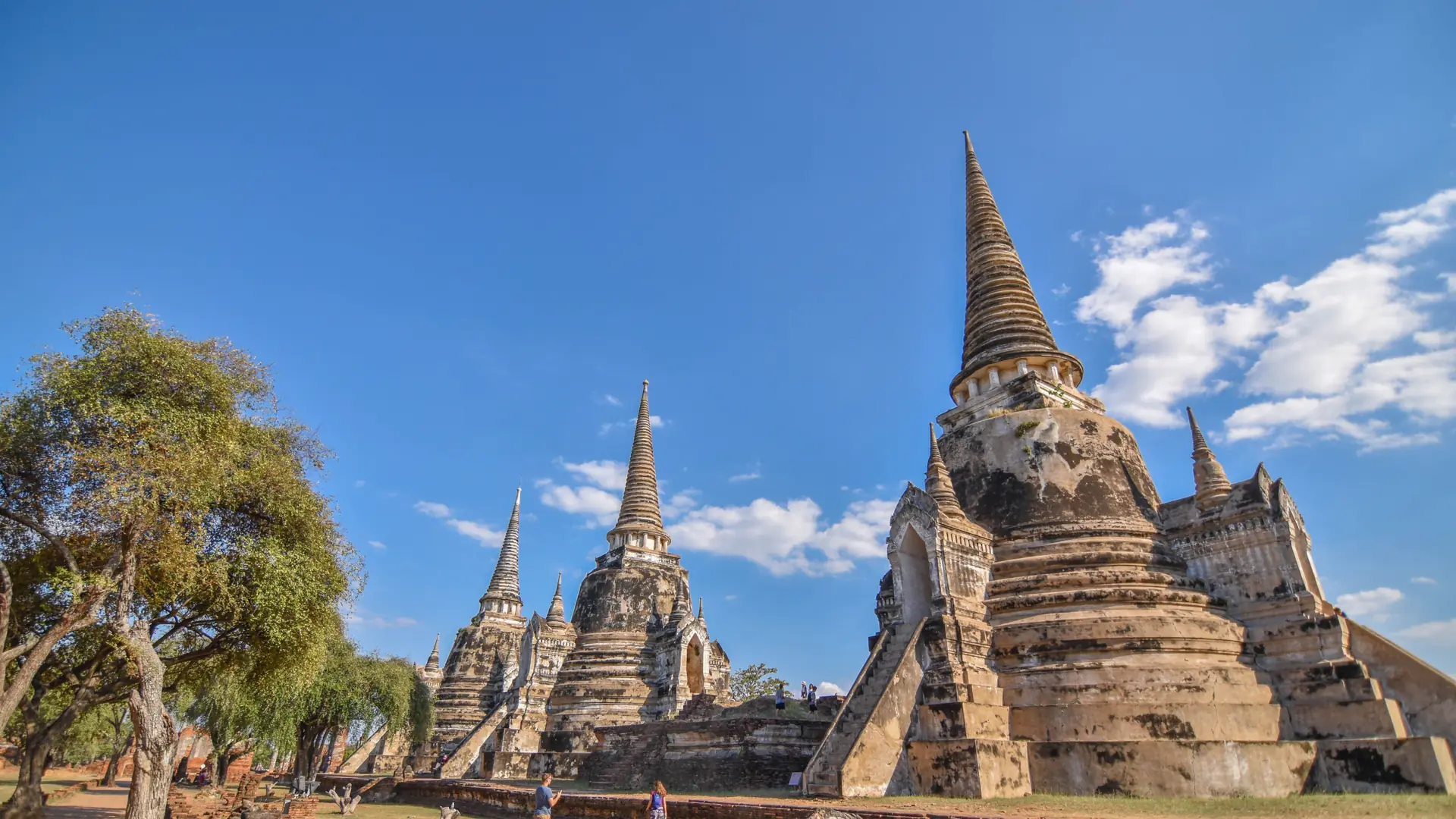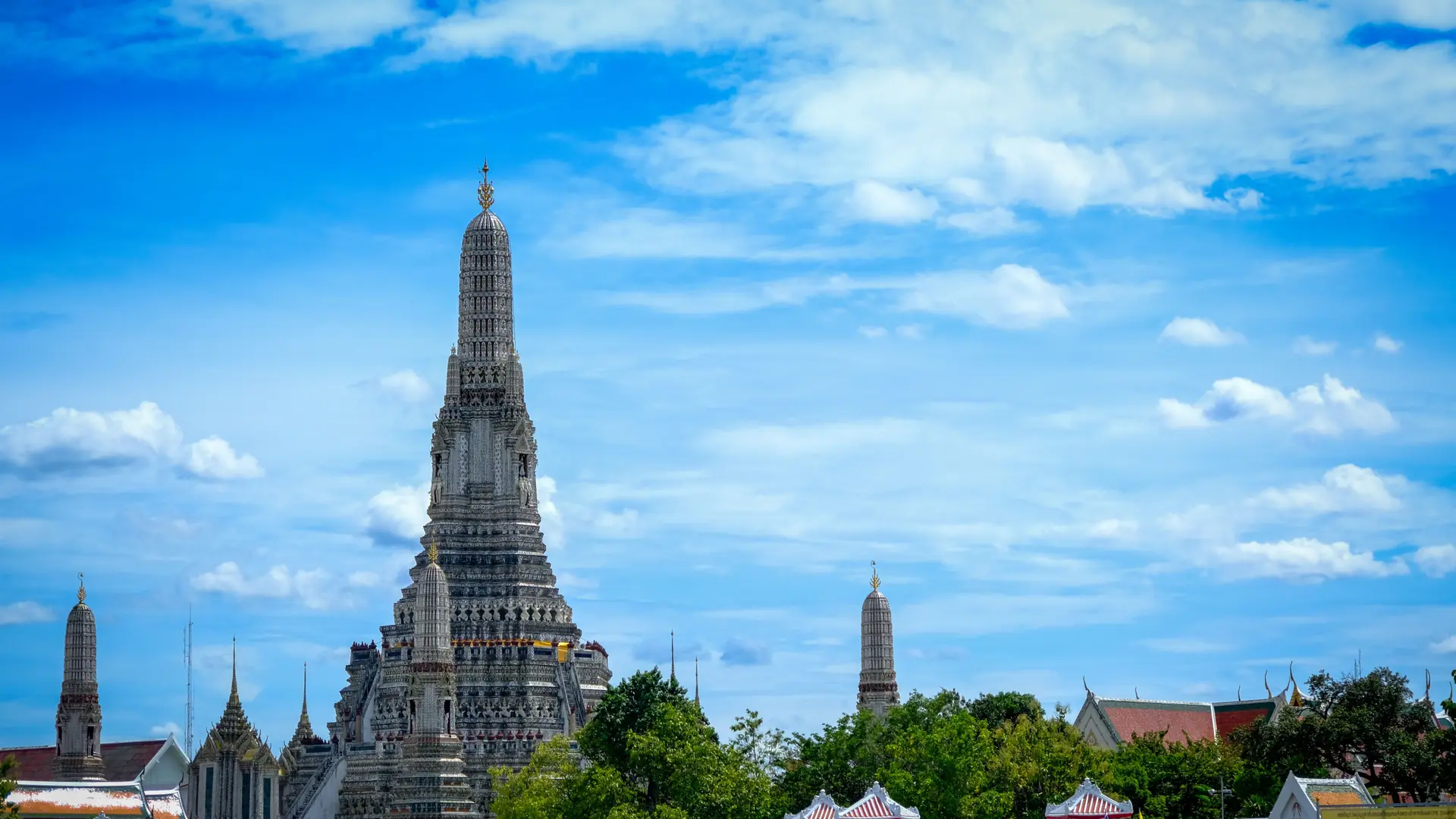
Chiang Mai works at walking scale
Three nights separate Old City compounds, the Doi Suthep road and a northern food or craft experience.
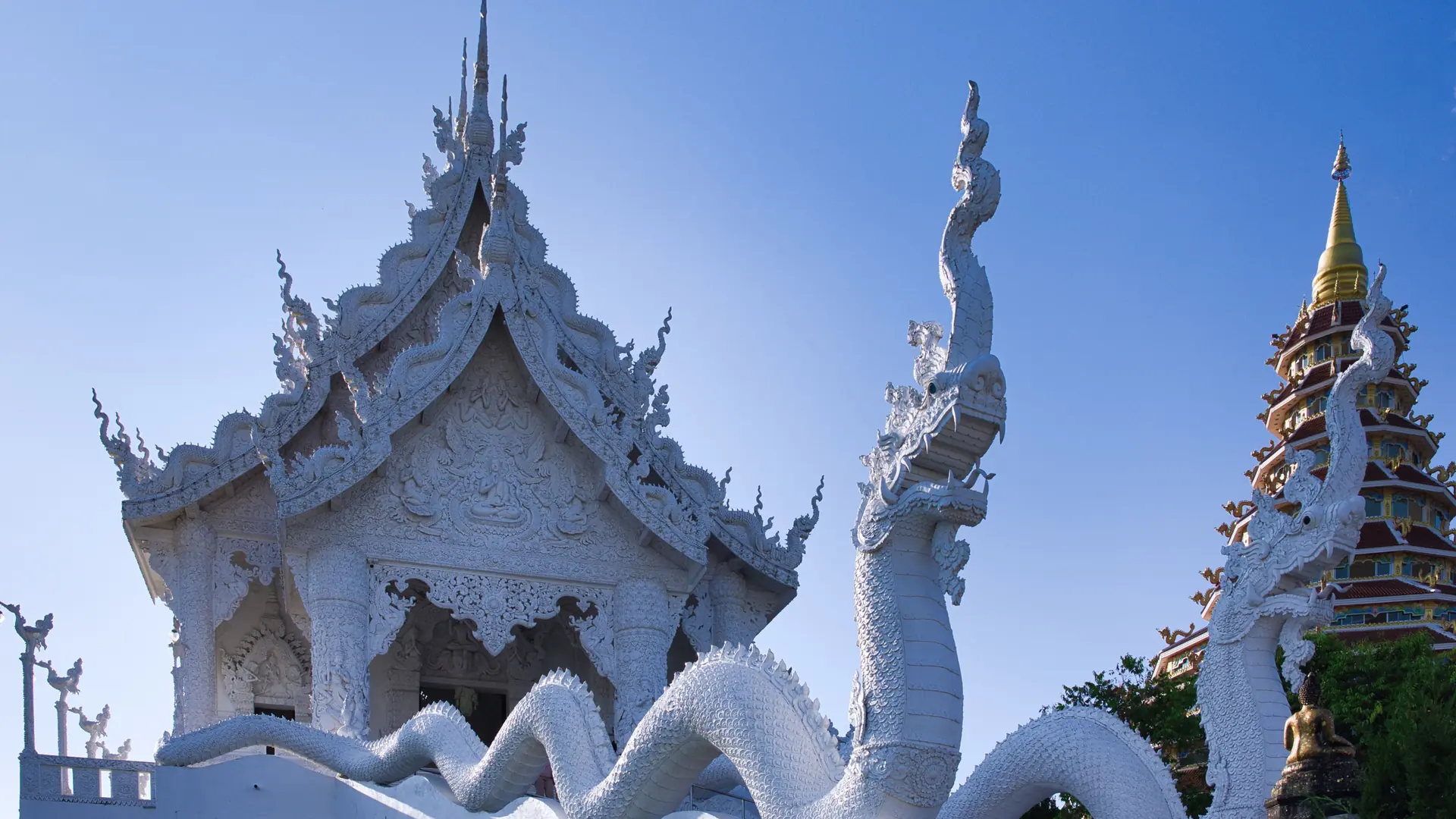
Two northern cities linked by coach, with temple art and mountain roads on separate days, useful transfer daylight and a credible fallback for haze or rain.
Chiang Mai supplies the walkable cultural base; Chiang Rai earns two nights so White Temple, Baan Dam and a northern landscape are not collapsed into one day trip. The balance is Chiang Mai 3, Chiang Rai 2, long enough to see Chiang Rai after the day-trip coaches have turned south.
This northern pair is for travellers prioritising Lanna culture, contemporary temple art and northern food over beaches or overnight trains. It excludes late smoke-season travel without flexible expectations, visitors who cannot tolerate winding roads, or travellers who want a beach finale. One intercity coach replaces an airport cycle and keeps both cities connected at ground level.
Start with Nov–Jan, with air checks. Air quality and mountain visibility matter more than a generic dry-season label; check both cities close to departure. Reserve the Chiang Mai–Chiang Rai coach and the out-of-town Chiang Rai driver before adding mountain stops. A sixth-night extension works best in Chiang Rai when Doi Tung or the Mekong landscape is a real priority.
Treat the air reading as a daily planning input, not a footnote checked after non-refundable bookings. A clear morning can support Doi Suthep or a longer Chiang Rai circuit; persistent haze should move the day toward museums, workshops, markets and shorter urban transfers. This choice protects health and prevents paying a driver for viewpoints that cannot deliver their main reward. Rain asks for a similar response: retain the cultural core, reduce exposed mountain roads and give the coach leg more margin.
The two cities demand different hotel logic. In Chiang Mai, being able to walk into the Old City or reach the Ping side without repeated vehicles is more valuable than a remote resort address. In Chiang Rai, a central room simplifies the evening market, clock tower and final airport or bus departure. Confirm the exact terminal used by the booked coach rather than treating either city name as a single pickup point.
Temple visits also need restraint. Wat Chedi Luang, Doi Suthep and Wat Rong Khun carry different histories and visual languages; they should not become a checklist of interchangeable photo stops. Leave space for an active neighbourhood, a meal and the practical work of the transfer. The result feels like two inhabited northern cities connected by road, rather than a race between decorative facades.
Three nights separate Old City compounds, the Doi Suthep road and a northern food or craft experience.
A half-day road movement replaces airport processing and reveals the changing northern landscape.
Two nights allow temple art and a second landscape or museum thread after day-trip traffic has left.
Best for
Think twice if
Late smoke-season travel without flexible expectations, visitors who cannot tolerate winding roads, or travellers who want a beach finale.
StartBooker answer
Give Chiang Mai the opening three-night stay and reserve the final pair for Chiang Rai, using the scheduled intercity coach for the single move north. The first city covers its moated core, Doi Suthep and one food or craft thread; the second uses a full day for the White Temple, Baan Dam or a mountain landscape without becoming a rushed excursion. Reserve the coach and any out-of-town driver first, then adjust ridge roads to current air quality.
Three Chiang Mai nights lead to two in Chiang Rai, leaving the last city with an uncluttered departure morning.
2 stops · swipe
 1
1
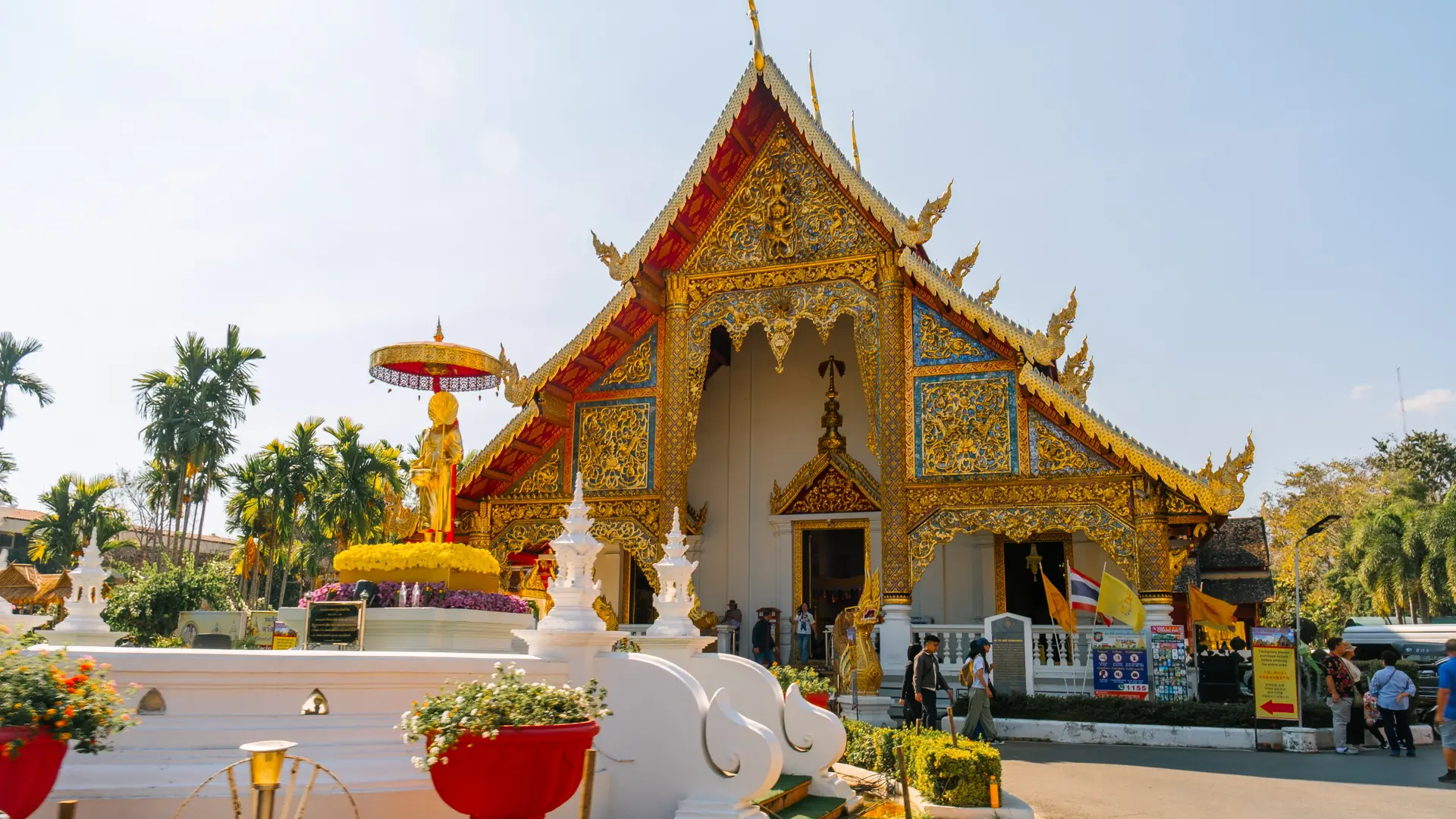
moated Old City temples, Doi Suthep and northern markets or workshops
Three Chiang Mai nights provide an arrival period and two complete days. Base around the moat for historic walking or near Nimman for contemporary dining, then measure the hotel against the coach terminal and any mountain pickup. Separate the Old City from Doi Suthep, and retain a cooking, craft or riverside alternative when haze removes the panorama. A market belongs only on the weekday it operates.
Watch out: Late dry-season smoke can make a celebrated mountain drive unrewarding; check current readings before committing.
Read the Chiang Mai guide →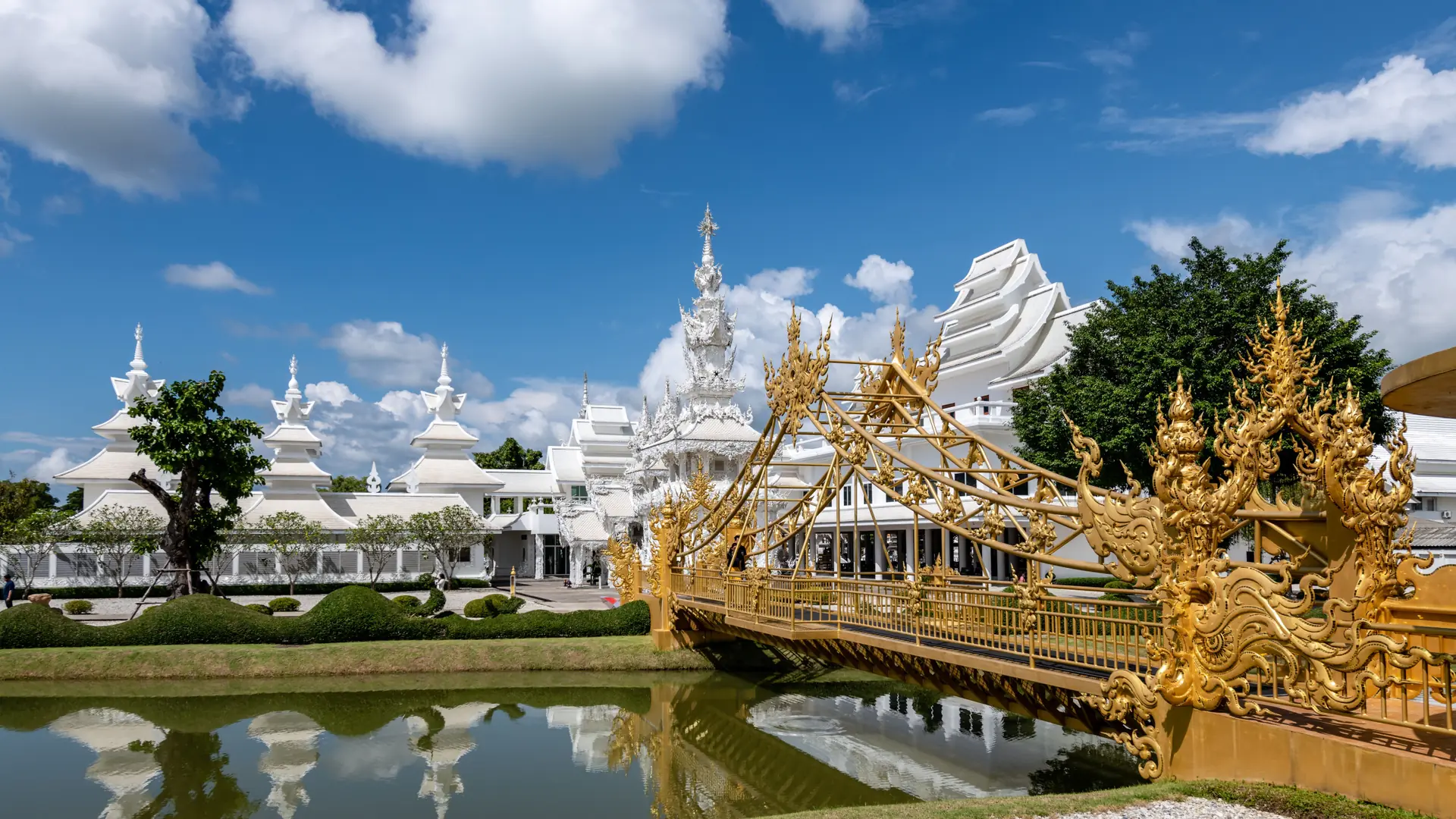 2
2
contemporary temple art, Baan Dam and access toward Doi Tung or the Mekong north
Two Chiang Rai nights transform the city from a long Chiang Mai day trip into a distinct stop. Use arrival afternoon for the clock tower, river or local market, then hire a licensed driver for a bounded White Temple and Baan Dam circuit or a carefully chosen mountain direction. The two versions should not be compressed together. Select a central room when evening food and the bus terminal matter.
Watch out: The headline sites lie in different directions, and mountain roads consume more time than their map distance suggests.
Read the Chiang Rai guide →The six days separate walking, mountain access and temple art; only the coach date combines transport with local orientation.
Store luggage, walk a small Old City or Nimman radius and keep the first meal close. Identify the transport point for tomorrow and check current air conditions before deciding on a mountain. An evening market is useful only when it operates today; otherwise choose a local food street. This soft landing preserves the two complete northern days. Use the walk to test the real distance between the room, moat gates and the transport you expect to use. If the accommodation sits outside easy walking range, settle the reliable pickup method now. Save the hotel name and address in Thai, keep enough cash for small local payments and resist converting an early arrival into a cross-city excursion.
Base: Chiang Mai
Begin with Wat Chedi Luang, then connect smaller active compounds and residential lanes on foot. Respect dress and worship, pause through the strongest heat and avoid zigzagging across the moat for another famous name. Later, choose one food or craft district and return before the final coach planning becomes a late chore. Read each compound as an active religious space: quiet courtyards and resident routines matter as much as the main hall. A shaded cafe, museum room or long lunch creates a useful midday break without adding distance. Before dinner, verify the coach ticket against the named departure terminal, store an offline copy and decide how luggage will reach it.
Base: Chiang Mai
Travel to Doi Suthep early only when visibility and road conditions support the climb. Allow time for stairs, religious activity and the descent. Under haze, use a cooking class, workshop or Wat Ket and the Ping River instead; these are complete alternatives rather than consolation stops. Confirm tomorrow’s coach seat and luggage allowance before dinner. Keep the mountain decision reversible until the same morning because a seasonal label cannot describe street-level visibility. If the road is suitable, agree whether the vehicle waits or returns at a fixed time and carry a layer for the higher elevation. If the city option wins, choose one hands-on activity with a clear finish so packing does not become the last task at night.
Base: Chiang Mai
Reach the named Chiang Mai terminal with the operator margin and keep valuables accessible through the winding road. On arrival, transfer to a central Chiang Rai room and limit the afternoon to the clock tower, river or a nearby museum. Meet or contact tomorrow’s driver, agree the bounded circuit and avoid adding a mountain road after dark. Eat before boarding or carry a simple snack rather than assuming the most convenient stop will match your needs. The curving approach can be tiring, so place medicine, water and a warm layer in the day bag instead of the luggage hold. At Chiang Rai, confirm the next departure plan while reception can still help; that small step preserves the final morning.
Base: Chiang Rai
Start at Wat Rong Khun before the busiest hours, then choose Baan Dam or another contrasting art-and-culture site rather than a list of every coloured temple. A driver should understand waiting and return terms. If Doi Tung is the true priority, make it the day’s main geography and drop the southern circuit. Finish with local food near the base. Agree the order before leaving because the southern temple-art sites and the northern mountain landscape pull the vehicle in different directions. Ask what is included in waiting, parking and the return to town, then keep the route inside that boundary. Give the art time to register: contemporary symbolism, dark sculptural work and a lived city evening provide more contrast than collecting every colour-named attraction.
Base: Chiang Rai
Use breakfast, the market or a nearby temple before checkout. Work backward from Chiang Rai Airport or the confirmed onward coach, including city traffic and luggage. A Golden Triangle or mountain excursion cannot fit safely before departure. Collect bags once and end the six-day pair without turning the exit into another tour. Keep the final activity within a radius that can be abandoned without cost if transport changes. Settle the room, retrieve stored bags and use the confirmed vehicle rather than bargaining for a distant detour. When continuing elsewhere in Thailand, treat the onward sector as a new travel day; the calm handover is part of the route, not unused sightseeing time.
Base: Chiang Rai
One scheduled coach creates the northbound transition without adding two airport cycles.
1 transfer
Chiang Mai Chiang Rai
GreenBus links Chiang Mai and Chiang Rai in roughly three to four hours depending on service and traffic. Match the ticket to the named terminal, arrive within the boarding margin and expect curves; the arrival afternoon remains local.
Booking note: Choose the coach time by usable Chiang Rai daylight, then align the two hotel checkouts.
Coach times, terminals and road duration can change; confirm the exact GreenBus service and boarding point.
A remote room or overlong Chiang Rai circuit costs more useful time than an upgraded local experience.
Booking tips
Compare live stays against the last booked activity and the confirmed way out of Chiang Rai.
The short northbound line shows two city bases; the mountain choices branch from them rather than becoming extra overnight stops.
Chiang Mai → Chiang Rai route
Yes. Five hotel nights leave two complete days in Chiang Mai, one full Chiang Rai day and a lighter coach arrival. The design rejects a same-day return from Chiang Mai.
Chiang Rai deserves the finish because its sites spread beyond the centre and need their own daylight. The airport or onward coach then provides a direct exit.
Chiang Rai can lead when the inbound flight is sensible. The coach then runs toward Chiang Mai, yet the mountain outing and departure airport must be reassigned; do that work before exchanging the two hotel bookings.
The intercity coach fixes the only move; the Chiang Rai driver fixes the widest day. Reserve those in that order, then choose rooms and local workshops.
Air quality may turn a scenic ridge into a poor use of a long drive. Consult current readings before committing to Doi Inthanon or Doi Tung and keep museums, food and city temples ready.
Chiang Rai uses an extra day well when Doi Tung or the Mekong border landscape is central. Otherwise keep it in Chiang Mai for another craft, food or mountain experience without changing hotels.
Research editor StartBooker editorial Thailand itinerary research
Checked on 2026-09-16
How the route was verified: Read 12 current records across official tourism, transport, weather and independent editorial publishers; checked every stop and route leg, and left volatile schedules with the responsible operator.
12 source records read
Photos provided by Pexels.
Choose a complete route with the stops, transport and overnight plan already mapped out.
Which Chiang Mai departure worked?