Where is the best area to stay in Phuket for a first visit?
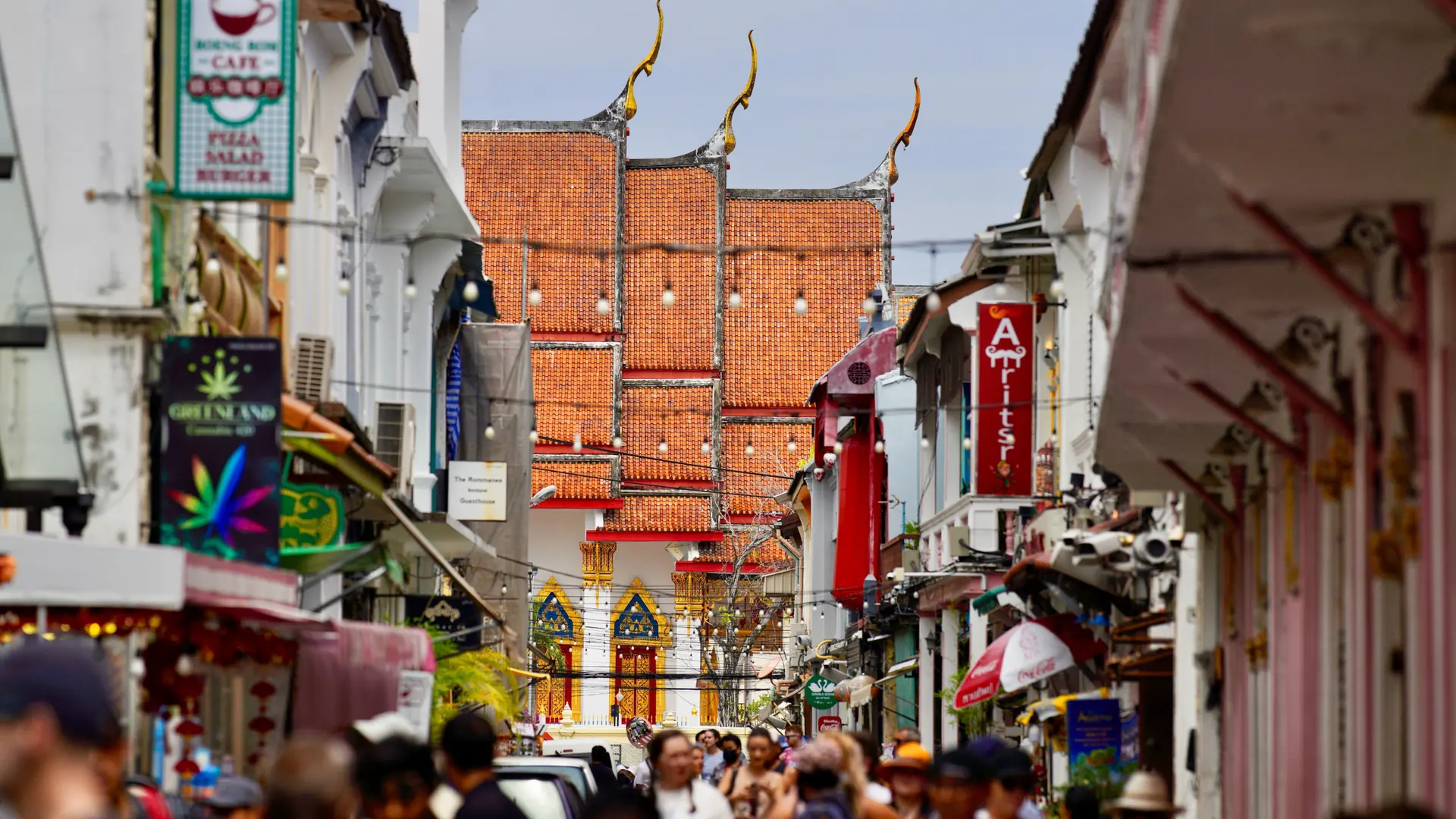
Phuket visitors save time by treating each coast as a separate base decision. Choose Patong, Phuket Old Town or Bang Tao when nightlife, heritage food streets, airport proximity or self-contained resorts dominate the holiday. Measure the address against the beach entrance, dining streets and pier transfer, then ask which side of the building avoids the district’s main source of noise.
How many nights should I spend in Phuket?
Five nights gives Phuket enough space for beach time, one Old Town day and one weather-dependent boat or viewpoint day. Three nights often becomes a sequence of transfers; seven suits travellers who want separate beach, food and recovery days. Treat a change of coast as a real move because the island’s road journeys consume useful daylight.
What is the best time to visit Phuket in 2026?
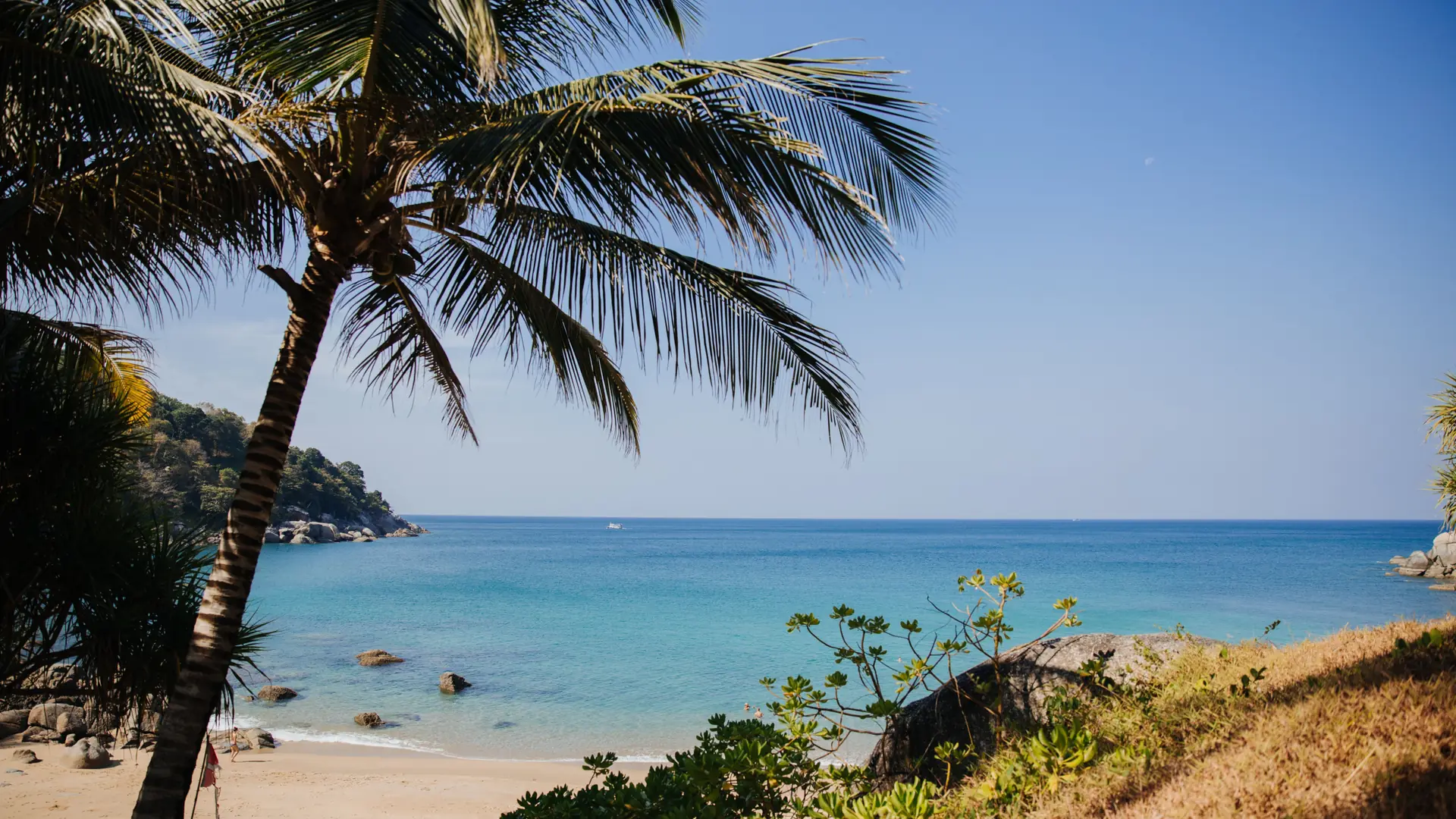
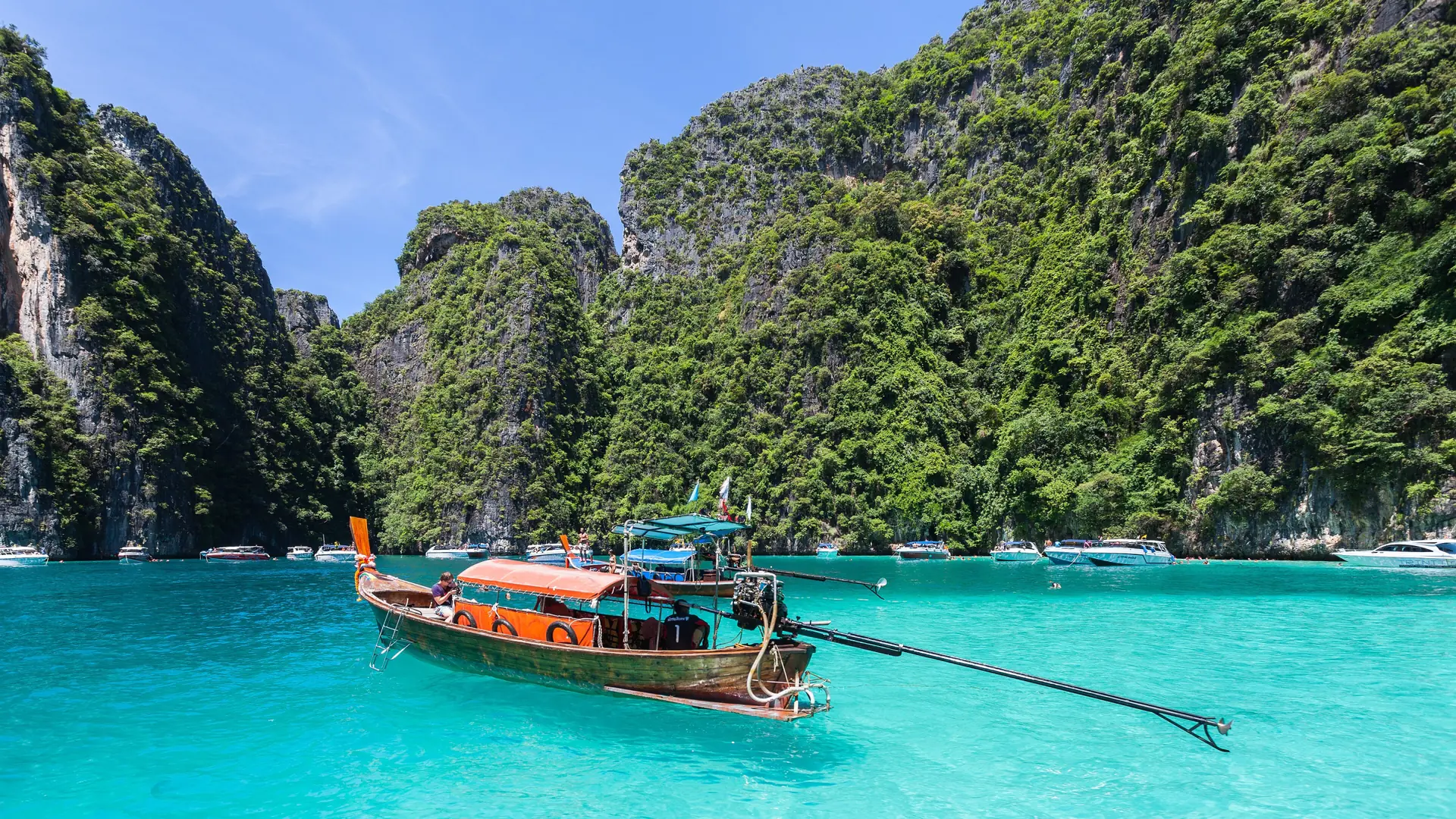
The drier Andaman months are normally the easiest for beach and boat plans, with peak demand around northern-hemisphere winter. Southwest-monsoon months bring rougher seas, red flags and changing boat operations, even when sunshine appears between showers. Read beach flags and the marine forecast on the day; a bright sky is not permission to ignore local warnings.
Do I need a car or scooter in Phuket?
Phuket is too large to assume every beach is nearby. App rides, hotel transfers and hired drivers avoid parking and unfamiliar-road stress; a scooter is sensible only for properly licensed, insured and experienced riders. Group each day by coast, and verify the last return from Old Town or a pier before booking a remote bargain.
How do I reach Phuket from the main gateway?
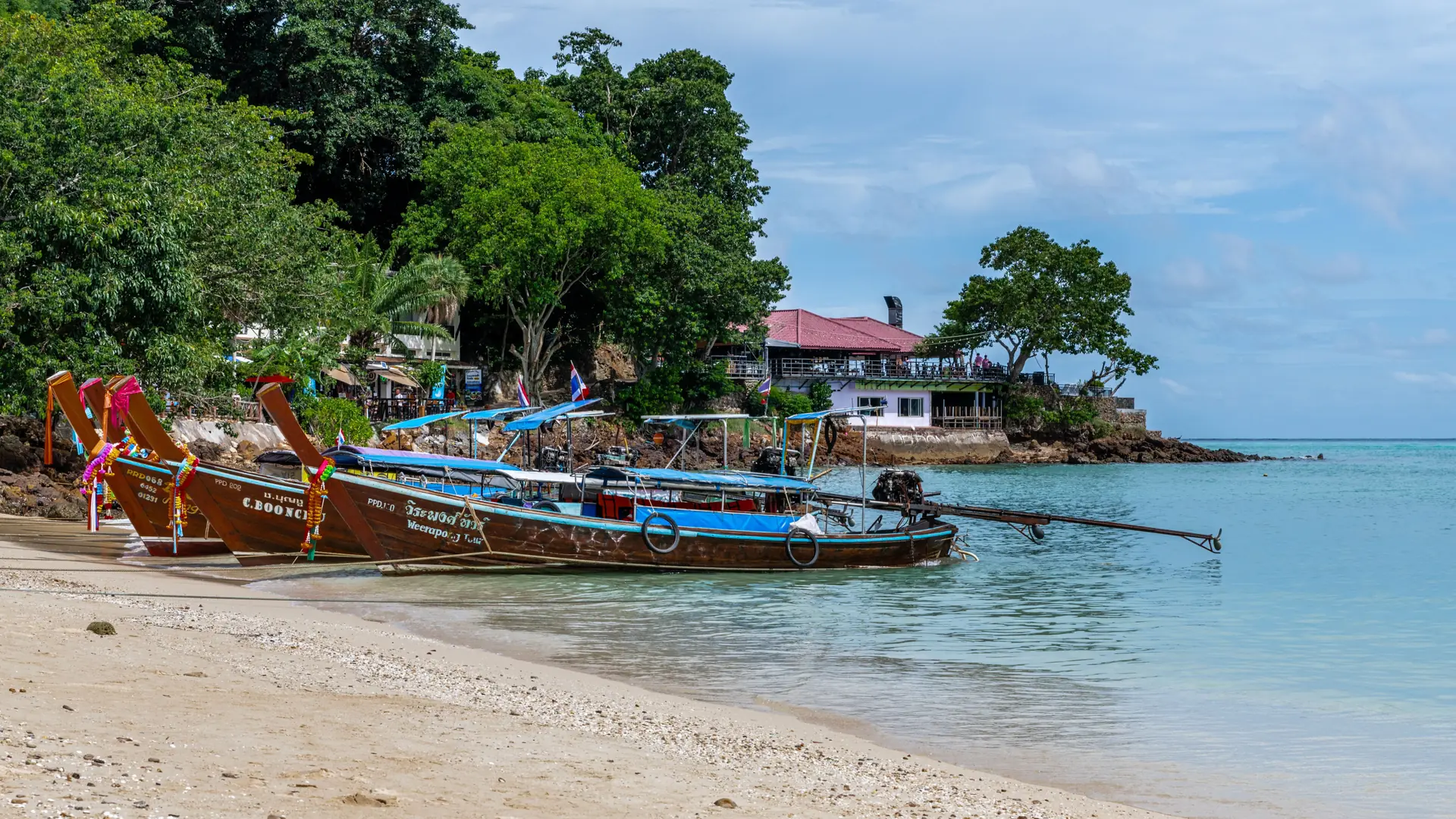
Phuket International Airport sits in the north, far from Kata, Patong and the southern capes. Ask the hotel for a fixed transfer quote, compare it with current airport options, and share the exact property pin. If arriving late, avoid pairing the flight with a same-evening ferry or distant activity that has no recovery margin.
Which Phuket area is quietest for sleep?
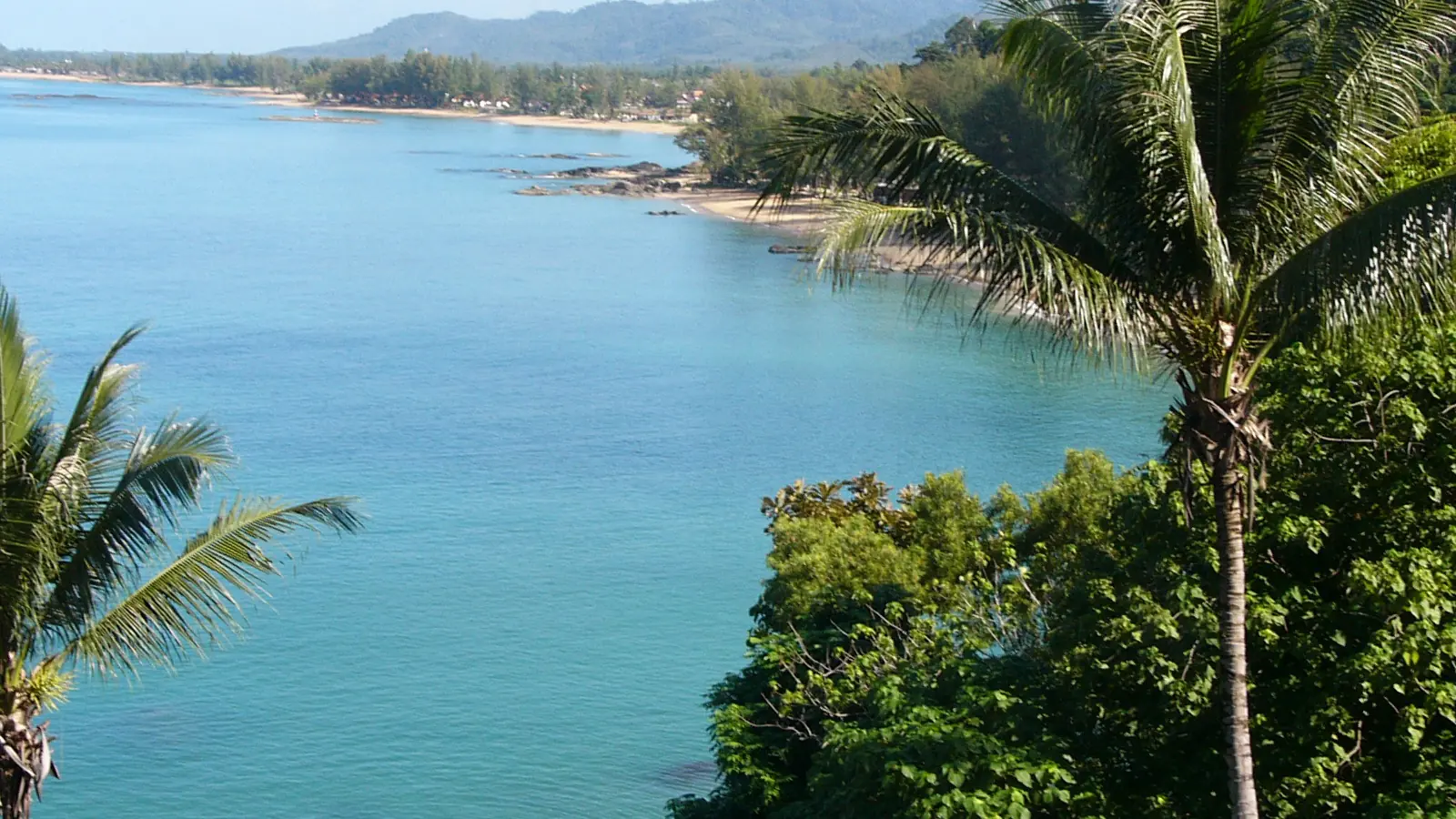
Nai Yang offers a gentler first or last night near the airport, while northern Bang Tao resorts can feel self-contained. Kata becomes quieter away from its busiest approaches; Patong requires a deliberate rear-room request. Check hill gradients and the road between room and beach, because a peaceful hillside rate can hide difficult daily walking.
What should I book ahead for Phuket in 2026?
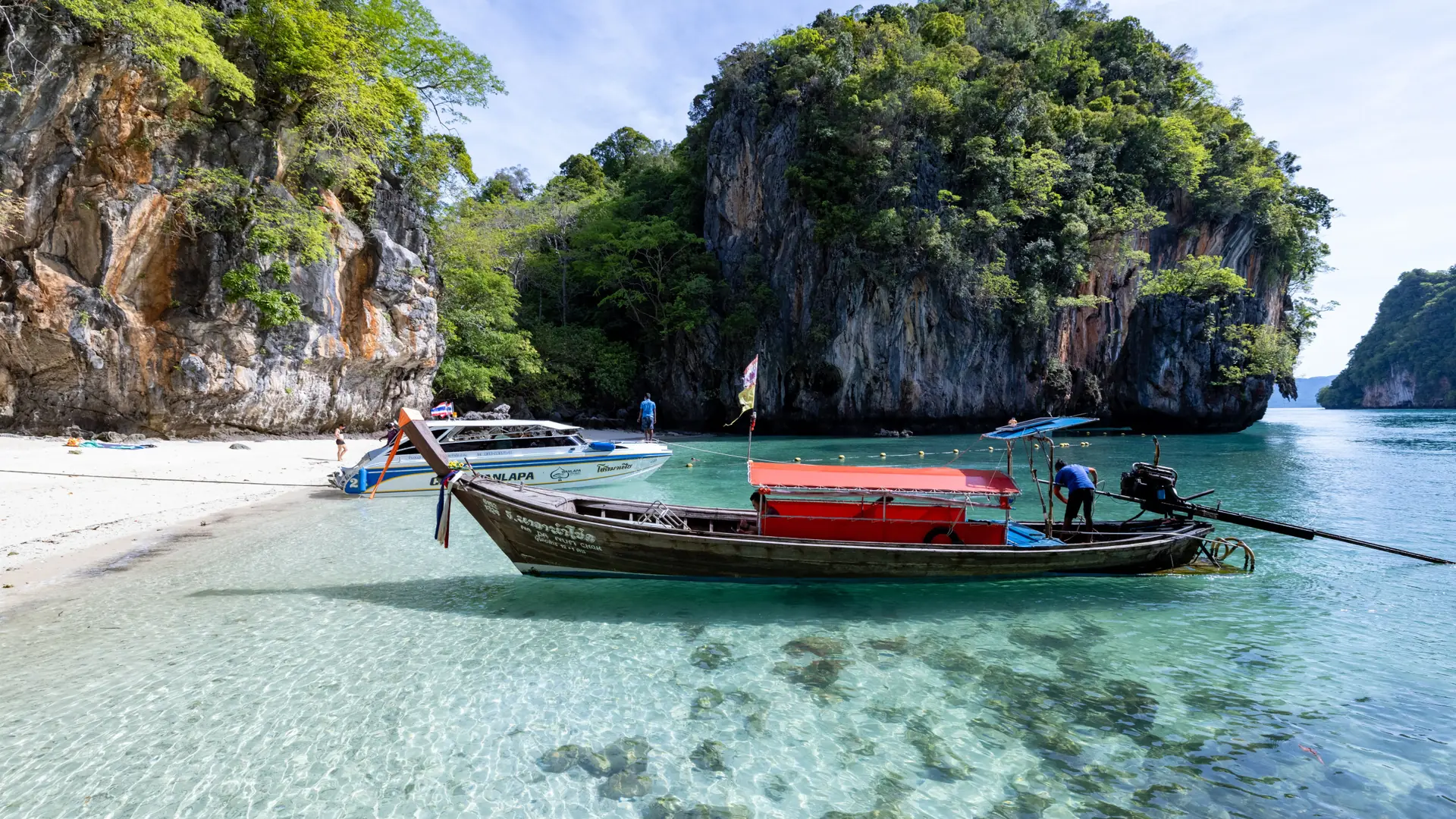
Book well-located beach rooms, airport transfers for awkward hours, and any limited-capacity boat day that defines the trip. Christmas–New Year and other high-demand periods reward early cancellation-flexible reservations. Leave spare sea time rather than prepaying every excursion, since marine conditions may move the best outing to another day.
Is Phuket suitable for travellers with limited mobility?
Accessible Phuket depends on the exact hotel and beach approach. Request measurements, lift confirmation, step-free breakfast and pool routes, and the vehicle type used for transfers. Sand, steep headlands, floating piers and speedboat boarding remain material barriers; an adapted private outing may be more realistic than a standard group island tour.
Is Phuket expensive in 2026?
Phuket can cost more than mainland Thailand once airport rides, cross-island taxis and boat days are added. Compare a cheaper inland room with the transport it creates, and ask whether beach clubs, loungers or transfers are included. Old Town meals may offer value, but a return ride from the west coast belongs in the same calculation. A useful Phuket cost comparison begins with three columns: the room, the airport journey and the rides created by the chosen coast. Add one Old Town return, one pier transfer and the likely cost of eating outside a secluded resort. Families should also check extra-bed, breakfast and child-transfer policies rather than assuming the booking total covers everyone. A refundable Kata or Bang Tao room may be worth more than a cheaper non-refundable rate during changeable sea conditions. If a villa is considered, confirm electricity, deposit, cleaning and late-arrival arrangements in writing; those details can outweigh a dramatic headline discount.
Can I visit Phuket without rushing?
Avoid rushing by choosing one coast as home. Combine Kata with southern viewpoints, Patong with its own evening, and Old Town with nearby food stops instead of crossing the island repeatedly. Keep one movable day for sea conditions and one genuinely empty beach block; those buffers turn Phuket from a transport puzzle into a holiday. To keep Phuket spacious, assign identities to the days. Let one belong entirely to the home beach, one to Old Town and its food, and one to the south-coast viewpoints or a verified boat route. Place the flexible sea day in the best forecast window and avoid scheduling an airport departure after it. When rain arrives, move to Old Town, a long lunch or a spa close to the hotel instead of crossing the island in search of different weather. The result uses Phuket’s range without treating every beach name as a compulsory stop, and it gives the selected coast enough time to feel like a base rather than a parking place. Group the south-coast viewpoints and beaches into one directional day, and give Old Town a separate morning or evening rather than crossing the island twice. Boat trips require their own weather window and an early pickup; do not place a distant dinner reservation after an uncertain marine return. Patong nightlife, Kata family beach time and Bang Tao resort days represent different travel styles, so a successful itinerary may intentionally omit two of them. Check the current departure pier because transfers can be long. On the last day, remain near the hotel or airport side and keep the flight connection clear of sea dependence.