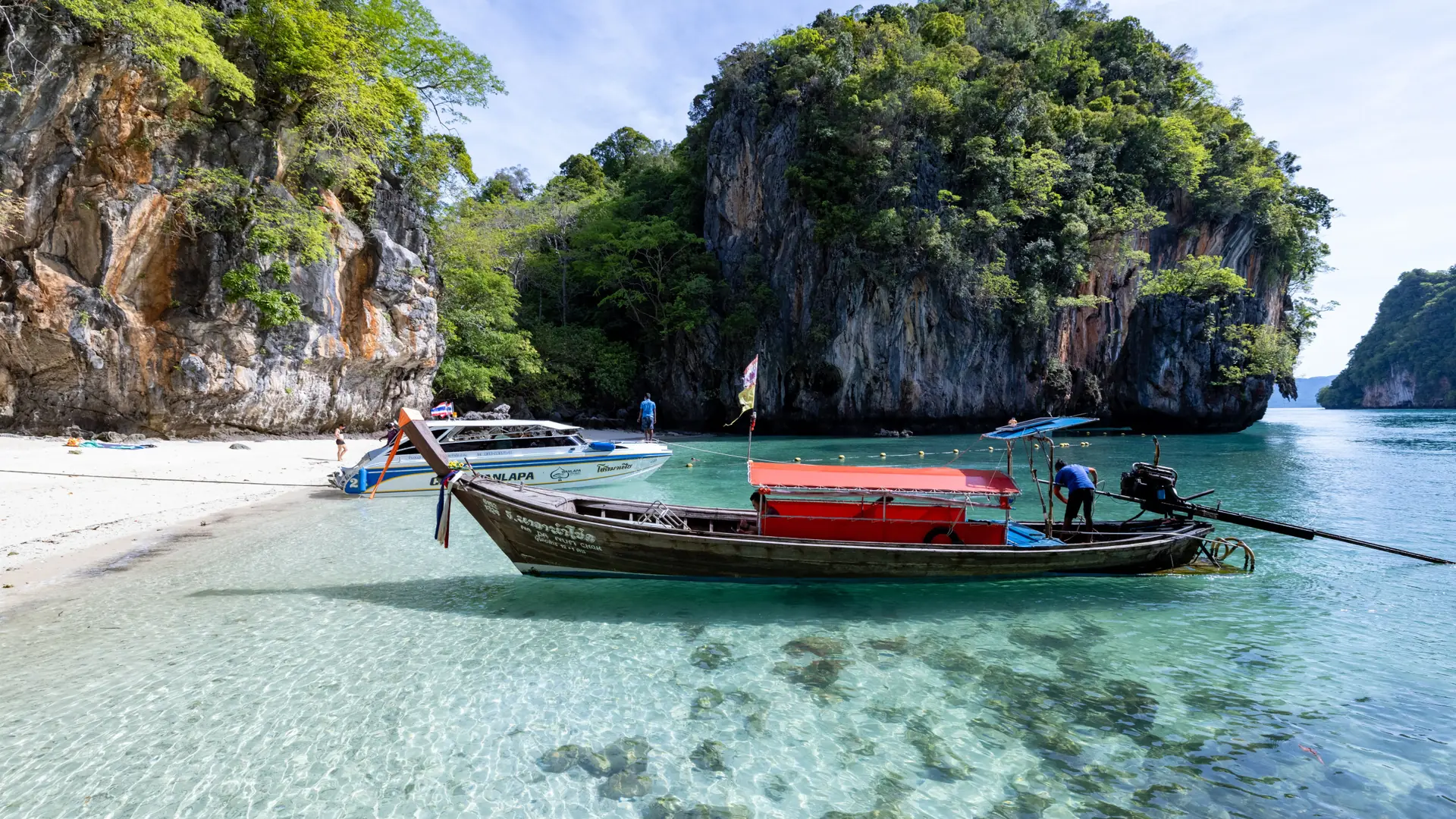
Where is the best area to stay in Koh Tao for a first visit?
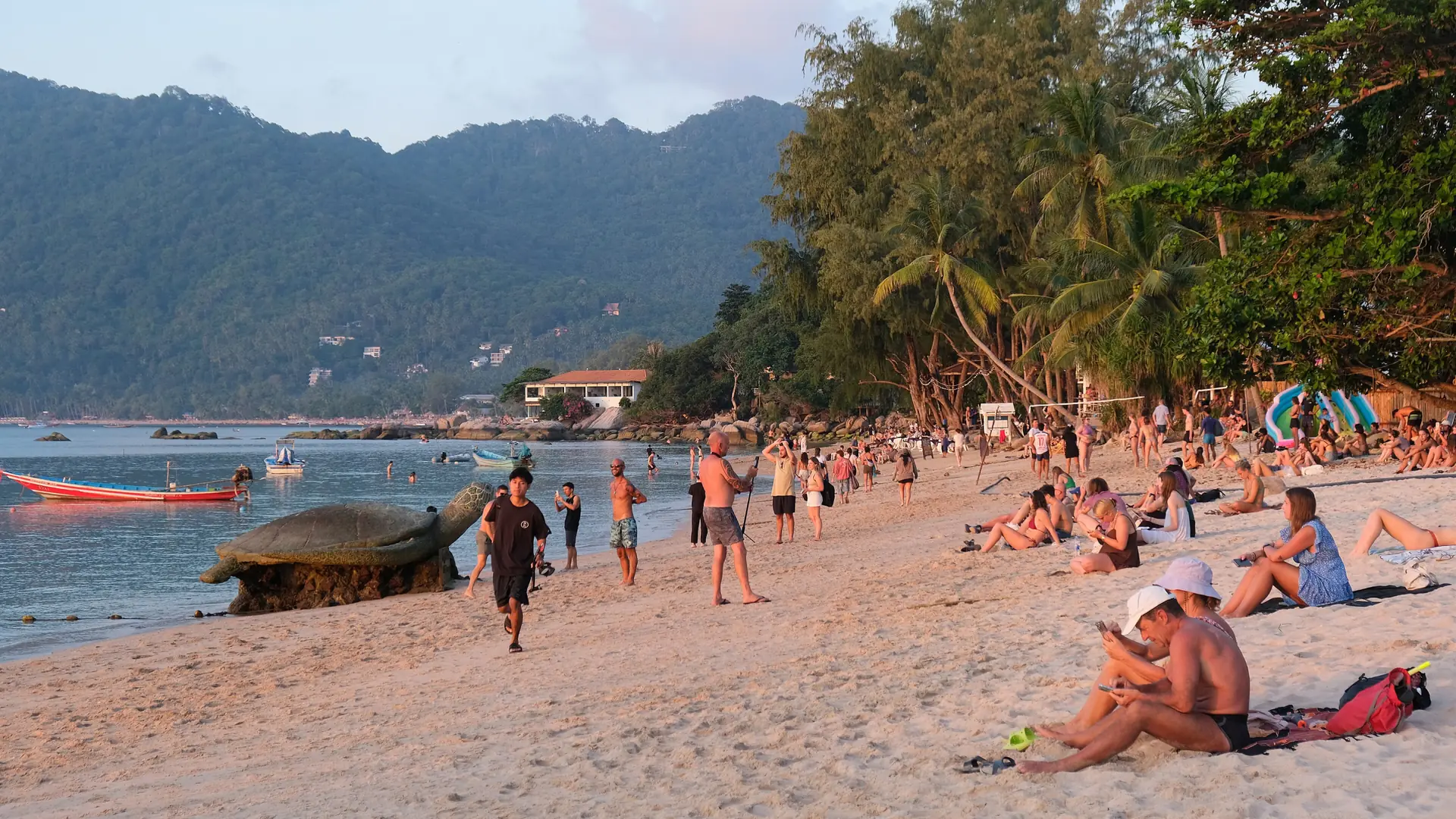
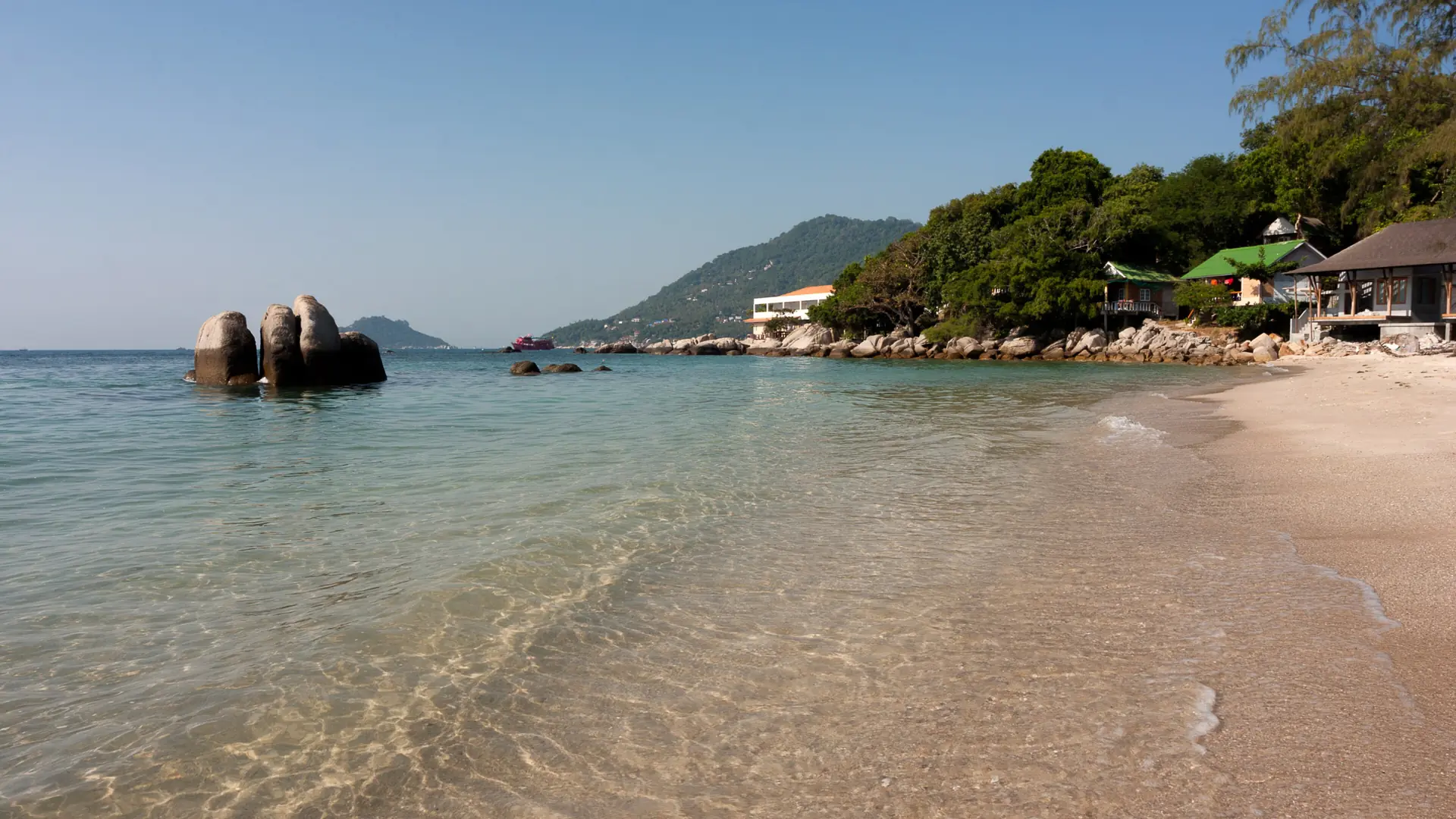
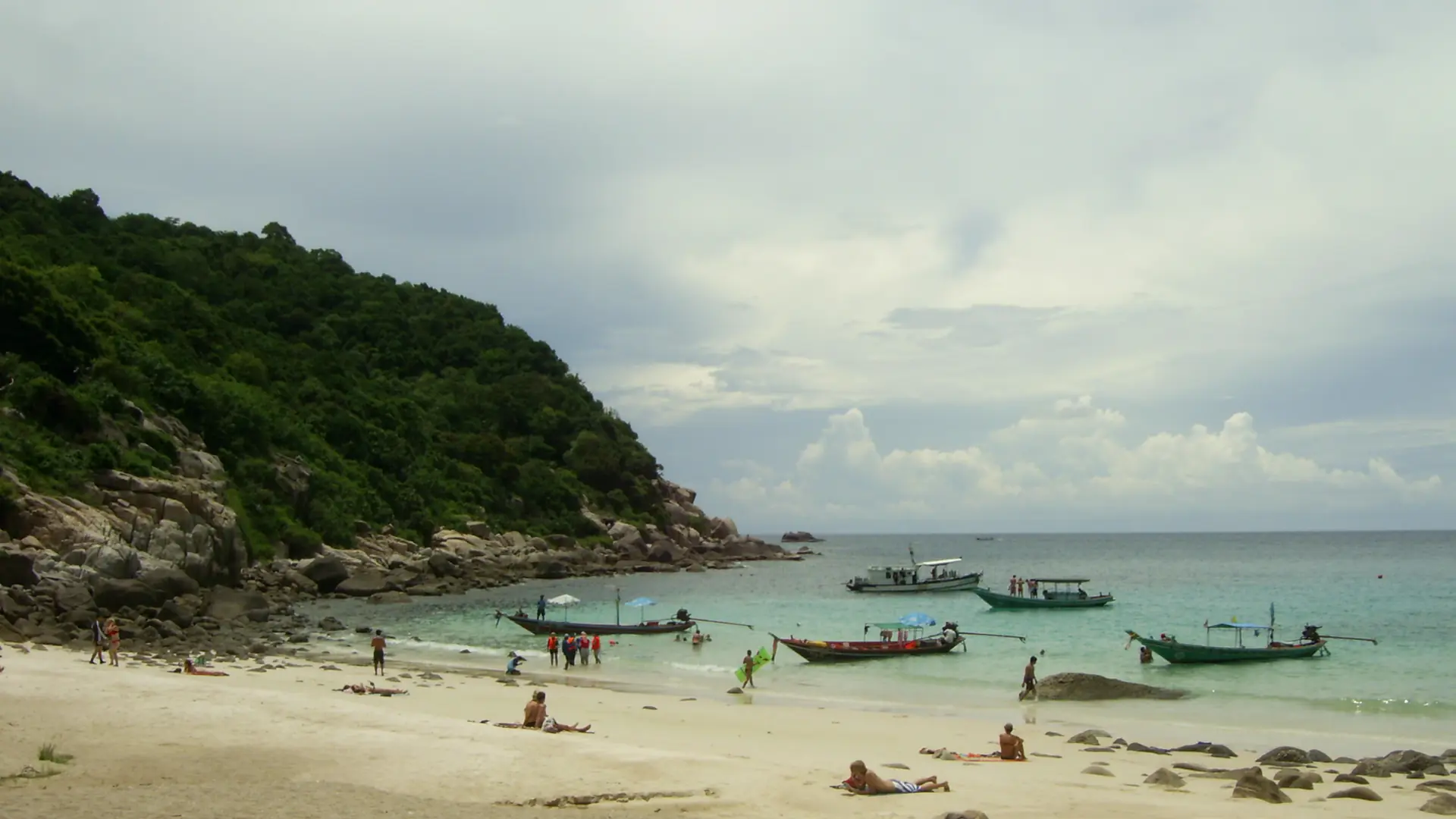
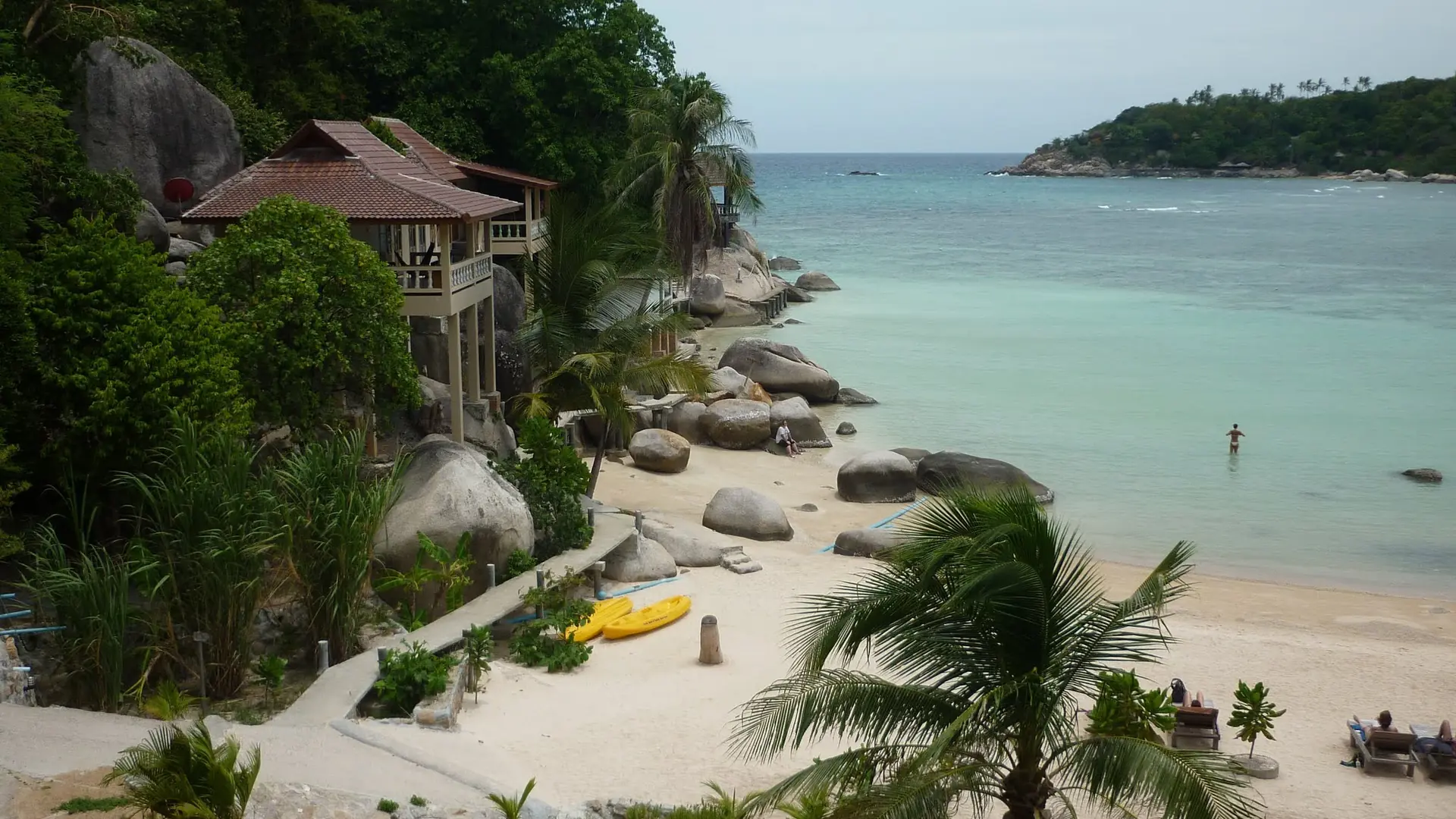
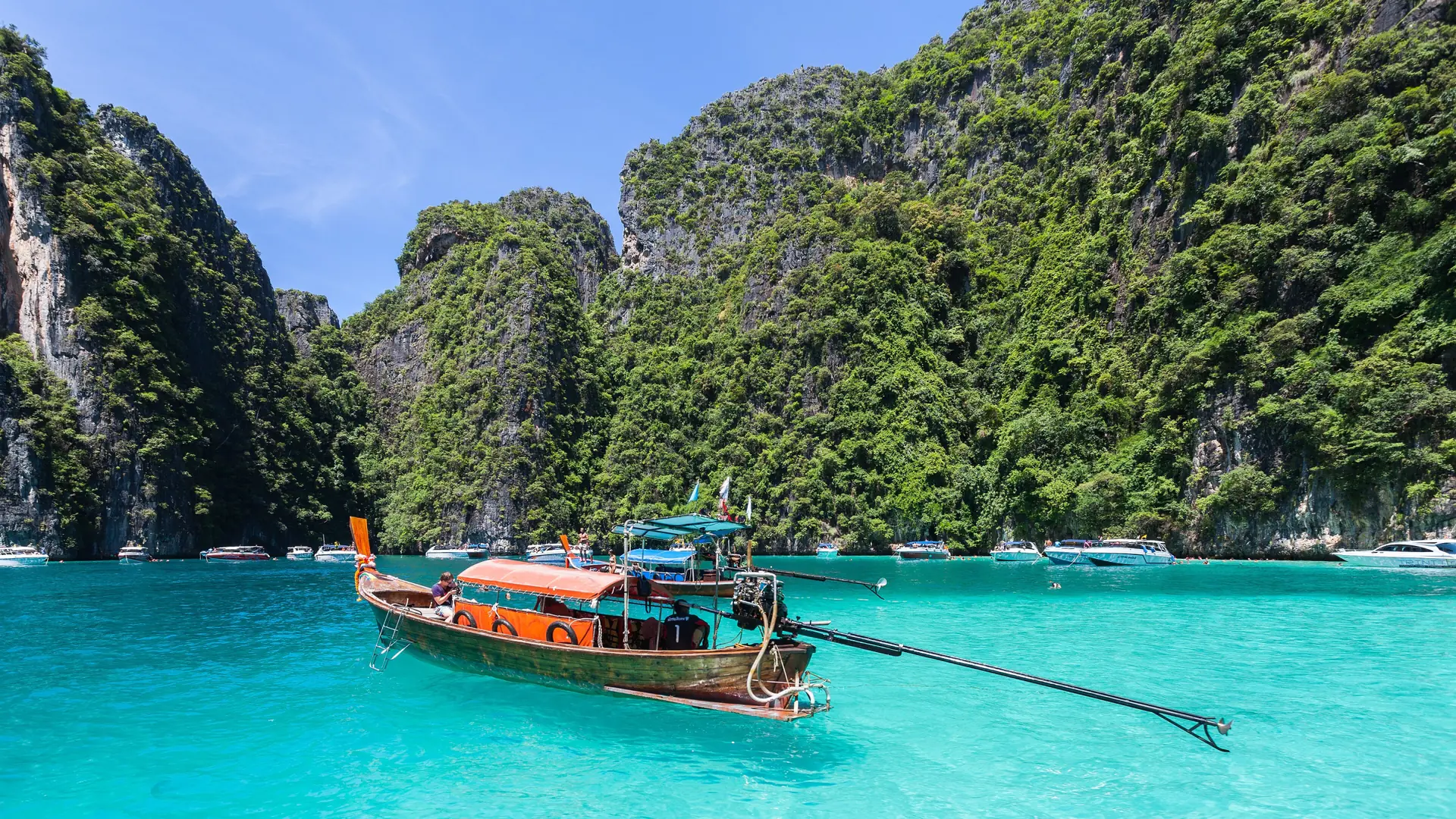
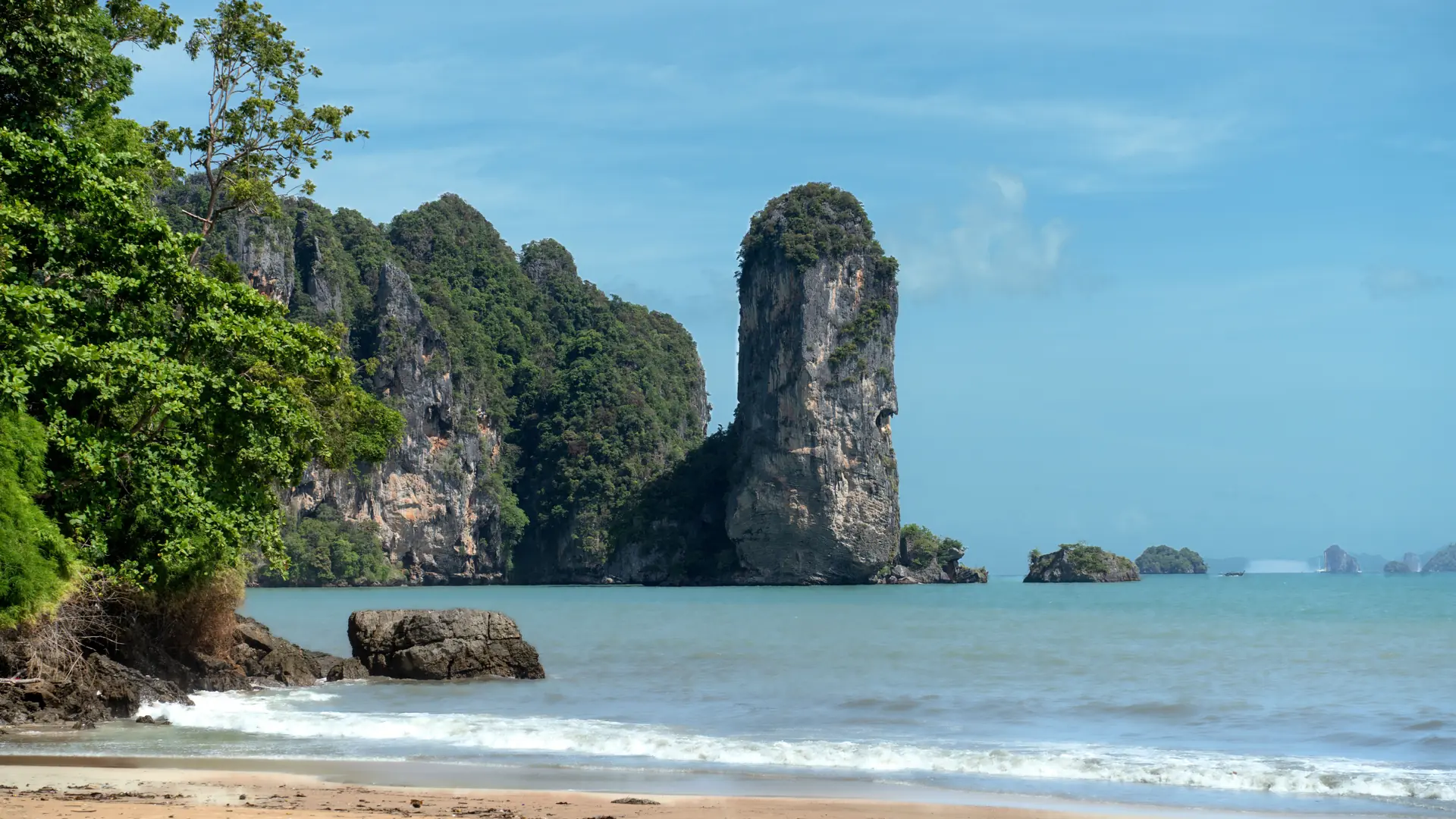
Koh Tao visitors should choose a base around diving, nightlife or deliberate seclusion. Mae Haad simplifies ferry logistics; Chalok Baan Kao offers southern quiet; Tanote Bay trades evening choice for direct snorkelling access. Ask the dive school or hotel how luggage reaches the property from Mae Haad and whether the steep final road remains usable after rain.
How many nights should I spend in Koh Tao?
Five nights gives Koh Tao a realistic ferry buffer, several dive or snorkel windows and recovery time. Three nights is risky when certification or a specific boat day is the goal; seven suits a full course and unhurried bays. Arrival and departure days are transport days, not reliable water days.
What is the best time to visit Koh Tao in 2026?
Koh Tao’s sea and rainfall pattern follows the Gulf rather than the Andaman. Visibility, wind and landing comfort can change within the same broad season, and operators may move sites. Use historical patterns for choosing the month, then follow current marine conditions and professional dive advice for each day.
Do I need a car or scooter in Koh Tao?
Mae Haad and Sairee connect by road and walking in parts, but steep or rough approaches complicate remote bays. Shared taxis and boats can replace scooter hire; novice riding is a serious risk on island gradients. Confirm the last return and the drop-off point before booking dinner or accommodation beyond the main corridors.
How do I reach Koh Tao from the main gateway?
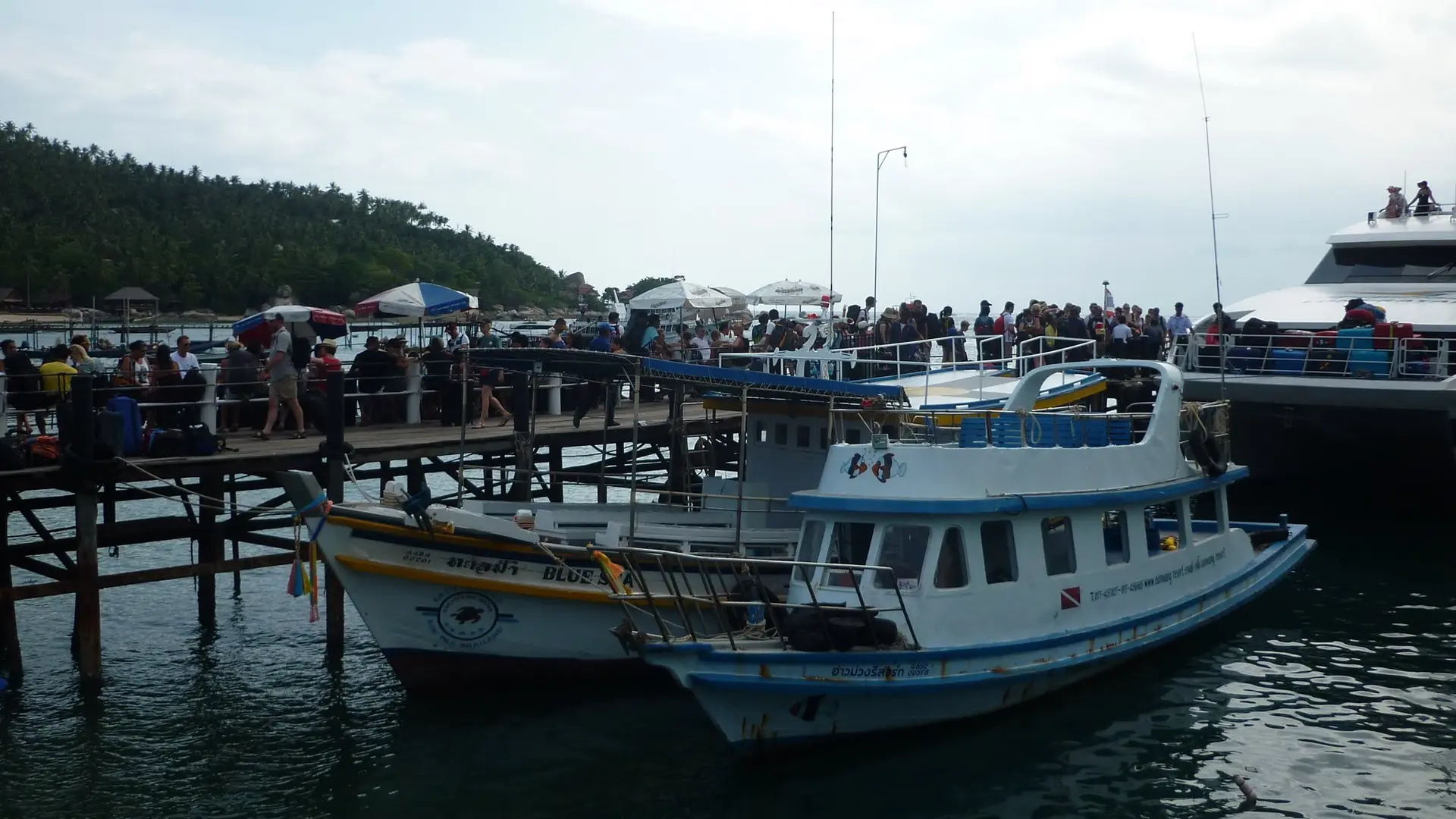
Every arrival reaches Koh Tao by ferry, commonly through Chumphon, Surat Thani or neighbouring Gulf islands. Read the full operator itinerary, not only the boat segment, and allow margin between separate rail, flight and ferry tickets. The final hotel pickup at Mae Haad should be confirmed in writing before sailing.
Which Koh Tao area is quietest for sleep?
Chalok and selected eastern bays can be calmer than central Sairee, while Mae Haad becomes practical after ferries finish. Remote quiet carries steep-road and dining trade-offs. Ask about construction, dive-boat departures, bar sound and generator use, then verify whether luggage reaches the room by vehicle, steps or beach path.
What should I book ahead for Koh Tao in 2026?
Reserve a reputable dive course, suitable accommodation and ferry seats for peak dates. Ask the dive school about class size, medical paperwork, course language and cancellation if weather changes training. Do not build a same-day flight immediately after the ferry; protect the mainland connection with the operator’s current timing and a sensible buffer.
Is Koh Tao suitable for travellers with limited mobility?
Koh Tao is challenging for limited mobility because ferry boarding, steep roads, steps and beach entries vary. Confirm the complete pier-to-room route and ask dive or snorkel operators for boarding photographs and assistance details. Mae Haad may reduce transfer complexity, but the chosen hotel still needs verified bathroom and lift or ground-floor access.
Is Koh Tao expensive in 2026?
Course packages can look inexpensive until ferry, equipment, accommodation level and certification charges are separated. Compare what the dive price includes and whether a room discount restricts cancellation. Remote bays add taxi or boat costs, while Sairee can reduce transport but tempt more spending on nightlife and meals. A Koh Tao budget must make the dive package legible. Ask whether teaching, equipment, certification, boat fees, accommodation, transfers and insurance requirements are included, then compare like with like. Non-divers should cost snorkel boats and island taxis separately rather than subsidising a package they will not use. Sairee offers food competition but more nightlife spending; remote bays can bind guests to one restaurant and paid transfers. Ferry tickets and a mainland buffer night belong in the trip total. Keep funds available for an extra safe-weather day instead of choosing a rigid departure immediately after the final planned water session.
Can I visit Koh Tao without rushing?
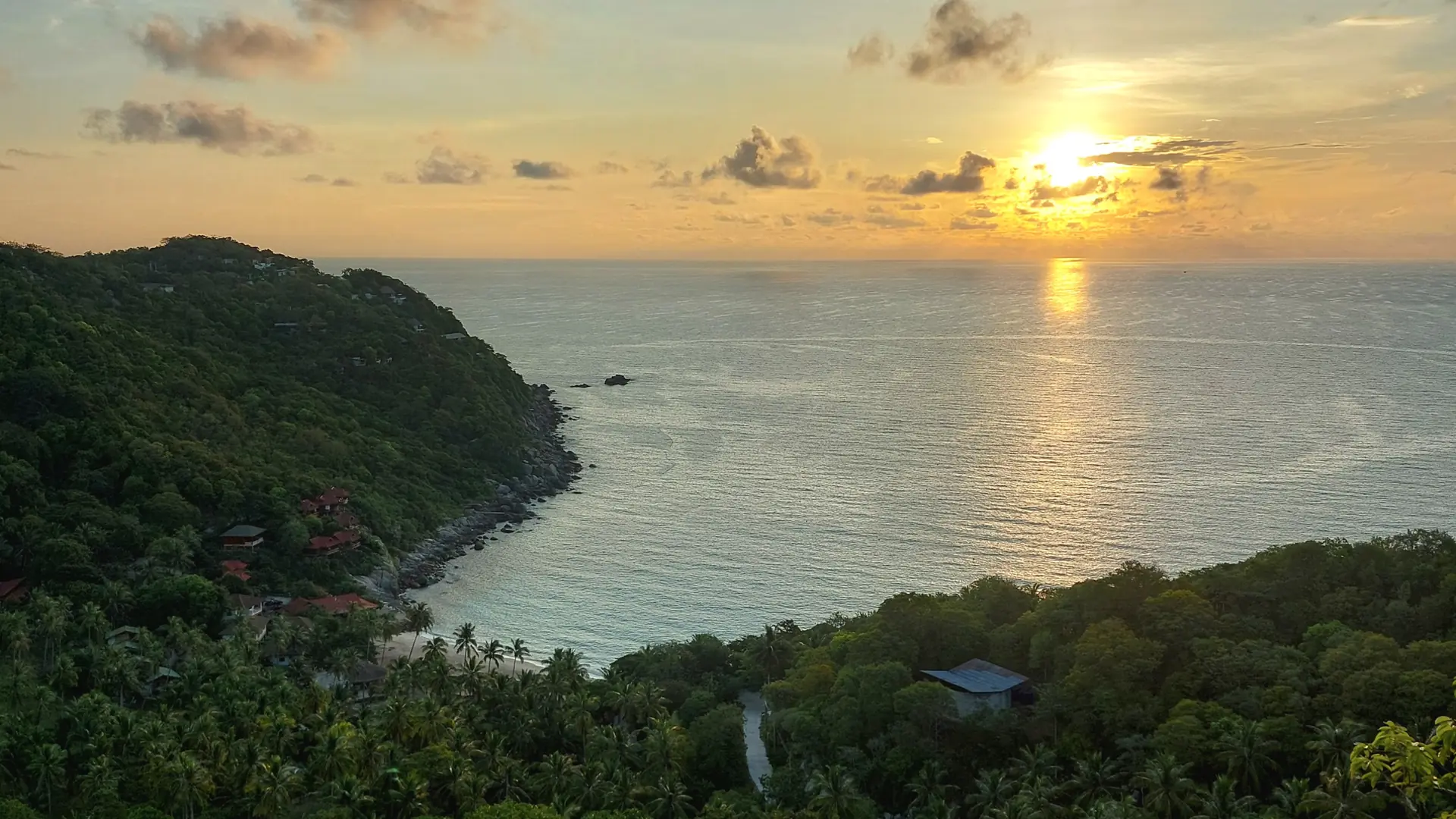
Do not schedule every day underwater. Alternate training or boat sessions with a shore day, keep the best snorkel bay for suitable conditions and leave the final pre-flight period compatible with diving guidance. Koh Tao feels larger when one sunset, one viewpoint and one quiet cove receive enough time. Koh Tao should follow the body as well as the forecast. Put demanding dive or snorkel sessions early enough to allow recovery, alternate them with a shore walk or quiet bay, and respect professional guidance before flying. Sairee sunsets need no extra transport; eastern coves deserve their own daylight visit with the return arranged. When wind shifts the boat site, accept the safer alternative rather than chasing a photograph. Leave the departure morning free for the ferry and keep essential luggage dry and accessible. That rhythm supports learning, safety and enjoyment instead of turning every day into another rushed boat manifest. Course schedules set the rhythm for many visitors, so place viewpoints, nightlife and long meals around confirmed classroom and boat times. A non-diving companion needs an independent plan rather than a promise that every dive site doubles as an easy snorkel outing. Hikers should start exposed routes before the strongest heat and carry enough water; bay access can involve steep paths as well as taxi fares. Keep the final evening close to the accommodation when the ferry departs early. If travelling onward to a flight, a mainland buffer is often calmer than making the island crossing and airport connection depend on one boat. Keep a dry shore alternative ready for any day when the dive team advises against departure.