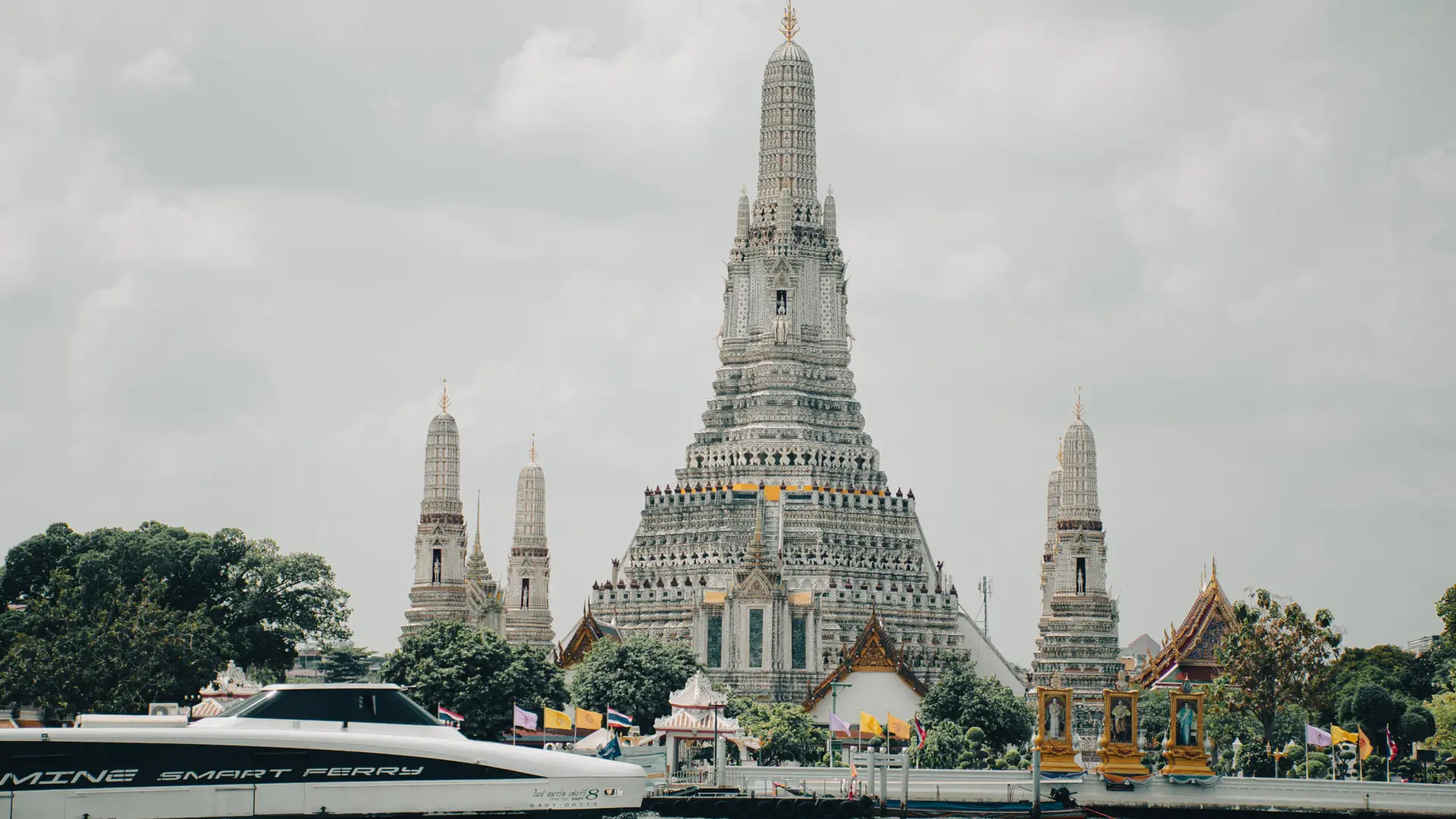
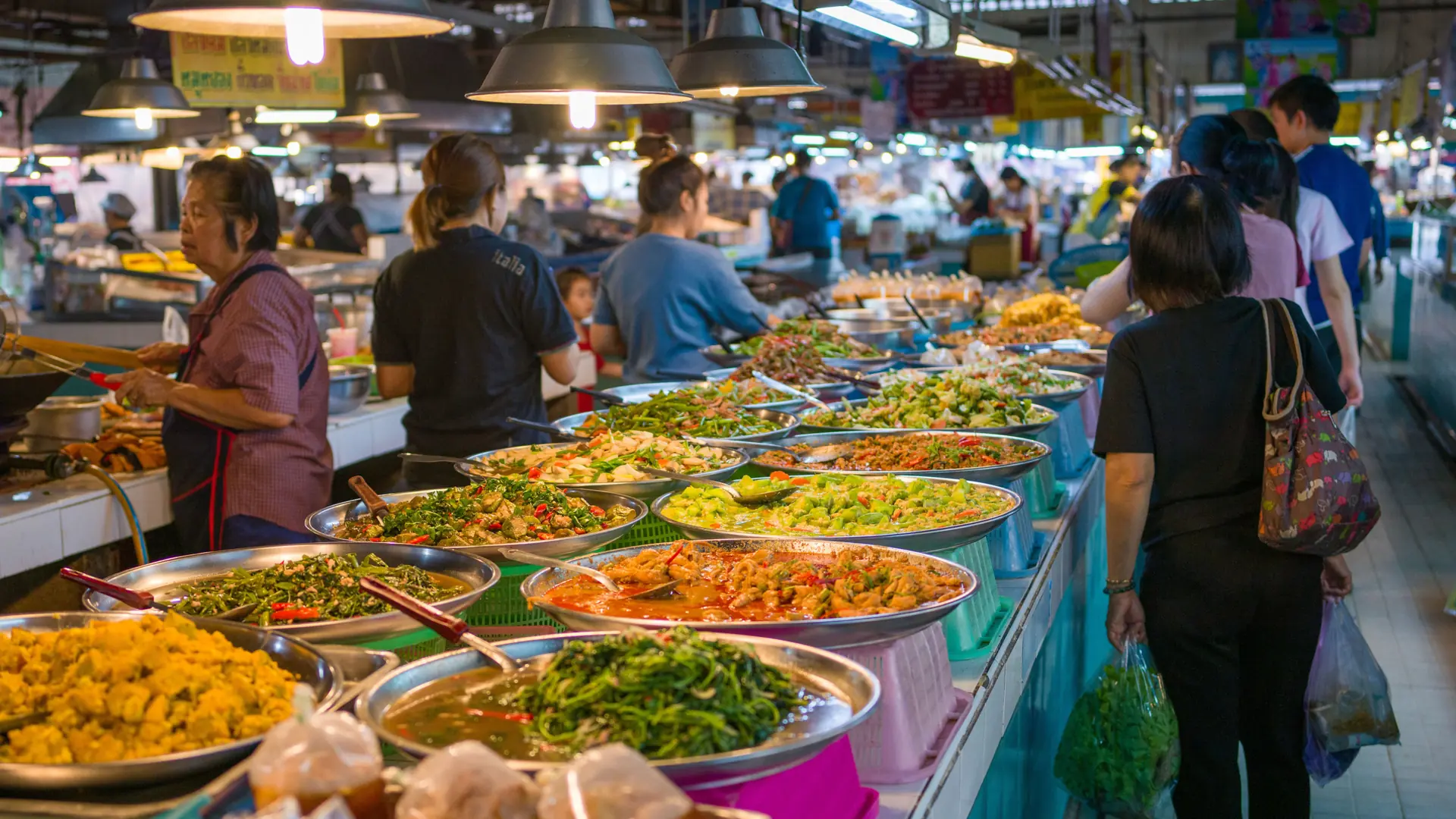
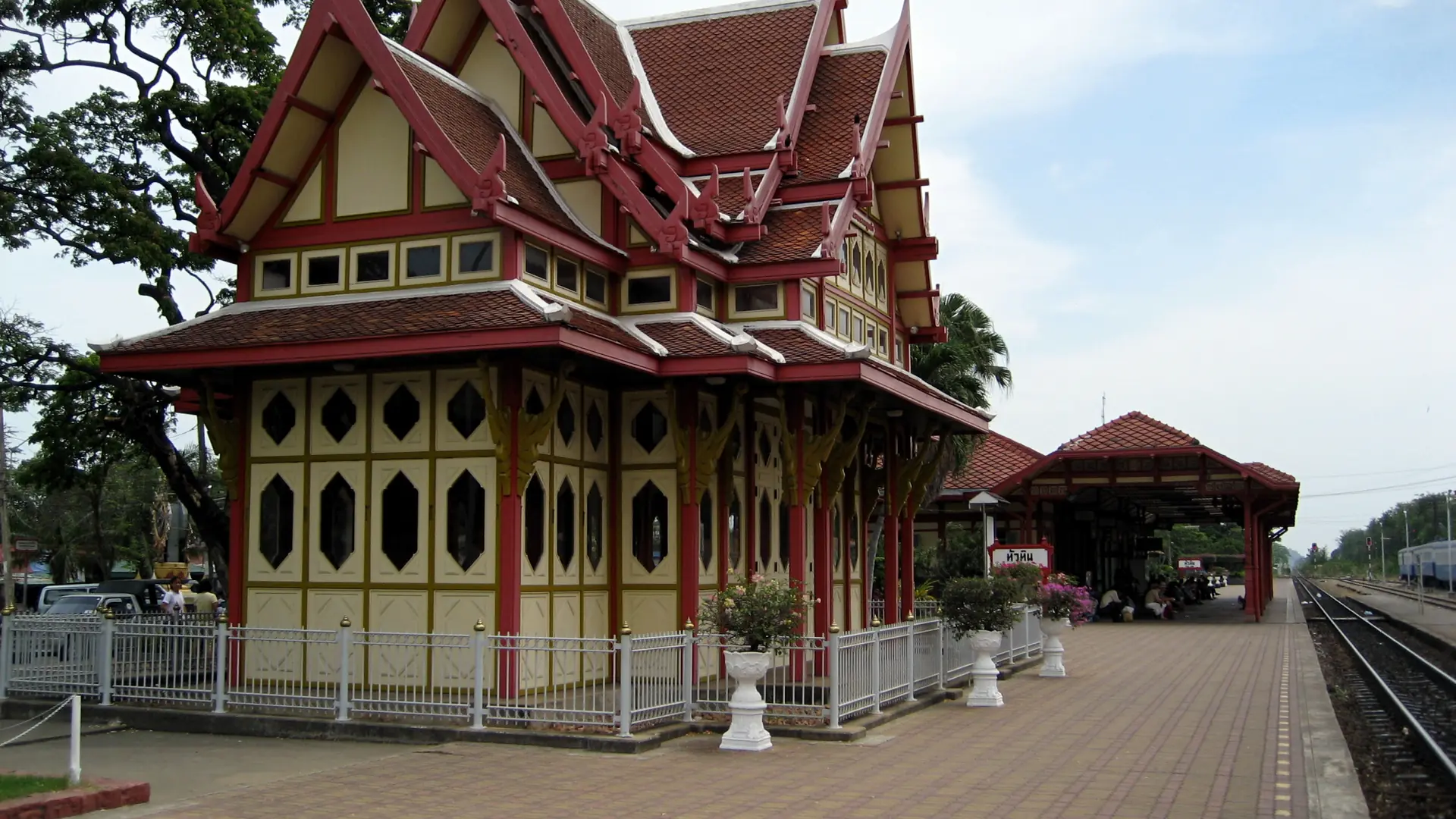
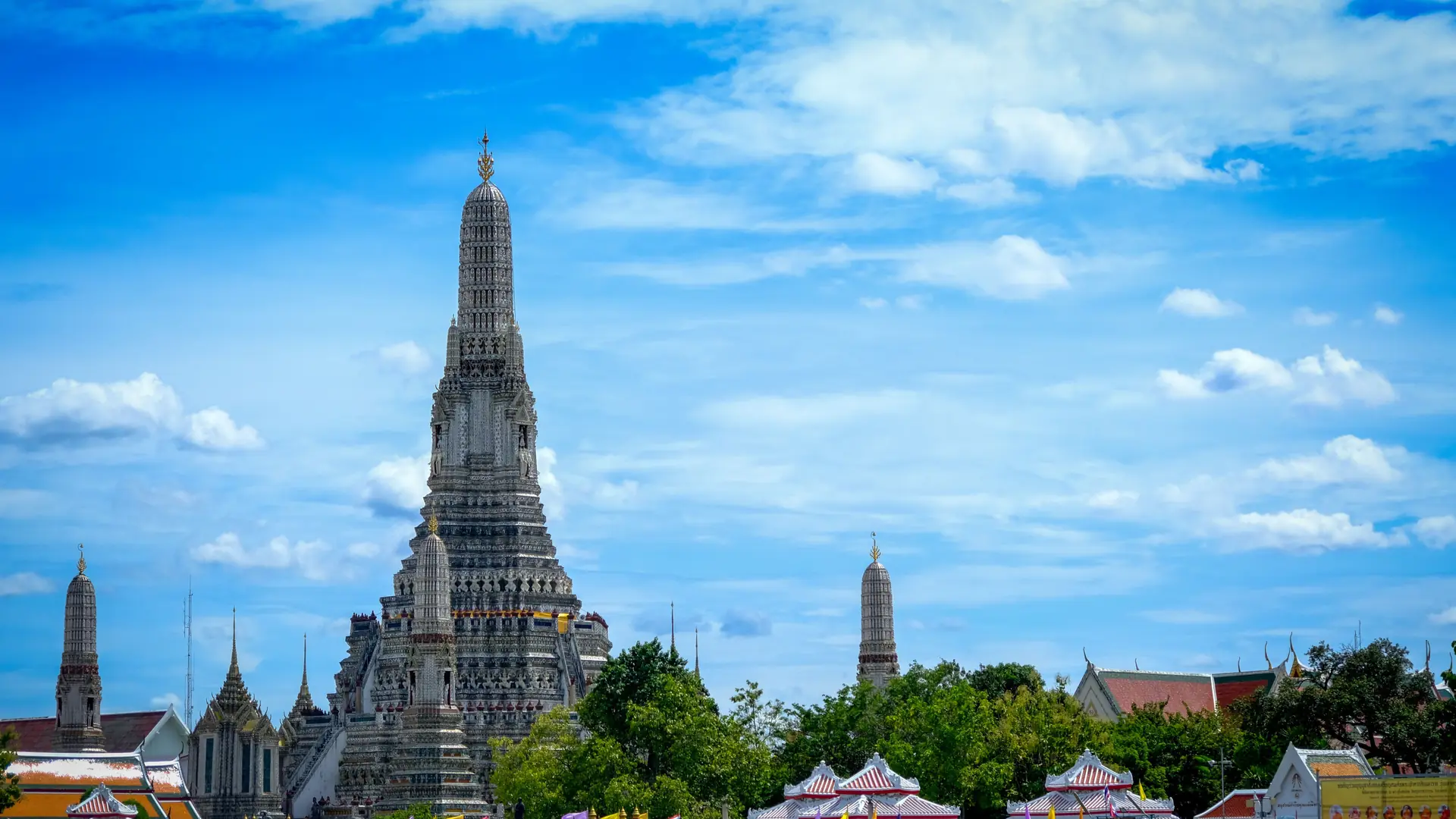
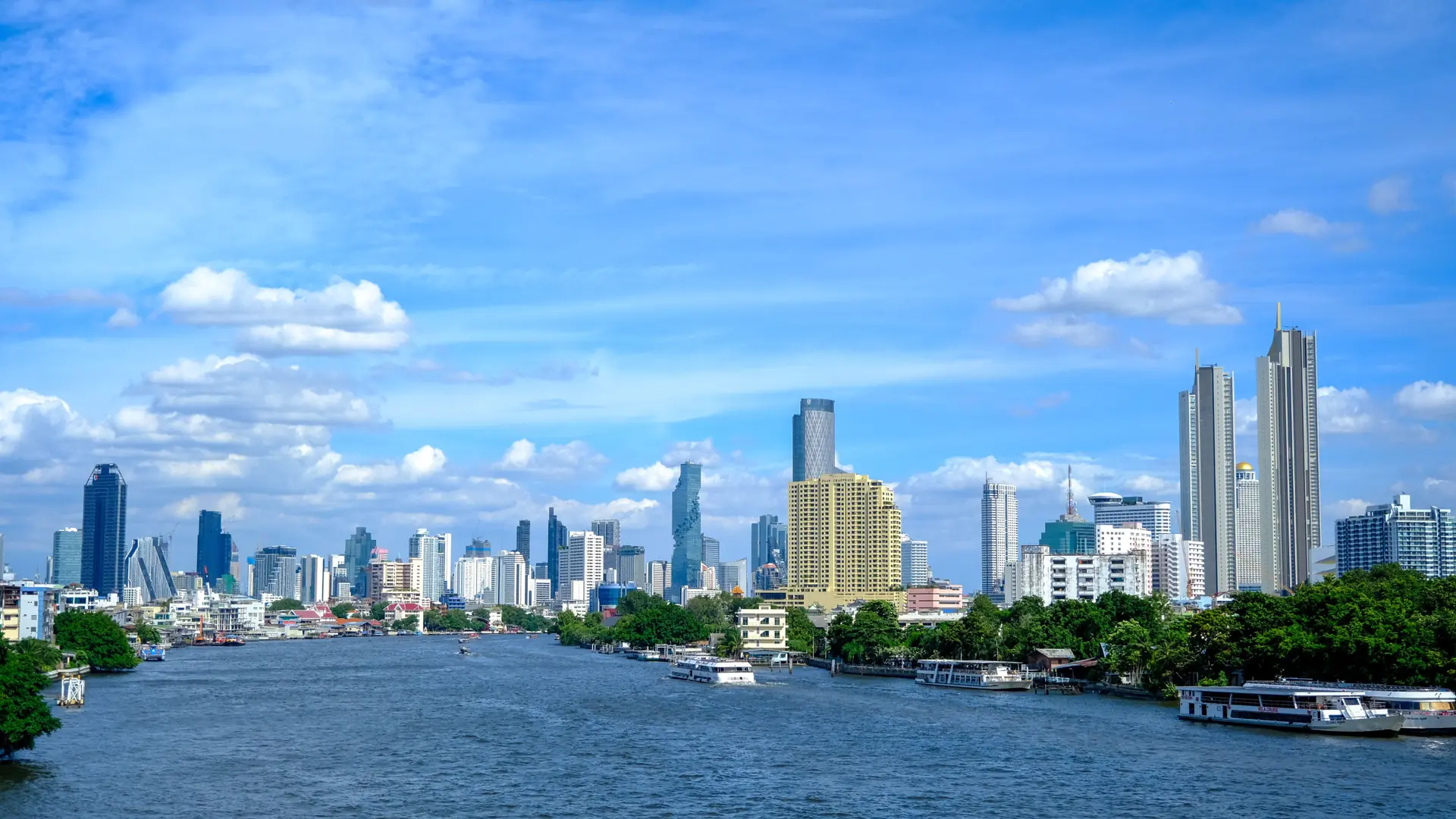
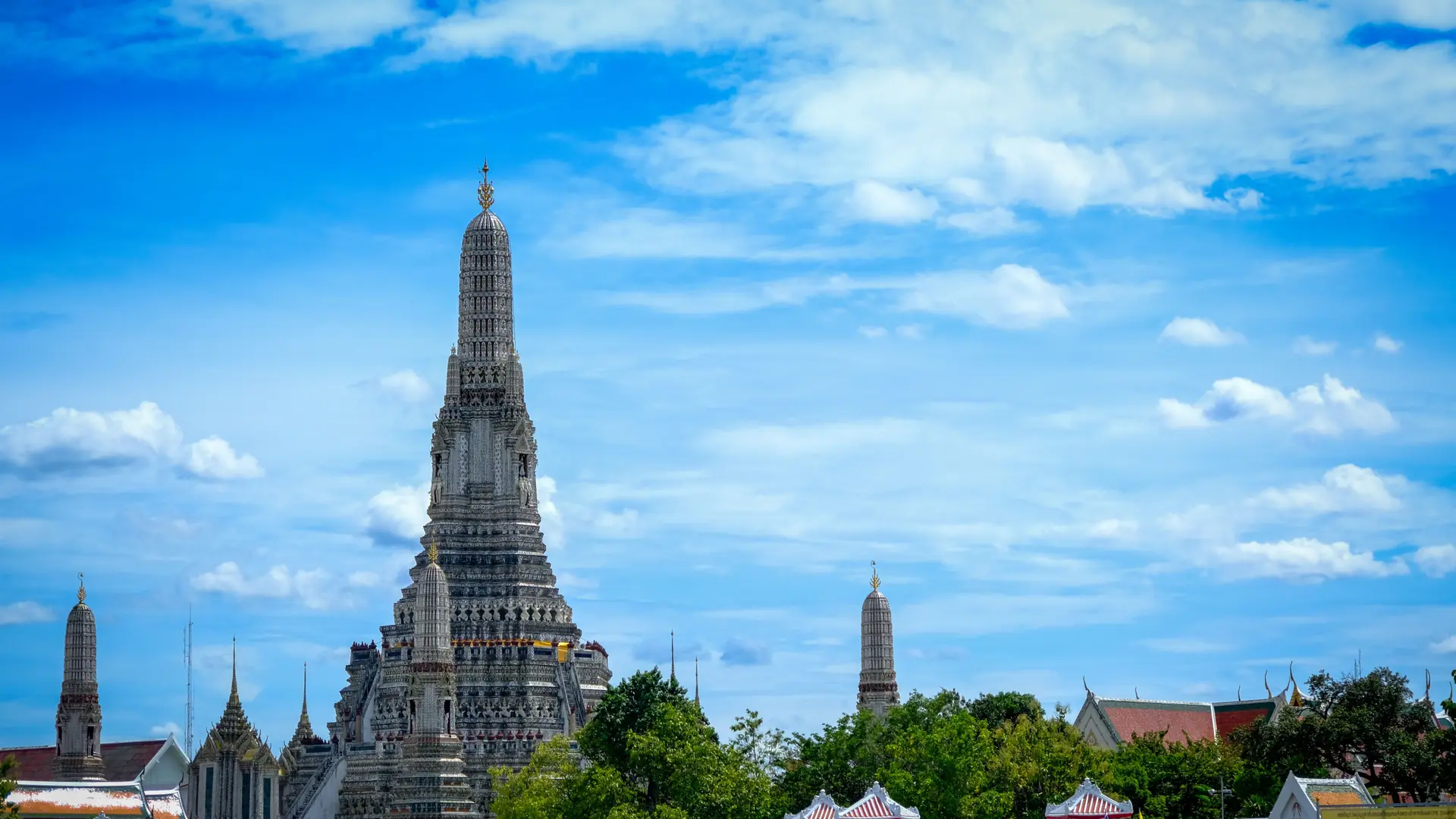
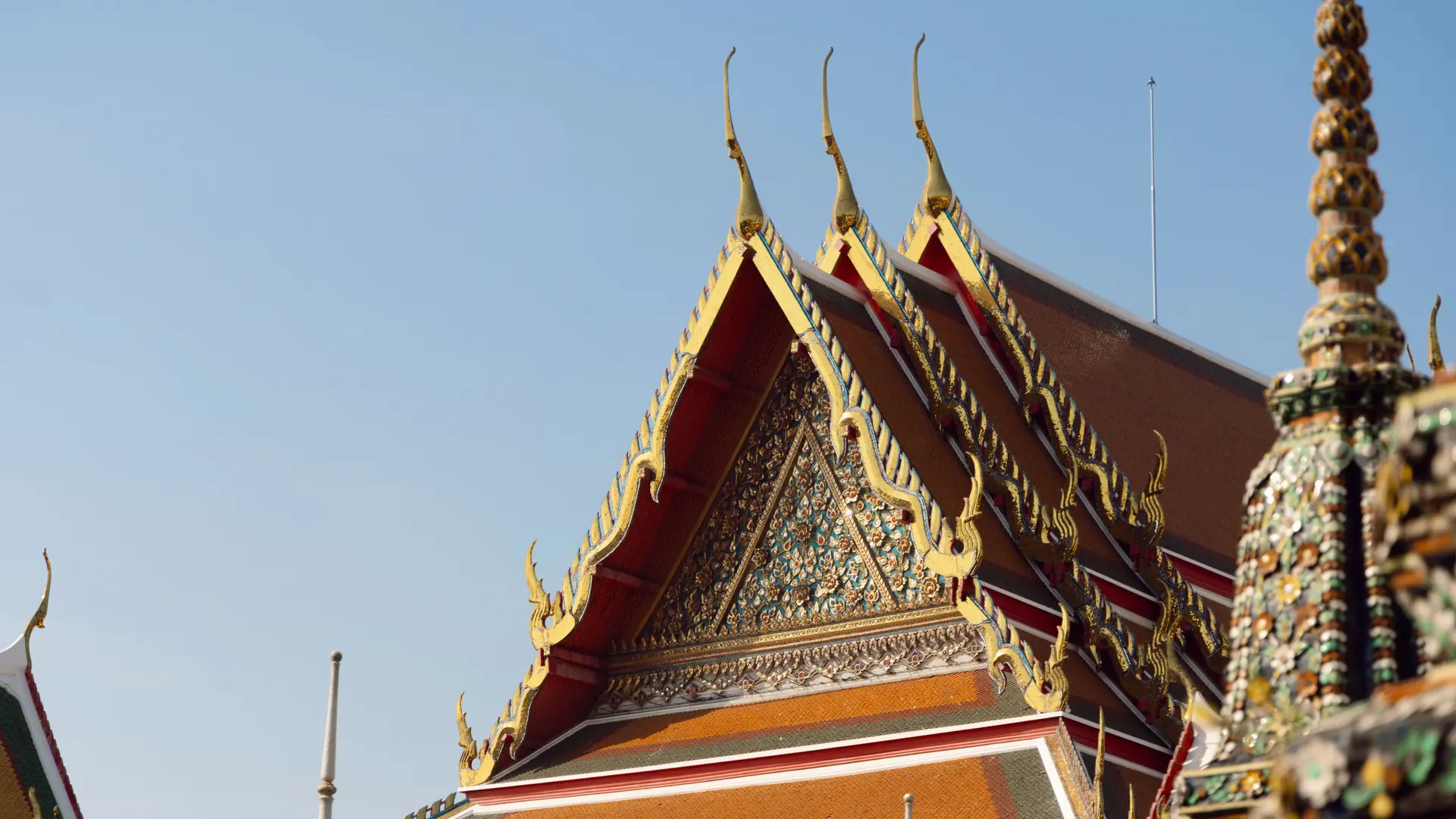
Bangkok deserves a city chapter, not a night placed between two flights. The Grand Palace and temple corridor use a different transport logic from Sukhumvit shopping, while Chinatown, Talat Noi and the river turn food and boats into a coherent eastern day. Four nights allow one jet-lagged arrival, two geographically focused sightseeing days and an evening whose purpose is simply the neighbourhood. Choose the BTS and MRT intersection around Asok for broad mobility, the riverside for water and historic access, Silom for dining and dual transit, or Rattanakosin for early monuments. The hotel’s station entrance, river landing and room orientation matter more than a generic central label.
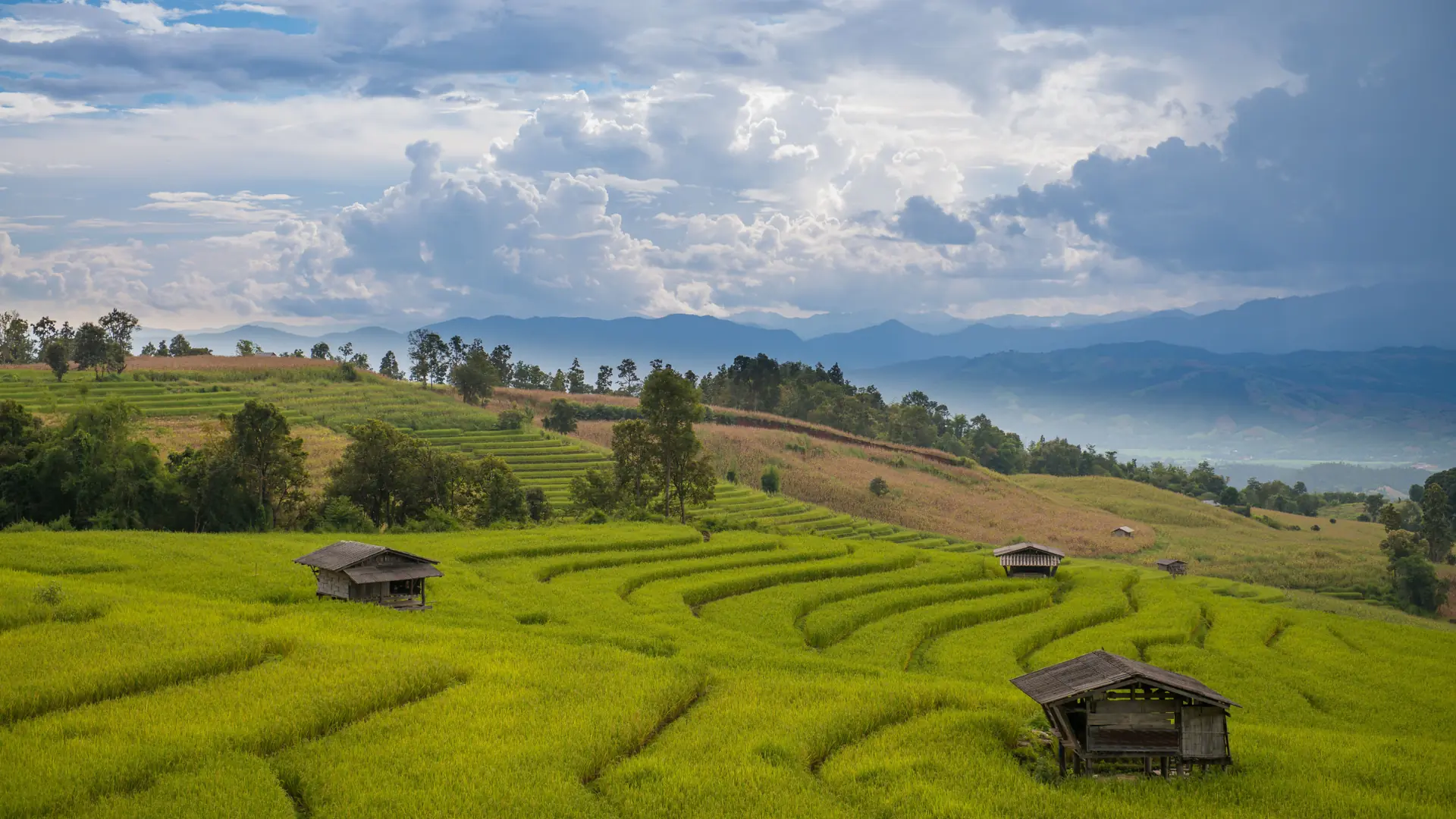
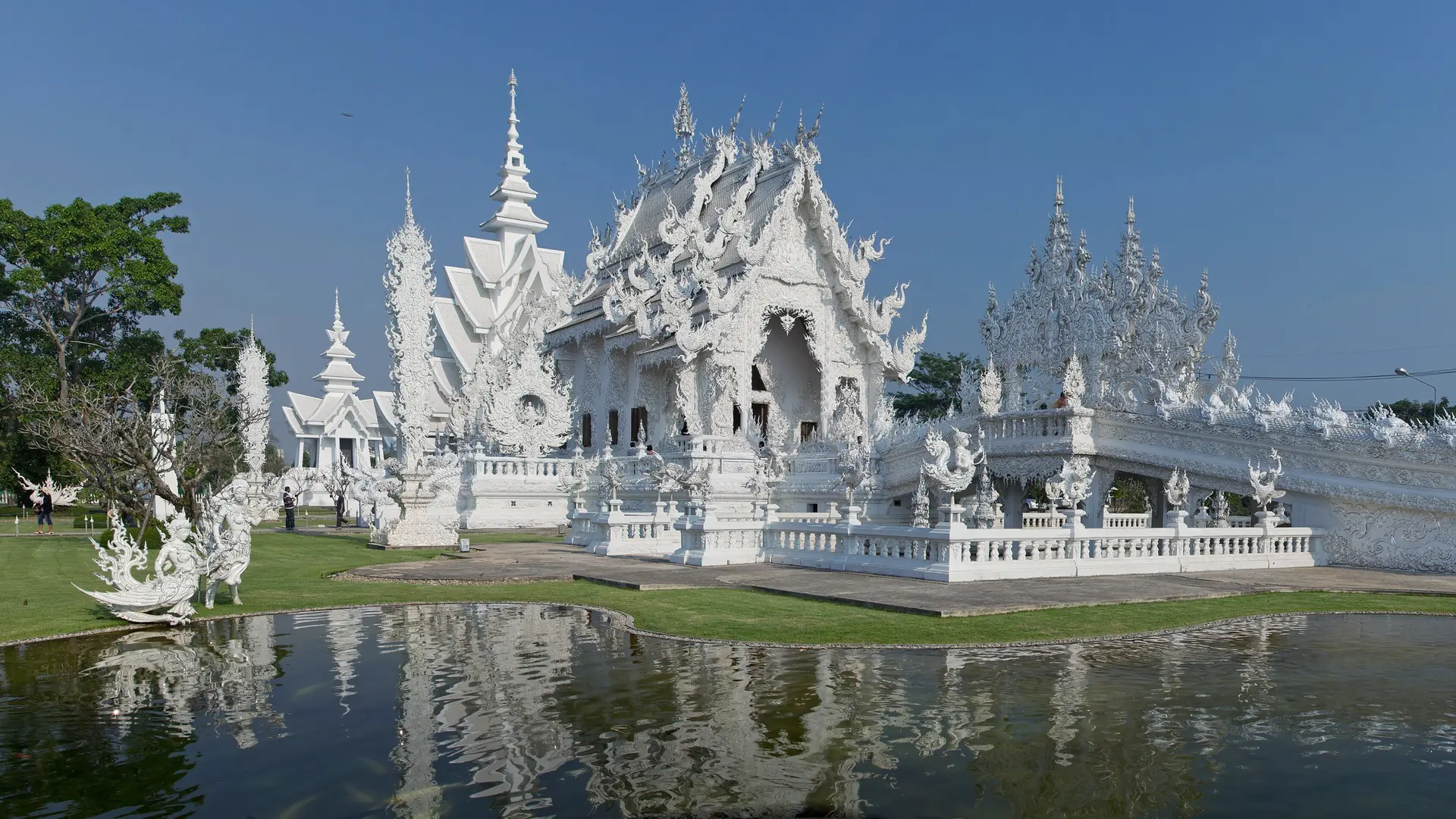
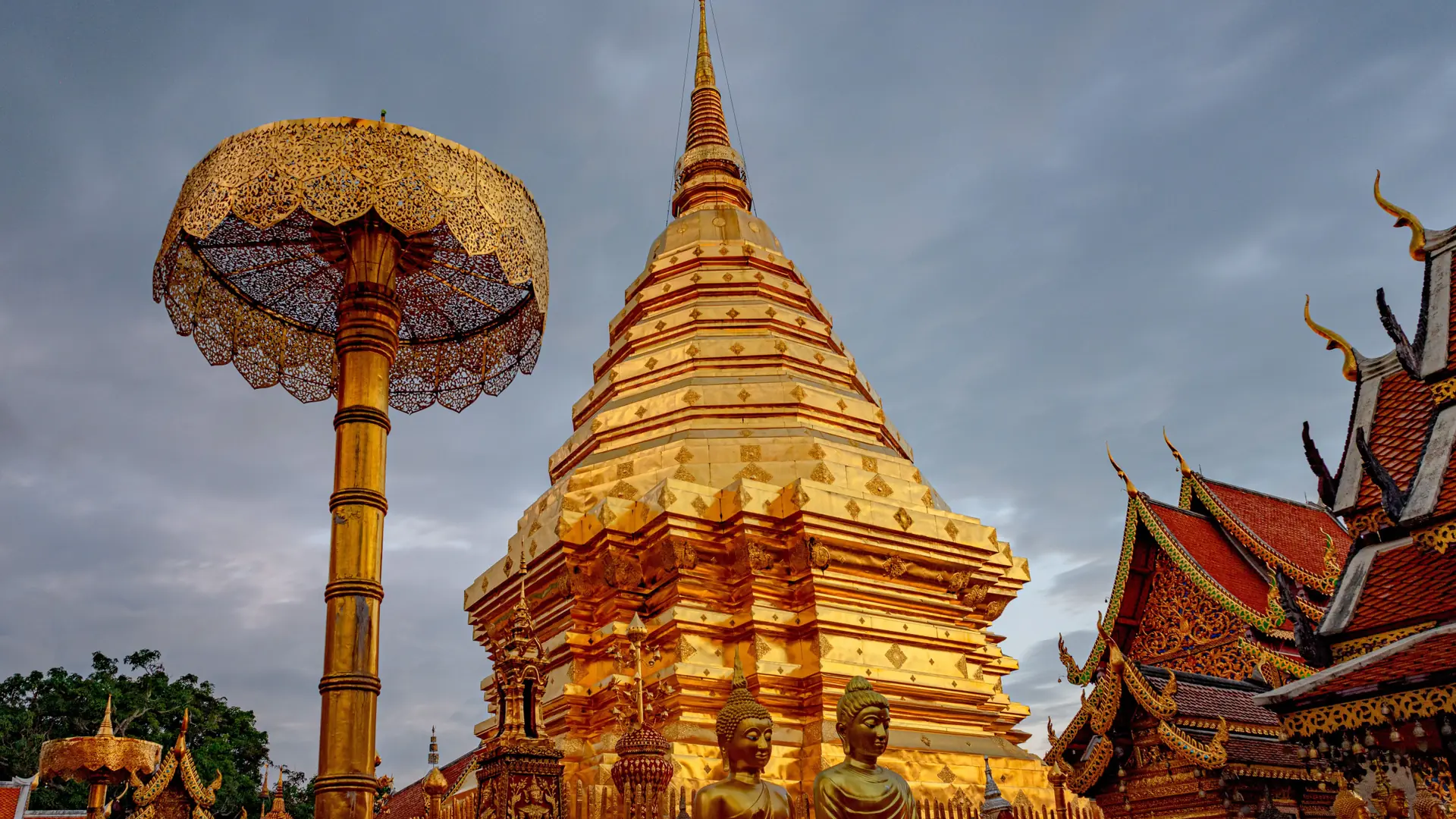
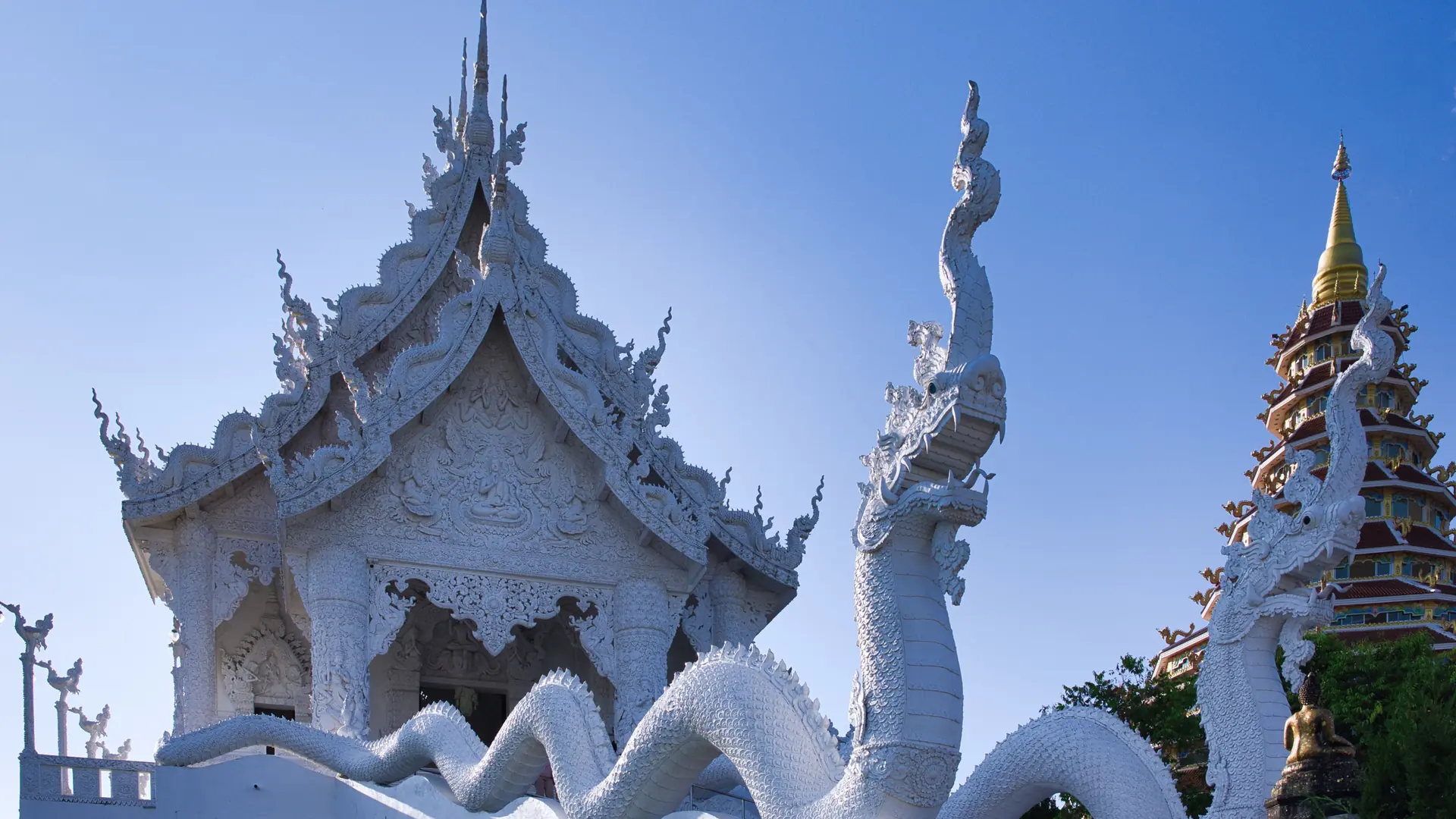
Northern Thailand begins with Chiang Mai, but it should not be reduced to a launch point for every surrounding province. Inside the moat, Lanna temples and walkable lanes make early hours productive; Nimman shifts the mood toward coffee, design and nightlife; the Ping riverside produces slower evenings. Mountain attractions require road time and weather. During the late dry season, smoke can obscure views and affect comfort, so the responsible decision is to check current conditions and keep the day movable. Chiang Rai deserves its own stay when the White Temple, Blue Temple, tea landscapes and far-northern roads form a real second chapter rather than a rushed return journey.
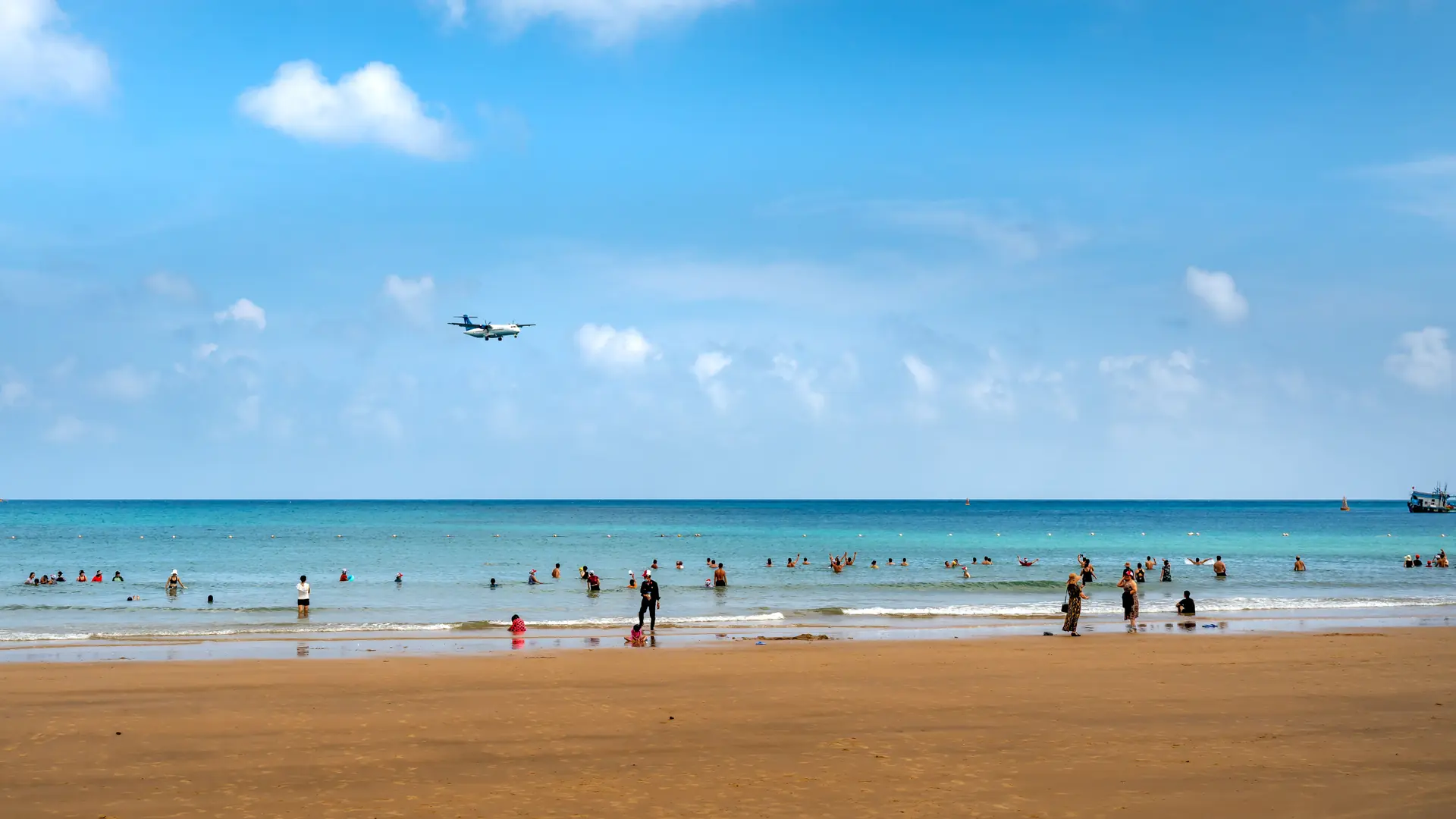
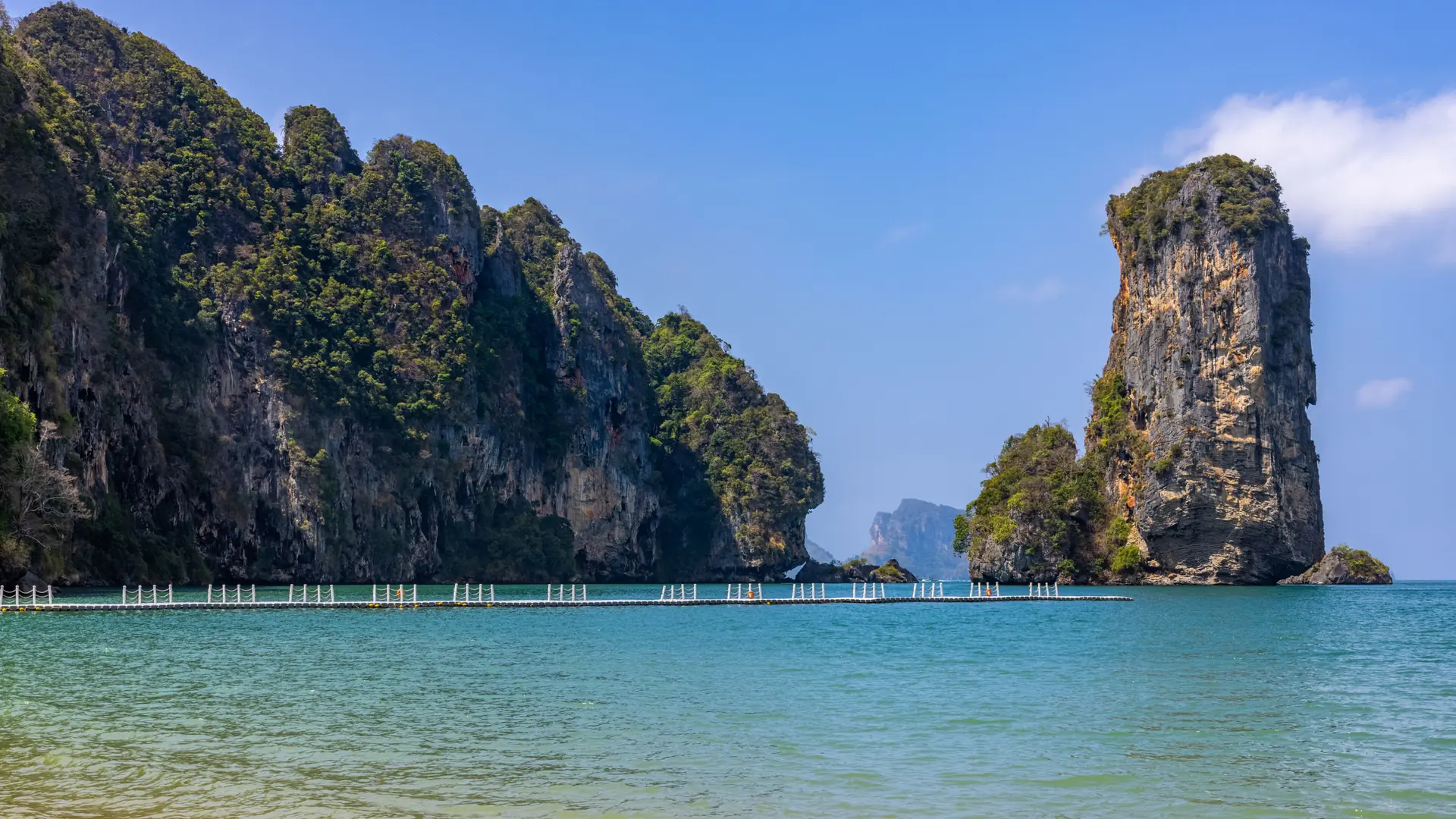
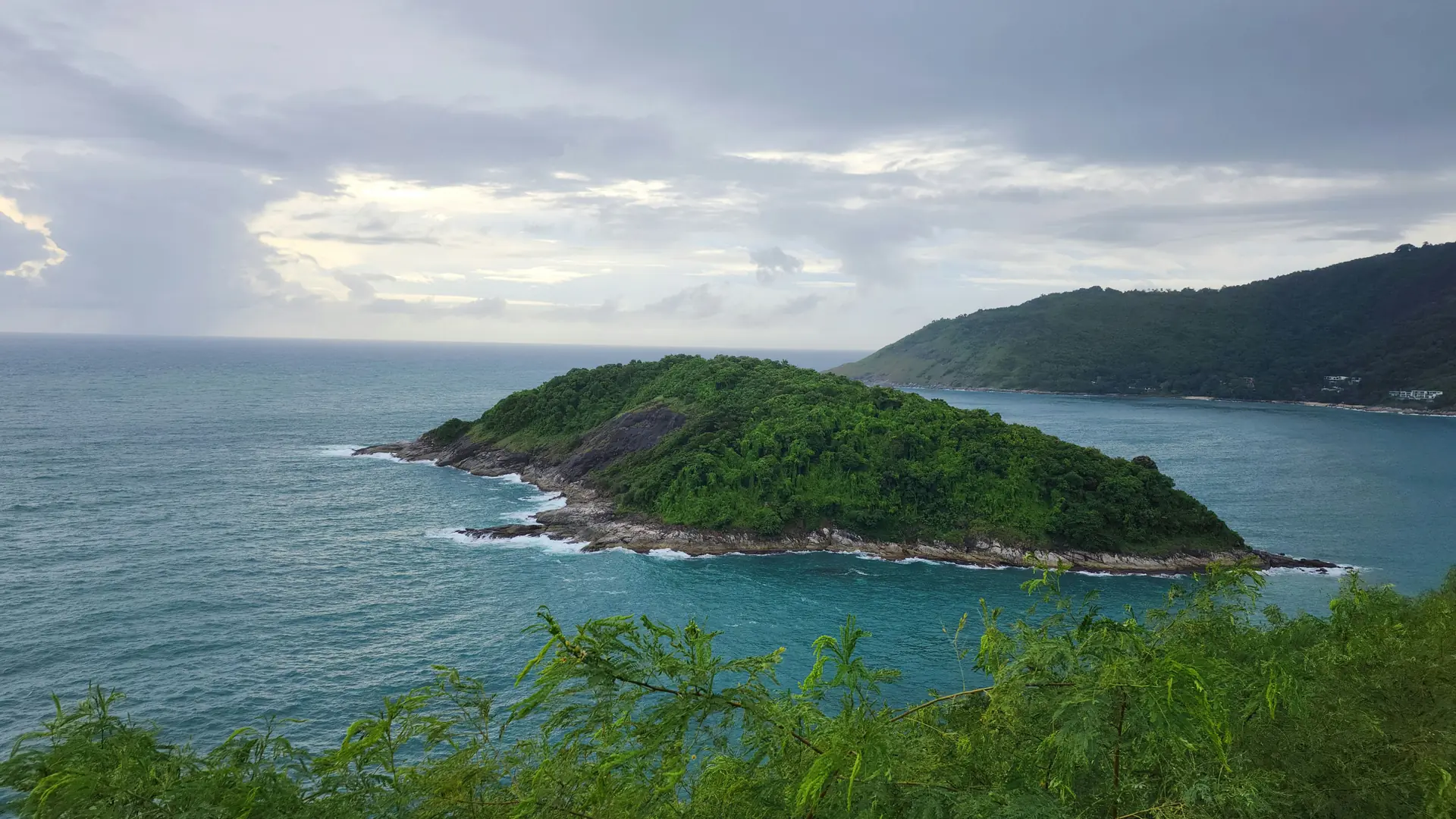
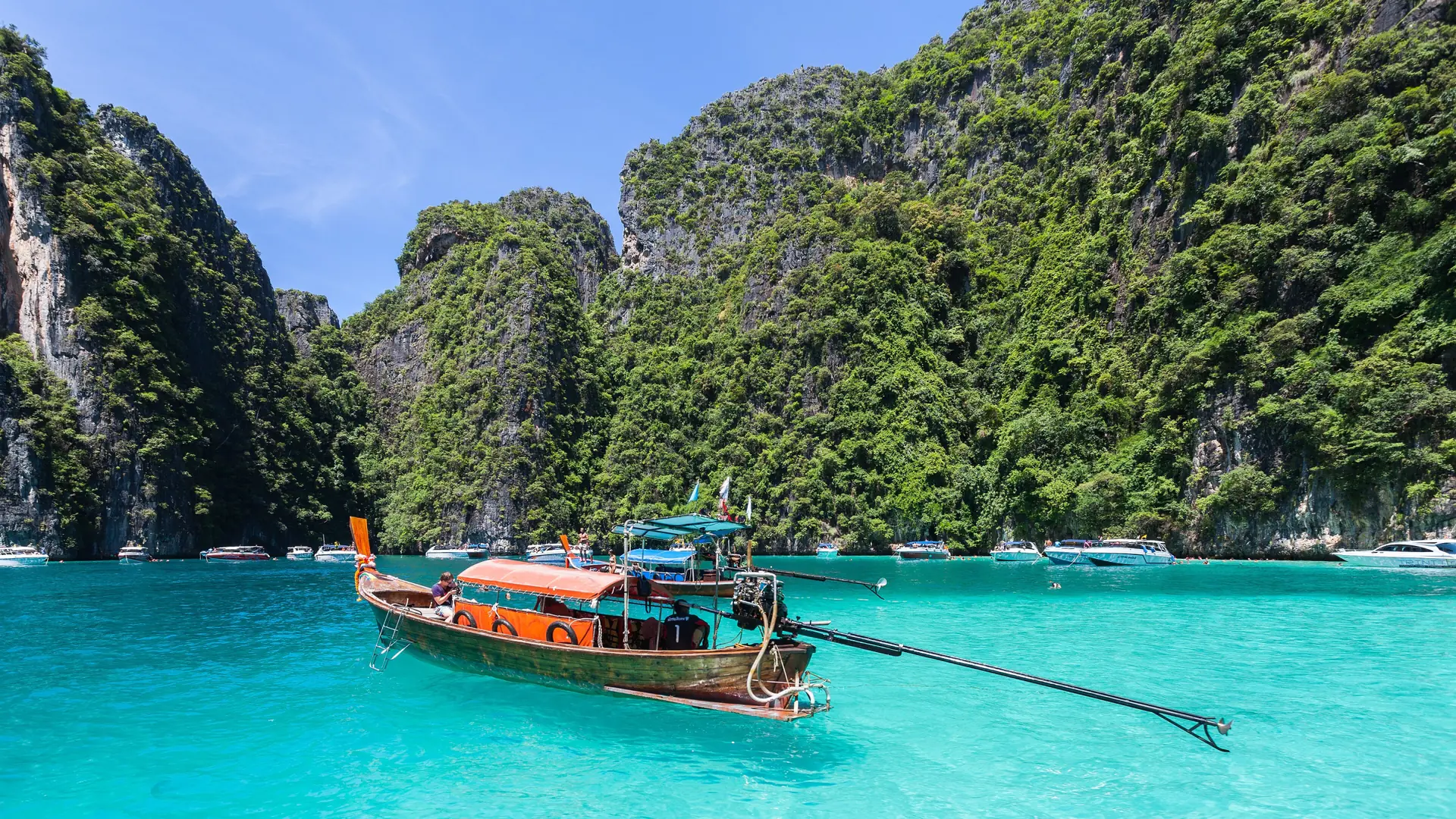
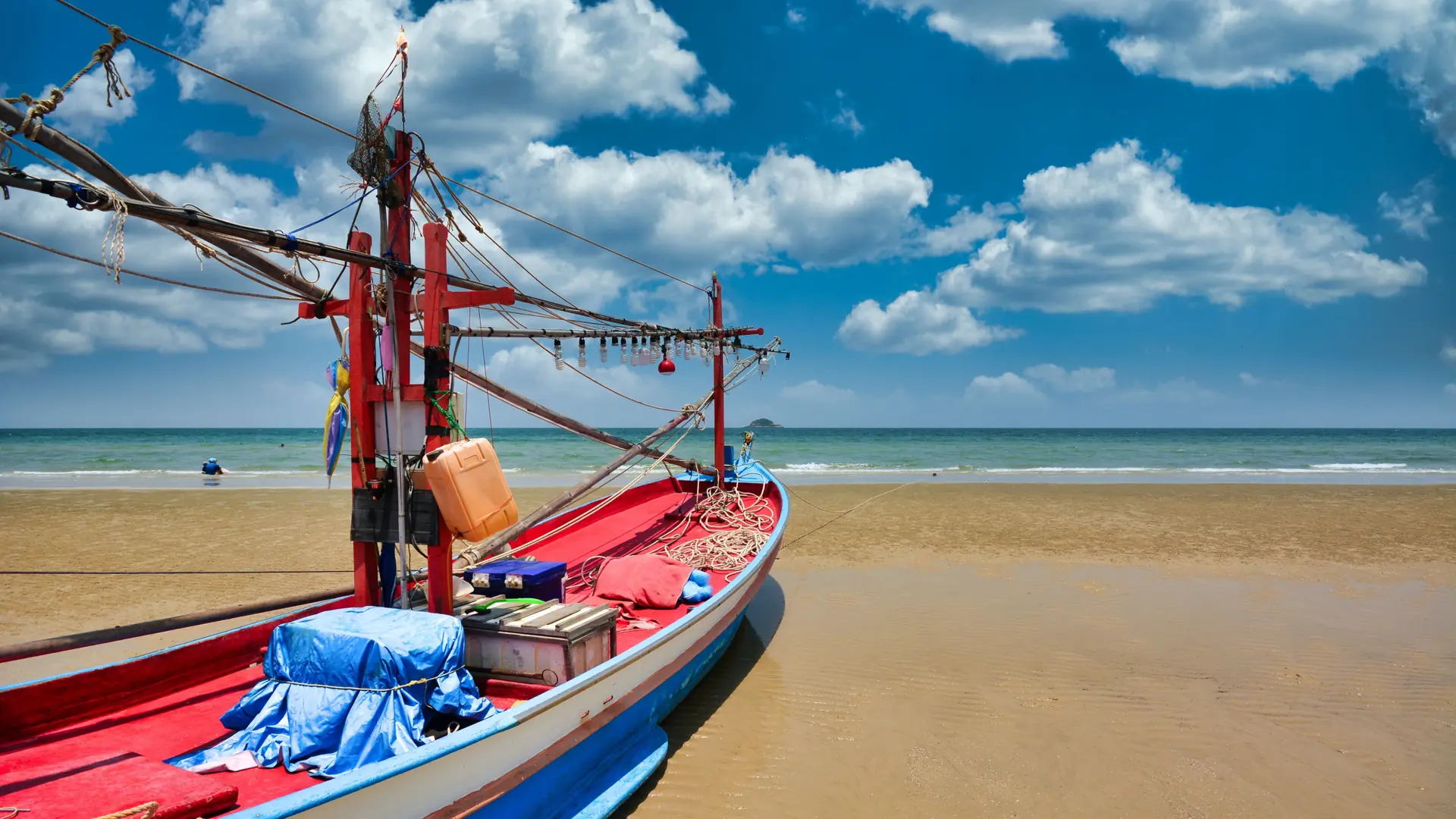
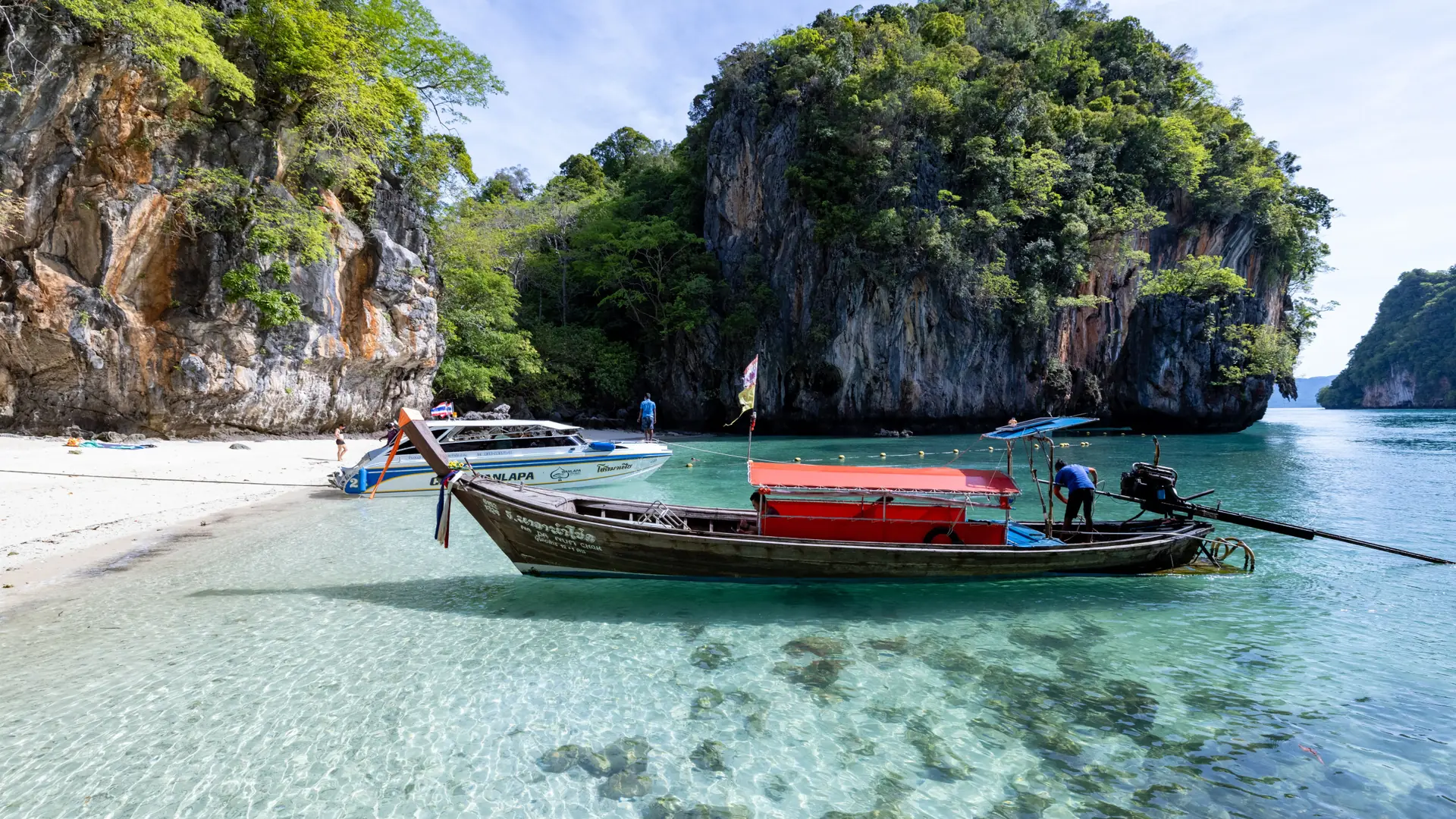
The Andaman coast contains several incompatible ideas of a beach holiday. Phuket has an international airport, the widest hotel range, active Patong, balanced Kata, planned Bang Tao and a heritage city inland. Krabi replaces urban breadth with limestone drama, long-tail boats and a choice between practical Ao Nang, boat-only Railay or isolated Tubkaek. Khao Lak stretches quietly north of Phuket with resort beaches, rainforest access and seasonal Similan departures. Koh Lanta slows travel along one long road; Phi-Phi removes roads and makes every luggage movement a boat problem. Pick the desired daily rhythm before comparing rooms.
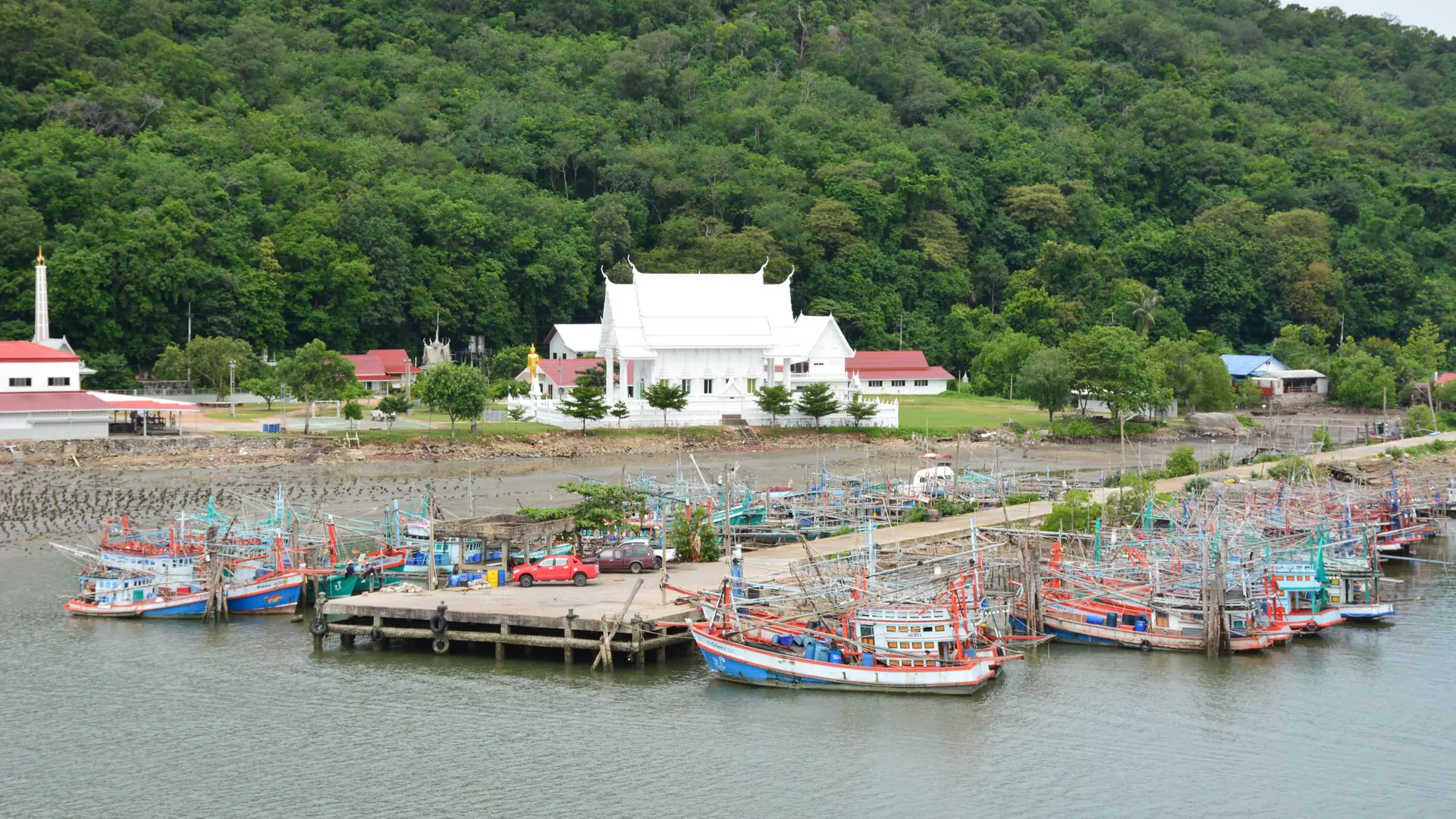
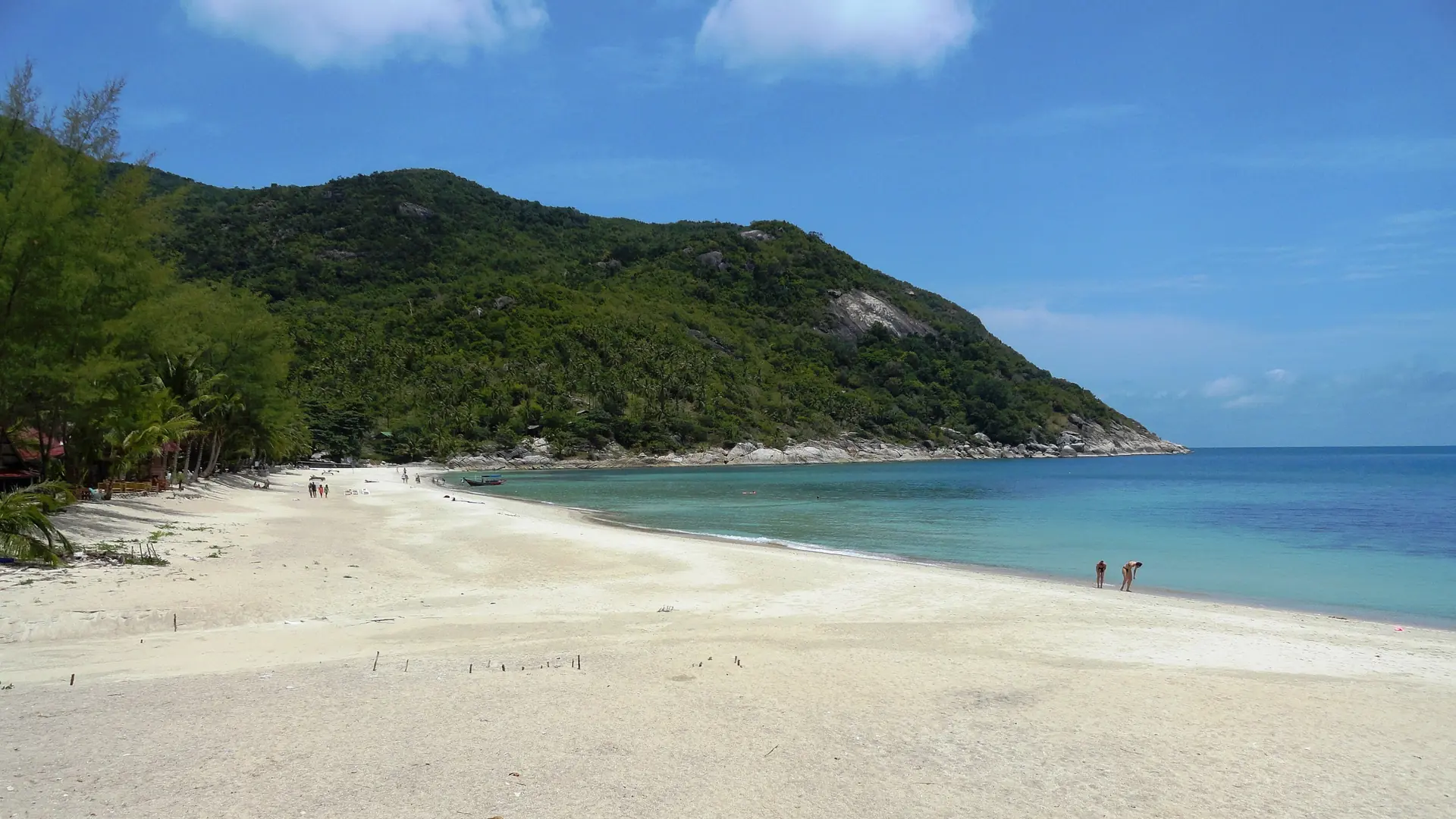
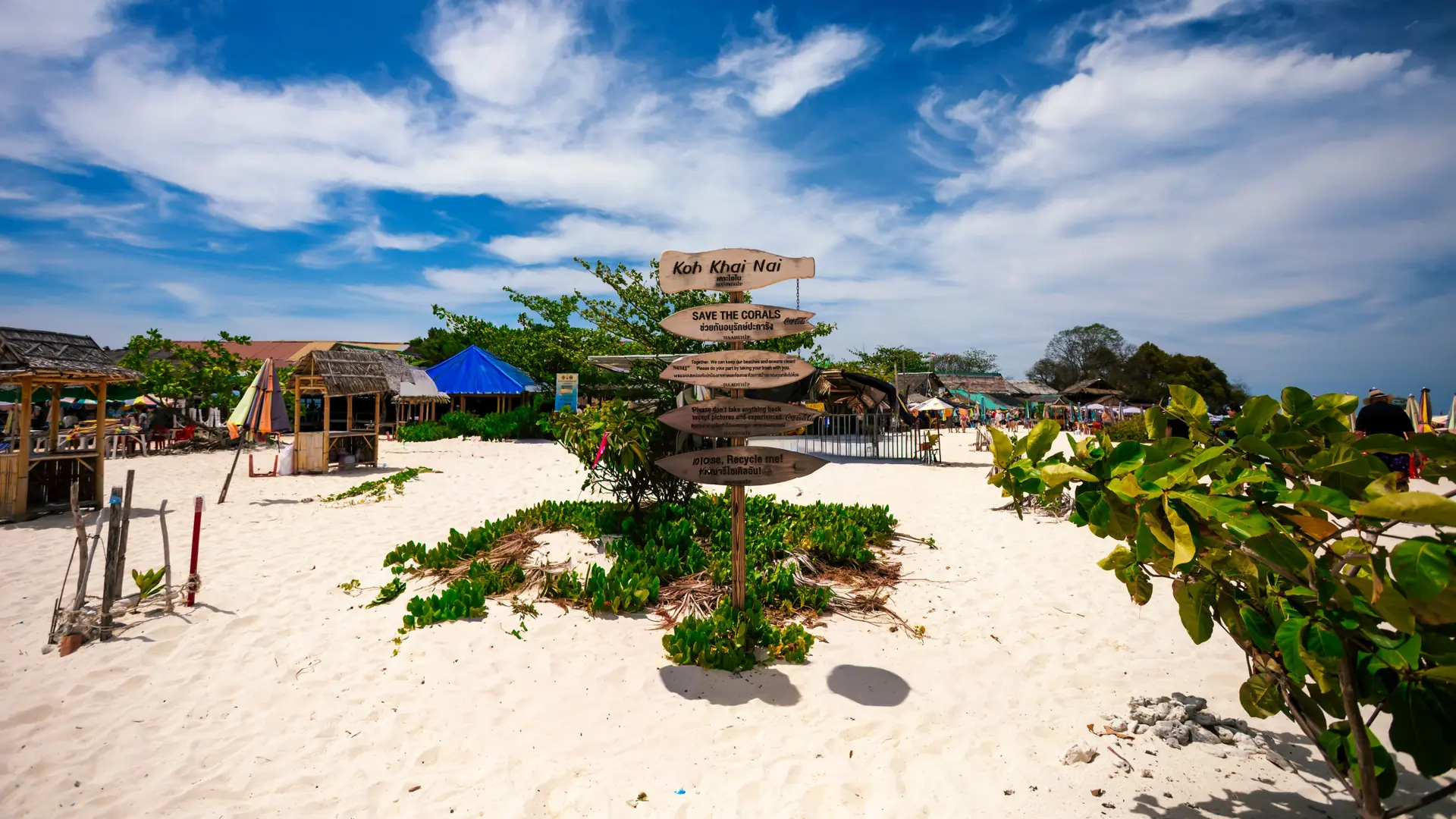
The Gulf islands answer another season and another set of travellers. Koh Samui offers flights, established resorts, spas and several developed coasts. Koh Phangan can mean Haad Rin during a Full Moon event, Srithanu’s wellness community, Thong Sala ferry logic or remote northern coves; those holidays should never share one generic island description. Koh Tao is smaller but operationally demanding because ferry timing and dive-course schedules govern mornings. A strong Gulf trip might pair two islands with distinct purposes. Three hurried islands create more pier time without delivering a third meaningful experience.
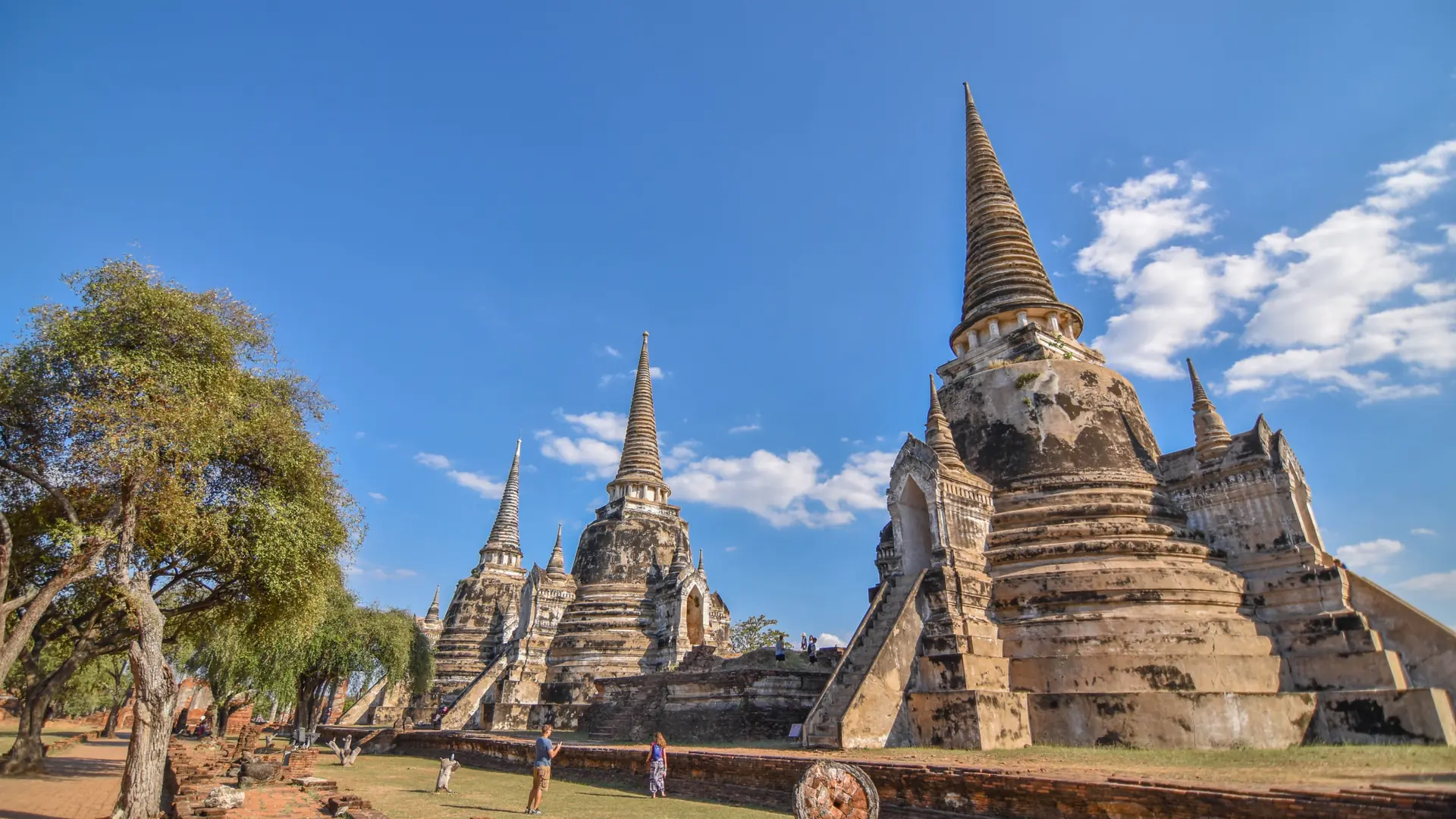
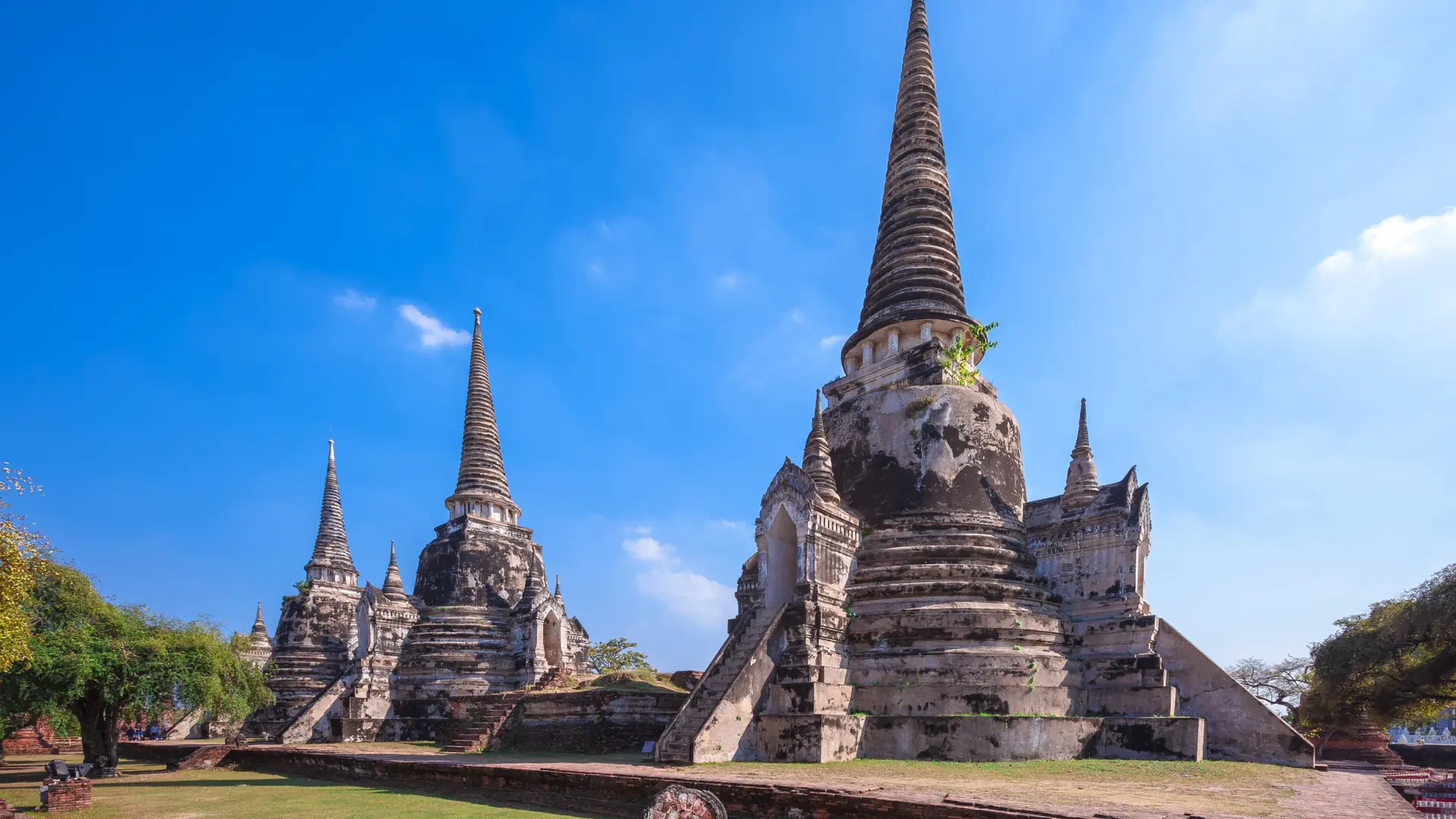
Ayutthaya is the useful reminder that proximity does not require a day trip. Trains and road transfers make the former capital accessible from Bangkok, yet an overnight stay changes which hours are available inside the World Heritage landscape. Sunrise cycling and late temple light happen outside the main excursion window; riverside meals give the city a present-day layer beyond ruins. Sleep on the historic island for direct access, near the east-bank station for a simple rail connection, or farther south for a quieter river setting. Heat and limited shade reward an early plan with a genuine midday retreat.
A two-week first route works when transfer arithmetic stays honest. Four nights in Bangkok, four in Chiang Mai and five on Phuket, Krabi, Khao Lak or Samui create three readable chapters plus two travel transitions. A culture-first alternative can replace part of the coast with Ayutthaya and Chiang Rai. An island-led holiday should choose one sea: Phuket–Phi-Phi–Krabi or Samui–Phangan–Tao, adjusted to season and ferry reality. Domestic flights save distance, but security, baggage, airport roads and hotel pickup still consume a substantial part of the day. Never count airtime as the whole journey.
Good Thailand planning protects uncertainty instead of pretending it away. Marine warnings decide boat comfort and sometimes whether a programme runs; national-park openings shape Similan or protected-bay access; current air quality can alter northern mountain days; arrival rules belong to immigration, not an old article. Book the accommodation and the least replaceable timed experience first, keep other days geographically compact and leave one outdoor block movable. The route then survives a storm, a late transfer or ordinary tiredness without forcing the traveller to abandon the experience that justified the destination.

 Bangkok