Historic Island west
ruins and sunrise access
Best fit: ruins and sunrise access.
Ask for a room behind the bustle.
Plan dinner and the return before quiet western-island streets lose easy transport.
Begin in Historic Island west. Use Hua Ro and northeast island for its speciality. Let the opening morning decide.
Add nights for weather or training. Avoid forced transfers.
Check access to Historic Island west. Include luggage and late-arrival limits.
Seasonal norms set context. Official forecasts govern actual days.
Choose one service per corridor. Recheck its final run.
Book the least replaceable experience. Leave routine choices flexible.
StartBooker answer
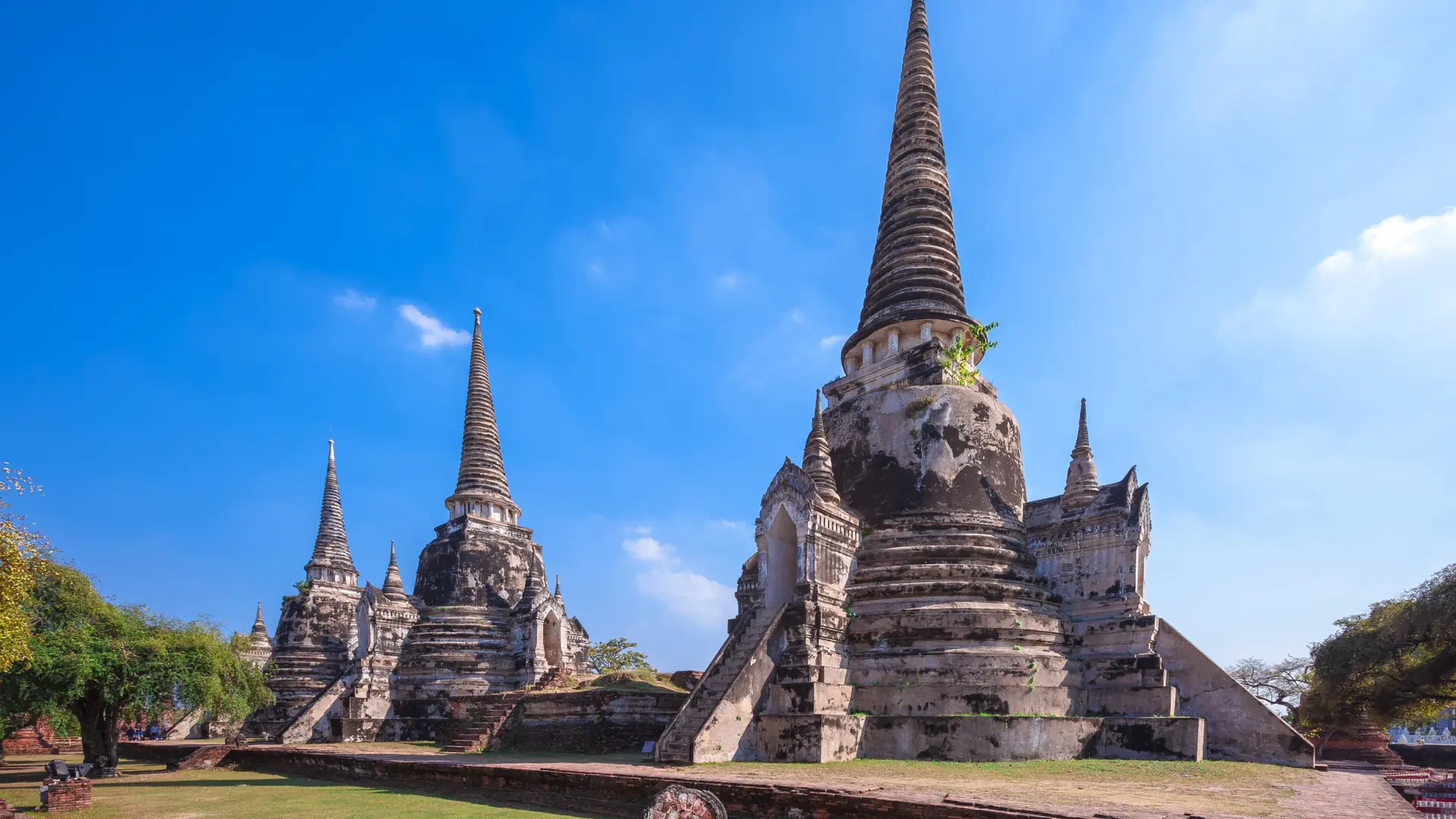
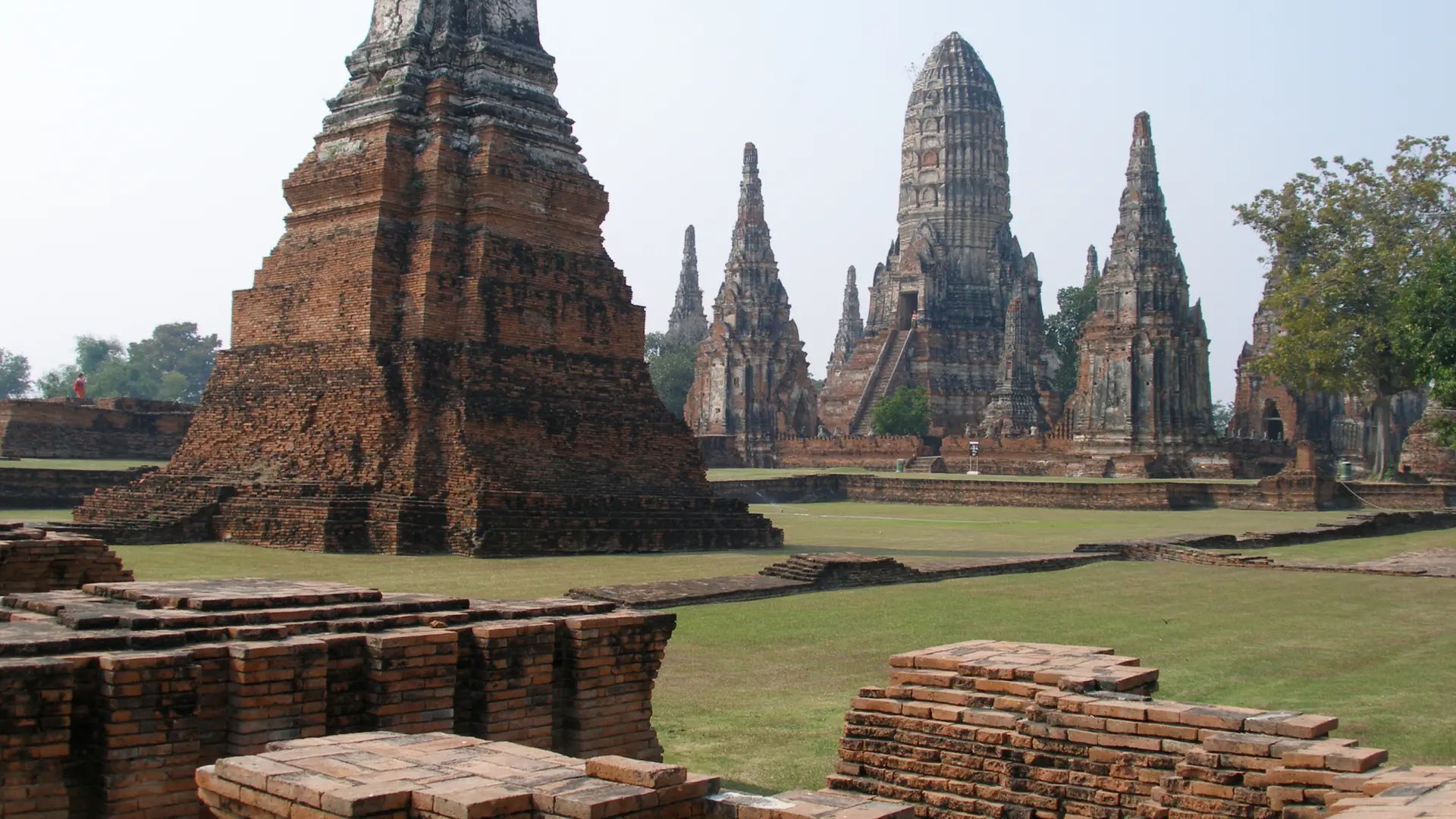
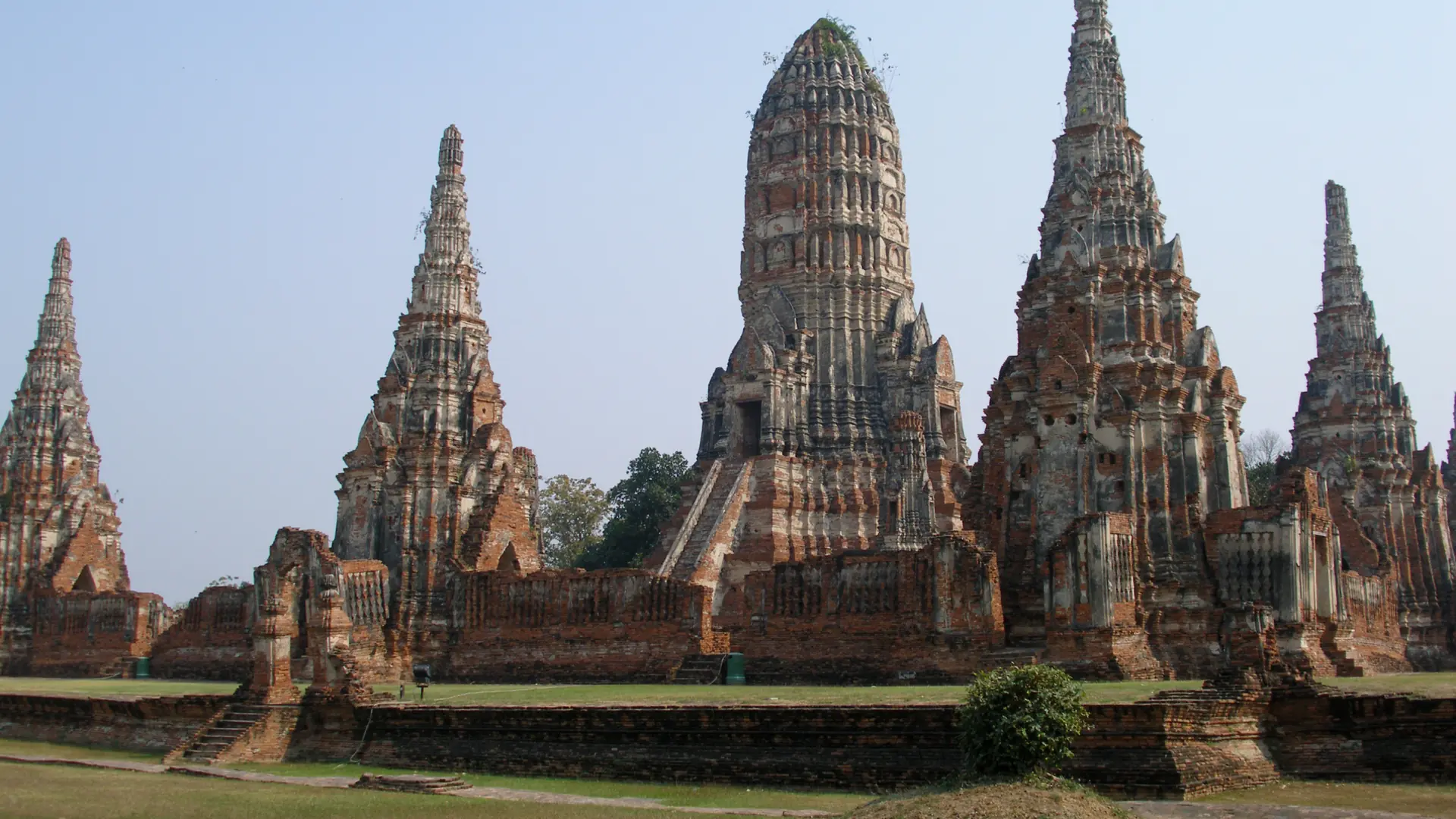
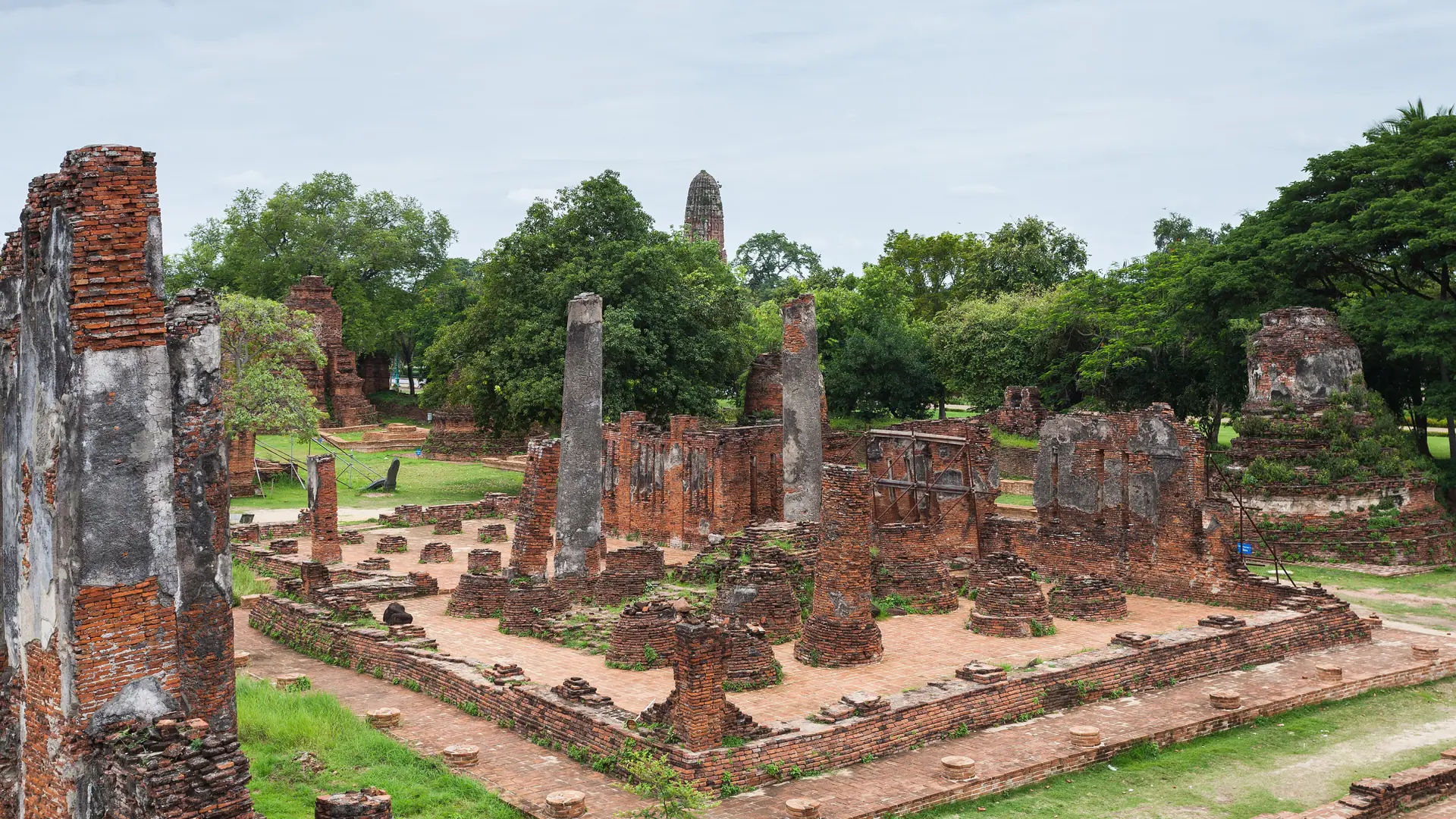
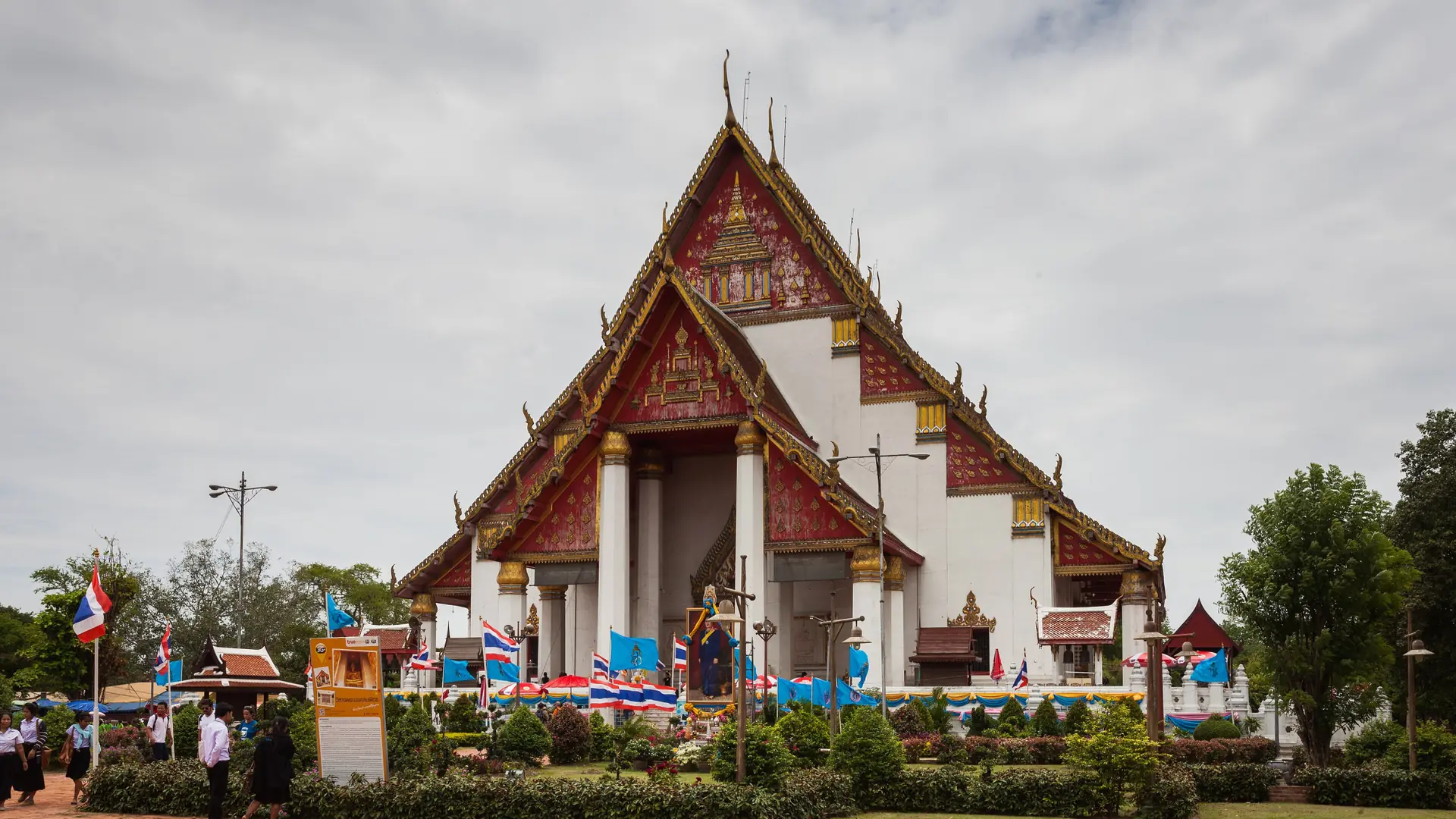
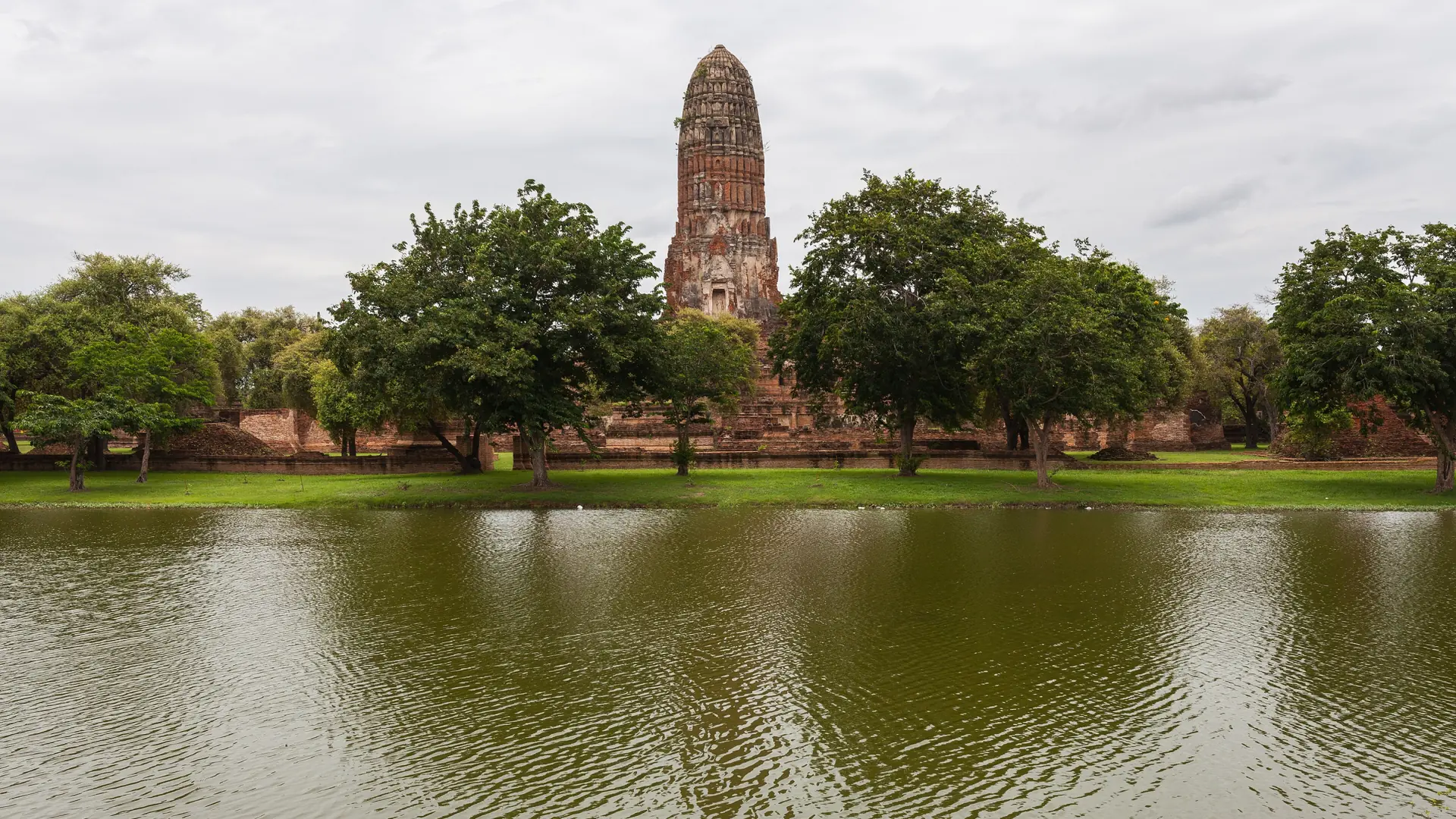
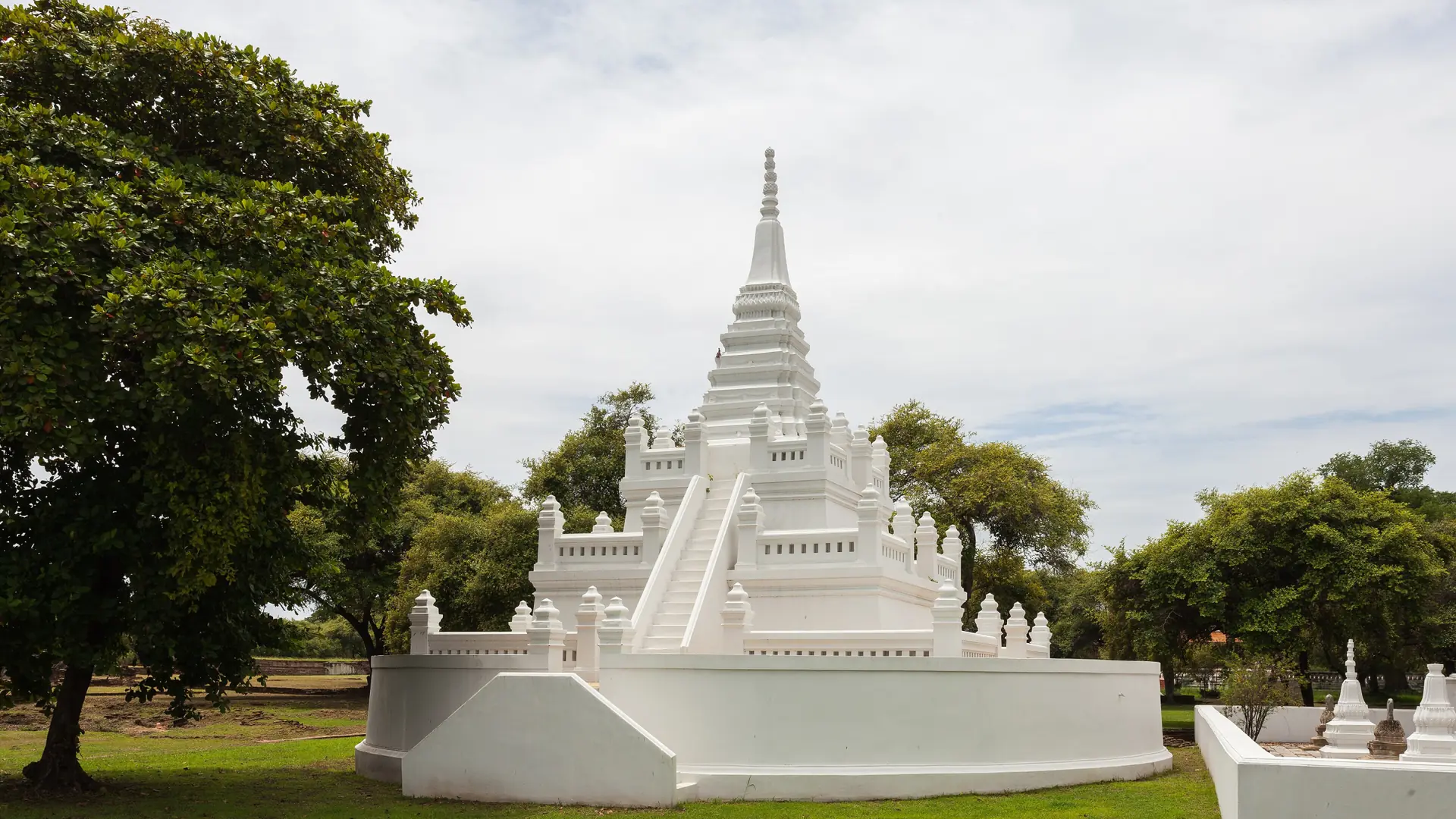
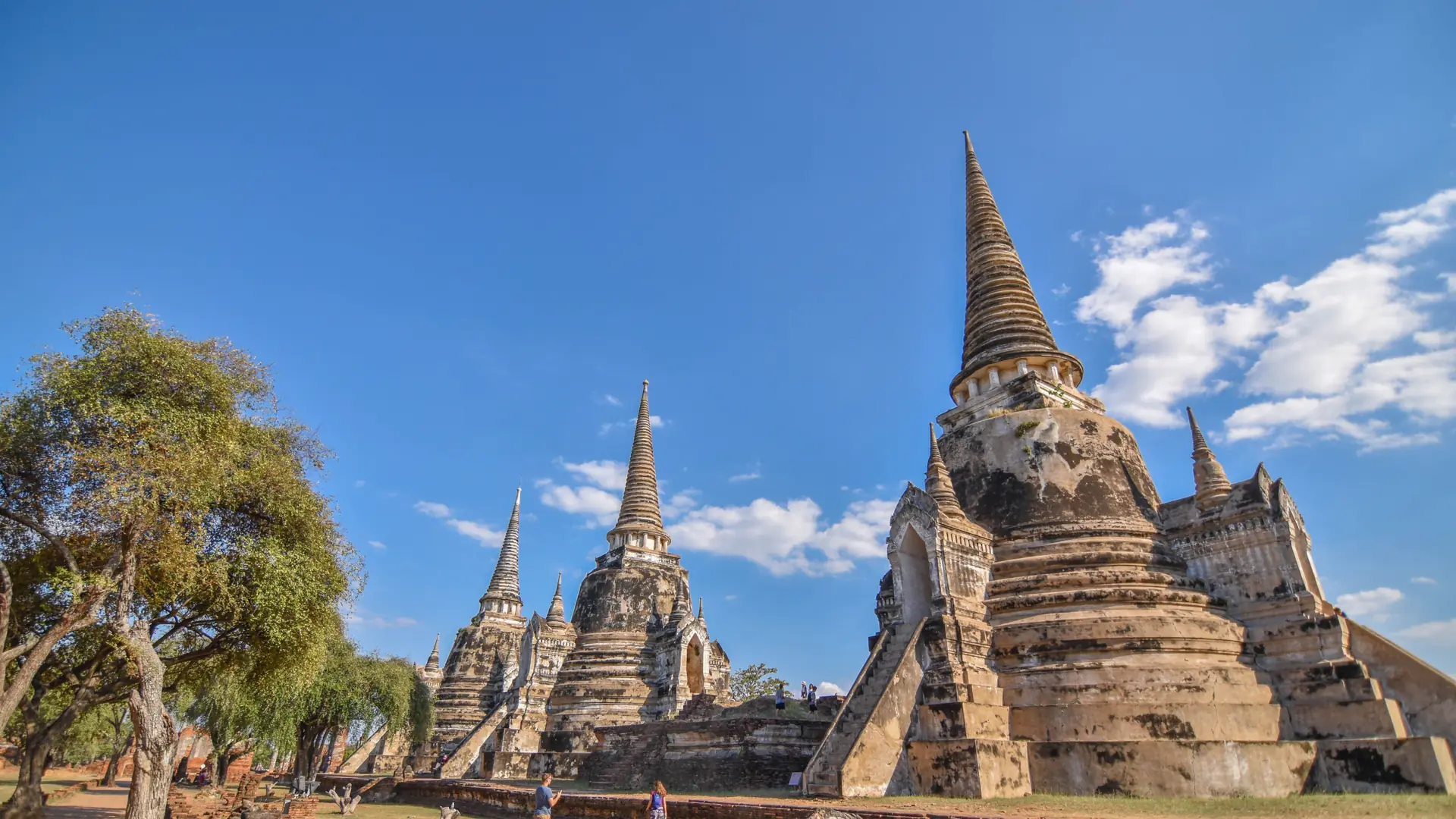
Stay on the western Historic Island to see Ayutthaya’s principal ruins before Bangkok day-trippers arrive. Hua Ro adds local food, the east bank simplifies trains, southern riverside properties bring atmosphere, and the Wat Chaiwatthanaram side favours sunset access. One overnight changes the visit more than adding another rushed temple to a same-day return.
The most useful first base
Historic Island west
Keep the opening brief broad. Arrival stays manageable here. Learn local movement before ranging outward.
The compromise is specific: Quiet streets after dinner offer less nightlife and fewer late transport options. Inspect the exact section. District character changes quickly.
These choices serve separate priorities. Match one to the real schedule.
ruins and sunrise access
Best fit: ruins and sunrise access.
Ask for a room behind the bustle.
Plan dinner and the return before quiet western-island streets lose easy transport.
markets and everyday Ayutthaya
Stay here for markets and everyday Ayutthaya.
Check that block after sunset.
Trace bridges and crossings because Hua Ro waterways break apparently short walks.
one-night rail stopovers
Purpose: one-night rail stopovers.
Ask what starts before breakfast.
Include the river crossing whenever an east-bank room is compared with temple access.
river views and heritage hotels
Schedule fit: river views and heritage hotels.
Walk the route after dark.
Map actual bridges from the south riverside rather than trusting straight-line distance.
palace extensions and drivers
Use it when palace extensions and drivers.
Verify nearby building work directly.
Use the Bang Pa-in corridor only with transport and no requirement for temple-park dawn.
| Area | Best for | Trade-off | Getting around |
|---|---|---|---|
| Historic Island west | ruins and sunrise access | Busy approach; verify room side | Best local links from Historic Island west |
| Hua Ro and northeast island | markets and everyday Ayutthaya | More transfers outside its speciality | Allow a transfer from Hua Ro and northeast island |
| Railway station and east bank | one-night rail stopovers | Limited late options or extra rides | Walk locally; ride beyond Railway station and east bank |
| South island riverside | river views and heritage hotels | Distance becomes part of the cost | Pre-price returns to South island riverside |
| Bang Pa-in corridor | palace extensions and drivers | Seclusion reduces spontaneous choice | Confirm the last connection home |
Hotel value includes saved hours. Atmosphere matters after dinner. Test both on the map.
Two dated plans begin here.
Key mornings begin elsewhere.
Railway station and east bank answers the opposing brief.
The speciality recurs across several days.
Quiet outweighs the local speciality.
Split only for an early start.
Local departures shape the schedule.
Its main advantage would go unused.
Visit once without moving rooms.
Evenings repeatedly finish nearby.
A single visit covers the need.
Use it near the departure date.
The setting carries the holiday.
Departure geography works against it.
Check access from Hua Ro and northeast island.
Compare live stays only after deciding which Ayutthaya district controls mornings, evenings and the departure day.
The main gateway starts the journey. The hotel door ends it. Services overlap unevenly. Record the last connection.
Read the dated operator service. Check the final departure. Late arrivals may need reservations.
Send the hotel pin and district. Keep a working contact offline. Multiple exits complicate vague pickups.
Choose one service per corridor. Match luggage and return time. Keep a delay fallback.
Anchor one day around Railway station and east bank. Transfer once with purpose. Heat punishes fragmented walking.
Rent only for a named loop. Check licences, insurance and parking. Price a driver as comparison.
Count planned rides before buying. Check activation and included operators. Private transfers may remain separate.
Check the entrance, lift and bathroom. Ask about pavement, sand or gangways. Confirm the actual transfer vehicle.
Expect changing conditions. Price awkward movement early. Keep one block movable.
November to February makes exposed ruins easier to explore; hot-season afternoons demand shade, and high water or heavy rain can alter riverside access. Keep the exposed day movable. Read official warnings.
Busy dates tighten useful inventory. Refundable proximity can win. Transfers erase false bargains.
Dry weather can still exhaust. Start exposed sights early. Keep an appealing indoor pause.
Arrival and late returns affect cost. Historic Island west differs from South island riverside. Count luggage transfers too.
Reserve scarce experiences through accountable sellers. Keep ordinary spending flexible.
Changing hotels consumes useful hours. Move for a distinct experience. Otherwise retain one room.
Broad labels can hide another shore. Pin the real entrance. Test the nighttime return.
Keep a recovery window before departure. Weather and congestion deserve margin.
Ask what faces the shortlisted room. Name every possible sound source. Verify nearby building work.
Ayutthaya becomes more rewarding when the bed supports an early heritage-park start. Choose Hua Ro, the station side or a southern riverside stay when rail convenience, evening food or a river-focused hotel outweighs being beside the headline ruins. Check which river side the property occupies and map the first temple cluster; a nearby-looking ruin may still require a bridge or ferry connection.
Two nights produces one full heritage day plus dawn and late-afternoon light; one night still offers much more than a rushed Bangkok return. Three nights suits travellers adding Bang Pa-in or slower river exploration. Count midday heat as a real limit when estimating how many temple compounds fit into a day.
Cooler dry months make cycling and open ruins easier, but they also draw stronger demand. Hot months require early starts and long shade breaks; heavy rain can affect paths and river conditions. Use the daily forecast and site notices rather than assuming every historic compound has the same drainage, shade or opening pattern.
Bicycles work for confident riders on a compact route, while tuk-tuks or hired cars connect wider ruins with less heat exposure. The railway station sits east of the river, so arrival may include a crossing and final ride. Choose one temple cluster at a time instead of zigzagging through modern traffic between every famous name.
Trains and road services connect Ayutthaya with Bangkok, each arriving at a different practical starting point. Match the timetable to hotel check-in and store luggage only where confirmed. A same-day onward train leaves little margin for heat, queues or a late driver, so an overnight plan should avoid stacking fixed departures.
Riverside stays south and west of the busiest centre can be peaceful, while the Historic Island varies around roads, schools and tour parking. Station-side rooms trade romance for simple rail access. Ask about events, riverboat noise and room orientation, then check whether evening restaurants remain walkable after temple areas close.
Book a characterful riverside or heritage-area room for popular weekends, and reserve a guide or driver when historical interpretation matters. Confirm current site hours and any conservation closures. Ordinary temple entry can remain flexible, but the return train or private Bangkok transfer deserves enough margin to survive a slower final visit.
Ayutthaya’s ruins include gravel, grass, thresholds and exposed distances. Confirm the hotel route and vehicle, then identify which compounds offer the most workable approach for the traveller’s needs. A private driver can reduce repeated boarding and long roadside walks, but it cannot make every ancient stair or platform step-free.
Ayutthaya is often affordable, yet a very short visit can spend disproportionately on transfers and a rushed private circuit. Compare an overnight room plus slower tuk-tuk hire with a premium Bangkok day tour. Add luggage storage, station transfers, entrance fees and guide time before deciding which format gives better value. Ayutthaya costs depend on whether the traveller buys interpretation, speed or time. A basic overnight with bicycle travel can be inexpensive, while a knowledgeable guide and private vehicle add value by connecting scattered ruins and historical context. Compare that with a Bangkok day tour after including the early transfer and compressed midday hours. Temple admissions, museum entry, river transport, luggage storage and the station-side tuk-tuk should appear in the estimate. A heritage-area room may cost more than an east-bank room but protect sunrise and sunset access. Flexible booking is useful when heat or heavy rain changes the outdoor sequence.
Plan an early temple cluster, retreat during the harshest heat, and return for a different riverside or western group in late light. Leave room for the museum or a shaded meal that explains what the ruins represent. Ayutthaya rewards context and changing light more than counting the maximum number of chedis. A humane Ayutthaya day avoids a noon marathon. Begin with one western or central temple group, pause for a museum or long shaded meal, and return to another cluster when the brick cools and light improves. Use a driver for distant sites rather than cycling through heavy traffic solely to maximise a list. Bang Pa-in deserves its own half-day if included; it should not be an afterthought before a fixed train. The overnight advantage appears after day buses leave, so protect that evening. With context and rest, three major compounds reveal more than eight rushed gates and nearly identical photographs. Place the most important roofless ruins before the strongest heat, then use Chao Sam Phraya National Museum or a long meal as a true midday pause. A sunset river circuit can complement the land route when it reaches different perspectives; it should not repeat a full checklist from the morning. Cyclists need conservative distances, lights and awareness of busy roads, while families may prefer a tuk-tuk for widely separated compounds. Confirm the closing time of the final site and the last practical train before settling the sequence. An overnight visit works because it removes that deadline from one end of the day.

Reviewed by StartBooker editorial team Travel editorial research and rewrite
Last reviewed 2026-09-15
Editorial method: This Ayutthaya guide was written from Thai tourism, weather, gateway and transport records, then challenged against Lonely Planet and Rough Guides coverage. Claims that can change are tied to the responsible operator; neighbourhood recommendations were edited around distinct traveller decisions rather than a shared destination template.
12 sources reviewed
Which Ayutthaya area saved you the most travel time?