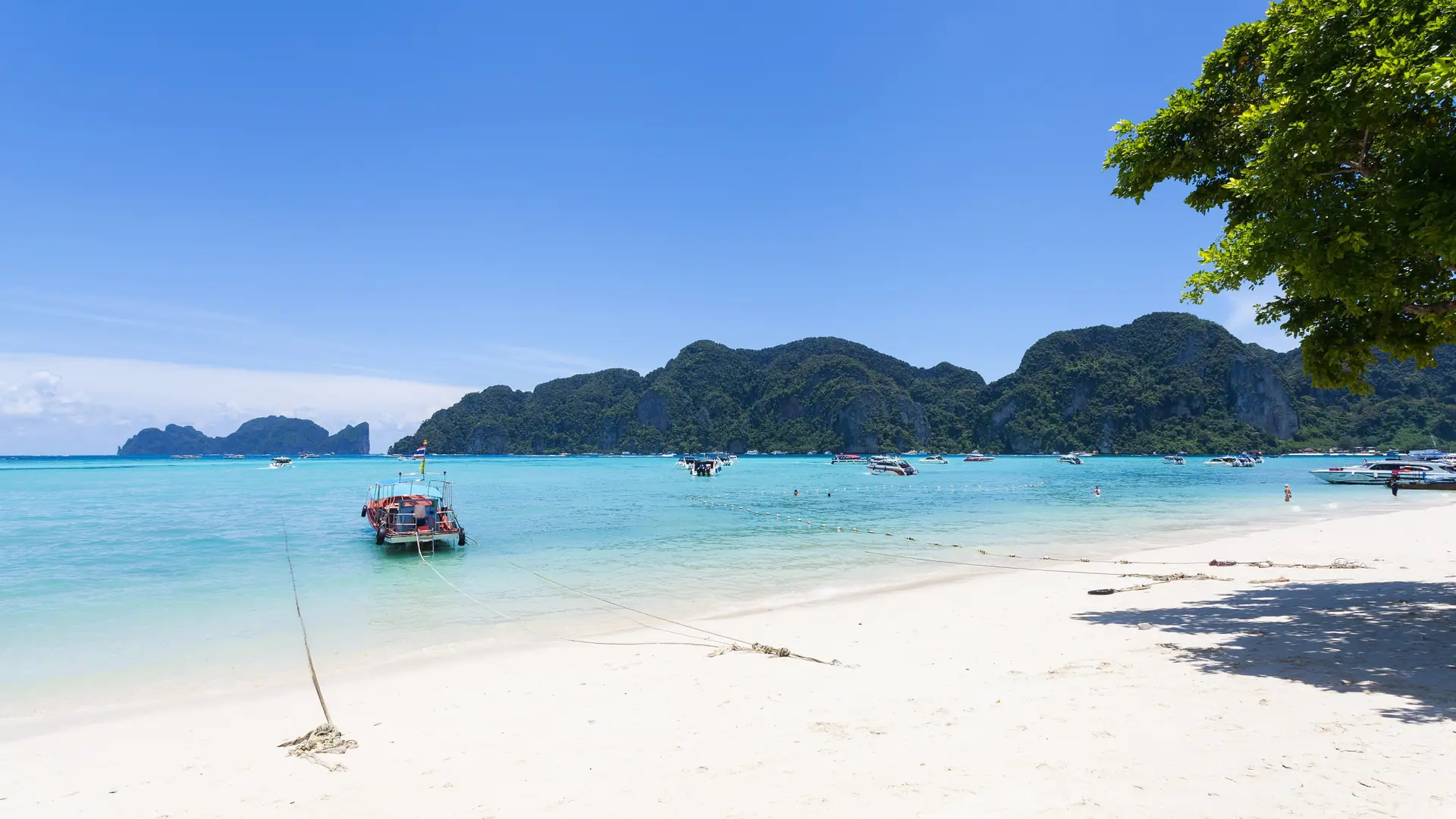
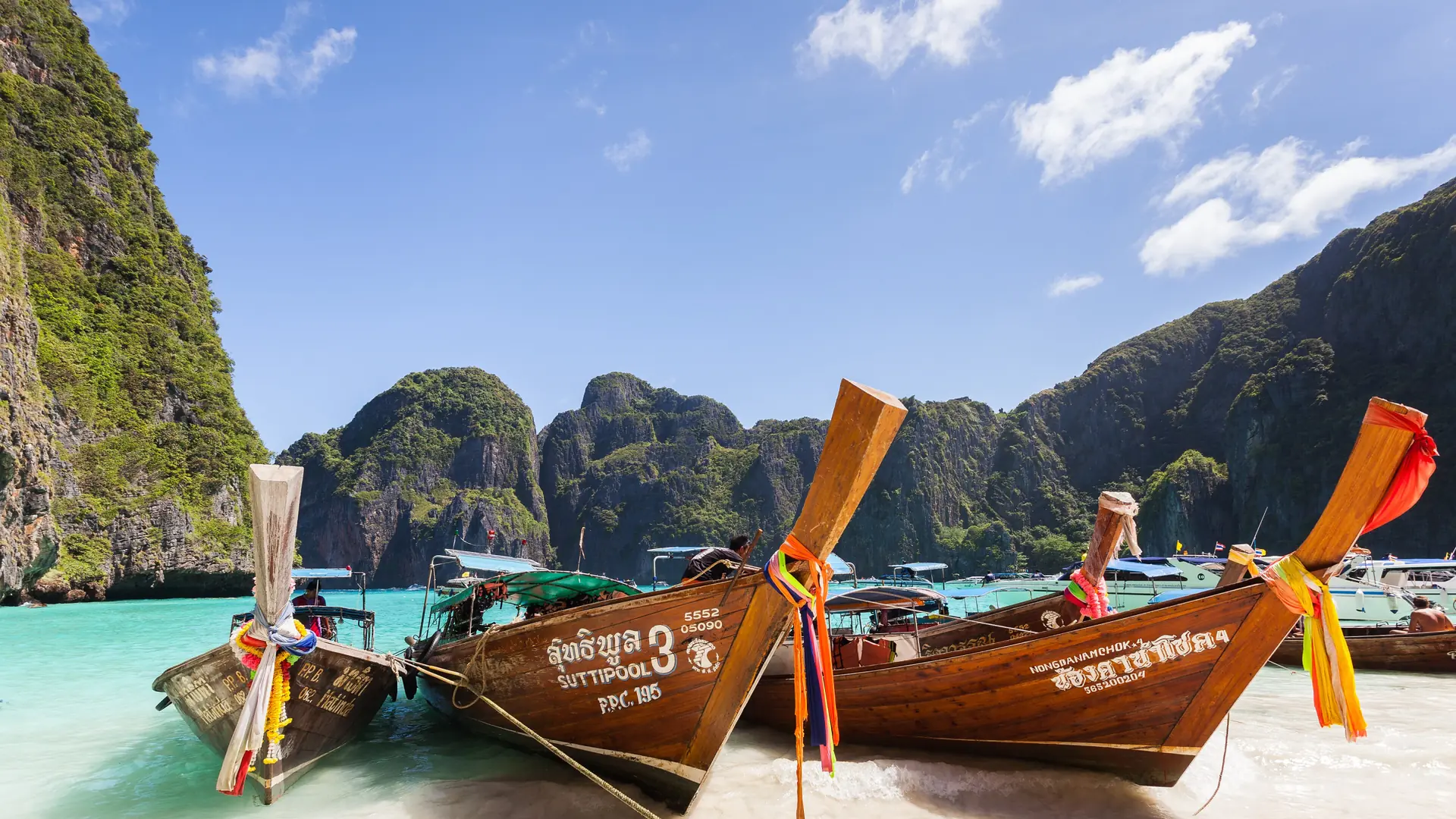
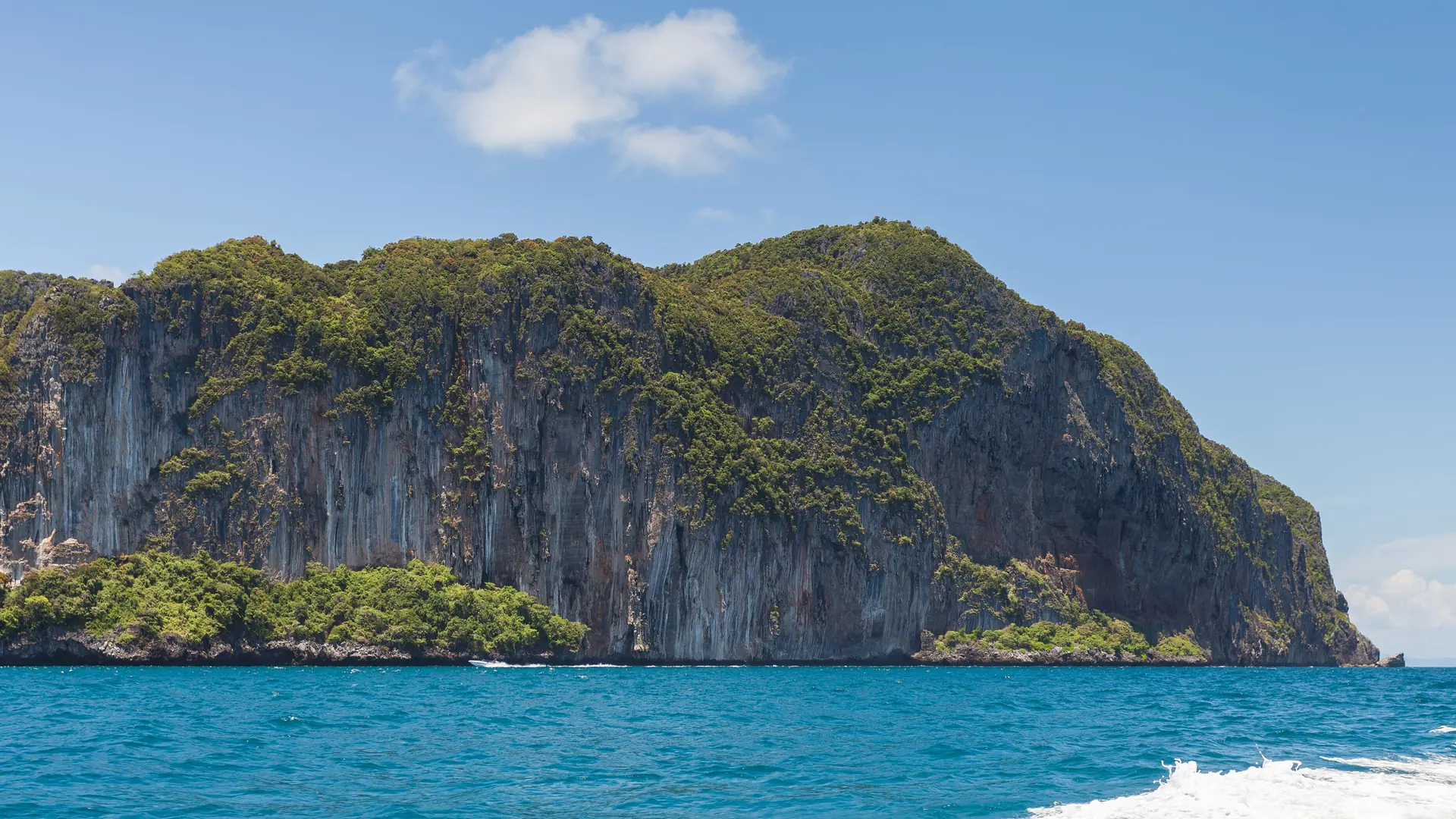
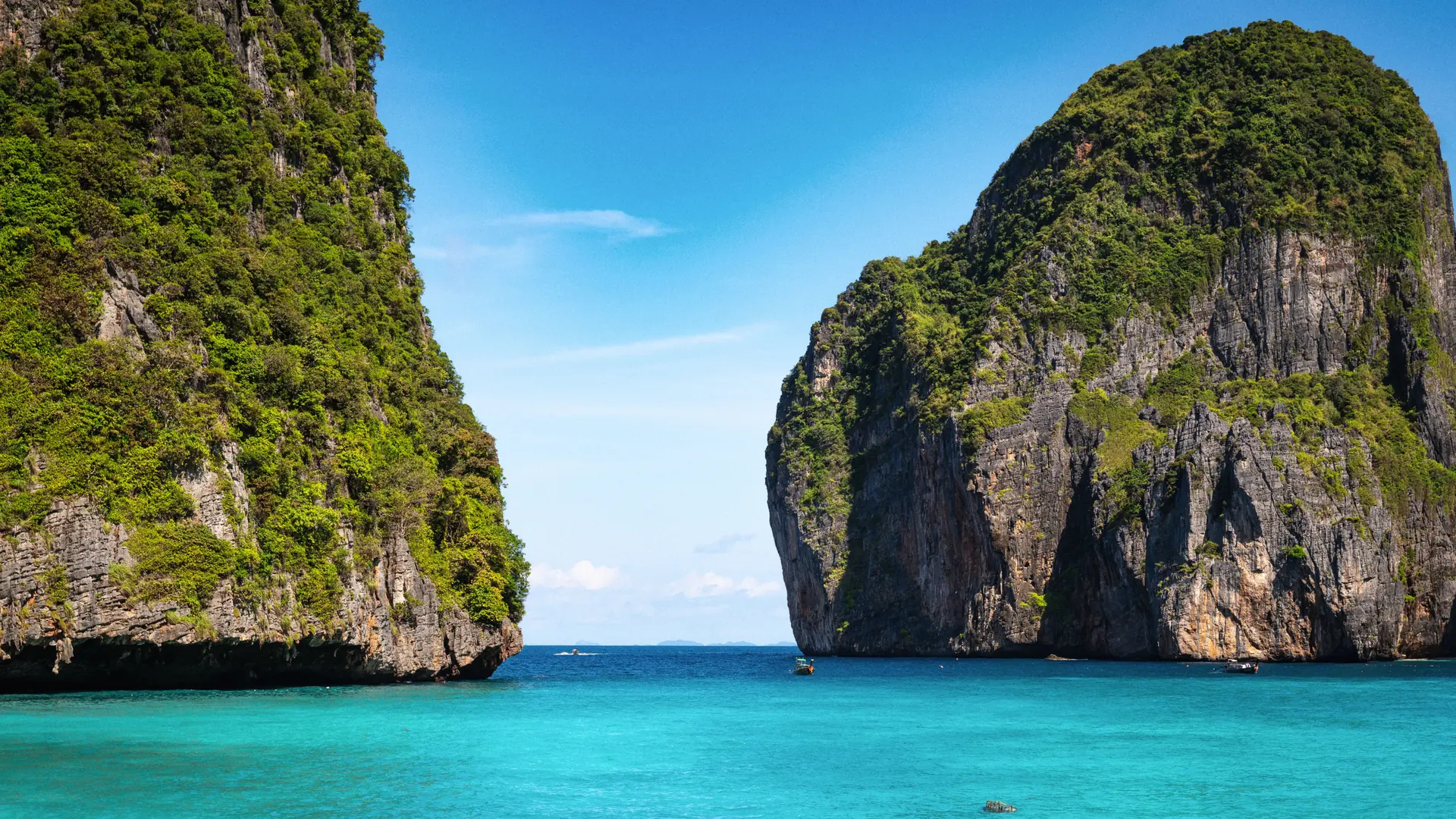
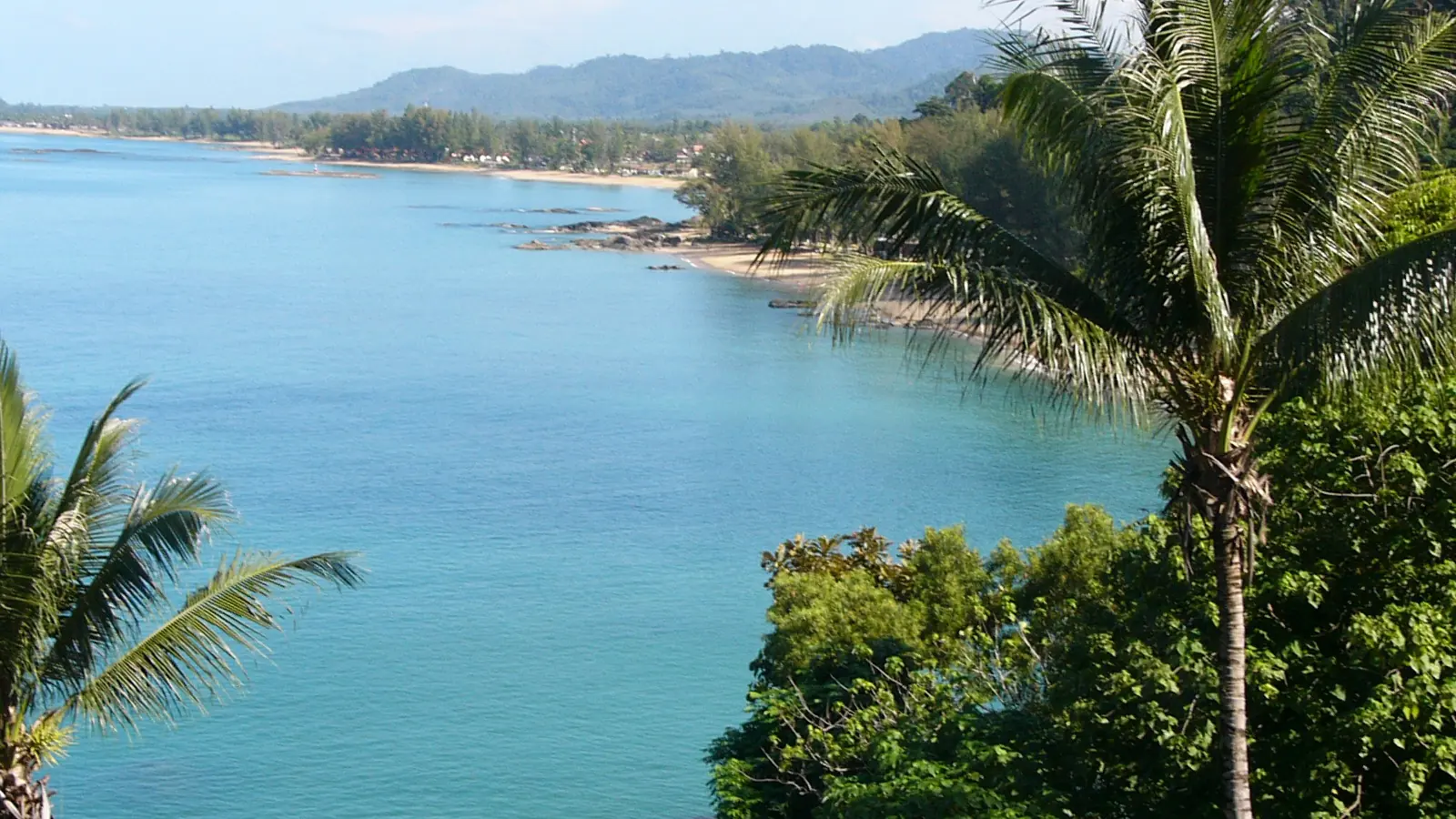
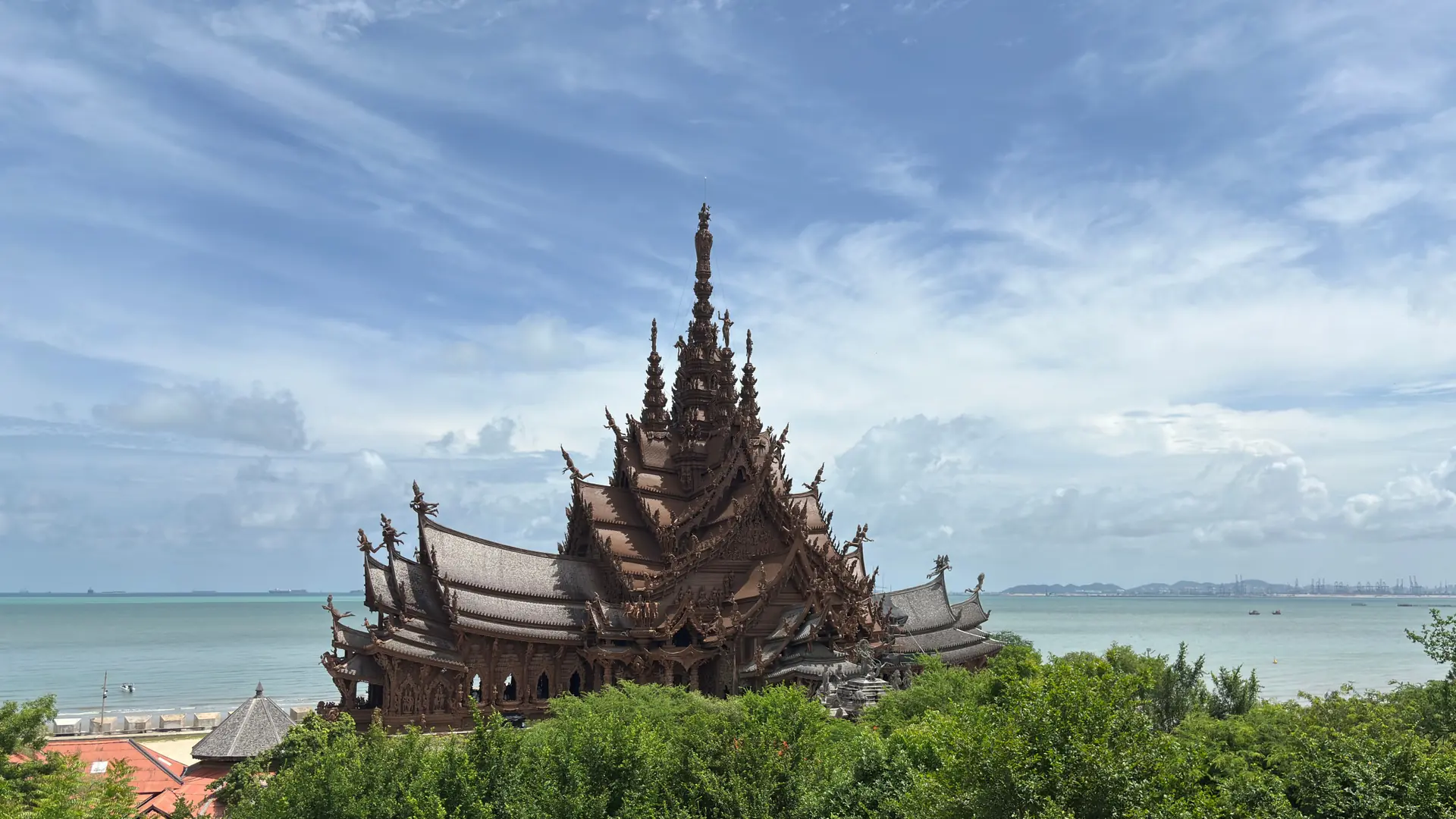
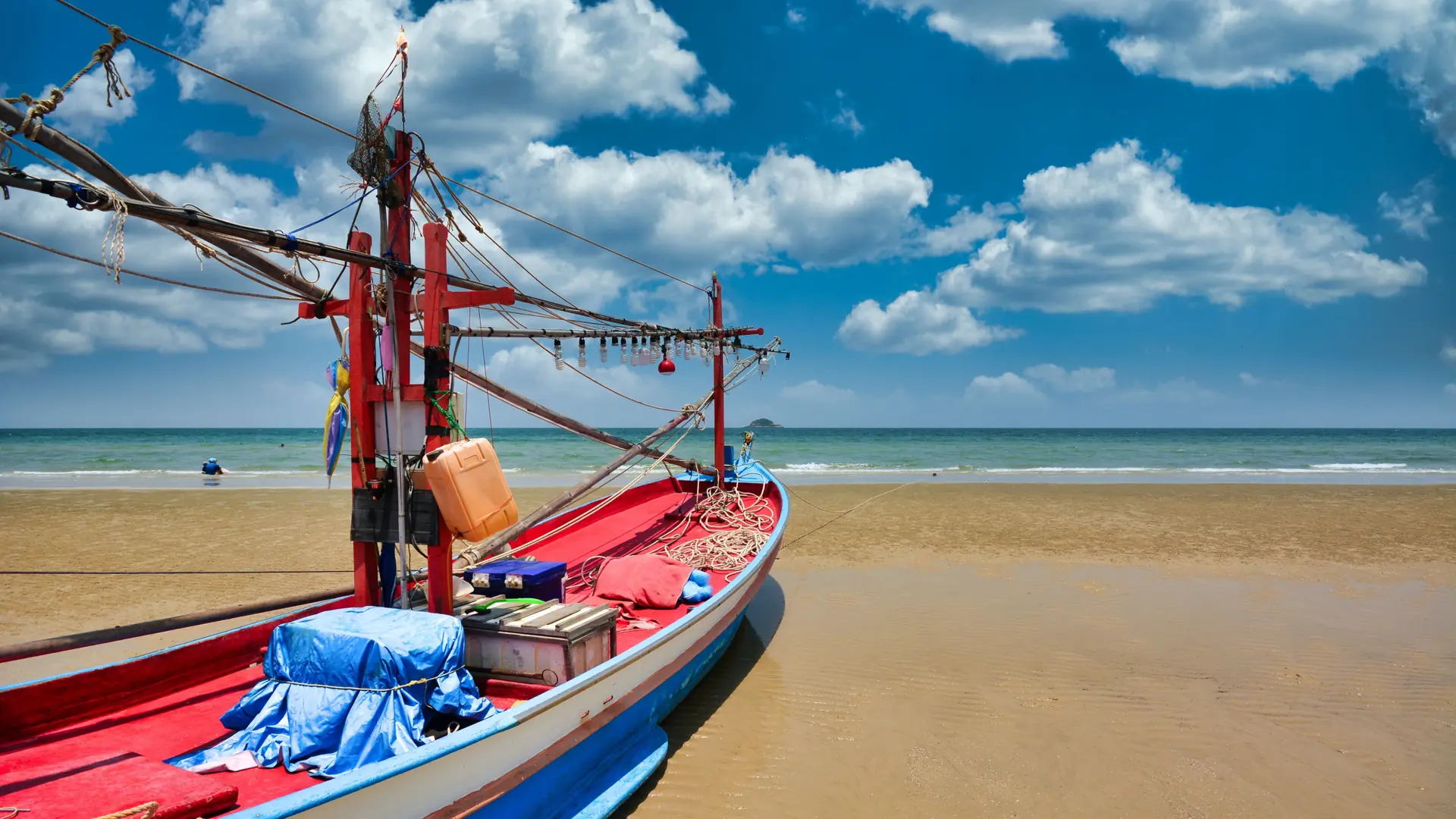
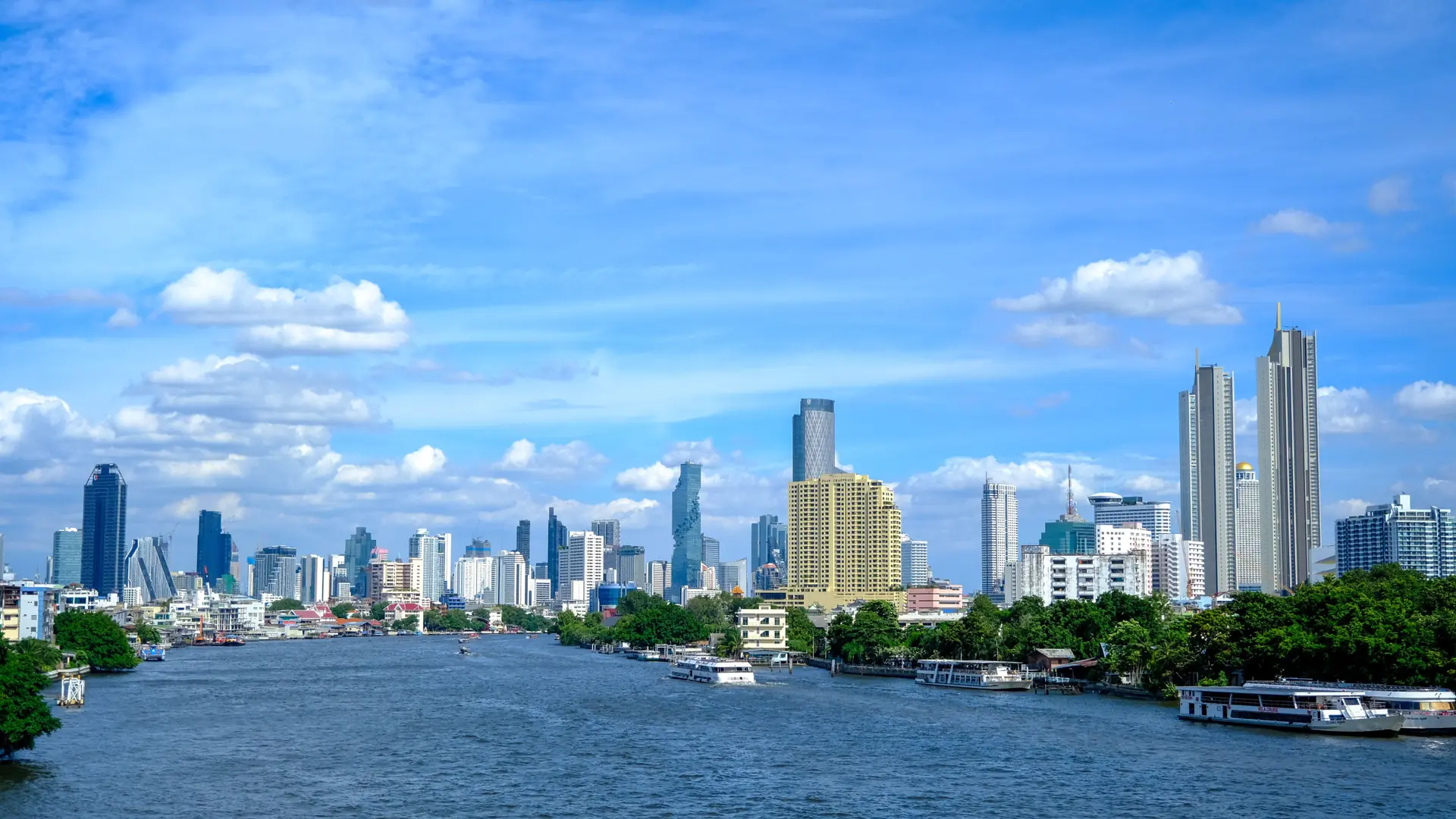
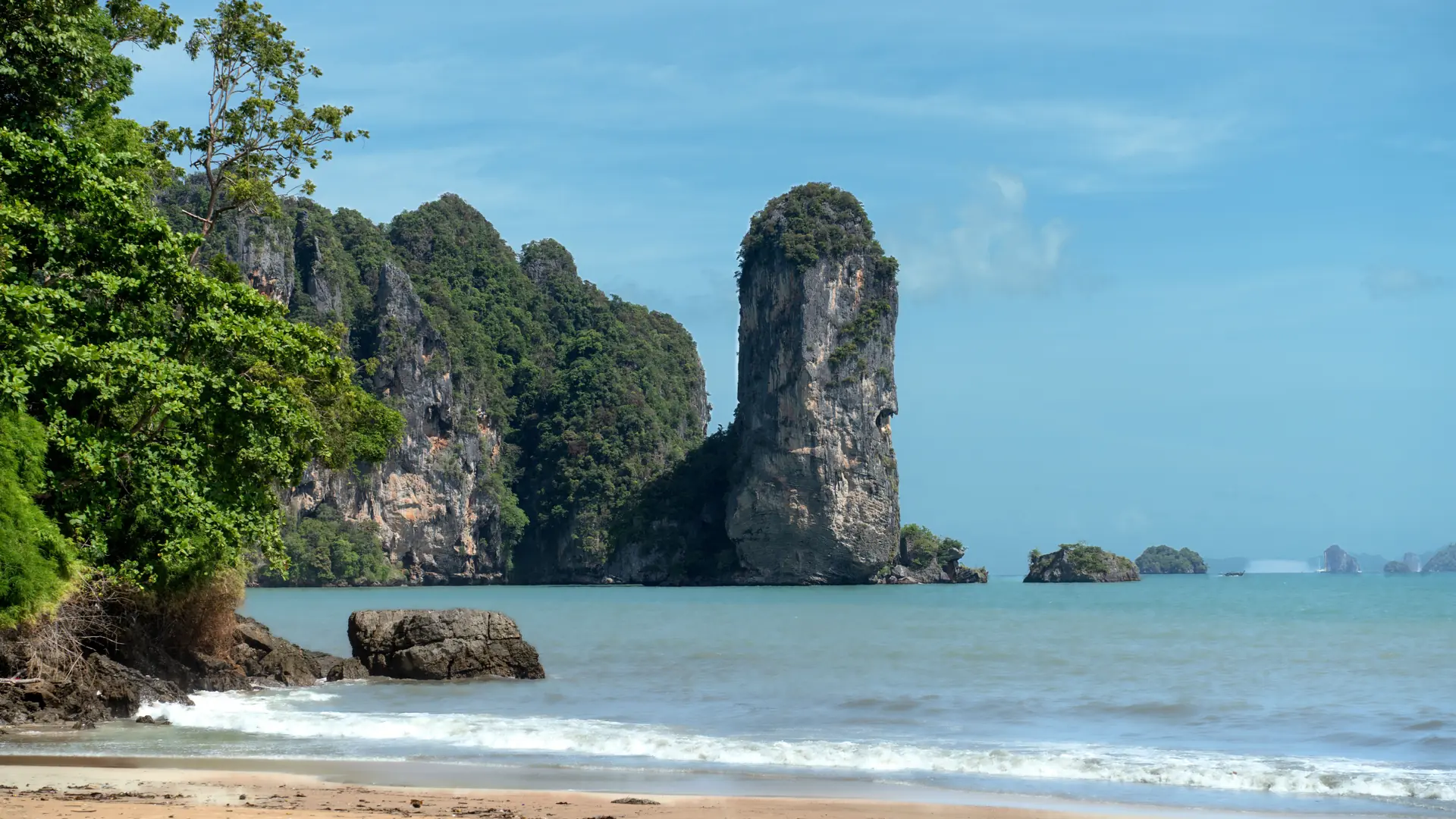
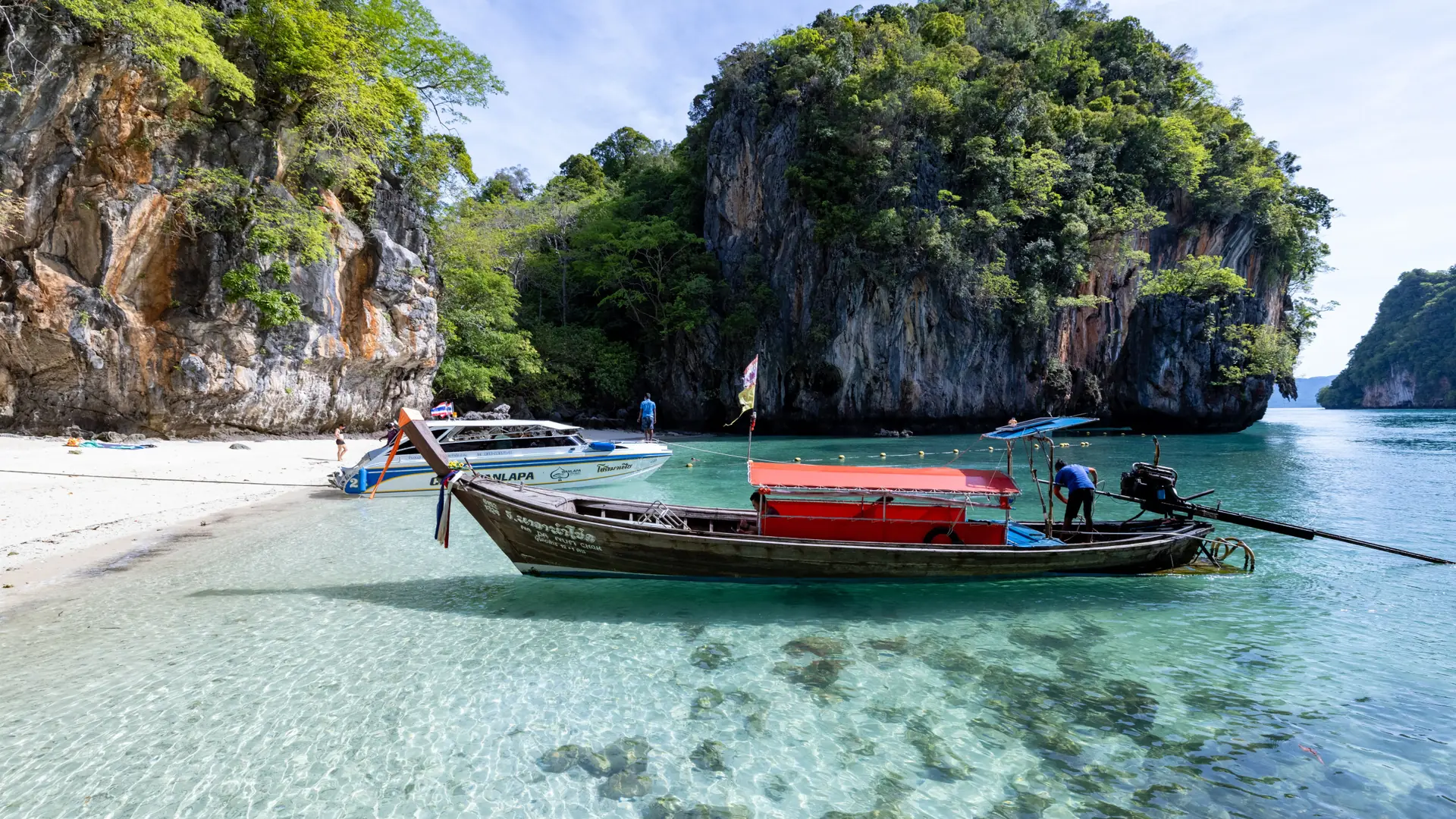
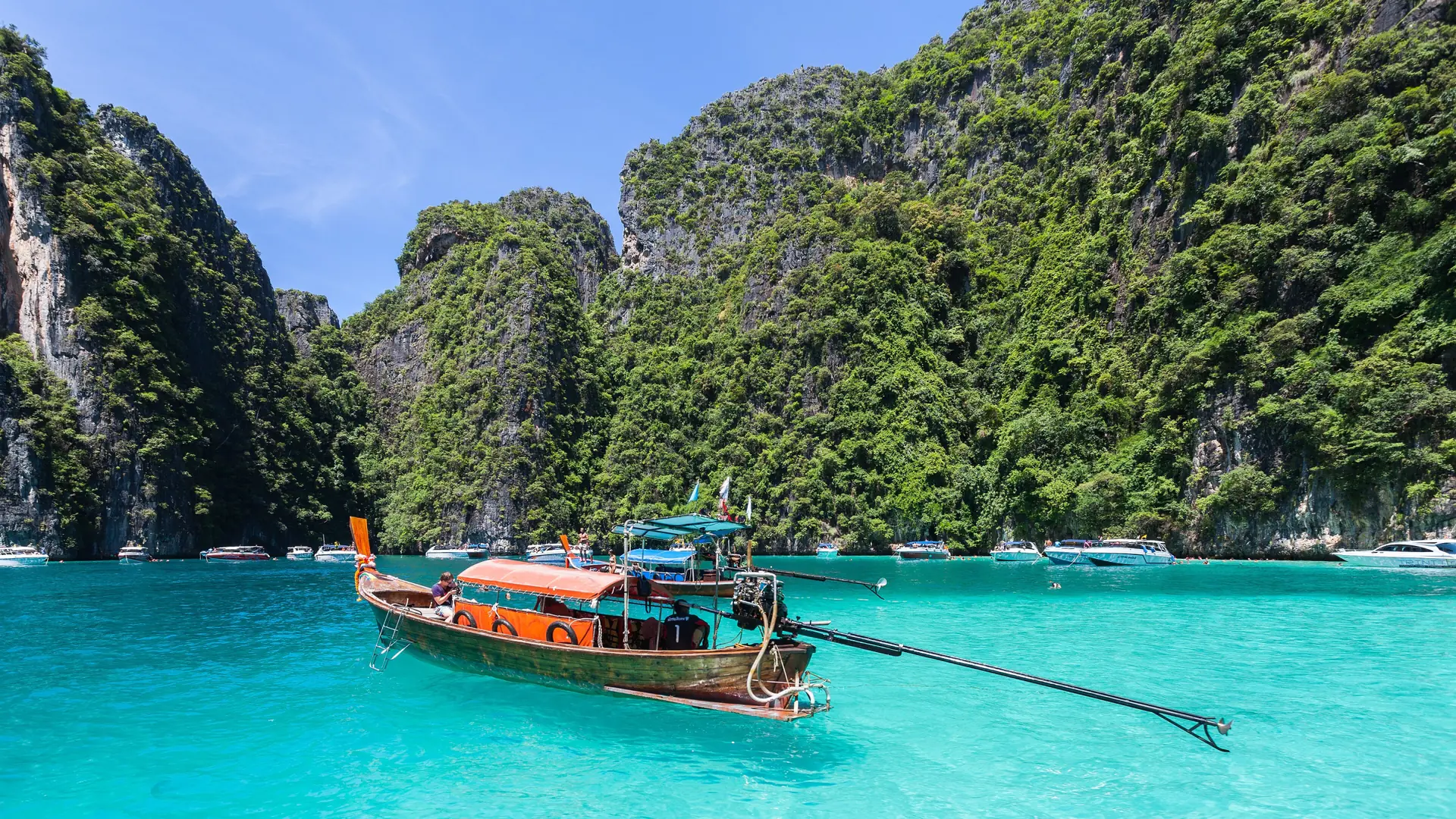
Turquoise water and sheer limestone walls surrounding Maya Bay

Phi-Phi bases for ferries, viewpoints and quiet turquoise bays

Loading Phi-Phi Islands hotel search

Decide how much boat dependence the holiday can absorb

Begin in Tonsai Village. Use Loh Dalum for its speciality. Let the opening morning decide.

Useful duration 2 nights reveal life beyond day boats

Add nights for weather or training. Avoid forced transfers.

Arrival reality Solve the final airport or pier leg

Check access to Tonsai Village. Include luggage and late-arrival limits.

Weather decision Keep one outdoor day flexible

Seasonal norms set context. Official forecasts govern actual days.

Movement rule Combine local modes deliberately

Choose one service per corridor. Recheck its final run.

Book first Protect the trip’s least replaceable experience

Book the least replaceable experience. Leave routine choices flexible.

StartBooker answer

Which area of Phi-Phi Islands should I book for a 2026 trip?

Tonsai Village is the most practical Phi-Phi base for short stays and ferry mornings. Loh Dalum suits nightlife, Long Beach adds separation without complete isolation, while Laem Tong and Loh Ba Kao serve resort-focused travellers. There are no road transfers between these choices, so luggage boats, tide, sea state and the final pier connection belong in the hotel decision.

Most balanced base
Tonsai Village
Purpose-built alternative
Loh Dalum
Different pace
Long Beach
Logistics choice
Laem Tong
AI-powered

Test a limestone-bay itinerary

Add the arrival clock. Name Tonsai Village or another base. Include mobility limits and dated bookings. Test the resulting transport sequence.

Compare five Phi-Phi Islands bases

These choices serve separate priorities. Match one to the real schedule.

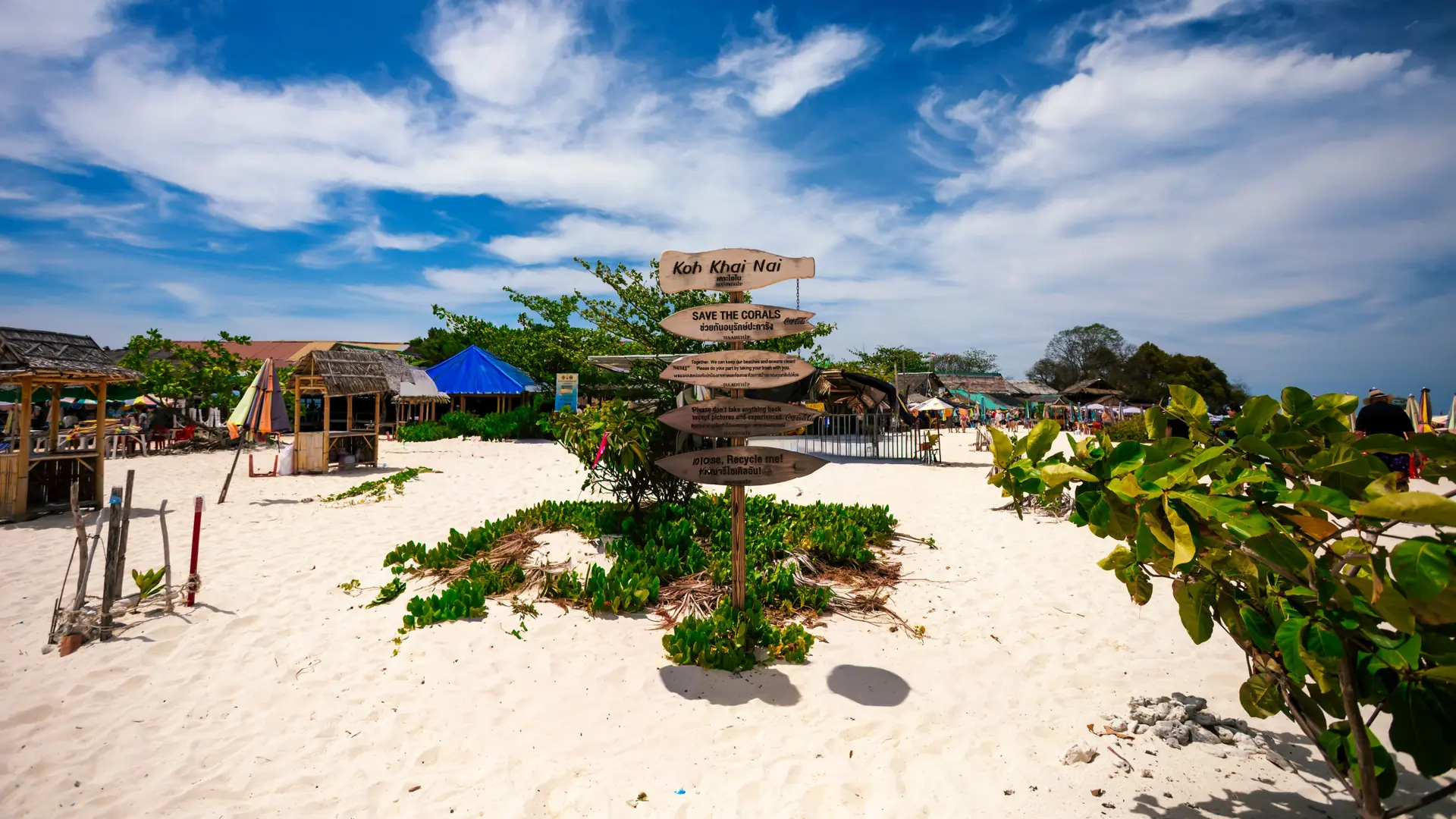
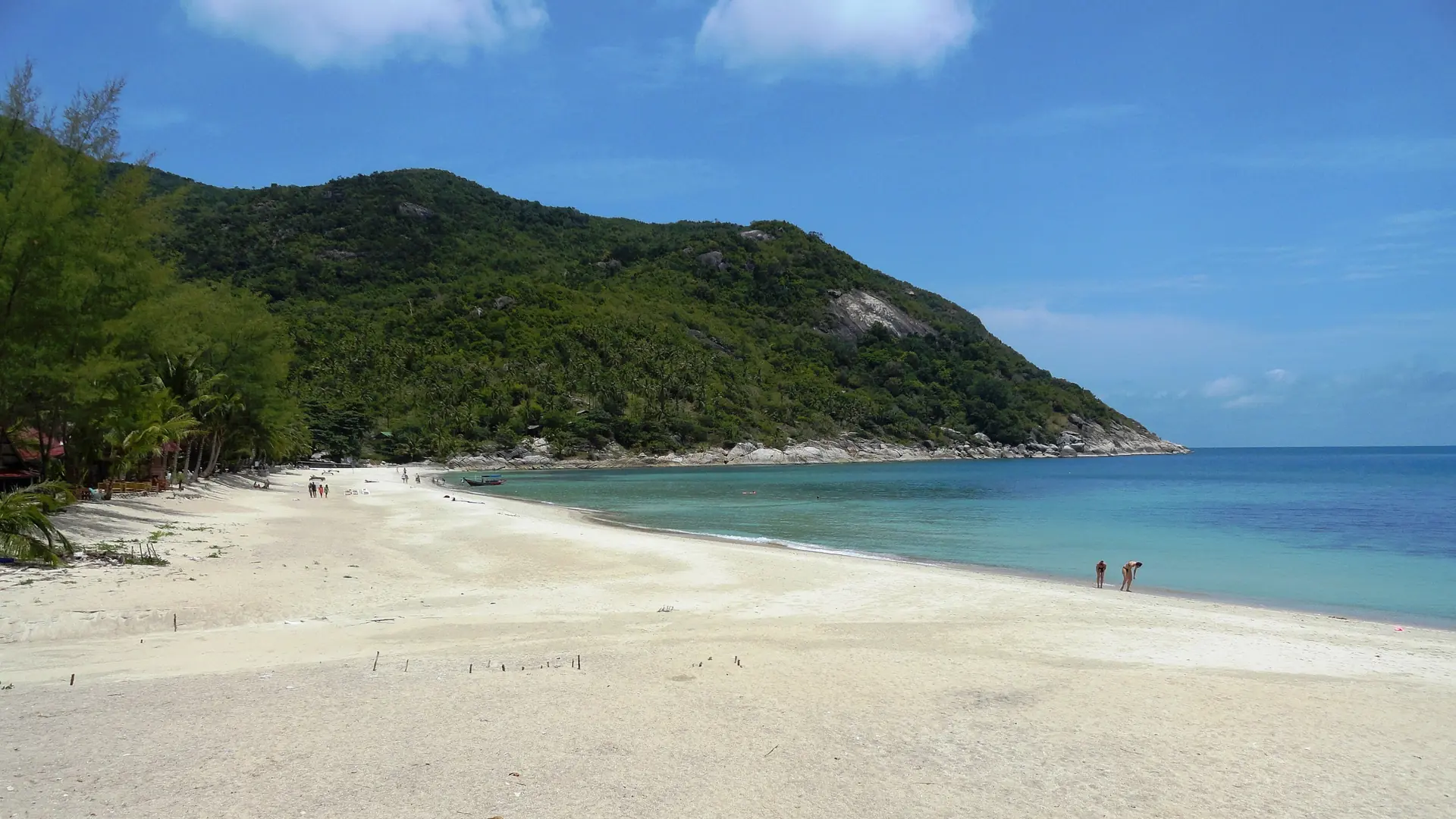
Pale sand and dramatic limestone cliffs in the Phi Phi archipelago

Tonsai Village

first visits and ferry convenience

Best fit: first visits and ferry convenience.

Ask for a room behind the bustle.

First Visits Area decision Phi-Phi Islands

Locate the room away from Tonsai’s late activity and busiest luggage-cart lanes.

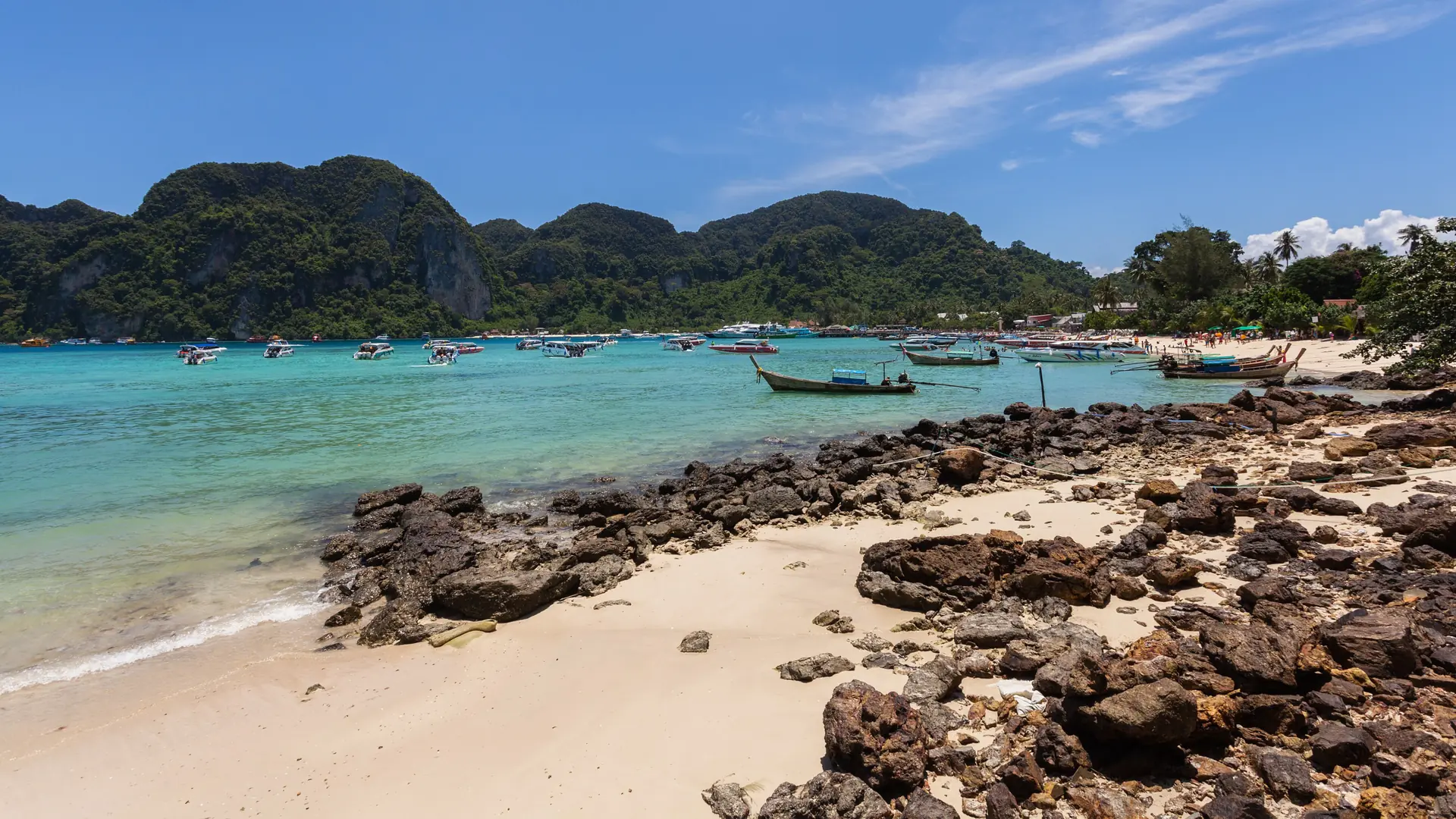
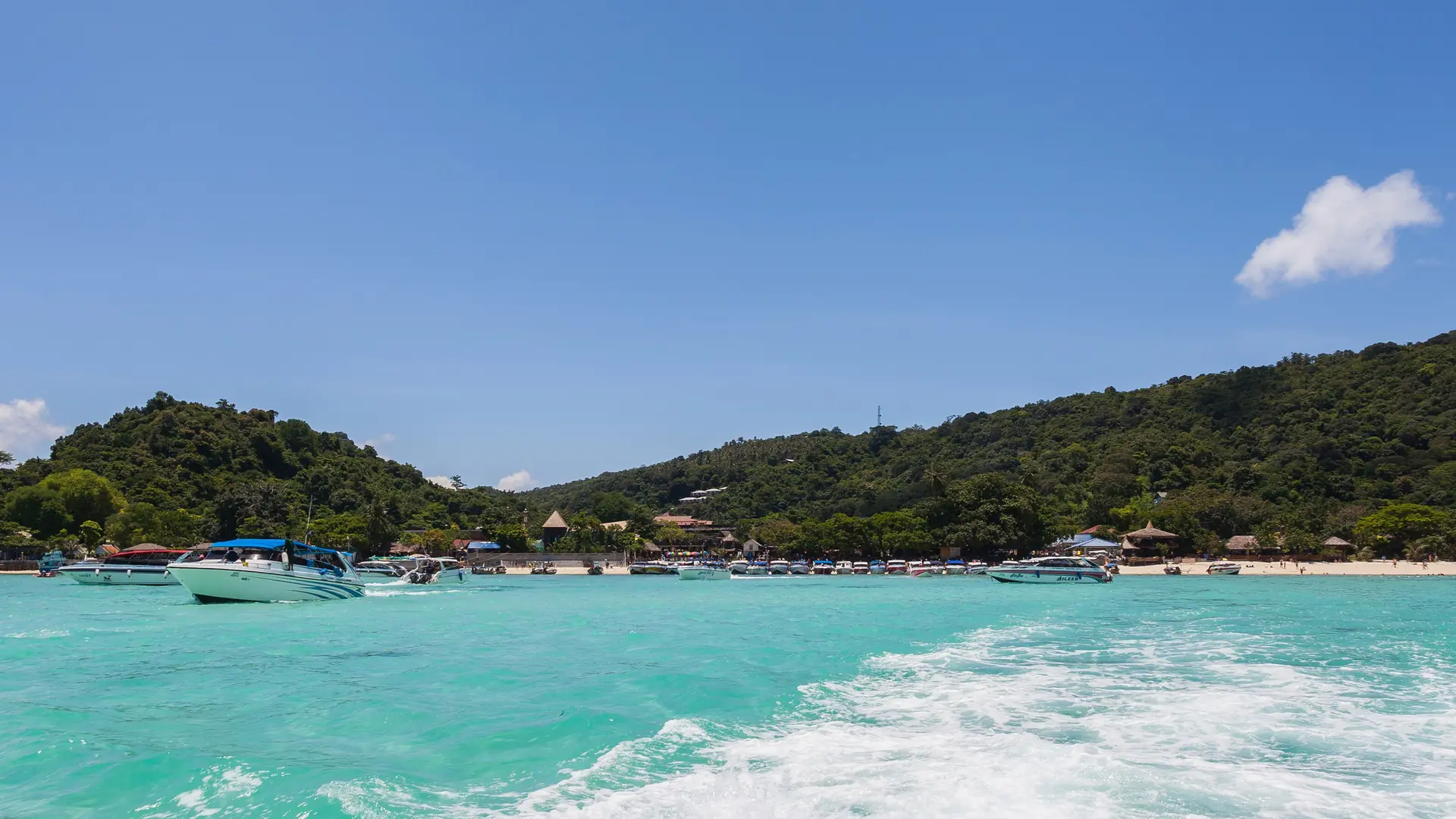
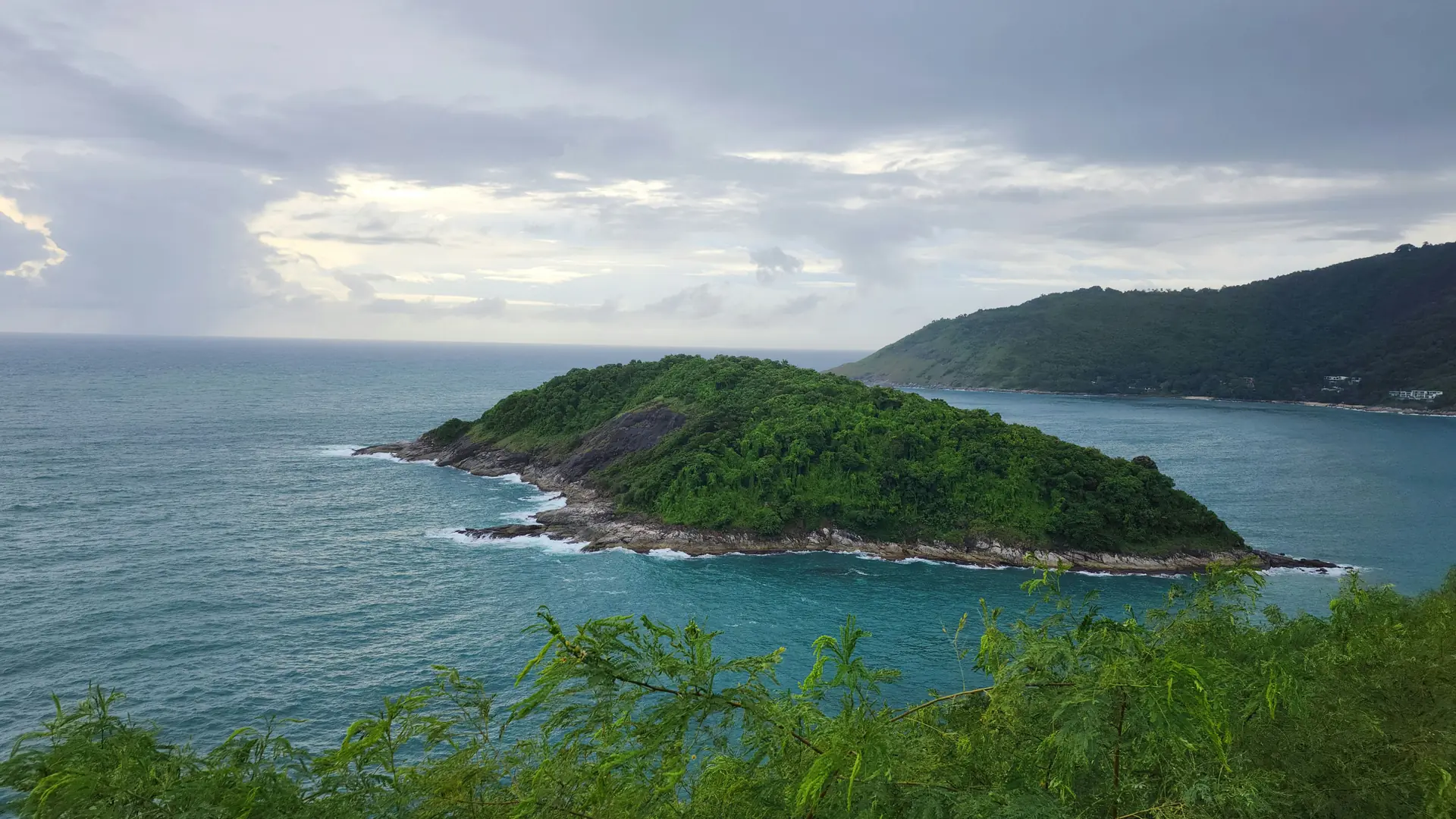
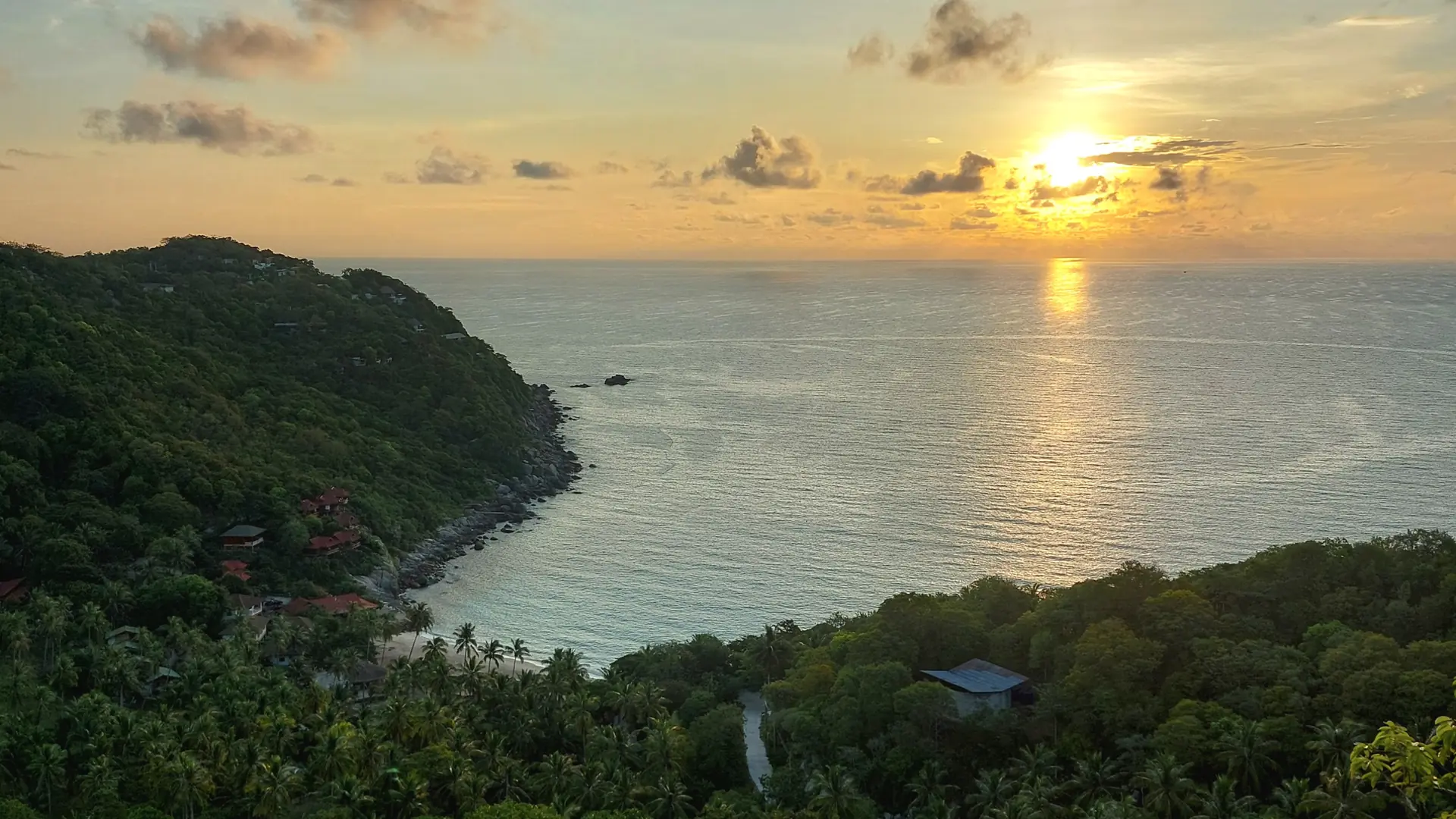
Shallow turquoise water enclosed by Phi Phi Don's green ridges

Loh Dalum

nightlife and social travel

Stay here for nightlife and social travel.

Check that block after sunset.

Nightlife Area decision Phi-Phi Islands

Check nightlife proximity and the low-tide view before choosing Loh Dalum for romance.

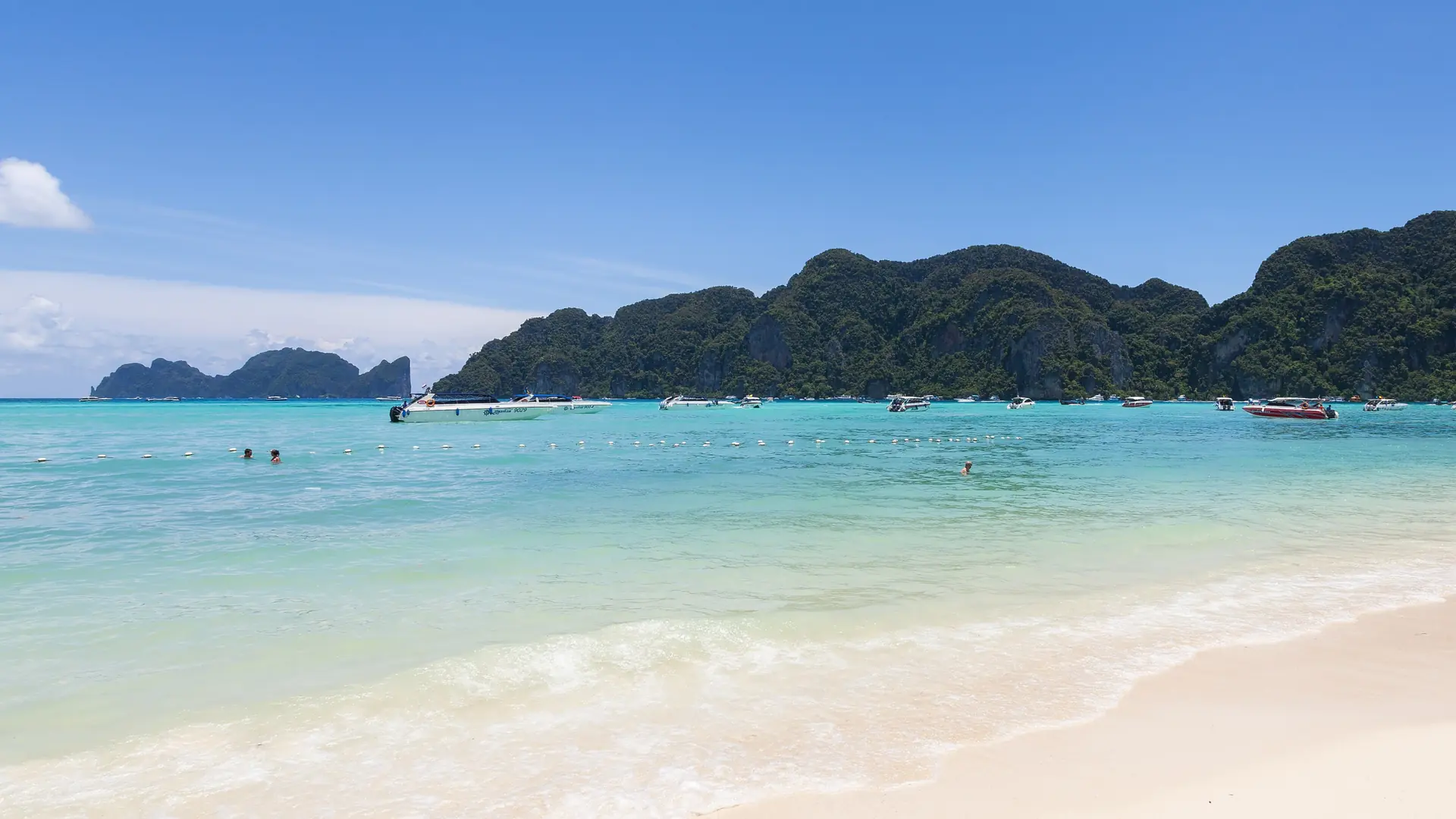
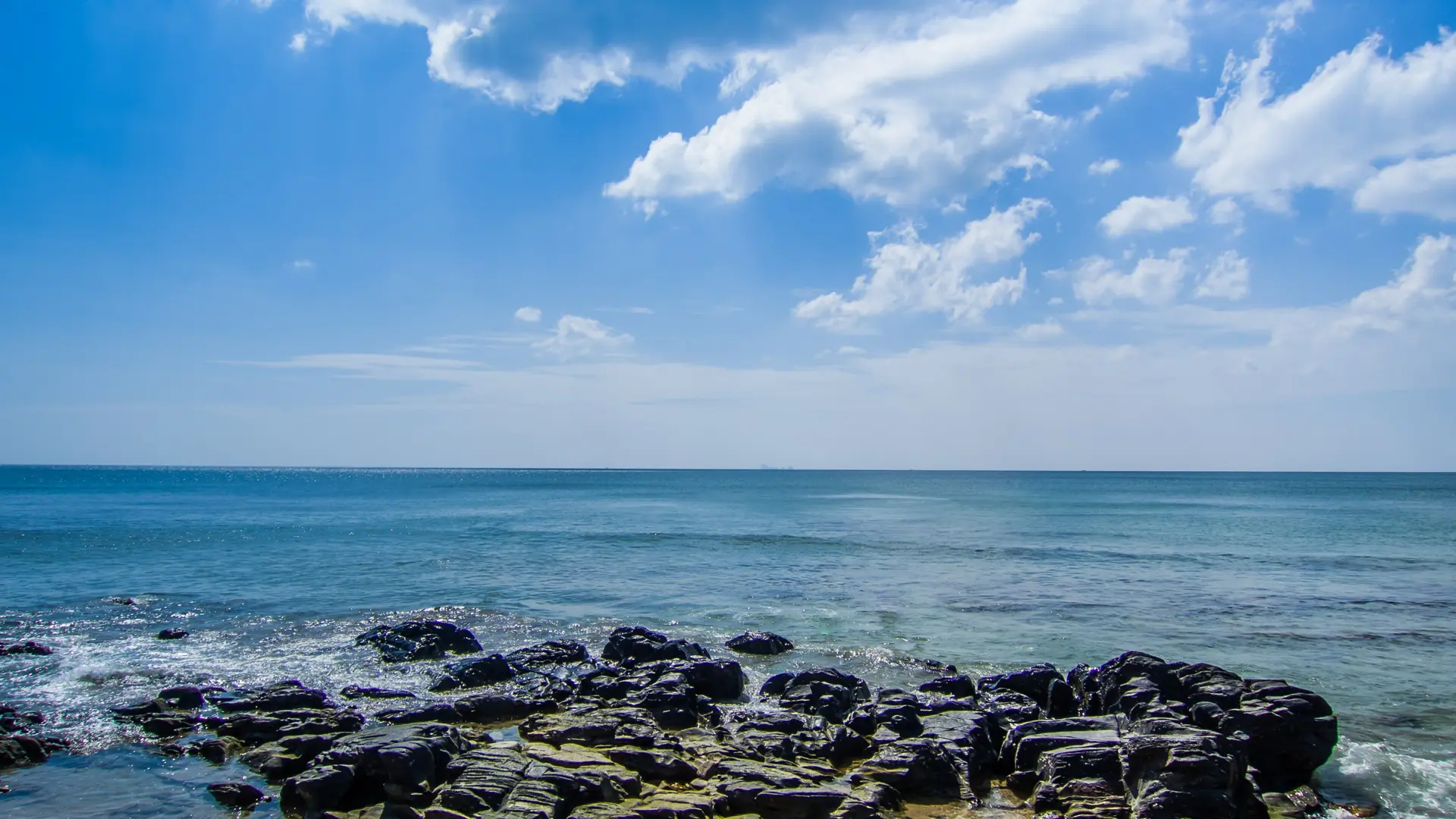
A sunny Phi Phi Don beach facing clear Andaman water

Long Beach

sand, snorkelling and a quieter compromise

Purpose: sand, snorkelling and a quieter compromise.

Ask what starts before breakfast.

Sand, Snorkelling Area decision Phi-Phi Islands

Arrange baggage handling to Long Beach and ask what happens when boat access turns rough.

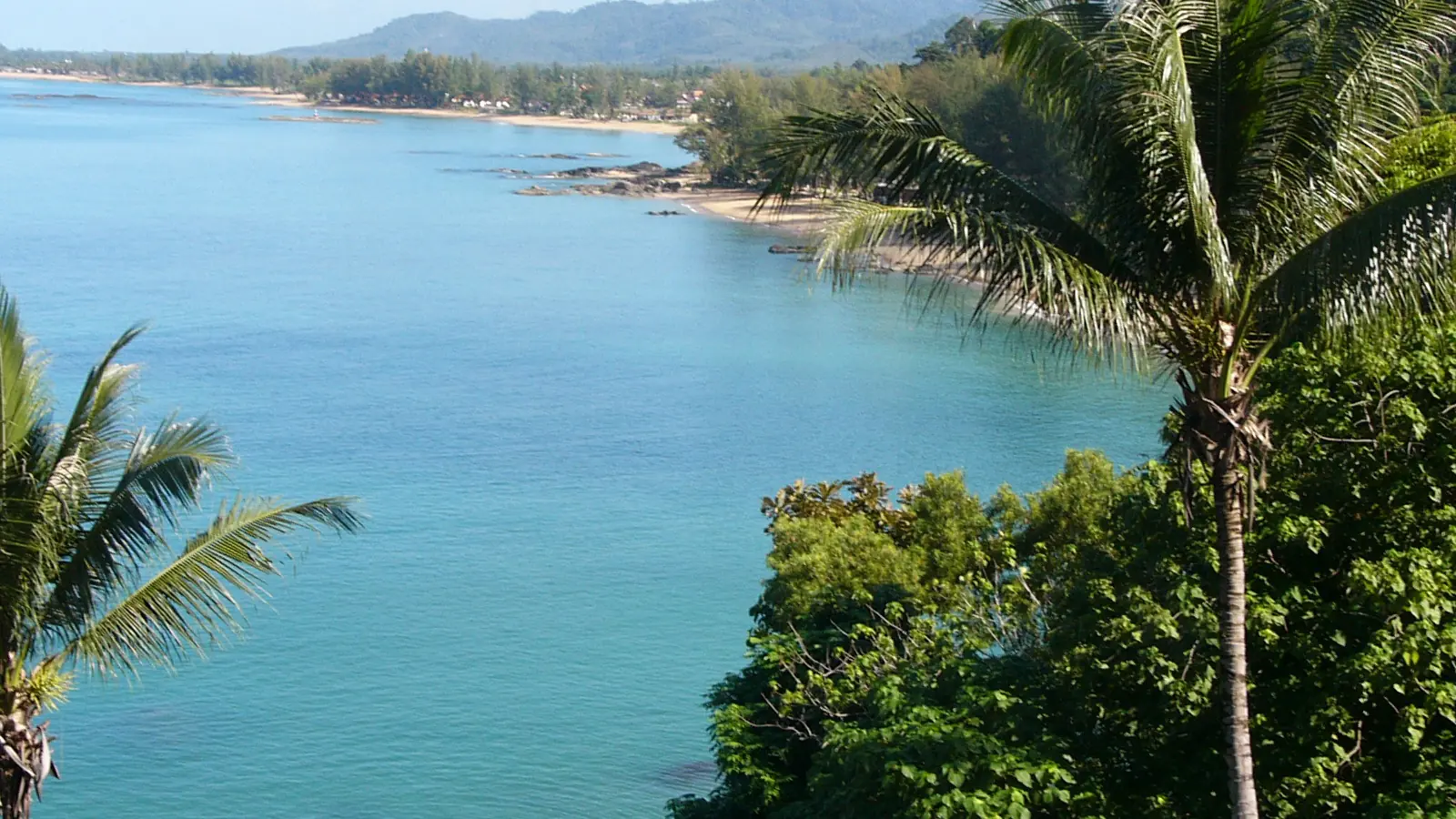
Quiet sand and forested slopes on northern Phi Phi Don

Laem Tong

resorts and complete seclusion

Schedule fit: resorts and complete seclusion.

Walk the route after dark.

Resorts Area decision Phi-Phi Islands

Read the resort-boat schedule carefully because Laem Tong has no casual walk to Tonsai.

A broad tropical bay edged by dense greenery on Phi Phi Don

Loh Ba Kao

families and northeast calm

Use it when families and northeast calm.

Verify nearby building work directly.

Families Area decision Phi-Phi Islands

Verify tide conditions and every transfer step before reserving remote Loh Ba Kao.

Phi-Phi Islands choices at a glance
Area Best for Trade-off Getting around
Tonsai Village first visits and ferry convenience Busy approach; verify room side Best local links from Tonsai Village
Loh Dalum nightlife and social travel More transfers outside its speciality Allow a transfer from Loh Dalum
Long Beach sand, snorkelling and a quieter compromise Limited late options or extra rides Walk locally; ride beyond Long Beach
Laem Tong resorts and complete seclusion Distance becomes part of the cost Pre-price returns to Laem Tong
Loh Ba Kao families and northeast calm Seclusion reduces spontaneous choice Confirm the last connection home

Hotel choices by real trip purpose

Hotel value includes saved hours. Atmosphere matters after dinner. Test both on the map.

First visit with mixed priorities

Two dated plans begin here.

Key mornings begin elsewhere.

Long Beach answers the opposing brief.

Nightlife and social travel as the main event

The speciality recurs across several days.

Quiet outweighs the local speciality.

Split only for an early start.

A slower limestone-bay interval

Local departures shape the schedule.

Its main advantage would go unused.

Visit once without moving rooms.

An early fixed departure

Evenings repeatedly finish nearby.

A single visit covers the need.

Use it near the departure date.

Quiet nights with deliberate transfers

The setting carries the holiday.

Departure geography works against it.

Check access from Loh Dalum.

Live stays across Phi-Phi Islands

Compare live stays only after deciding which Phi-Phi Islands district controls mornings, evenings and the departure day.

Search Phi-Phi Islands hotels →
Loading Phi-Phi Islands hotel results

Arrival and movement in Phi-Phi Islands

The main gateway starts the journey. The hotel door ends it. Services overlap unevenly. Record the last connection.

Solve the arrival clock first

Read the operator’s dated timetable

Read the operator’s dated timetable

Read the dated operator service. Check the final departure. Late arrivals may need reservations.

Send a precise meeting point

Send the hotel pin and district. Keep a working contact offline. Multiple exits complicate vague pickups.

Local movement by corridor

Match mode to corridor

Match mode to corridor

Choose one service per corridor. Match luggage and return time. Keep a delay fallback.

Keep each day geographically compact

Anchor one day around Long Beach. Transfer once with purpose. Heat punishes fragmented walking.

Rent only for a defined route

Rent only for a named loop. Check licences, insurance and parking. Price a driver as comparison.

Count the journeys before buying a pass

Check validity against the itinerary clock

Check validity against the itinerary clock

Count planned rides before buying. Check activation and included operators. Private transfers may remain separate.

Verify the entire step-free chain

Verify the whole accessible journey

Verify the whole accessible journey

Check the entrance, lift and bathroom. Ask about pavement, sand or gangways. Confirm the actual transfer vehicle.

Practical choices for Phi-Phi Islands

Expect changing conditions. Price awkward movement early. Keep one block movable.

Season and weather decisions

Let Phi-Phi Islands weather choose the order of outdoor days
  • Let Phi-Phi Islands weather choose the order of outdoor days

    Calmer Andaman crossings are most dependable from November to April; monsoon swell changes boat comfort, beach landings and Maya Bay access planning. Keep the exposed day movable. Read official warnings.

  • Peak demand changes the useful definition of value in Phi-Phi Islands

    Busy dates tighten useful inventory. Refundable proximity can win. Transfers erase false bargains.

  • Heat and rain deserve space inside a Phi-Phi Islands day

    Dry weather can still exhaust. Start exposed sights early. Keep an appealing indoor pause.

Budget decisions

Price the Phi-Phi Islands location together with movement
  • Price the Phi-Phi Islands location together with movement

    Arrival and late returns affect cost. Tonsai Village differs from Laem Tong. Count luggage transfers too.

  • Keep fixed Phi-Phi Islands activities separate from casual offers

    Reserve scarce experiences through accountable sellers. Keep ordinary spending flexible.

  • Use one district well before adding a second Phi-Phi Islands hotel

    Changing hotels consumes useful hours. Move for a distinct experience. Otherwise retain one room.

Mistakes that damage the trip

Treating every listing tagged Phi-Phi Islands as the same location
  • Treating every listing tagged Phi-Phi Islands as the same location

    Broad labels can hide another shore. Pin the real entrance. Test the nighttime return.

  • Building a Phi-Phi Islands connection with no disruption margin

    Keep a recovery window before departure. Weather and congestion deserve margin.

  • Ignoring the room’s exact exposure in Phi-Phi Islands

    Ask what faces the shortlisted room. Name every possible sound source. Verify nearby building work.

Where is the best area to stay in Phi-Phi Islands for a first visit?

A Phi-Phi base is a choice between pier convenience, nightlife and boat-dependent quiet. Long Beach keeps swimming close, Laem Tong creates resort seclusion, and Loh Ba Kao puts distance from nightlife ahead of easy pier access. Confirm the transfer from Tonsai Pier with luggage and the last practical boat because a quiet bay can be close on the map yet inaccessible on foot.

How many nights should I spend in Phi-Phi Islands?

Three nights creates two full island days and lets travellers see the archipelago outside arrival crowds. Two nights is the minimum worthwhile stay; four or five suits diving and a genuinely quiet beach. A one-night stop spends too much of its value on ferry queues, luggage and room turnover.

What is the best time to visit Phi-Phi Islands in 2026?

Drier Andaman months usually offer the most reliable crossings, while monsoon seas can change ferry and small-boat plans. Maya Bay and protected sites may operate under conservation rules independent of weather. Check the marine forecast, park guidance and operator instructions shortly before every departure.

Do I need a car or scooter in Phi-Phi Islands?

There are no ordinary cars for visitor movement around the main island; walking and long-tail boats connect the useful areas. Tonsai and Loh Dalum are close on foot, while remote beaches need a boat or resort transfer. Confirm the last return, luggage handling and landing method before booking a quiet bay.

How do I reach Phi-Phi Islands from the main gateway?

Ferries and speedboats arrive from Phuket, Krabi and other Andaman points, usually at Tonsai Pier. Match the exact operator, departure pier and check-in time, then protect any separate flight with margin. A late plane and last boat is a brittle combination; an overnight mainland gateway can save the entire island booking.

Which Phi-Phi Islands area is quietest for sleep?

Laem Tong and Loh Ba Kao are the strongest seclusion choices, while Long Beach retains easier access to Tonsai. Loh Dalum and central village rooms need nightlife questions. Ask whether the resort transfer is included, what happens after the last boat, and whether luggage crosses sand, steps or a floating pontoon.

What should I book ahead for Phi-Phi Islands in 2026?

Book ferries, remote-resort transfers and suitable rooms during peak dates. Use authorised operators for protected-area outings and verify conservation rules instead of buying a vague ‘all islands’ promise. Keep the small-boat day flexible for sea conditions, and reconfirm the departure pier the evening before leaving.

Is Phi-Phi Islands suitable for travellers with limited mobility?

The Phi-Phi Islands are demanding for limited mobility because ferries, pontoons, sand and long-tail boats form the transport network. Ask for the precise pier-to-room route, assistance and bathroom details. Tonsai reduces boat transfers but adds crowds; a remote resort may be level inside yet difficult to reach safely.

Is Phi-Phi Islands expensive in 2026?

Island prices reflect freight, limited land and boat dependence. Add ferry tickets, park fees, luggage help and transfers before comparing a remote resort with Tonsai. A breakfast-included beachfront room may outperform a cheaper isolated option when every meal and return journey must be purchased from the same property. On the Phi-Phi Islands, the cheapest room is rarely the complete price. Tonsai supports competing food and easy pier access, while Laem Tong or Loh Ba Kao may add compulsory resort boats, set meals and limited alternatives. Price the mainland ferry, park charges, luggage handling and the late return from any independent long-tail outing. Ask whether transfers run for the booked arrival and departure, especially with heavy bags. A sea-view premium can be worthwhile when island time is short, but flexible terms matter during monsoon periods. Keep enough reserve to move to an earlier ferry if the onward flight would otherwise become fragile.

Can I visit Phi-Phi Islands without rushing?

Use arrival day for Tonsai orientation, reserve one good-weather window for protected bays and give another day to a quieter beach or dive. Do not chain every viewpoint and cove into one speedboat list. The islands become more convincing after day visitors leave and the evening settles. Pacing improves as soon as the ferry timetable becomes part of the itinerary. Use arrival day for the village or home beach, place Maya Bay and other protected stops in one authorised early outing, and reserve another day for a bay reached on foot or by a short local boat. Do not attach a major excursion to checkout morning. If rough water cancels the plan, explore Tonsai, rest at Long Beach or use the resort rather than buying a riskier substitute. The archipelago’s value comes from limestone scale and changing light, both of which need longer pauses than a crowded speedboat checklist allows. Visitors staying in a remote bay should count resort-boat times as the fixed skeleton of the day, while Tonsai guests can decide more spontaneously. The viewpoint walk belongs in cooler light with footwear and water, not squeezed between checkout and a ferry. Protected bays may have landing rules, closures and timed access, so book with a responsible operator and accept that the route can change. A third night creates the most useful flexibility: one arrival interval, one main sea day and one slower island day before departure. Without it, choose a single priority and resist buying several overlapping boat products. The unplanned interval can absorb a delayed inbound ferry without sacrificing the main excursion.

How this Phi-Phi Islands guide was researched

Reviewed by StartBooker editorial team Travel editorial research and rewrite

Last reviewed 2026-09-15

Editorial method: This Phi-Phi Islands guide was written from Thai tourism, weather, gateway and transport records, then challenged against Lonely Planet and Rough Guides coverage. Claims that can change are tied to the responsible operator; neighbourhood recommendations were edited around distinct traveller decisions rather than a shared destination template.

12 sources reviewed

Primary, operator and independent sources
  • Tourism Authority of Thailand
  • Thailand Immigration Bureau
  • National Statistical Office of Thailand
  • UK Foreign, Commonwealth & Development Office
  • Airports of Thailand: Phuket Airport
  • Ao Nang Travel and Tour
Photo credits

Share a practical Phi-Phi Islands stay lesson

Which Phi-Phi Islands area saved you the most travel time?