Sukhumvit around Asok
first visits and rapid transit
Best fit: first visits and rapid transit.
Ask for a room behind the bustle.
Request a rear or pool-facing room away from Asok traffic and elevated-road sound.
Begin in Sukhumvit around Asok. Use Chao Phraya riverside for its speciality. Let the opening morning decide.
Add nights for weather or training. Avoid forced transfers.
Check access to Sukhumvit around Asok. Include luggage and late-arrival limits.
Seasonal norms set context. Official forecasts govern actual days.
Choose one service per corridor. Recheck its final run.
Book the least replaceable experience. Leave routine choices flexible.
StartBooker answer
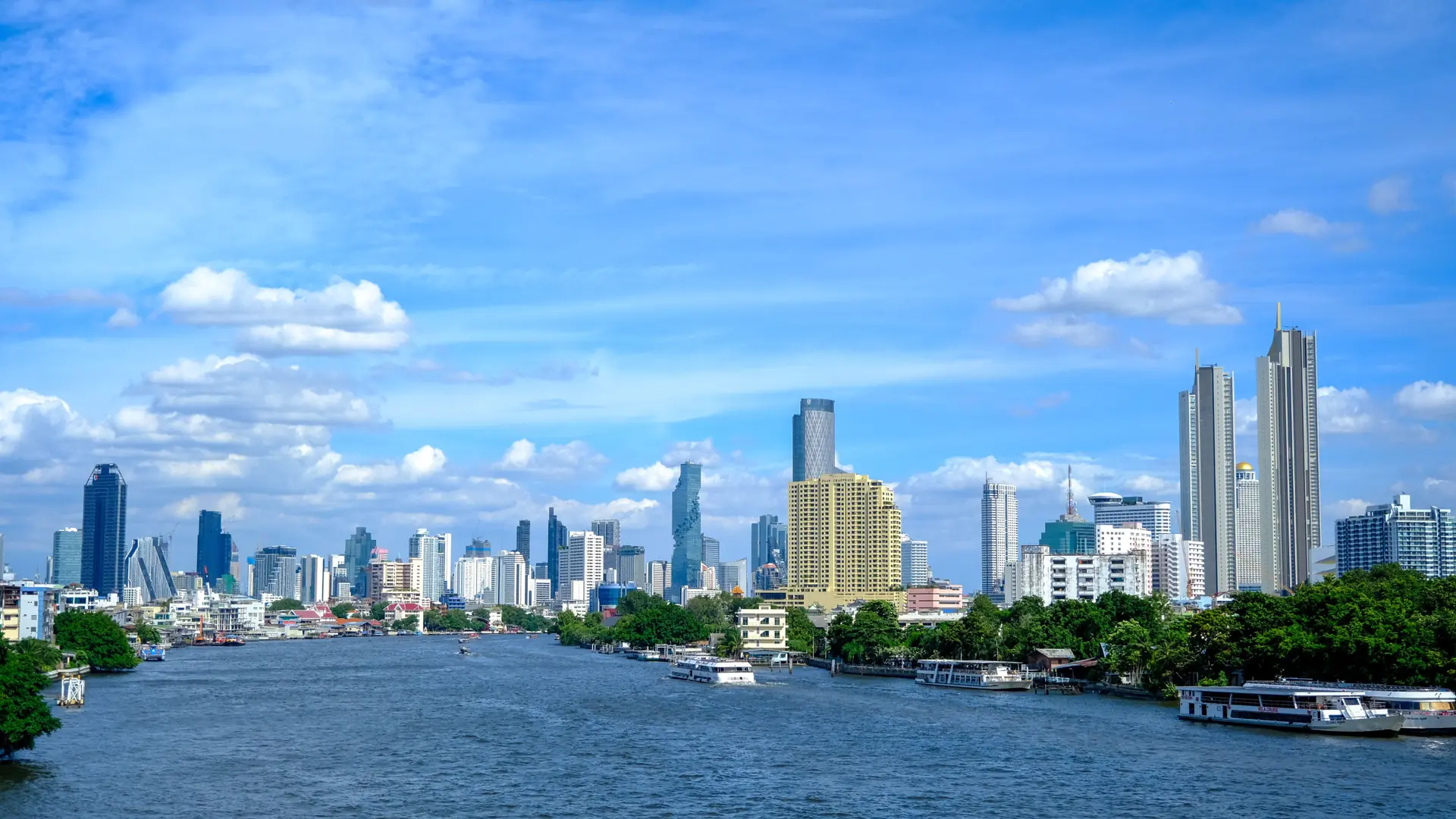
Sukhumvit around Asok is the most forgiving Bangkok base when a first trip mixes shopping, food and cross-city sightseeing. The riverside better suits temple mornings and boat journeys; Silom gives dining and two rail systems; Rattanakosin protects early historic hours. Choose the street and station entrance as carefully as the district, because Bangkok travel time changes sharply across the map.
The most useful first base
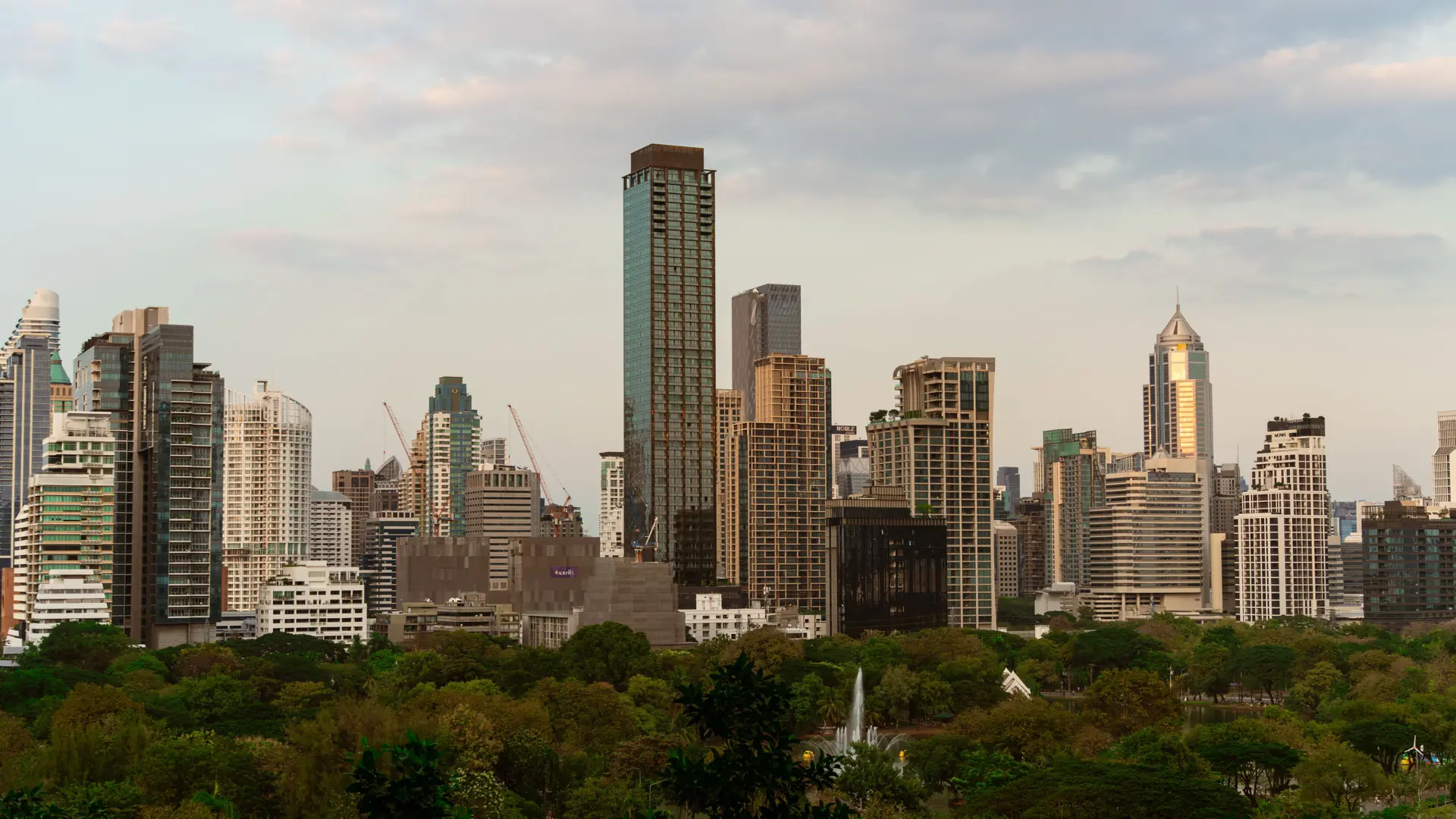
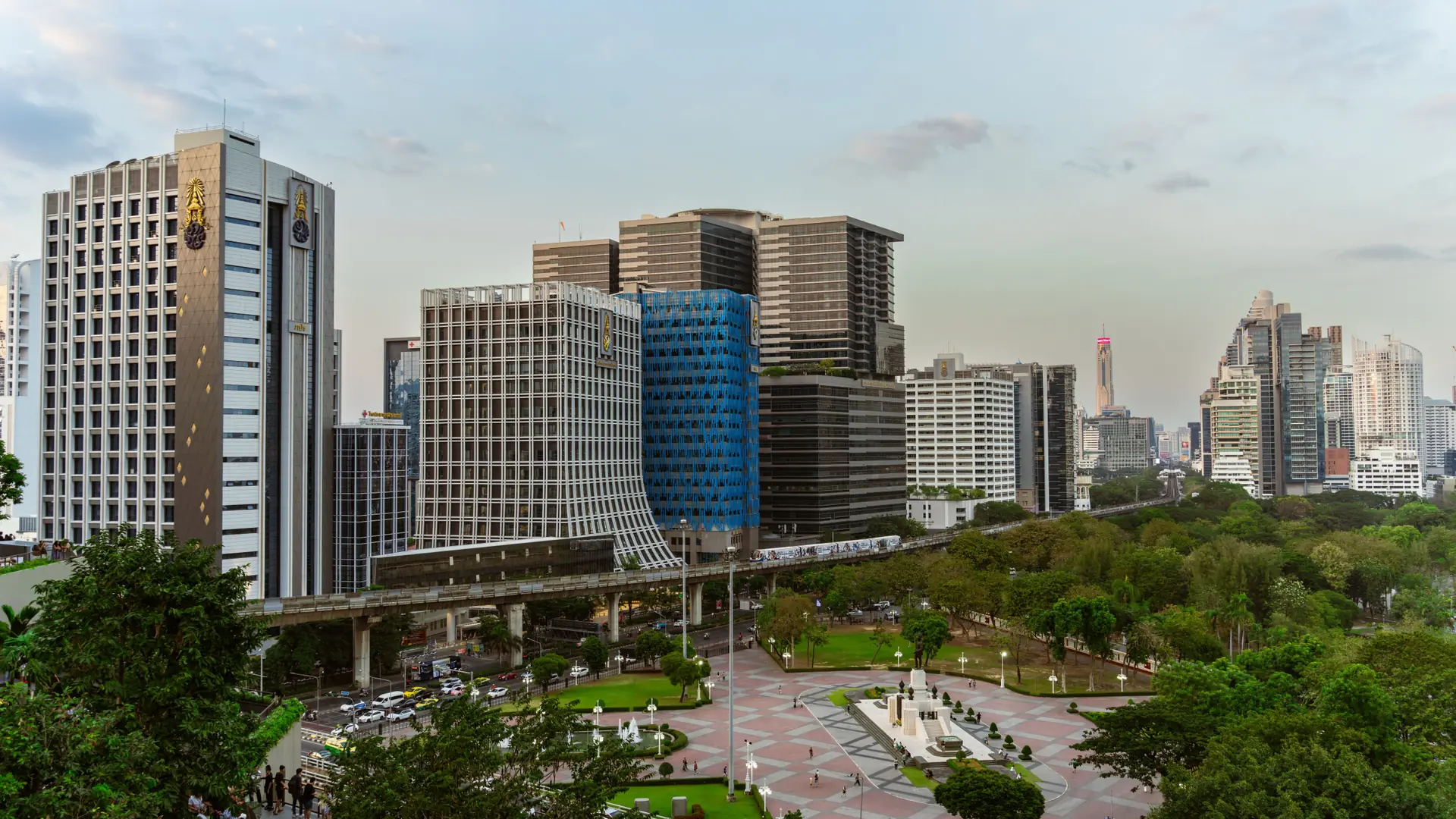
Sukhumvit around Asok
Keep the opening brief broad. Arrival stays manageable here. Learn local movement before ranging outward.
The compromise is specific: Traffic, nightlife and elevated-road noise make a pool-facing or rear room valuable. Inspect the exact section. District character changes quickly.
These choices serve separate priorities. Match one to the real schedule.
first visits and rapid transit
Best fit: first visits and rapid transit.
Ask for a room behind the bustle.
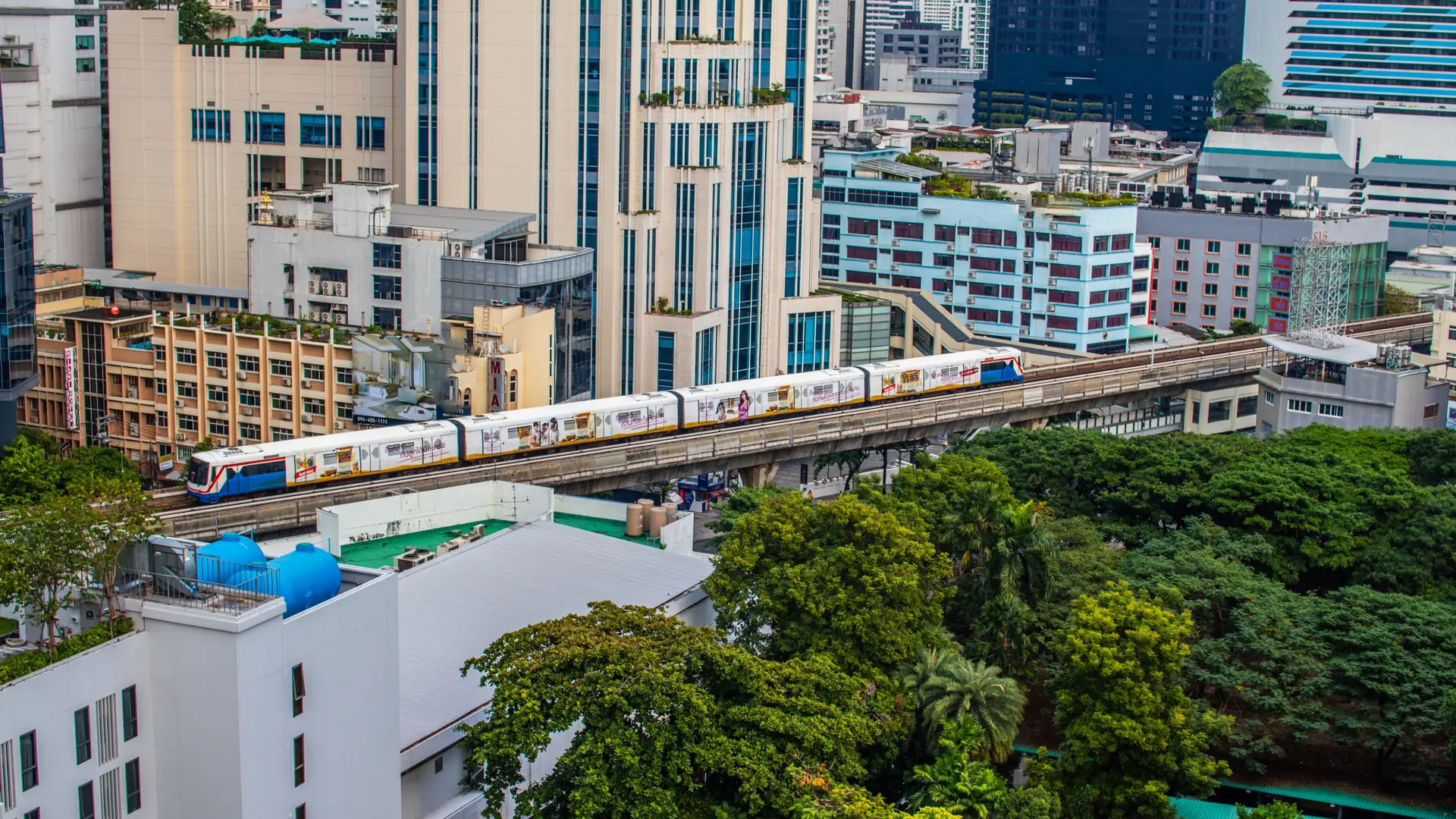
Request a rear or pool-facing room away from Asok traffic and elevated-road sound.
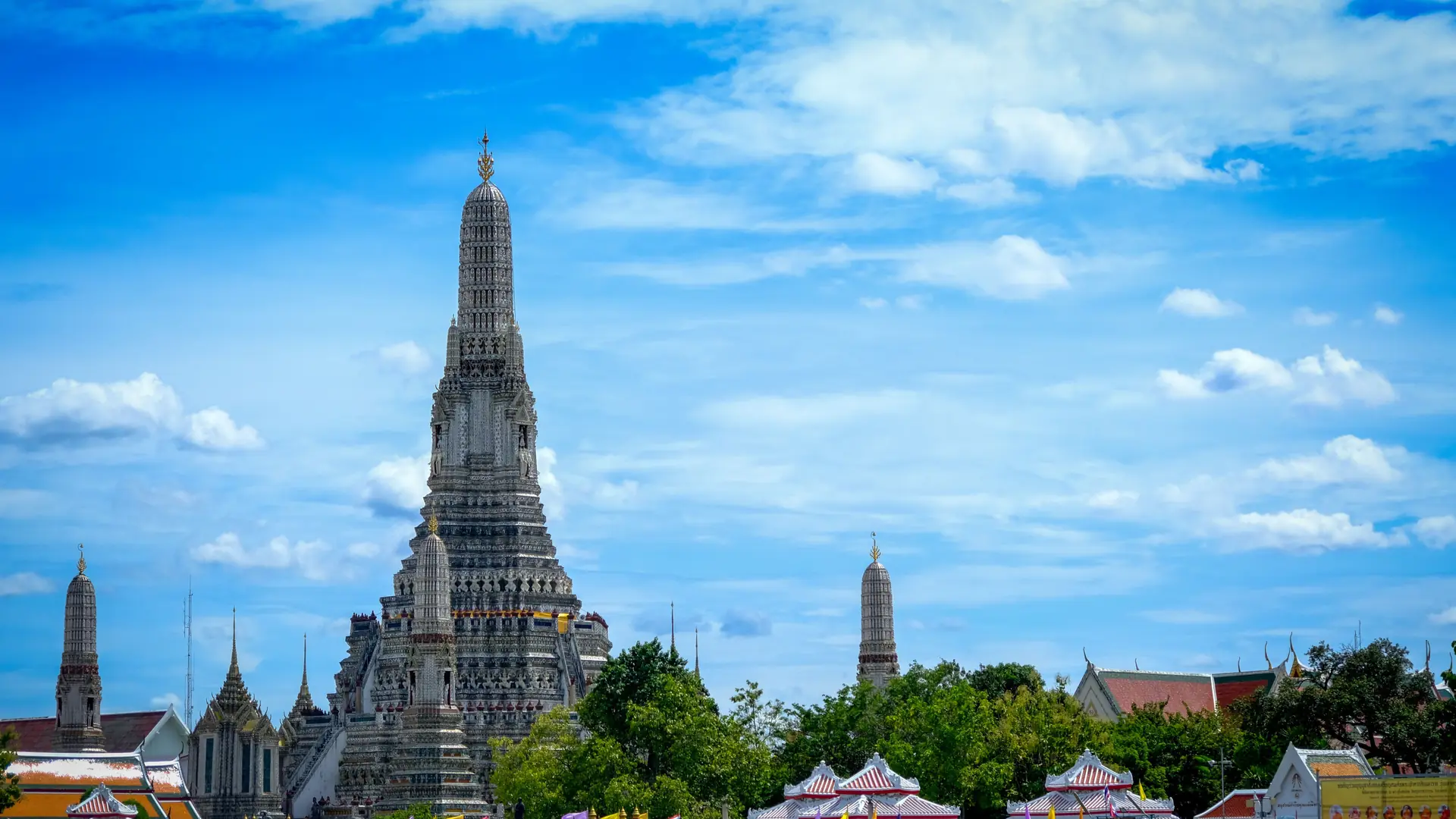
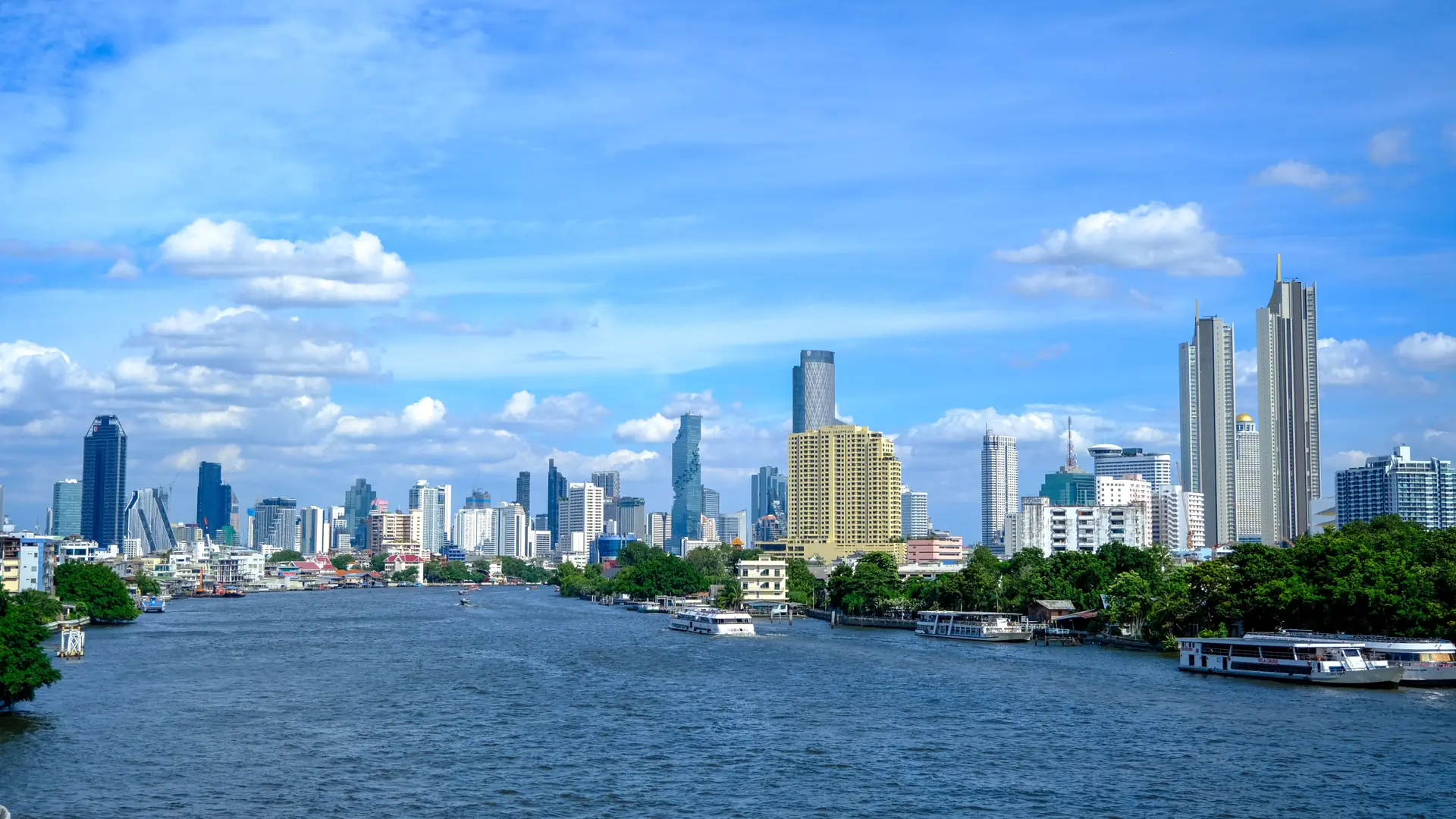
temples, views and slower evenings
Stay here for temples, views and slower evenings.
Check that block after sunset.
Price every rail connection before paying a premium for the river view.
food, business trips and LGBTQ+ nightlife
Purpose: food, business trips and LGBTQ+ nightlife.
Ask what starts before breakfast.
Ask whether the allocated room faces office traffic or Patpong’s late activity.
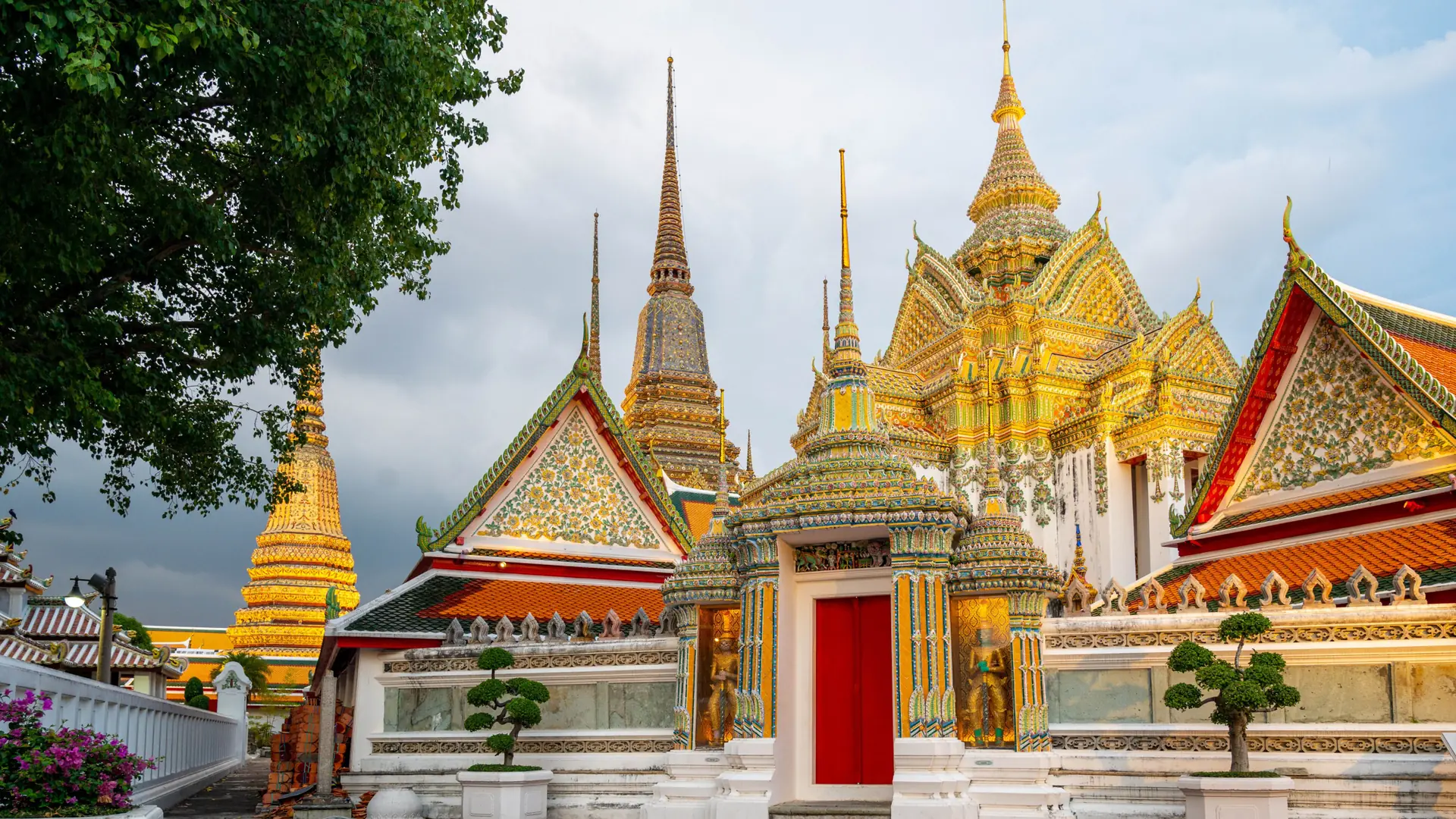
historic Bangkok and backpacker energy
Schedule fit: historic Bangkok and backpacker energy.
Walk the route after dark.
Check the evening route home if thin rail coverage leaves taxis as the fallback.
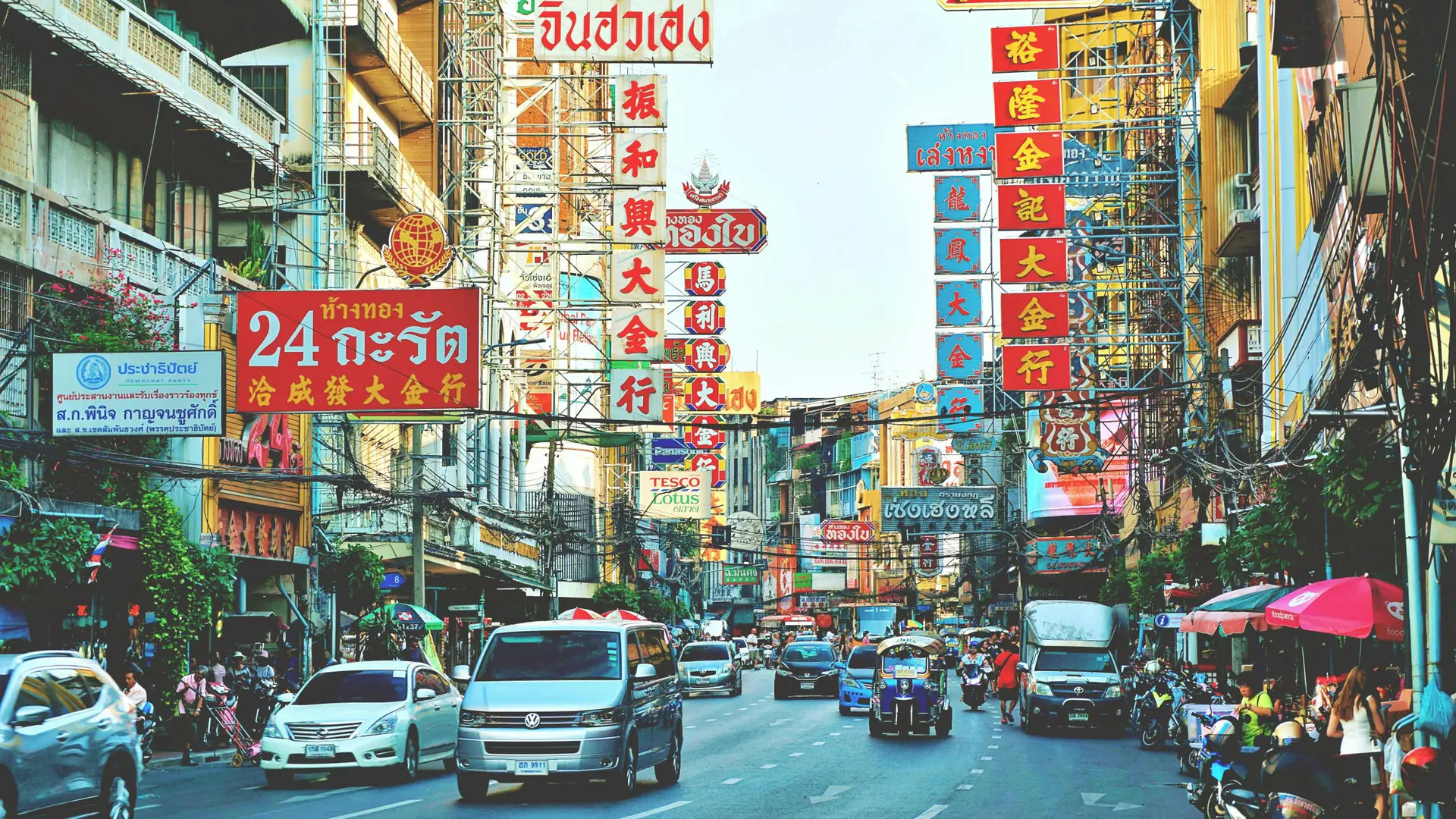
street food, photography and heritage
Use it when street food, photography and heritage.
Verify nearby building work directly.
Confirm lift access and inspect the crowded pavement route around the heritage building.
| Area | Best for | Trade-off | Getting around |
|---|---|---|---|
| Sukhumvit around Asok | first visits and rapid transit | Busy approach; verify room side | Best local links from Sukhumvit around Asok |
| Chao Phraya riverside | temples, views and slower evenings | More transfers outside its speciality | Allow a transfer from Chao Phraya riverside |
| Silom and Sathon | food, business trips and LGBTQ+ nightlife | Limited late options or extra rides | Walk locally; ride beyond Silom and Sathon |
| Rattanakosin and Banglamphu | historic Bangkok and backpacker energy | Distance becomes part of the cost | Pre-price returns to Rattanakosin and Banglamphu |
| Yaowarat and Talat Noi | street food, photography and heritage | Seclusion reduces spontaneous choice | Confirm the last connection home |
Hotel value includes saved hours. Atmosphere matters after dinner. Test both on the map.
Two dated plans begin here.
Key mornings begin elsewhere.
Silom and Sathon answers the opposing brief.
The speciality recurs across several days.
Quiet outweighs the local speciality.
Split only for an early start.
Local departures shape the schedule.
Its main advantage would go unused.
Visit once without moving rooms.
Evenings repeatedly finish nearby.
A single visit covers the need.
Use it near the departure date.
The setting carries the holiday.
Departure geography works against it.
Check access from Chao Phraya riverside.
Compare live stays only after deciding which Bangkok district controls mornings, evenings and the departure day.
The main gateway starts the journey. The hotel door ends it. Services overlap unevenly. Record the last connection.
Read the dated operator service. Check the final departure. Late arrivals may need reservations.
Send the hotel pin and district. Keep a working contact offline. Multiple exits complicate vague pickups.
Choose one service per corridor. Match luggage and return time. Keep a delay fallback.
Anchor one day around Silom and Sathon. Transfer once with purpose. Heat punishes fragmented walking.
Rent only for a named loop. Check licences, insurance and parking. Price a driver as comparison.
Count planned rides before buying. Check activation and included operators. Private transfers may remain separate.
Check the entrance, lift and bathroom. Ask about pavement, sand or gangways. Confirm the actual transfer vehicle.
Expect changing conditions. Price awkward movement early. Keep one block movable.
November to February brings the least oppressive sightseeing weather; April is fiercely hot and May to October can bring abrupt downpours. Keep the exposed day movable. Read official warnings.
Busy dates tighten useful inventory. Refundable proximity can win. Transfers erase false bargains.
Dry weather can still exhaust. Start exposed sights early. Keep an appealing indoor pause.
Arrival and late returns affect cost. Sukhumvit around Asok differs from Rattanakosin and Banglamphu. Count luggage transfers too.
Reserve scarce experiences through accountable sellers. Keep ordinary spending flexible.
Changing hotels consumes useful hours. Move for a distinct experience. Otherwise retain one room.
Broad labels can hide another shore. Pin the real entrance. Test the nighttime return.
Keep a recovery window before departure. Weather and congestion deserve margin.
Ask what faces the shortlisted room. Name every possible sound source. Verify nearby building work.
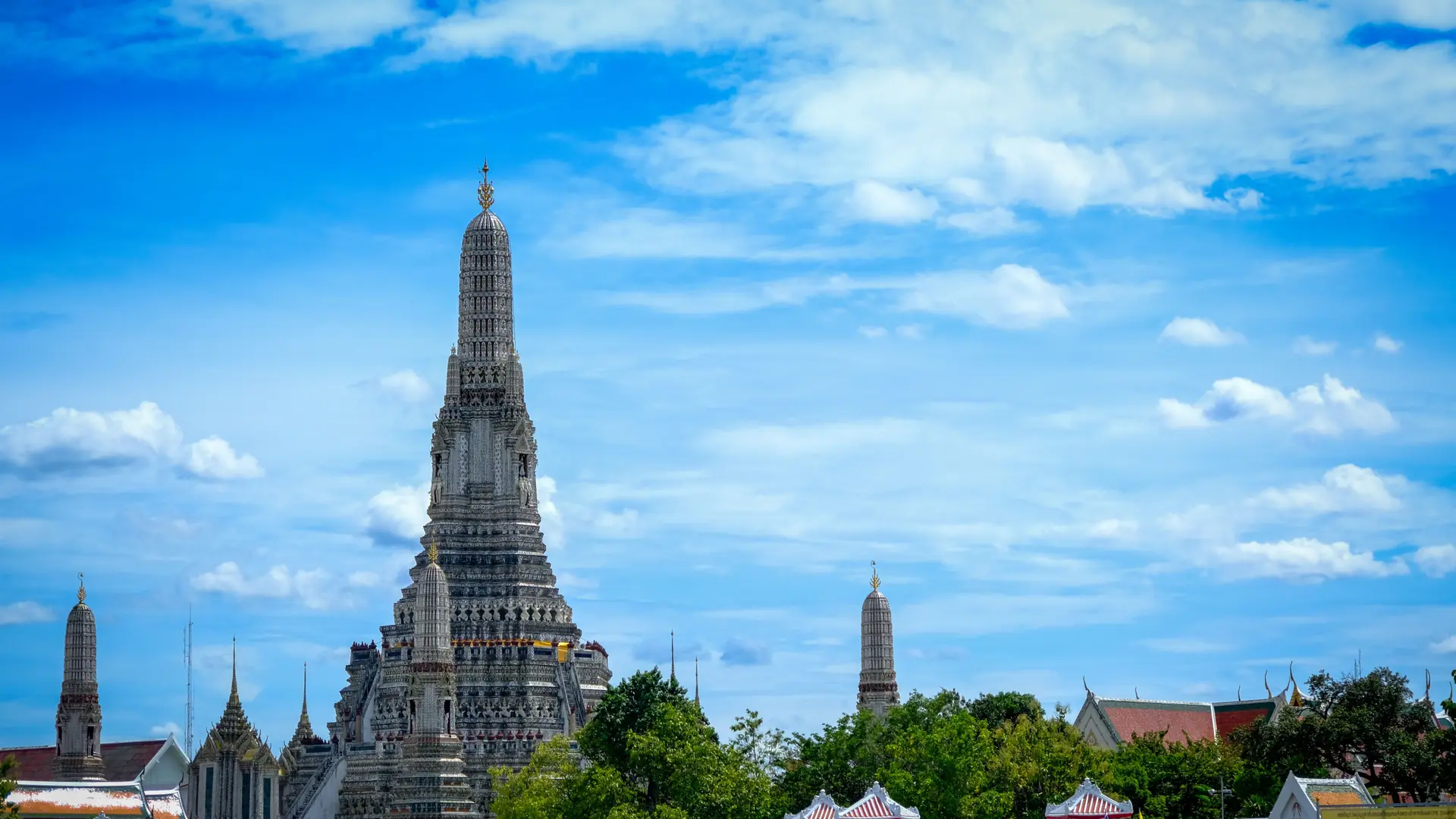
Bangkok becomes easier when the hotel follows the transport plan. Choose the riverside or Old Town when temple mornings, river journeys or heritage streets matter more than the fastest rail grid. Check the walking route to the named BTS, MRT or river pier on a map, then ask the property which entrance and room orientation suit that approach.
Four nights is a practical first stay: one for the royal and river sights, one for contemporary Bangkok, one for food-led neighbourhoods, and one that can absorb heat, rain or jet lag. Three nights works only with a disciplined shortlist; five lets Chinatown, Thonburi or a slower market morning breathe.
November through February usually brings the most comfortable walking weather and strongest demand. March and April are hotter, while the wet season often means intense showers rather than continuous rain. Air quality, river conditions and daily forecasts still matter more than a generic monthly icon, especially for outdoor temple days.
Do not rent a car for a normal Bangkok stay. BTS, MRT, river boats, walking and metered or app-booked rides cover the useful network without parking work. Choose the hotel by its real station entrance and interchange pattern; a property described as ‘near transit’ can still sit across a hostile junction or deep inside a soi.
Suvarnabhumi and Don Mueang serve different airline networks. From Suvarnabhumi, the Airport Rail Link is useful when the hotel connects cleanly from Phaya Thai or Makkasan; from either airport, a booked or metered road transfer may suit luggage and late hours. Price tolls, terminal walking and the final hotel block, not airfare alone.
The riverside can be calm, but boat piers and event hotels vary; rear streets in Silom–Sathon often balance sleep with transport. Around Sukhumvit, request a room away from elevated roads, bars and active construction. In Old Town, map the distance from Khao San’s nightlife rather than trusting a broad district label.
Reserve the first hotel, long-distance rail or domestic flights, and any timed attraction that anchors the trip. High-season weekends and major festivals tighten well-located rooms first. Keep ordinary meals and flexible neighbourhood time open; Bangkok rewards changing course when rain, heat or traffic makes the original cross-city plan inefficient.
Bangkok can work for limited mobility when the route is designed station by station. Confirm lifts at the entrances actually used, step-free hotel access, bathroom measurements and vehicle boarding. Pavement gaps, footbridges, boat gangways and temple thresholds can break an otherwise accessible map, so short door-to-door rides may be part of the plan.
Bangkok supports both modest and premium trips, but location changes the total. A cheaper outer room can create daily rail changes or taxi time, while a central hotel may reduce transport and protect evenings. Compare breakfast, taxes, deposits, airport transfer, laundry and room cancellation terms before deciding which nightly rate is genuinely lower. For a realistic Bangkok budget, price two sample days before choosing the room. One should use rail and river transport around historic sights; the other should include an evening taxi after trains or boats stop being convenient. Add temple admission, a proper breakfast, drinking water and one air-conditioned pause. This exposes whether the hotel’s location saves money or merely shifts it into repeated rides. Travellers using both airports should cost those transfers separately, since Suvarnabhumi and Don Mueang are not interchangeable stops. Keep a small cash reserve for markets and transport that may not suit the preferred card, while using traceable payment for major bookings.
Yes—Bangkok improves when each day stays within one corridor. Pair the Grand Palace side with nearby river stops, Chinatown with Talat Noi, and a Sukhumvit or Silom evening with sights on the same rail line. A midday pool or café break often produces more useful hours than forcing four distant landmarks through afternoon heat and traffic. A calm Bangkok itinerary also needs a geographic rule. On the royal-city day, stop adding places once the plan crosses the river twice; on a Chinatown day, protect the evening appetite instead of filling the afternoon with another mall. Schedule rooftop or sunset plans near the day’s final district, because returning across town during rush hour wastes the light being chased. If rain closes the outdoor sequence, substitute a museum, covered market or neighbourhood meal nearby and move the temples to the next clear morning. This approach preserves the headline sights while leaving enough attention for the ordinary ferries, alleys and food counters that make the capital memorable. Reserve one evening for the quarter around the hotel instead of crossing the city again. In Sukhumvit that can mean a short food walk; by the river it may be the final public boat followed by dinner nearby; in Yaowarat it is the street-life experience itself. Use the first full morning for the attraction least tolerant of heat or crowds, and let later choices follow energy rather than a rigid checklist. If a temple, market or rooftop matters, verify its operating day directly and build only that fixed point into the schedule. Bangkok’s scale then becomes a set of manageable local chapters rather than a daily endurance test.

Reviewed by StartBooker editorial team Travel editorial research and rewrite
Last reviewed 2026-09-15
Editorial method: This Bangkok guide was written from Thai tourism, weather, gateway and transport records, then challenged against Lonely Planet and Rough Guides coverage. Claims that can change are tied to the responsible operator; neighbourhood recommendations were edited around distinct traveller decisions rather than a shared destination template.
12 sources reviewed
Photos provided by Pexels.
Which Bangkok area saved you the most travel time?