Where is the best area to stay in Chiang Mai for a first visit?
Inside Chiang Mai, the right base depends on how many evenings should remain walkable. Choose Nimman, Wat Ket or Chang Khlan when cafés and nightlife, a calmer Ping River setting, or Night Bazaar access outweigh being inside the moat. Plot the moat gates, Ping River crossing or Nimman junction actually needed, and ask about festival closures and aircraft noise for the booked room.
How many nights should I spend in Chiang Mai?
Four nights supports two city days, one mountain or countryside day and one flexible morning. Three nights is workable for temples and food; five or six is better when craft villages, hiking or a cooking class matter. Do not count a late arrival and early departure as full Chiang Mai days.
What is the best time to visit Chiang Mai in 2026?
Cooler dry-season mornings are popular, but late winter and spring can bring serious smoke and reduced mountain visibility. Rainy months make the landscape green and often deliver showers in bursts. Check current air-quality readings and the mountain forecast before committing money to viewpoints; historical averages cannot guarantee a clear Doi Suthep day.
Do I need a car or scooter in Chiang Mai?
Central Chiang Mai works with walking, red songthaews, tuk-tuks and app rides. A driver is useful for a defined mountain or craft route; a scooter adds licence, insurance and traffic risk that many short holidays do not need. Map the old moat crossings and final hotel lane, since a short distance can still be uncomfortable in heat.
How do I reach Chiang Mai from the main gateway?
Chiang Mai International Airport is close to the centre, but flight arrival time and traffic still shape the transfer. Use the official airport options or a confirmed hotel pickup, and keep the property pin available offline. Rail travellers should allow for the station-to-hotel leg east of the Ping River rather than treating arrival as complete at the platform.
Which Chiang Mai area is quietest for sleep?
Wat Ket and selected lanes outside the busiest Old City gates often suit sleepers, while Santitham can work when the exact block is checked. Nimman rooms need aircraft and nightlife questions; Chang Khlan rooms need market and road-noise questions. Ask about current construction because small lanes transmit work directly into nearby rooms.
What should I book ahead for Chiang Mai in 2026?
Reserve accommodation around major Thai holidays and well-known local festivals, plus any small-group activity that truly anchors the visit. Use flexible terms when smoke-sensitive mountain scenery is the priority. Ordinary temple visits and market meals need breathing room rather than a rigid ticket stack, and respectful clothing should already be in the day bag.
Is Chiang Mai suitable for travellers with limited mobility?
Chiang Mai’s flat centre helps, but broken pavements, moat crossings and temple steps create interruptions. Confirm the hotel entrance, lift, bathroom and breakfast route with photographs or measurements. For Doi Suthep or countryside plans, ask the operator how the vehicle, steps and toilets work in practice instead of relying on a generic accessible label.
Is Chiang Mai expensive in 2026?
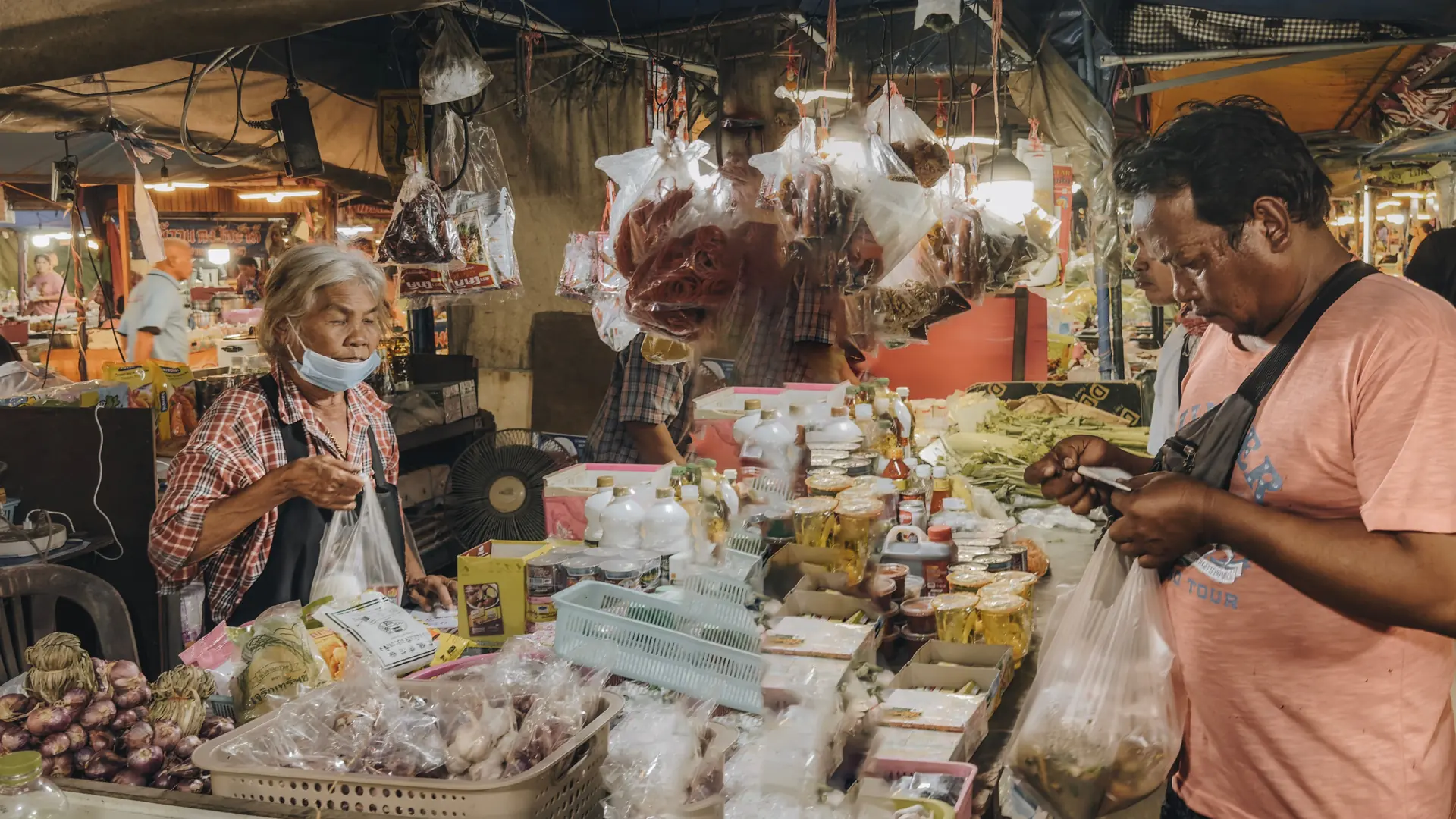
Room and food prices can be moderate, yet private mountain transport and premium festival dates change the total. A central room may save several rides each day; a distant boutique stay can be worthwhile only if its quiet setting is the purpose. Include airport transfer, activity pickups and cancellation flexibility when comparing rates. Chiang Mai spending is easiest to control when city days and excursion days are separated. Walking between Old City temples and using short local rides costs little; a responsible private driver, national-park day or specialist class is a different category and should be evaluated for group size, pickup and inclusions. Festival rooms and smoke-sensitive bookings benefit from flexible terms even when the refundable rate is higher. Compare a Nimman boutique hotel with an Old City guesthouse after adding airport rides and late returns, then reserve money for local crafts bought directly from makers rather than filling the budget with generic packaged stops.
Can I visit Chiang Mai without rushing?
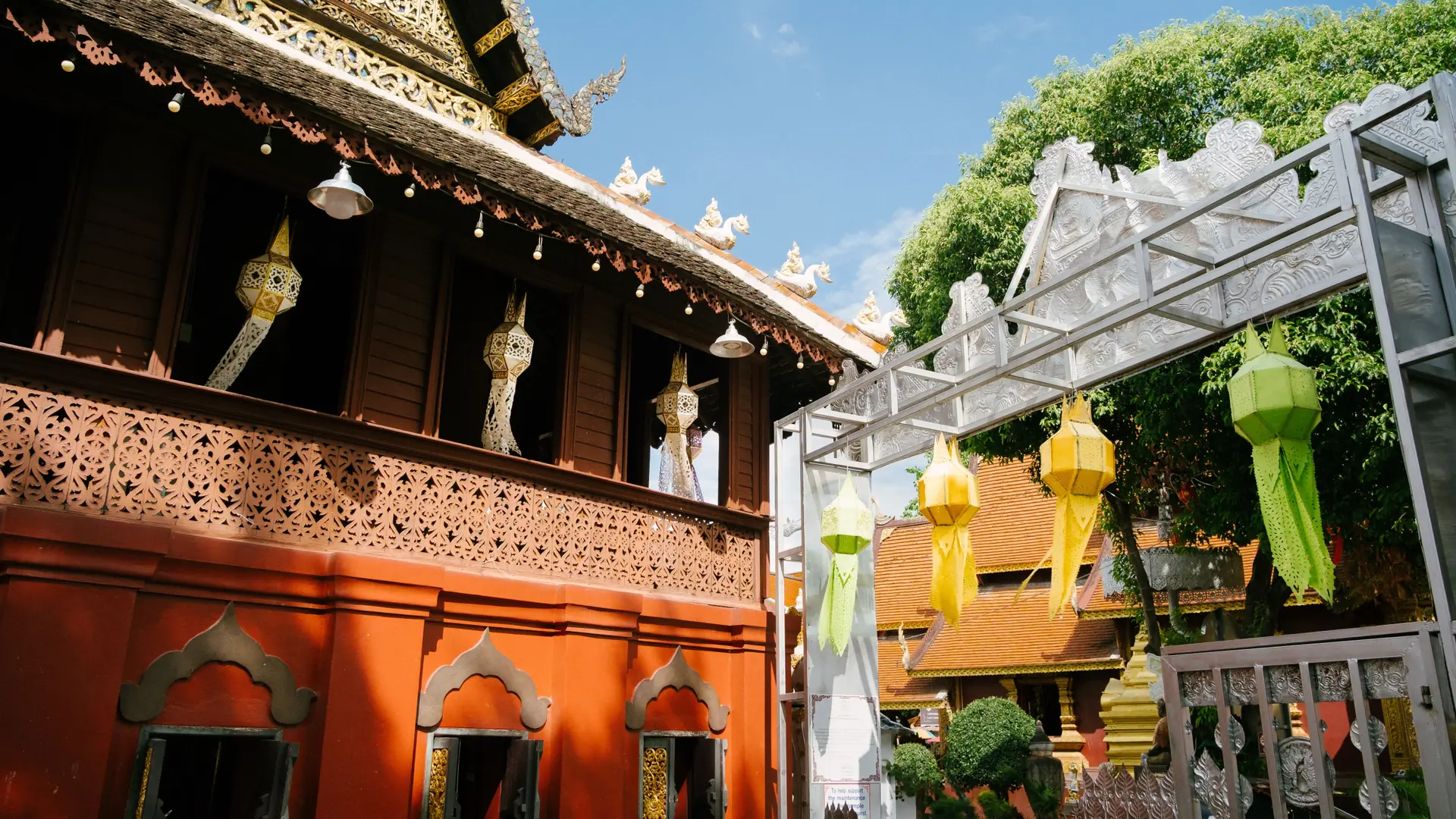
Give the Old City separate morning and evening sessions, then build Nimman or the riverside as another chapter. Put Doi Suthep on the clearest forecast window and avoid stacking it with a distant countryside excursion. Chiang Mai feels richer when markets, cafés and temple courtyards have unassigned time between booked activities. A well-paced Chiang Mai stay follows the temperature. Start temple courtyards early, move into lunch, galleries or a class during the hottest hours, and return to a market after sunset. Give Doi Suthep its own clear morning instead of attaching it to every other mountain attraction. If air quality deteriorates, replace the viewpoint with indoor culture and avoid pretending that a hazy panorama remains essential. Keep at least one unscheduled evening for a neighbourhood discovered on foot. That flexibility prevents the northern chapter from becoming a sequence of pickups and lets Lanna architecture, food and ordinary street life carry equal weight. Keep the mountain and countryside days apart. Doi Suthep can fit with a western-city afternoon, whereas Doi Inthanon or an ethical elephant experience requires its own early departure and careful operator research. Leave a central morning free for the moat, food and small discoveries instead of attaching another distant loop. During Yi Peng, Songkran or a major weekend, expect walking routes and pickup points to change and give the event priority over ordinary sightseeing. Outside festival dates, the same open space can absorb smoke, rain or simple tiredness without turning the trip into a recovery exercise.