Where is the best area to stay in Chiang Rai for a first visit?
Chiang Rai rewards choosing a base around the direction of the longest day trips. Choose the Kok River, San Khong Noi or Ban Du when river calm, residential cafés or early airport and museum access is the stronger priority. Before booking, compare the address with the Clock Tower, bus terminal and first driver pickup; similarly named outer roads can add an unexpected ride.
How many nights should I spend in Chiang Rai?
Three nights allows one city-temple day, one northern or mountain route and a spare evening; two nights is the minimum for more than a rushed photo circuit. Four nights suits travellers adding Doi Tung or slow countryside time. Chiang Rai should be treated as its own base, not a long return day from Chiang Mai.
What is the best time to visit Chiang Rai in 2026?
Cooler dry-season mornings are appealing, while late dry-season smoke can erase the mountain views people came to see. The wet season brings greener scenery and changeable road conditions. Check air quality, rainfall and visibility close to travel, then keep the most landscape-dependent route movable rather than forcing it on the worst day.
Do I need a car or scooter in Chiang Rai?
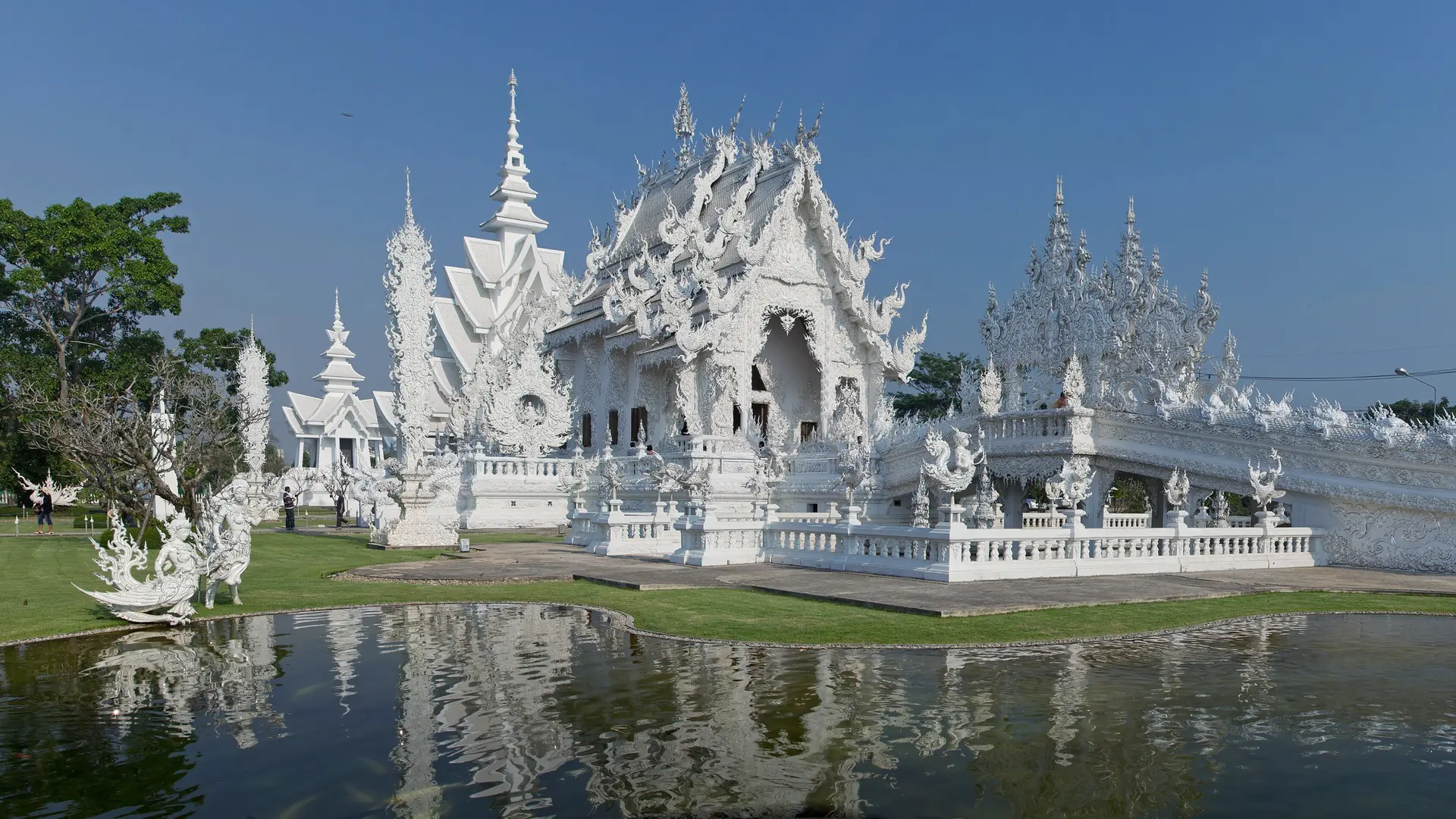
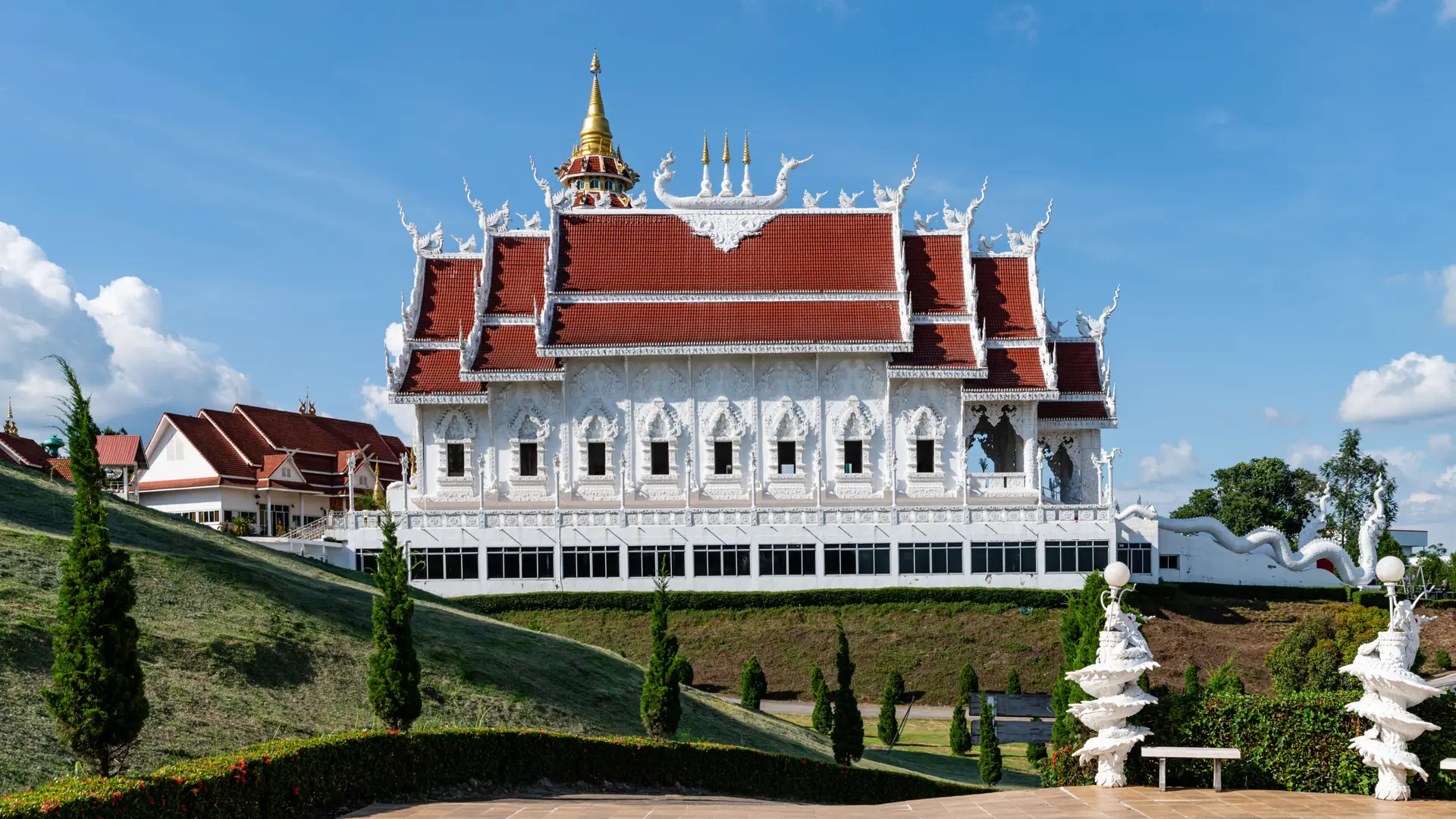
Central sights can be reached on foot with short rides, but the White Temple, Baan Dam and northern landscapes are dispersed. A hired driver with a written route is often more efficient than negotiating each leg. Self-driving requires confidence with local roads, licences and insurance; there is no city rail network to rescue a poor base.
How do I reach Chiang Rai from the main gateway?
Chiang Rai airport is north of the centre and road transfer is the normal final leg. Confirm the property pin and fare before a late arrival. Travellers coming from Chiang Mai should compare current bus times with a private road transfer, remembering that arrival at the terminal still leaves another ride to the hotel.
Which Chiang Rai area is quietest for sleep?
The Kok River offers calmer evenings, while selected San Khong Noi streets balance local food with central access. Clock Tower rooms need questions about road and event noise; Ban Du properties may sit far from evening services. Ask whether a river view faces restaurants or function space, and verify late transport back from dinner.
What should I book ahead for Chiang Rai in 2026?
Book a reliable driver when a specific northern circuit matters, along with accommodation during major holiday periods. Flexible terms are valuable when smoke-sensitive views define the visit. Temple opening hours and respectful dress should shape the route, while ordinary city meals and markets benefit from room to change.
Is Chiang Rai suitable for travellers with limited mobility?
Chiang Rai’s dispersed attractions make the vehicle as important as the hotel. Confirm step-free room and bathroom details, then ask the driver about temple stairs, walking distances and toilets at every planned stop. Some landmark grounds are broad even when the main viewpoint looks close; a folding mobility aid must fit the booked car.
Is Chiang Rai expensive in 2026?
Central rooms can be modestly priced, but private touring is often the largest useful expense. Compare the cost of several separate taxis with a driver who waits and follows a researched loop. Remote resorts may include scenery but create meal and transport costs; confirm breakfast, airport transfer and cancellation terms before choosing isolation. A Chiang Rai budget is usually won or lost in the touring plan. Central accommodation and meals can remain moderate, but the White Temple, Baan Dam, Doi Tung and northern border landscapes cannot all be reached efficiently by casual short rides. Ask a driver for a route-specific quote with waiting time, fuel and overtime explained, then compare it with separate transfers. Travellers sensitive to smoke should protect hotel and touring payments with flexible terms. A remote resort needs meals and airport transport added, while a Clock Tower room may let evenings stay on foot. Pay for informed routing before paying for extra stops.
Can I visit Chiang Rai without rushing?
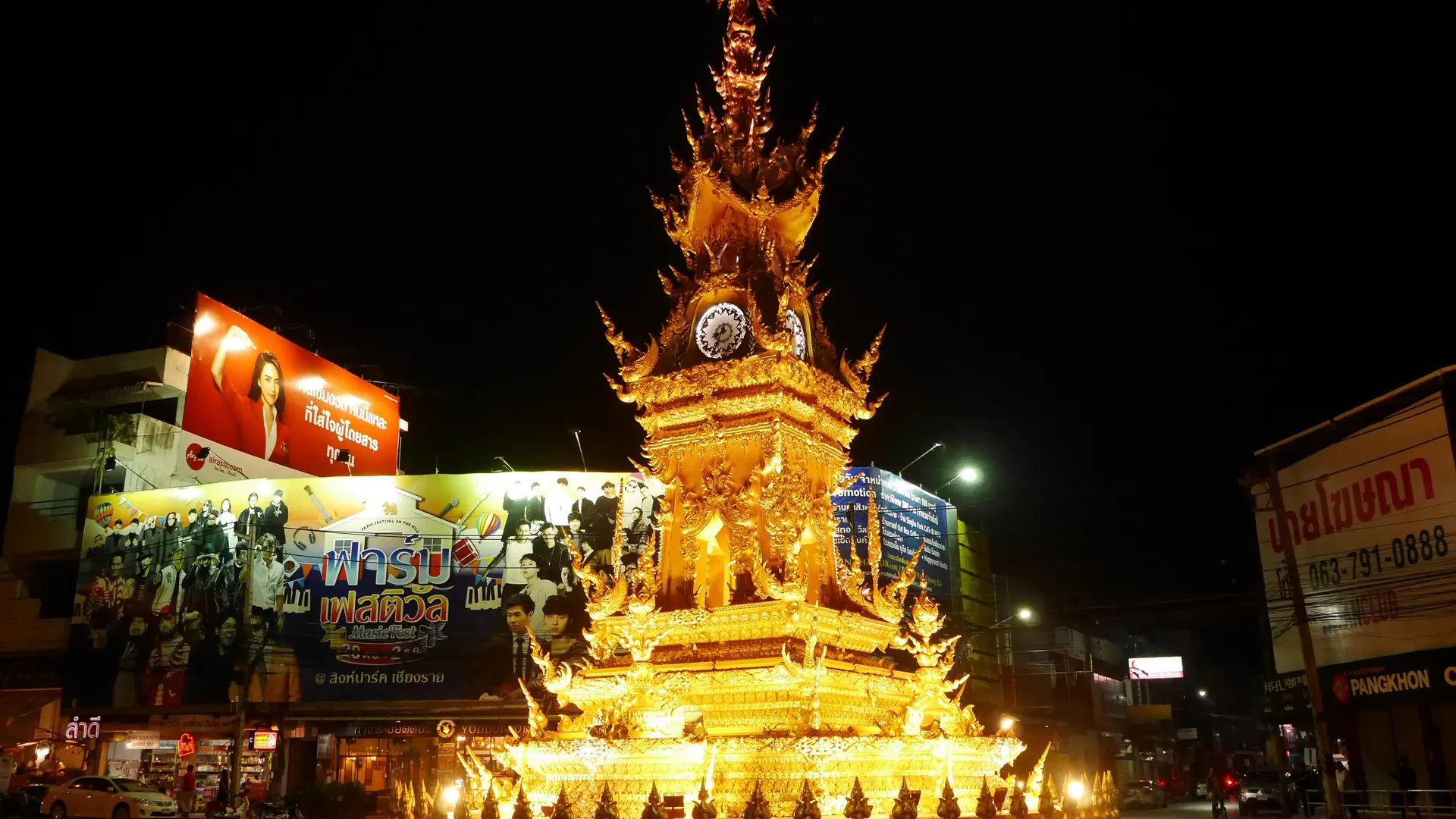
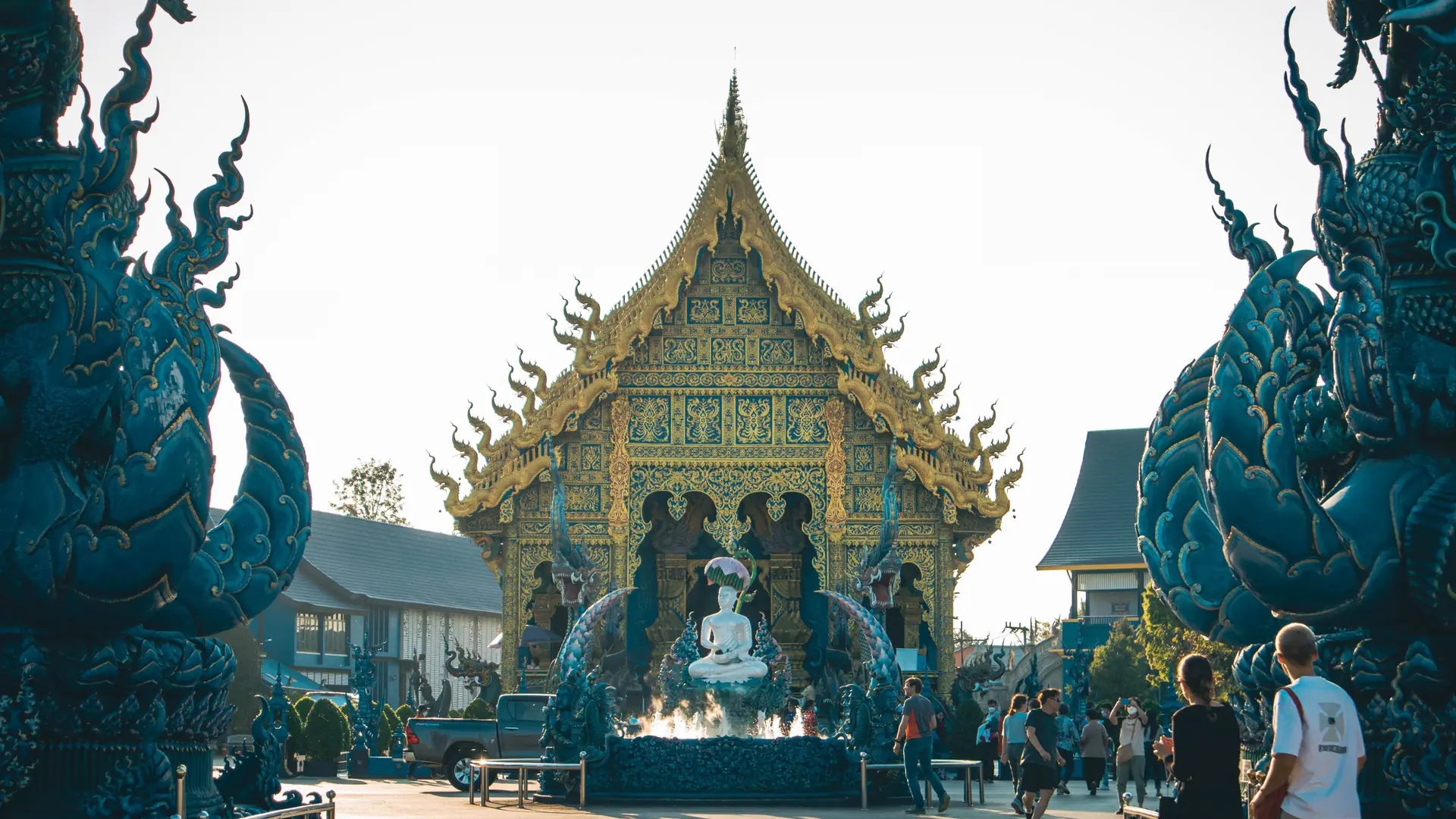
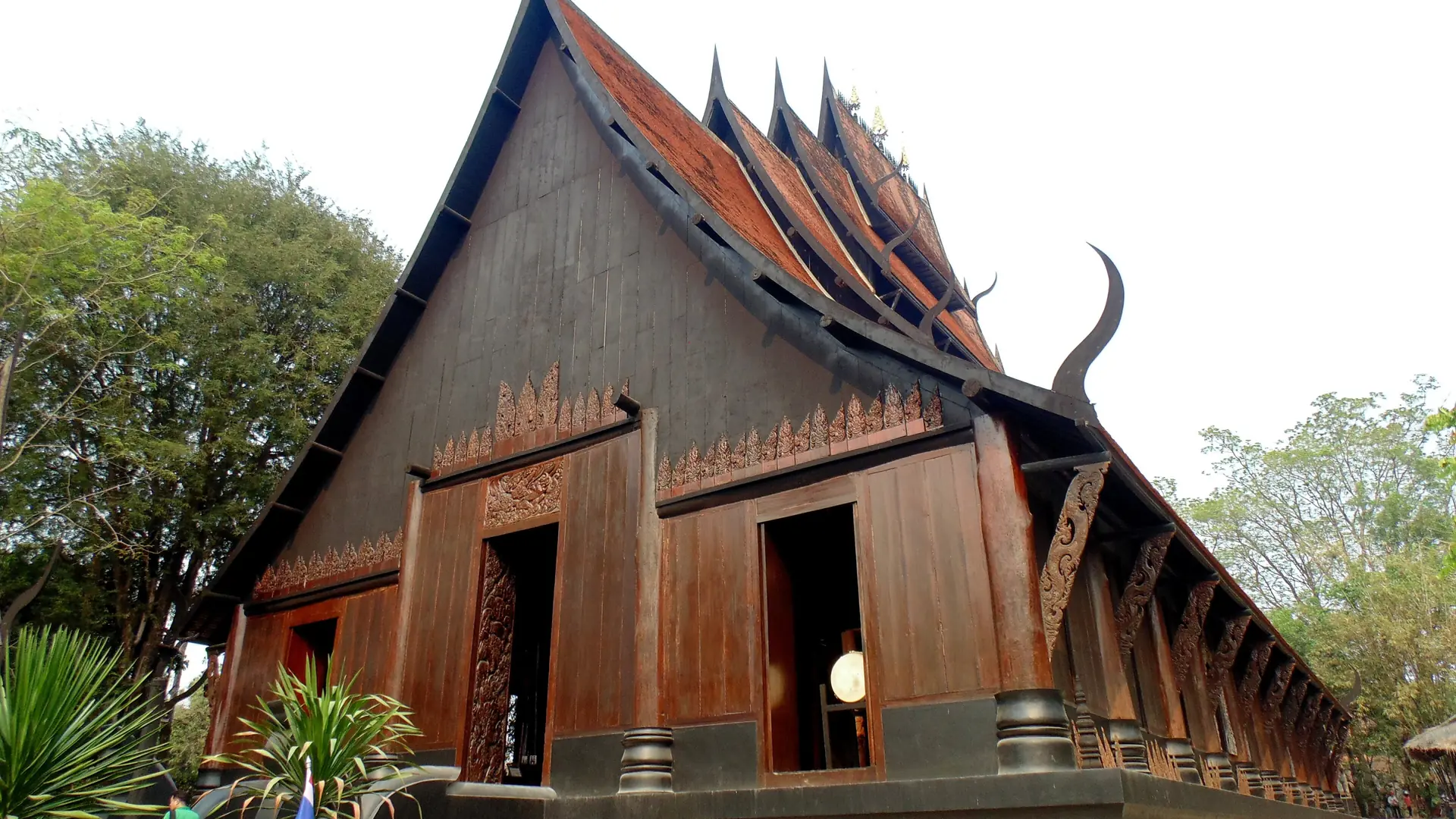
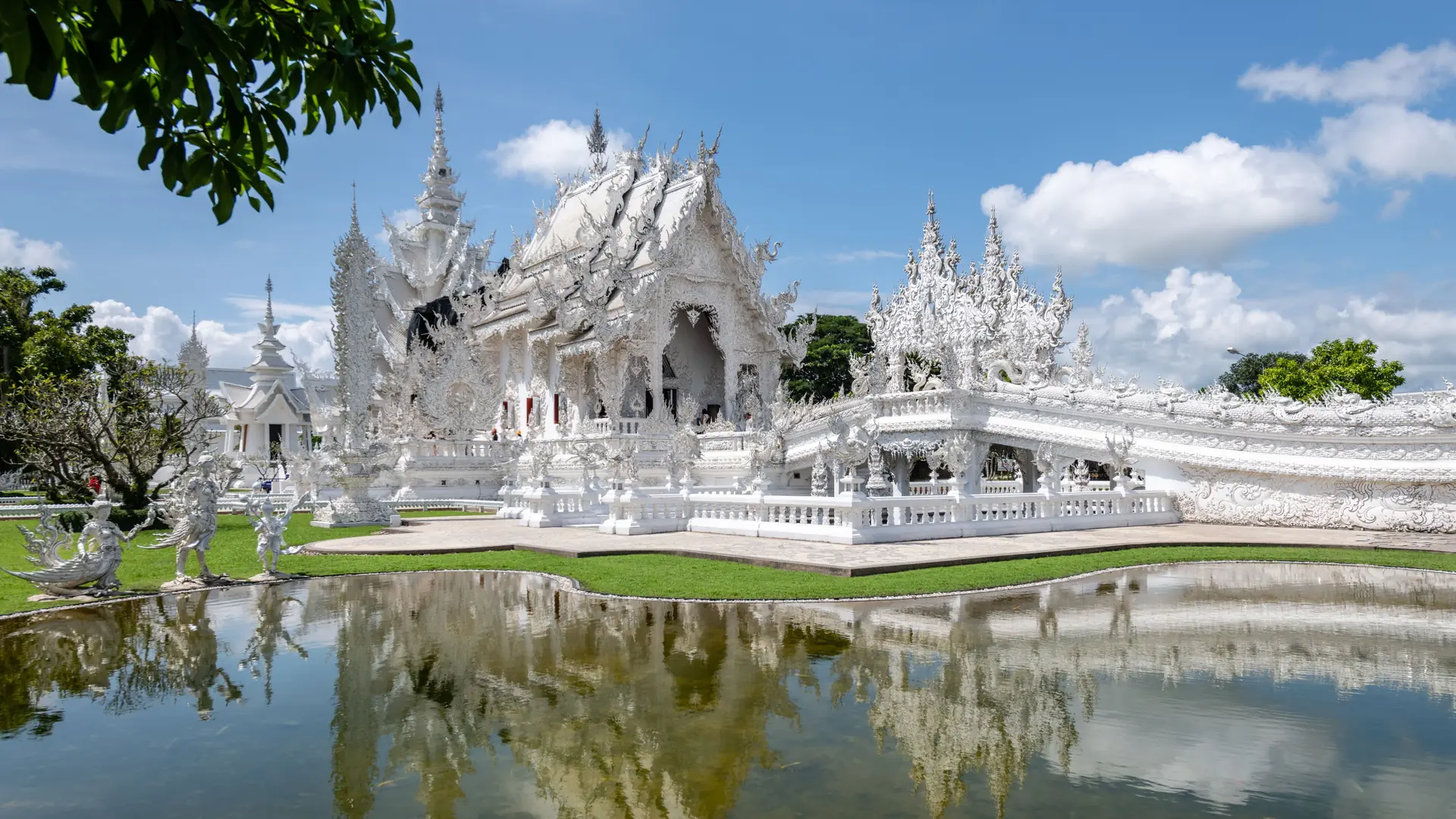
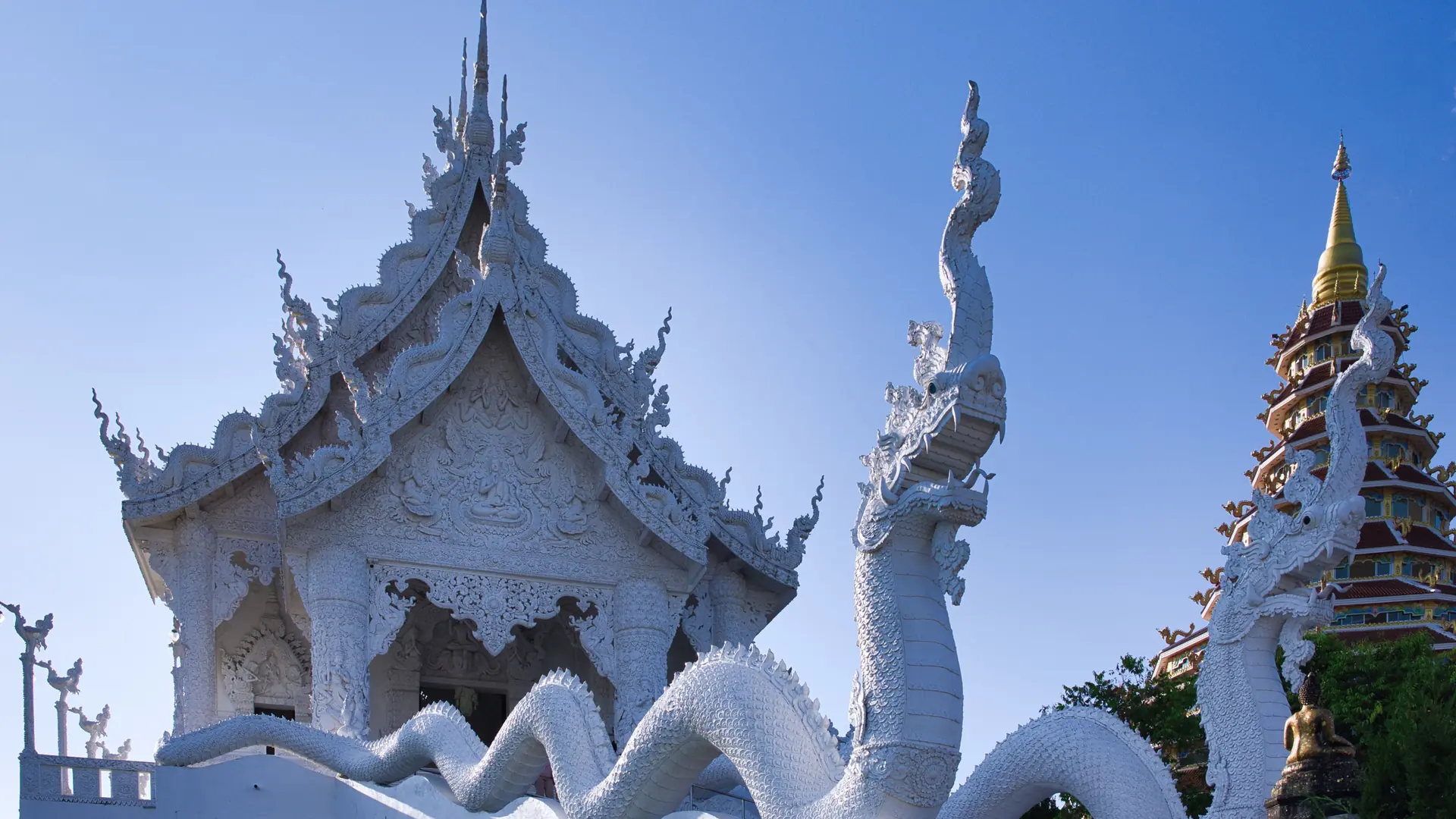
Keep the White Temple and southern stops together, then place Baan Dam and northern sights on another route. Protect an unhurried central evening around the Clock Tower and market. Trying to combine Chiang Rai city, the Golden Triangle and Chiang Mai in one day turns every stop into a car-park photograph. Chiang Rai needs fewer pins and more coherent directions. Put Wat Rong Khun with southern approaches, keep Baan Dam and airport-side sights together, and give Doi Tung or the Golden Triangle a separate long road day. The Clock Tower and night bazaar belong to an unhurried evening after the driver finishes. When haze hides distant landscapes, prioritise architecture, museums and local food rather than chasing weak viewpoints farther north. Leave one café or riverside interval between temple complexes so their design does not blur together. This pacing respects the province’s distances and gives contemporary northern art enough attention to become more than a photo stop. Treat the arrival and departure as useful half-days only when the flight or bus timing truly allows it. The city centre can hold a market, meal and Clock Tower walk, but a rural temple or tea landscape needs daylight and a committed driver. Check the smoke outlook before locking the northern scenic day; visibility can matter more there than at an indoor museum or architectural site. If both Doi Tung and the Golden Triangle are priorities, add a night rather than compressing them into a late race back. The extra margin also gives local restaurants and contemporary galleries space beside the famous white, blue and black landmarks.



.jpg)