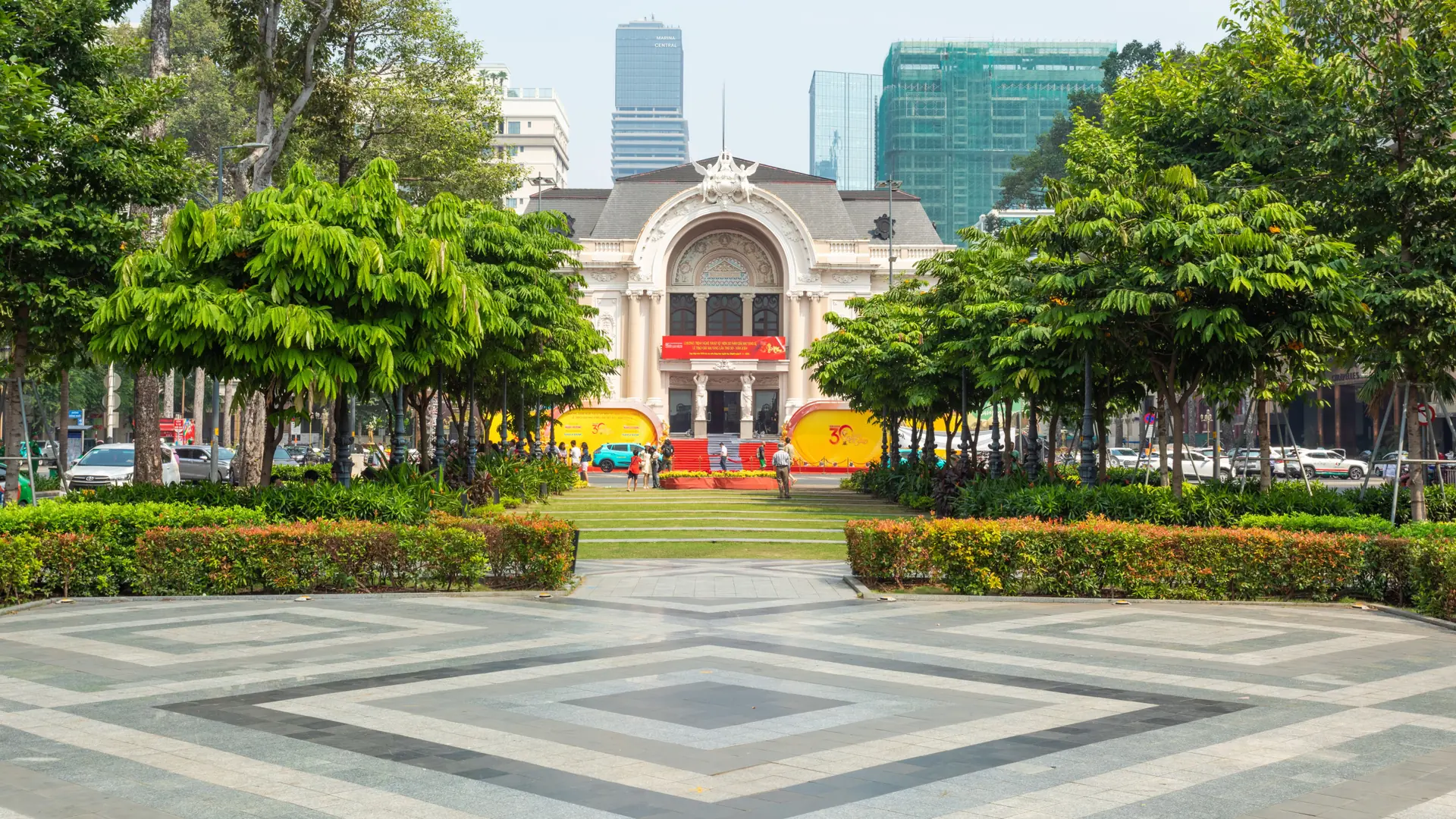
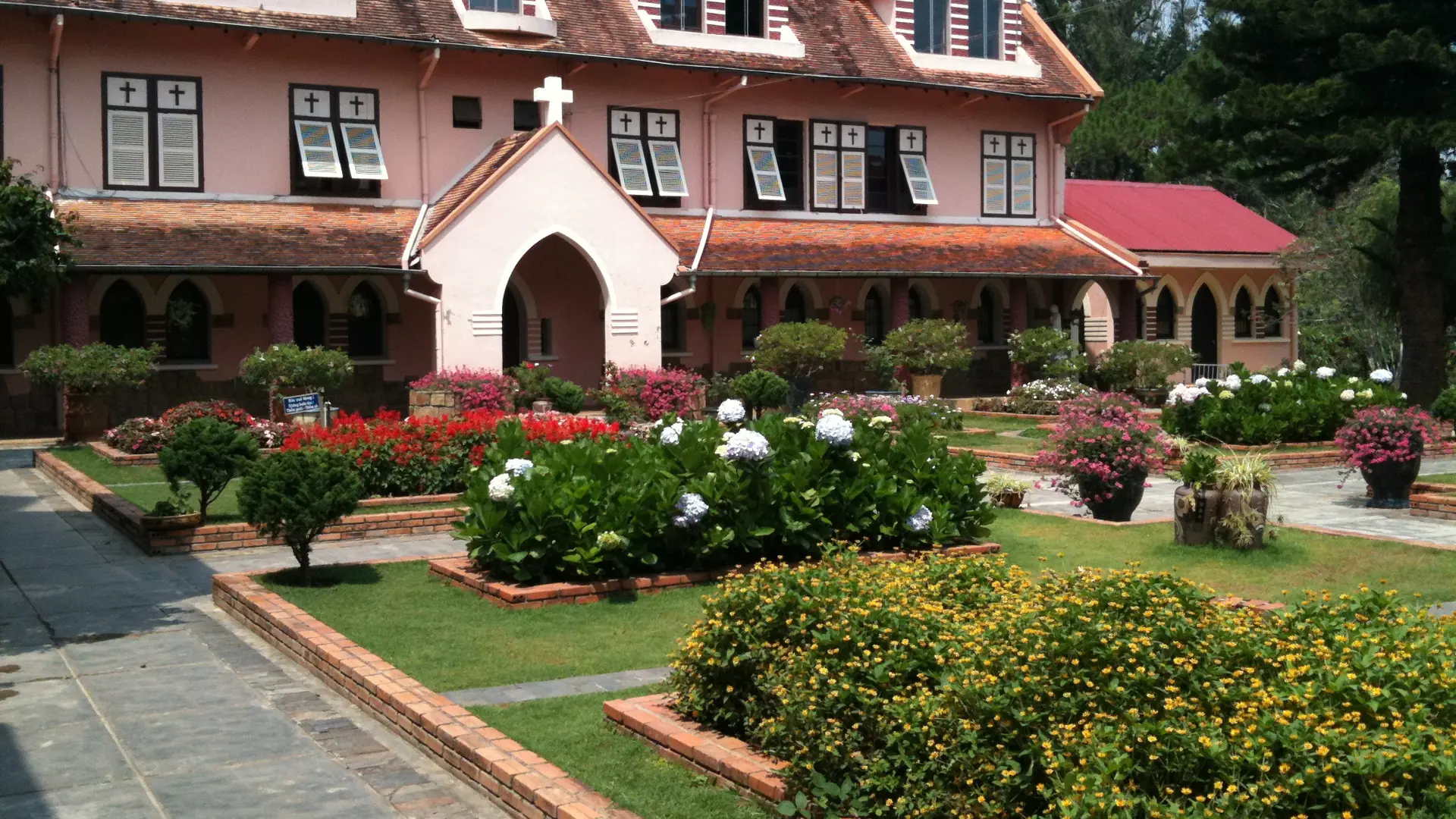
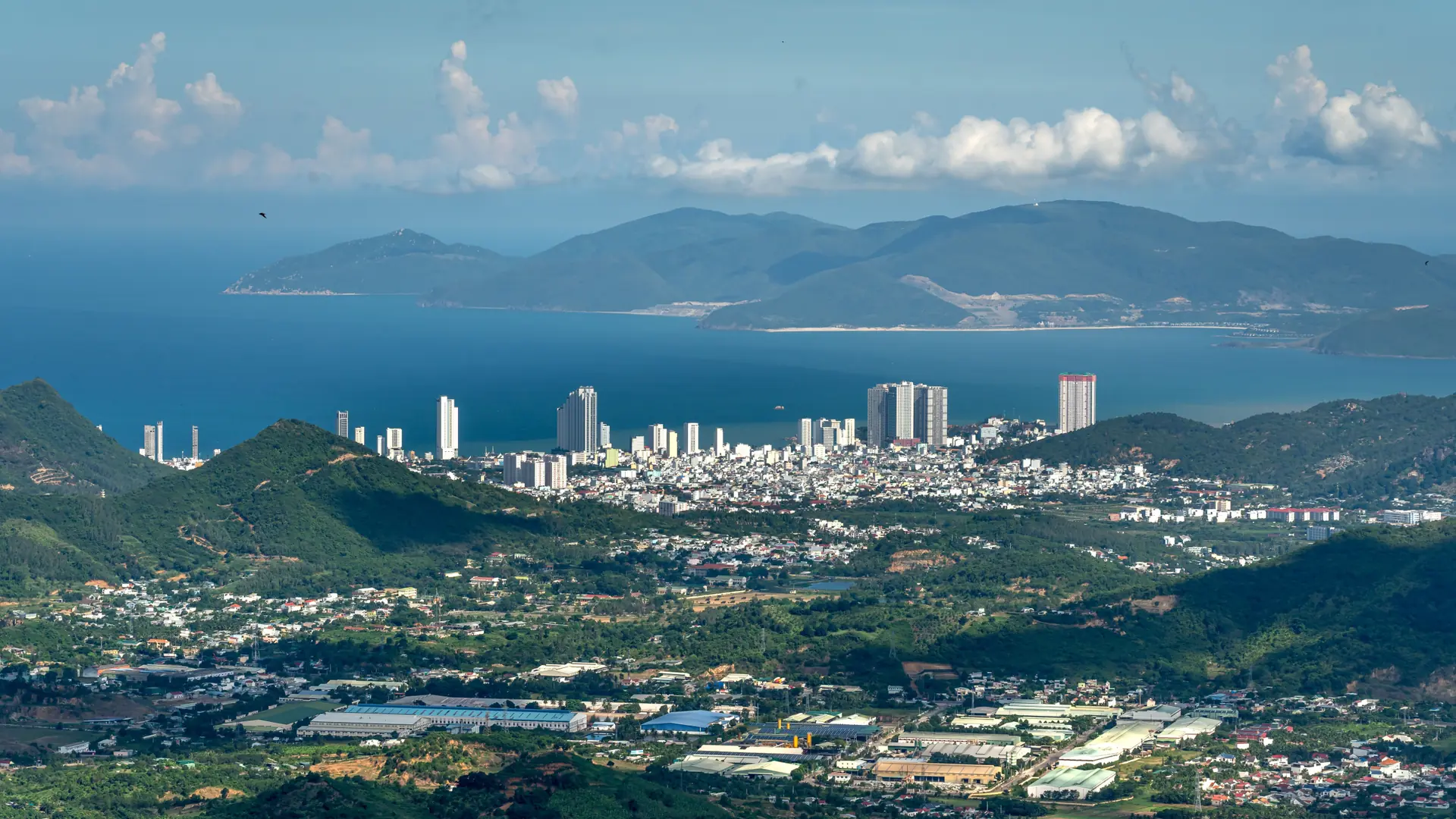
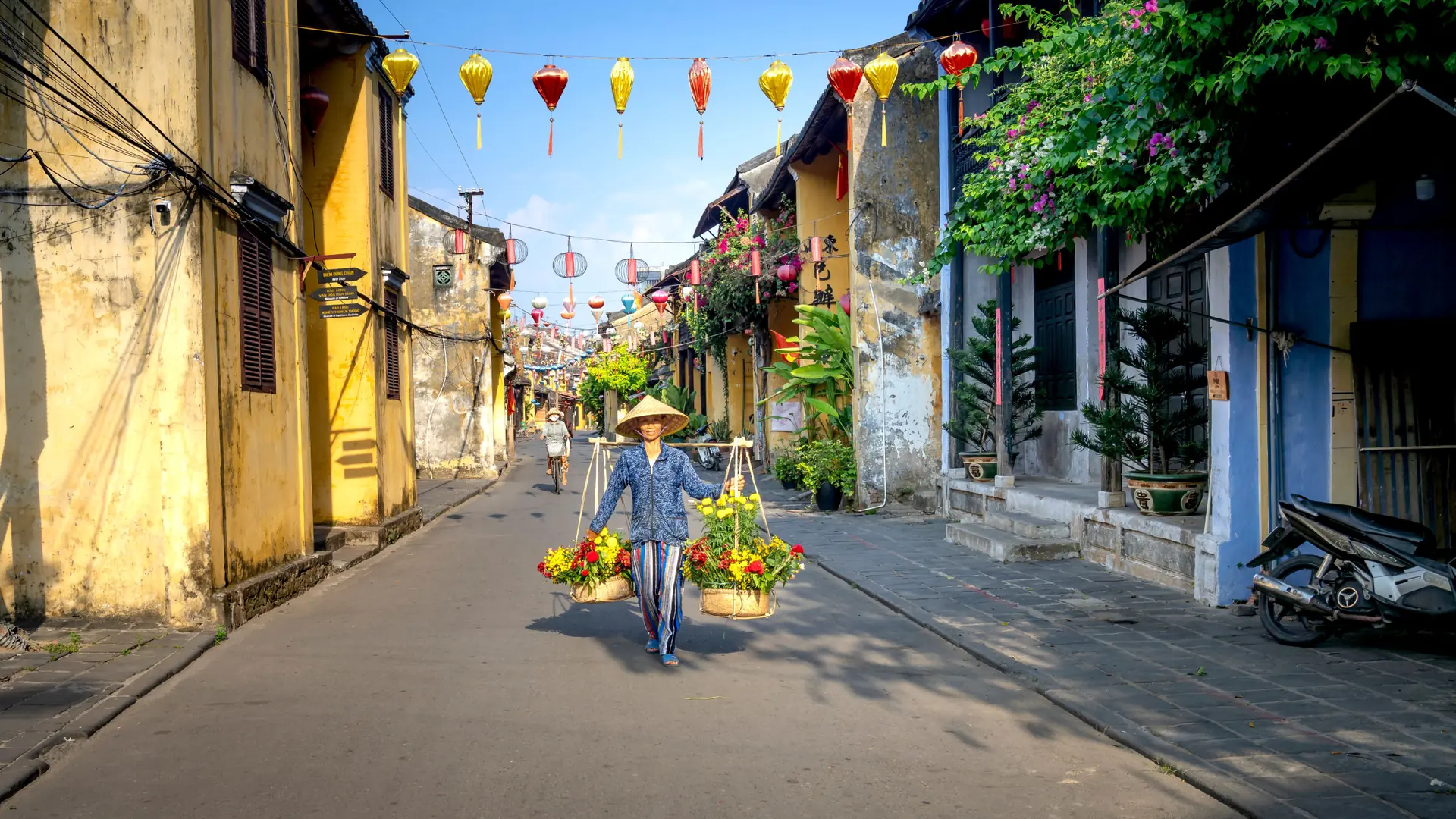
Three nights for the palace, tombs and unhurried meals
Arrive on day one, check in and take a short river walk before dinner. On day two, spend the morning in the Imperial City, break for lunch, then explore nearby Citadel streets if you still want to walk. Day three is a separate road outing to two royal tombs, with lunch between visits and a return to your Hue hotel. Leave on day four. This uses three hotel nights and two full sightseeing days. With only two nights, choose a palace-and-food day between arrival and departure; save the tomb outing for another visit. For a Thuy Bieu cooking or village day, extend the stay to four nights and leave on day five. Overnight train berths on either side of the visit are extra nights in your wider Vietnam itinerary.
Royal landscapeChoose gardens or dramatic architecture
Tu Duc has lakeside pavilions and a landscaped setting. Minh Mang lays out its monuments among ponds and pine-covered hills. Khai Dinh rises through stone platforms to a richly decorated mosaic interior. A Tu Duc–Khai Dinh pair gives you a strong contrast; choose Minh Mang instead of Tu Duc if ordered courtyards appeal more than the poet-emperor’s lake. You can linger at each without spending the day trying to collect every tomb. The car plan below handles the journeys between them.
Small platesSoft dumplings, crisp pancakes and soup
Look beyond bun bo Hue for a meal of smaller dishes. Banh beo are little steamed rice cakes served in saucers; banh nam are soft rice-flour parcels in leaves. Banh bot loc has a chewy, translucent tapioca wrapper around shrimp and pork. Banh khoai is a crisp pancake, usually served with vegetables and a thick dipping sauce. Start with a modest order and add something with a different texture. Tell the cook about allergies: shrimp, pork, fish sauce, peanuts and pork liver can appear in the fillings, toppings or sauce.
City walkRoyal enclosure and everyday streets
The Citadel is a larger lived-in district around the paid Imperial City. Its streets, ponds and houses make a different outing from palace halls. After the royal visit, choose one nearby interest such as the exterior of Hien Nhon Gate, or take a separate bicycle or cyclo outing toward Tinh Tam Lake. You do not need to turn the whole northern district into a walking circuit after a long palace morning. Gardens and domestic streets are part of the setting; the sightseeing route stays on public paths.
Village morningMarket shopping, cooking and lunch
Hue Ecolodge’s cooking outing starts at Thien Mu Pagoda at 09:30. A dragon boat takes you to Thuy Bieu, where a market visit leads into the kitchen. The dishes are young-fig salad and ram it, a soft-and-crisp sticky-rice preparation with shrimp and pork. Eat what you made, then finish with an herbal foot soak; the visit ends at the lodge at 13:30. This is a hands-on alternative to another monument morning. The transport section explains how to join from a city hotel and return afterward.
Palace morningStart at Ngo Mon
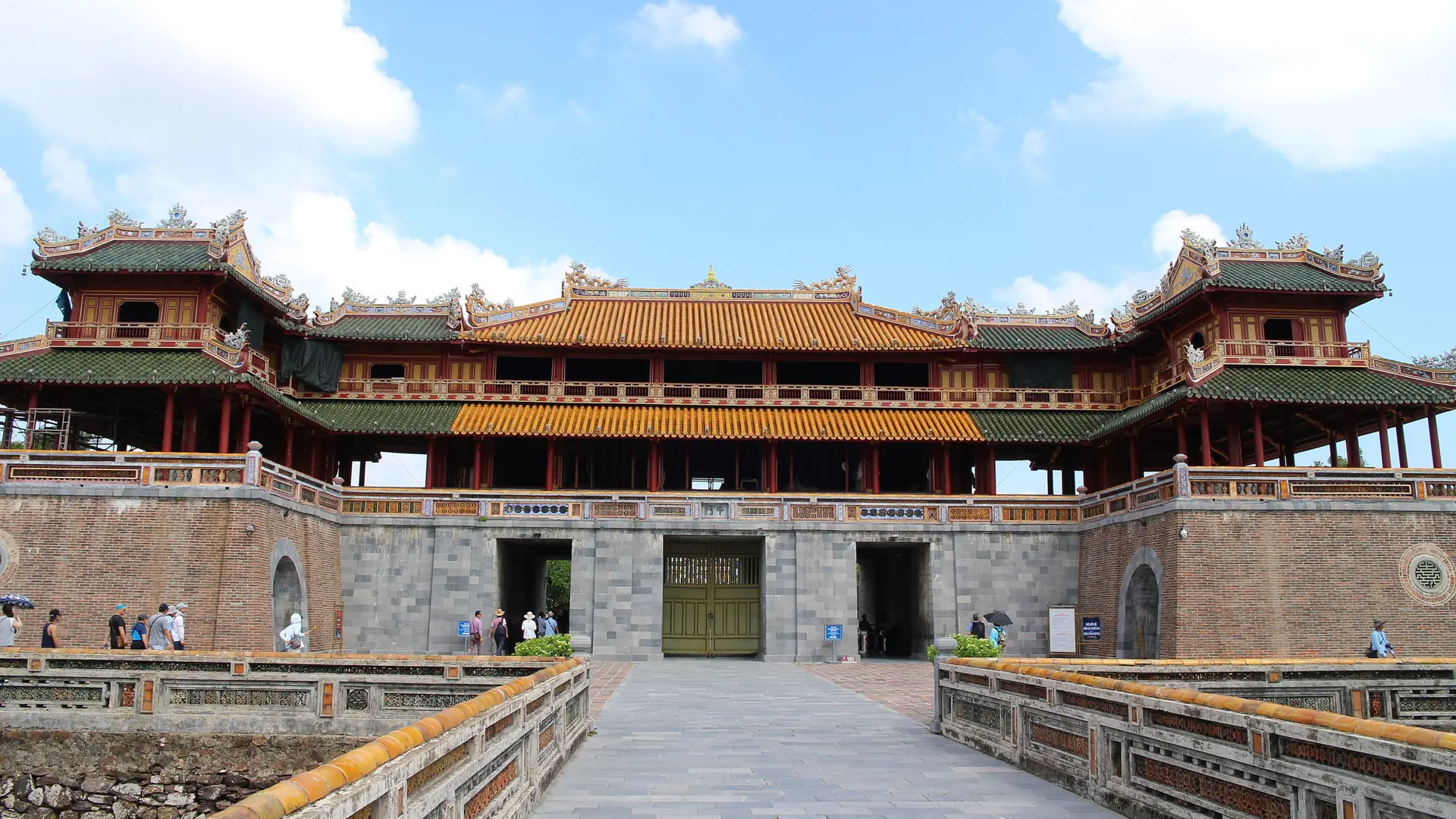
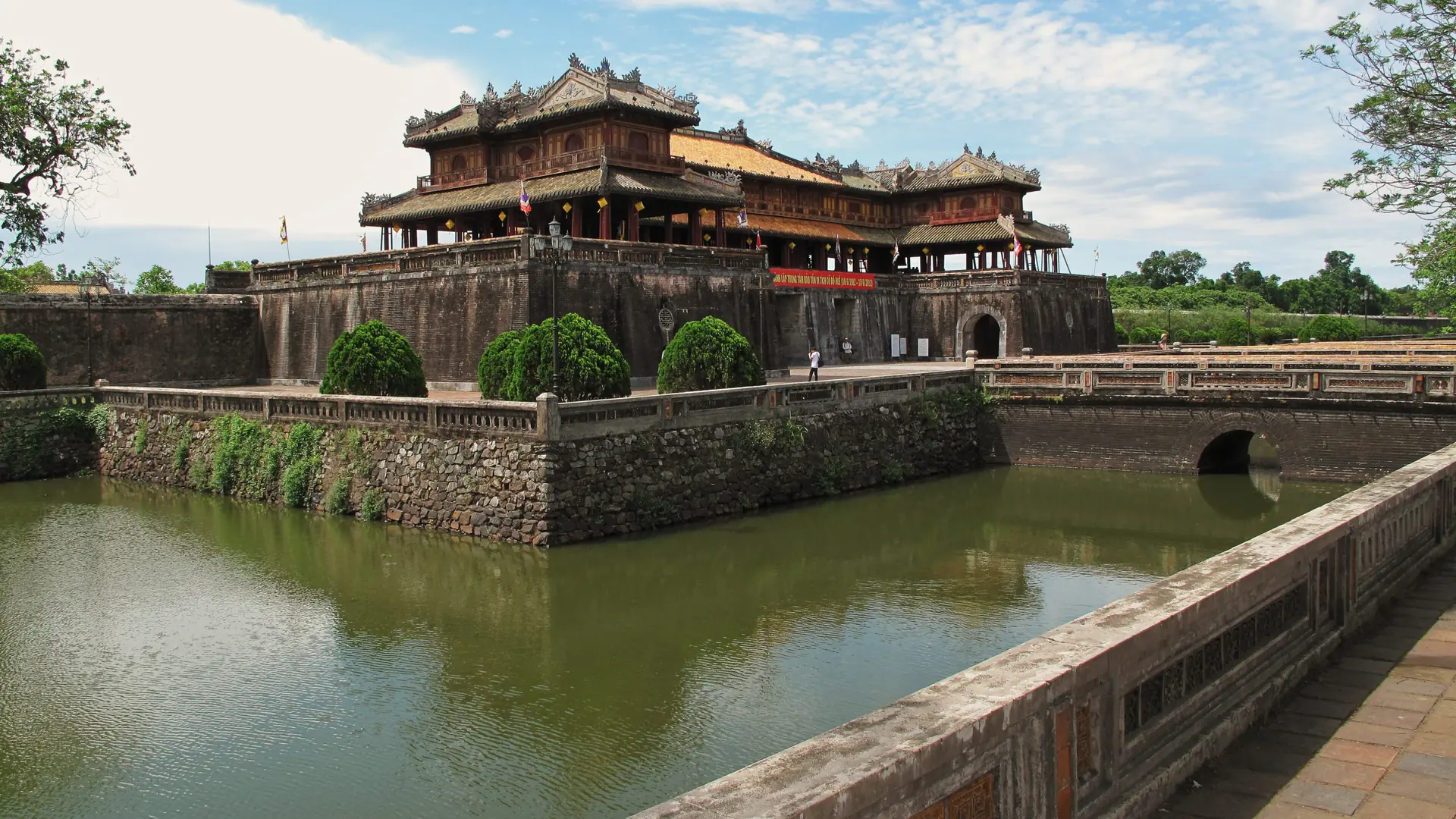
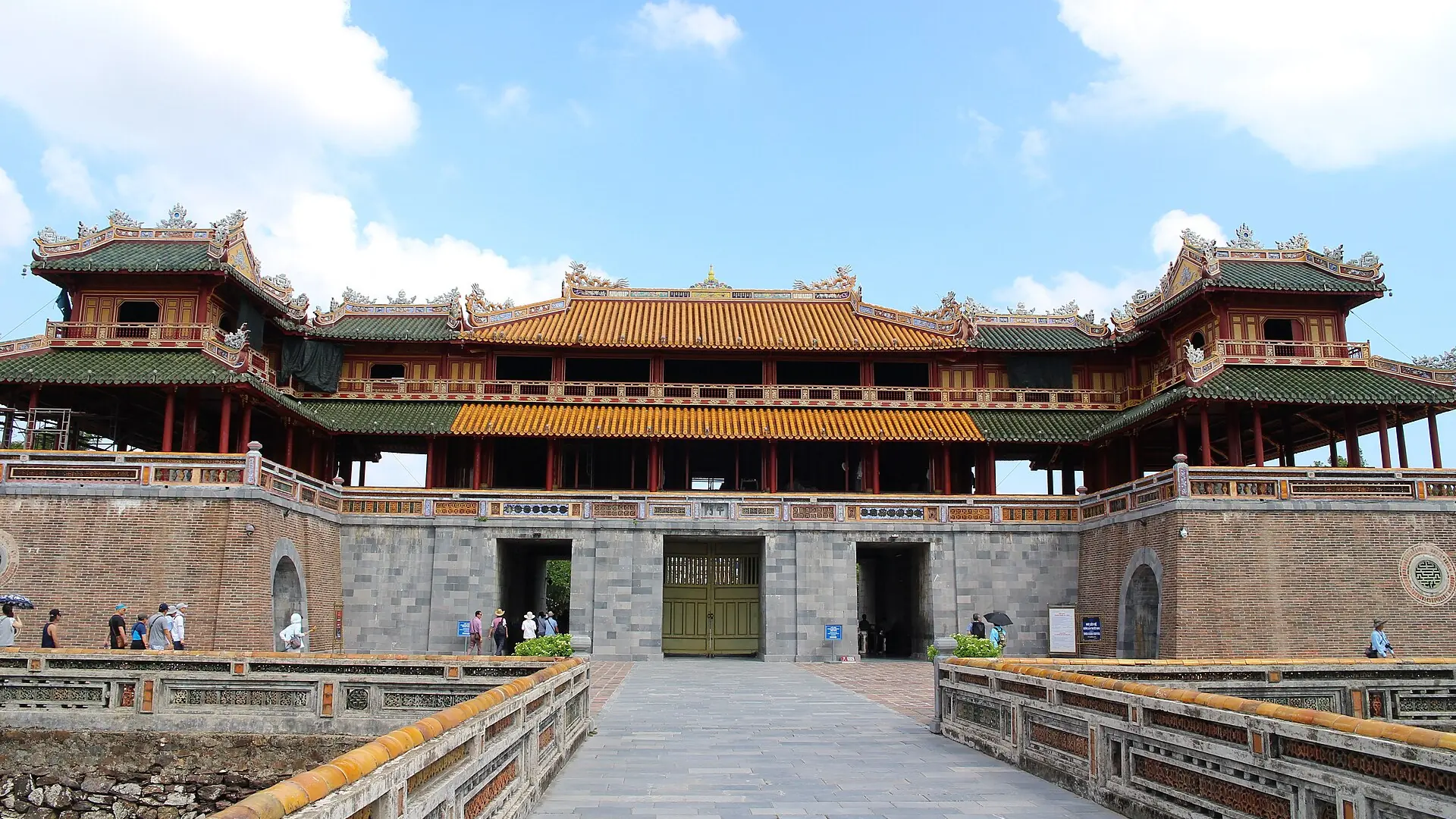
Use Ngo Mon, the main visitor entrance to the Imperial City, as your arrival point. Begin with Thai Hoa Palace on the central axis, then choose the ancestral temple and urns at The Mieu and the garden courtyards around Dien Tho. Allow the morning for walking and looking, rather than adding a tomb drive immediately afterward. A guide helps explain buildings whose royal use is not obvious from the exterior. Follow the site’s exit signs and agree the collection point with your driver; do not assume you will leave through the entrance gate.
Guided food outingFour hours by cyclo
Hue Flavor offers a four-hour food tour at 09:00 or 14:00, with pickup at central hotels and a central drop-off. Each guest rides in a cyclo; the route crosses Trang Tien Bridge to Dong Ba Market and continues through Citadel streets, stopping for a selection of local dishes. Choose this when you want a guide to explain the ingredients and connect the food to the city. The long list on the operator’s page is a menu of possibilities, rather than fifteen dishes promised on every departure.
StartBooker answer
Which part of Hue is best for a first visit?
For a first visit to Hue, stay on the south bank: Phu Hoi puts dinner and evening company nearby, while Le Loi offers river walks and hotels farther west. Choose the north-bank Citadel for residential heritage streets, or Thuy Bieu for a garden retreat. Allow three hotel nights: arrive on day one, explore the Imperial City on day two, visit two royal tombs by road on day three and depart on day four. Add a fourth night for cooking or village cycling.
City geography
The Citadel lies north of the Perfume River; the Le Loi accommodation district lies on the south bank.
Two evening settings
The Pham Ngu Lao–Chu Van An–Vo Thi Sau streets differ from the Nguyen Dinh Chieu river promenade.
Tomb selection
Tu Duc, Minh Mang and Khai Dinh offer markedly different landscapes and architecture.
Things to do in Huế, Vietnam
Explore tours, attractions and local experiences in Huế, Vietnam.
Loading activities…
Activities provided by GetYourGuide. We may earn a commission on bookings.
AI-powered
Plan your Hue days
Include your arrival time, hotel area, chosen tomb pair and any walking limits. Give cooking or village cycling its own day, with the meeting point and ride home.
Use your email security code to continue planning.
Use your email security code to continue planning.
An arrival walk beside the Perfume River
Phu Hoi and the central visitor streets
After dropping your bags in Phu Hoi, head toward the southern end of Trang Tien Bridge and the Nguyen Dinh Chieu promenade beside the Perfume River. Stay on the south bank for this first stroll; you can cross toward the monuments another day. Walk along the river, pause for a drink, then return to the Pham Ngu Lao, Chu Van An and Vo Thi Sau streets for dinner. This gives you a little city time without committing to a ticketed visit after travelling. The visitor streets are especially lively on weekend evenings, when the pedestrian zone operates. If you reach the hotel late, have dinner nearby and leave the river walk for the next evening.
•The promenade gives an arrival afternoon a simple destination.
•Dinner can finish near your room rather than at a distant sightseeing stop.
•Photo: Ngo Mon Gate, across the river at the Imperial City.
Choose your base on the river or in the gardens
The Imperial City is north of the Perfume River. Many visitor hotels and restaurants are south of it; Thuy Bieu is a village retreat beyond the central streets.
North-bank Citadel neighbourhood
Residential history near the palace
A northern base among Citadel streets, ponds and homes.
Historic districtPhoto: Imperial City
Phu Hoi visitor streets
Dinner and a social evening
A south-bank base around three busy visitor streets.
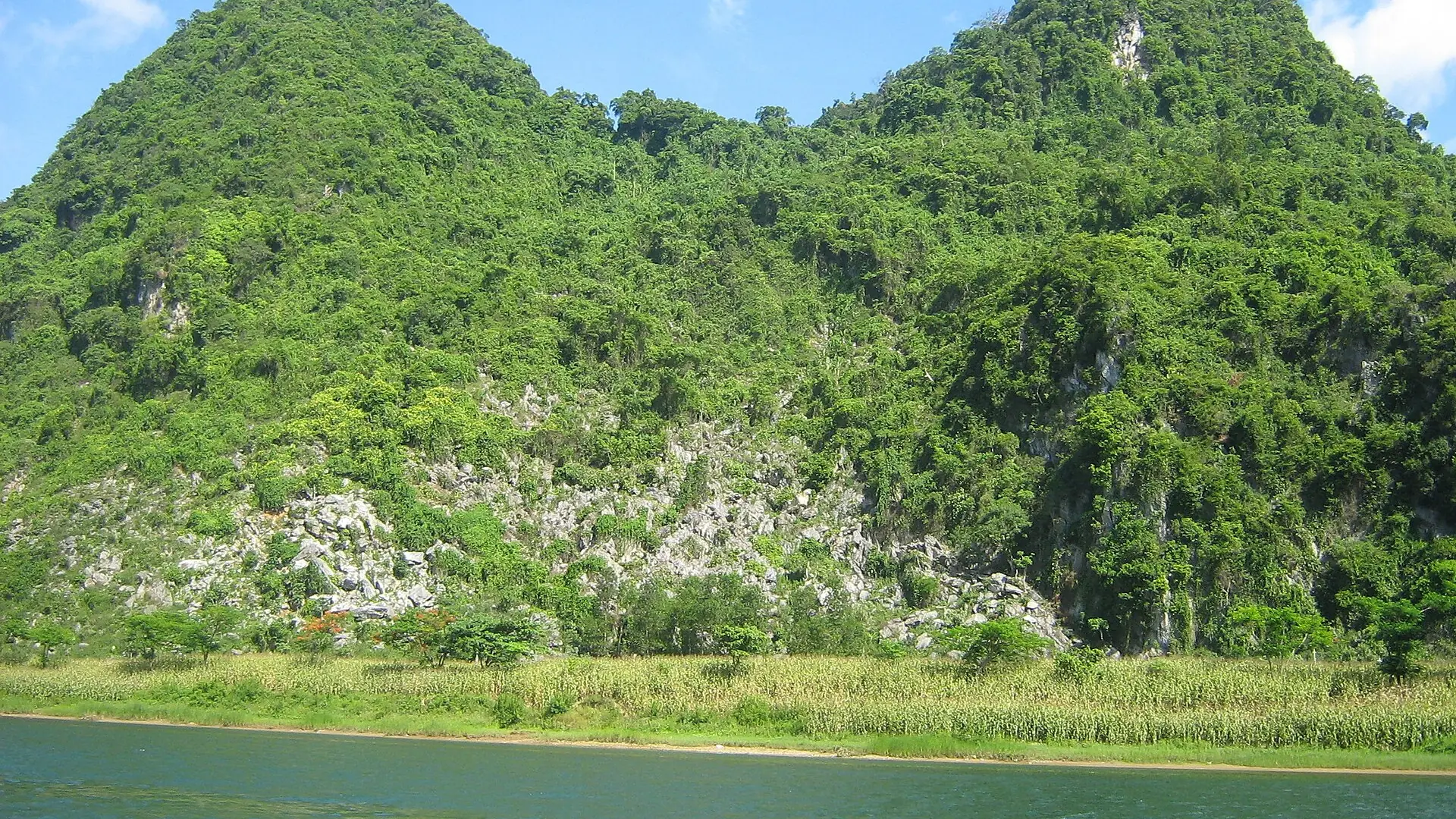
Evening foodPhoto: Hue heritage grounds
Le Loi riverfront
River walks and hotel afternoons
The south-bank river road extends west toward Hue station.
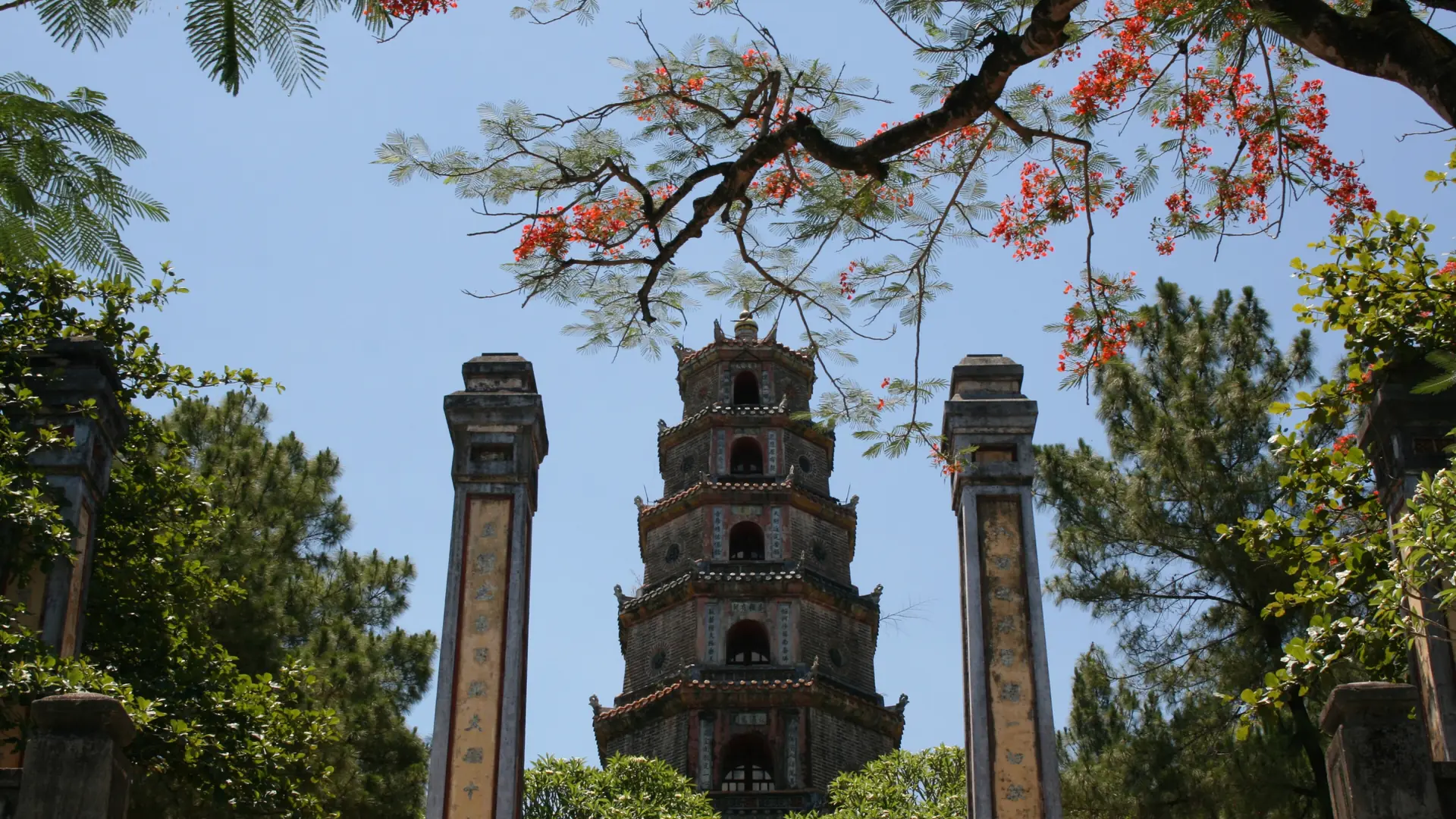
RiverfrontPhoto: Thien Mu Pagoda
Thuy Bieu gardens
Gardens and village days
A Thuy Bieu base for pomelo gardens and local activities.
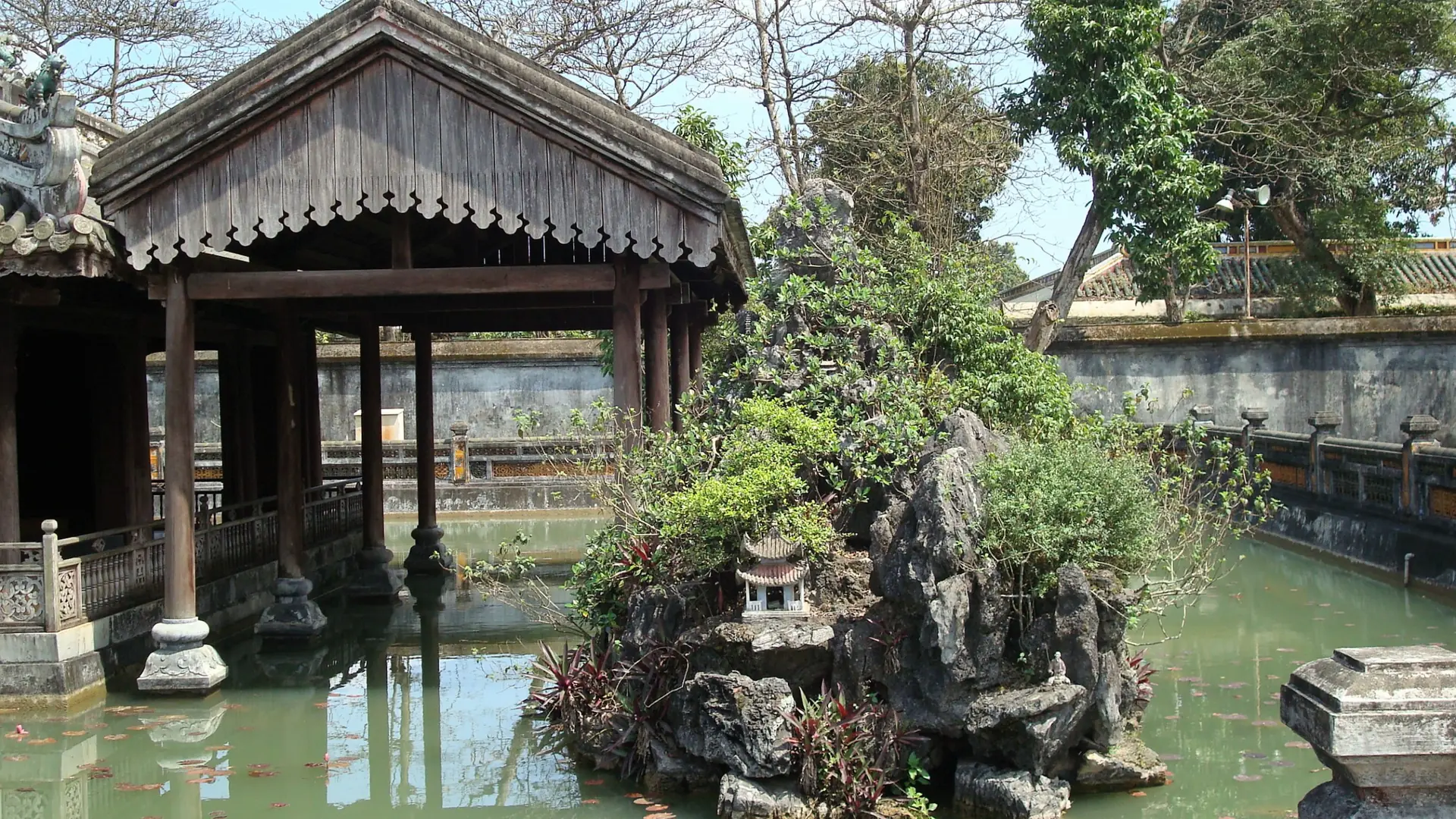
Village retreatPhoto: Dien Tho Palace
Compare the daily experience
Setting
Best use
Features
Getting around
North-bank Citadel neighbourhood
Residential heritage streets
Stay among everyday Citadel streets
South-bank evenings require a crossing
Walk or cycle locally; taxi for tombs
Phu Hoi visitor streets
Independent meals and company
Keep evenings near the room
Busier street frontage
Walk to dinner; cyclo or taxi to northern sights
Le Loi riverfront
River walks and hotel breaks
Combine outings with afternoons back at the hotel
Western hotels are away from the bar cluster
Walk Le Loi; use a taxi for farther city stops
Thuy Bieu gardens
Countryside and village activities
Make garden time part of the holiday
Rides add time to city days
Cycle village lanes; car or taxi to central Hue
Match the room to the way you travel
These hotel examples address different needs: a historic building, outdoor space, a family connection, a garden room, independent days or an early arrival.
For an Art Deco building
La Residence has a 1930s mansion and two wings completed in 2005. Its Deluxe Colonial is a concrete mansion choice: a 30 m² room with a city view, a king bed or twins, and space for two adults and one child. Choose it for the building’s character rather than a river panorama. If you mainly want the gardens, saltwater pool and restaurant, compare the other room categories too. The later wings share the hotel’s grounds while giving you a different bedroom setting.
For a couple with a private terrace
Azerai’s Deluxe Room is 30 m² with a king bed or twins, a shower and a private sun terrace. It gives two people a place to sit outside without making the whole afternoon a hotel activity. The published maximum is two adults and one child. A complimentary cot and one paid extra bed can be requested, so include the child’s age and sleeping needs in the reservation. Three adults should choose a room that explicitly accepts their party.
For connected family spaces
Hue Ecolodge’s Deluxe Connecting rooms provide an internal link for families or friends who want to sleep separately and meet without going outside. The accommodation lists air conditioning, garden views, a bathtub and an outdoor shower terrace. Send the hotel the number of adults and children and ask it to identify the beds in the offered pair. This is useful when a child’s bedtime differs from the adults’ evening, or when two couples want adjoining private spaces.
For a garden room at a smaller scale
The Junior Deluxe at Hue Ecolodge is a 33 m² garden-facing room in a two-floor building containing four rooms. Book it when the garden setting appeals but you have no need to rent an entire house. Upper and lower rooms share the building; ask for the lower floor if carrying bags upstairs would be awkward. The lodge’s 2025 refurbishment replaced thatch with tiles. A room here leaves more of your booking budget for village activities than choosing connecting spaces you will not use.
For friends with different interests
A central Phu Hoi room works well when one person wants a longer palace visit and another wants cafés or food. Split after breakfast, agree a dinner place in the visitor streets and let each afternoon take its own shape. A riverside hotel on Le Loi offers another meeting point if you prefer to spend that time at the property. Staying centrally makes this easier than asking everyone to return together to a village base. Reserve separate beds if you want them, rather than assuming a room sold for two has twins.
For rest after an early arrival
If your train reaches Hue before hotel check-in, arrange when you can use the room. Ask about early access, or reserve the previous hotel night when you need a guaranteed bed and shower on arrival. Tell reception the arrival date and train time so it knows you are using that reservation late. This extra paid hotel night belongs in your trip total alongside the train berth. A central base lets you rest before heading to a nearby meal; bag storage alone will not give you a bedroom.
Find the Hue room that fits these days
Narrow the search by river bank, evening preference and the accommodation details you intend to use.
Use your hotel’s street address for the last ride. Airport arrivals, city train arrivals and a village stay have different final connections.
Arrive in Hue, then reach the room
Phu Bai airport or Hue railway station
Phu Bai airport or Hue railway station
Phu Bai Airport serves Hue; national tourism gives about 30 minutes by road to the city, before allowing for traffic and your hotel’s location. After collecting your luggage, take a taxi or arrange a hotel driver to the full address. Hue railway station is a separate city gateway: meet your driver outside the station for the hotel ride. Da Nang Airport is another option, with roughly two hours of road travel to Hue. Compare the whole transfer when choosing a flight, particularly if your destination is Thuy Bieu.
Da Nang–Hue by the coastal train
The heritage railway links Da Nang and Hue through the Hai Van coastal landscape, with Lang Co as an intermediate station. Allow roughly three to four hours station to station, then the ride to your accommodation. From Da Nang, buy the Da Nang–Hue direction; on departure from Hue, reverse the station pair. The operator also sells shorter Lang Co legs. Choose your travel date in its booking page for the actual train and seating class. The March 2026 refurbishment added a VIP carriage with refreshments alongside regular seating; compare the selected fare’s inclusions. For a Da Nang flight afterward, leave time for the station-to-airport ride and airline check-in.
North toward Dong Hoi and Phong Nha
The HQ2 heritage service runs north from Hue through Dong Hoi to Tho Loc; HQ1 returns in the opposite direction. Both northern stations are gateways that need a road transfer to Phong Nha. Choose the station with your cave operator or hotel before buying the ticket, and give the driver the train number and arrival date. An ordinary north–south train to Dong Hoi is another option. For an early cave departure, reach your Phong Nha hotel the previous day rather than making the tour depend on a same-morning train connection.
Match the ride to the outing
A two-tomb day with the car waiting
A two-tomb day with the car waiting
For the contrasting Tu Duc–Khai Dinh pair, arrange a hotel pickup and a car or taxi for both visits and the return. Visit Tu Duc in the morning, stop for lunch, then continue to Khai Dinh and return to Hue for dinner. This is an editorial full-day plan with room to walk and rest, rather than a fixed tour schedule. Minh Mang can replace Tu Duc if you prefer its formal arrangement. Tell the driver which pair you want, agree waiting time at each and name your return hotel. Keep admissions and any guide separate in the quote unless they are explicitly included.
Join the boat at Thien Mu; return from the lodge
For either Ecolodge outing, take a taxi or hotel driver to Thien Mu Pagoda before the 09:30 meeting. The village tour uses a one-way dragon boat to the lodge, then bicycles for garden lanes and visits to craft households; lunch begins at 12:30 at the lodge as the tour ends. Allow time to eat before your onward ride. The cooking visit finishes later, at 13:30. Arrange the road ride from Hue Ecolodge back to your city hotel with the operator before setting out. Both products include a local guide; request and price an English-speaking guide if you need one. Neither published itinerary includes a boat return to the starting point.
An Hien garden house in Kim Long
For a named garden-house visit, use An Hien at 58 Nguyen Phuc Nguyen, listed by Hue’s tourism department as a visitor attraction. Take a taxi or arrange a cyclo to that address and give yourself time for its timber house and planted grounds. Kim Long is north of the river, upstream from the central Citadel streets; it makes a separate outing from the Phu Hoi evening walk. You can include Thien Mu in the same upstream visit if your driver agrees the stops and return. Check An Hien’s visiting arrangements before setting off rather than entering an unmarked private home.
Buy the monument visits you will use
Select the attraction and keep the ticket details
Select the attraction and keep the ticket details
The official monument portal sells individual sites and combinations. Choose your palace and tomb visits before paying, then check the guest categories and number of tickets. Its purchase guide uses the displayed payment QR code; save the successful purchase confirmation and the phone number used, which retrieves the booking. Paid tickets are non-refundable. If your route may change, ask at the ticket counter about the suitable purchase before committing to a larger combination. Admission covers the chosen sites; your car and guide need their own arrangements.
Choose the walking and stairs that suit your group
Tomb platforms, boat boarding and hotel floors
Tomb platforms, boat boarding and hotel floors
Khai Dinh’s route climbs successive platforms, so it asks more of your knees than time around Tu Duc’s lake. Discuss the stair sections with your guide when choosing the tomb pair; a car gets you to the entrance but does not carry you through the monument. Village cycling also involves getting on a boat and bicycle. Ask the operator for an alternative before booking if either is difficult. For an Ecolodge room, request the lower floor when needed and describe any entrance or bathroom access requirements separately. A ground-floor bedroom alone does not establish a fully step-free stay.
Plan for Hue’s heat, rain and admission costs
Set aside time for shade and lunch as well as sightseeing. The useful budget is the price of your chosen rooms, site tickets and rides.
Hue’s weather has its own rhythm
February–April: a good starting point
February–April: a good starting point
National tourism recommends February to April for Hue. This is a useful window for walking among palace courtyards, exploring gardens and spending longer outdoors at the tombs. If your dates are flexible, look at these months first. Carry a light rain layer and shoes comfortable for stone paths; even a spring visit benefits from being able to continue through a shower without returning to the hotel.
June–July: start outside, then rest
June and July bring heat and humidity. Visit the exposed royal grounds early and take a proper lunch break before deciding how much more to do. Air conditioning, a pool or a comfortable garden terrace can be useful at this time, because you have a reason to return to the hotel. Keep water with you during the walks. An afternoon food outing is a different way to spend the day, but its street stops still involve being outside.
August–January: keep the river day movable
Hue’s rains can last from August into January; flooding is especially associated with October and the later part of the year. Leave the village boat day movable within your stay and ask its operator about river conditions before travelling to the meeting point. A short central meal or hotel afternoon is easier to change than a string of prepaid outdoor visits. After heavy rain, have the driver check the route to any countryside accommodation before setting off.
Useful price examples with their units
Palace and two tombs: compare the combination
Palace and two tombs: compare the combination
The official portal currently lists Imperial City entry from VND200,000 and Tu Duc, Minh Mang or Khai Dinh from VND150,000 each. It also lists a combination for the Imperial City and two of those tombs from VND420,000 per person, against VND500,000 for the three starting prices bought separately. Select the combination matching your chosen pair and check its visit dates and guest categories before paying. These are listed ticket-product prices read on 5 October 2026; transport, guiding and meals are additional costs.
Food guiding versus a cooking morning
Hue Flavor lists its group cyclo food tour at USD49 per person, or USD35 for a child under nine sharing a cyclo. It includes selected foods, an English-speaking guide, water and Vietnamese coffee; extra drinks and tips are separate. Hue Ecolodge’s cooking outing starts at USD26 per person, including the boat, ingredients, lunch and foot soak. Add the paid English-speaking guide and city return if needed. The separate village cycling tour starts at USD40 per person. These prices were read on 5 October 2026.
Room rates are per night, not per person
Hue Ecolodge displays Junior Deluxe from USD60 per night and Deluxe Connecting from USD140 per night. These are starting room rates read on 5 October 2026; the connecting option buys linked spaces rather than simply a larger version of the same room. Compare the total for your dates, party and meal plan. For a garden stay, add the city rides you intend to take. Spending more on connecting rooms can make sense for separate bedtimes; paying for them brings little benefit to a couple who needs just one bedroom.
Can I join the afternoon food tour after arriving in Hue?
The published afternoon start is 14:00 and the outing lasts four hours. Join only if you can reach your central pickup point and leave your luggage before then. A flight or train scheduled close to the start leaves little room for baggage collection and the hotel ride. Book it on a full day instead if the arrival is uncertain; an independent dinner near your room is enough for the first evening.
Can I leave a suitcase while taking a village outing?
Arrange after-checkout bag storage with your hotel before leaving and agree when you will collect it. Take a small bag for the boat and bicycle rather than bringing the suitcase into the activity. If you are changing to Hue Ecolodge, arrange luggage delivery or a suitable transfer with the lodge beforehand. Finish the village visit, collect your bags and then continue to the station or airport with enough time for the road journey and carrier check-in. Storage and transfer are requests to agree, not included benefits of every room.
Can the food or cooking outing cater for my diet?
Describe what you cannot eat when booking and ask the operator which dishes it can substitute. Hue’s small dumplings often contain animal ingredients, and the cooking class names ram it with shrimp and pork. A vegetarian preference and a severe allergy need different preparation: explain whether avoiding an ingredient is enough or whether shared cooking equipment is also a concern. Agree a suitable set of dishes before paying, rather than leaving that conversation until the market or kitchen visit.
Is the Imperial City the whole UNESCO-listed heritage?
No. The royal enclosure is one part of the wider Complex of Hue Monuments, which also includes royal tombs and other structures in the surrounding landscape. A palace visit shows court buildings and dynastic spaces; other sites show how royal architecture extends into gardens, hills and the river setting. Keep each place’s name attached to its ticket and map location instead of treating “Hue heritage” as one entrance.
Should I move hotels to see the other river bank?
For a short city visit, you can keep one room and cross by bridge on foot, cyclo or taxi. Moving from Phu Hoi to a northern Citadel address halfway through three nights uses time on packing and check-in while leaving the main sights within the same city. A change to Thuy Bieu has a stronger purpose if you want several garden afternoons and village activities. Decide whether the new setting merits time there before adding another checkout to the trip.
Read the sources behind these choices
Reviewed by StartBooker EditorialTravel guide editorial team
Last reviewed 2026-10-05
Updated
How this guide was checked: Read national tourism, monument ticketing, railway and local tour sources alongside independent travel coverage. Checked palace entry, route legs, named tour timings, room layouts and published prices on 5 October 2026. Photo locations were reviewed separately against the retained real images. The day plans are editorial suggestions, with transfers and overnight stays counted explicitly.
26 Source records reviewed
Visit the original source
Vietnam National Authority of Tourism
Azerai
Hue Ecolodge
Hue Flavor
Hue Department of Tourism
Hue city government and Hue Monuments Conservation Centre