Last reviewed 5 October 2026
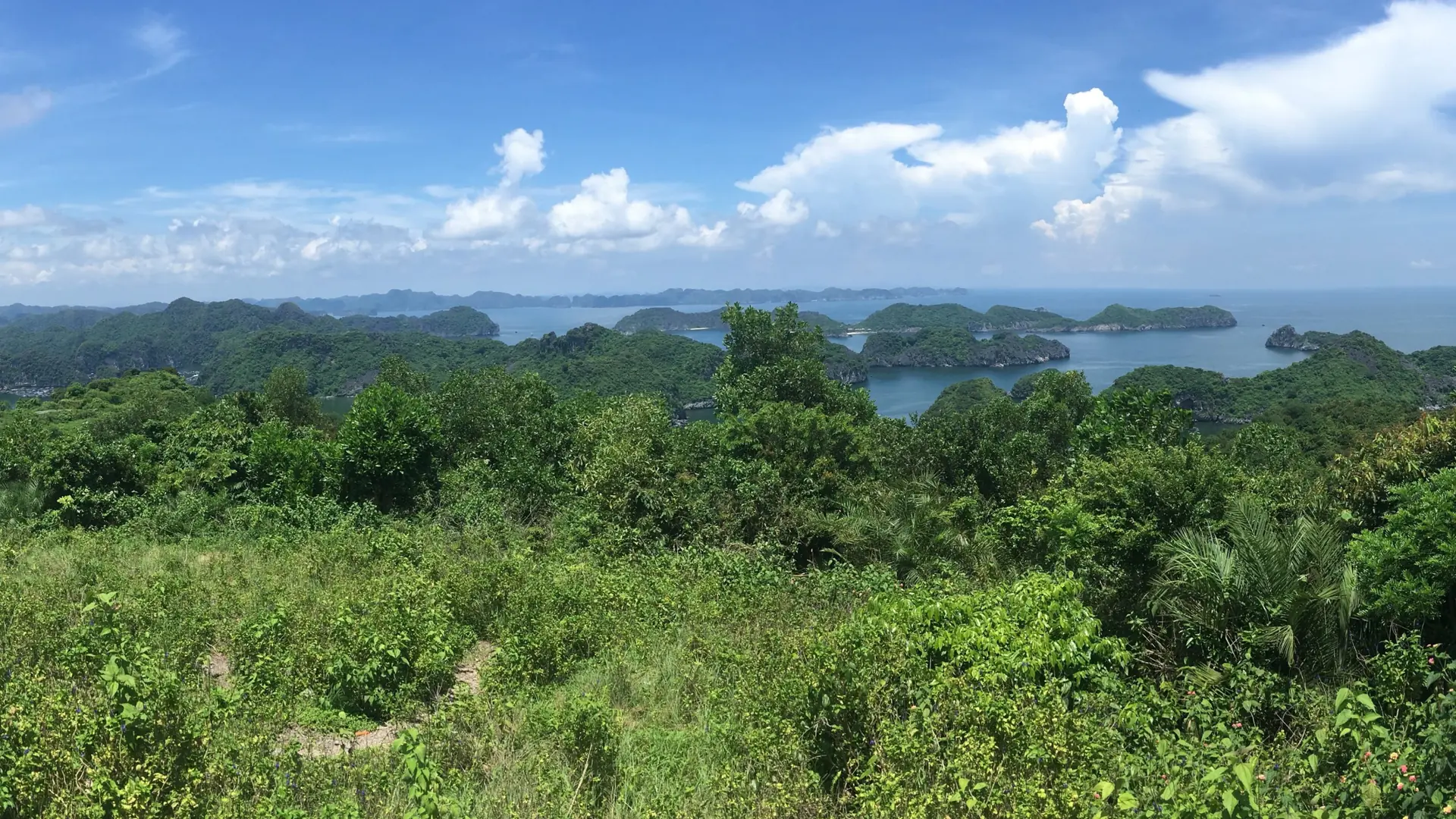
For seven days in the north, use six nights: Hanoi three, Tam Coc two and Hanoi one before departure from Noi Bai. Arrive on day one, explore Hanoi on days two and three, travel to Ninh Binh on day four, see the countryside on day five and return on day six. Leave on day seven. The road journey is roughly two to three hours, depending on pickup and traffic; a train reaches Ninh Binh city, with another ride to Tam Coc. For a bay-led week, replace the countryside nights with an overnight cruise and an extra Hanoi night. Cat Ba needs more island-transfer time: make it the main extension rather than another stop.
For Ninh Binh, a 17 September 2026 management-board notice suspended Trang An and Van Long visits and the Bich Dong electric circuit. It shortened Tam Coc’s boat route to the wharf, Hang Ca, the entrance of Hang Hai and back, excluding Hang Ba. The board later reported a delegation’s boat trip through Trang An on 1 October. That hosted visit does not establish which public routes have reopened. Ask the ticket office which route and ticket are available on your date. If your water outing is unavailable, visit Bich Dong pagoda and the ancient-capital temples at Hoa Lu instead.
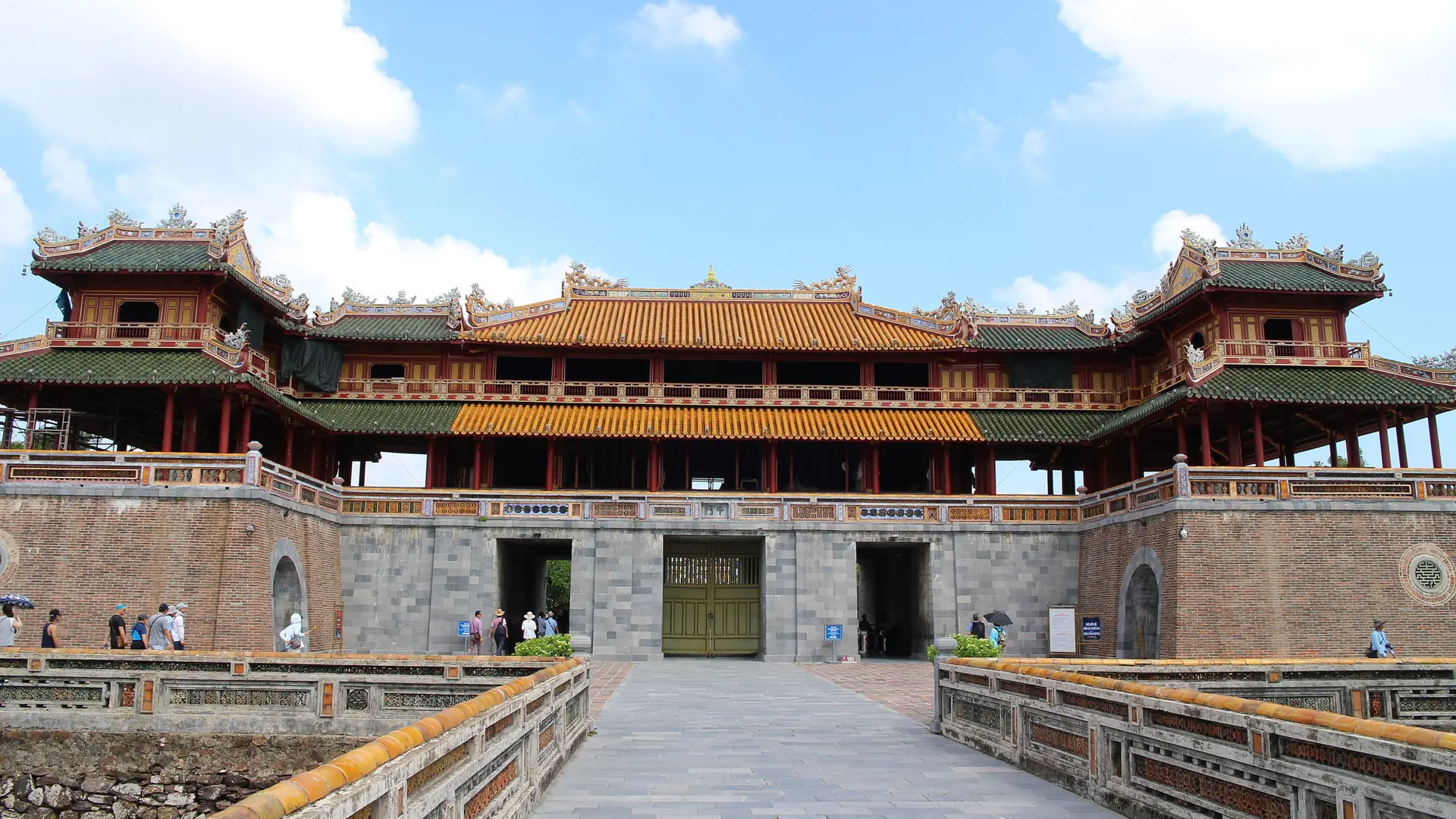
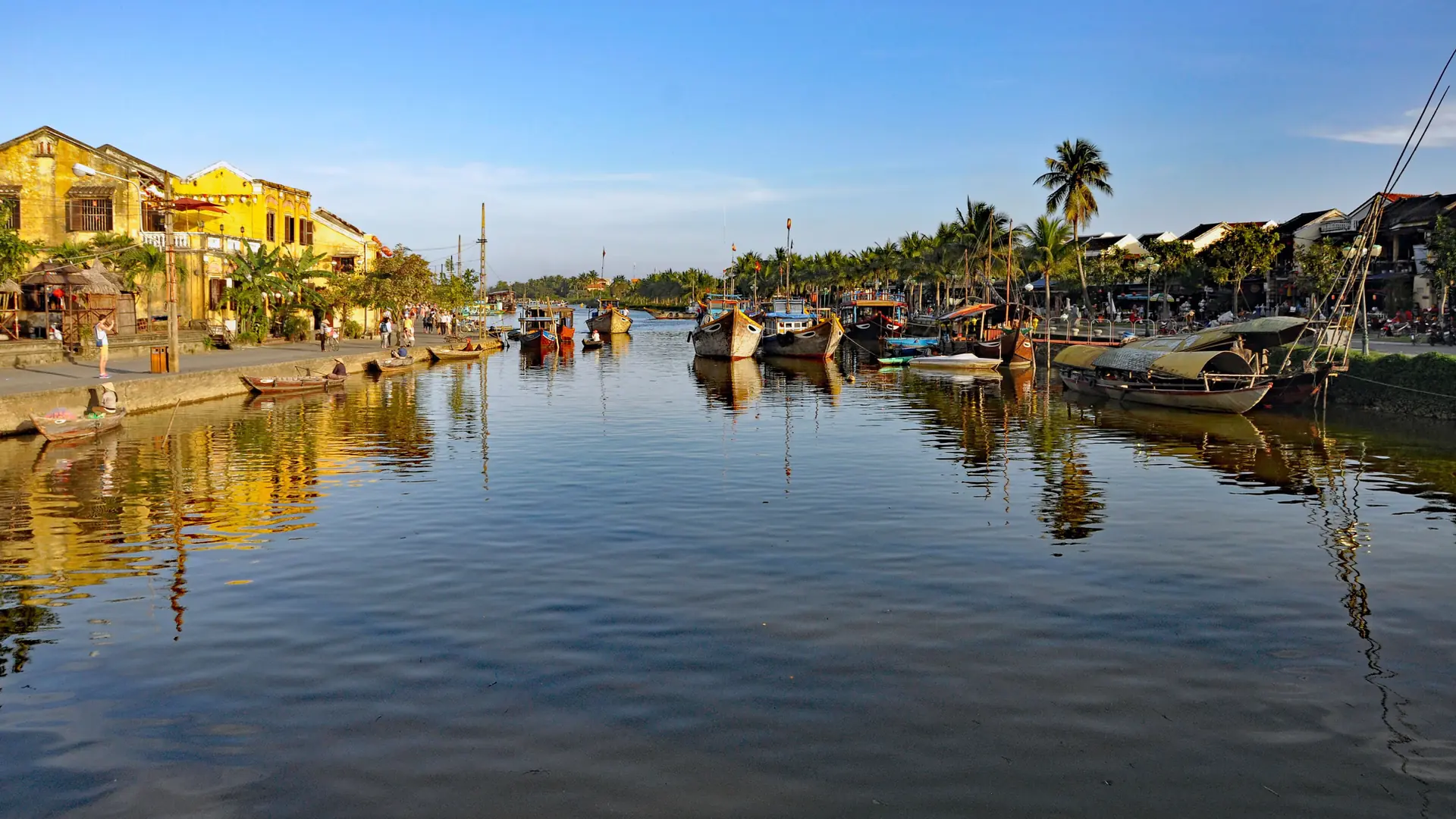
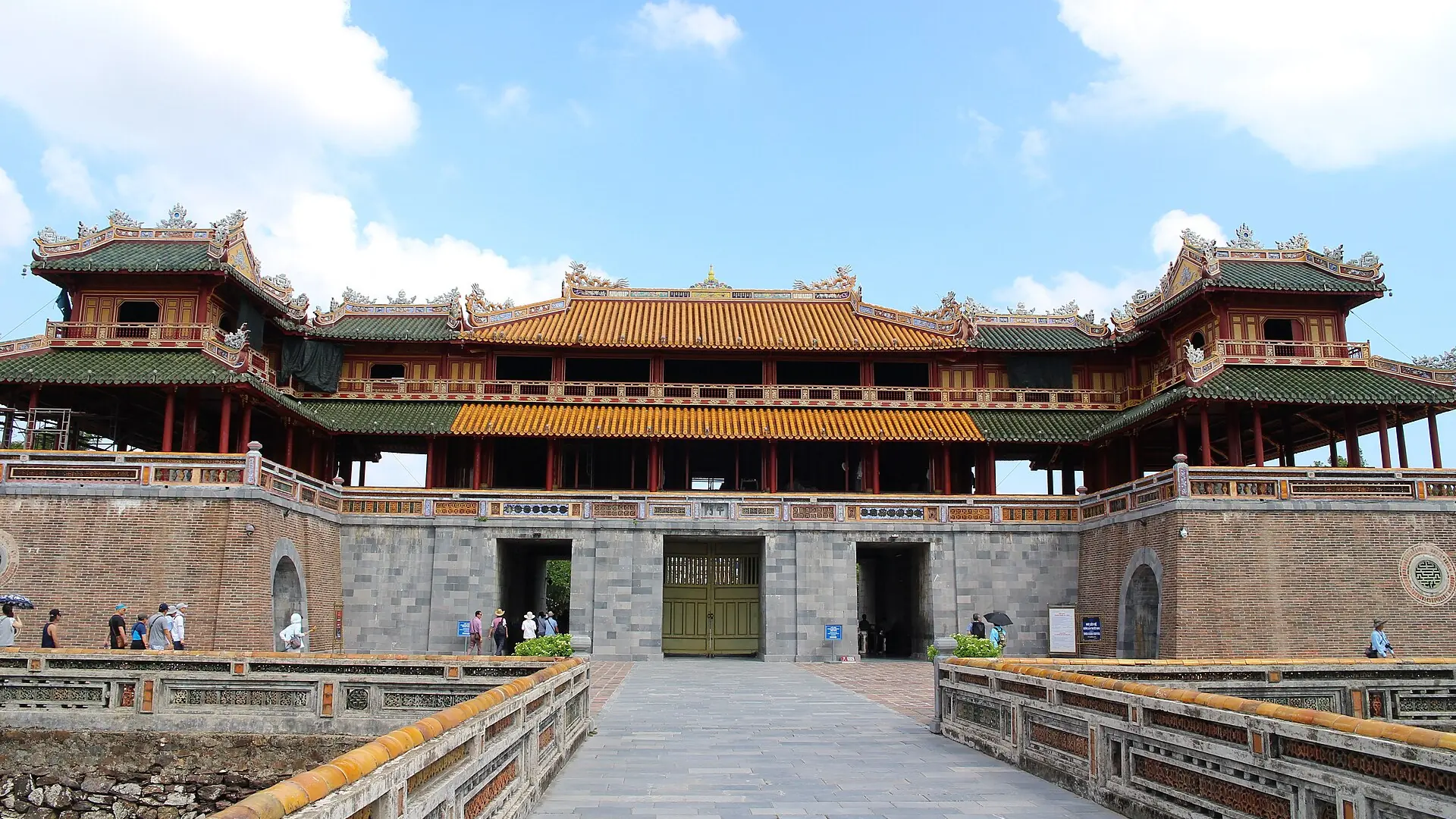
A central week can use two nights in Hue and four in Hoi An. Arrive through Phu Bai airport for Hue, visit the Imperial City on the full day, then travel south on day three. The Hue–Da Nang train takes roughly three to four hours along the coast and over the Hai Van Pass; Hoi An is reached by road from Da Nang. Spend the following three full days on historic buildings, a workshop and the beach, then depart through Da Nang airport on day seven. You do not need a third hotel just to see Da Nang: if its beach and museums interest you more, replace some Hoi An nights with a Da Nang stay.
For fourteen days, combine the north and centre with thirteen nights: Hanoi three, Ninh Binh two, Hanoi one, Hue two and Hoi An five. The return Hanoi night separates the countryside journey from the flight to Hue. Vietnam Airlines sells Hanoi–Hue flights; select the departure for your date before fixing the Hue arrival. After two Hue nights, continue by train to Da Nang and car to Hoi An. Depart from Da Nang on day fourteen. This route leaves out Ha Long, Sapa and the south. If an overnight cruise matters more than Ninh Binh, substitute the bay for those two nights instead of adding another transfer to an already full fortnight.
For twenty-one days, use twenty nights: Hanoi three, Ninh Binh two, the train to Dong Hoi one, Phong Nha three, Hue two, Hoi An four and Saigon five. Take the overnight train on day six, then the road transfer to Phong Nha on day seven. Sleep there before a cave adventure. Travel to Hue on day ten and Hoi An on day twelve. Fly Da Nang–Saigon on day sixteen and depart internationally on day twenty-one. This combines rail and a flight. For a Delta stay, split the final five nights into Saigon two, Can Tho two and Saigon one, returning to the departure city before the flight.
Choose the cave experience before booking Phong Nha rooms. Oxalis’s Hang En involves hiking, river crossings and camping, unlike ordinary cave admission. For three nights, arrive on day one, take the two-day adventure on the next two days and leave the following morning. One night is the cave camp, so book only two hotel nights. Nuoc Nut is a one-day adventure with its own walking and cave requirements. Arrive the day before either early-start tour and check its departure calendar and suitability assessment. If Sapa trekking or Ha Giang is the main attraction, replace another part of the route to give it time.
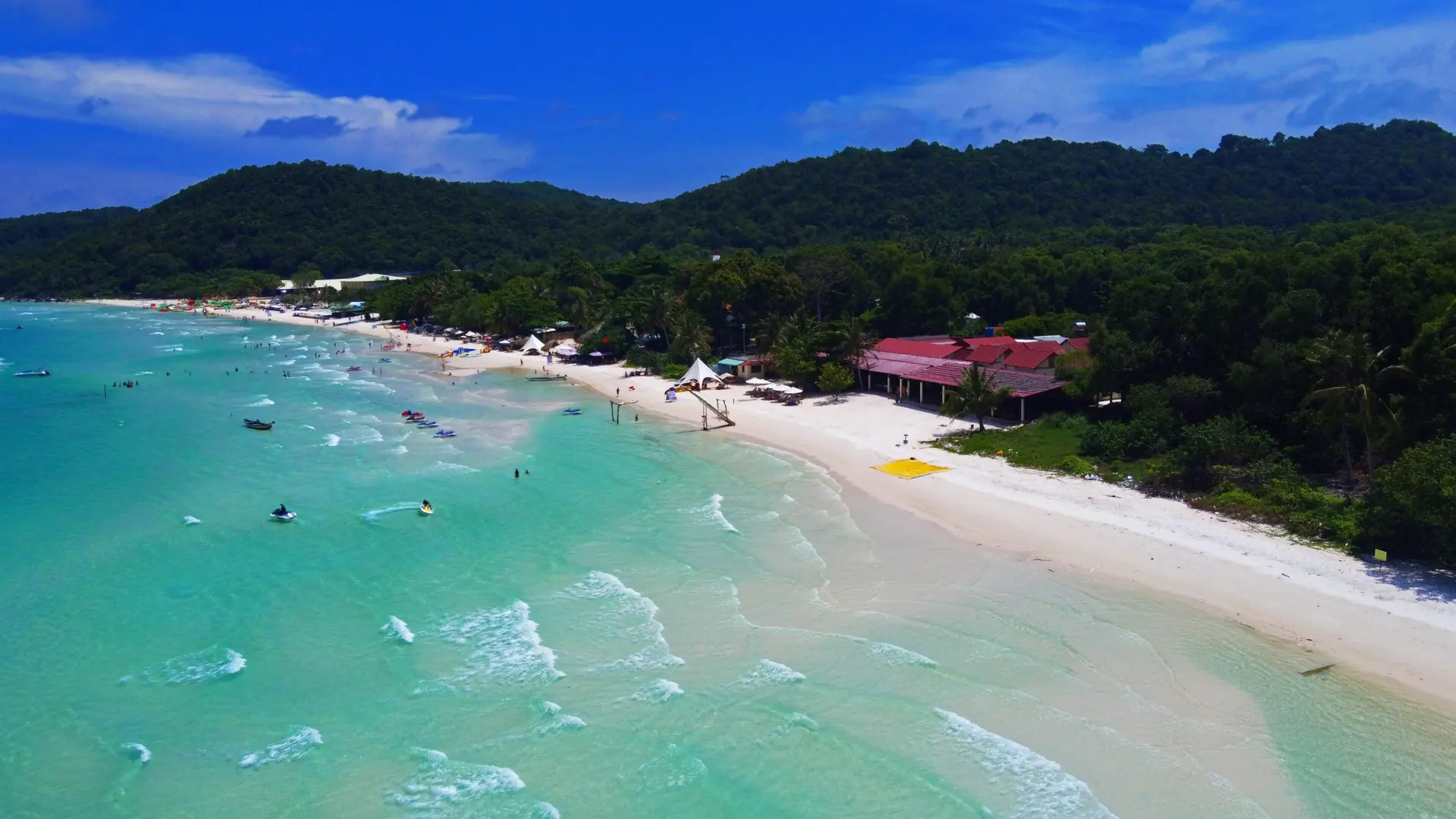
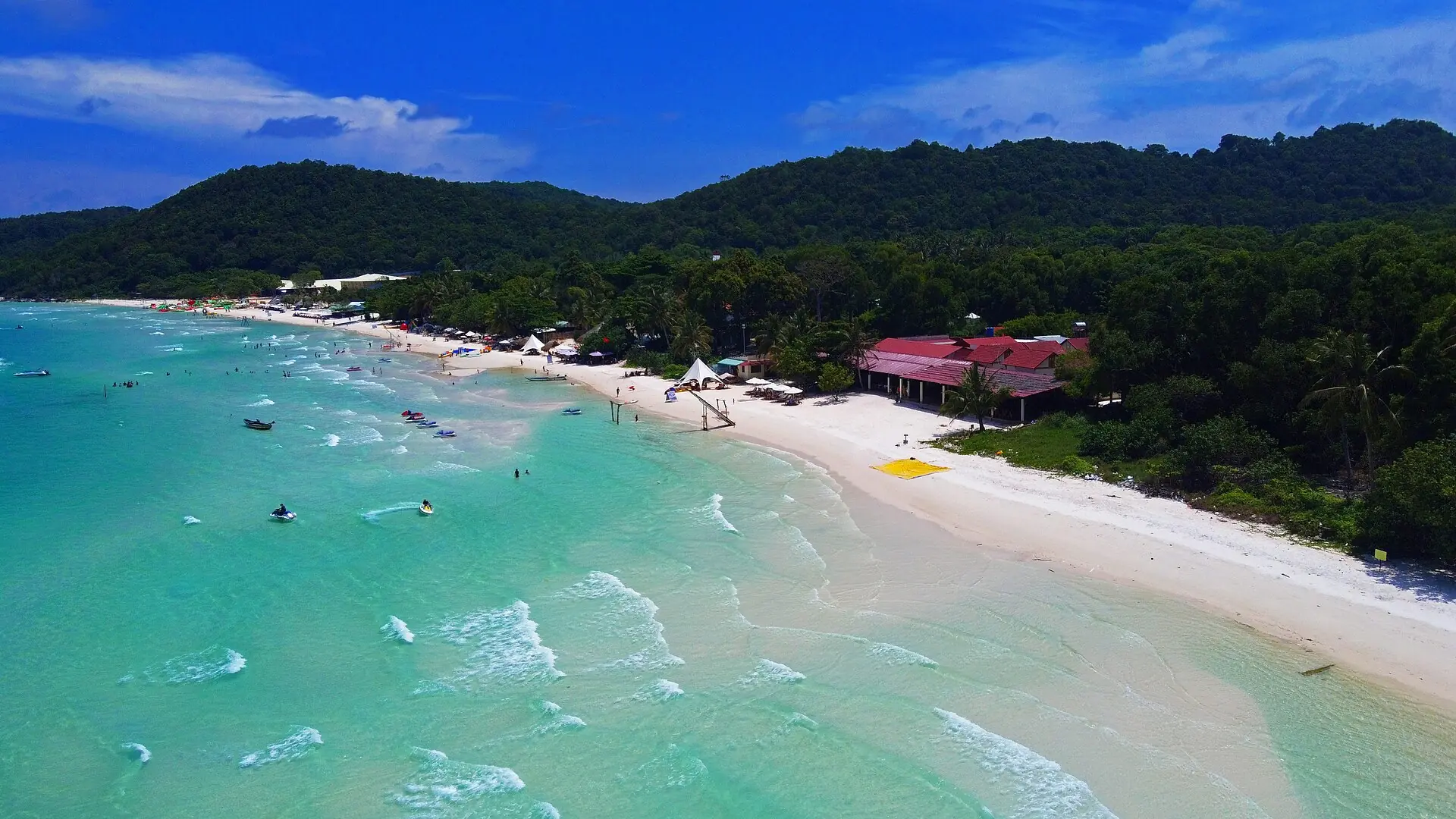
Book the least flexible parts first: international entry and departure, the internal flight joining regions, then the cruise, cave expedition or workshop central to the trip. Arriving in Hanoi and leaving from Saigon? Compare multi-city flights with a return ticket and the extra domestic journey it requires. Keep city meals and untimed walks open. Give Phu Quoc several nights by replacing part of the southern stay, rather than flying there for one beach afternoon. Before a fixed international mainland flight, allow a mainland night; it reduces crossing risk without guaranteeing protection from prolonged disruption.


 Hanoi