Sapa town centre
A short break with restaurant choice and guided departures
Stay near the church and lake for a short visit with restaurants nearby.
For a three-day visit with two hotel nights, take a morning road service from Hanoi on day one, settle into Sapa and keep the afternoon short. On day two, choose either a guided valley walk or Fansipan, then sleep in town again. Leave on day three after breakfast or a relaxed town morning. To do both major outings, stay three hotel nights over four days: arrive on day one, walk on day two, visit Fansipan on day three and depart on day four. Swap the two outdoor days if conditions favour it. This plan uses daytime arrival and departure journeys; an overnight train adds a travel night.
A walk with a local Hmong or Dao guide can connect the fields with the people farming them. Sapa Sisters describes its usual days as 12–15 kilometres with five to six hours of walking, adapted with the guide. Choose that when walking is a main interest and leave the evening free for a meal and rest. ETHOS also offers private community-led routes. Tell the guide whether you want more time with hosts, a shorter path or a longer landscape walk before setting off.
Plan Fansipan as the main outing of the day. The cable ride takes around 15–20 minutes, but queues, the lower railway, the upper paths and lunch take additional time. The summit marker is at 3,143 metres, far above the valley walks. Start in the morning so you have room to stop at the temples and return before the last downhill service. A misty summit may give you little distant scenery, even when town is clear.
Ham Rong is a smaller outing from the centre, reached uphill along Ham Rong Road beside the church area. Rough Guides describes gardens and paths among limestone formations, with elevated views over town. It suits an afternoon when you still have energy after the journey; the lake walk is the gentler choice when you do not. Wear shoes for steps and slopes, and keep this visit separate from a full guided trek so the group can choose its effort day by day.
Ta Phin is known for Red Dao and Hmong textile traditions. A visit with a host or guide gives you time to ask how a piece is made, which materials are used and who did the work. That conversation is especially useful before buying a textile as a souvenir. Agree before taking portraits or entering a working home. National tourism coverage also points to sewing, weaving and batik workshops around Sapa, giving craft-minded travellers an alternative to spending every day on a trail.
Sapa food includes rainbow trout, fresh tofu and chayote leaves, often served as a vegetable dish. A hot soup or cooked meal is a welcome finish to a cool outdoor day. If food is your main interest, ETHOS offers a town food tour through local markets and dishes; its family-kitchen visit is a different experience with time in a home. Choose the town tour for several tastes, or the kitchen visit for one longer conversation around a meal.
The national tourism guide describes herbal-bath experiences associated with Red Dao traditions in Ta Phin, including Sapa-napro. This can be a separate reason to visit the village when you are more interested in textiles and a warm soak than a long walking route. Ask the chosen provider how to book and whether it fits the visit you have arranged. A bath is optional; it is not a standard inclusion in every guided walk or homestay night.
StartBooker answer
For a first visit, stay two nights in Sapa town and choose one full day for Fansipan or a guided valley walk. Stay three nights if you want both. Town puts meals and excursion meeting points nearby. Choose Ta Van for a village stay, Ta Phin for textiles or a remote lodge for time at the property. Trains arrive at Lao Cai, about an hour away by road. A two-day homestay trek needs two walking days and a village night; count any overnight train separately from the nights in your accommodation.
Explore tours, attractions and local experiences in Sapa, Vietnam.
Loading activities…
Activities provided by GetYourGuide. We may earn a commission on bookings.
Include your arrival point, number of nights and how far everyone wants to walk. Say whether Fansipan, a village night or time at a lodge matters most.
Use your email security code to continue planning.
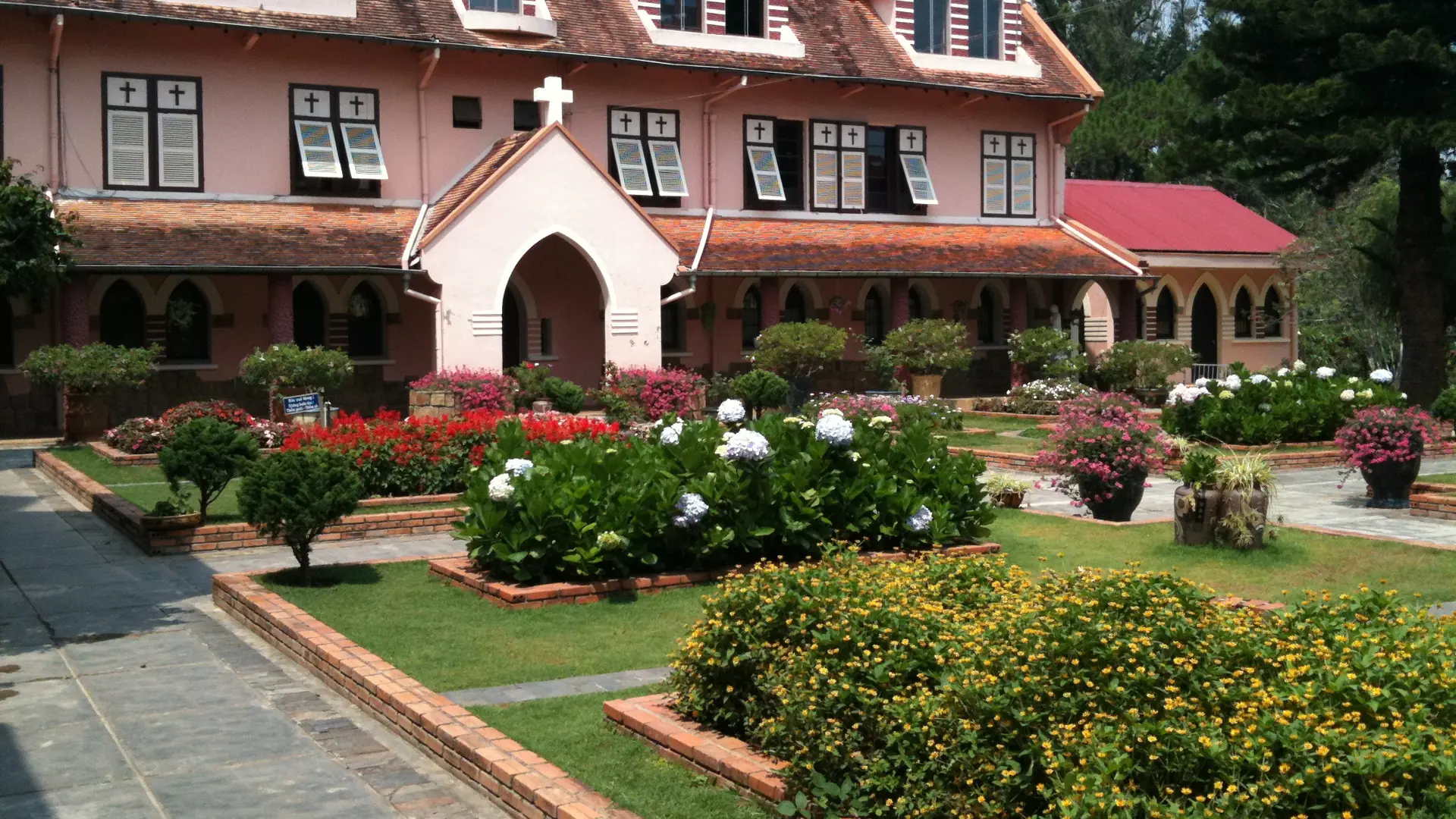
Sapa town centre
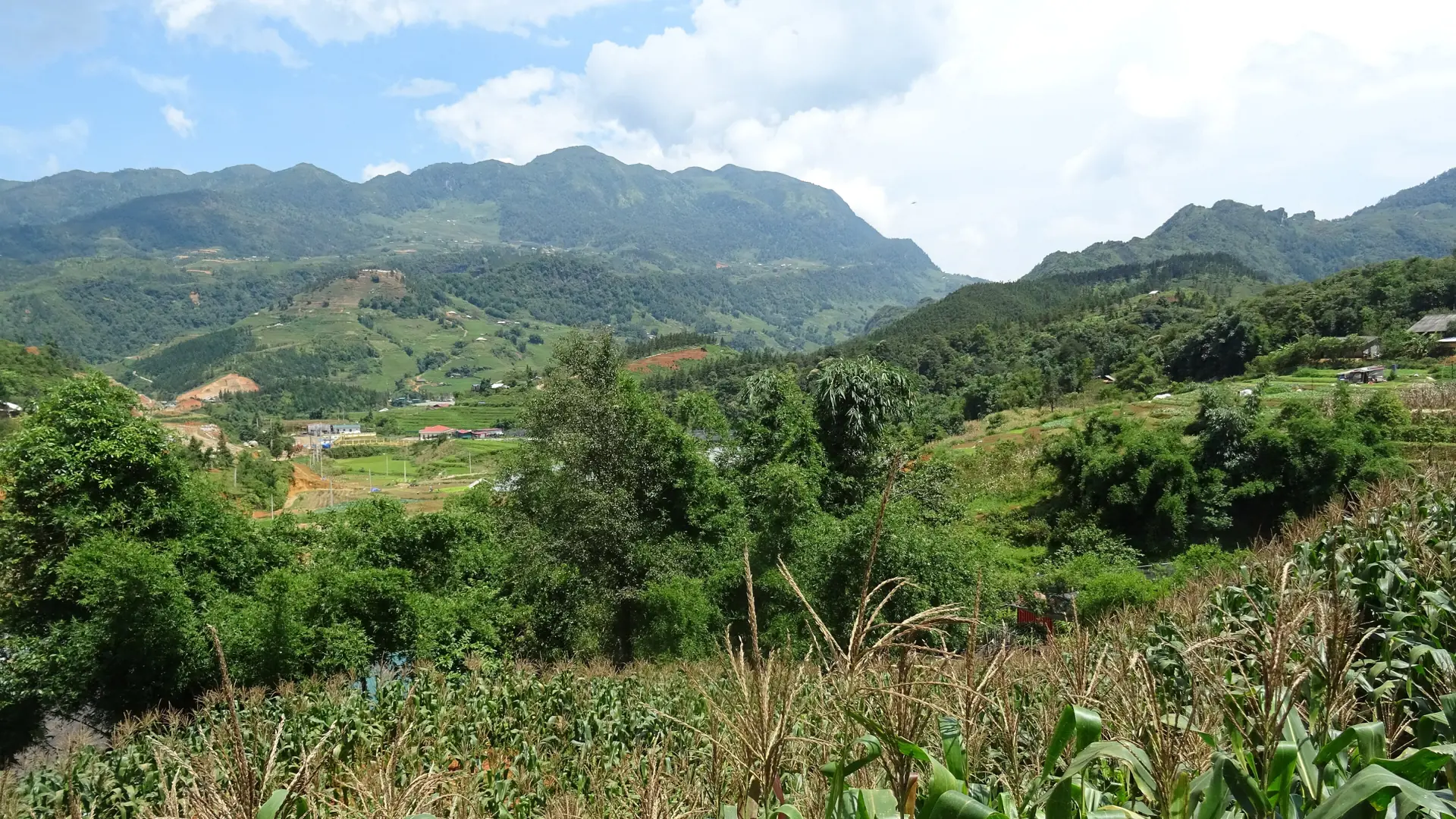
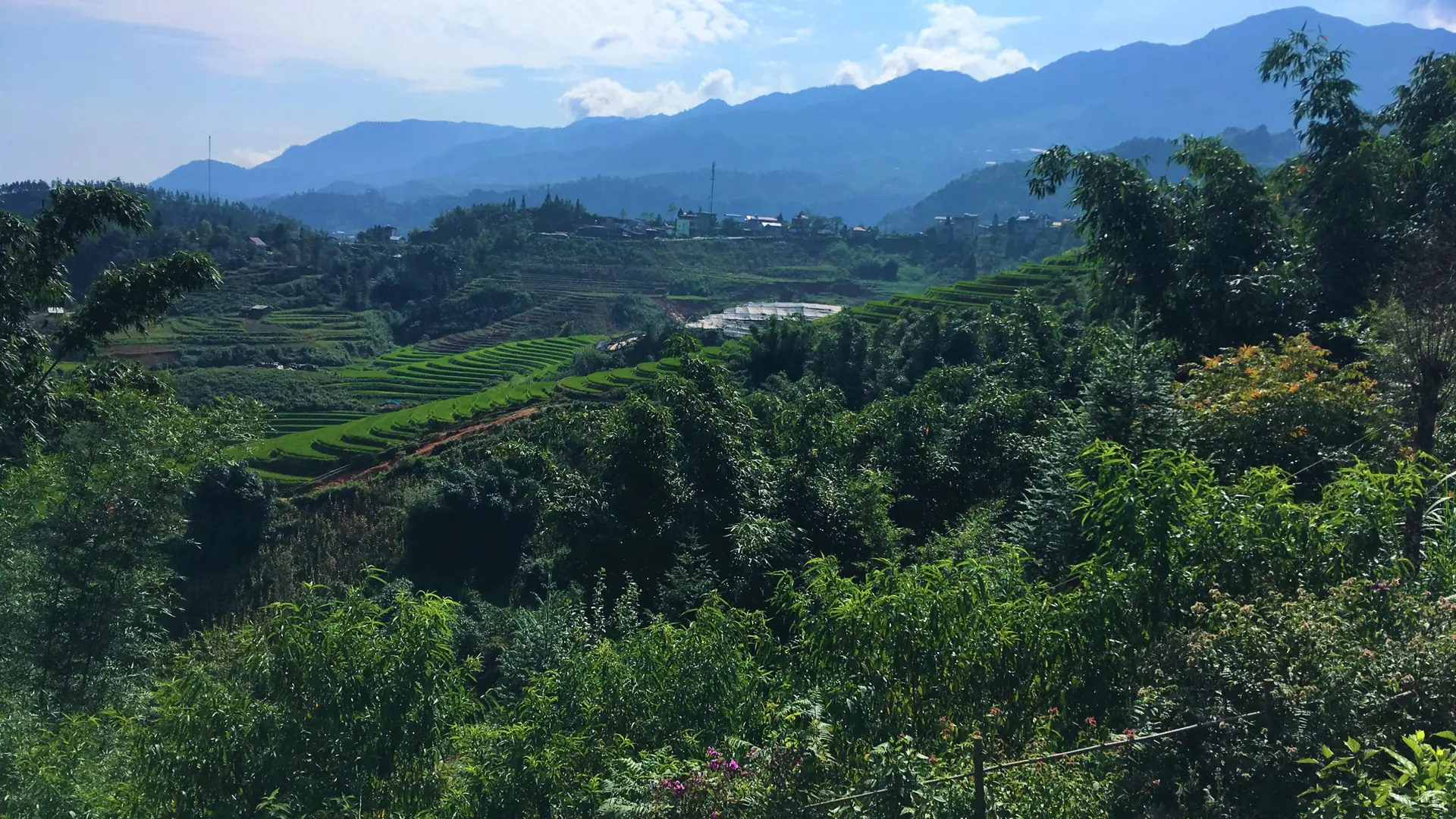
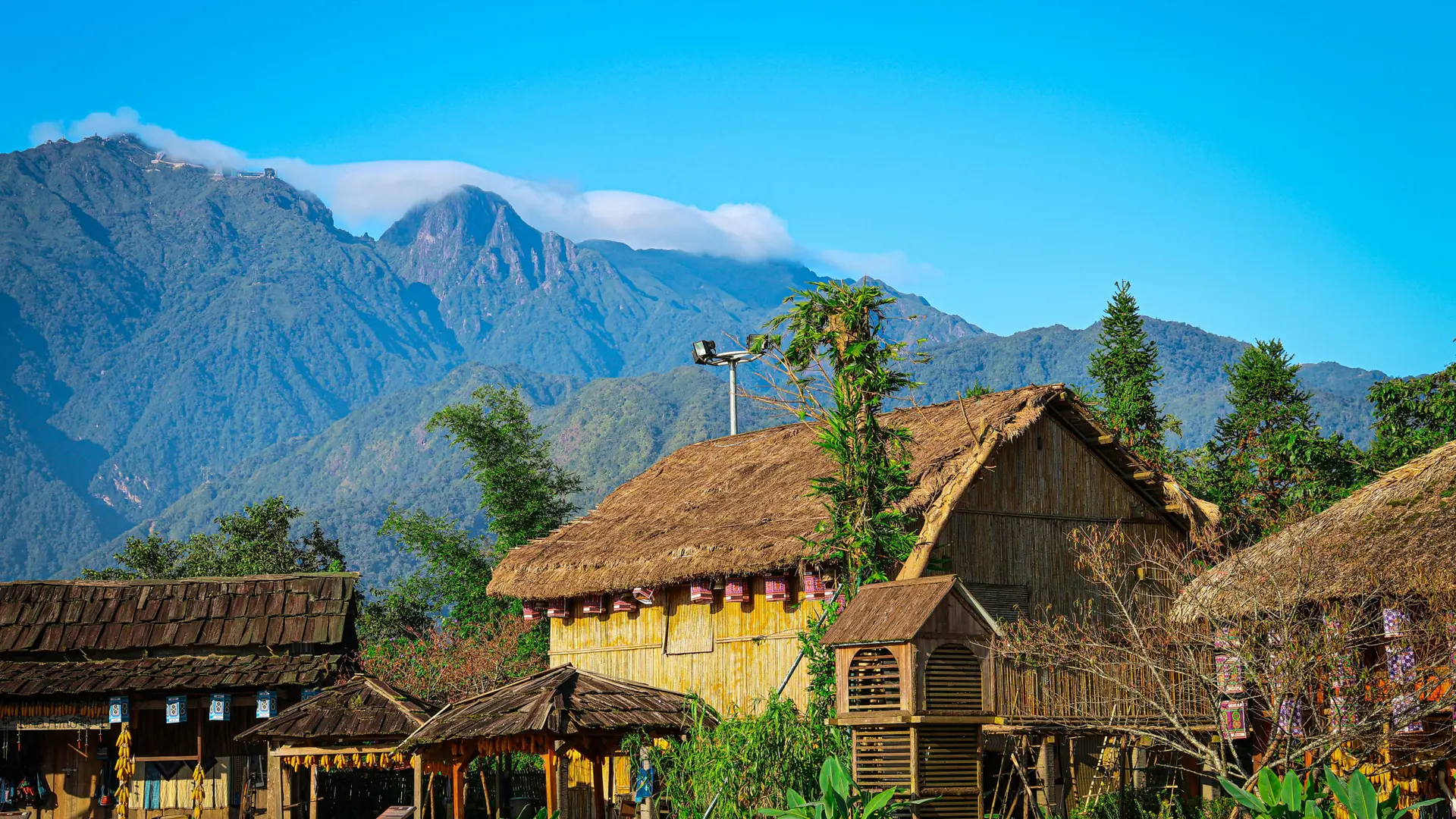
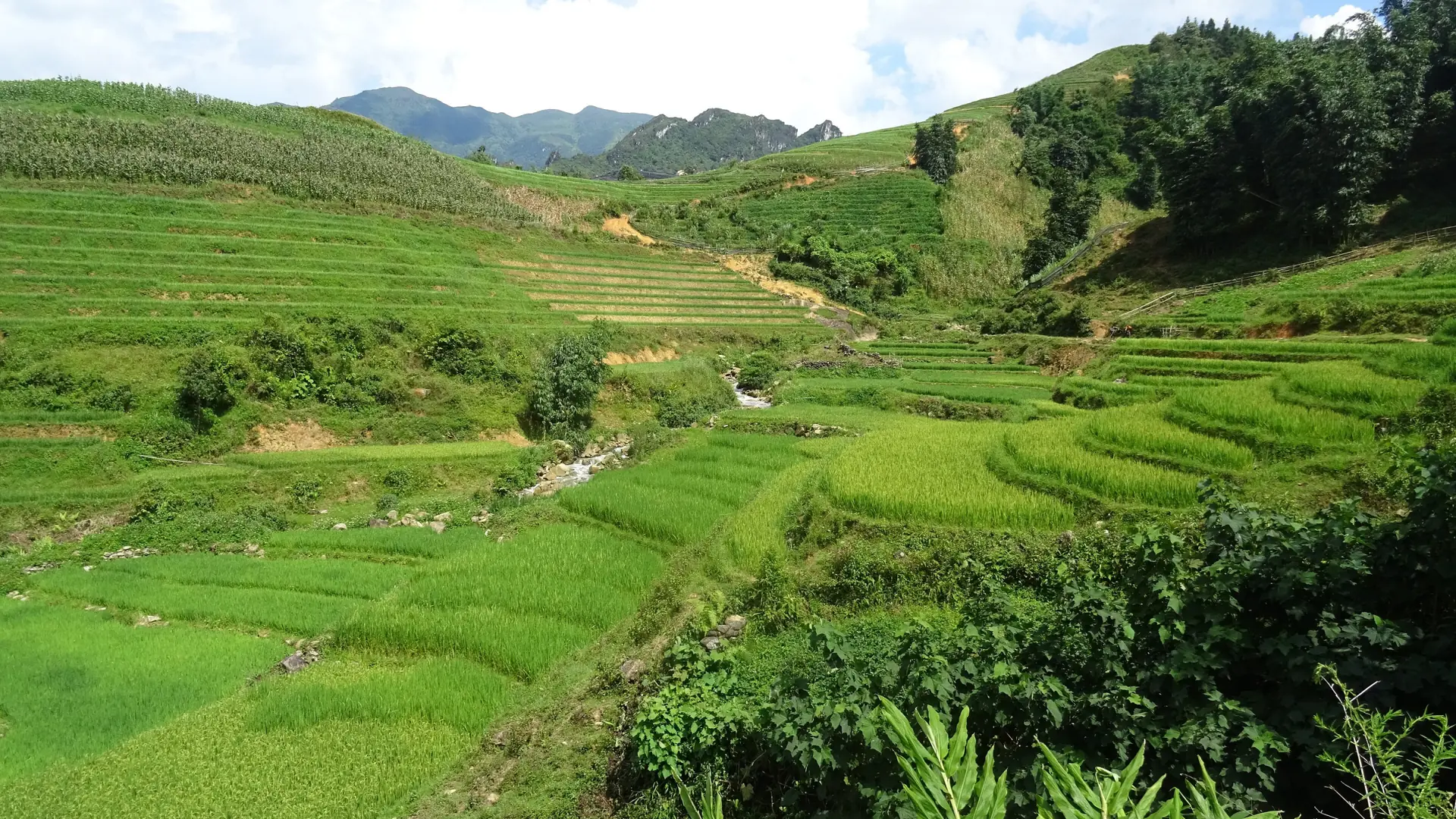
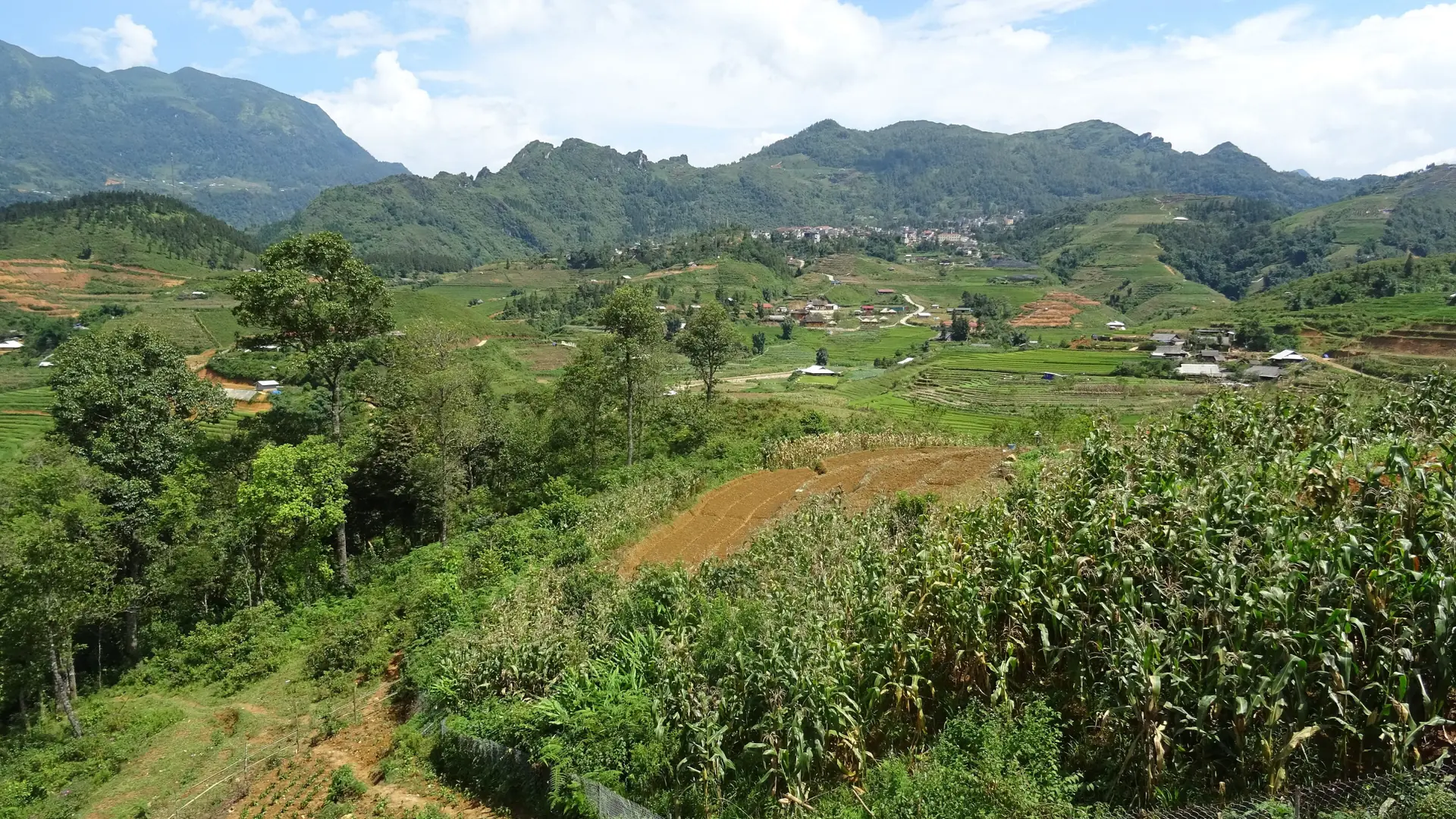
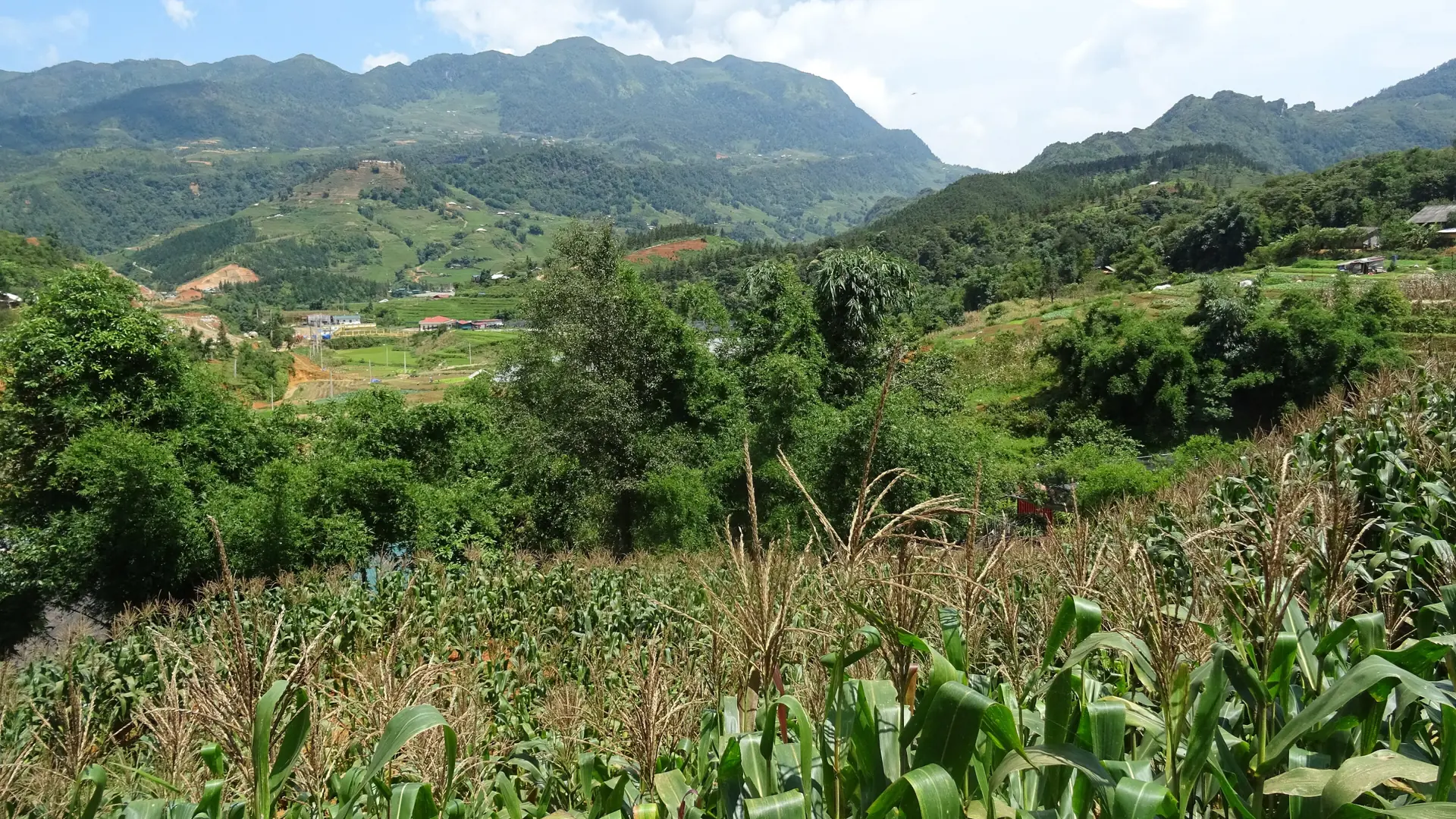
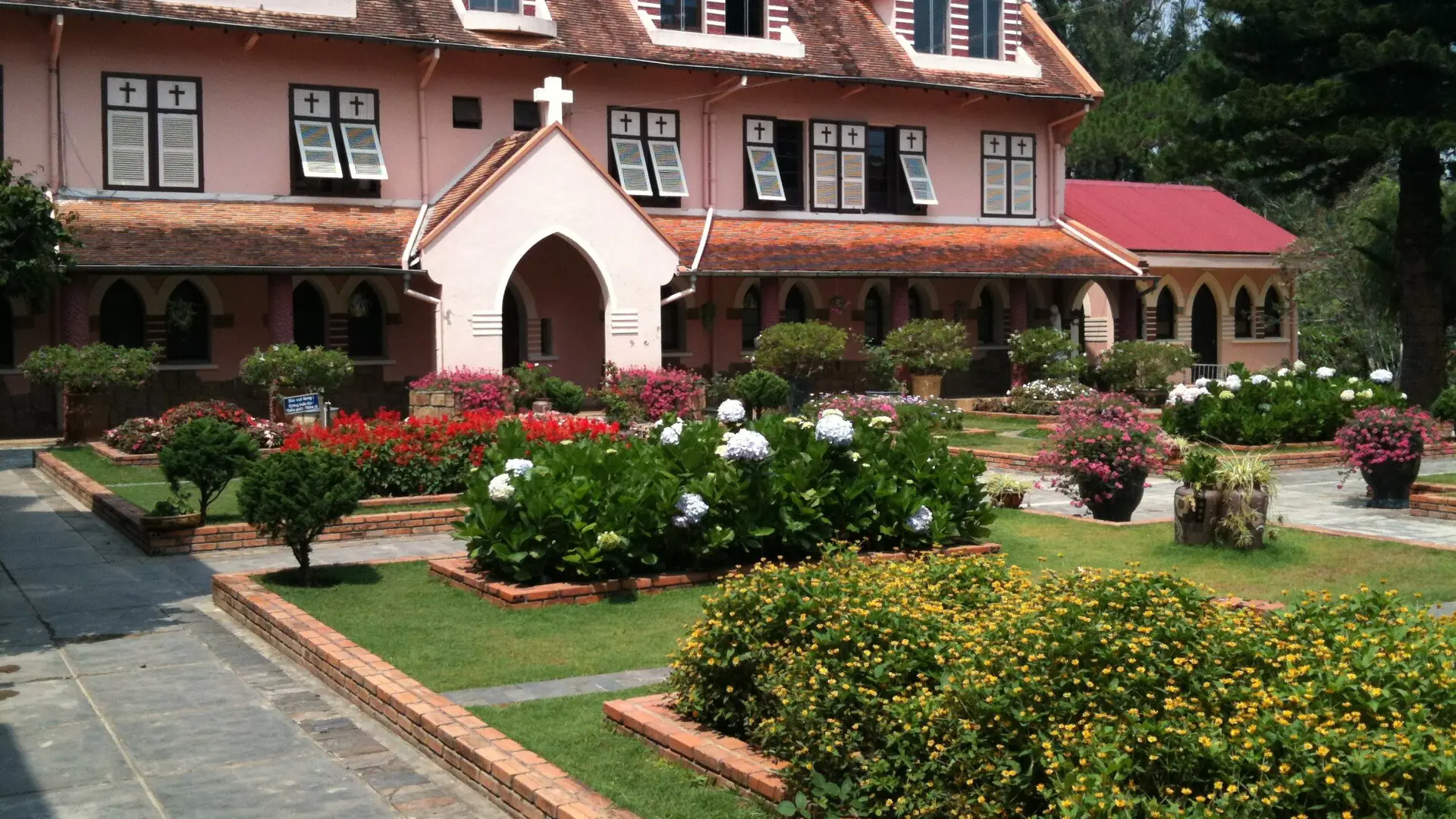
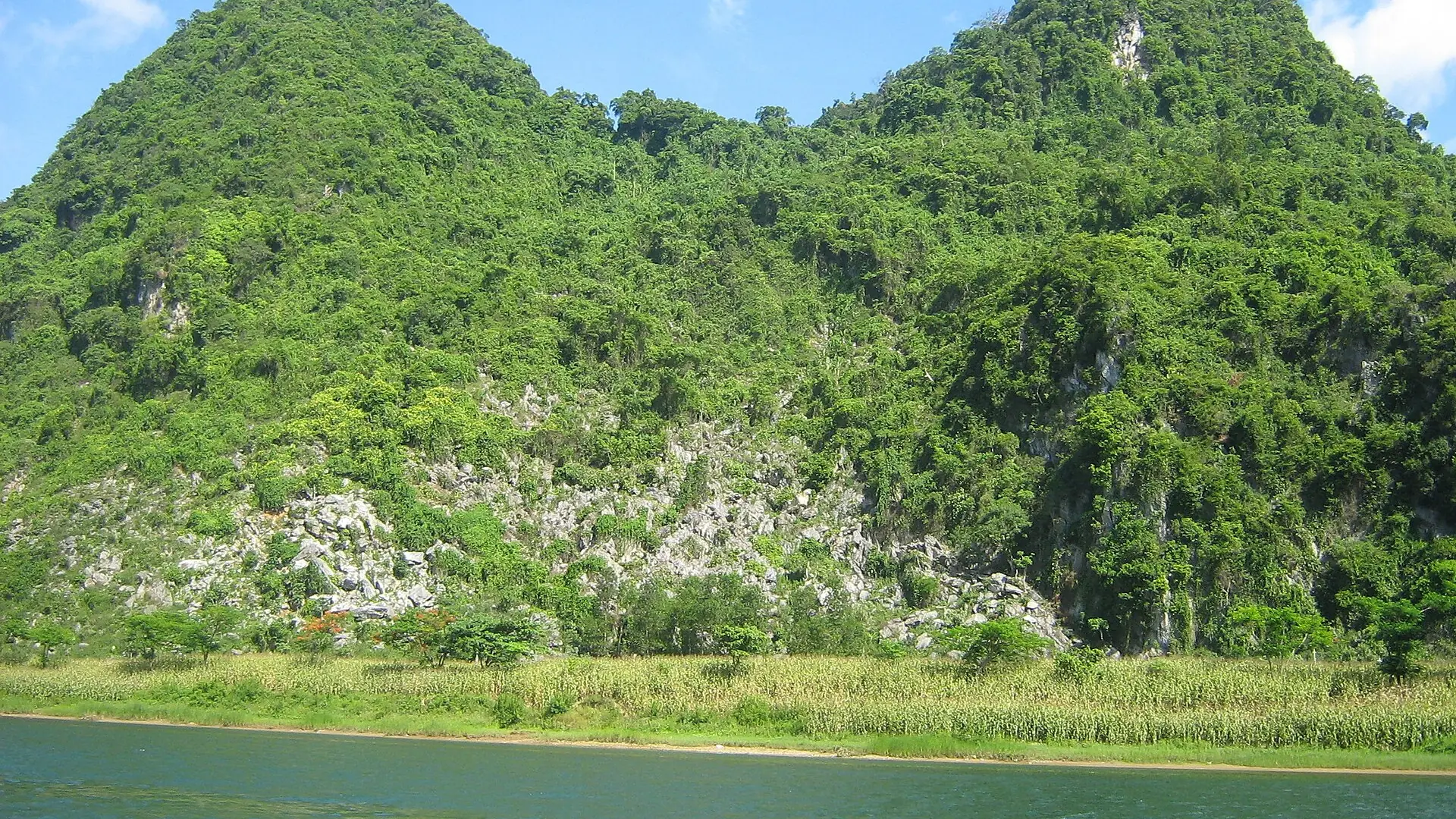
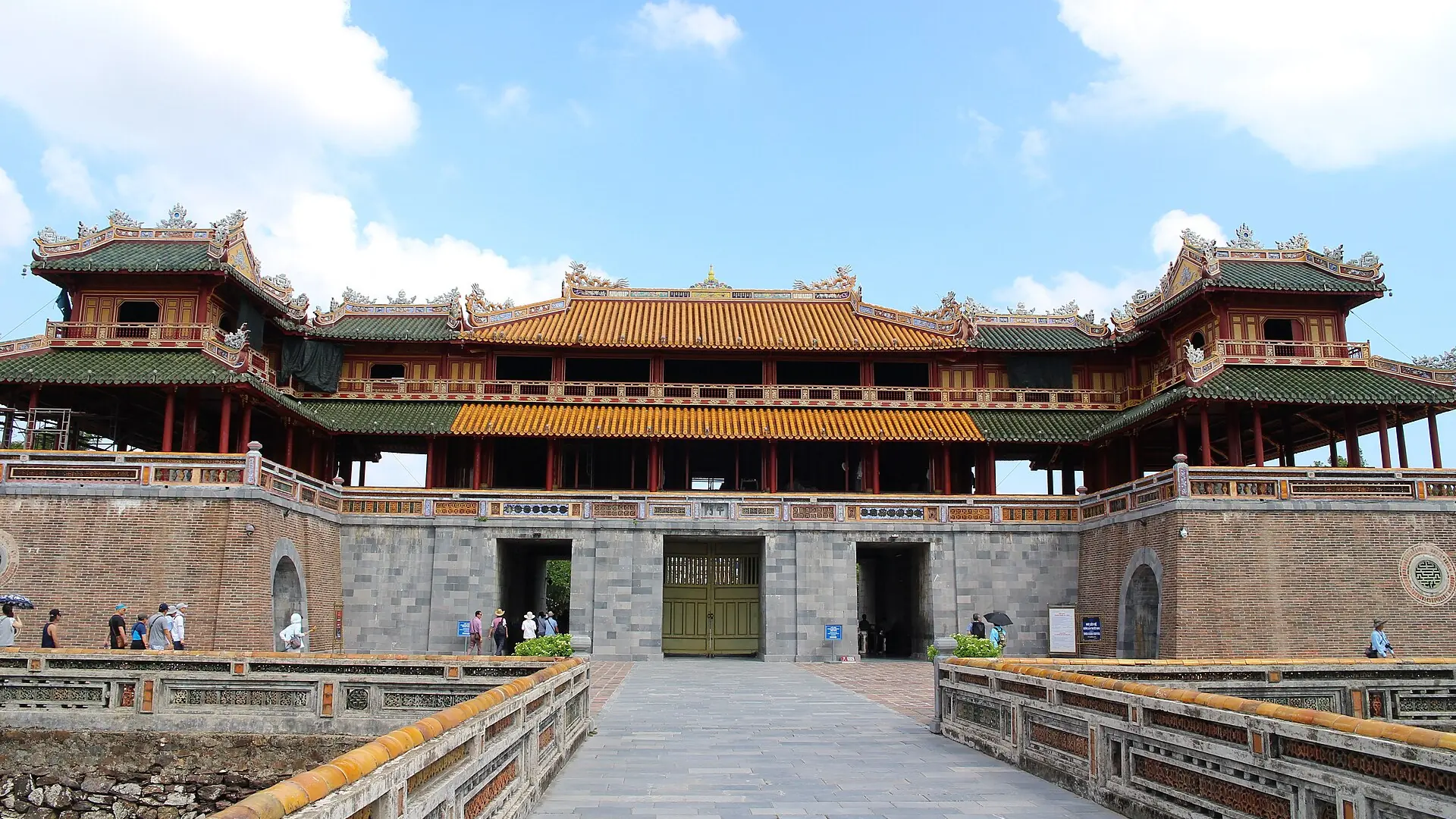
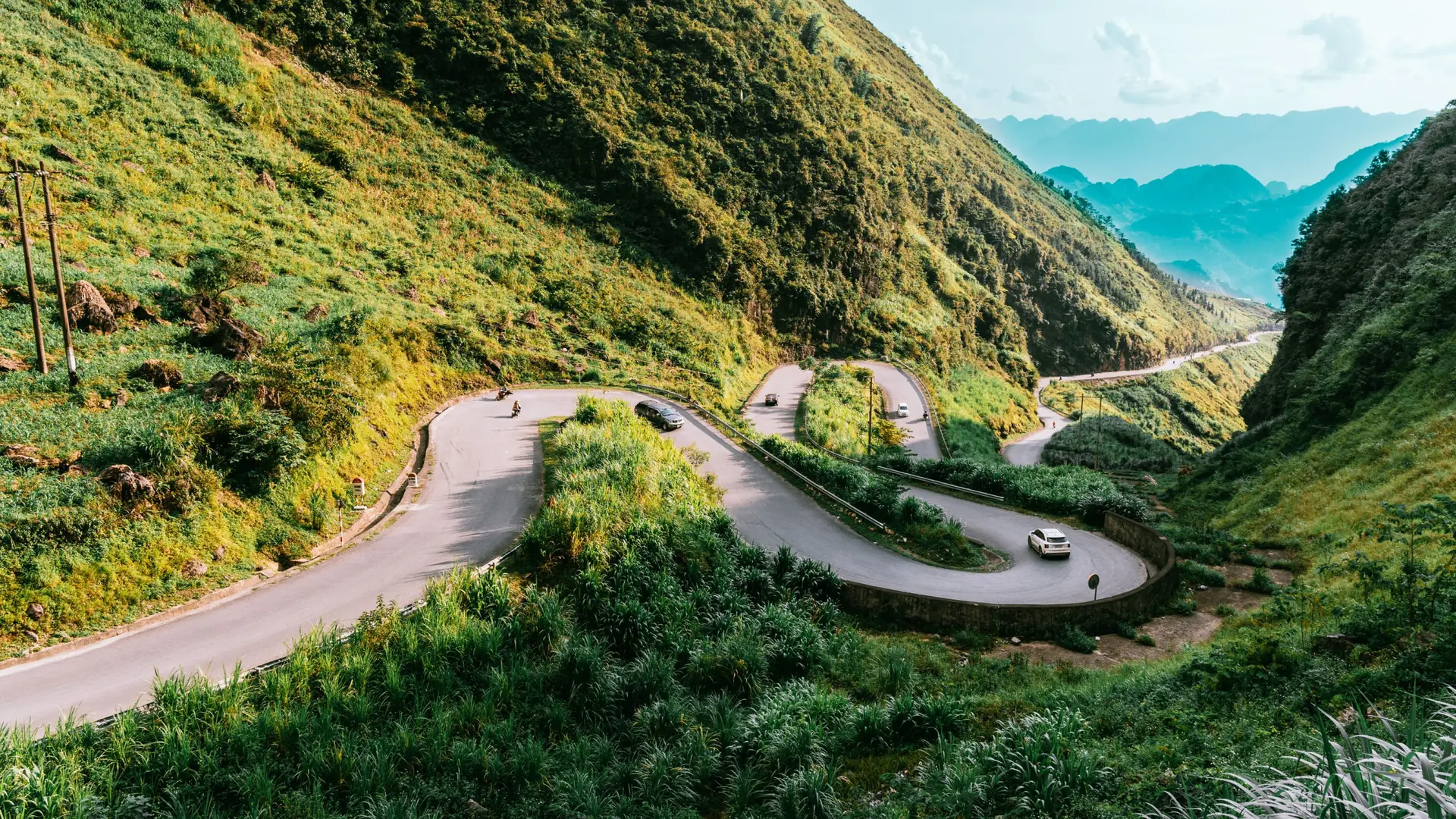
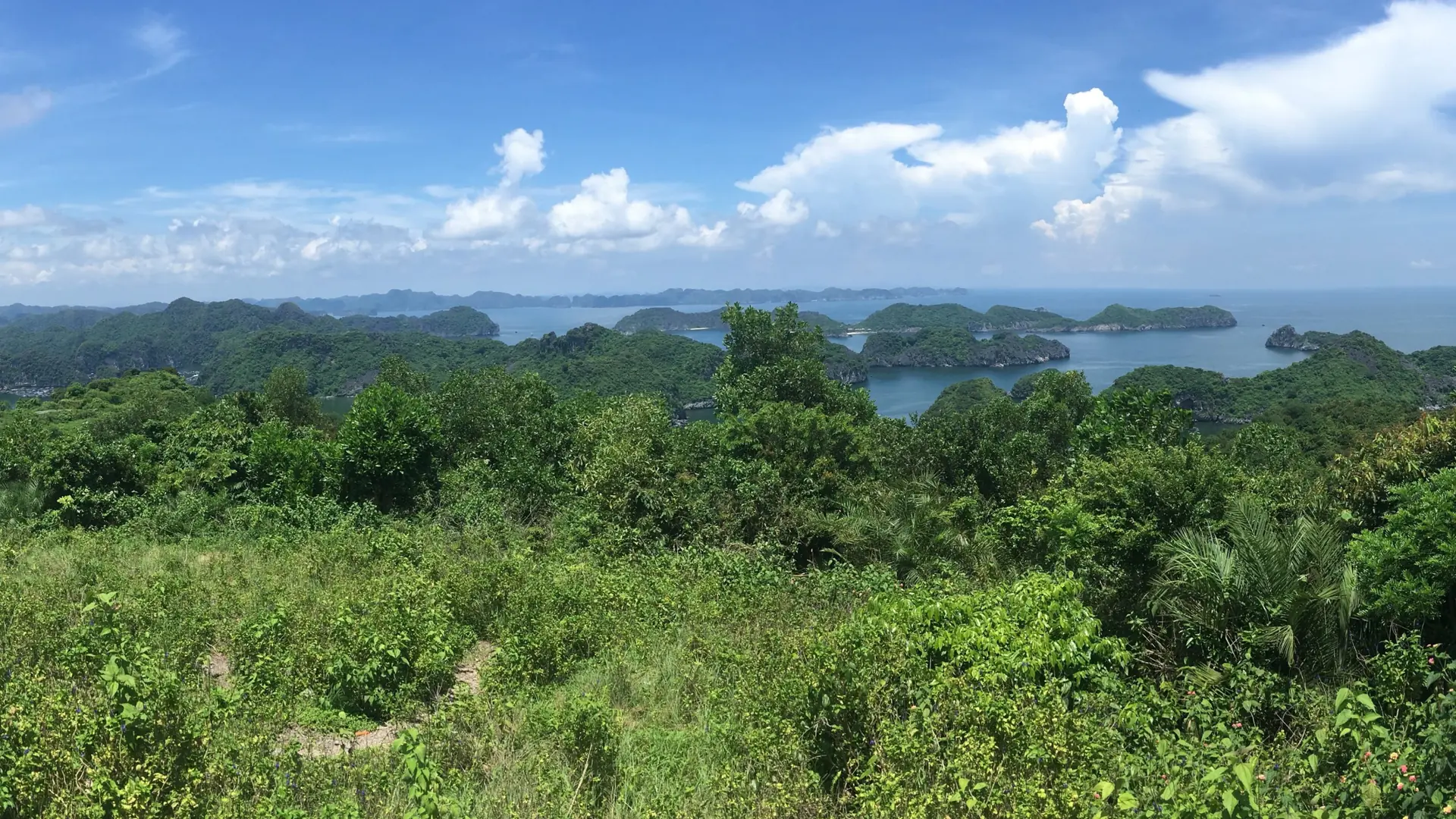
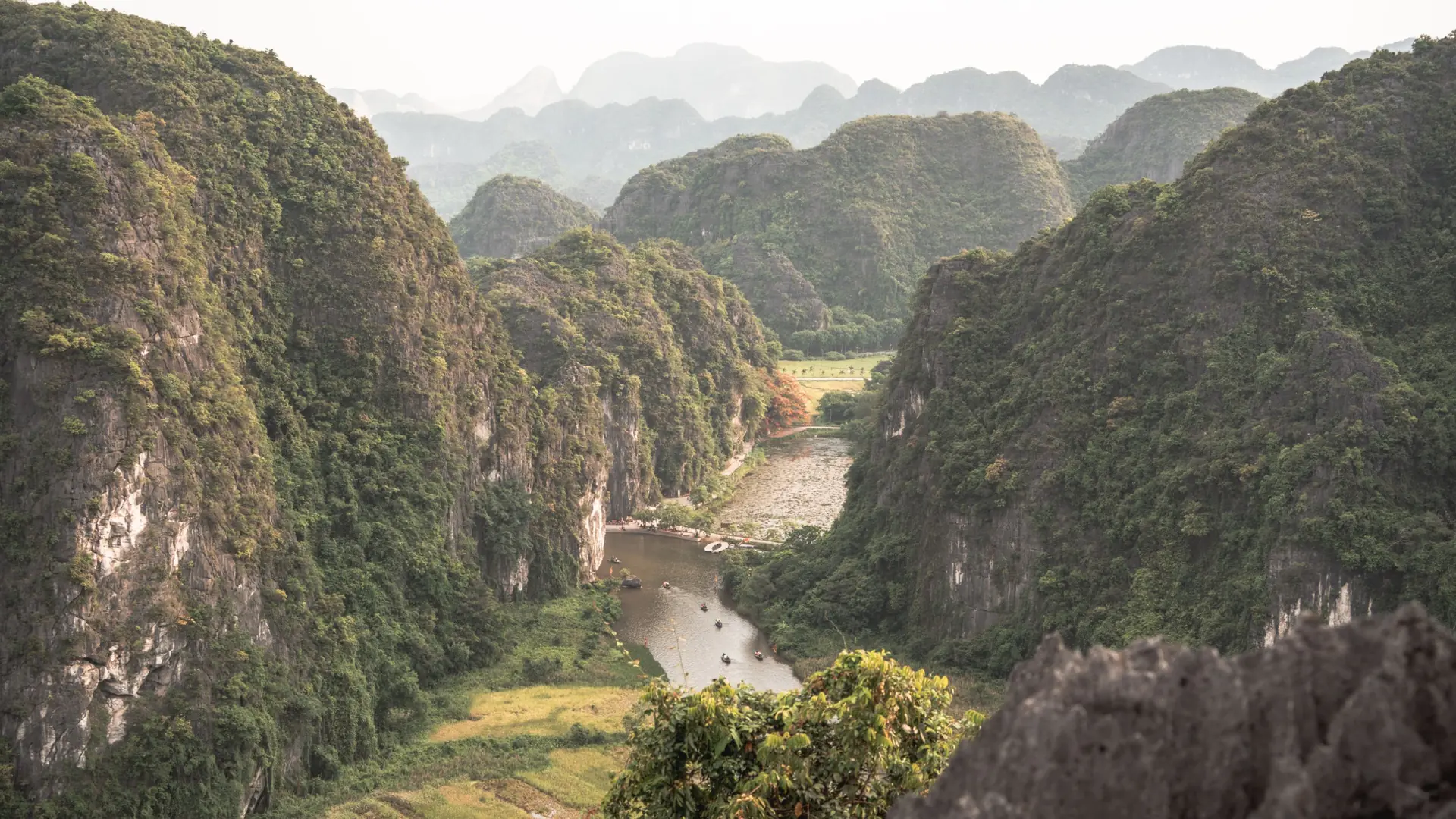
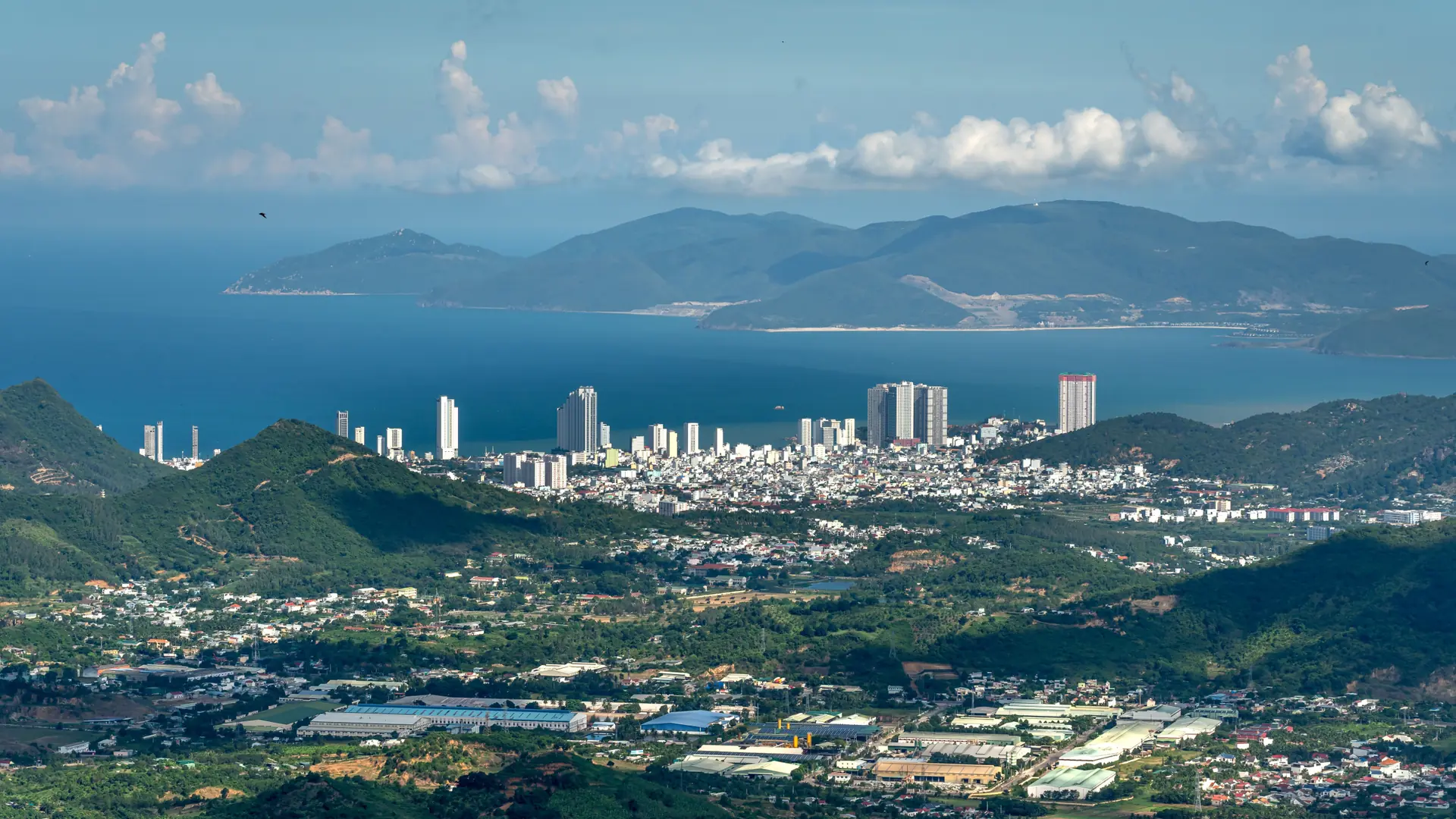
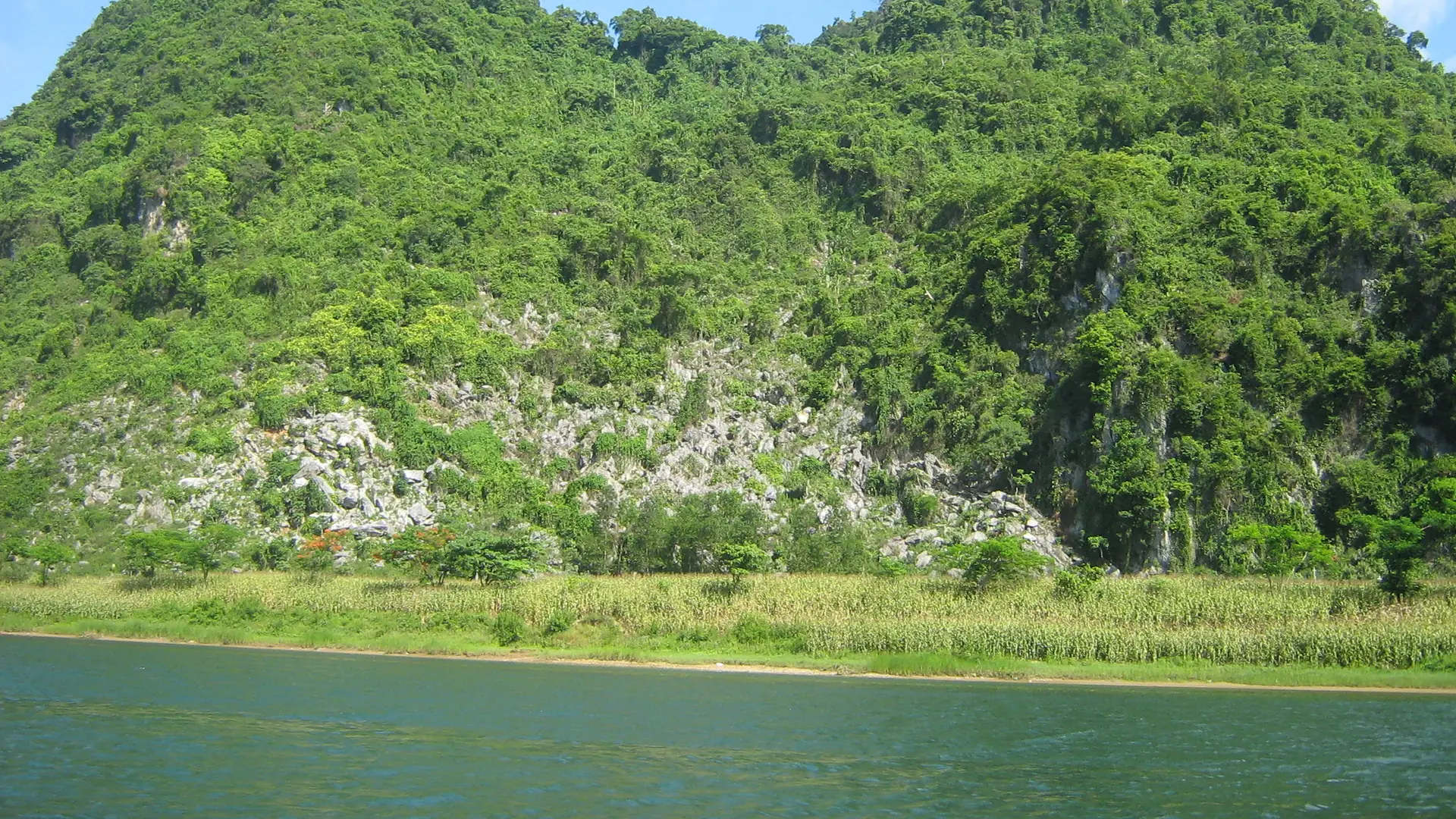
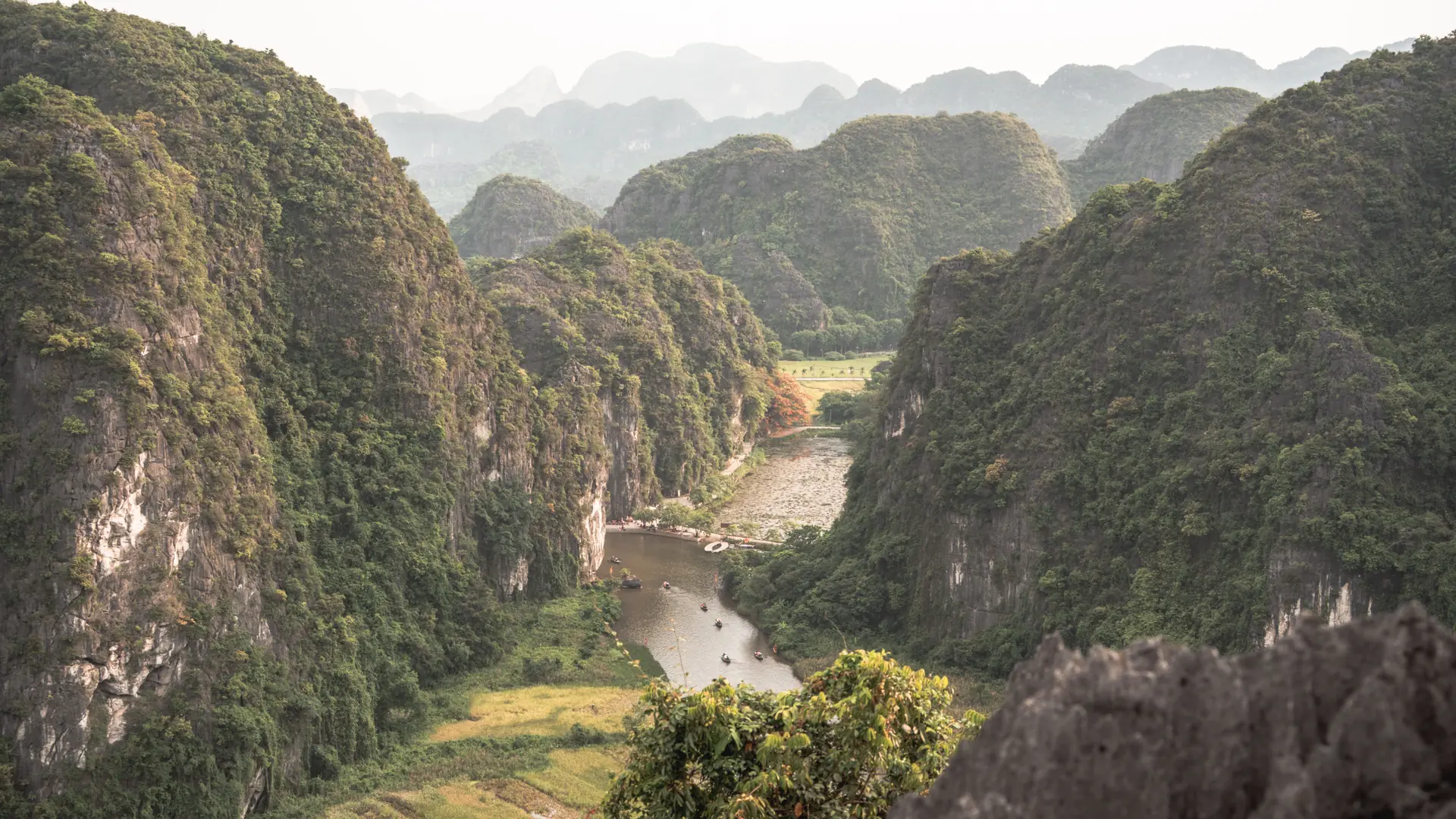
After checking in or leaving your bags, start at the central church and take a short walk to Sapa Lake. Stop by the water, then return towards the central streets for dinner. Keep Ham Rong as an optional uphill extension if you feel fresh; there is no need to begin a major trek on arrival. Hotel de la Coupole at 1 Hoang Lien gives two indoor stops nearby: CACAO for pastries and Marou hot chocolate, and CHIC for a sit-down meal with French dishes and local ingredients. Finish early if the next morning belongs to a guide. The landscape photograph shows the wider countryside, while this first afternoon stays in town.
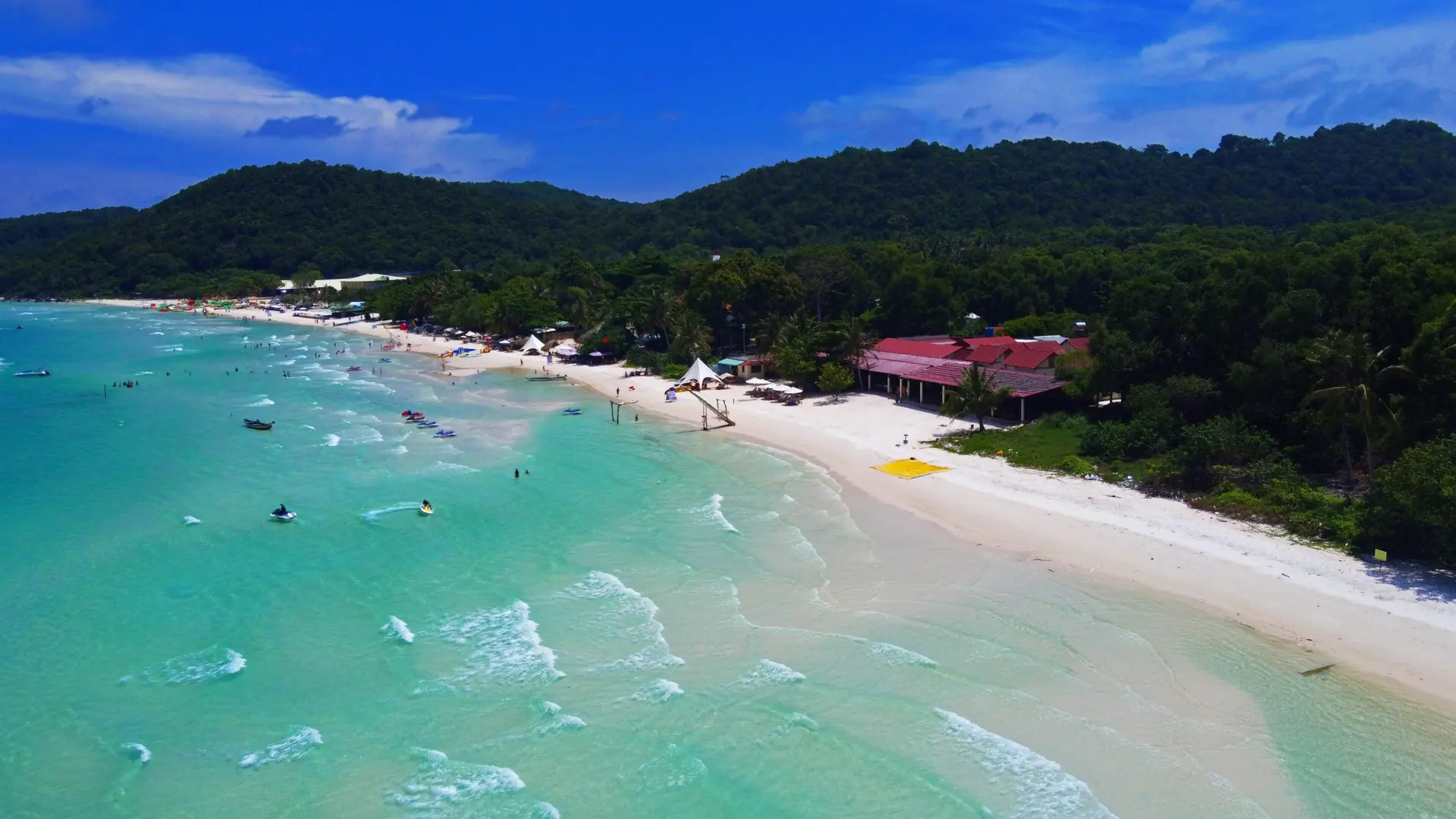
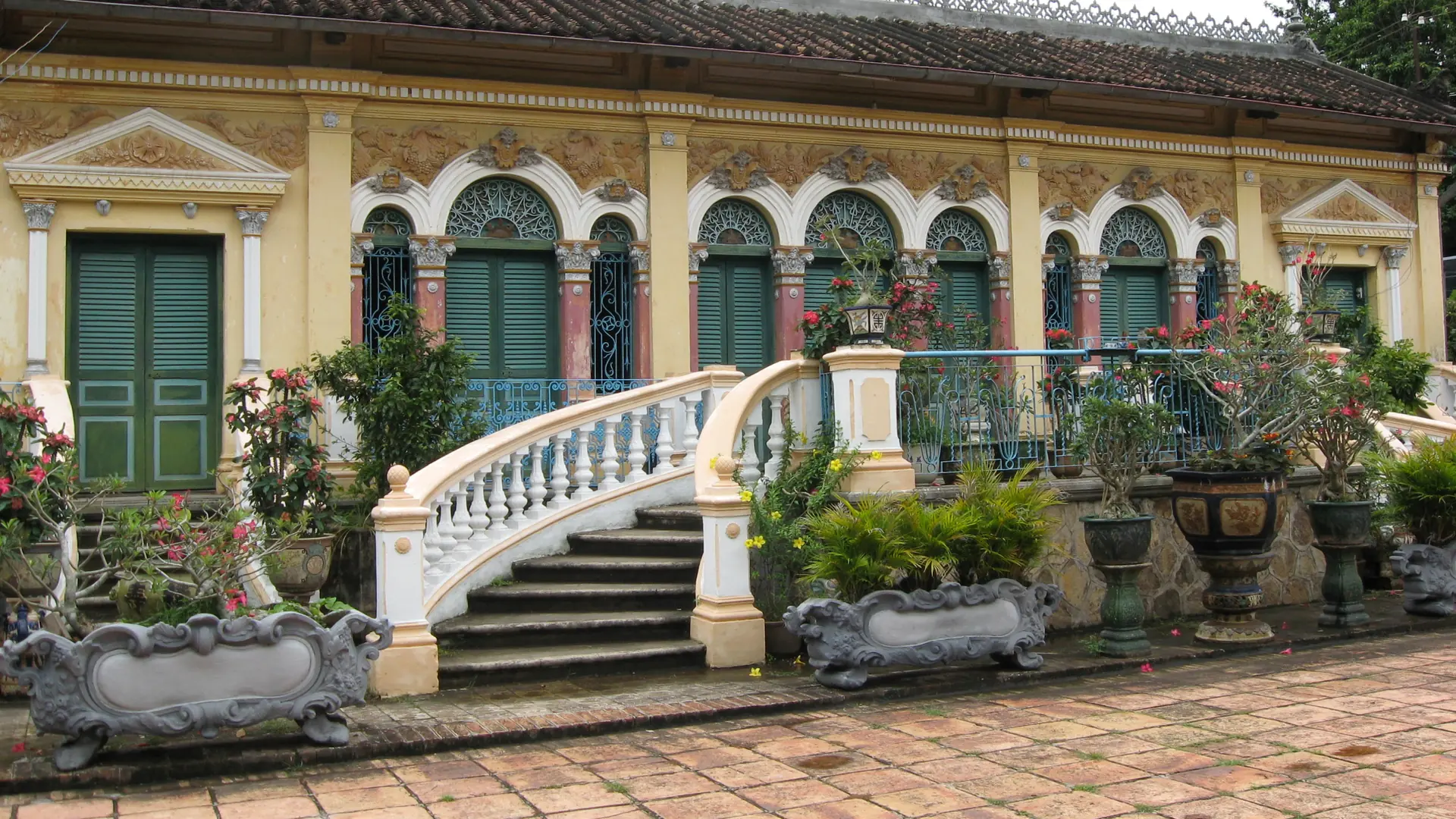
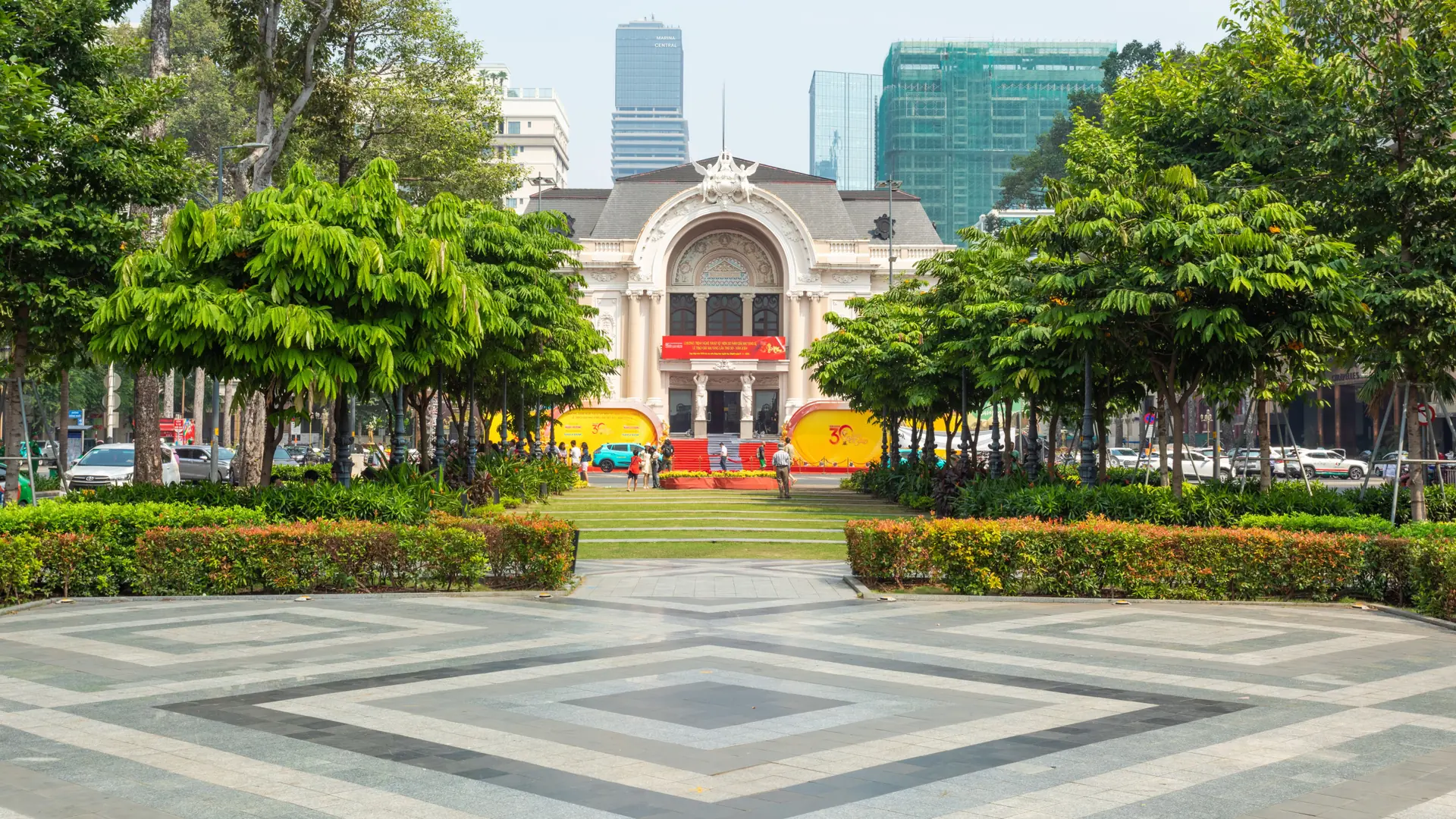
These four settings serve different trips. Look at where you will sleep after the outing, and how you will reach the next morning’s start.
A short break with restaurant choice and guided departures
Stay near the church and lake for a short visit with restaurants nearby.
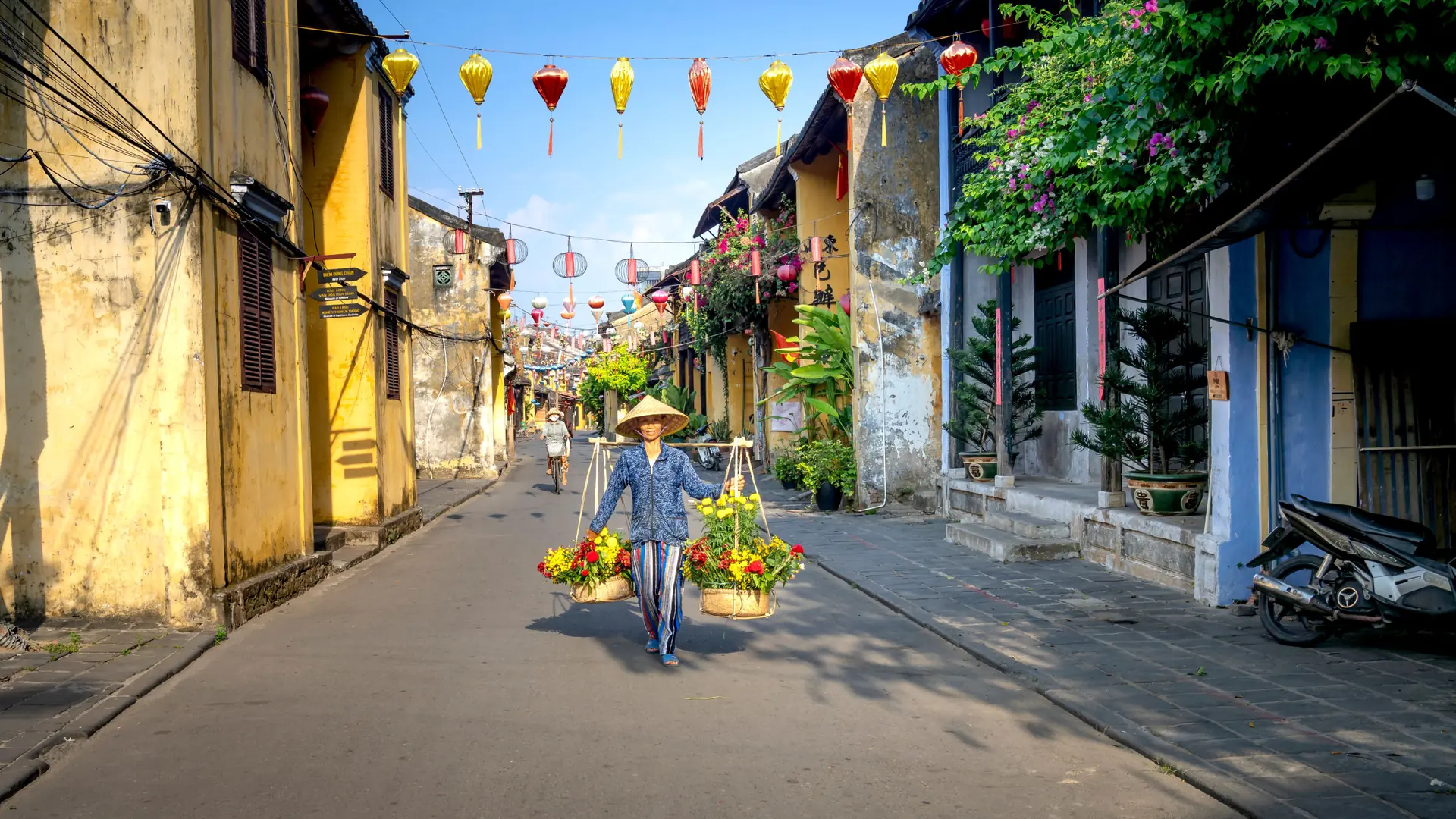
Village time around a walking programme
Choose the Muong Hoa valley for village time beyond a town day trip.
Textile traditions and an arranged community visit
Ta Phin is a separate village visit northeast of town, known for textiles.
Time to enjoy the property and surrounding scenery
A remote lodge suits days with time to enjoy the property and its landscape.
| Setting | Best fit | Features | Transport |
|---|---|---|---|
| Sapa town centre |
Town meals and indoor comfort A comfortable base before and after walking |
The terraces are outside the central hotel streets |
Walk around the centre; taxi for uphill or outlying pickups |
| Muong Hoa valley and Ta Van |
A village evening Time for hosts and valley life |
Some hosted sleeping space is shared |
Guided valley paths or a road transfer to the host |
| Ta Phin and its surrounding villages |
Embroidery and local traditions A distinct community interest |
A separate outing from Muong Hoa |
Road transfer northeast of town |
| Remote mountain-lodge setting |
A property-led mountain break Time for the lodge facilities |
Free shuttle timing limits town visits |
Lodge shuttle or a booked taxi/private car |

Choose the stay around the people travelling: sleeping arrangements, time outdoors and the journey into town all matter.
Sapa Sisters’ standard homestay has beds and mosquito nets in a shared second-floor loft. Dinner and breakfast are part of the overnight trek. It suits walkers who enjoy a hosted evening and are comfortable sharing sleeping space. A private room or bungalow costs extra and needs a request when booking. Bring that choice into the discussion before reserving, especially for a couple wanting privacy or someone who cannot manage the loft stairs. The appeal is time with the hosts after day visitors leave, rather than hotel-style room service.
Topas Garden Suite is a 56-square-metre duplex with one bedroom, living space, a full bathroom and a half bathroom. Its capacity includes two adults and two children under twelve. Think through bedtime: parents can use the living space, but the two floors do not create two enclosed bedrooms. The neighbouring Premium Executive bungalow shares a garden with the suite, which can suit a larger family booking separate accommodation. There is no promised internal connecting door. Choose another room layout if children need a bedroom of their own.
The Premium Executive bungalow at Topas has 28.5 square metres, one bedroom, a bathroom, balcony and heating through two-way air conditioning. It suits a couple planning a leisurely breakfast, an outdoor outing and time back on the balcony. Give the lodge some daylight hours rather than leaving at dawn and returning after dinner every day. Breakfast is served at the Stilt House. For this kind of break, two or three nights let you settle in and use the property instead of making it only a place to sleep.
Simply Hmong with ETHOS centres on a family kitchen, garden, food and conversation, with a shorter gentle walk. This suits travellers who would rather spend time with one household than cover a long distance through the terraces. It also gives a mixed-age group an outing to share when a full trek would be too much for someone. Ask about the approach and surfaces if steps are difficult. Staying in town keeps the rest of the day flexible, with a café stop or lake walk after returning.
After an overnight train and the drive from Lao Cai, a town hotel gives you somewhere to leave your bags and arrange breakfast before the room is ready. Ask about early check-in when reserving, rather than counting on it. Sapa Sisters offers luggage storage and showers at its office for trekking guests, which can help when the walk comes before the hotel night. Allow time to get from the station to town and have breakfast before meeting a guide. Book the morning around your actual train arrival.
A central hotel can work when some people want a long outdoor day and others want a slower morning. Hotel de la Coupole lists a pool and spa, alongside its café and restaurant, so a guest staying behind has something to do before everyone meets for dinner. Classic Twin rooms are 33 square metres with two single beds and balconies on the fifth or sixth floor. For a cold or cloudy afternoon, indoor facilities may matter more to your group than adding another mountain view to the itinerary.
Compare central hotels, valley stays and lodge categories against the plan above.
Hanoi, Noi Bai Airport, Lao Cai station and Sapa town lead to different arrival plans. Choose the journey that reaches your accommodation, including the last road leg.
Trains from Hanoi arrive at Lao Cai, not Sapa. Allow about an hour for the road journey into town; Sapa Sisters can arrange a shared station pickup or a private car. Give the driver your train and accommodation details before travelling. Keep the correct passenger identity and booking reference ready for the rail ticket. A sleeper night is part of the holiday even though it is not a hotel night: two town nights plus one inbound sleeper make three nights away before any return train. Leave breakfast and settling-in time before the first outing.
Topas’ paid ten-seat Mountain Express collects from Hanoi’s Old Quarter or Tay Ho between 06:45 and 07:30, and Noi Bai Airport between 07:45 and 08:15. Its published lodge arrival is 12:30–12:45. This is useful for a lodge guest who wants to avoid changing vehicles in town. The allowance is one bag up to 56 by 36 by 23 centimetres, so arrange larger luggage separately. For onward town guests, the lodge handover means arrival in Sapa around 13:45–14:00. If arriving by air, leave enough time to clear arrivals before the agreed pickup; stay overnight in Hanoi when the connection is too tight.
Sapa Sisters sells a G8 VIP cabin bus from 160 Tran Quang Khai in Hanoi to Sapa. It lists a six-to-seven-hour journey and USD 25 per person, with shared minibus pickup/drop-off for Noi Bai Airport and Sapa centre included. Choose a morning departure for the daytime arrival plan above, and arrange the collection and hotel drop-off when booking. Its limousine option is a different service, with central-hotel pickup and different pricing; use the fare and collection details for the product you select. N2 Street is the published joining point for the G8 return journey from Sapa to Hanoi.
Sapa Sisters’ office is in Alley 29, No. 09 Fansipan Street. It offers free bag storage and showers, letting trekking guests leave a holiday suitcase in town and take only what they need for the walk. ETHOS meets at its Community Centre, 79 Nguyen Chi Thanh; the Spirit Tree day begins there with an 08:30 briefing. These are different meeting points. Put the chosen one into your morning plan and use a taxi if the uphill approach would tire the group before the walk. For a village overnight, agree when you return to collect the stored bag.
Topas lists a free shuttle at 10:00 from the lodge and 14:00 from 015 Le Van Tam Street in Sapa. The roughly 45-minute drive leaves around three hours and fifteen minutes in town, enough for lunch and a small walk. It will not fit a full Fansipan outing or a long guided trek. Reserve at least 24 hours ahead; arrange a paid taxi or private transfer for those full days or dinner in town. Each shuttle guest may bring a suitcase and carry-on. The free service excludes group bookings of seven rooms or more.
Walk the central streets for meals and the lake, but use an arranged road transfer when moving between town, Ta Phin and a valley property with luggage. A guided trek follows paths chosen for the outing; the road to a homestay is a different route. For an independently booked rural stay, ask the host where a car can reach and how the final approach works. That matters most after dark or in wet weather, when a short-looking map connection may include steps or a muddy path. Tell the driver the property name as well as the village.
Start at Sapa station inside Sun Plaza in town. The Muong Hoa railway takes about six minutes to its lower terminus, where you continue to Hoang Lien cable-car station. To skip this lower railway, take a taxi to the cable-car complex on Nguyen Chi Thanh. The cable brings you to Fansipan station near 3,000 metres. Follow the stone steps towards the summit or take the upper railway from Do Quyen to Truc May. The cable-plus-Muong Hoa-plus-buffet combination omits the upper railway; the all-three-return combination includes both railways and the cable. Van Sam buffet is at the lower departure complex, while Do Quyen restaurant is at the upper station. Choose lunch around where you intend to be.
Sun World describes around 600 stone steps between the upper cable station and the summit route. The upper railway reduces the climb, but about 50 steps remain after Truc May station. It is not a fully step-free summit visit. In the valley, ETHOS’ moderate Spirit Tree route includes steep or clay slopes and usually two river crossings; heavy rain can change the route. Discuss those features with the guide if balance, stamina or slippery surfaces are concerns. For a gentler outing, choose the family-kitchen visit described above rather than expecting a private booking to flatten the terrain.
Compare each guided walk with its included meals and transport, then add the journeys to your chosen accommodation. A town hotel and a remote lodge can create quite different daily costs.
The national guide highlights September and October for terraced landscapes, while ETHOS’ local seasonal account places the golden harvest in September and describes October after harvesting. Choose September if standing rice is your main reason to come. October can still suit village walks and mountain views, with cut fields part of the landscape. Crop timing varies between fields, so ask your host what is happening around the village you plan to visit. A terrace photograph alone cannot tell you which month will give the same colour.
April and May suit a mixture of outdoor days in the national guide. ETHOS describes water-filled terraces and planting during these months, a different scene from the autumn harvest. Summer brings greener fields, rain and muddier paths; heavy showers and fog can affect August outings. Pack for wet walking and let the guide adjust a route around the conditions. If the trip gives you two full days, choose the order of Fansipan and the valley walk locally rather than fastening both to an arrival afternoon.
November through March can be chilly, especially when cloud keeps the sun out. Compare heating before booking a rural night: Topas lists it in the Premium Executive and Garden Suite categories, while a hosted loft offers a different evening setting. Bring a warm layer for the high mountain even on a milder town day. For a winter break, leave time for a hot meal and an indoor rest instead of filling every afternoon with another outdoor stop. A comfortable room matters when you spend more of the day inside.
Checked on 5 October 2026, Sapa Sisters lists a private one-day trek at USD 45 per person for two walkers, USD 39 each for four and USD 55 for a solo guest. Two walkers pay USD 90; four pay USD 156. The guide, lunch, valley entry and local return are included. Drinks, travel to Sapa and a town hotel night are extra. Compare the whole day at your party size, particularly if another offer includes a night or a longer route. A lower group rate is not the price for a solo booking.
Checked on 5 October 2026, Sun World’s 2026 guide lists adult return cable admission at VND 850,000 and the combination with both return railways at VND 1,370,000. Two adults have respective totals of VND 1,700,000 and VND 2,740,000, a VND 1,040,000 difference. The cable-plus-buffet product is VND 1,100,000 per adult and does not add both railways. Cable-only child admission is VND 550,000 for heights from one metre to below 1.4 metres; below one metre is free. Check each combination’s child terms separately.
Topas lists the Mountain Express at USD 50 per person each way for seats A1–A6 and USD 45 for A7–A10. A return trip for two therefore costs USD 200 or USD 180 before accommodation. This buys the scheduled Hanoi/airport-to-lodge journey; it is separate from the free town shuttle. Compare it with arriving in Sapa and taking a private lodge transfer if your flight or luggage does not fit the express. Price both directions and any additional full-day town transport before choosing a remote base.
Consider it as a separate market excursion or a different overnight emphasis. The national guide identifies the Sunday Bac Ha market, while Travelfish’s comparison explains why a services-oriented Sapa base and a market-oriented Bac Ha visit answer different interests. Do not add the market casually to a full village walking day or assume it takes place in Sapa town. Arrange the actual travel and market date before giving it a place in the itinerary.
A two-day guided trek can fit four days and three accommodation nights: arrive in town and sleep there on day one; walk to the homestay on day two and stay with the hosts; finish the second walking day, return to town and sleep there on day three; leave on day four. This gives the trek two days without adding Fansipan to either. Add another town night and a separate full day if you want the summit as well. Any inbound or outbound overnight train is an additional travel night.
Yes, but book transport around the mountain day. The Topas free shuttle is designed for a short midday visit to town, so use a taxi or private transfer with a morning start and an agreed pickup after returning to the lower station. Staying in town for the Fansipan part of a longer trip is another option. Choose that if you also want several central departures, then move to the lodge for days when you can enjoy its setting.
A town food tour, a family-kitchen visit or time learning about textiles still gives the day a focus. ETHOS offers the two food experiences, while national tourism coverage describes craft workshops. Reserve the activity you want rather than waiting all afternoon for a clear summit. In town, Hotel de la Coupole’s CACAO café offers pastries and hot chocolate; a lake walk can fill a short dry spell. Save the longest outdoor route for a day when its conditions suit the group.
For an unhurried departure, spend the final night in Hanoi and take the mountain-to-city journey the day before the flight. The published road journey takes several hours, with traffic adding uncertainty, and an airport connection needs more than the drive itself. If choosing a direct airport drop-off, agree it with the transport seller and allow a generous margin for your flight. A lodge transfer, central-town bus and train via Lao Cai have different endpoints, so select the complete journey rather than just a Sapa departure time.
Reviewed by StartBooker
Last reviewed 2026-10-05
Updated
Editorial method: National tourism and independent travel coverage were checked against the guides selling walks, hotel room descriptions, lodge and bus transfers, and Sun World’s ticket and operating notices. Route days include arrival and departure, with train and homestay nights counted separately. Station geography and physical effort are distinguished from current fares.
22 Source records checked
Some photos provided by Pexels.