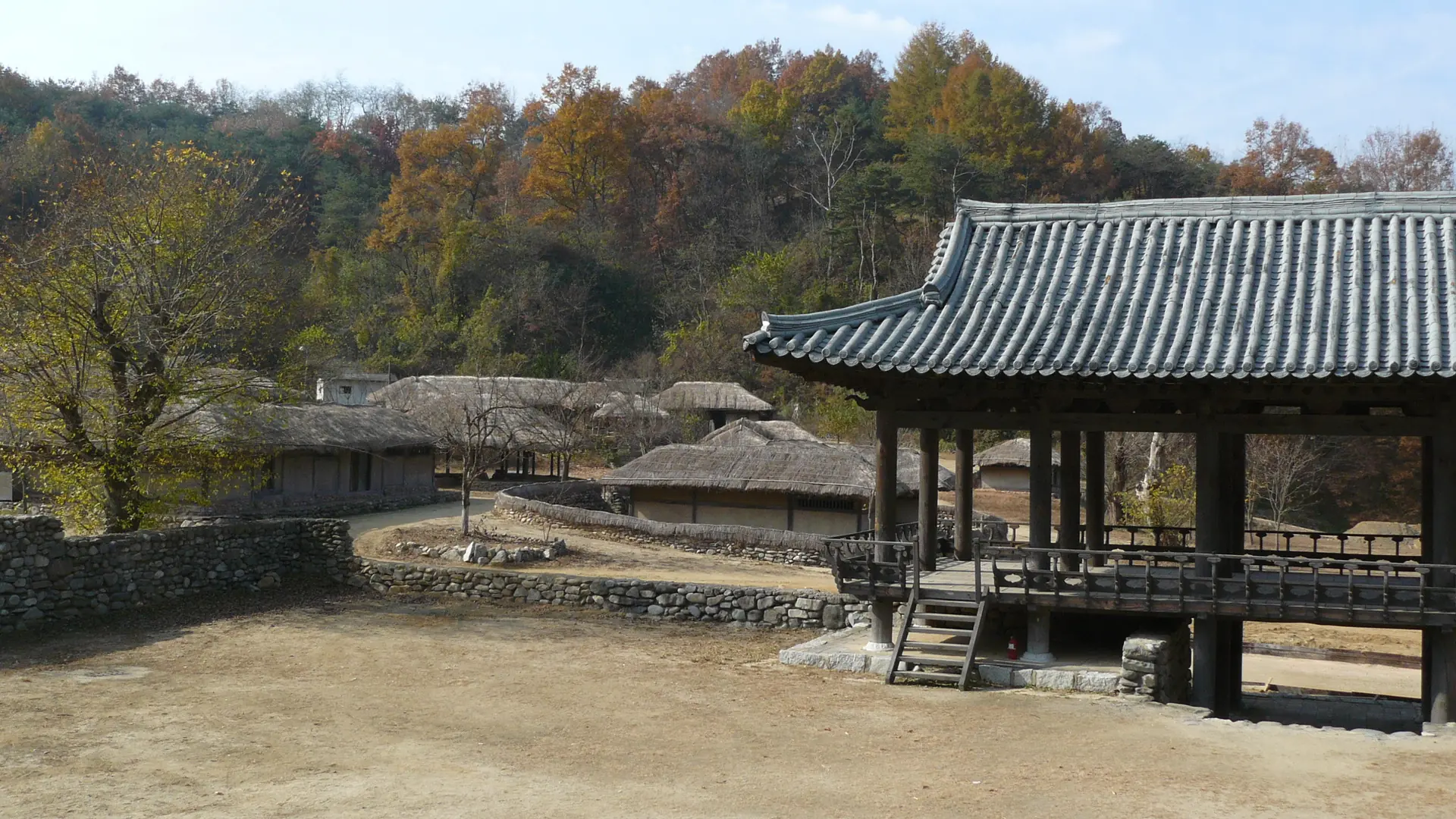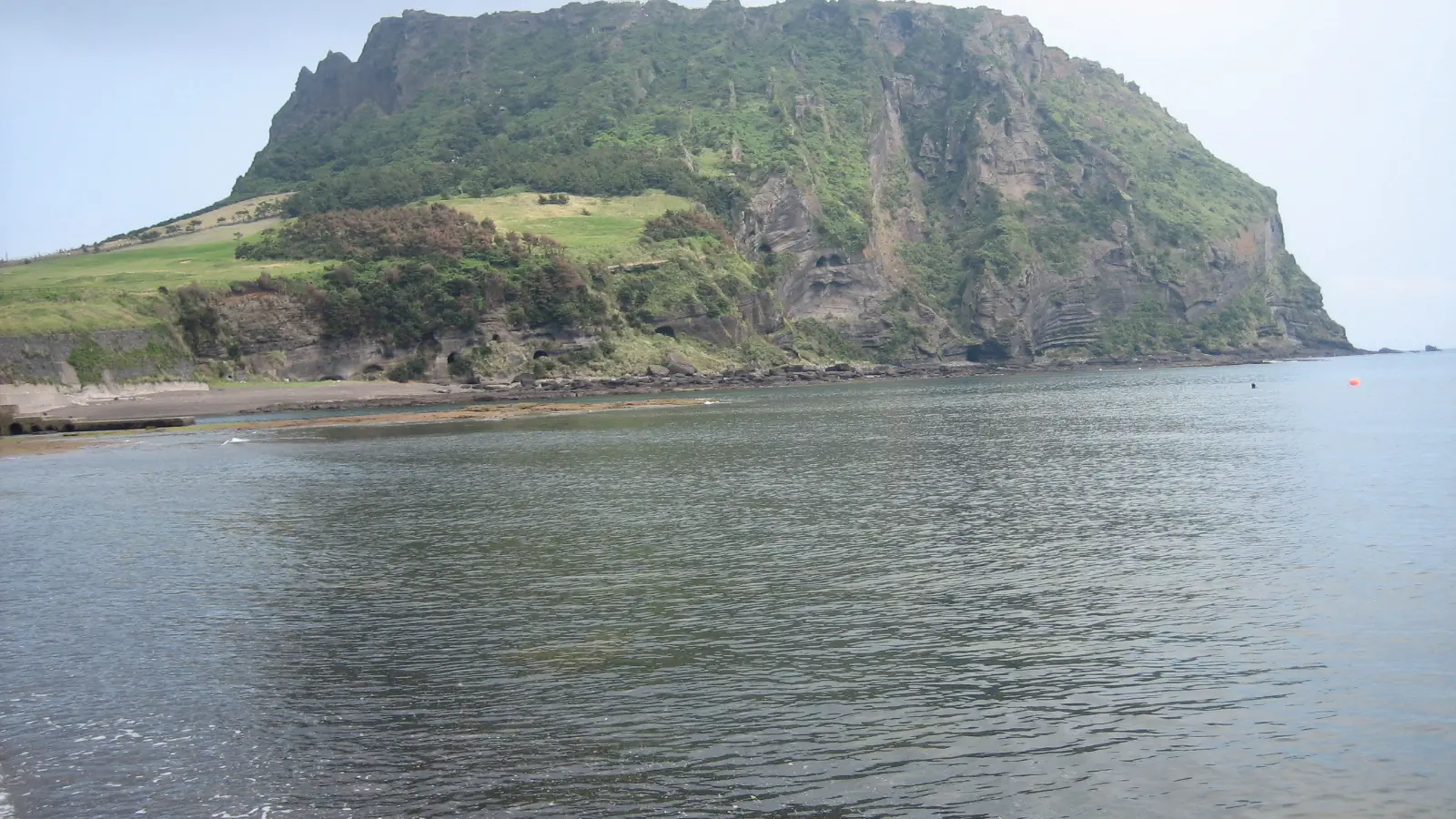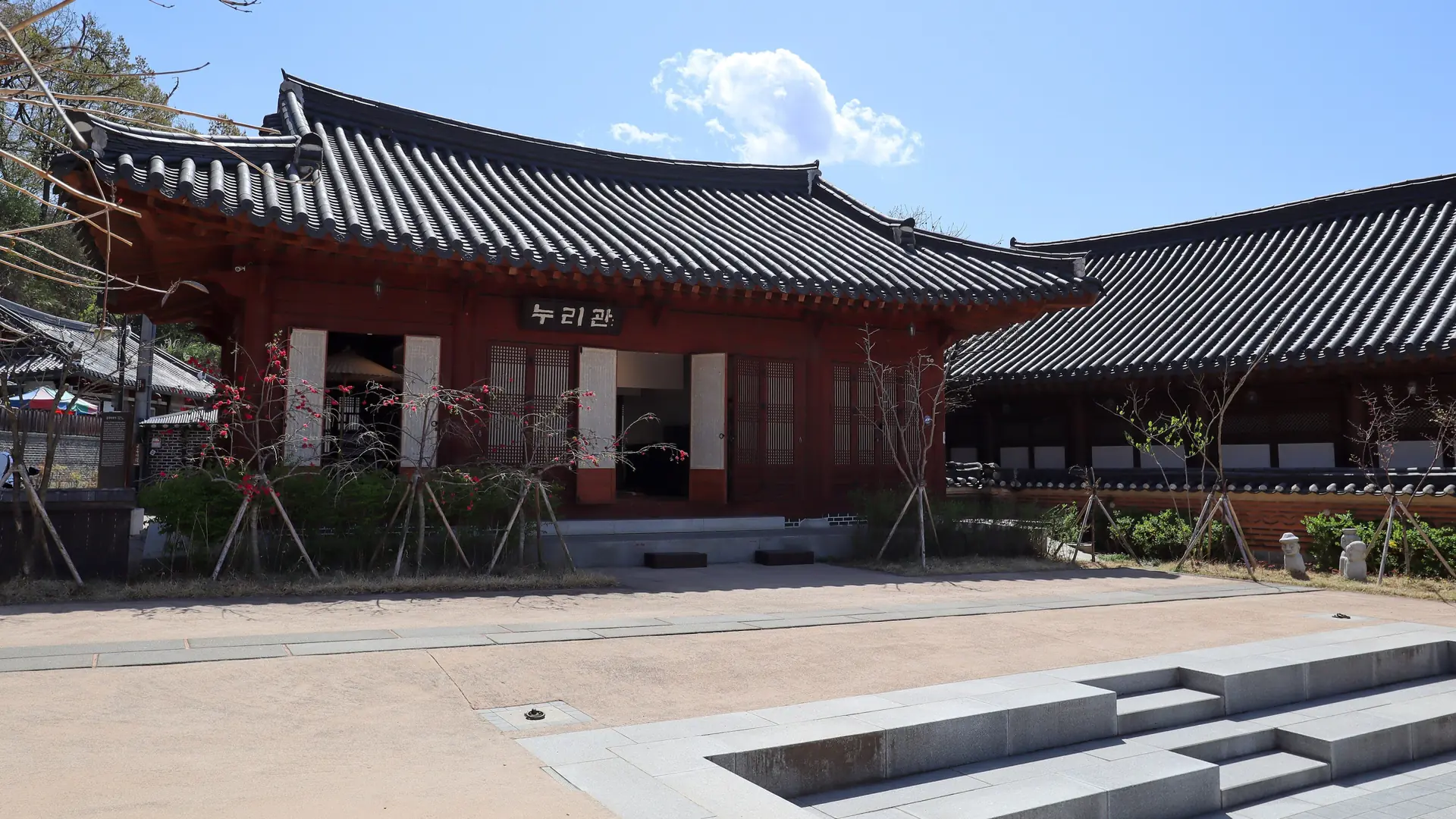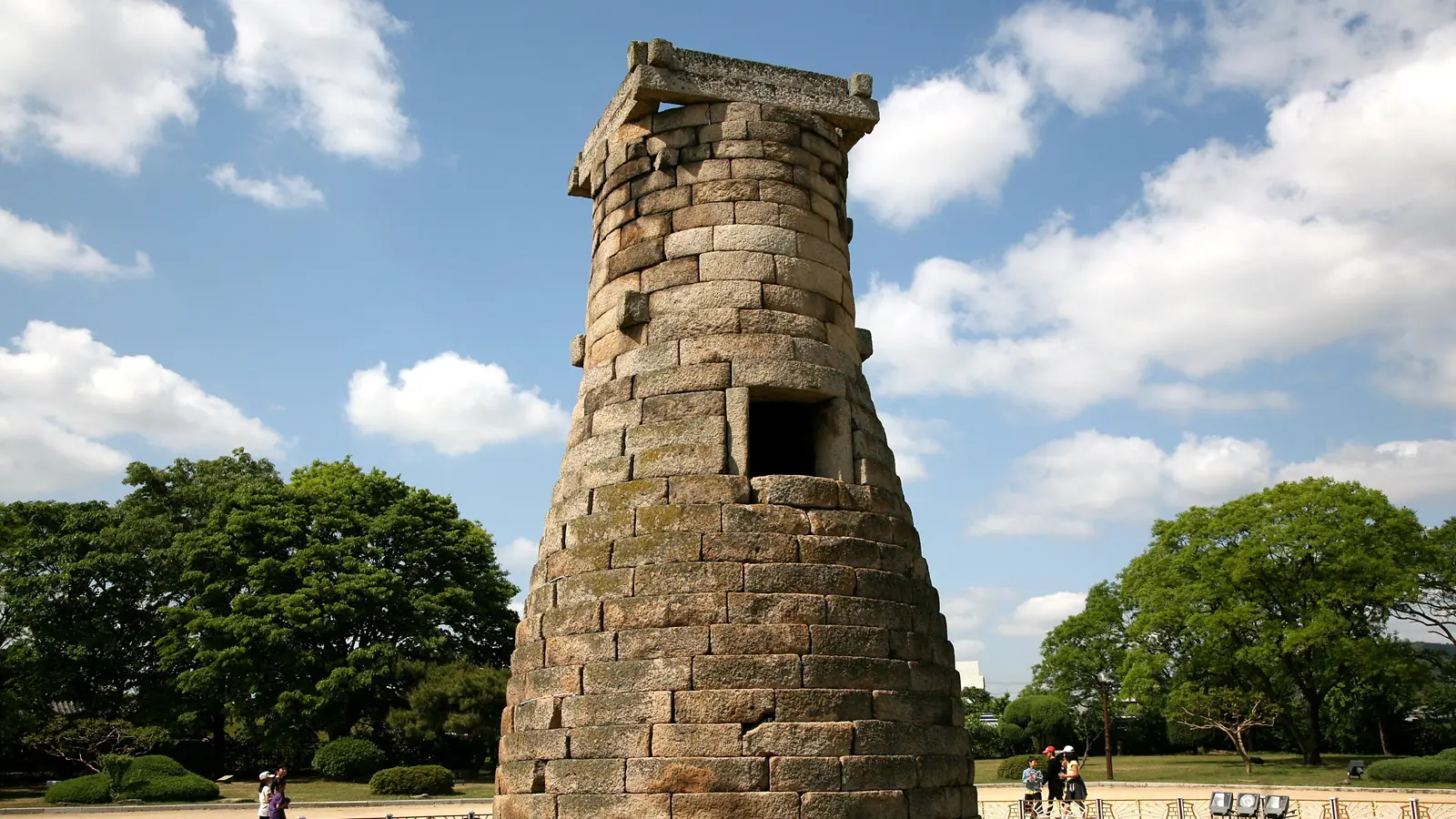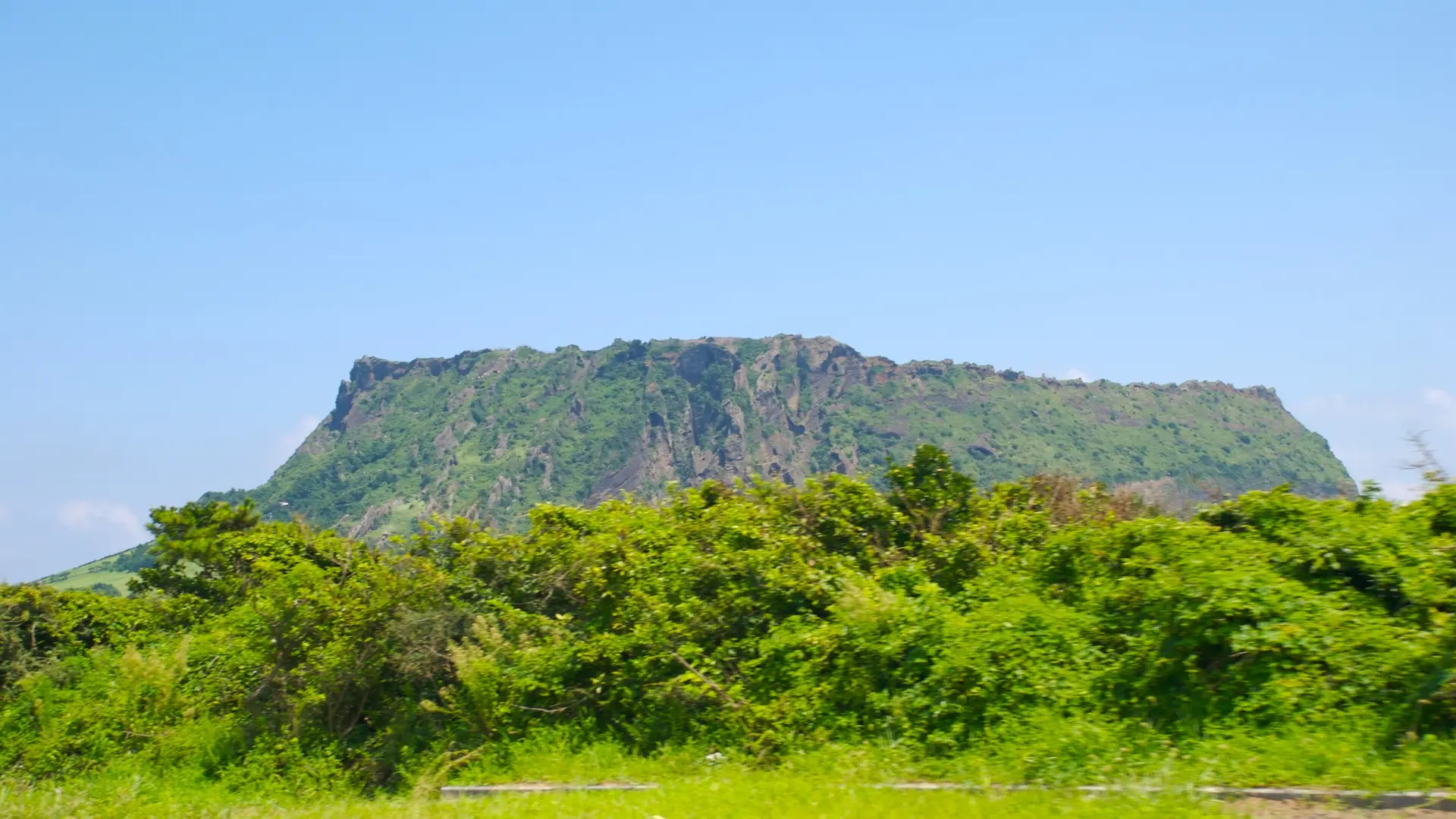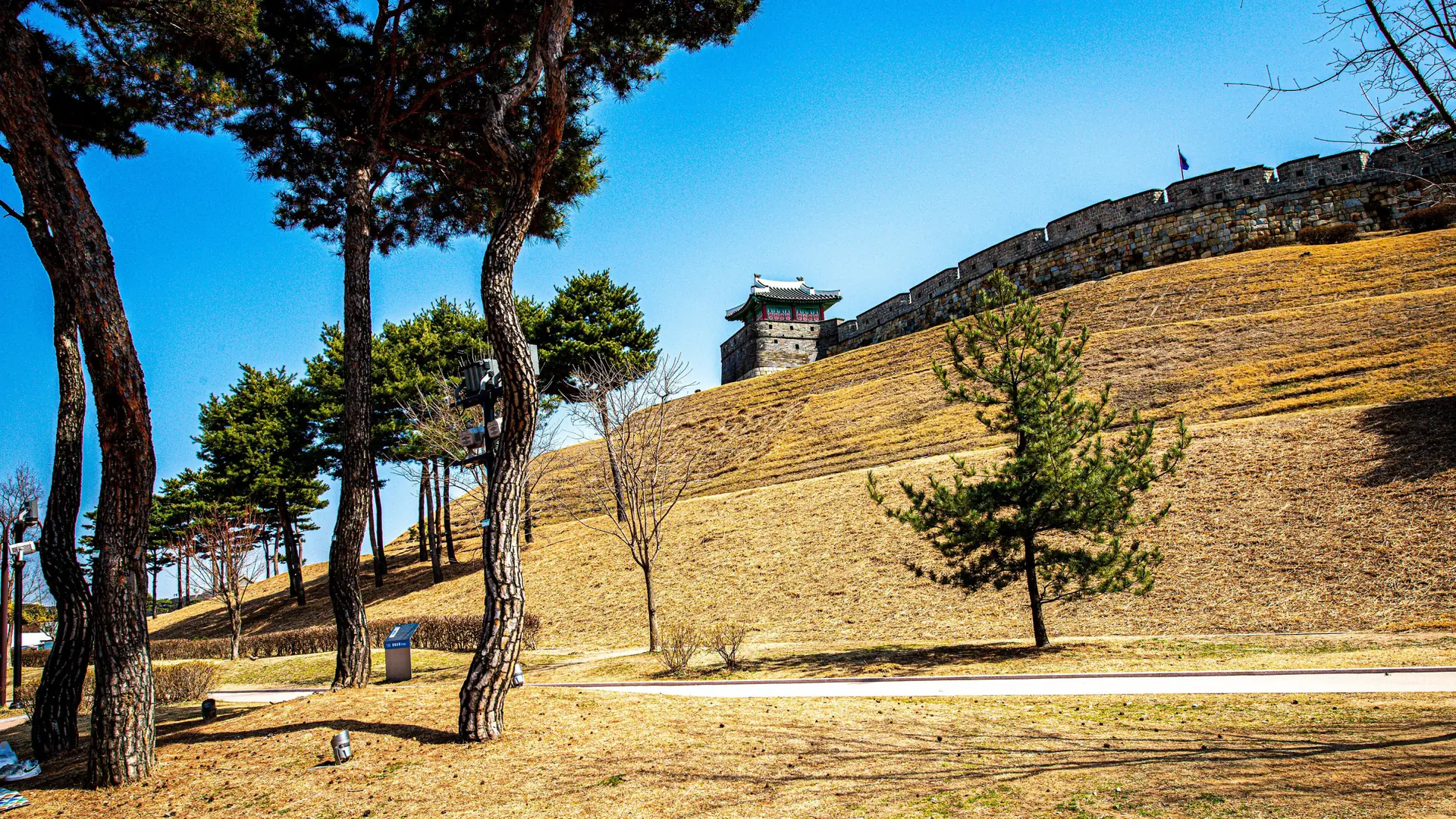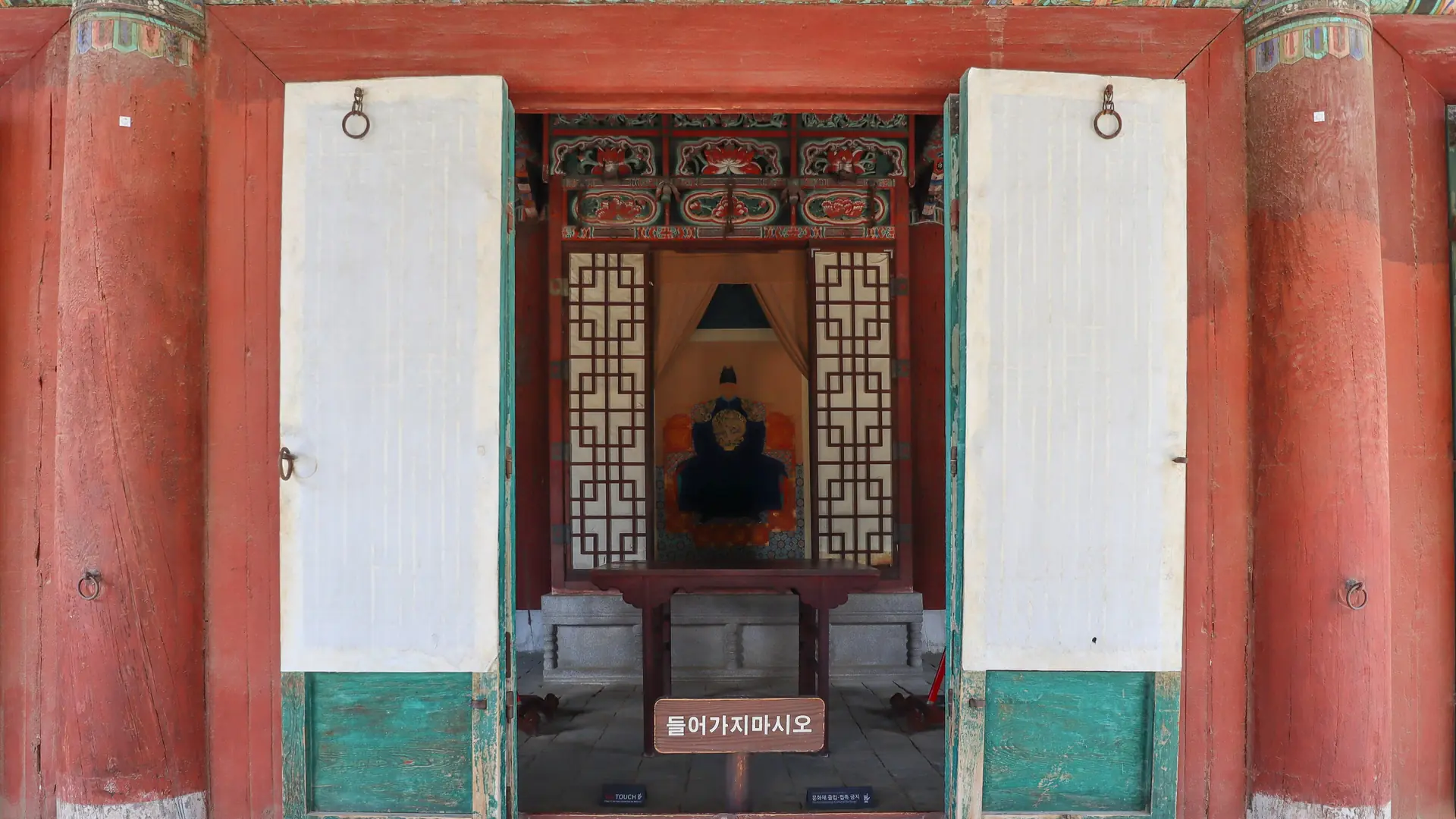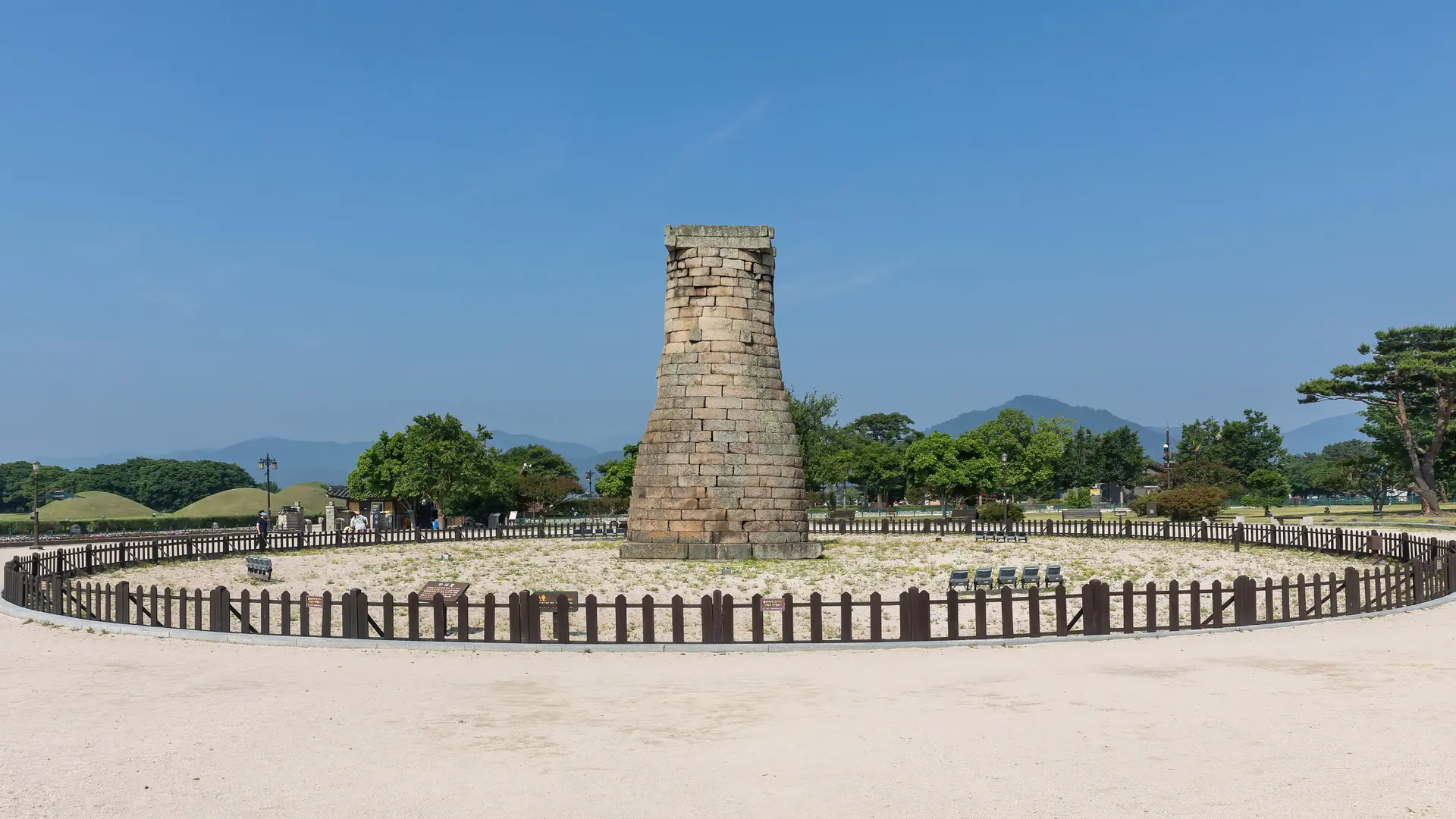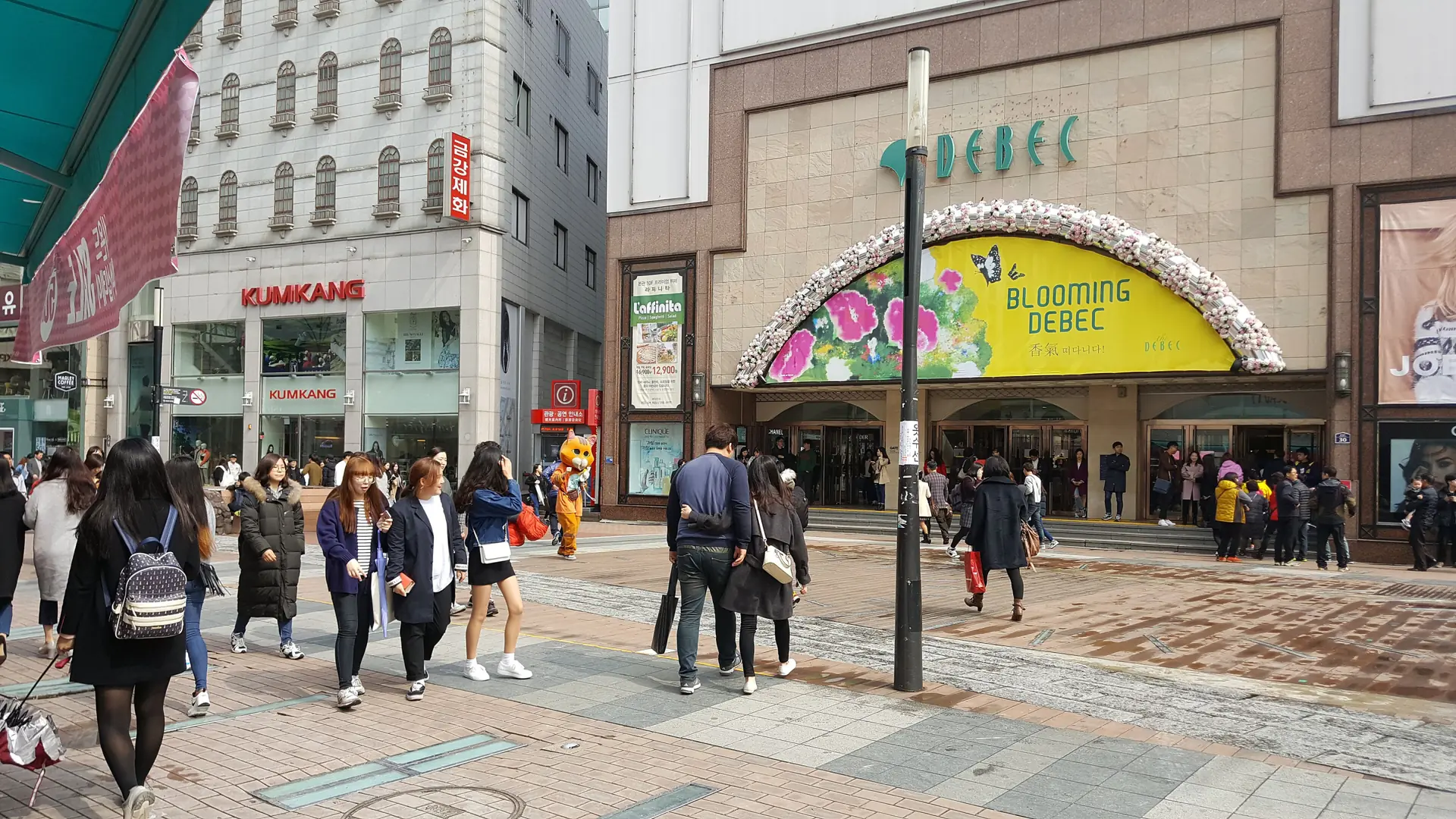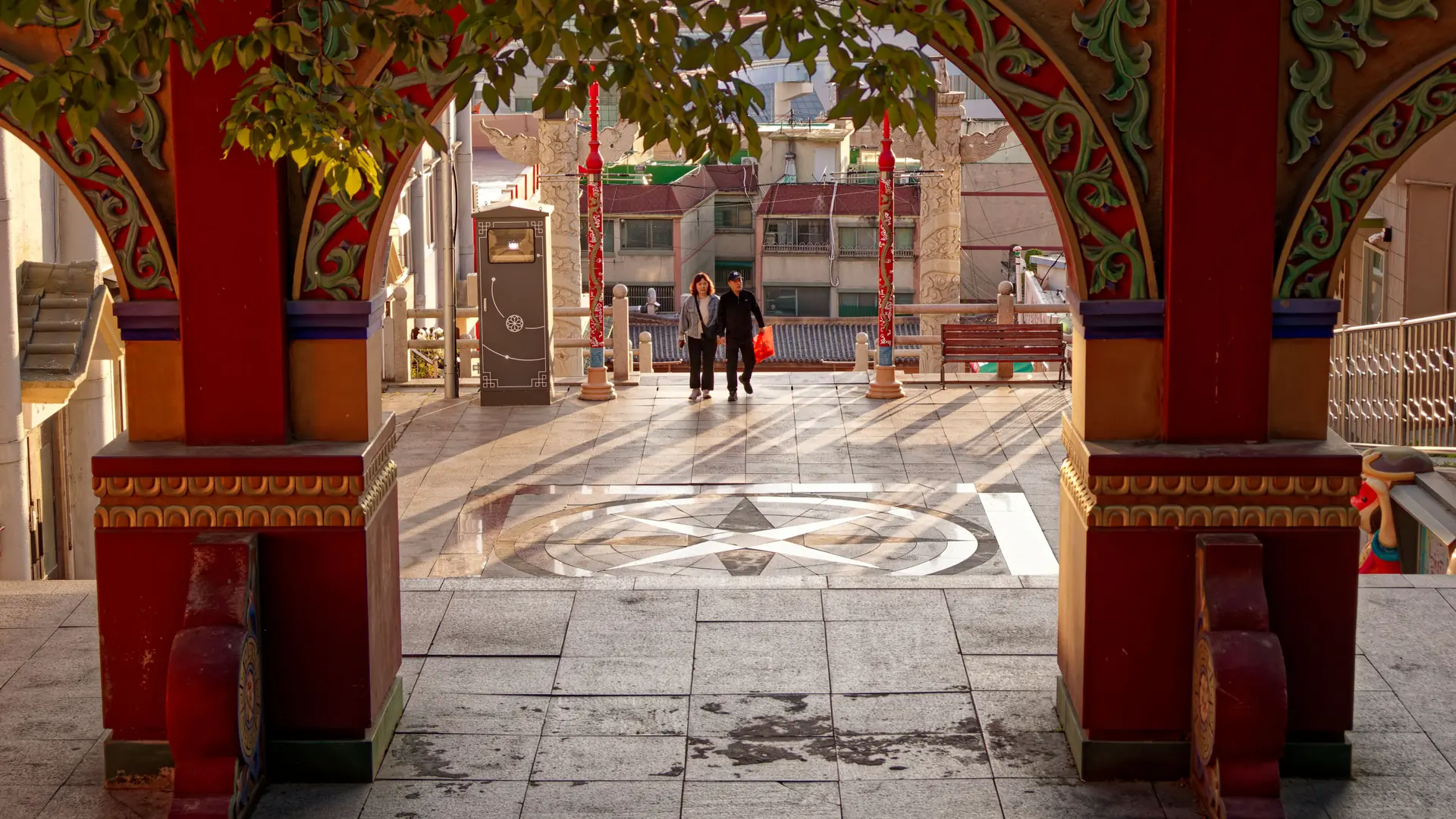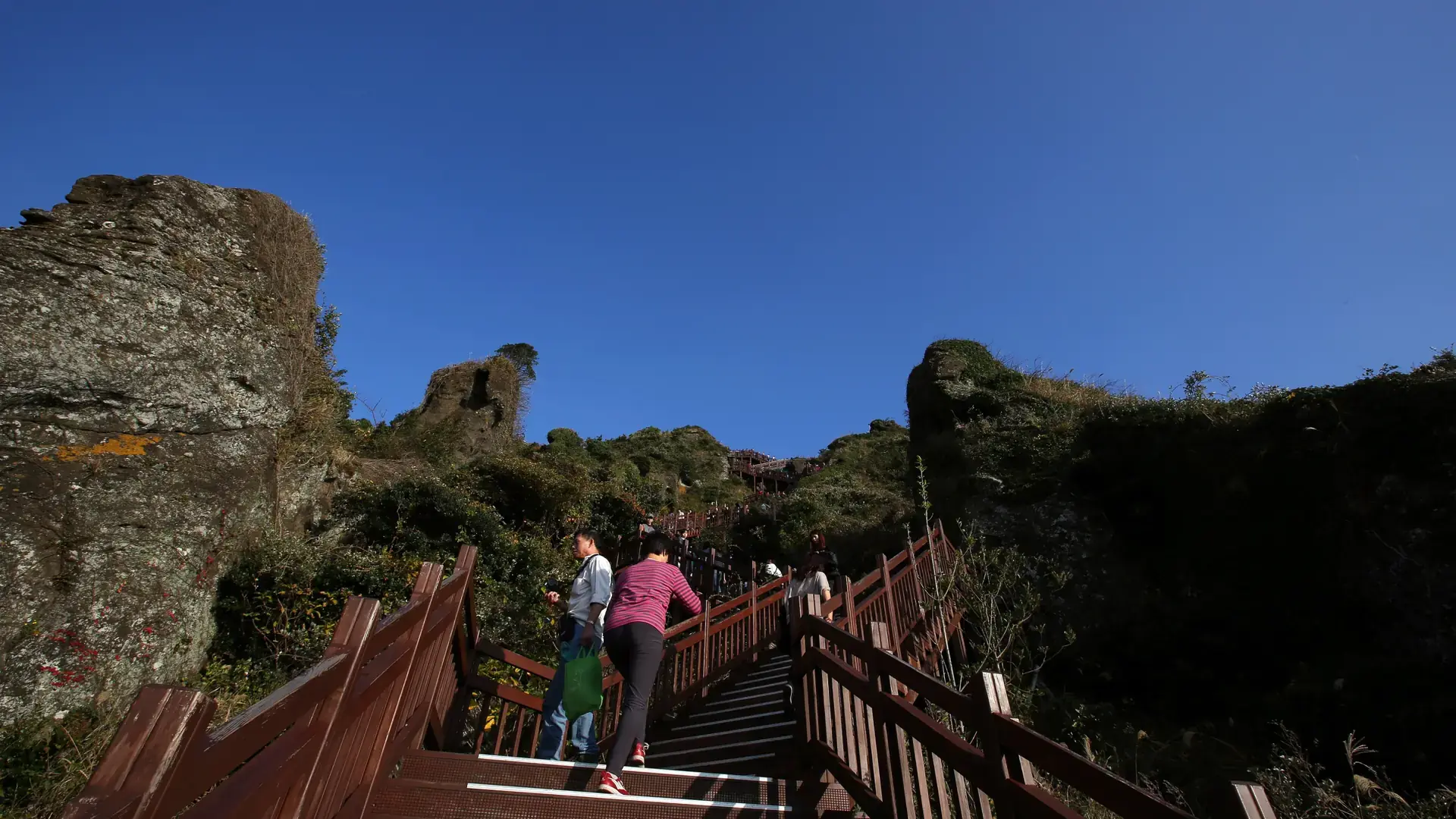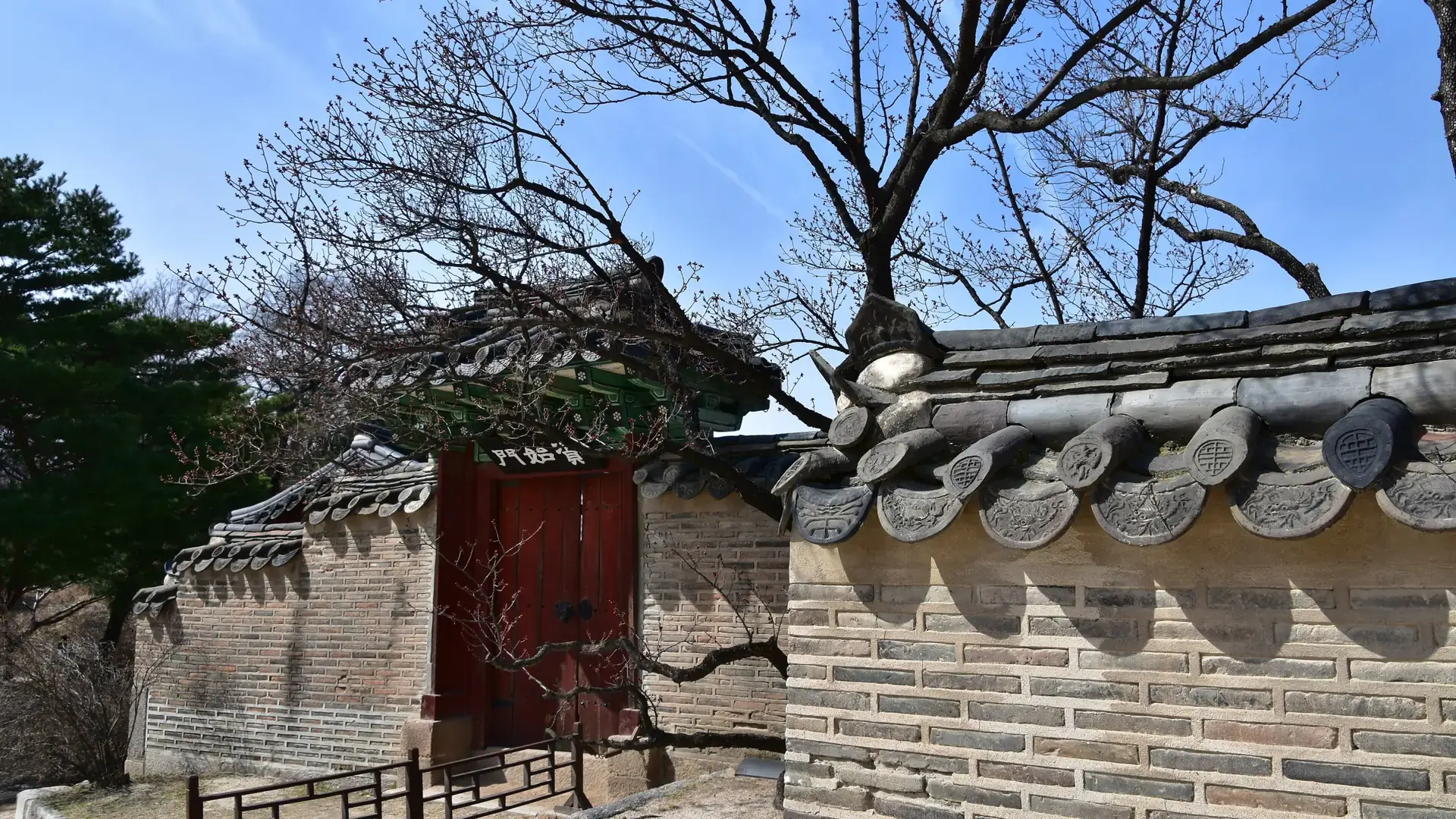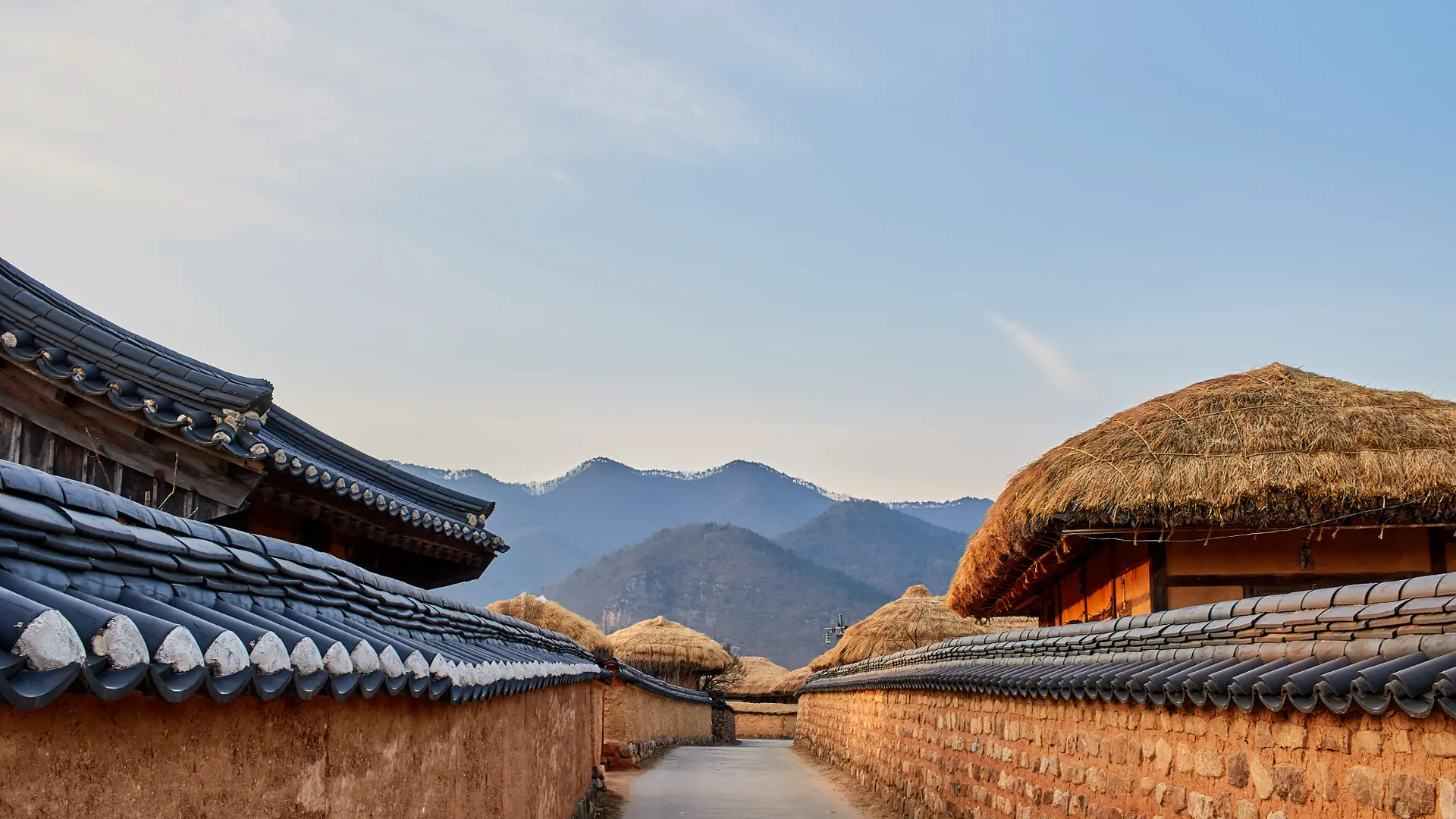
Hahoe Folk Village's traditional houses beside the Nakdong River in Andong, under a bright sky

Andong: Korea's Confucian Heartland by KTX-Eum

Loading Andong hotel search

Andong at a glance

Korea's self-styled 'spiritual capital,' where Confucian scholarship and clan-village life from the Joseon dynasty survive more intact than almost anywhere else, built around a compact downtown with Hahoe's UNESCO village a short trip away.

Best first-timer base Downtown Andong

Jjimdak Alley's chicken restaurants, cafes and shops, a short walk or ride from Andong Station.

KTX-Eum gateway Andong Station, 15-30 minutes from downtown

Sits next to the intercity bus terminal, keeping onward local transport simple.

Getting around Walk downtown; bus or taxi for Hahoe and Dosan Seowon

The downtown core is compact enough to cover on foot; the historic sights outside town need a bus, taxi or rental car.

When to visit April-May or Sept-Oct

Mild weather for walking Hahoe's riverside paths; the Changma rains bring the region's heaviest downpours in late June-July.

StartBooker answer

Where is the best place to book a hotel in Andong?

Downtown Andong is the practical first choice for most visitors: it puts Jjimdak Alley's chicken restaurants, cafes and shops within walking distance, and sits close to Andong Station. The small hanok village near Wolyeonggyo Bridge suits travellers wanting a hanok-stay experience without leaving the city, Hahoe Folk Village, a genuine UNESCO-listed clan village about 19 kilometres outside town, suits an overnight stay for the fullest immersion, and the area near Andong Station suits transit-focused travellers arriving by KTX-Eum. Andong is known as Korea's Confucian heartland, preserving Joseon-era aristocratic culture more intact than almost anywhere else in the country, so its appeal runs deeper than a single afternoon at Hahoe allows.

Best first base
Downtown Andong, for jjimdak and walkability
From Seoul
About 2 hours 15 minutes by KTX-Eum from Cheongnyangni
UNESCO status
Hahoe Village, listed 2010 with Gyeongju's Yangdong Village
Getting around
Walkable downtown; bus or taxi for Hahoe, 19km out
AI-powered

Ask the Andong planner

Answer a few questions about jjimdak and downtown convenience, a hanok stay, Hahoe's UNESCO village or a simple KTX-Eum connection, and get a matching base.

Andong's four first-visit bases compared

Downtown Andong and the small hanok quarter near Wolyeonggyo Bridge are a comfortable walk apart, but Hahoe Folk Village is a genuinely separate trip about 19 kilometres outside town, and Andong Station sits slightly apart from all three. The Nakdong River, Korea's longest at about 506km, runs through the middle of this geography: it loops around Hahoe in the U-shaped bend that gave the village its natural defences, and Andong Dam a few kilometres upstream, completed in 1976, controls the river's flow through the city.

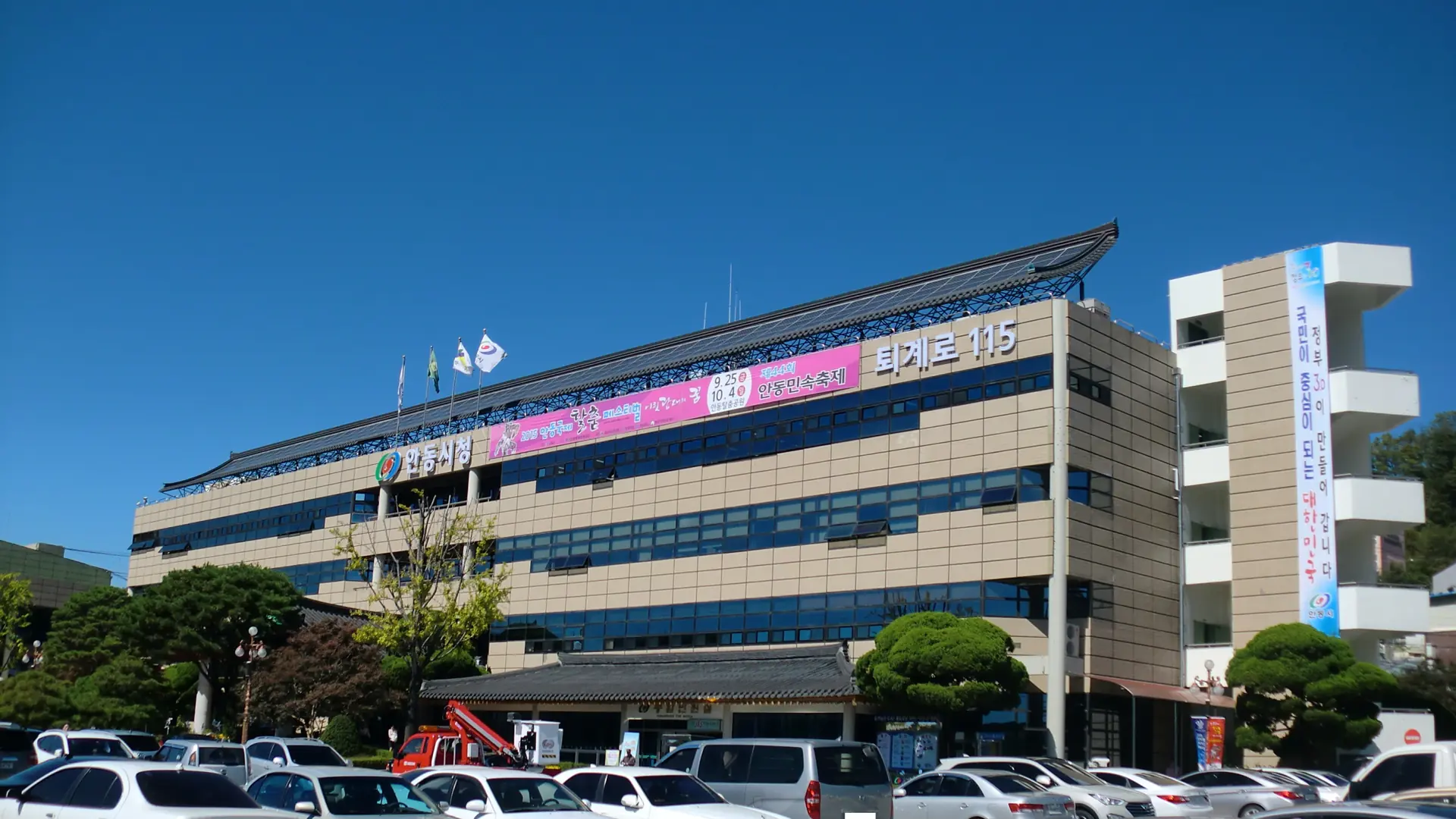
Andong City Hall's building and plaza in downtown Andong, under a clear blue sky

Downtown Andong

jjimdak, walkability, day-trip logistics

The city's commercial core, built around Jjimdak Alley and a short walk or ride from Andong Station and the bus terminal.

Choose downtown for the easiest base to arrange day trips and eat well.

Moderate, a working city centre rather than a nightlife district

first-trip food near-transport walkable

A functional modern city centre rather than a heritage setting.

Book ahead during the Andong Mask Dance Festival, held across late September and early October.
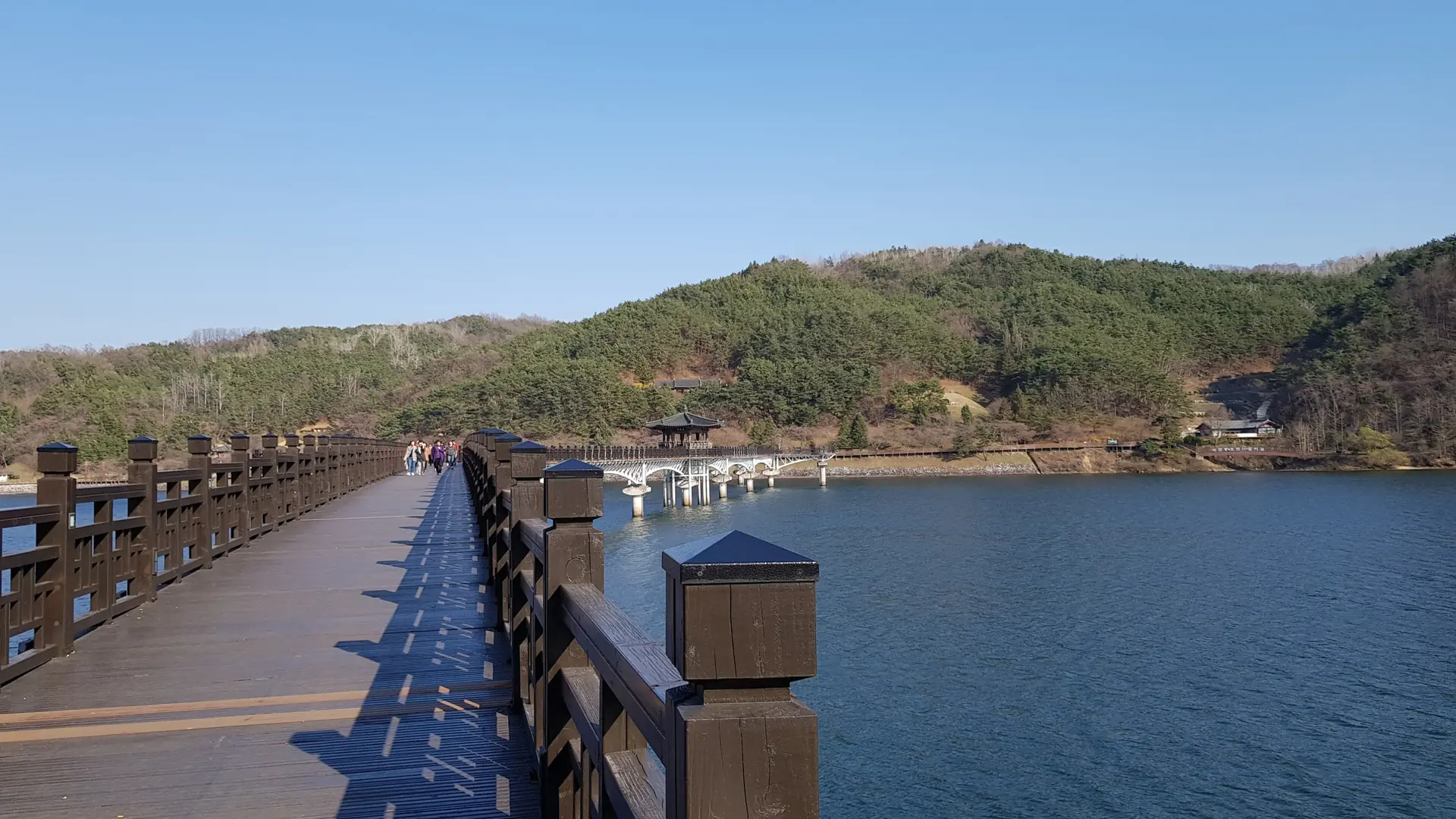
Wolyeonggyo Bridge's long wooden walkway over the water in Andong, in bright daylight

Wolyeonggyo Hanok Village

a hanok stay without leaving the city

A small, reconstructed hanok village beside the 387-metre Wolyeonggyo footbridge, which opened in 2003 and is Korea's longest wooden bridge. It gives a genuine hanok-stay experience within the city itself, distinct from and much closer than Hahoe Folk Village.

Choose this area for a hanok stay without committing to the trip out to Hahoe.

Quiet, especially after the bridge crowds thin out in the evening

culture walkable budget

A smaller, newer village than Hahoe, without the same centuries of continuous clan habitation.

Don't confuse it with Hahoe when booking; the names and photos online are easy to mix up.

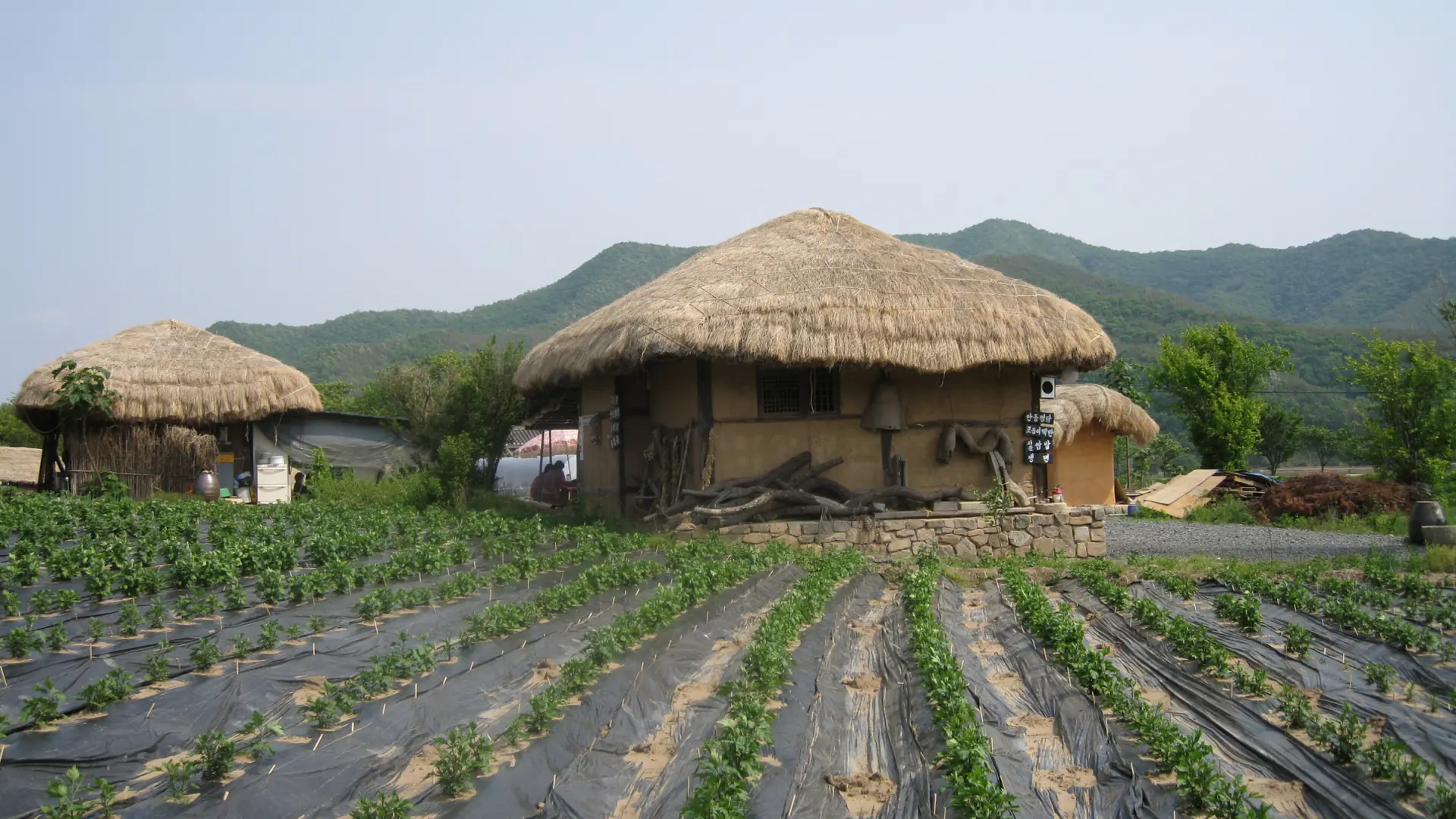
Traditional thatched-roof houses in Hahoe Folk Village's farmland, Andong, in bright daylight

Hahoe Folk Village

the fullest UNESCO clan-village immersion

A genuinely lived-in Joseon-era clan village set in a U-shaped bend of the Nakdong River, about 19km outside downtown Andong, listed as UNESCO World Heritage in 2010 alongside Gyeongju's Yangdong Village. The homes are still occupied by descendants of the Ryu clan rather than maintained as a stage-set replica, and the Hahoe Mask Museum near the village entrance displays reproductions and mask traditions from around the world alongside Hahoe's own; the actual 12th-century original masks, Korea's oldest, are kept at the National Museum of Korea in Seoul.

Choose Hahoe for an overnight stay that goes beyond a rushed day-trip visit.

Very quiet, rural and residential

culture nature budget

Far fewer restaurants and shops than downtown, and a genuine distance from Andong's other sights.

Confirm your guesthouse is inside the village itself rather than in the surrounding countryside.

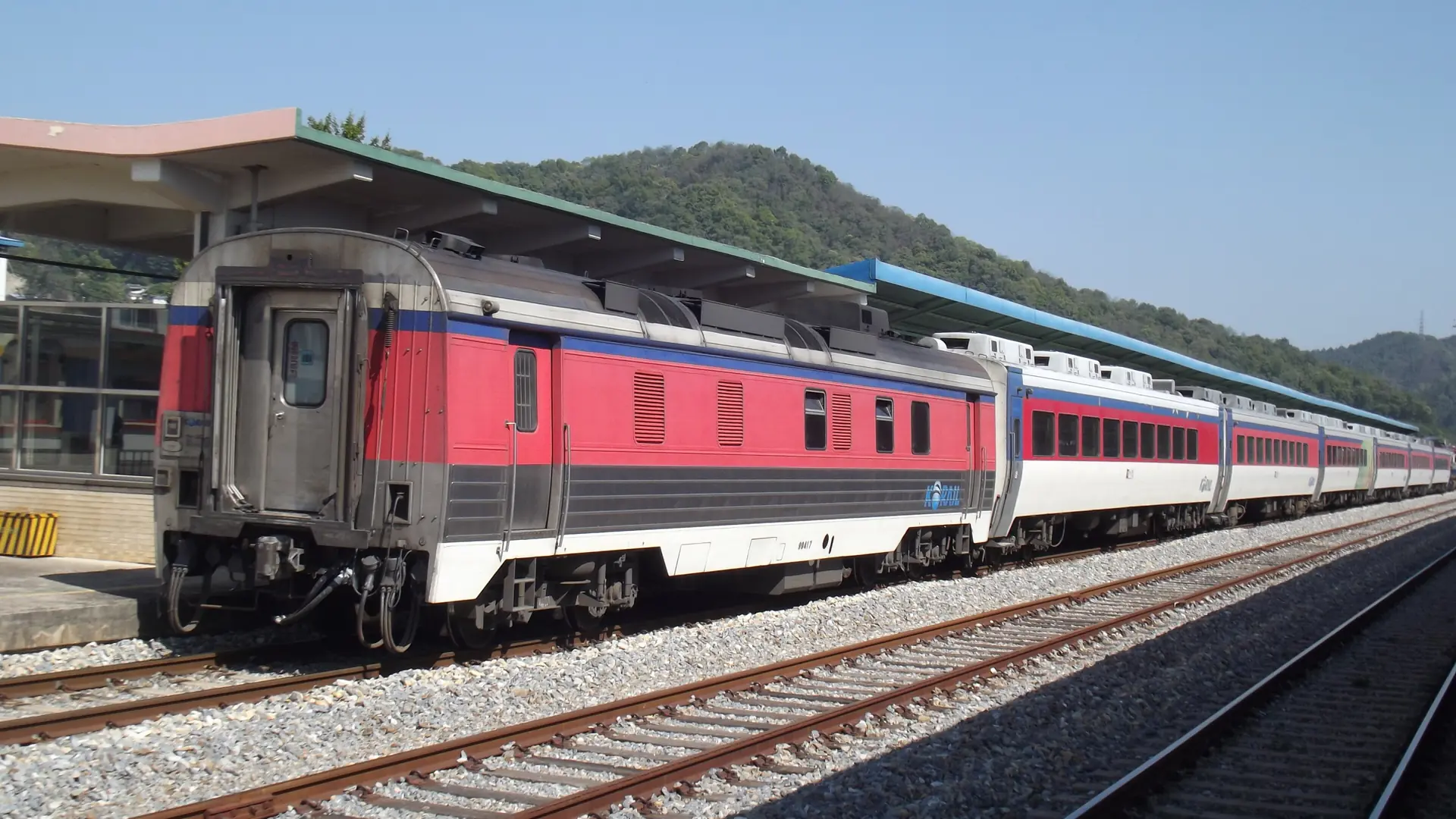
A Korail intercity train at an Andong Station platform, under a clear blue sky

Andong Station area

a simple KTX-Eum connection

The area around Andong Station, which sits next to the intercity bus terminal, useful for travellers prioritising a fast KTX-Eum transfer to Seoul over proximity to Jjimdak Alley or the historic sights.

Choose the station area for an early or late KTX-Eum departure.

Low, functional transit-hub surroundings

near-transport without-car budget

15-30 minutes from downtown by bus or taxi rather than a walk.

Confirm the exact distance to downtown before booking; estimates vary by specific hotel location.

Compare Andong's four bases
Best for Trade-off Mobility Traveller fit
Downtown Andong

Jjimdak, day-trip logistics

The easiest base for eating well and arranging day trips.

Not a heritage setting

Book ahead during the Mask Dance Festival.

Walk to Jjimdak Alley; bus or taxi elsewhere
Wolyeonggyo Hanok Village

A hanok stay in the city

The closest genuine hanok-stay option to downtown.

Smaller and newer than Hahoe

Confirm you're not confusing it with Hahoe when booking.

Walking distance to downtown
Hahoe Folk Village

Full UNESCO clan-village immersion

A genuinely lived-in Joseon-era village, not a replica.

19km from downtown, few amenities

Confirm your stay is inside the village itself.

Bus or taxi from downtown Andong
Andong Station area

Fast KTX-Eum transfers

The most direct base for an early or late KTX-Eum departure.

A ride from downtown and the sights

Confirm the exact distance to downtown before booking.

Bus or taxi to downtown Andong

Choose Andong by what your trip needs most

Downtown and the Wolyeonggyo hanok quarter sit close enough to combine easily, but Hahoe is a genuinely separate trip, so the choice comes down to which single factor matters most for this visit.

Jjimdak and easy day-trip logistics

Downtown puts Jjimdak Alley and the bus terminal on your doorstep, making it simple to arrange trips out to Hahoe or Dosan Seowon.

Choose this ifConvenience and Andong's signature dish matter most.

Trade-offA functional city centre rather than a heritage setting.

Avoid this ifYou want to wake up inside a historic village.

A hanok stay without leaving town

The small village by Wolyeonggyo Bridge gives a genuine hanok-stay experience within walking distance of downtown.

Choose this ifYou want hanok atmosphere without the trip out to Hahoe.

Trade-offSmaller and newer than Hahoe's centuries-old houses.

Avoid this ifAn authentic, centuries-old clan village is the specific goal.

Full immersion in a living UNESCO village

Staying overnight in Hahoe itself gives a quieter, fuller experience than a rushed day-trip visit from downtown.

Choose this ifHahoe Folk Village is the trip's central reason for visiting Andong.

Trade-offFar from downtown's restaurants and shops.

Avoid this ifYou want restaurants and cafes within easy walking distance.

A simple KTX-Eum connection

Basing near Andong Station, next to the bus terminal, minimises the transfer for an early or late departure.

Choose this ifYour schedule genuinely revolves around an early or late train.

Trade-offA ride from downtown and the historic sights.

Avoid this ifYou have a full day or more to explore Andong itself.

Andong hotels by area

Live availability across downtown, the Wolyeonggyo hanok quarter, Hahoe and the station area.

See Andong stays →
Loading Andong hotels

Getting to and around Andong

Andong sits on the KTX-Eum's Jungang Line rather than the main Gyeongbu corridor, with a direct service from Seoul's Cheongnyangni Station rather than the busier Seoul or Yongsan stations most visitors expect.

Arriving by train

KTX-Eum from Cheongnyangni

KTX-Eum from Cheongnyangni

Direct KTX-Eum services connect Seoul's Cheongnyangni Station to Andong in about 2 hours 15 minutes, making a day trip genuinely possible.

Into downtown

Andong Station sits next to the intercity bus terminal, roughly 15-30 minutes from the city centre by bus or taxi.

Getting around the city

Walking downtown

Walking downtown

Jjimdak Alley, the cafe streets and the Wolyeonggyo hanok quarter are all an easy downtown walk from each other.

Buses and taxis to Hahoe

Local buses and taxis cover the roughly 19km from downtown to Hahoe Folk Village; a rental car is useful for combining Hahoe with Dosan Seowon in one day.

Dosan Seowon day trip

Founded in 1574 to honour the scholar Yi Hwang (Toegye), whose portrait still appears on the KRW 1,000 note, Dosan Seowon sits a separate drive from both downtown and Hahoe, best combined into a single day with a car or taxi.

Byeongsan Seowon, right beside Hahoe

A second Confucian academy, Byeongsan Seowon, sits close enough to Hahoe Village to combine with the same trip; both it and Dosan Seowon are part of the nine academies UNESCO listed together in 2019 as Seowon, Korean Neo-Confucian Academies, a separate designation from Hahoe's own 2010 listing.

Passes worth knowing about

T-money card

T-money card

Works on Andong's city buses, though timetables are considerably sparser here than in a major metro area; check departure times before relying on a bus for Hahoe.

Accessibility notes

Hahoe's traditional paths

Hahoe's traditional paths

Hahoe Village's lanes are mostly flat packed earth and stone rather than paved, comfortable for most walkers but less predictable for wheelchairs or strollers than a modern paved street. Downtown Andong and the Wolyeonggyo hanok quarter have more consistently paved routes. Check specific site accessibility before visiting.

Planning an Andong stay

Andong's biggest annual draw, the International Mask Dance Festival, pushes hotel demand well above the city's normal baseline for roughly ten days each autumn, making seasonal timing a bigger factor here than in most second-tier Korean cities. Beyond the festival, Andong's food culture rewards curiosity: alongside jjimdak, look for heotjesabap, literally 'fake ritual food,' a soy-sauce-seasoned bibimbap that local legend says Confucian scholars invented by staging false ancestral rites so they had an excuse to eat the elaborate ceremonial spread without waiting for an actual funeral.

When to go

Late September-early October
  • Late September-early October

    The Andong International Mask Dance Festival runs across central venues and Hahoe Village for around ten days; book accommodation well ahead if visiting during this window.

  • Late June-July

    The Changma rains bring the region's heaviest downpours; plan more downtown and museum time than riverside walking at Hahoe in this window.

  • April-May or October

    Mild weather outside the festival crowds suits walking Hahoe's riverside paths and the Dosan Seowon grounds.

Daily costs

Jjimdak pricing
  • Jjimdak pricing

    A jjimdak serving for two in the dedicated Jjimdak Alley restaurants typically runs KRW 28,000-35,000, a meal meant to be shared rather than ordered per person.

  • Typical daily spend

    Independent cost trackers put a frugal South Korea day outside lodging at roughly USD 45-50, climbing toward USD 120 on a comfortable mid-range day; Andong's regional pricing tends to land nearer the frugal end.

  • Hahoe admission

    Entry to Hahoe Folk Village is a modest paid ticket, separate from any accommodation cost; confirm current pricing before visiting since village-run fees can change.

Mistakes to avoid

Confusing Hahoe with the Wolyeonggyo hanok quarter
  • Confusing Hahoe with the Wolyeonggyo hanok quarter

    The small downtown hanok village near Wolyeonggyo Bridge is a genuine but separate, newer attraction; Hahoe Folk Village is 19km outside town and the actual UNESCO site.

  • Treating Andong as a rushed day trip from Seoul

    The KTX-Eum makes a day trip possible, but Hahoe, Dosan Seowon and downtown together are a genuine two-day itinerary if all three matter to the trip.

  • Skipping Jjimdak Alley for a generic restaurant

    The cluster of specialist restaurants about ten minutes from Andong Station is where the dish originated and remains the most reliable place to try it.

  • Overlooking Andong soju as just another local drink

    Andong soju is a rice spirit distilled three times to about 45% ABV, recognised as Gyeongsangbuk-do's Intangible Cultural Property No. 12; it is a genuinely different drink from the mass-market green-bottle soju sold nationwide, worth seeking out specifically, including at the dedicated Andong Soju & Traditional Food Museum downtown, rather than assuming any soju in the region is the same thing.

  • Assuming the K-ETA exemption covers the e-Arrival Card too

    The two government requirements have nothing to do with each other: qualifying for the K-ETA exemption doesn't excuse the separate digital arrival filing, which most visa-free visitors still must submit ahead of landing. Only a genuinely approved K-ETA tends to waive it, and not on a visa.

What neighborhood should I pick for an Andong hotel?

Downtown Andong suits most first visits: Jjimdak Alley, cafes and Andong Station all sit within walking distance, and day trips to Hahoe or Dosan Seowon are easy to arrange from there.

Is Hahoe Folk Village the same as the hanok village downtown?

No. Hahoe is a genuinely lived-in, UNESCO-listed clan village about 19 kilometres outside Andong; the small hanok village near Wolyeonggyo Bridge is a separate, newer, reconstructed village within the city itself.

How do I get from Seoul to Andong?

The KTX-Eum runs directly from Seoul's Cheongnyangni Station to Andong in about 2 hours 15 minutes, making a day trip genuinely possible, though an overnight stay allows more time for Hahoe and Dosan Seowon.

What is Andong known for?

Hahoe Folk Village, a UNESCO World Heritage clan village listed in 2010; Dosan Seowon, a Confucian academy honouring the scholar Yi Hwang; and Andong jjimdak, the city's signature braised chicken dish.

Should I stay overnight in Hahoe Village itself?

It's worth it for travellers who want the fullest immersion in a genuinely lived-in Joseon-era village, though the trade-off is being far from downtown's restaurants, shops and Andong Station.

When is the Andong Mask Dance Festival?

It runs for roughly ten days each year across late September and early October, centred on downtown venues and Hahoe Village; hotel demand rises well above the city's normal baseline during this window.

Is Dosan Seowon the only UNESCO academy near Andong?

No. Andong has two of the nine academies collectively listed as UNESCO's Seowon, Korean Neo-Confucian Academies in 2019: Dosan Seowon and Byeongsan Seowon, the latter close enough to Hahoe Village to combine into the same trip.

Sources

Reviewed by StartBooker editorial team Destination and neighborhood research

Reviewed 2026-09-18

Updated

Review method: Official city, UNESCO, transport and climate records were cross-checked with independent editorial coverage. The page distinguishes Hahoe Folk Village from the separate, smaller Wolyeonggyo hanok quarter, an easy point of confusion in other guides, and weights the genuine 19km distance between downtown and Hahoe over generic centrality claims.

15 10 references reviewed

Key sources
  • Andong City
  • UNESCO World Heritage Centre
  • Andong City (Tour Andong)
  • Korea Immigration Service
  • Korea Tourism Organization
  • Korea Meteorological Administration
References
Photo credits

Share your Andong base