A full day beneath Seorak’s peaks
Stay in Sokcho for two nights and leave the day between them to the national park. The cable car offers a shorter mountain outing; Ulsanbawi’s stairs make a substantial walking day.
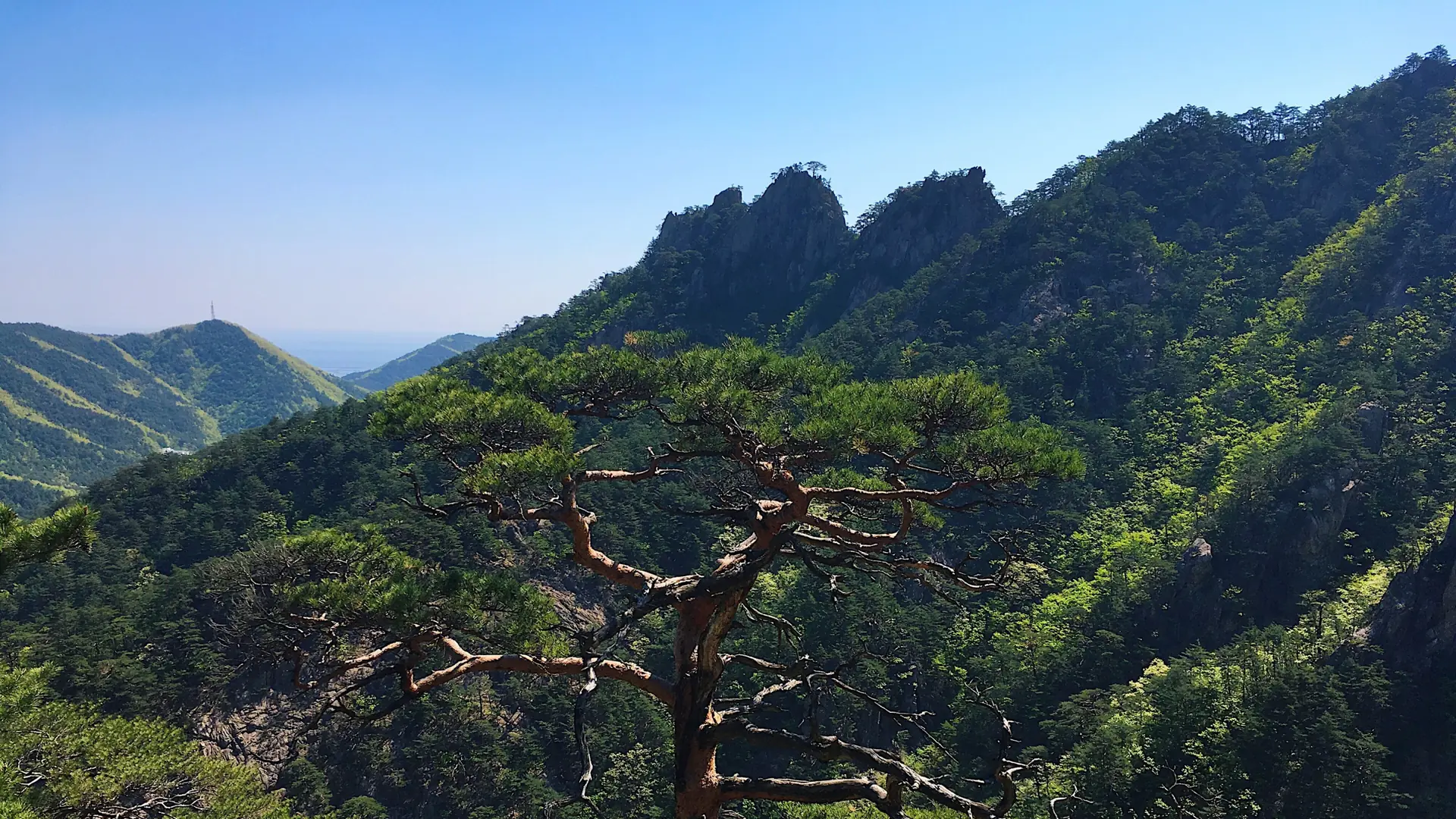
Six days splitting the East Coast between the dramatic peaks of Seoraksan and the expansive pine-backed beaches of Gangneung.
The east coast of Gangwon Province, bordered by the Taebaek Mountains to the west and the Sea of Japan (East Sea) to the east, offers South Korea's most dramatic collision of alpine and coastal landscapes.
Sokcho and Gangneung are the two anchor cities of this coastline, separated by about an hour's drive but distinct in character. Sokcho sits in the immediate shadow of Seoraksan, known for its pale granite ridges. It is a working port town with a gritty, unpretentious feel and a food scene built around squid, stuffed sundae, and raw fish. Gangneung, further south, is flatter, more open, and defined by its long stretches of pine-backed sand. It has developed into a hub for Korea's modern coffee culture while preserving significant Joseon-dynasty heritage sites.
This six-day itinerary connects the two, starting in the mountains and ending on the beach. You take an express bus from Seoul to Sokcho, travel between the cities by intercity bus, and return to Seoul from Gangneung via the KTX high-speed train. It is a route that balances active hiking with coastal relaxation, and requires no domestic flights.
Stay in Sokcho for two nights and leave the day between them to the national park. The cable car offers a shorter mountain outing; Ulsanbawi’s stairs make a substantial walking day.
Gyeongpo puts a long sandy shore beside pine woods and an inland lagoon. A beach walk and part of the lakeside cycle route suit the afternoon after the move south.
Anmok’s seafront cafés make an unhurried afternoon after Ojukheon. A window table, a carefully brewed coffee and waves beyond the road are the whole point of this stop.
Best for
StartBooker answer
Two nights in Sokcho give Seoraksan a full day between arrival and the move south. Three nights in Gangneung then leave room for Gyeongpo’s shore, Anmok’s coffee shops and a separate outing to Haslla and Jeongdongjin. The route starts with a bus from Seoul and returns by KTX from Gangneung. It suits a holiday built around walks and long lunches, with one hotel change and no domestic flight.
Explore tours, attractions and local experiences in Sokcho, Gangneung along this route through South Korea.
Loading activities…
Activities provided by GetYourGuide. We may earn a commission on bookings.
Spend two nights in Sokcho for the Seoraksan outing, then three in Gangneung for its beaches, coffee and art.
2 stops · swipe
 1
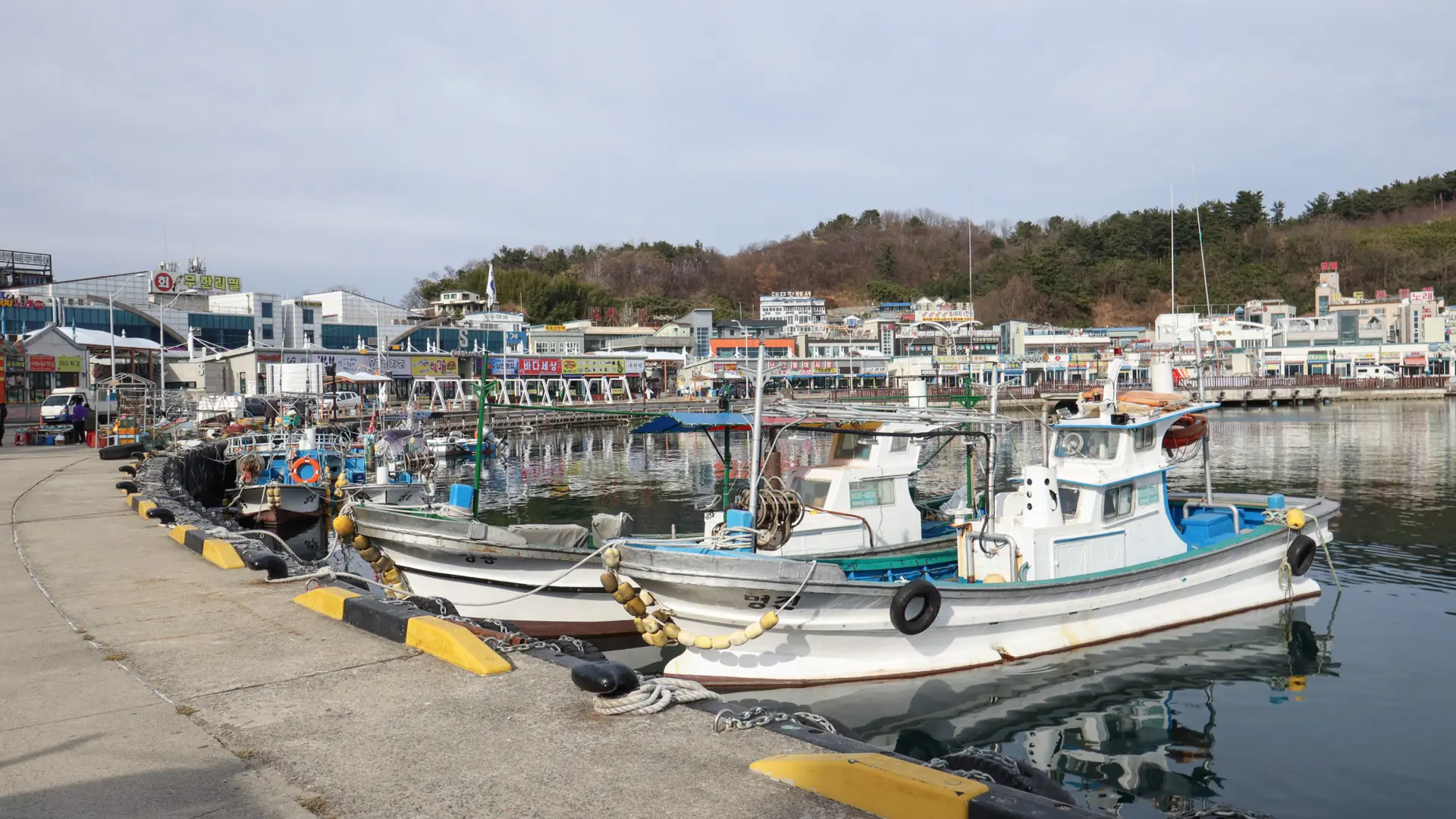
Seoraksan, seafood and the hand-pulled village ferry
Sokcho pairs a working waterfront with the eastern approach to Seoraksan. Downtown suits market dinners and the ferry to Abai Village; the beach area offers a different evening by the sea.
Read the Sokcho guide →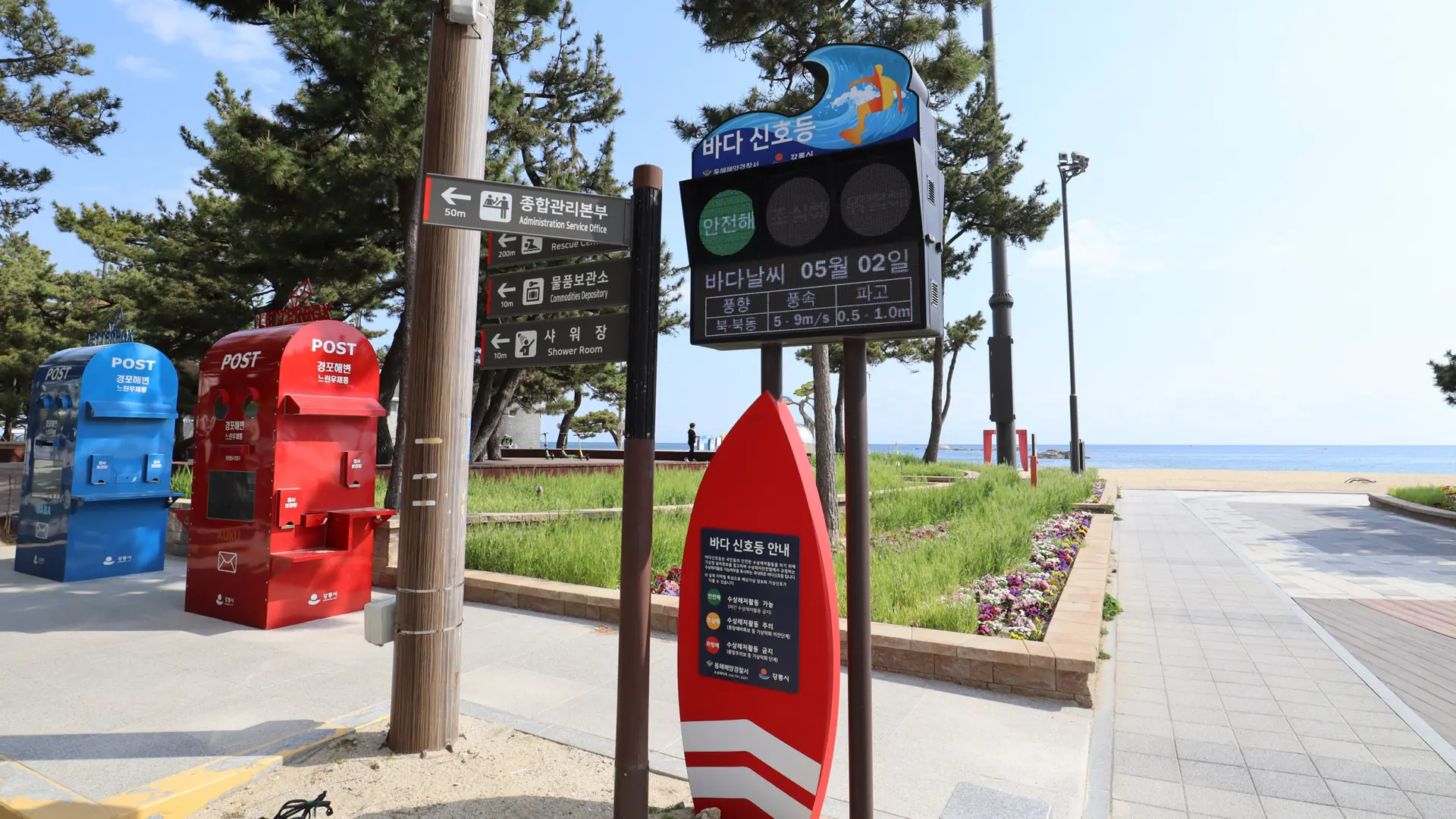 2
Pine-backed beaches, tofu lunches and seafront coffee
Gyeongpo puts the beach near the hotel, while downtown suits market dinners. Three nights leave time for Anmok’s cafés, Ojukheon and a separate outing south to Haslla and Jeongdongjin.
This route assumes you are starting from and returning to Seoul. It uses public transport exclusively, though taxis are useful for short hops within each city.
Depart from Seoul Express Bus Terminal in the morning, using the subway station on lines 3, 7 and 9. The express bus crosses the mountains towards Sokcho; allow roughly two and a half to three hours on the road. A hotel bag drop leaves the afternoon for town. Sokcho Tourist & Fishery Market makes a lively first meal. Dakgangjeong brings sweet, crisp fried chicken; ojingeo sundae is squid filled with noodles and other ingredients, then sliced for eating. Seafood stalls give the market a different character from a Seoul shopping street. Later, take the Gaetbae to Abai Village. The small hand-pulled ferry crosses the waterway between downtown and the village, which was settled by North Korean refugees during the Korean War. A stroll and a meal of Abai sundae or cold noodles suit the remaining afternoon.
Base: Sokcho
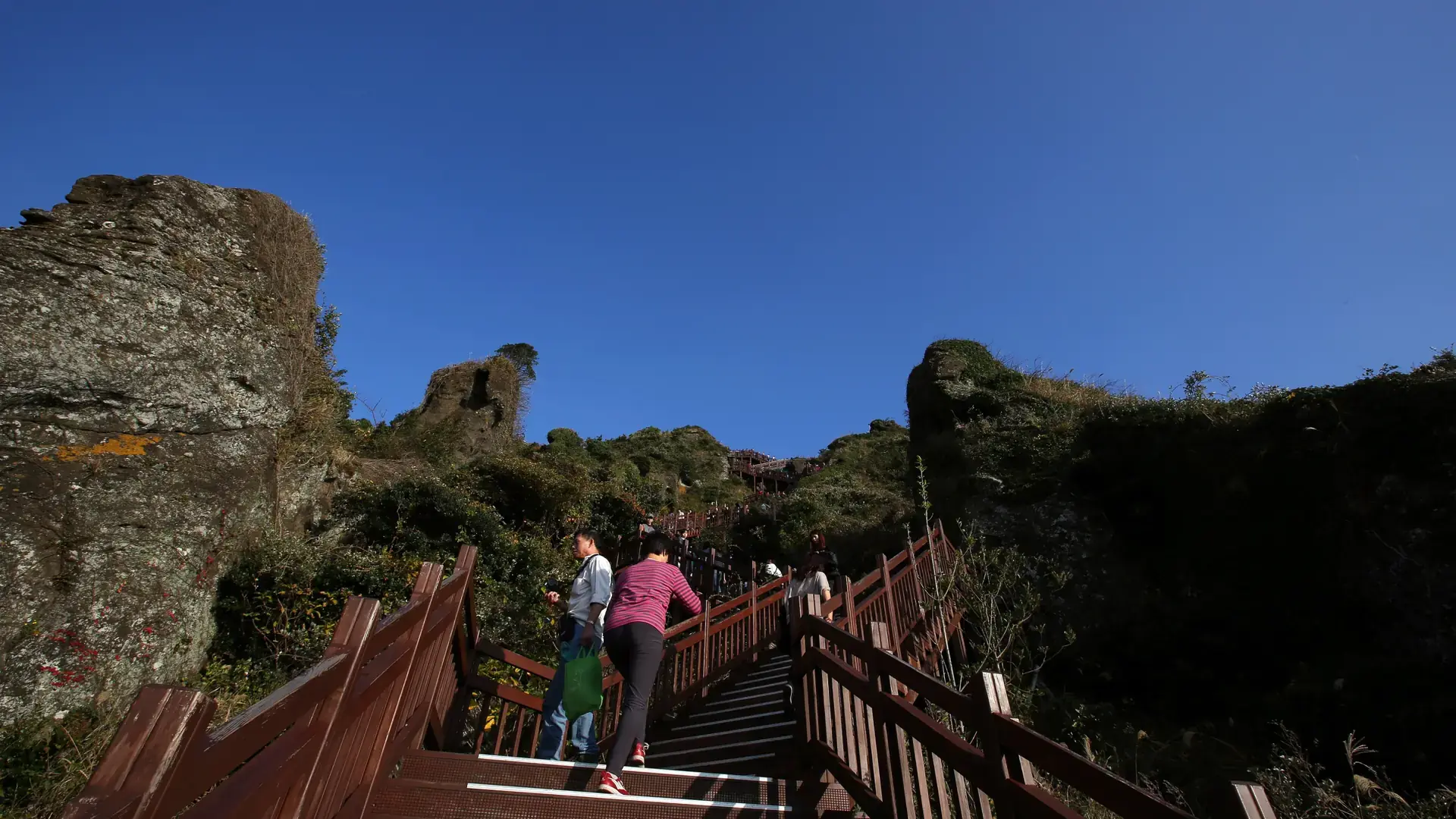
Leave the whole day to Seoraksan. Bus 7 or 7-1 links Sokcho with the park entrance; the mountain visit starts after that local journey. Sinheungsa’s large bronze Buddha is part of the lower valley, with paths continuing towards the rock formations above. For a shorter outing, the Gwongeumseong cable car climbs from Sogongwon to an upper station at about 699 metres. The ride takes roughly five minutes each way. A further walk brings the rocky landscape closer, with views towards the sea when the sky is clear. There is time for a lower-valley walk and lunch around the park before returning to Sokcho. Ulsanbawi is the longer walking choice. The ascent passes through the forest before reaching the stairs below the granite outcrop. The tourism organisation allows about three hours to reach the top from Sogongwon, so the descent, lunch and rests need their own part of the afternoon. This is the day’s main outing, with the cable car left for another visit. The steep final steps open onto the valley below. A seafood dinner back in Sokcho makes a satisfying finish.
Base: Sokcho
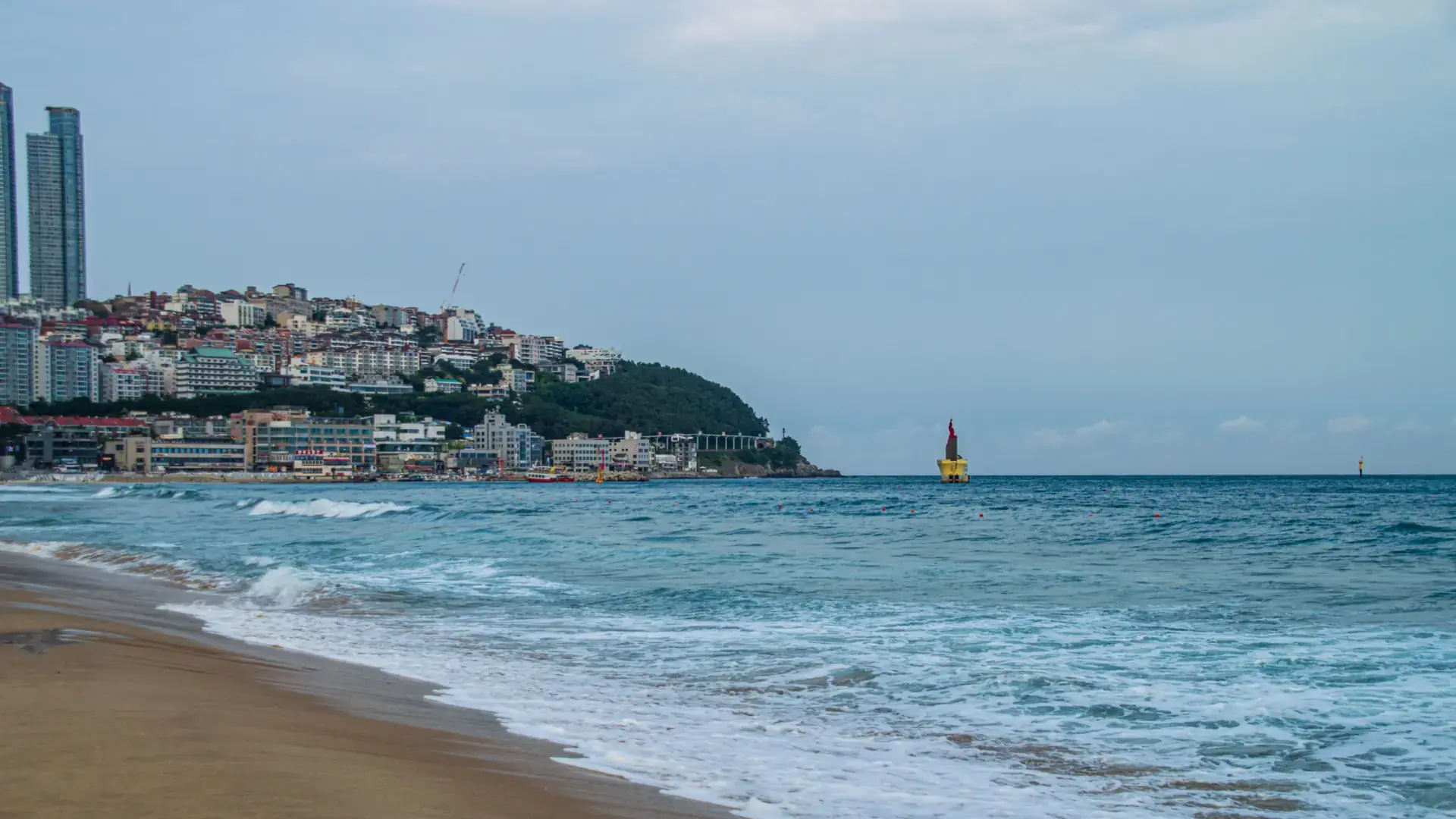
Check out of your Sokcho accommodation and head to the Sokcho Intercity Bus Terminal, north of the Express terminal used on day one. Catch an intercity bus south to Gangneung. The bus ride takes about 75 minutes. Arrive in Gangneung and drop your bags; a local bus or taxi connects the terminal with the beach neighbourhoods. For lunch, head to Chodang Dubu Village. This neighbourhood is famous for soft tofu (dubu) curdled using seawater from the nearby East Sea, a method that gives it a unique, slightly briny flavour. Try the spicy seafood tofu stew (jjampong dubu) or the mild white tofu served with soy sauce. Spend the afternoon at Gyeongpo Beach. This is one of Korea's most famous beaches, a long, clean stretch of white sand backed by a dense pine forest. Walk the boardwalk under the pines or rent a bicycle to ride around the adjacent Gyeongpo Lake, a large, tranquil lagoon just inland from the sea. The pavilion at Gyeongpodae, overlooking the lake, is a traditional spot for moon-viewing.
Base: Gangneung
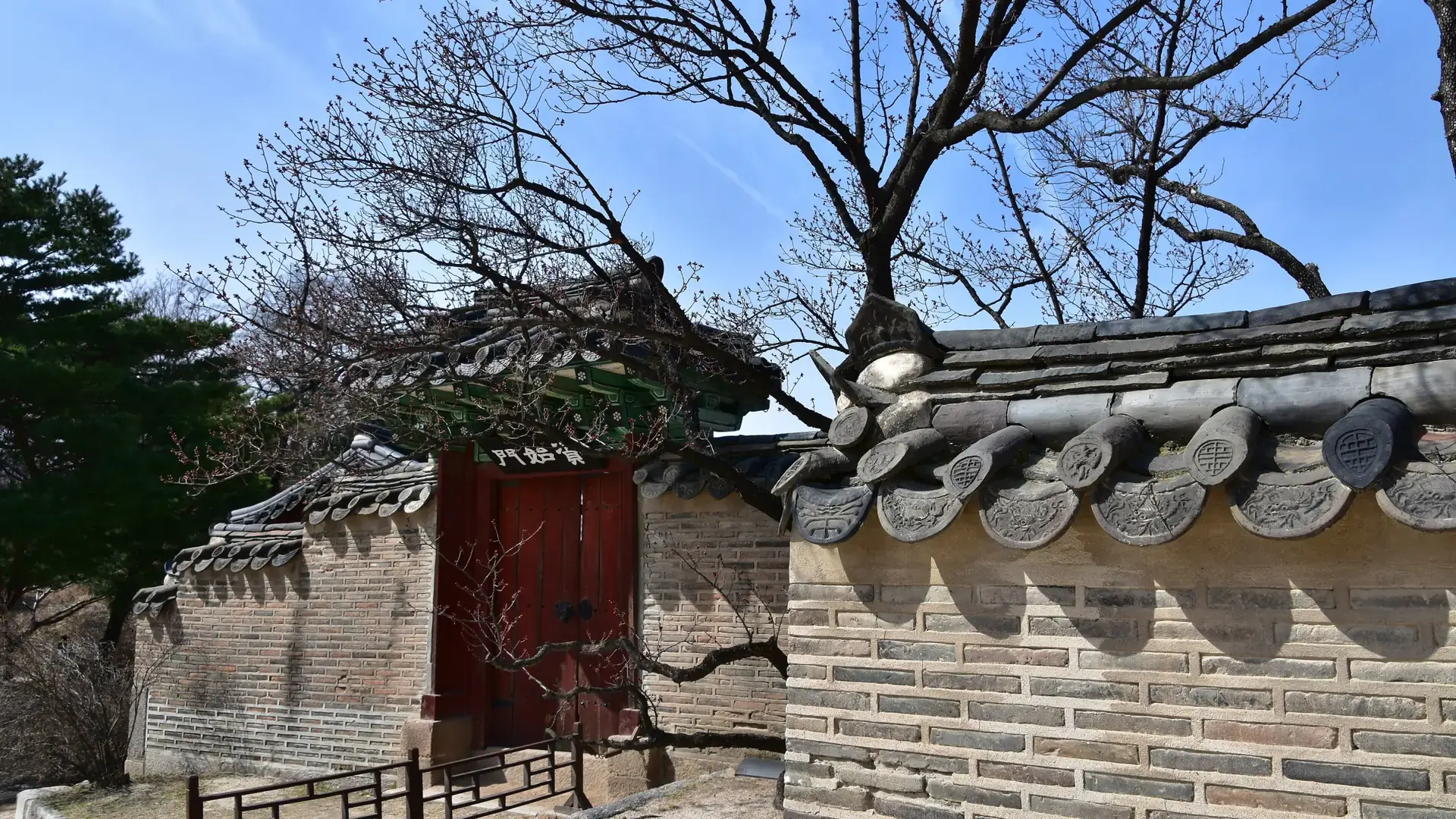
Start the day at Ojukheon, a short taxi ride from the centre. This elegant Joseon-dynasty estate is the birthplace of the prominent Confucian scholar Yulgok Yi I and his mother, Shin Saimdang, an accomplished artist and writer. Both figures are so revered that they appear on the South Korean 5,000 and 50,000 Won notes, respectively. The complex is peaceful, surrounded by the black bamboo that gives the estate its name. In the afternoon, experience modern Gangneung's defining characteristic: coffee. Head down to Anmok Beach, where the seafront road is lined entirely with cafés, ranging from small independent roasteries to large, multi-storey establishments with rooftop terraces. Grab a window seat, order a hand-drip coffee, and watch the waves. The coffee culture here started decades ago with simple vending machines on the beach and has evolved into a serious artisanal scene. For dinner, explore the Gangneung Jungang Market for a casual meal among its food stalls. A market dinner changes the pace after the long afternoon by the water.
Base: Gangneung
Head south from the main city for Haslla Art World. A local bus or taxi makes this an outing from Gangneung rather than a walk from the downtown hotel. The paid art space combines a large sculpture garden with contemporary galleries and a Pinocchio and marionette collection. Sea views appear between the installations, giving the outdoor sections a very different setting from an ordinary city museum. Leave the morning and part of the early afternoon for the art, with lunch along the way. Continue south to Jeongdongjin for the beach beside its railway station. Spend the afternoon by the sea. The public beach is separate from nearby hotel grounds. A bus-based version has waits between the two stops, so the art visit and beach are enough for the day. A taxi makes the link simpler and uses more of the local transport allowance. Return to Gangneung for dinner.
Base: Gangneung
Enjoy a last morning near the hotel. A beach walk suits a Gyeongpo stay, while a downtown room puts breakfast closer to the station journey. Returning to Anmok for coffee is another outing, with the ride there and back forming part of the morning. The train day feels easier with one favourite place rather than another circuit of the city. Travel to Gangneung Station for the KTX back to Seoul. The rail journey to Seoul Station is around two hours, crossing the mountains before reaching the capital. The hotel-to-station ride comes before it; an onward Seoul journey follows arrival. Korail’s English reservation service shows the actual arrival station and the departure’s travel time. The six-day route finishes in Seoul. With a later train, lunch can stay on the coast before the station ride; an earlier departure leaves the afternoon in the capital.
Base: Gangneung
This itinerary relies on the excellent intercity bus and high-speed rail networks, combined with local buses and taxis.
1 transfer
Sokcho Gangneung
The intercity bus connects Sokcho Intercity Bus Terminal with Gangneung Intercity Bus Terminal. The ride takes about 75 minutes; local buses or taxis connect each terminal with the hotel.
For October–November 2026 outside peak holiday dates, allow about US$470–830 per person. This is a planning range for two adults sharing a room, starting and finishing in Seoul. It includes five hotel nights, six days of meals, the intercity journeys and modest local taxi use. International flights and Seoul hotel nights are additional.
Booking tips
Options range from central Gangneung to Gyeongpo and the coast farther south. The beach neighbourhood and downtown offer different evenings and local journeys.
The map shows the two bases on this route: Sokcho in the north, at the foot of Seoraksan, and Gangneung in the south, known for its beaches.
Gangwon Coast
The Sokcho stay gives Seoraksan the whole of day two, without moving bags afterwards. Gangneung has the longer stay because its outings spread along the coast: the arrival afternoon goes to Gyeongpo, followed by a history-and-coffee day and a separate southern excursion. Five nights leave the sixth day for the rail journey back to Seoul.
The operator sells round-trip tickets at the on-site counter, with no advance reservations. Strong winds can suspend service. Lower-valley paths provide a shorter park outing on a day without a ride; the cable car does not have a hiking route to replace one half of the return journey.
Yes. The lower valley and Sinheungsa make a gentler visit, with the cable car as an additional choice when operating. Ulsanbawi’s upper staircase is a different level of walking from the park approach. Taking it out leaves time for a longer lunch and an earlier return to the waterfront.
It would add a return journey between the two cities to each distant outing. The single hotel change keeps the park near the first stay and the Gangneung sights near the second.
The beach time here is written around sand, pine woods, coffee and views of the water. Summer gives the coast its swimming-season atmosphere, while spring and autumn suit a trip with longer walks. The mountain day brings a very different setting from the shore. A traveller wanting six days on one stretch of sand would enjoy a simpler beach stay.
Each place has its own walk, but the whole city is spread out. Gyeongpo Beach is around six kilometres from downtown, and Haslla and Jeongdongjin lie farther south. Local buses or taxis connect those areas. The days group nearby interests together, then leave the southern art-and-beach outing its own space, with lunch and travel included in the pace.
Reviewed by StartBooker
Reviewed 2026-10-17
Updated
Methodology: Operator ticketing and local access, tourism-organisation attraction records and route-specific journey estimates were read together. Five hotel nights, separate mountain and southern excursion days, and the shared-room spending range were reconciled.
16 References reviewed
Find another destination and compare its areas and accommodation.
Compare routes by length, stops and transport.