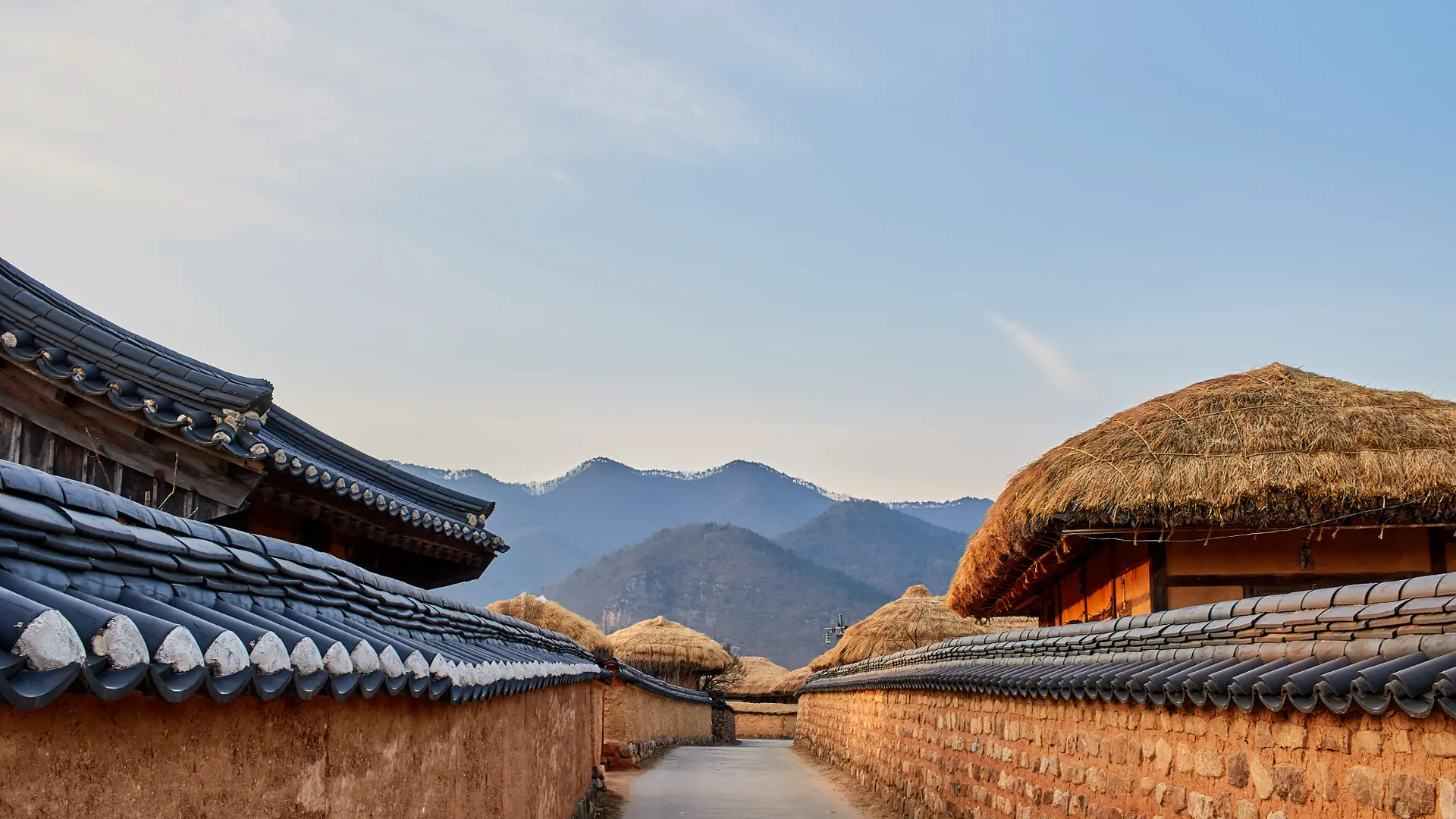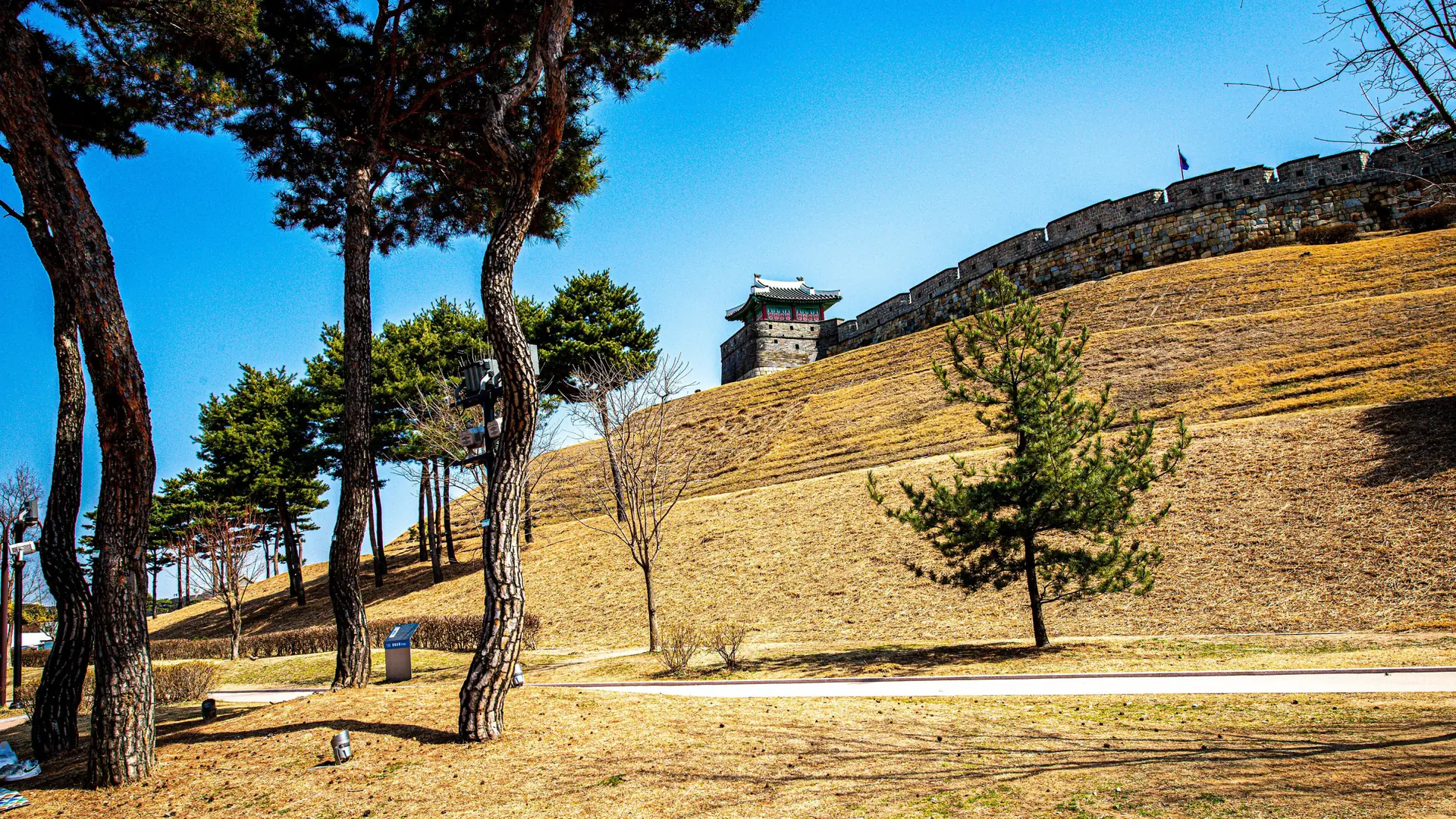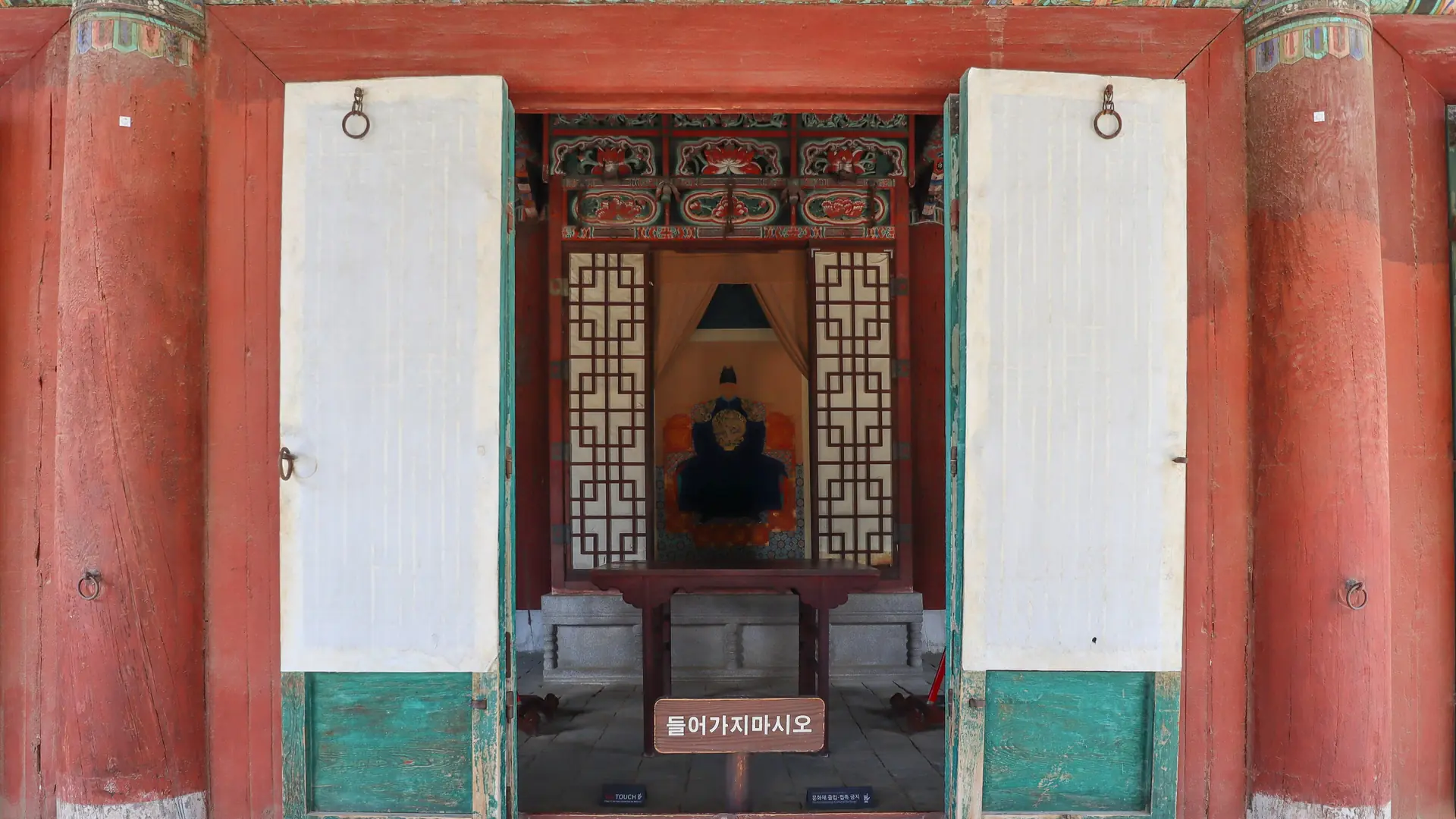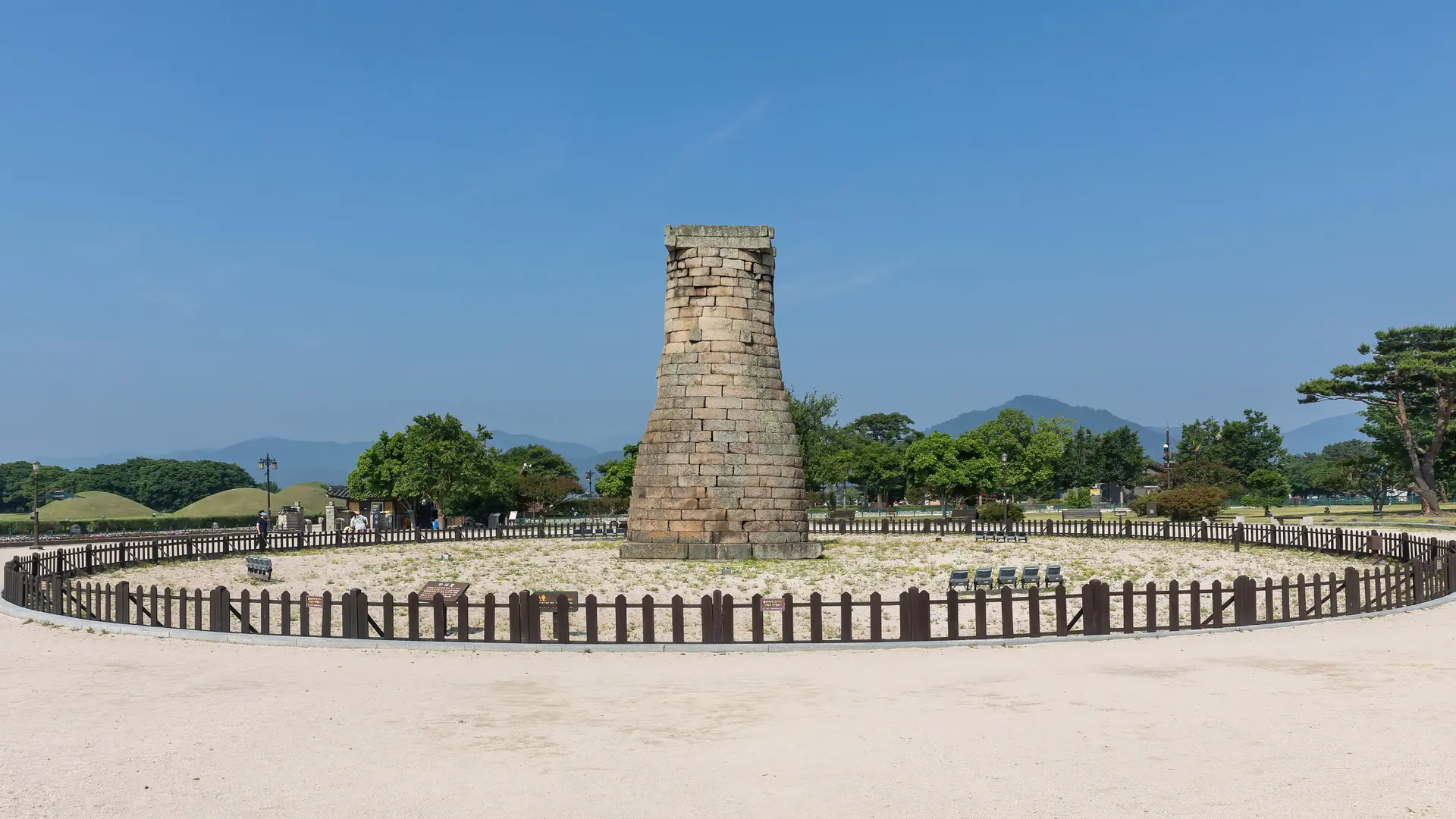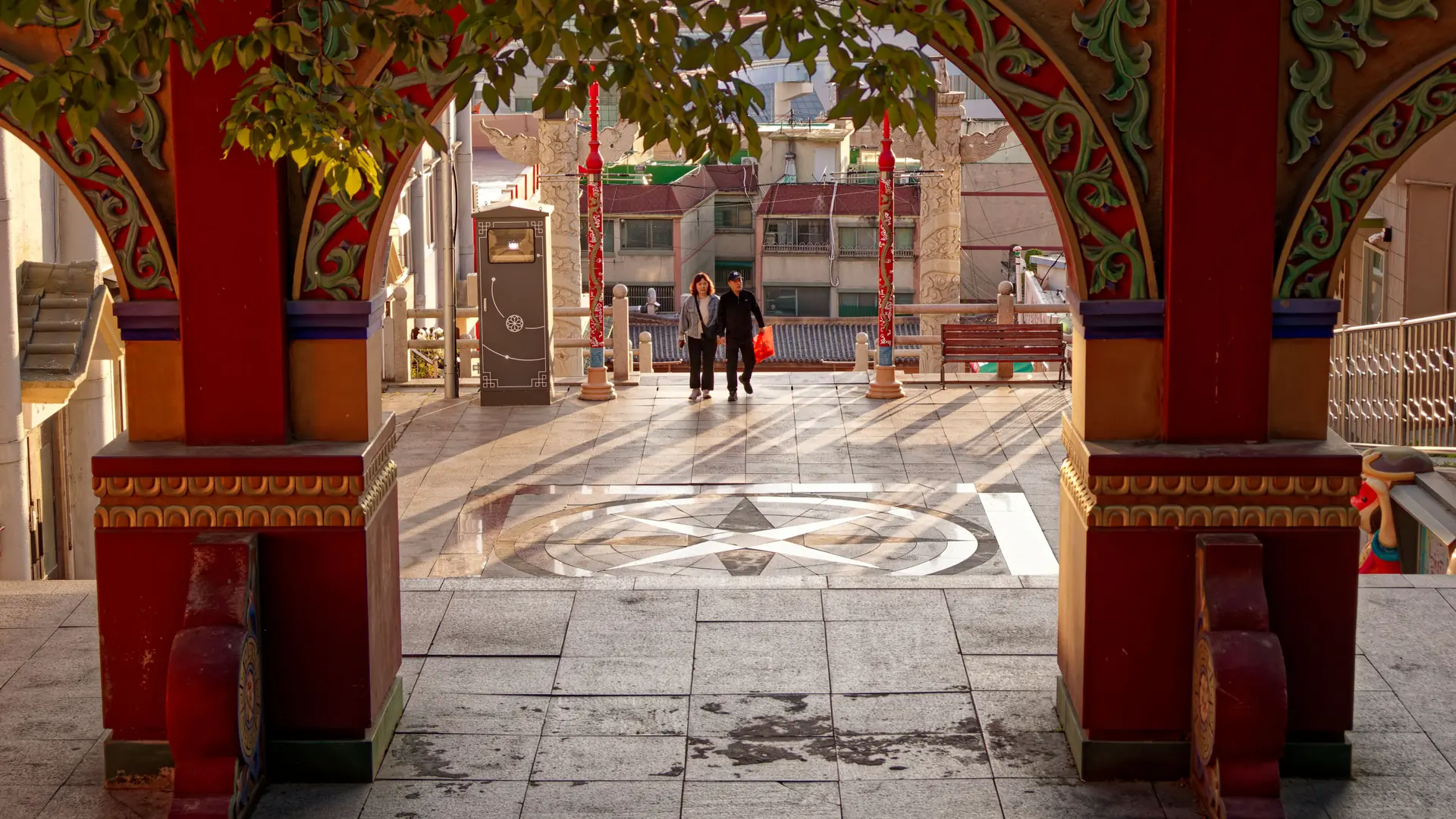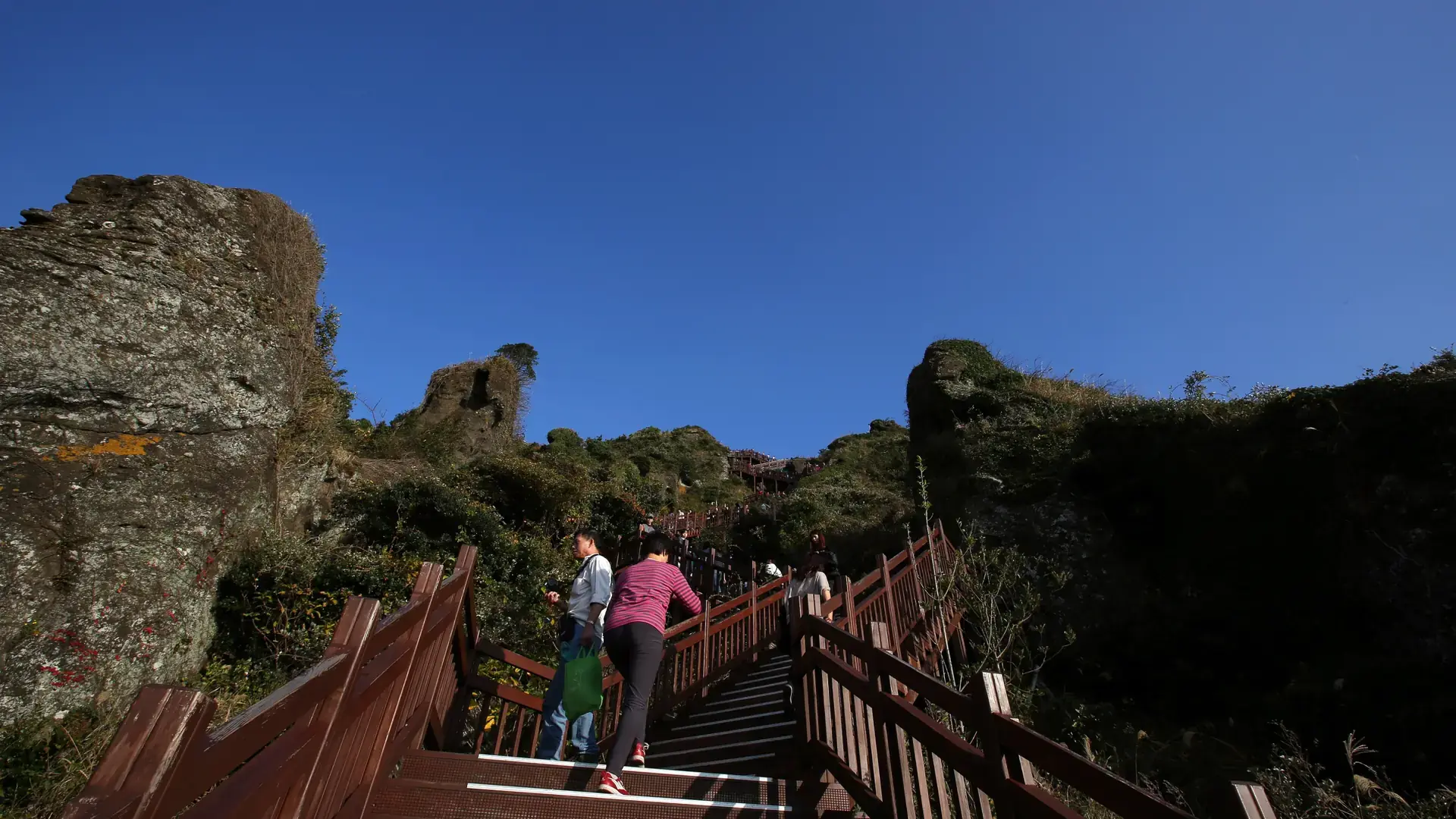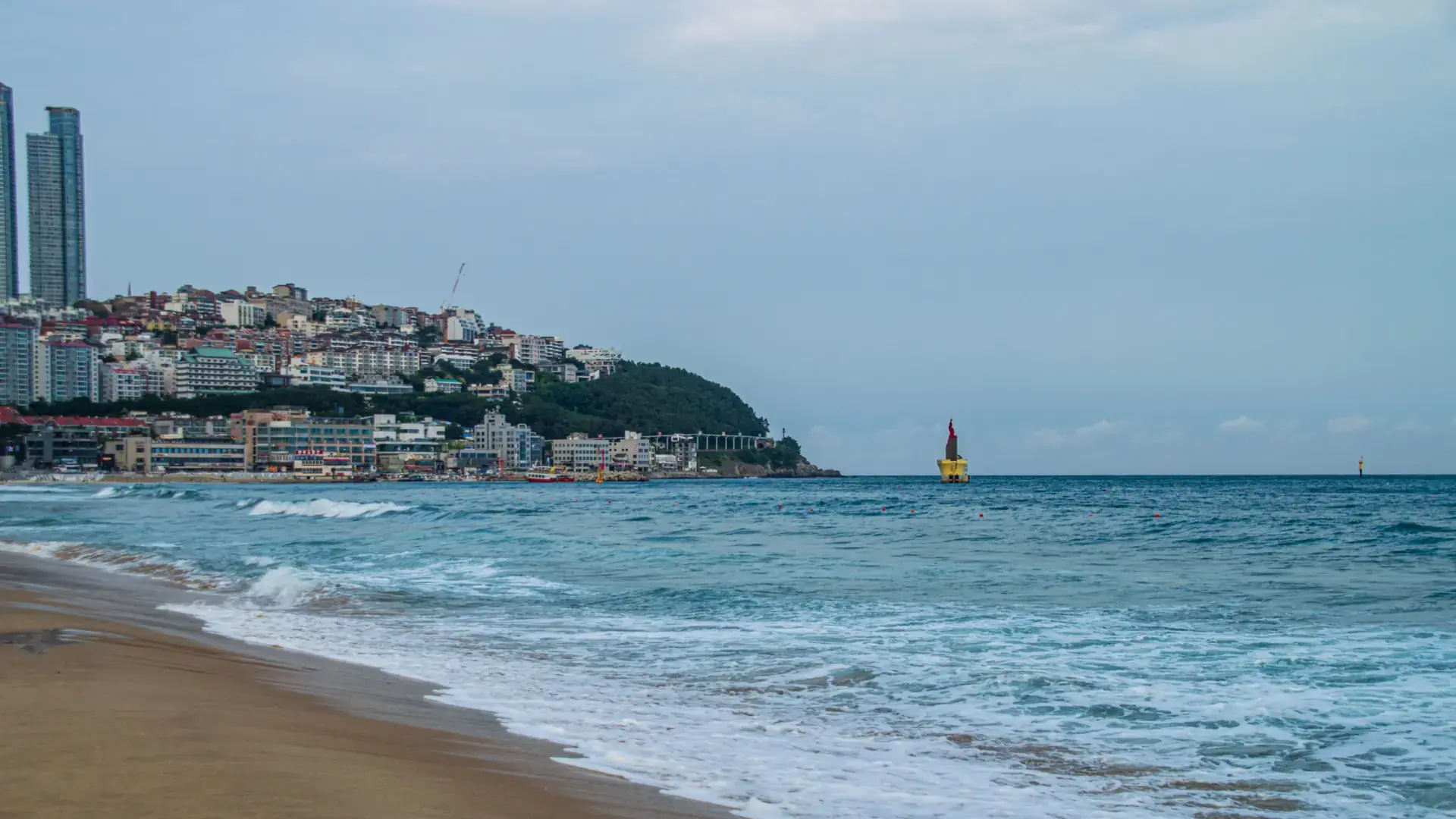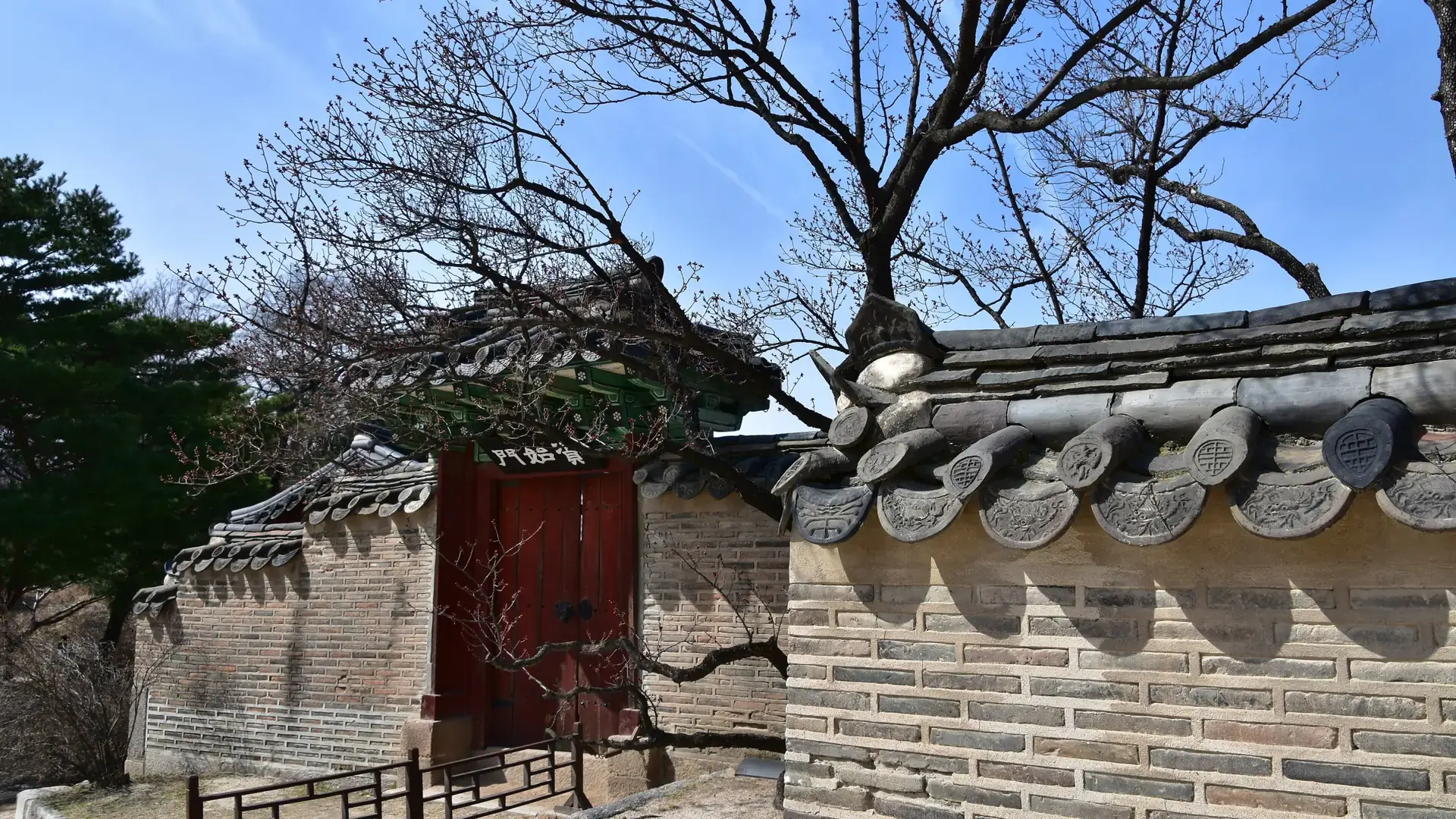
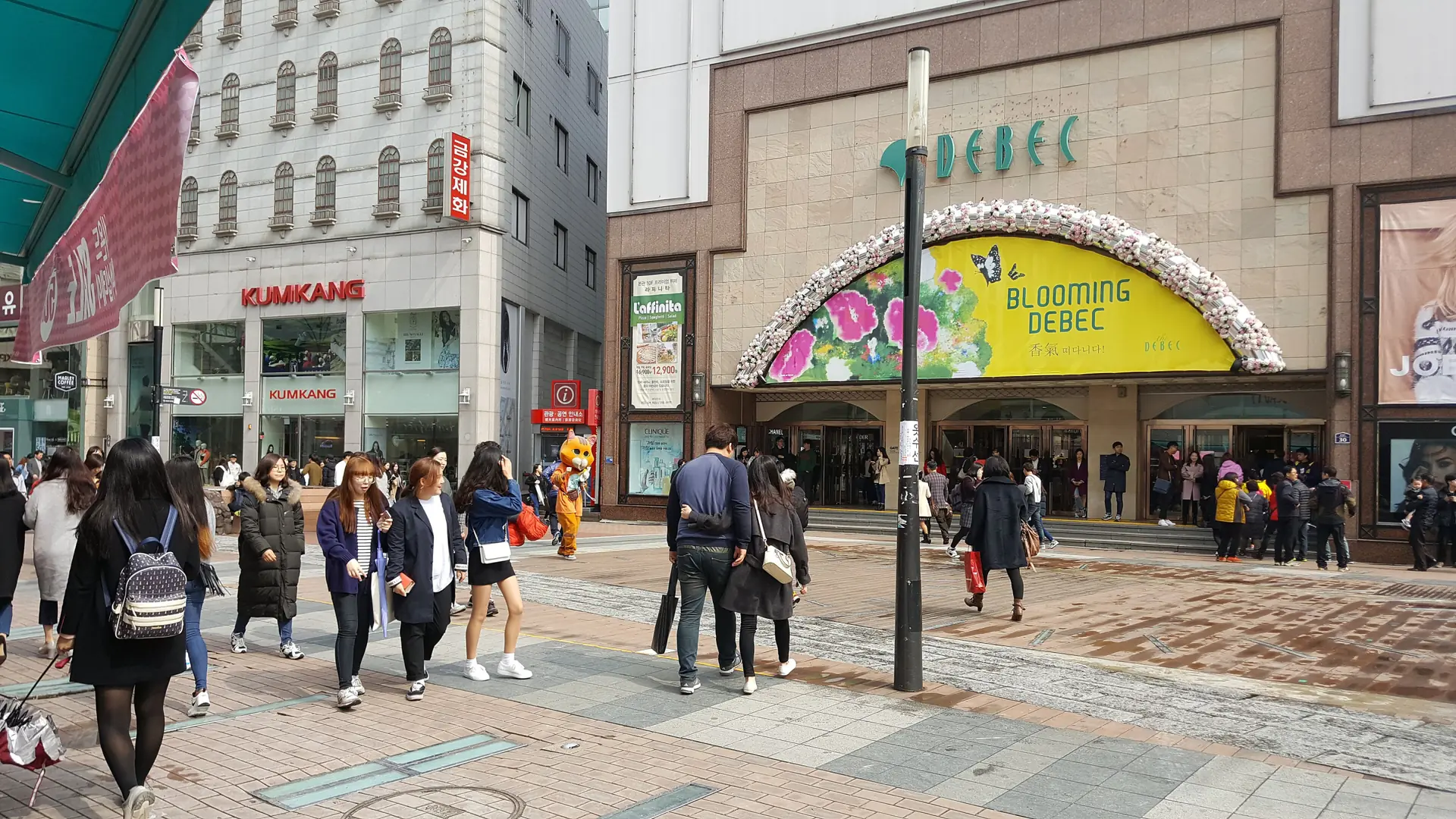
A busy Dongseongno street in Daegu, crowds passing a department store with a floral banner arch, in bright daylight

Daegu: Market Lunches, Shopping Streets and Lakeside Evenings

Loading Daegu hotel search

Daegu at a glance

Daegu is an easy city to enjoy between train journeys: lunch at Seomun Market, an afternoon in Dongseongno's shops and a walk by Suseongmot as the lights come on. Its appeal is in those everyday places. At the market, bolts of fabric sit alongside bowls of noodles and flat dumplings; downtown, small stationery shops and cafes fill the streets around the department stores. Dongseongno makes the most convenient first base, with Jungangno and Banwoldang stations close to the shopping streets. A room near Seomun brings the daytime market closer, while the lake suits a stay with more time outdoors and fewer trips back to the centre. Dongdaegu is useful for an early train, with Shinsegae's shops and food court beside the station. Give Daegu two nights if the market, historic lanes and lake all appeal. Gyeongju is reachable by train too, but its historic centre needs a separate transfer from the KTX station.

Best first-timer base Dongseongno shopping streets

Jungangno and Banwoldang stations serve the central shopping area, with cafes, department stores and evening food close to your room.

KTX station Dongdaegu Station on Metro Line 1

A practical arrival point from Seoul or Busan, with a metro connection into downtown and Shinsegae shopping beside the station.

Getting around Metro Lines 1, 2 and 3

Lines 1 and 2 meet at Banwoldang, while Line 3 serves Seomun Market and Suseongmot. The Daegyeong commuter railway has its own route and fares.

When to visit April-May or Sept-Oct

Spring and autumn suit the market lanes and lakeside path. Summer is hot and wetter, with the main rainy season usually beginning in late June.

StartBooker answer

What is the best neighborhood for a Daegu hotel?

Dongseongno is the easiest first base for shopping, cafes and evenings out, with Jungangno and Banwoldang stations connecting the centre to Dongdaegu's trains. Stay near Seomun Market for textiles and food, around Suseongmot for lakeside walks, or near Dongdaegu Station for an early departure. The lake is a separate outing from downtown, and Seomun's daytime shops and weekend night market have different rhythms. Two nights leave time for those contrasts without spending the whole visit on transfers.

First visit
Dongseongno for shops, cafes and metro access
Main rail base
Dongdaegu Station, connected to Metro Line 1
Lakeside stay
Suseongmot, a separate base south of downtown

Things to do in Daegu, South Korea

Explore tours, attractions and local experiences in Daegu, South Korea.

Loading activities…

Activities provided by GetYourGuide. We may earn a commission on bookings.

AI-powered

Ask the Daegu planner

Match a Daegu base to market browsing, downtown shopping, lakeside walks or a short journey to your next train.

Daegu's four first-visit bases compared

Dongseongno is the downtown all-rounder. Seomun centres the stay on market browsing, Suseongmot on the lake, and Dongdaegu on the station. The choice is mostly about which part of Daegu you want outside your door.

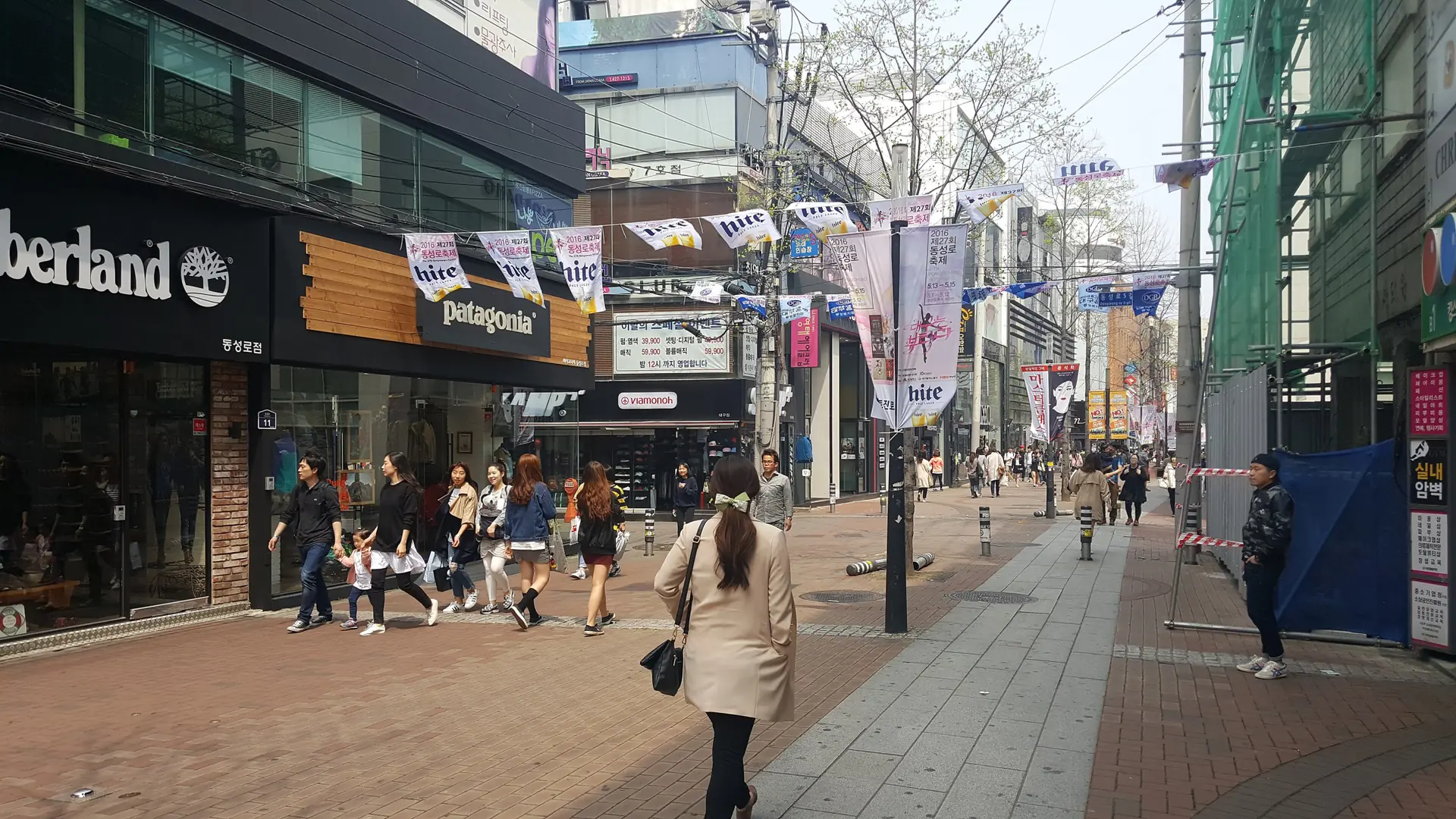
Dongseongno street in Daegu with Dongseongno Festival banners overhead, storefronts and pedestrians in bright daylight

Dongseongno

shopping, nightlife, first visits

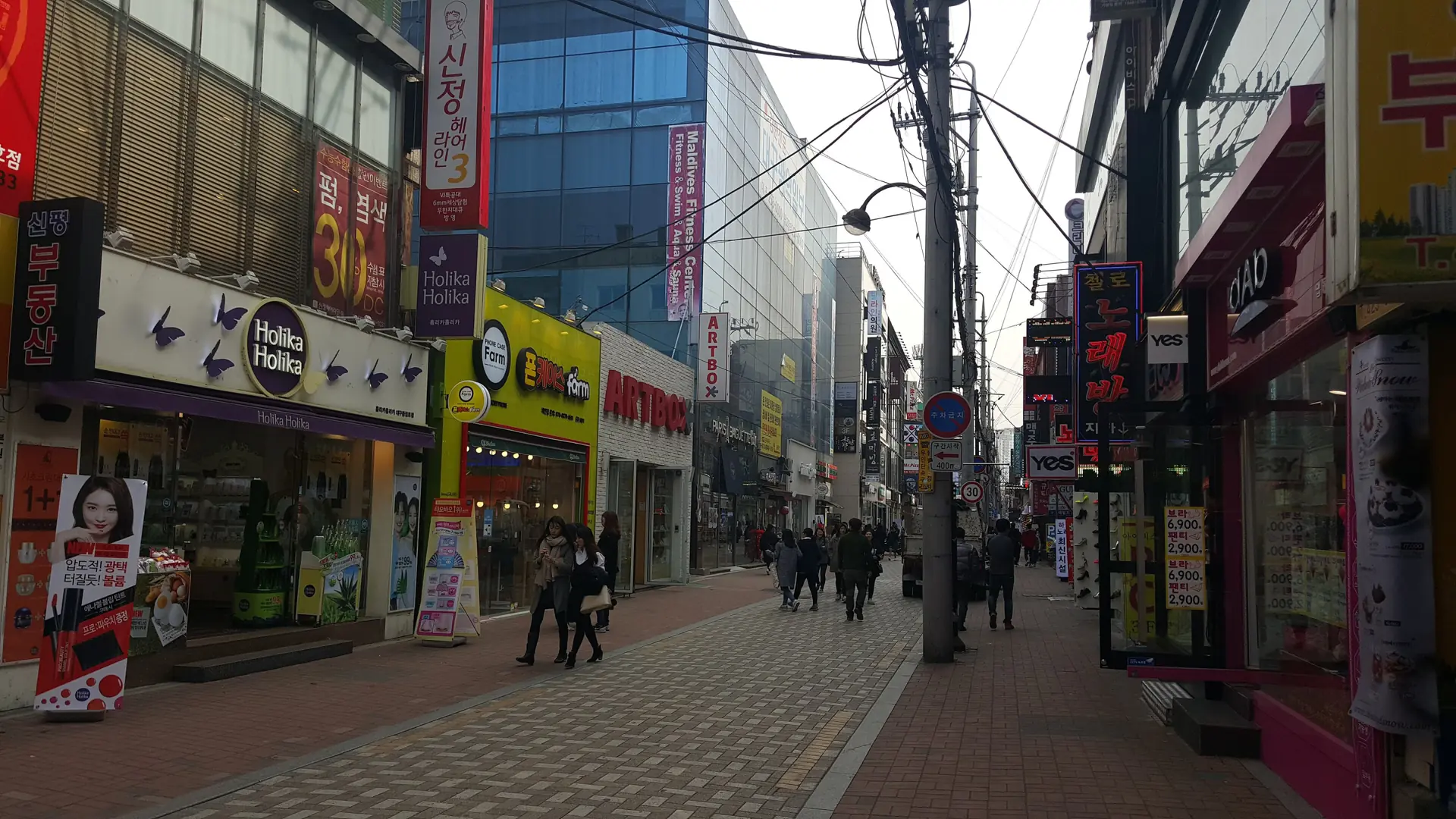
Daegu's central shopping streets mix department stores with cafes and small shops. Jungangno and Banwoldang give useful metro access, while the historic lanes around Yangnyeongsi and Gyesan Cathedral add a slower walk away from the main strip.

first-trip food near-transport budget
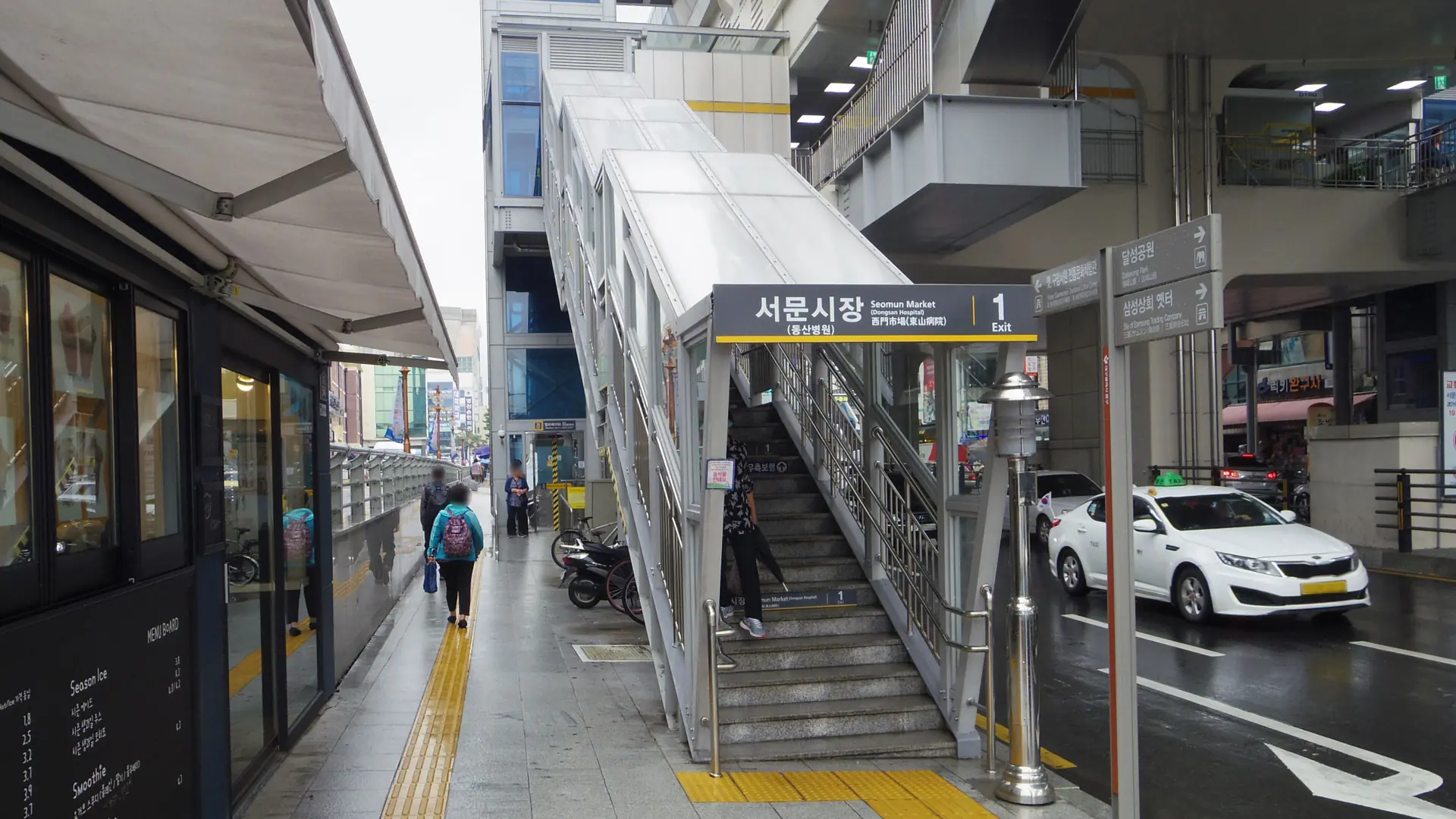
Exit 1 of Seomun Market Station in Daegu, its signage clearly visible, in bright daylight

Seomun Market

traditional markets, textiles, local food

Textiles are still central to Seomun: fabrics, clothing and household goods share the market with places to eat. Kaljebi combines cut noodles and hand-torn dough in one bowl; napjak mandu, Daegu's flat dumplings, make another good food stop. Nearby accommodation puts the market within a short walk.

food culture local-vibe budget
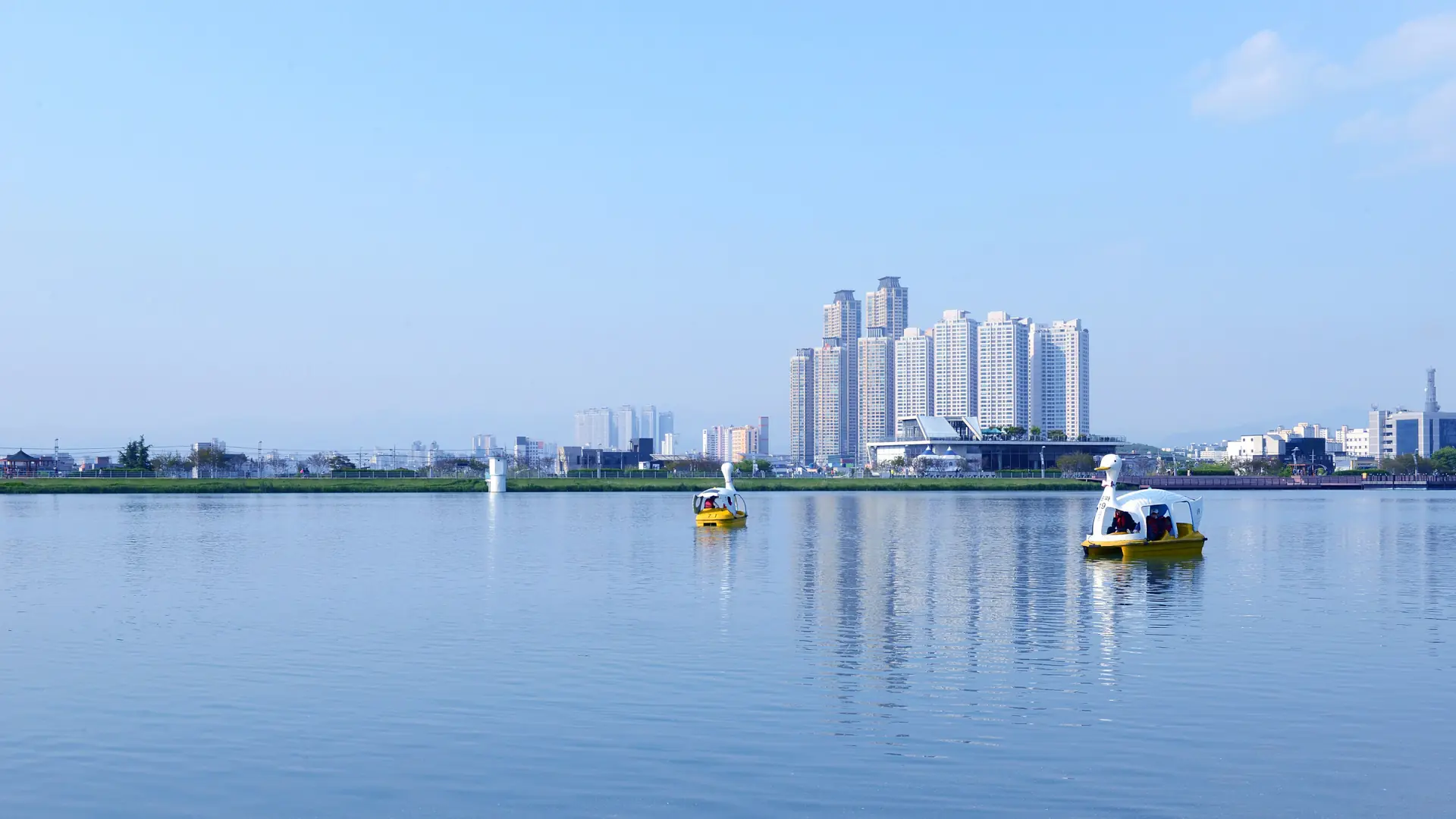
Suseongmot (Suseong Lake) in Daegu, with its signature yellow swan pedal boats on calm blue water and the Suseong-gu skyline behind, in bright daylight

Suseongmot lake area

lakeside walks, cafes, a slower stay

Suseongmot has a roughly two-kilometre shoreline walk, benches and pedal boats, with cafes around the water. It is a different setting from the downtown shopping streets. The lake lies within the much larger Suseong-gu district; a hotel elsewhere in that ward may be nowhere near the water.

local-vibe family romantic
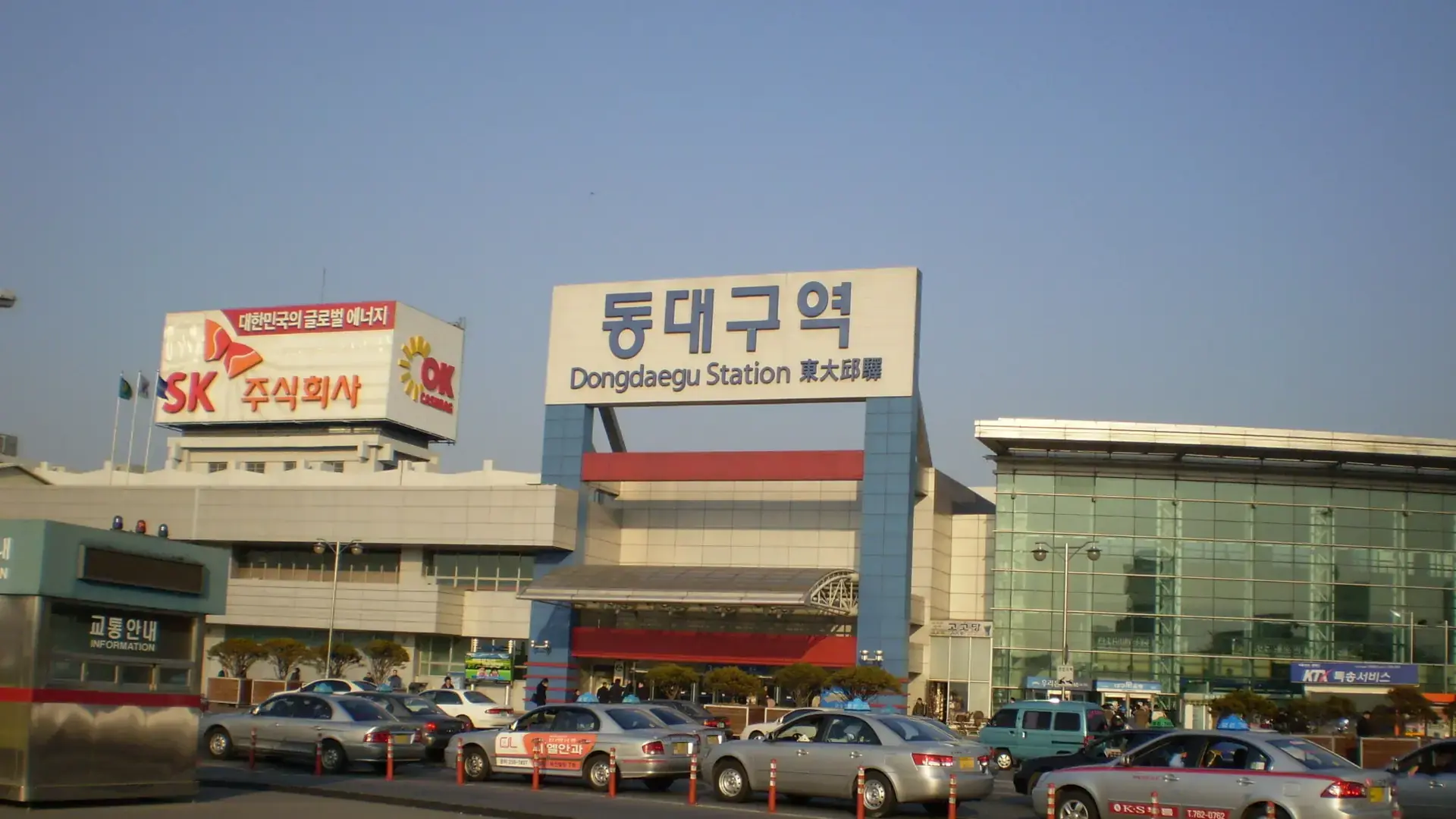
The Dongdaegu Station entrance sign and forecourt in bright daylight

Dongdaegu Station area

early trains, onward rail journeys

A room near Dongdaegu shortens the journey to an early train and keeps Line 1 close for downtown visits. Shinsegae sits beside the station, with shopping and a food court for an arrival-day meal. The surrounding station district has a different feel from Dongseongno's pedestrian lanes.

near-transport without-car budget
Compare Daegu's four bases
Area Best for Features Getting around
Dongseongno

shopping, nightlife, first visits

Evening shopping crowds

Jungangno on Line 1; Banwoldang on Lines 1 and 2
Seomun Market

traditional markets, textiles, local food

Fewer department-store options

Seomun Market station on Line 3
Suseongmot lake area

lakeside walks, cafes, a slower stay

Separate journey into downtown

Suseongmot station on Line 3; final walk varies by address
Dongdaegu Station area

early trains, onward rail journeys

Away from the historic walking lanes

Dongdaegu KTX and Metro Line 1

Choose Daegu by what your trip needs most

Pick the part of the day you most want near your room: shopping after dinner, a market lunch, a walk by the water or an early train. Metro connections help with the rest, though the lake and downtown are separate outings.

First visit, shopping and easy transit

Dongseongno makes a useful base for a first visit: coffee, shops and evening food are close together, and Line 1 connects the area to Dongdaegu. The nearby historic lanes give a downtown walk more variety than the main shopping street alone.

Traditional markets and local food

Seomun rewards an unhurried visit: browse fabrics, stop for flat dumplings or a bowl of kaljebi, then wander back through the stalls. A nearby room makes it easy to split shopping and meals across the day. The weekend night market is a separate reason to return.

A stay beside Suseongmot

The lake suits a trip with space for a morning stroll, cafe stops and another circuit after dinner. Its path and waterfront bring a change of scene from downtown. A hotel near the shore serves that plan better than a generic Suseong-gu address elsewhere in the district.

A fast onward KTX connection

Dongdaegu is convenient when luggage and train times set the pace. Shinsegae beside the station offers an easy indoor shopping and food stop, so an arrival afternoon need not end at the concourse. Downtown is still an outing on Line 1 rather than a pedestrian lane outside the hotel.

Places to stay in Daegu

Live hotel results across Daegu, with each address shown below the property name.

See Daegu stays →
Loading Daegu hotels

Getting to and around Daegu

Dongdaegu is a useful rail arrival point from Seoul and Busan, with Metro Line 1 continuing into downtown. Daegu also has its own airport. The arrival station and the neighbourhood of your room are separate choices: a lake stay needs a different final journey from a Dongseongno stay.

Arriving in Daegu

Trains from Seoul and Busan

KTX services link Dongdaegu with Seoul and Busan. At Dongdaegu, Line 1 continues to Jungangno and Banwoldang for downtown stays. This rail connection makes a Daegu stop easy to combine with time in either city.

Daegu International Airport

Daegu International Airport serves the city as well as the railway. Dongdaegu is the train station, so an airport arrival has a different final journey. For a downtown stay, Jungangno and Banwoldang are useful hotel landmarks.

Getting around the city

The three metro lines

Line 1 connects Dongdaegu, Jungangno and Banwoldang. Line 2 also serves Banwoldang; Line 3 reaches Seomun Market and Suseongmot, with a Line 1 interchange at Myeongdeok. The Daegyeong commuter railway is a separate service.

Taxis for the final stretch

A taxi can make sense for luggage or a lake hotel away from your metro stop. The hotel name and street address are more useful than the broad district name: Suseong-gu covers much more ground than the Suseongmot shoreline.

Downtown walks and the lake

Dongseongno's shopping streets combine well with the historic downtown lanes around Yangnyeongsi and Gyesan Cathedral. Suseongmot offers a separate shoreline walk of roughly two kilometres; it is not an extension of the same downtown circuit.

A rail outing to Gyeongju

The KTX ride from Dongdaegu to Gyeongju can take about twenty minutes. That is only the rail leg: Gyeongju Station sits outside its historic centre, where an onward bus or taxi journey brings you to the tomb parks and old-town streets.

Passes worth knowing about

KORAIL Pass and city travel

A KORAIL Pass concerns eligible intercity trains, not Daegu's local metro or buses, and SRT is excluded. For a trip with just one or two rail journeys, ordinary tickets may suit better; local travel remains a separate part of the budget.

Accessibility notes

From platform to the hotel door

Dongseongno has pedestrian shopping streets, while Seomun is a working market with trading lanes. Suseongmot's shoreline has benches for breaks along the walk. A room close to the places you most want to visit leaves more time there and fewer long street journeys.

Planning a Daegu stay

Two nights work well for a downtown day and a separate lake outing. The main decisions are how much walking the weather allows, whether the weekend night market fits your dates, and how much of the stay you want to spend on transport.

When to go

April and May outdoors
  • Spring suits a day linking Dongseongno's shops with the historic lanes around Yangnyeongsi and Gyesan Cathedral. There is room for cafe stops along the way, rather than turning the walk into a checklist. Suseongmot makes a separate afternoon, with benches along the shore for a slower pause between stretches of walking.

  • Summer heat and rainy spells

    Summer brings heat and much of Korea's annual rain. The main rainy season usually begins in late June, with dates varying by year. Seomun's covered trading areas and Shinsegae beside Dongdaegu give the day indoor stops; the open-air night market and a full lake circuit fit better into a dry spell. Shinsegae's food court gives you an indoor lunch beside the trains.

  • Autumn days and lake evenings

    September and October offer another appealing window for downtown wandering and time by the water. A night at Seomun still depends on the day of the week: the food market runs Friday to Sunday rather than every evening. Suseongmot is popular after dark too, so a lake stay is as much about cafes and people out walking as it is about open water.

A two-night budget for two

The whole stay, including a room
  • For two adults over three days and two shared room nights, allow KRW 500,000 (about US$375) in an ordinary October or November week outside holiday peaks. That is roughly US$63 per person per calendar day, including accommodation. These are planning allowances rather than live quotes; dollar equivalents use ECB rates dated 16 October 2026.

  • Room and meals

    Set aside KRW 200,000 (about US$150) for the two shared room nights and KRW 180,000 (about US$135) for meals across three days. That food allowance covers both travellers, with market lunches and casual restaurants in the mix. A lake-view room or a more elaborate dinner can change those proportions substantially. The room allowance is for both nights together.

  • Getting around and visiting

    Add KRW 80,000 (about US$60) for metro journeys, station transfers and some taxi use, plus KRW 40,000 (about US$30) for paid visits or a small activity. Those amounts complete the total. Fabric purchases, souvenirs and department-store shopping are personal extras rather than hidden assumptions in the daily figure. Flights and intercity trains are outside this local budget, as are card conversion fees.

What neighborhood should I book for a Daegu hotel?

Dongseongno is the easiest first choice for shopping, cafes and evening meals, with Jungangno and Banwoldang for metro journeys. Seomun suits a market-focused stay, Suseongmot gives you the lake, and Dongdaegu is convenient for an early train.

How do I get from Seoul or Busan to Daegu?

KTX services connect both cities with Dongdaegu. The exact journey depends on the train's stopping pattern. Dongdaegu has a Line 1 metro station for the onward trip to Jungangno or Banwoldang downtown.

How long should I spend in Daegu?

Two nights give you time for Seomun Market and downtown's shopping and historic lanes, plus a separate visit to Suseongmot. One night suits a shorter rail stop, particularly if the lake is not part of your plans.

Is Seomun Market open every evening?

The night food market runs Friday to Sunday. Daytime textile shops follow a separate schedule, including regular market closures, so a weekday shopping visit and a weekend food evening are different experiences.

Is Dongdaegu a useful place to stay?

Yes, particularly for an early train or a short stay with luggage. Shinsegae beside the station has shopping and a food court; Line 1 reaches downtown. Dongseongno is a better fit when you want the central pedestrian streets outside your room.

How do I get to Gyeongju from Daegu?

KTX trains from Dongdaegu can reach Gyeongju Station in about twenty minutes. The station is outside the historic centre, so the tomb parks and old-town streets need an onward bus or taxi journey.

What food should I try at Seomun Market?

Napjak mandu are Daegu's flat dumplings. Kaljebi brings together cut noodles and hand-torn dough in a bowl, while hotteok makes a sweet snack between the textile stalls. The market works just as well as a lunch stop as a shopping trip.

Is Suseong-gu the same as the lake area?

No. Suseongmot is one lake within the much larger Suseong-gu district. A hotel close to the shore suits lake walks and cafes; another address in the same ward may require transport to reach the water.

Does Daegu have its own airport?

Yes. Daegu International Airport is another way into the city. For a trip already passing through Seoul or Busan, the KTX connection to Dongdaegu can make a rail stop in Daegu an easier fit than adding a flight.

How does Daegu fit into a South Korea trip?

Daegu combines readily with a Seoul-to-Busan rail journey, with its own market food, shopping streets and lakeside outing. It merits time for those places rather than serving only as a sleeping base for Gyeongju, whose historic centre is a separate destination.

Sources

Reviewed by StartBooker editorial self-review Destination research and English editing

Reviewed 2026-10-17

Updated

Review method: Targeted self-review using current Daegu City and Korea Tourism Organization records, with independent area and budget context. The review corrected local food, station geography, market schedules and budget assumptions. Valid shared climate, rail and currency evidence was reused.

11 references reviewed

Key sources
  • Korea Tourism Organization
  • Daegu Metropolitan City
  • Korea Meteorological Administration
  • IVisitKorea
  • Nomadic Matt
  • European Central Bank
References
Photo credits

Share your Daegu base