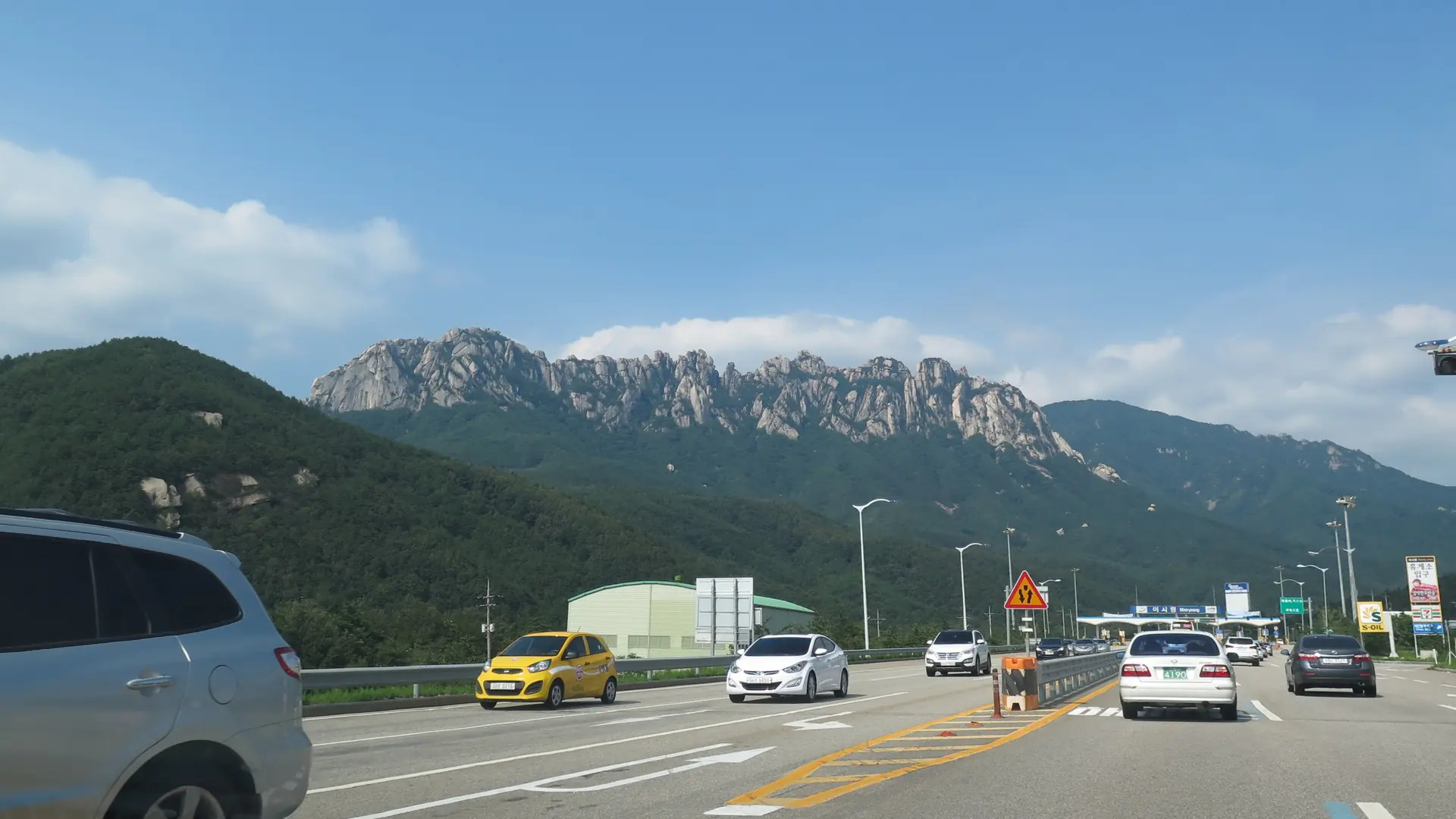
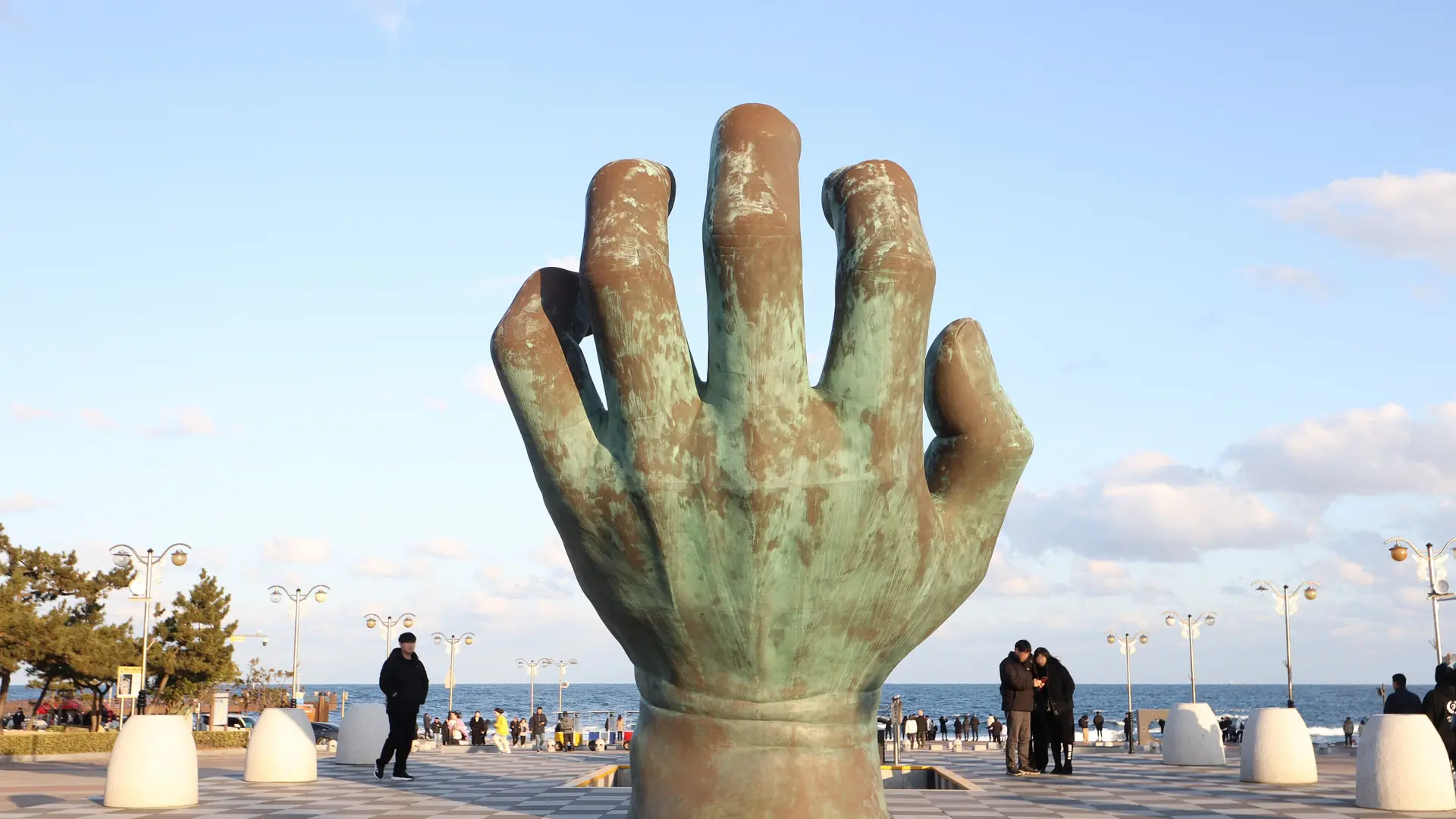
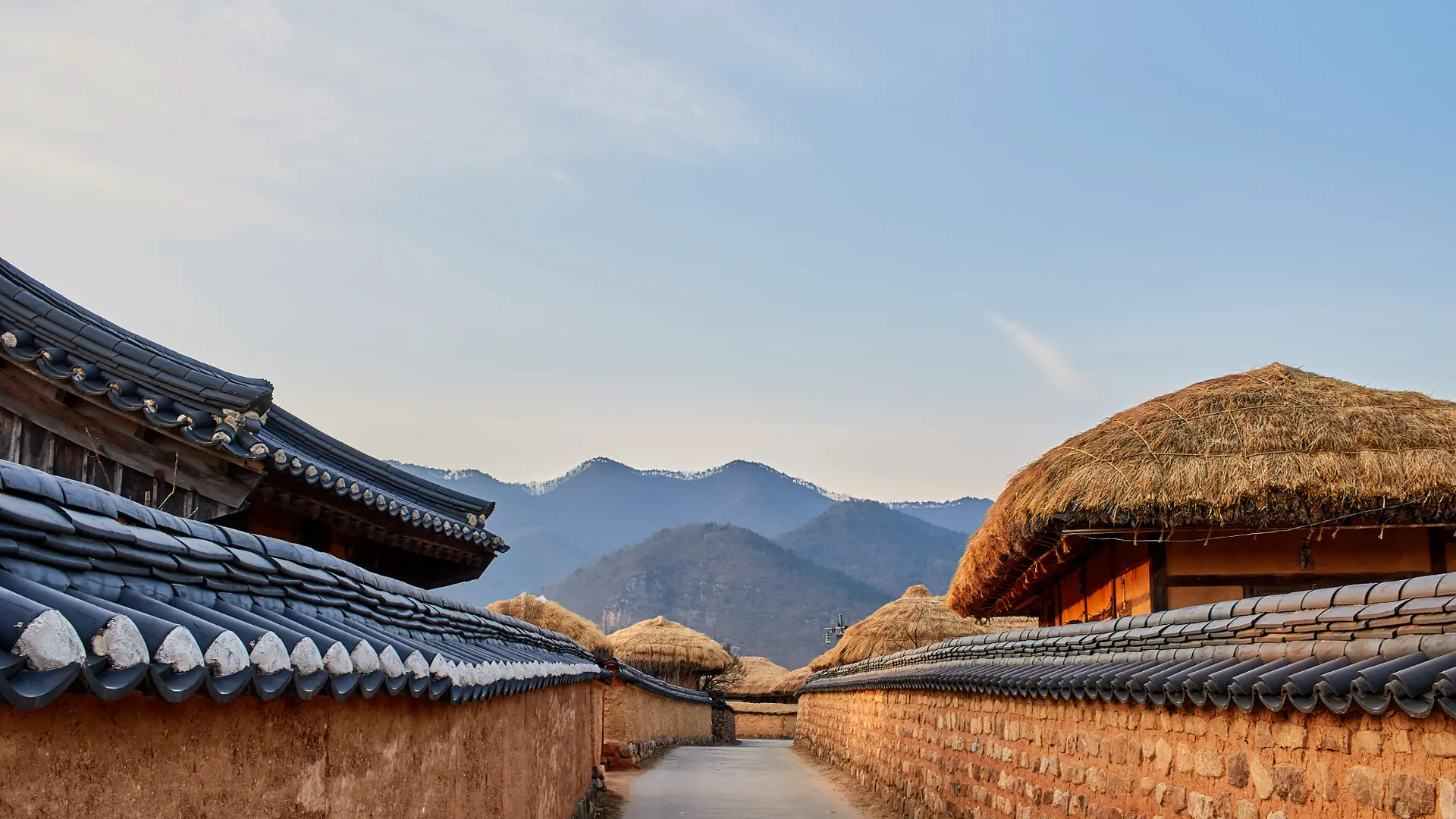
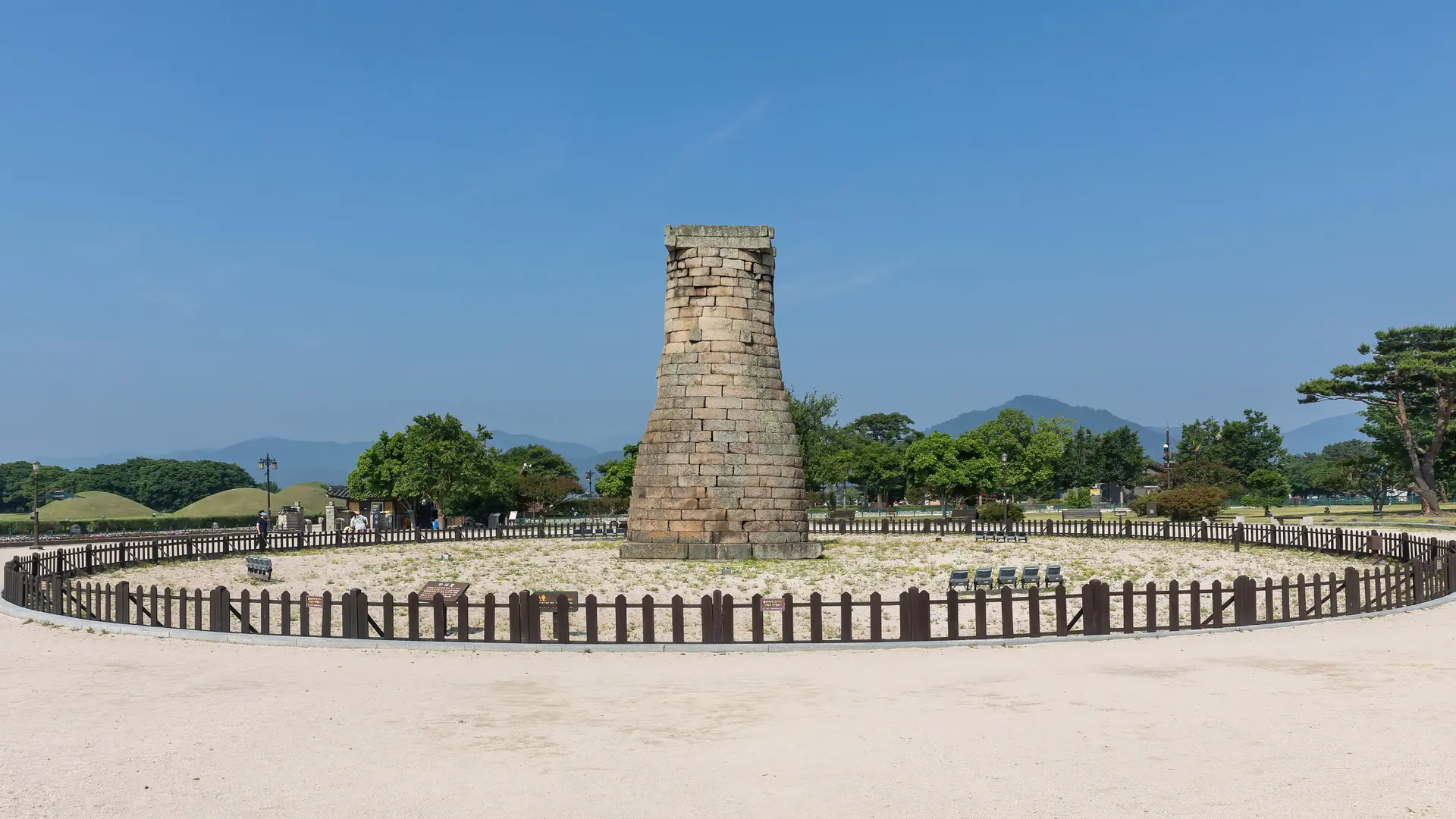
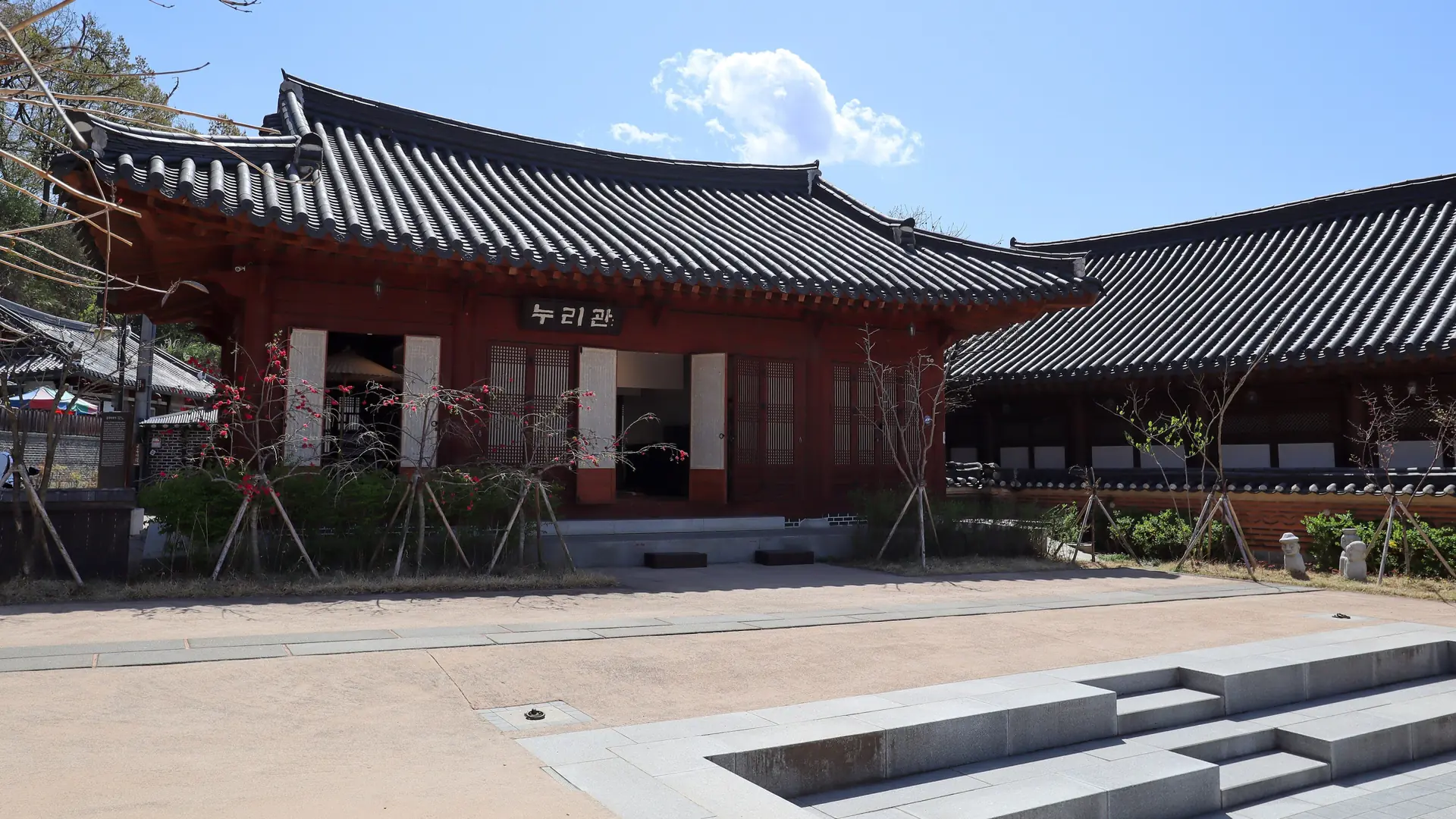
A traditional hanok building in Jeonju Hanok Village with a Korean sign above its doorway, under a clear blue sky with flowering trees

Hanok and Fortress Towns

Two nights in Seoul, one beside Suwon’s fortress and two in Jeonju, with hanok lanes, market meals and time to linger over dinner.

Holiday length
6 days / 5 nights
Hotel allocation
2 Seoul, 1 Suwon, 2 Jeonju
Between bases
Line 1 subway, then intercity bus
Final gateway
KTX north to Yongsan or Seoul
Finding rooms for Jeonju

Hanok lanes, fortress walls and courtyard evenings

Bukchon’s tiled roofs sit against the modern Seoul skyline. In Suwon, the view opens out along fortress walls above the old town. Jeonju brings the trip back to smaller lanes, courtyard stays and meals that deserve a proper pause. These are three different settings for the week, with plenty of interest between the best-known viewpoints.

The five hotel nights split two in Seoul, one in Suwon and two in Jeonju. Seoul has an arrival evening and one full walking day. An early move to Suwon leaves its palace and a selected wall section for the afternoon; Jeonju has an arrival afternoon and one full day before the train north.

Line 1 serves the first move, followed by the direct Suwon–Jeonju bus. The last KTX returns to the Seoul area.

Small lanes and a wider view

Bukchon and Ikseon-dong bring Seoul down to the scale of tiled roofs and narrow lanes. Suwon changes the view with stone walls and elevated sections; Jeonju rounds the route off with courtyards and an evening stroll after dinner.

A night beside the fortress

A Haenggung-dong stay keeps the palace, old-town cafés and a wall walk together. The overnight also leaves the next morning free for the move south, with dinner in Suwon rather than another journey back to Seoul.

Jeonju has a place at the table

Jeonju is a UNESCO Creative City of Gastronomy, recognised in 2012. That distinction belongs to the city’s food culture. Its hanok lanes make a lovely setting for the stay, with time for a seated meal as well as market snacks.

Best for

  • Travellers interested in traditional Korean architecture across different eras and settings
  • A shorter trip with café lanes, a fortress overnight and unhurried Jeonju meals

StartBooker answer

How should I split 6 days between Seoul, Suwon and Jeonju?

Stay two nights in Seoul, one in Suwon and two in Jeonju. That gives Seoul a full hanok-lane day, Suwon an afternoon and evening around the fortress, and Jeonju an arrival afternoon plus one full day for markets and hillside walks. Line 1 connects Seoul with Suwon, followed by a local ride to the fortress district. The chosen Suwon–Jeonju bus takes about two and a half hours between terminals; direct conventional trains are another option. Day six returns north by KTX, with airport travel separate from the railway journey.

Seoul to Suwon
Line 1, then a local ride to the fortress
Suwon to Jeonju
Direct bus, about 2½ hours between terminals
Jeonju to Seoul
KTX north; airport travel is a separate journey

Things to do in Seoul, Suwon, Jeonju, South Korea

Explore tours, attractions and local experiences in Seoul, Suwon, Jeonju along this route through South Korea.

Loading activities…

Activities provided by GetYourGuide. We may earn a commission on bookings.

Three bases for lanes, walls and food

Spend the first two nights in Seoul, the next in Suwon and the final two among Jeonju’s hanok lanes.

3 stops · swipe

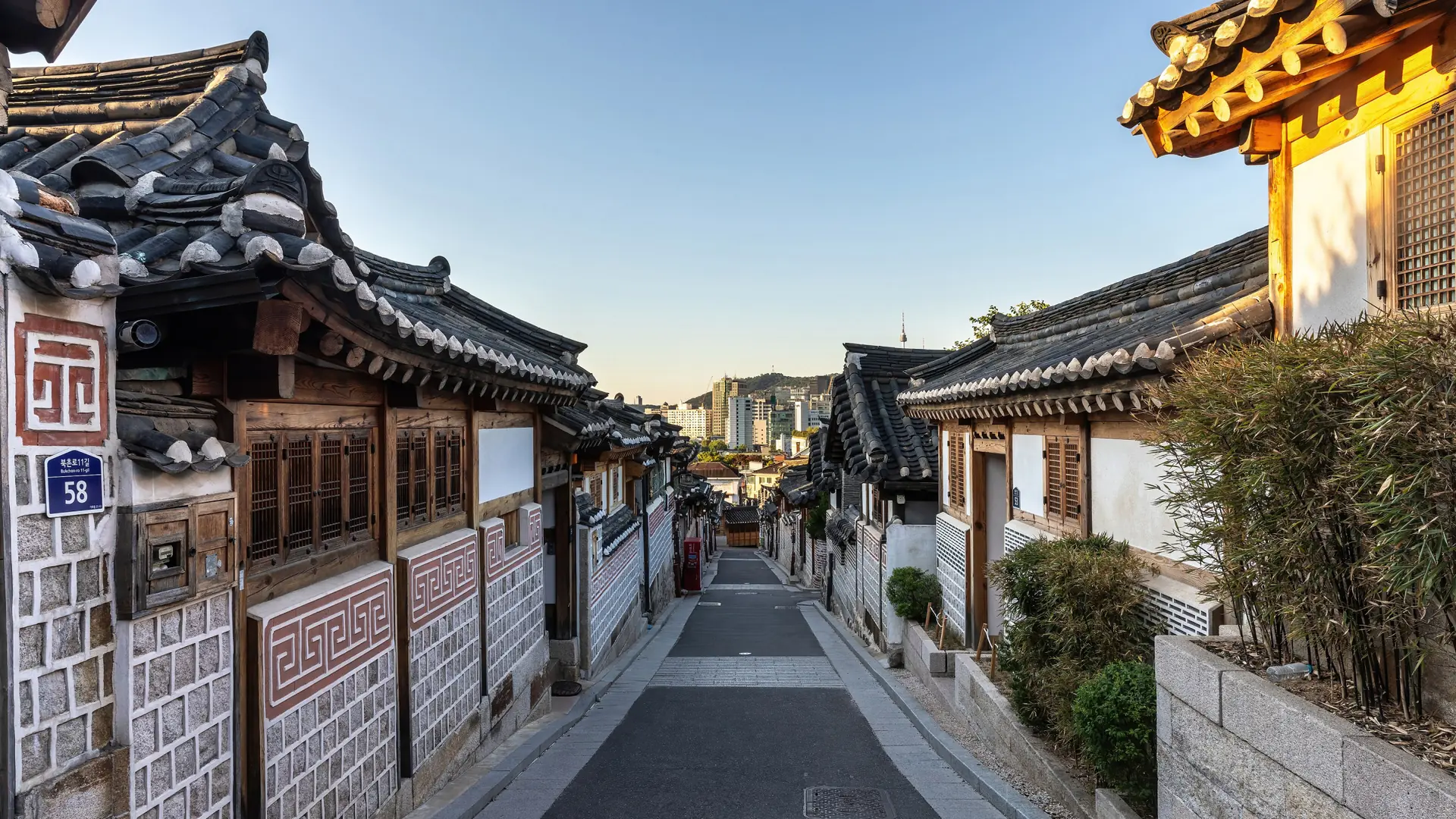
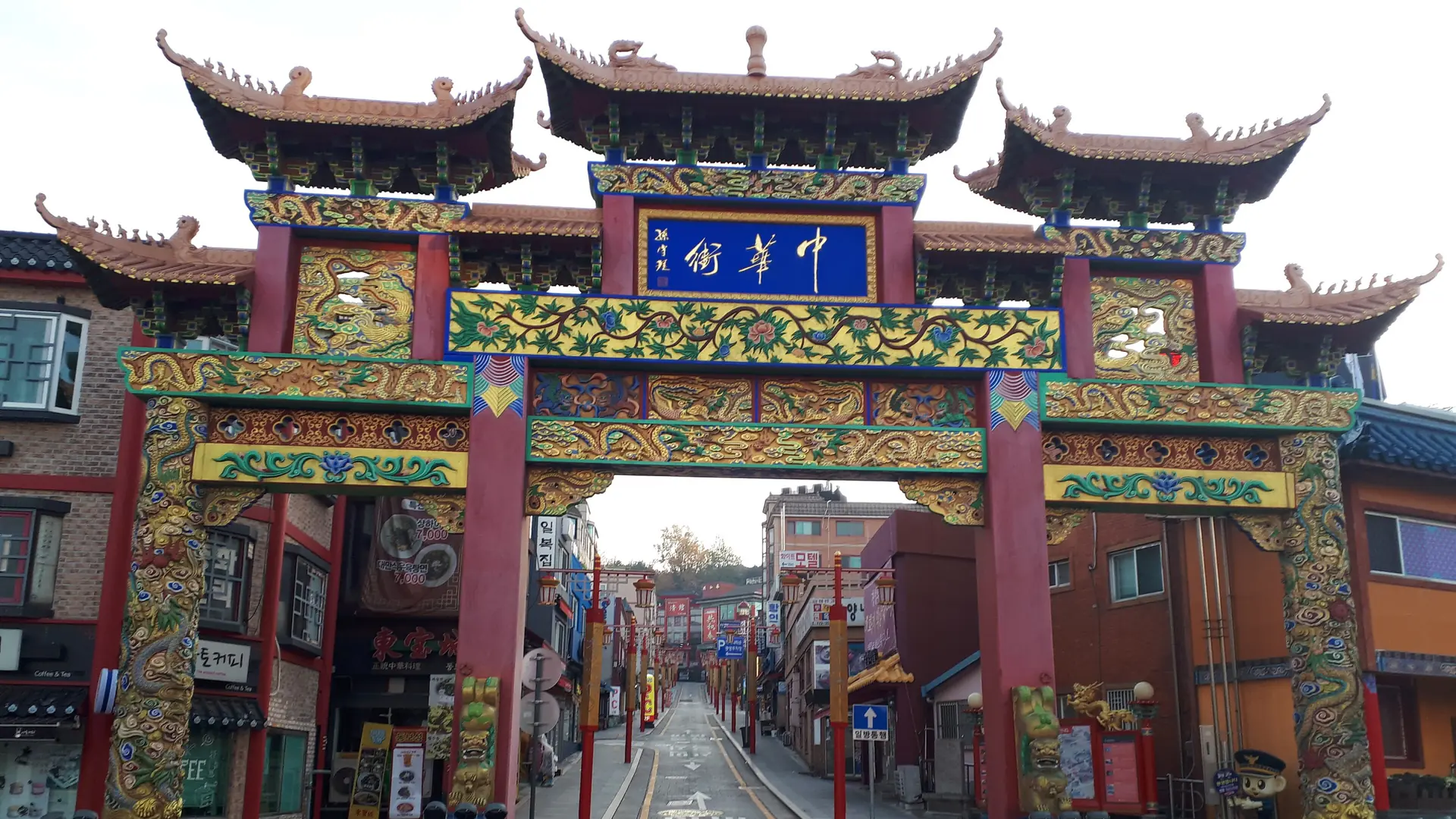
  1. Tiled roofs and traditional wooden houses in Bukchon Hanok Village, Seoul 1

    Seoul

    2 nights

    Bukchon’s tiled-roof houses and Ikseon-dong’s hanok cafés

    A Jongno base keeps the Bukchon and Ikseon-dong day within easy reach. Two nights leave an arrival evening and one full day, with the main palaces outside this particular walking plan.

    Read the Seoul guide →
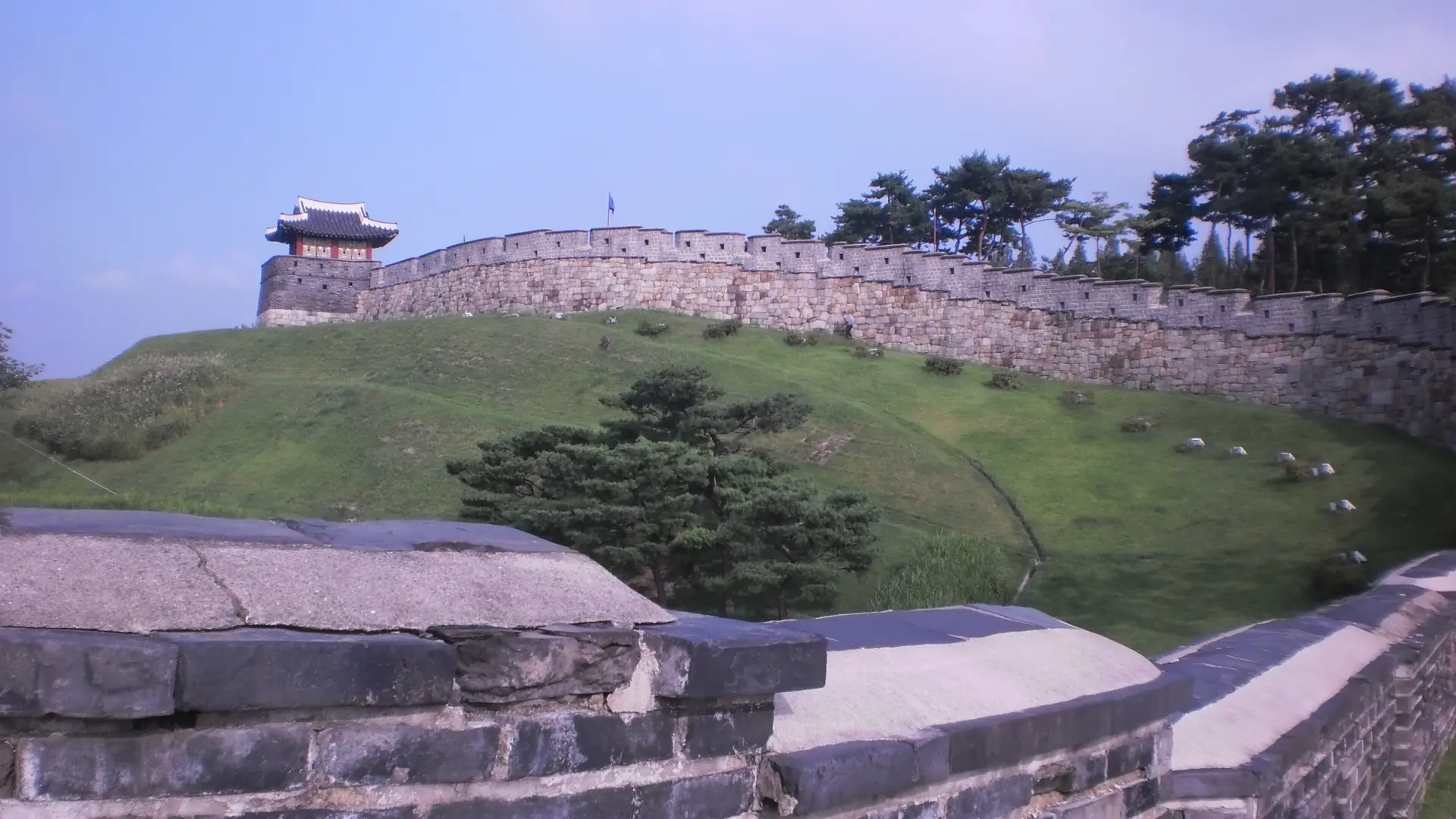
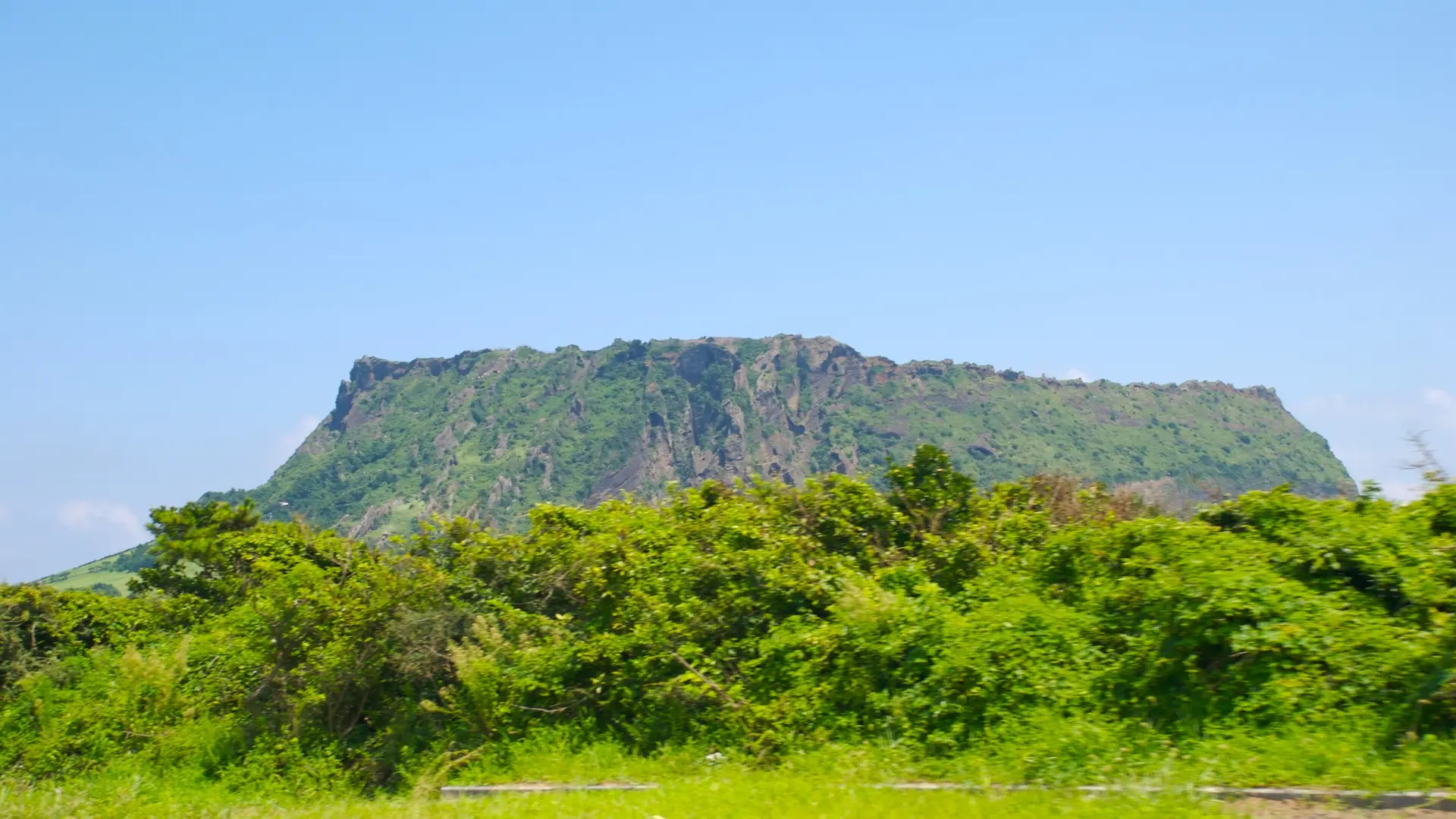
  2. Hwaseong Fortress's stone wall and a red-and-white watchtower pavilion atop a grassy hill under a clear blue sky, Suwon 2

    Suwon

    1 night

    Hwaseong Fortress, a UNESCO World Heritage 18th-century planned city wall

    Haenggung-dong places the hotel near Hwaseong Haenggung and the old fortress district. A morning arrival leaves the palace and part of the walls for the afternoon, with dinner nearby before the next day’s bus.

    Read the Suwon guide →
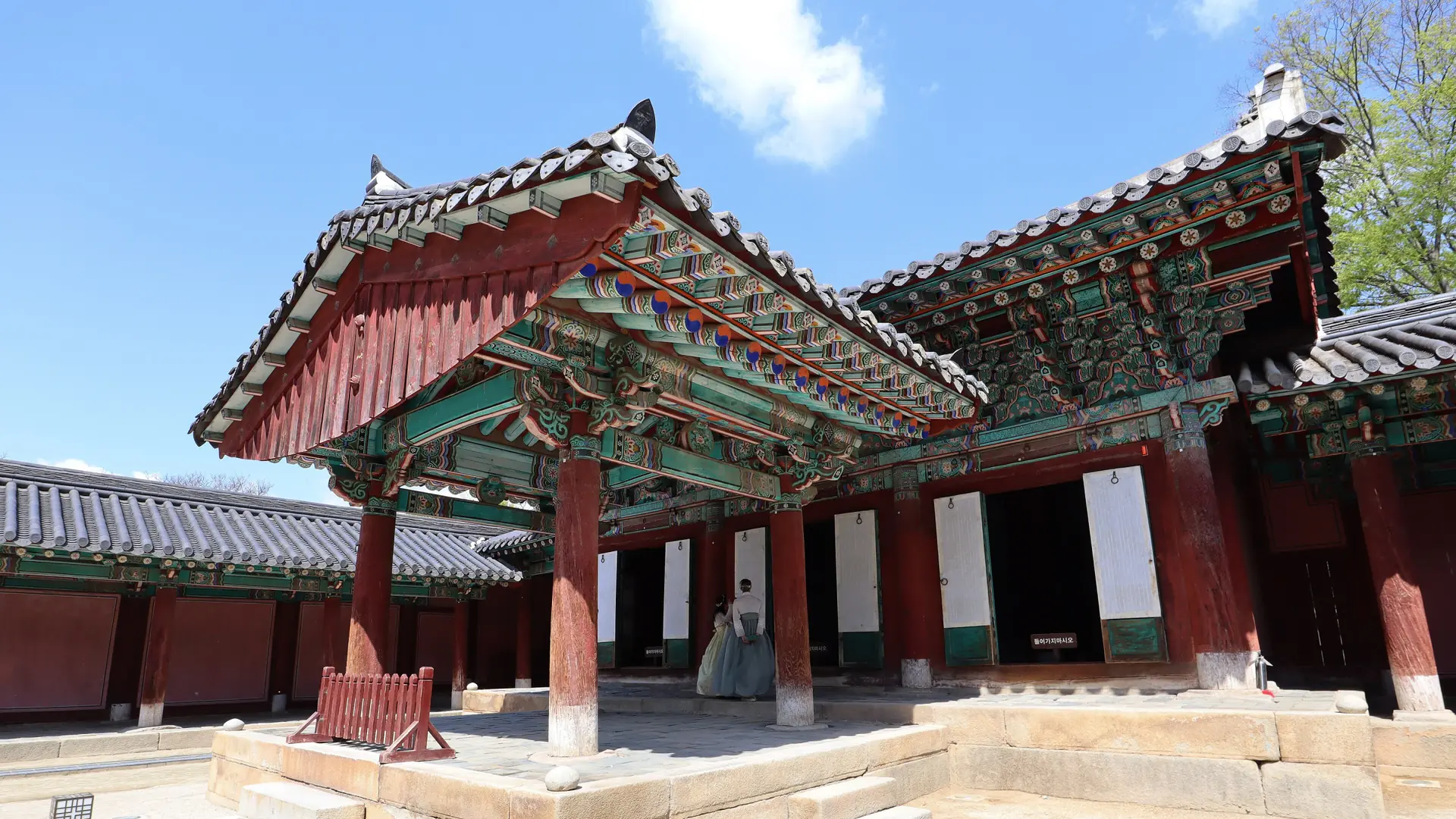
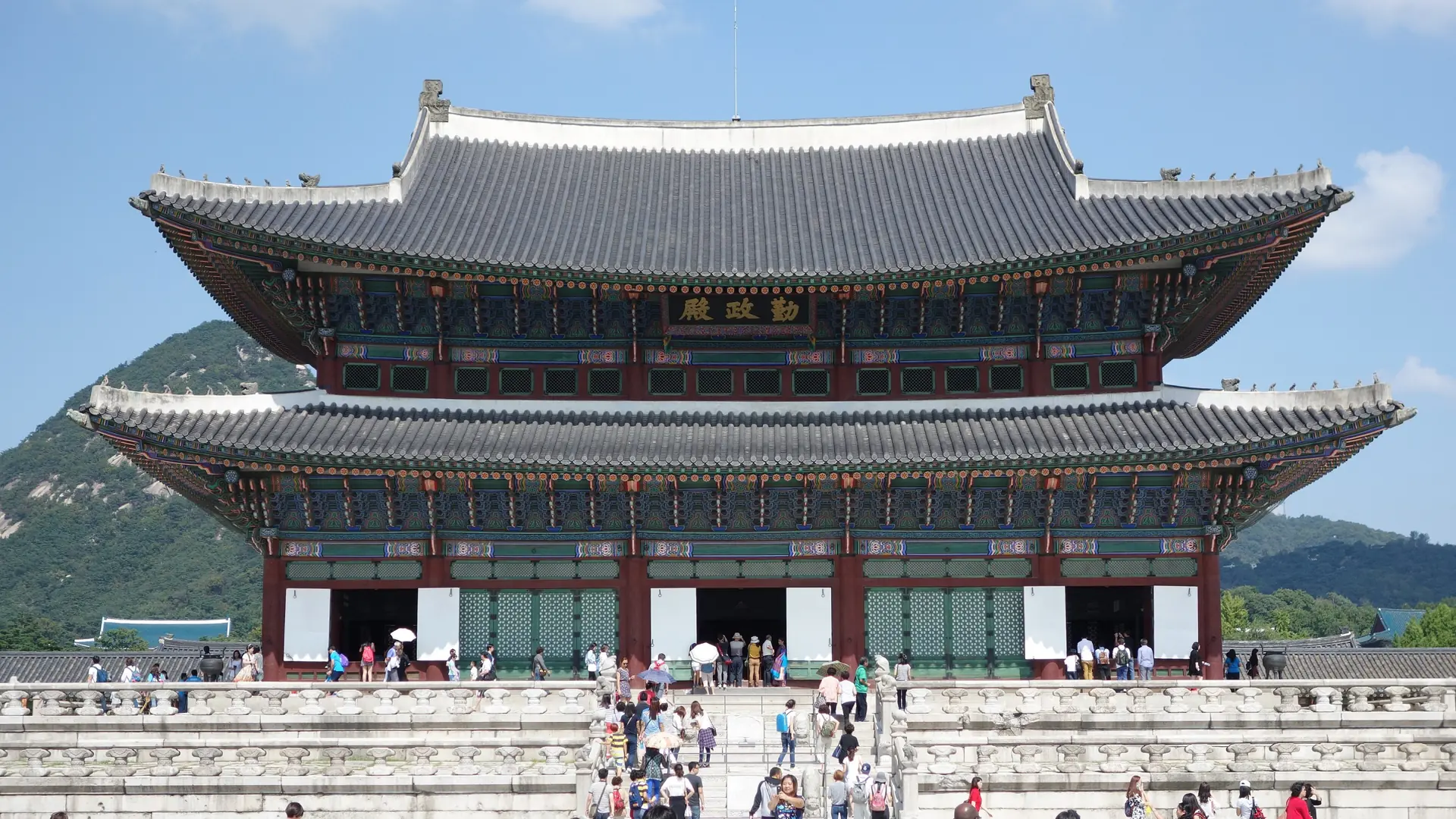
  3. Painted wooden halls and broad eaves at Gyeonggijeon Shrine in Jeonju, with a visitor in the courtyard 3

    Jeonju

    2 nights

    Hanok courtyards, market meals and a city celebrated for its food culture

    A Hanok Village or nearby riverside address makes the two evenings easy to enjoy on foot. The arrival afternoon holds Gyeonggijeon and Jeondong Cathedral; the full day follows the market and hillside lanes.

    Read the Jeonju guide →

Six days across three hanok settings

One full Seoul walking day comes before the Suwon overnight. Jeonju then has an arrival afternoon and a full day out, with day six given to the journey north.

1 Day 1 Arrive in Seoul

AREX Express runs from Incheon Airport to Seoul Station in 43 minutes from Terminal 1 or 51 minutes from Terminal 2. The ride to the hotel follows that airport train. A Jongno address makes a useful base for tomorrow’s two hanok districts, while the first evening can stay close to wherever the bags are dropped. The Express train has a separate ticket. A T-money card serves the local metro and buses, including the later Line 1 journey towards Suwon. Getting settled and finding a nearby dinner are enough for this arrival day; the sloping residential lanes belong to the full day ahead. An early arrival leaves room for a small neighbourhood walk and a café stop.

  • An AREX arrival, followed by the hotel journey
  • Dinner and a small walk near the hotel
  • Two Seoul nights before moving south

Base: Seoul

2 Day 2 Bukchon and Ikseon-dong's hanok alleys

Begin Bukchon late enough to fit its residential visiting window. The restricted zone welcomes tourists from 10:00 to 17:00, with sloping lanes between traditional houses and views across the roofs. Many of the houses remain homes; the public streets and viewpoints carry the walk through the neighbourhood. A slow morning leaves time to notice the wooden doors, rooflines and glimpses of the modern city beyond them. Ikseon-dong makes a good afternoon change. Its low-roofed lanes hold cafés, small shops and restaurants, with Jongno 3-ga as the nearest metro station. A long lunch or a tea stop gives the day a welcome pause between walks. Bukchon has shops and cafés too, but Ikseon-dong puts more of the afternoon around eating and browsing. This is the route’s full Seoul sightseeing day. Gyeongbokgung would take some of these same hours, so the plan stays with the two districts rather than fitting a major palace visit between them.

  • A late-morning start among Bukchon’s tiled roofs
  • Ikseon-dong’s cafés and small shops
  • A long lunch between the two walks

Base: Seoul

3 Day 3 Subway to Suwon and Hwaseong Fortress

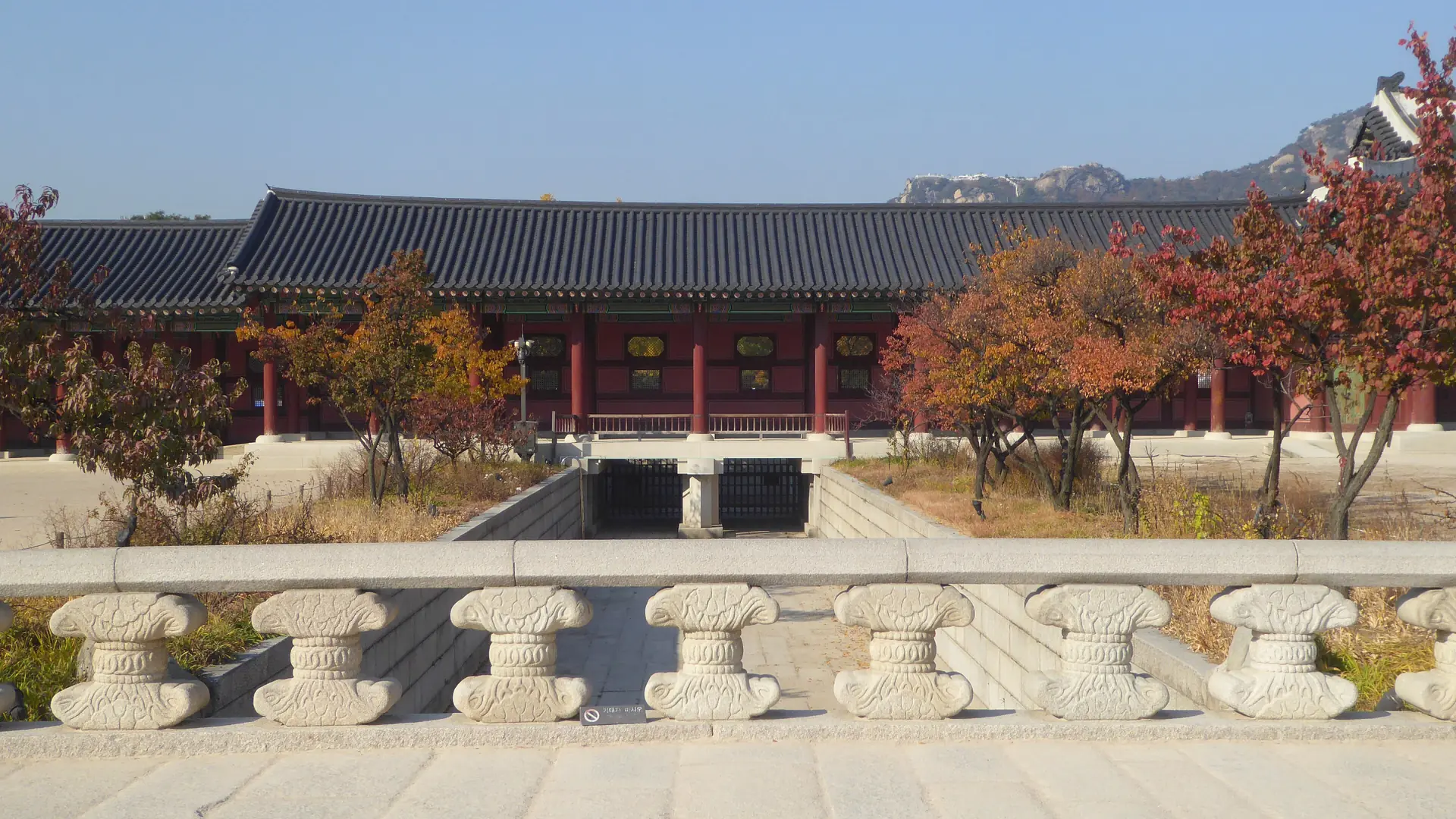
Give the morning to the move from Seoul to Suwon. Line 1 serves Suwon Station with a T-money fare, followed by a local bus or taxi into Haenggung-dong. A mainline train from Seoul Station is another option, bringing the railway ride close to half an hour with a separate Korail ticket. Both trains arrive outside the fortress district. Hwaseong Haenggung is the first afternoon stop. Its daytime opening is 09:00–18:00, with last admission at 17:30. The palace has an entry charge, while access to the fortress walls is free. Paldalmun adds a view of one of the great gates, followed by a selected stretch of the ramparts. Some sections involve slopes and stairs; the old-town streets offer a gentler walk between cafés. Hwaseong’s late-Joseon design survives alongside carefully reconstructed sections after wartime damage. The stonework, gates and changing views make the wall walk interesting without covering the whole circuit. Dinner can stay near the fortress district, with Suwon’s grilled ribs as one local choice.

  • The train and local ride to Haenggung-dong
  • Hwaseong Haenggung before the wall walk
  • A fortress-area dinner and overnight

Base: Suwon

4 Day 4 Bus to Jeonju and the Hanok Village

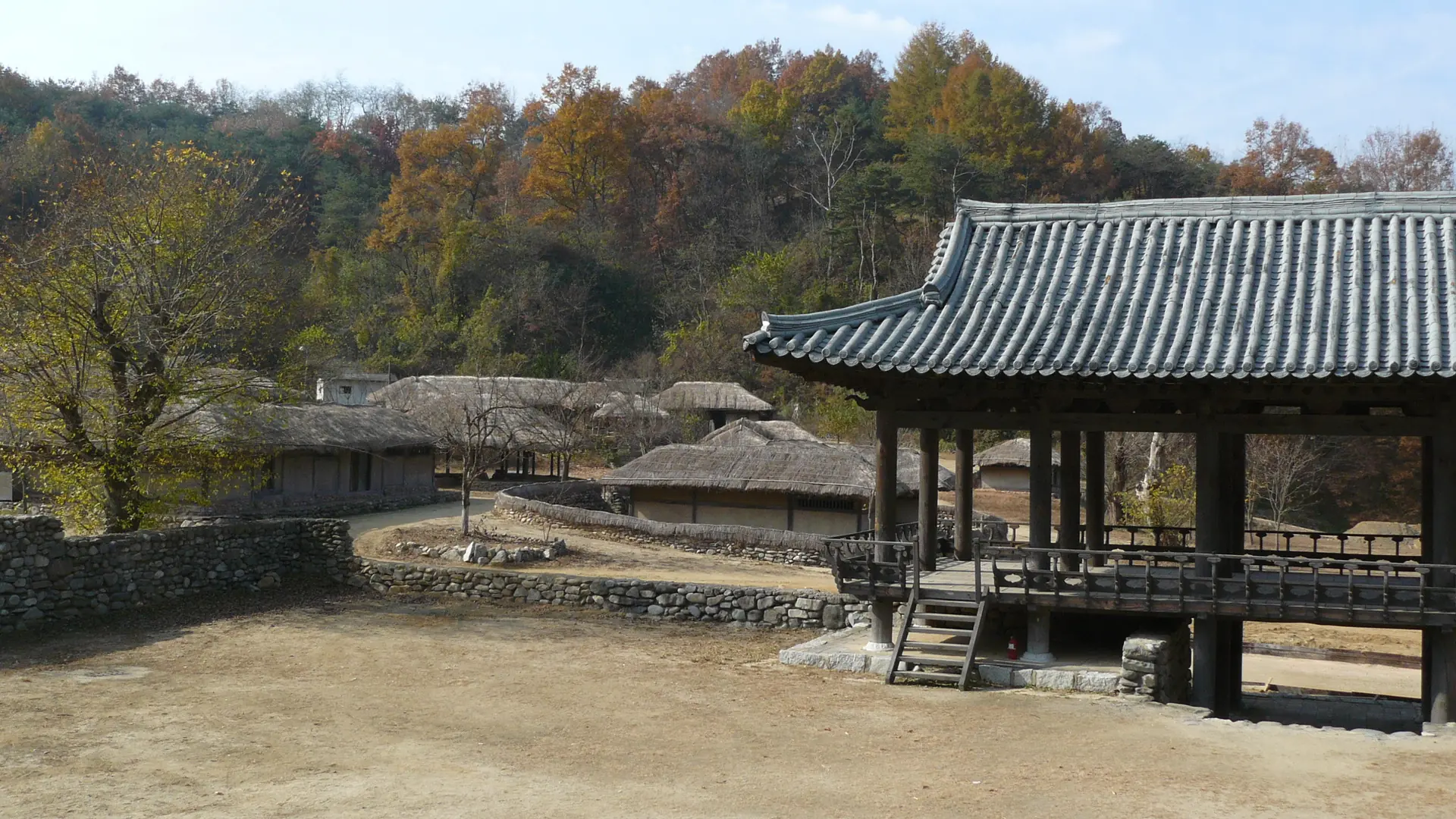
The chosen bus leaves Suwon Bus Terminal for Jeonju Bus Terminal, taking about two and a half hours between them. Direct conventional trains also link Suwon and Jeonju; the bus uses the terminal, while the rail alternative leaves from Suwon Station. Spend the afternoon around the Hanok Village. Gyeonggijeon’s courtyard and wooden halls give the Joseon story a focal point: the shrine was built to house the portrait of the dynasty’s founder, King Taejo. Nearby Jeondong Cathedral changes the streetscape with its brickwork and rounded forms. It remains a working church, with sightseeing paused during Mass; an outside view fits naturally into the village walk. Hanbok rental is an optional extra for photographs among the courtyards and village lanes. The evening is the first of two in Jeonju, with dinner and a slower walk after the main daytime sightseeing has finished.

  • The direct Suwon–Jeonju bus
  • Gyeonggijeon’s courtyards and royal portrait
  • Jeondong Cathedral beside the hanok lanes

Base: Jeonju

5 Day 5 Nambu Market and Jaman Mural Village

Nambu Market starts the full Jeonju day with a different side of the city from the hanok lanes. Browse the market streets, then settle over lunch rather than filling the day entirely with snacks. Jeonju-style bibimbap is a natural choice for a proper sit-down meal, with vegetables and rice at the centre of the bowl. Jaman Mural Village takes the afternoon uphill. Its painted lanes and small cafés give another perspective on the neighbourhood around the Hanok Village. The climb is part of the outing; a longer spell in the lower village or by the river makes a gentler alternative. On Friday and Saturday, Nambu’s separate night market runs from 18:30 to 23:00, adding food stalls to the evening. On other nights, a village dinner and a final walk work just as well.

  • Nambu Market and a seated Jeonju lunch
  • Jaman’s hillside mural lanes
  • Nambu night market on Friday and Saturday

Base: Jeonju

6 Day 6 KTX north, with the airport journey kept separate

Start with the local ride from the Hanok Village area to Jeonju Station, then take KTX towards the Seoul area. Services can use Yongsan or Seoul Station. Yongsan is a different terminal from Seoul Station, where AREX Express departs for Incheon, so an arrival at Yongsan adds another city connection before that airport train. This is a travel day. Breakfast near the hotel is a comfortable last Jeonju stop, with the railway journey taking priority over another village circuit. The route ends in the Seoul area after the KTX; an international flight adds baggage collection, the airport journey and airline check-in after it. A flight on the following day gives that return the most relaxed shape, with another night in Seoul. For an early Incheon flight on day six, move the final hotel night north instead. Return on day five, replacing the second Jeonju night with a Seoul night and giving up the full market-and-mural day. That variation still has five hotel nights, but only one in Jeonju.

  • The local ride to Jeonju Station
  • KTX towards Yongsan or Seoul
  • An earlier return north when the flight leaves early

Base: Jeonju

Two hotel moves, followed by the final KTX north

Take Line 1 to Suwon on day three and the direct bus to Jeonju on day four. The return KTX north follows on day six.

2 transfers

  1. Seoul Suwon

    Train Travel time: Line 1 subway, plus the ride to the fortress district

    Line 1 reaches Suwon Station from Seoul. Continue by bus or taxi to Haenggung-dong; the railway station is outside the fortress district. A mainline train from Seoul Station offers a shorter railway ride.

  2. Suwon Jeonju

    Bus Travel time: About 2 hours 30 minutes by intercity bus

    The direct bus connects Suwon Bus Terminal and Jeonju Bus Terminal in about two and a half hours. Jeonju’s Hanok Village is a further local ride away, so arrival includes time to reach the hotel.

An allowance for five nights and three city stays

For October–November 2026 outside holiday peaks, a useful planning range is US$480–830 per person, with two adults sharing rooms. It covers five nights and the KTX return north; international flights and the final airport journey are additional.

Five nights in shared rooms Uses a double-room allowance of US$90–160 a night, shared by two. A premium hanok suite can sit above this range; the estimate combines modest stays across the three bases.
US$225–400 per person
Six days of meals and café breaks A daily pot of US$25–40 leaves room for local meals, coffee and market snacks. A grilled-rib dinner in Suwon or a longer Jeonju meal uses more of one day’s share.
US$150–240 per person
Arrival and between-city transport An allowance for the initial AREX journey, Line 1 to Suwon, the Jeonju bus and KTX north. The airport journey after that last KTX is outside this route total.
US$60–100 per person
City buses, metro and shared taxis Covers neighbourhood rides and the short journeys between hotels, stations and terminals. A village or fortress-area stay keeps more of the evenings within a walk.
US$20–40 per person
Palace, shrine and optional hanbok Allows for Hwaseong Haenggung, Gyeonggijeon and a small rental extra if wanted. The fortress walls and the Hanok Village streets themselves have free access.
US$25–50 per person
Total through the return north This is the sum of the five allowances above for two adults sharing. Shopping, international travel, the last airport transfer and any added hotel night sit outside it.
About US$480–830 per person

Booking tips

  • Jongno makes the Seoul walking day convenient. Haenggung-dong and the Jeonju village area then keep the next evenings close to the sights.
  • The Suwon–Jeonju bus and the direct conventional trains use different departure points. The main plan uses the bus terminal, followed by a local ride at the Jeonju end.
  • A hanbok rental is an optional part of the Jeonju afternoon. The cost estimate leaves room for a rental and an afternoon of courtyard photographs.

Jeonju hotels for the trip's final stop

Jeonju rooms, including hanok options near the village and river. A village address keeps the final two evenings close to the walks.

Compare Jeonju rooms →
Loading Jeonju accommodation

South from Seoul through Suwon to Jeonju

This map traces the three overnight bases rather than the exact subway, bus or rail lines.

Seoul → Suwon → Jeonju

Choices that change the six-day route

What fits into one Suwon night?

The overnight gives Haenggung-dong an afternoon of palace courtyards and ramparts, then a relaxed dinner. Hwaseong’s complete circuit is 5.74 km; it can be a bigger focus of the visit rather than a compulsory reason to add another night. The plan here gives the palace and a shorter walk their own time.

Could Suwon be a day trip from Seoul instead?

Yes. Both Line 1 and mainline trains make a day trip possible, including an evening in Suwon with a later return. The overnight here serves a different purpose: it puts dinner near the fortress and leaves the next morning for the move to Jeonju, without returning north first.

Is the bus the only direct option from Suwon to Jeonju?

No. Direct conventional trains also link the two cities, with a journey broadly similar to the two-and-a-half-hour bus ride. The bus is the chosen connection in this plan. It leaves from Suwon Bus Terminal; the train leaves from Suwon Station, and both need a local ride to the Hanok Village after arrival.

Why stay two nights in Jeonju?

They leave an arrival afternoon for Gyeonggijeon and the village, then one full day for Nambu Market, a long lunch and the Jaman hillside. The second evening is part of the pleasure too. This is one full sightseeing day plus an arrival afternoon, with the last morning kept for departure.

Could I reverse the route and finish in Seoul?

Yes. Two Jeonju nights, one in Suwon and two in Seoul keep the five-night total. The final Seoul stay makes an Incheon departure easier to arrange around the airport journey. An international arrival followed by the train south uses the first day for travel, with the village walk after the hotel arrival.

Does Jeonju’s UNESCO title make the Hanok Village a World Heritage Site?

Jeonju is a UNESCO Creative City of Gastronomy, a city-wide food-culture designation held since 2012. Hwaseong Fortress has a separate UNESCO World Heritage listing. The two recognitions describe different things; the village’s traditional houses are part of Jeonju’s attraction without being the subject of that gastronomy title.

Transport and heritage-architecture records

Editorial team StartBooker Editorial Travel guide editorial team

Checked on 2026-10-17

Updated

Research approach: Suwon Cultural Foundation’s palace and fortress information, the two distinct UNESCO designations, Jeonju City’s landmark and market records, and Seoul’s neighbourhood access information were read alongside current regional transport records. The six days were reconciled with five hotel nights, last-mile journeys and a separate airport transfer. Independent cost guides support the labelled shared-room allowances.

16 Source records

Responsible and independent sources
  • GeoNames
  • Seoul Tourism Organization
  • Korea Tourism Organization
  • Jeonju City
  • Suwon Cultural Foundation
  • UNESCO World Heritage Centre
References
Photo credits

Add a recent Seoul-Suwon-Jeonju observation