Three cities, three different Koreas
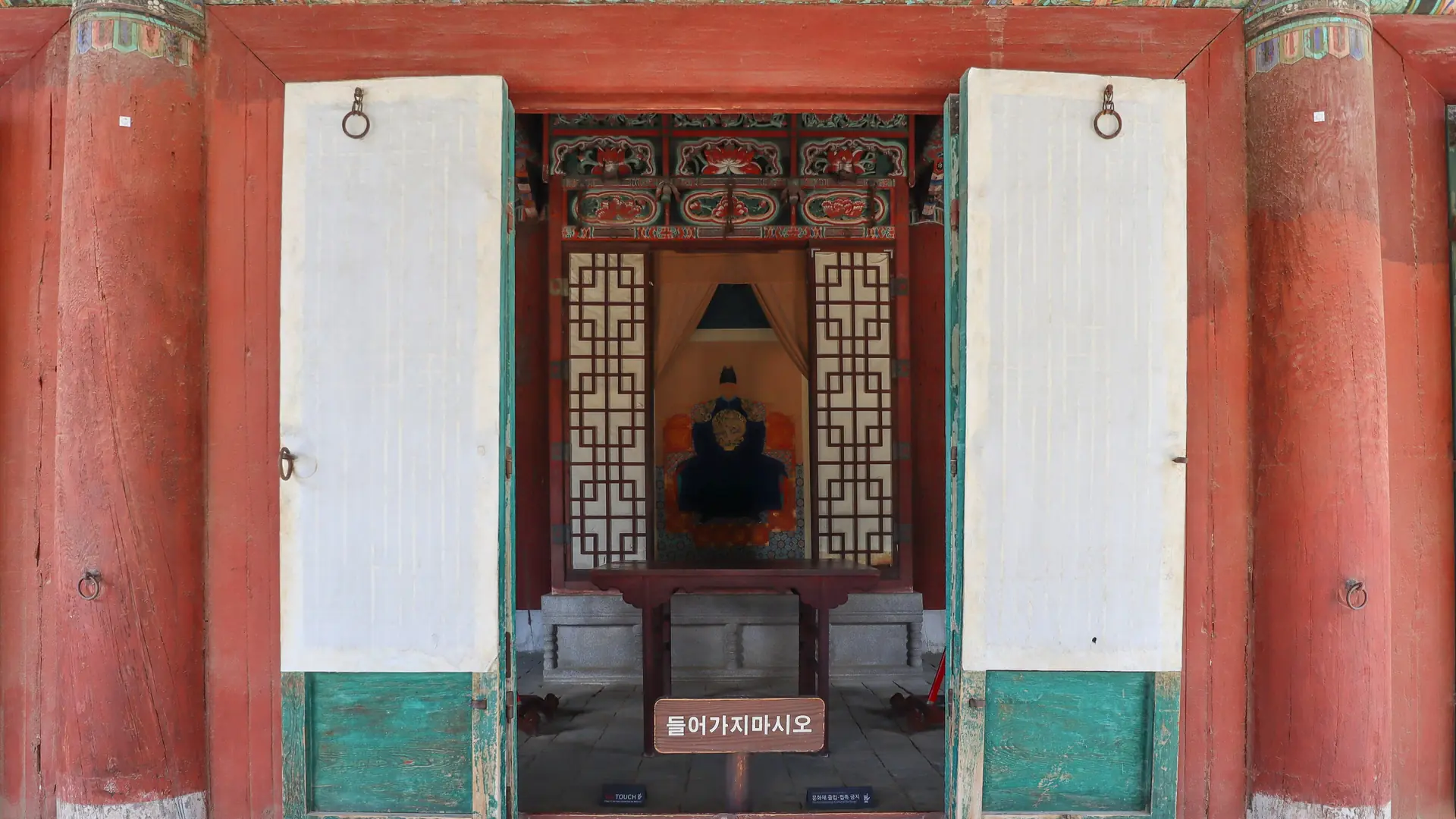
A modern port city, a preserved royal capital and an industrial steel city sit within a few hours of each other, showing a regional range that a Seoul-only trip misses entirely.
Three nights in Busan, two among Gyeongju’s tombs and temples, then a Pohang overnight for Homigot’s bronze hand above the waves.
Busan starts the week with sea air, hillside lanes and market lunches. Gyeongju changes the mood: grass-covered royal tombs sit beside the old centre, while Bulguksa and Seokguram make a separate mountain outing. Pohang brings the coast back for the last night, with a seafood market, a beach evening and Homigot on the final morning.
The six nights have a clear shape: three in Busan, two in Gyeongju and one in Pohang.
The connections are short regional journeys, with local rides at either end. Gyeongju’s KTX station is outside the historic centre; its intercity bus terminal is the departure point for Pohang. The week ends in Pohang, with onward travel added after the cape visit. An early international flight needs a further night near its departure airport, beyond these six nights.
A modern port city, a preserved royal capital and an industrial steel city sit within a few hours of each other, showing a regional range that a Seoul-only trip misses entirely.
KTX carries the first move and an intercity bus the second. Gyeongju’s royal tombs and historic centre are made for walking, while the mountain temples take you farther afield.
Homigot’s bronze hand rises from the sea beside the cape. A dedicated early taxi outing gives the week a memorable last morning, with the previous afternoon free for Pohang’s market and Yeongildae Beach.
Best for
StartBooker answer
Stay three nights in Busan, two in Gyeongju and one in Pohang. Busan gets an arrival evening and two full days; Gyeongju gets an old-town afternoon and a full temple day. Move to Pohang on day six for the market and beach, then visit Homigot on the final morning. The train and bus rides between cities are short, but station and hotel transfers still take part of those travel days. A pre-dawn taxi outing makes the sunrise version possible without relying on the first public bus.
Explore tours, attractions and local experiences in Busan, Gyeongju, Pohang along this route through South Korea.
Loading activities…
Activities provided by GetYourGuide. We may earn a commission on bookings.
Busan’s beaches lead to Gyeongju’s royal tombs and mountain temples, then back to the sea at Pohang.
3 stops · swipe
 1
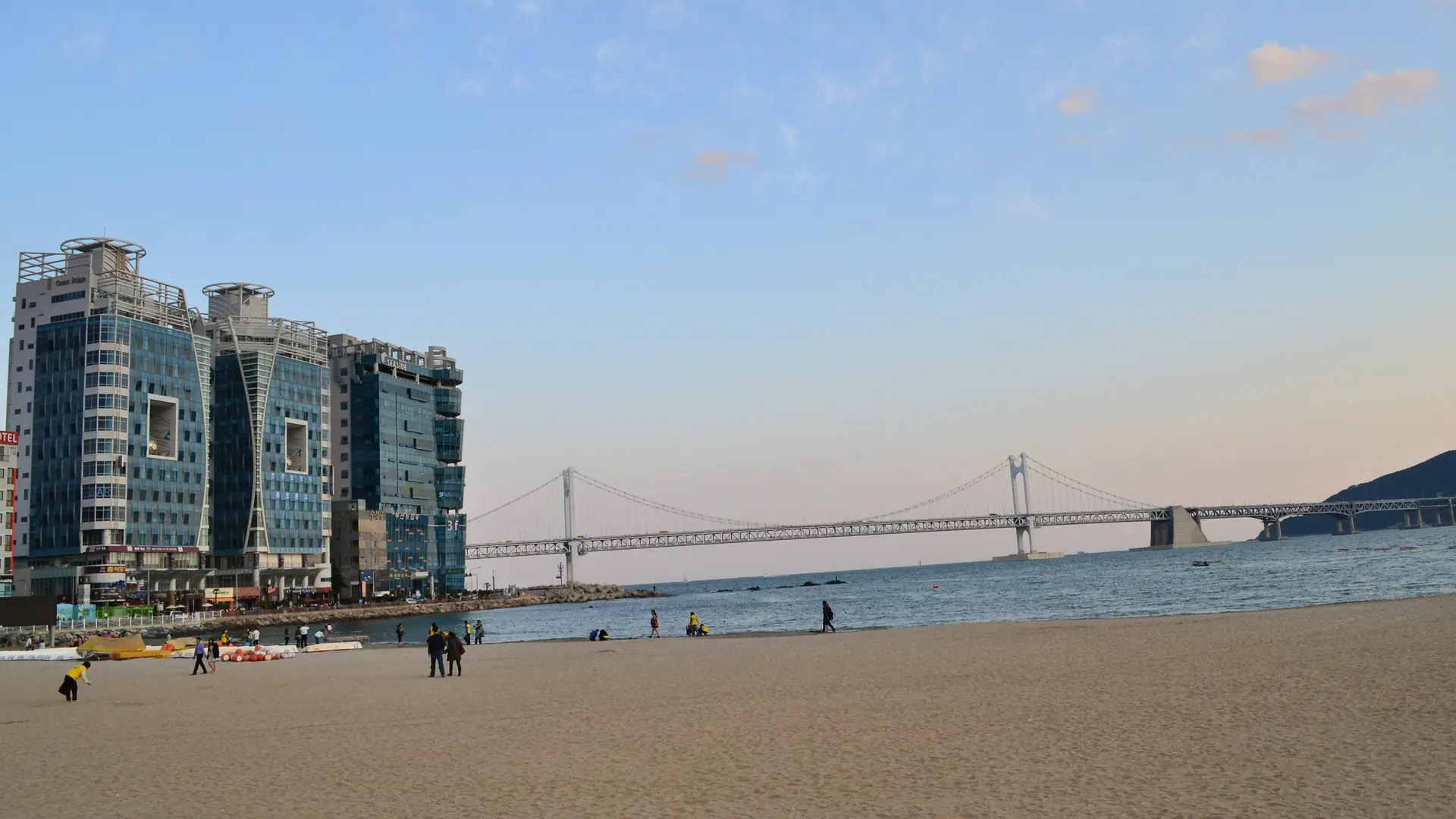
Open beaches, a working fish market and Gamcheon’s painted hillside lanes
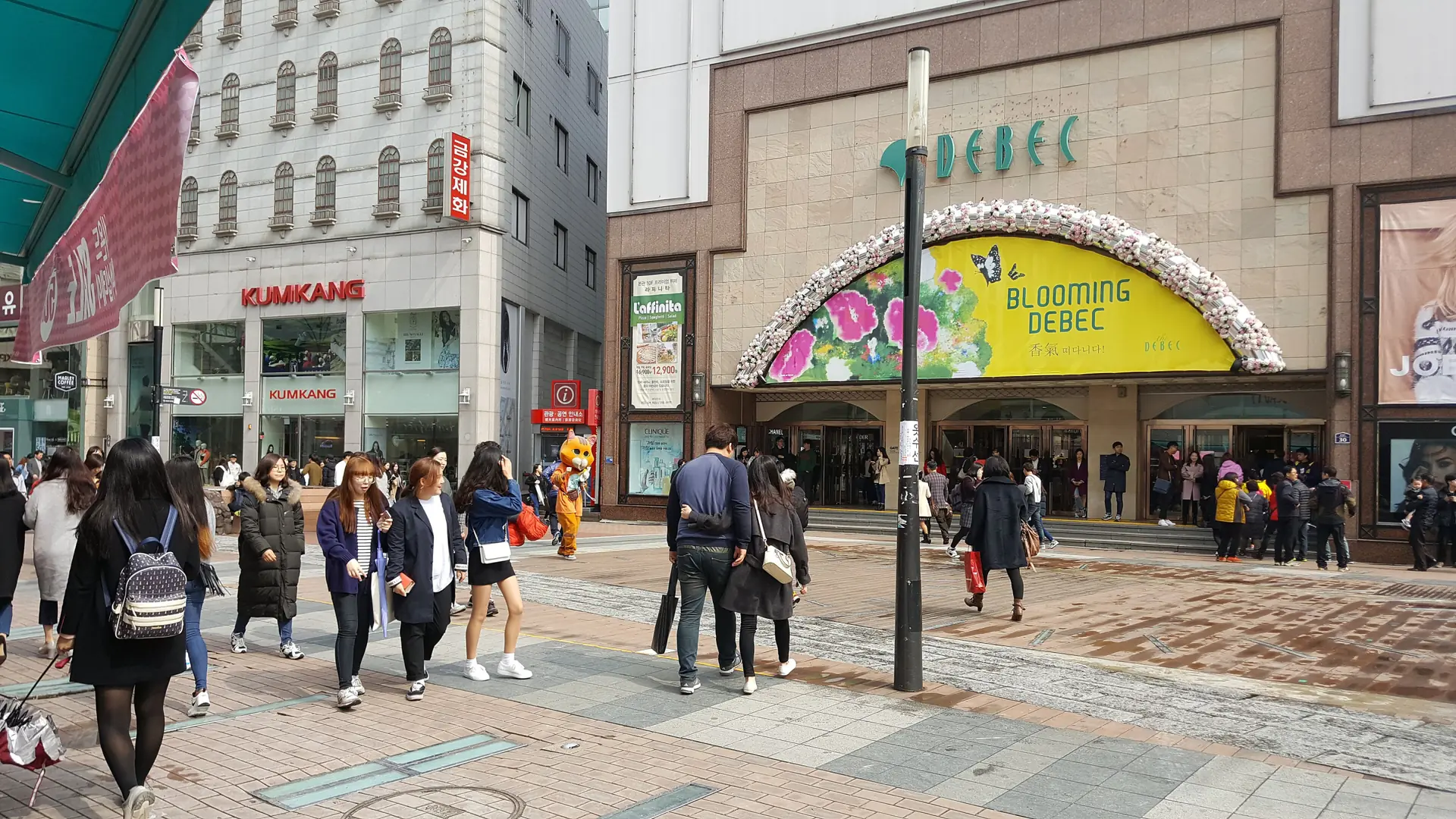
Busan's beaches, markets and Gamcheon's hillside village fill three days at an easy pace. A Haeundae base keeps the beach and subway both close; Nampo suits Jagalchi Market and the old port area.
Read the Busan guide →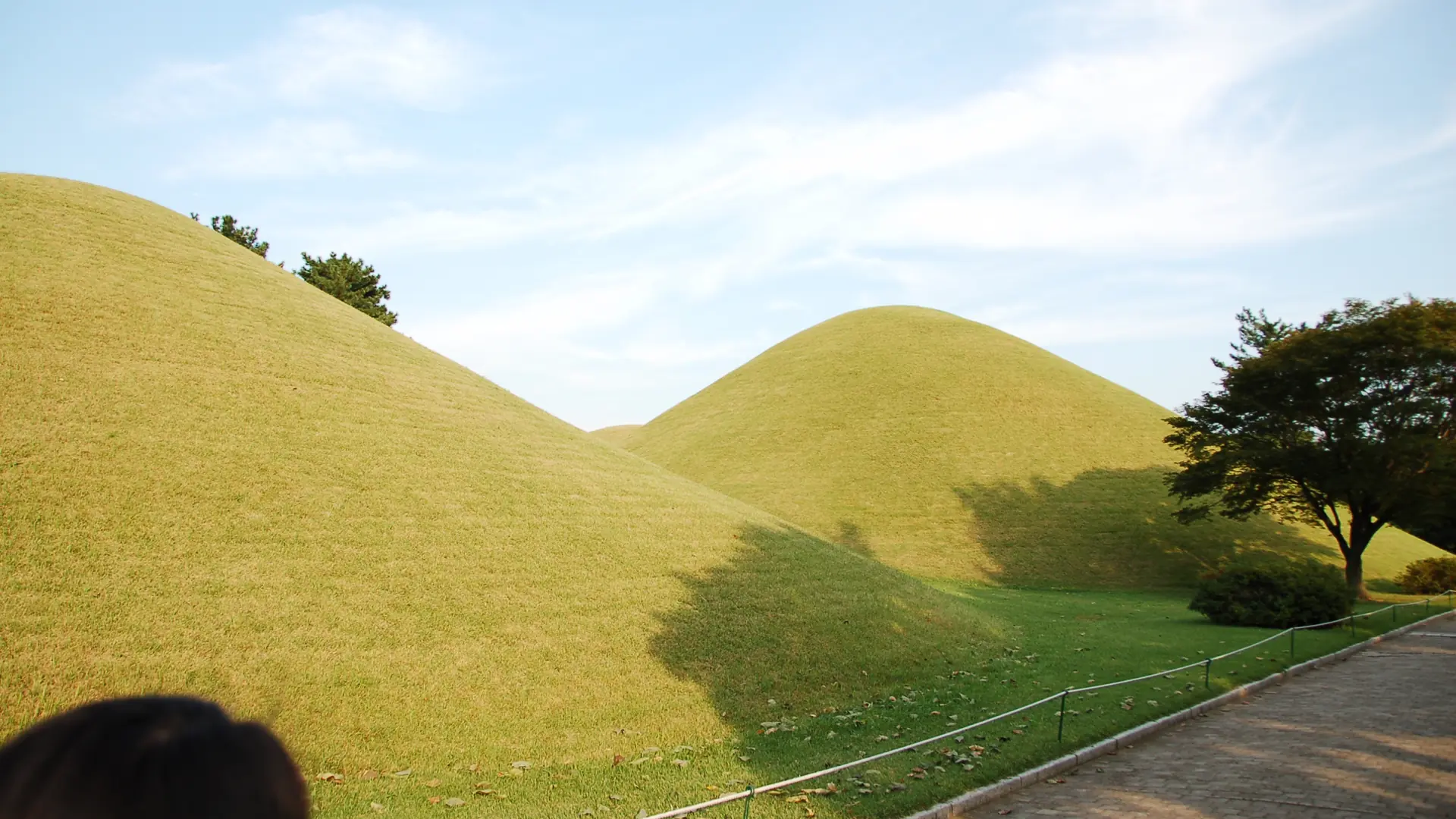 2
Silla-dynasty royal tombs, Bulguksa Temple and an illuminated old town at night
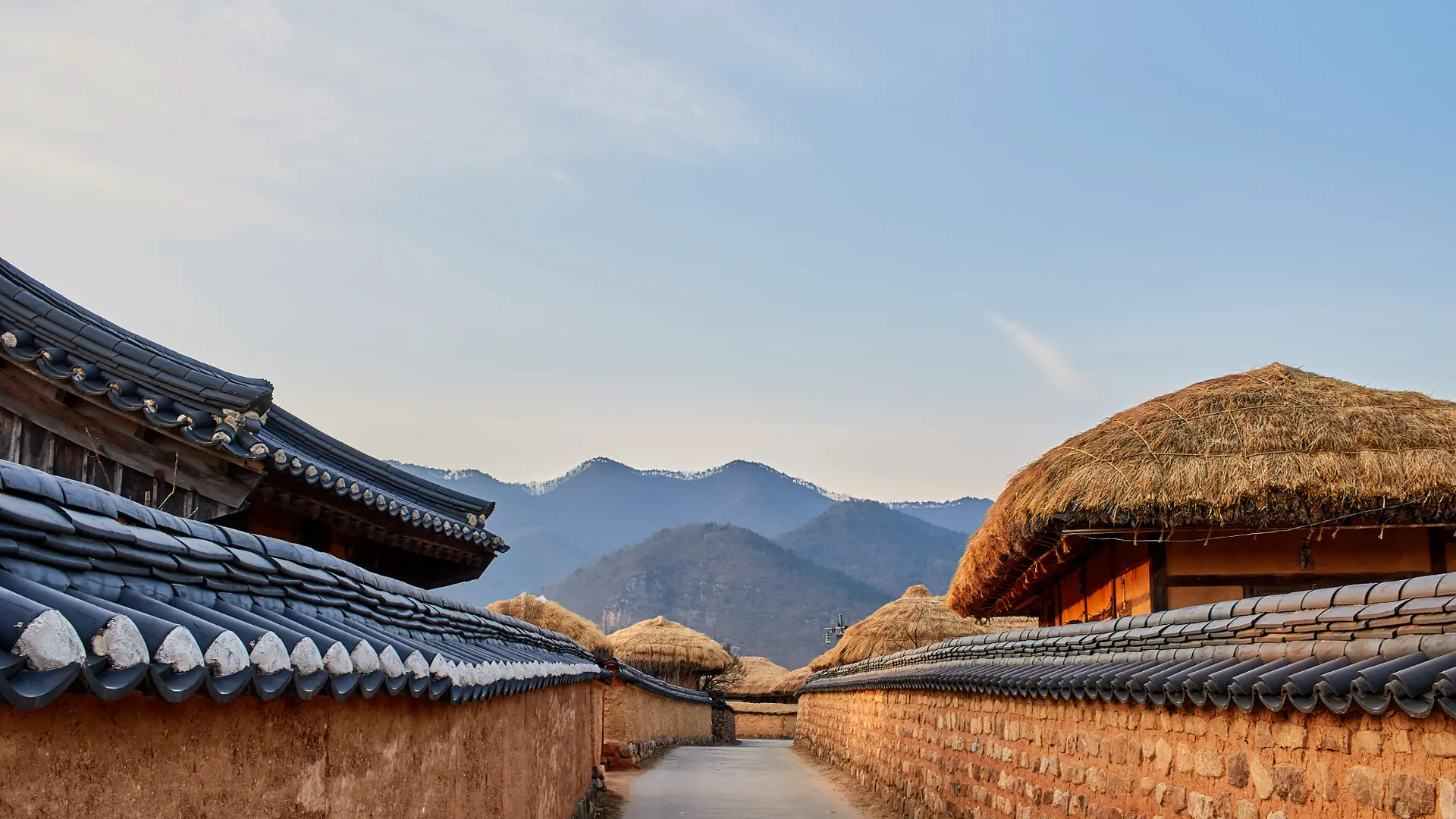
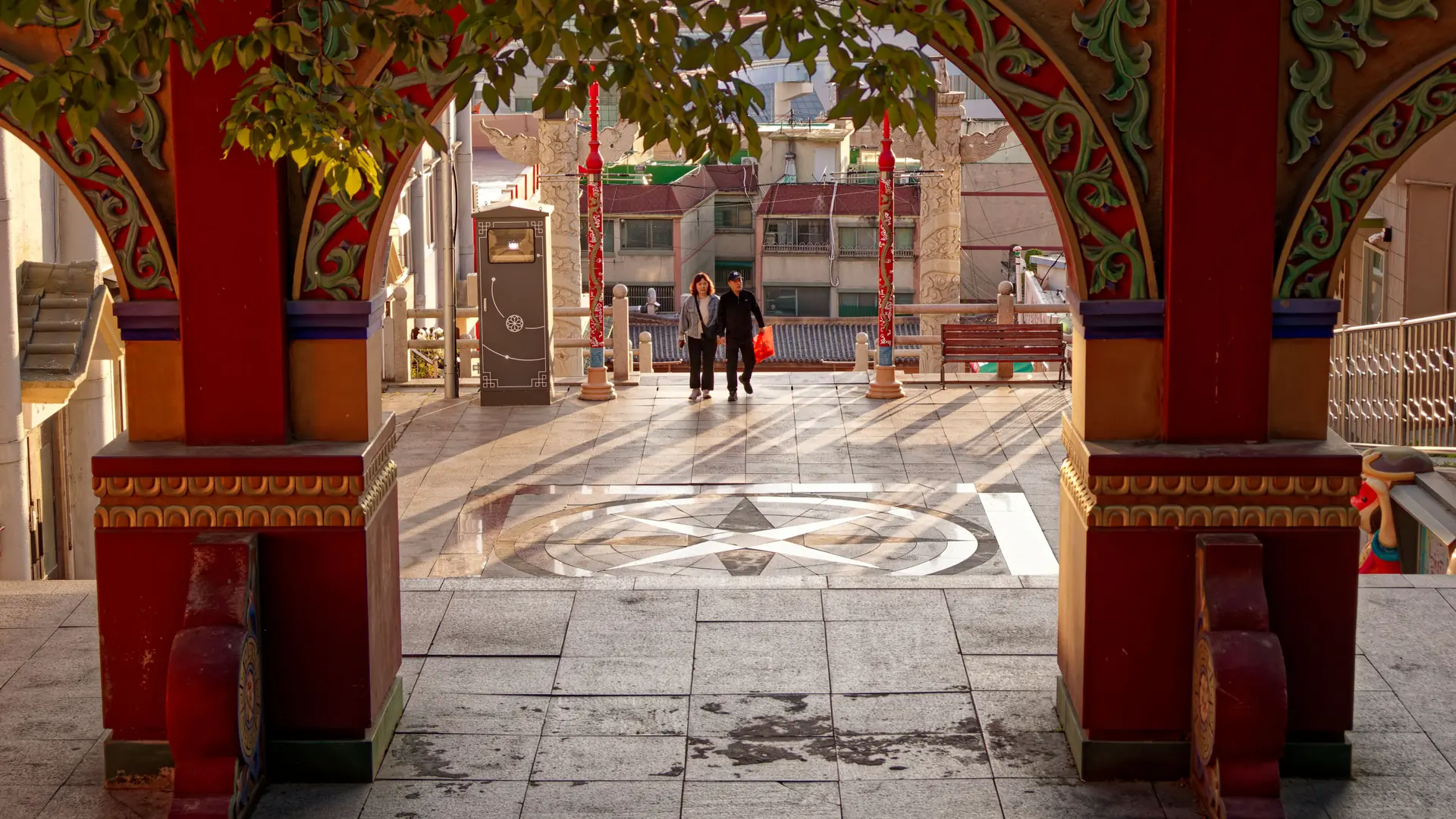
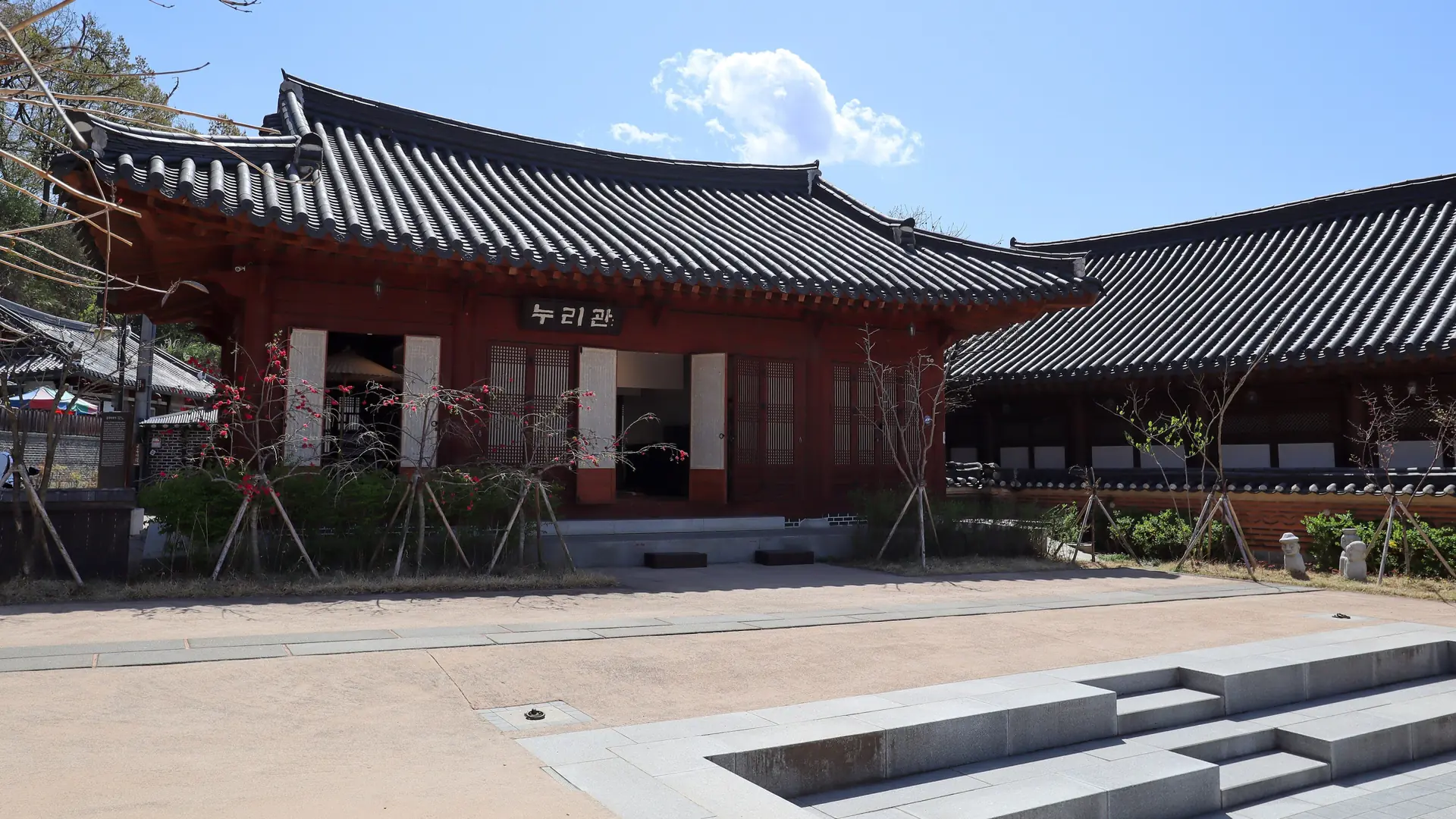
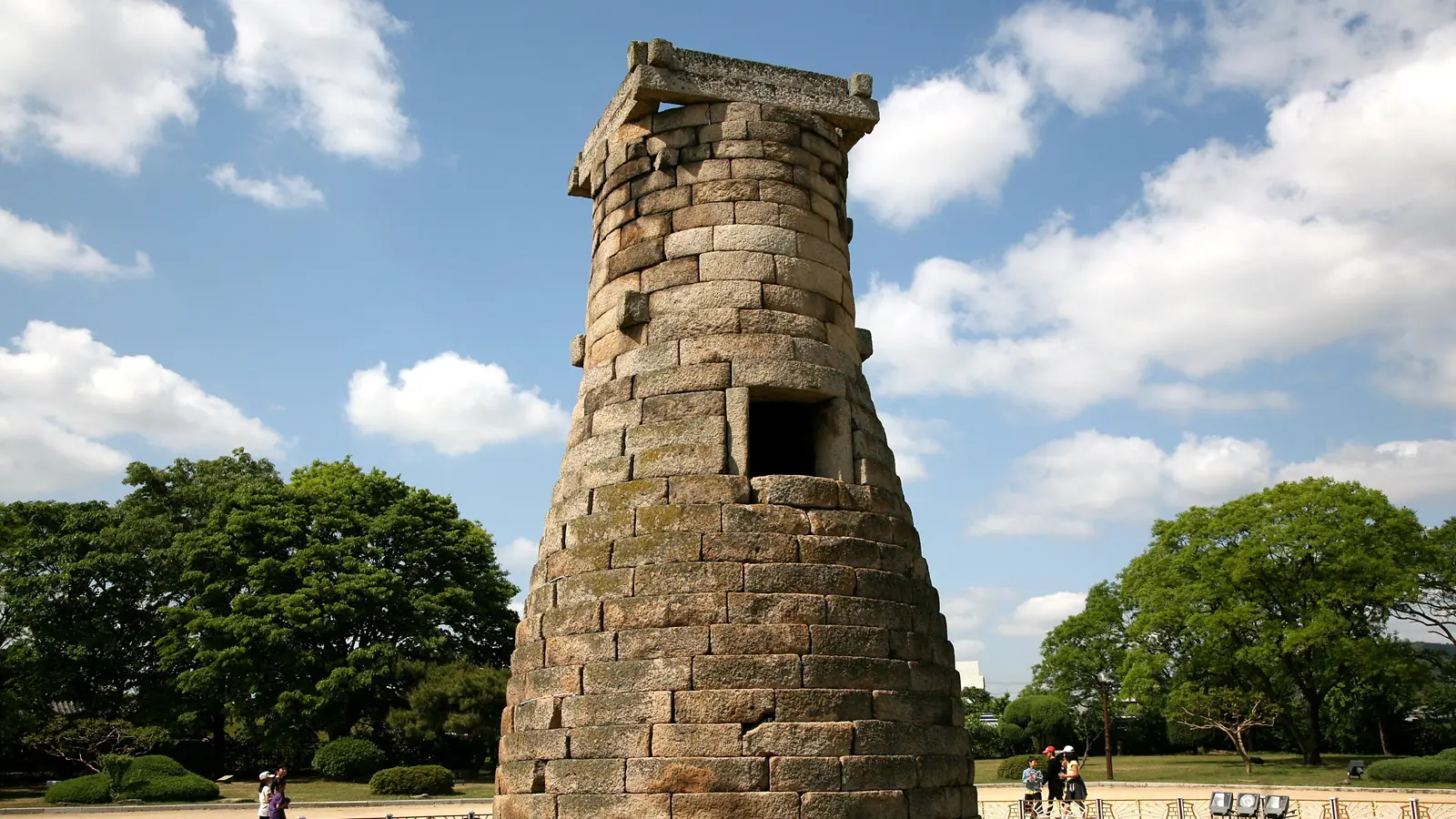
A stay near Hwangnidangil puts the tomb gardens and Cheomseongdae within an old-town walk, with Wolji Pond for the evening. The second day belongs to Bulguksa and Seokguram.
Read the Gyeongju guide →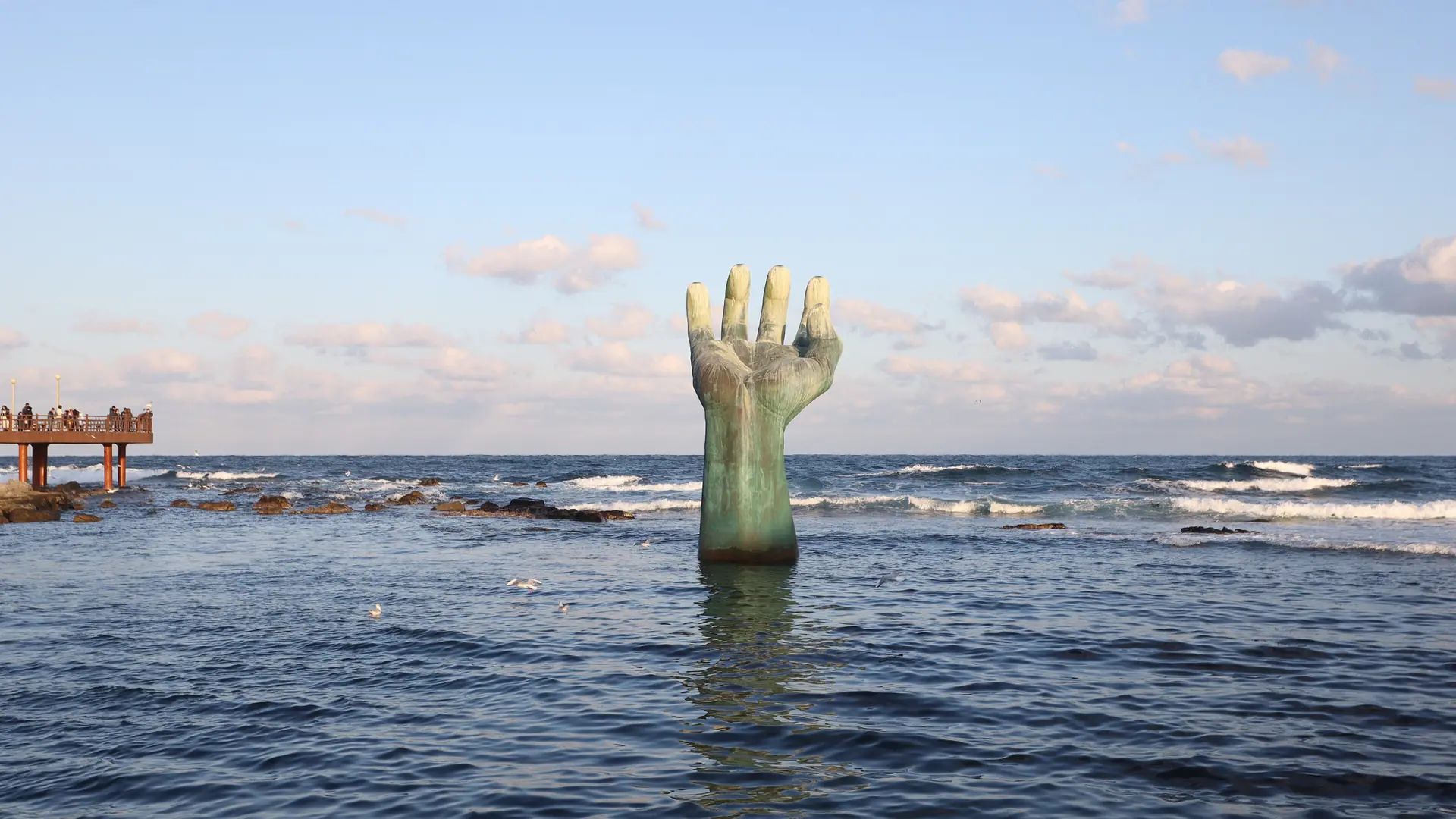 3
Homigot's sunrise cape, Yeongildae Beach and POSCO's steel skyline
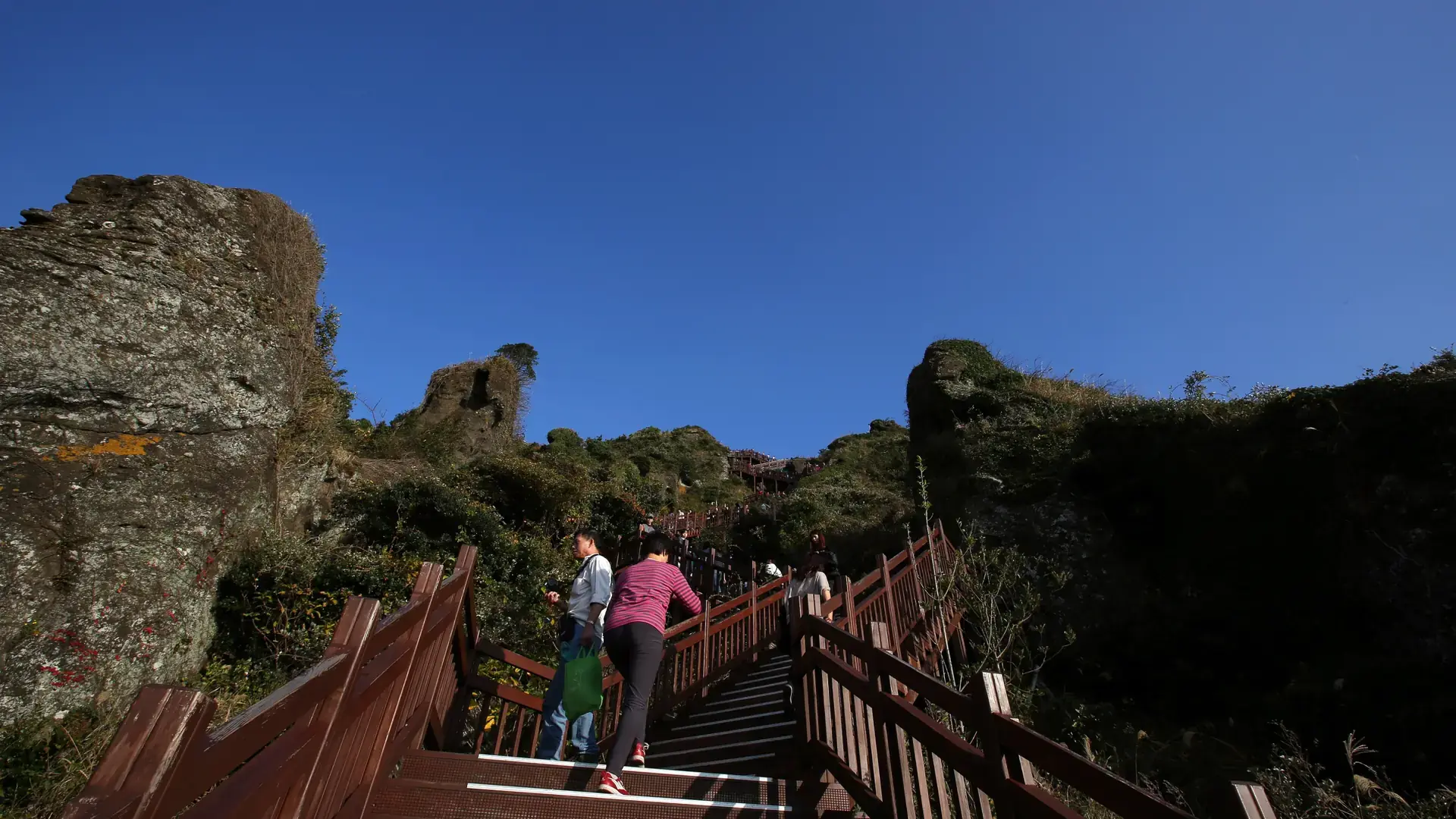
Arrive on day six for Jukdo Market and Yeongildae Beach, then spend the final morning at Homigot. One night fits this focused visit, with a taxi outing to the cape and a later onward departure.
Read the Pohang guide →Begin with Busan’s beaches and markets, spend two days among Gyeongju’s Silla landmarks, then finish by the sea in Pohang.
Arrive through Gimhae Airport or at Busan Station by train. From the airport, the light rail meets metro Line 2 at Sasang; the rest of the journey depends on the hotel district. Seomyeon sits on that line, while Haeundae means a longer ride east. Nampo makes a different starting point, closer to the old port and Jagalchi. A beach hotel gives the first evening an obvious pleasure: sand, sea air and dinner nearby. From a central or Nampo address, a local dinner and a short neighbourhood walk make an equally good landing.
Base: Busan
Give the morning to Haeundae Beach itself, then walk to Dongbaek Island, a small forested headland with a coastal boardwalk and views back across the bay. The two are near enough that no taxi is needed between them. In the afternoon, take a bus or taxi to Haedong Yonggungsa, a Buddhist temple built directly on the coastal rocks rather than the mountainside setting more typical of Korean temples. The walk down to the temple grounds passes a small bridge and striking rock formations worth slowing down for, and the coastal setting makes it feel distinct from a typical temple visit. The temple visit includes stairs and changes of level, a different sort of walk from the beachfront. Lunch around Haeundae fits between the morning coast walk and the ride east. Keeping the evening close to the hotel leaves time to sit down over dinner after the longer afternoon outing.
Base: Busan
Spend the morning at Gamcheon Culture Village, where pastel-coloured houses climb the hillside and murals appear between steep stepped lanes. It is still a neighbourhood of homes; the public lanes and marked viewpoints carry the walk between them. The slopes are part of the visit, with plenty of small pauses to look back across the roofs. Jagalchi makes a lively afternoon change, with live tanks downstairs and restaurants preparing seafood above. Choosing a fish and having it cooked are separate parts of the meal, with preparation charged in addition to the seafood. A simpler market lunch is another way to enjoy the bustle. Nearby BIFF Square adds street-food stalls and an easy wander around Nampo before the last Busan dinner. These western districts sit together more naturally than another journey back across the city to a beach.
Base: Busan
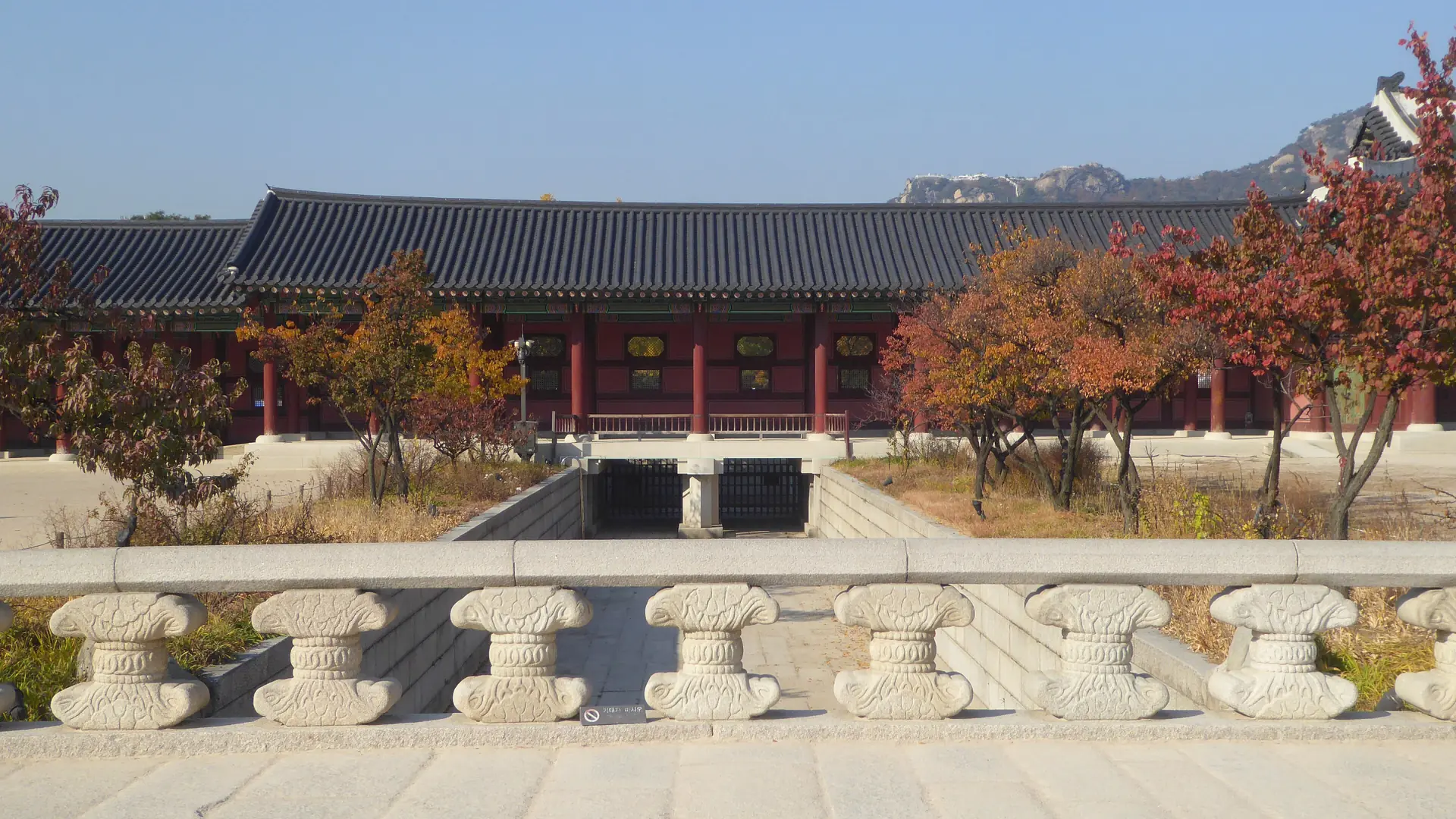
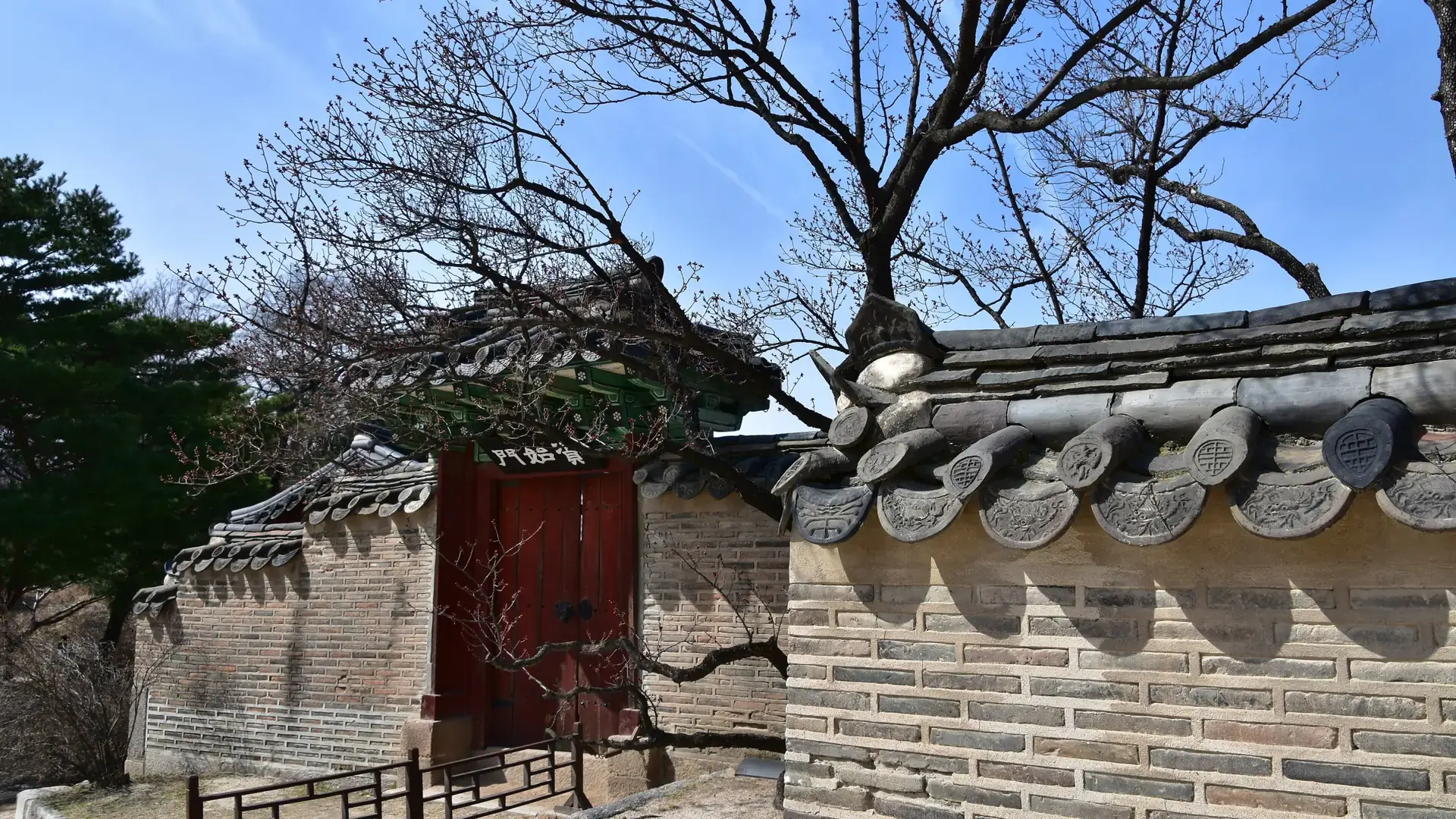
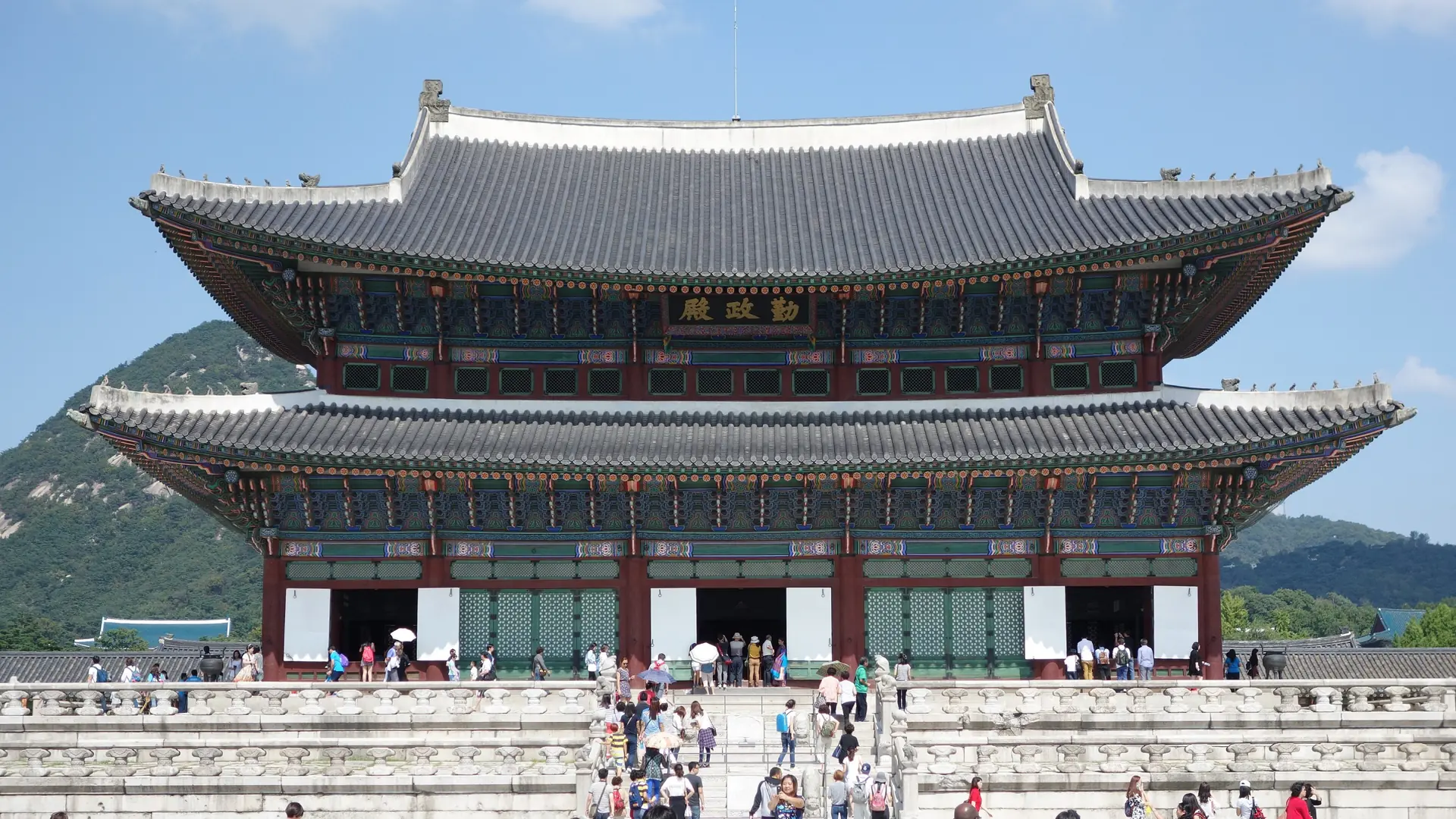
Take KTX from Busan Station to Gyeongju Station, then continue by bus or taxi to the hotel in the historic centre. The railway ride is the short part of this move; the station is out of town, formerly named Singyeongju. An early departure leaves a useful afternoon after the local transfer and bag drop. Daereungwon’s grassy tomb mounds and Cheomseongdae make a lovely first walk. Hwangnidangil’s cafés and restaurants sit beside the tomb area, giving lunch or a tea break a natural place in the afternoon. The Daereungwon gardens are free to enter, while Cheonmachong, the tomb interior, has a separate admission charge. After dinner, Donggung Palace and Wolji Pond bring reflections and illuminated pavilions into the evening.
Base: Gyeongju
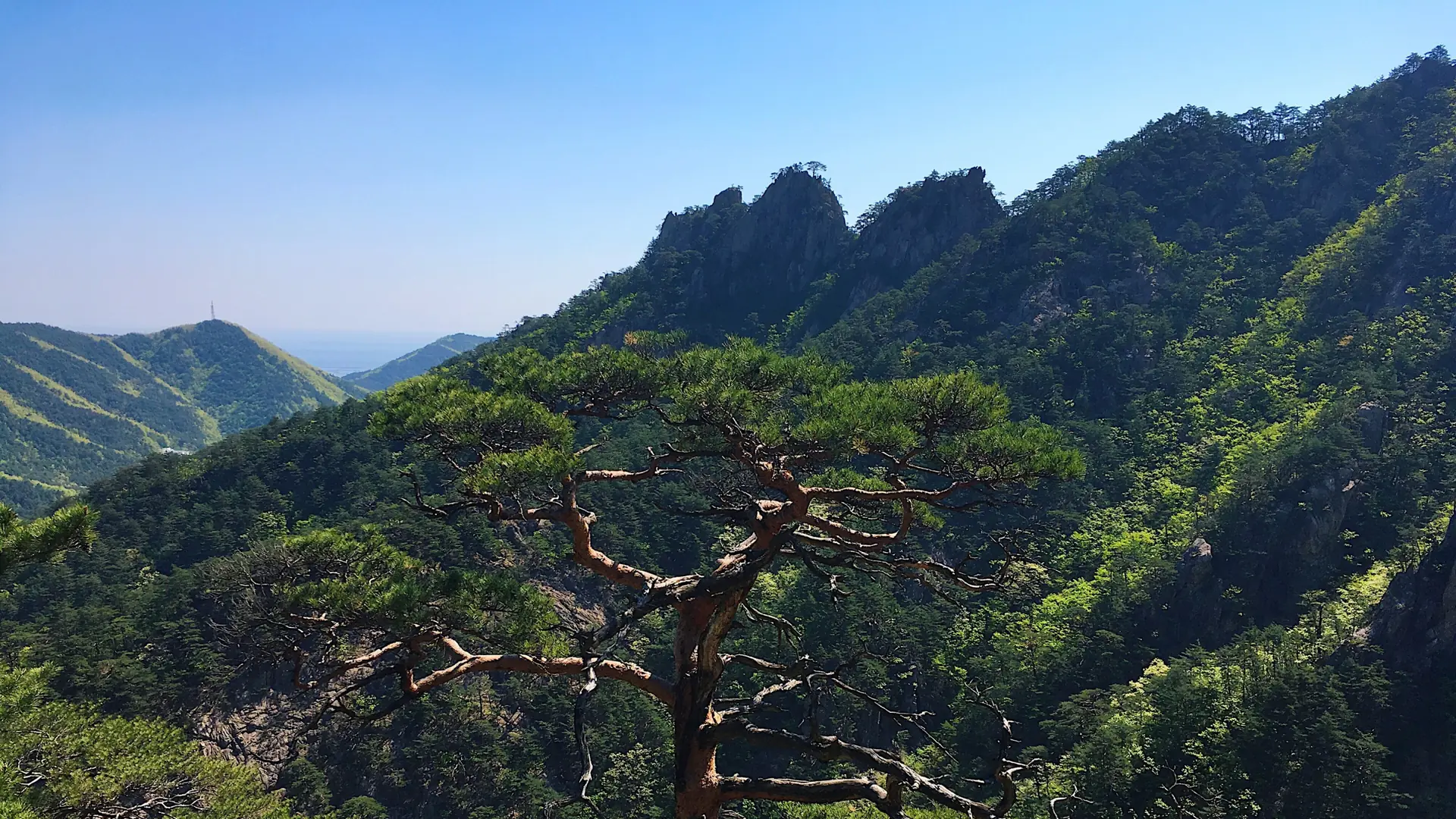
Give the day to Bulguksa and Seokguram, the paired UNESCO-listed sites from the Silla period. Bulguksa’s courtyards, stone terraces and pagodas have room for a slow morning. Seokguram lies farther up the mountain, with its Buddha set inside the grotto. Both sites have free admission; the journey between them is a separate cost. A taxi makes the two-site outing easier to shape around the visits. Public buses offer another approach, with more of the day given to the connections. Return to Gyeongju for dinner around Hwangnidangil. An earlier finish leaves time for a café or another old-town stroll.
Base: Gyeongju
Leave from Gyeongju Intercity Bus Terminal for Pohang Intercity Bus Terminal, a ride of about 40 minutes. The hotel journey comes after the bus, so the morning holds the move and bag drop before the city outing begins. A beach-area address puts the evening close to Yeongildae; a central hotel gives a different starting point for the market. Jukdo Market brings seafood stalls and a satisfying lunch stop into the first Pohang afternoon. Yeongildae Beach follows with a broad waterfront walk and its pavilion over the water. Hwanho Park’s Space Walk adds a more energetic option nearby: the steel structure is climbed on stairs, so it is an outing in its own right rather than a flat extension of the promenade. A beach walk and dinner are plenty for the quieter version.
Base: Pohang
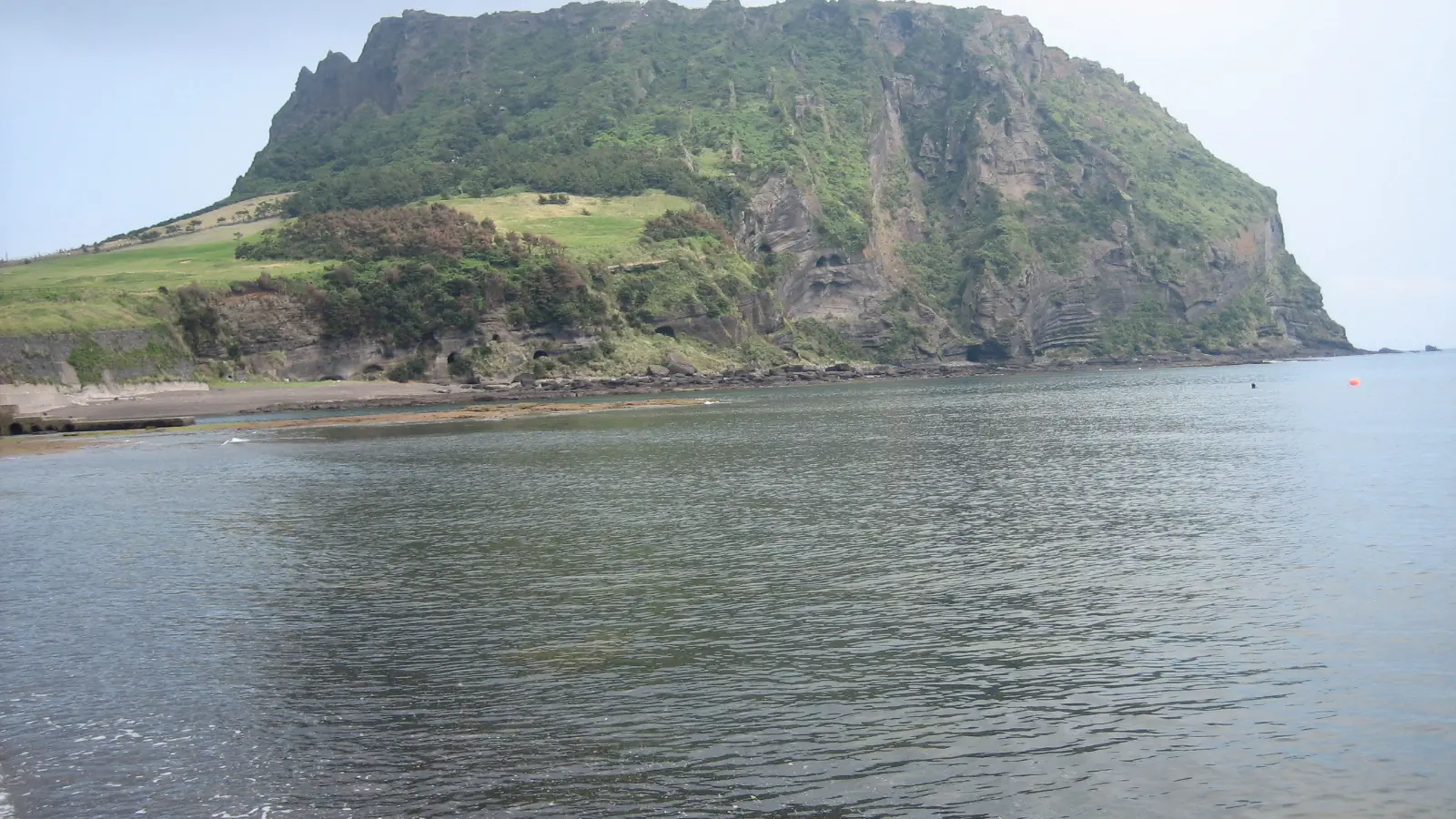
Homigot gives the last morning its focus: a bronze Hand of Harmony rises from the sea, with another on the shore. For sunrise, the outing starts before dawn with a dedicated return taxi from the city. That taxi is part of this version of the route, rather than an assumption that the first public bus reaches the cape in time. Daylight brings a gentler alternative, with the sculpture and open sea still making the journey worthwhile. Give the cape the morning, then return for bags and the onward journey. KTX from Pohang offers a route towards Seoul; a bus back to Busan is another continuation. Neither is included in the two intercity legs that bring this itinerary to Pohang. A later train or bus fits the morning outing. An early international departure belongs after a further overnight near its gateway airport, extending the trip beyond the six nights here.
Base: Pohang
Take KTX from Busan Station to Gyeongju on day four, then the intercity bus to Pohang on day six.
2 transfers
Busan Gyeongju
Take KTX from Busan Station to Gyeongju Station, formerly Singyeongju. Continue by local bus or taxi to the historic centre; the railway station is outside the old-town walking area.
Gyeongju Pohang
The bus links Gyeongju Intercity Bus Terminal with Pohang Intercity Bus Terminal. It is a short regional move; the onward ride to the Pohang hotel adds time after arrival.
For October–November 2026 outside holiday peaks, allow roughly US$550–950 per person with two adults sharing rooms and the Homigot taxi. This covers the route through Pohang; international flights and onward gateway transport are extra.
Booking tips
Busan rooms across beach and central districts. Haeundae suits the coast; Seomyeon and the station area give a different starting point for the city days.
This map plots the three overnight bases, not the exact KTX track or bus road.
Busan → Gyeongju → Pohang
It gives an arrival afternoon for Jukdo Market and Yeongildae, followed by a separate Homigot morning before a later departure. That is the focused visit planned here. A second night would leave more room for the steel sculpture walk or another coastal outing.
Yes: one Pohang night, two in Gyeongju and three in Busan keep the same six-night total. The Homigot outing then comes near the start. Finishing in Busan also puts the final nights closer to Gimhae for an international departure.
A normal KTX booking specifies a train and seat. This route uses Busan Station and Gyeongju Station, followed by a bus or taxi into the historic centre. A hotel beside the tomb gardens is close to the evening walk, rather than to the out-of-town railway station.
Day four brings the train arrival, tomb gardens and an illuminated evening around Wolji. Day five belongs to Bulguksa and Seokguram, returning to the same hotel.
The sunrise version here uses a dedicated return taxi from the city before dawn. It does not depend on a first public bus arriving in time. A daylight visit is the gentler alternative, with the bronze hand and sea views still giving the cape its appeal.
Both have free admission in the current Korea Tourism Organization listings. The journey between the two mountain sites is a separate expense.
Editorial team StartBooker
Checked on 2026-10-17
Updated
Research approach: The overnight sequence was reconciled with all seven days. Korea Tourism Organization records support the cape, Pohang sights and free temple admission; Korail and regional transport records support the connections. Independent district and cost guides inform the hotel choices and explicitly labelled planning allowances.
19 Source records
Find another destination and compare its areas and accommodation.
Compare routes by length, stops and transport.