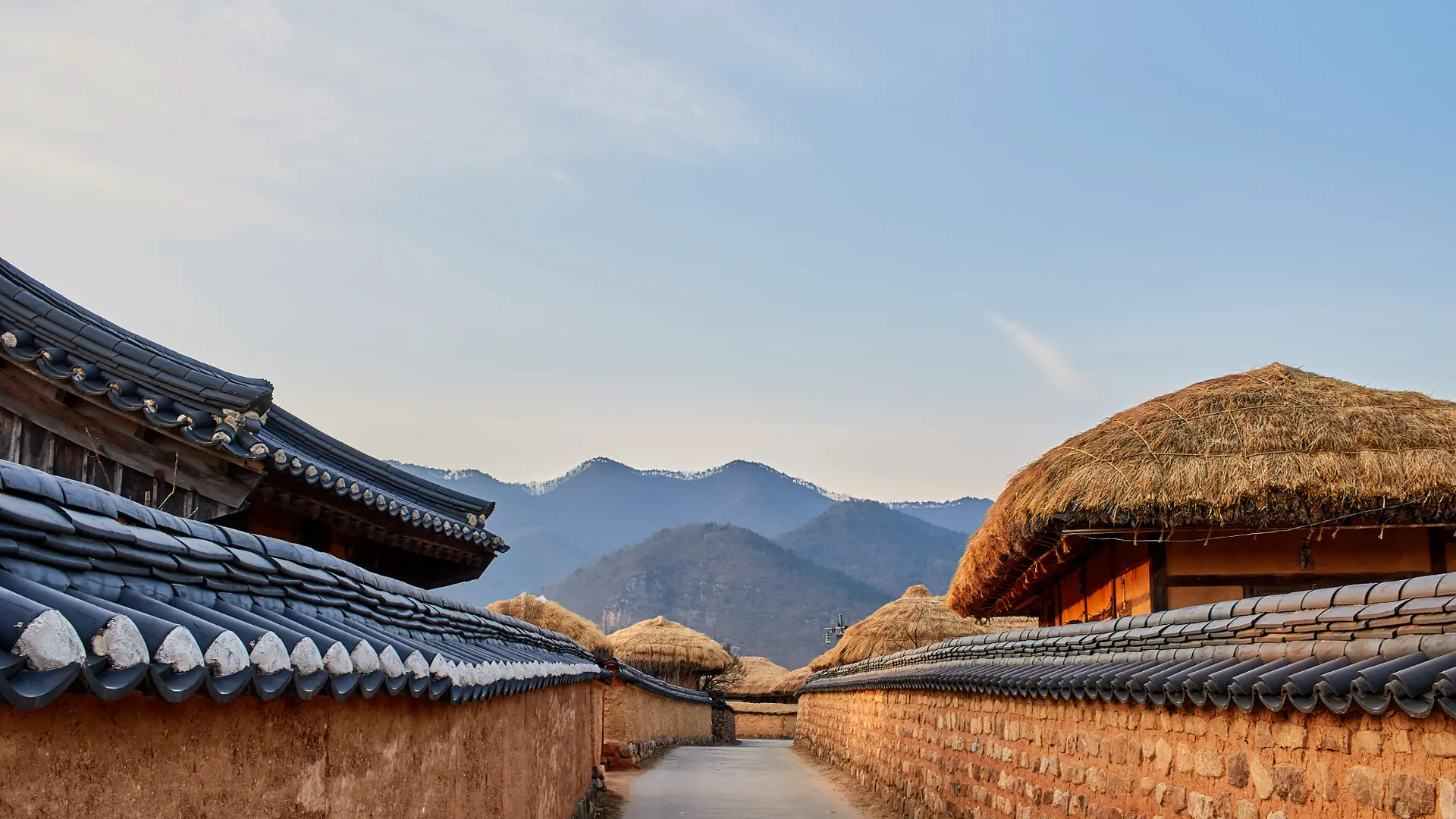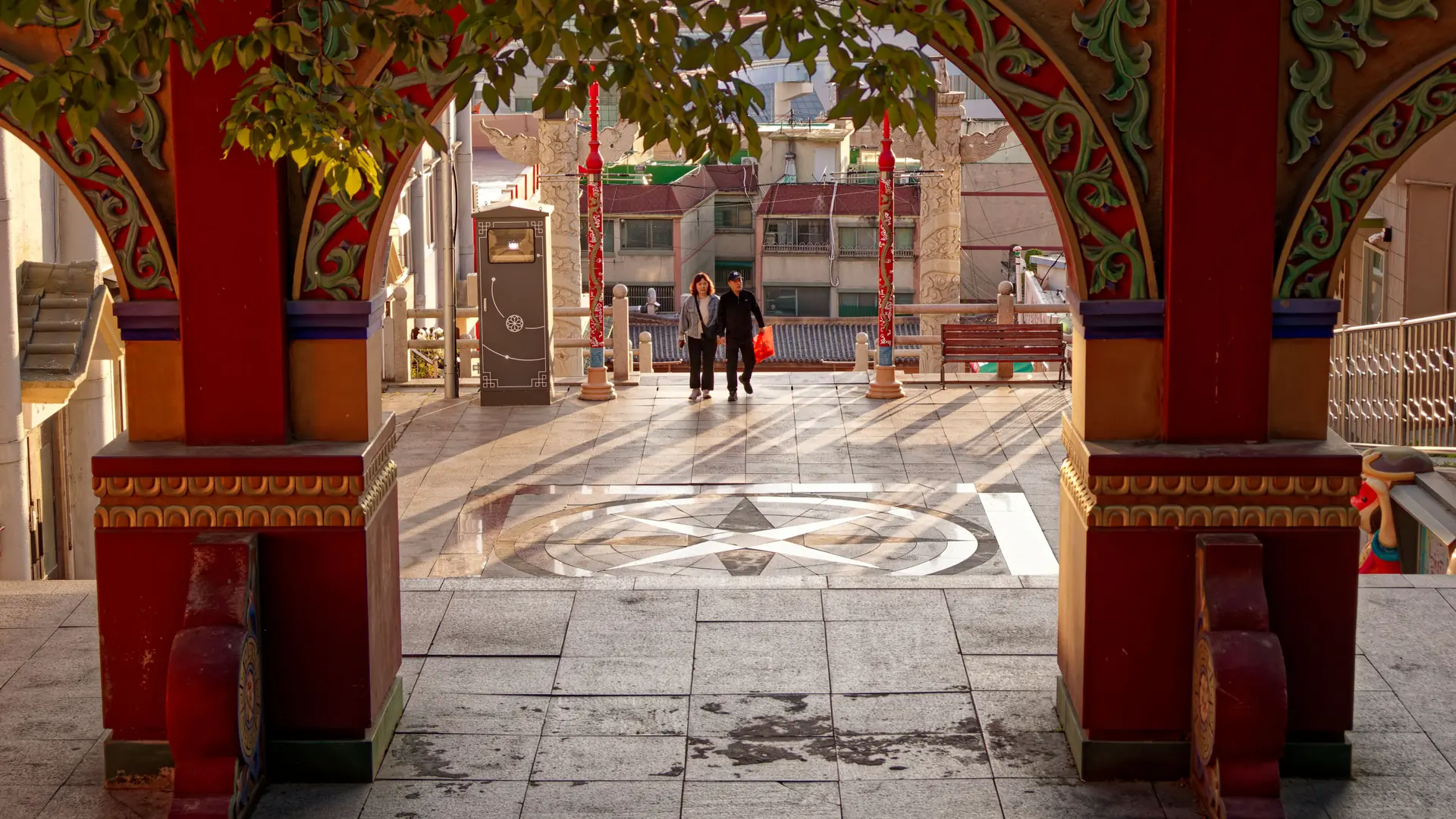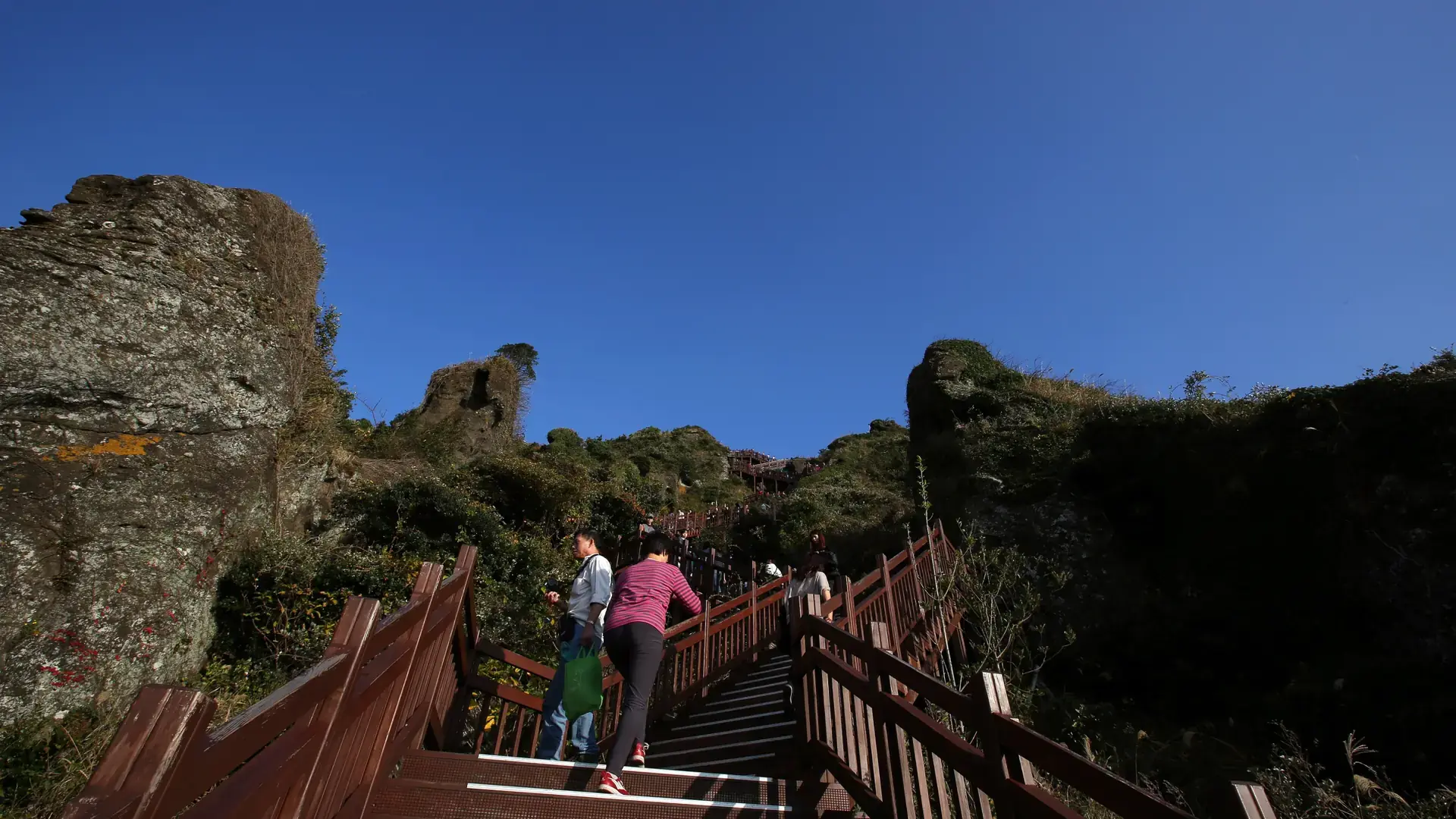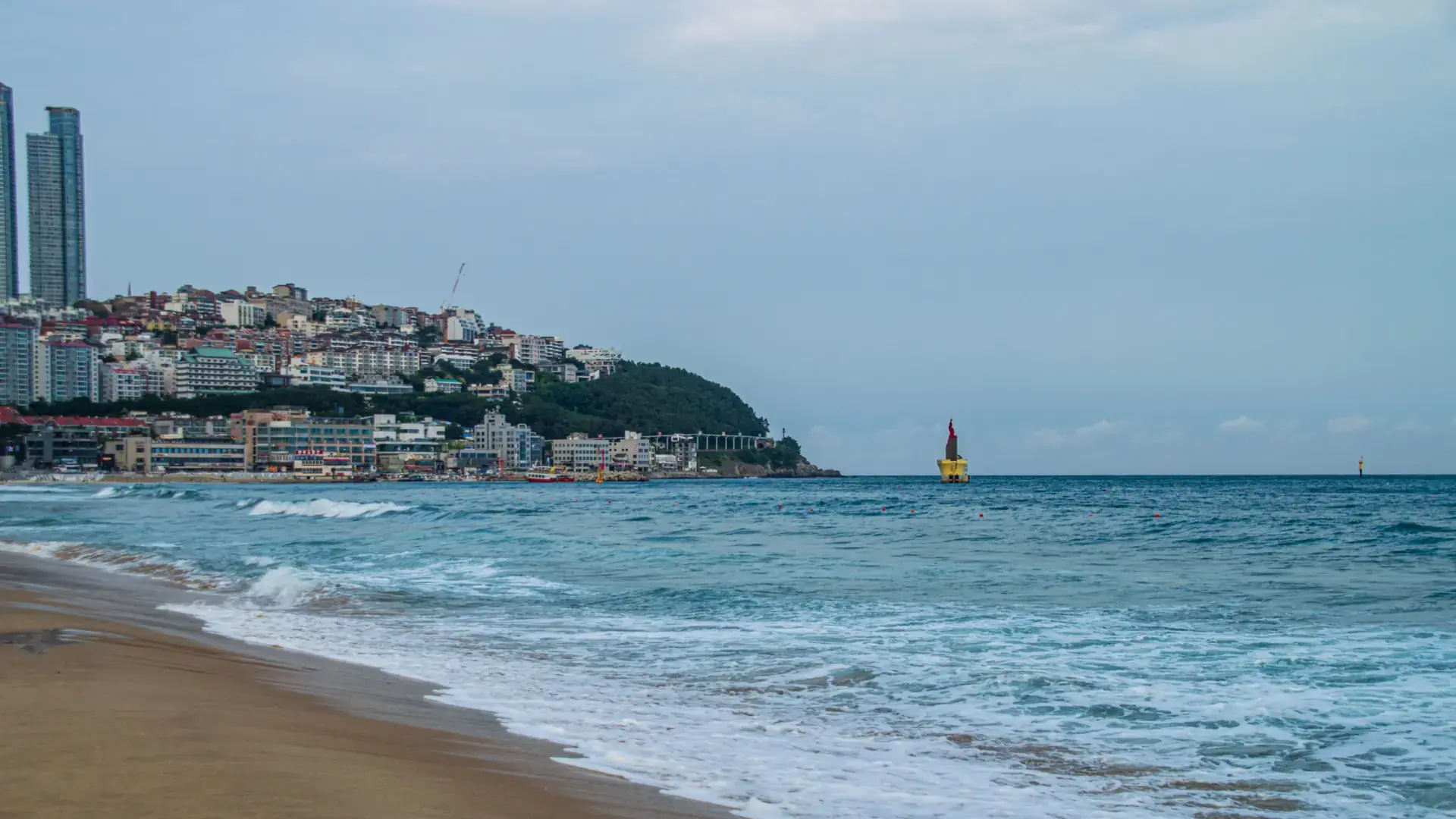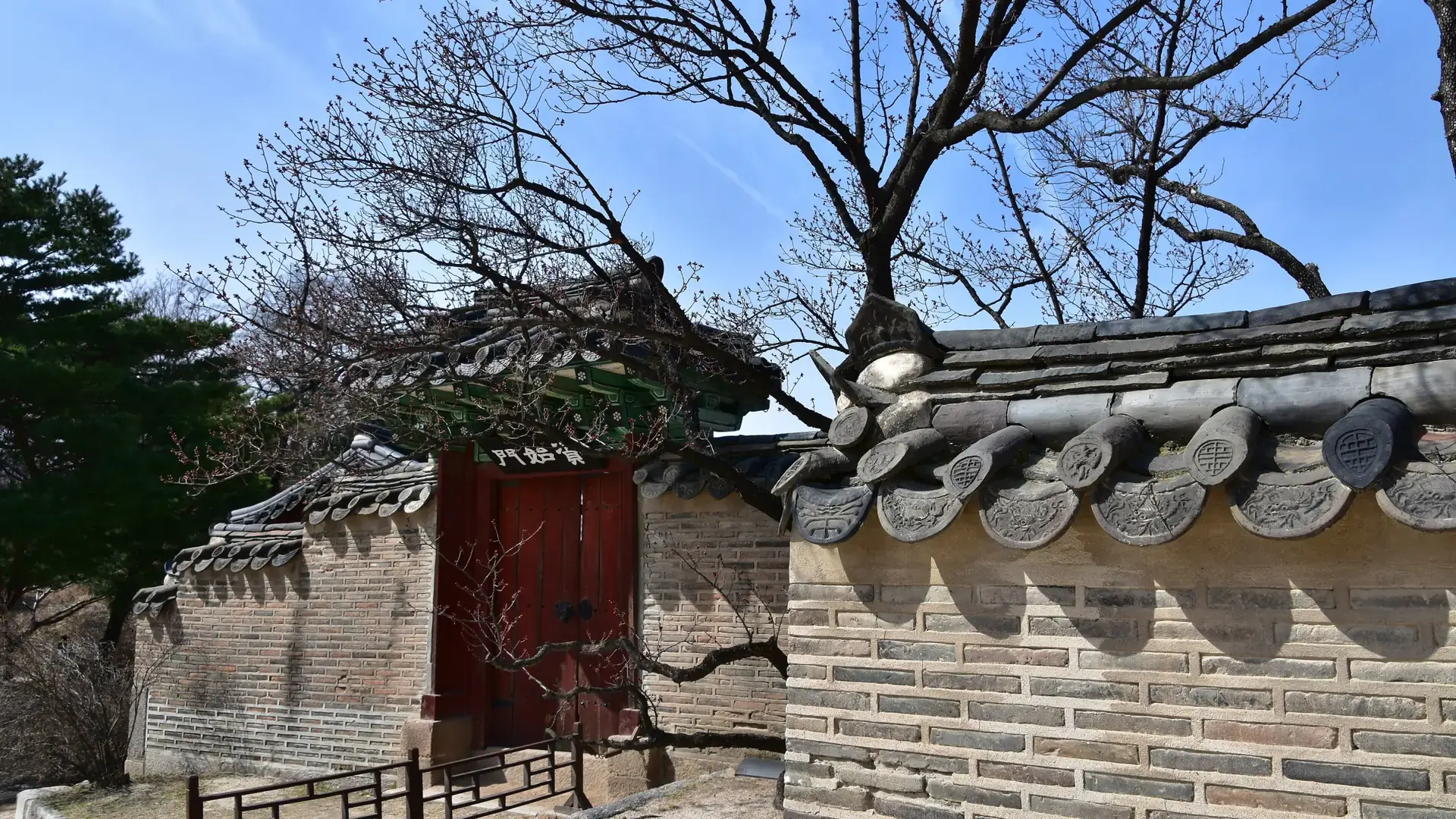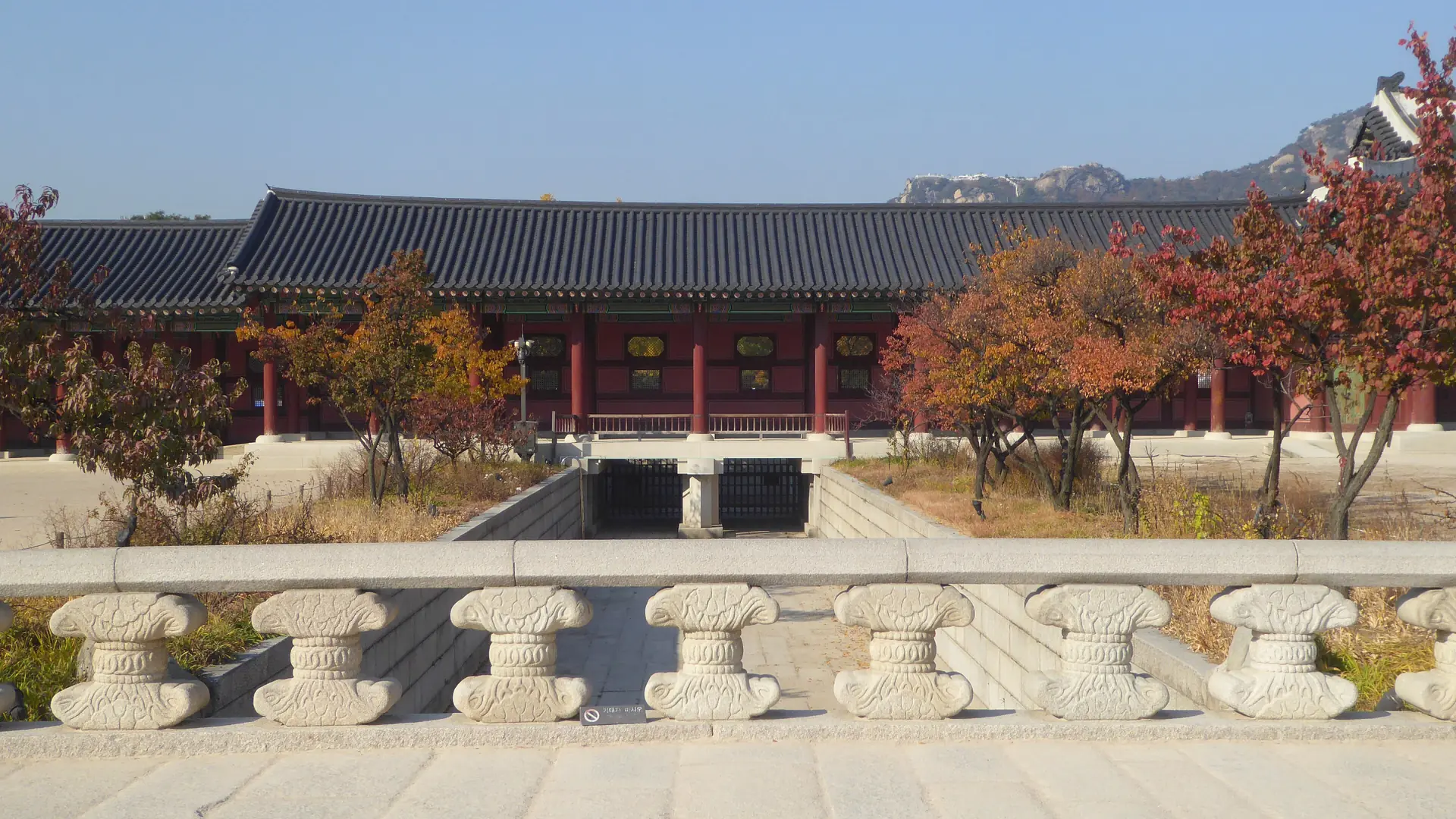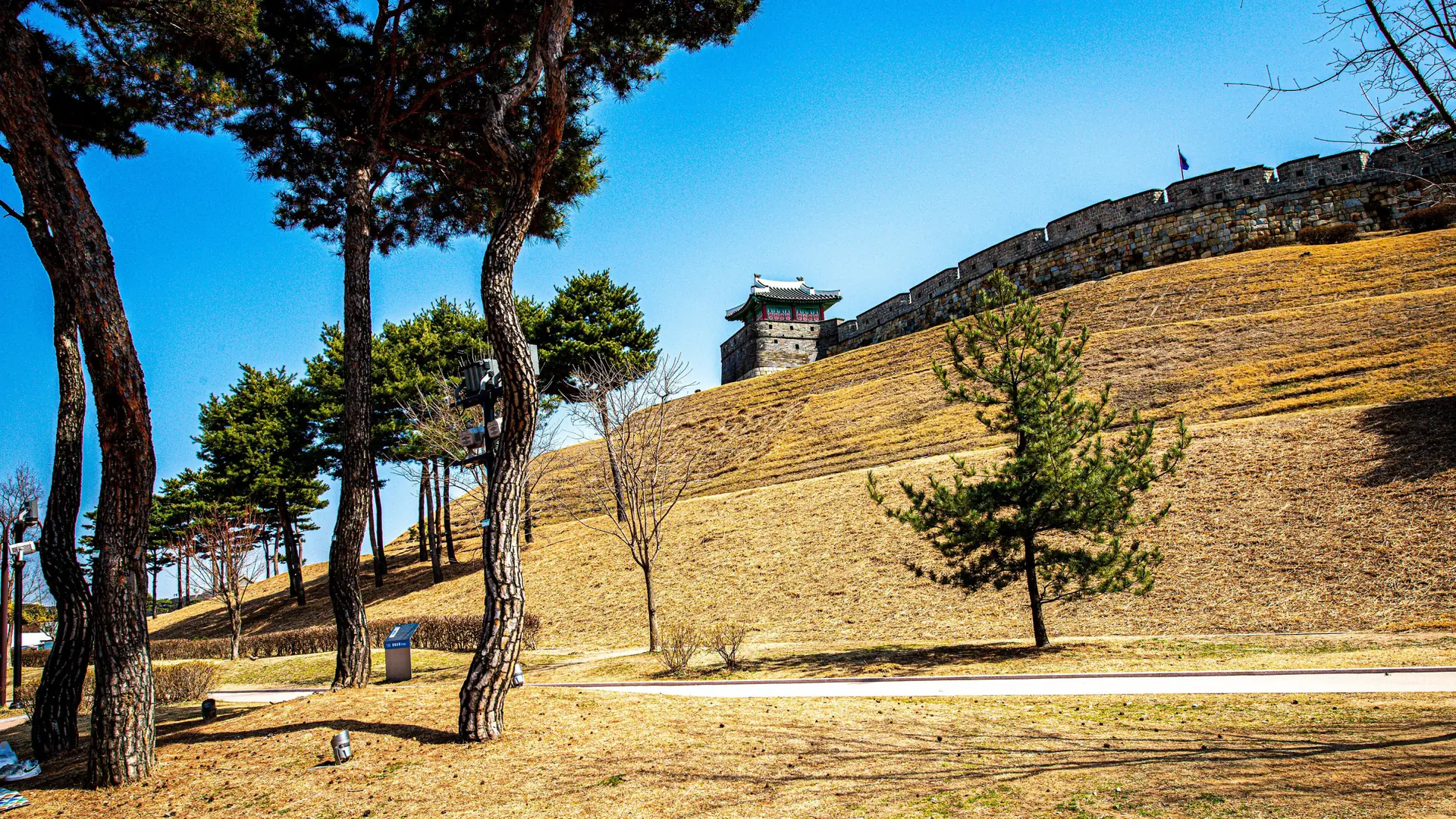
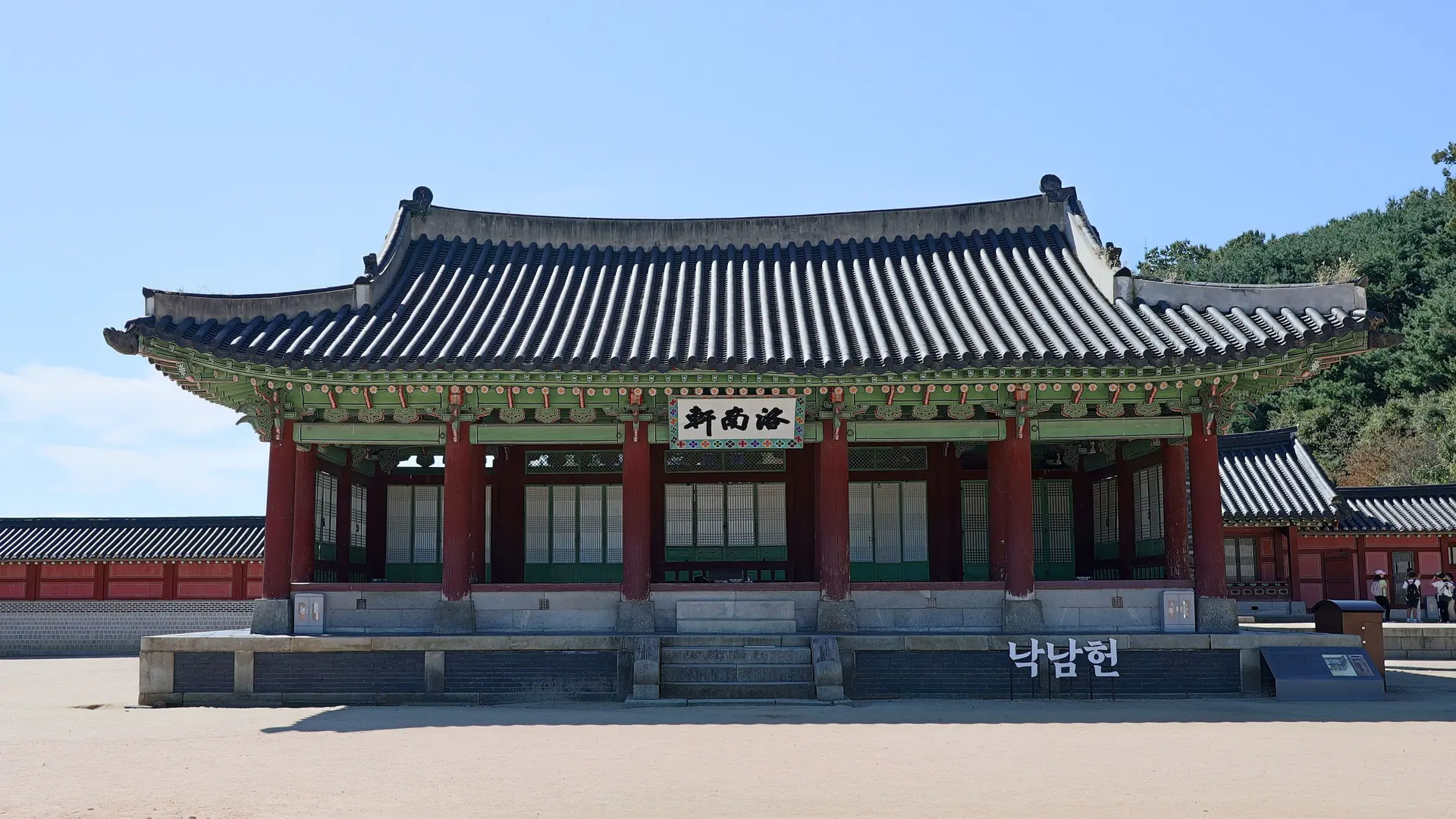
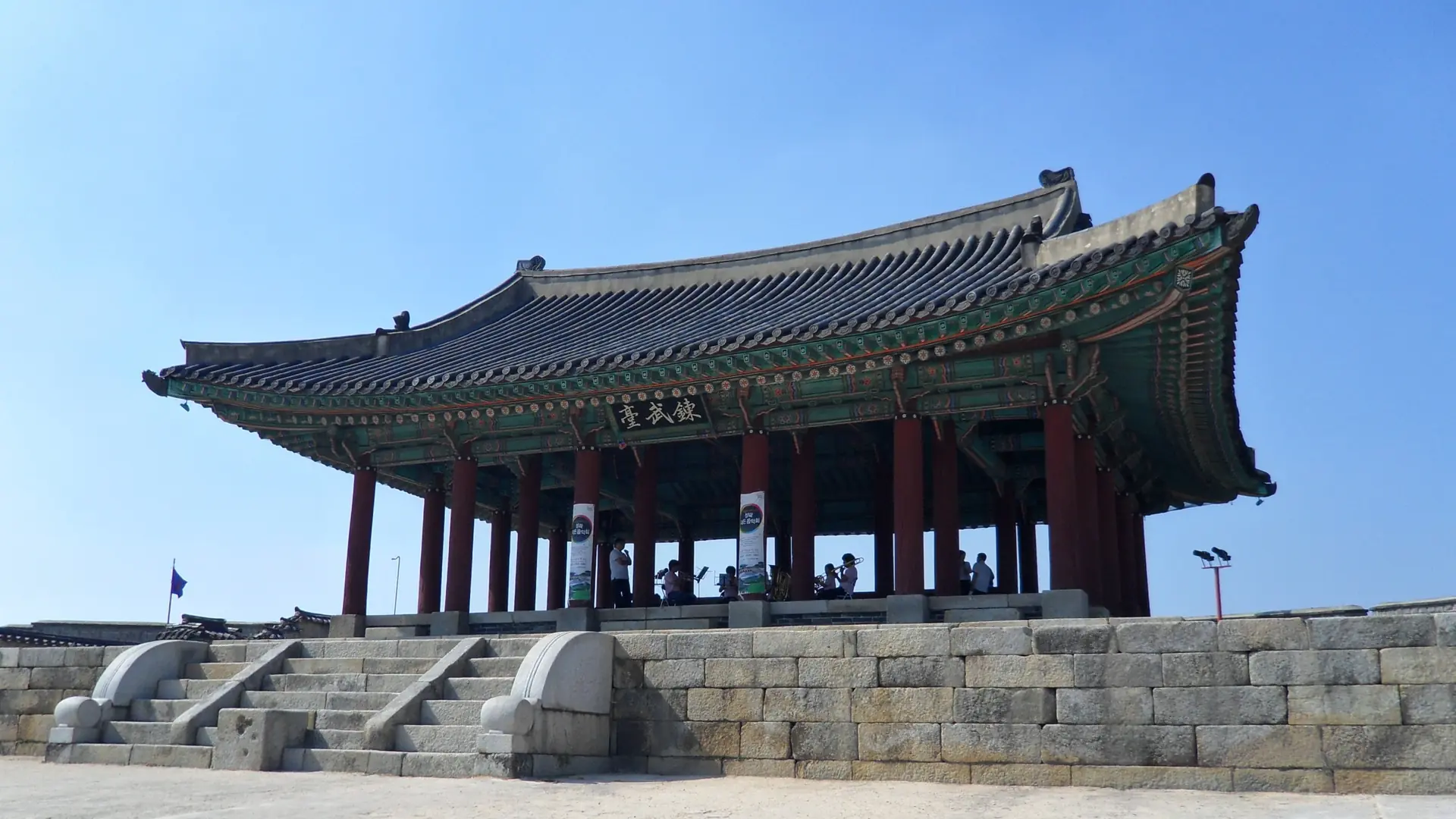
Hwaseong Fortress's stone walls and watchtowers in Suwon under a bright blue sky

Suwon: A UNESCO Fortress on Seoul's Own Subway Line

Loading Suwon hotel search

Suwon at a glance

Suwon's fortress belongs to a living city: a wall walk can lead into cafe lanes, a palace visit or a meal beside the stream. Haenggung-dong puts those historic streets closest to your room, with Hwaseong Haenggung Palace as a useful starting point. Around Paldalmun, the southern gate, markets and nearby fried-chicken restaurants give the day a different focus. Ingye-dong around Suwon City Hall offers a modern hotel district and places to eat, while Suwon Station makes the rail connection the easiest part of the stay. These are separate choices rather than different names for one centre. The fortress walls extend for about 5.7 kilometres over flat and hilly ground, so even a day inside the historic core can have very different amounts of climbing. One night works for a palace visit and a chosen stretch of wall; two let you explore further, stop at cafes and give a wanggalbi meal the time it deserves. Line 1 brings Suwon into the metropolitan rail network, followed by a local journey to the fortress.

Best first-timer base Haenggung-dong by the palace

Cafes and the historic streets around Hwaseong Haenggung put the palace and chosen sections of fortress wall into one walking day.

Getting here from Seoul Line 1 to Suwon Station

Suwon is part of the metropolitan subway network. The station is a separate arrival point from the palace and fortress streets.

Getting around Walk the fortress core; bus or taxi elsewhere

Haenggung-dong and Paldalmun fit a historic-core walk. The western wall climbs Paldalsan; City Hall and the main station are separate bases.

When to visit April-May or Sept-Oct

Mild weather for walking the fortress ramparts; late June into July turns wet once the Changma rains set in.

StartBooker answer

Where is the best place to stay in Suwon?

Haenggung-dong is the easiest first base for Hwaseong Haenggung Palace, fortress walks and cafe stops. Paldalmun puts the southern gate, market streets and the nearby fried-chicken restaurants into the same outing. Ingye-dong around Suwon City Hall suits a modern hotel and restaurants outside the historic core. Suwon Station works when rail access comes first: it serves metropolitan Line 1, the Suin-Bundang Line and intercity trains, with a local ride onward to the fortress. One night gives the palace and a section of wall their own day; two leave room for a longer walk and an unhurried meal.

Heritage
Hwaseong Fortress joined the UNESCO World Heritage List in 1997.
Palace visit
Hwaseong Haenggung was King Jeongjo’s temporary residence.
Rail arrival
Suwon Station serves Line 1 and the Suin-Bundang Line.

Things to do in Suwon, South Korea

Explore tours, attractions and local experiences in Suwon, South Korea.

Loading activities…

Activities provided by GetYourGuide. We may earn a commission on bookings.

AI-powered

Ask the Suwon planner

Get a base match depending on whether fortress sightseeing, market food, nightlife or a simple subway connection matters most.

Suwon's four first-visit bases compared

Haenggung-dong and Paldalmun belong to the historic core, with the palace, gate and market streets connecting on foot. Ingye-dong around City Hall offers a separate modern hotel base. Suwon Station serves the rail journey, with buses carrying you onward to the fortress.

Dongjangdae, Hwaseong Fortress’s eastern command post, with a tiled pavilion above broad stone steps in Suwon

Haenggung-dong

cafes, galleries, fortress sightseeing

The cafe- and gallery-filled quarter inside the fortress walls, beside Hwaseong Haenggung Palace.

first-trip culture food walkable
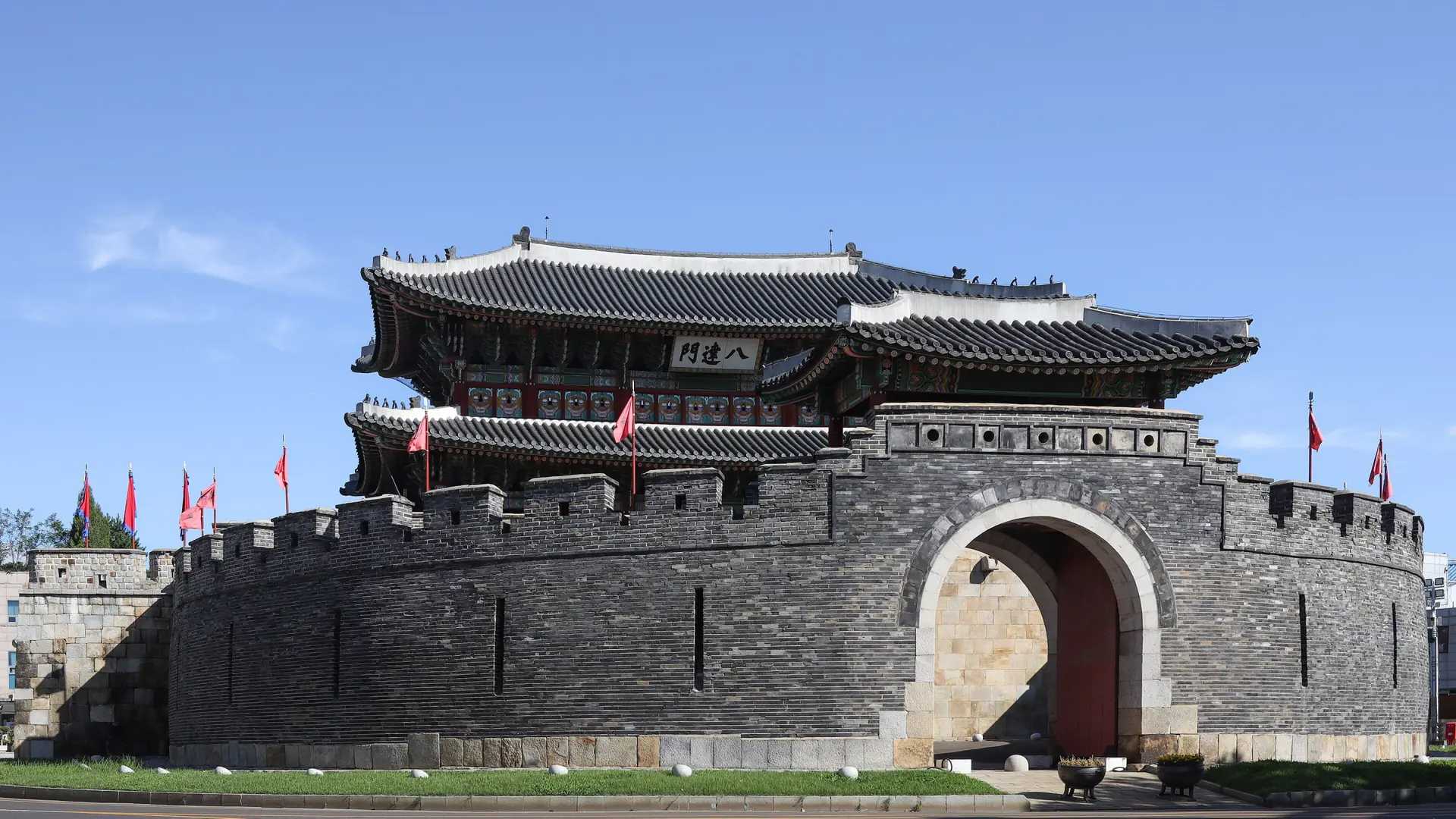
Paldalmun Gate's circular stone fortifications in Suwon, under a bright blue sky

Paldalmun / Nammun Market

traditional markets, wanggalbi and tongdak

Paldalmun is Hwaseong's southern gate, with traditional markets and the stream-side fried-chicken restaurant area nearby. A stay around here suits a day that moves between the gate, shopping streets and a shared chicken meal.

food local-vibe budget
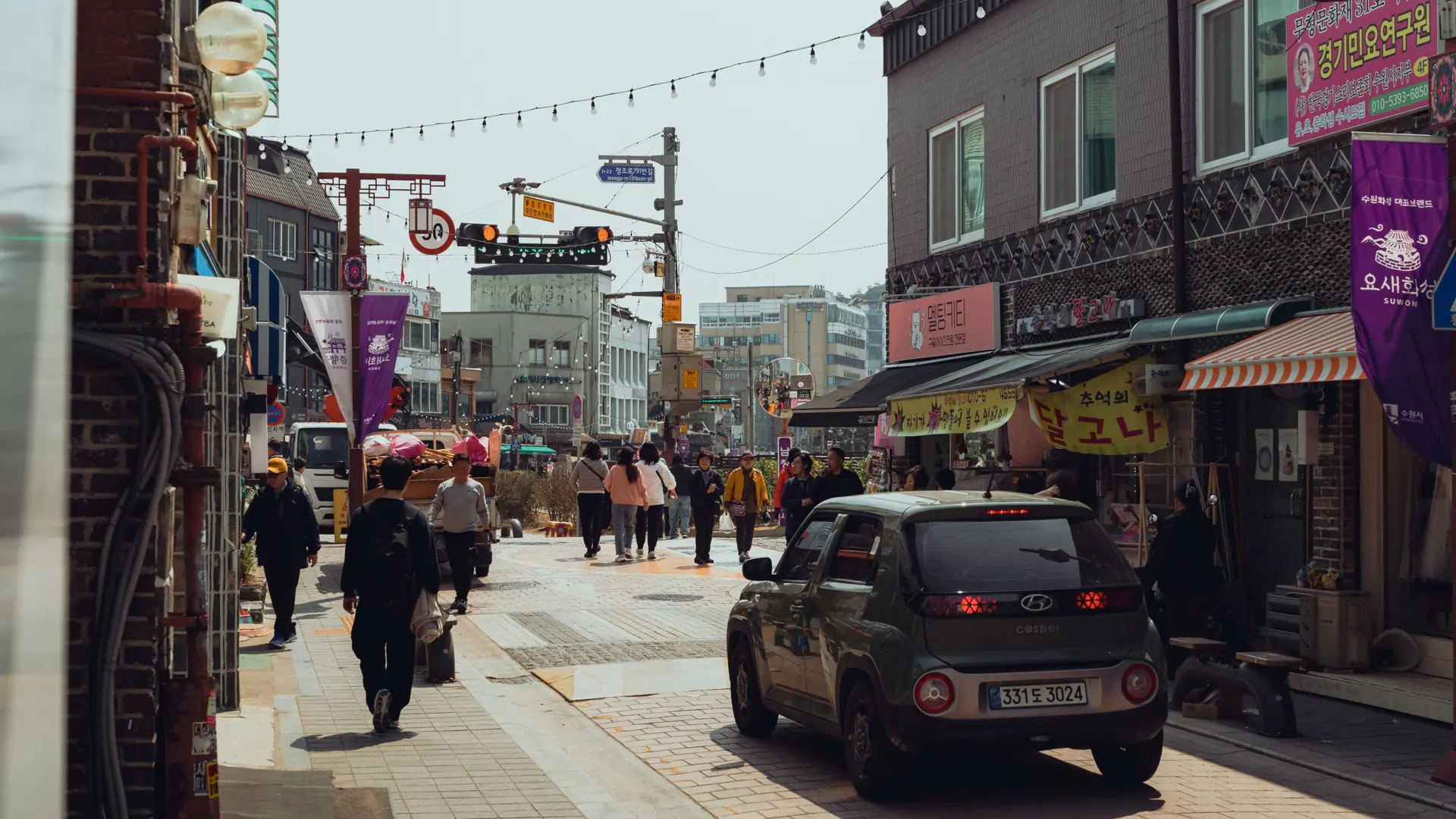
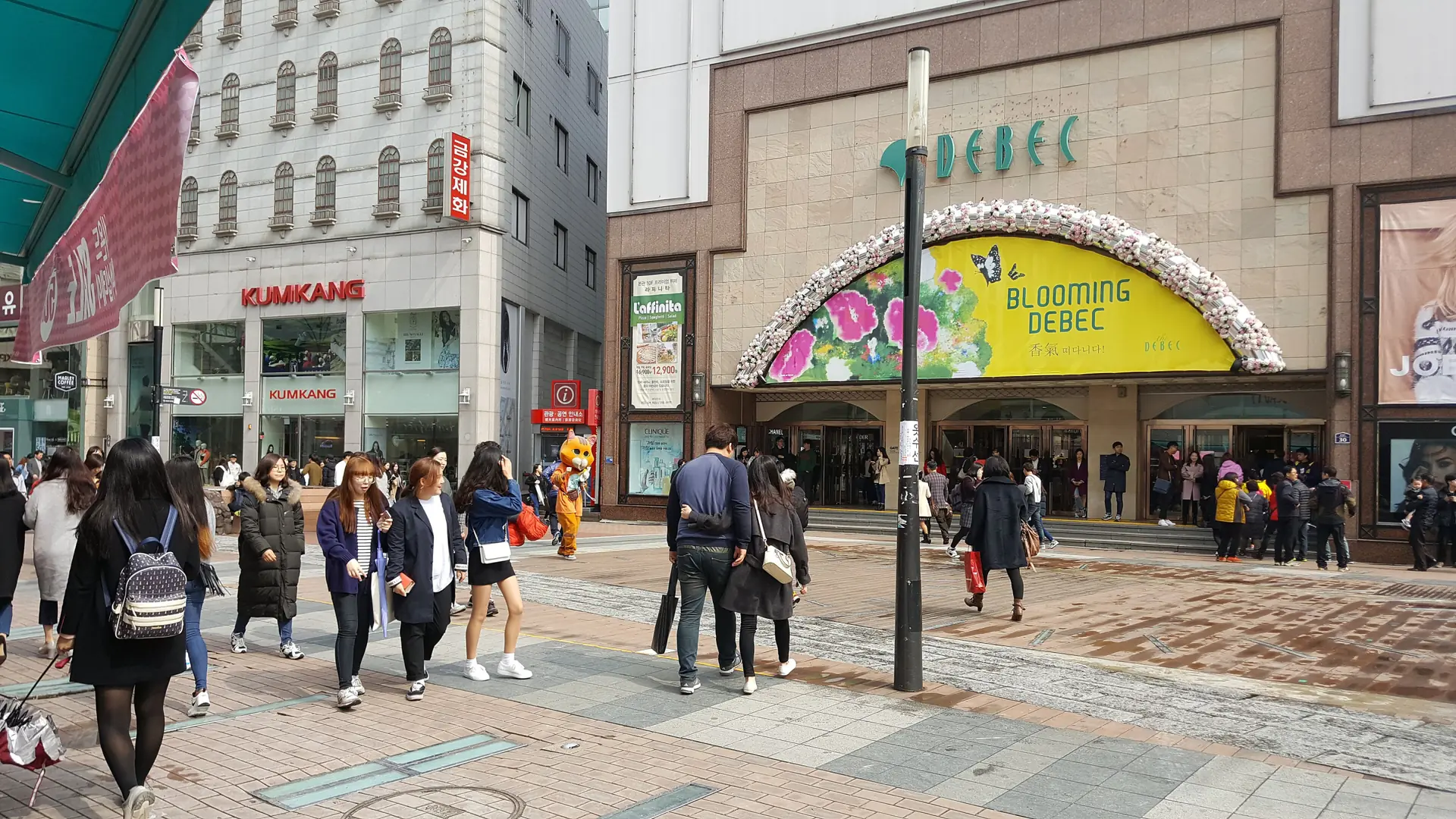
A Suwon shopping street with pedestrians, shop signs and overhead banners in bright daylight; city context

Ingye-dong

modern hotels and evening restaurants

Ingye-dong around Suwon City Hall has a cluster of modern hotels and restaurants on the Suin-Bundang Line. It puts a different part of the city outside your room, with a bus or taxi journey to the palace and fortress.

nightlife budget near-transport
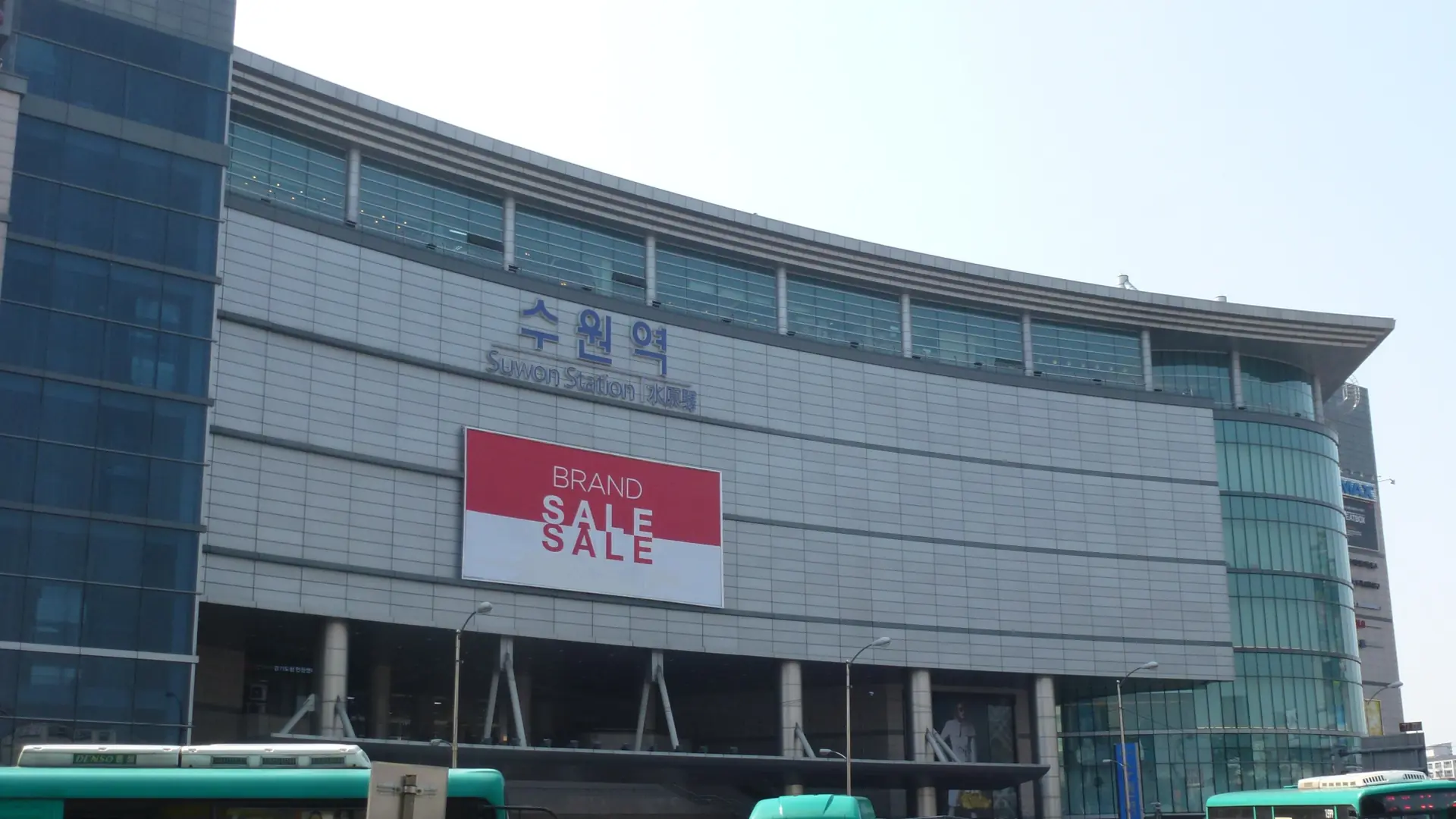
Suwon Station's exterior with its Korean and English signage, buses in front, in bright daylight

Suwon Station area

a simple subway connection to Seoul

Suwon Station brings Line 1, the Suin-Bundang Line and intercity rail together. A room nearby suits arrivals, departures and journeys to Seoul, while the palace and fortress remain a local bus or taxi ride away.

near-transport without-car budget
Compare Suwon's four bases
Area Best for Features Getting around
Haenggung-dong

Cafes, fortress sightseeing

Smaller hotel selection

Walk to the fortress ramparts and Paldalmun
Paldalmun / Nammun Market

Southern gate, markets and fried chicken

Market streets rather than palace-side lanes

Walking distance to Haenggung-dong
Ingye-dong

Modern hotels and restaurants

A ride from the fortress core

Suin-Bundang Line; bus to the fortress
Suwon Station area

Simple Seoul access

A ride from the fortress core

Direct Seoul Subway Line 1

Choose Suwon by what your trip needs most

Haenggung-dong, Paldalmun and Ingye-dong sit within a short bus ride of each other, so the decision comes down to which single factor should be right outside your door each morning.

Walkable fortress sightseeing and cafes

Haenggung-dong puts the palace and historic streets near your room, with cafes and restaurants for a break between sections of wall.

Suwon's signature market food

A room near Paldalmun pairs the southern gate with market streets and the nearby fried-chicken restaurant area along the stream.

Modern hotels around City Hall

Ingye-dong around Suwon City Hall offers a cluster of hotels and restaurants, with the Suin-Bundang Line serving this part of the city.

The simplest possible Seoul connection

A room near Suwon Station suits a stay shaped around rail arrivals, departures or trips into Seoul. Local buses provide the connection to the historic core.

Suwon hotels by area

Live stays within Suwon, including the station, City Hall and other city districts.

See Suwon stays →
Loading Suwon hotels

Getting to and around Suwon

Suwon is connected to Seoul by metropolitan Line 1 and by intercity trains. Suwon Station serves the rail arrival, while the palace and fortress are reached by a local journey beyond it. The City Hall hotel district also has its own Suin-Bundang Line stop.

Arriving from Seoul

Subway Line 1

Line 1 connects Seoul with Suwon Station as part of the metropolitan network, using an ordinary subway fare rather than a reserved intercity ticket. The useful journey for sightseeing continues from the station to the fortress by local bus or taxi.

Intercity train options

Korail's intercity services are another way to reach Suwon Station. They use train-specific tickets, with their own departures and fares; a KTX journey and a metropolitan subway ride are different choices even when both finish at Suwon Station.

Getting around the city

Walking the fortress core

Haenggung-dong, Hwaseong Haenggung Palace and Paldalmun fit a day on foot, with the stream and chicken restaurants adding a meal stop. A section of wall can be part of that outing without making the entire perimeter the day's only activity.

Local buses

Buses link Suwon Station and the City Hall hotel district with the fortress area. Naver Maps gives the route to a chosen gate or the palace, including the walk from the stop; the large historic site has several possible starting points.

Taxis between districts

A taxi is useful between your room and the start of a fortress walk, or on arrival with luggage. Haenggung-dong, City Hall and Suwon Station are different destinations within the city, so the guesthouse, gate or palace name gives the ride a clear endpoint.

Passes worth knowing about

T-money card

T-money works for metropolitan subway travel and local buses, useful when combining Seoul and Suwon in one trip. Reserved intercity services such as KTX use their own tickets; the transport card belongs to the subway-and-bus part of the journey.

Accessibility notes

Fortress wall terrain

Hwaseong follows both flat and hilly ground, with the western section rising over Paldalsan. The palace-side streets offer a lower-level visit, while a climb to the western command post is a different walk. Gates and street-level paths also let you explore the fortress without completing its whole perimeter.

Planning a Suwon stay

An overnight stay gives Suwon room for a palace visit, a section of wall and a proper meal. The example below covers two adults sharing a room for two nights over three calendar days. Travel to Suwon is separate from the local rides included in the allowance.

When to go

Spring walks in April and May
  • Spring suits a day on the walls with cafe stops in between. The site covers both low ground and the Paldalsan hillside, so a palace visit and a climb to the western command post offer different kinds of outing. Staying near Haenggung-dong makes it easy to return to the room between those walks, then head out again for a meal.

  • Summer rain and city breaks

    Summer is hot and humid in Suwon, with Changma rain interrupting outdoor plans. Suwon's market streets, cafes and restaurants give a day on foot places to pause; the fortress walls are a more exposed part of the visit. A shorter morning walk, lunch and time around the palace make a useful summer rhythm, with the longer hillside section saved for a suitable stretch of weather.

  • Autumn walks and winter meals

    Autumn is another comfortable season for the fortress and its surrounding streets. Winter suits shorter outings with warm meals and indoor breaks between them. A hotel in the historic quarter keeps those walks near your room; City Hall puts more of the evening around its restaurants, followed by a separate trip to the heritage sights the next day.

A two-night budget for two adults

A shared room and three days of meals
  • Allow ₩220,000 (≈ US$165) for two shared-room nights and ₩180,000 (≈ US$135) for food over three days. The room allowance is ₩110,000 (≈ US$83) per night for ordinary October–November 2026 dates. This is a planning estimate, with casual meals and room for a restaurant dinner; a wanggalbi meal can take a larger share than a market lunch.

  • Local rides and heritage visits

    Set aside ₩36,000 (≈ US$27) for local rides and ₩12,000 (≈ US$9) for visits. Together with room and food, that comes to ₩448,000 (≈ US$336) for two adults. The Cultural Foundation lists the fortress as free and individual adult palace entry at ₩2,000 (≈ US$1.50), so the visits allowance leaves room for another paid stop or activity.

  • The exchange rate and other costs

    USD comparisons use the ECB reference rates dated 16 October 2026, rounded to ₩1,332 per US$1. The total covers two adults, two room nights, three days of food, local journeys and visits. Travel to Suwon, international transport, shopping and alcohol sit outside it. A different room or an extra restaurant meal changes the estimate directly, rather than being absorbed into a quoted package price.

What neighborhood should I pick for a Suwon hotel?

Haenggung-dong suits most first visits: it sits inside the Hwaseong Fortress walls, beside Hwaseong Haenggung Palace, and has become Suwon's main cafe and gallery quarter.

Is Suwon worth an overnight stay or just a day trip from Seoul?

A day trip works for selected fortress sights and a meal. An overnight stay leaves more room for the palace, cafe stops and another stretch of wall; two nights give a full day between arrival and departure without tying every outing to a train back to Seoul.

How do I get from Seoul to Suwon?

Metropolitan Line 1 connects Seoul with Suwon Station, while Korail also runs intercity services using separate train tickets. From Suwon Station, a bus or taxi continues to the palace or a chosen fortress gate.

What is Suwon known for?

Hwaseong Fortress, a UNESCO World Heritage Site built in the late 18th century by King Jeongjo, and wanggalbi, Suwon's signature king-size marinated beef short ribs prepared with a distinctive salt-based rather than soy-based marinade.

Is Ingye-dong worth staying near?

Ingye-dong around Suwon City Hall suits a modern hotel and nearby restaurants. City Hall has a Suin-Bundang Line station, while the fortress and palace are reached by bus or taxi; it is a different base from staying in the historic quarter.

What food should I try in Suwon?

Wanggalbi, the city's large marinated beef ribs, makes a meal of its own at restaurants across Suwon. Near the historic core, the stream-side fried-chicken restaurant area is another good stop between the palace, markets and fortress walks.

How long does it take to walk the full Hwaseong Fortress wall?

A half-day is a useful allowance for a longer walk with stops. The walls extend for about 5.7 kilometres across flat and hilly ground, including the Paldalsan climb in the west; a palace visit and a shorter wall section also make a satisfying day.

Why did King Jeongjo build Hwaseong Fortress?

Jeongjo developed the fortress city after moving his father's tomb to the Suwon area. Hwaseong combined defence with a new political base and urban life, while the temporary palace accommodated the king during his visits to the tomb.

Why was Hwaseong Fortress advanced for its time?

Its design by Jeong Yak-yong combined scientific knowledge with residential and defensive planning. UNESCO highlights the mix of East Asian and European ideas, the use of flat and hilly terrain, and the detailed construction records used in later restoration.

Sources

Reviewed by StartBooker editorial team Destination research and editorial self-review

Reviewed 2026-10-17

Updated

Review method: Editorial self-review of current desktop/mobile text, retained real photos, actual hotel addresses and painted map. UNESCO, the Cultural Foundation and KTO support the heritage, admission and food details; independent local coverage supports the visit choices. The inclusive budget is an estimate using dated ECB currency comparisons. One street photo provides honestly labelled Suwon city context.

18 18 references reviewed

Key sources
  • Suwon City
  • UNESCO World Heritage Centre
  • Korea Immigration Service
  • Suwon Cultural Foundation
  • Korea Tourism Organization
  • Asia Odyssey Travel
References
Photo credits

Some photos provided by Pexels.

Share your Suwon base