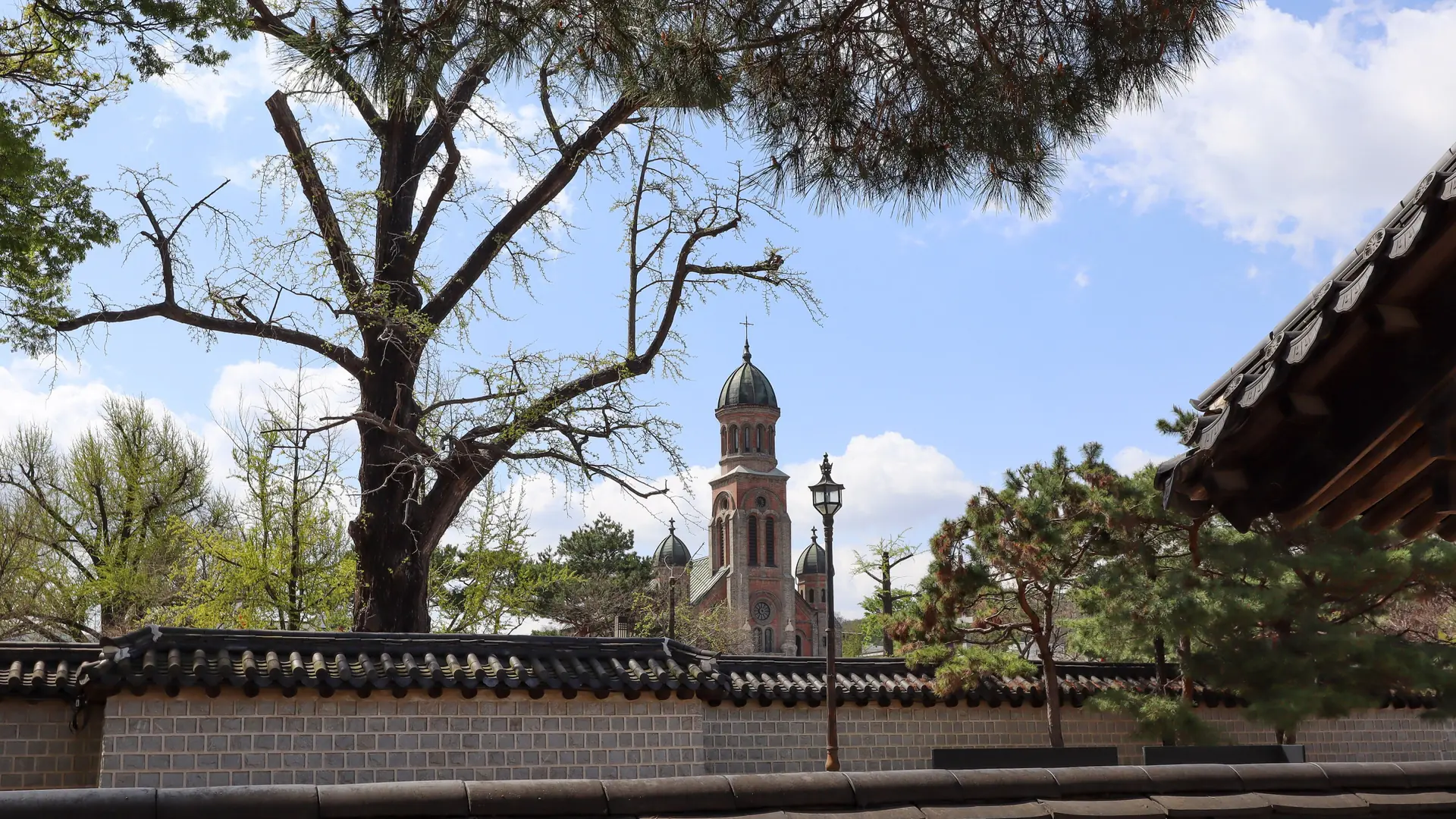
Hanok Village
hanok stays, sights, first visits
The historic core around Pungnam-dong, dense with hanok guesthouses, Gyeonggijeon Shrine and Jeondong Cathedral.
Jeonju brings tiled roofs, a royal portrait shrine and long lunches into the same old-quarter walk. The Hanok Village is the natural place to start: its guesthouses let you sleep among the traditional buildings, with Gyeonggijeon and Jeondong Cathedral nearby. Nambu Market lies beside this core, so choosing a room on that side brings soup breakfasts and market browsing into the day without creating a separate sightseeing base. Omokdae rises above the roofs, with Jaman's mural lanes nearby; it is the hillier option. Jeonju Station serves the rail journey rather than the old-quarter walk, and staying there means adding a bus or taxi ride to the sights. One night suits a short visit; two leave time for a full day on foot, a leisurely meal and another morning before the train. Jeonju's UNESCO gastronomy designation dates from 2012, but the pleasure is in the meals themselves: bibimbap, bean-sprout soup and whatever catches your eye in the market.
Traditional guesthouses share the streets with Gyeonggijeon Shrine and Jeondong Cathedral; Nambu Market is nearby on foot.
Rail arrival and old-quarter sightseeing happen in different parts of the city. A bus or taxi links the station with the Hanok Village.
The Hanok Village and Nambu Market fit one walking day. Omokdae and Jaman add a hill; the station calls for a separate local journey.
Mild weather for walking the hanok alleys; late June into July turns wet as the Changma rainy season settles in.
StartBooker answer
The Hanok Village is the easiest first base for Gyeonggijeon Shrine, Jeondong Cathedral and nights in a traditional guesthouse. Nambu Market is close enough to walk to from the village, with bean-sprout soup, bibimbap and small shops making a food stop of its own. Omokdae and nearby Jaman add hillside walks and murals; a room around there suits people who enjoy the climb. The station area works when rail access matters most, though sightseeing still starts with a local ride. Two nights leave a full day between arrival and departure for the old quarter and its food.
Explore tours, attractions and local experiences in Jeonju, South Korea.
Loading activities…
Activities provided by GetYourGuide. We may earn a commission on bookings.
Hanok Village (Pungnam-dong)
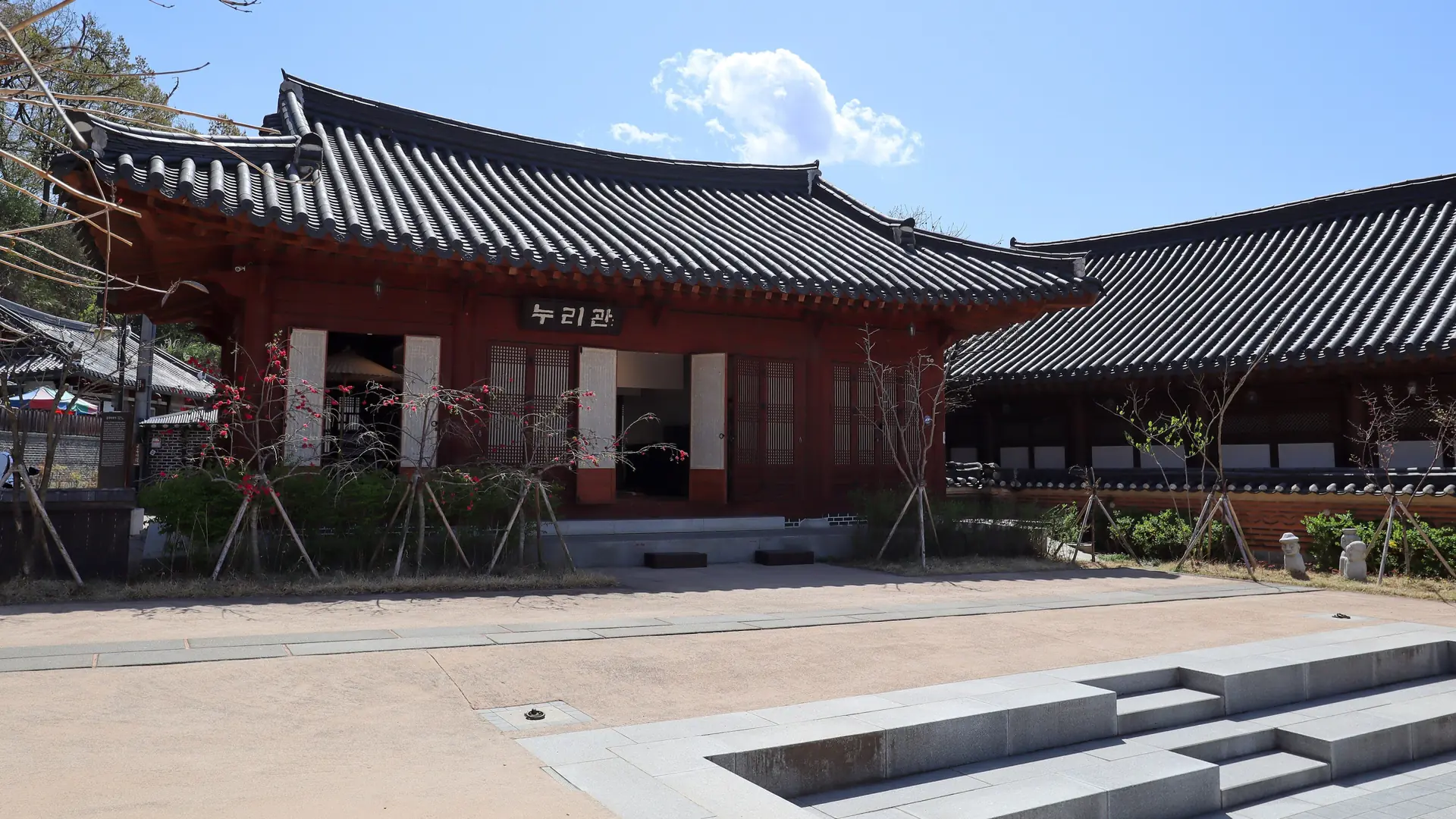
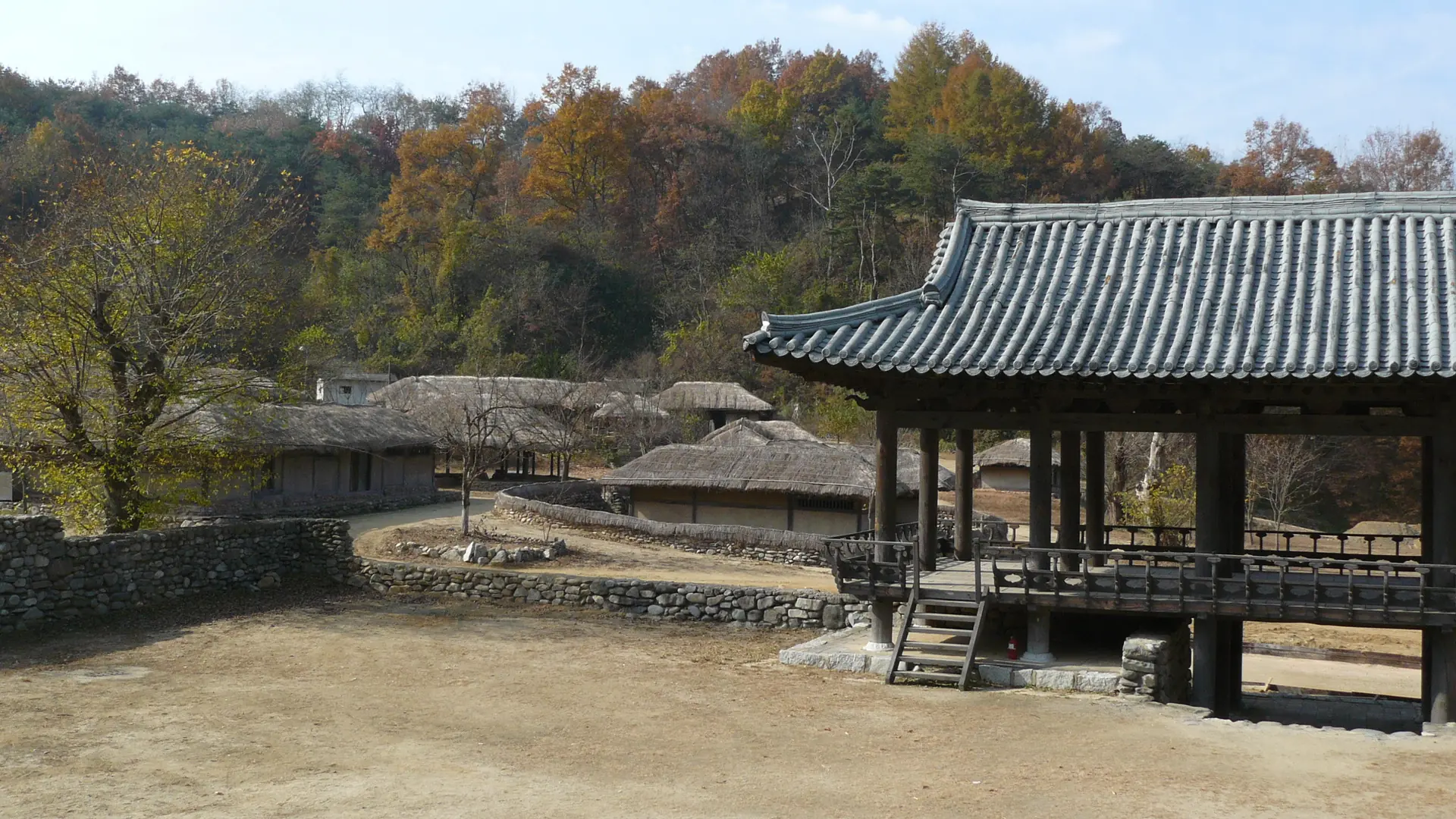
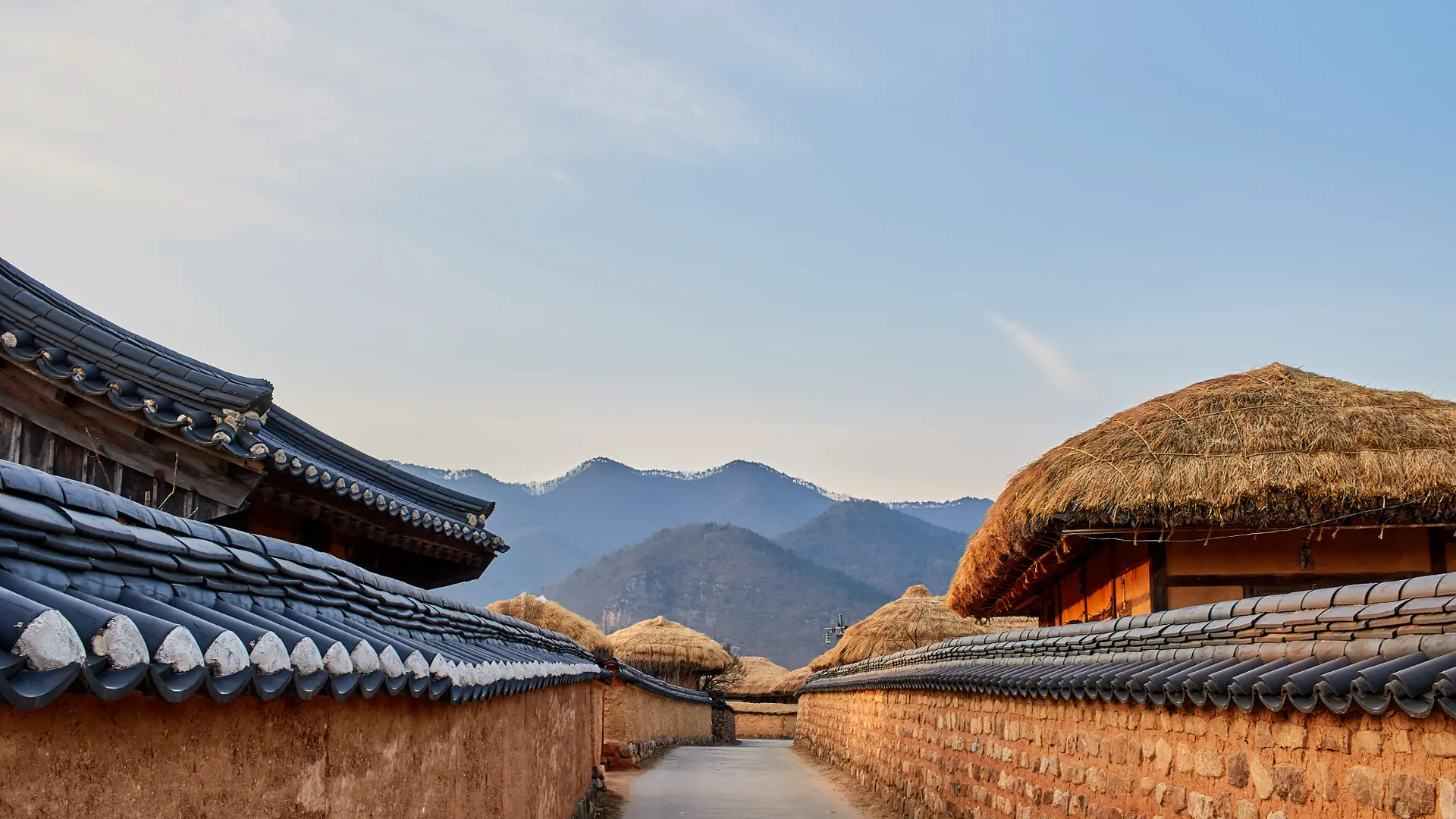
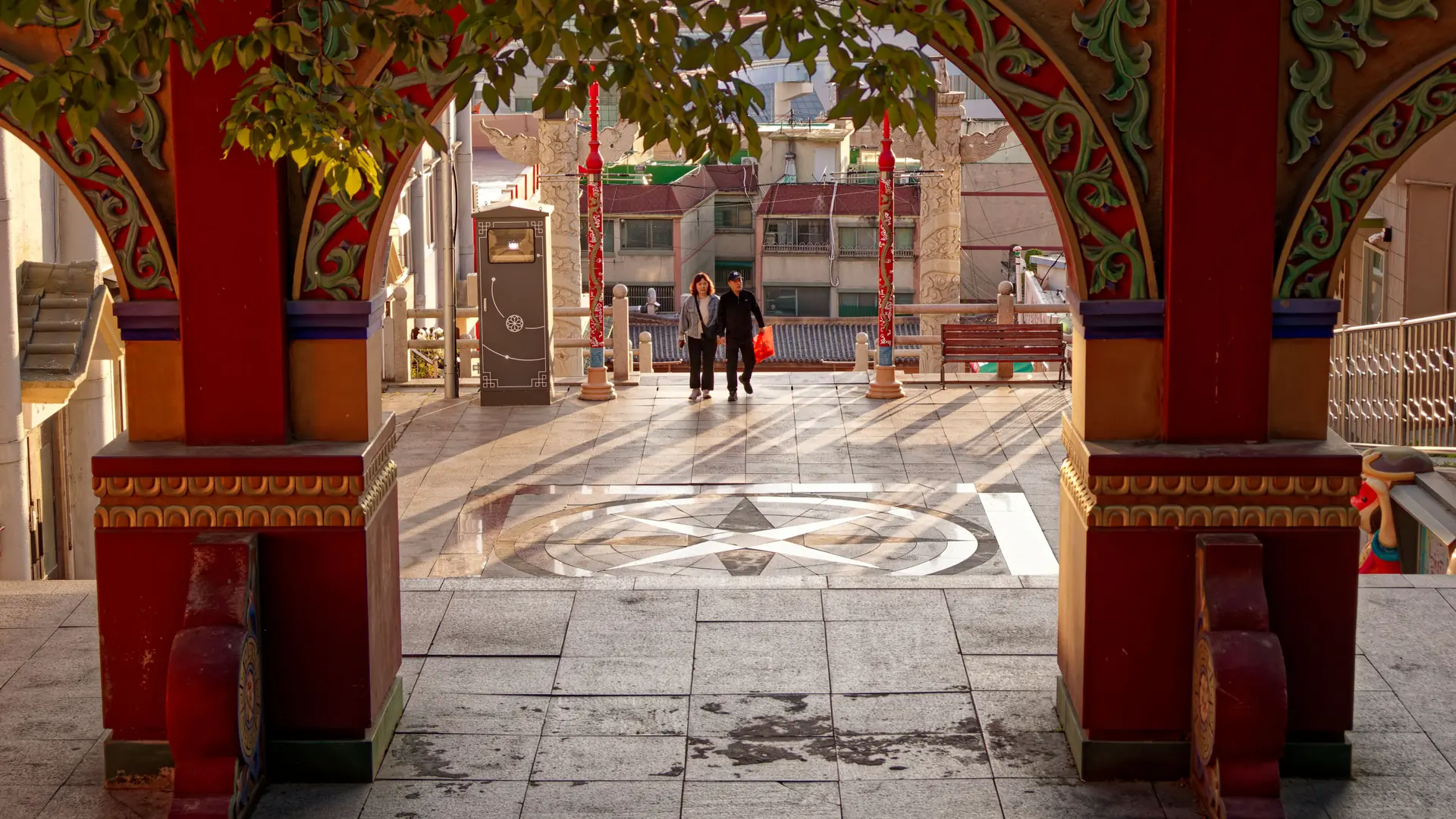
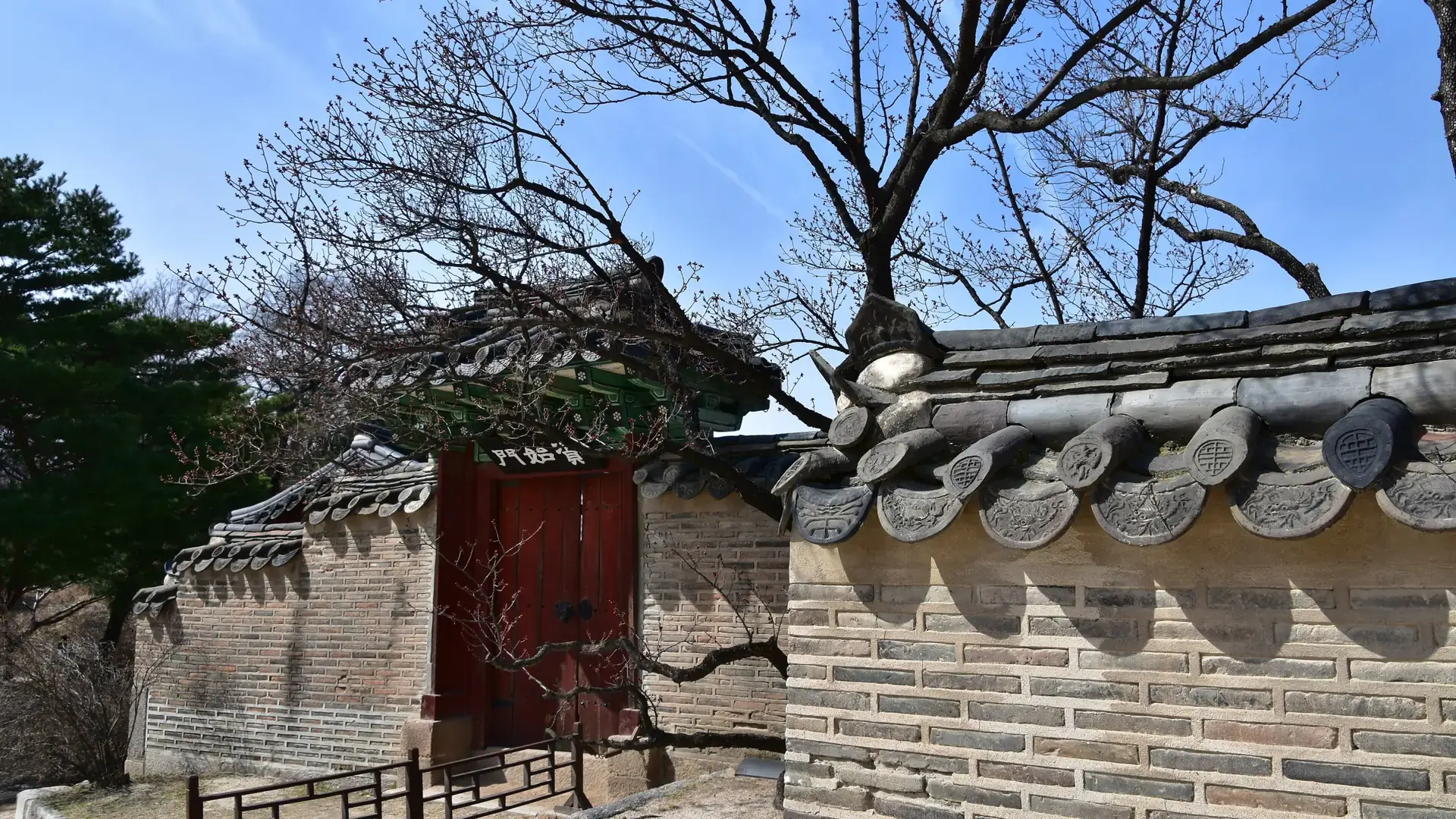
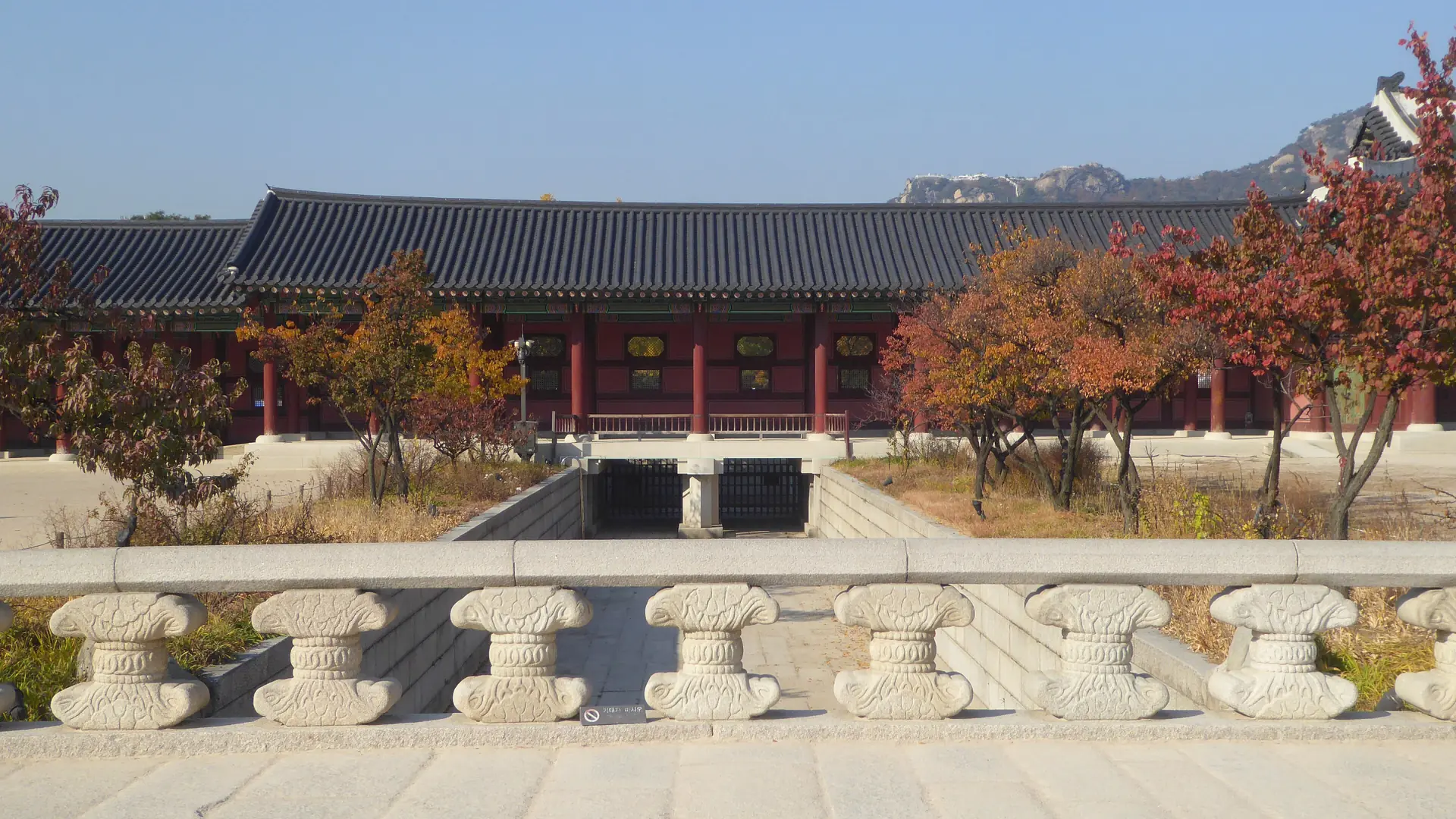
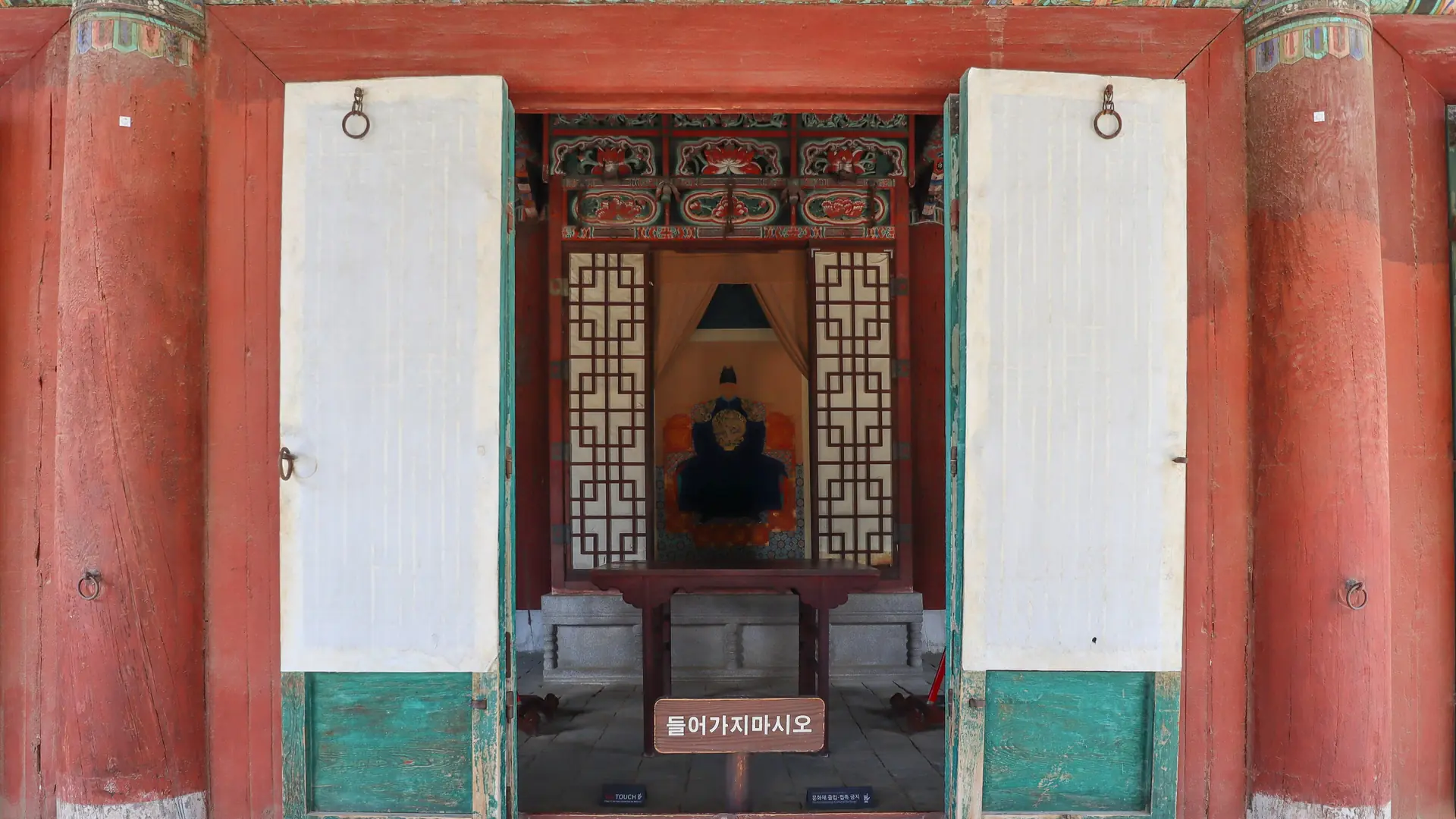
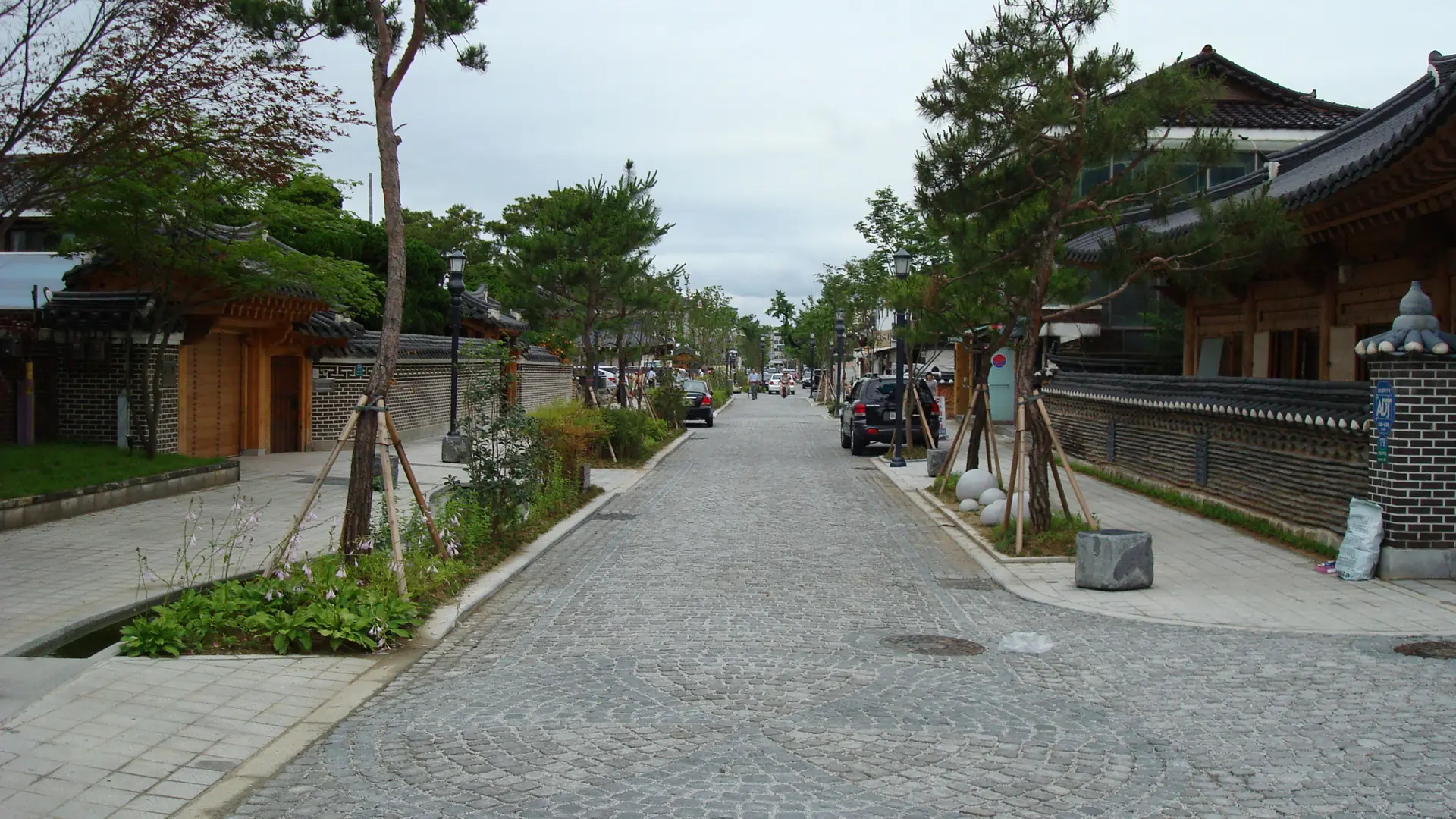
Jeonju's Hanok Village gathers around 700 traditional buildings around Gyeonggijeon, Omokdae and the Confucian academy. Gyeonggijeon holds the portrait of King Taejo, founder of the Joseon dynasty, while Jeondong Cathedral adds a very different outline to the old quarter. A guesthouse here turns these sights into neighbourhood walks, with Nambu Market close enough to fold a meal into the same outing.
The Hanok Village, Nambu Market and the Omokdae–Jaman hillside belong to the same old-quarter visit. Their difference is what sits outside your room: traditional streets, market food or a climb towards the murals. Jeonju Station is a separate base for people putting the rail journey first.
hanok stays, sights, first visits
The historic core around Pungnam-dong, dense with hanok guesthouses, Gyeonggijeon Shrine and Jeondong Cathedral.
street food, local markets, evening dining
Nambu Market brings produce stalls, bibimbap and bean-sprout rice soup close to the Hanok Village. Upstairs, the Youth Mall adds small independent shops and restaurants; it is a different part of the market from the food stalls below.
Omokdae walks and mural lanes
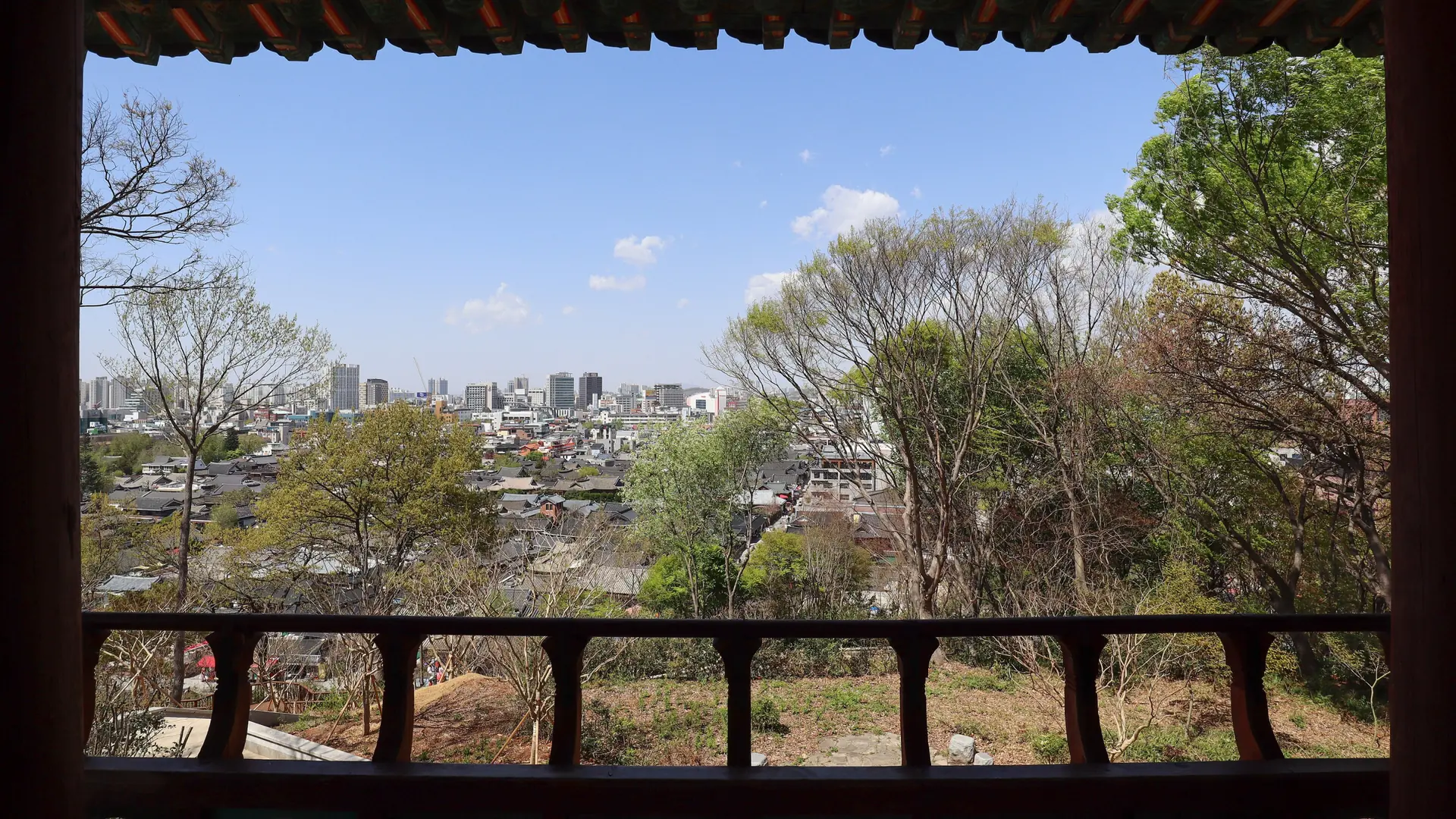
The hillside around Omokdae and nearby Jaman brings a change of level from the old quarter. Omokdae's open-sided pavilion sits above the village, while the surrounding lanes make an outing beyond the shrine and cathedral.
rail arrivals and departures
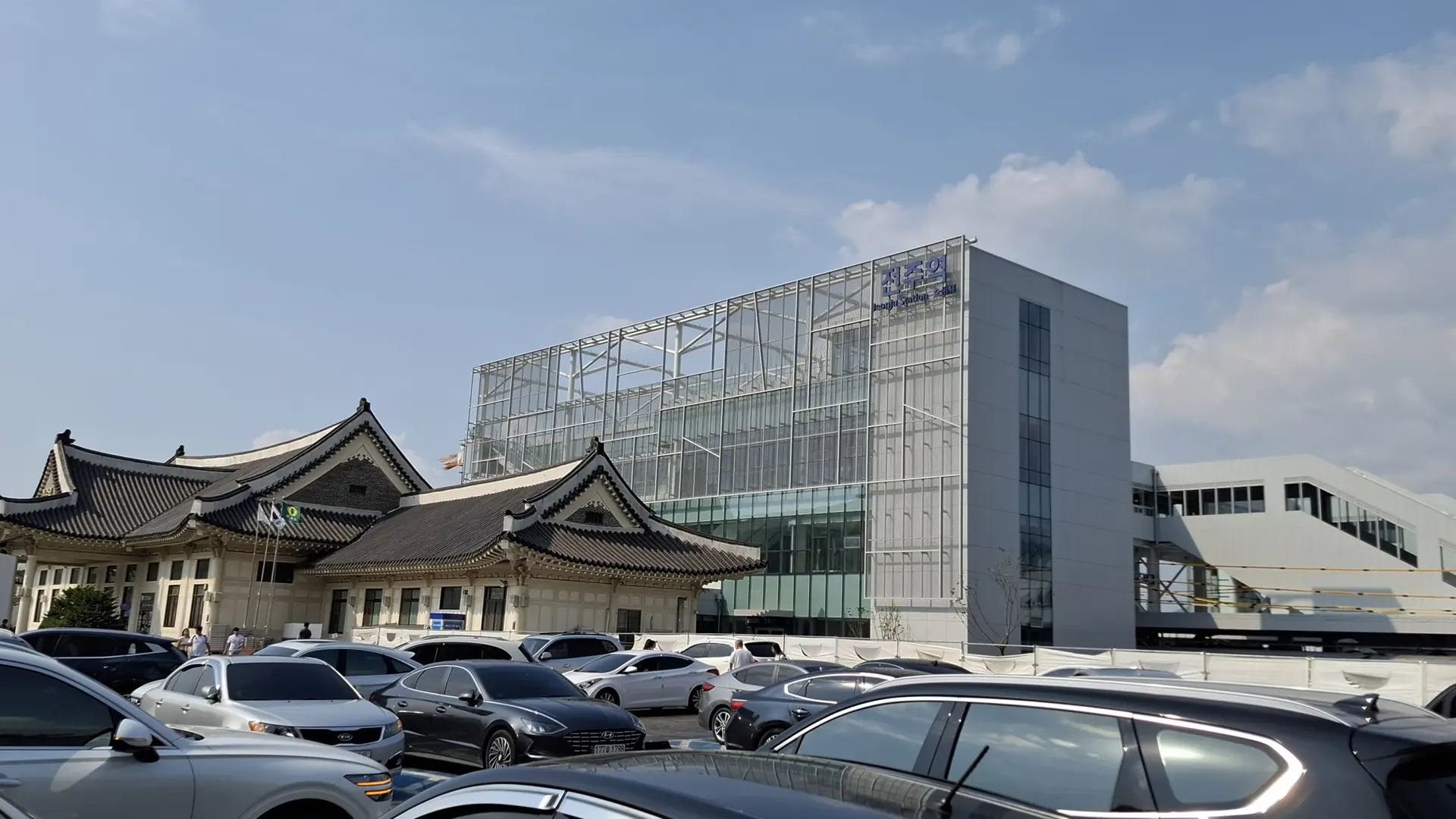
Jeonju Station is a practical base for an early train or a late arrival. The Hanok Village is a separate local journey, so this choice puts railway access ahead of stepping straight into the old-quarter streets.
| Area | Best for | Features | Getting around |
|---|---|---|---|
| Hanok Village |
Walkable sights, hanok stays |
Crowded by day |
Walk to most major sights |
| Nambu Market area |
Street food and markets |
Market streets rather than hanok lanes |
Walk between the market and village |
| Jaman Mural Village |
Hillside walks and murals |
Slopes and a smaller choice of stays |
Short walk to the Hanok Village |
| Jeonju Station area |
Rail arrivals and departures |
Separate from the old quarter |
Bus or taxi to the village |
The Hanok Village, Nambu Market and Jaman sit close enough to cover on foot, so the decision comes down to which single factor should be right outside your door each morning.
The Hanok Village puts you inside a traditional guesthouse and within walking distance of Gyeonggijeon and Jeondong Cathedral.
A base near Nambu Market pairs the main market's soup and bibimbap restaurants with independent shops and places to eat upstairs in the Youth Mall.
The Omokdae–Jaman hillside adds a pavilion, mural lanes and a different approach to the Hanok Village. It suits a stay shaped around walks rather than a flat route between the main sights.
A station-area room puts the start or end of the rail journey first. The old quarter remains a separate bus or taxi trip, so the convenience comes at the railway end of the day.
Live stays across Jeonju, from traditional guesthouses to hotels beyond the old quarter.
Jeonju is reached by rail on the Jeolla route, with direct KTX services from Yongsan in Seoul. The station and the Hanok Village are separate parts of the arrival: first comes the train, then the local ride into the old quarter.
Direct KTX services link Yongsan in Seoul with Jeonju on the Jeolla route. The train is only the intercity part of the journey: the old quarter lies beyond the station, reached by local bus or taxi.
A taxi brings you from Jeonju Station to the village area with luggage; city buses provide the public-transport alternative. Naver Maps gives the onward route to a particular guesthouse or the village entrance, rather than stopping the plan at the railway platform.
The Hanok Village, Gyeonggijeon, Jeondong Cathedral and Nambu Market fit together on foot. A walk can run from the shrine to the cathedral, pause for a market meal and return through a different set of village lanes.
City buses are useful for journeys beyond the old quarter, including the railway station and bus terminals. Naver Maps supplies walking connections and public-transport routes, so the stop nearest your room becomes the useful starting point.
A taxi is a useful option between a rail or bus arrival and a guesthouse, particularly with bags. Once settled in the village, the shrine, cathedral and market belong to a walking visit; a vehicle adds little to that compact part of the day.
A T-money transport card makes local bus journeys part of the same trip as city travel elsewhere in Korea. For a stay centred on the Hanok Village, those rides mainly sit around arrival, departure or an outing beyond the old quarter.
The Omokdae–Jaman side involves slopes, while traditional guesthouses can have entrance steps and raised room thresholds. A room on the lower village streets keeps the main sights together with less climbing; a hanok stay and a step-free modern hotel offer different access conditions.
Two nights give Jeonju a full day between trains: shrine and cathedral walks, a market lunch and time for the hillside. The sample budget below covers two adults sharing one room over three calendar days, with travel to Jeonju kept separate.
Spring suits a day built around the village lanes, shrine grounds and the climb to Omokdae. A room in the old quarter lets you break that walk with lunch or a rest rather than returning to the railway station. Jeonju's film festival is another reason to spend time in the city, but the everyday village and market make a visit worthwhile in their own right.
Summer brings heat, humidity and the Changma rainy season. Nambu Market's covered passages and the restaurants above and below the Youth Mall give a walking day somewhere to pause. Gyeonggijeon's historic grounds and the open village lanes suit the drier parts of the day; a long lunch fits naturally when rain interrupts the walk.
Autumn offers another comfortable season for the old quarter and its hillside paths. Winter changes the pace towards shorter walks and warm meals, with a guesthouse break between outings. A traditional room can be part of the appeal in either season; floor bedding and a raised bed are different sleeping arrangements within the broad hanok-stay category.
For two adults sharing a room, allow ₩240,000 (≈ US$180) for two nights and ₩150,000 (≈ US$113) for meals over three days. This is a planning estimate for ordinary October–November 2026 dates, with a room allowance of ₩120,000 (≈ US$90) per night. Market breakfasts and casual lunches leave space for a more leisurely restaurant meal.
Add ₩30,000 (≈ US$23) for local travel and ₩12,000 (≈ US$9) for visits, giving a total of ₩432,000 (≈ US$324) for the stay. Gyeonggijeon's listed adult admission is ₩3,000 (≈ US$2.30); the visits allowance leaves room for another paid stop. The village streets are free to wander, so a sightseeing day need not be a sequence of tickets.
USD comparisons use the ECB rates dated 16 October 2026, rounded to ₩1,332 per US$1. The total includes the shared room, food, local rides and visits for two adults across three calendar days. Trains or buses to Jeonju, international travel, shopping, alcohol and craft classes are additional; choosing a different room changes the largest single part of this example.
The Hanok Village around Pungnam-dong suits most first visits: it puts Gyeonggijeon Shrine, Jeondong Cathedral and Nambu Market within walking distance, and staying in a hanok guesthouse is a core part of the experience.
One night lets you spend an evening in the village; two leave a full day between arrival and departure. That extra time suits a shrine visit, a market meal and the Omokdae–Jaman hillside without fitting everything between two trains.
Jeonju Station is separate from the Hanok Village, with a local bus or taxi journey between them. A village stay puts the old-quarter walks outside your room; a station stay puts the rail arrival or departure first.
Jeonju has been a UNESCO Creative City of Gastronomy since 2012. Its food traditions include bibimbap, while the Hanok Village gathers around 700 traditional buildings with Gyeonggijeon Shrine, craft activities and guesthouse stays.
The Omokdae–Jaman side suits people who enjoy hillside walks and mural lanes near the old quarter. A lower-village room keeps the same outing within reach while avoiding an uphill return at the end of every walk.
Direct KTX services run from Yongsan in Seoul to Jeonju on the Jeolla route. From Jeonju Station, a bus or taxi completes the arrival into the Hanok Village; the old quarter is a separate part of the journey.
Bibimbap is central to Jeonju's food identity, but it is only one part of a market visit. Nambu Market also has bean-sprout rice soup and other cooked meals, with shops and restaurants upstairs in the Youth Mall.
KTO lists adult admission at ₩3,000 (≈ US$2.30), with free entry on the last Wednesday of the month. The shrine visit adds King Taejo's portrait and historic grounds to a walk through the freely accessible village streets.
Reviewed by StartBooker
Reviewed 2026-10-17
Updated
Review method: Editorial self-review of the current desktop/mobile page, actual hotel addresses and painted map. UNESCO, KTO and municipal records support the corrected food, heritage and geography details. The room-inclusive budget is an estimate with dated ECB currency comparisons; retained real photographs keep their original credits.
21 21 references reviewed