Village lanes and a royal capital
Andong’s tiled and thatched village roofs tell a different story from Gyeongju’s tomb mounds and temple terraces. Time in both gives the history a physical setting, with a change of scenery halfway through the stay.
Four nights through two inland cities that shaped Korea's Joseon-era scholarship and its earlier Silla royal history.
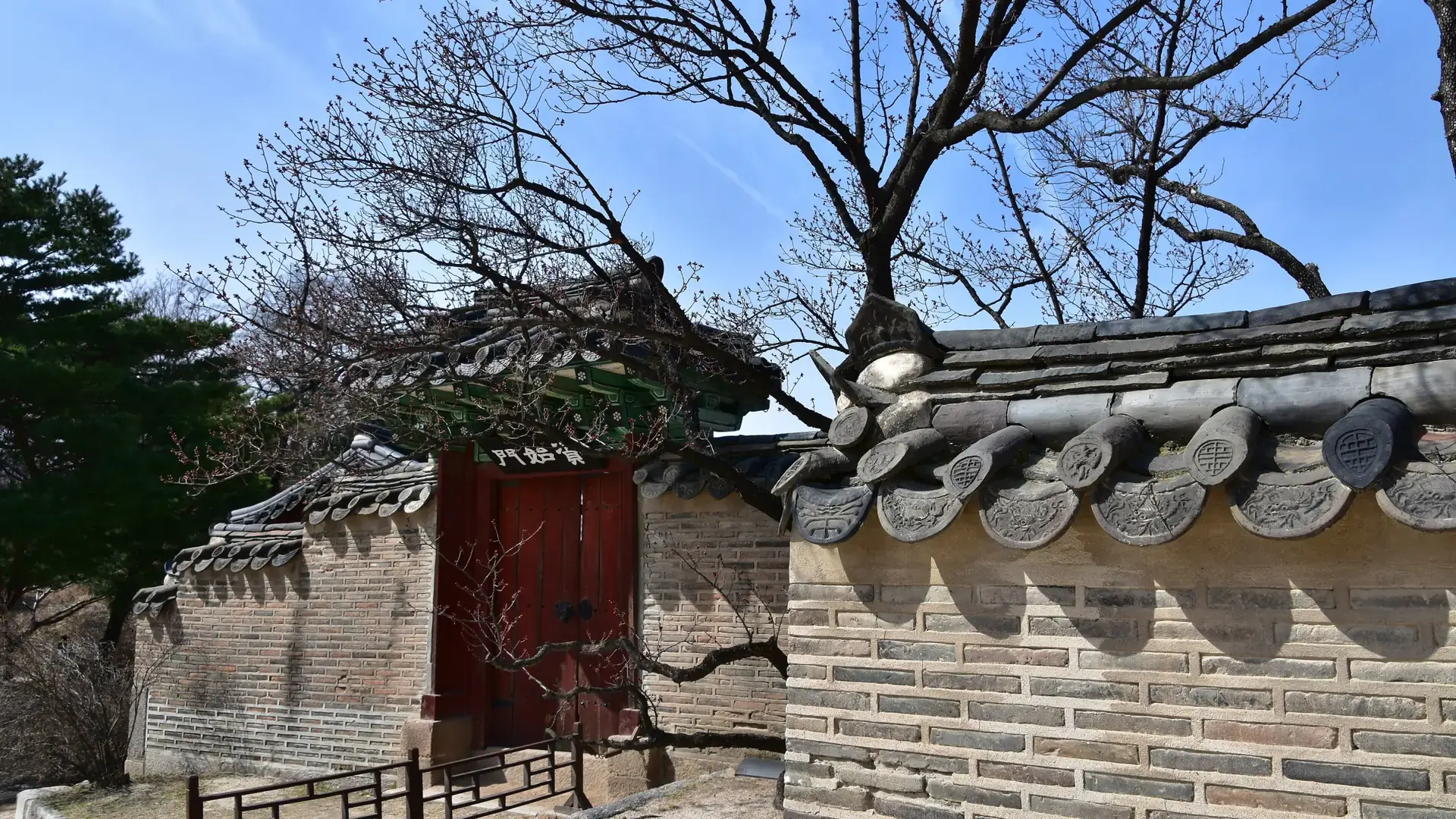
Andong begins with a pot of jjimdak, wooden village gates and a river winding around Hahoe. Gyeongju brings an older landscape: royal tomb mounds beside the town, stone terraces at Bulguksa and a Buddha inside Seokguram’s mountain grotto. The two places make a rewarding contrast within four hotel nights.
Two nights in Andong leave an arrival afternoon and one full day out. Hahoe and nearby Byeongsan Seowon share that outing; Dosan suits an extra day, keeping this village-and-academy outing focused. In Gyeongju, two nights give an old-town afternoon, an illuminated evening and a separate temple day.
A morning KTX-Eum journey on the Jungang Line joins the two stays. The move leaves an afternoon for Gyeongju’s tomb gardens and cafés, followed by Wolji Pond after dark. The trip ends with an onward train from Gyeongju.
Andong’s tiled and thatched village roofs tell a different story from Gyeongju’s tomb mounds and temple terraces. Time in both gives the history a physical setting, with a change of scenery halfway through the stay.
KTX-Eum connects Andong and Gyeongju directly on the Jungang Line. The journey brings a change from Andong’s wooden village gates and riverside academies to the broad tomb gardens of the former Silla capital.
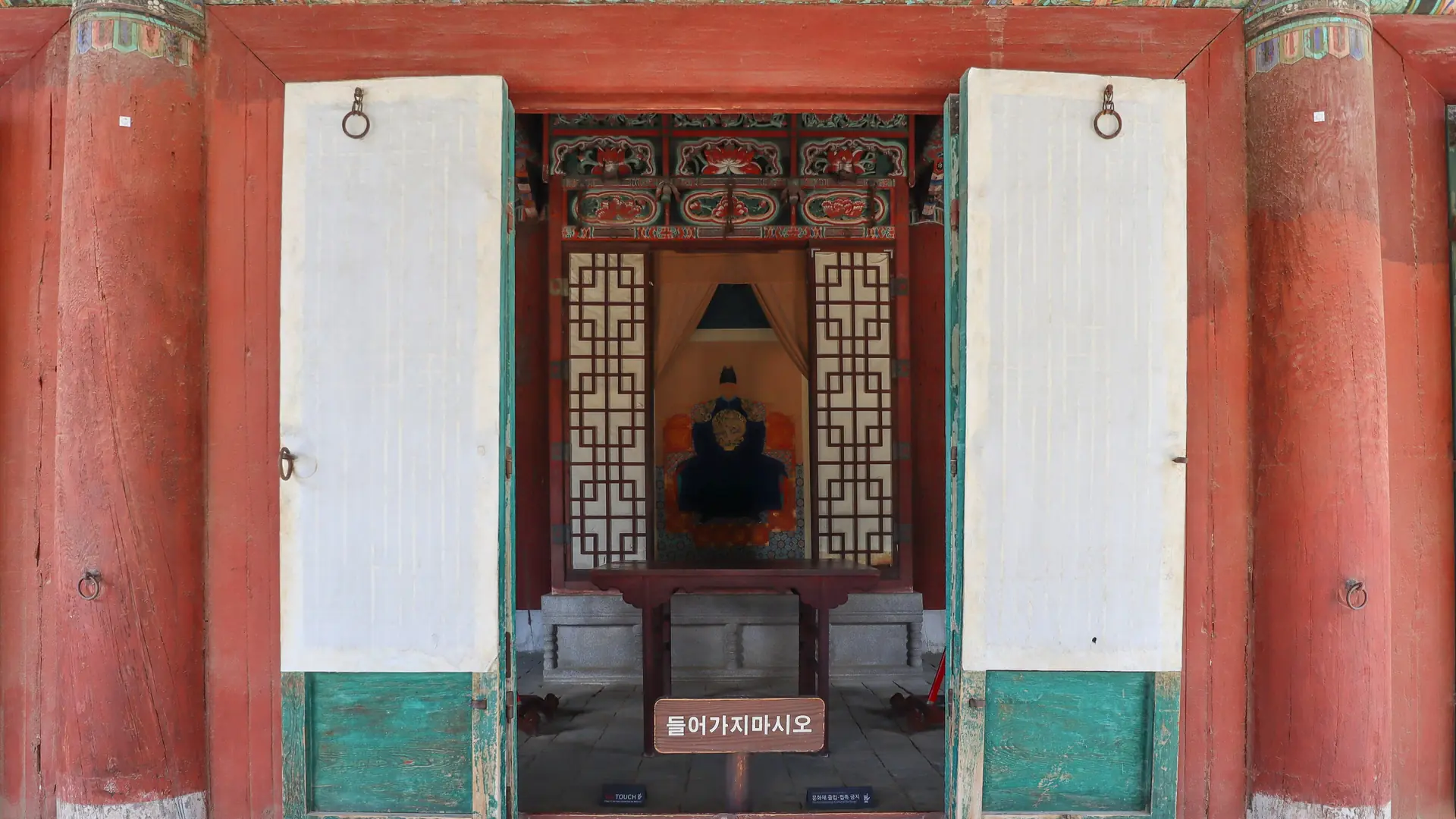
Byeongsan Seowon pairs naturally with Hahoe. Its pavilion frames the river and hills beyond the courtyard, giving the afternoon a quieter focus after the village’s lived-in lanes and traditional houses.
Best for
StartBooker answer
Spend two nights in Andong and two in Gyeongju. The first full day pairs Hahoe’s village lanes with nearby Byeongsan Seowon; the third day moves south by direct KTX-Eum. Gyeongju then has an old-town afternoon and a whole day for Bulguksa and Seokguram. Cheongnyangni is a useful Seoul starting station, with some Andong services also using Seoul Station. Both regional railway stations sit outside the sightseeing cores, so the city rides at either end belong in the travel day too.
Explore tours, attractions and local experiences in Andong, Gyeongju along this route through South Korea.
Loading activities…
Activities provided by GetYourGuide. We may earn a commission on bookings.
Stay at the same hotel for both nights in each city. An arrival evening and one full outing come before the train; Gyeongju’s old-town walk and temple day follow it.
2 stops · swipe
 1
Hahoe Folk Village, Confucian seowon academies and Jjimdak chicken
A downtown base puts Jjimdak Alley and evening meals near the hotel. Two nights leave an arrival afternoon in town, then a full outing to Hahoe and nearby Byeongsan Seowon.
Read the Andong guide →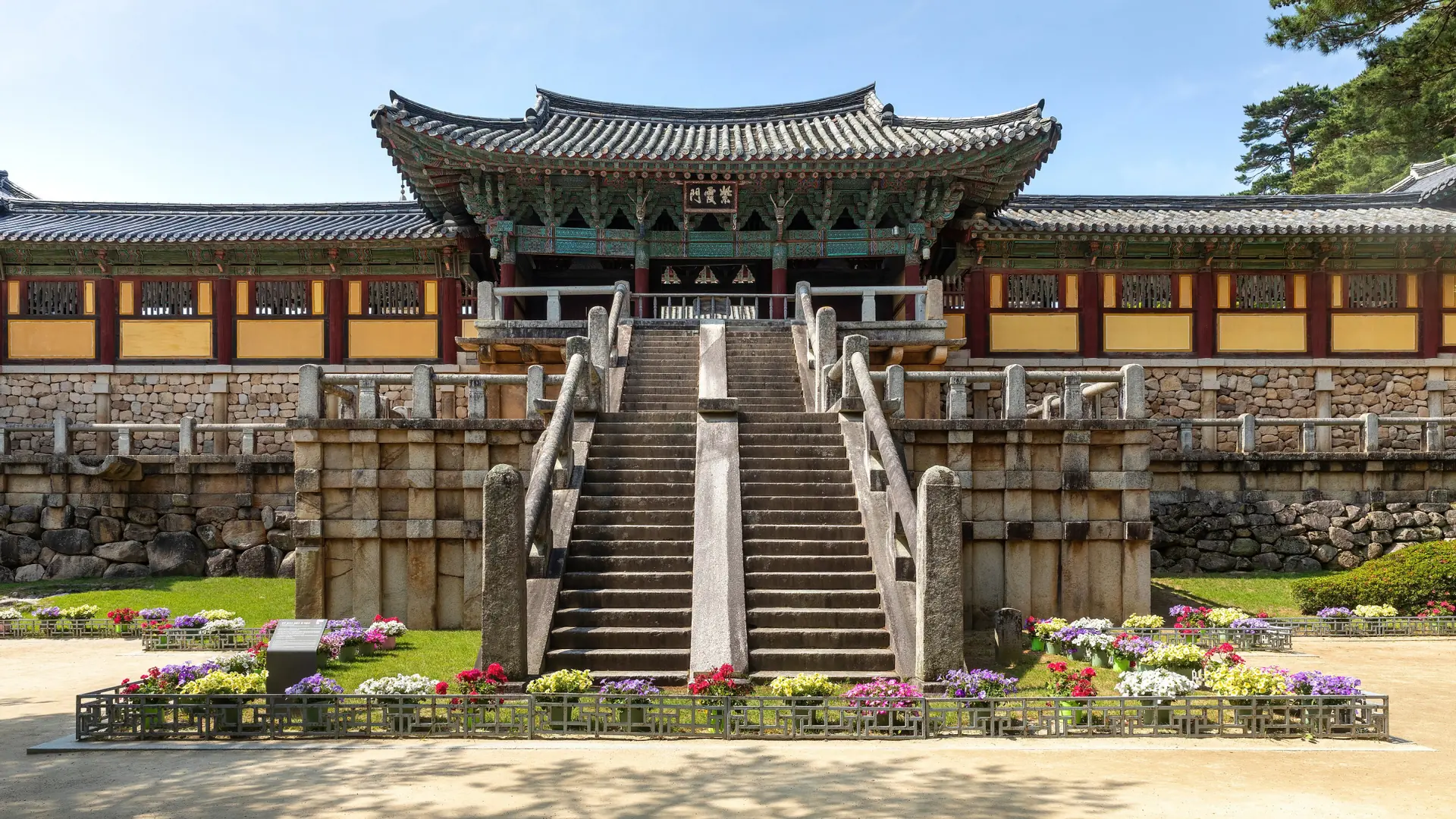 2
A thousand years as Silla's royal capital, still visible in its tombs and temples
A stay near Hwangnidangil puts the tomb gardens, cafés and evening walk close to the hotel. Bulguksa and Seokguram have their own outing on day four, with a second night back in town.
Read the Gyeongju guide →Arrival and a full village-and-academy outing fill the Andong stay. The third day changes cities; Gyeongju follows with an old-town afternoon and a full mountain-temple day.
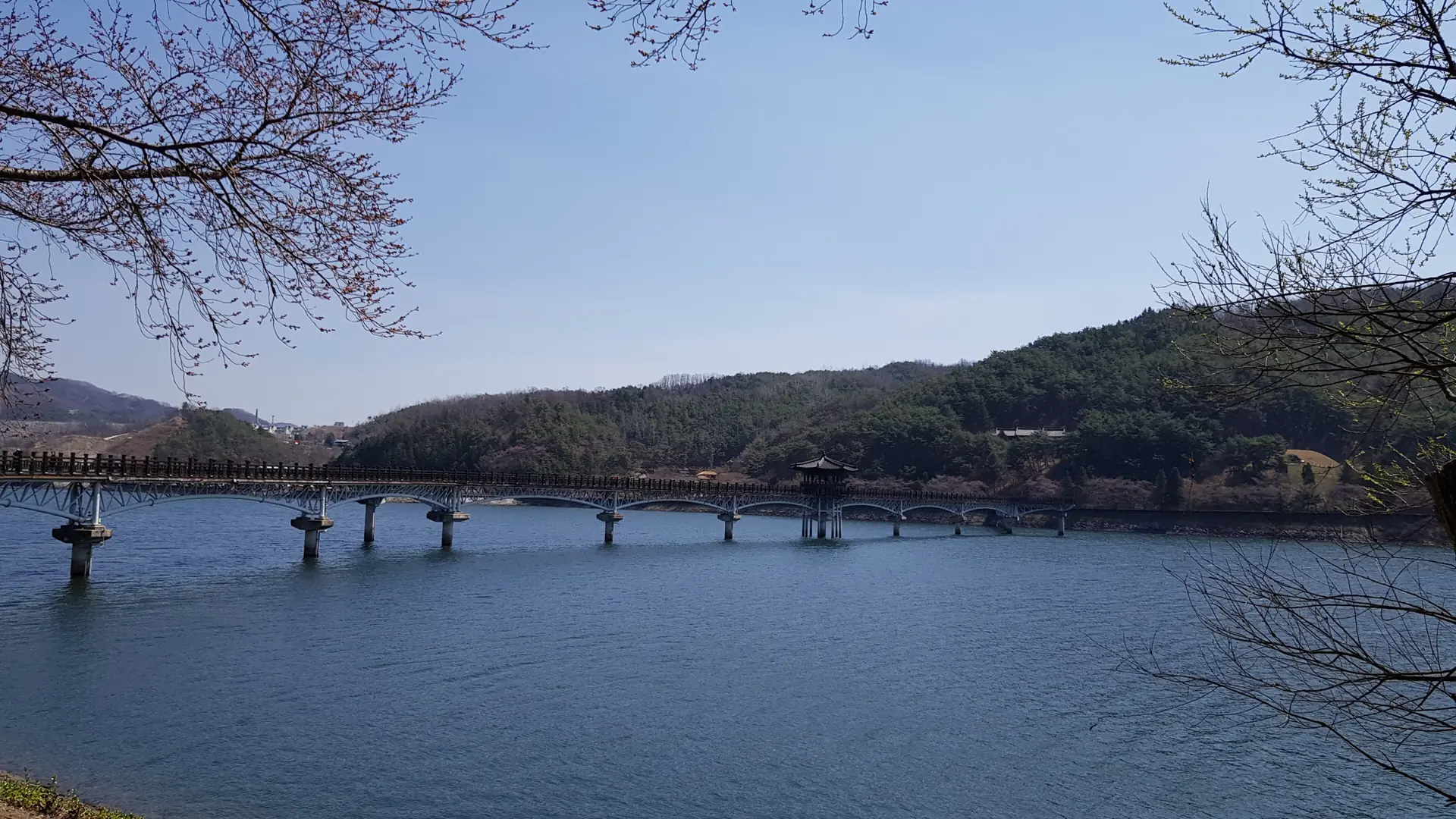
KTX-Eum from Cheongnyangni takes around two hours to Andong. Some services also start at Seoul Station; Cheongnyangni remains a useful departure point for this version of the trip. From Andong Station, continue by local bus or taxi to the downtown hotel. The railway station and intercity terminal sit together west of the older dinner district, so a station-side room and a downtown room offer quite different evenings. Jjimdak Alley gives the first meal a local character: soy-braised chicken, vegetables and glass noodles served in a generous shared dish. Spice levels vary, with milder versions available. A pot between two people makes a sociable introduction after the train ride. Wolyeonggyo is a separate riverside outing, reached by another local ride from downtown. Its wooden walkway and pavilion are lovely around dusk, with small traditional buildings across the water. An early arrival leaves room for it after settling in; a later train can end simply with dinner near the hotel. Tomorrow has the long village visit, without another hotel move.
Base: Andong
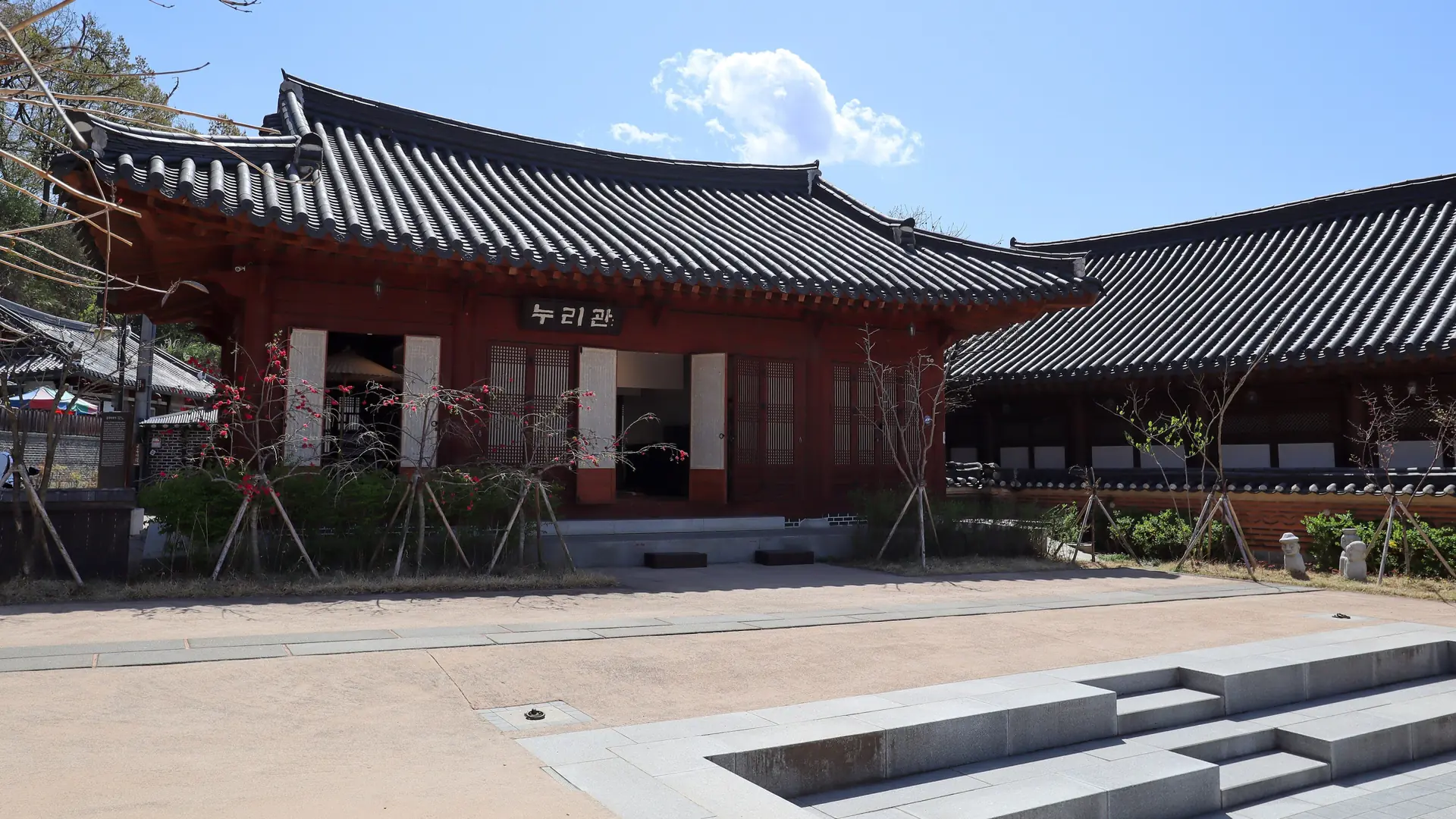
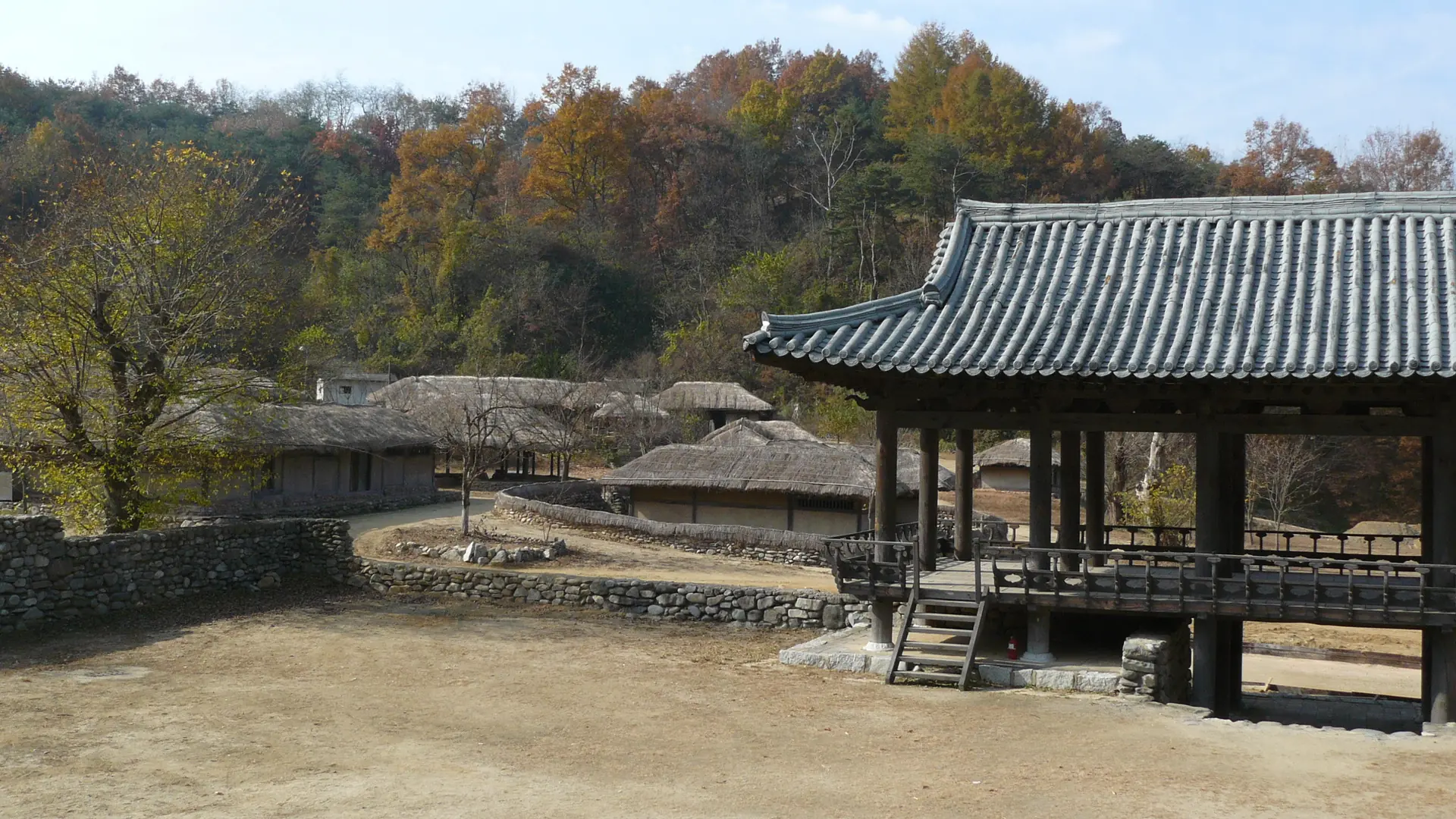
Hahoe sits within a bend of the Nakdong River, with tiled-roof family houses, smaller thatched homes and lanes opening towards the fields. It remains a living village. The public paths and houses open to visitors give the walk its shape, with time to notice the different roofs and the way the settlement fits its riverside setting. A full morning here is much more satisfying than a quick circuit of the entrance area. After lunch, nearby Byeongsan Seowon brings a quieter architectural stop. The academy’s Mandaeru Pavilion looks towards the river and wooded hills, with columns framing the landscape. The courtyard, dormitories and lecture hall explain how study and the surroundings were brought together in a Confucian academy. A taxi outing makes the village-and-academy pairing easier, with the return to downtown Andong at the end. Using local buses instead gives Hahoe more of the day; Byeongsan can then be a taxi extension. Dosan Seowon is left for an additional day, keeping this visit focused on Hahoe and Byeongsan. The second Andong night leaves time for dinner after the countryside.
Base: Andong
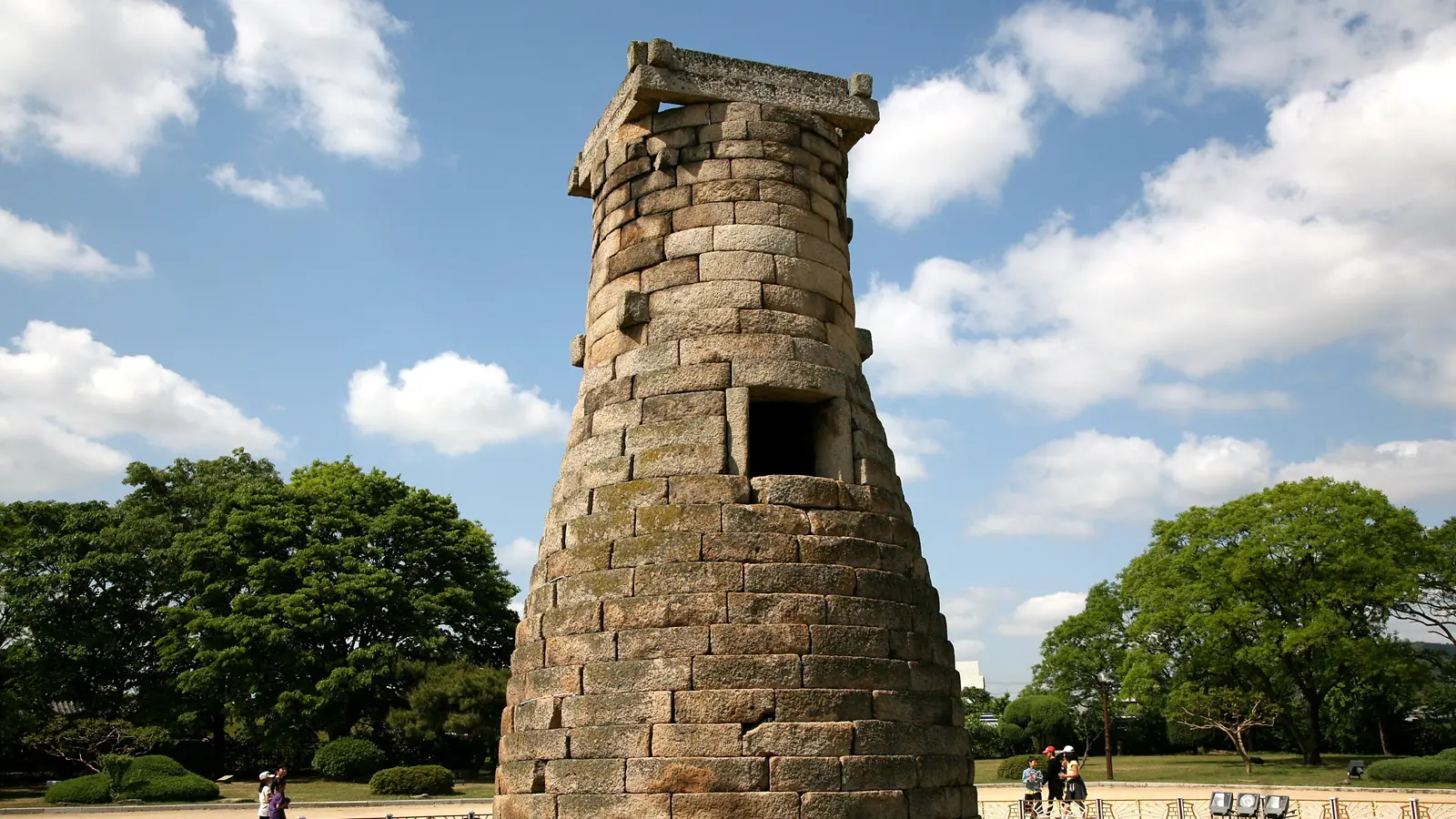
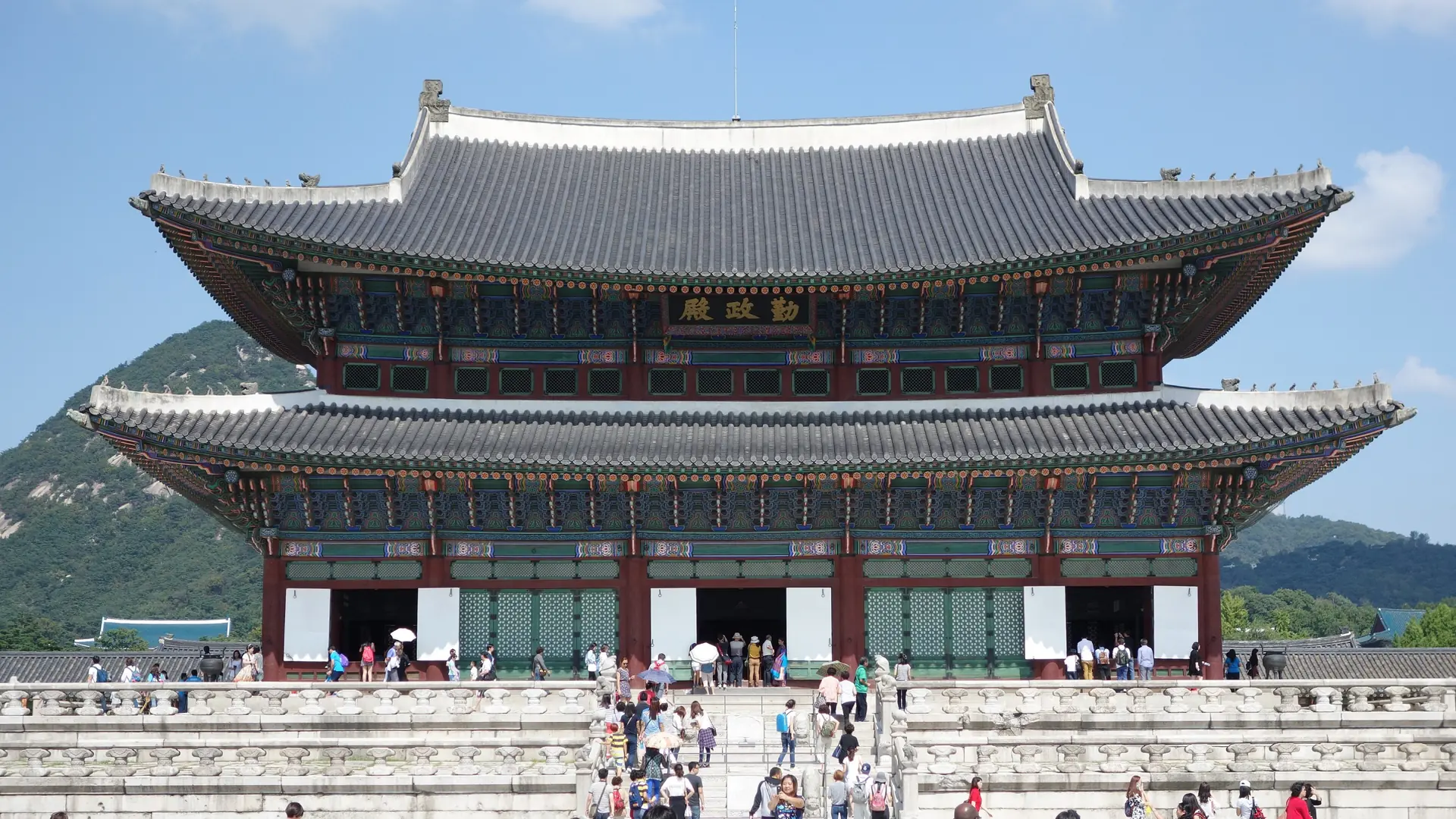
Take a direct KTX-Eum from Andong to Gyeongju on the Jungang Line. A morning train leaves the rest of the move for the local ride into Gyeongju, the hotel bag drop and lunch. The afternoon belongs to the historic centre. Daereungwon’s grassy tomb mounds are an inviting first walk, with cafés and restaurants around nearby Hwangnidangil for a break. The gardens are free; Cheonmachong, the tomb interior, has a separate entry charge. Cheomseongdae’s small stone observatory adds another distinctive sight within the same broad old-town circuit. As evening settles over Donggung Palace and Wolji Pond, light picks out the pavilions and their reflections in the water.
Base: Gyeongju
Bulguksa and Seokguram take the day into the hills beyond Gyeongju. The UNESCO-listed pair dates from the Silla period, with quite different settings: open courtyards and stone terraces at the temple, then the enclosed Buddha grotto higher on the mountain. Admission to both is free in the current tourism listings; transport between them is a separate expense. Begin with Bulguksa, leaving time to move between its courtyards and look closely at the stonework. The broad stairways and raised terraces make this a visit with changes of level. Seokguram follows as the second part of the outing, reached by road and an approach walk from its entrance area. A taxi gives more freedom over the connection, while the bus version gives more of the day to transport. Return to the same Gyeongju hotel for the final evening. Hwangnidangil makes dinner and a café stop easy to keep together. If the previous night was spent over a long meal, the illuminated pond can fit here instead. The mountain sights are the daytime focus, with the old centre waiting for a slower finish.
Base: Gyeongju
Gyeongju Station is outside the historic centre, reached by local bus or taxi from the hotel. From there, trains run towards Seoul or Busan. A later departure leaves room for breakfast and one last walk close to the hotel. A café around Hwangnidangil or a look back towards the tomb gardens fits that spare time comfortably. Bulguksa is not a departure-morning extra: its mountain setting is the reason it had a full day yesterday. The five-day plan ends at Gyeongju Station. Continuing to Seoul, Busan or an international gateway adds another journey after these four nights. An early international flight works with a further overnight near its airport, rather than turning this final morning into a race across the country.
Base: Gyeongju
Day three uses the Jungang Line from Andong to Gyeongju. The countryside outings stay on their own days, leaving this morning for the city change.
1 transfer
Andong Gyeongju
Board KTX-Eum at Andong for Gyeongju on the through Jungang route. After arrival, continue by bus or taxi to the historic centre; the station is outside the area used for the evening walk.
An October–November 2026 planning range is about US$450–780 per person, with two adults sharing rooms and taxi outings outside holiday peaks. It includes the arrival train from Seoul and the move to Gyeongju; onward travel after Gyeongju is extra.
Booking tips
Gyeongju guesthouses and hanok stays, including central addresses for the evening walks. The railway station is outside the historic centre.
Andong and Gyeongju mark the two hotel bases. The map gives their regional setting; the Jungang train journey includes local station transfers.
Andong → Gyeongju
Yes. KTX-Eum trains join Andong and Gyeongju directly on the Jungang Line, with no change of train needed between them. This plan takes a morning departure on day three. Local rides connect the stations with the two hotel districts, so the door-to-door move takes longer than the rail journey alone.
Cheongnyangni is the starting point used here, with the Andong journey taking around two hours. Some Jungang KTX-Eum services also use Seoul Station. Those are service-specific departure stations, rather than interchangeable names for the same terminal.
Nearby Byeongsan Seowon makes the natural pairing. Its pavilion, courtyard and lecture hall sit in the same riverside countryside as the village. An extra Andong night would give Dosan a day of its own, keeping the Hahoe visit at this same unhurried pace.
Yes. The two-city move uses the train, and the evenings use central hotel bases. Taxis make the Hahoe–Byeongsan outing and the two Gyeongju temples easier to combine. A bus-based version gives each outing more transport time, with Hahoe taking priority over a second countryside stop.
The arrival afternoon holds Daereungwon, Cheomseongdae and the old centre, with Wolji after dark. The full day goes to Bulguksa and Seokguram, then returns to the same hotel. Departure on day five leaves an optional breakfast walk, rather than a second full sightseeing day.
Hahoe belongs to the Historic Villages of Korea listing shared with Yangdong. Byeongsan is one of the nine UNESCO-listed Neo-Confucian academies. Bulguksa and Seokguram form another paired World Heritage property. Yangdong and Dosan remain possible additions with more time, rather than extra stops promised within these four nights.
Editorial team StartBooker
Checked on 2026-10-17
Updated
Research approach: Korail’s through-route and service-expansion records were read alongside tourism and UNESCO records for Hahoe, Byeongsan and the Gyeongju temples. The five days were reconciled with four hotel nights, station locations and a single full countryside day in Andong. Independent regional and cost guides inform the bases and labelled planning allowances.
18 Source records
Find another destination and compare its areas and accommodation.
Compare routes by length, stops and transport.