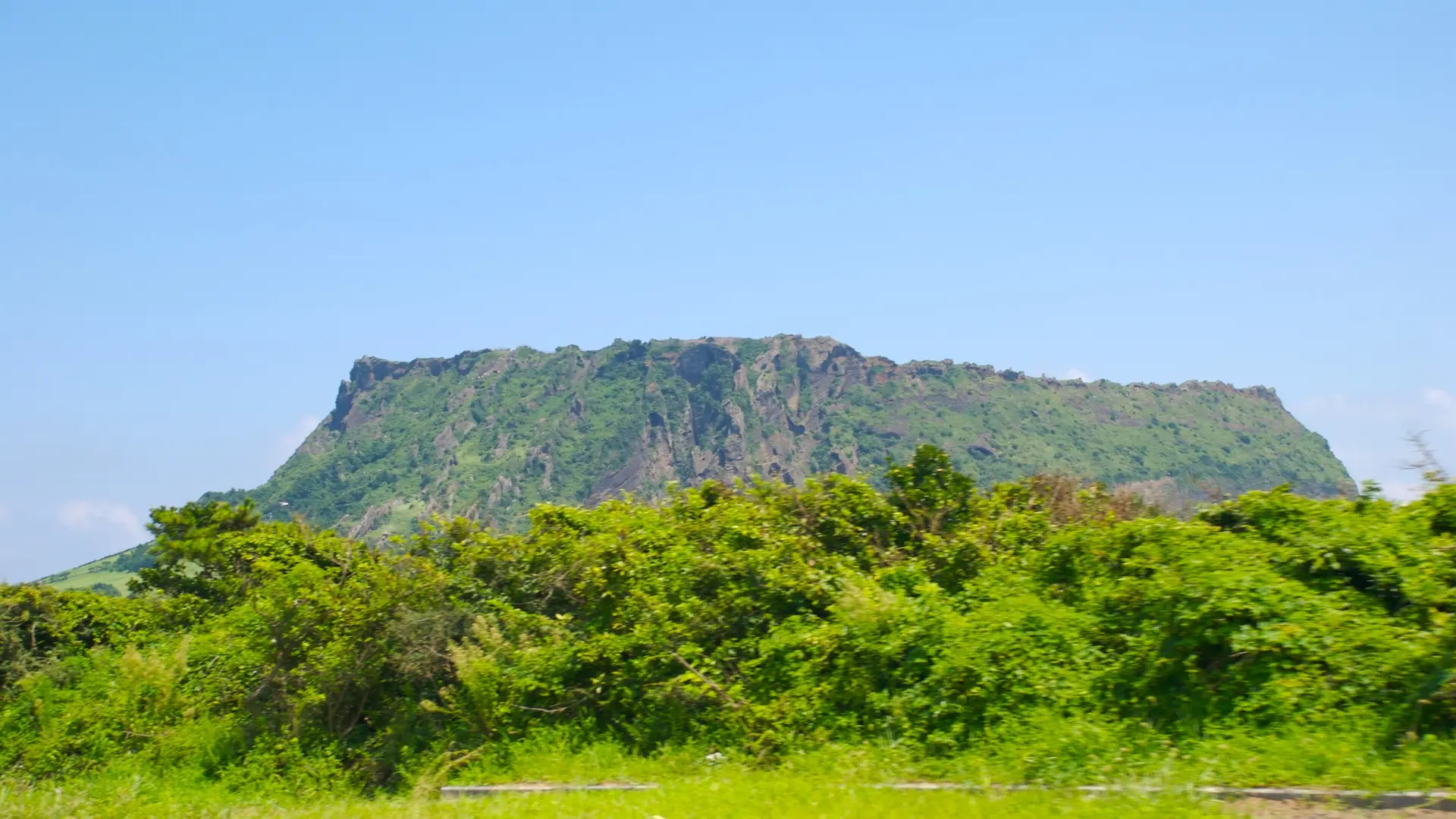
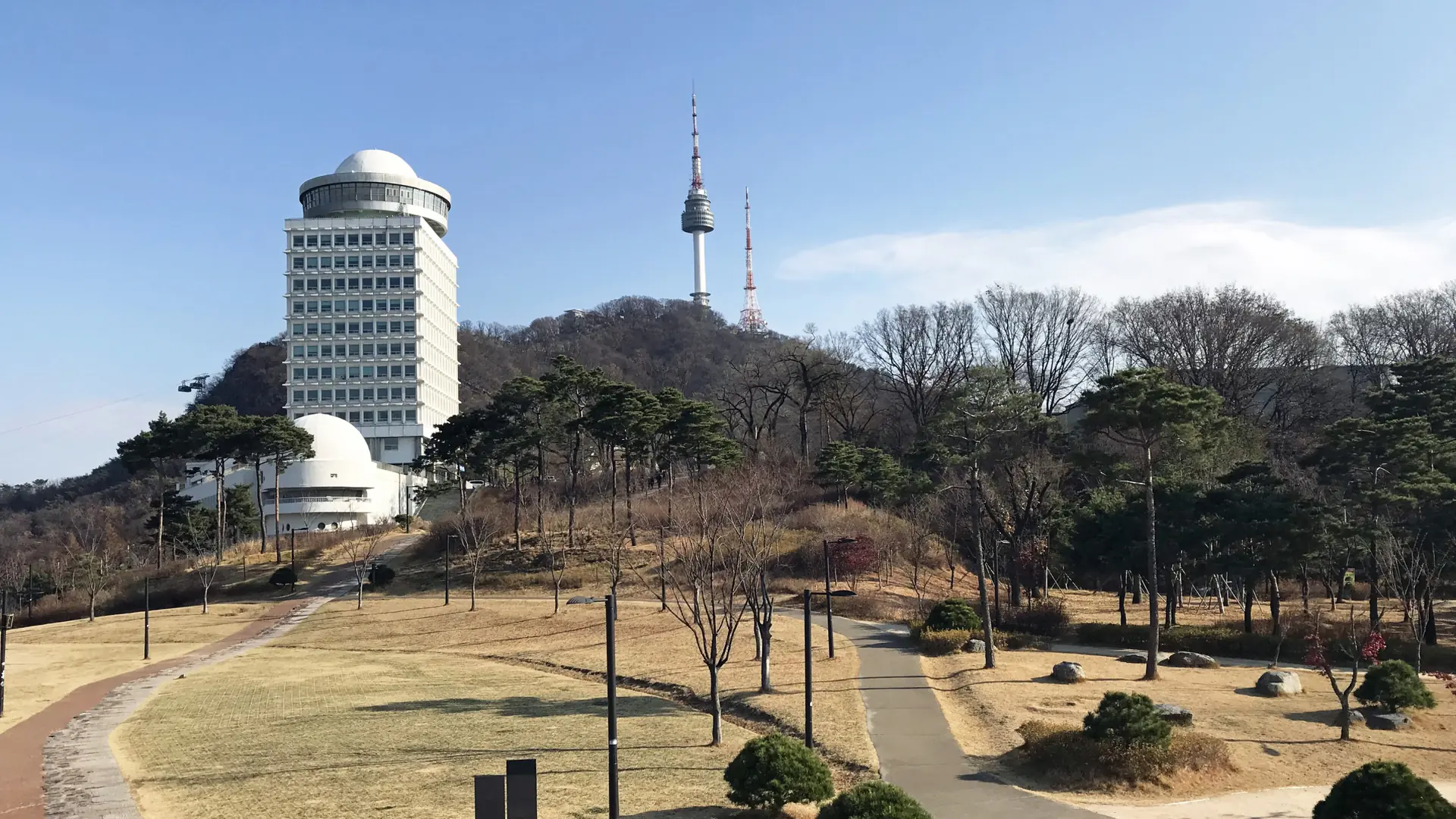
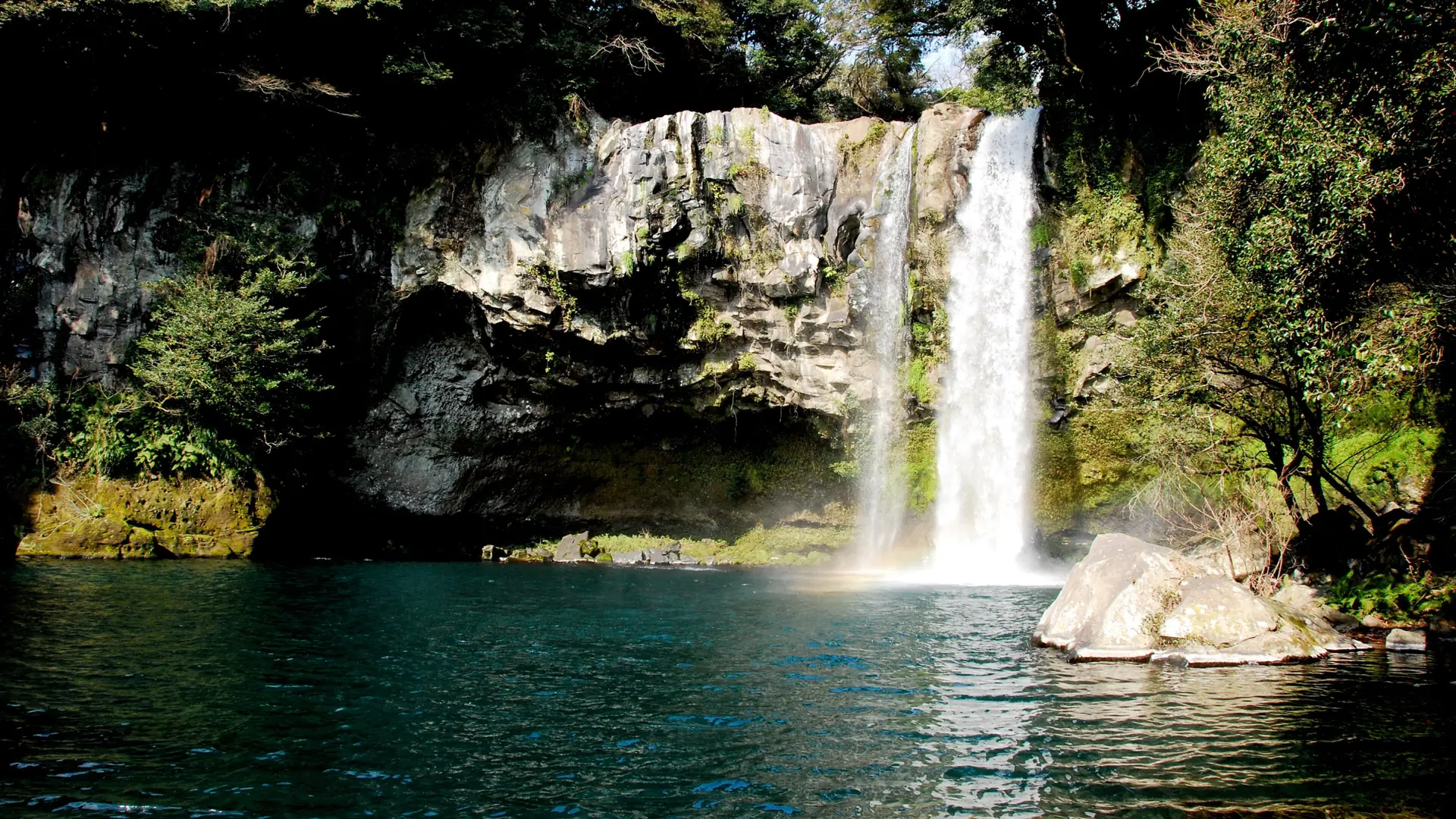
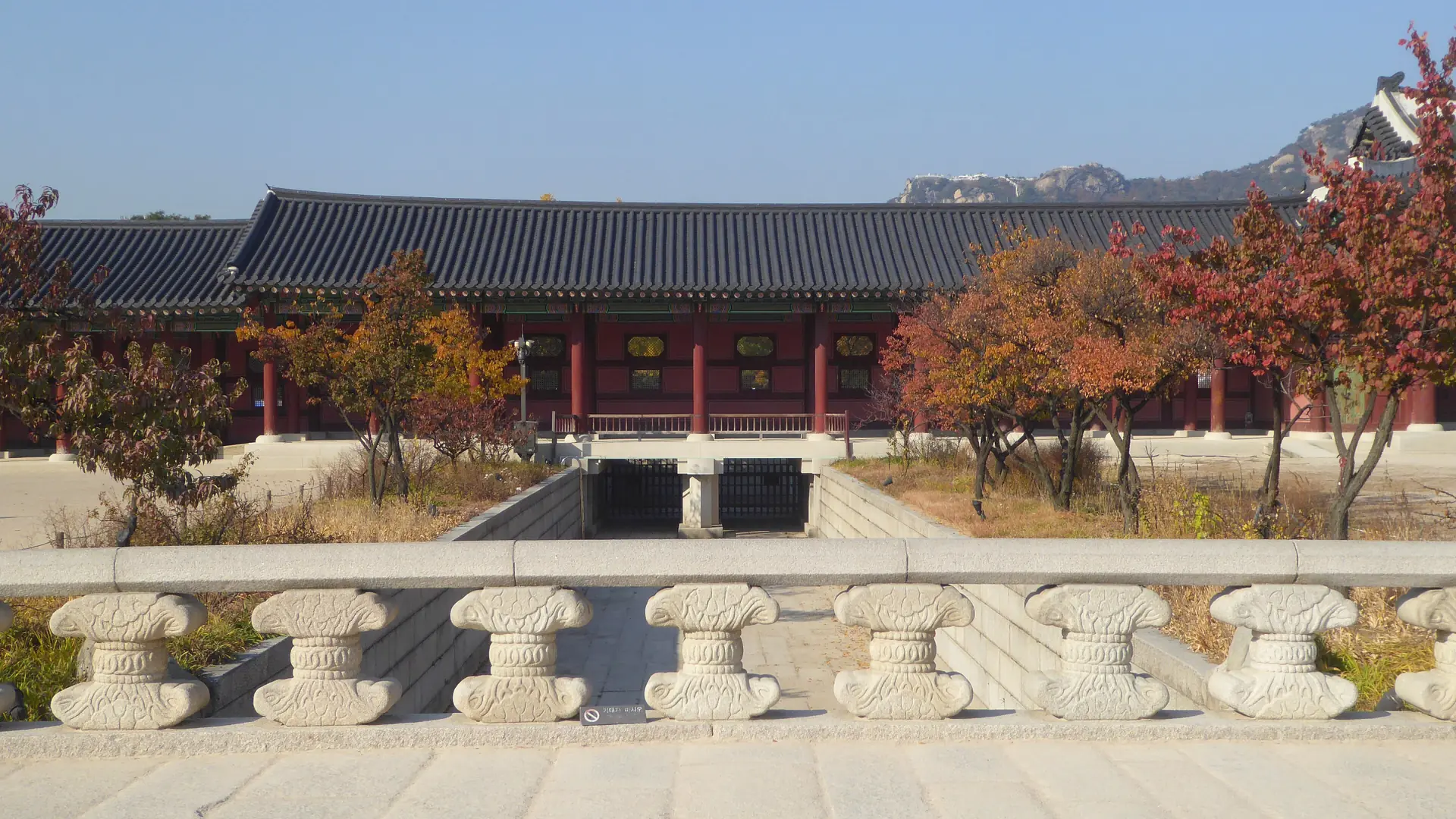
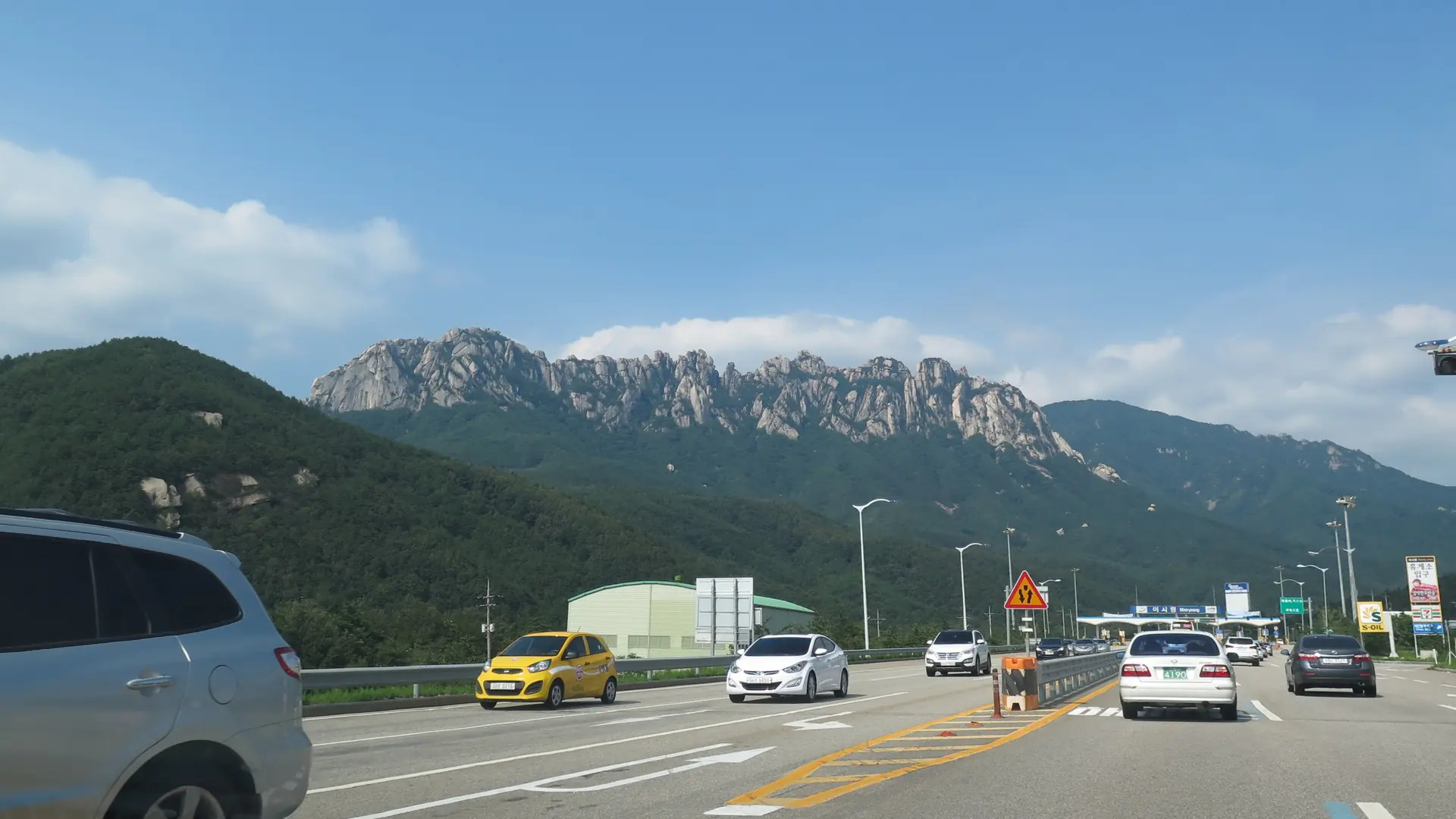
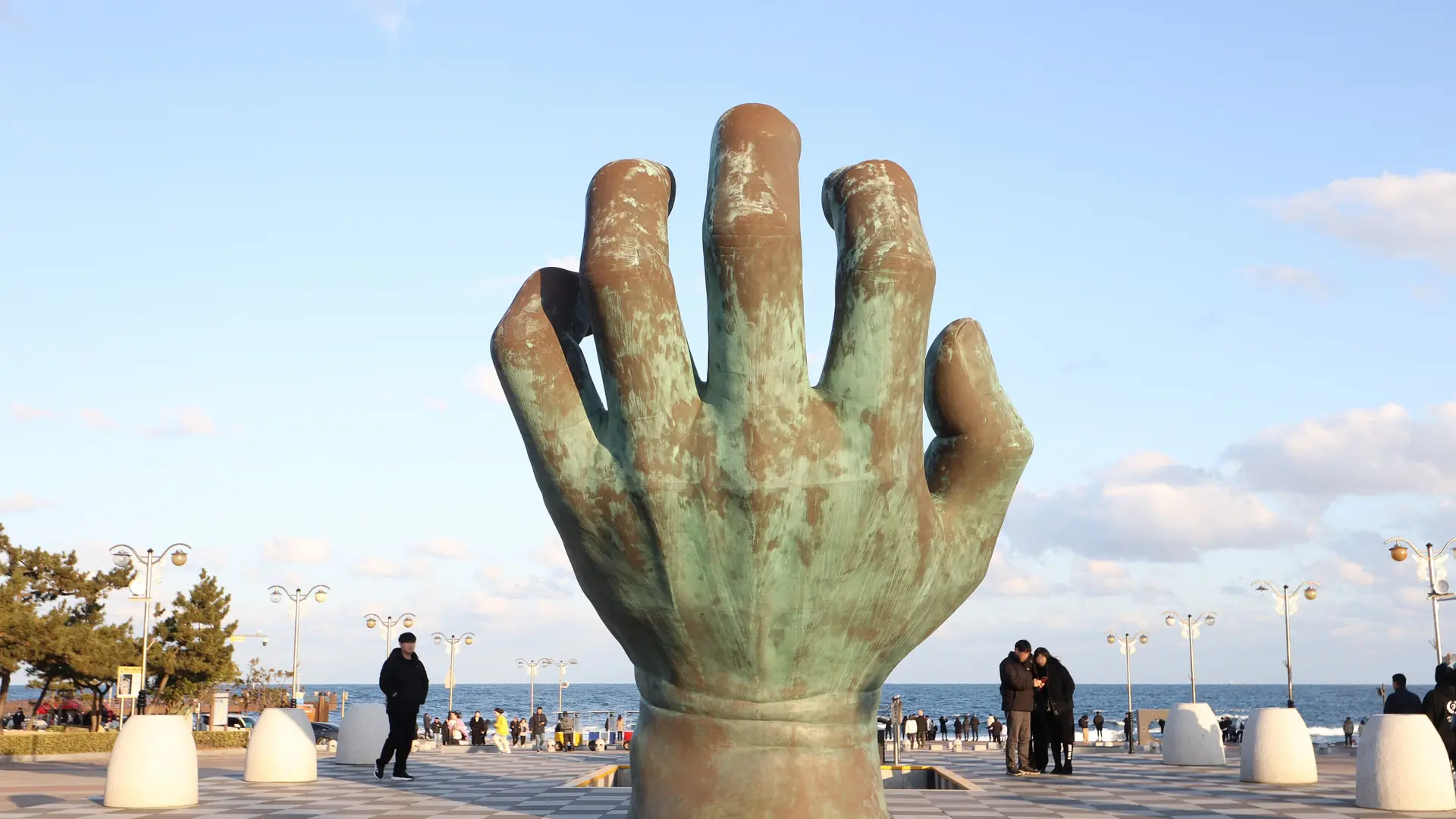
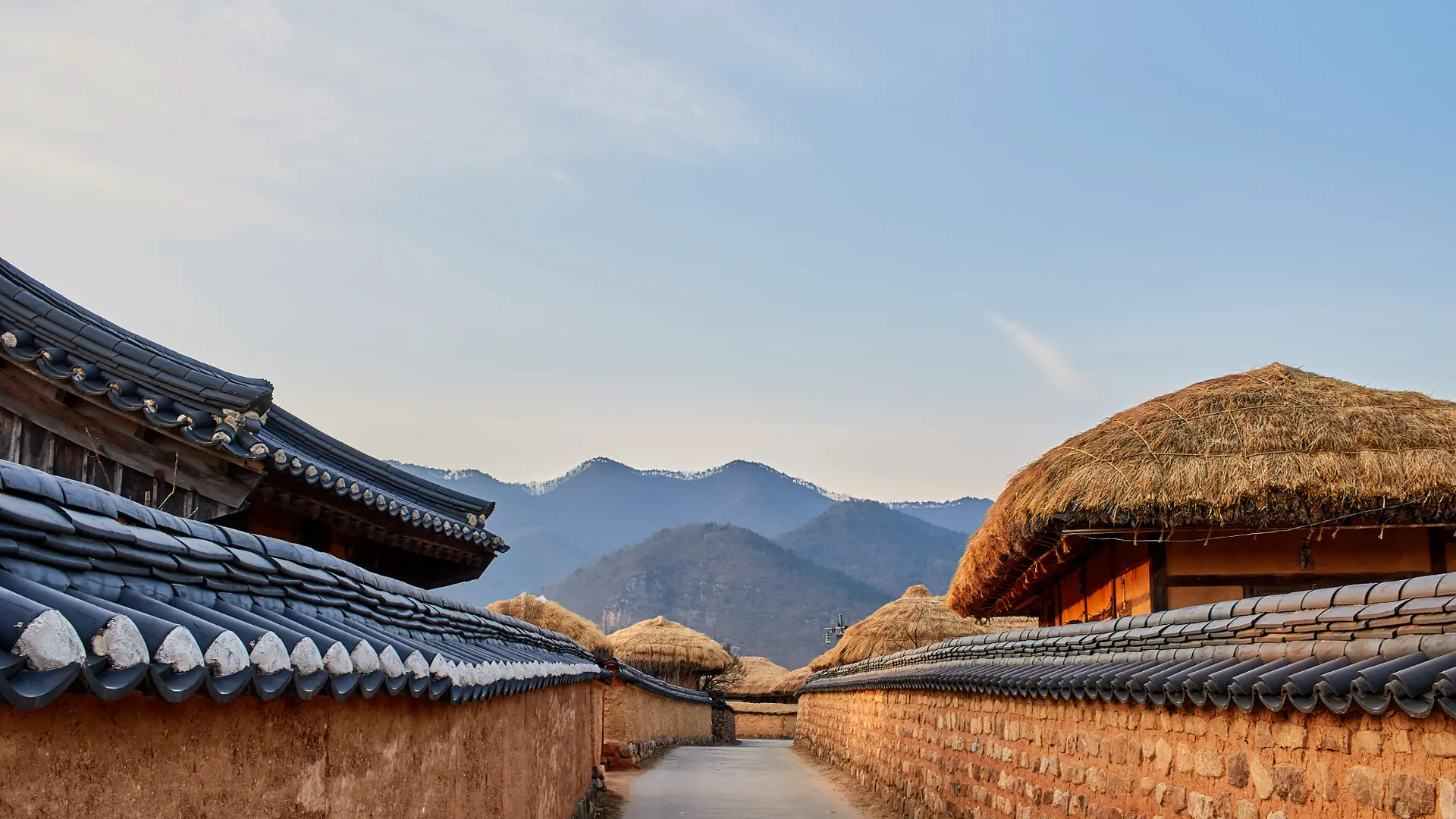
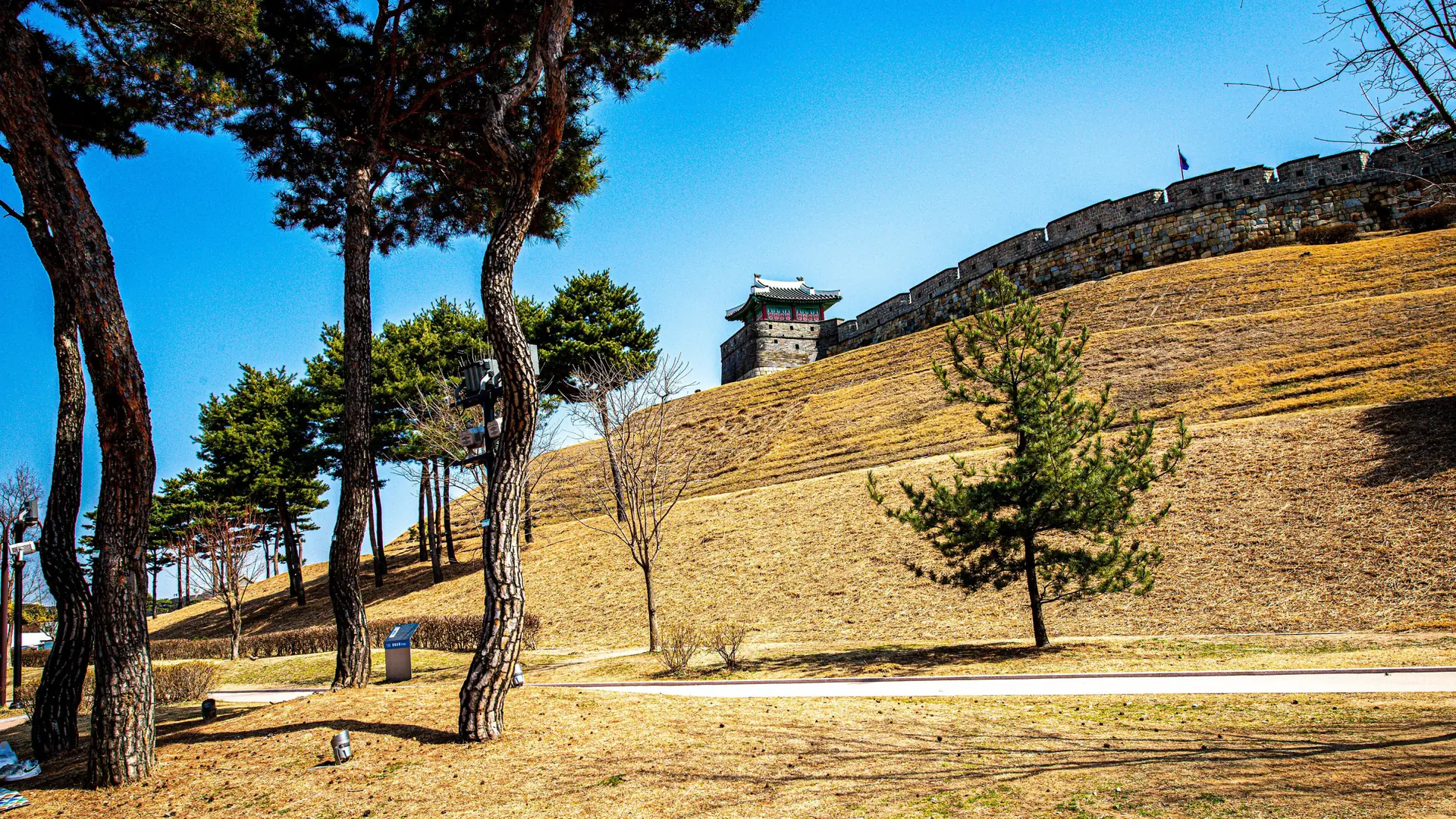
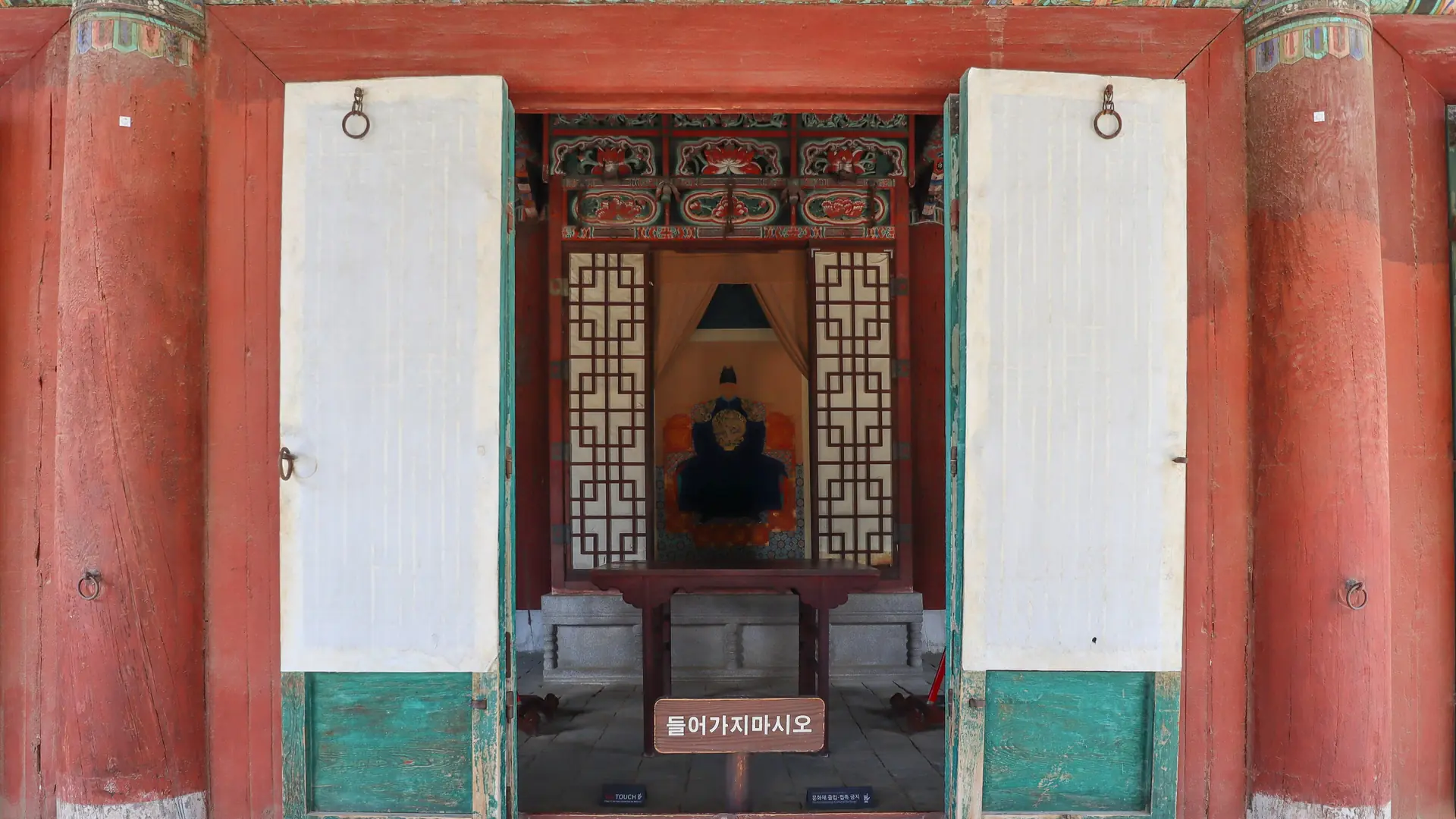
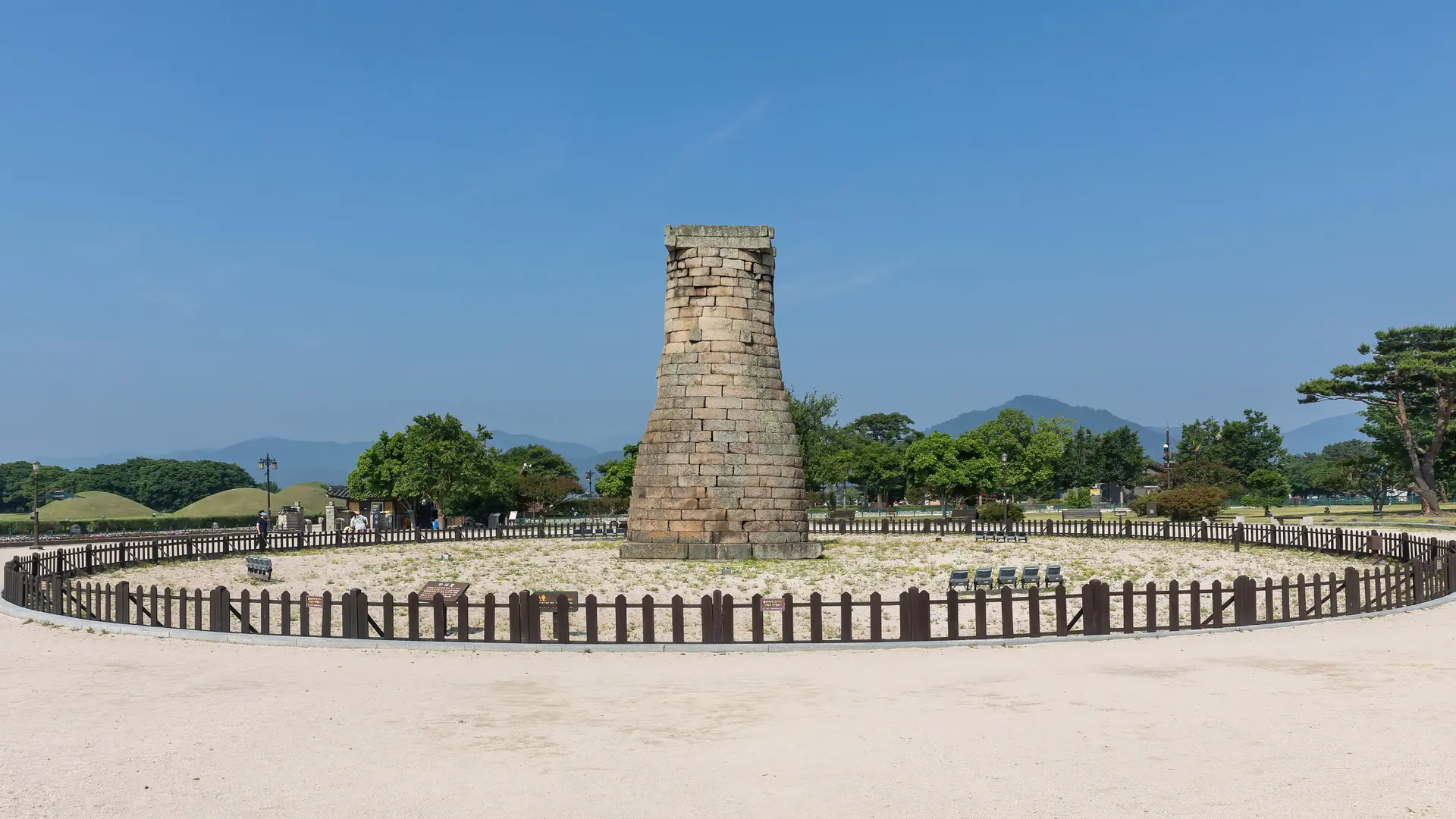
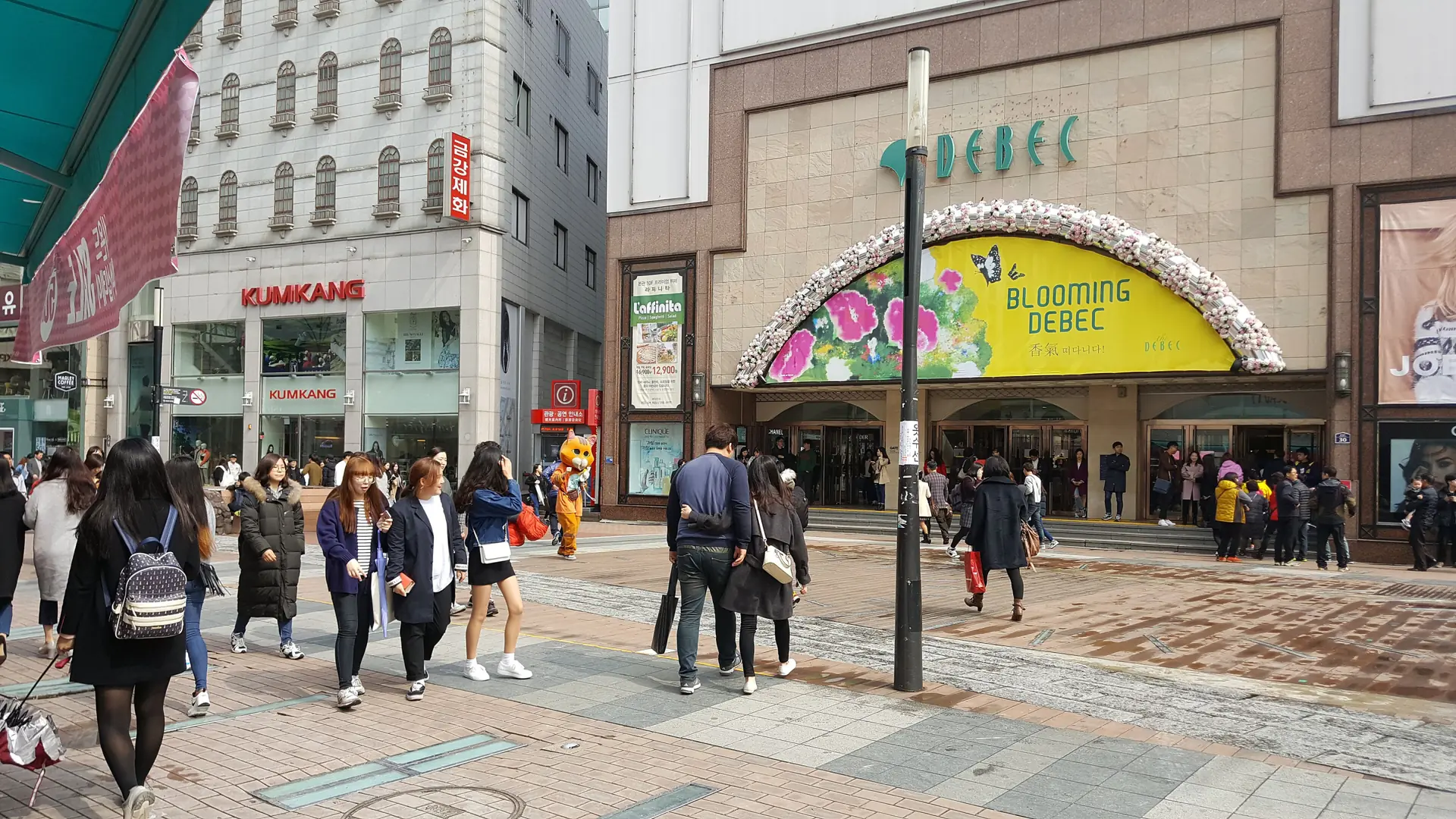
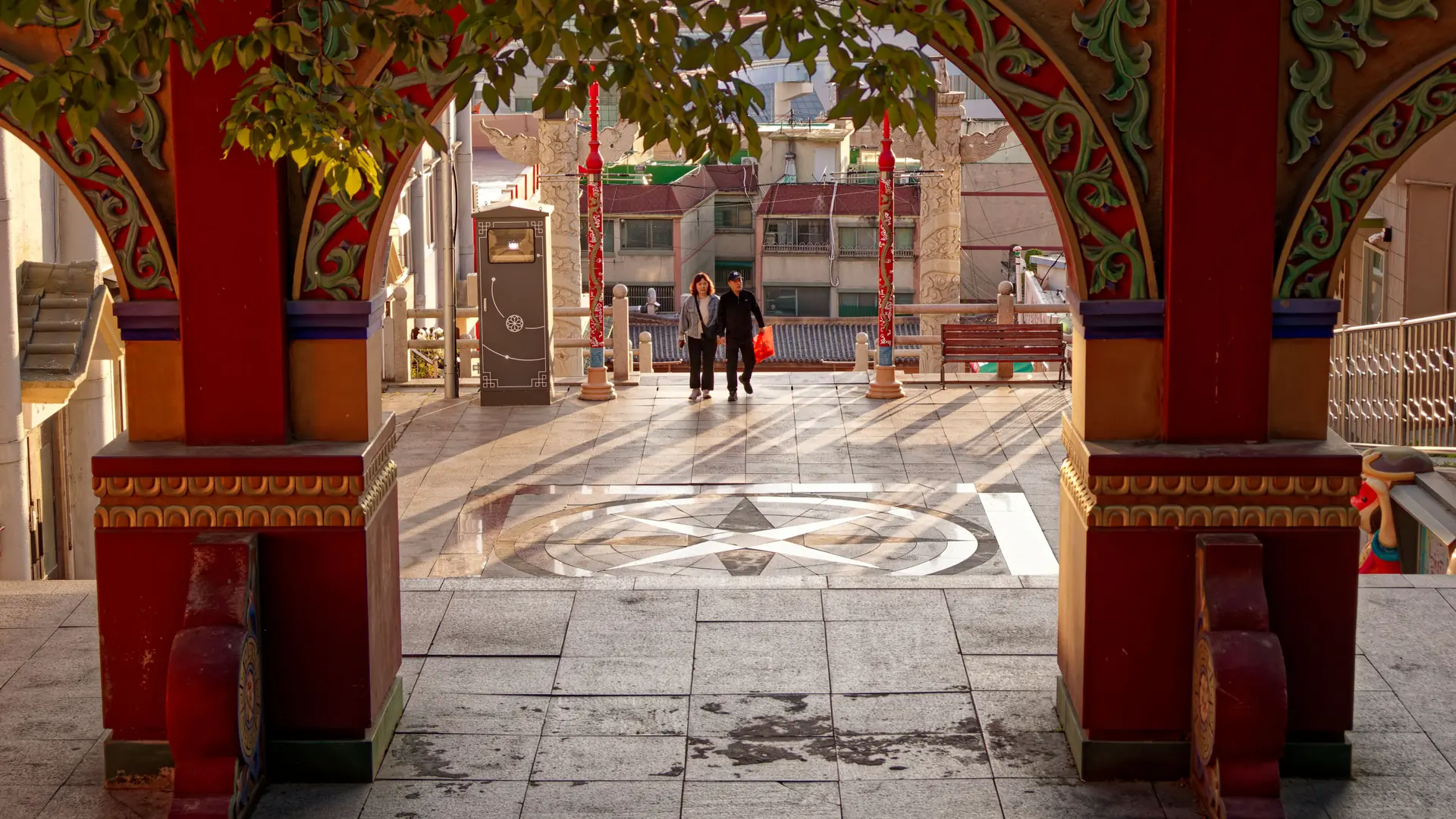
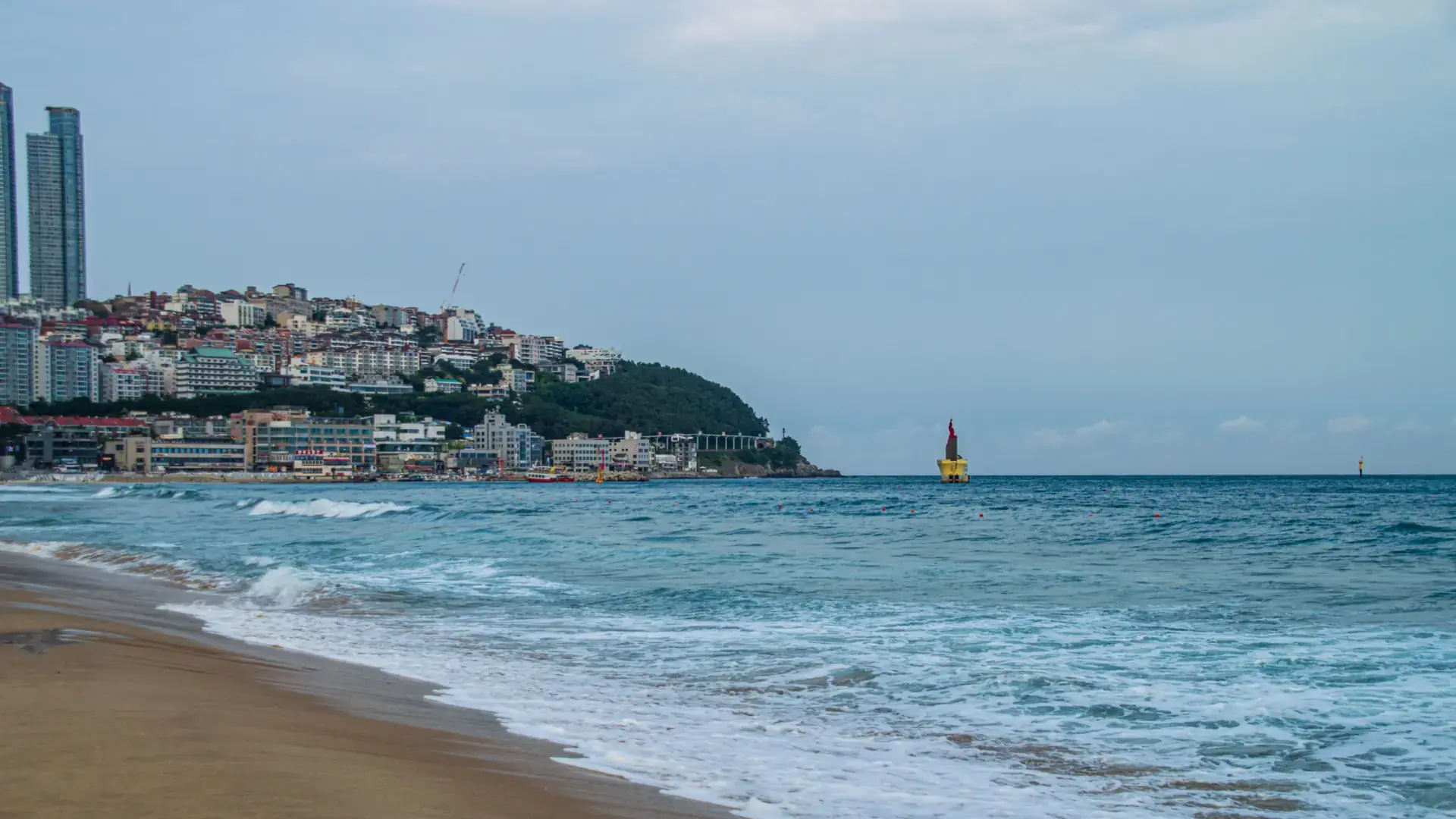
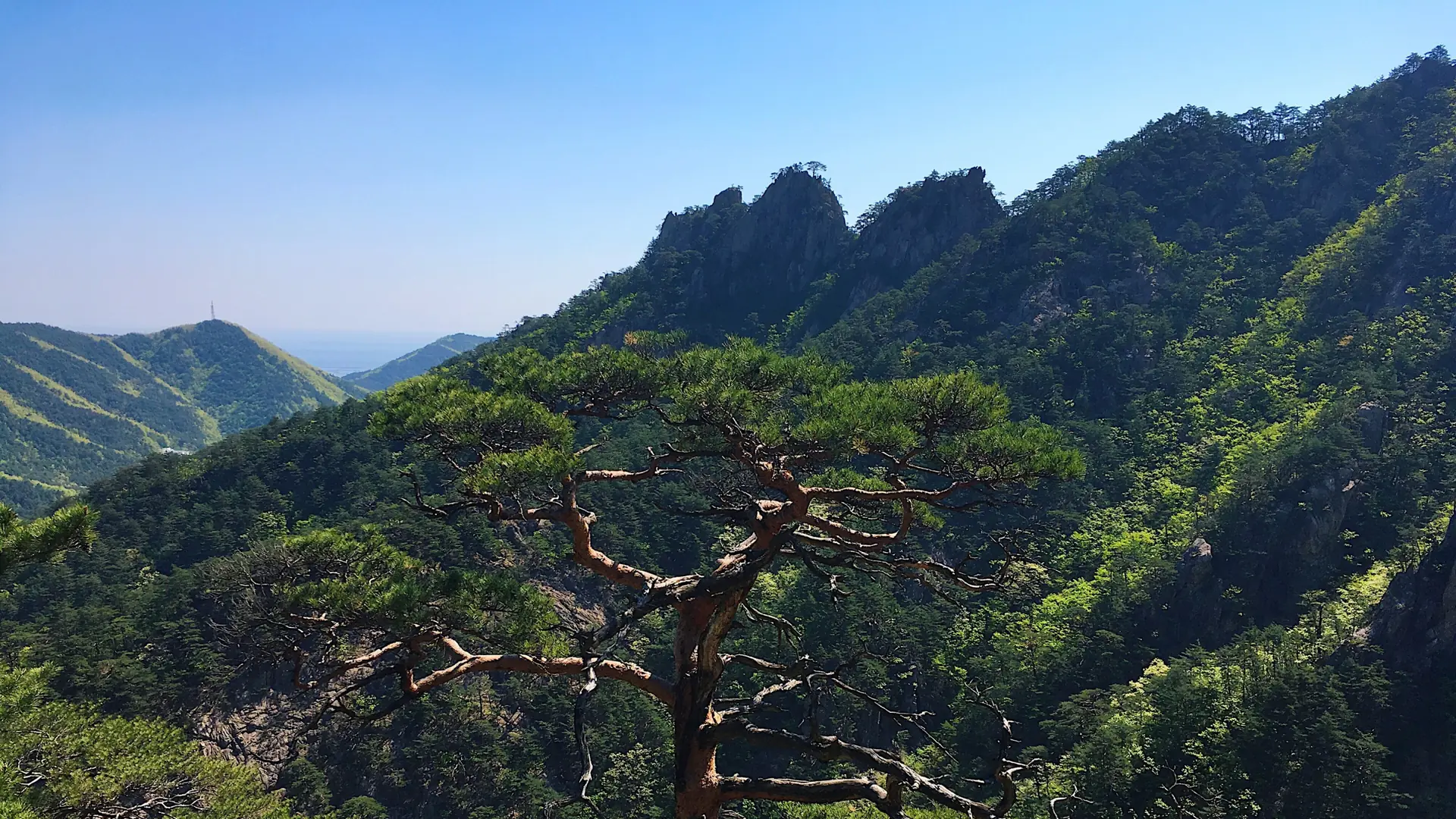
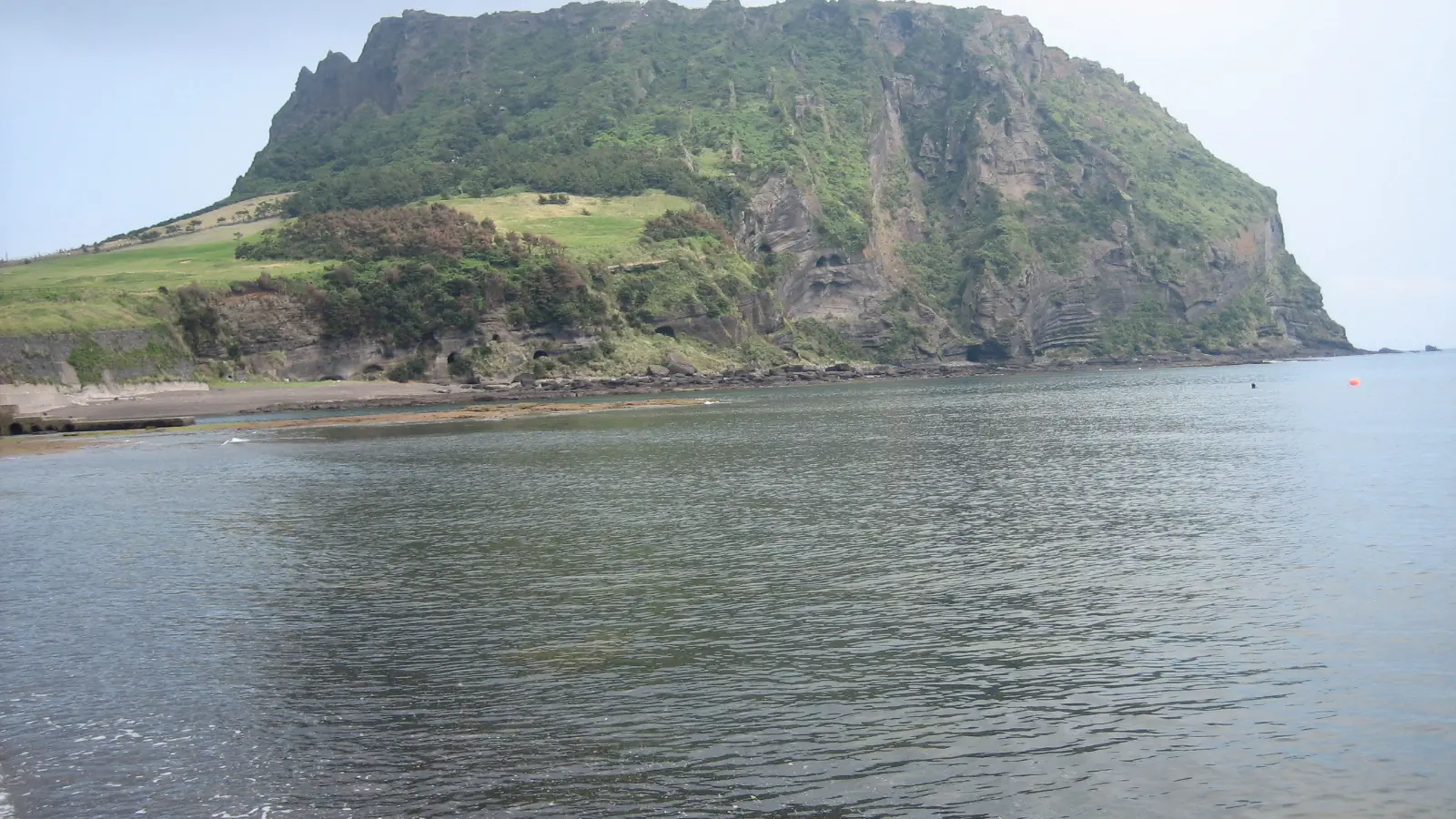
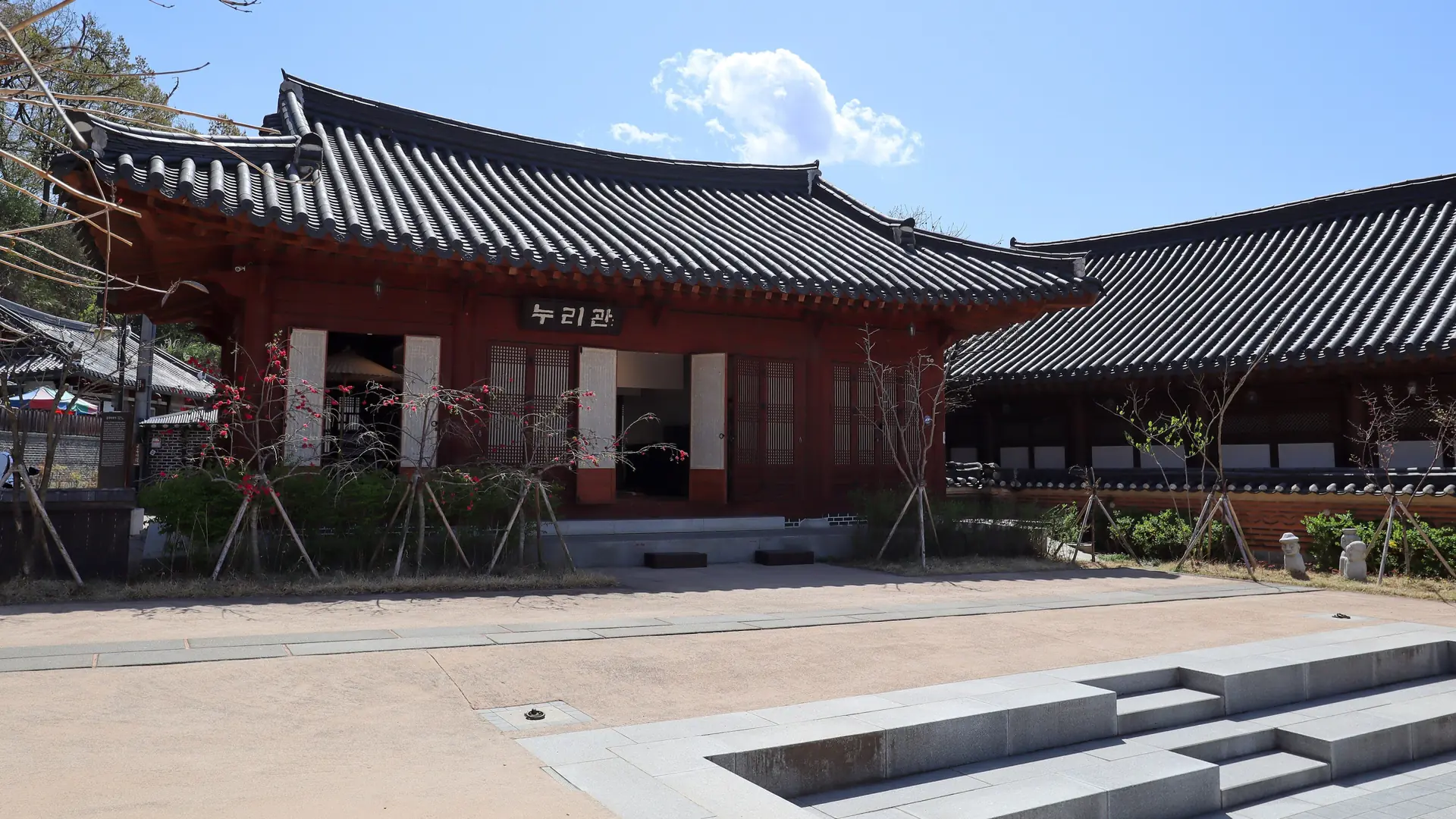
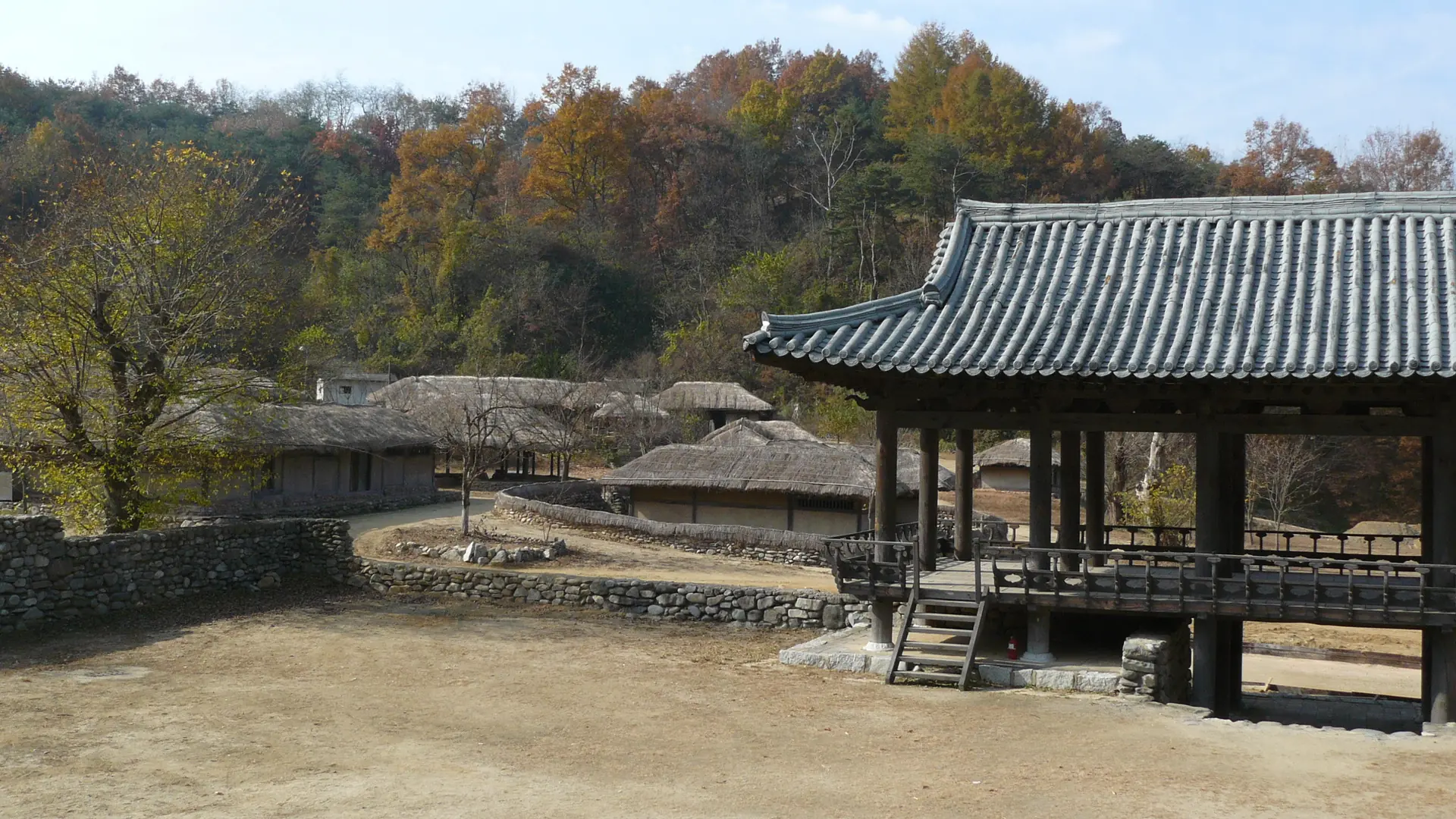
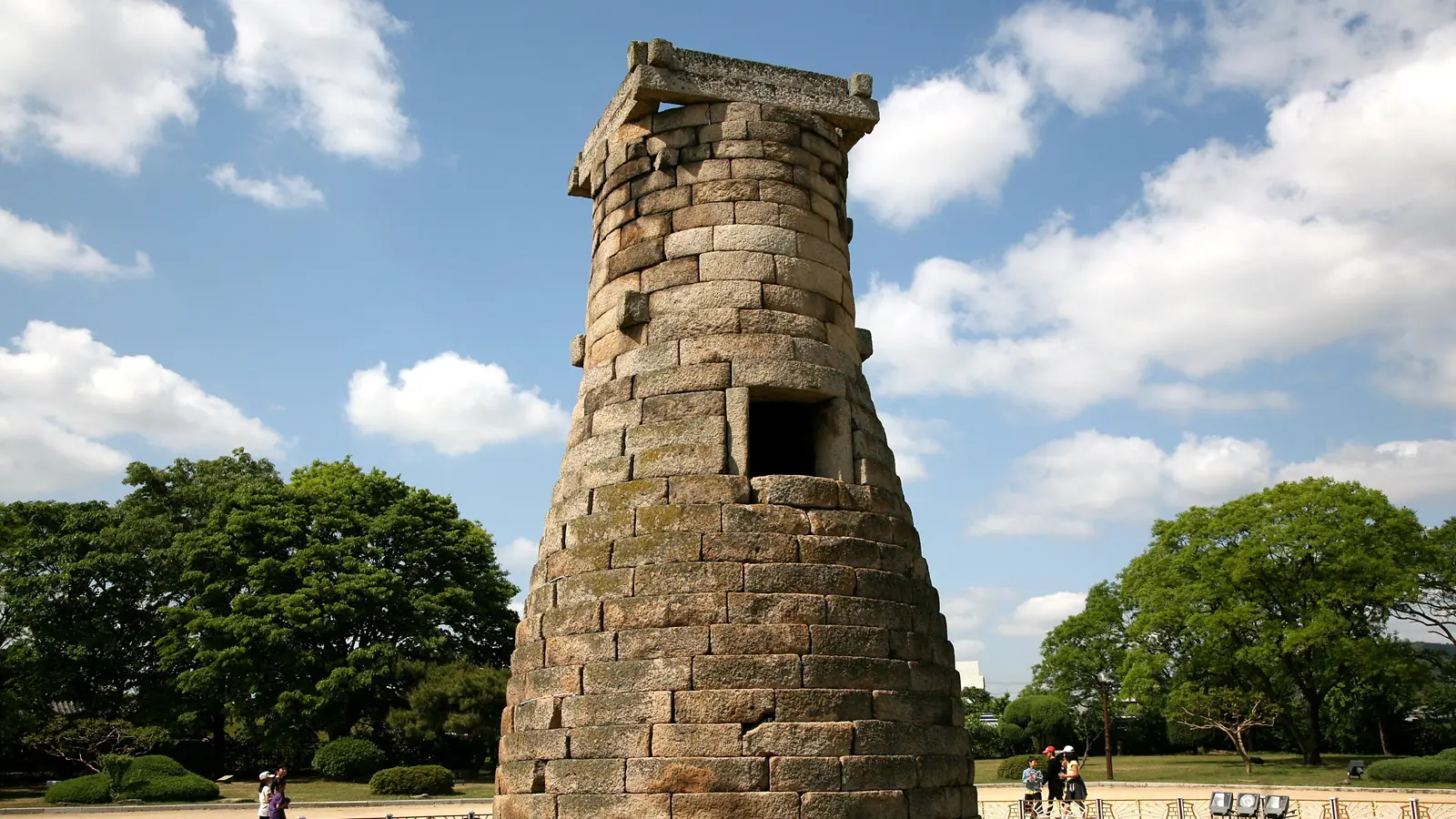
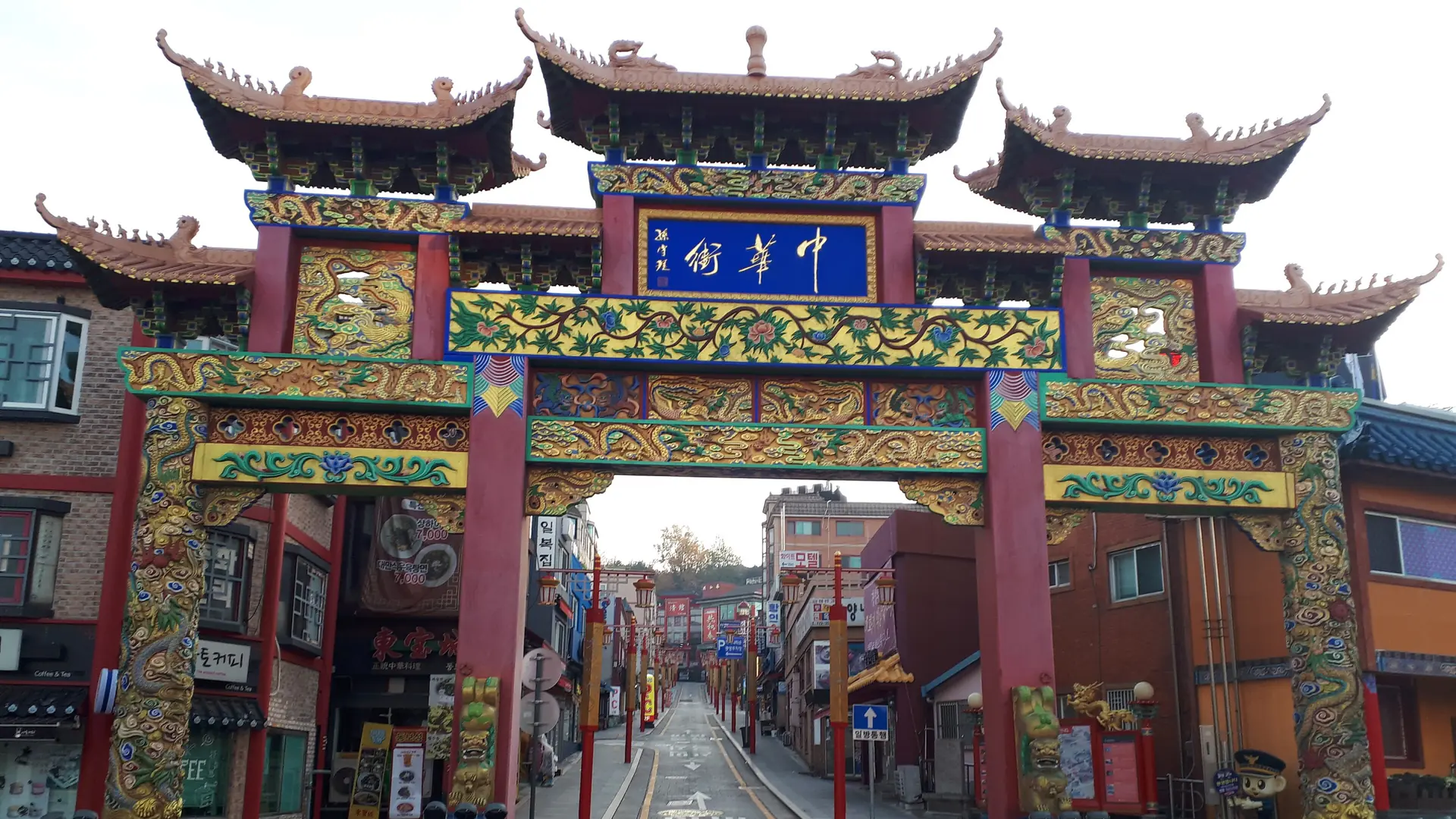
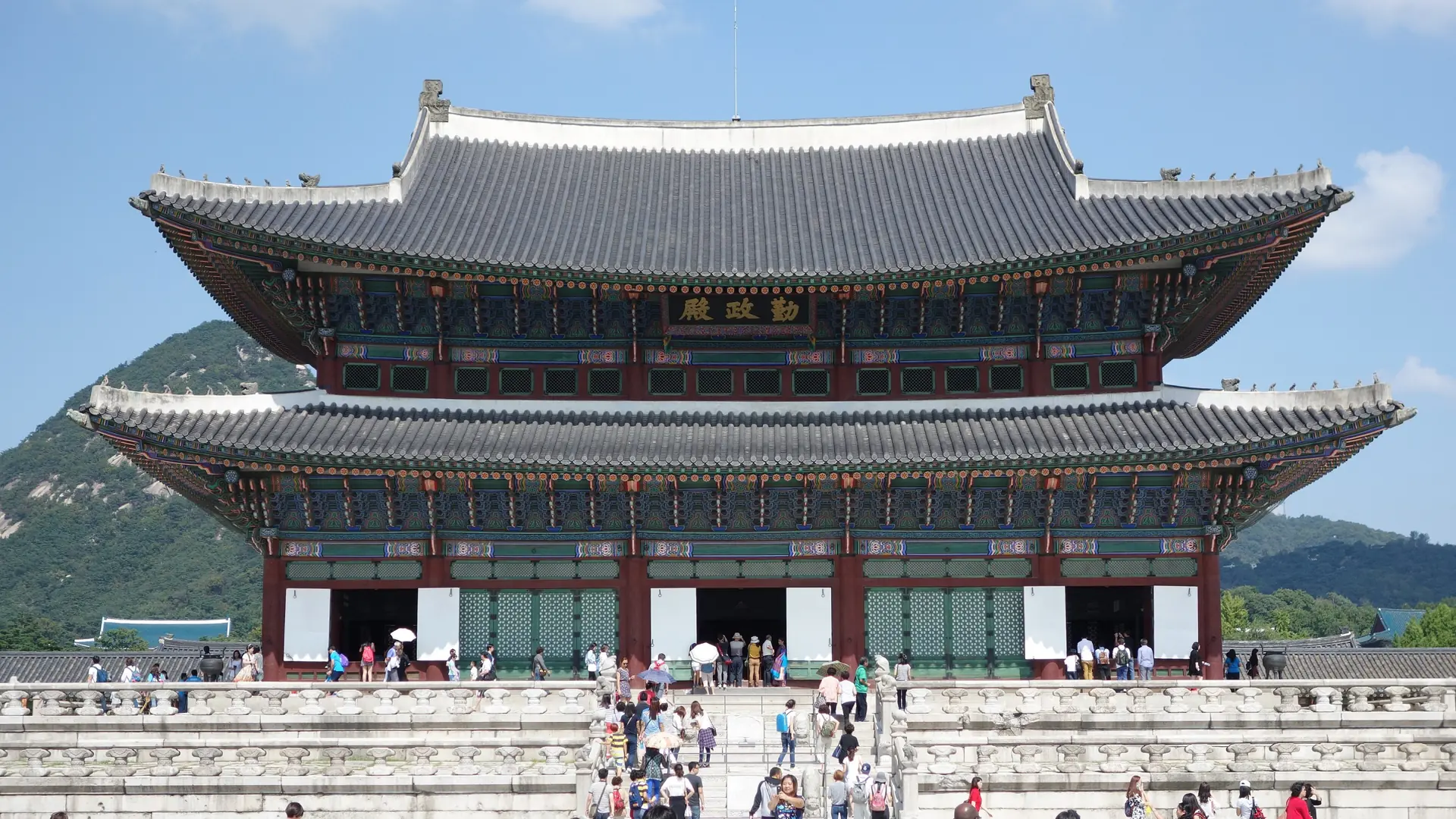
Seoul and Jeju answer completely different questions about Korea, which is exactly what makes them work well together in one week. Seoul carries five centuries of Joseon-dynasty history inside a dense, walkable subway network; Jeju is a volcanic island shaped by lava tubes, tuff cones and a coastline that rewards a rental car more than a bus pass. Splitting the week evenly, three nights each, gives both halves enough room to breathe without turning the trip into a series of transfers.
The flight between them is a genuine convenience rather than a compromise. The Gimpo-Jeju route has for years ranked among the world's busiest short-haul air corridors, with flights departing roughly every 10 to 15 minutes across multiple airlines; a missed departure barely matters when the next one leaves shortly after. Gimpo, Seoul's domestic-focused airport, is the practical departure point rather than Incheon, though a limited direct Incheon-Jeju service resumed in 2026 after roughly a decade's suspension and may suit travellers whose dates line up with its restricted weekly schedule.
Jeju itself is not a single walkable center the way Seoul's historic core is. It's a large volcanic island where Jeju City, Seogwipo, Jungmun and Aewol each anchor a different stretch of coastline, connected by drives of twenty minutes to just under an hour. A rental car genuinely changes what's reachable in three days here; relying on buses alone would cut deeply into the sights this itinerary covers, particularly the early-morning trip to Seongsan Ilchulbong.
Seven days keeps both halves honest rather than rushed, but it doesn't leave room for a third base. Travellers wanting to add Busan or Gyeongju should extend past a week rather than trim nights from either Seoul or Jeju, both of which use their three nights fully in this plan.