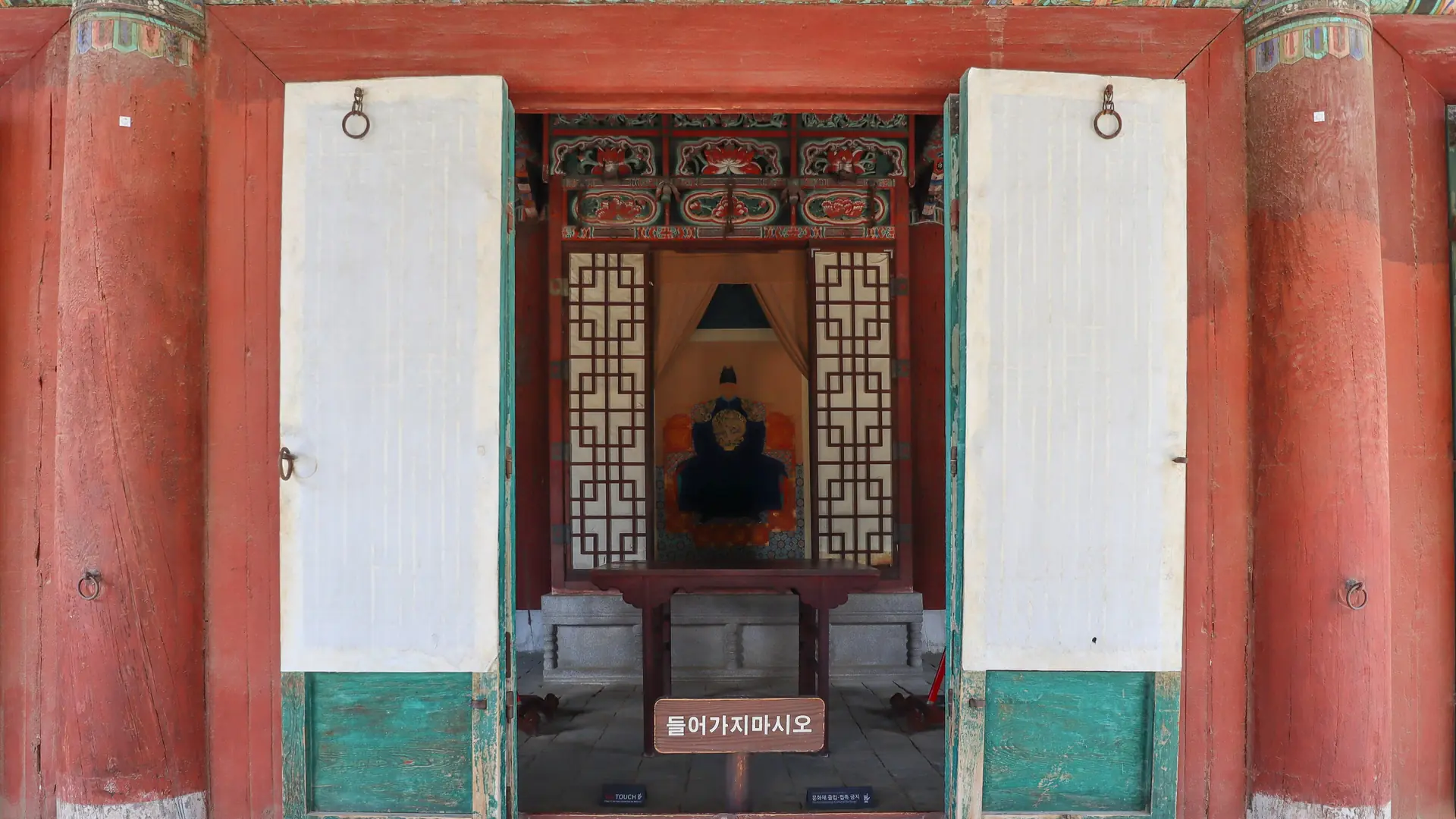
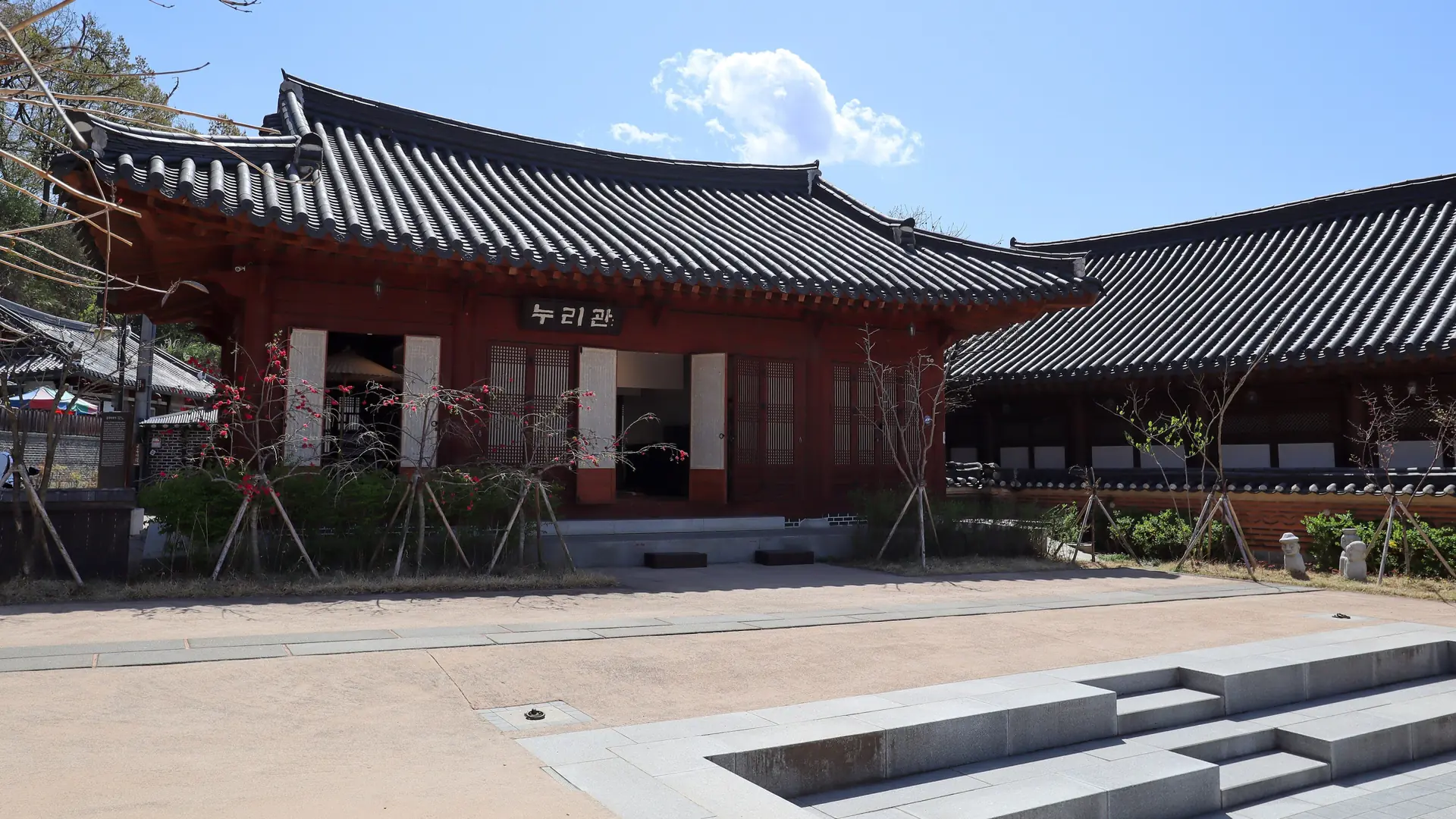
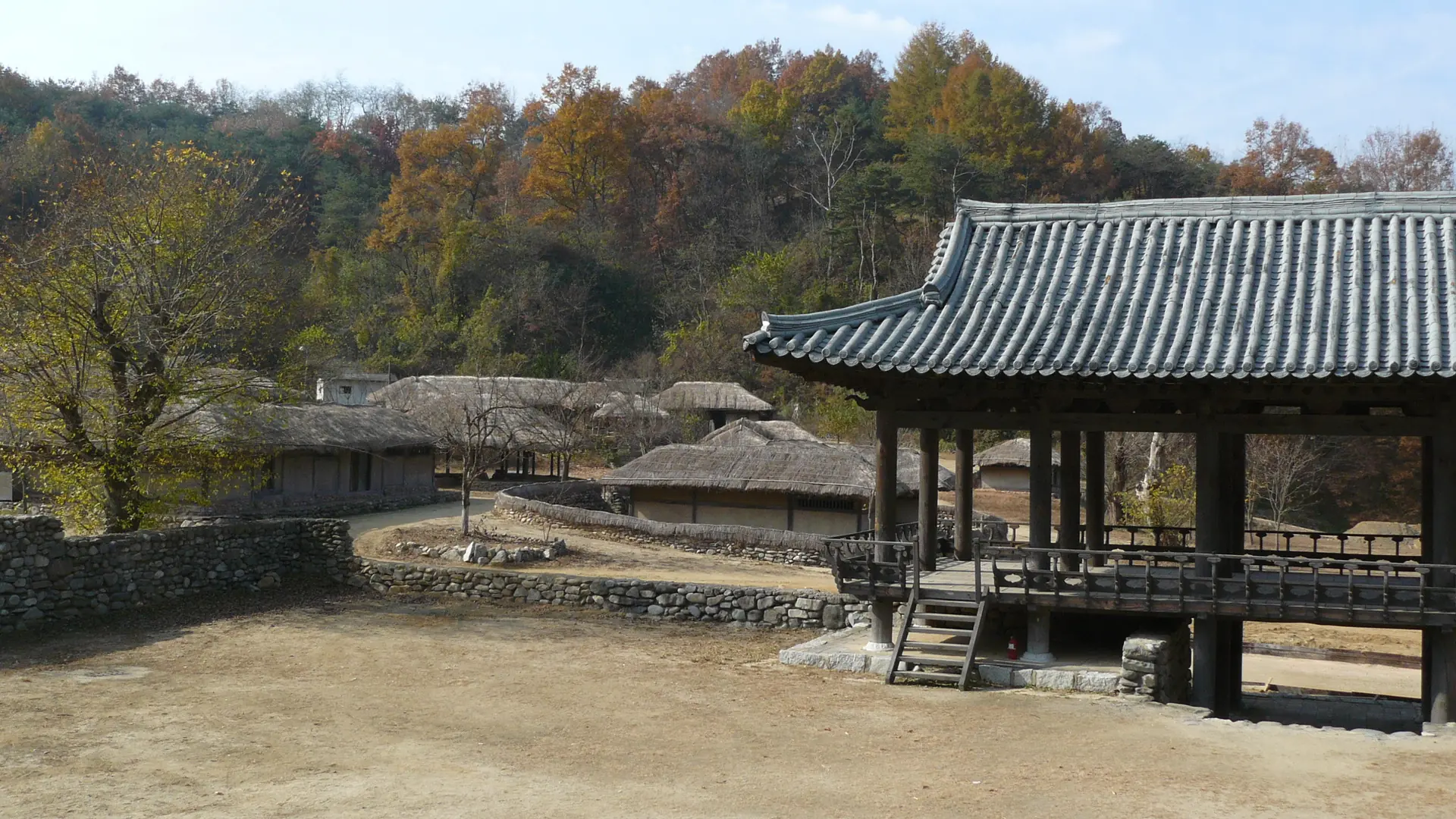
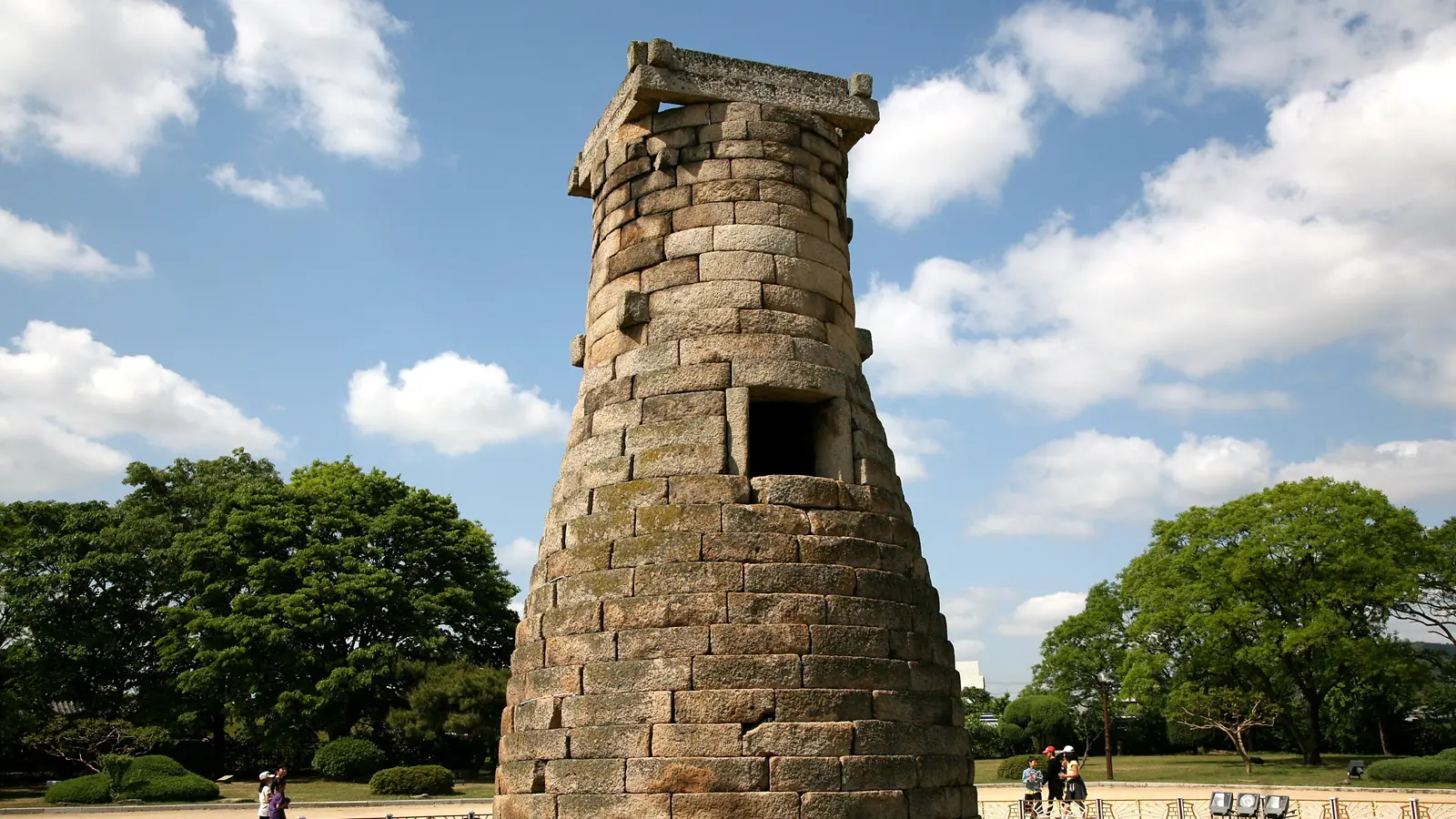
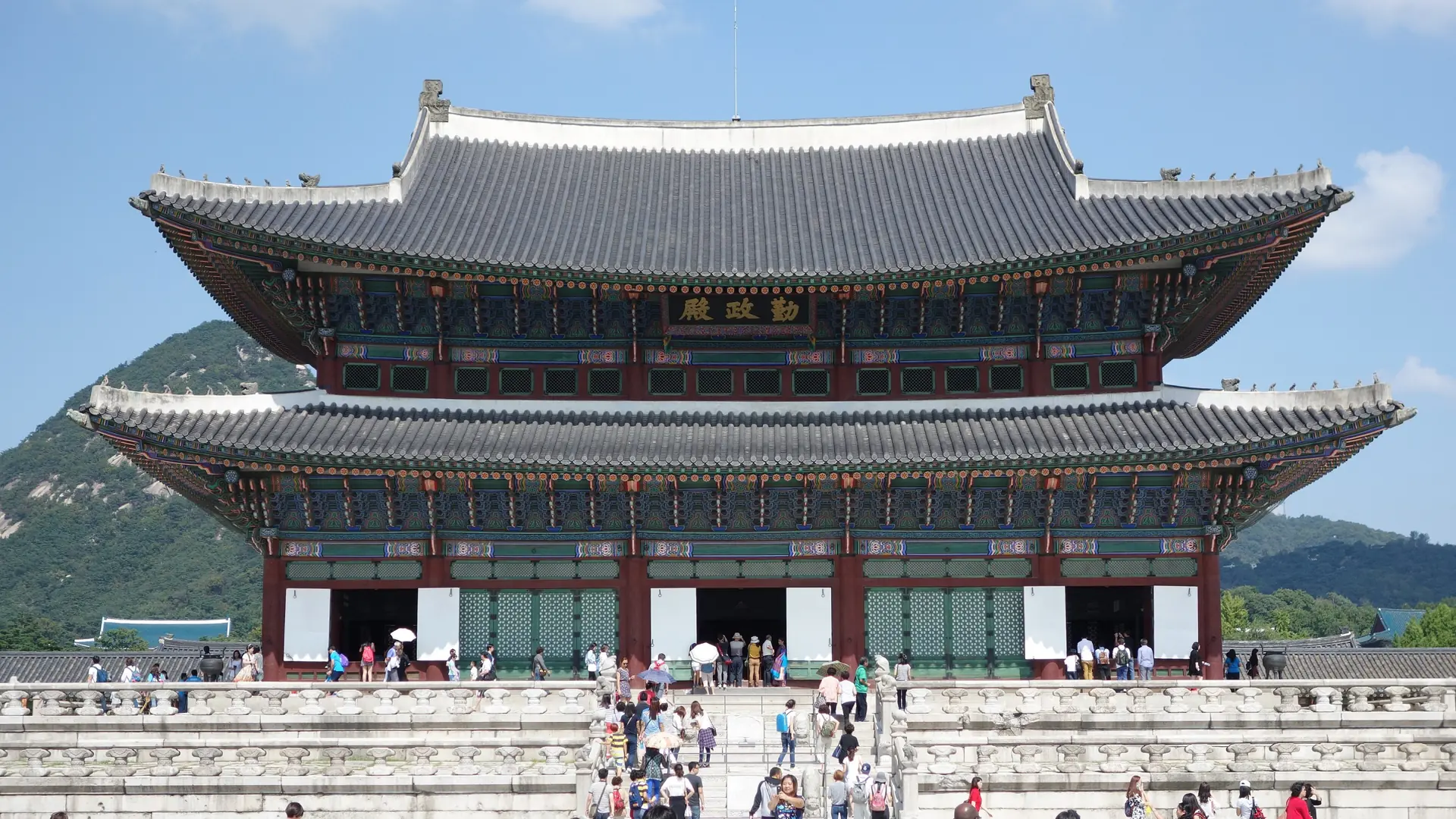
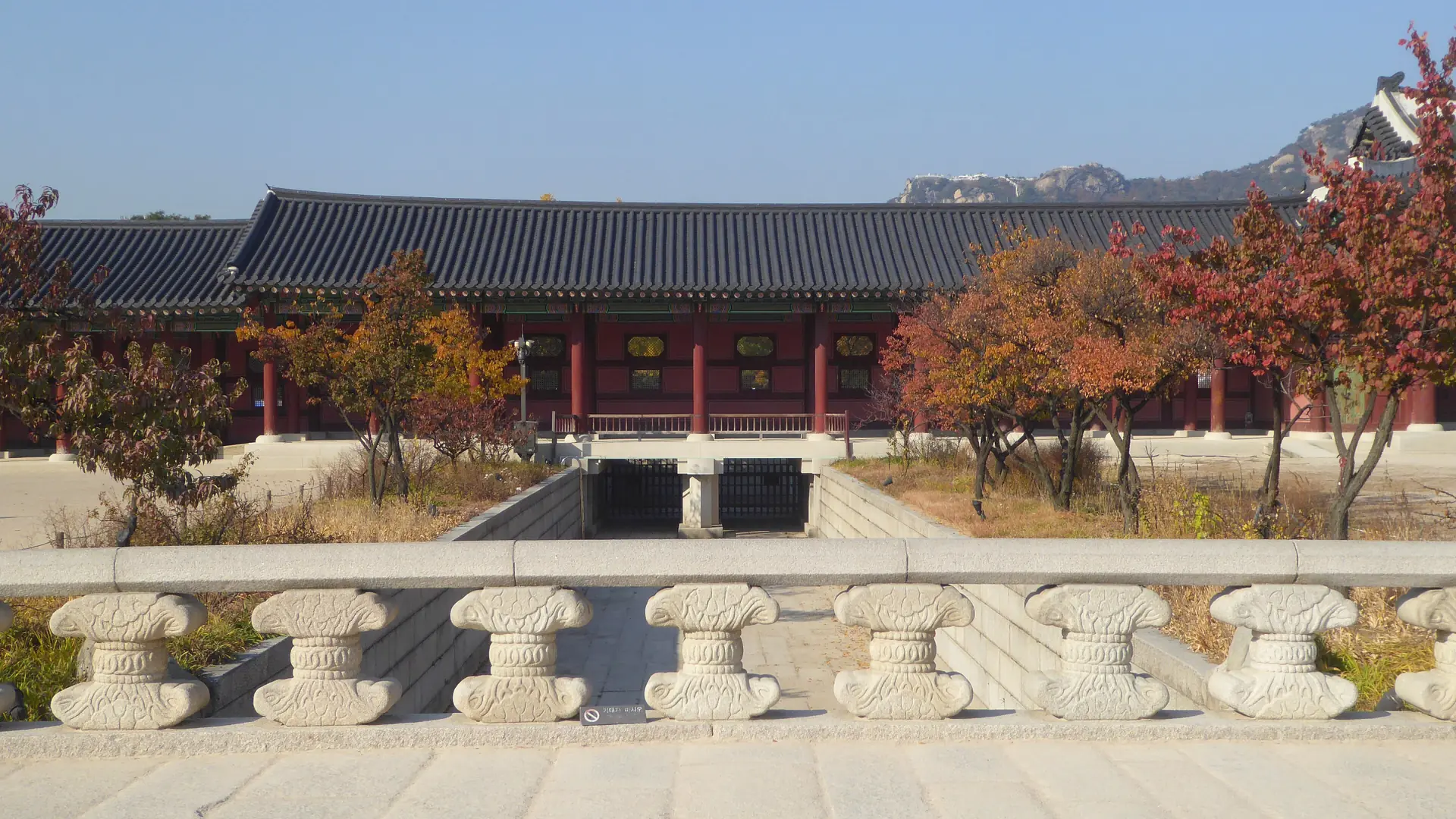
Gyeongbokgung Palace's red hanok hall and tiled roofline under a clear blue sky, with autumn trees and a mountain behind

South Korea: Choose Seoul, Busan or Jeju for Your First Trip

Search stays
Quick answer

Four nights in Seoul and three in Busan give two distinct bases over eight days.

Rail arrival points
Dongdaegu serves high-speed trains for Daegu; Gyeongju station needs a transfer to the old center.
Island stay
Give Jeju three or four nights and group outings by coast to reduce cross-island travel.
Walking seasons
Spring and autumn usually favor city walks; summer is hotter, more humid and much wetter.
Local route tools
Naver Maps provides walking and transit routes; Papago helps translate signs and menus.
Two-person allowance
Eight days and seven nights: ₩2,232,000 (about US$1,676), with room, food, travel and visits included.
Heritage extension
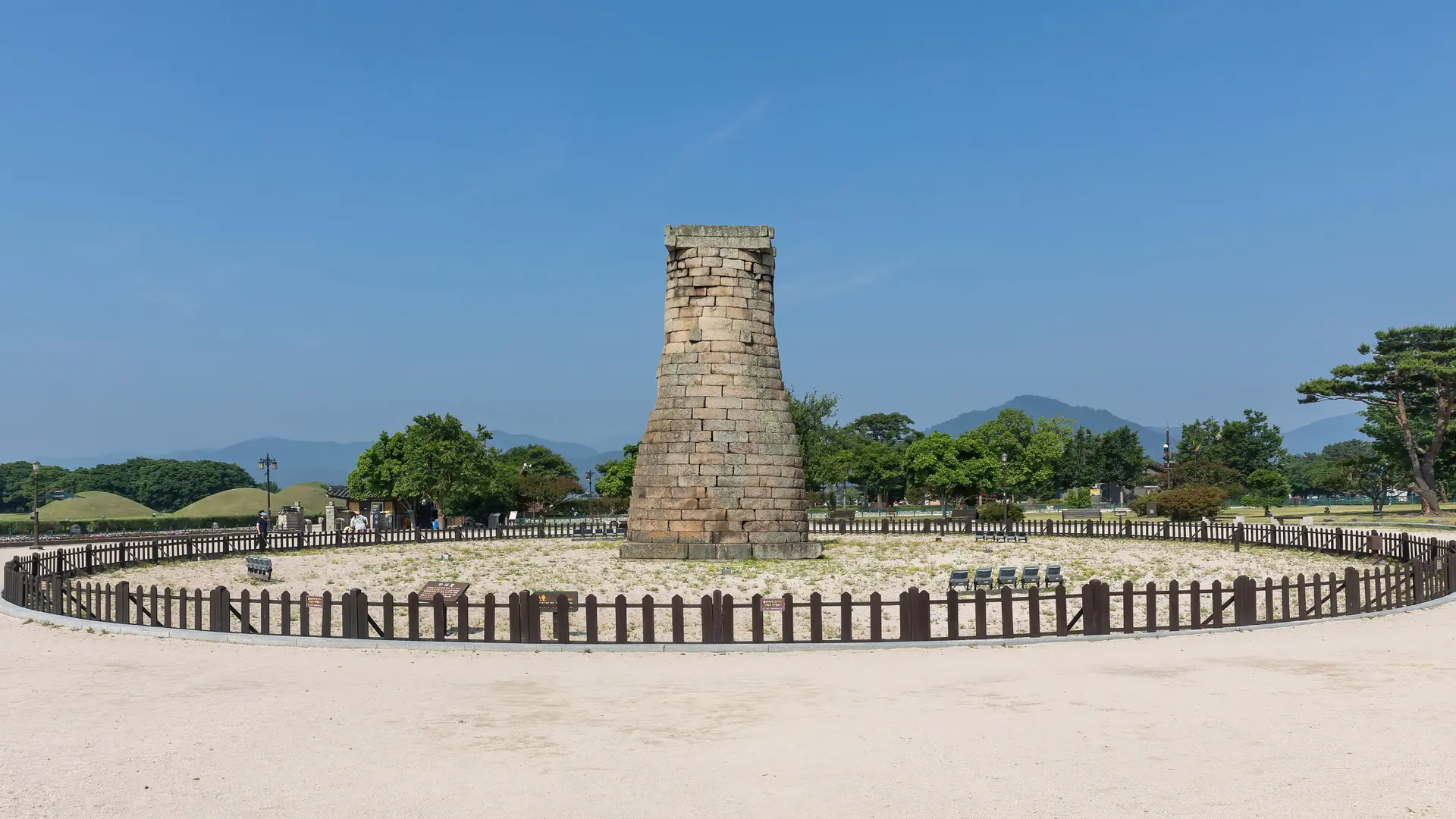
Two Gyeongju nights add royal tombs, historic streets and a separate Bulguksa outing.

StartBooker answer

How should you plan a first trip to South Korea?

For a first week, spend four nights in Seoul and three in Busan, linked by KTX. That gives you palace districts and markets before a coastal city with seafood and beach walks. Choose Jeju instead of Busan if volcanic landscapes matter more than a second city; the island adds a flight and longer journeys between sights. With ten or more nights, Gyeongju makes a worthwhile two-night heritage stop on the mainland. Your most useful first decision is the kind of extension you want, followed by accommodation near the transport you will actually use.

Mainland route
Seoul–Dongdaegu–Gyeongju–Busan lies on the Gyeongbu KTX corridor.
Island extension
Allow three or four nights for Jeju, with sightseeing grouped along one coast each day.
Airport rail
AREX Express takes 43 minutes from Incheon T1 or 51 from T2 to Seoul Station, plus waiting and onward travel.

Things to do in South Korea

Explore tours, attractions and local experiences in South Korea.

Loading activities…

Activities provided by GetYourGuide. We may earn a commission on bookings.

AI-powered

Ask StartBooker AI

Ask about routes, city bases, seasons, budgets, and practical trip questions for South Korea. StartBooker AI does not make bookings.

Quick quiz

Which South Korea trip style fits you?

Best places to stay in South Korea

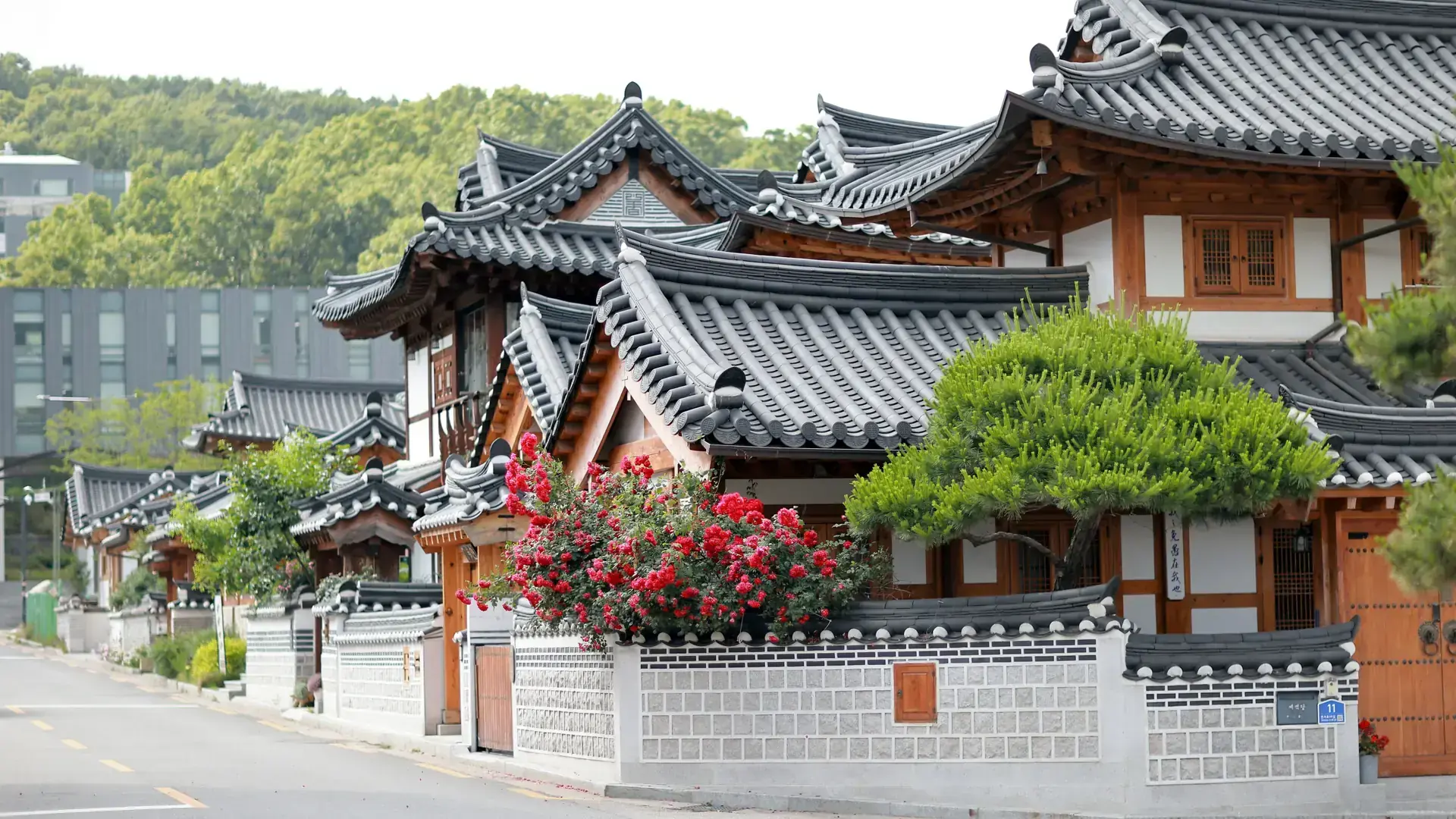
Traditional hanok rooftops and a flowering wall in Seoul's Bukchon village in daylight Seoul
first-trip

Seoul's palace districts, Bukchon rooftops and markets give a first visit plenty of variety. Stay around Jongno for historic neighborhoods, Myeongdong for a central shopping base, or Hongdae for evenings out. Three or four nights let you explore separate districts without crossing the whole city for every meal.

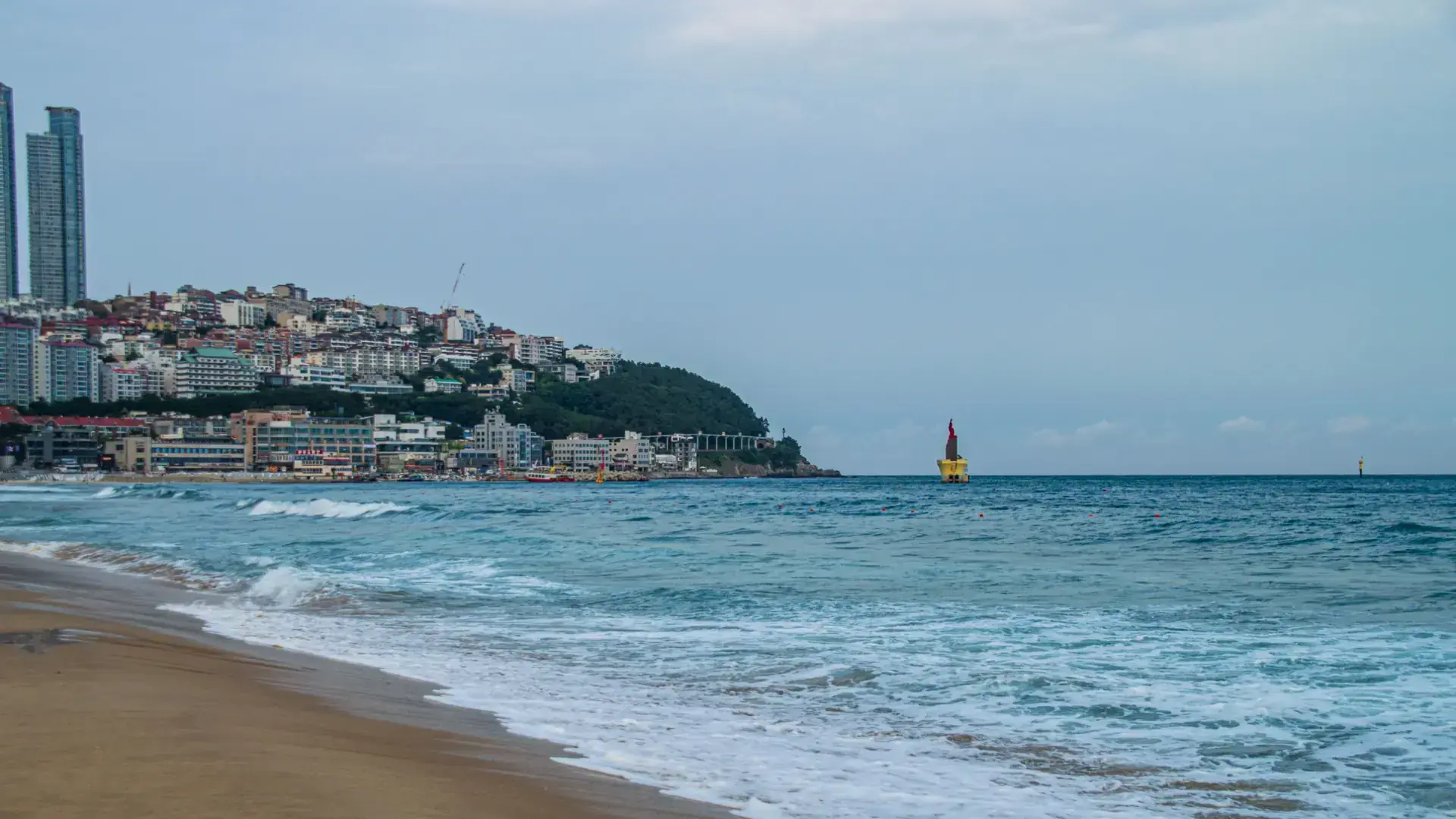
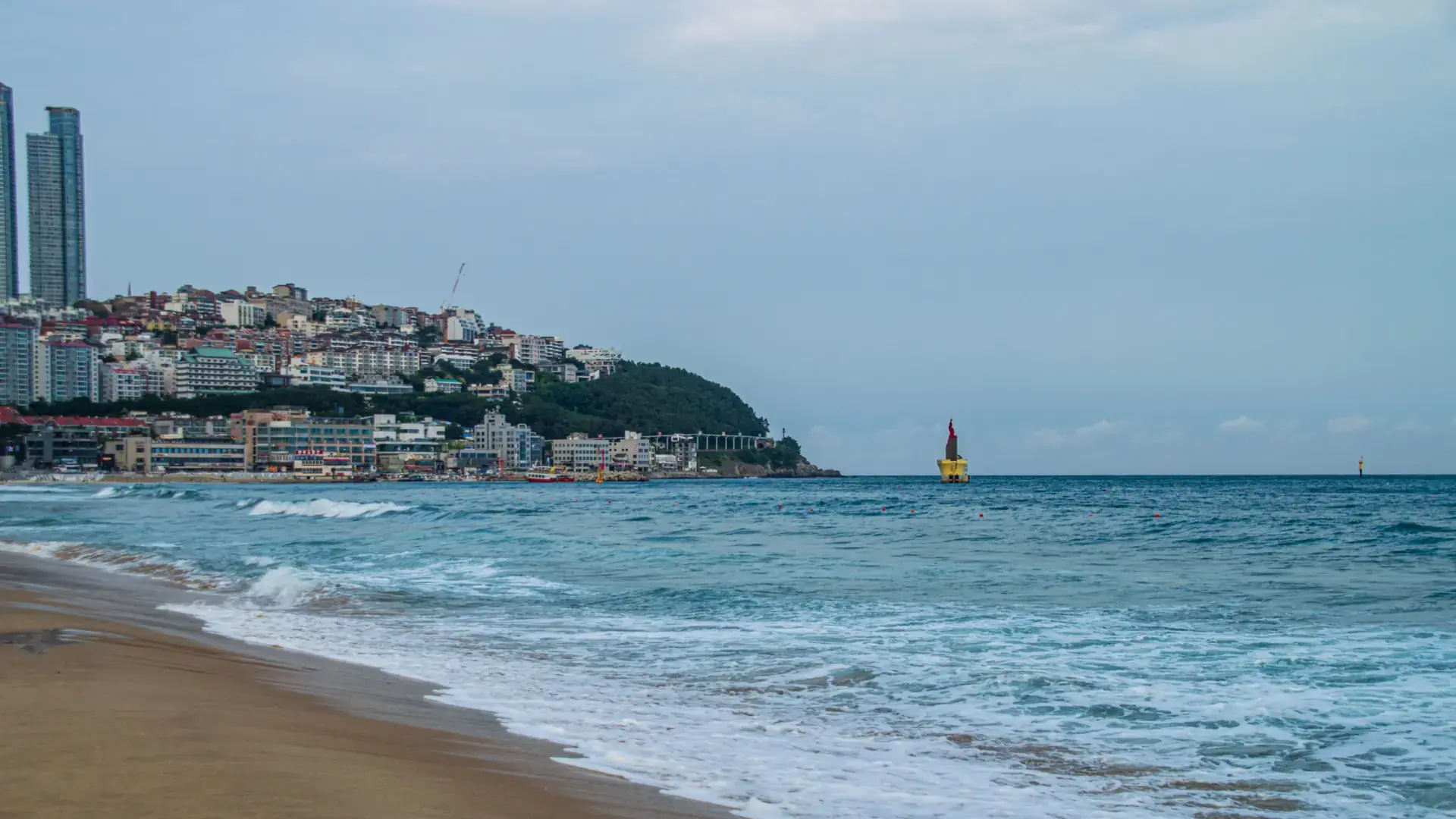
Busan coastline with a beach, waterside buildings and a yellow lighthouse beneath pale cloud Busan
food

Busan adds a coastal city to a mainland trip: Haeundae for beach walks, Gwangalli for the bayfront, and Nampo for Jagalchi market and the older port. Its districts are spread out, so the best base depends on whether you want the sea outside your room or shorter journeys through the city.

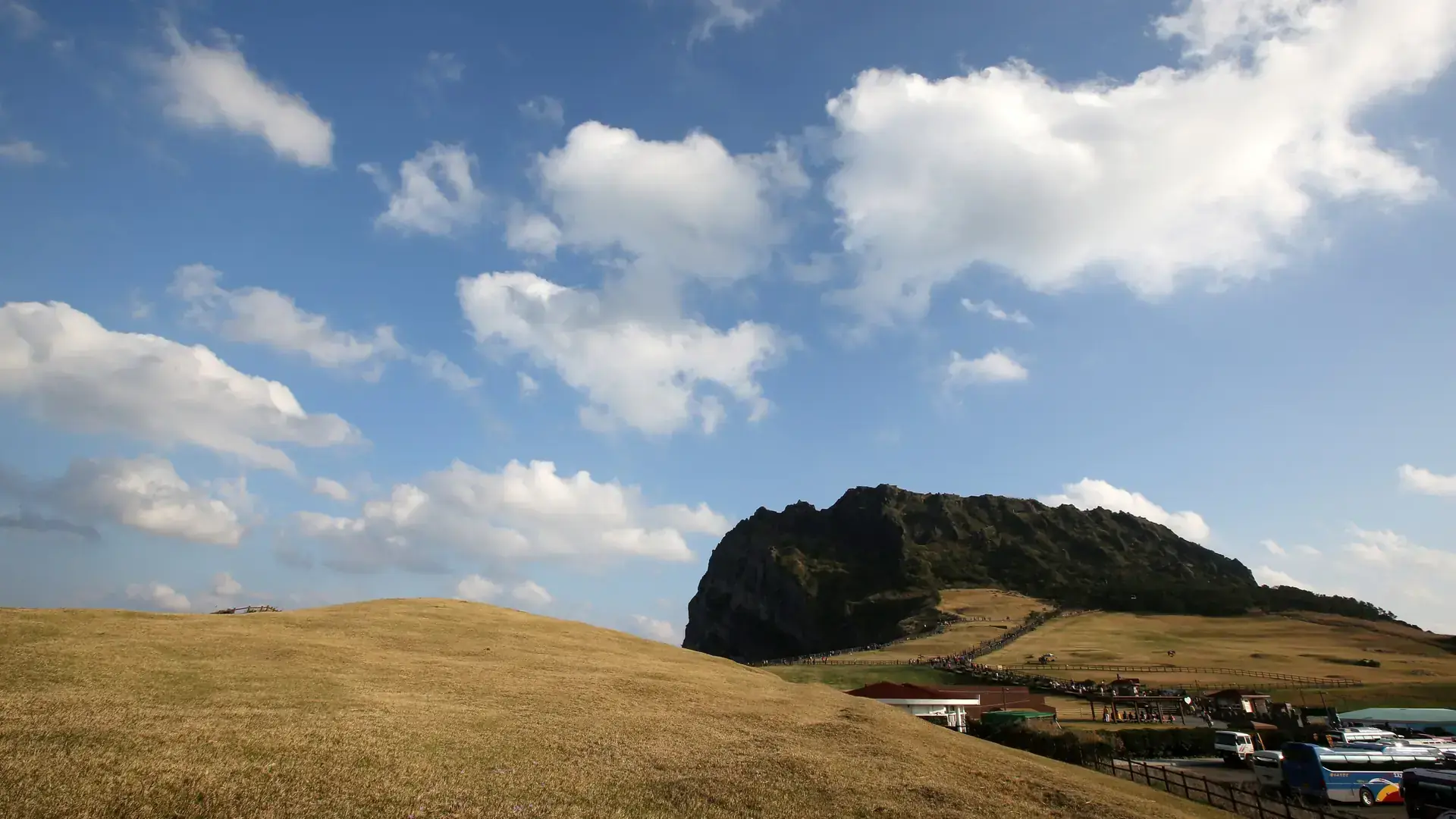
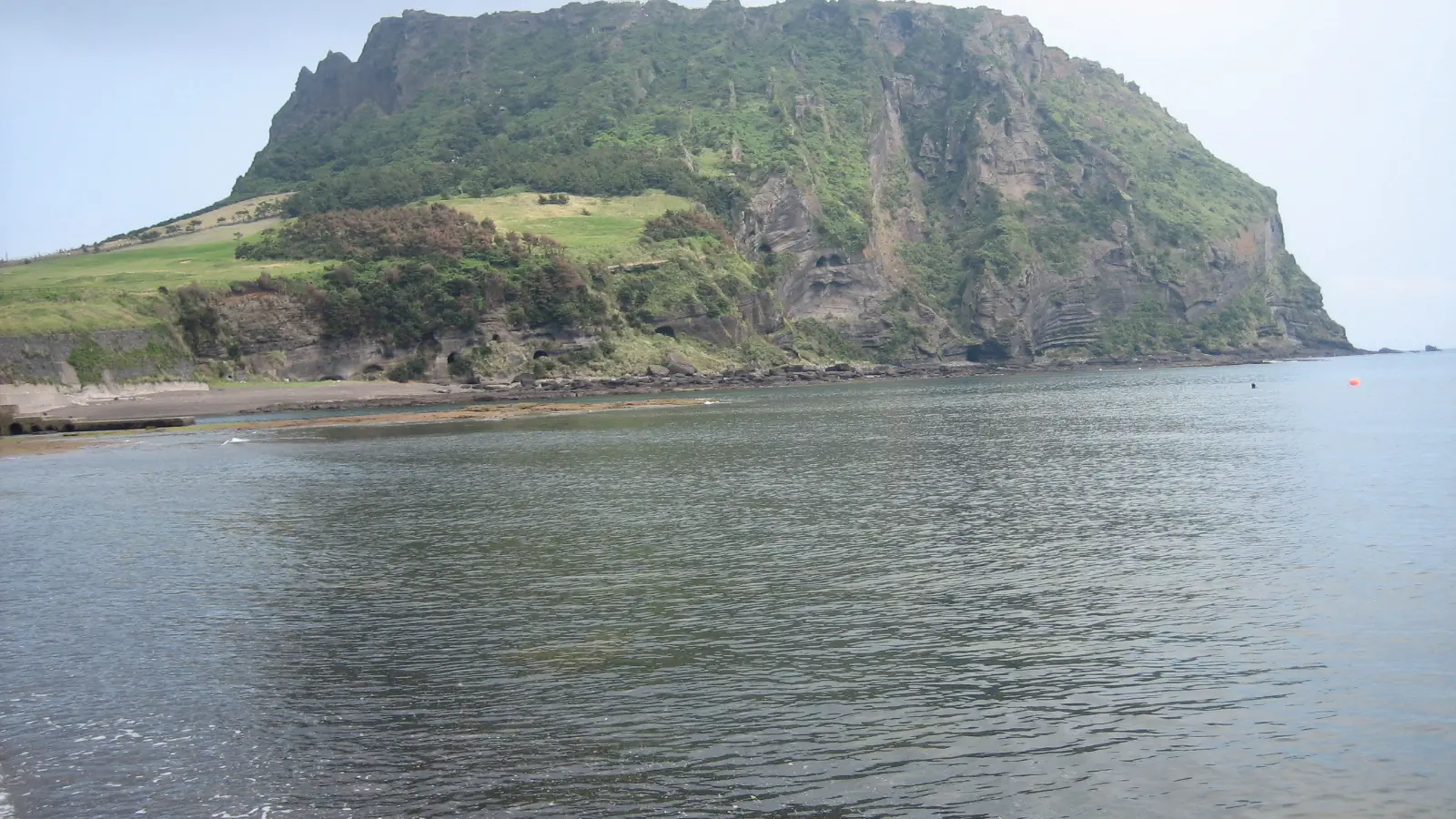
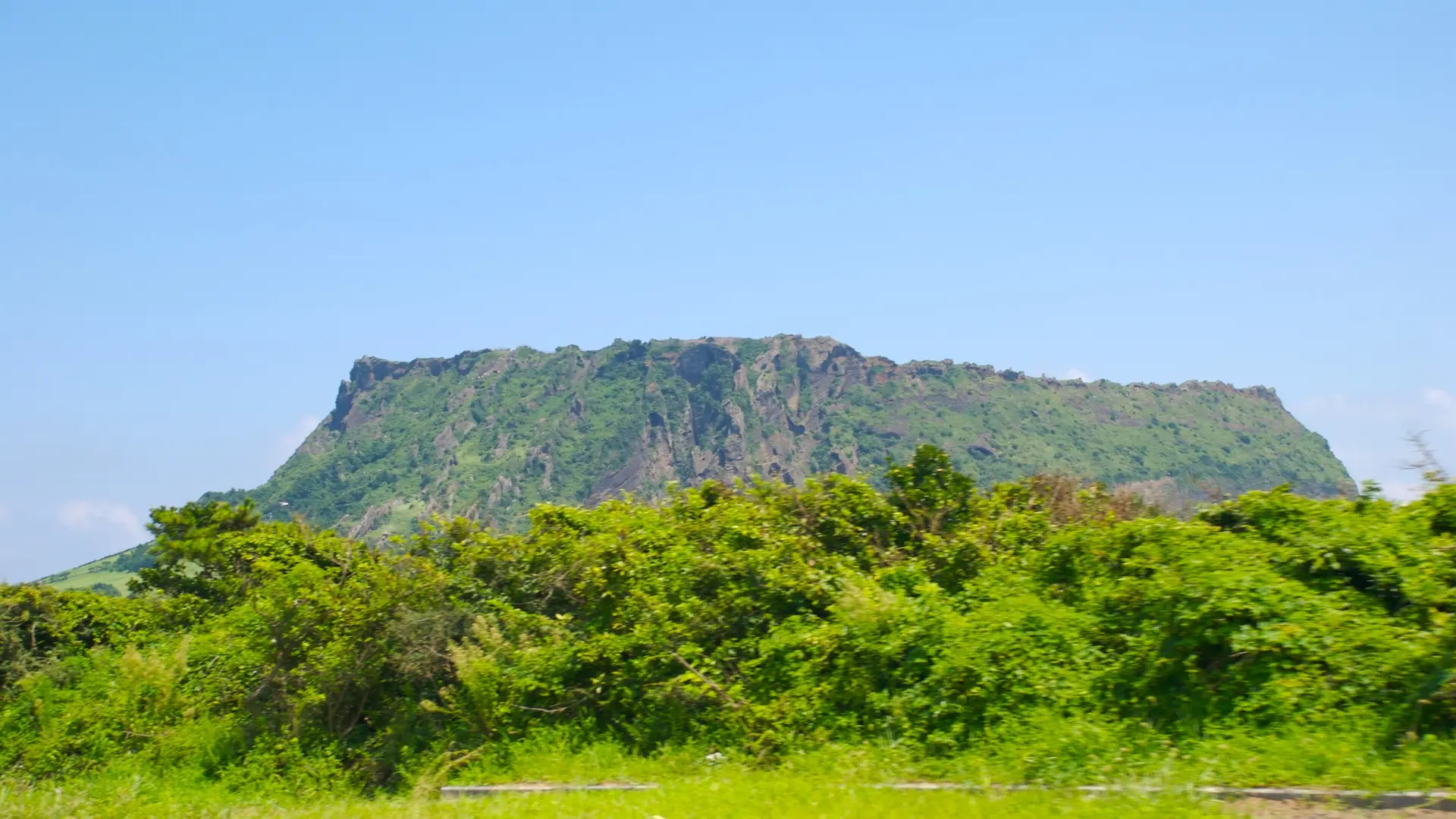
Seongsan Ilchulbong volcanic crater rising over Jeju's grasslands under a bright blue sky Jeju
nature

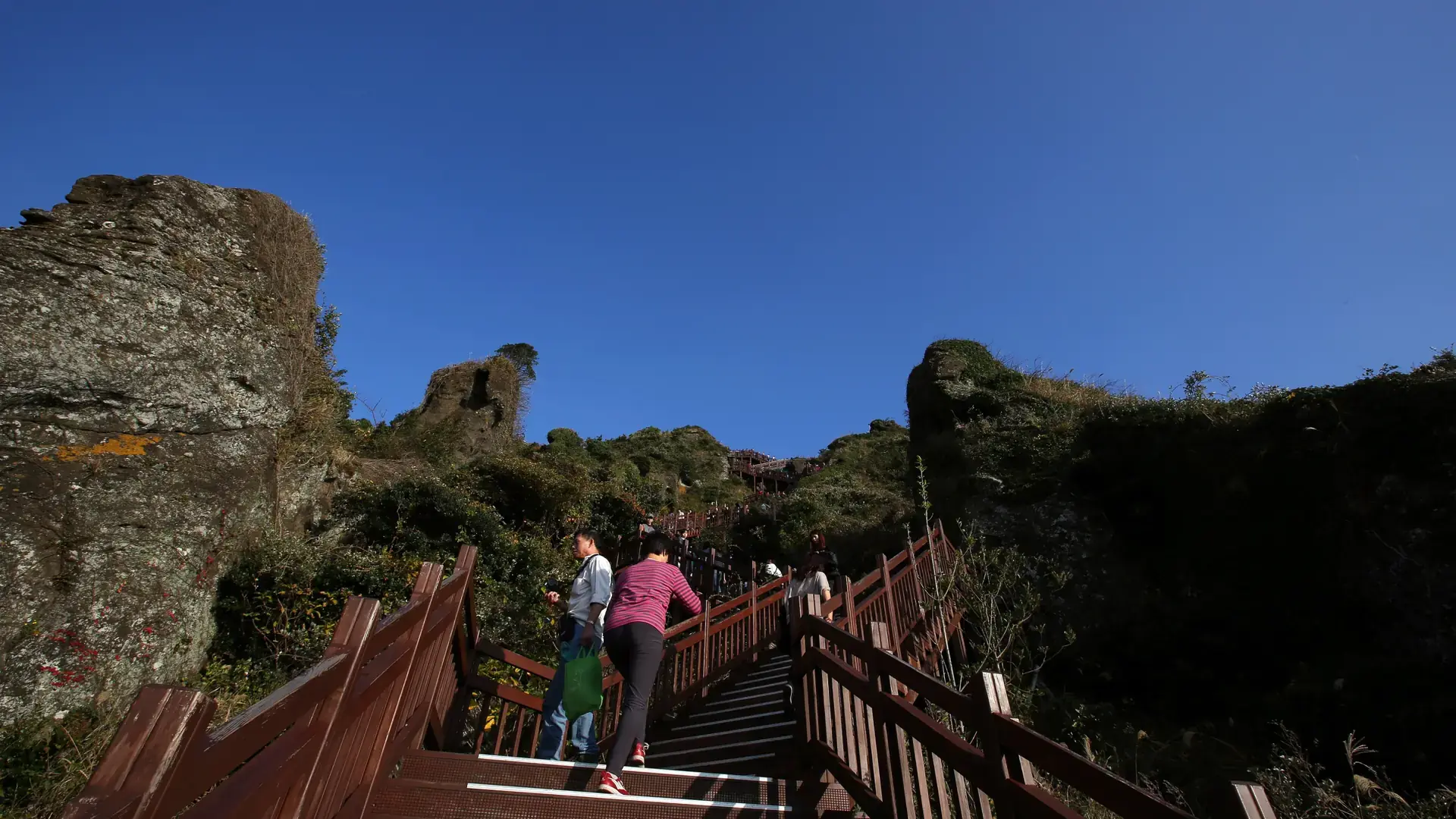
Jeju suits travelers who want volcanic landscapes, coastal walks and time outdoors. Seongsan Ilchulbong anchors the east, while Jeju City and Seogwipo offer different bases for airport access and the south coast. Three or four nights give the island more purpose than a single rushed circuit.

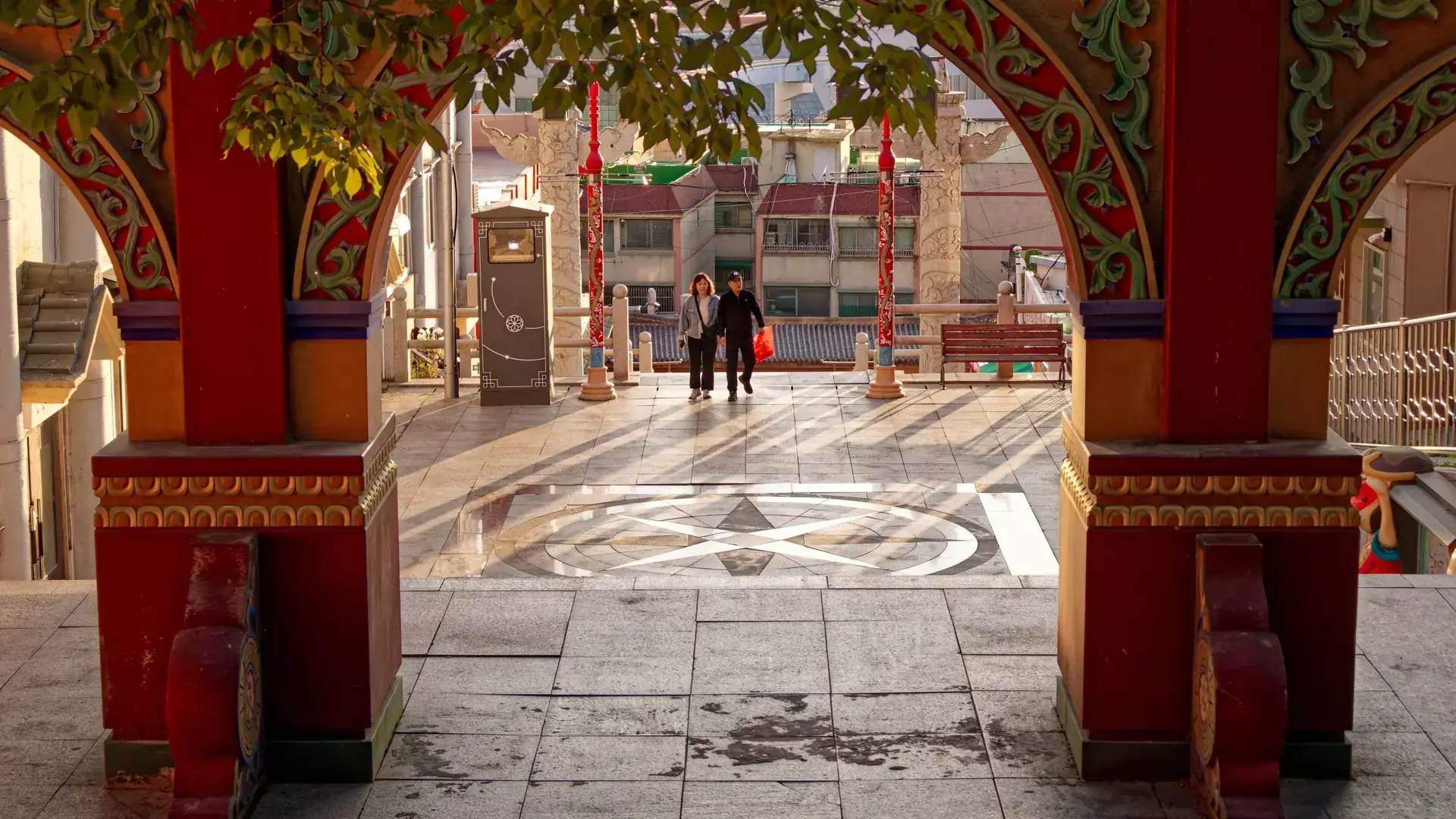
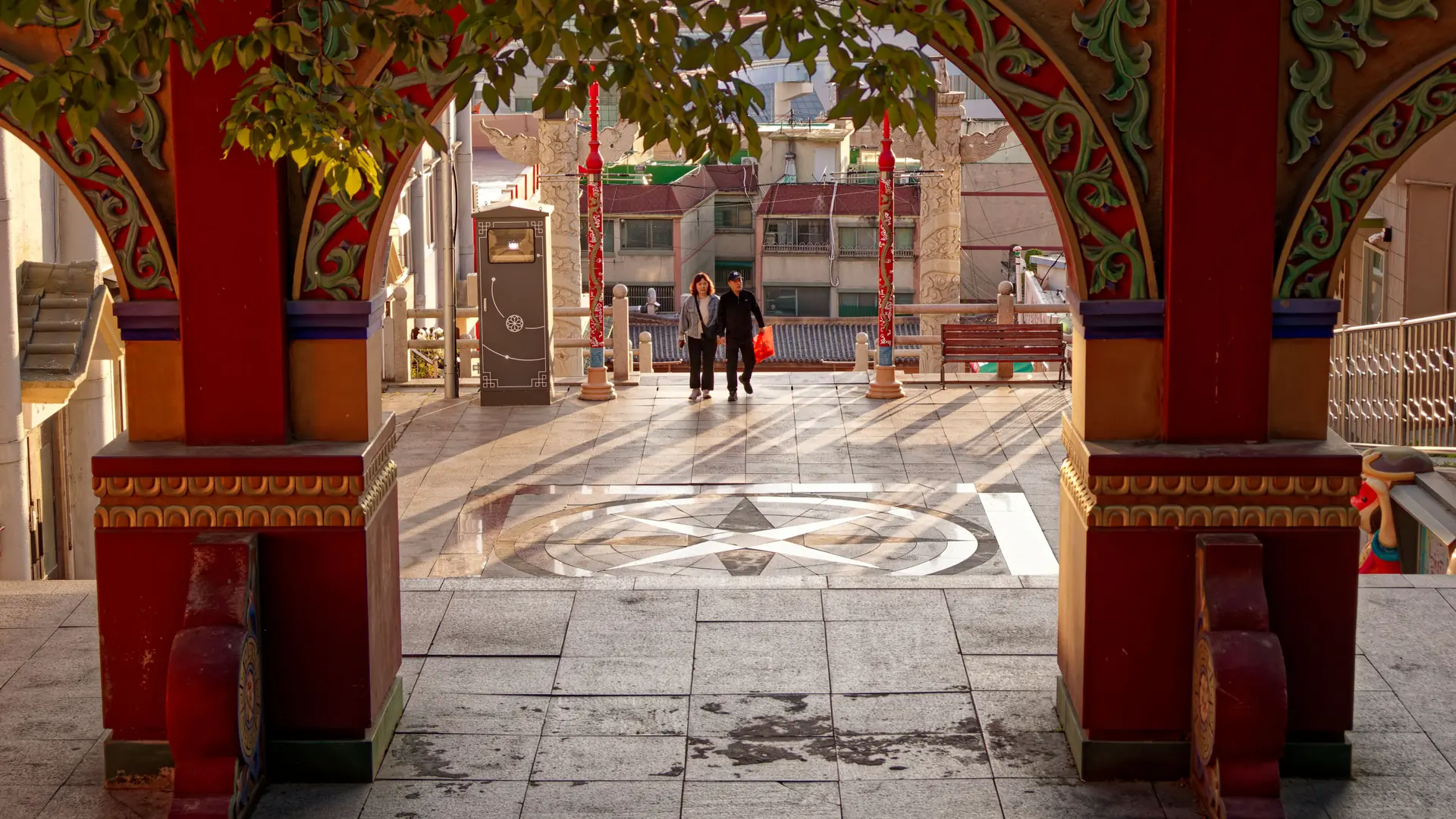
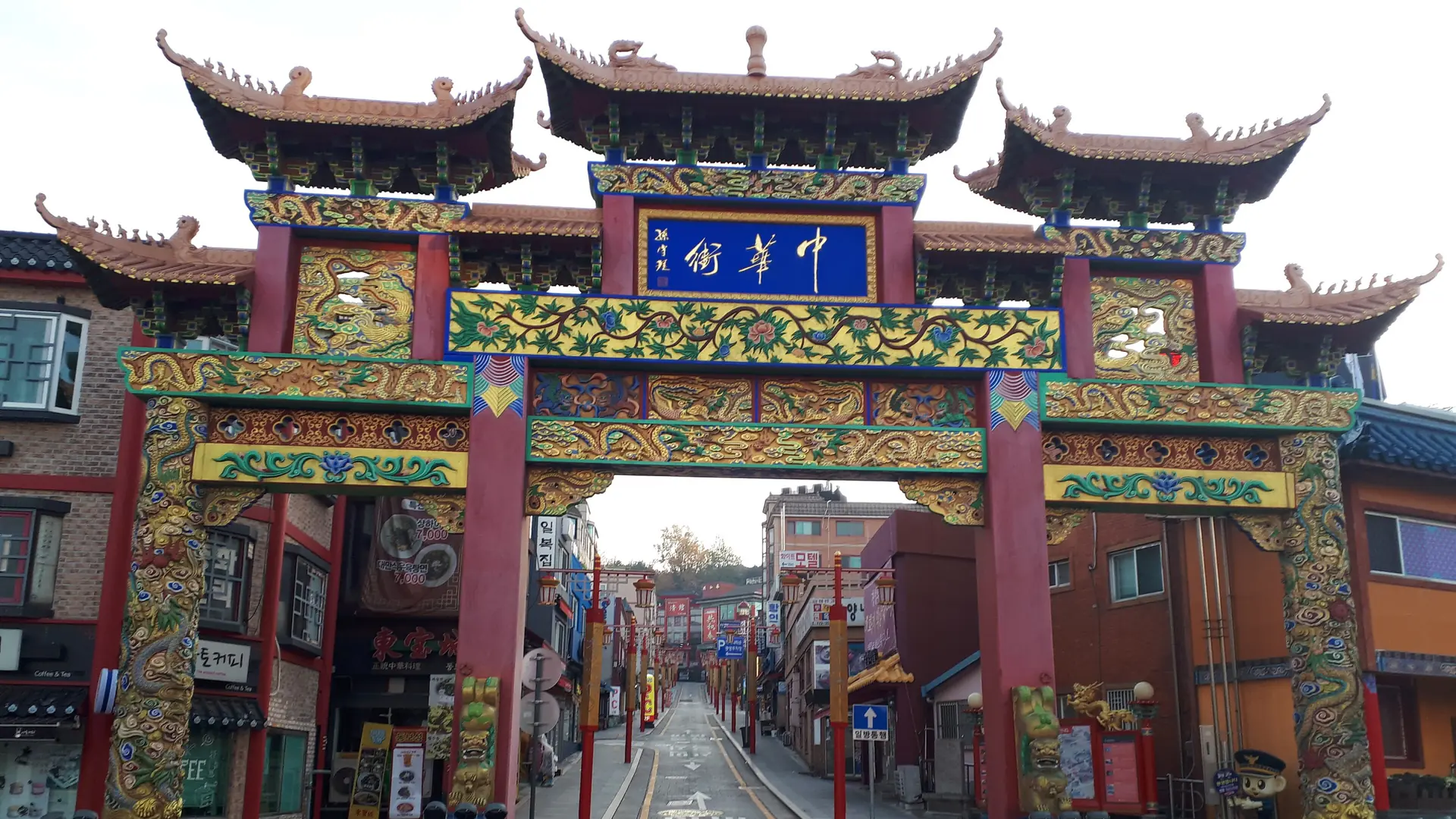
View through the ornate arches of Seonrinmun Gate above the steps in Incheon Chinatown Incheon
near-transport

Incheon's old port pairs Chinatown with historic streets and nearby Jayu Park; Songdo has a different identity around Central Park and modern towers. Yeongjong, where the airport stands, is a separate island base. Pick the part of Incheon that fits your flight and the sights you want to visit.

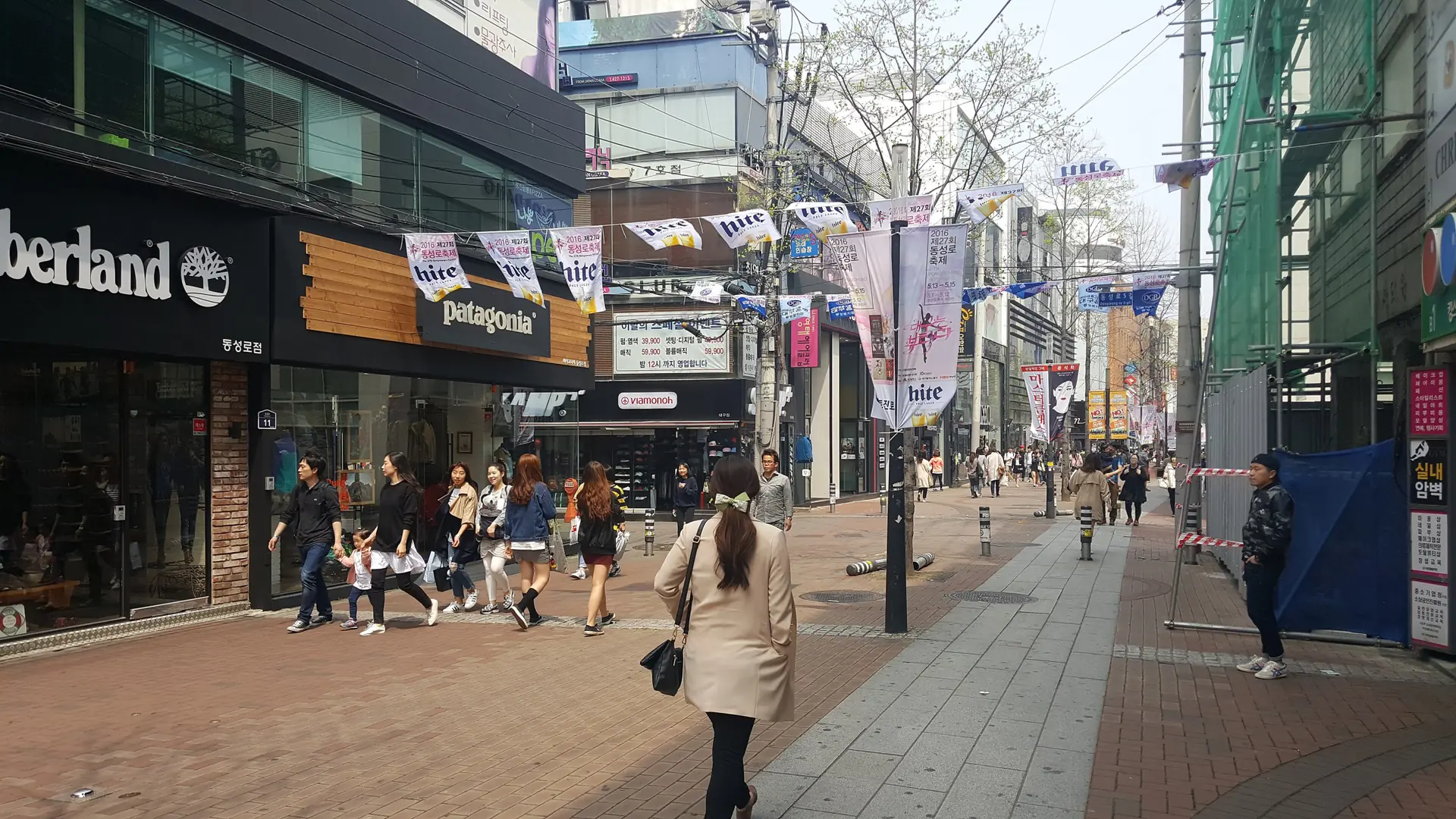
Pedestrians and shopfronts along Dongseongro in central Daegu in daylight Daegu
local-vibe

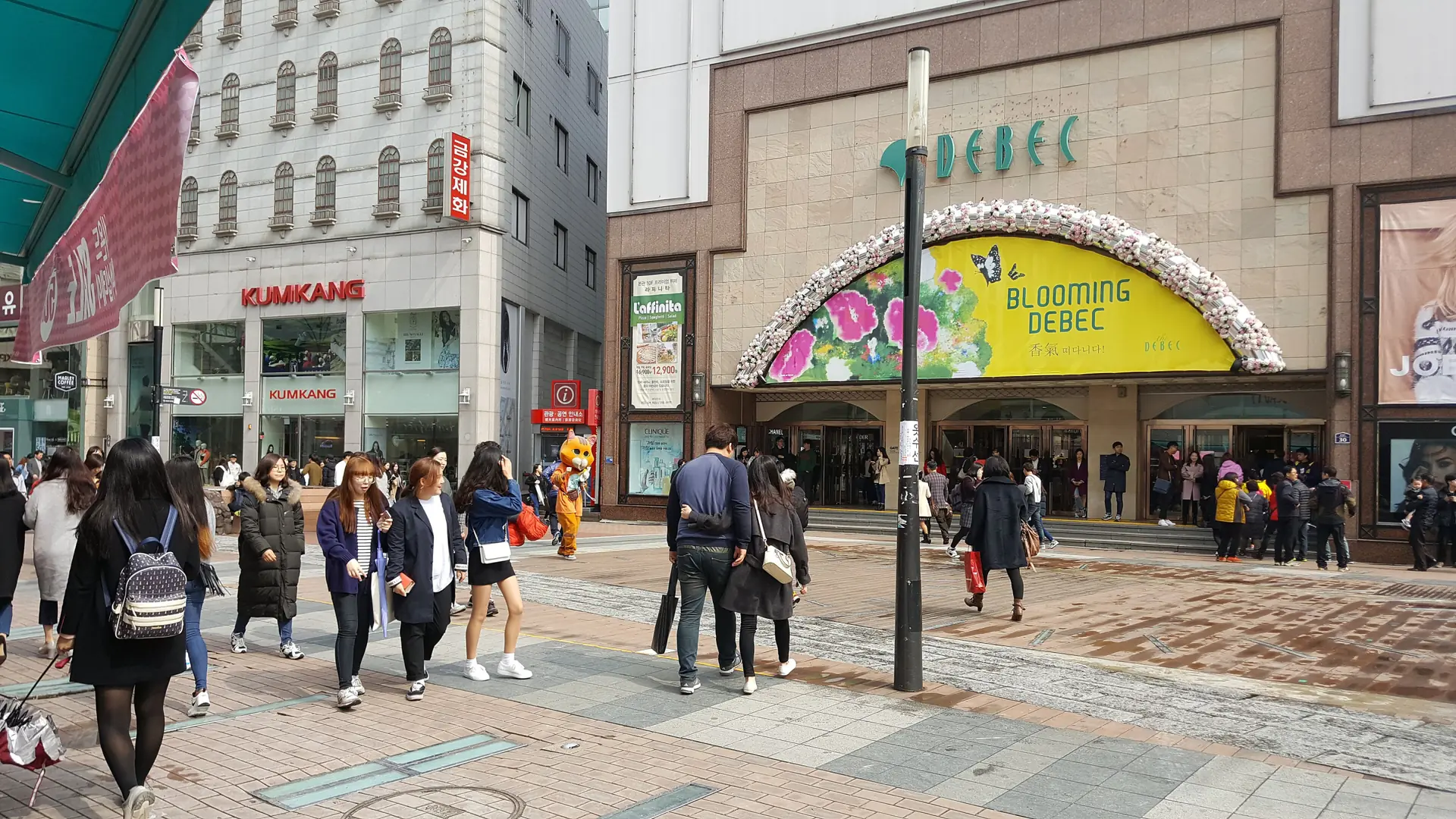
Daegu offers a smaller-scale city stop between Seoul and Busan: Seomun Market for fabric stalls and food, Cheongna Hill and Gyesan Cathedral for historic streets, and Dongseongro for shopping. Stay centrally if these are your priorities; Dongdaegu is the high-speed rail arrival point.

Compare South Korea destinations

Seoul

01
Best for

First trips, palaces, neighborhoods and day trips

Vibe
Dense, fast-moving megacity
Stay
3-4 nights
Transport
No car needed
Also fits
First trip Culture Food Day Trips Nightlife

Busan

02
Best for

Beaches, seafood and a slower coastal pace

Vibe
Working port city with beach resorts
Stay
2-3 nights
Transport
No car needed
Also fits
Food Beach Culture First trip Nightlife

Jeju

03
Best for

Volcanic scenery, hiking and coastal trails

Vibe
Island, outdoor-focused and spread out
Stay
3-4 nights
Transport
Car useful
Also fits
Nature Beach Day Trips Road trip

Incheon

04
Best for

Old-port sightseeing or a separate airport overnight

Vibe
Distinct airport, old-port and modern waterfront districts
Stay
1 night
Transport
No car needed
Also fits
Near Transport Day Trips Budget

Daegu

05
Best for

Markets, historic streets and a smaller city stop

Vibe
Regional city with busy shopping streets and market food
Stay
1-2 nights
Transport
No car needed
Also fits
Local Vibe Budget Day Trips

Seoul hotels across the city

Citywide results may include Jongno, Gangnam and other districts. Match the street address to the neighborhoods and transport in your plan.

Search more hotels in Seoul →
Search stays
Trip styles

Choose your South Korea trip style

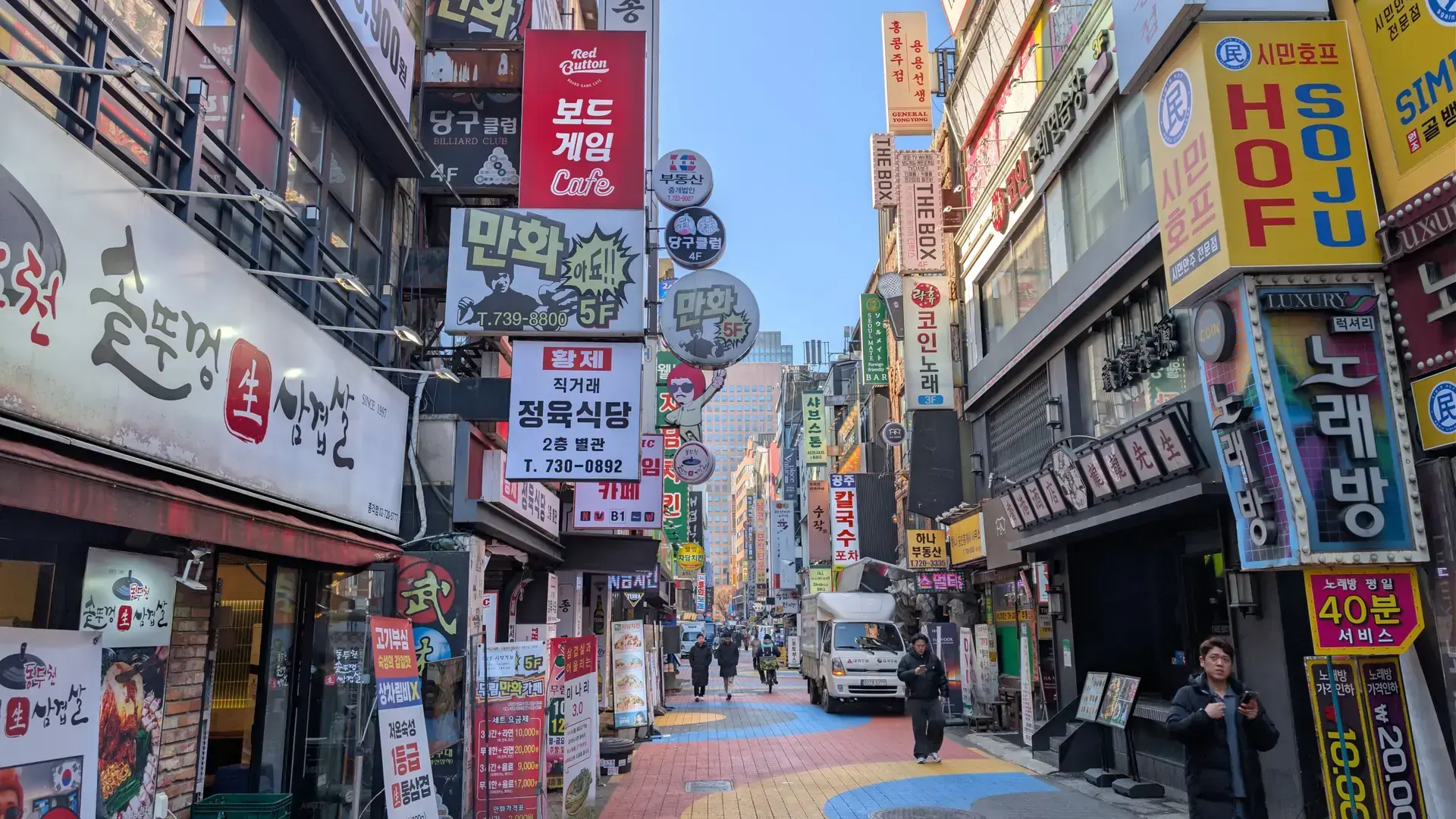
Shops and signs along a busy Seoul street in daylight

First trip

Four Seoul nights and three Busan nights suit a first week. Palace districts, markets and beach neighborhoods give each base a different purpose.

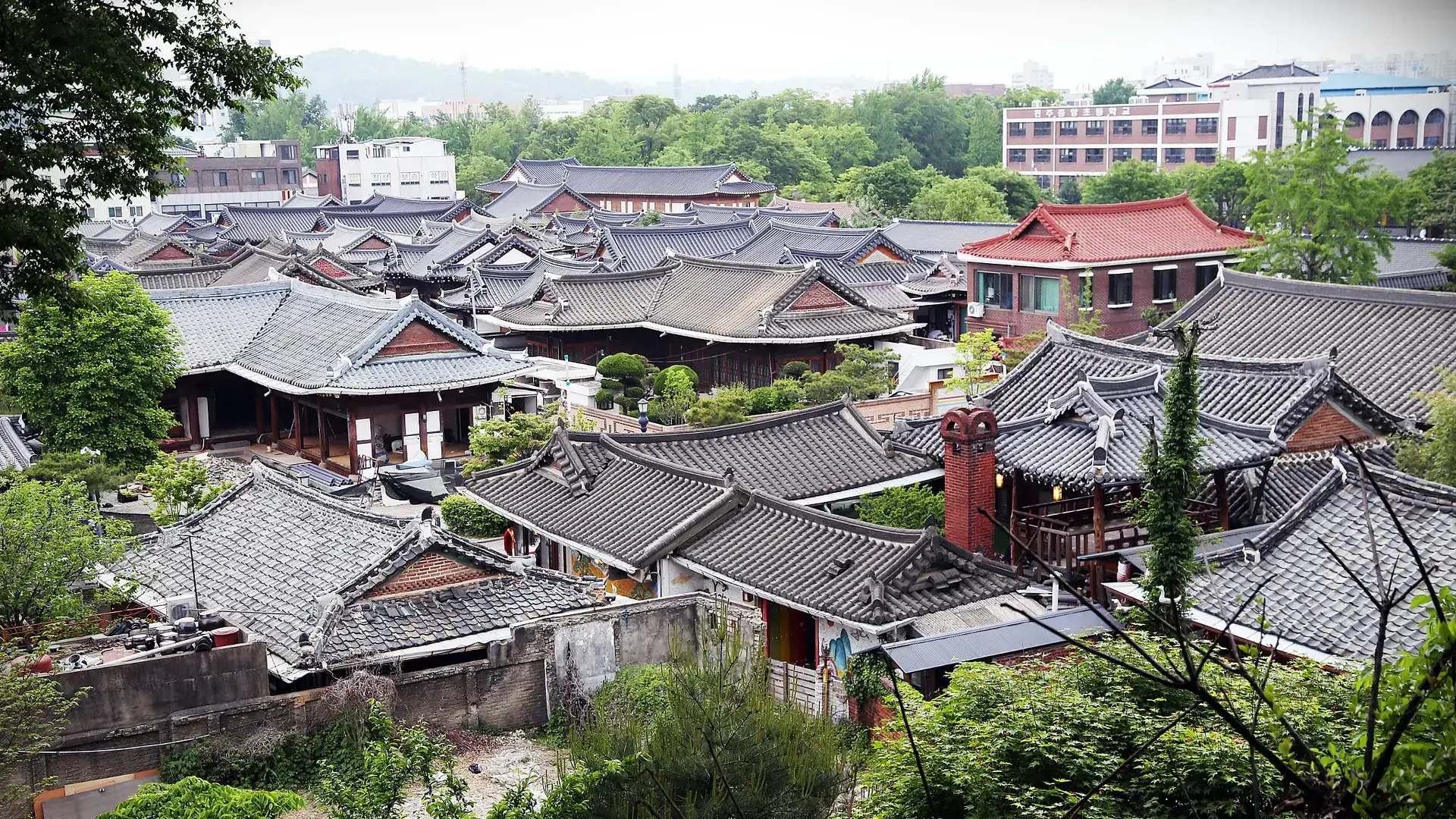
Elevated daylight view over the tiled rooftops of Jeonju Hanok Village

Culture

Give Gyeongju two nights for tombs and temples. Jeonju's hanok streets or Andong's Hahoe village suit a longer trip on a different branch of the route.

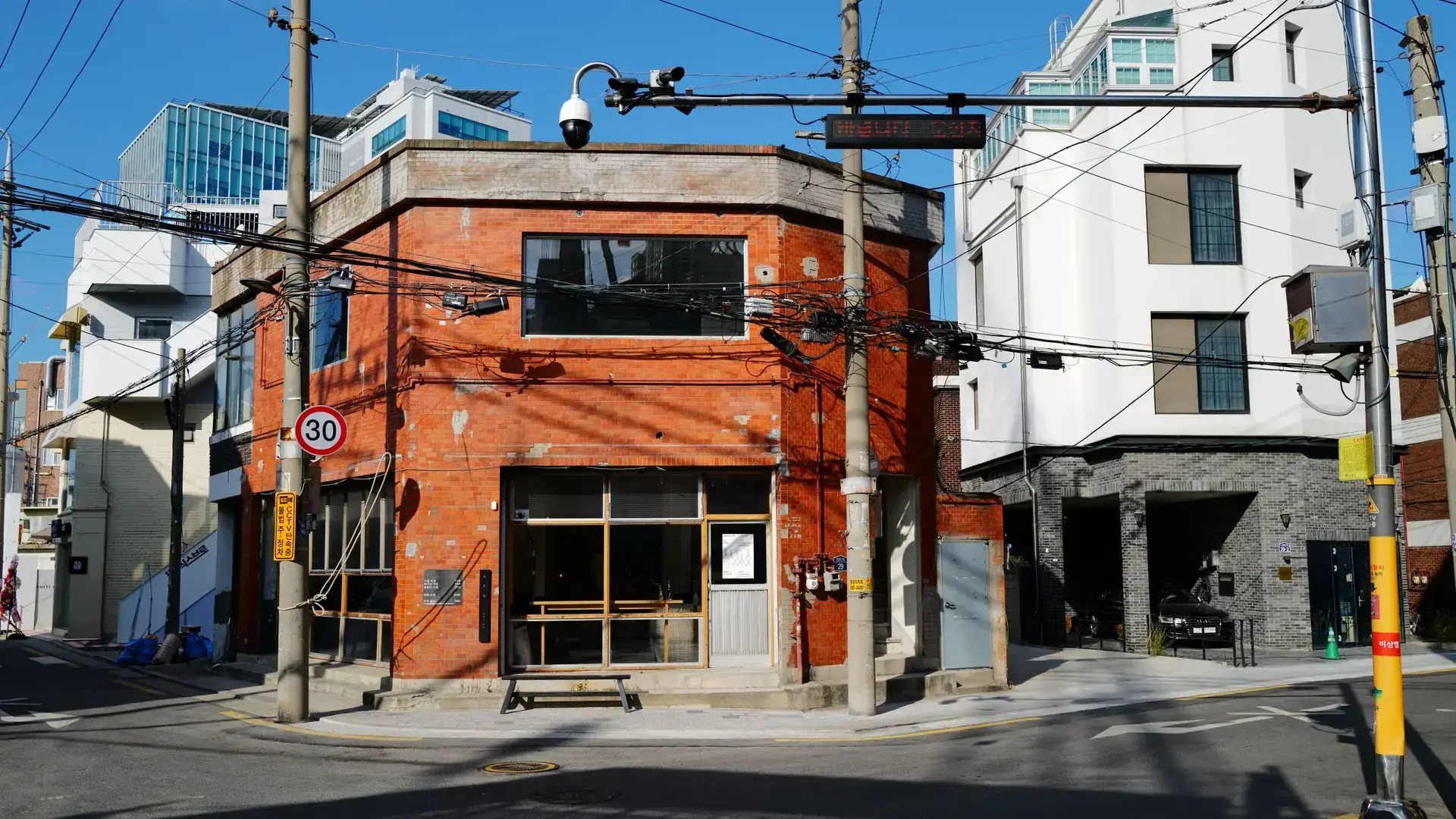
A sunlit street corner with colorful brick architecture in Seoul

Nightlife

Choose Hongdae for Seoul evenings, then Gwangalli for Busan's waterfront after dark. Staying near your evening area reduces the journey home.

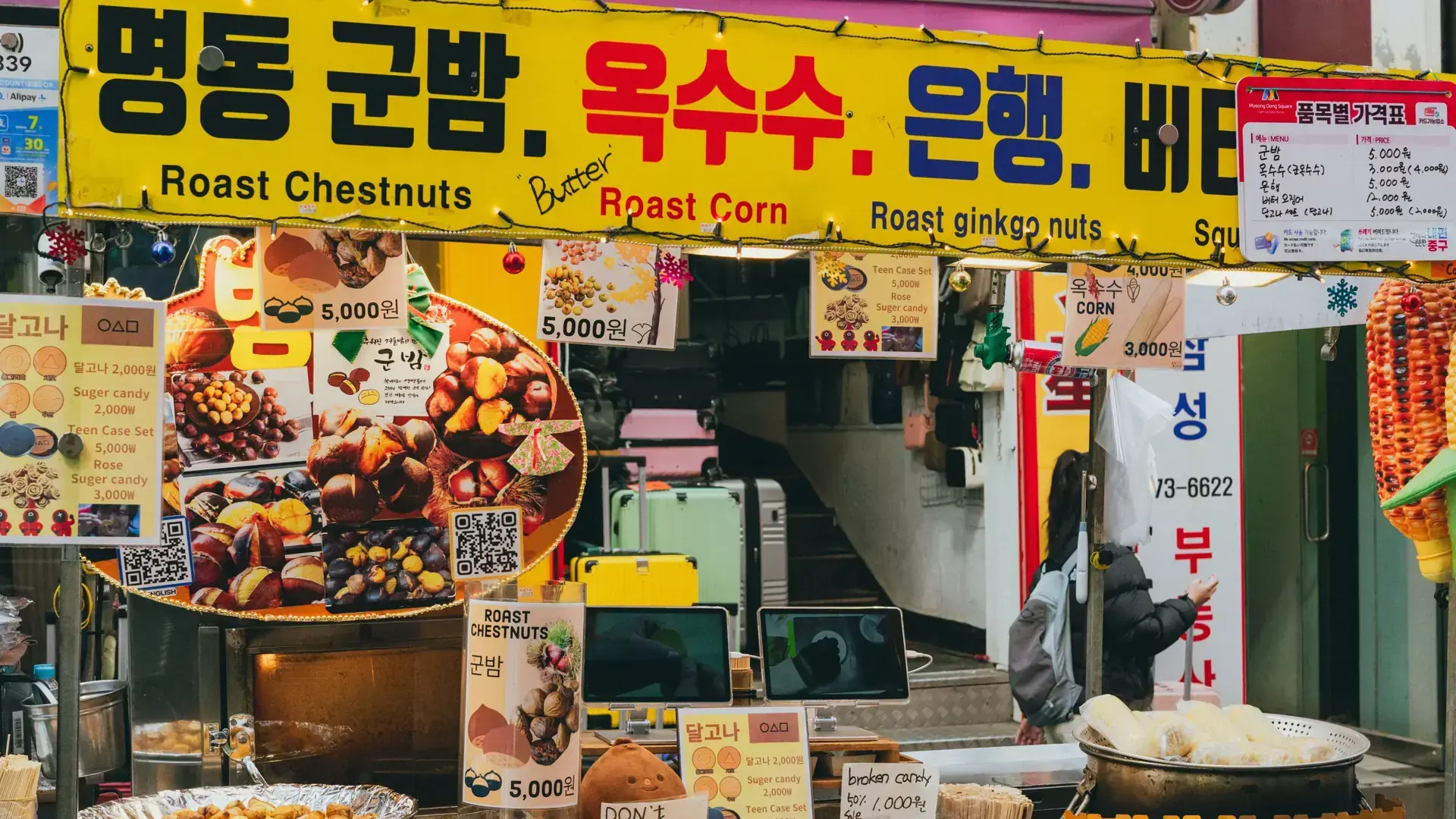
Street food stall selling roast chestnuts and corn in Seoul

Food

Pair Seoul's Gwangjang Market with seafood around Jagalchi in Busan. Jeonju adds a separate food stop centered on its bibimbap tradition.

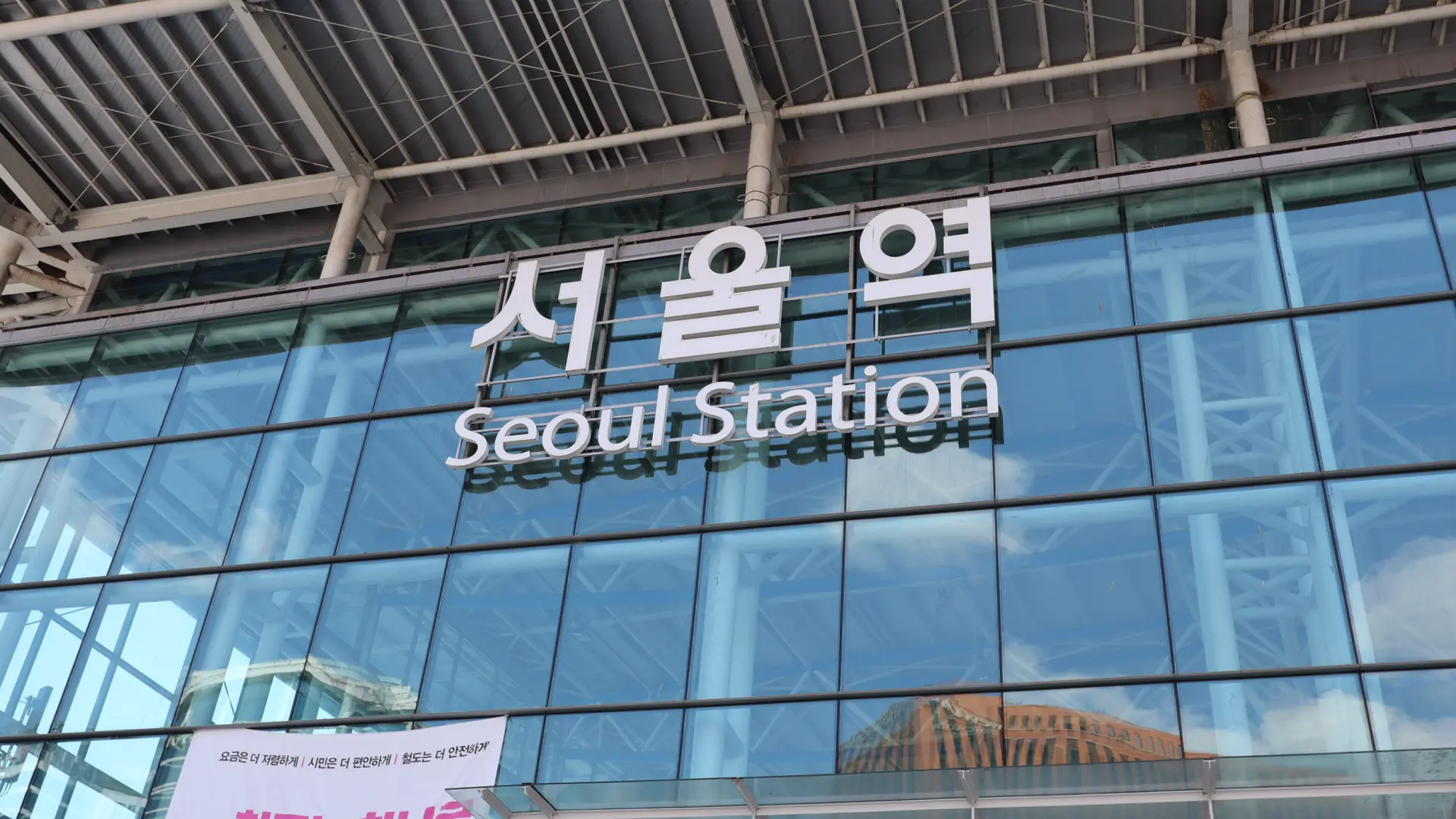
Seoul Station name in Korean and English on its blue glass facade in daylight

Car-free

Use KTX between mainland bases and local buses or subways within each city. The last journey from a regional station still belongs in the day's plan.

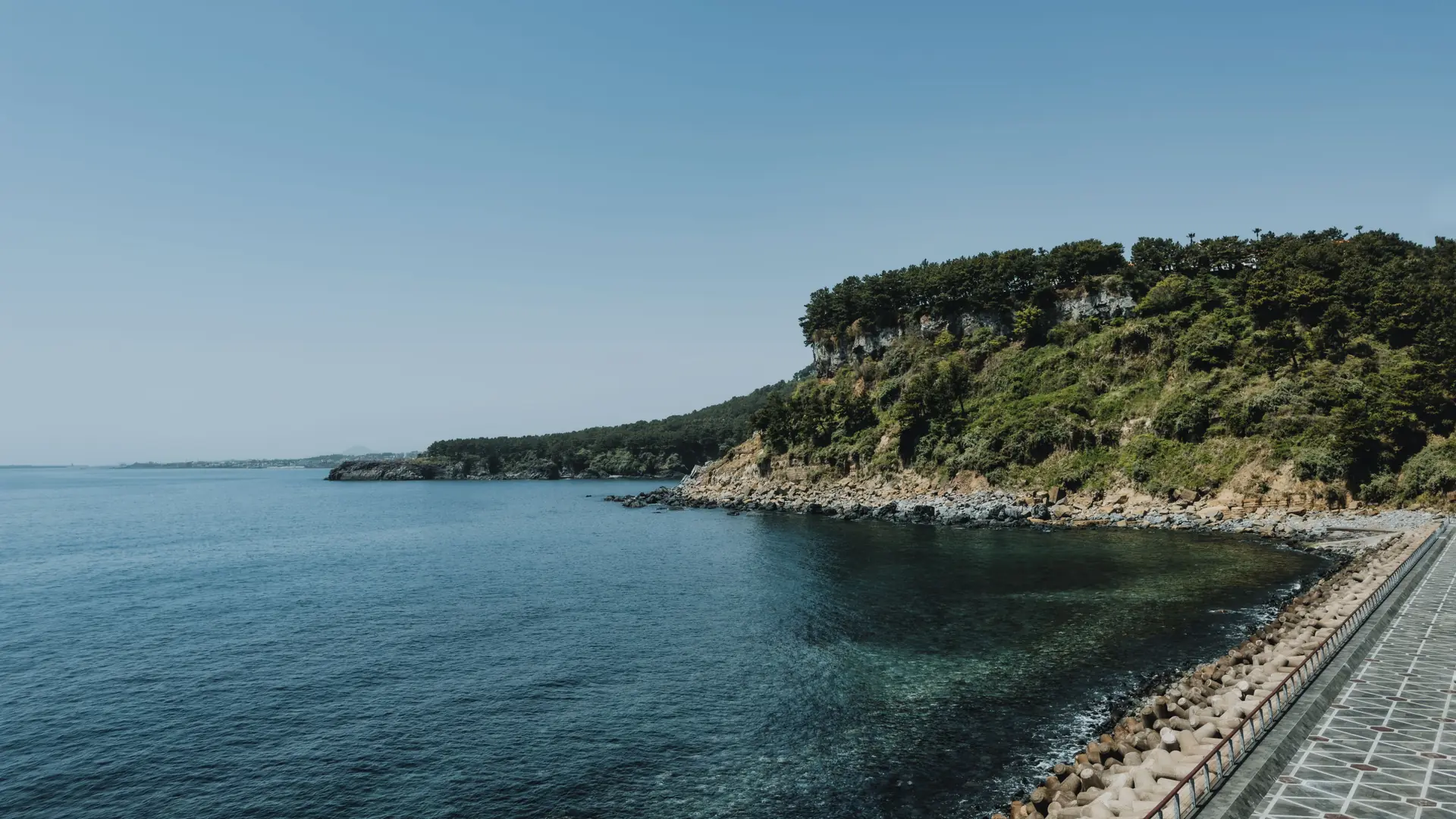
Paved waterfront path beside a blue bay and wooded headland on Jeju Island

Road trip

Jeju's coastal roads link scattered villages and trailheads. A three- or four-night island stay gives a rental car more purpose than driving between big cities.

Season guide

When to visit South Korea

April–May

Weather
Usually mild, with spring flowers and comfortable walking weather; blossom timing moves from south to north.
Crowds
Busy around blossom weekends and well-known flower spots.
Prices
Popular spring dates can cost more than nearby weekdays.
Best For
Palace districts, city walks and coastal trails before summer humidity.

June–August

Weather
Hot and humid; Changma commonly starts in June. Summer supplies 54% of mainland annual rain in long-term normals.
Crowds
Beach districts become busier during July–August holidays.
Prices
Coastal rooms can rise during the beach season; dates matter.
Best For
City trips with indoor options and beach time between wet periods.

September–November

Weather
Generally clearer walking weather after summer; early September can remain warm and November becomes cooler.
Crowds
Foliage weekends and public holidays bring concentrated demand.
Prices
Foliage weekends and public holidays can outweigh a weekday autumn room offer.
Best For
Longer neighborhood walks, heritage towns and autumn landscapes.

December–March

Weather
Cold and generally dry on the mainland; mountain snow and exposed coastal wind change the outdoor experience.
Crowds
Ski areas and holiday periods can be busy even when city streets are quieter.
Prices
City-room deals are possible outside holidays, while ski resorts price to their own snow season.
Best For
Museums, food and shopping in cities, or a dedicated mountain-snow trip.

Build the trip around places you want to spend time in

Last reviewed 17 October 2026

An eight-day, seven-night mainland holiday can use four nights in Seoul and three in Busan. The first and last days are travel days, so this is not eight full sightseeing days. A morning train between bases leaves part of the afternoon for the new neighborhood. If your international flight departs Incheon early, a final airport-side night may replace a city night. That changes the room plan and the final rail journey; it should be part of the original booking sequence.

Gyeongju is a strong addition when you can give it two nights. Royal tombs and the old-center lanes belong together, while Bulguksa is a separate outing beyond that walkable core. The high-speed station is called Gyeongju, formerly Singyeongju, and lies outside the historic center. A rail stop is therefore not the same as stepping straight into the sights. On a short trip, an overnight here works better than returning to a Daegu hotel after every heritage visit.

A hanok stay changes the room experience as well as the photograph. Traditional houses use timber structures and courtyard layouts, and some rooms use bedding on the floor while others provide beds. The listed room type determines which you get. For a longer stay, a bed, bathroom arrangement and luggage space can matter more than a famous village address. Seoul offers hanok neighborhoods within the capital; Jeonju makes traditional streets a larger part of the visit.

Food can shape the day without requiring a tour at every stop. Seoul's Gwangjang Market suits browsing several small dishes, Busan's Jagalchi area focuses on seafood, and Jeonju is associated with bibimbap. Vegetarian travelers face a less obvious detail: a vegetable dish may contain meat or fish broth, and kimchi can include seafood ingredients. Temple cuisine offers a clearer vegetarian tradition. A translated ingredient list is useful when a dietary requirement goes beyond simply removing the visible meat.

For local journeys, Naver Maps gives walking and public-transport routes; Papago handles text and camera translation. Saving a hotel's Korean name and street address helps distinguish similarly named properties when the English spelling differs. This is especially useful on arrival at a regional station or when taking a taxi after dinner. A destination pinned inside the right district is more useful than a screenshot of a citywide hotel search, because the final walk or bus ride still belongs in the journey.

The budget below is an allowance for two adults sharing one room over eight days and seven nights, with four Seoul nights and three Busan nights. It assumes ordinary autumn dates outside public holidays. Accommodation, food, local transport, visits, two intercity journeys per adult and airport rail are included. The intercity amount is a planning allowance, not a quoted KTX fare. A more expensive room or guided excursion changes the total directly; it does not fit inside a fixed allowance for daily extras.

Currency equivalents use the ECB reference cross-rate dated 16 October 2026: ₩1,332 (about US$1). Dollar amounts are rounded and exclude card or exchange fees. Korean room prices are generally per room-night, while meals and admissions are usually per person. Dividing a shared room between two adults is appropriate; each traveler still needs their own meal and ticket allowance. The live hotel cards provide date-specific offers rather than a promise of the room allowance used here.

Spring and autumn favor walking routes, while summer needs a different daily rhythm. KMA's 1991–2020 mainland normals put 54% of annual rainfall in summer; Changma usually begins during June and lasts roughly a month, with regional and yearly variation. Museums, markets and neighborhood cafés can make a wet city day worthwhile. A Hallasan day has less flexibility: weather restrictions and a trail reservation can determine access. A city visit and a mountain holiday therefore need different amounts of spare time.

Busan hotels: center and coast

Citywide results include inland areas such as Seomyeon as well as Haeundae and the station district. A listing here is not a promise of a beachfront location.

Search more hotels in Busan →
Search stays

Getting around

KTX corridors and the station you arrive at

The Gyeongbu high-speed corridor connects Seoul, Dongdaegu, Gyeongju and Busan. Jeonju and Andong use different branches, so they are not intermediate stops on every Seoul–Busan train. Korail sells official tickets; a rail pass excludes city subways and SRT. Individual tickets may suit a two-city trip better than a pass, depending on the journeys and dates.

Incheon airport rail: Express or all-stop

AREX Express links Incheon T1 with Seoul Station in 43 minutes, or T2 in 51 minutes. The advertised adult Express ticket is ₩13,000 (about US$10). These are train times, with immigration, waiting and the onward city journey additional. The all-stop service serves intermediate stations, including Gimpo Airport and Hongik University; the Express uses a separate ticket.

City transport and the last local transfer

Seoul subway travel starts at ₩1,550 (about US$1.20) for an adult using a transportation card, covering the first 10 km before distance supplements. Tap in and out for the applicable transfer rules. From Busan Station, Haeundae still needs a local journey; in Gyeongju, buses or taxis connect the KTX station with the historic center.

Regional buses reach beyond the rail network

Intercity and express buses are useful where the train route is indirect. Sokcho is a bus destination from Seoul Express Bus Terminal or Dong Seoul Terminal. Seoul has several terminals, so the booked departure terminal belongs in the journey plan alongside the destination. A train to Gangneung followed by another bus adds a change; it is not a direct rail service to Sokcho.

Jeju adds a flight and an island journey

Jeju has no train or bridge connection to the mainland. A domestic flight makes it a separate island extension, followed by transport from the airport to your base. On the island, coastal and inland sights are spread out; organizing a day around one area reduces repeated cross-island journeys. A rental car can be useful here even when the mainland part of the holiday works entirely by public transport.

Mokpo–Jeju is a ferry option

SeaWorld lists the Queen Mary crossing between Mokpo and Jeju at about four hours 50 minutes at sea. The trip also needs travel to Mokpo, port check-in and onward transport in Jeju; it is a different journey from a short domestic flight. Sailing times can change under operator notices and weather restrictions. A car adds a separate vehicle reservation and charge.

Budget Snapshot

Two adults, eight days and seven shared-room nights: allow ₩2,232,000 (about US$1,676) in total, averaging about US$105 per person per day.
Ordinary October–November 2026 weekdays outside holidays are the dates behind this example. They can offer better city-room value than blossom weekends; beach holidays and ski stays are separate comparisons.
Busan's station district and central Seoul guesthouses are useful starting points for lower room quotes. The citywide cards also include premium Haeundae properties, so location and room category both affect the price.
Cherry-blossom weekends and major public holidays can raise room and transport demand. July–August beach stays in Busan and Jeju differ from the autumn city model; ski resorts have their own winter peaks.
Two-person allowances: 7 room-nights ₩980,000 (US$736); food ₩560,000 (US$420); local travel ₩160,000 (US$120); visits ₩240,000 (US$180); return rail ₩240,000 (US$180); four AREX tickets ₩52,000 (US$39). Flights, shopping, alcohol, insurance and guided tours are extra. Room and rail totals are estimates.

Explore destination guides: South Korea

Find another destination and compare its areas and accommodation.

Explore itineraries: South Korea

Compare routes by length, stops and transport.

Sources

Reviewed by StartBooker editorial team (October 2026 self-review)

Updated

20 references reviewed

Key sources
  • Korea Immigration Service
  • UK Foreign, Commonwealth & Development Office
  • Korea Tourism Organization
  • Incheon Metropolitan City
  • Hallasan National Park
  • Airport Railroad
References
Photo credits

Some photos provided by Pexels.

Is a week enough for Seoul and Busan?

Seven nights works for a first mainland visit: four in Seoul and three in Busan leaves time for different districts without moving hotels every day. Arrival and departure still take part of two days. A long-haul flight from Incheon may require moving the final night closer to the airport, rather than assuming a same-morning train from Busan fits every flight.

Where should I stay if I want Korea without a car?

A hotel near the local transport you will use is the key choice. Jongno and Myeongdong suit many central Seoul visits; Nampo, Seomyeon and Haeundae serve different parts of Busan. Gyeongju's old center is a useful walking base after the transfer from its KTX station. A car-free trip still includes buses, subways or occasional taxis between the station, hotel and sights.

Do I need K-ETA and an arrival declaration in 2026?

These are separate requirements. Eligibility depends on your passport and the basis of entry; British visa-free tourists, for example, have a temporary K-ETA exemption through 31 December 2026. Visitors using an exemption generally still submit an arrival declaration. The free e-Arrival Card opens three days before arrival in Korea time and is valid for 72 hours. A valid K-ETA normally exempts its holder from the declaration unless entering on a visa. Immigration also describes a paper-card option and other exempt categories.

What does the South Korea budget include?

The example totals ₩2,232,000 (about US$1,676) for two adults over eight days and seven nights. It includes a shared room, meals, local journeys, visits, return Seoul–Busan rail allowances and four AREX tickets. International flights, shopping, alcohol, insurance and guided tours are additional. Jeju flights, baggage fees and car hire fall outside this mainland example. The room and intercity figures are estimates for ordinary autumn dates; live hotel offers depend on your dates and room terms.

Can I visit Jeju without renting a car?

Yes, but fewer sights per day make the holiday more workable. Choose a base near the part of the island you most want to explore, then group outings along the same coast. A public-transport trip with walks and a few selected attractions is a different plan from a rental-car circuit with repeated remote stops. Three or four nights give you more room for those island journeys.

Is Gyeongju worth an overnight stop?

Yes if Silla history and traditional streets interest you. Two nights give the historic center and the Bulguksa area their own time, while one night can suit a selective stop between Seoul and Busan. The KTX station sits outside the old center, so the local transfer belongs in both arrival and departure plans. Staying in Gyeongju avoids making that same journey repeatedly from another city.

Been here? Share your experience