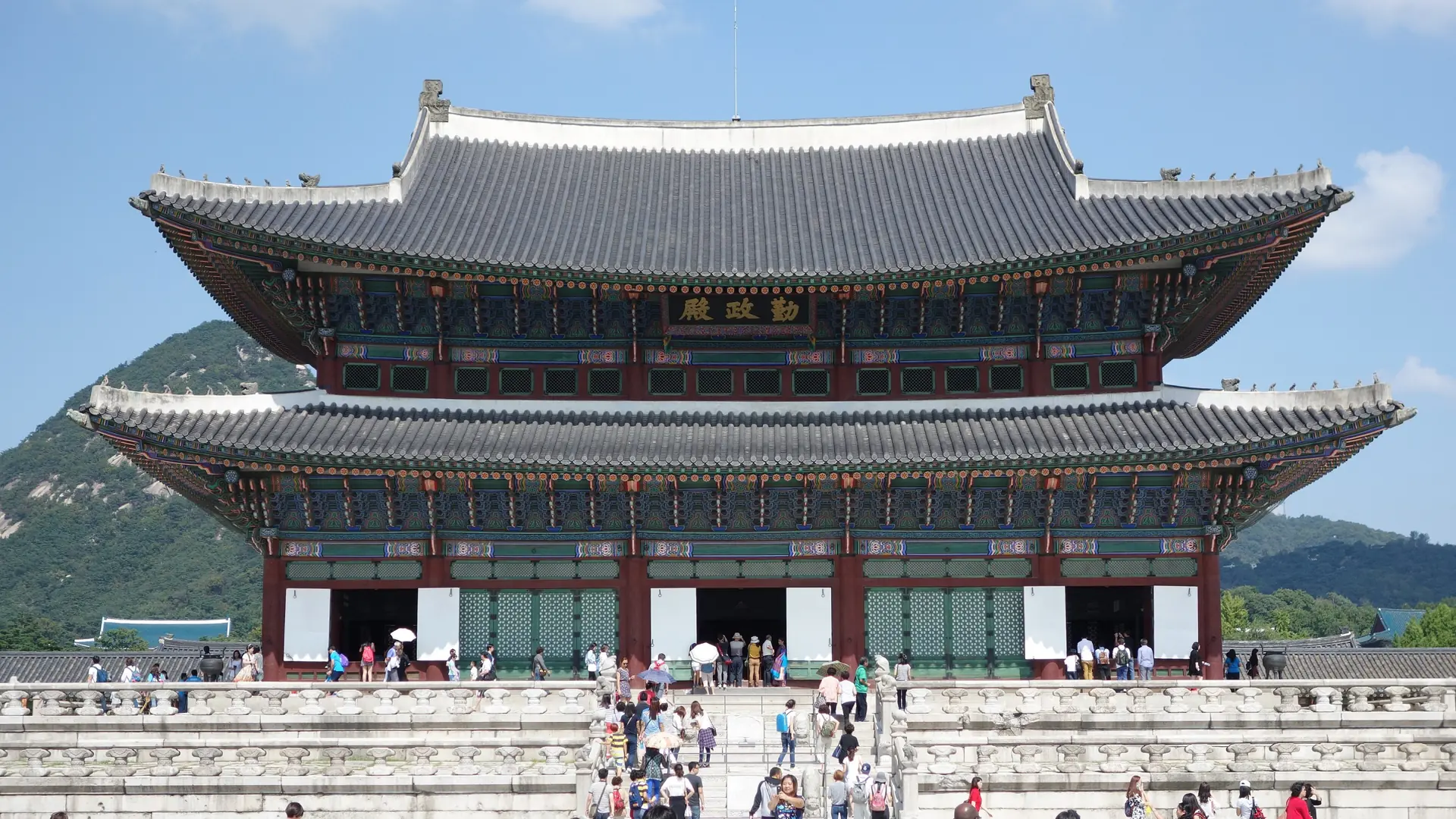
A first evening in the old port
Chinatown makes the first evening small and manageable once the airport journey is over: a stroll beneath the gateways, a bowl of black-bean noodles and a nearby hotel.
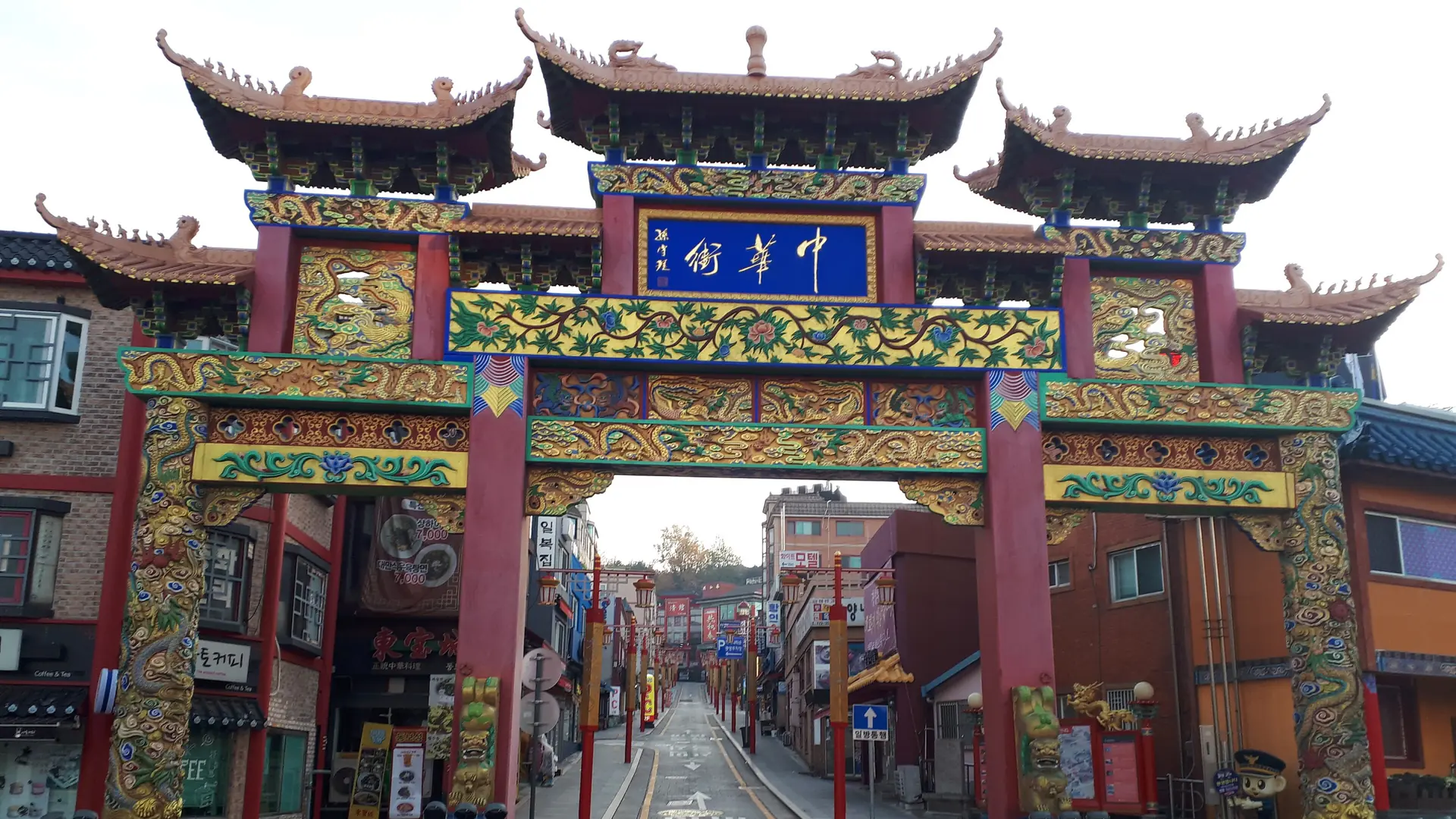
An evening in Chinatown, a morning above the old port and two nights among Seoul’s palace courtyards and lively shopping streets.
This four-day trip begins among Chinatown's red gateways and noodle restaurants, then moves into Seoul for two nights. Incheon gets the first evening and the following morning; Seoul gets an arrival evening and one full sightseeing day. The fourth day belongs to the journey back to the airport.
The two cities share the capital's wider metropolitan area, but their historic centres feel different. Incheon's old port brings former foreign settlements, hilltop views and cafés in older buildings. Seoul opens out into palace courtyards, tiled hanok roofs and busy shopping streets. Keeping the route to two bases leaves room for a proper lunch along the way.
The first hotel is near Chinatown on the mainland, rather than beside the airport on Yeongjong Island. This is a choice to spend time in the old port, with an airport transfer still needed. Travellers arriving very late may prefer all three nights in Seoul and an Incheon day trip instead.
Chinatown makes the first evening small and manageable once the airport journey is over: a stroll beneath the gateways, a bowl of black-bean noodles and a nearby hotel.
Incheon's Chinese community helped shape this district beside the old port. Jajangmyeon, noodles in black-bean sauce, has deep roots here; dinner gives that history a delicious place in the trip.
Incheon Station stands beside Chinatown. Seoul Metro Line 1 carries the journey east into the capital; Incheon's own Line 1 is a different route, useful for the airport connection via Gyeyang and Bupyeong.
Best for
StartBooker answer
Spend the first night near Incheon's Chinatown, then take Seoul Metro Line 1 from Incheon Station into Seoul for two nights. The middle of the trip pairs a morning around the old port with one full Seoul day for Gyeongbokgung, Bukchon and Myeongdong. Chinatown is on the mainland, away from the airport island: a taxi makes the arrival simpler, while the rail option needs two changes. Departure is from Seoul on AREX, without returning to Chinatown.
Explore tours, attractions and local experiences in Incheon, Seoul along this route through South Korea.
Loading activities…
Activities provided by GetYourGuide. We may earn a commission on bookings.
One night near Incheon’s old port leaves the next morning for its lanes and markets. Two nights in central Seoul give the palace day a full day of its own.
2 stops · swipe
 1
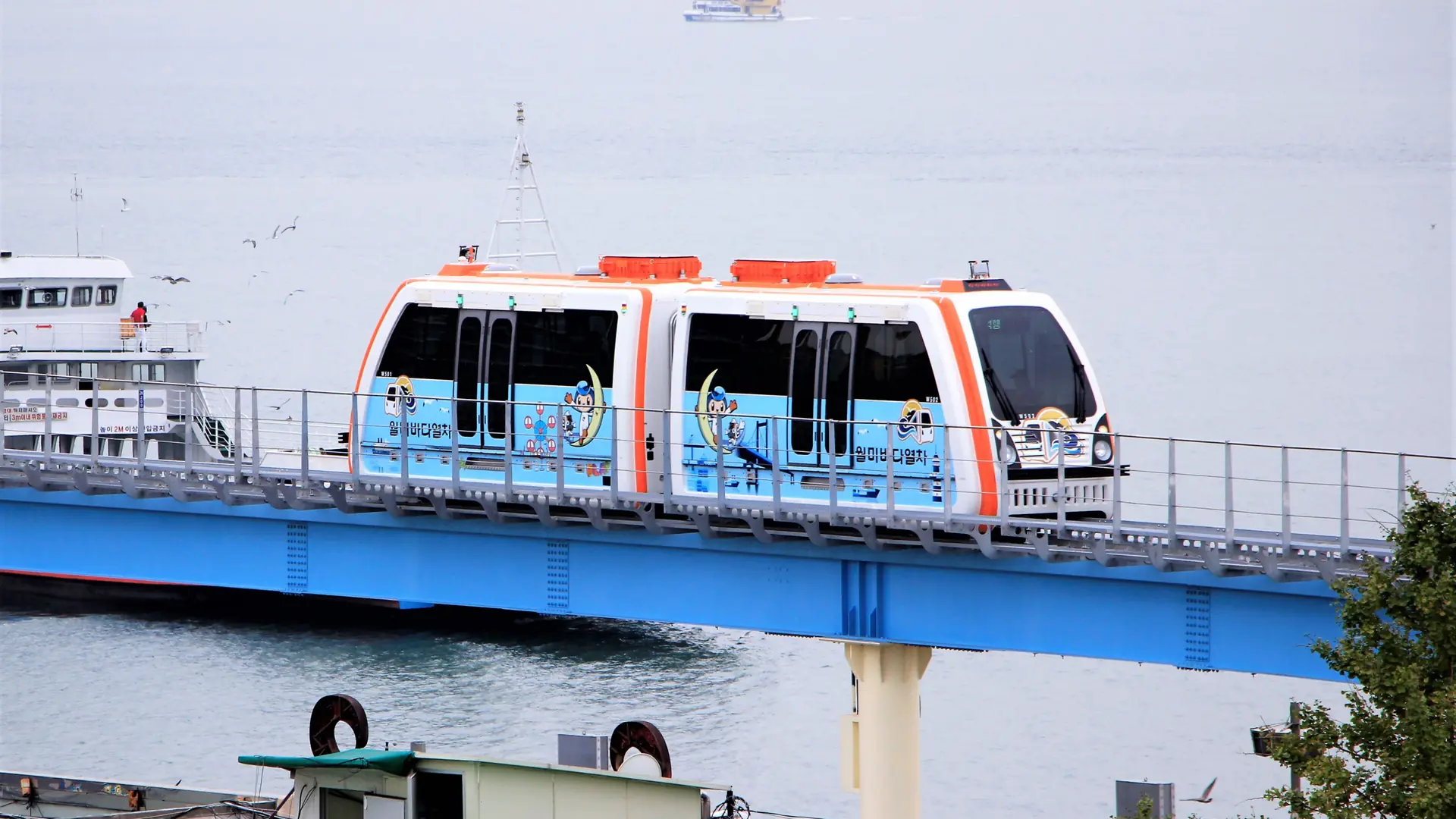
Korea's oldest Chinatown, Jayu Park and the seaside promenade at Wolmido
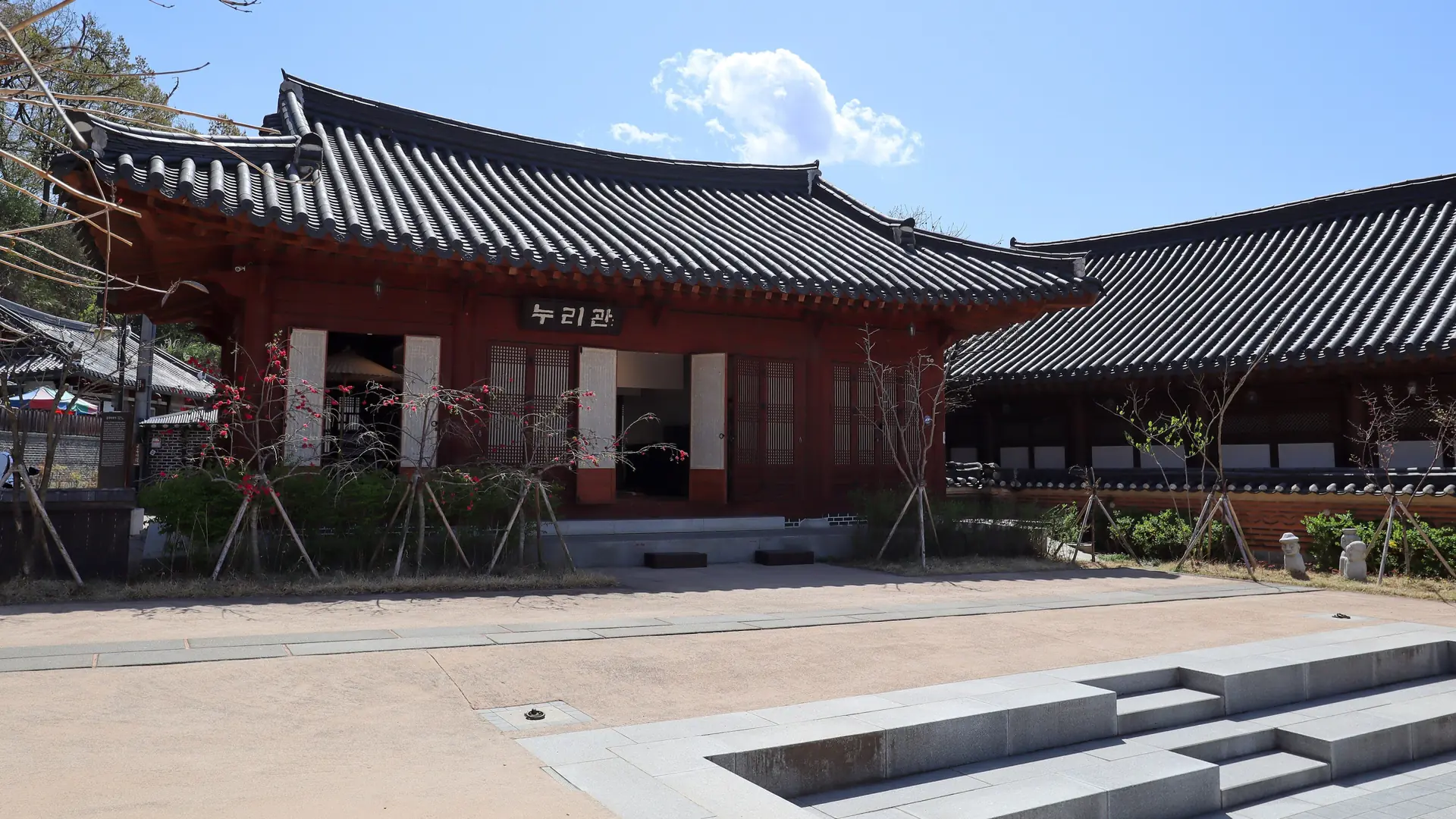
A hotel near Chinatown or the Open Port district puts the gateways, Jayu Park and old streets close together. Wolmido adds a seaside outing by bus or taxi. This mainland base has a separate airport journey; an airport-island hotel would put you far from these sights.
Read the Incheon guide →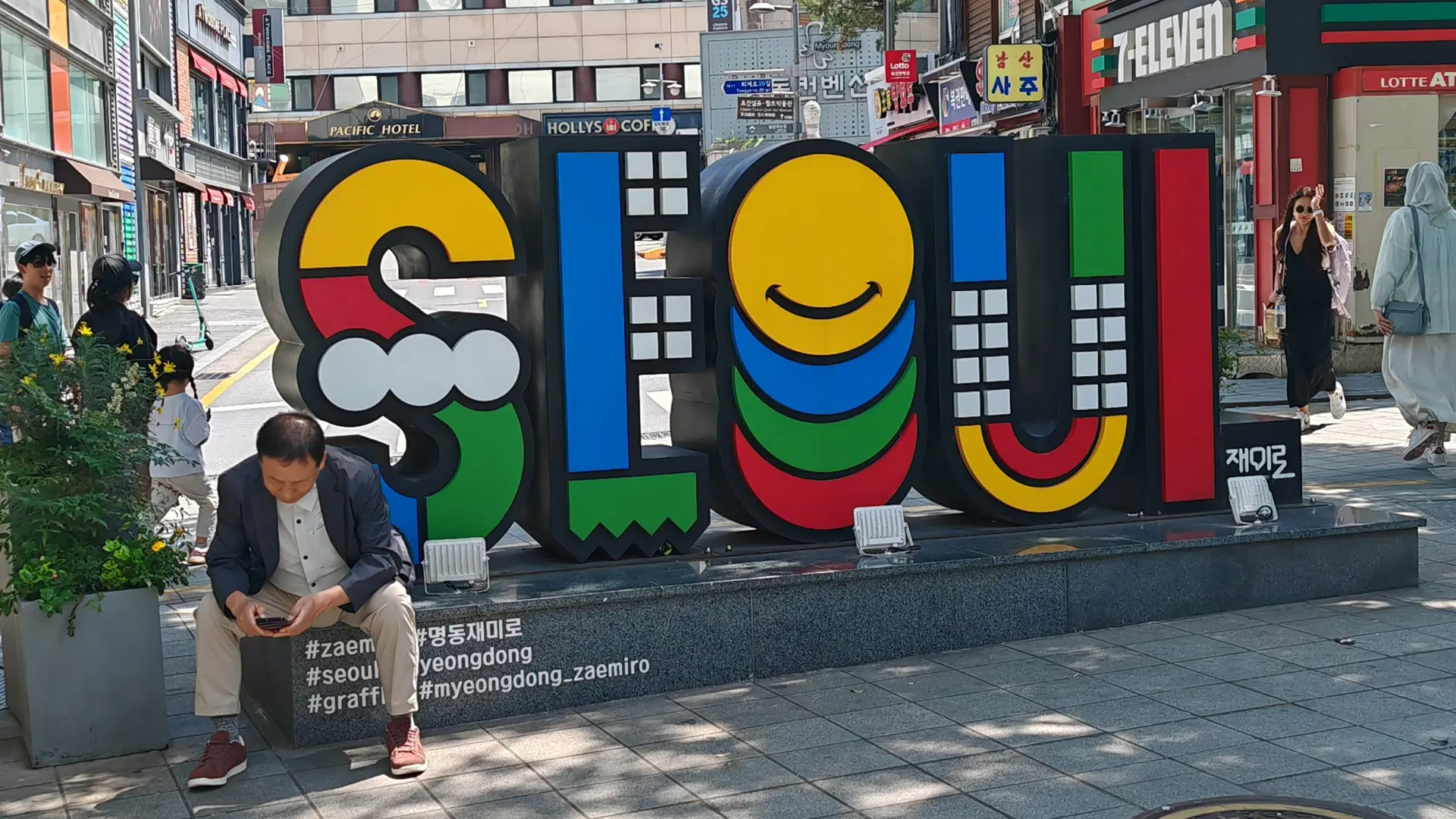 2
Joseon-dynasty palaces, hanok neighbourhoods and dense subway coverage
Jongno puts palace courtyards, tea houses and hanok lanes close together, while Myeongdong suits shopping and evening meals. There is one full day here, plus the evening after the train from Incheon. A central hotel keeps those hours useful.
Read the Seoul guide →The first evening and next morning belong to Incheon. Seoul follows with two nights, a full day of sights and an AREX journey back to the airport.
Chinatown is on Incheon's mainland, while the airport sits on Yeongjong Island. A taxi to the old-port hotel is the simplest arrival with luggage. The rail alternative is AREX All-Stop to Gyeyang, Incheon Line 1 to Bupyeong, then Seoul Metro Line 1 towards Incheon Station. It involves two changes. Once settled, keep the evening close to the hotel. The red gateways and restaurant streets around Chinatown are a cheerful introduction, with a bowl of jajangmyeon making an easy first dinner. Its thick black-bean sauce and noodles belong to the area's Korean-Chinese food story. Jayu Park and the waterfront can wait until morning. A T-money card from a convenience store covers the local buses and metro rides on the route. Its balance also works on AREX All-Stop, while the reserved-seat Express uses a separate ticket. For a very late landing, heading straight to Seoul and giving Incheon a day visit is the more comfortable version of this short trip.
Base: Incheon
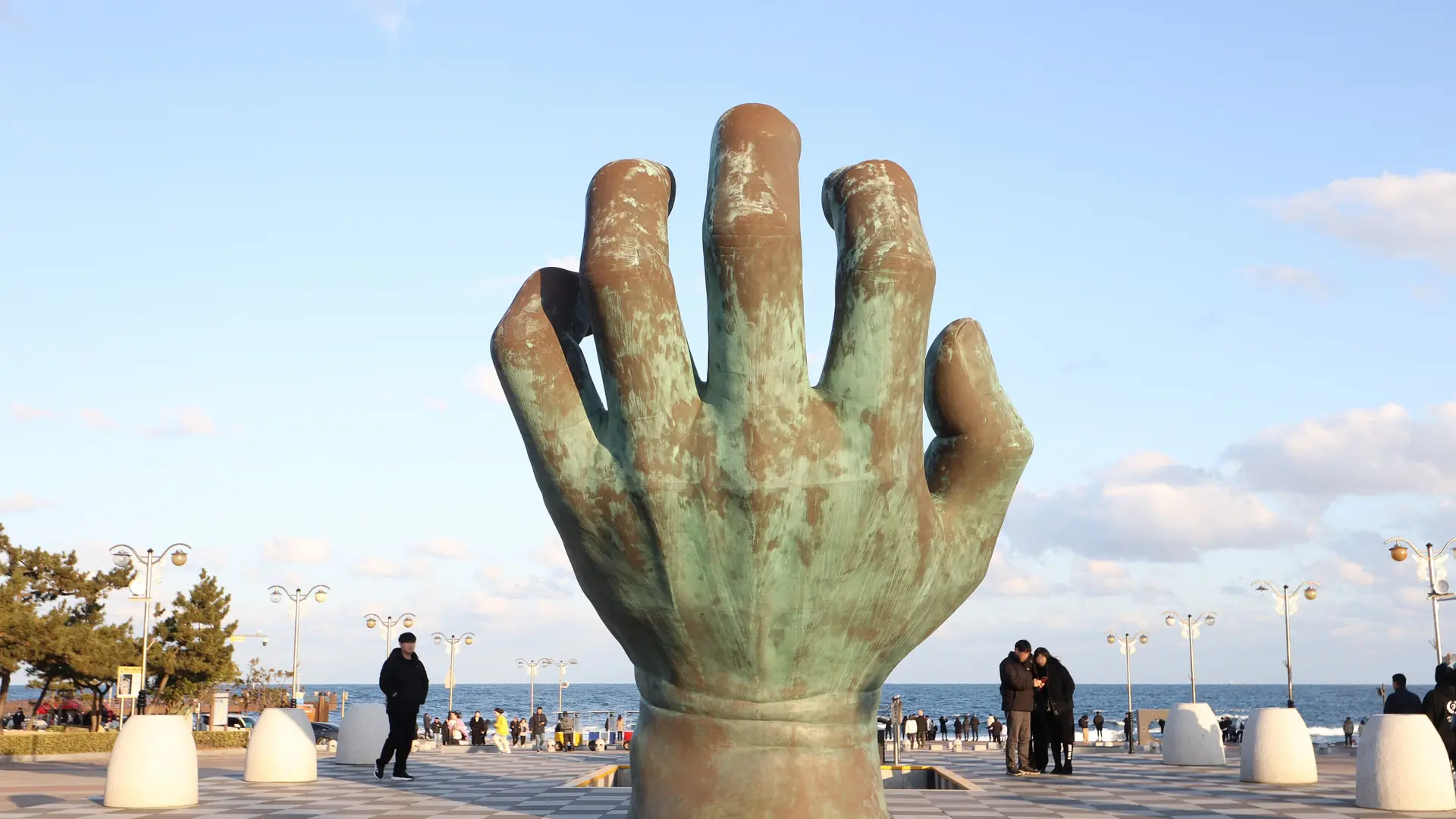
Start with Chinatown's decorated streets, then climb the lanes behind it towards Jayu Park. The uphill walk brings a view over the port and the statue of General Douglas MacArthur, associated with the 1950 Incheon Landing. Gateways, old buildings and the working harbour sit close together. Sinpo Market gives the morning a lively finish over lunch. Wolmido is an optional extension for an early start and a later Seoul arrival. A bus from Incheon Station takes about 10–15 minutes to its waterfront, where amusement rides and seafood restaurants face the sea. With luggage and a hotel move ahead, the old-port walk and lunch already make a satisfying half-day. The seaside fits best after an early start. Back at Incheon Station, take Seoul Metro Line 1 east towards central Seoul. The train journey is about 70 minutes, with the hotel transfer afterwards. A Jongno or Myeongdong base leaves the evening for a neighbourhood walk and dinner. If tomorrow is Tuesday, when Gyeongbokgung normally closes, take an earlier train today for a palace visit this afternoon and leave Wolmido for a longer trip.
Base: Seoul
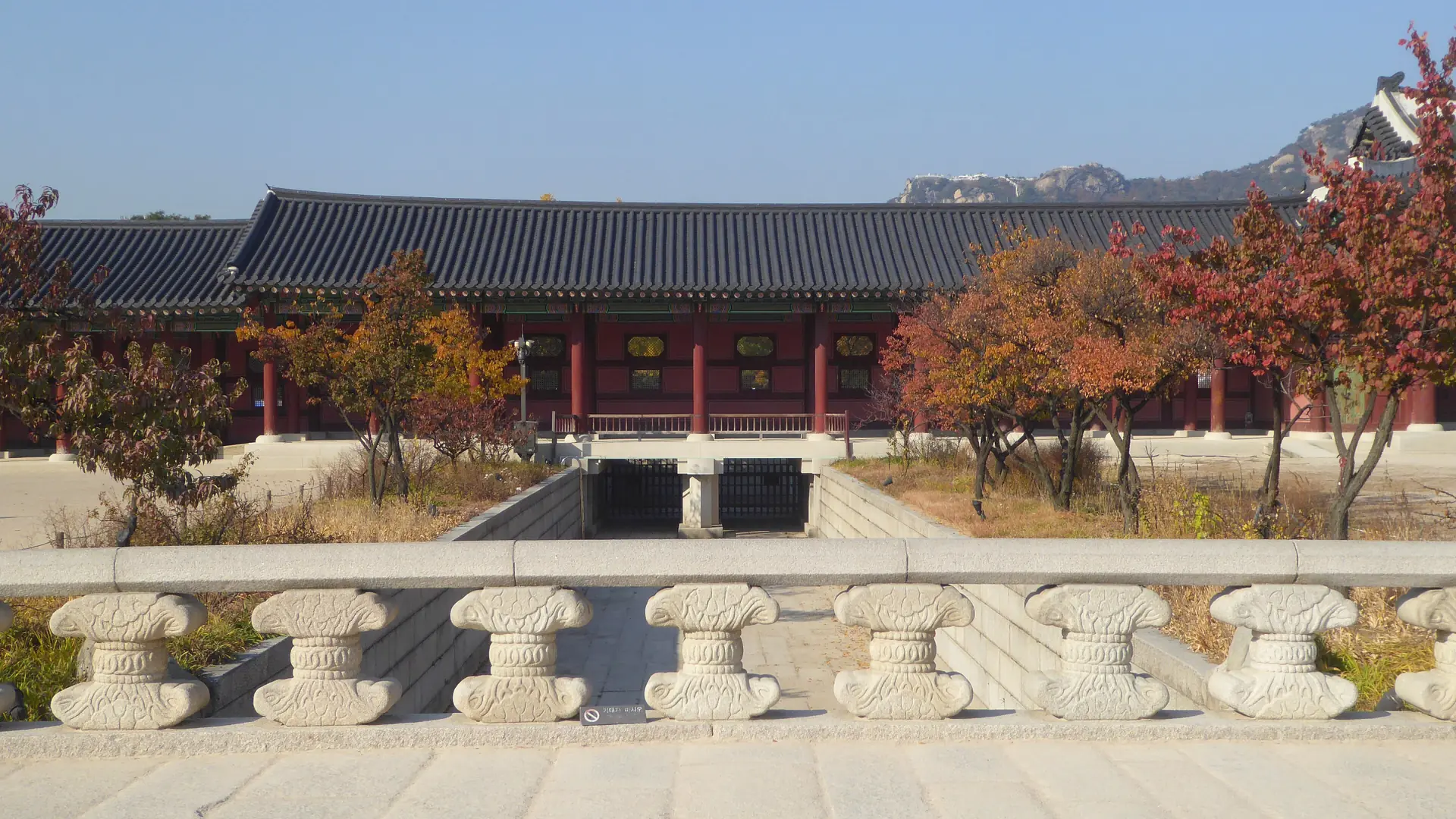
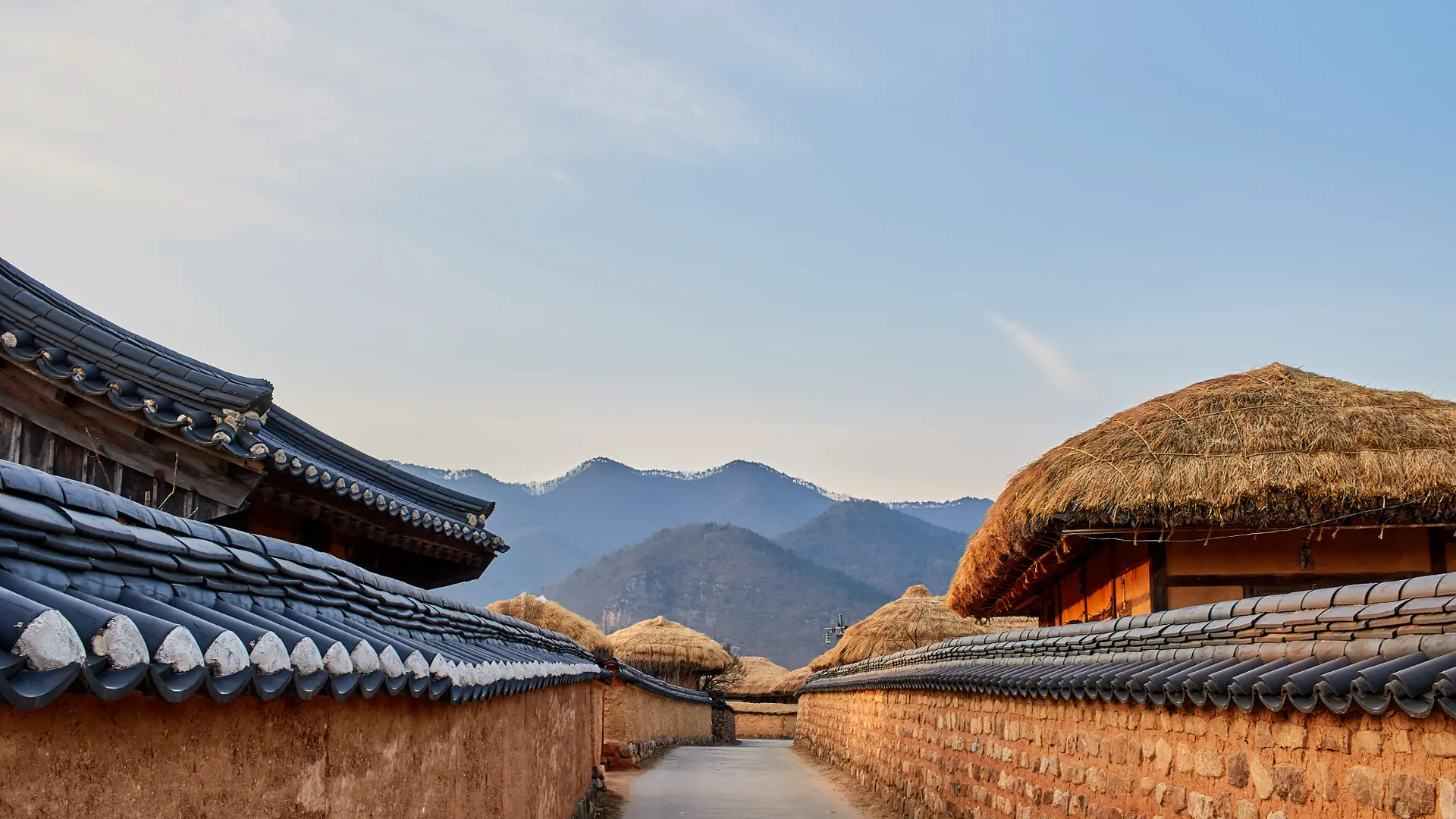
Give the morning to Gyeongbokgung's wide courtyards and layered palace roofs. Its wide spaces make a lovely change after Incheon's lanes. The palace normally closes on Tuesdays, with holiday exceptions; a Tuesday version of this trip puts the palace on the previous afternoon, after an earlier train from Incheon. That leaves this morning for a slower breakfast and the hanok district. Bukchon lies east of the palace, on a hillside of traditional houses. People still live behind those gates; the restricted residential zone admits tourists from 10:00 to 17:00. An afternoon walk fits that window, with a tea or coffee stop nearby before moving on. The hilly lanes suit a slow wander. Finish in Myeongdong for shops, bright signs and an evening meal. After palace courtyards and tiled roofs, the busy streets show another side of the capital without another long journey. An Insadong tea break fits along the way after a shorter palace visit. Two nights give Seoul a first taste, with a favourite district left to return to on a longer visit.
Base: Seoul
The final morning stays free of a major sight. With a later flight, breakfast and a coffee near the hotel make a pleasant ending; an early departure simply goes straight to the airport. There is no need to return to Chinatown or retrace the Incheon Station journey. AREX Express links Seoul Station with the airport, taking 43 minutes to Terminal 1 or 51 minutes to Terminal 2. Those times cover the train itself: the trip from the hotel, the walk through Seoul Station and the airport formalities come on top. Express tickets are separate from the T-money balance used for local travel. The All-Stop service is another option, particularly from a hotel around Hongik University or another station on its route. It calls at both airport terminals and uses the local transit-card system. Seoul Metro Line 1 serves Incheon city, rather than the airport terminals, so the departure journey belongs to AREX. Ending with two Seoul nights keeps that final connection clear and leaves the port-city stay as a distinct part of the holiday.
Base: Seoul
Incheon Station is beside Chinatown. Seoul Metro Line 1 runs east from there into central Seoul, followed by a local journey to the hotel.
1 transfer
Incheon Seoul
Take Seoul Metro Line 1 from Incheon Station towards central Seoul. Chinatown is beside the starting station; the onward hotel journey depends on whether you stay in Jongno, Myeongdong or another district.
For October–November 2026 outside holiday peaks, allow about US$300–525 per person with two adults sharing a room. These are planning allowances, including an arrival taxi shared by two and excluding international flights.
Booking tips
Rooms across Seoul, with locations ranging from the historic centre to districts farther east and south.
The two city markers show the overnight bases at a glance. The line is an overview, while Chinatown lies west of Incheon’s city-centre marker; it does not trace the metro tracks.
Incheon → Seoul
The night makes sense for the old port itself: dinner in Chinatown and a morning around Jayu Park and Sinpo Market. It does not remove the airport transfer, because Chinatown is on the mainland and the airport is on Yeongjong Island. A very late landing suits going straight to the Seoul hotel instead.
Yes. Seoul Metro Line 1 reaches Incheon Station beside Chinatown, then runs east towards central Seoul. Incheon's own Line 1 crosses the city on a different route. The airport rail journey to Chinatown uses both: AREX All-Stop to Gyeyang, Incheon Line 1 to Bupyeong, then Seoul Metro Line 1 to Incheon Station.
It gives a satisfying first look at the palace district, Bukchon's hanok lanes and Myeongdong, with the evening after arrival from Incheon adding another meal and a neighbourhood walk. The trade-off is depth: there is little room for Gangnam, a major museum and a day trip as well. A longer Seoul stay opens those up.
Yes: two Seoul nights first, followed by the old-port night in Incheon. The final airport journey would then be from Chinatown, rather than on the direct AREX from Seoul Station. For an early flight, an airport-island hotel is a different choice from the old-port stay described here.
It is an optional extension on the second morning, reached by a bus ride of about 10–15 minutes from Incheon Station. The seaside promenade adds fresh air and amusement rides, but the old-port walk and lunch already fill a comfortable half-day. An earlier Seoul train leaves Wolmido for another visit.
Gyeongbokgung normally closes on Tuesdays, with holiday exceptions. In that version, take an earlier train from Incheon on day two and visit the palace that afternoon. Day three can then begin more slowly before Bukchon during its residential-zone visiting hours of 10:00–17:00, followed by Myeongdong.
Editorial team StartBooker
Checked on 2026-10-17
Updated
Research approach: Airport transfers and rail connections follow Incheon Tourism, Incheon Transit and AREX information. Palace and Bukchon access follow the relevant tourism authorities; the budget uses independent travel-cost references. The short stay is paced around one Incheon night and two Seoul nights.
10 Source records
Find another destination and compare its areas and accommodation.
Compare routes by length, stops and transport.