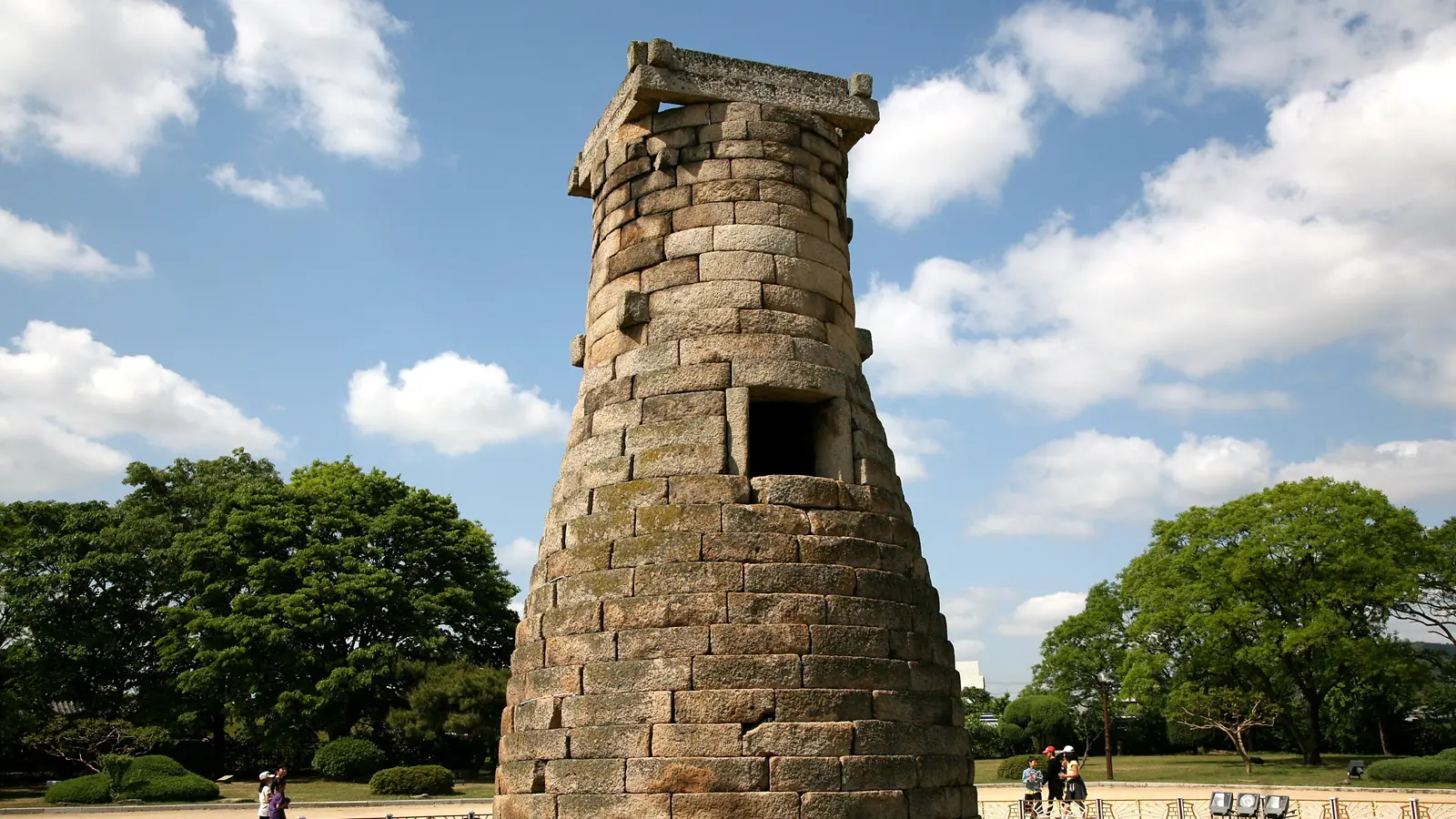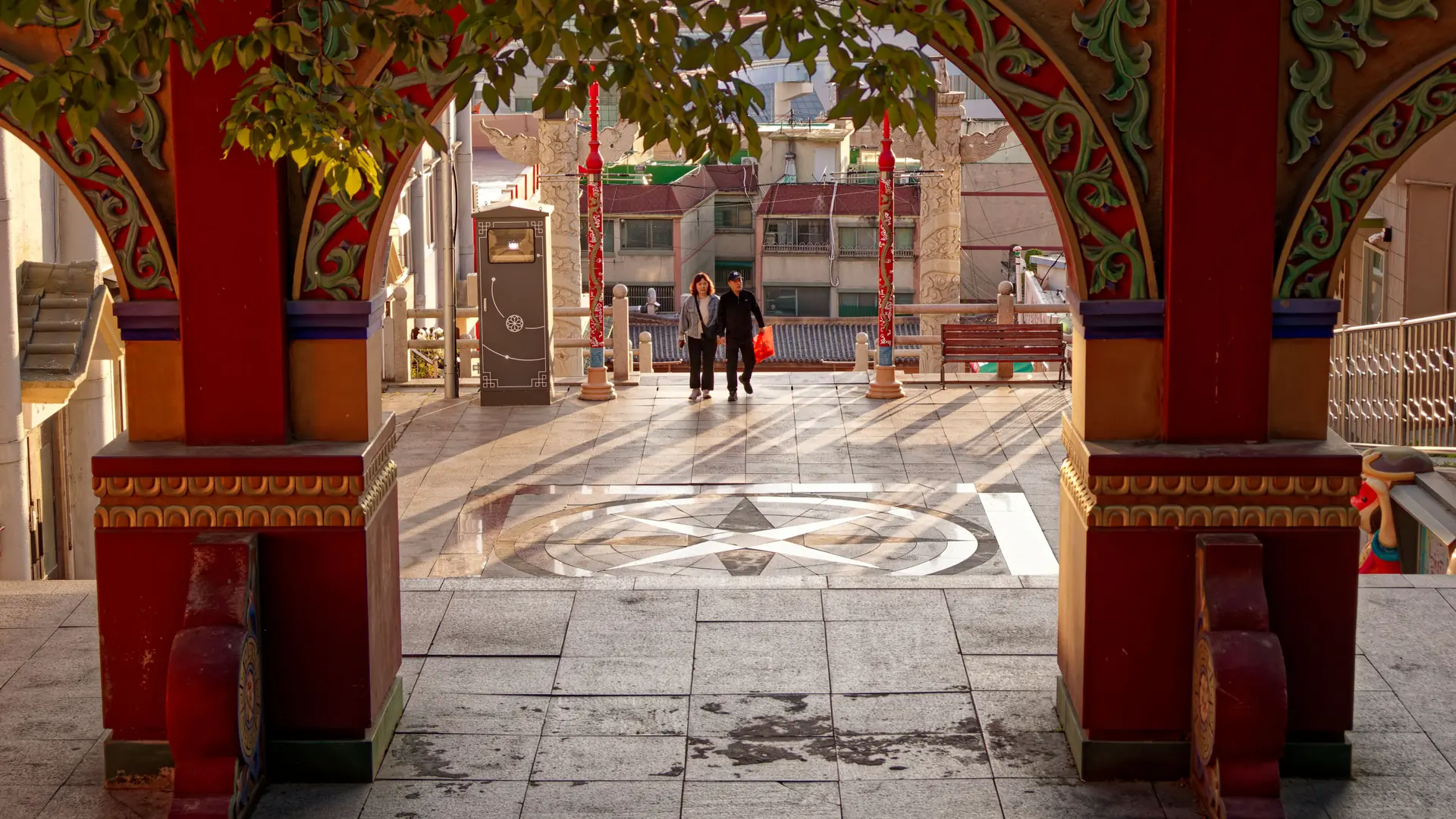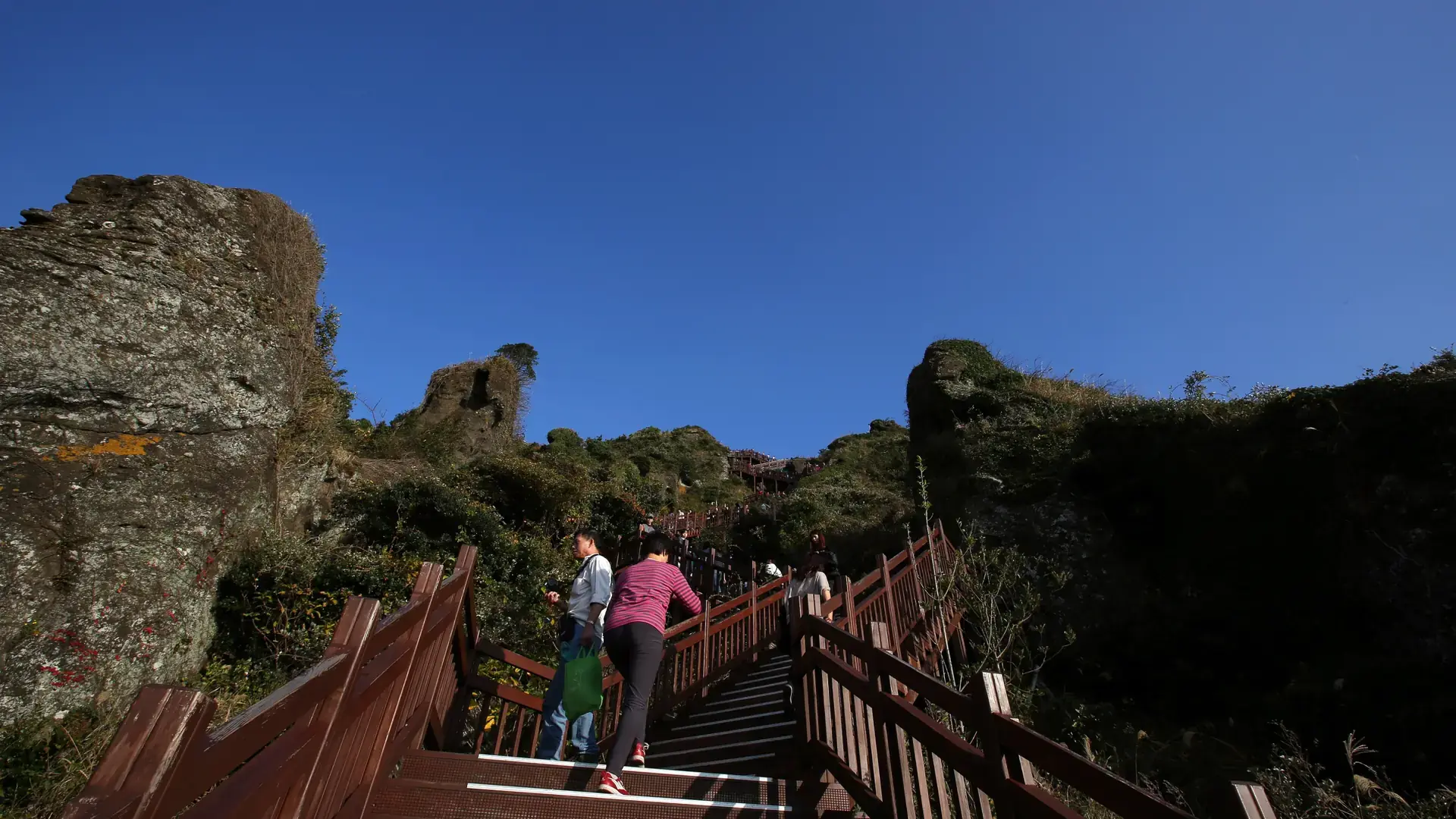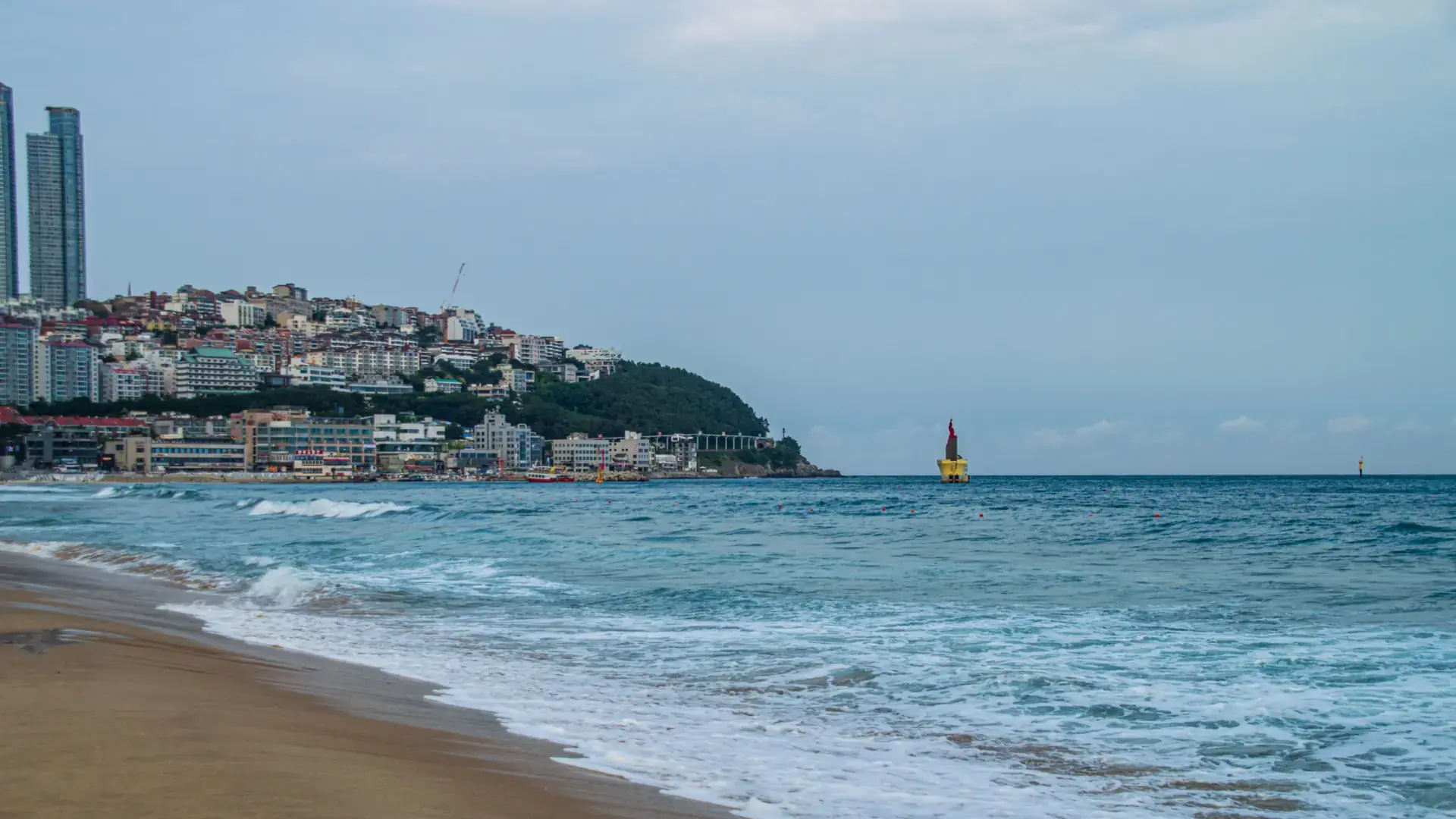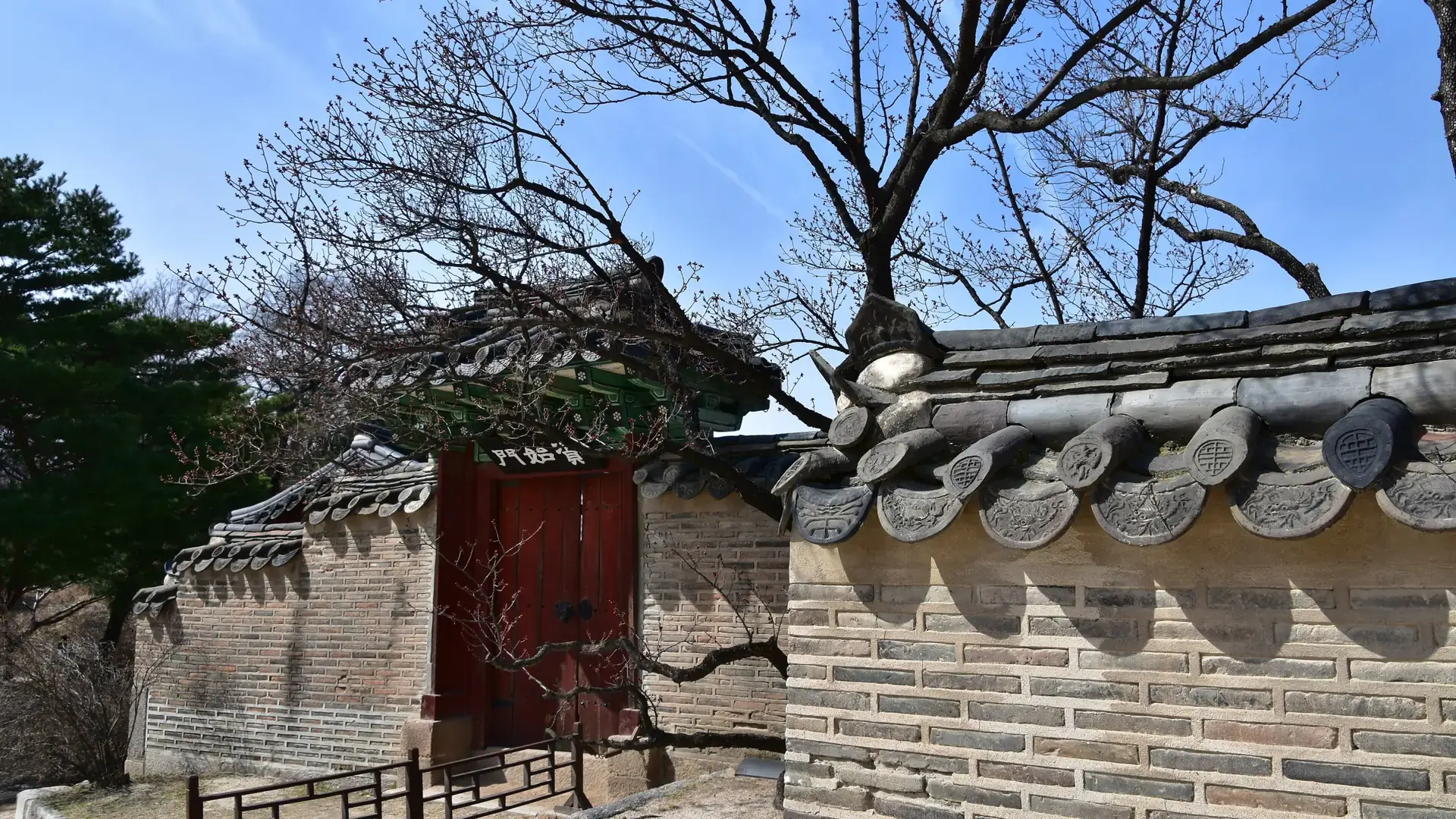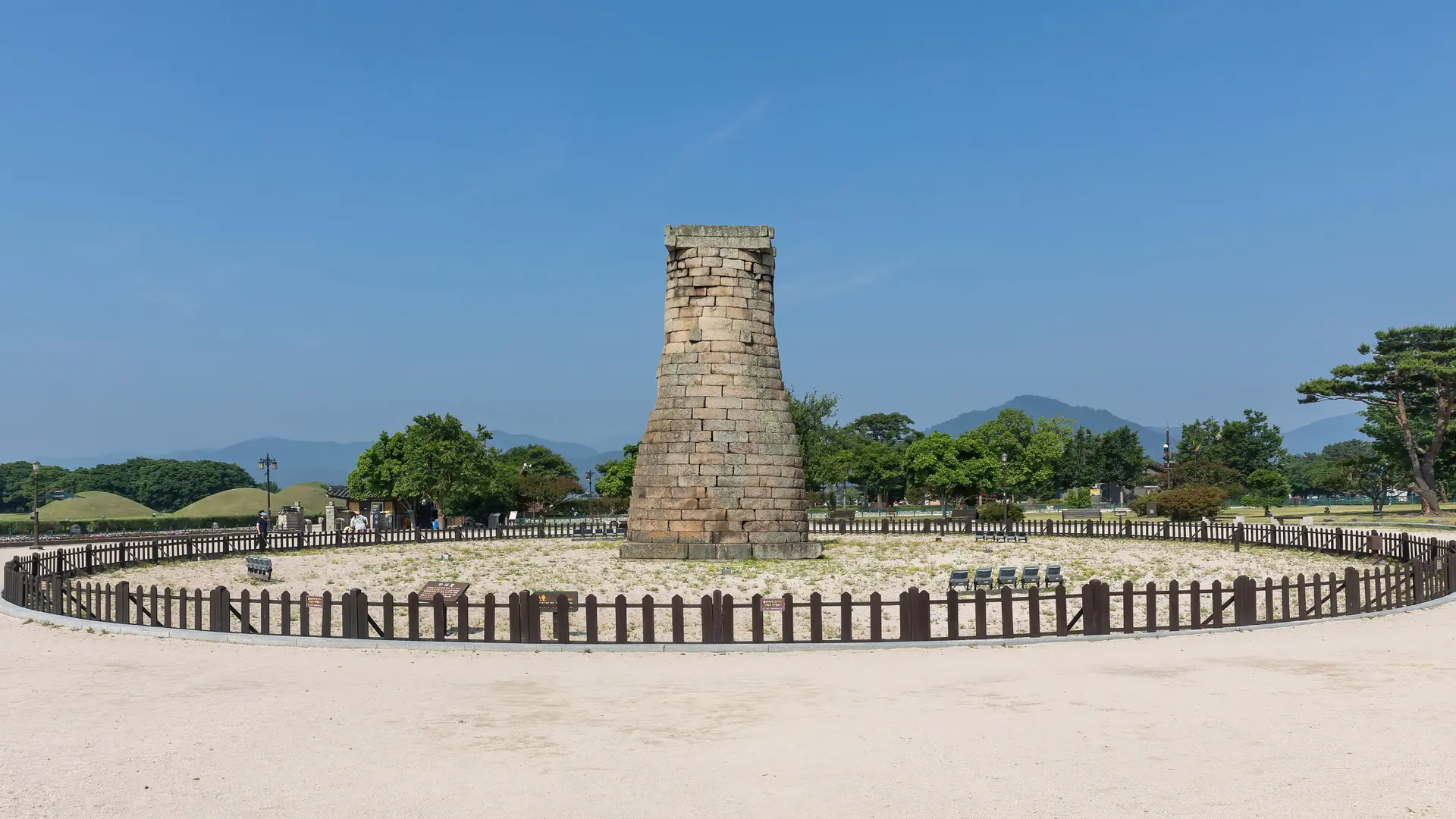
Cheomseongdae, Gyeongju's ancient bottle-shaped stone observatory, under a bright blue sky

Gyeongju: Korea's Open-Air Museum, One Base at a Time

Loading Gyeongju hotel search

Gyeongju at a glance

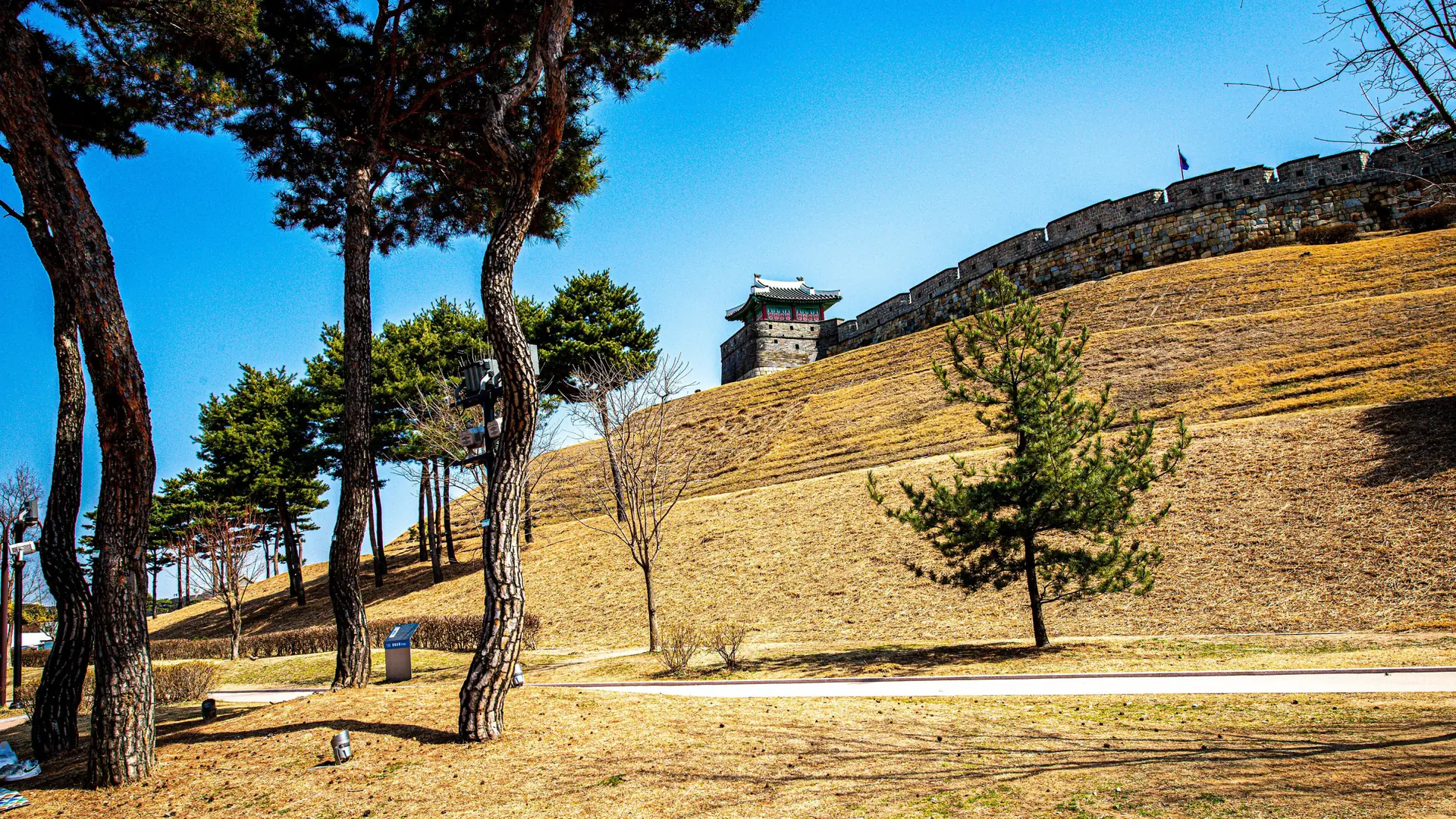
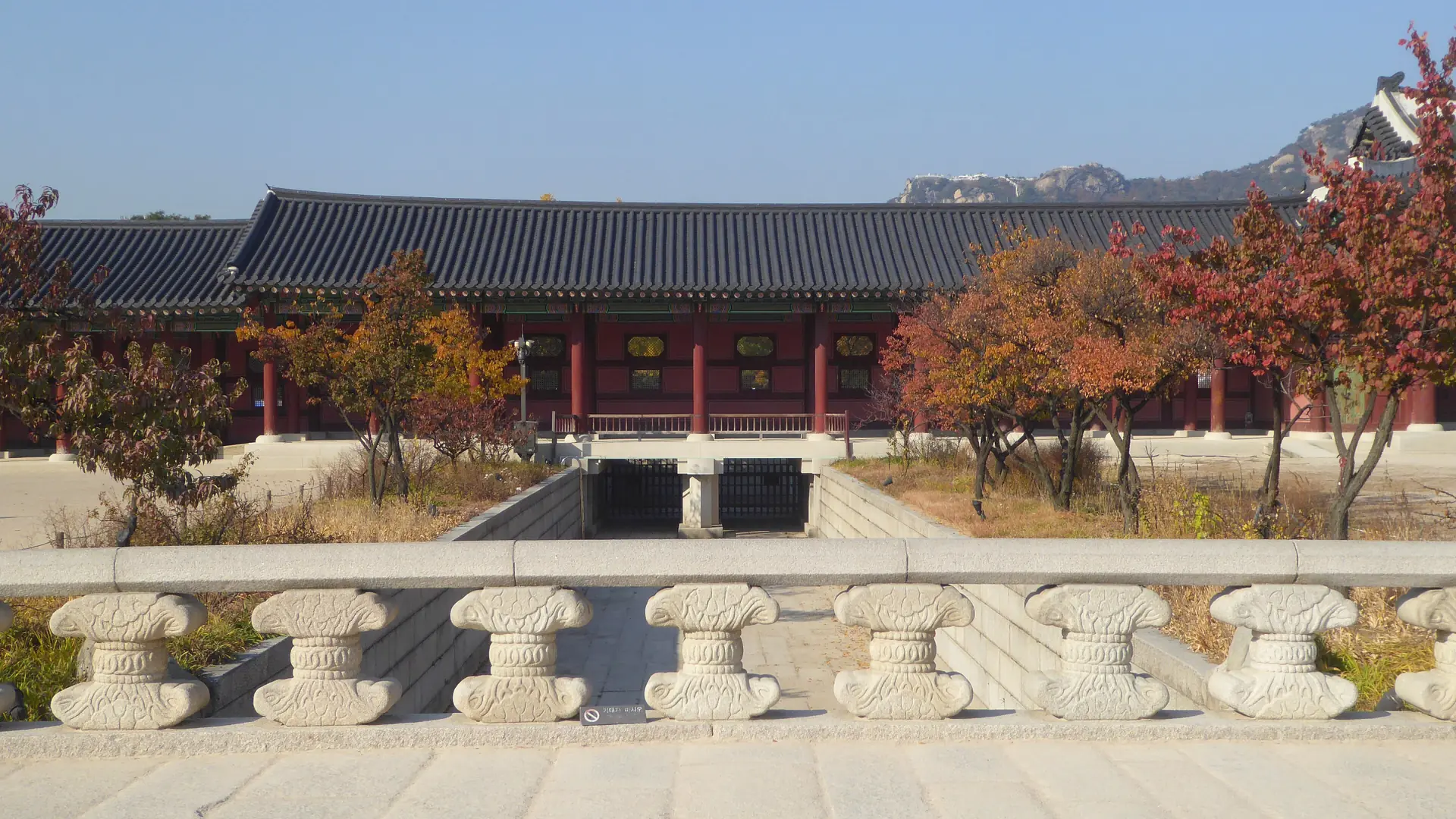
Gyeongju puts royal burial mounds beside cafe streets, with the stone observatory of Cheomseongdae rising above open ground a short walk away. It was the capital of Silla for nearly a thousand years; the UNESCO Historic Areas protect five groups of remains across the city and its surroundings. The old town is the most convenient base for a first visit. Hwangnidan-gil has hanok guesthouses, little shops and plenty of places to stop for coffee between the sights. Bomun Lake is a separate resort district to the east, better suited to a stay with hotel facilities and lakeside time. Bulguksa and Seokguram make a mountain-side outing, not another stop on the same old-town walk. Two nights give the city room to breathe: one day for the tombs, museum and an evening at Wolji, another for the temple area. Gyeongju Station is outside the historic centre, so even a short KTX visit begins with an onward bus or taxi.

Best first-timer base Hwangnidan-gil Old Town

Walking distance to Cheomseongdae, the tomb complex and Wolji Pond, with an illuminated evening atmosphere.

Resort alternative Bomun Lake Resort

Lakeside hotels and family attractions offer a resort-style stay east of the historic centre, with a bus or taxi journey for old-town sightseeing.

KTX gateway Gyeongju Station, about 12km from downtown

The KTX station is outside the historic centre. Allow a separate bus or taxi journey to your room; Hwangnidan-gil and Bomun are different destinations.

When to visit April-May or Sept-Oct

Mild weather for walking between tomb mounds and temple grounds; late June and July turn wet as the Changma rainy season sets in.

StartBooker answer

Where is the best place to book a hotel in Gyeongju?

Stay around Hwangnidan-gil for a first visit: the royal tombs, Cheomseongdae and old-town cafes make a rewarding day on foot, with Wolji Pond for an evening outing. Bomun Lake suits a holiday with resort facilities and more time at the hotel. The Bulguksa area brings the temple closer, while a room near Gyeongju Station serves an early train. Those last three bases involve bus or taxi journeys to the historic centre. For two nights of sightseeing without a car, the old town is the easiest fit.

Best first base
Hwangnidan-gil Old Town, for walkable sights
From Seoul
About 2 hours by KTX to Gyeongju Station
Getting around
Walkable old town; buses and taxis for Bomun and Bulguksa

Things to do in Gyeongju, South Korea

Explore tours, attractions and local experiences in Gyeongju, South Korea.

Loading activities…

Activities provided by GetYourGuide. We may earn a commission on bookings.

AI-powered

Ask the Gyeongju planner

Get a base match depending on whether old-town atmosphere, resort amenities, temple access or a fast KTX transfer matters most.

Gyeongju's four first-visit bases compared

The old town, Bomun Lake, Bulguksa and the KTX station serve four different stays. Hwangnidan-gil puts the heritage walks at your door; the other bases trade that convenience for resort facilities, temple access or an easier train departure.

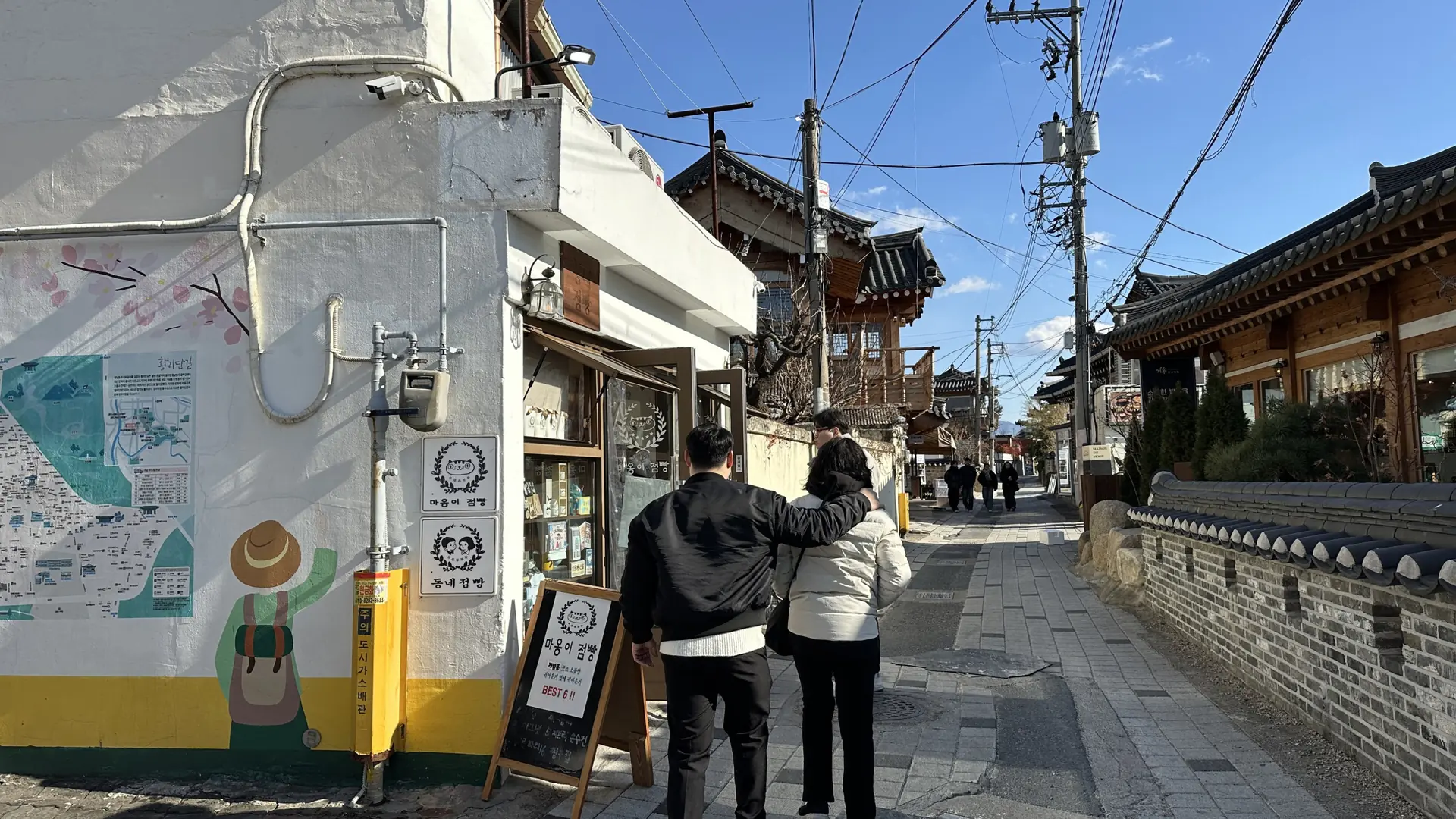
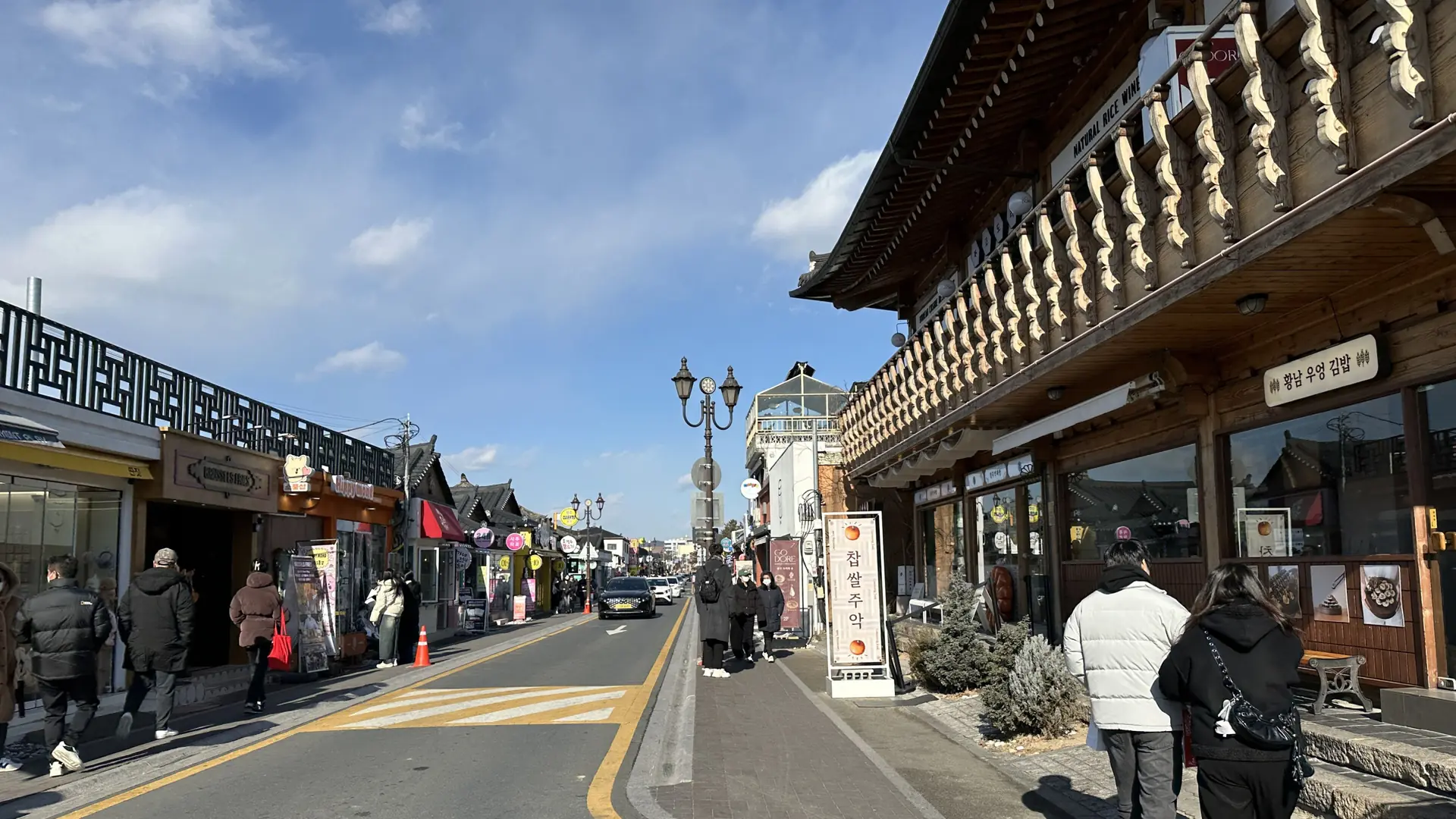
A sunny Hwangnidan-gil street in Gyeongju with a Hwangnam gimbap shopfront and pedestrians

Hwangnidan-gil Old Town

walkable sights, atmosphere, first visits

The historic centre beside the royal tomb complex, dense with hanok guesthouses, cafes and an evening scene built around illuminated ruins.

first-trip culture food walkable
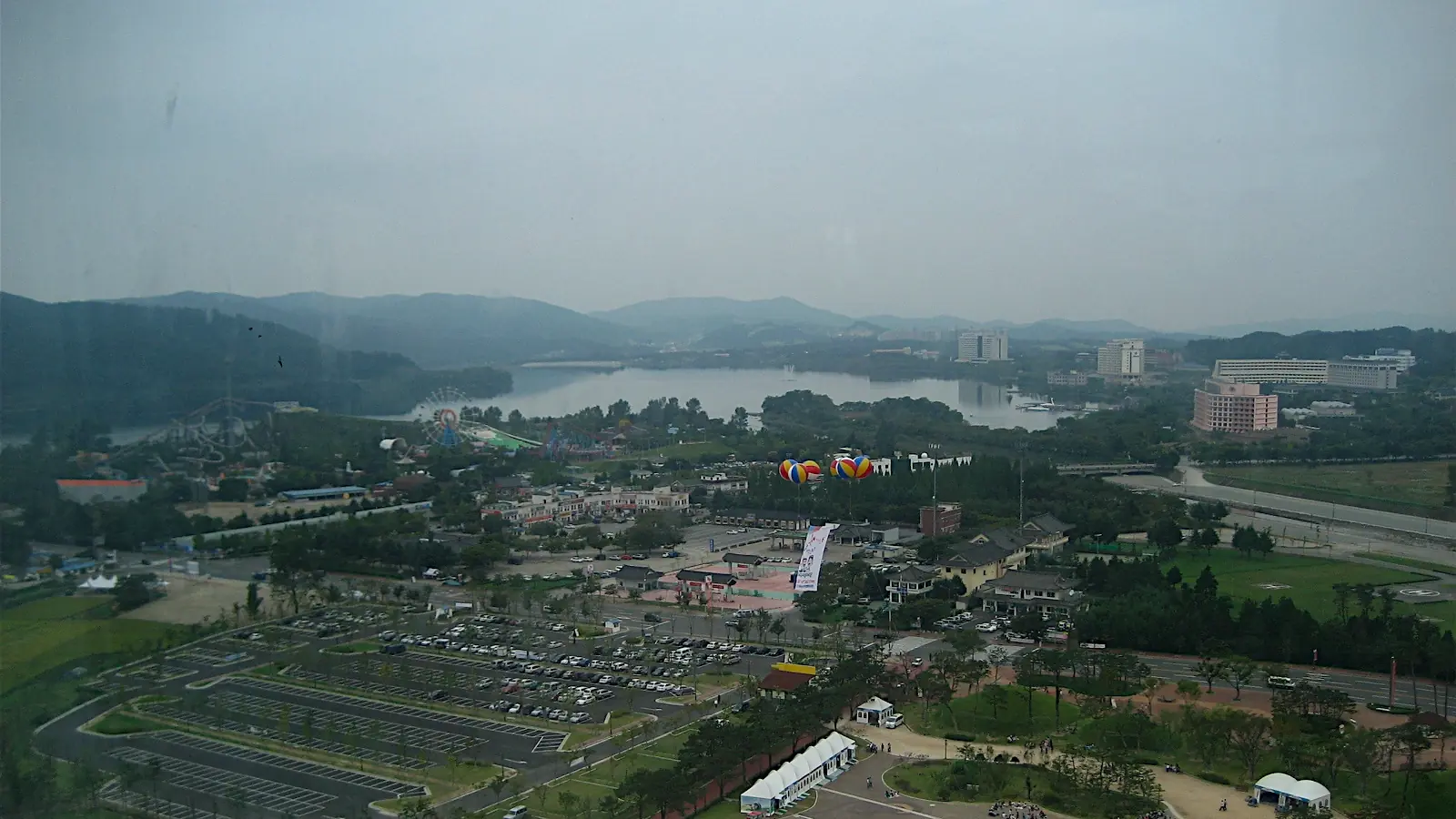
Aerial view of Bomun Lake, the Gyeongju World amusement park and resort hotels in daylight

Bomun Lake Resort

large hotels, families, golf and amenities

A resort district around Bomun Lake, with large hotels, golf and family attractions including Gyeongju World. It suits a day split between sightseeing and time back at the hotel.

family luxury near-transport
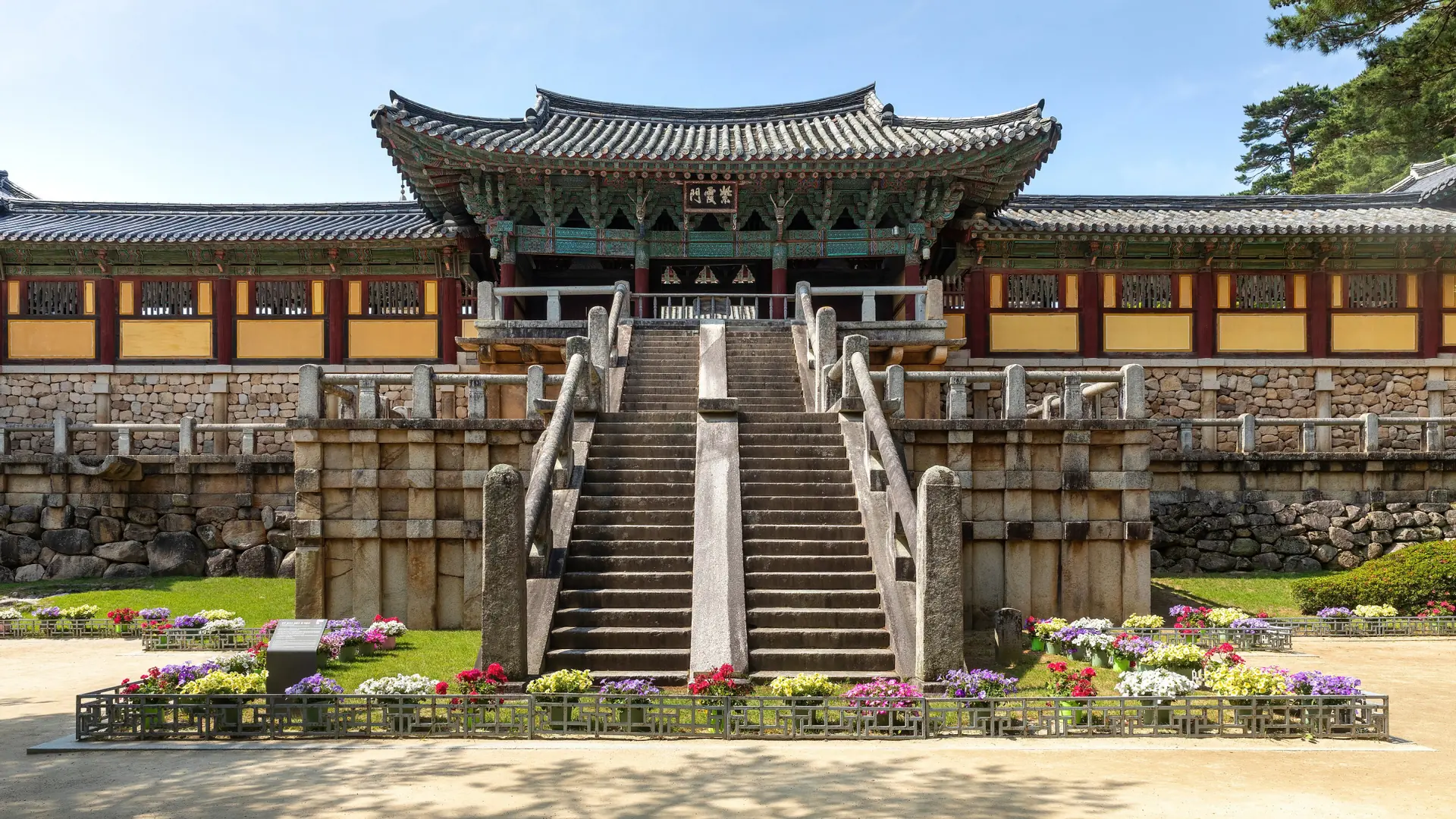
Bulguksa Temple's Jahamun Gate and the iconic Cheongun-gyo stone staircase in bright daylight

Bulguksa temple area

a short stay focused on Bulguksa and Seokguram

Guesthouses near Bulguksa suit a stay centred on its pagodas, temple halls and wooded surroundings. Seokguram sits higher on Tohamsan; the grotto and temple share a UNESCO listing but are separate visits.

culture nature budget
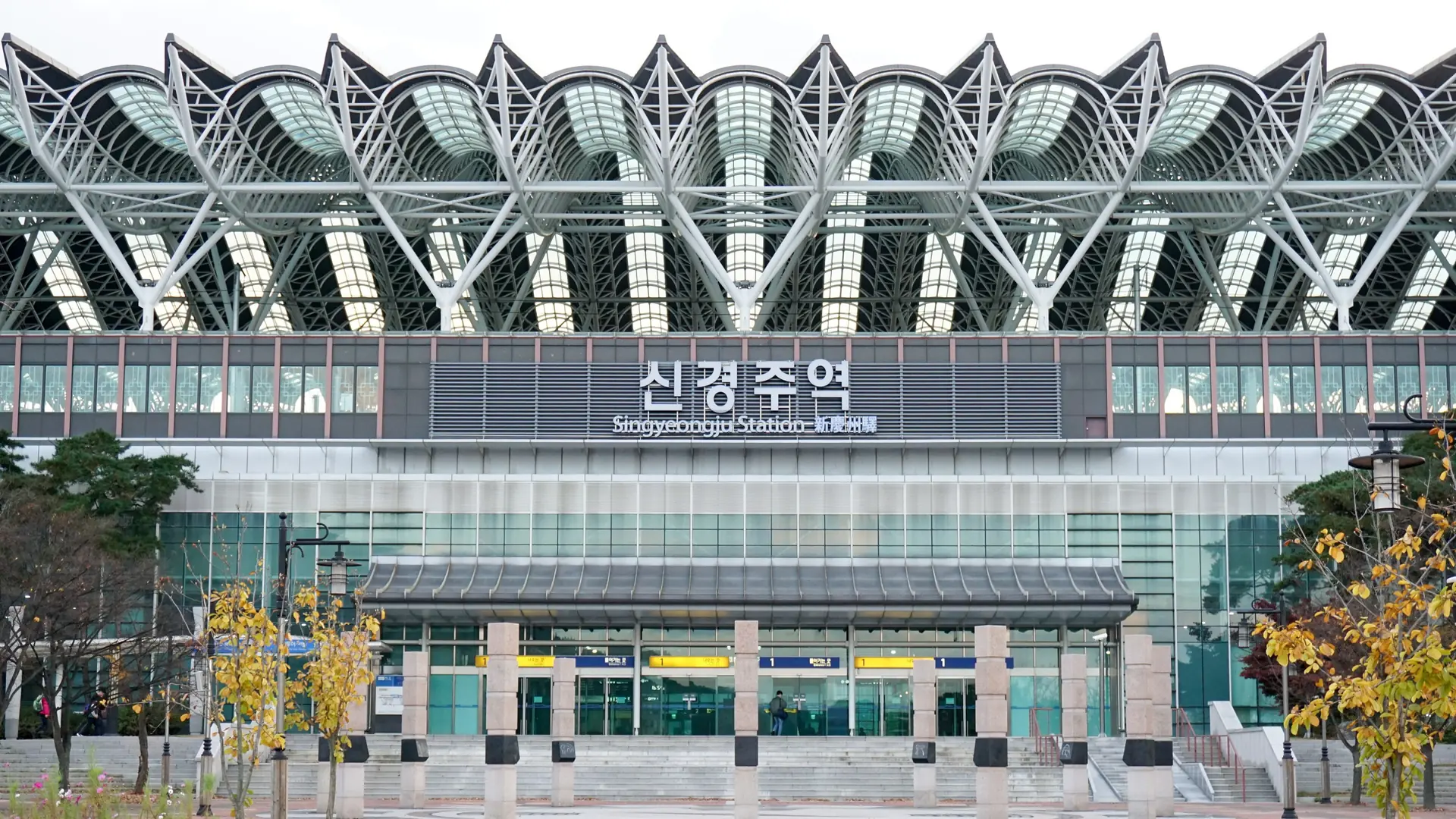
The KTX station's distinctive glass-and-steel exterior, with its former Singyeongju signage, in bright daylight

Gyeongju Station area

a fast KTX connection

The area around Gyeongju Station, useful for travellers prioritising rail convenience over proximity to the historic sights, which sit about 12km away.

near-transport budget without-car
Compare Gyeongju's four bases
Area Best for Features Getting around
Hwangnidan-gil Old Town

Walkable sights, atmosphere

Fewer large hotel brands

Walk between old-town sights
Bomun Lake Resort

Resorts, families, amenities

Separate from the historic centre

Taxi or bus into the historic centre
Bulguksa temple area

An early Bulguksa visit

Transfer for old-town evenings

Bus or taxi needed to reach the old town or Bomun
Gyeongju Station area

Fast KTX transfers

Distant from the main sights

Bus or taxi to downtown Gyeongju

Choose Gyeongju by what your trip needs most

A walking weekend, a family resort break and a temple stay lead to different addresses. Start with the part of the day you want closest to your room, then fit the other outings around it.

Walkable history and old-town evenings

Hwangnidan-gil keeps the tomb complex, Cheomseongdae and Wolji Pond within walking distance, with the ruins lit after dark.

Resort amenities for a family trip

Bomun Lake's hotel brands, golf course and amusement park suit a trip built around amenities rather than walkable heritage sites.

An early, unhurried Bulguksa visit

A guesthouse in the temple district brings Bulguksa's halls, stone terraces and wooded setting closer to your room.

A fast train connection above all else

Staying near Gyeongju Station minimises the transfer time when an early departure or a tight onward connection is the priority.

Hotels for a Gyeongju stay

Live Gyeongju hotel results for your dates; the area guide above helps place each address.

See Gyeongju stays →
Loading Gyeongju hotels

Getting to and around Gyeongju

KTX trains make Gyeongju an easy stop between Seoul and Busan. The station is outside the historic centre, so the journey continues by bus or taxi. Within the city, old-town walks and separate outings to Bomun or Bulguksa work better than trying to cover everything on foot.

Trains and airport arrivals

KTX to Gyeongju Station

The KTX line reaches Gyeongju Station (renamed from Singyeongju in December 2023) in roughly 2 hours from Seoul, with Busan and Daegu both closer given Gyeongju's position on the same corridor.

Transfer into the old town

Gyeongju Station is roughly 12km from the historic centre. A bus or taxi completes the journey; an old-town guesthouse and a Bomun resort need different drop-offs. The train arrival time is not your hotel arrival time.

From an international flight

From Incheon Airport, the rail journey goes via Seoul Station before the KTX to Gyeongju. Gimhae Airport near Busan offers a closer gateway, with an intercity bus connection to Gyeongju. Neither airport is in Gyeongju itself.

Getting around the city

Walking the old town

Hwangnidan-gil, Daereungwon, Cheomseongdae and the palace grounds form a satisfying day on foot. A cafe break fits naturally between them, and Wolji Pond gives the same part of town an evening outing.

Local buses

City buses link the historic centre with Bomun and Bulguksa. Keeping the lake or temple sights together makes a more relaxed day than repeatedly crossing the city, especially with an old-town dinner in mind.

Taxi journeys

A taxi is useful for luggage at Gyeongju Station or a direct journey between your hotel and the temple district. For two travellers sharing, the practical gain is a door-to-door trip; the fare depends on the actual route.

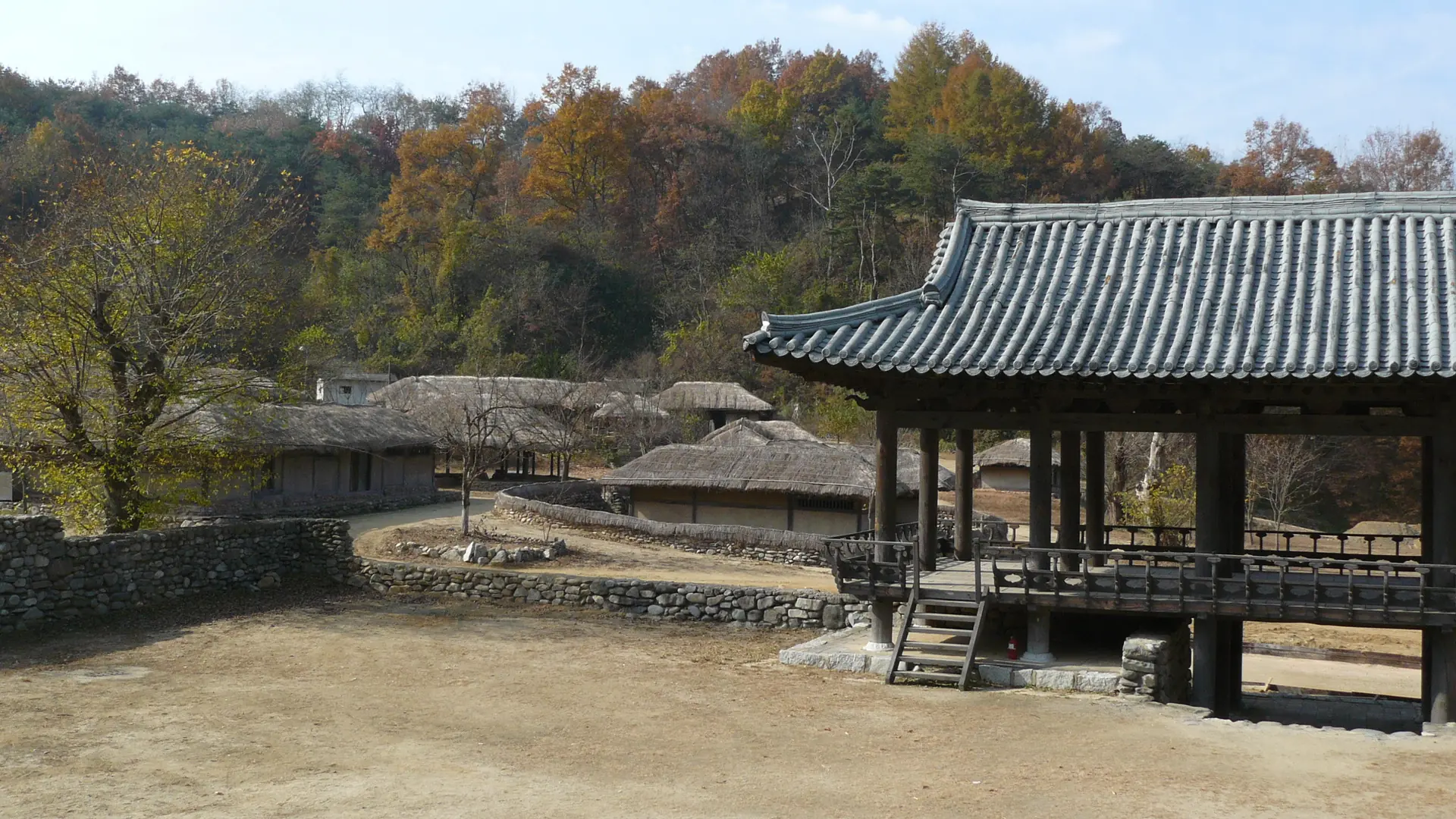
Day trip to Yangdong Folk Village

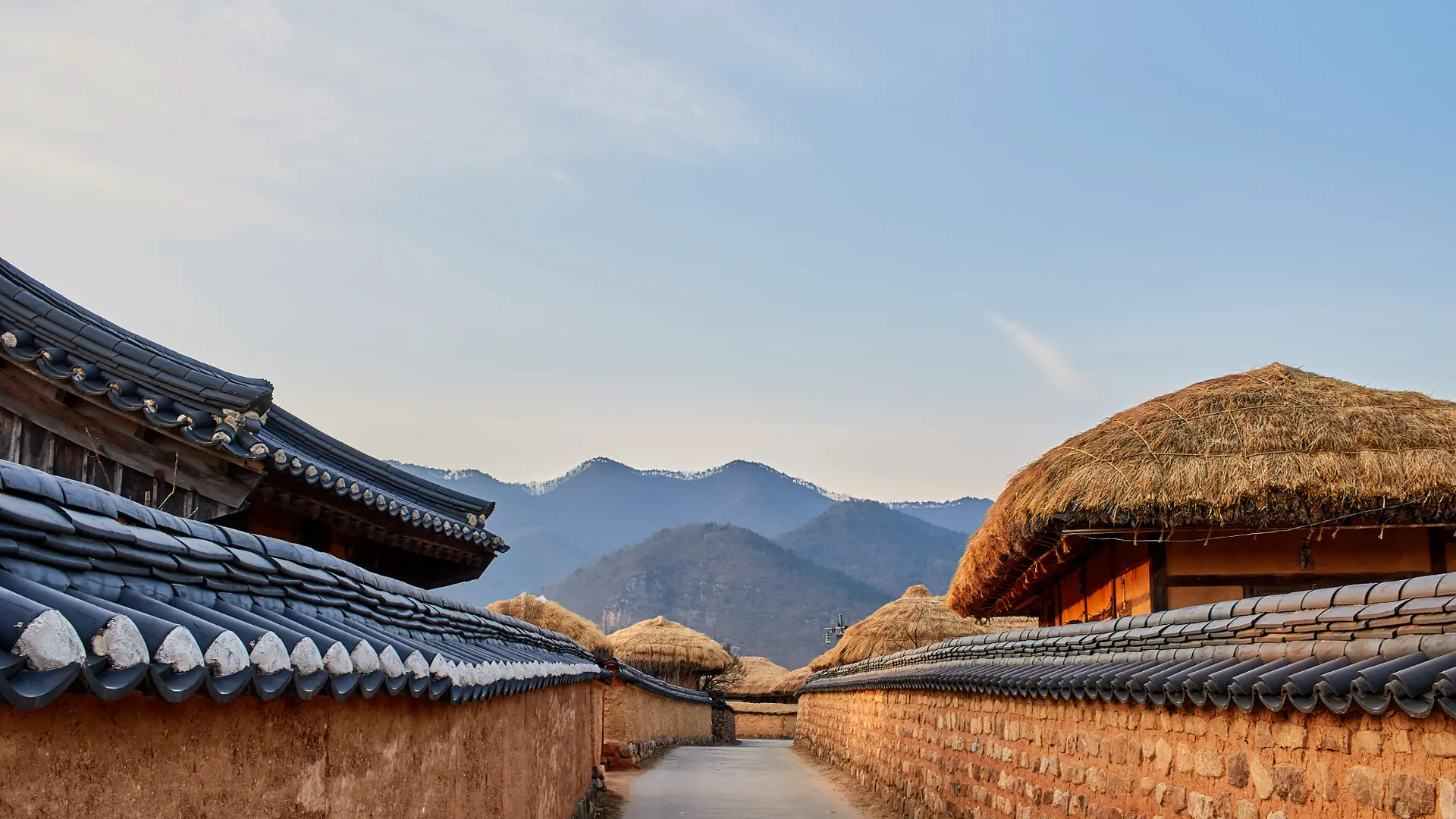
Yangdong is a separate outing to a traditional Joseon-era village, where tiled houses and thatched cottages sit among low hills. Leave half a day for the journey and a stroll. Adult admission is KRW 4,000 (about US$3); the lanes pass homes still used by residents.

Rail pass or single tickets

KORAIL Pass for a longer trip

A KORAIL Pass can cover eligible Korail trains on a wider Korea trip, but it is not an all-transport pass. SRT services, city buses and subways are separate. For a single Seoul-Gyeongju journey, an ordinary train ticket is the simpler comparison.

Accessibility notes

Temple steps and indoor galleries

Bulguksa's raised stone terraces and stairways make it a different outing from the lanes around Hwangnidan-gil. Gyeongju National Museum offers indoor galleries for a day with less outdoor walking; a traditional hanok may still involve floor bedding and entrance thresholds.

Planning a Gyeongju stay

Give the old town a day of its own, then choose a temple outing or time at Bomun. The season changes how long those walks feel; your room style and the journeys beyond the centre shape the bill.

Seasons for exploring

Spring walks and blossom
  • April and May suit a stay with long walks between the tombs, cafes and palace grounds. Spring blossom is part of Gyeongju's appeal, but it does not last throughout those two months. A room in the old town still makes a rewarding base after the petals have gone: the royal mounds, Cheomseongdae and hanok lanes do not depend on a flower forecast.

  • Summer rain and indoor time

    Summer is warm and humid, with much of Korea's annual rain concentrated in this season. The Changma rainy period usually begins around late June, with timing varying by year. Gyeongju National Museum makes a substantial indoor break, with gold crowns and other Silla objects giving context to the tombs outside. Cafes in Hwangnidan-gil also break up a wet walking day.

  • Autumn days, cooler evenings

    Autumn brings another good window for the old town and wooded temple grounds. October and November grow cooler as the season goes on, so a night visit to Wolji feels different from an afternoon cafe stop. In winter, shorter outdoor outings paired with the museum or a warm hanok room can be more appealing than spending a whole day between exposed historic sites.

A three-day stay budget

Two adults, two shared nights
  • For three days and two nights in October-November 2026, an ordinary non-holiday planning allowance is KRW 540,000 (about US$405) for two adults. That is about US$68 each per calendar day, including the shared room. This is an example spending plan, not a quoted hotel package.

  • Room and meals included

    The example sets aside KRW 220,000 (≈ US$165) for two nights in one private room, plus KRW 180,000 (≈ US$135) for both travellers' food and cafe stops across three days. A simple hanok room and a Bomun resort offer different facilities; neither name alone guarantees a low price.

  • Local journeys and visits

    The remaining KRW 140,000 (≈ US$105) covers local travel, including station transfers, at KRW 100,000 (≈ US$75), and admissions at KRW 40,000 (≈ US$30). Daereungwon's park and the museum's permanent galleries are free; Cheonmachong's tomb interior is separately ticketed. Intercity trains, flights and shopping are outside this budget.

  • Currency behind the estimate

    US dollar figures use the ECB's 16 October 2026 reference rates, about KRW 1,332 (≈ US$1), rounded for a holiday budget. Card conversion and exchange charges sit outside that calculation. Room choice and the balance of taxi rides against buses can move the total much more than a single museum visit.

What neighborhood should I pick for a Gyeongju hotel?

Hwangnidan-gil Old Town suits most first visits, with the tomb complex, Cheomseongdae and Wolji Pond all within walking distance and an evening atmosphere built around illuminated historic sites.

Is Bomun Lake or the old town better for a family trip?

Bomun Lake's resort hotels, golf course and amusement park suit families wanting amenities on-site, while the old town suits a more sightseeing-focused family trip on foot.

How far is Gyeongju Station from the city's main sights?

The historic centre lies roughly 12km beyond Gyeongju's KTX station. A bus or taxi completes the journey, so the station is a rail gateway rather than a walkable base for Daereungwon and Hwangnidan-gil.

How many nights work well for a first visit?

Two nights give you a full old-town day and another outing to Bulguksa and Seokguram without changing hotels. With one night, the tombs, Cheomseongdae and an evening at Wolji make a more comfortable focus than trying to add every outlying sight.

Should I stay near Bulguksa Temple specifically?

A guesthouse near Bulguksa suits a stay centred on the temple and Tohamsan's wooded surroundings. For a first visit combining the royal tombs, museum, cafes and evening sights, Hwangnidan-gil is usually the more convenient base.

Is Daereungwon tomb park free to enter?

Yes, Daereungwon's park is free. Cheonmachong, the tomb whose interior is open to visitors, has a separate adult ticket of KRW 3,000 (about US$2.25). Its excavated treasures include a gold crown, now held by Gyeongju National Museum.

What food is Gyeongju known for?

Hwangnam-ppang is the local red-bean pastry, first made in Hwangnam-dong in 1939. For a meal, Gyeongju's Ssambap Street serves rice and side dishes with leafy wraps; the markets offer another easy stop between the historic sights.

Is Yangdong Folk Village worth a day trip from Gyeongju?

It's a genuine UNESCO World Heritage clan village of traditional houses still lived in today, but reaching it eats up half a day between the transfer and a proper look around, so it suits travellers with unhurried time rather than a tight one- or two-night itinerary.

How do I get from Seoul or Busan to Gyeongju?

A KTX from Seoul takes about 2 hours; from Busan or Daegu, both on the same rail corridor, the ride is considerably shorter, making Gyeongju an easy add-on to either city.

Sources

Reviewed by StartBooker editorial self-review Destination research and English editing

Reviewed 2026-10-17

Updated

Review method: Targeted self-review using Gyeongju City, UNESCO, Korea Tourism Organization and museum records, with independent accommodation and budget references. The review corrected transport geography, admission details, room-inclusive budget assumptions and arrival-declaration conditions. Dated shared rail, climate and currency evidence was reused.

17 references reviewed

Key sources
  • UNESCO World Heritage Centre
  • Korea Tourism Organization
  • Korea Immigration Service
  • Gyeongju National Museum
  • Gyeongju City
  • Korea Meteorological Administration
References
Photo credits

Share your Gyeongju base