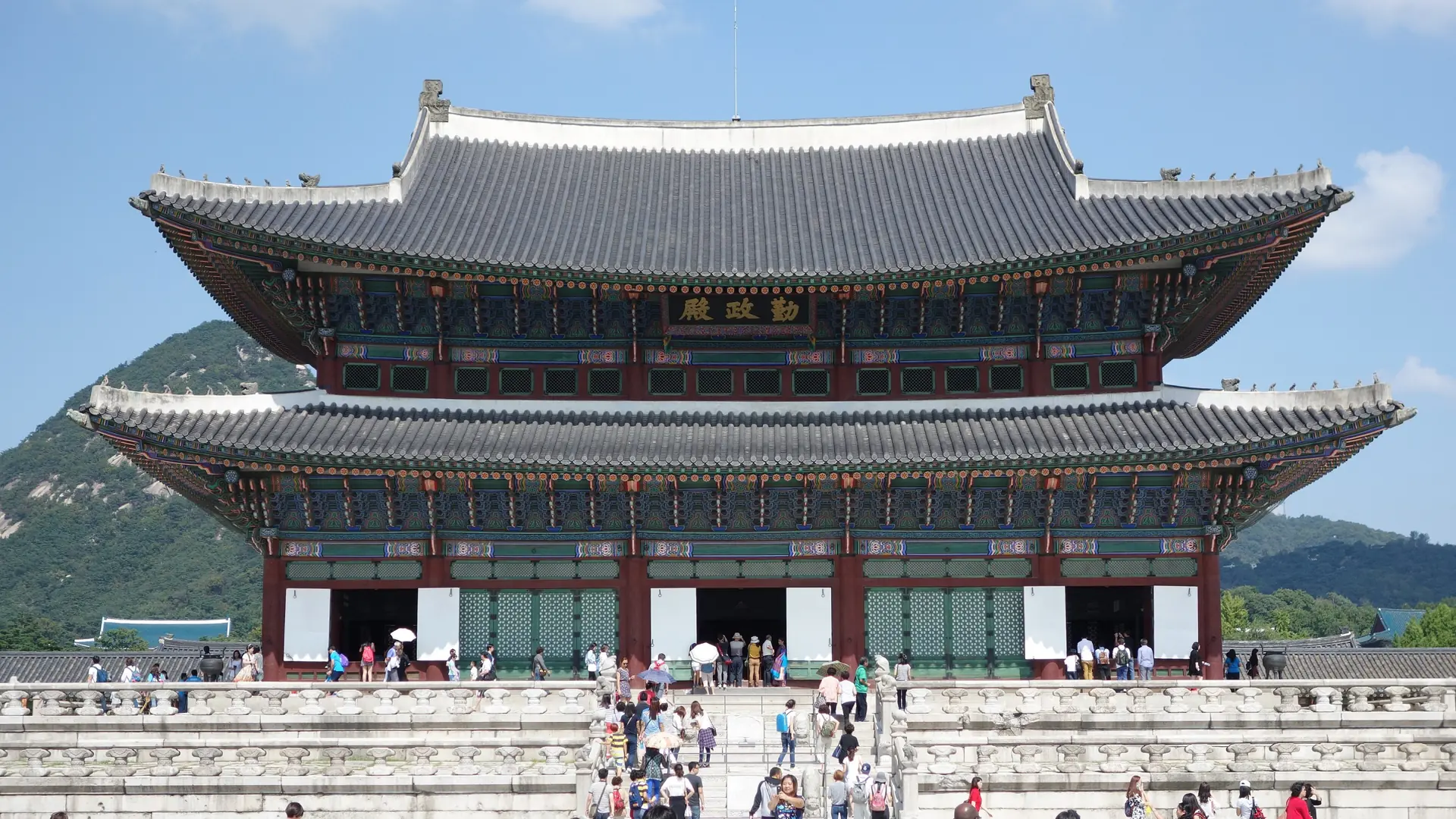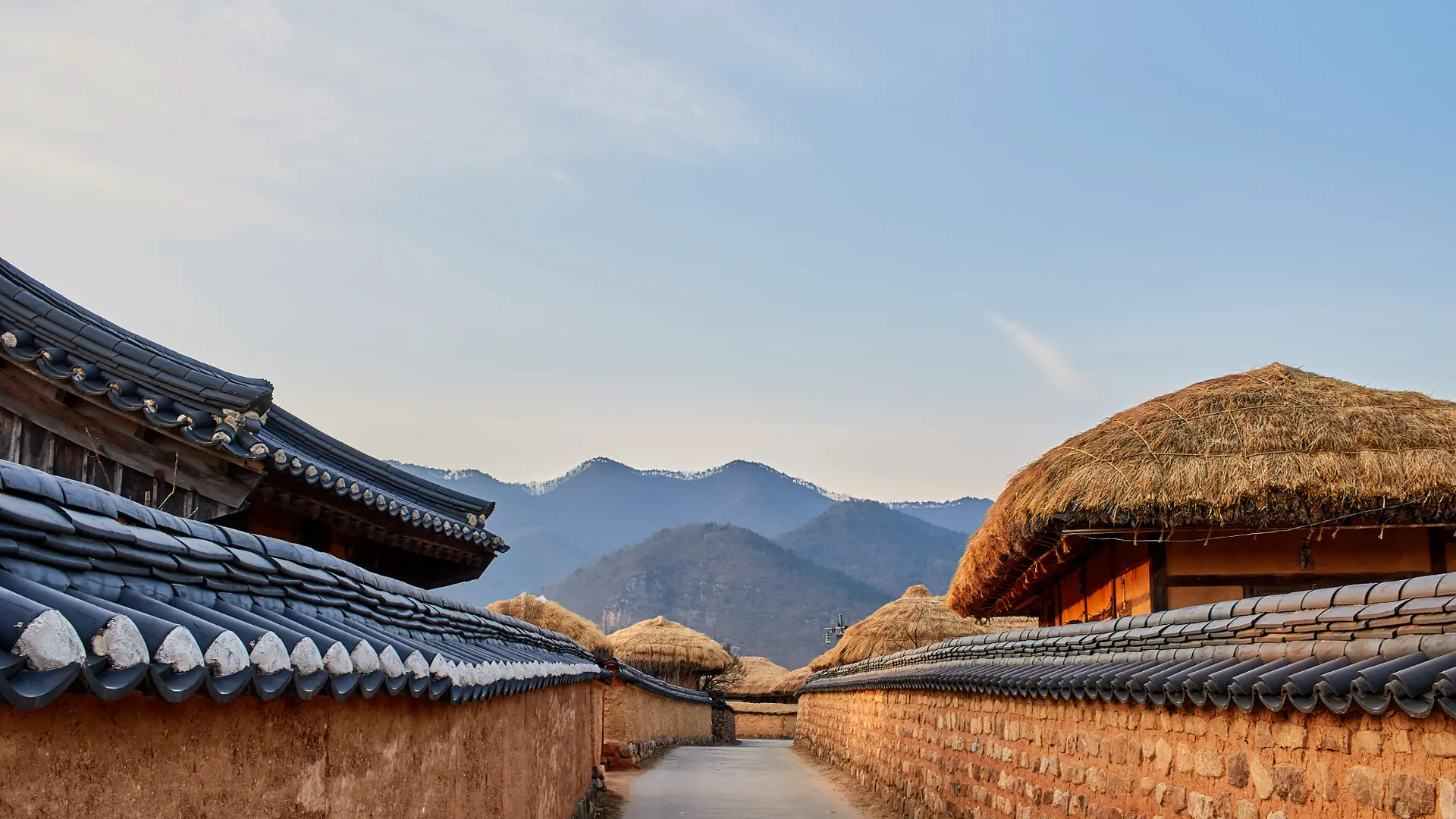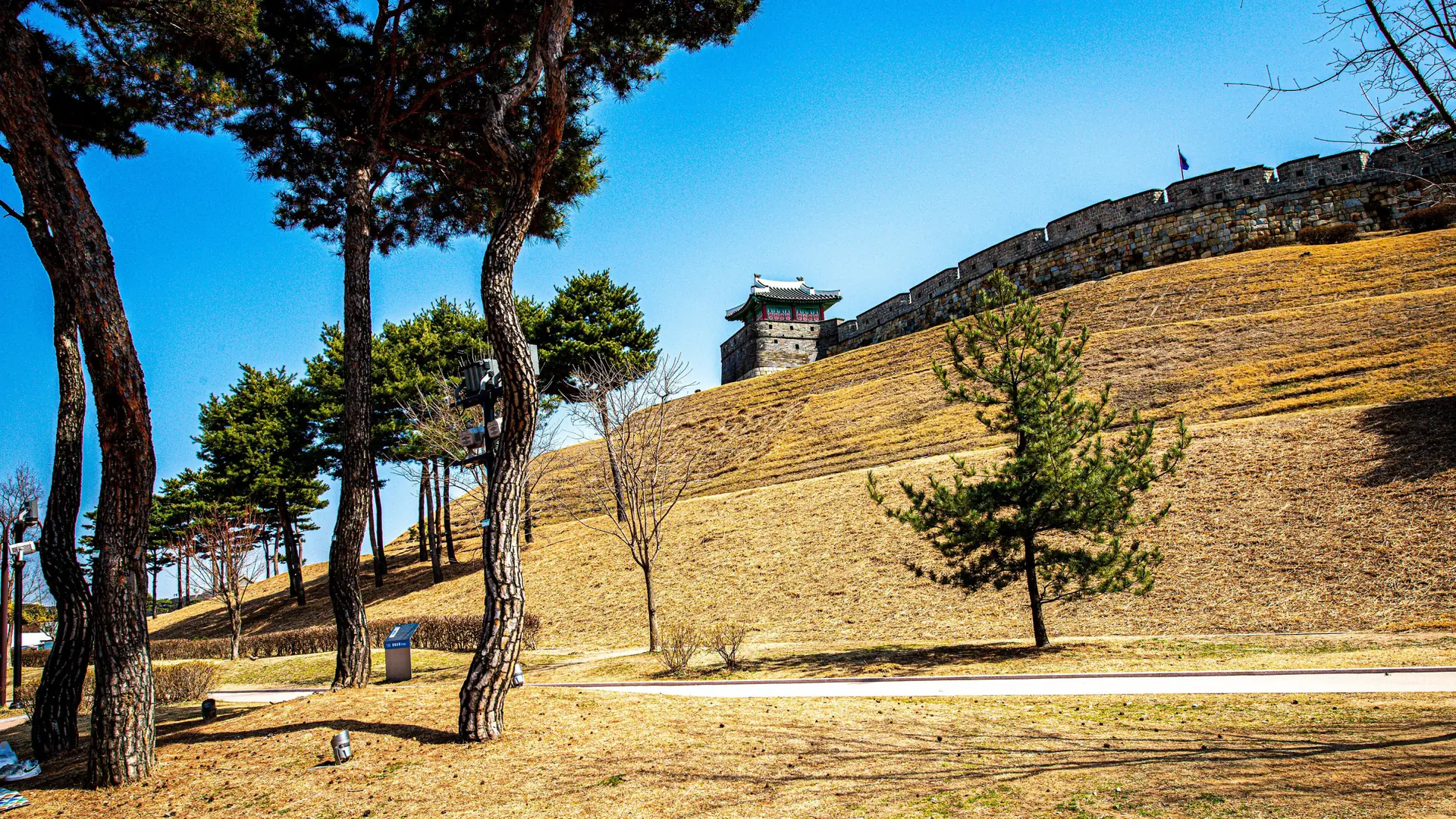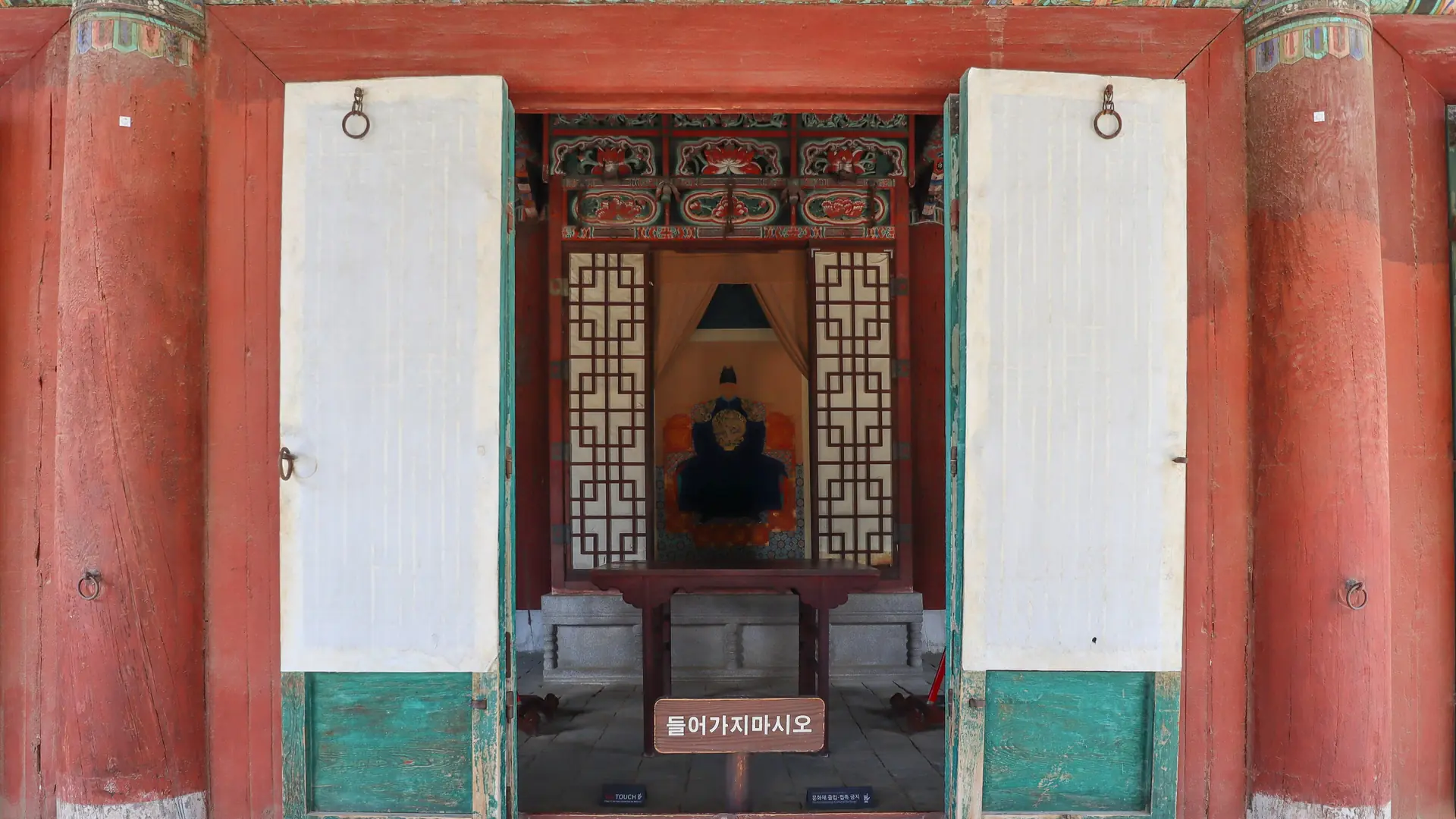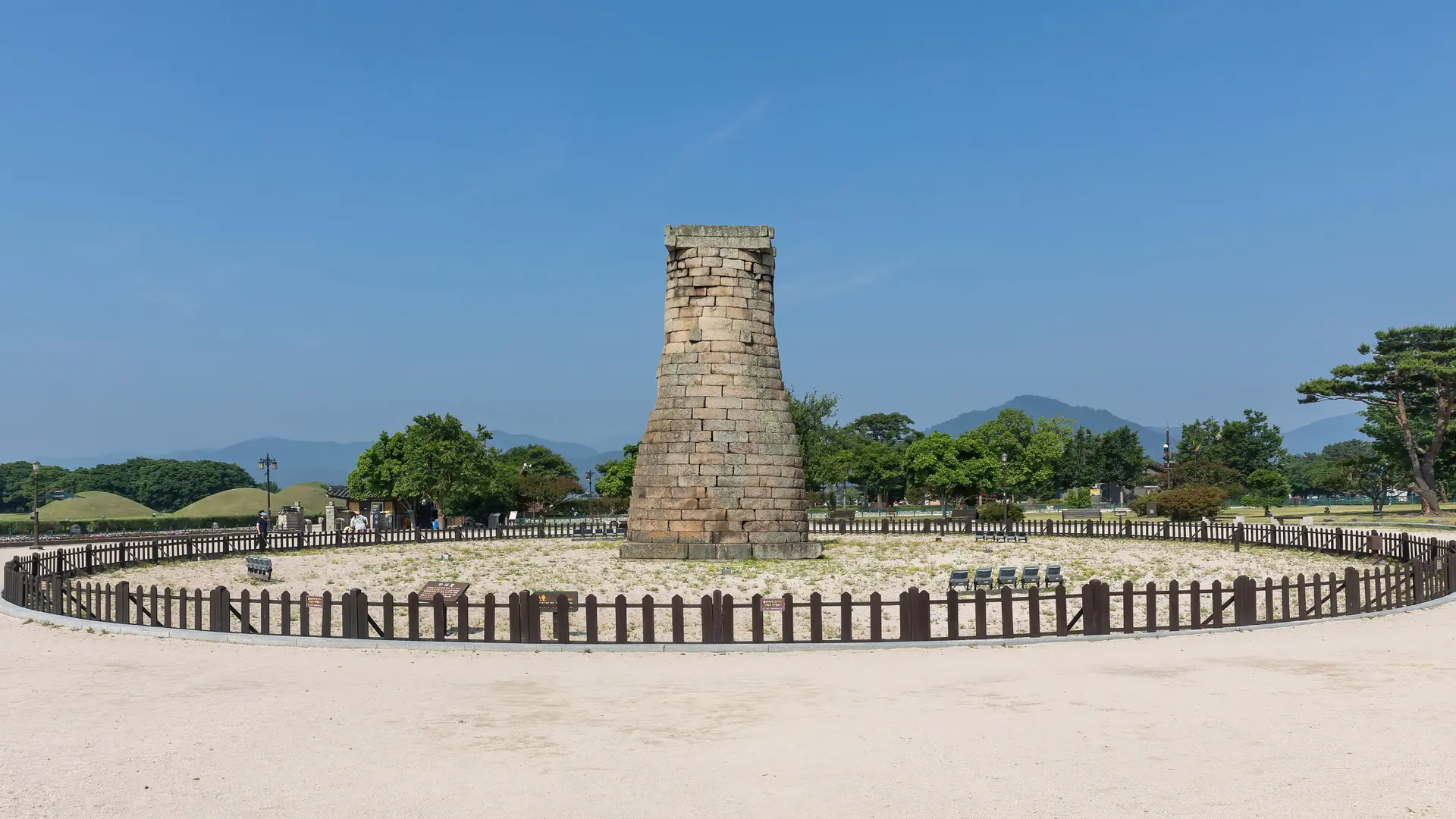
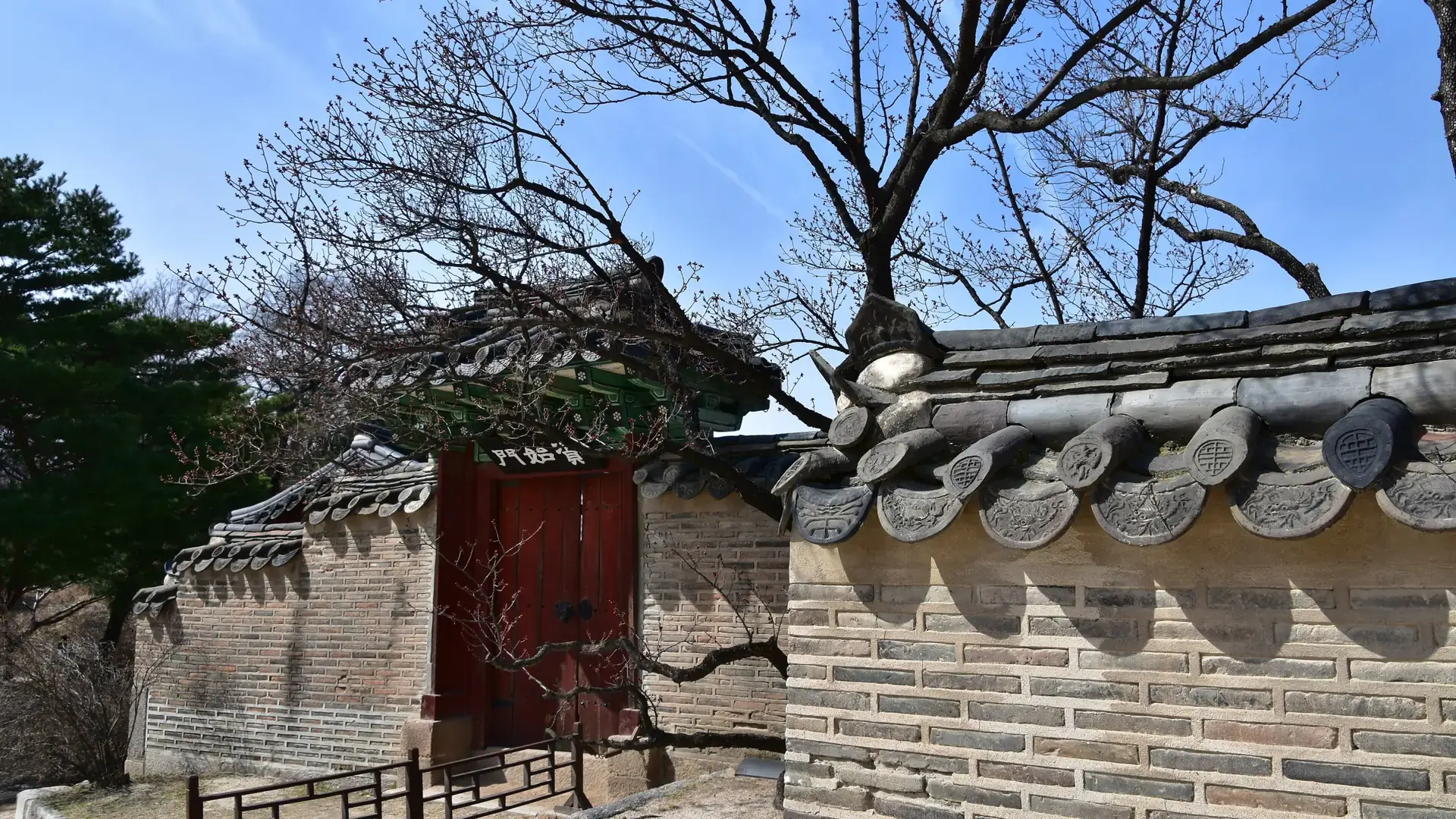
A traditional red gate and tiled wall at Changdeokgung Palace under a bright blue sky in Seoul

Seoul: Choose Your Base, Myeongdong to Itaewon

Loading Seoul hotel search

Seoul at a glance

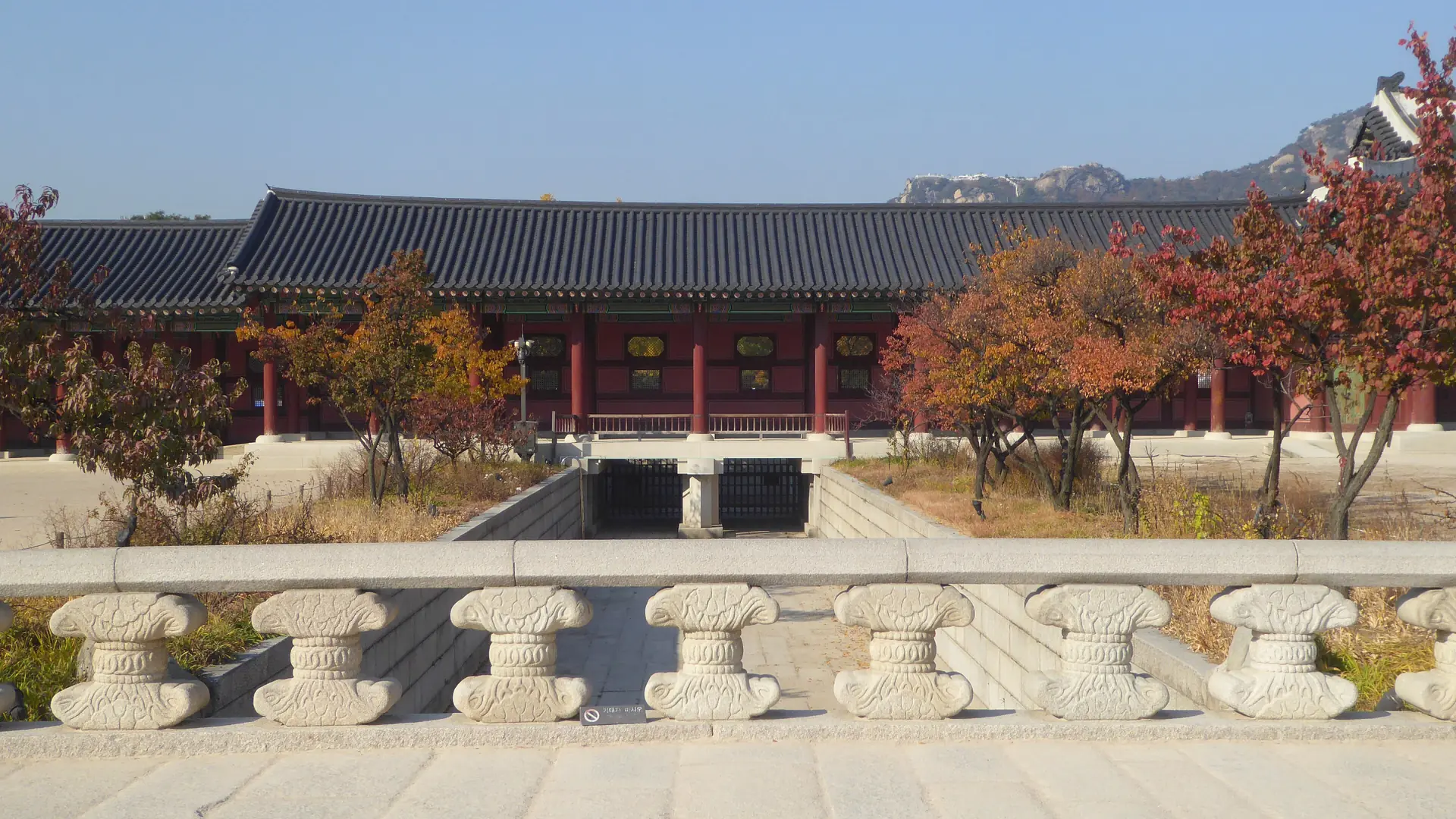
Seoul rewards a stay that mixes royal courtyards with the city people use today: breakfast in a market, an afternoon among hanok roofs and an evening of music or street food. Gyeongbokgung and Changdeokgung anchor the historic centre north of the Han River. Myeongdong links shopping lanes with Namsan's slopes; westward, Hongdae and Yeonnam add small shops, performances and cafés beside a former railway. Across the river, Gangnam spreads between office towers, COEX and separate shopping streets. Itaewon's international restaurants sit around Line 6, with steeper lanes climbing towards Haebangchon. Four nights give you three full sightseeing days between arrival and departure; five or six nights leave more room for museums and evenings out. A car adds little to these city visits. Group each day's outings geographically: a palace morning and nearby teahouses make a better pair than repeatedly crossing the river.

First visit Myeongdong for central shopping

This base suits a mix of markets and sightseeing. Myeongdong Station serves Line 4; Euljiro 1-ga on the northern side gives access to Line 2.

Airport journey Express: 43 min T1 / 51 min T2

These are train times to Seoul Station. Immigration, waiting and the onward trip to your room come on top; the Express does not stop at Hongik University.

Getting around Subway plus walks within each area

Hongdae and Gangnam sit on Line 2, while Itaewon uses Line 6. Transfers and station exits add time, especially on days crossing the Han River.

Outdoor season April–May or October–early November

Spring and autumn suit long walks. Blossom and leaf colour dates vary each year; summer brings wetter, hotter days and winter calls for indoor breaks.

Palace planning Different weekly closure days

Gyeongbokgung normally closes Tuesday; Changdeokgung and Deoksugung close Monday. A public holiday can move the closure to the next non-holiday.

Evening atmosphere Hongdae music or Itaewon dining

Hongdae combines live venues with university-area shopping. Itaewon offers international food and bars; neither main entertainment strip promises a quiet night.

StartBooker answer

Which Seoul neighborhood should a first-time visitor book?

Myeongdong works well for a first Seoul stay combining shopping, markets and sightseeing, with two useful subway lines on opposite sides of the area. Hongdae is easier for an airport train straight to the neighborhood and for nights built around music. Choose Gangnam when meetings or COEX dominate the trip, and Itaewon when international dining is the main draw. The palaces are a separate outing from Myeongdong's retail streets; Gangnam adds a cross-river journey. One well-placed room usually serves a short visit better than moving hotels midway.

Central base
Myeongdong: shopping and Lines 2/4
Direct airport link
All-stop AREX serves Hongik University
Adult subway base fare
₩1,550 (≈ US$1.20), card, first 10 km
Gyeongbokgung admission
Foreign adults 19–64: ₩3,000 (≈ US$2.30)
Palace pass
₩6,000 (≈ US$4.50); Secret Garden extra
Bukchon restricted zone
Tourist visits 10:00–17:00

Things to do in Seoul, South Korea

Explore tours, attractions and local experiences in Seoul, South Korea.

Loading activities…

Activities provided by GetYourGuide. We may earn a commission on bookings.

AI-powered

Ask the Seoul planner

Get a neighborhood match based on how many nights you have, whether nightlife or palaces matter more, and who you're travelling with.

Seoul's four first-visit bases compared

These four bases offer different evenings and transport patterns. Within Gangnam, the station area and COEX are separate choices; around Hongdae, the café streets extend into Yeonnam. The closest useful station is more informative than a broad district label.

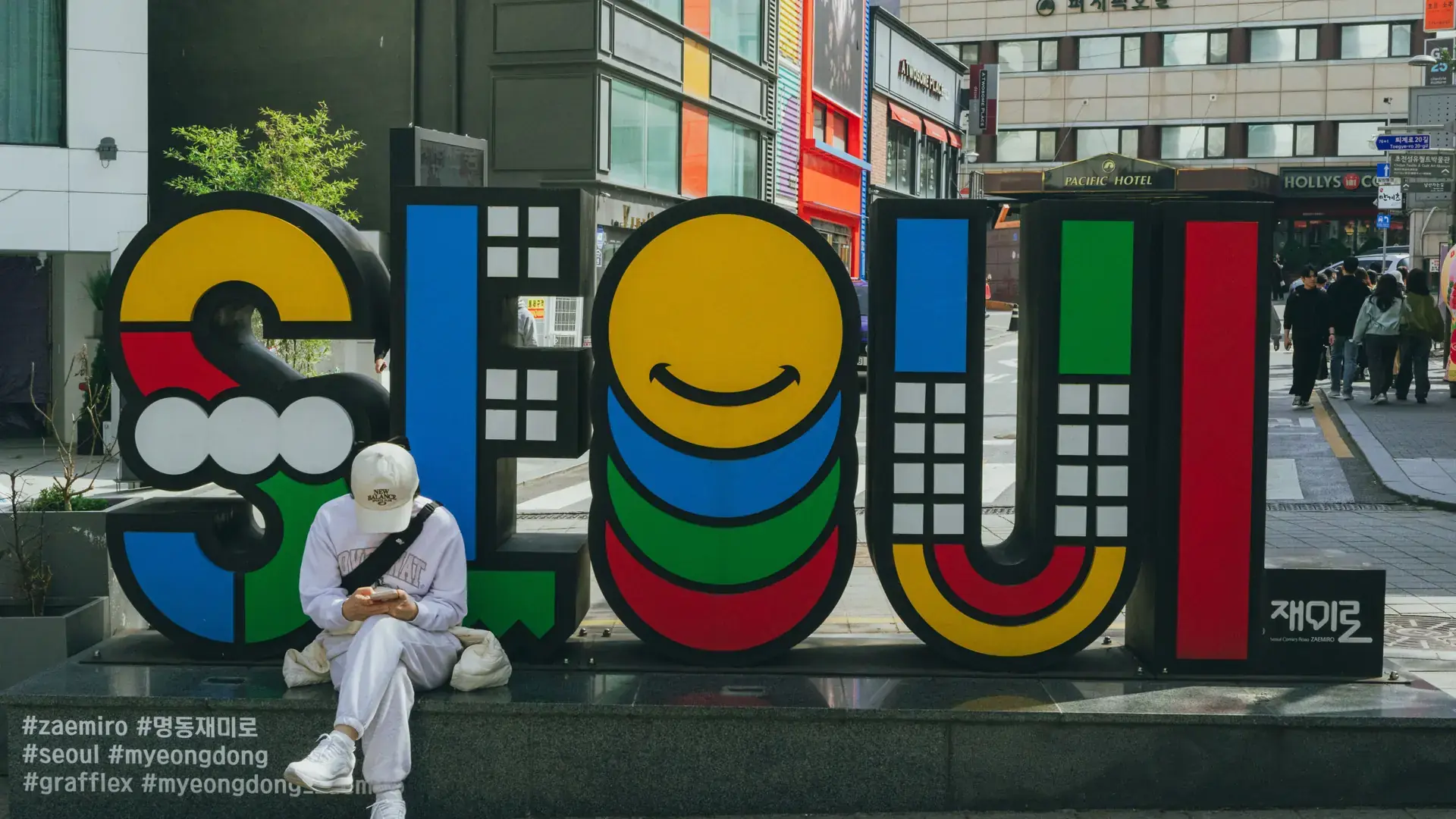
A colorful 'SEOUL' sign sculpture on a sunny Myeongdong street corner

Myeongdong

Shopping, markets and a first city stay

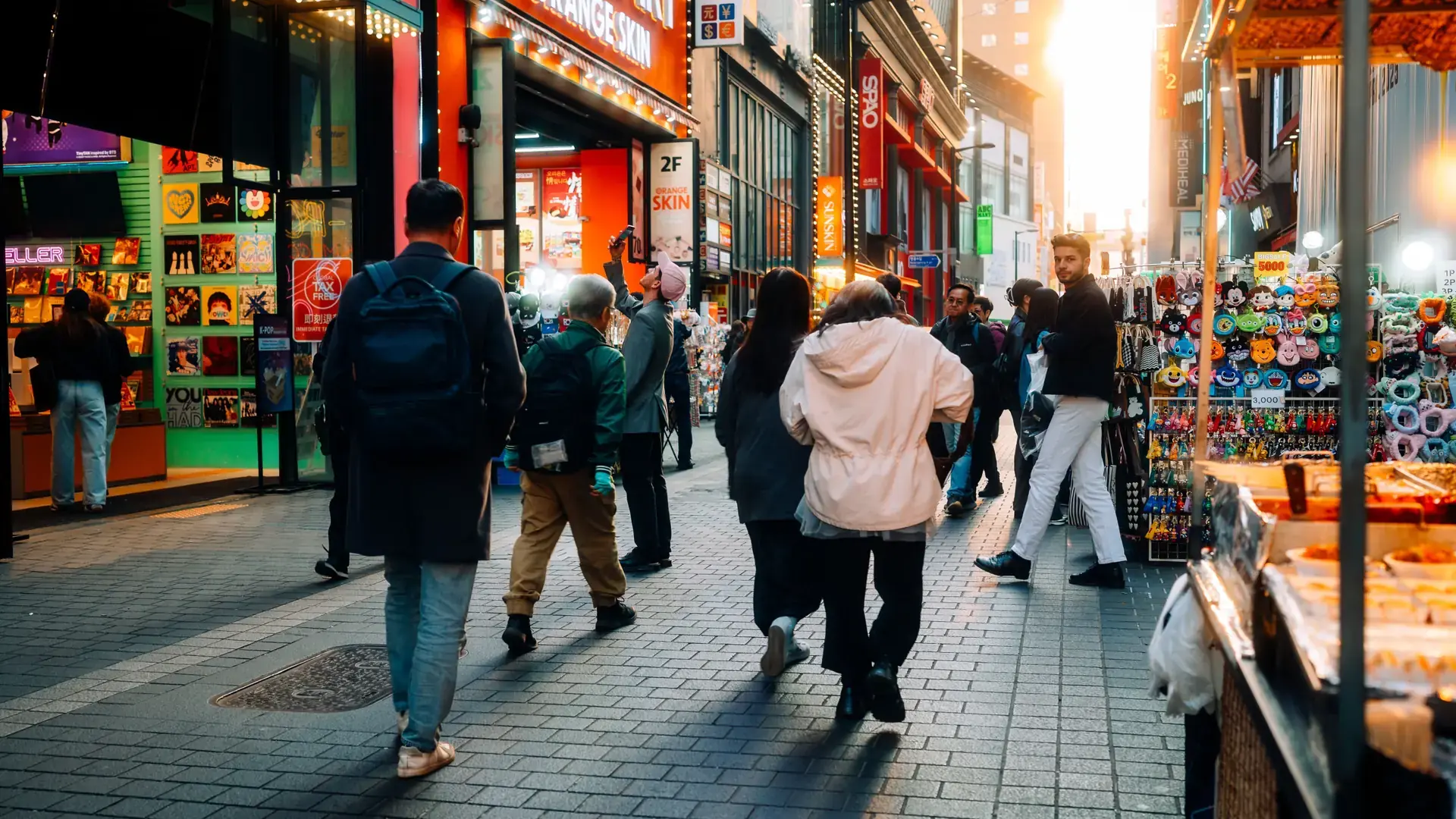
Beauty shops, department stores, Myeongdong Cathedral and food stalls fill this compact central district. Namdaemun gives a nearby market outing; Namsan rises beyond its southern edge. The retail streets become particularly lively later in the day, while palace visits take you north into Jongno.

first-trip culture food walkable near-transport
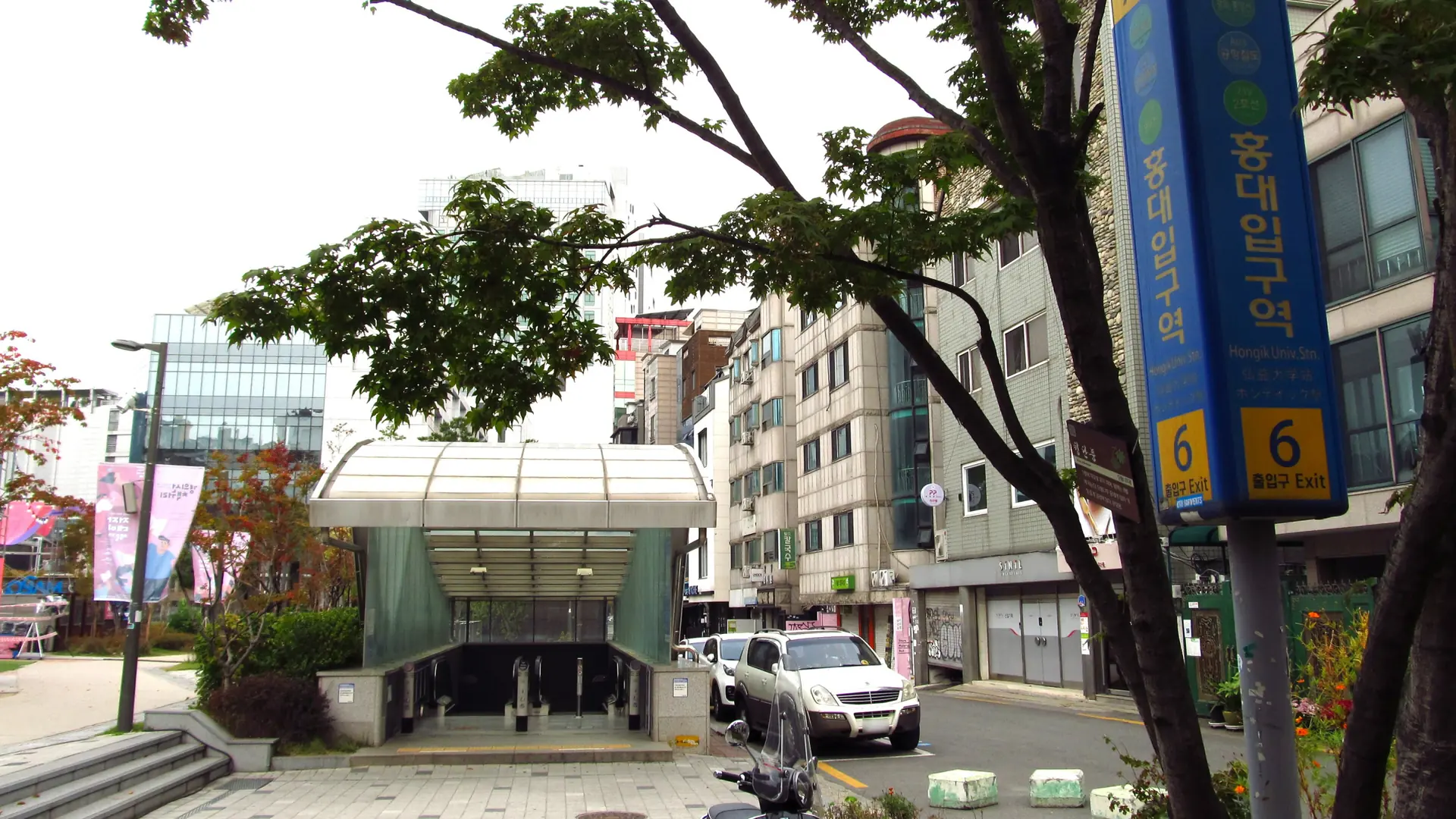
Exit 6 of Hongik University (Hongdae) Station, its blue Korean/English signage clearly visible, in daylight

Hongdae

Live music, cafés and an airport rail link

Hongdae's streets around Hongik University bring together buskers, music venues and shops. The former railway through Yeonnam offers a different daytime circuit of cafés and small stores; Book Street sits near station Exit 6. These adjacent areas let you move between a social evening and a slower morning without another cross-city trip.

nightlife food near-transport local-vibe
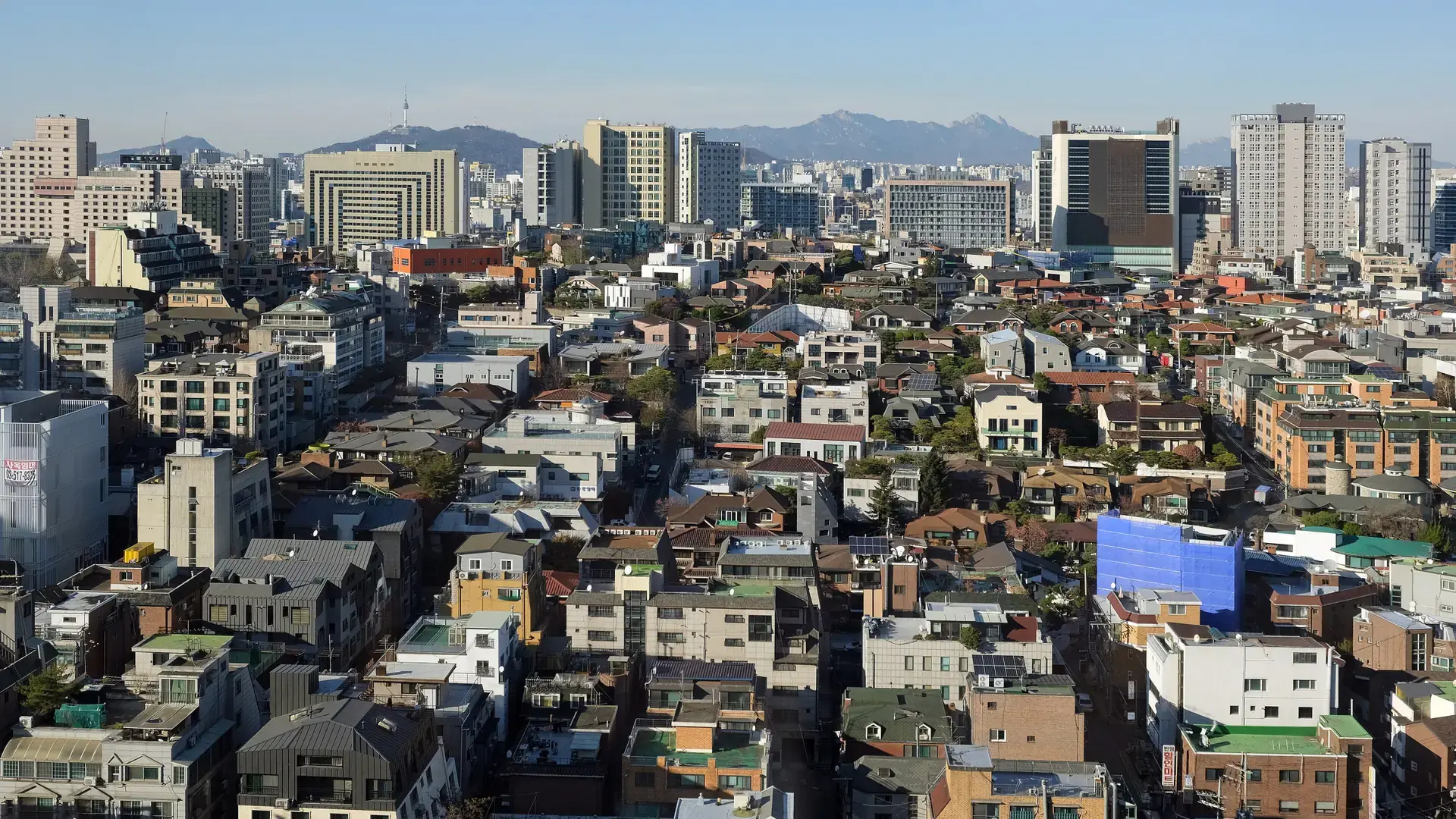
A daylight view over Yeoksam rooftops and office buildings in Gangnam, Seoul

Gangnam

COEX events, business and modern shopping

Gangnam is a large district south of the river. The office corridor around Yeoksam differs from COEX near Samseong and Bongeunsa stations; Apgujeong is another shopping and dining area. COEX combines exhibition halls and a mall, making its immediate surroundings useful when an event sets your daily schedule.

business luxury near-transport nightlife
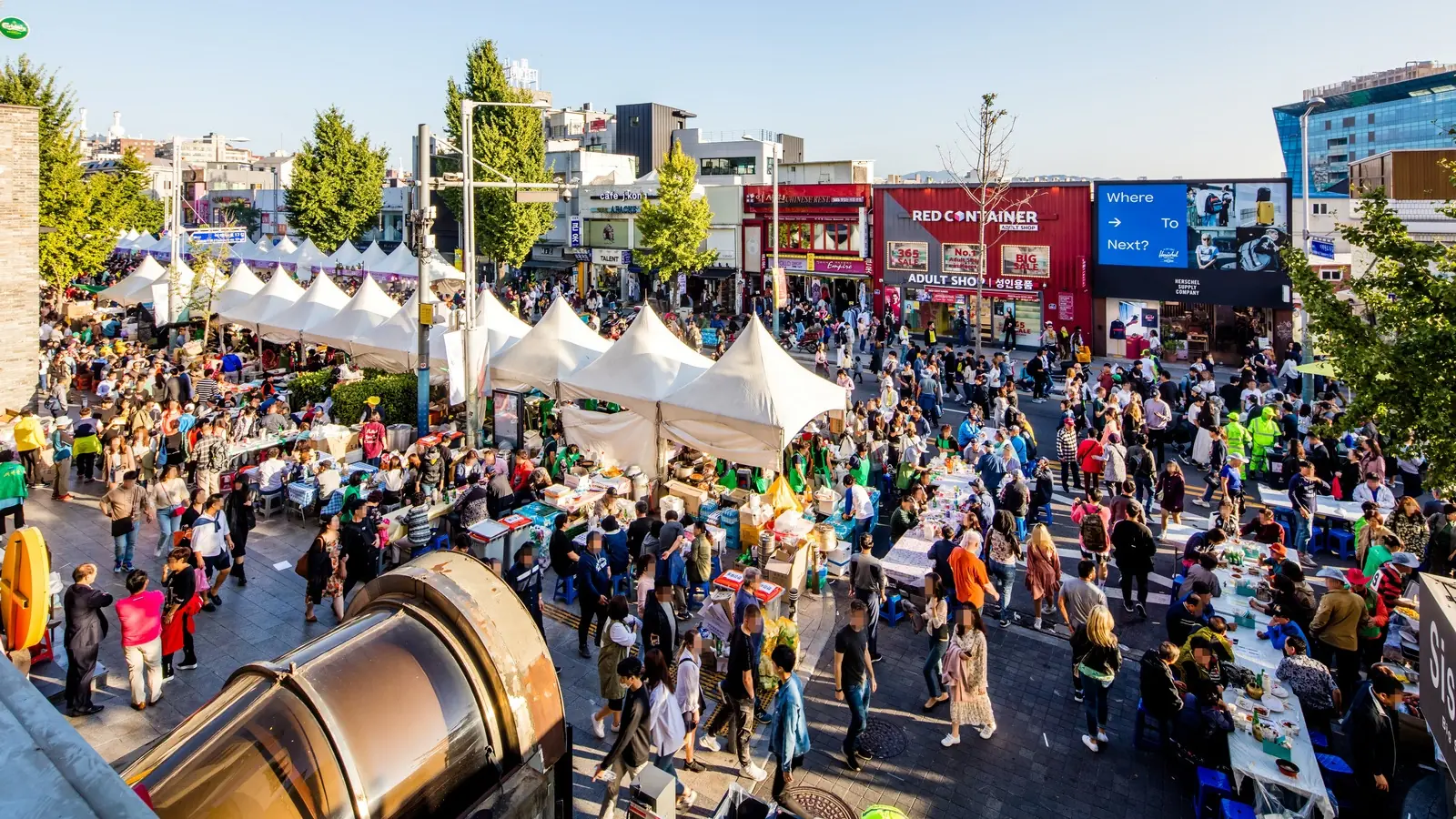
Daytime stalls and crowds on Itaewon-ro during the 2019 Itaewon Global Village Festival in Seoul

Itaewon

International restaurants and evenings out

Itaewon mixes Korean dining with Turkish, South Asian and other international restaurants, plus bars and shops. The main station sits on Line 6. Nearby Hannam has café streets, while Gyeongridan and Haebangchon climb towards Namsan; they are distinct walks rather than one flat cluster around the subway exit.

food nightlife without-car
Compare Seoul's four bases
Area Best for Features Getting around
Myeongdong

Markets and central retail

Busy commercial streets

Line 4 at Myeongdong; Line 2 at Euljiro 1-ga
Hongdae

Music and café evenings

West of the palace district

All-stop AREX and Line 2 at Hongik University
Gangnam

Meetings and COEX events

Cross-river travel for palaces

COEX: Samseong Line 2 or Bongeunsa Line 9
Itaewon

International dining and bars

Hills and transfers for historic sights

Line 6; change at Samgakji for Line 4

Choose Seoul by what your trip needs most

Use your fixed commitments to choose a base: the venue you must reach in the morning or the neighborhood where you will finish the evening. Daytime sightseeing can then sit around that choice.

First visit with a short sightseeing window

Myeongdong makes it easy to leave shopping purchases at your room before dinner. Put Gyeongbokgung and the Jongno lanes on one day, then leave a separate afternoon for Namsan or the markets. A northern address near Euljiro 1-ga suits Line 2 outings; the southern station is useful for Seoul Station.

Late music nights without a long ride home

A Hongdae base puts the walk back from live venues in the same area as your accommodation. Yeonnam adds a café-and-park morning after a late night; people who prefer that rhythm can spend more of the trip in western Seoul and make the palaces a dedicated day out.

An event or meetings set the daily plan

For a COEX conference, accommodation near Samseong or Bongeunsa saves a daily trip along the wider Gangnam corridor. Meetings near Gangnam Station or Yeoksam favour those stations instead. Keep an unscheduled half-day for the historic centre rather than adding a palace before each workday.

Food variety and a slower evening schedule

Itaewon suits travelers who want a choice of international dinners near their room. Combine the main restaurant streets with a separate Hannam café walk or a hillside outing towards Haebangchon. A room close to Line 6 reduces the uphill luggage walk, while the hillier lanes offer a different view of the city.

Stays in Seoul and the surrounding area

Results span Seoul and nearby cities such as Goyang, beyond the four bases compared above. A room in Gangdong, northern Jongno or Goyang creates a different journey from a central Seoul hotel; each card shows its street address.

See Seoul stays →
Loading Seoul hotels

Getting to and around Seoul

Incheon is the main international gateway; Gimpo also handles domestic and some international flights. Express and all-stop AREX trains serve different needs. The useful arrival route depends on your actual station, not simply the label Seoul.

Arriving from Incheon or Gimpo

Express to Seoul Station

The AREX Express takes 43 minutes from Incheon T1 or 51 minutes from T2 to Seoul Station. The published adult fare is ₩13,000 (≈ US$10), reviewed October 17, 2026. Add airport formalities, a wait for departure and the transfer to Line 4 for Myeongdong.

All-stop rail for Hongdae

The all-stop service calls at Gimpo Airport and Hongik University. Adult transport-card fares to Hongik University are ₩4,650 (≈ US$3.50) from Incheon T1 and ₩5,250 (≈ US$3.90) from T2. To Seoul Station they are ₩4,750 (≈ US$3.60) and ₩5,350 (≈ US$4). Fares reviewed October 17, 2026.

Gimpo and the final approach

From Gimpo, all-stop AREX reaches Hongik University or Seoul Station without a change. For Itaewon, one rail option is AREX to Gongdeok, then Line 6. The Express skips both Gimpo and Hongik University; its faster advertised airport time does not make it the best route to every room.

Getting around once you're here

Subway routes between bases

Line 2 links Hongik University, Euljiro 1-ga and Gangnam. From Itaewon, Line 6 to Samgakji connects with Line 4 for Myeongdong. For a cross-river outing, allow roughly 45–60 minutes hotel to hotel for walking, train waits and transfers; the actual addresses determine the route.

Tickets and overseas cards

A transport card allows subway and bus travel; a single-journey ticket is subway-only. Since March 17, 2026, new machines at 273 stations on Lines 1–8 accept overseas Visa/Mastercard for single tickets and short-term Climate Cards, with an average service fee near 3.7%. This is ticket purchase at a machine, not a bank-card tap at the gate.

Taxis after an evening out

For a standard Seoul sedan taxi, the daytime meter starts at ₩4,800 (≈ US$3.60) for 1.6 km. Late-night surcharges apply 22:00–04:00, reaching 40% from 23:00–02:00. Distance and slow traffic add to the fare; a cross-river ride costs more than the starting amount. Rates reviewed October 17, 2026.

Walks that belong together

Gyeongbokgung, the Jongno streets and Bukchon form one historic-centre outing; Myeongdong and Namsan make another. Naver Map provides walking and transit directions, while Papago helps with Korean signs or menus. Bukchon’s restricted residential zone admits tourists only 10:00–17:00.

Passes worth knowing about

The current royal palace pass

The combined ticket is ₩6,000 (≈ US$4.50), valid for six months, covering one visit each to four palaces and Jongmyo. It excludes Changdeokgung’s Secret Garden, which has a separate ticket and limited tour places. Buying individual tickets is cheaper for only Gyeongbokgung and Deoksugung. Reviewed October 17, 2026.

Accessibility notes

Slopes versus indoor access

Itaewon’s uphill lanes and the Namsan side of Myeongdong can add a demanding final walk. COEX lists elevators, accessible paths and toilets, making its indoor complex a useful alternative for travelers who need fewer outdoor slopes. Station-to-building access still depends on the specific entrance; a district name cannot establish a step-free route.

Planning a Seoul stay

A four-night stay can give you three complete days: one in the palace district, one around central markets and Namsan, and one around western cafés or Gangnam. Arrival and departure days remain lighter. The sample costs below cover five calendar days and four room nights.

When to go

Spring walks and blossom demand
  • April and May suit palace courtyards and neighborhood walks. Cherry blossom timing changes with the year, so a fixed flower date is a poor reason to make a non-refundable trip. A spring day can pair the historic centre with a teahouse break; evenings still call for a layer, particularly beside the river.

  • Summer rain and indoor pairings

    Late June and July often bring the rainy-season spell; heat and humidity also shape August. COEX’s mall and exhibition spaces offer an indoor afternoon, while Myeongdong’s department stores give a central alternative. Keep the longest hillside walk for a drier part of the day instead of committing every afternoon to outdoor sights.

  • Autumn leaves and shorter afternoons

    October and early November are attractive for clear-weather walks, with leaf colour varying by date and elevation. Gyeongbokgung closes earlier in November: ordinary admission ends at 16:00 and the grounds close at 17:00, compared with 17:00 and 18:00 in September–October. Put the palace before a late lunch rather than at the end of a shopping day.

  • Winter with warm breaks

    December through February can make exposed river paths and Namsan feel much colder than a sheltered shopping street. A winter visit works better with a shorter outdoor circuit followed by a museum, café or mall. The city’s appeal then lies in food, indoor culture and evening lights as much as long park walks; winter daylight leaves less room for extra outdoor stops.

Five-day stay costs

Four room nights for two adults
  • For an ordinary October–November 2026 visit outside holidays, use ₩140,000 (≈ US$105) per double room-night as a planning allowance: four nights total ₩560,000 (≈ US$420). This is an estimate, not a live quote or city average. Weekends, major events and premium rooms can cost more; the same room total split between two adults is half that per person.

  • Food and sightseeing allowances

    Allow ₩35,000 (≈ US$26) per adult per day for simple meals and café stops: ₩350,000 (≈ US$263) for two over five days. Add ₩60,000 (≈ US$45) for visits together. Gyeongbokgung costs ₩3,000 (≈ US$2.30) for foreign adults aged 19–64; the sightseeing allowance leaves room for other paid stops but does not cover every premium attraction or guided tour.

  • Local travel and airport rail

    Set aside ₩100,000 (≈ US$75) for local travel for two over five days, plus ₩52,000 (≈ US$39) for four adult Express airport tickets. The adult subway card base is ₩1,550 (≈ US$1.20) for the first 10 km, with distance supplements. Late-night taxis, paid card purchase and extra airport connections can increase this allowance.

  • The full five-day example

    Rooms, food, visits, local travel and return airport Express total ₩1,122,000 (≈ US$842) for two adults, or about US$84 each per calendar day. International flights, shopping, alcohol, insurance and guided tours are excluded. USD comparisons use the ECB October 16, 2026 cross-rate, about ₩1,332 per US$1, rounded before exchange or card fees. This city-only example adds no intercity trip.

Where should a first-time visitor stay in Seoul?

Myeongdong is a practical all-round base for shopping, markets and city sightseeing. Hongdae offers direct all-stop airport rail and livelier music evenings. Travelers whose main purpose is the palaces can also consider Jongno or Anguk, beyond this page’s four-area comparison.

Is Myeongdong or Hongdae better for nightlife?

Hongdae is the stronger nightlife base, with a dense cluster of bars, live-music venues and late-closing clubs around Hongik University; Myeongdong's evening scene is shopping and street food rather than nightlife.

How do I get from Incheon Airport to central Seoul?

Use the Express for Seoul Station: the train takes 43 minutes from T1 and 51 from T2, before your onward journey. For Hongdae, take the all-stop service to Hongik University instead. Myeongdong is two Line 4 stops from Seoul Station via Hoehyeon, after the transfer through the station.

Can I visit Seoul without renting a car?

Yes. Subway and bus travel cover the bases discussed here, followed by walks within each area. Gangnam and COEX are south of the Han; plan them together. A vehicle is usually an extra parking and traffic problem for these city outings, while airport rail handles arrival without a road transfer.

Is Gangnam too far from Seoul’s historic sights?

Gangnam works for a trip based around meetings, shopping or COEX, but it adds a cross-river journey to the palaces. As a planning allowance, reserve 45–60 minutes between a Gangnam hotel and a historic-centre outing, including walking and transfers. COEX is served by Samseong on Line 2 and Bongeunsa on Line 9; a hotel near Gangnam Station starts from a different part of the district.

How much should two adults budget for a Seoul stay?

The five-day, four-night example totals about ₩1,122,000 (≈ US$842) for two: one shared double, meals, local transport, paid visits and return airport Express. It assumes ordinary autumn 2026 dates outside holidays. Flights, shopping, alcohol, insurance and guided tours are extra; the room allowance is not a live rate.

Should I split my Seoul stay between two neighborhoods?

For four or five nights, one base usually leaves more time for the city. Moving rooms involves packing, luggage and check-in time even when the train ride is short. A longer stay may justify a change from a central sightseeing base to Hongdae or Gangnam if the second half has a different purpose.

What happens if I stay out after the last subway?

Final services depend on the station, direction and weekday; a transfer also needs its connecting train to be running. Seoul has separate late-night bus routes, while taxis carry a 22:00–04:00 surcharge. Staying near the music or dining area you use most reduces the need for a late cross-city ride.

Sources

Reviewed by StartBooker editorial team Destination research and editorial self-review

Reviewed 2026-10-17

Updated

Review method: Editorial self-review of the full desktop and mobile page, with airport and city transport fares, palace rules, district geography, photographs and the complete sample budget assessed against the listed sources.

22 references reviewed

Key sources
  • Korea Heritage Service
  • Seoul Metropolitan Government
  • Seoul Tourism Organization
  • Korea Immigration Service
  • Korea Tourism Organization
  • Airport Railroad
References
Photo credits

Some photos provided by Pexels.

Share your Seoul base